Measurement of flow harmonics correlations with mean transverse momentum in lead-lead and proton-lead collisions at $\sqrt{s_{NN}}=5.02$ TeV with the ATLAS detector
ATLAS Collaboration

TL;DR
This paper measures correlations between flow harmonics and mean transverse momentum in lead-lead and proton-lead collisions at 5.02 TeV to understand quark-gluon plasma properties, using the ATLAS detector and a modified Pearson coefficient.
Contribution
It introduces a measurement of flow harmonic correlations with mean transverse momentum using a modified Pearson coefficient in heavy-ion collisions at the LHC.
Findings
Strong centrality dependence in lead-lead collisions
Weak centrality dependence in proton-lead collisions
Qualitative agreement with hydrodynamical model predictions
Abstract
To assess the properties of the quark-gluon plasma formed in heavy-ion collisions, the ATLAS experiment at the LHC measures a correlation between the mean transverse momentum and the magnitudes of the flow harmonics. The analysis uses data samples of lead-lead and proton-lead collisions obtained at the centre-of-mass energy per nucleon pair of 5.02 TeV, corresponding to total integrated luminosities of and , respectively. The measurement is performed using a modified Pearson correlation coefficient with the charged-particle tracks on an event-by-event basis. The modified Pearson correlation coefficients for the -, 3-, and 4-order harmonics are measured as a function of event centrality quantified as the number of charged particles or the number of nucleons participating in the collision. The measurements are performed for several…
Click any figure to enlarge with its caption.
 Figure 1
 Figure 2
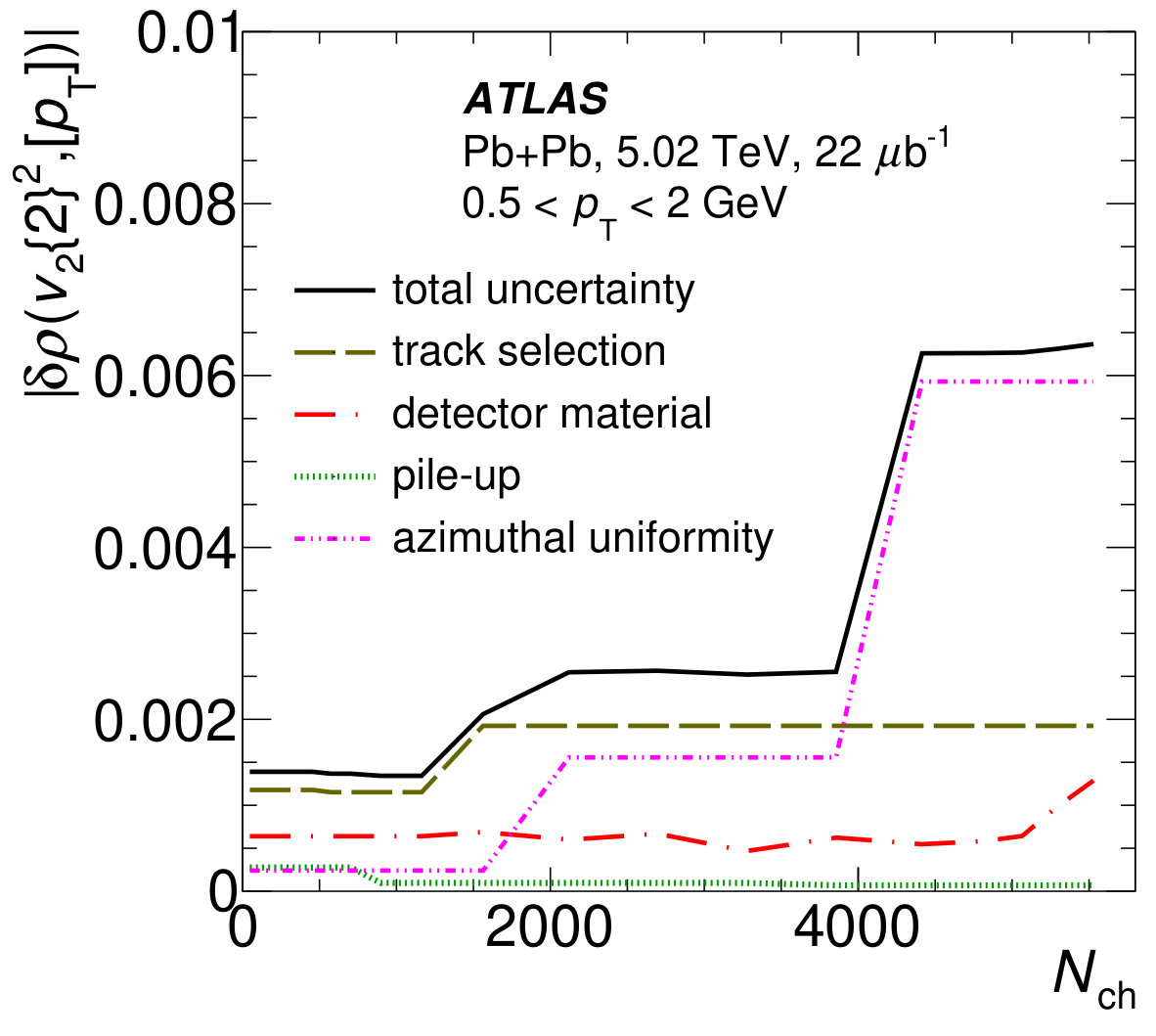 Figure 1
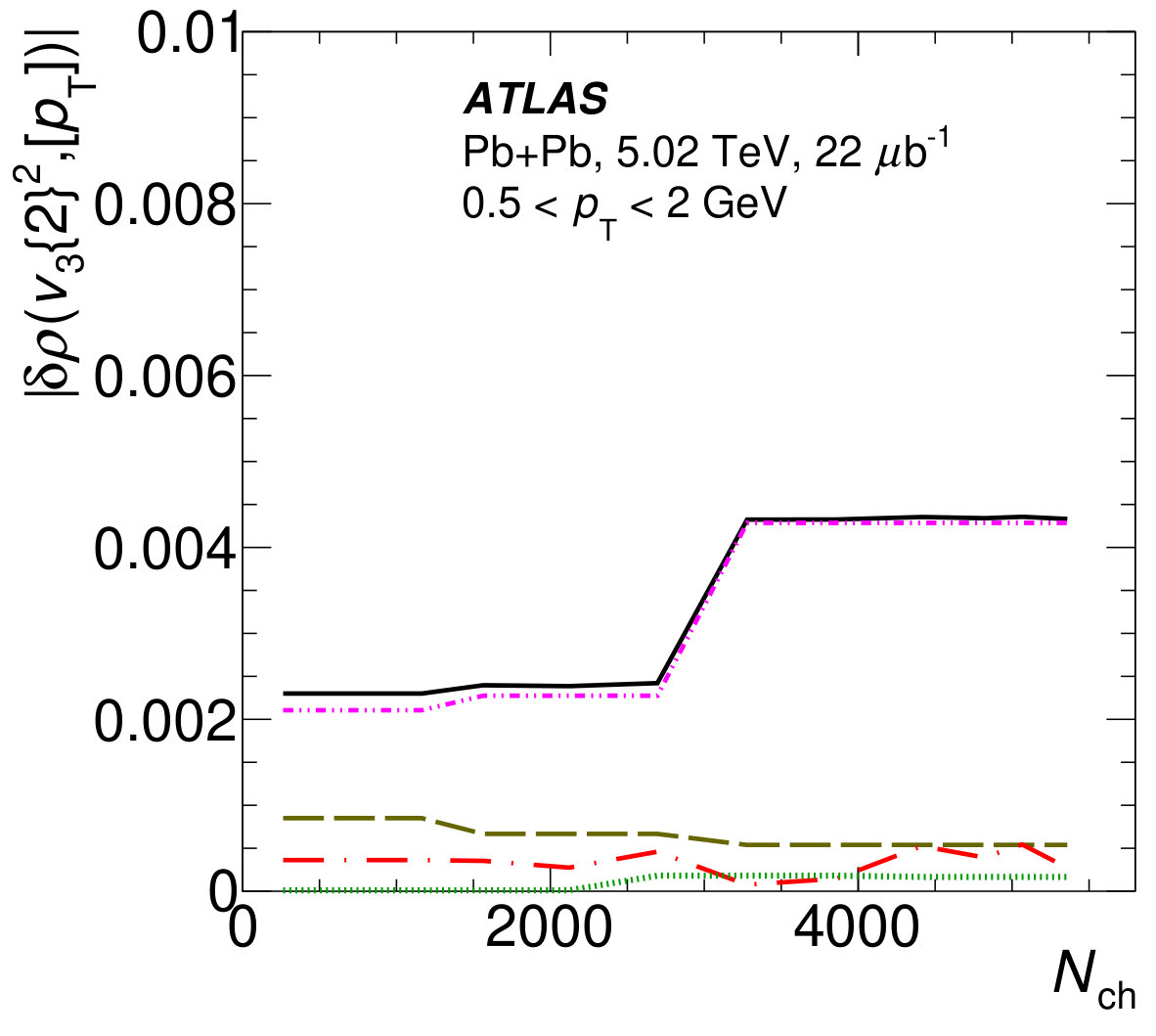 Figure 1
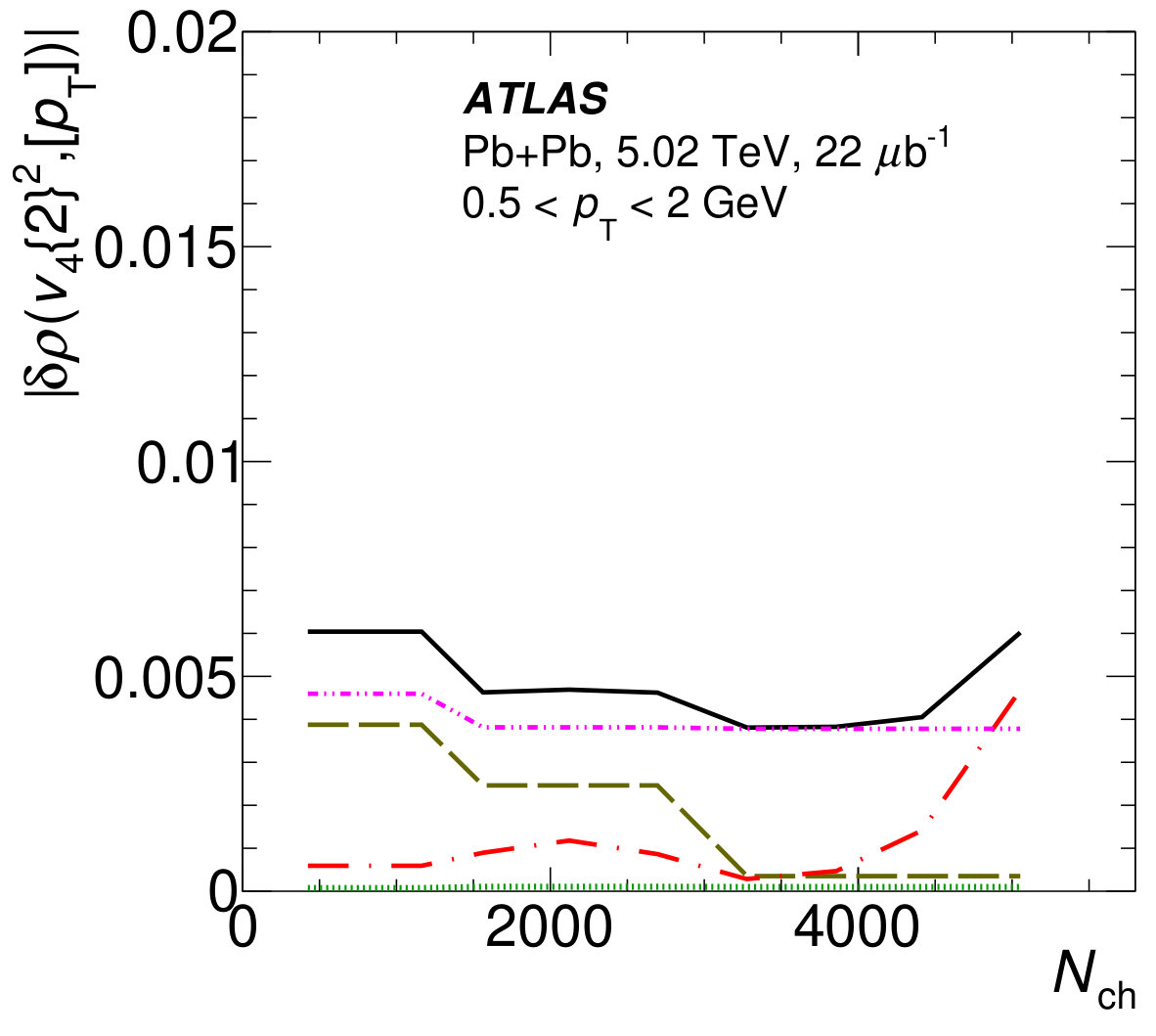 Figure 1
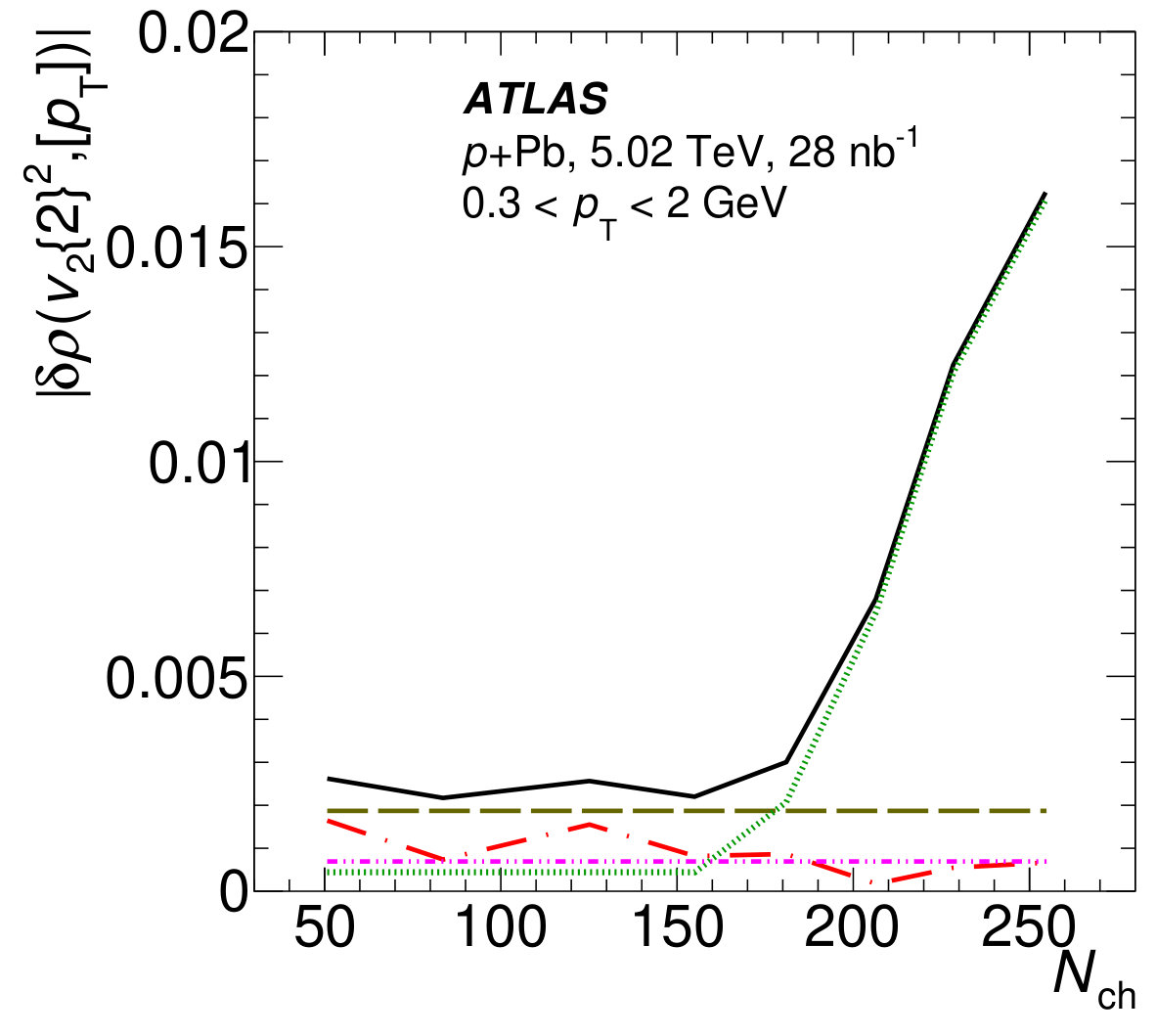 Figure 1
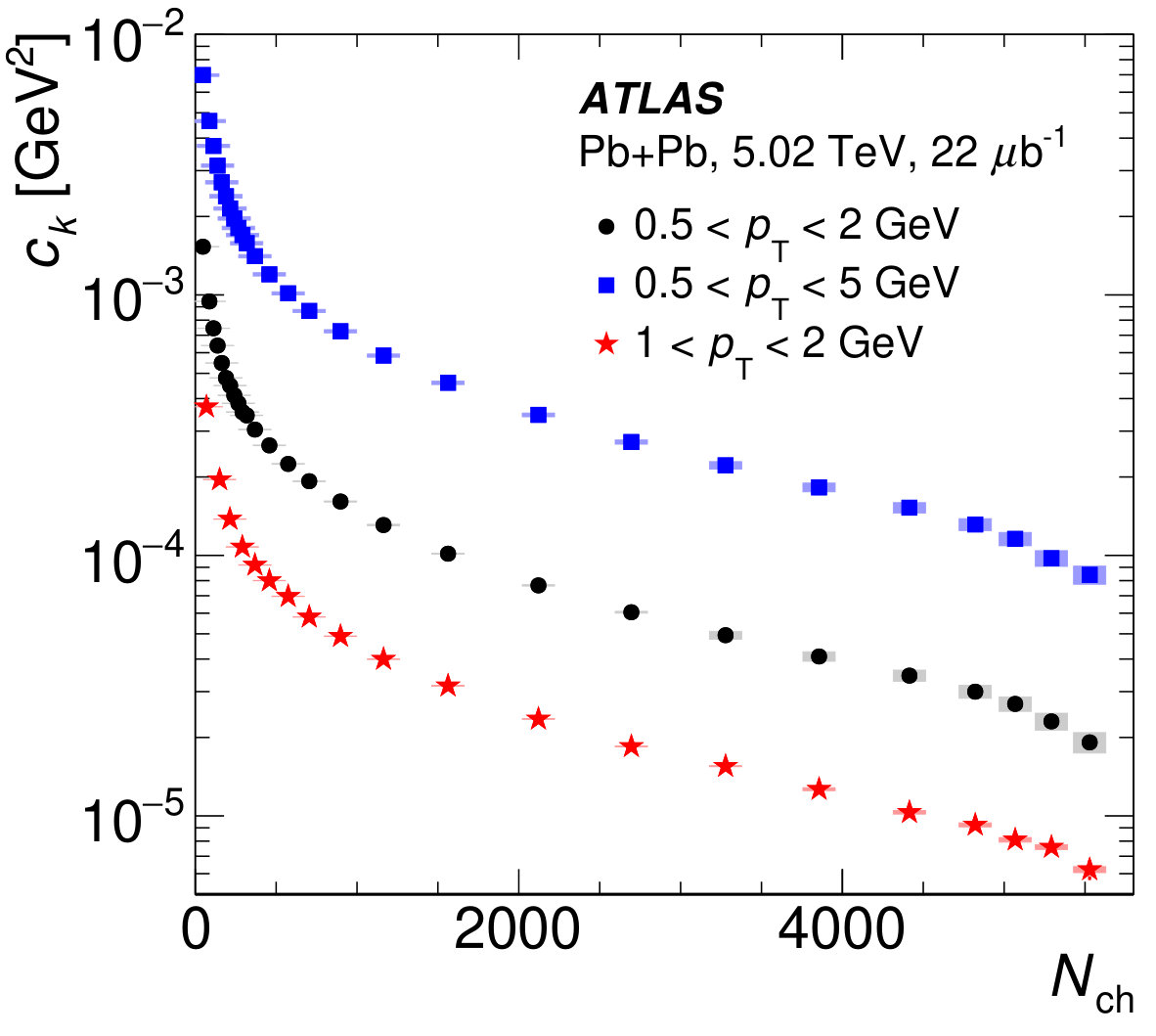 Figure 2
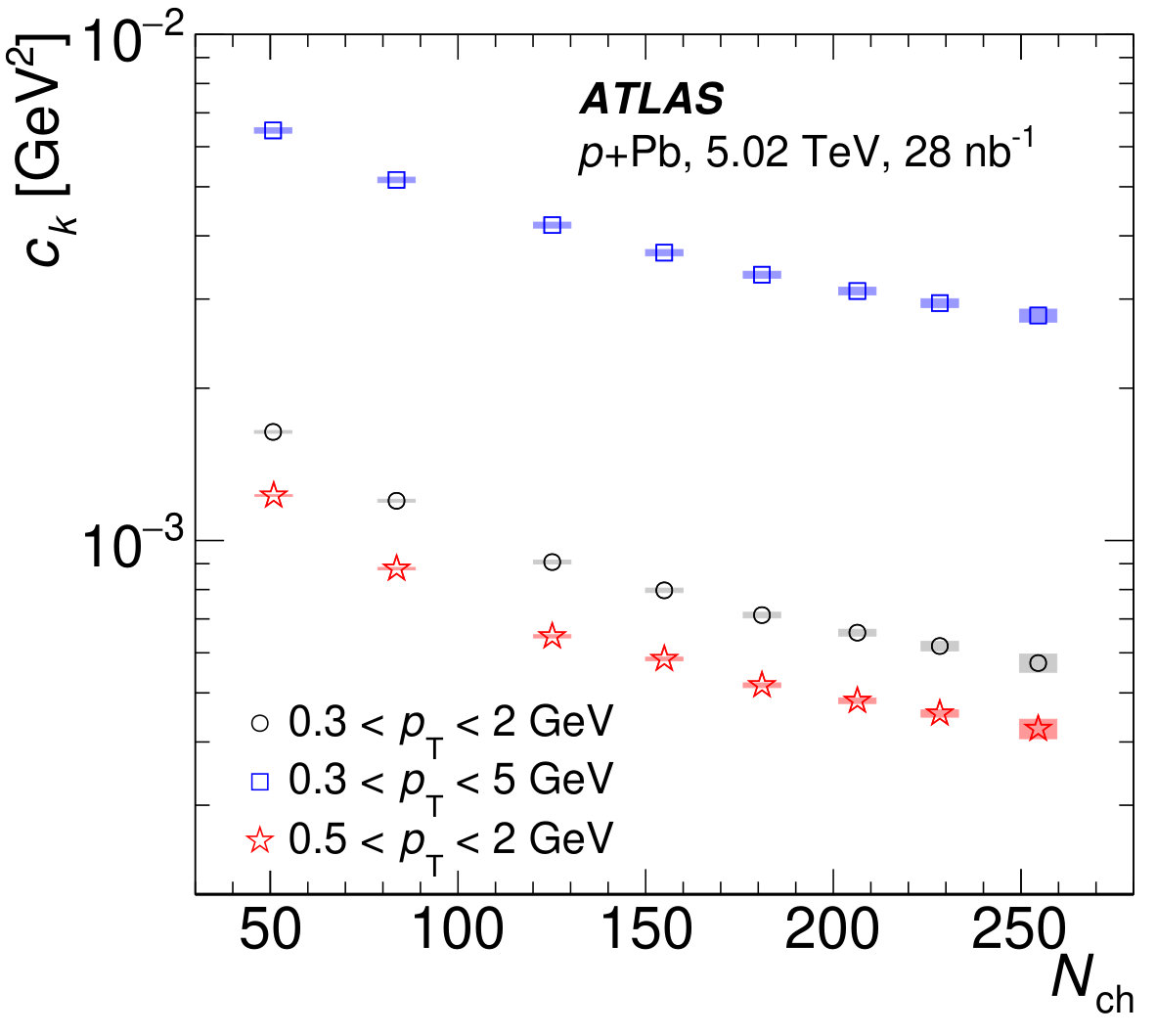 Figure 2
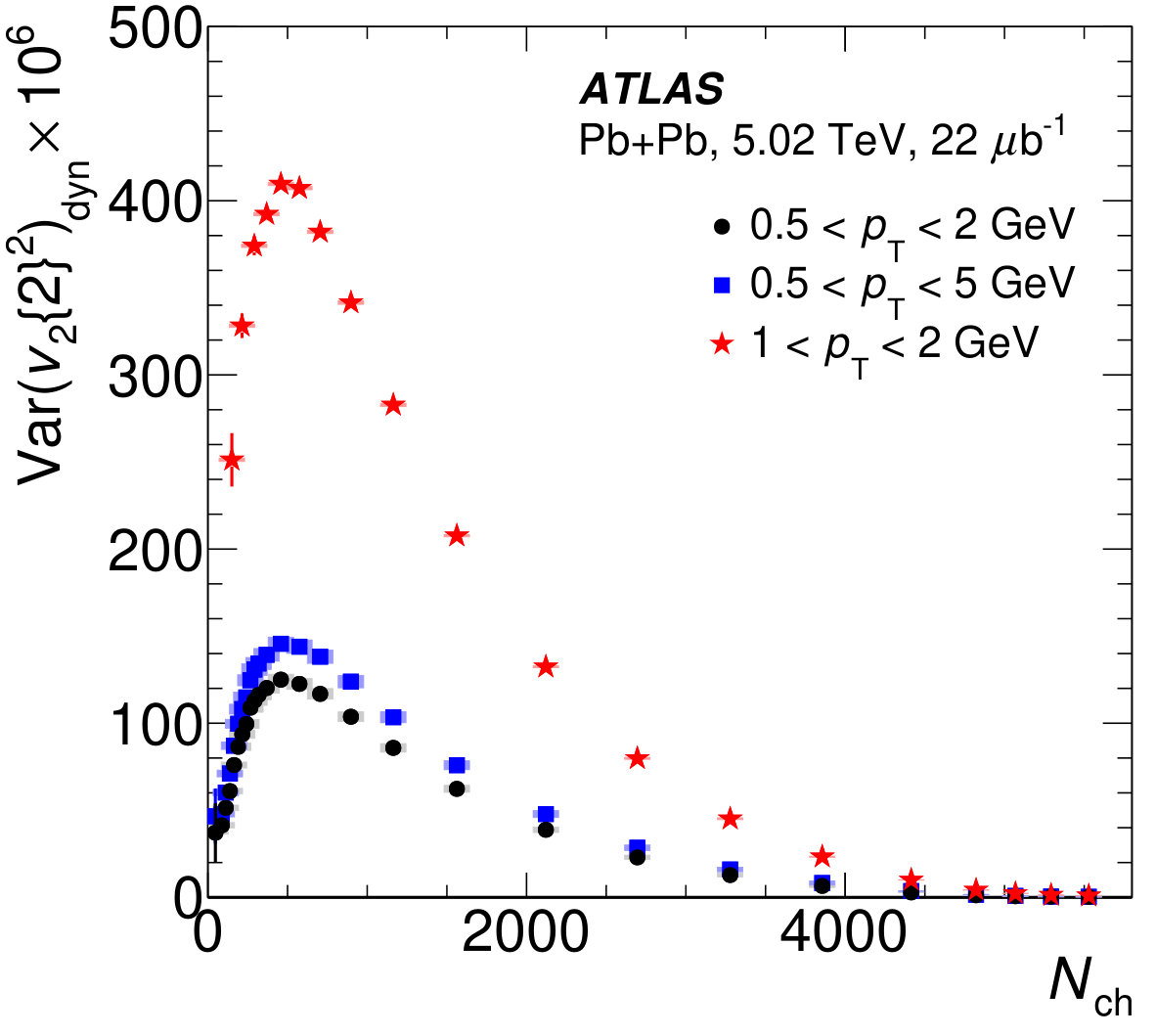 Figure 3
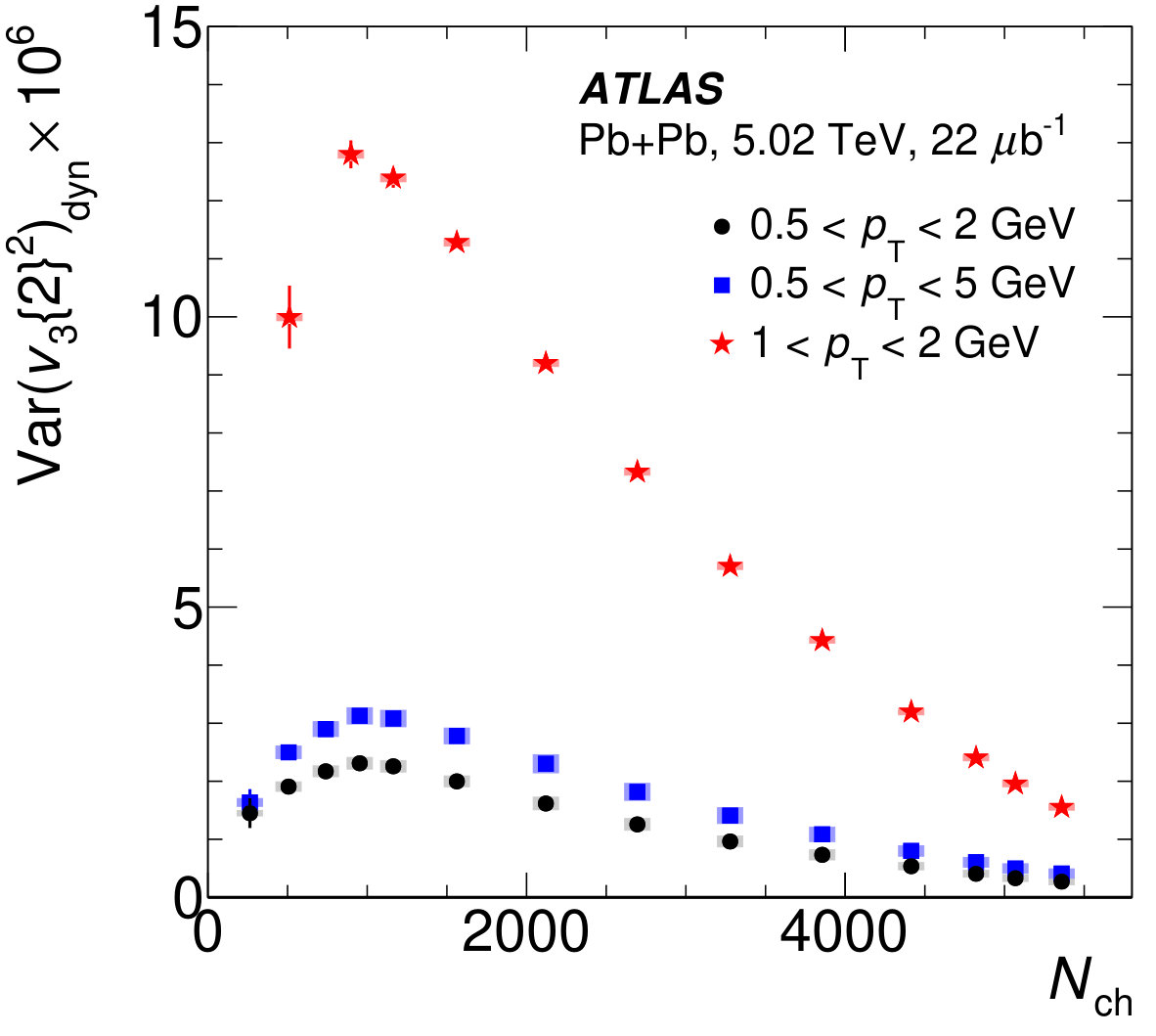 Figure 3
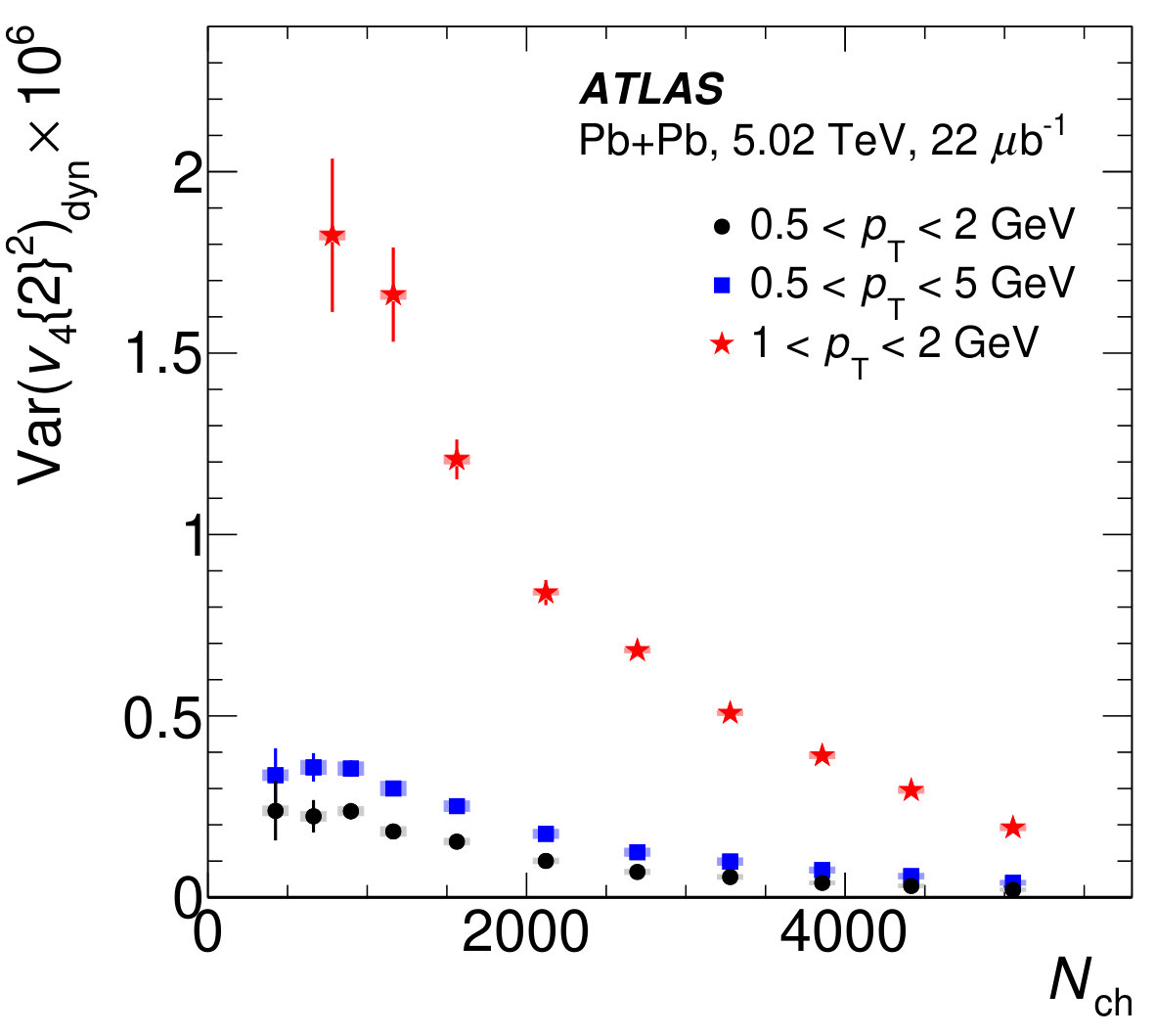 Figure 3
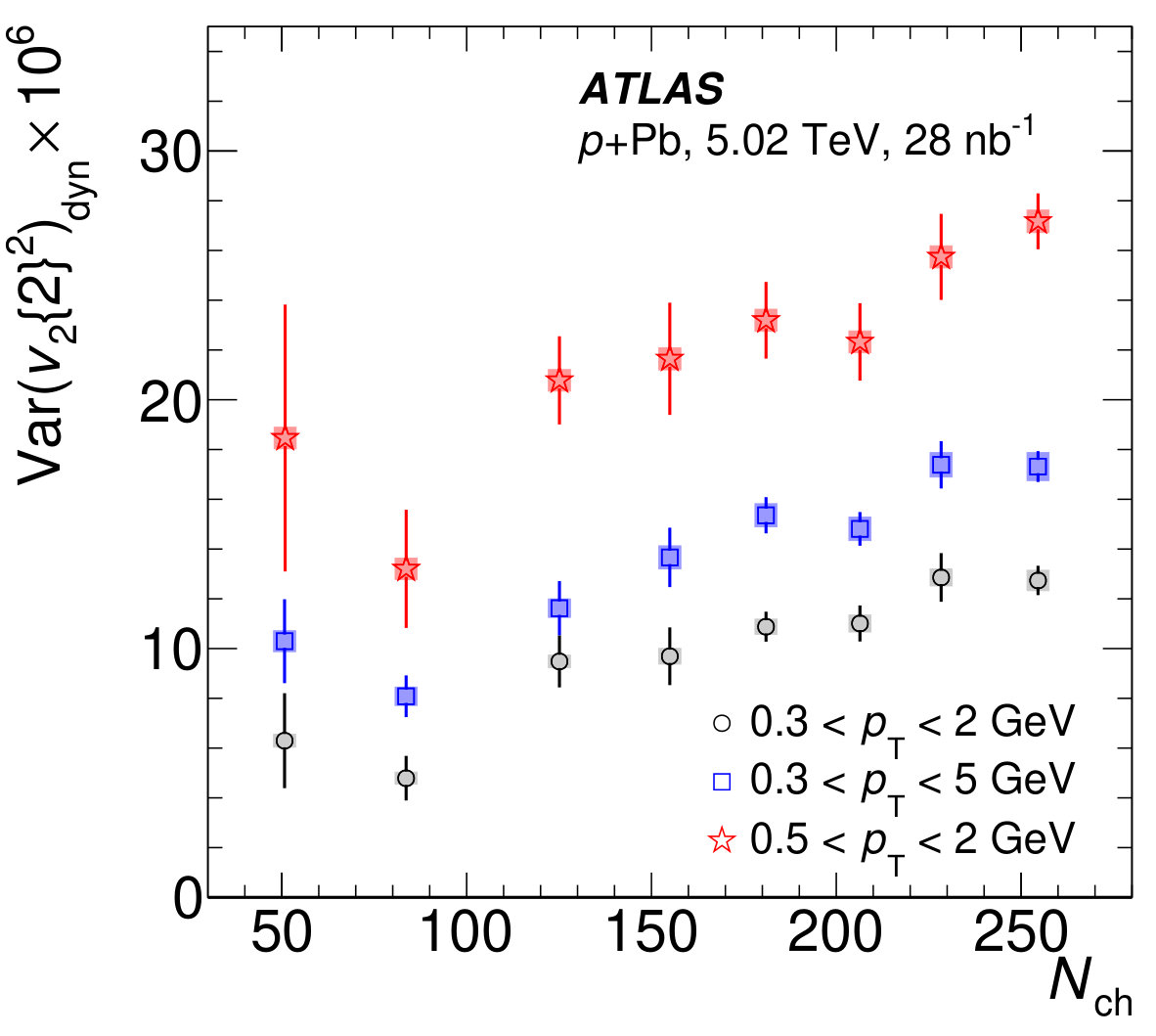 Figure 3
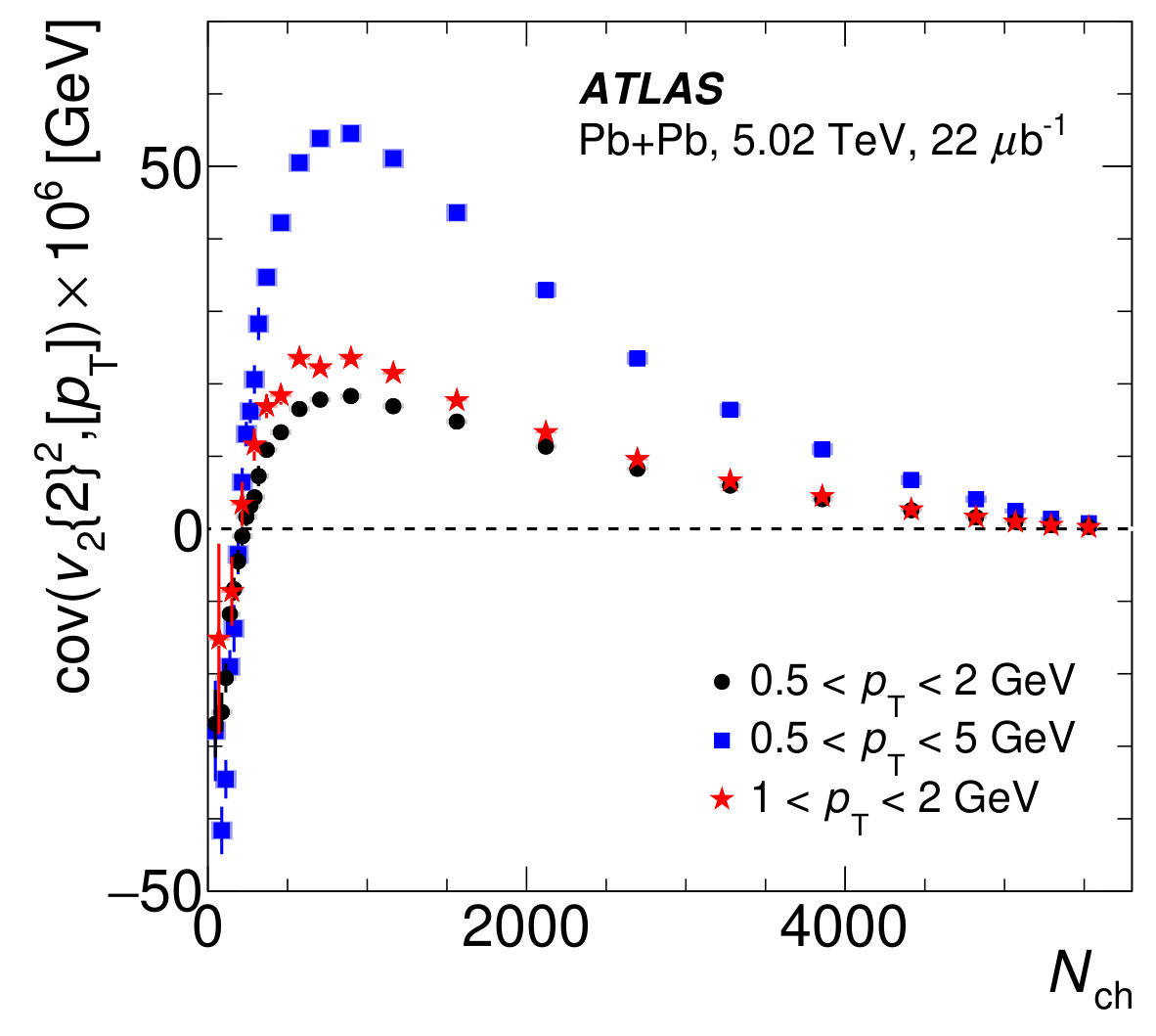 Figure 4
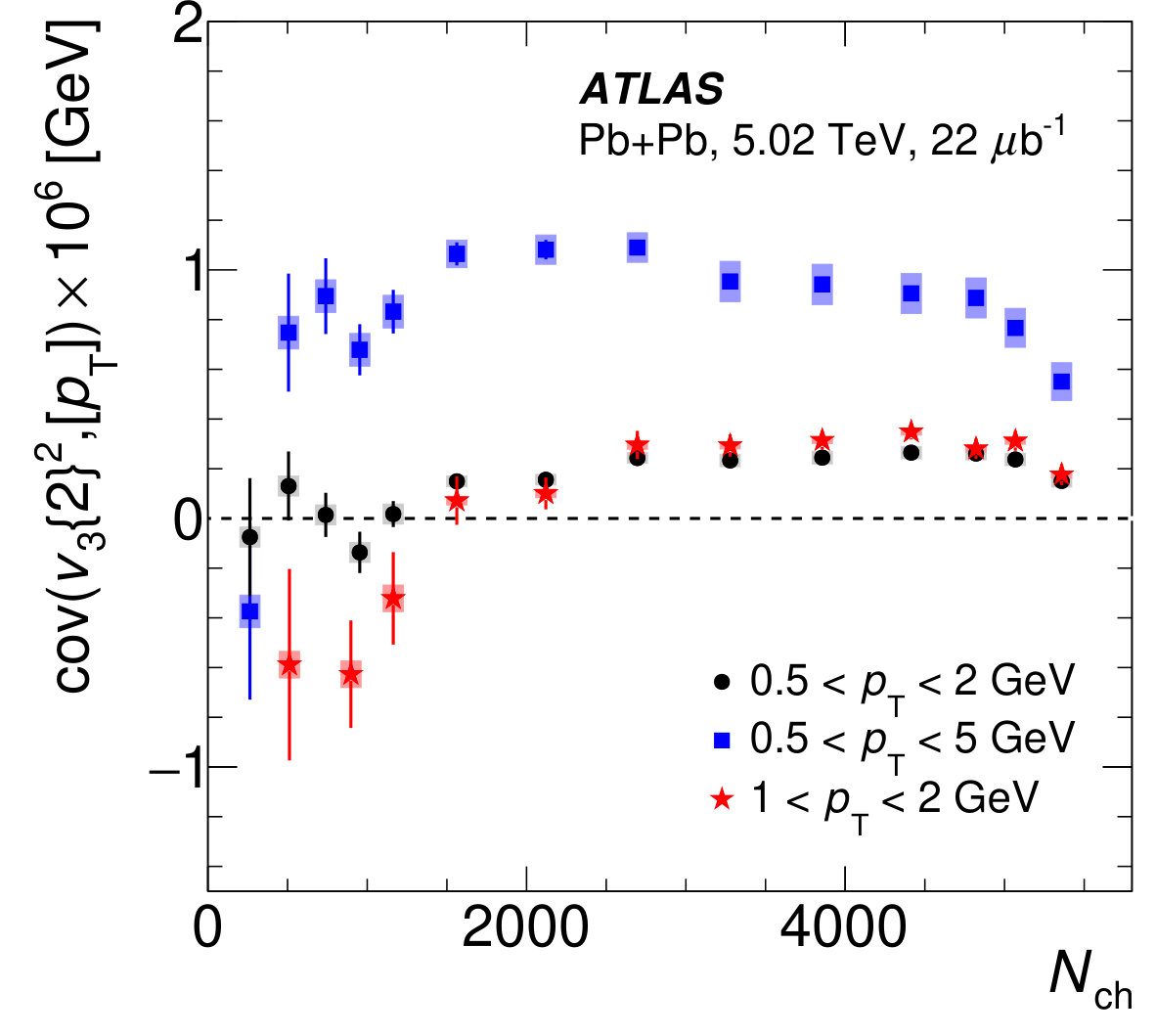 Figure 4
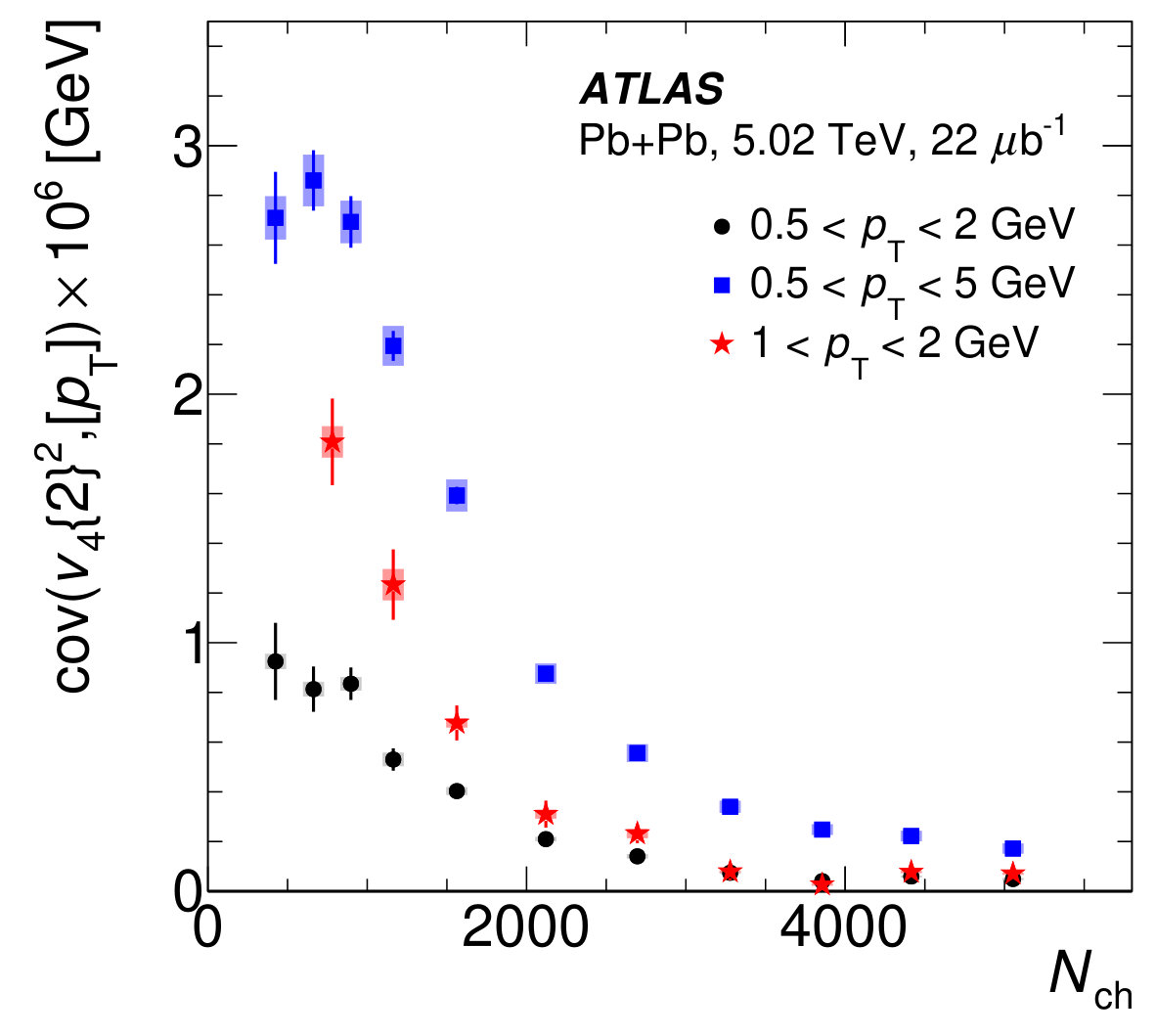 Figure 4
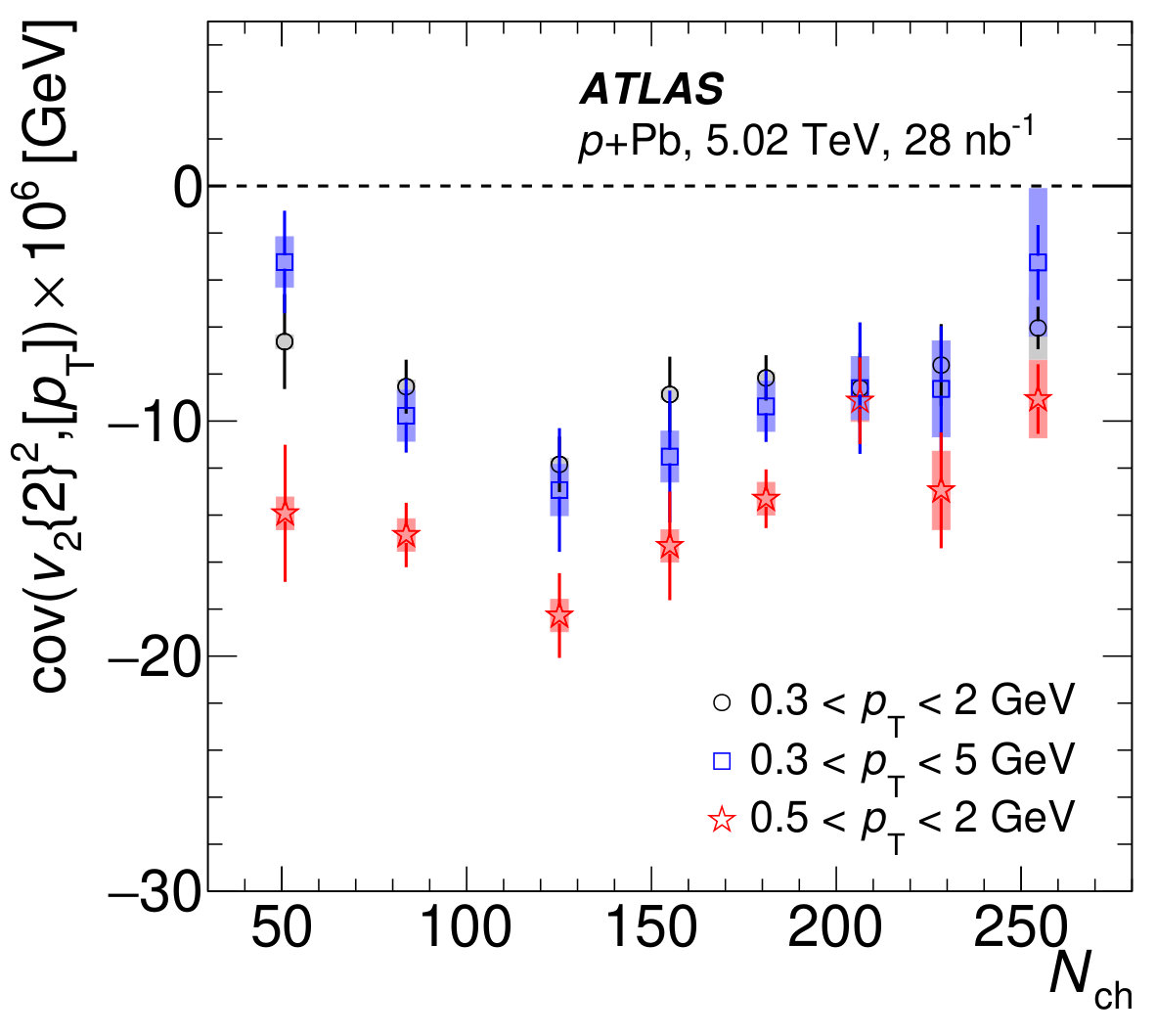 Figure 4
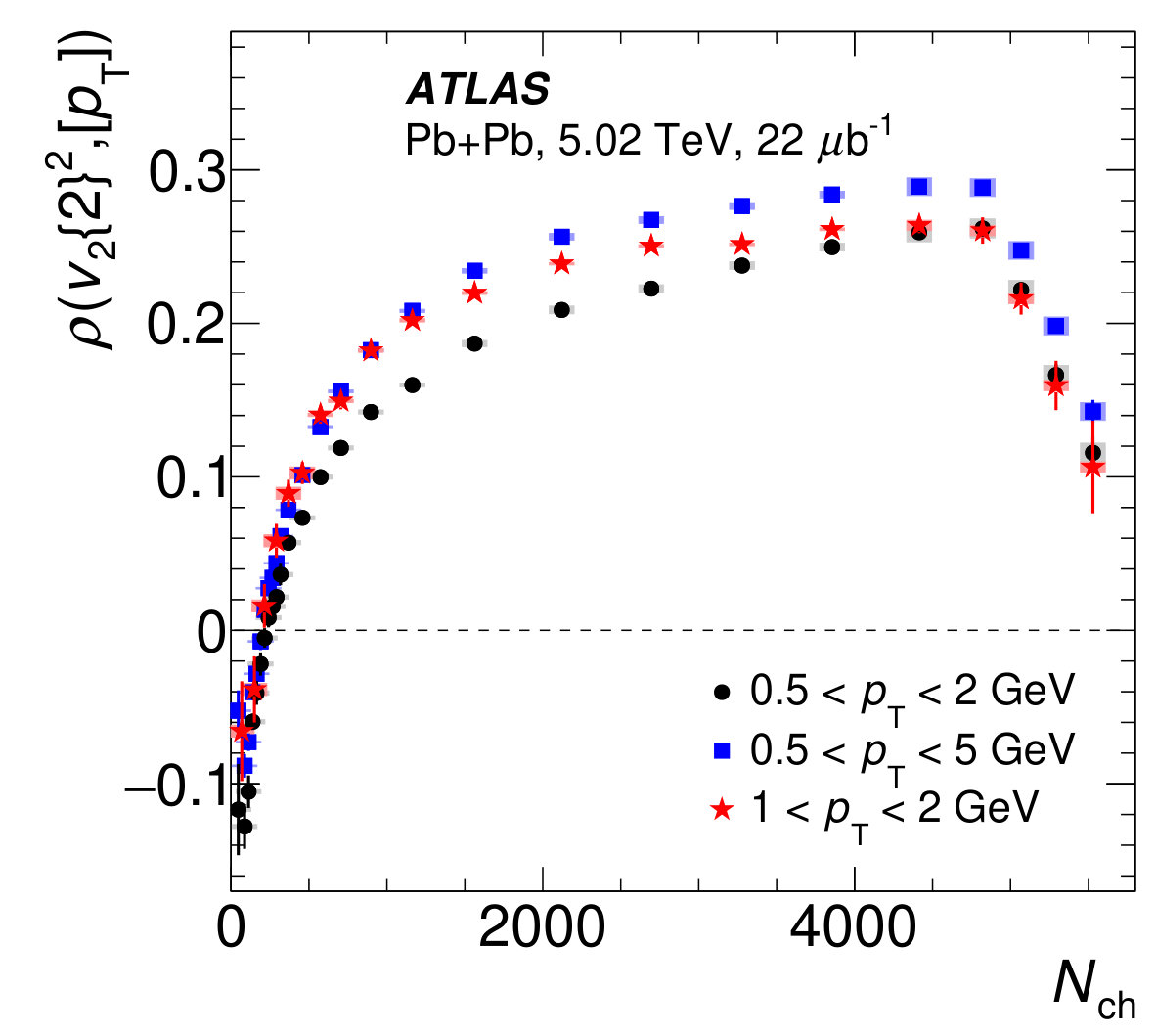 Figure 5
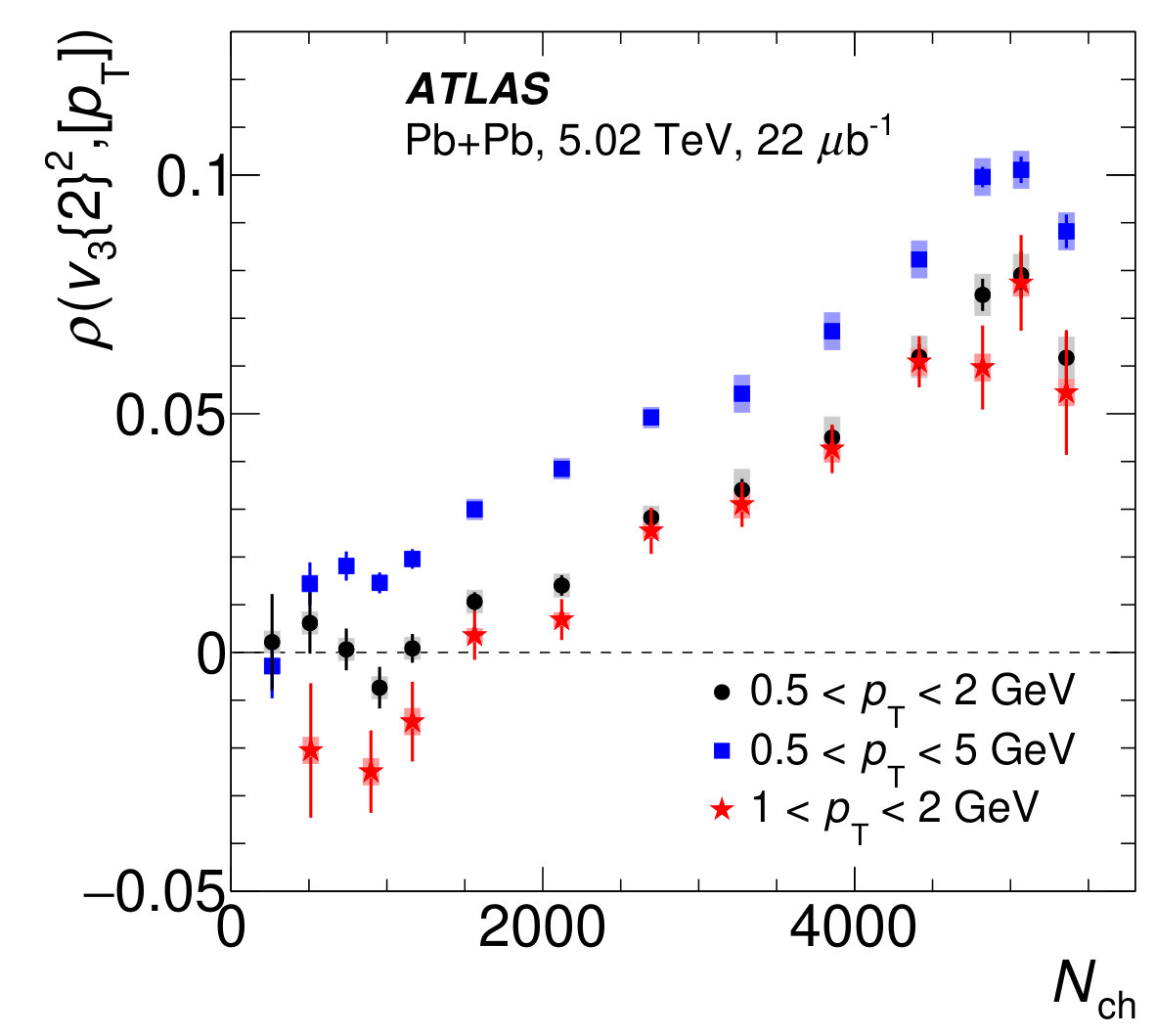 Figure 5
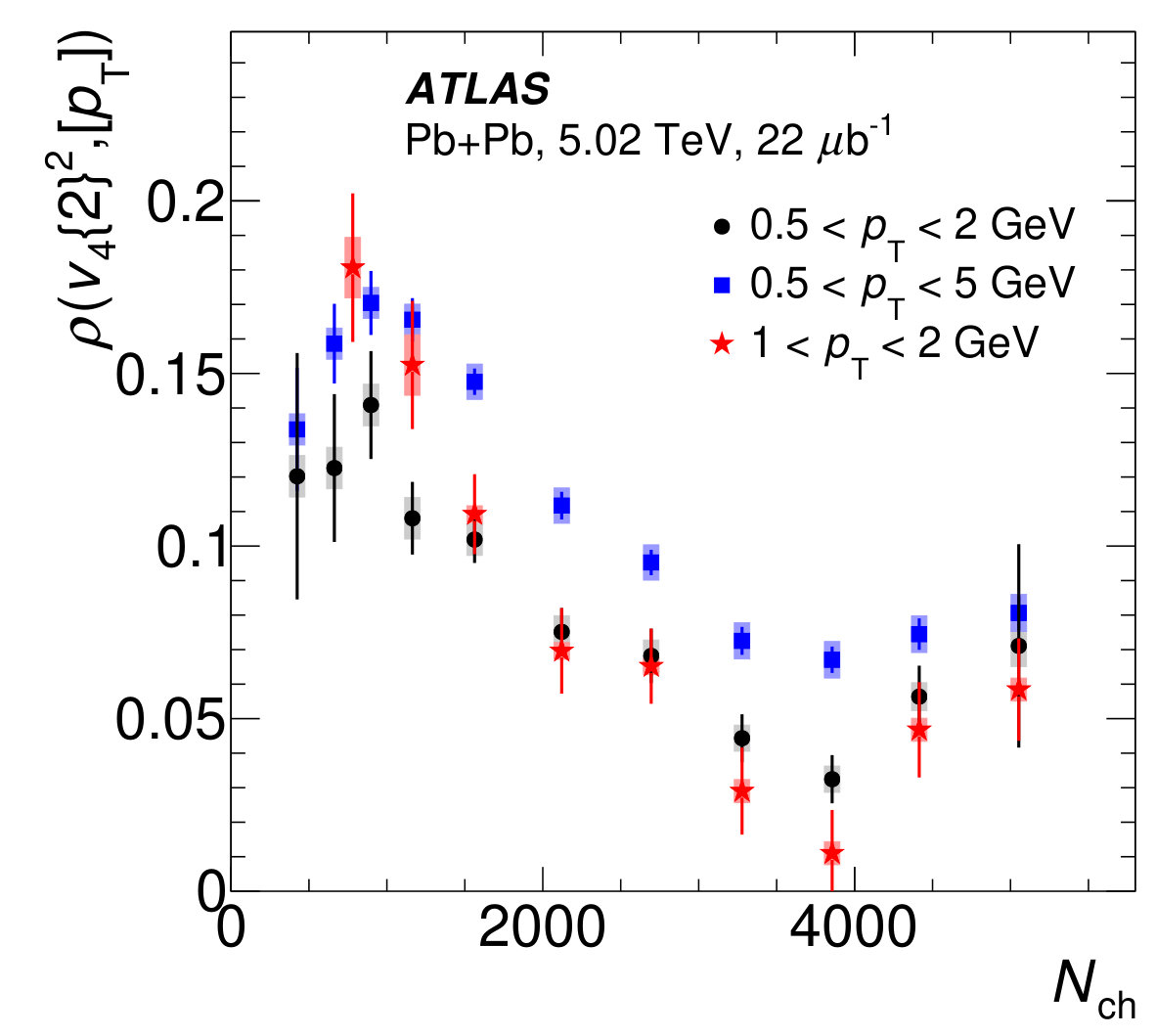 Figure 5
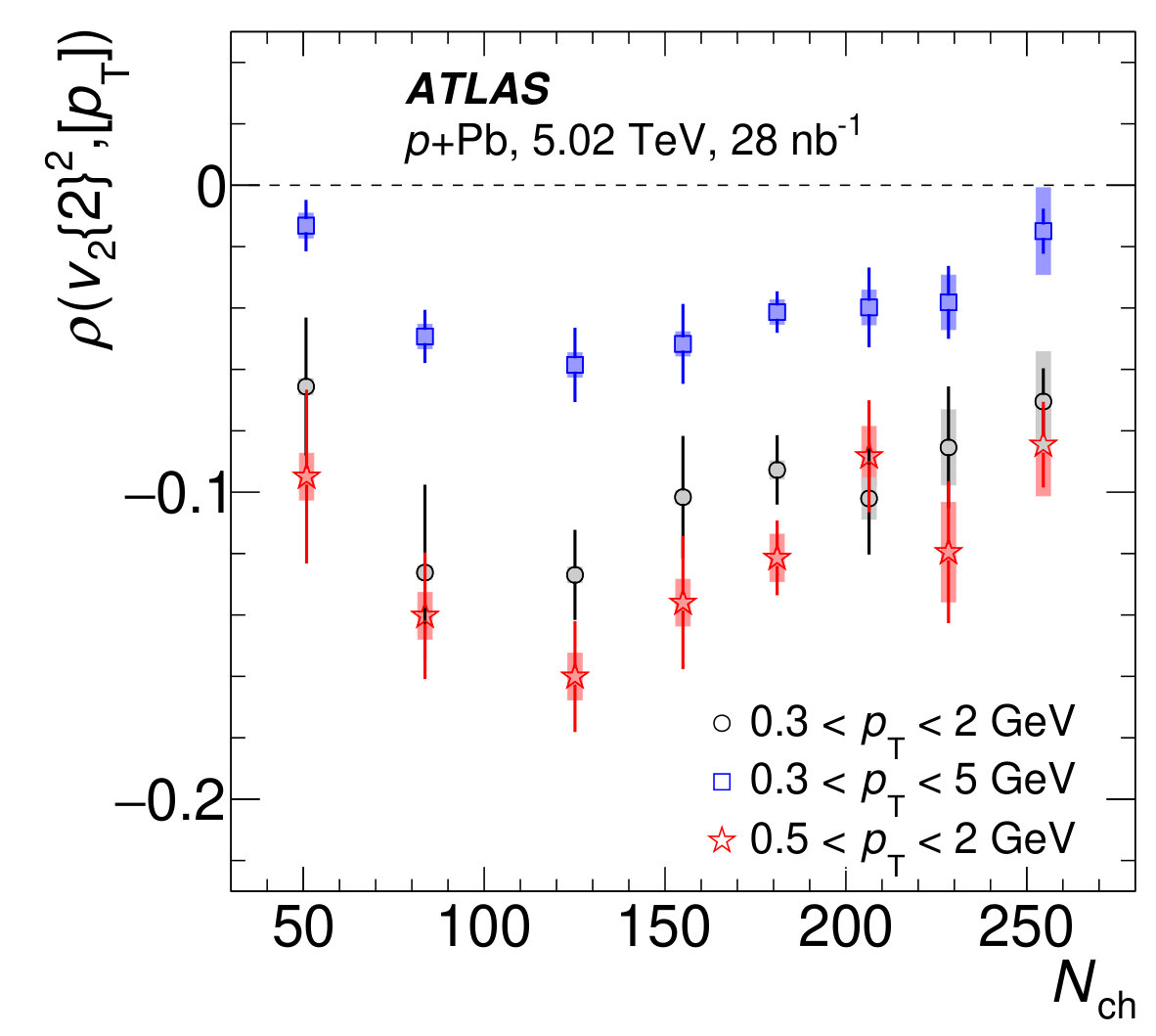 Figure 5
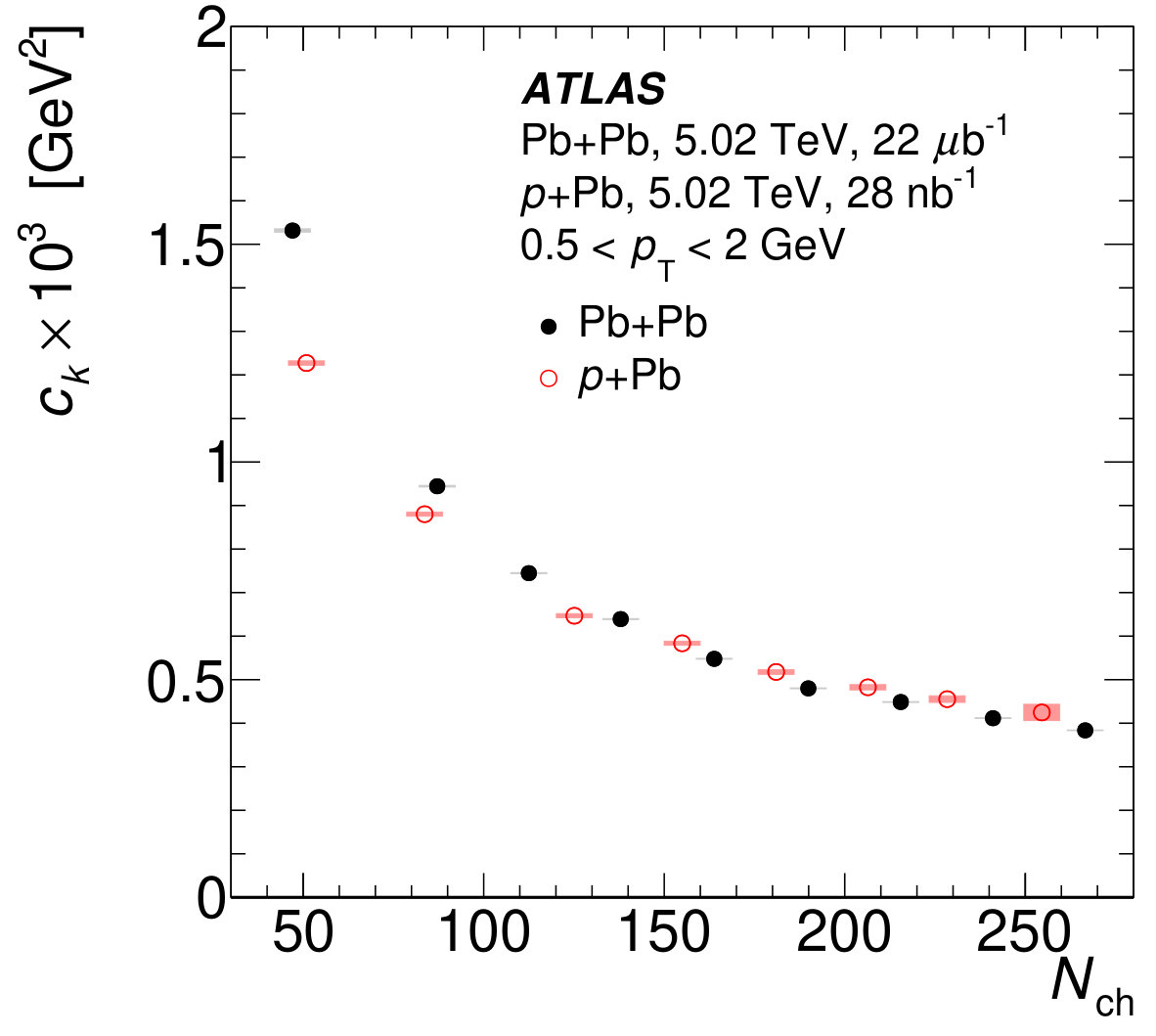 Figure 6
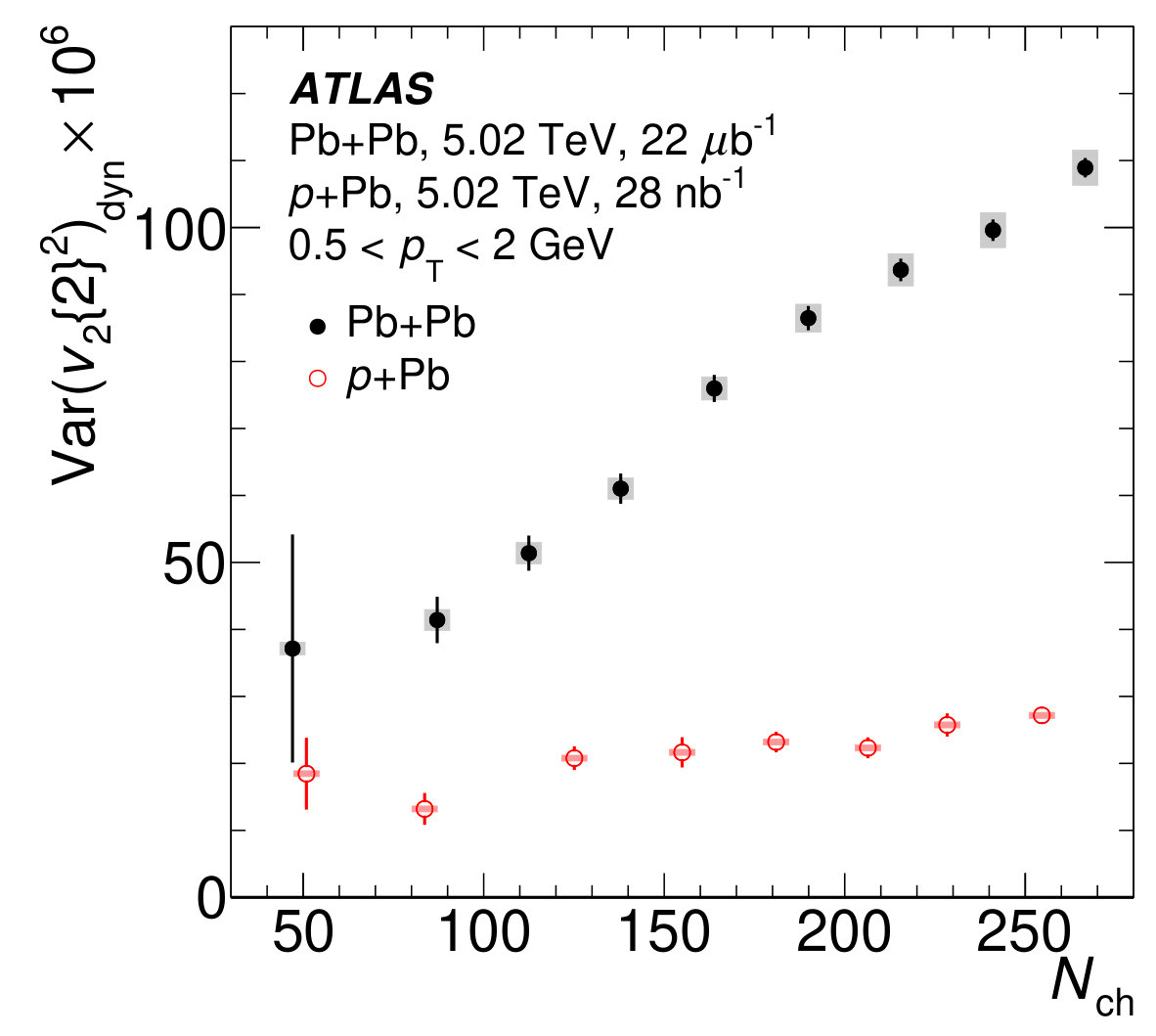 Figure 6
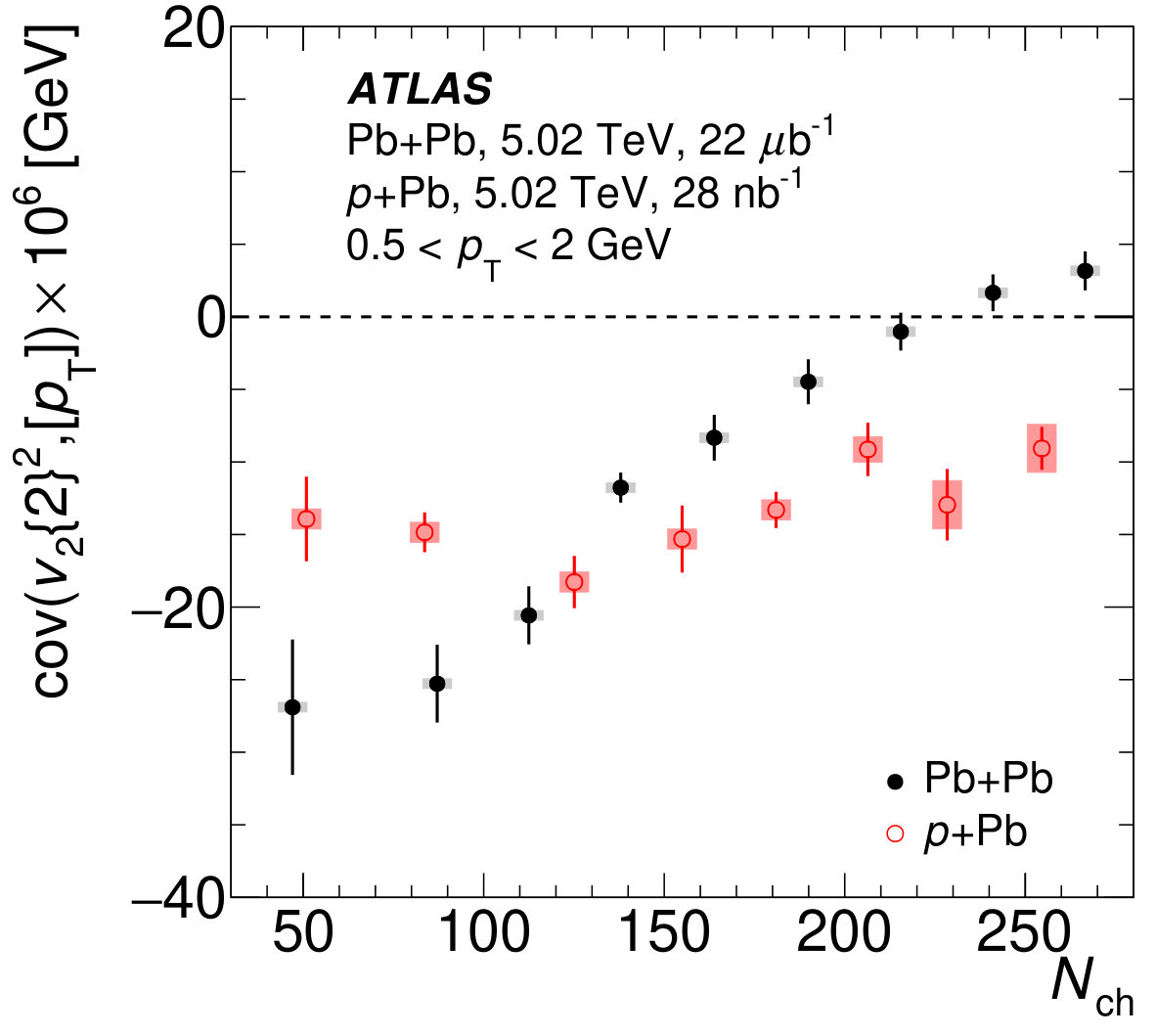 Figure 6
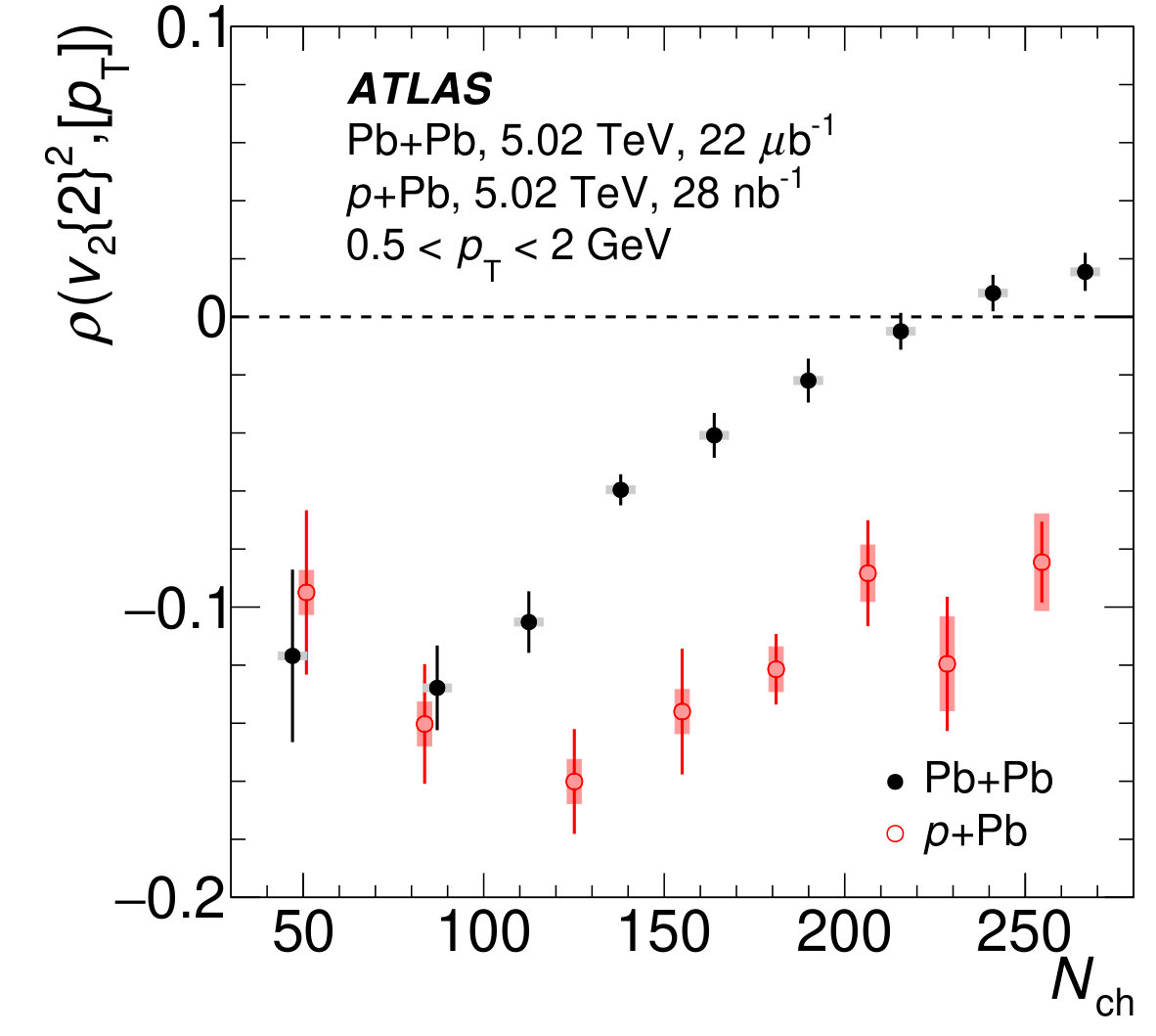 Figure 6
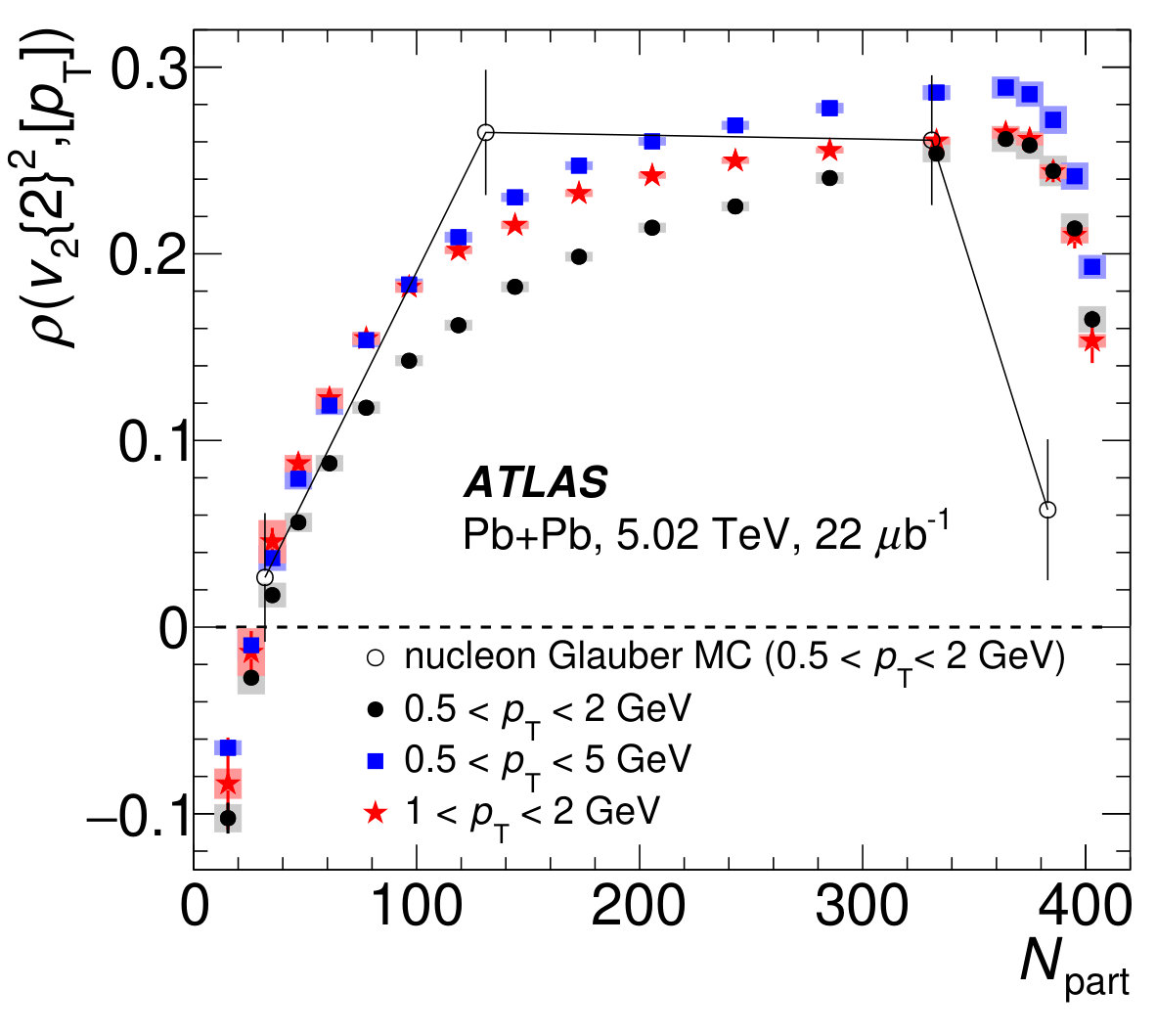 Figure 7
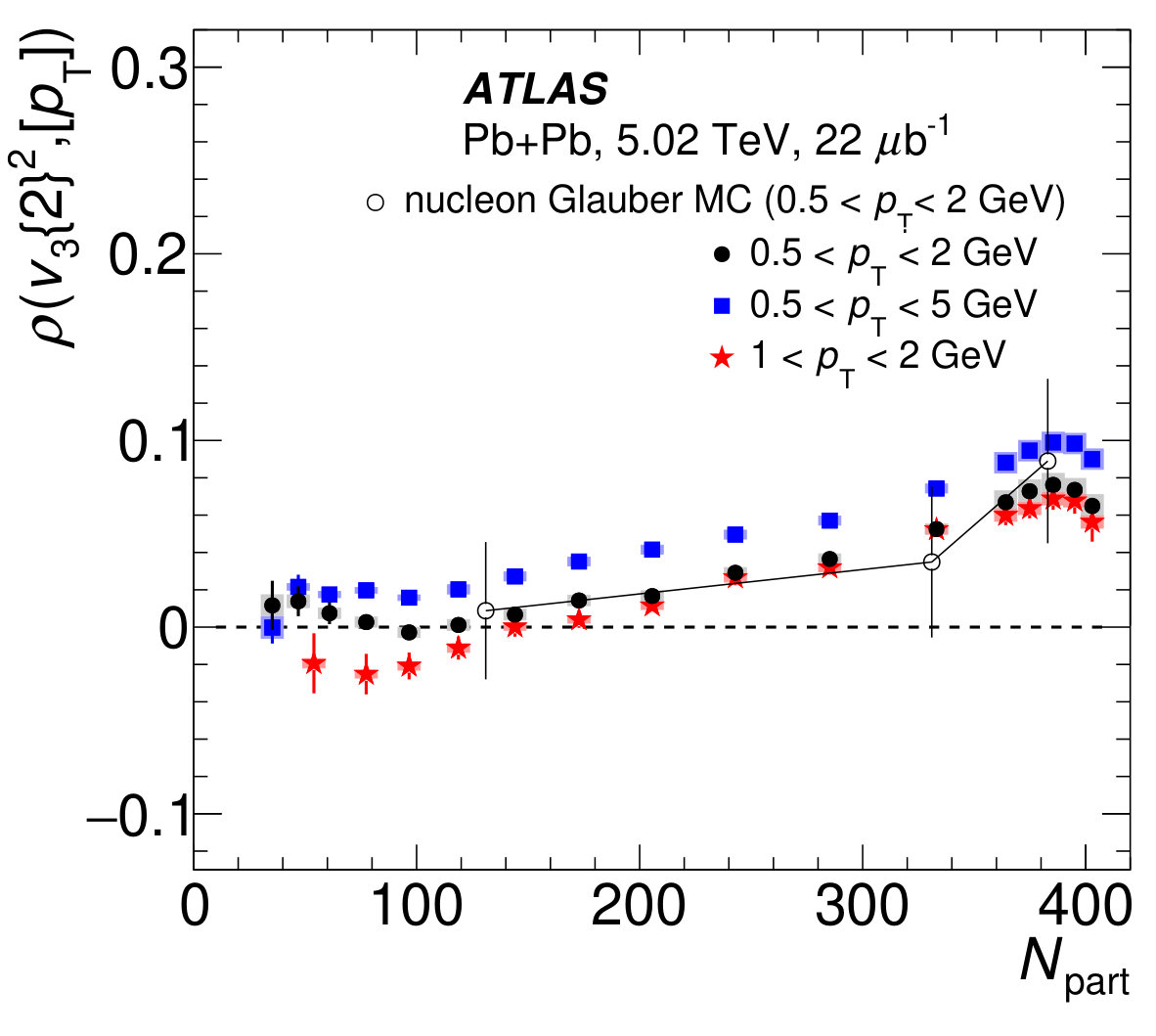 Figure 7
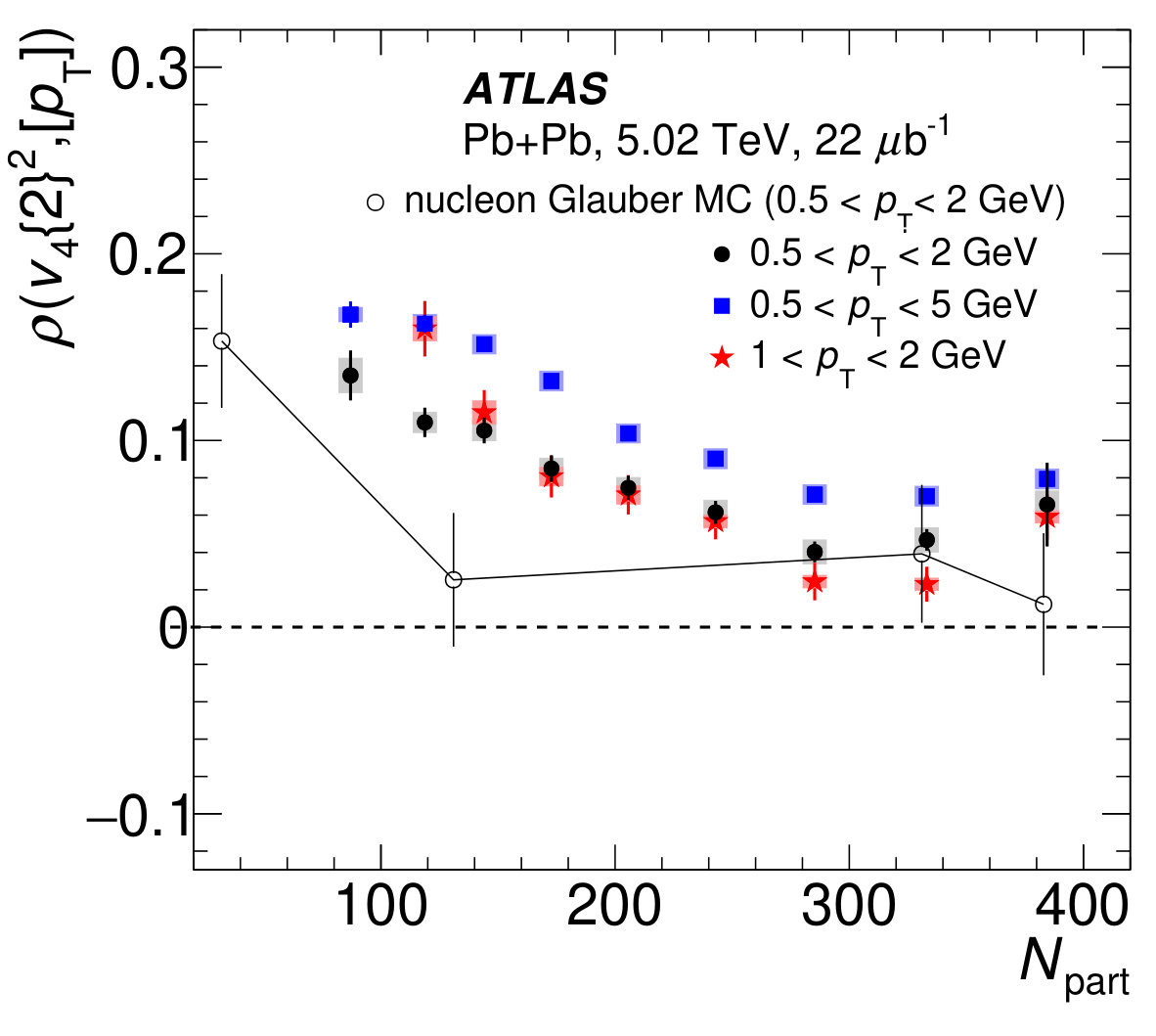 Figure 7
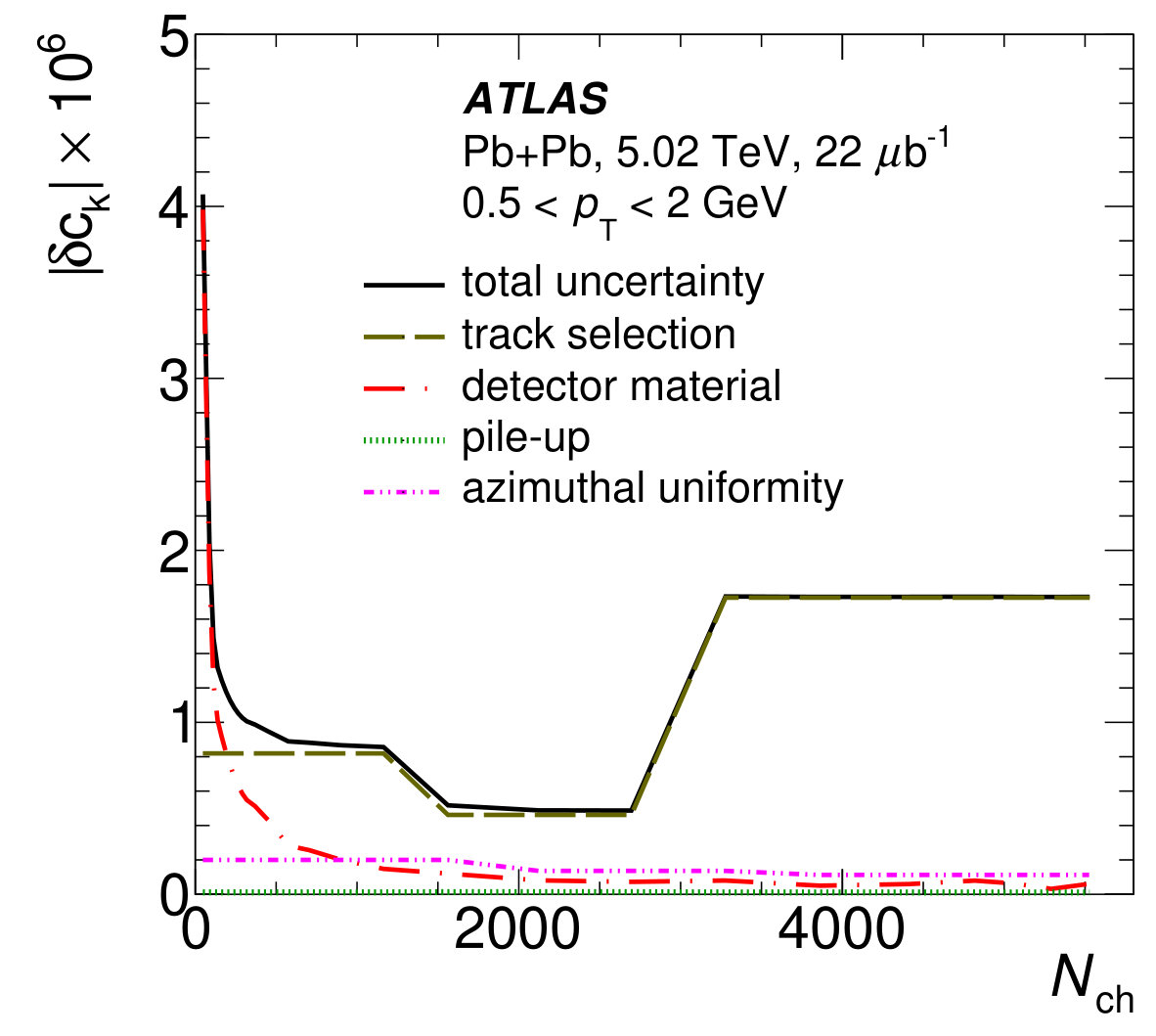 Figure 8
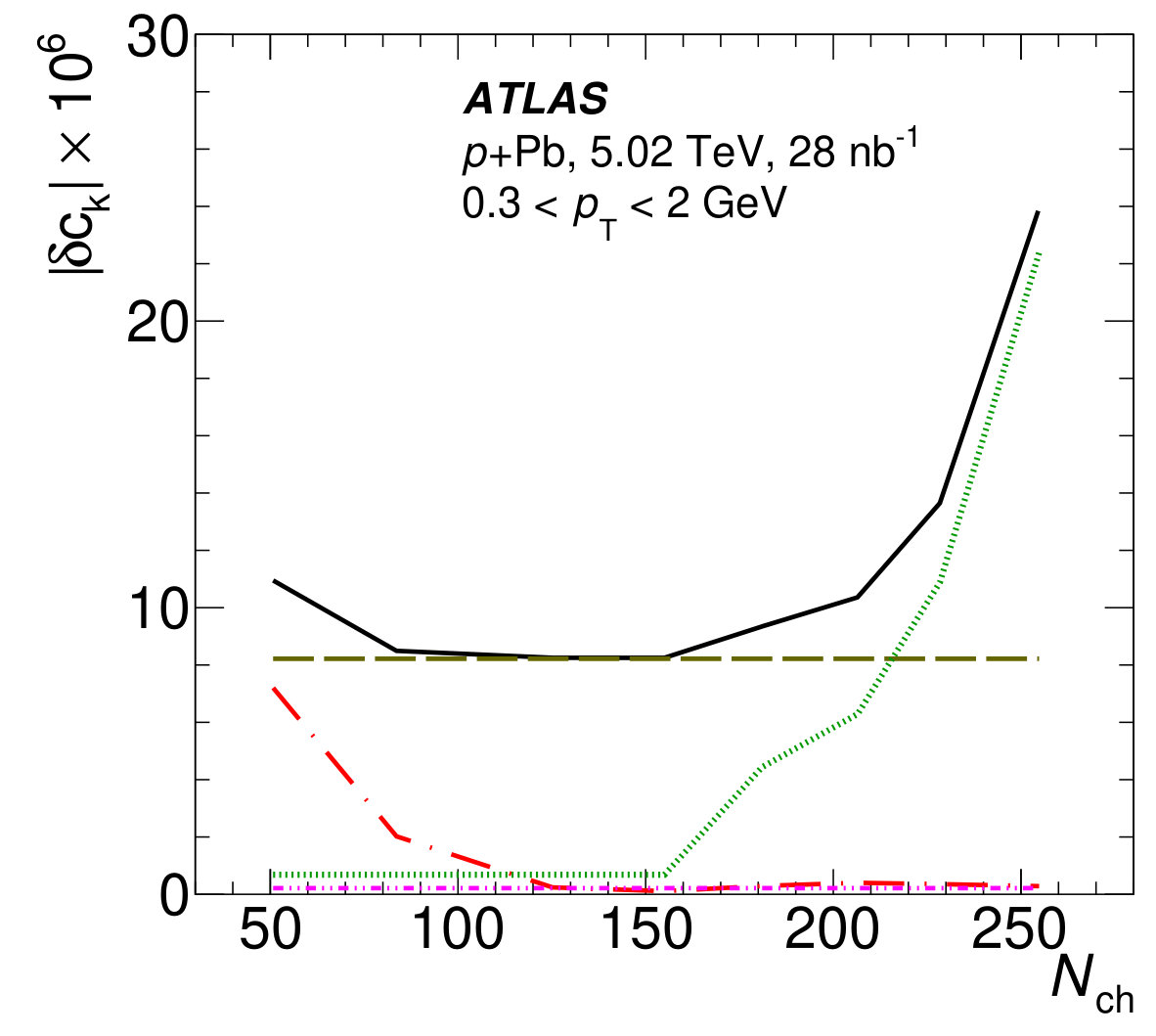 Figure 8
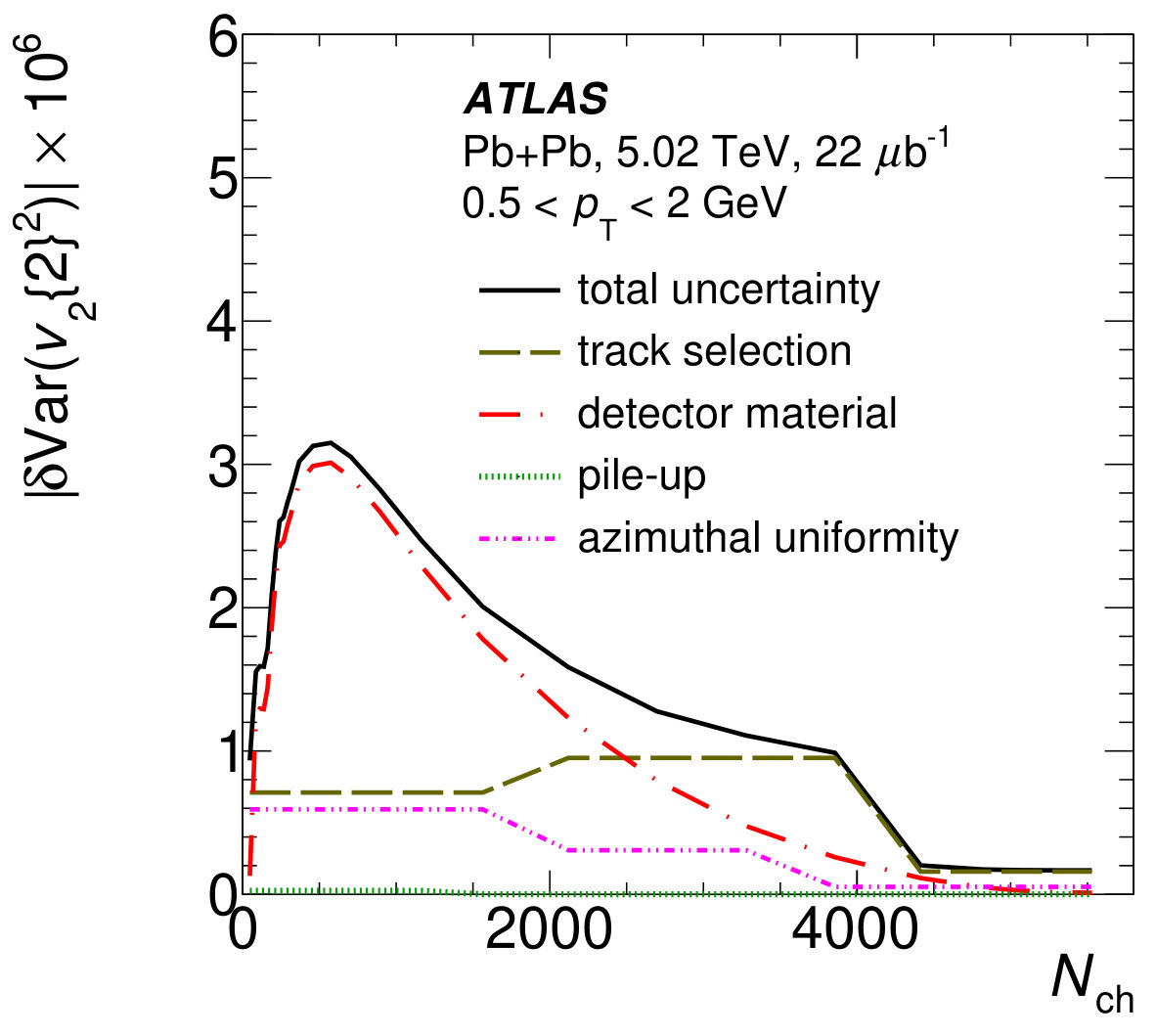 Figure 9
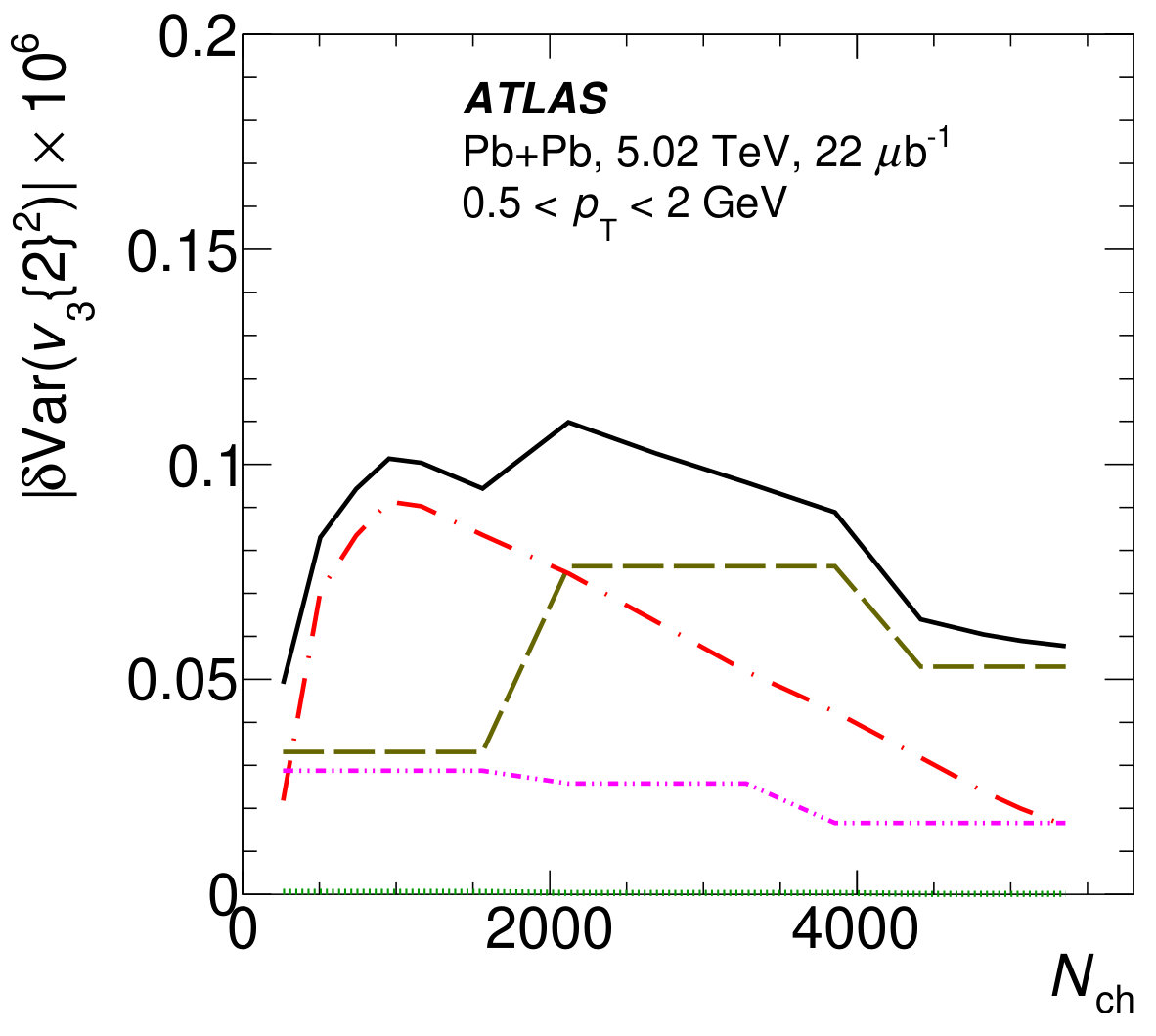 Figure 9
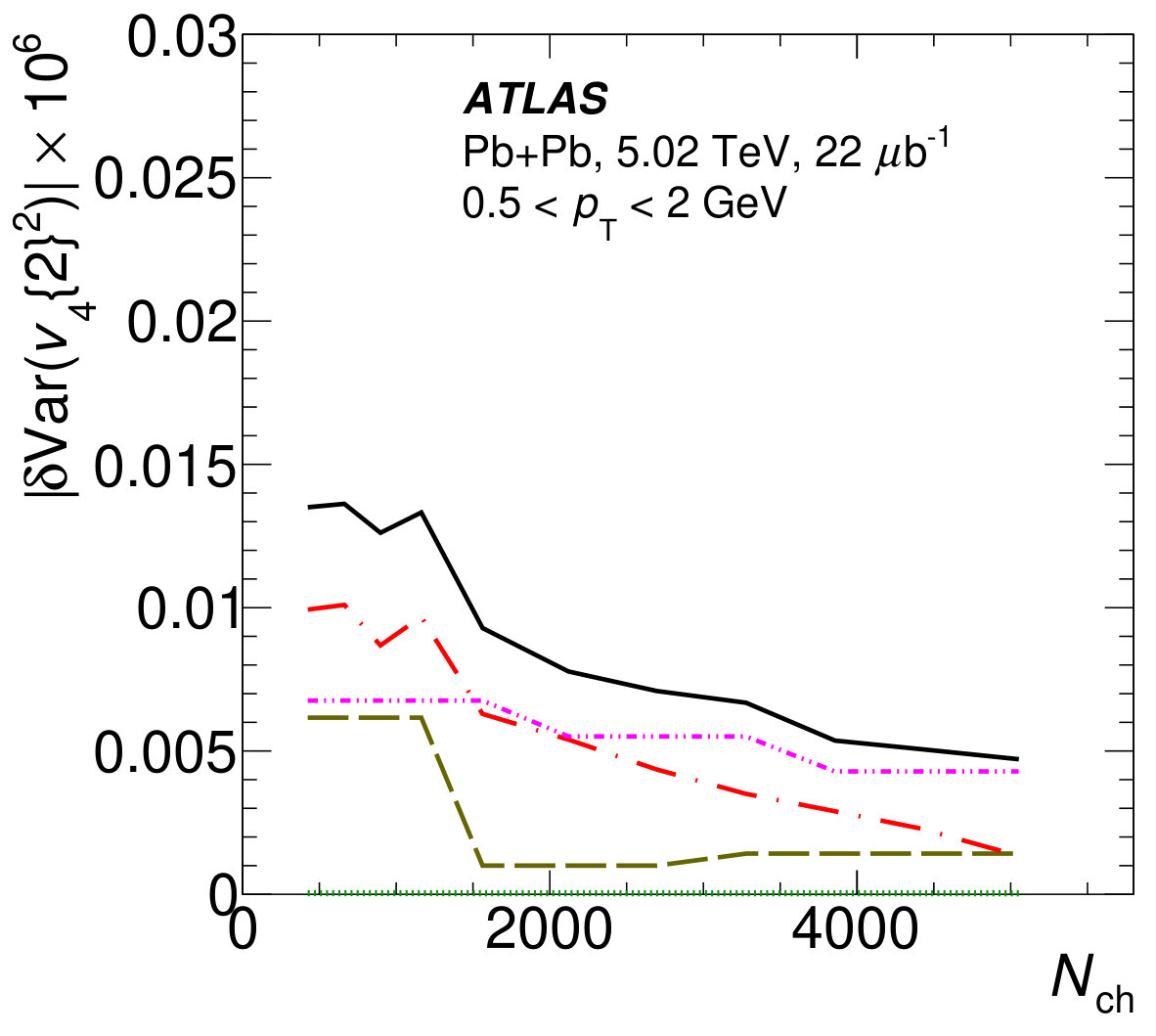 Figure 9
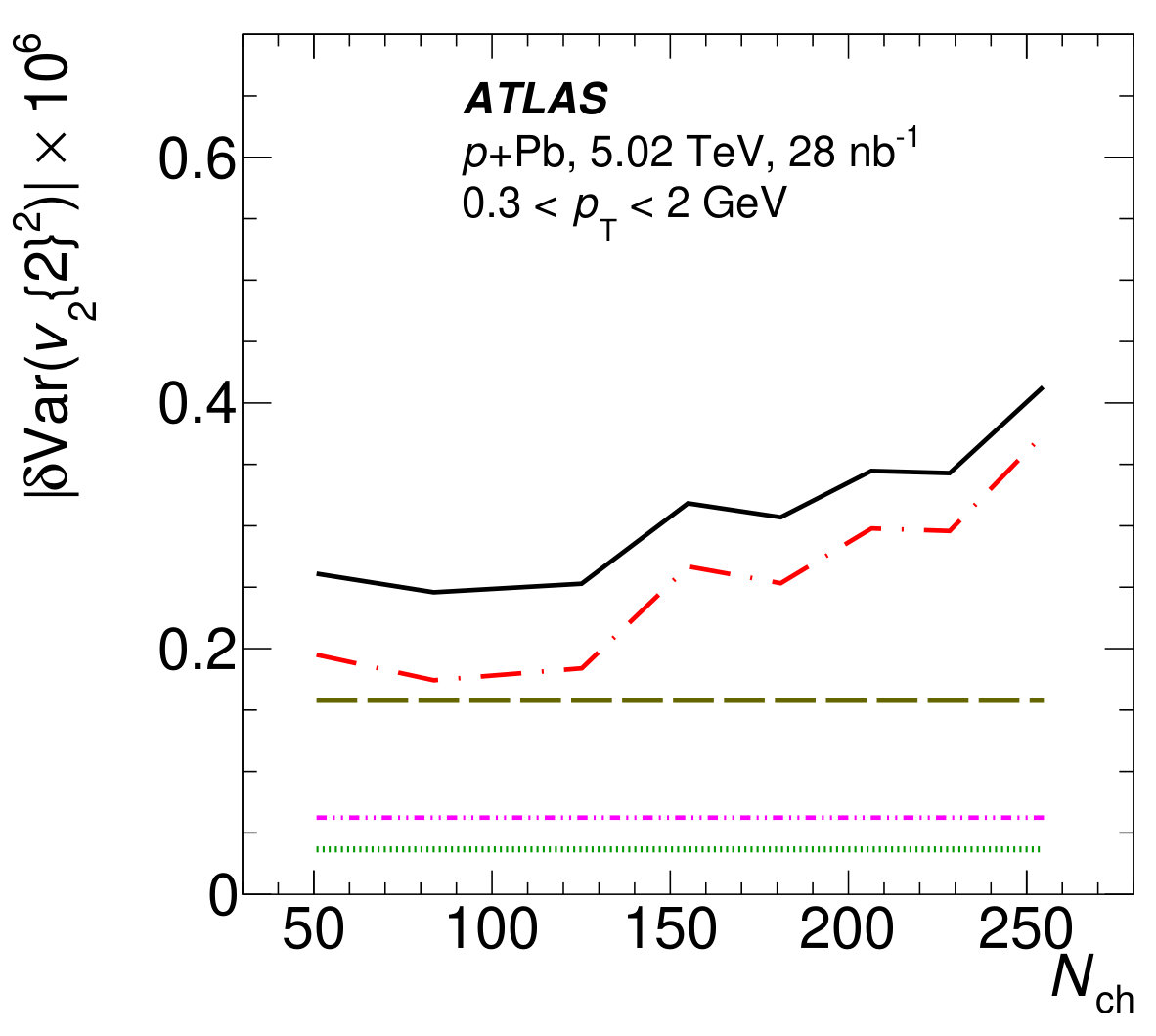 Figure 9
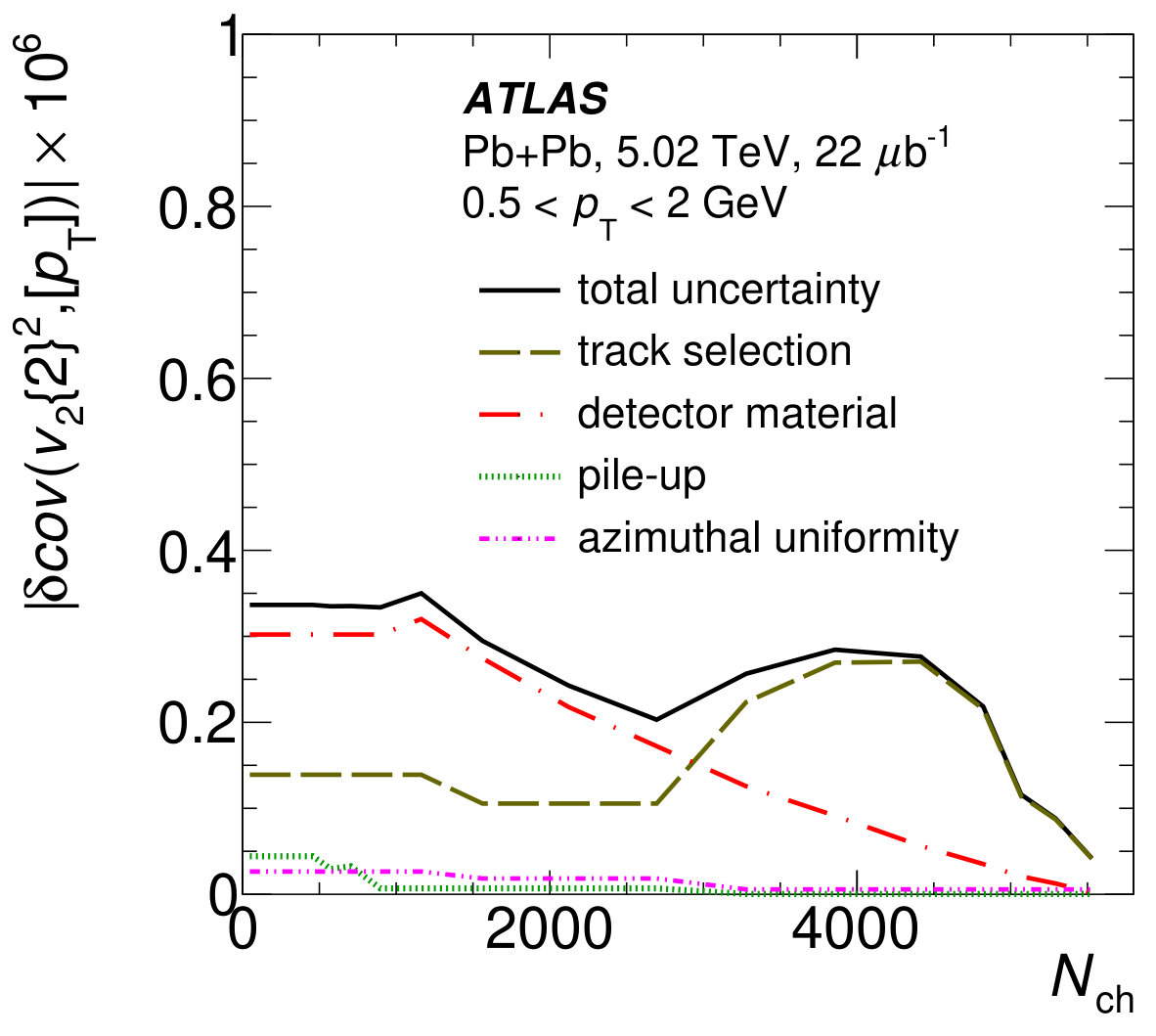 Figure 10
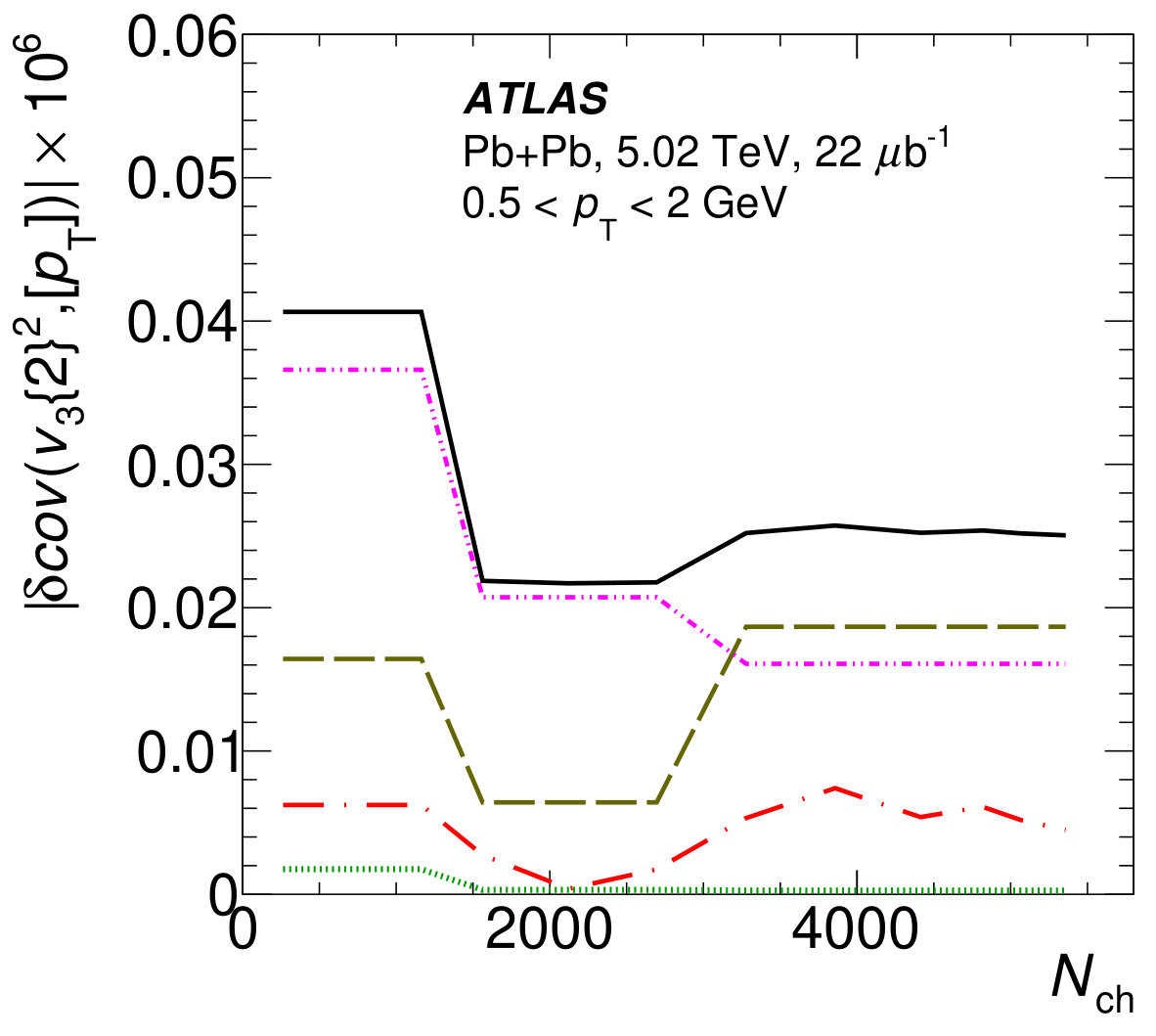 Figure 10
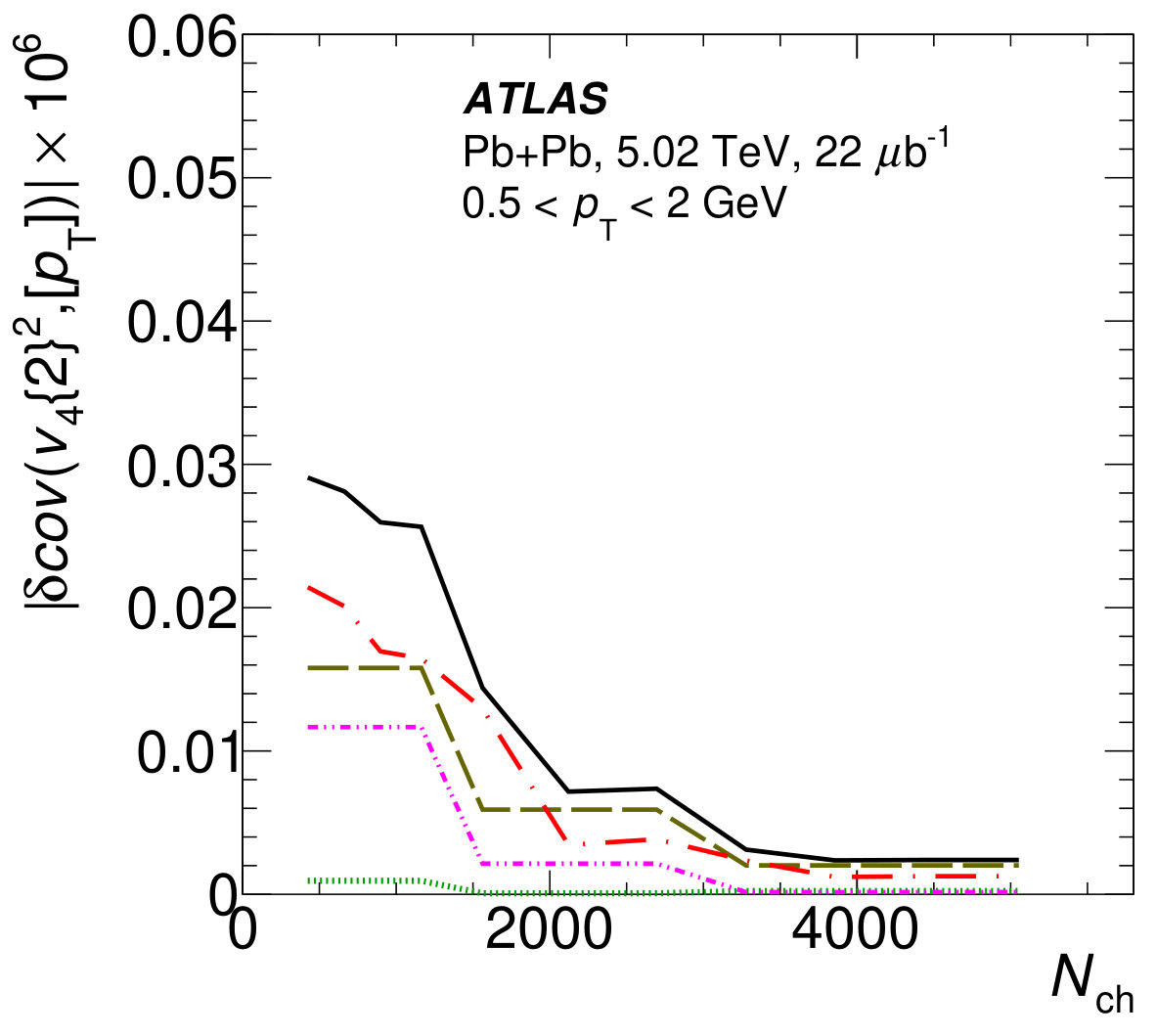 Figure 10
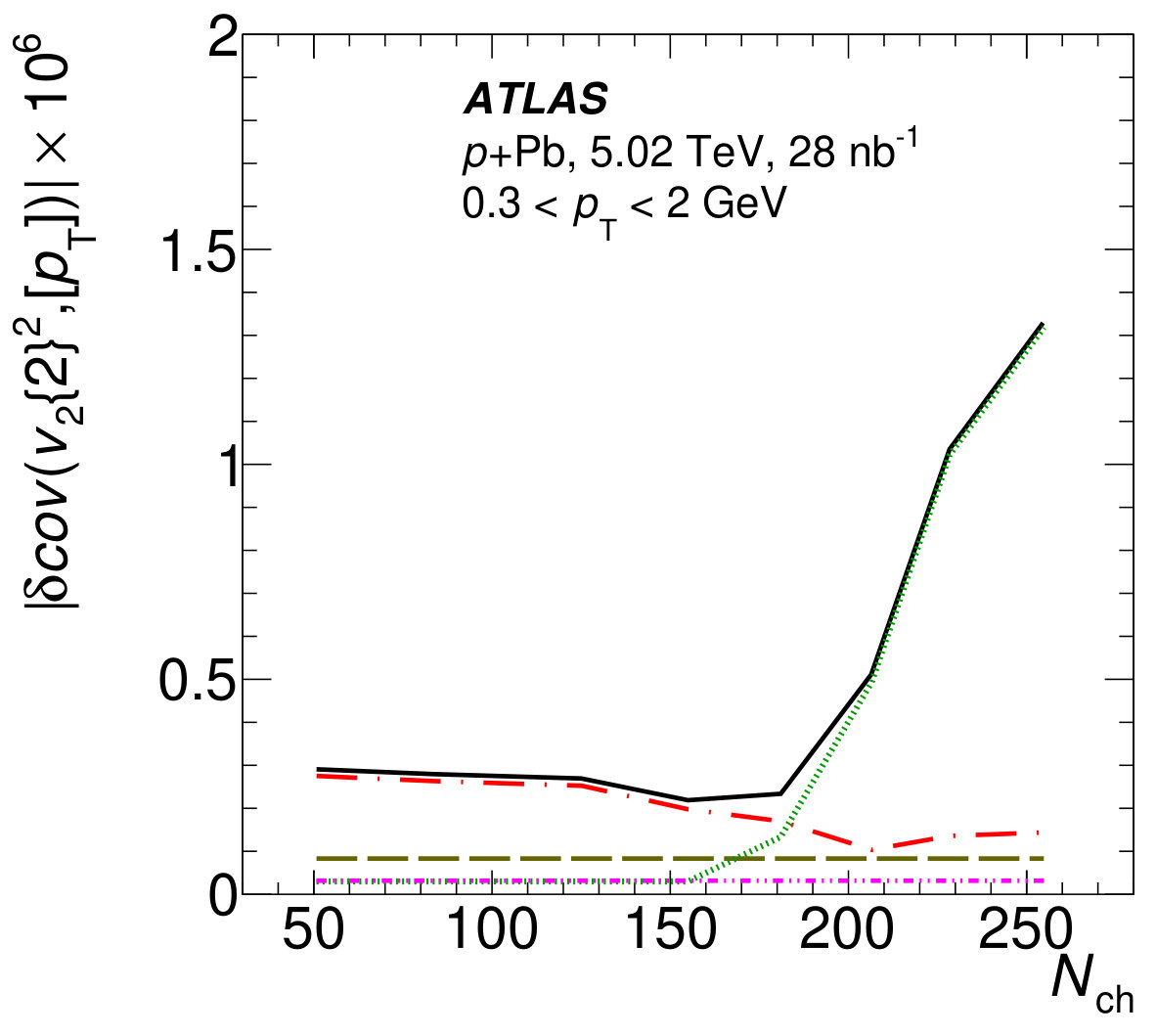 Figure 10
Peer Reviews
No public reviews on file for this paper yet. If you reviewed it on a platform where reviews are public (OpenReview, ICLR, NeurIPS, ICML), you can paste yours below so the community can read it here.
Videos
No videos yet. Explain this paper in a talk, walkthrough, or lecture? Add one.