Measurement of the top quark polarization and $\mathrm{t\bar{t}}$ spin correlations using dilepton final states in proton-proton collisions at $\sqrt{s} =$ 13 TeV
CMS Collaboration

TL;DR
This paper measures top quark polarization and spin correlations in proton-proton collisions at 13 TeV, providing the first parton-level differential cross sections at this energy and testing the standard model predictions.
Contribution
It presents the first measurement of parton-level differential cross sections for top quark spin observables at 13 TeV and compares them with advanced theoretical predictions.
Findings
Measurements are consistent with the standard model.
Constraints on anomalous top quark dipole moments are established.
First parton-level differential cross sections at 13 TeV are reported.
Abstract
Measurements of the top quark polarization and top quark pair () spin correlations are presented using events containing two oppositely charged leptons (ee, e, or ) produced in proton-proton collisions at a center-of-mass energy of 13 TeV. The data were recorded by the CMS experiment at the LHC in 2016 and correspond to an integrated luminosity of 35.9 fb. A set of parton-level normalized differential cross sections, sensitive to each of the independent coefficients of the spin-dependent parts of the production density matrix, is measured for the first time at 13 TeV. The measured distributions and extracted coefficients are compared with standard model predictions from simulations at next-to-leading-order (NLO) accuracy in quantum chromodynamics (QCD), and from NLO QCD calculations including electroweak…
Click any figure to enlarge with its caption.
 Figure 1
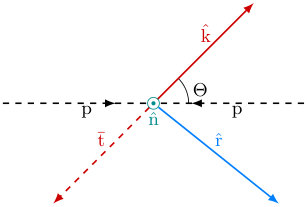 Figure 1
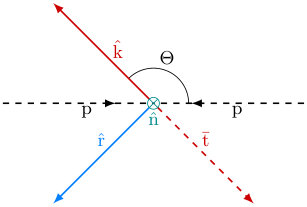 Figure 1
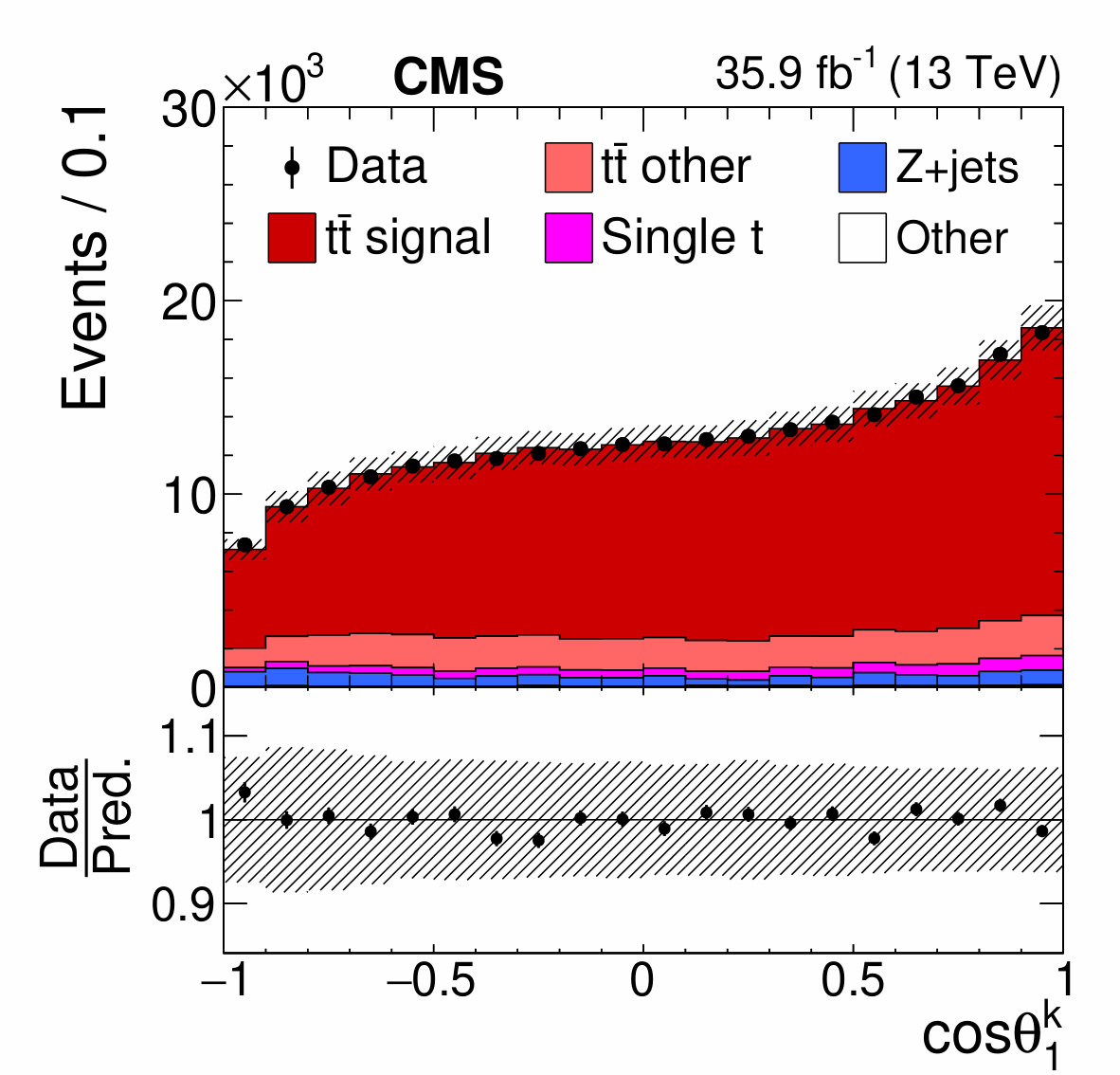 Figure 2
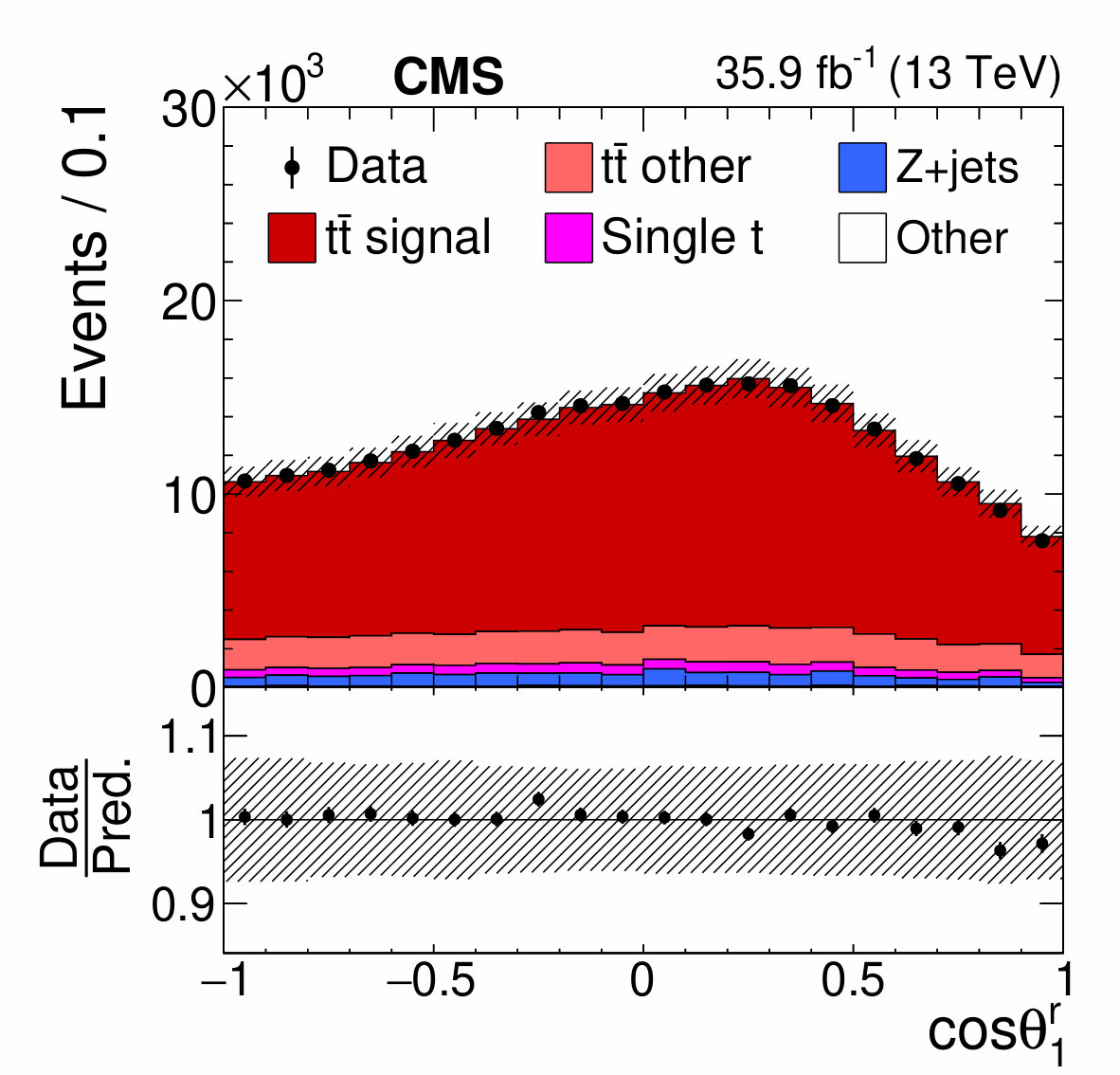 Figure 2
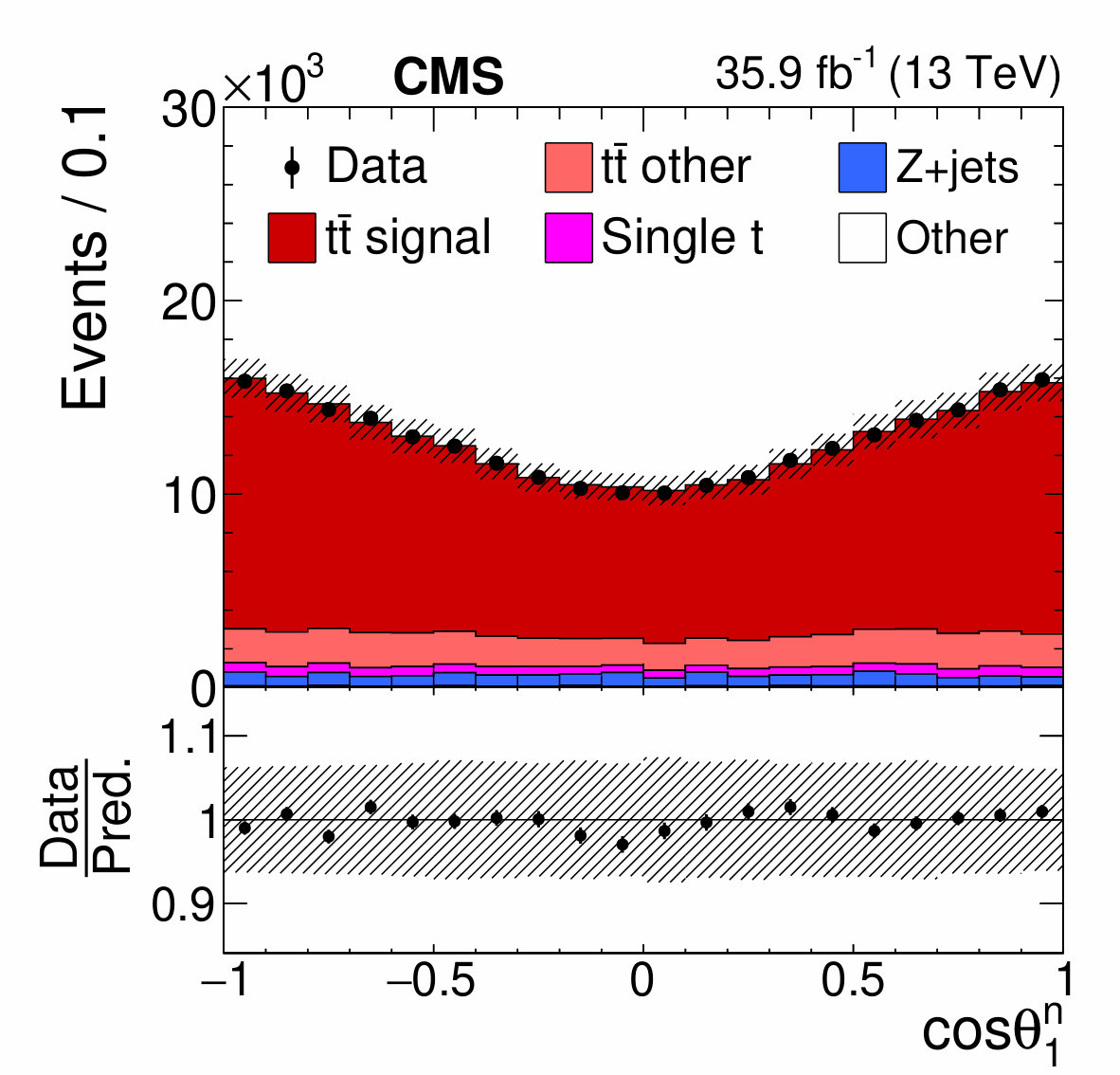 Figure 2
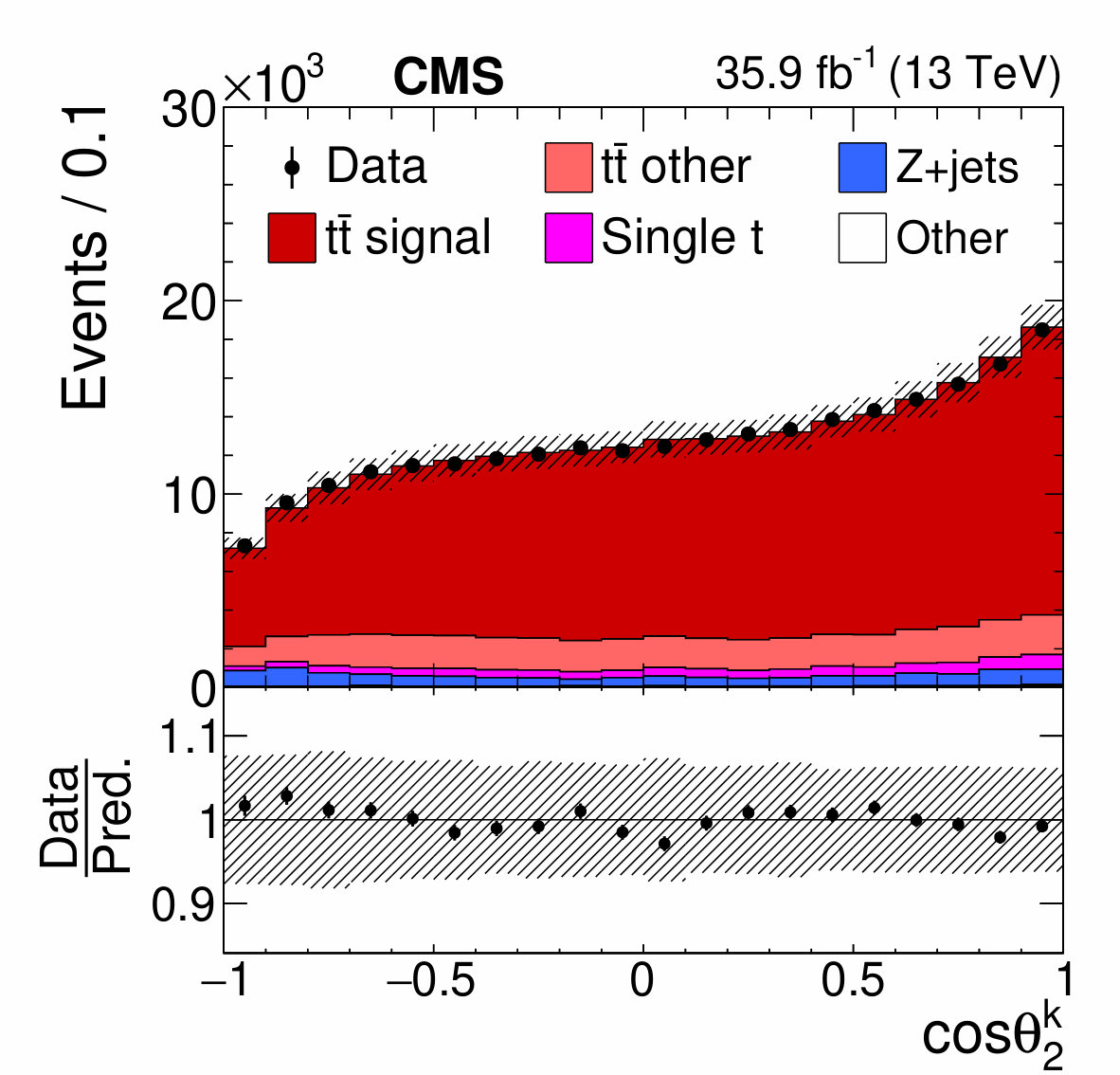 Figure 2
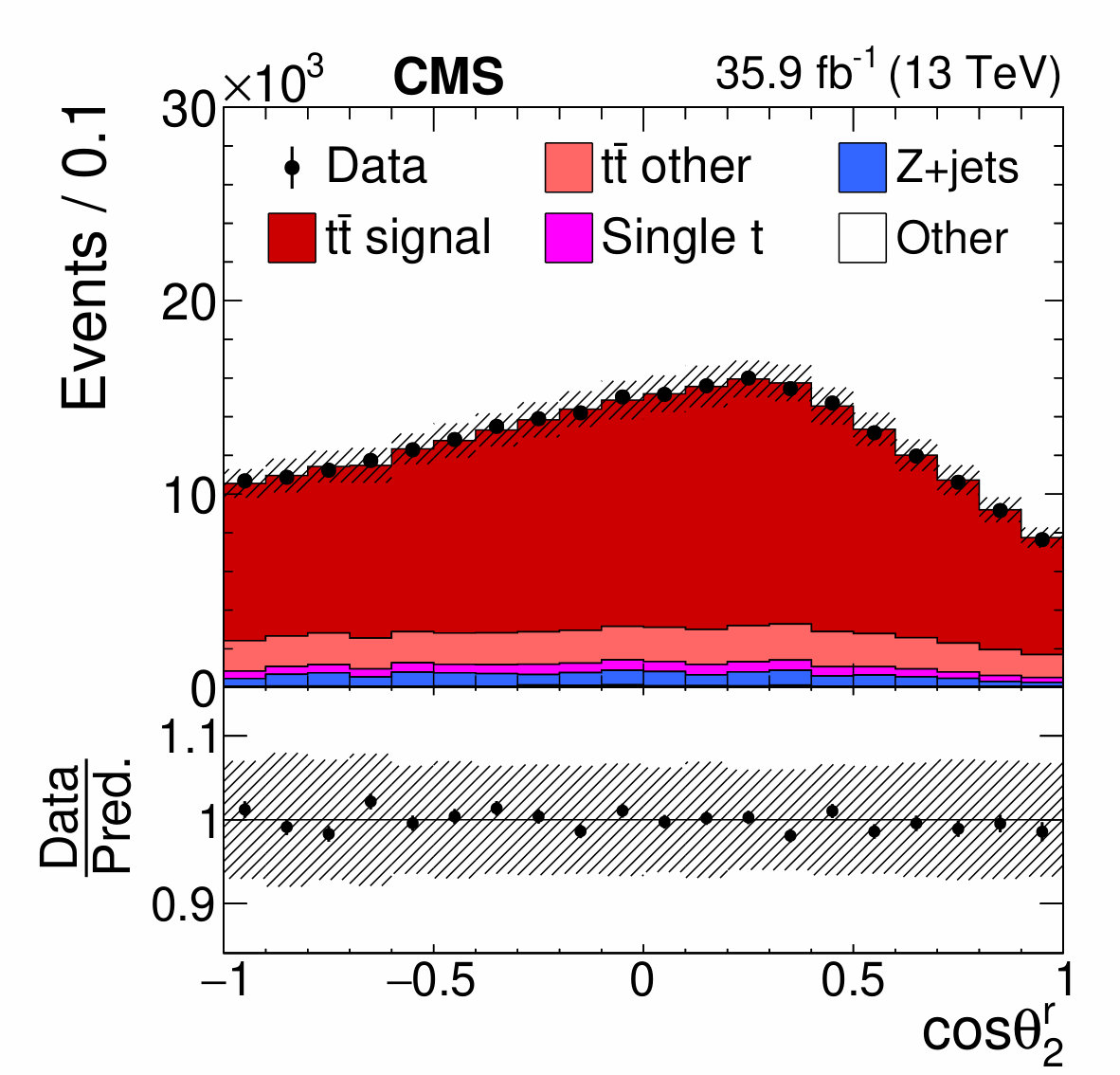 Figure 2
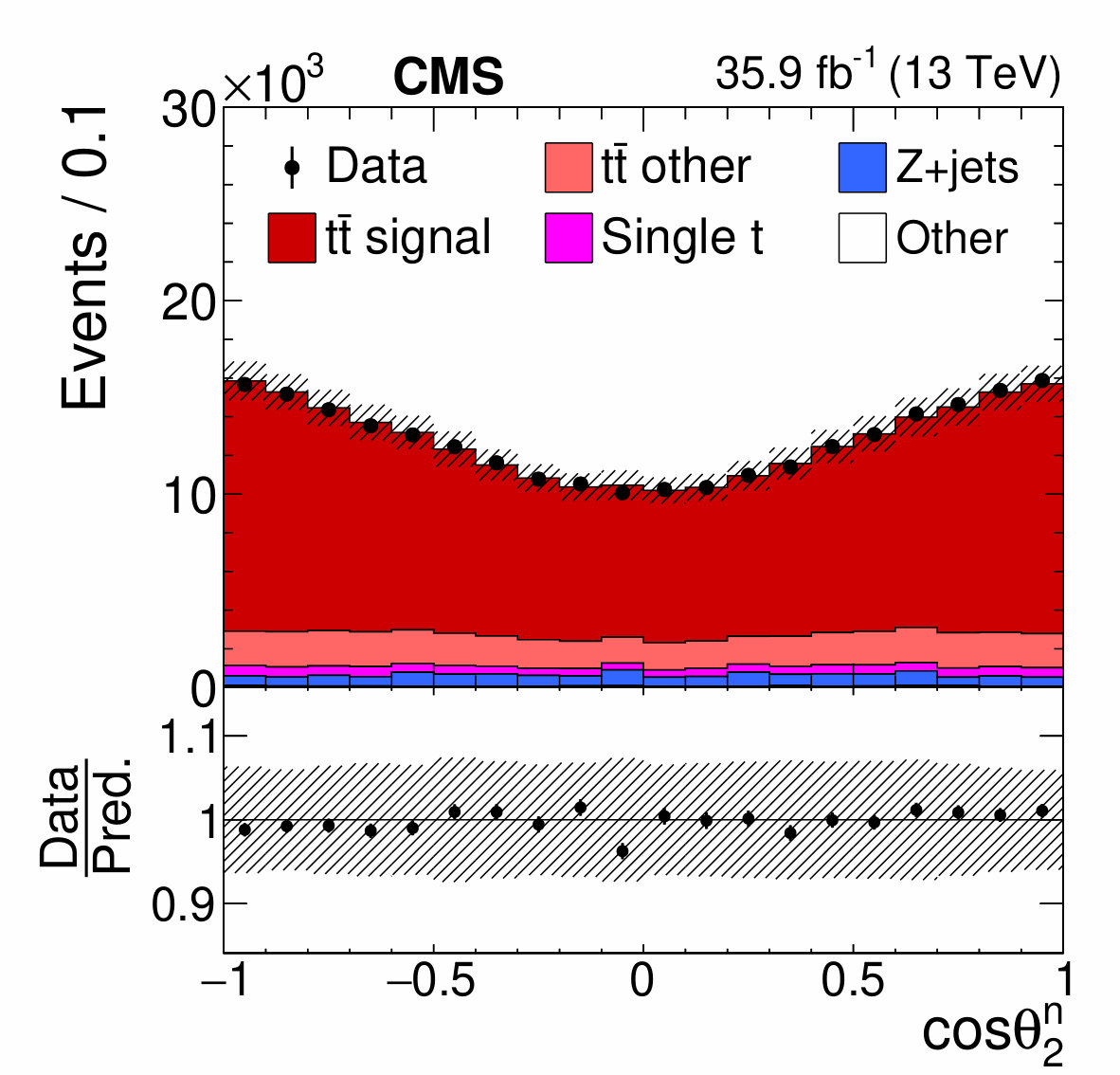 Figure 2
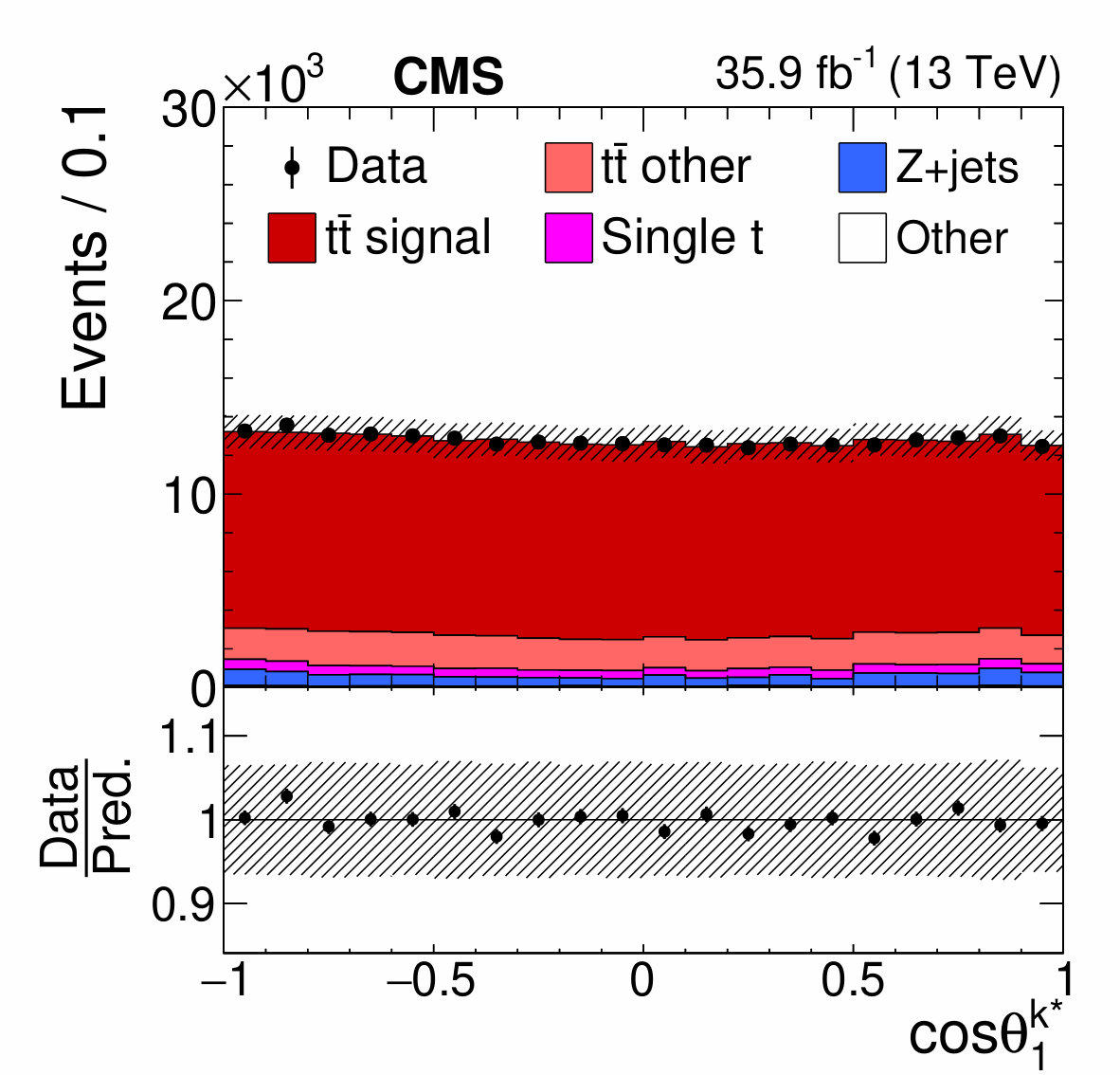 Figure 2
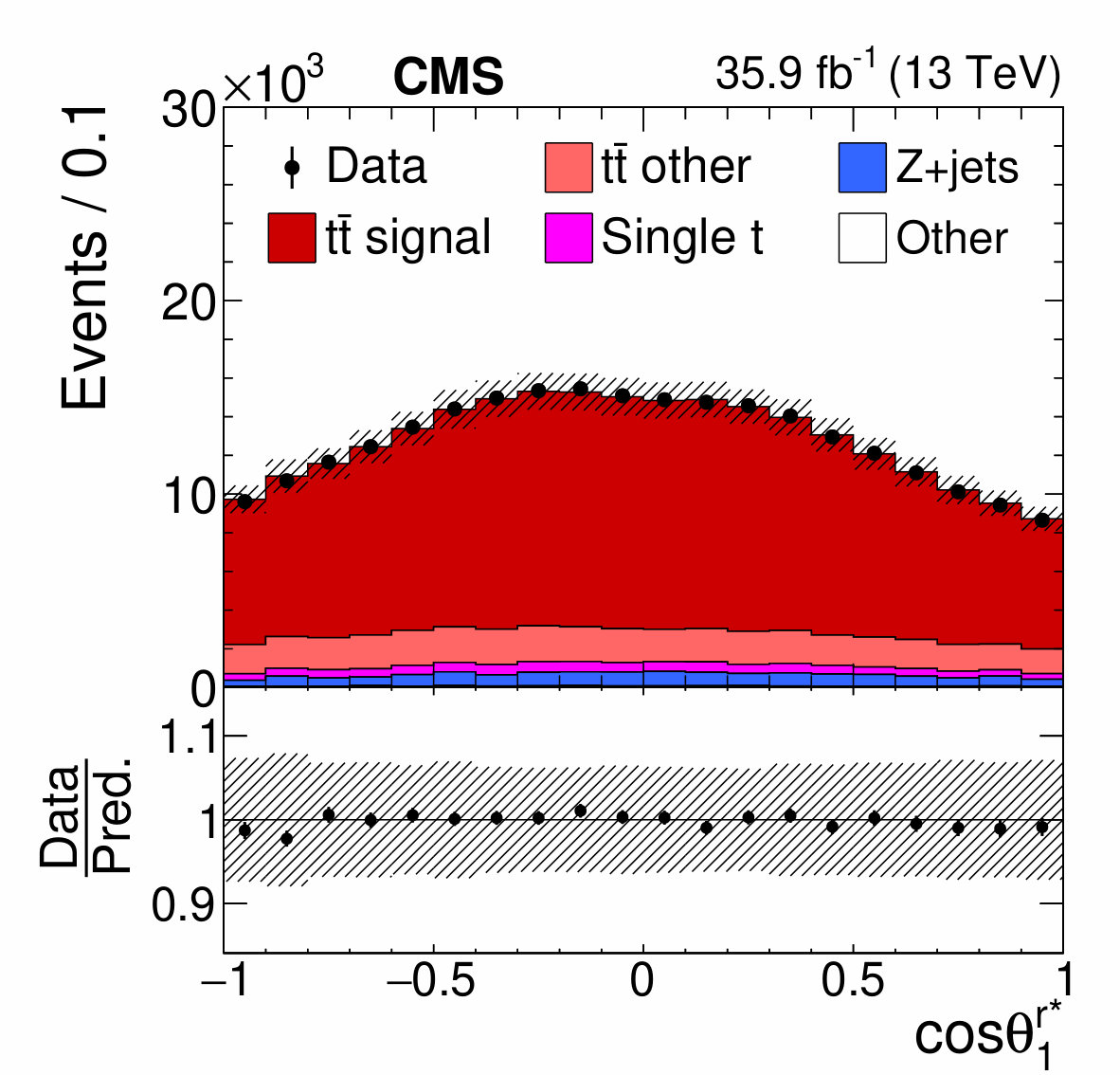 Figure 2
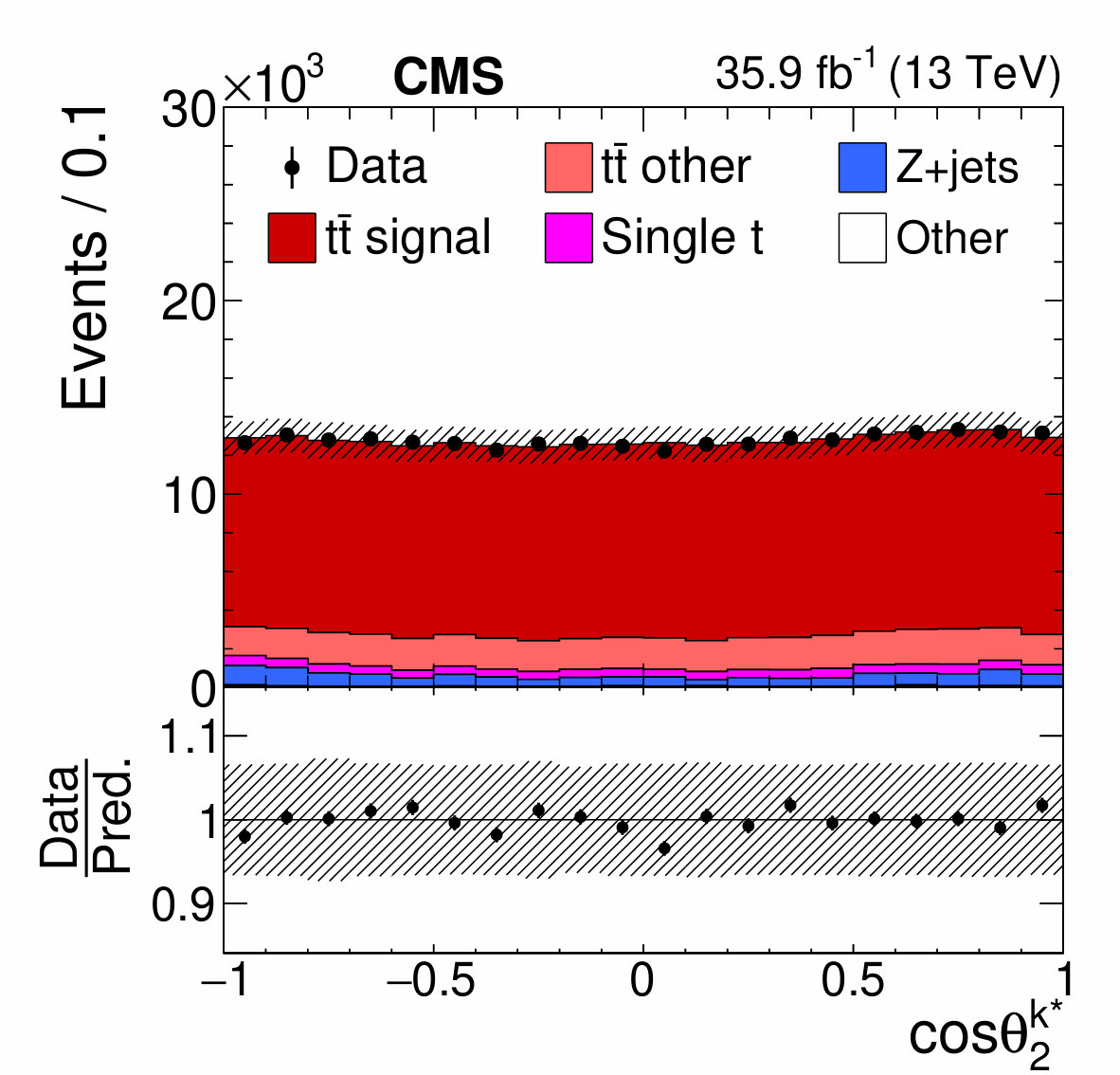 Figure 2
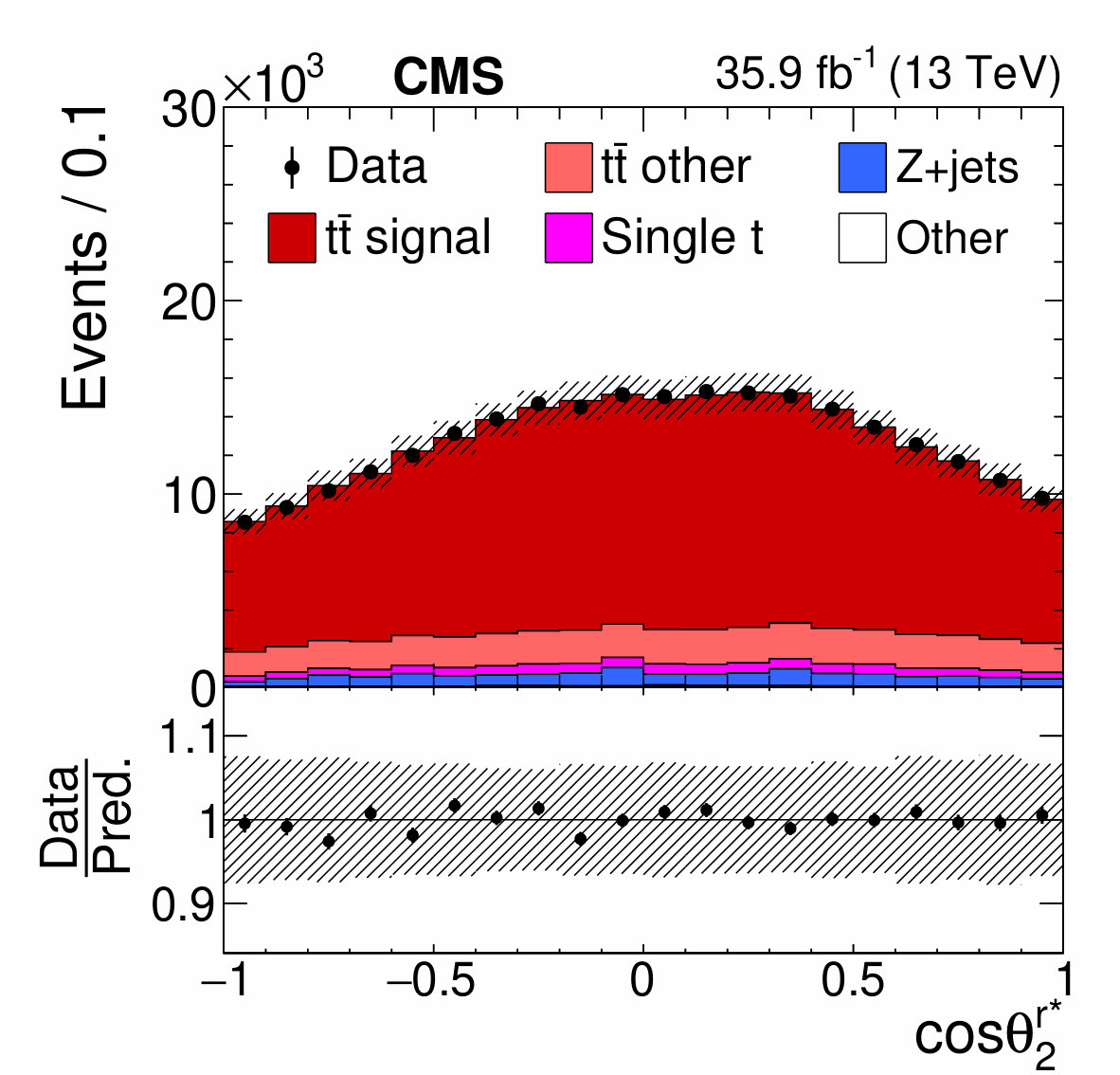 Figure 2
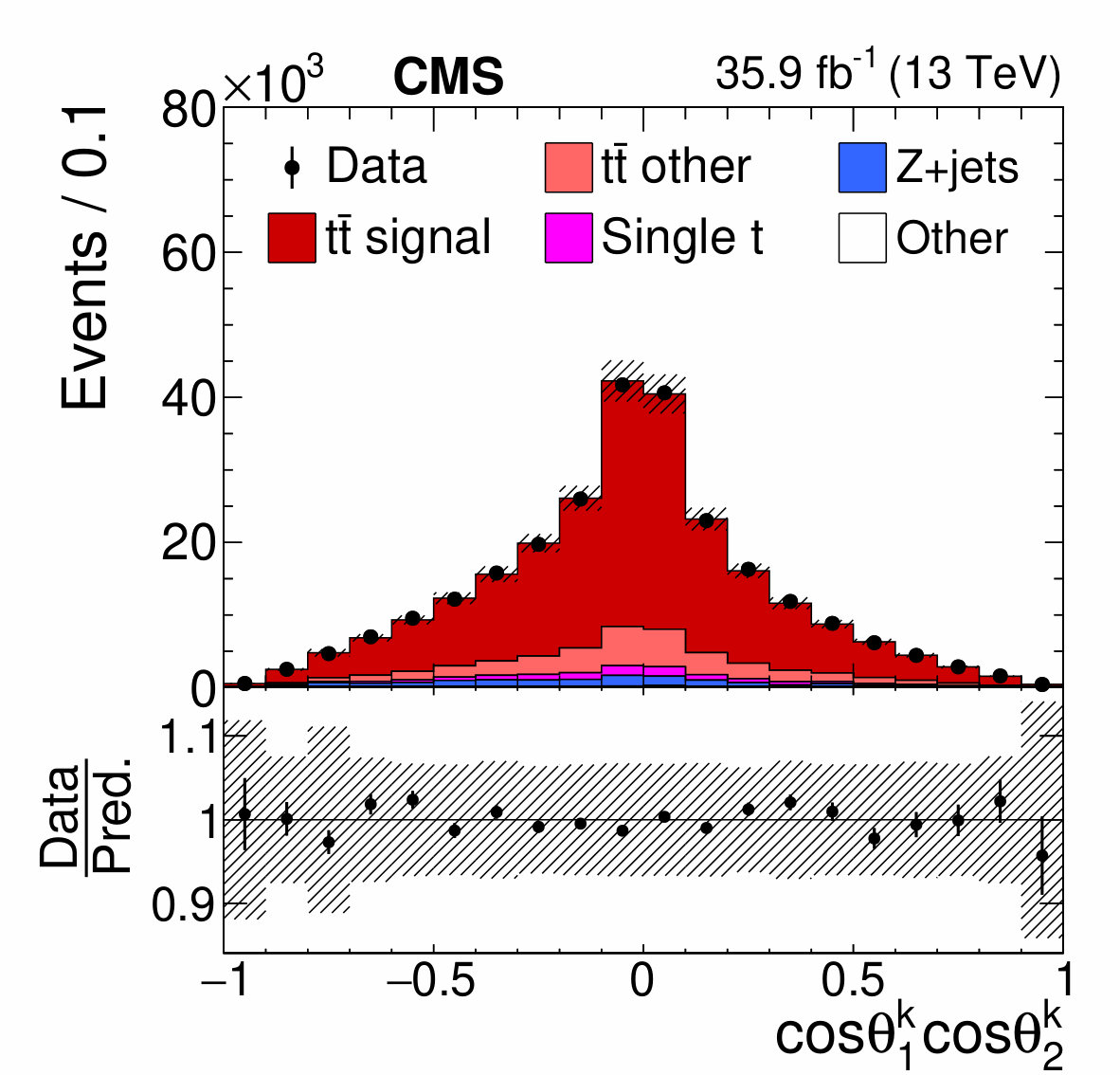 Figure 3
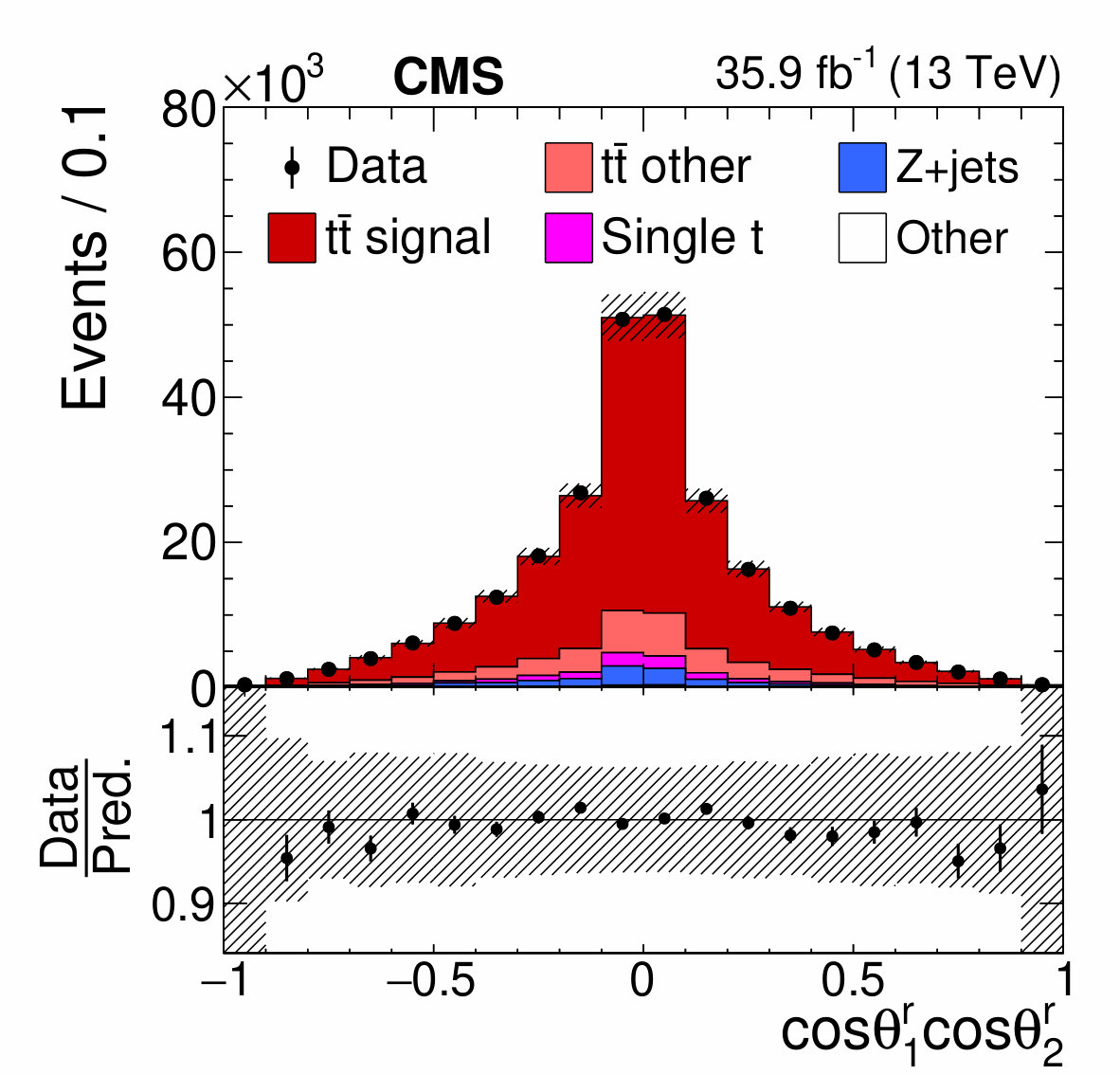 Figure 3
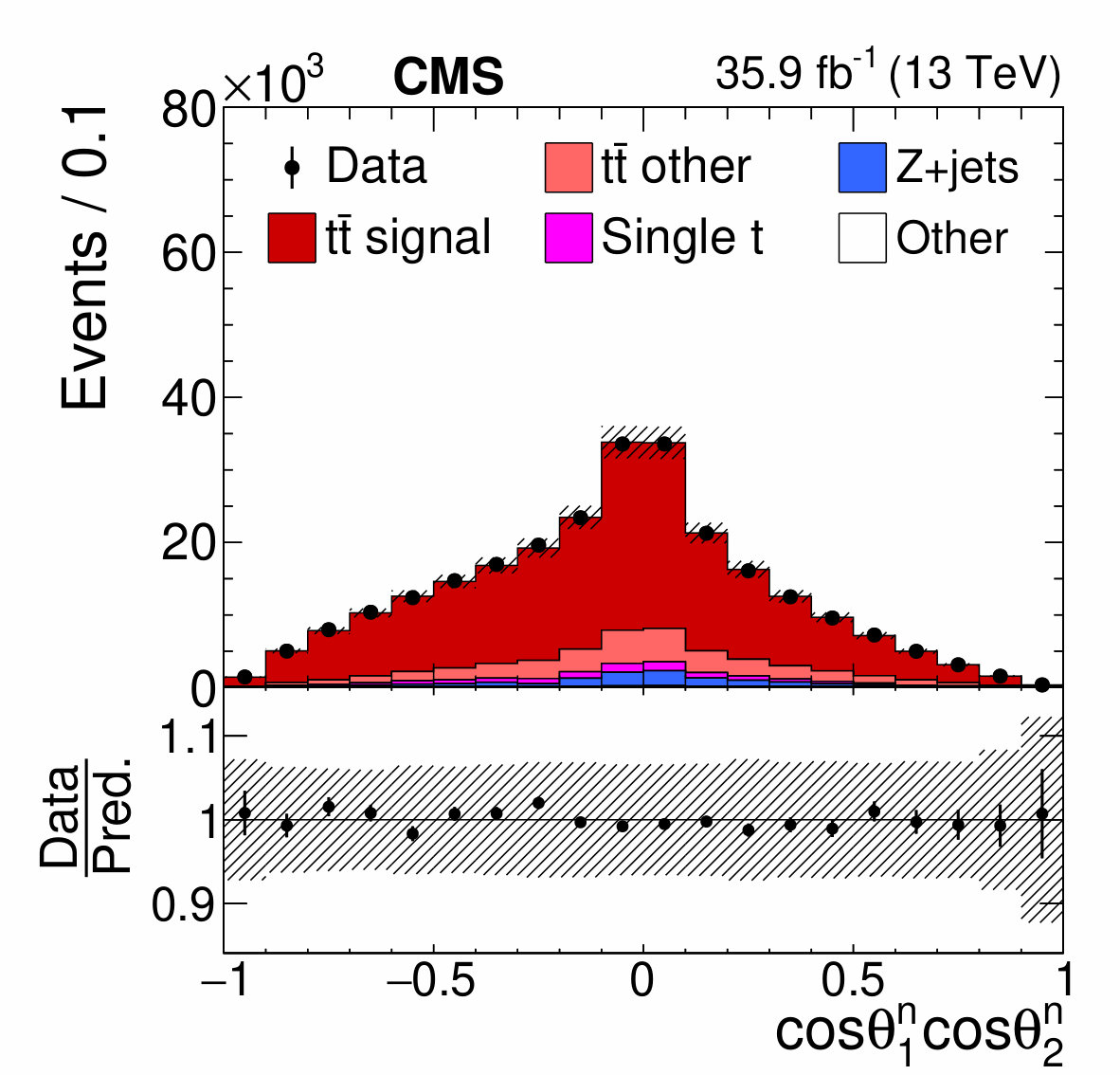 Figure 3
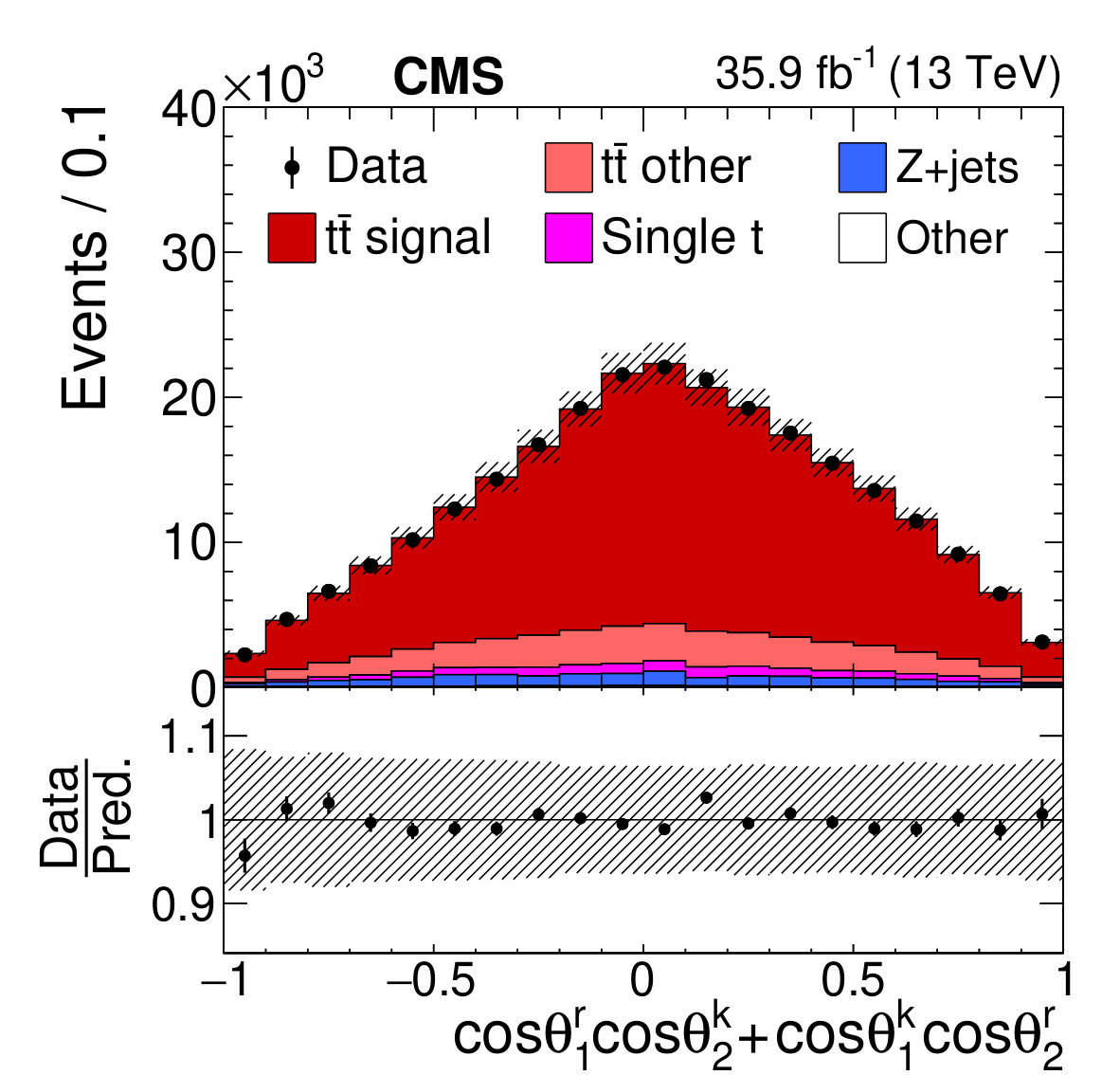 Figure 3
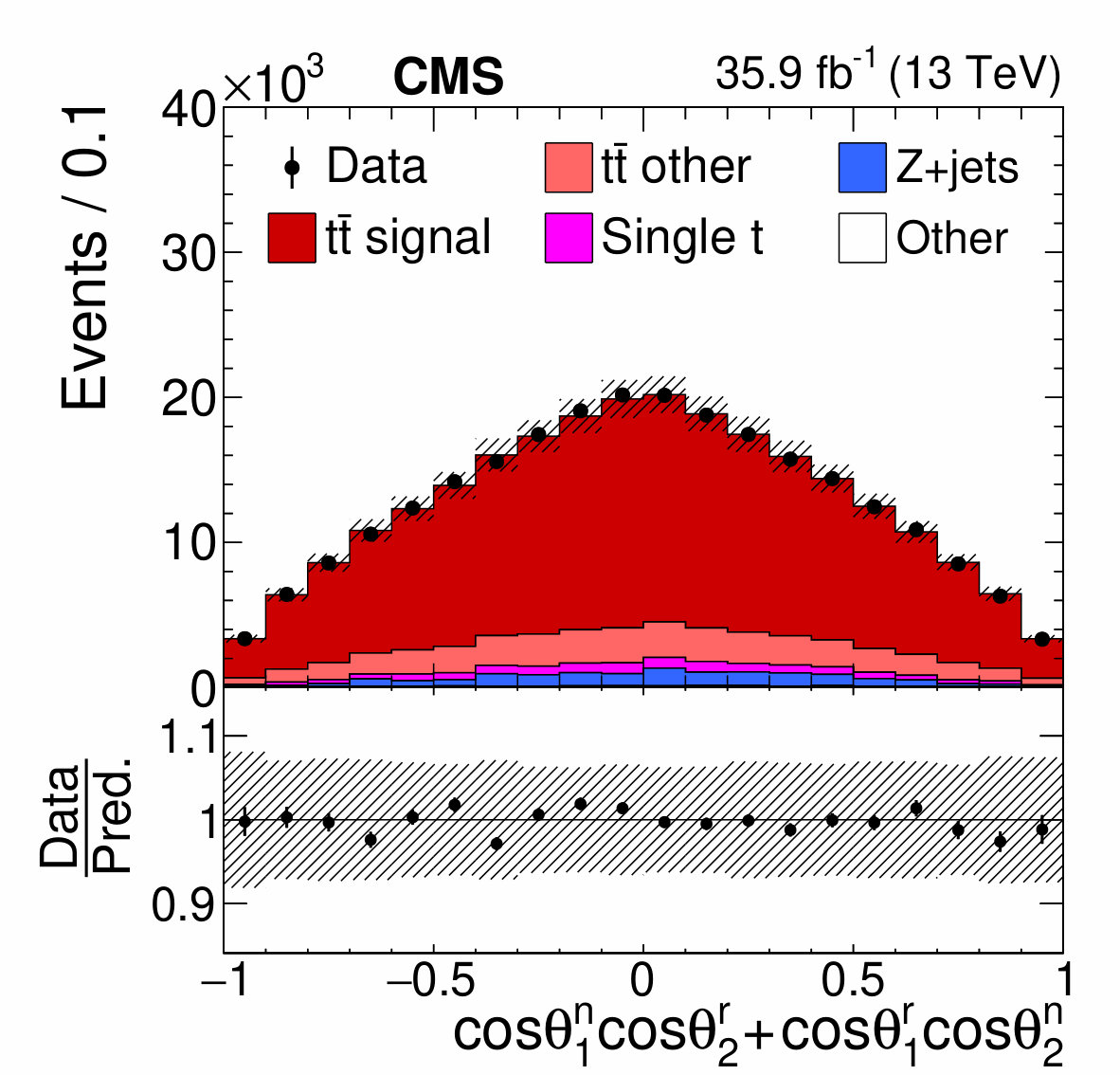 Figure 3
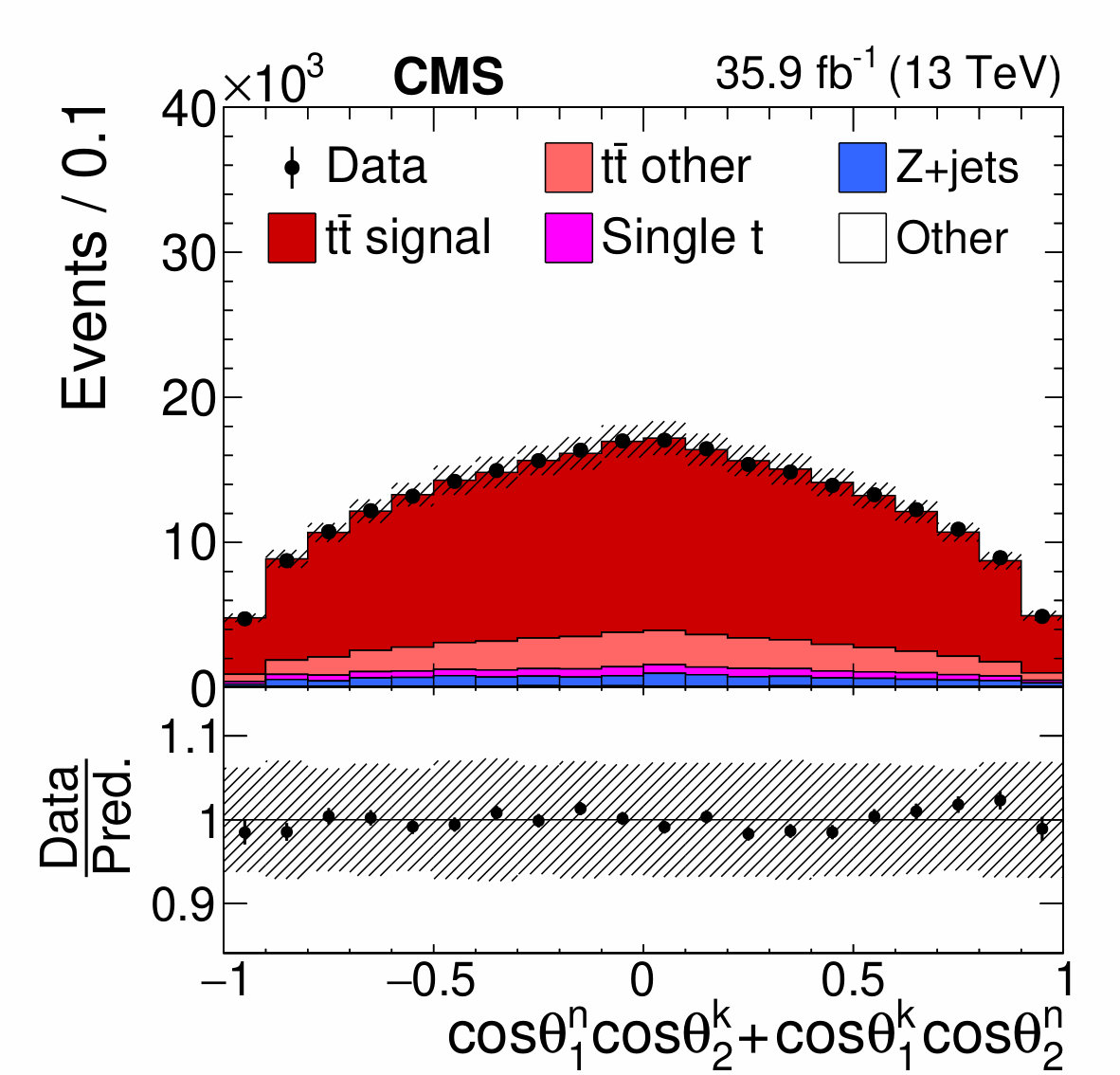 Figure 3
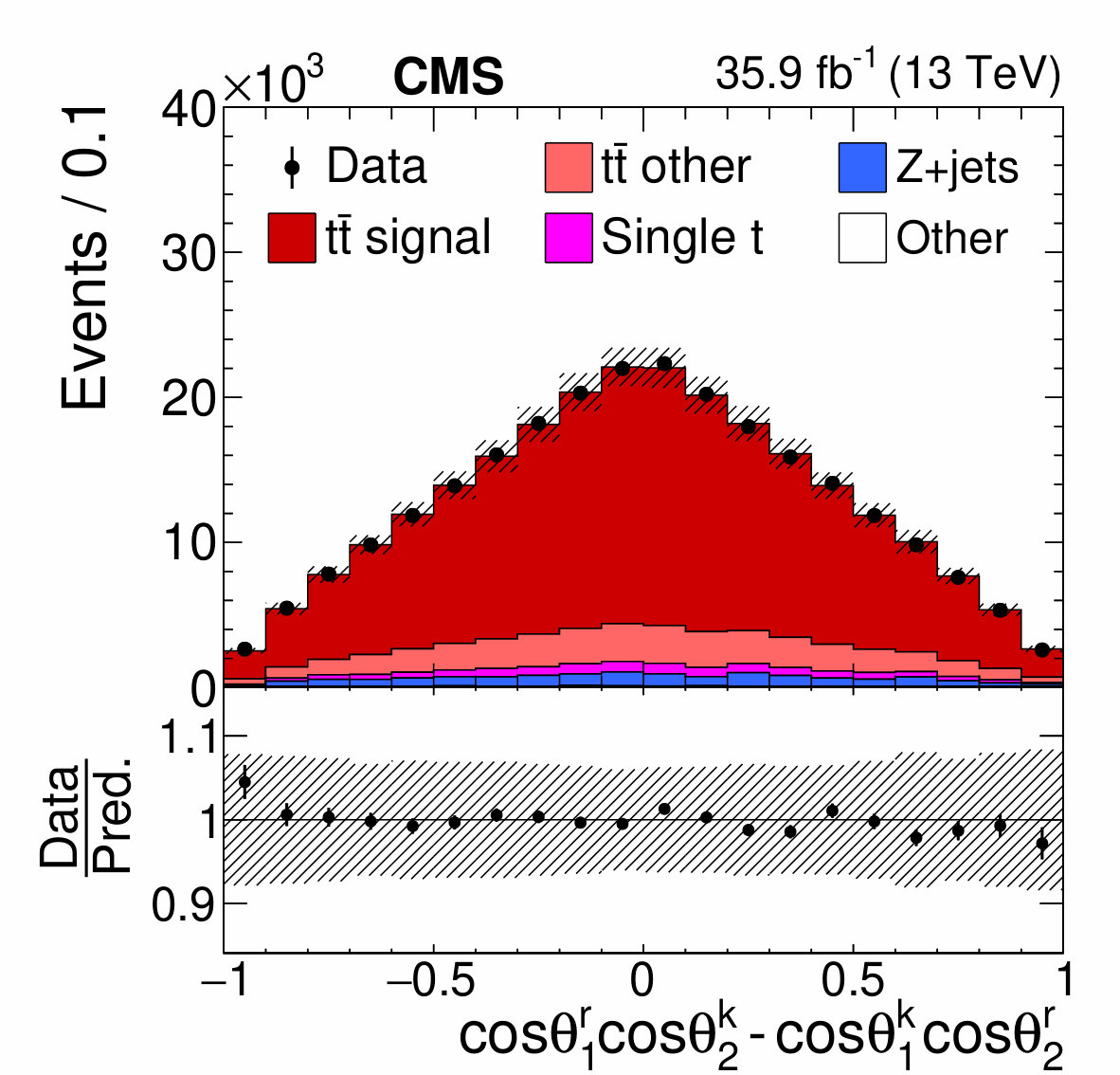 Figure 3
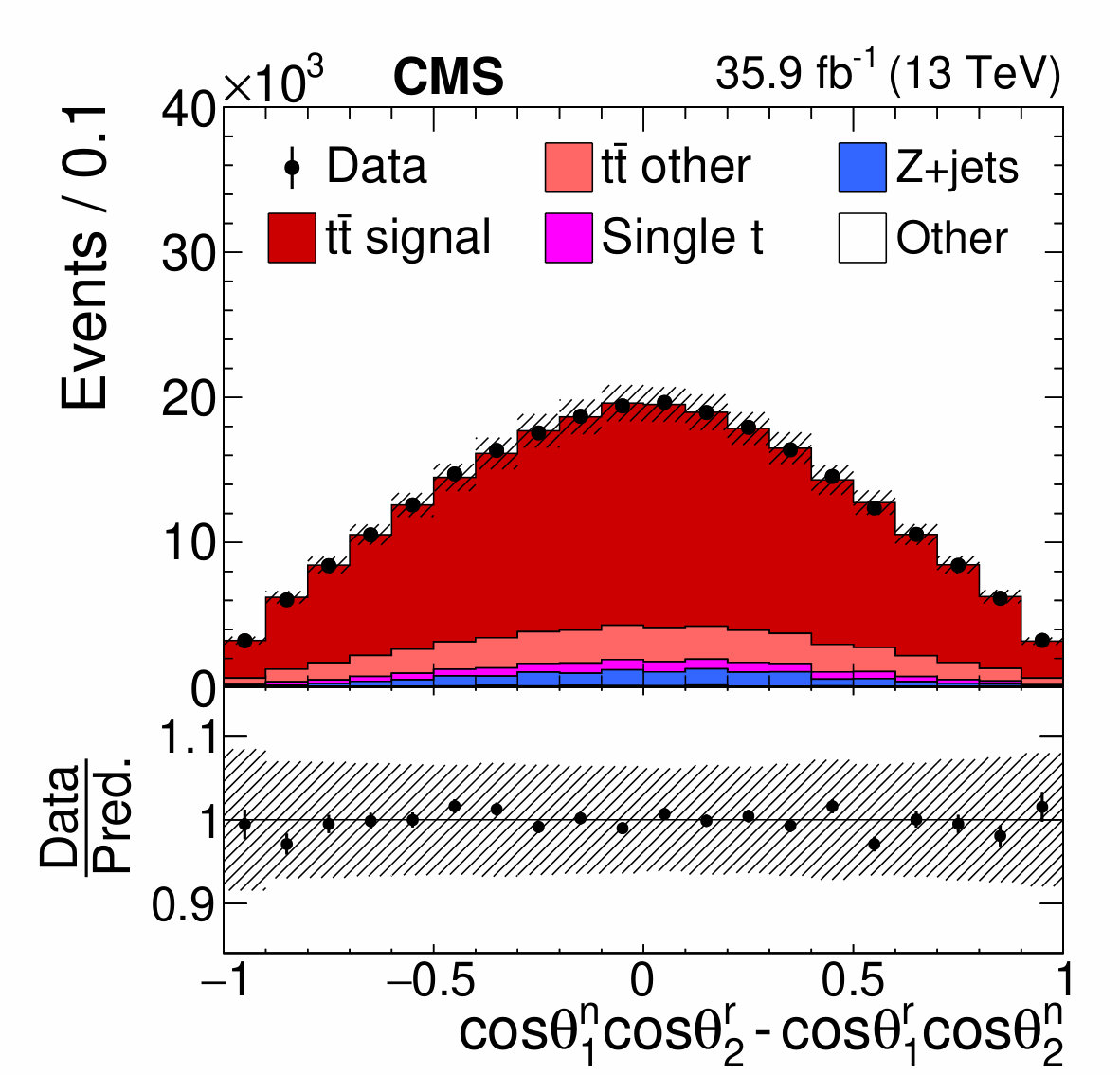 Figure 3
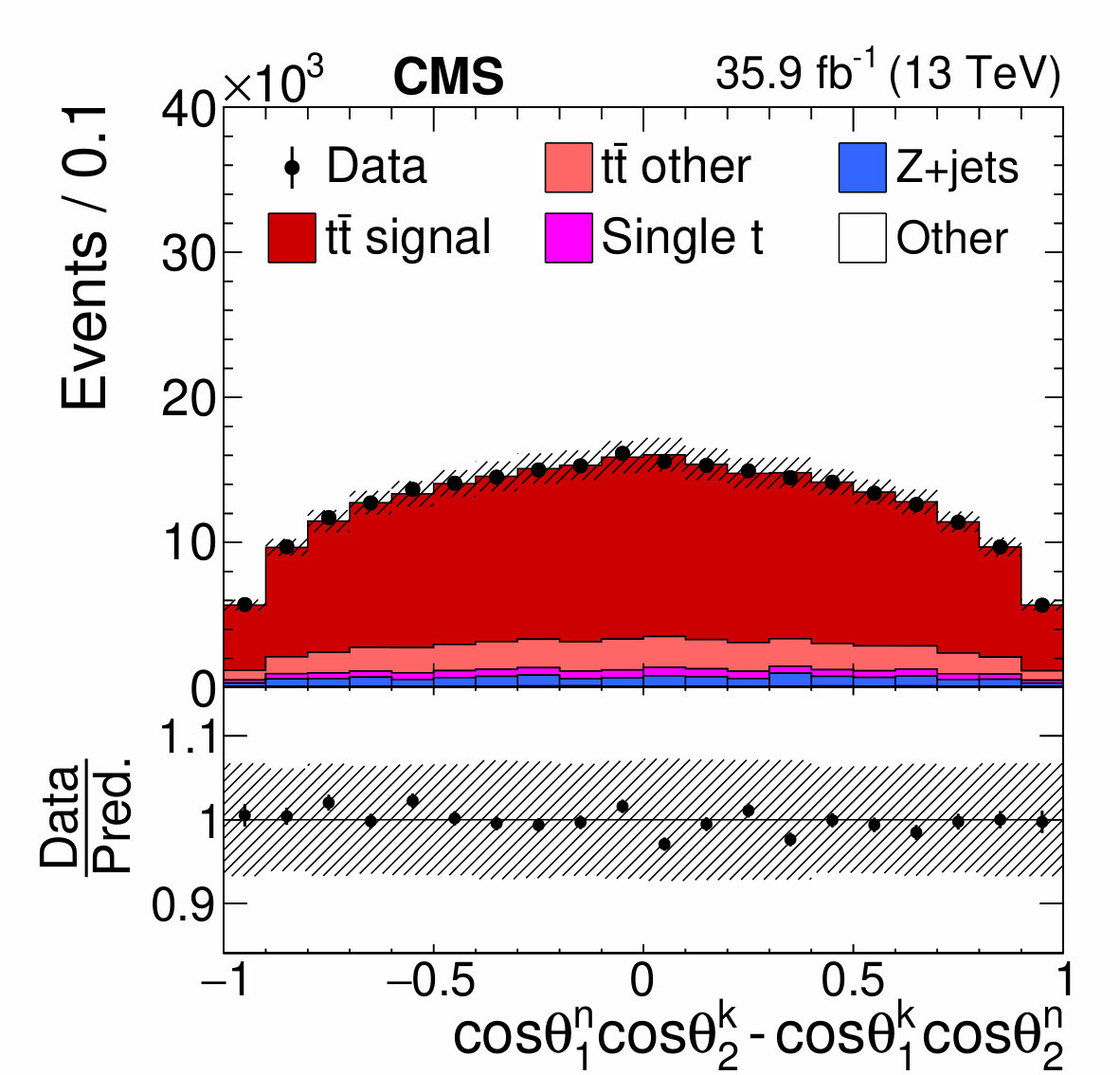 Figure 3
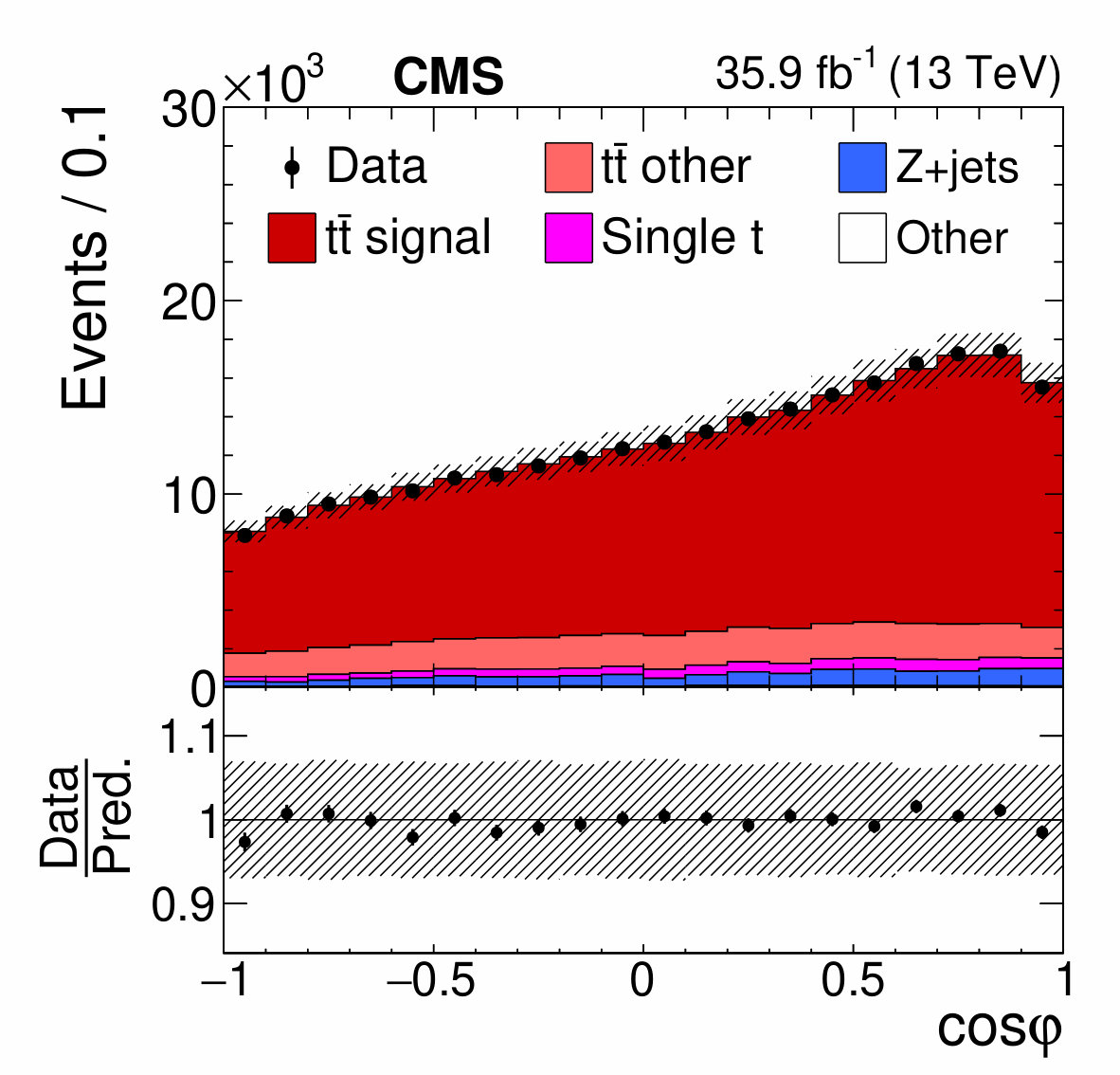 Figure 3
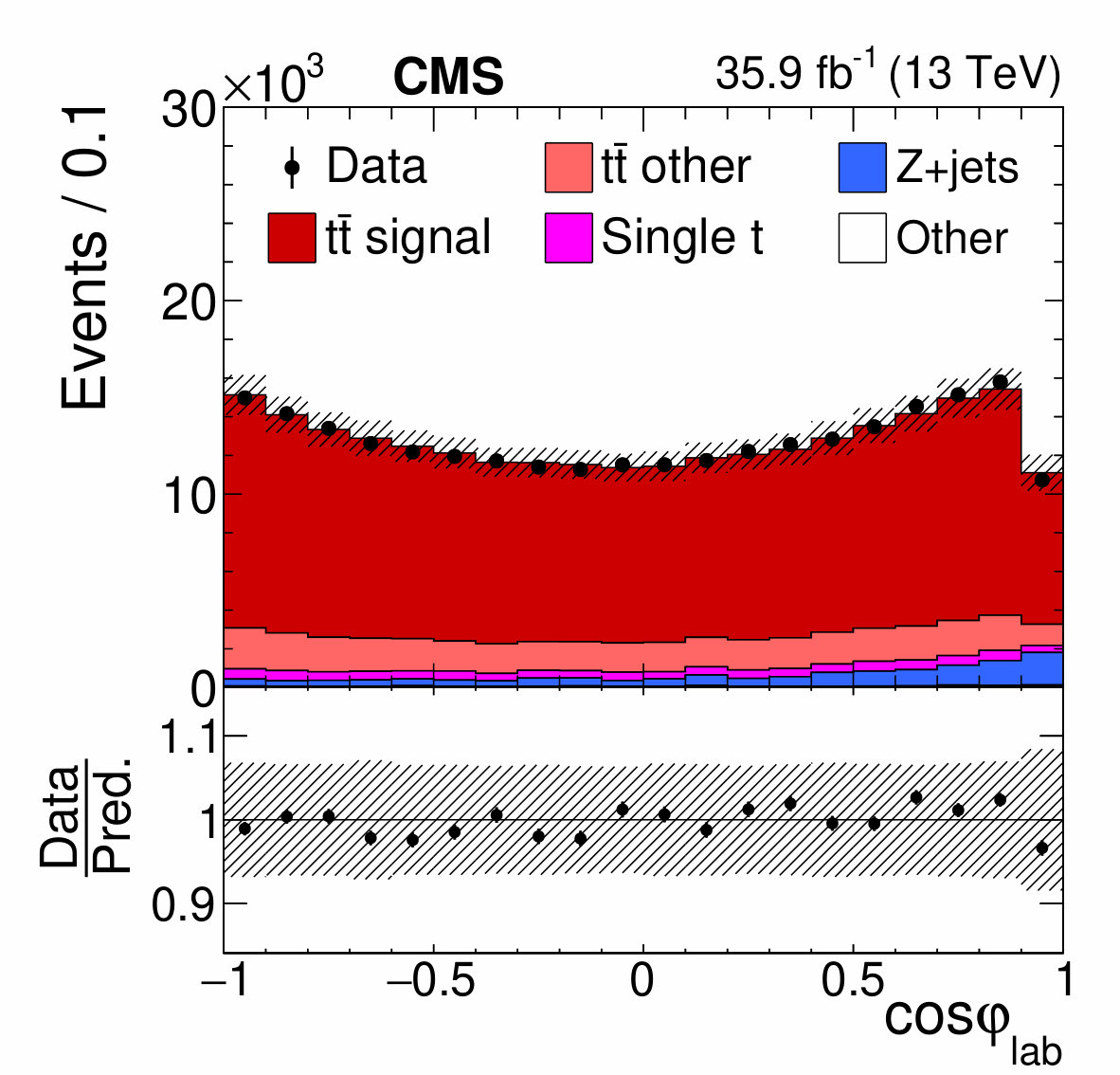 Figure 3
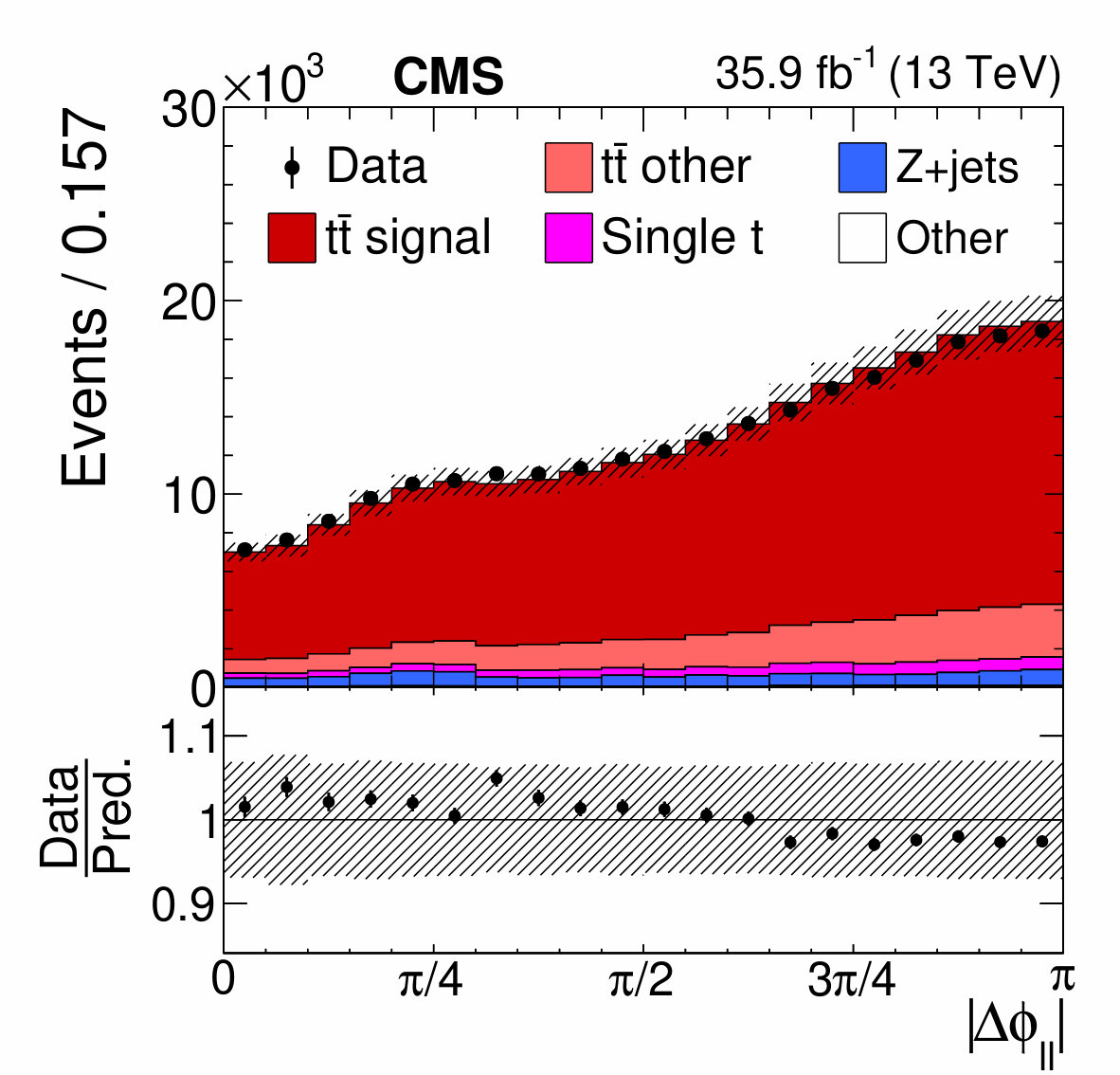 Figure 3
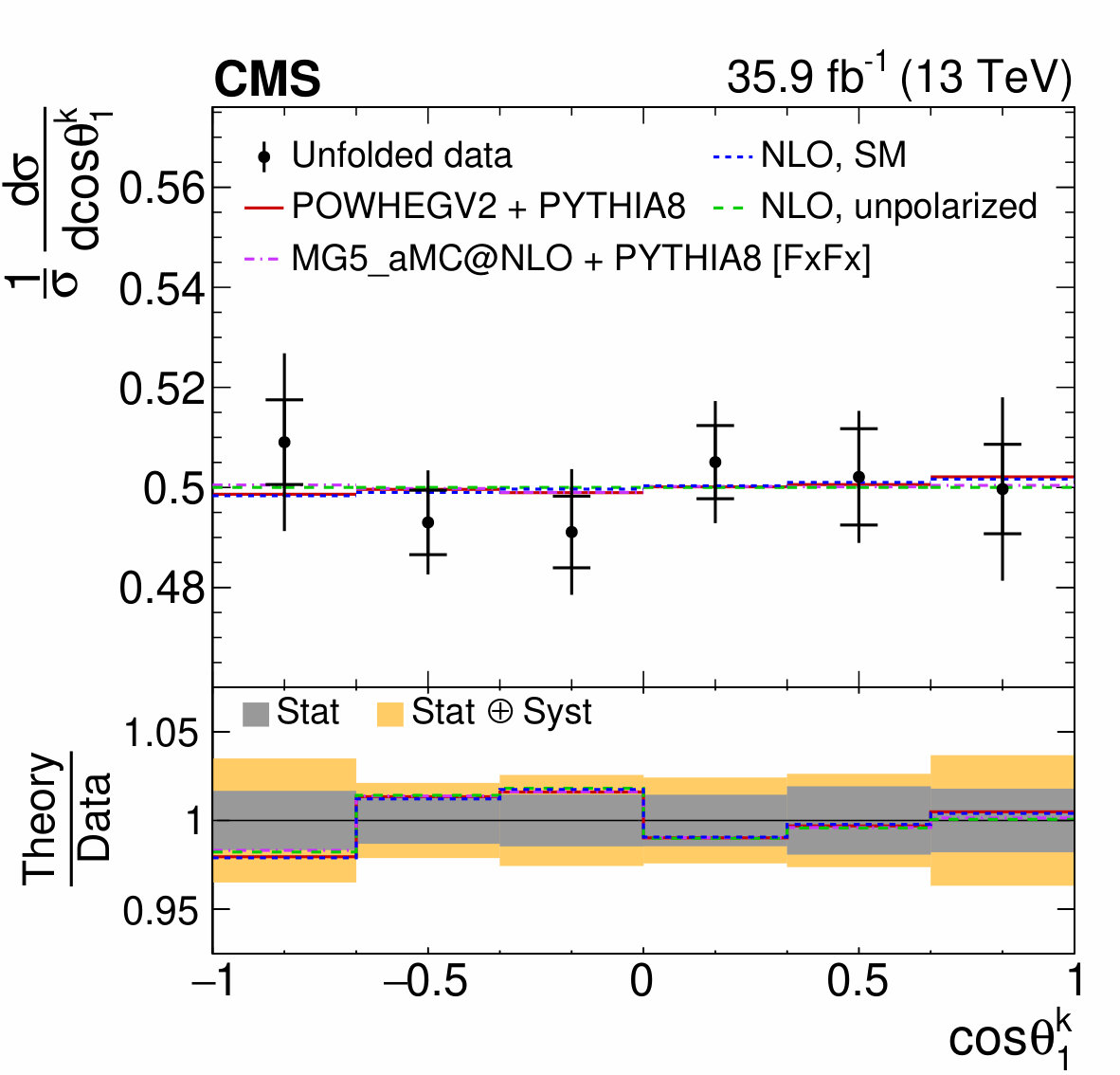 Figure 4
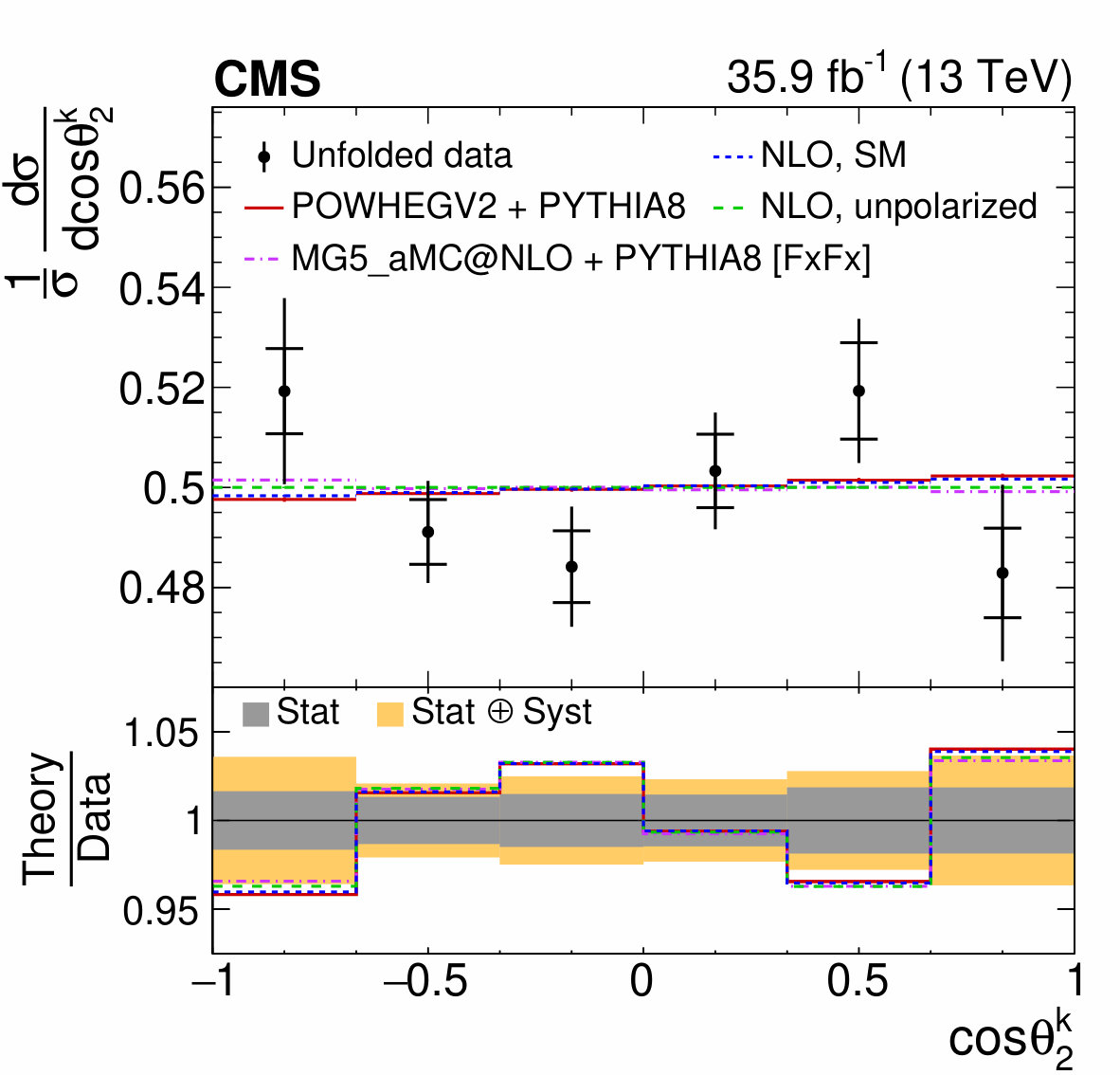 Figure 4
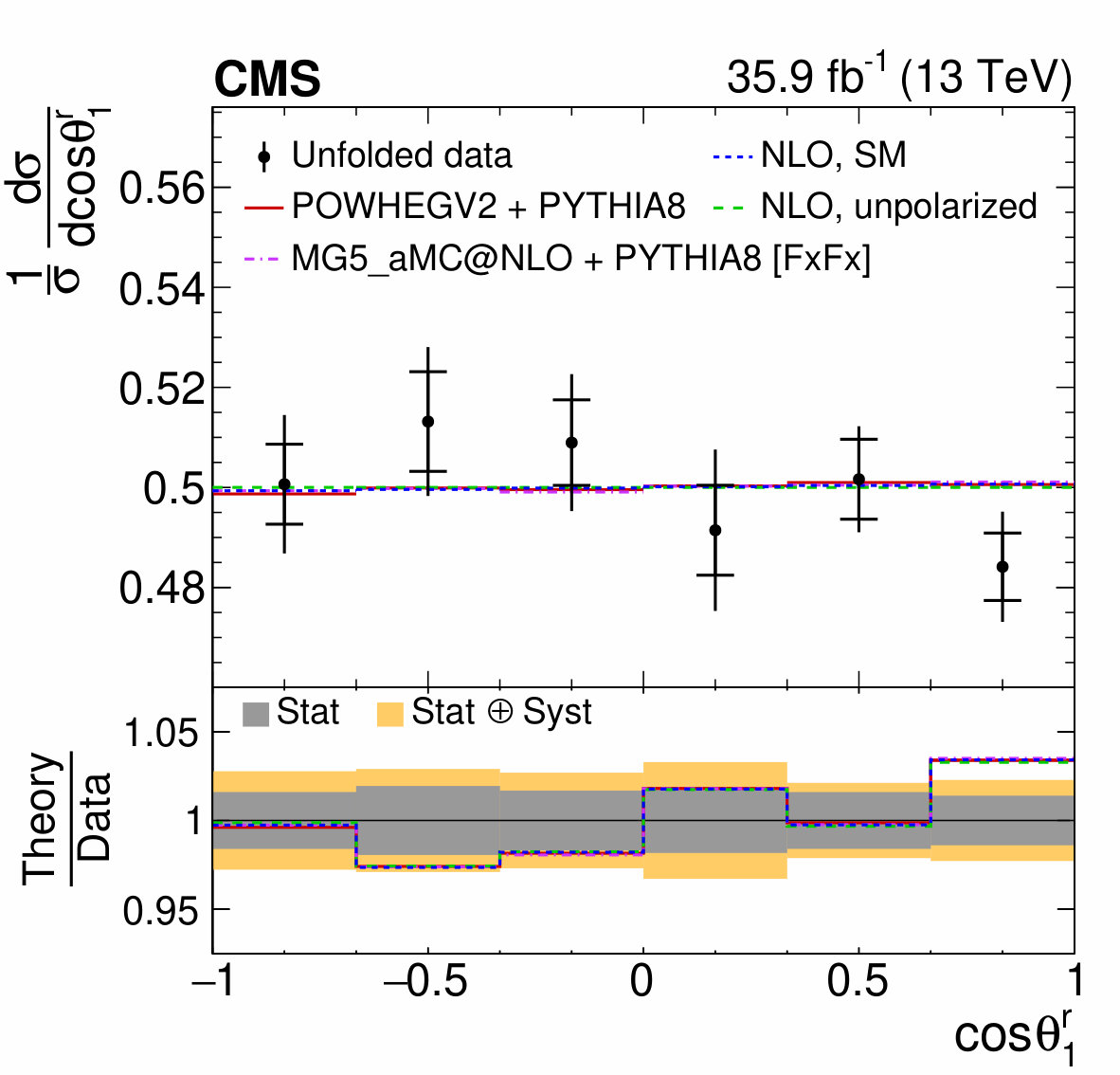 Figure 4
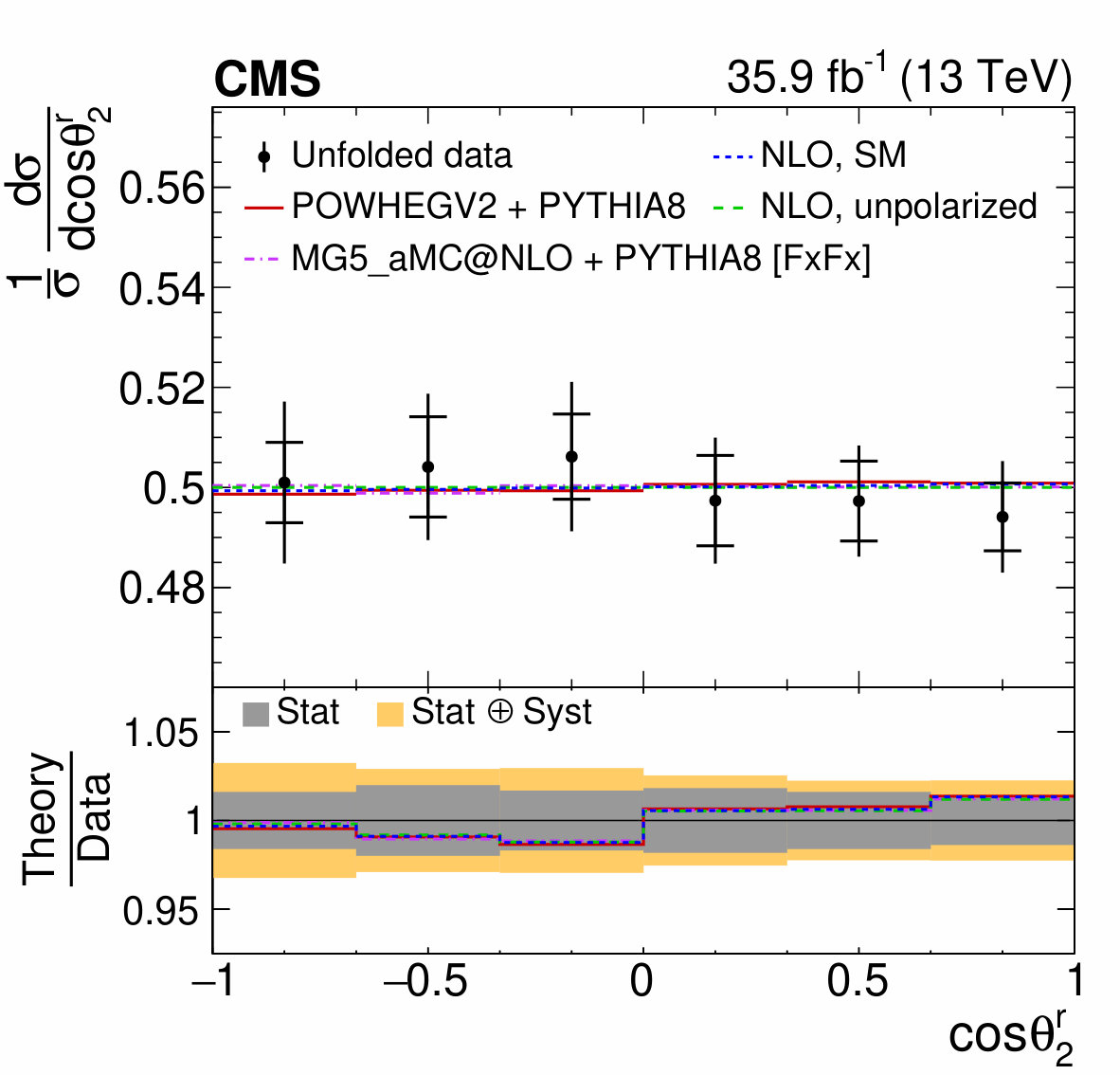 Figure 4
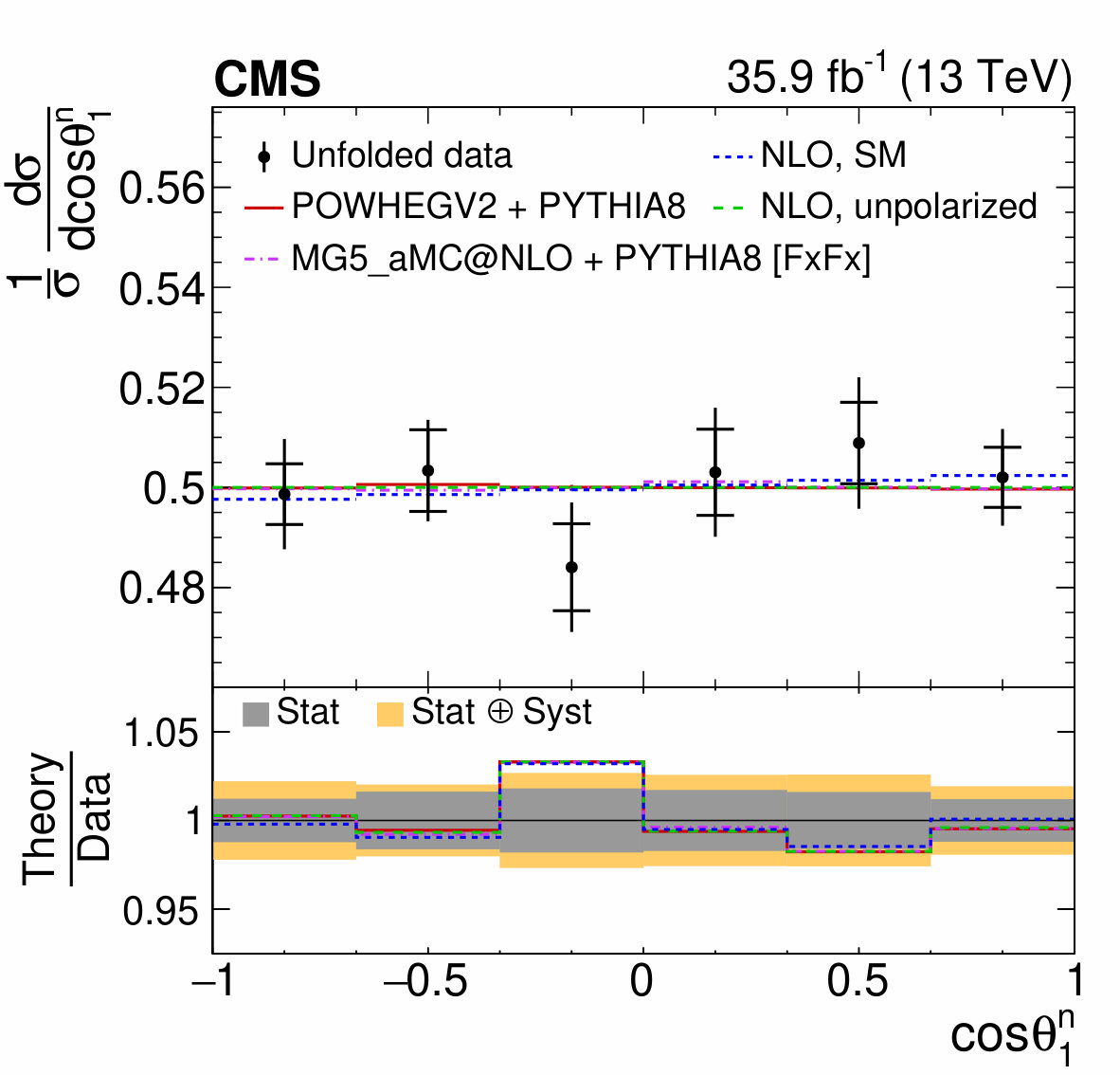 Figure 4
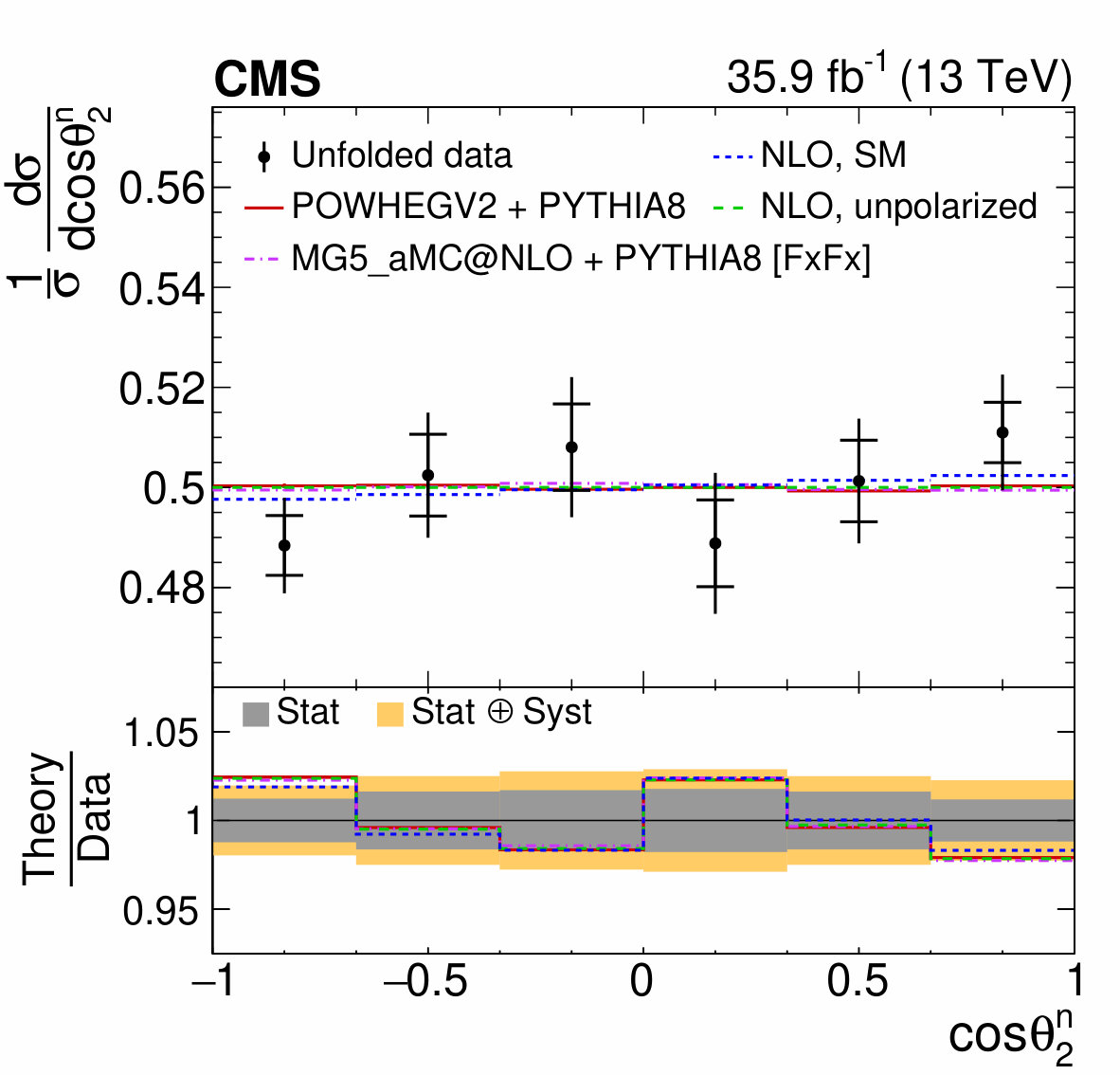 Figure 4
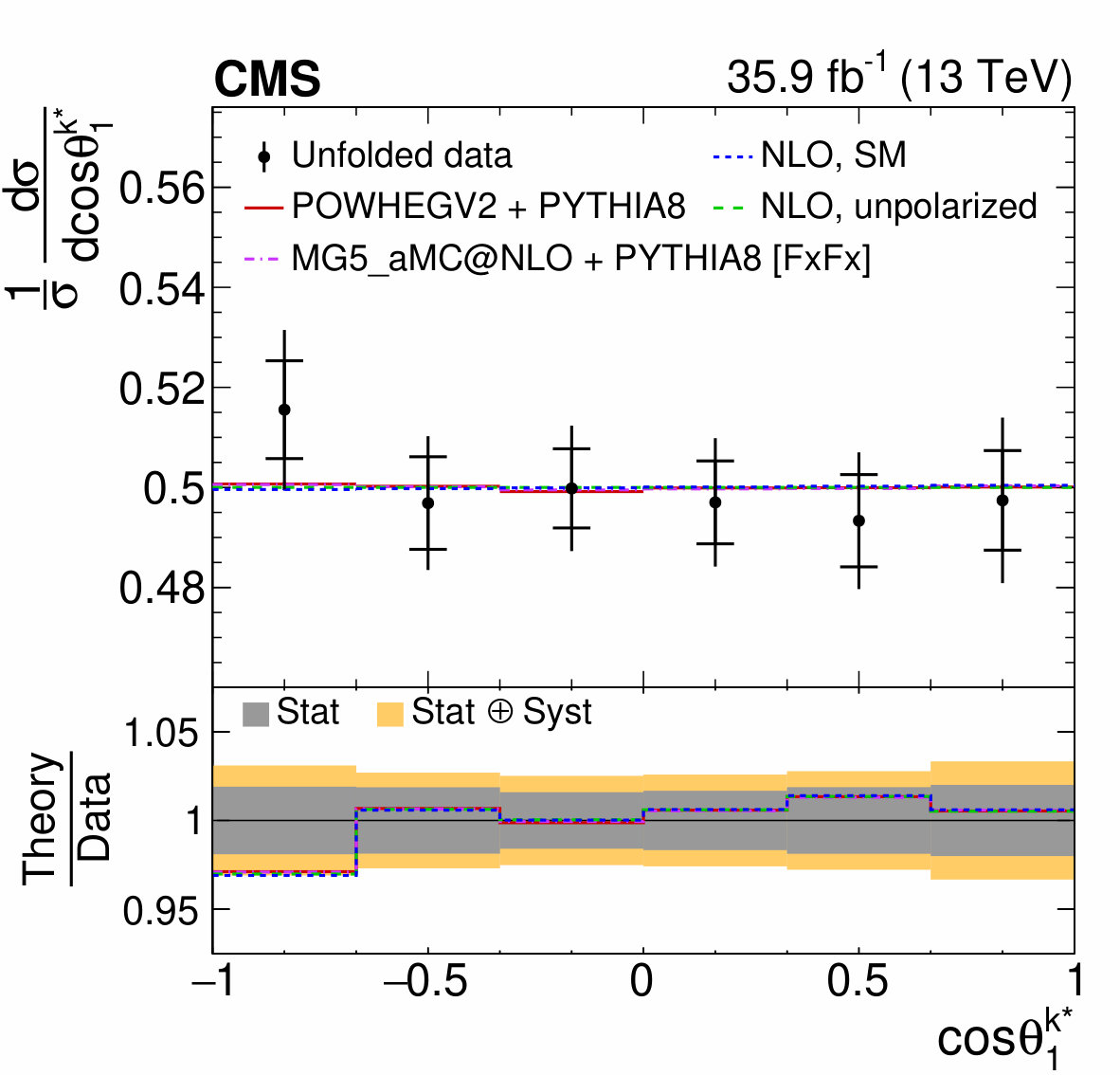 Figure 5
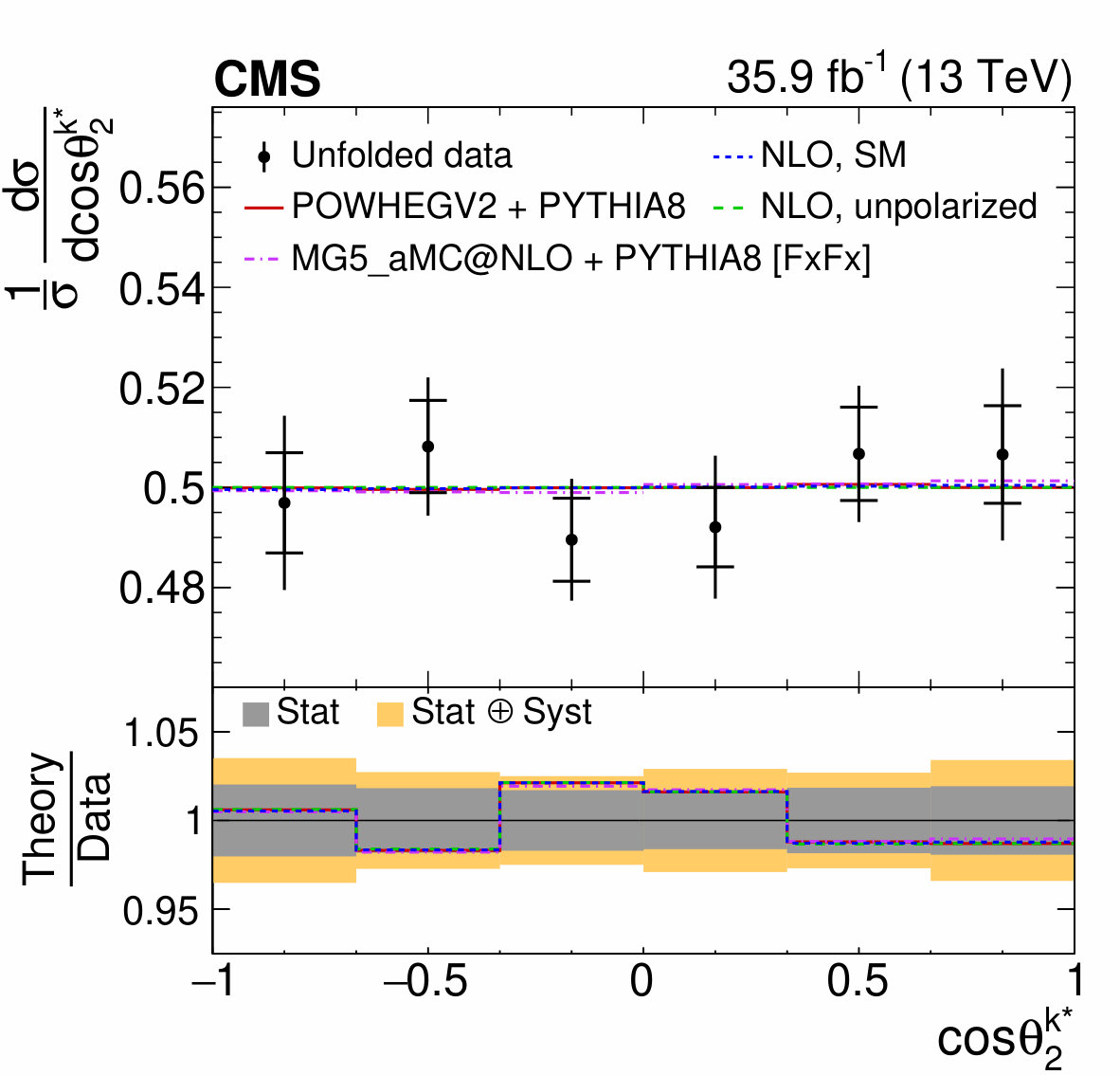 Figure 5
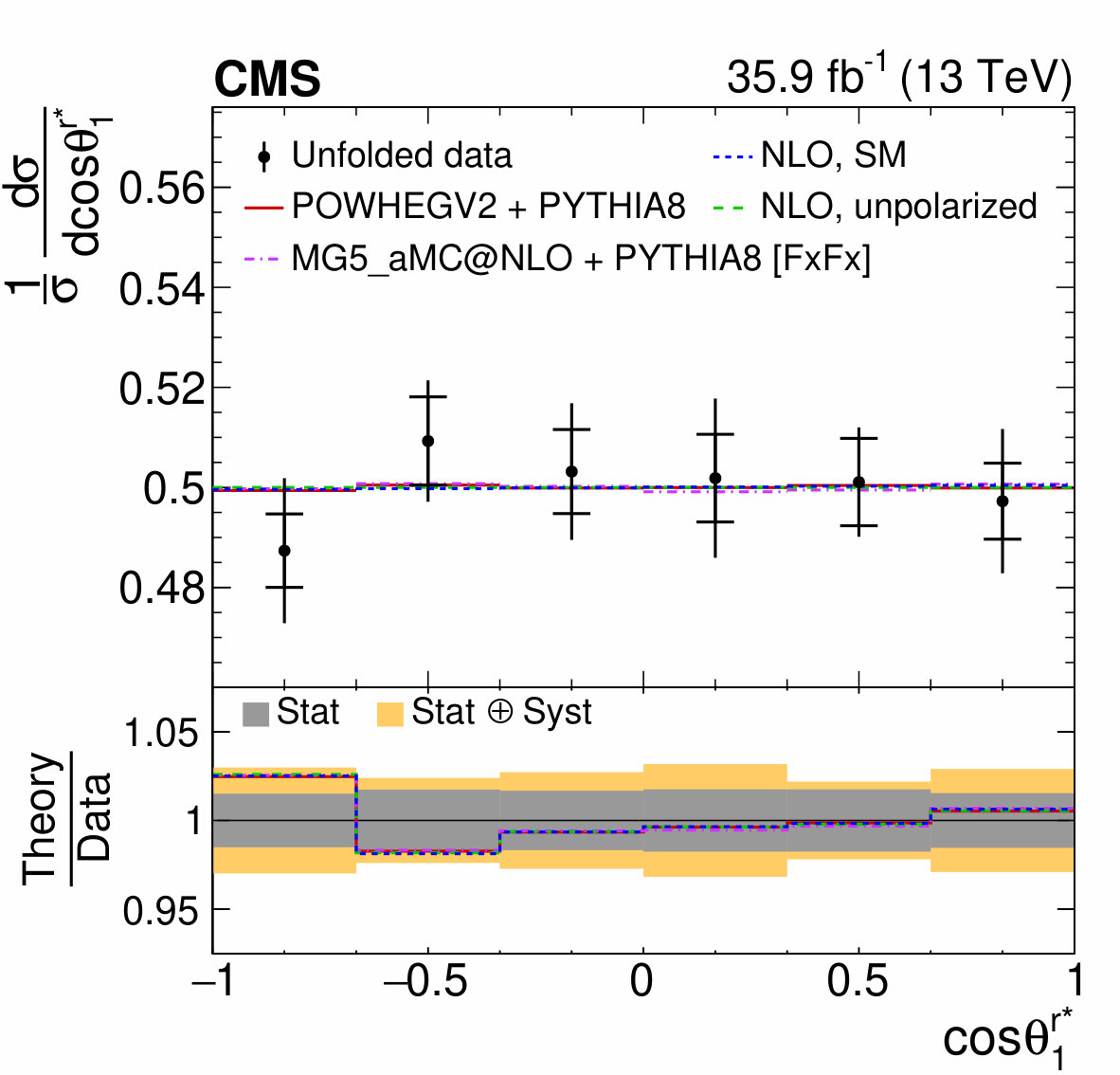 Figure 5
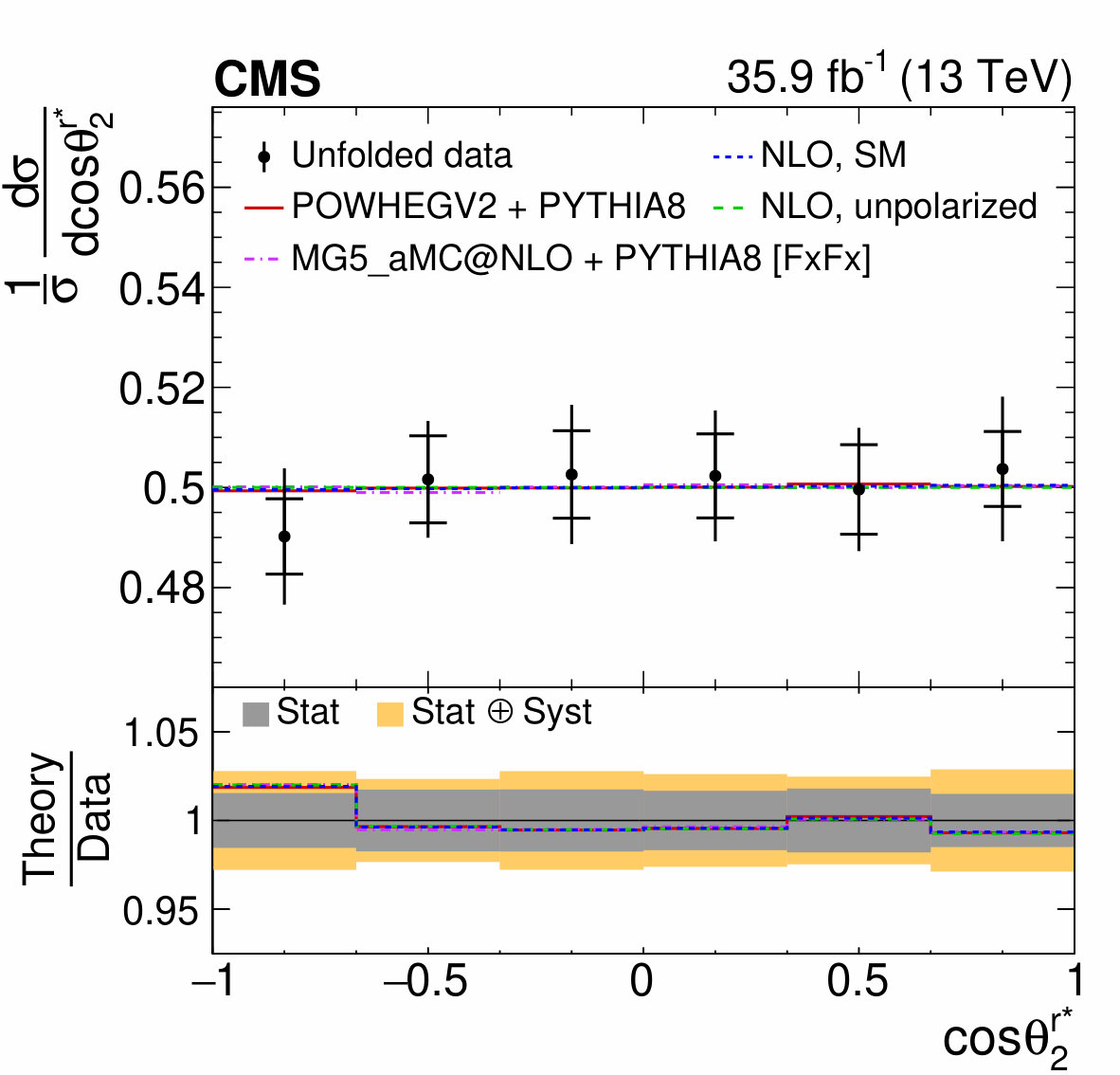 Figure 5
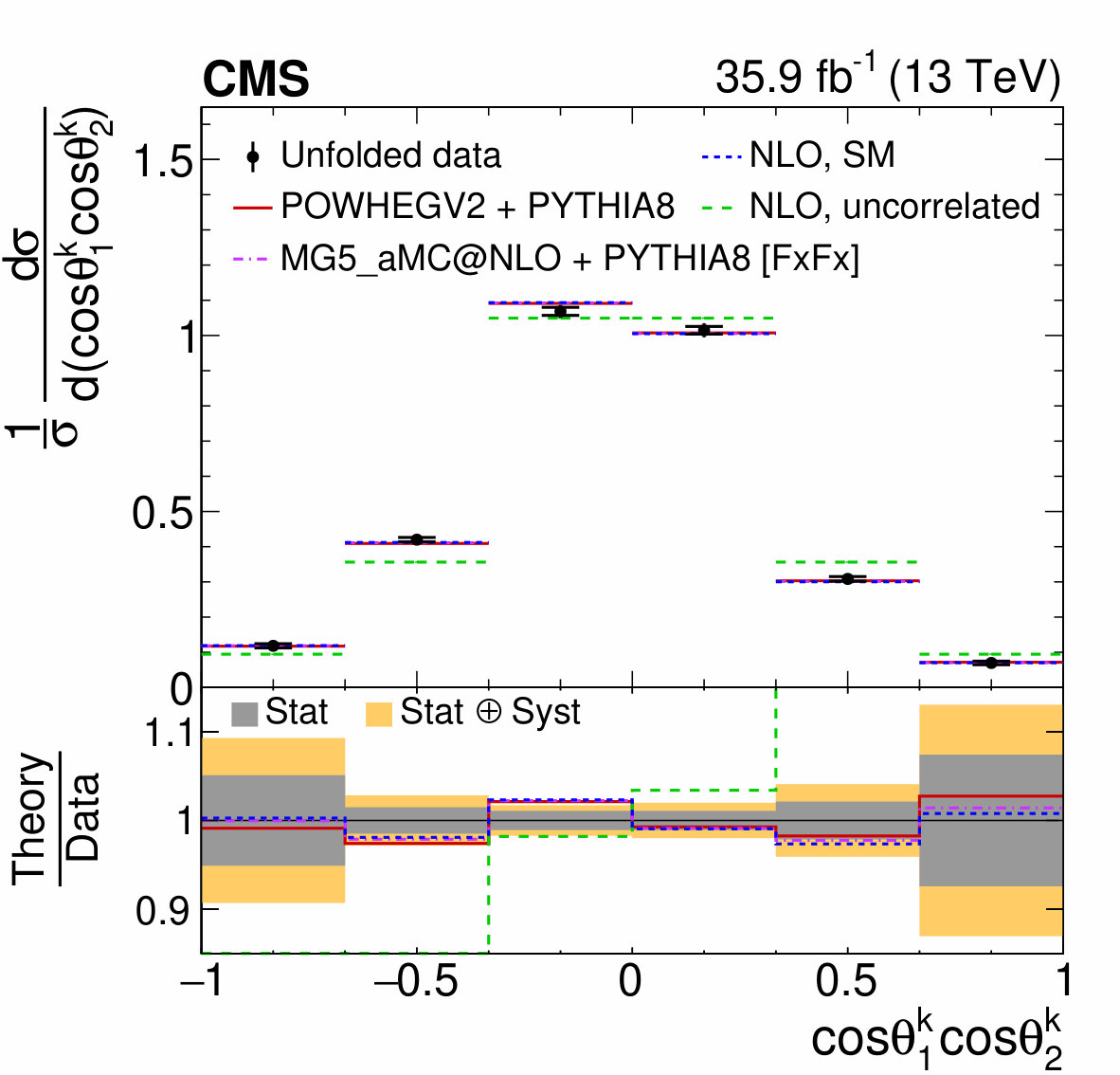 Figure 6
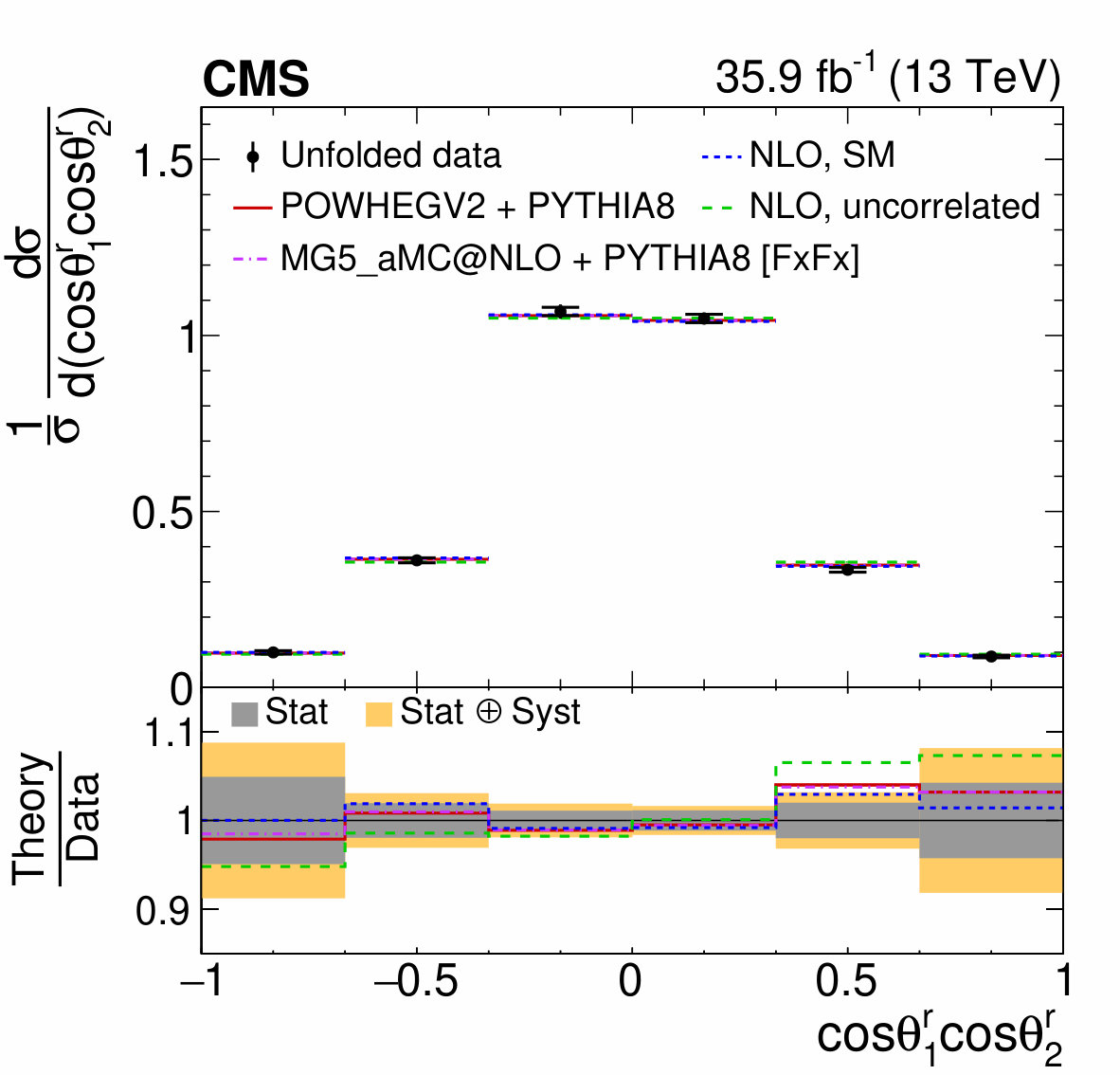 Figure 6
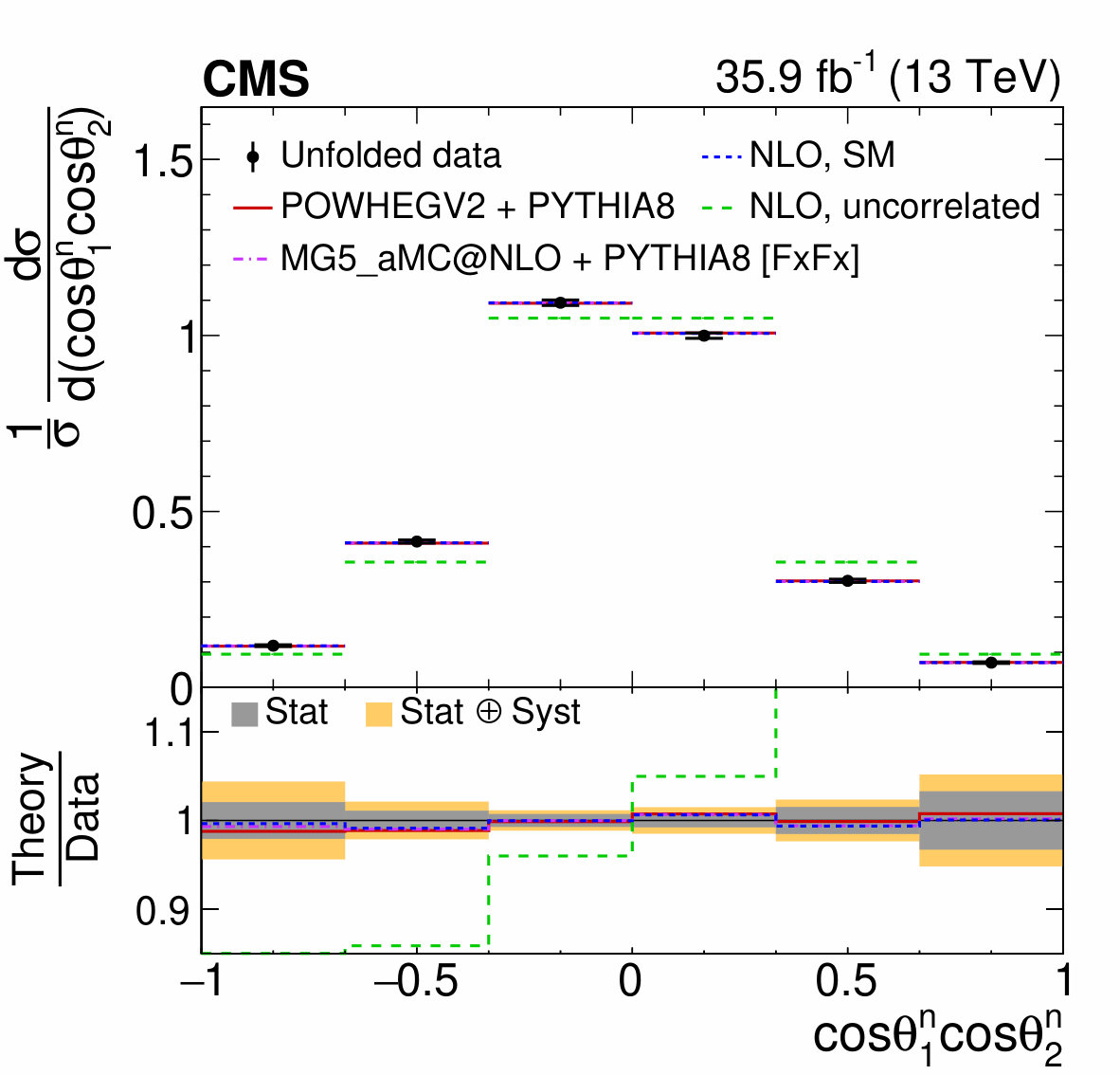 Figure 6
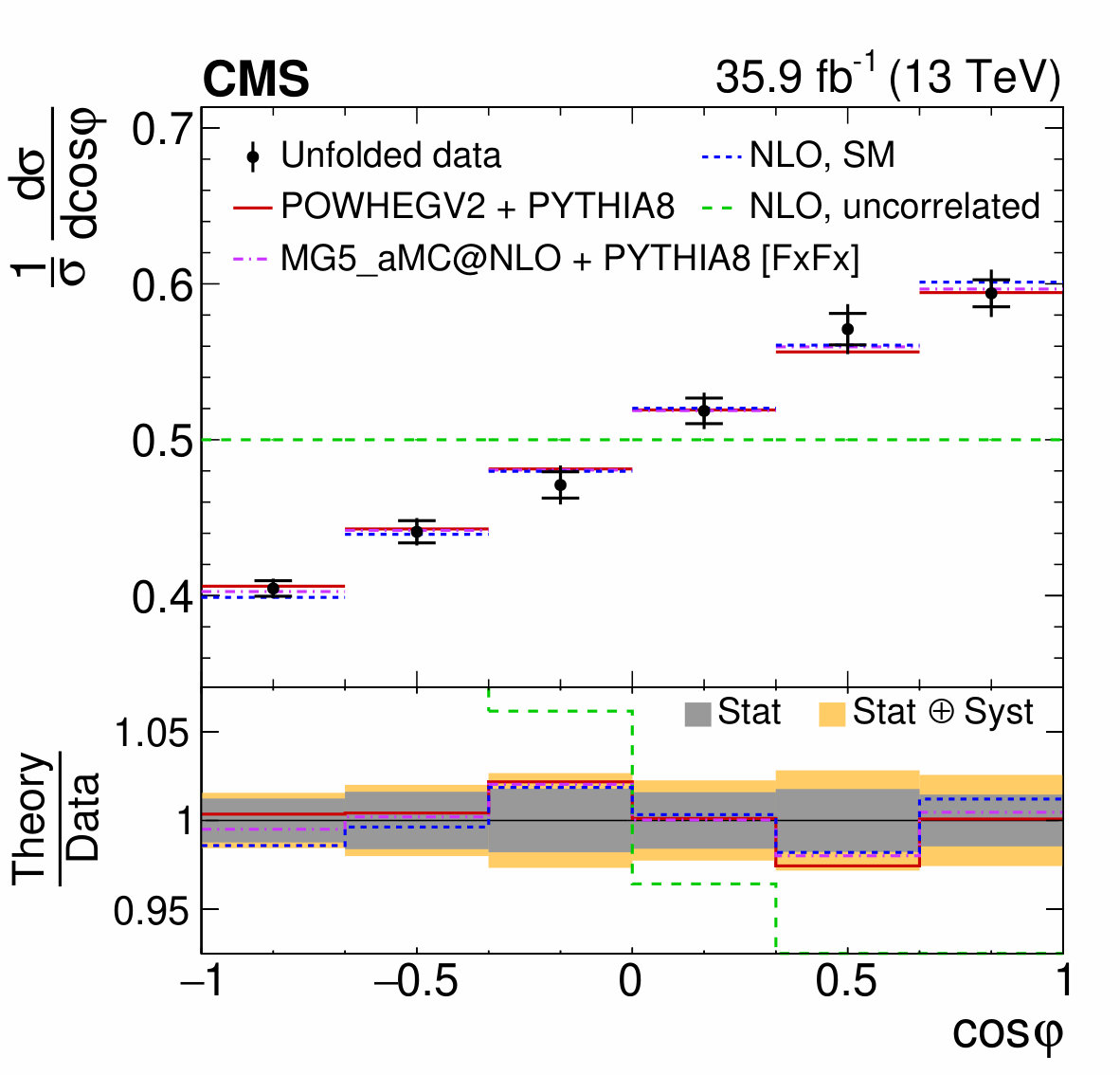 Figure 6
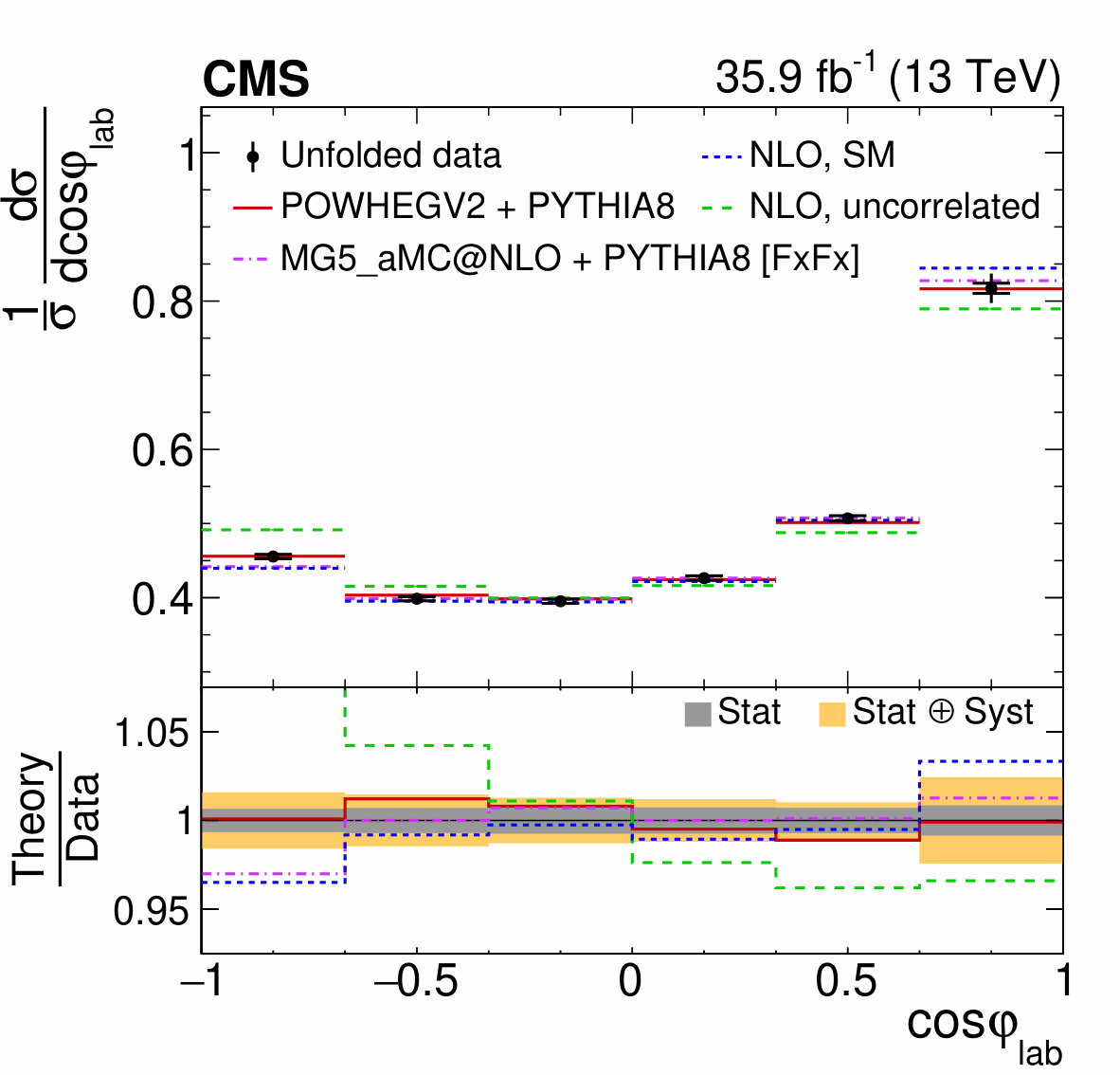 Figure 6
Peer Reviews
No public reviews on file for this paper yet. If you reviewed it on a platform where reviews are public (OpenReview, ICLR, NeurIPS, ICML), you can paste yours below so the community can read it here.
Videos
No videos yet. Explain this paper in a talk, walkthrough, or lecture? Add one.