Topic Modeling the Reading and Writing Behavior of Information Foragers
Jaimie Murdock

TL;DR
This paper uses topic modeling to analyze how reading and writing behaviors influence personal knowledge construction, examining case studies from Darwin, Jefferson, and neuroscience to reveal interactions between individual and collective information foraging.
Contribution
It introduces a novel application of LDA topic modeling to study the dynamic interaction between reading and writing behaviors in knowledge development across different contexts.
Findings
Darwin's reading influenced his drafts and revisions of The Origin of Species.
Reading and writing behaviors interact to shape personal knowledge bases.
Collective information environments impact individual knowledge construction.
Abstract
The general problem of "information foraging" in an environment about which agents have incomplete information has been explored in many fields, including cognitive psychology, neuroscience, economics, finance, ecology, and computer science. In all of these areas, the searcher aims to enhance future performance by surveying enough of existing knowledge to orient themselves in the information space. Individuals can be viewed as conducting a cognitive search in which they must balance exploration of ideas that are novel to them against exploitation of knowledge in domains in which they are already expert. In this dissertation, I present several case studies that demonstrate how reading and writing behaviors interact to construct personal knowledge bases. These studies use LDA topic modeling to represent the information environment of the texts each author read and wrote. Three studies…
Click any figure to enlarge with its caption.
 Figure 1
 Figure 2
 Figure 3
 Figure 4
 Figure 5
 Figure 6
 Figure 7
 Figure 8
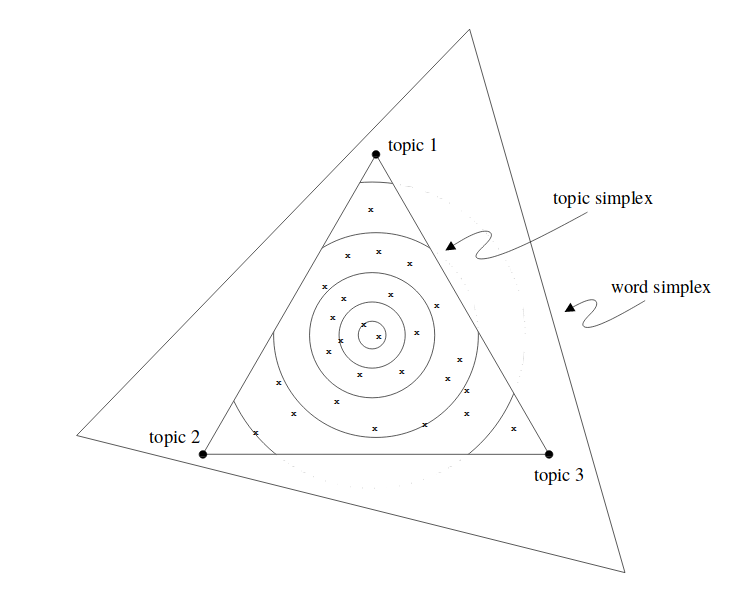 Figure 9
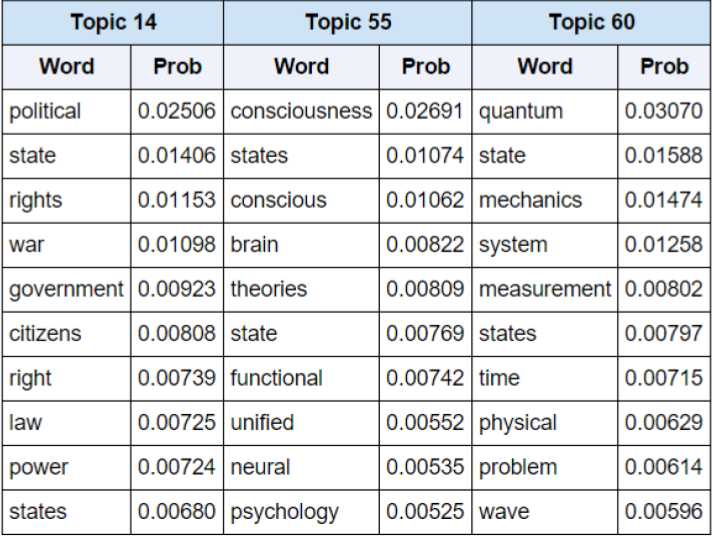 Figure 10
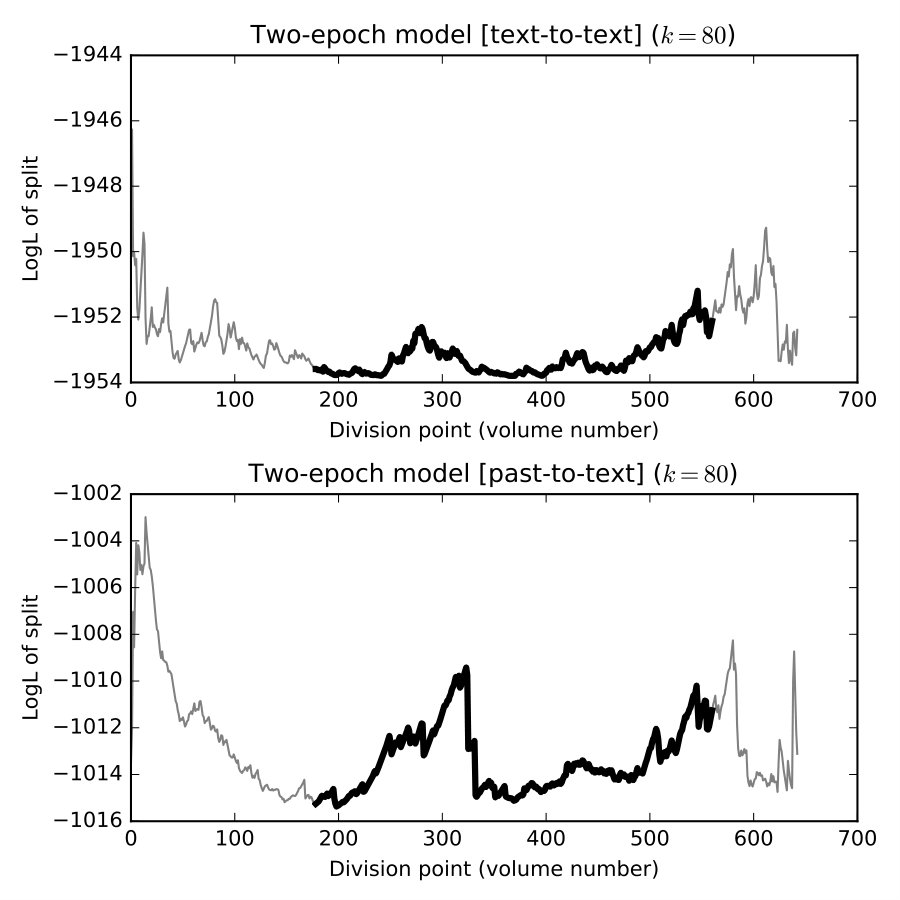 Figure 11
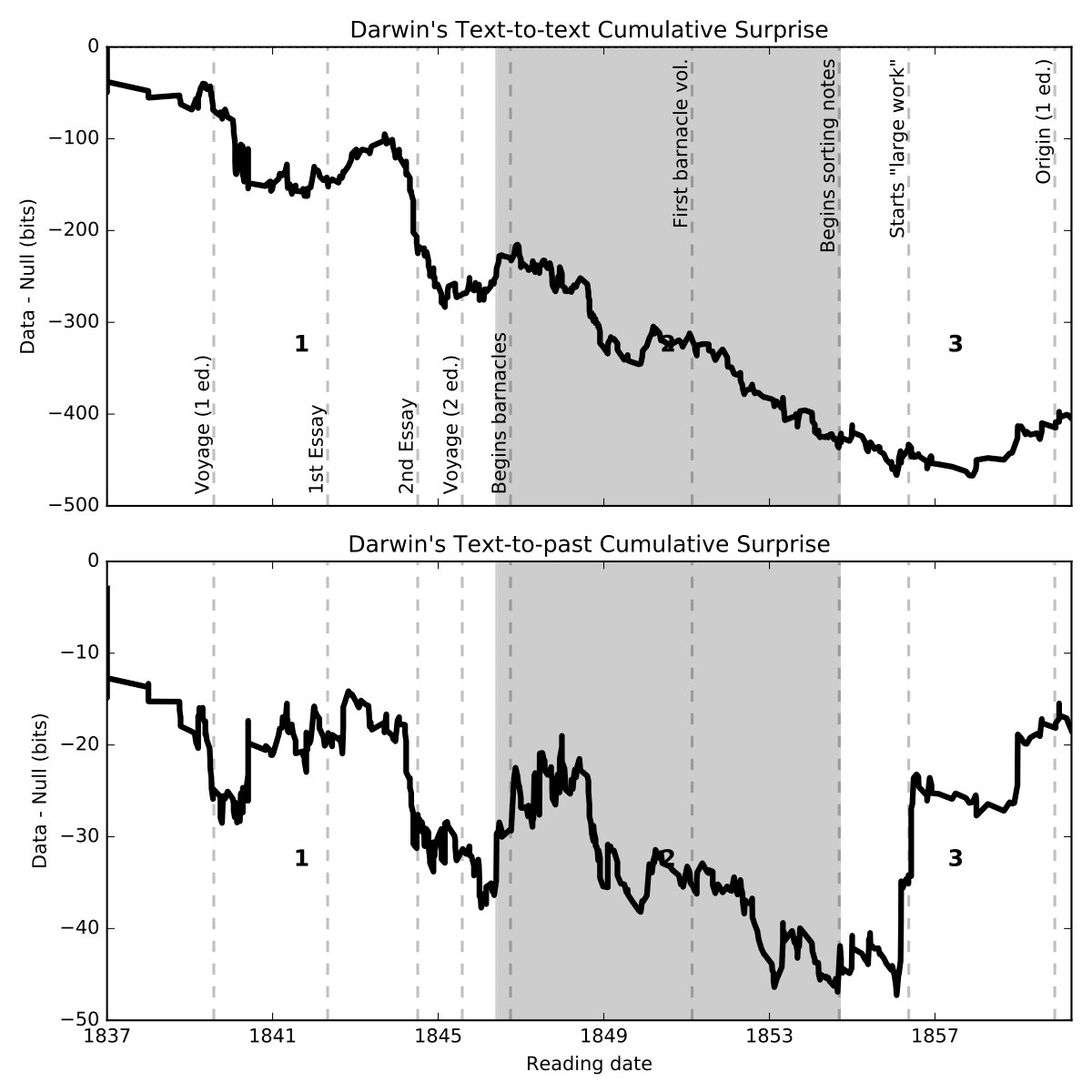 Figure 12
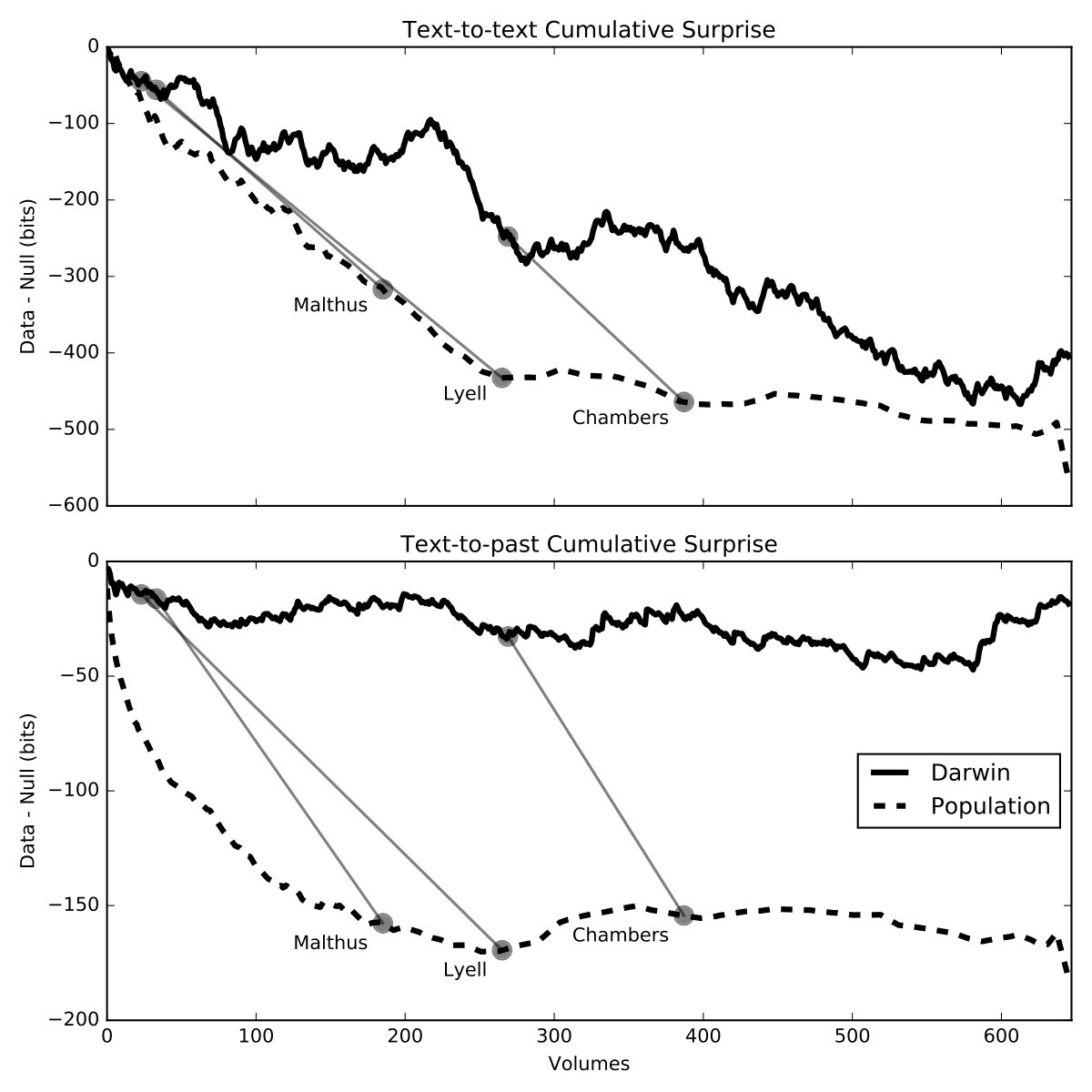 Figure 13
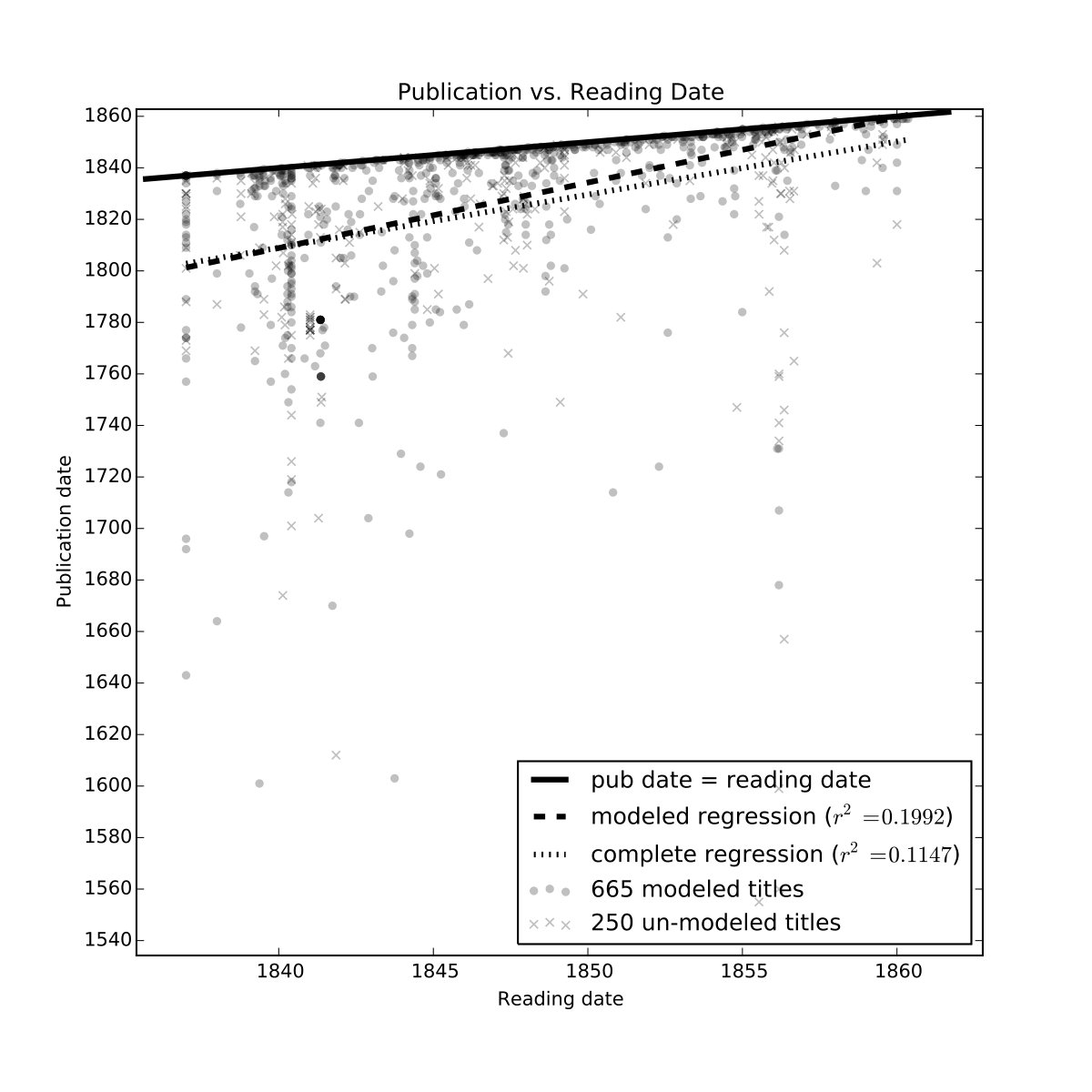 Figure 14
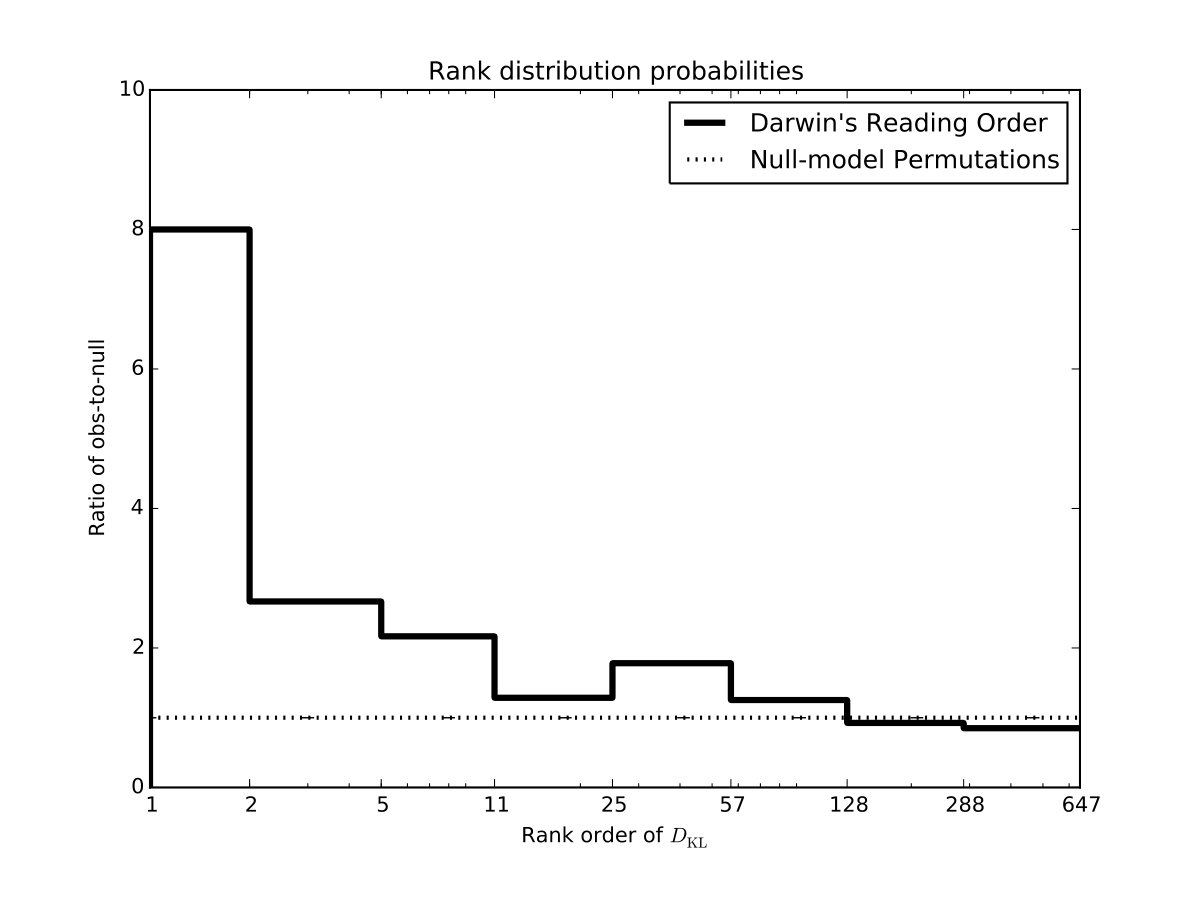 Figure 15
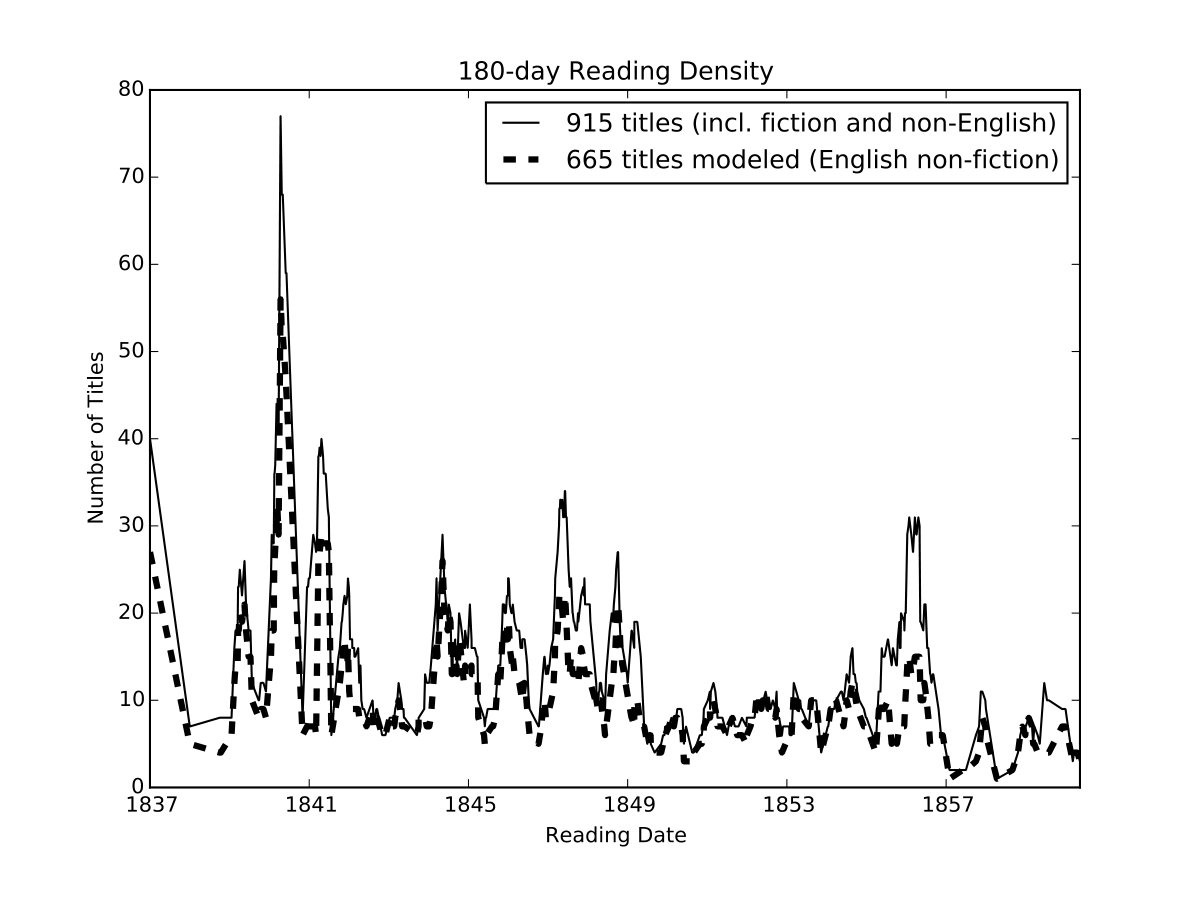 Figure 16
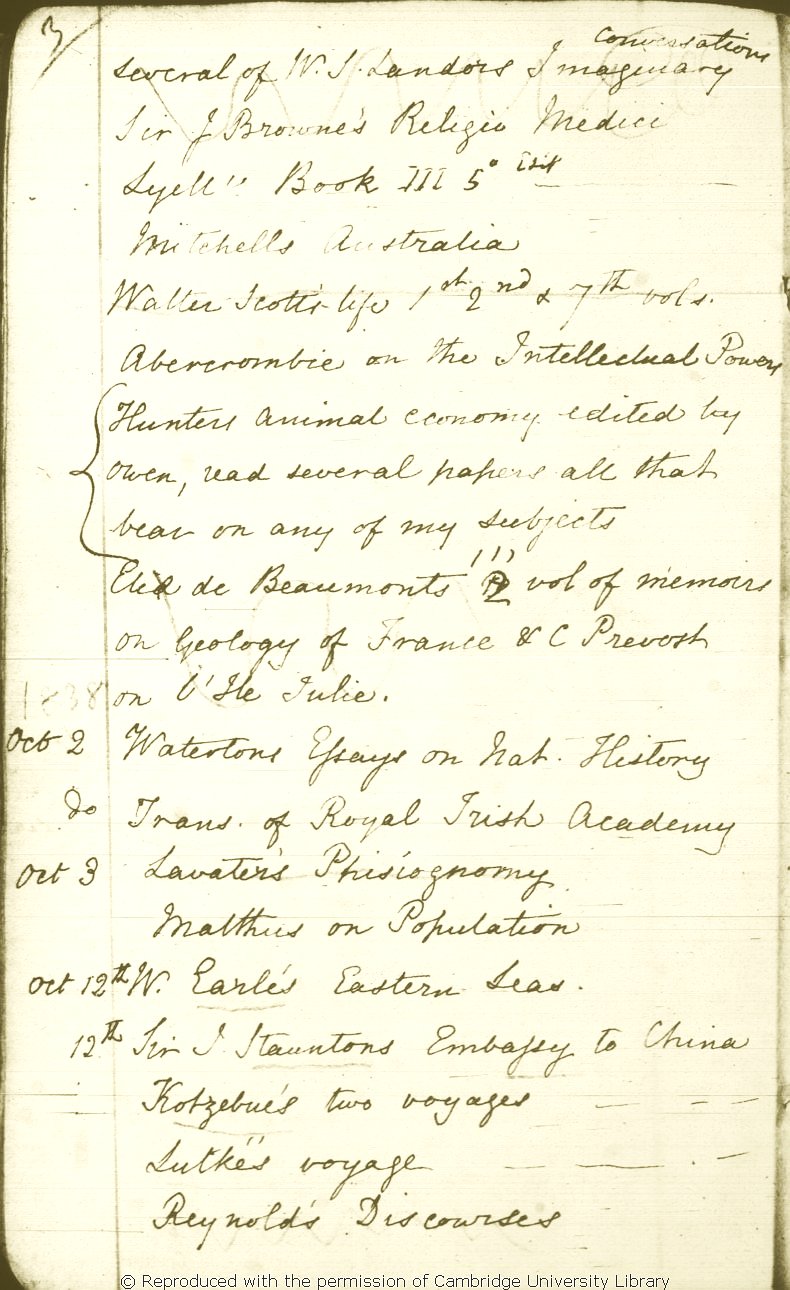 Figure 17
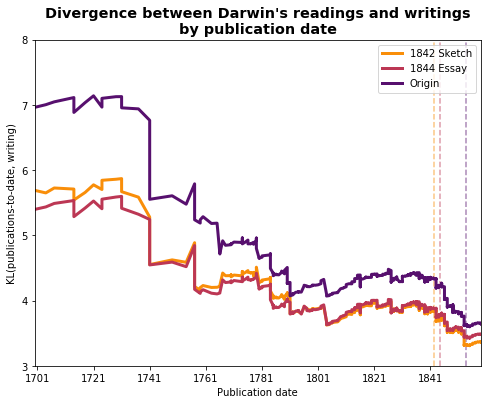 Figure 18
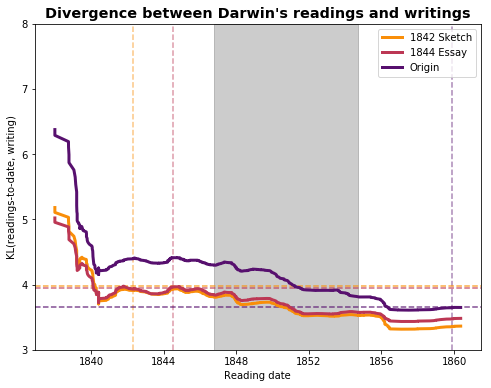 Figure 19
 Figure 20
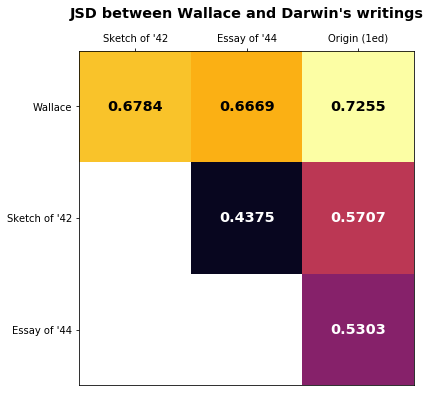 Figure 21
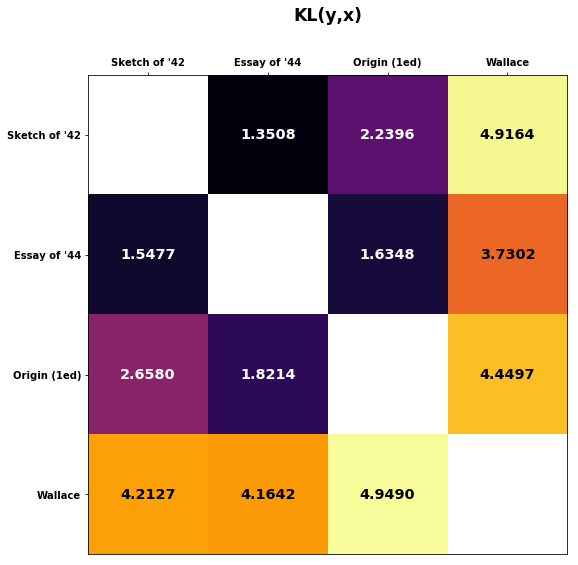 Figure 22
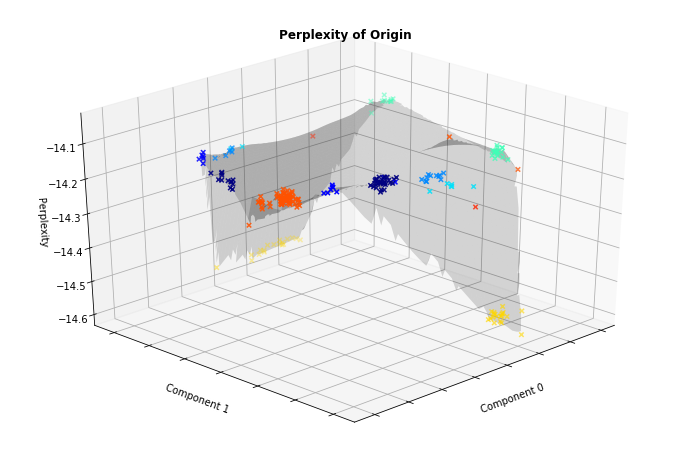 Figure 23
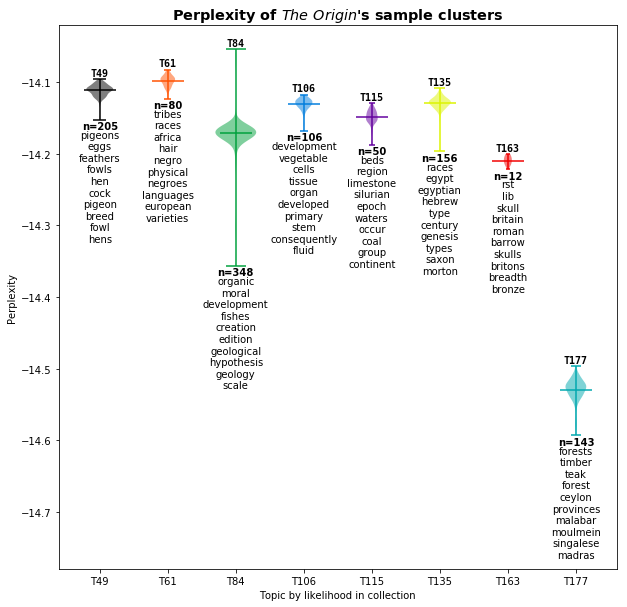 Figure 24
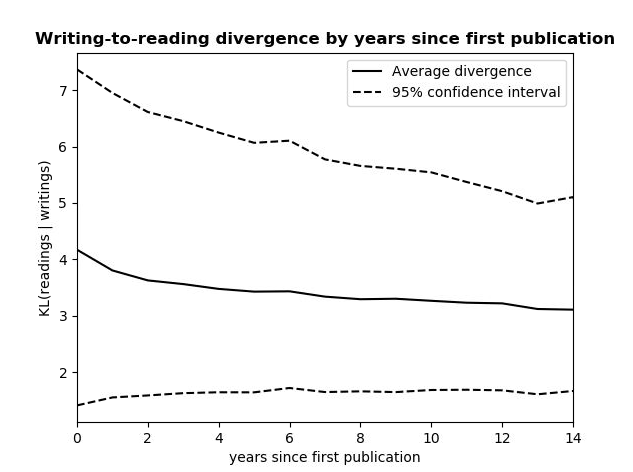 Figure 25
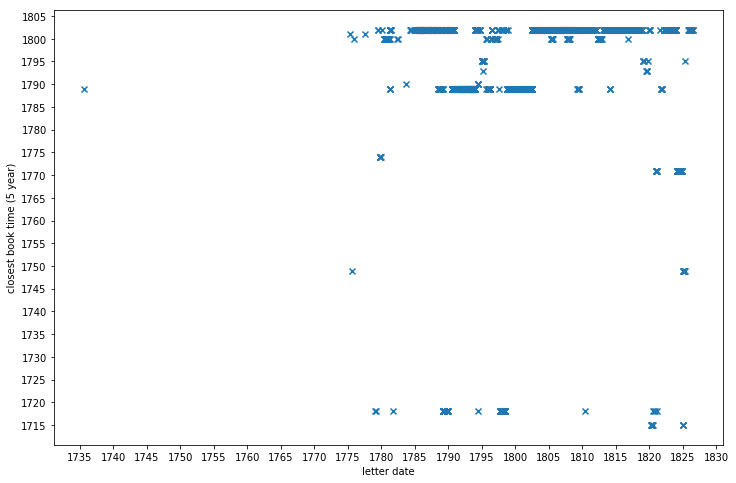 Figure 26
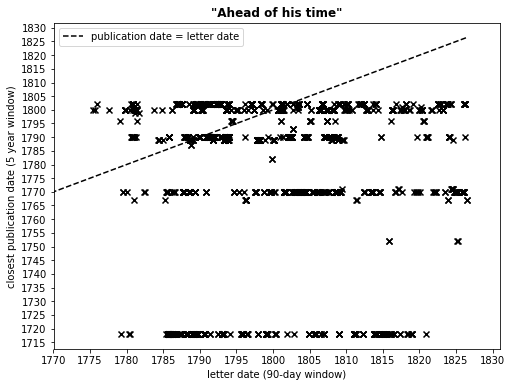 Figure 27
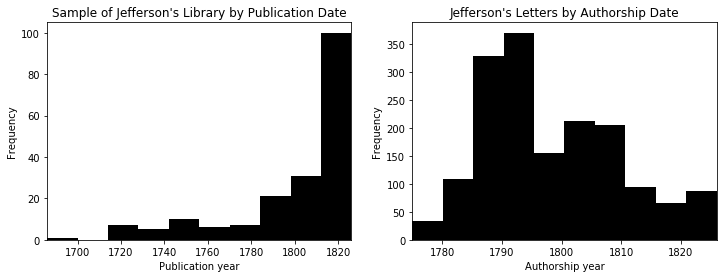 Figure 28
 Figure 29
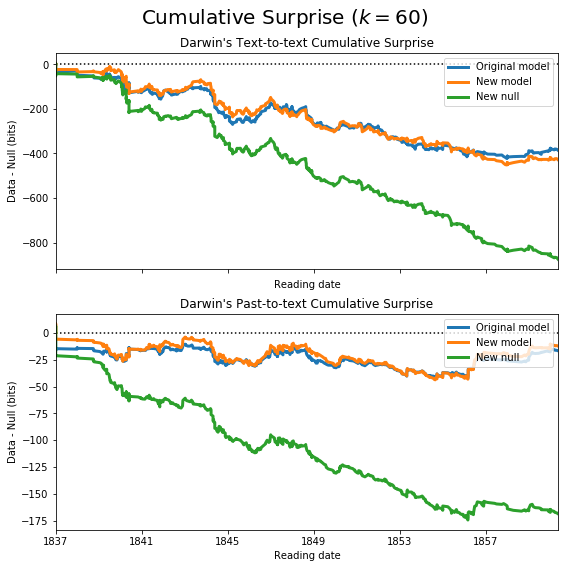 Figure 30
 Figure 31
 Figure 32
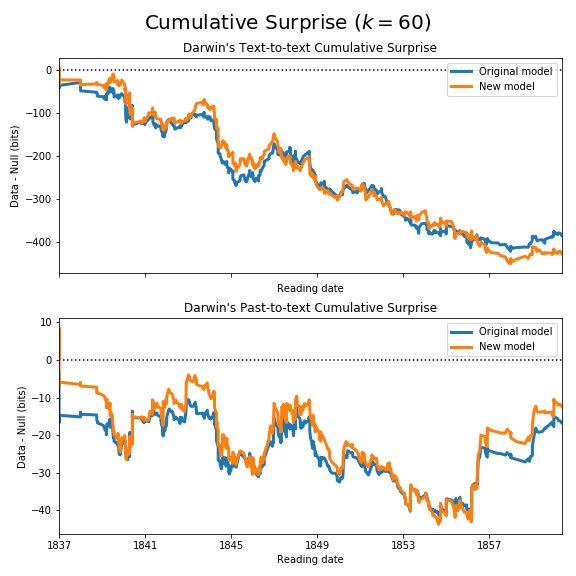 Figure 33
 Figure 34
Peer Reviews
No public reviews on file for this paper yet. If you reviewed it on a platform where reviews are public (OpenReview, ICLR, NeurIPS, ICML), you can paste yours below so the community can read it here.
Videos
No videos yet. Explain this paper in a talk, walkthrough, or lecture? Add one.
Taxonomy
TopicsAdvanced Text Analysis Techniques · Topic Modeling · Computational and Text Analysis Methods
MethodsLinear Discriminant Analysis