Low Energy Magnetic Radiation (LEMAR ) of Warm Nuclei
S. Frauendorf, B. A. Brown, R. Schwengner

TL;DR
This paper explains the low-energy enhancement in nuclear radiative strength functions near closed shells as M1 transitions, and describes a bimodal structure in open-shell nuclei caused by orbital realignment.
Contribution
It provides a shell model explanation for low-energy enhancements and bimodal structures in nuclear radiative strength functions, highlighting the role of orbital realignment.
Findings
Enhancement below 2 MeV explained by M1 transitions.
Bimodal structure includes zero energy spike and scissors resonance.
Features linked to realignment of high-j orbitals.
Abstract
The enhancement observed below 2 MeV in the radiative strength function of nuclei near closed shells is explained by shell model calculations as M1 transitions between excited states. In the open-shell a change to a bimodal structure composed of the zero energy spike and a scissors resonance is found. The features are caused by realignment of high-j orbitals.
Click any figure to enlarge with its caption.
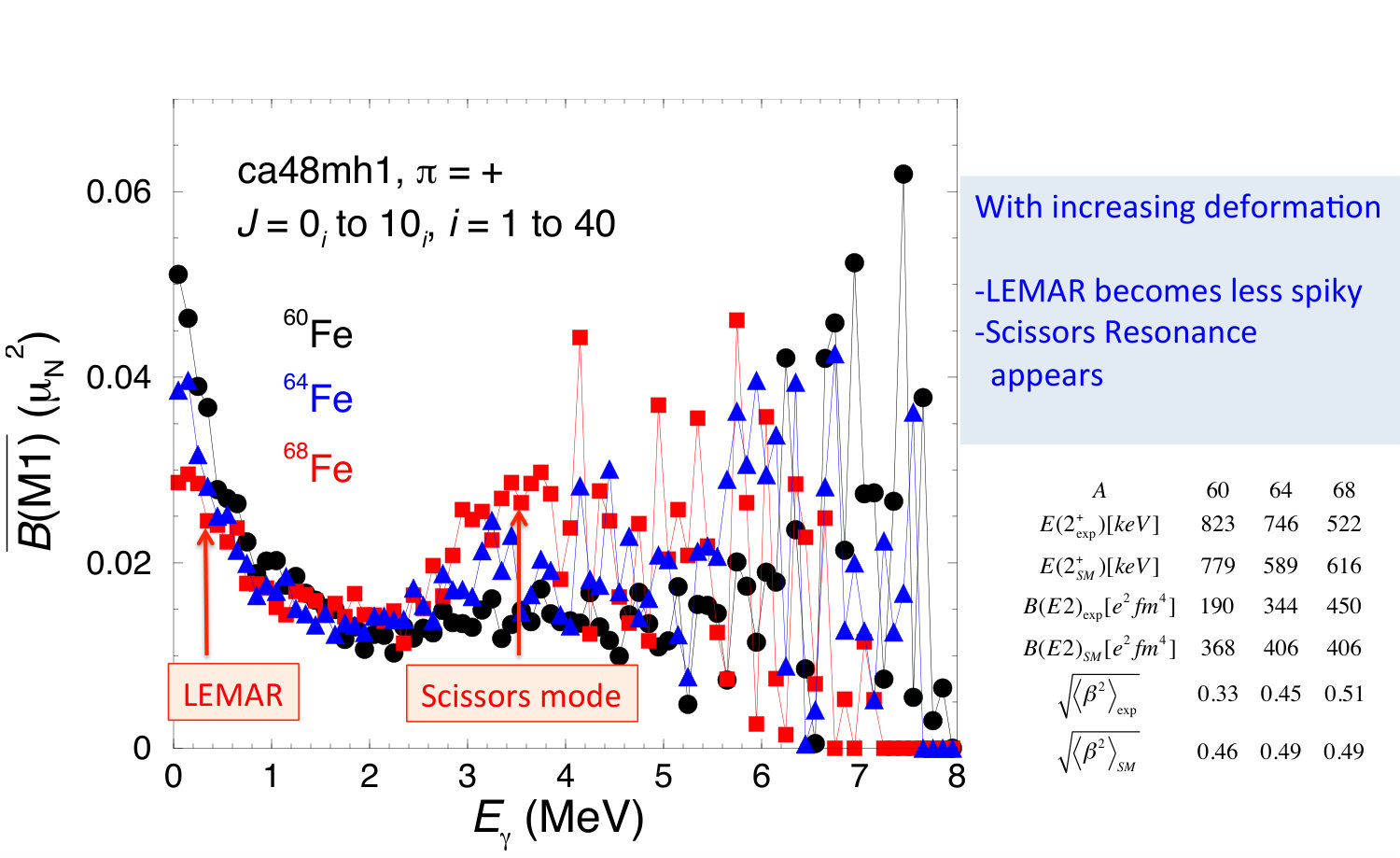 Figure 1
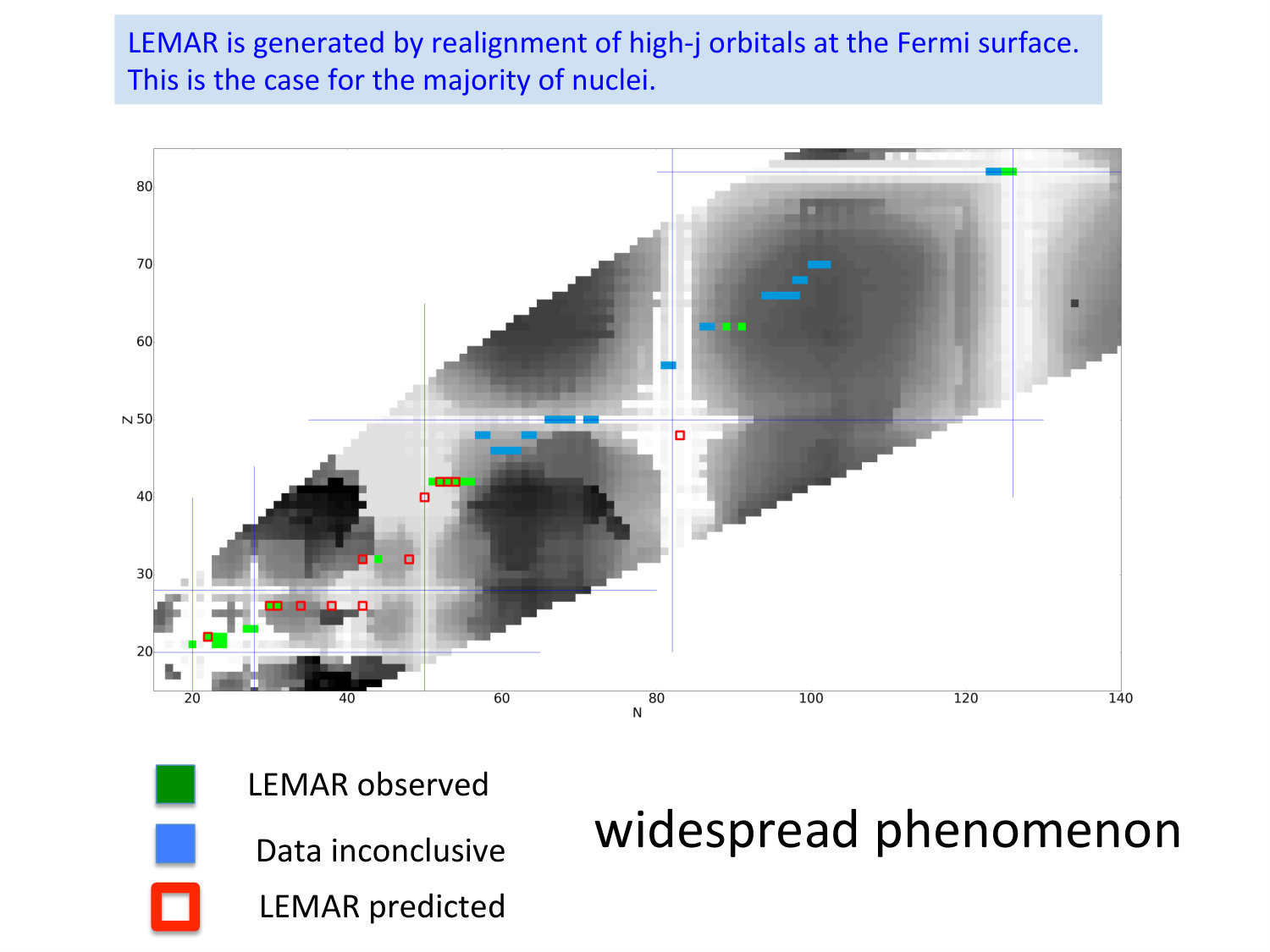 Figure 2
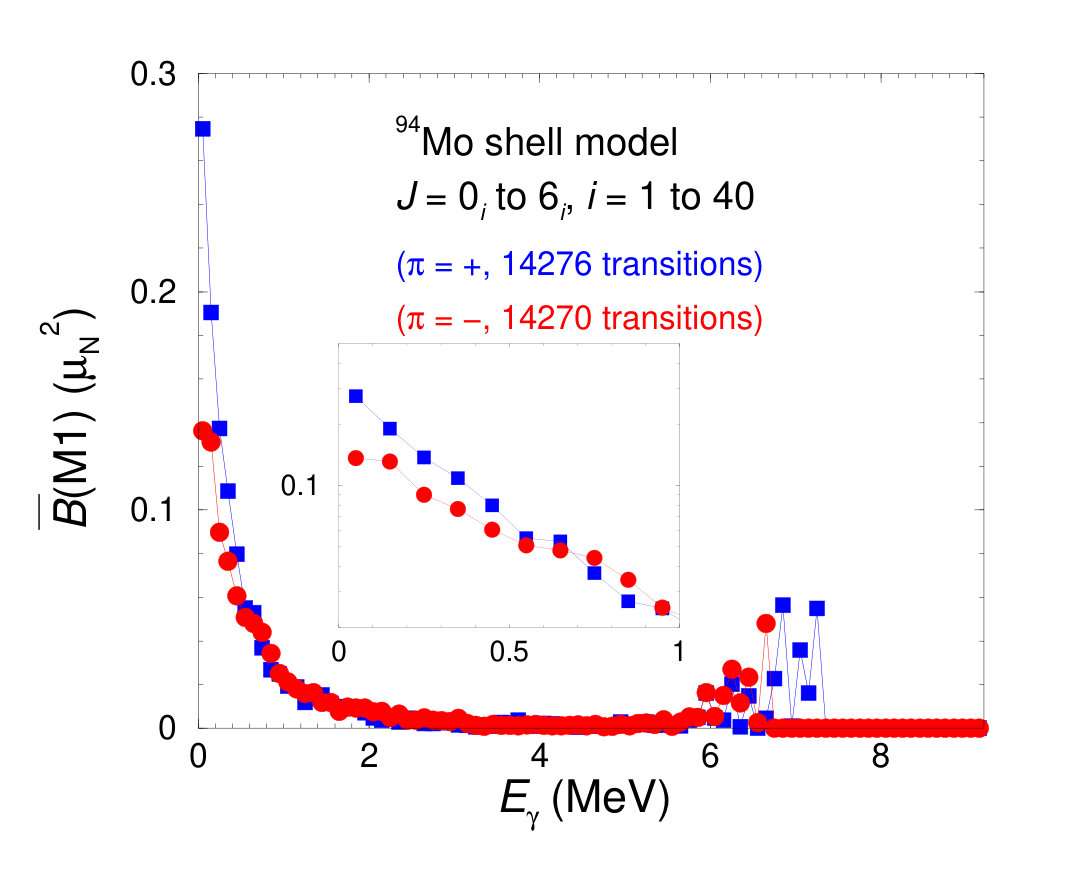 Figure 5
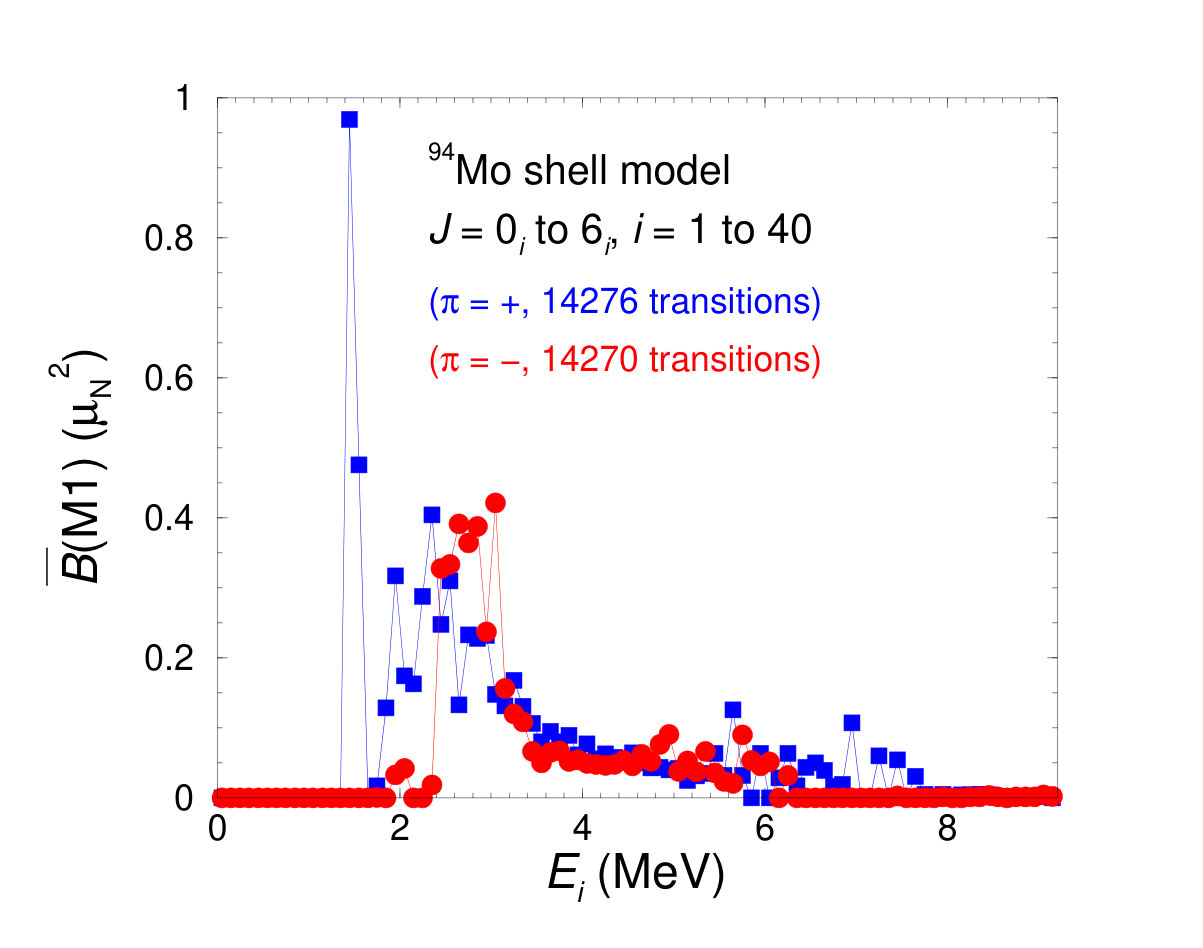 Figure 6
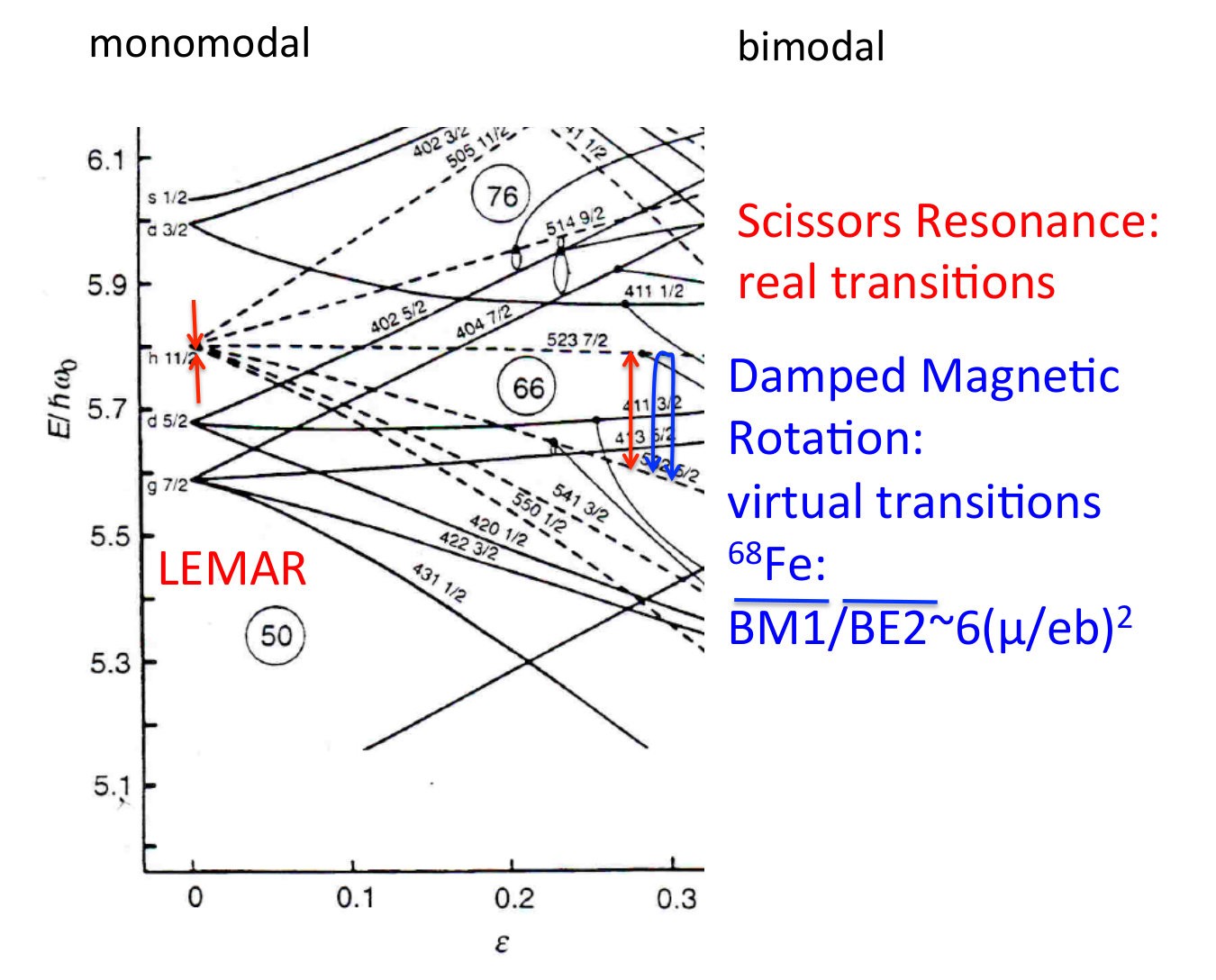 Figure 5
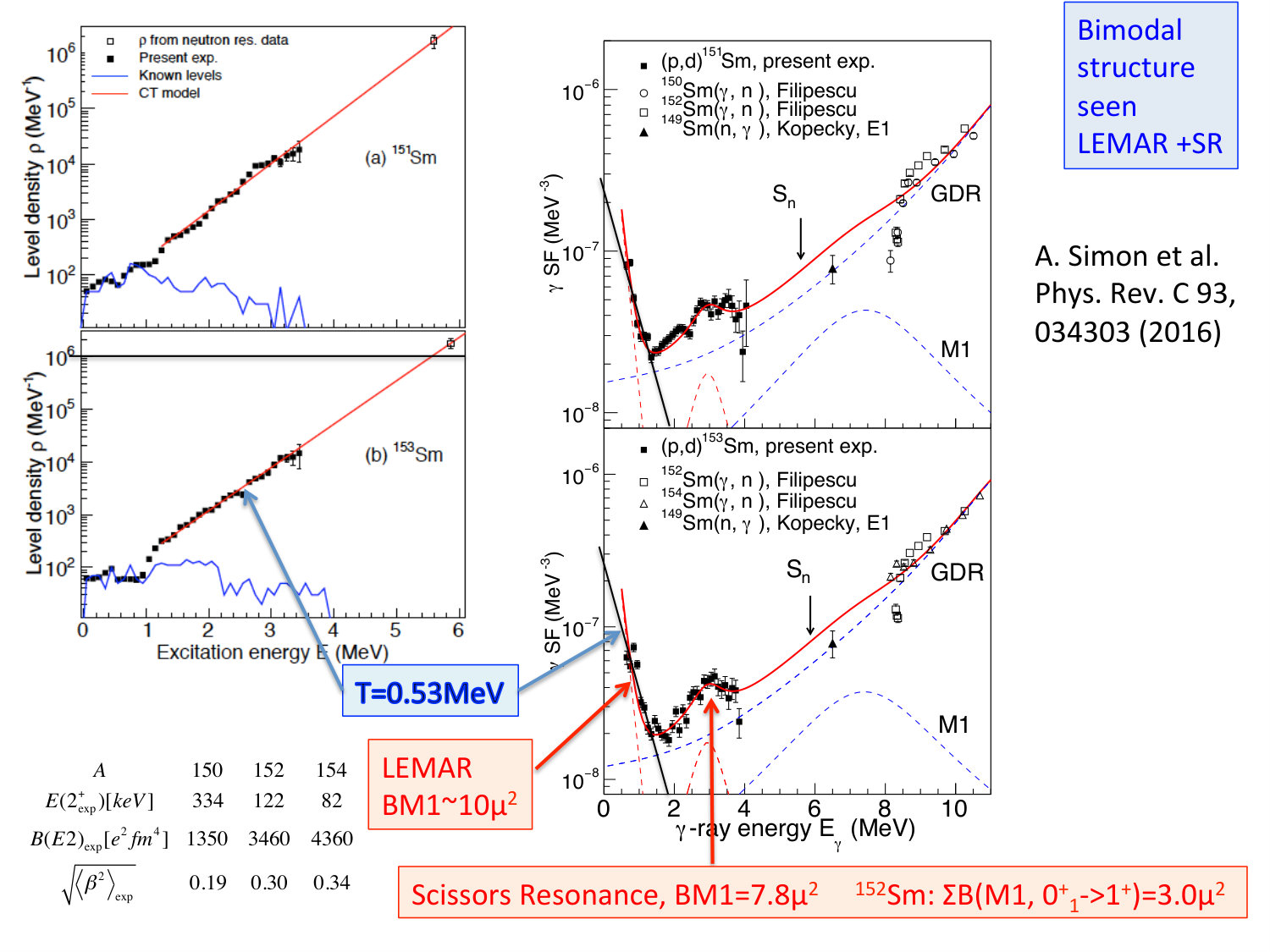 Figure 6
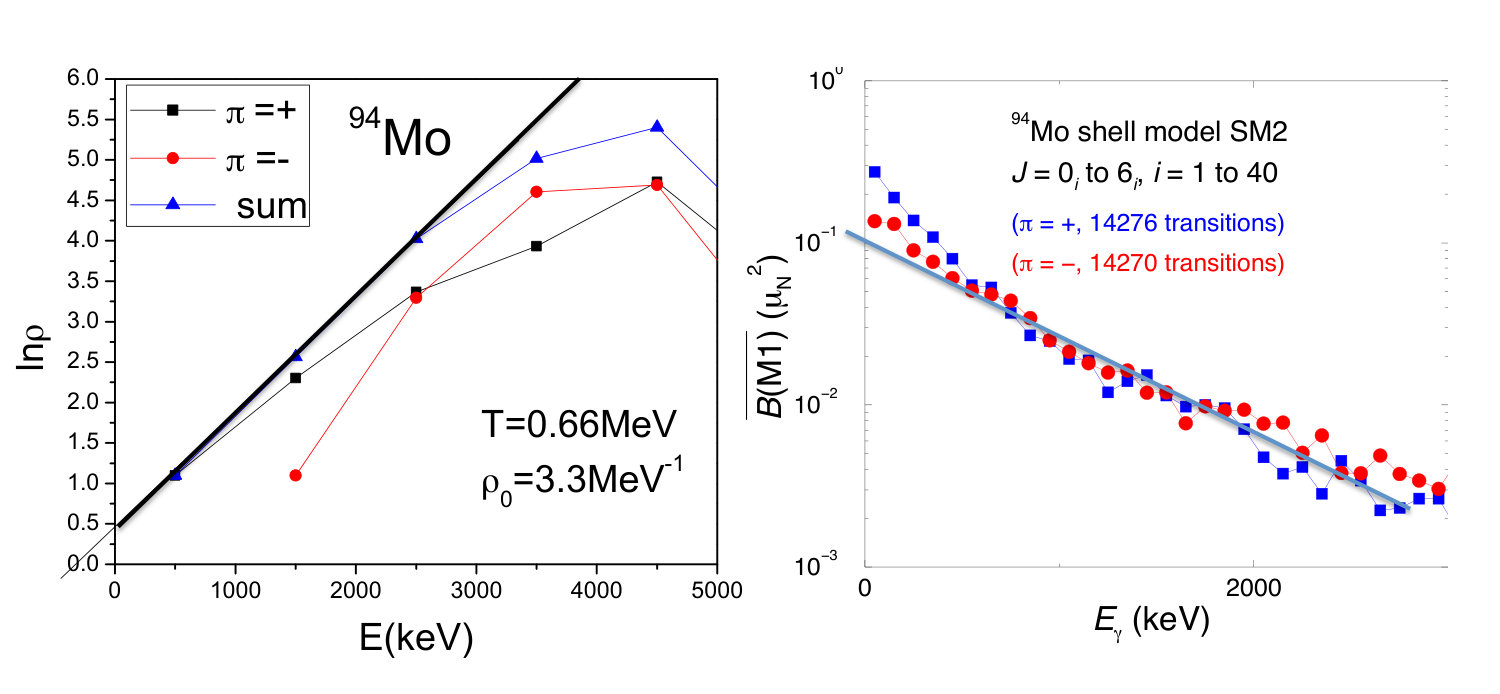 Figure 7
 Figure 8
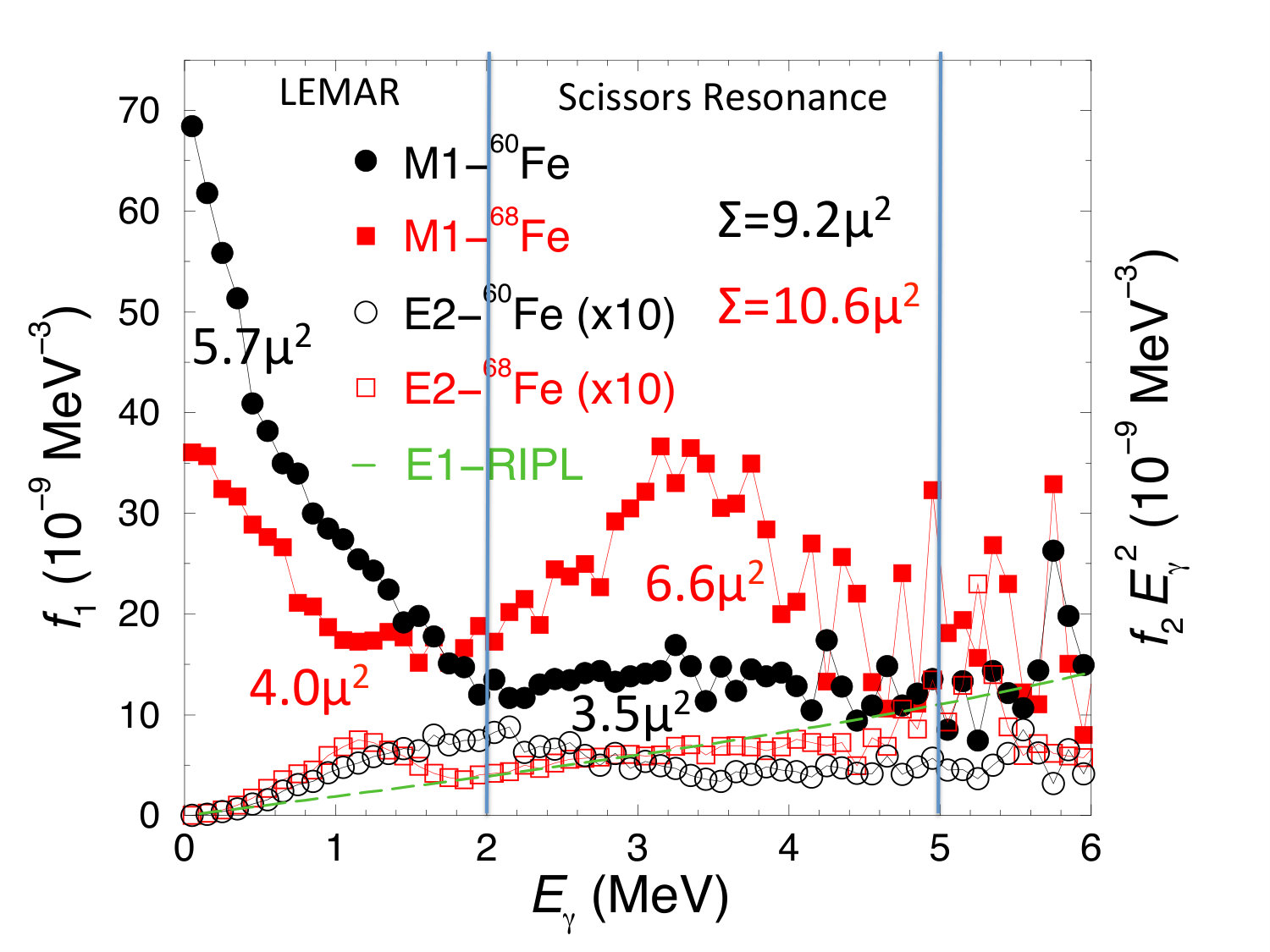 Figure 9
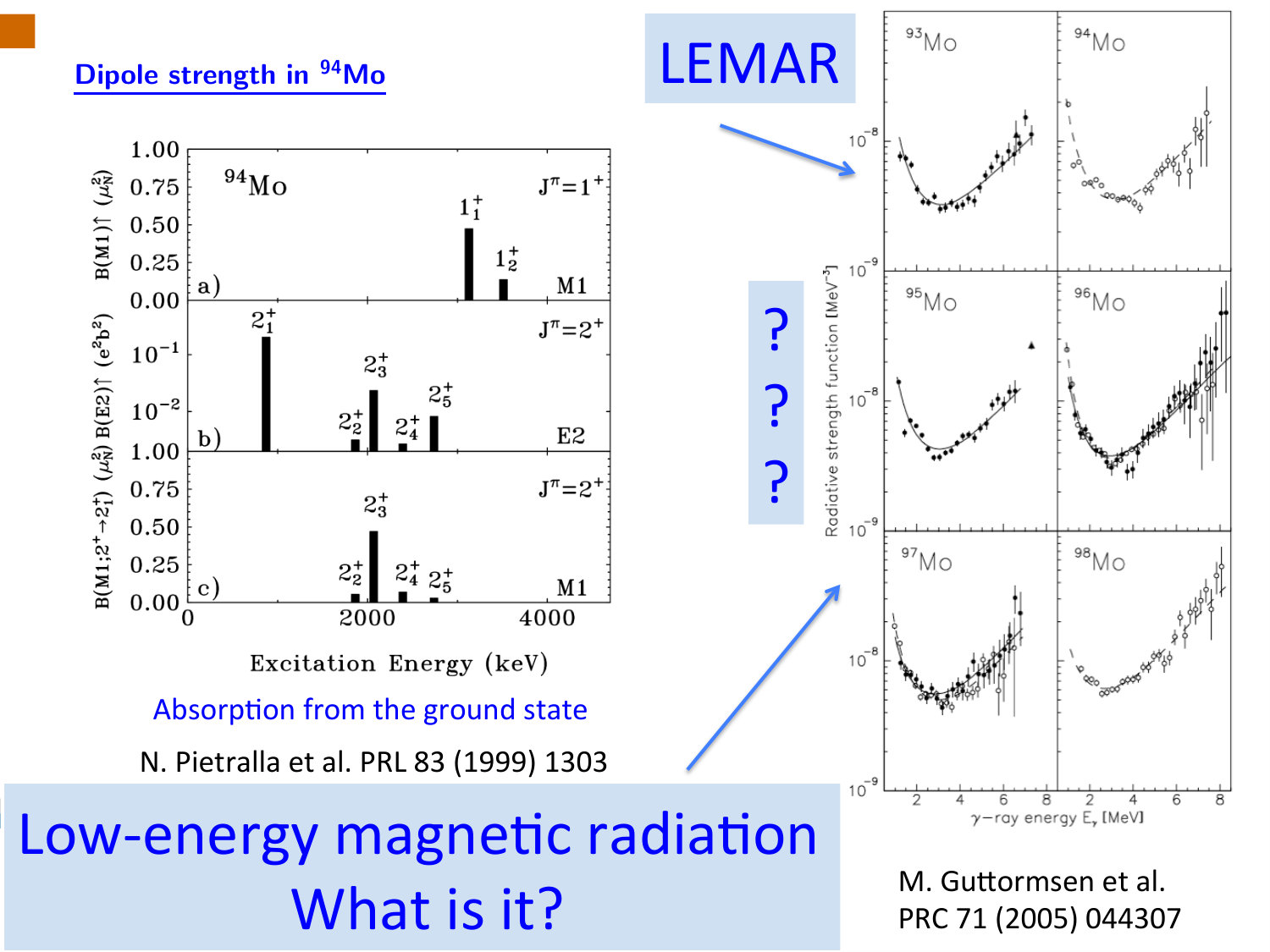 Figure 10
Peer Reviews
No public reviews on file for this paper yet. If you reviewed it on a platform where reviews are public (OpenReview, ICLR, NeurIPS, ICML), you can paste yours below so the community can read it here.
Videos
No videos yet. Explain this paper in a talk, walkthrough, or lecture? Add one.
Taxonomy
TopicsNuclear physics research studies · Astro and Planetary Science · Nuclear Physics and Applications
Low Energy Magnetic Radiation (LEMAR ) of Warm Nuclei
S.Frauendorf∗
University Notre Dame,
Notre Dame, IN 46556, USA
∗E-mail: [email protected]
B. A. Brown
National Superconducting Cyclotron Laboratory and Department of Physics and Astronomy, Michigan State University,
East Lansing, Michigan 48824, USA
R. Schwengner
Institut für Strahlenphysik, Helmholtz Zentrum Dresden Rossendorf,
01328 Dresden, Germany
Abstract
The enhancement observed below 2 MeV in the radiative strength function of nuclei near closed shells is explained by shell model calculations as M1 transitions between excited states. In the open-shell a change to a bimodal structure composed of the zero energy spike and a scissors resonance is found. The features are caused by realignment of high-j orbitals.
keywords:
radiative strength, shell model, high-j orbitals.
\bodymatter
1 Introduction
Photonuclear reactions and the inverse radiative-capture reactions between nuclear states in the region of high excitation energy and large level density are of considerable interest in many applications. Radiative neutron capture, for example, plays a central role in the synthesis of the elements in various stellar environments, for next-generation nuclear technologies, and as the transmutation of long-lived nuclear waste.
A critical input to calculations of the reaction rates is the average strength of the cascade of -transitions de-exciting the nucleus, which is described by the radiative strength function. An increase of the dipole strength function below 3 MeV toward low -ray energy has recently been observed in nuclides in the mass range from 40 to 100. As an example, Fig. 1 shows the strength function obtained from (3He,3He’) reactions on various Mo isotopes. The enhancement is not observed in the inverse process of absorbing -quanta by nuclei in the ground state. Only few discrete lines are found within the interval of the first 4 MeV. The question arises which is the origin of the radiation enhancement and how does it depend on the and . Refs. [3, 4] showed that the low-energy enhancement may increase the neutron capture rate in the stellar r-process environment up to a factor 100-1000. The dominant dipole character of the low-energy strength was demonstrated in Ref. [5] and an indication for an M1 character was discussed for the case of 60Ni [6].
2 The LEMAR spike
Our Shell Model studies of the Mo isotopes explained the enhancement as Low Energy MAgnetic Radiation (LEMAR) generated by transitions between excited states few MeV above yrast [7]. The Shell Model calculations included the active proton orbits and the neutron orbits relative to a 68Ni core. A set of empirical matrix elements for the effective interaction and effective -factors of have been used. The calculations included states with spins from = 0 to 6 for 90Zr and 94Mo and from = 1/2 to 13/2 for 95Mo. For each spin the lowest 40 states were calculated. The reduced transition probabilities were calculated for all transitions from initial to final states with energies and spins . This resulted in more than 14000 transitions for each parity and , which were sorted into 100 keV bins according to their transition energy . The average value for one energy bin was obtained as the sum of all values divided by the number of transitions within this bin. The results for 94Mo are shown in Fig. 2. The left panel demonstrates appearance of the LEMAR spike, which exponentially decreases with the transition energy . The exponential dependence on the transition energy is retained by the M1 strength functions, which are defined by the relation
[TABLE]
where the level density at the initial state is obtained from the Shell Model calculations.
As seen in the right panel of Fig. 2, LEMAR is generated by transition originating from states between 2 and 6 MeV. Inspecting the composition of initial and final states, we found large values for transitions between states that contain a large component (up to about 50%) of the same configuration with broken pairs of both protons and neutrons in high-j orbits. The largest matrix elements connect configurations with the spins of protons re-coupled with respect to neutrons to the total spin . These orbitals have large magnetic moments. Large M1 matrix elements connect configurations which differ by only the angular momentum projection of these high-j orbitals. Our Shell Model studies of 56,57Fe [8] and 60,64,68Fe [9] found also the LEMAR spike, which is generated by reorientation of proton holes and neutrons. High-j particle or hole orbitals with have the largest magnetic moments. As they appear near the Fermi level all over the nuclear chart one expects that LEMAR spike is omnipresent as well.
The left panel of Fig. 4 shows the logarithm of the level density. At low energy the level density follows the constant temperature expression . Above 4 MeV the level density is underestimated because of the truncation of the configuration space. The right panel demonstrates that the exponential decrease of the LEMAR spike is consistent with derived from the level density. For the Mo isotopes there is consistency between the value of MeV derived from the experimental level densities [10] and from the LEMAR spike of the strength functions [2]. As illustrated by Fig. 7 below, the consistency also holds for the experimental level densities and strength functions of 151,153Sm.
3 Consequences of deformation and properties of the Scissors Resonance
In our Shell Model studies of 60,64,68Fe [9] we investigated the influence of quadrupole correlation on LEMAR. The calculations were carried out in the CA48PN model space with the CA48MH1 Hamiltonian using the code NuShellX@MSU. The model space included the proton orbits with = 0, 1, 2, and the neutron orbits. The calculations of M1 strengths were carried out in the same way as for the Mo isotopes. They included the lowest 40 states each with spins from = 0 to 10, which resulted in more than 22000 M1 transitions for each parity. Effective factors of were applied.
The comparison with the experimental values in the Table included in Fig. 5 shows that the calculations reproduce the quadrupole collectivity in the considered isotopic chain, in particular the enhancement observed around = 40. The respective experimental ratios =2.57, 2.36, 2.66, which are well accounted for by the calculations =2.56, 2.68, 2.43, indicate the transitional character of the ground state bands of all considered isotopes.
The comparison of the values of the various isotopes shows that the shape of the distributions changes when going from = 34, four neutrons above the closed shell, to = 42, the middle of the shell. One observes a weakening of the LEMAR spike and the development of a bump in the range from about 2 to 5 MeV, which is most pronounced in 68Fe. We interpret this bump as the Scissors Resonance (SR) built on excited states.
Fig. 6 shows the M1 strength functions for 60,68Fe, which were calculated using level densities from the Shell Model calculations. Like the average values they develop the bimodal LEMAR-SR structure when going to the middle of the open shell. The integrated strength deduced from the strength functions below 5 MeV varies by only 8% at most from an average of 9.80 . The slight increase with is attributed to the progressive occupation of the shell for = 34, 38, 42. That is, the bimodal structure develops with increasing by shifting strength from the LEMAR spike to the SR while the sum stays nearly constant.
For comparison, the standard E1 strength function with parameters taken from the RIPL data base and E2 strength functions obtained from the present calculations are also shown in Fig. 6. The latter were multiplied with to be directly comparable with the dipole strength functions . The E2 strength is more than one order of magnitude smaller and the E1 strength exceeds the M1 strength only at energies greater than 6 MeV.
The strength functions deduced by means of the Oslo method from high-resolution experiments by A. Simon et al. [4] showed for the first time the LEMAR spike down to about = 1 MeV as well as a SR around 3 MeV in one nuclide. Fig. 7 displays the results together with a table of the properties of the states of the neighbors, which demonstrate the well deformed nature of the nuclides. Thus we conclude that the bimodal LEMAR-SR structure is a general feature expected for all deformed nuclei.
Fig. 8 illustrates how the development of the bimodal LEMAR-SR structure can be attributed to the onset of stable quadrupole deformation above the yrast line when entering the open shell. The mechanism causing large values is reorientation of the high-j single-particle angular momenta. Without deformation this occurs between the various configurations of the nucleons in an incompletely filled j-shell, in the example, which generates the LEMAR spike as suggested in Ref. [7] and discussed above. The magnetic (m) substates of the high-j multiplet split with the onset of deformation. Reorientation occurs in two different ways. First, there are the real transitions between the m-substates. Particle-hole excitations of this type are known to generate the SR [11]. As seen in Fig. 8, the splitting between the m-states corresponds to the position of the SR for . Second, there are the virtual excitations from the occupied to the empty m-states. These are known generating the rotational motion of deformed nuclei. Along a rotational band the angular momentum increases by a coherent gradual alignment of the spins of the nucleons in the deformed orbitals, which is described by the virtual particle-hole excitations between the m-states. As discussed in our paper [9], the rotational coherence is only partially realized for the transition between the states several MeV above yrast. With increasing deformation, the LEMAR spike changes from incoherent thermal-like radiation to partially coherent rotational radiation. The onset of damped rotation can be seen in the E2 strength function for 68Fe shown in Fig. 6. The bump at 1.2 MeV is generated by stretched E2 transitions with , where MeV*-1* is close to the rigid body moment of inertia. The LEMAR spike of 68Fe in Figs. 5 and 6 deviates from the exponential form at the lowest energies, which can be traced back to the presence of an rotational component with .
In experiments states are excited from the ground state that group to the SR in deformed nuclei. In the case of 68Fe the summed strength of these transitions is calculated to be . The integral of the strength function between 2 and 5 MeV amounts to 6.6 , which is three and a half times larger (see Fig. 6). From their experiment on 151,153Sm, Ref. [4] assigned an integrated strength of 7.8 to the SR, which is two and a half times larger that the summed strength of the excitation of the SR from the ground state of 152Sm (see Fig. 7). A similar enhancement of the SR strength in the decay as compared with the excitation of the SR from the ground state by experiments has been reported before (see Ref. [4] for references).
The origin of the enhancement of the transition strength is an increase of transitions from excited states as compared to . For example in 68Fe, . We attribute the larger summed strengths between excited states to a suppression of the pair correlations with increasing excitation energy, i.e. the thermal quenching of pairing. Pair correlations tend to couple the high- orbits to zero spin, which obstructs the reorientation that generates the M1 radiation.
S. F. acknowledges support by the DOE Grant DE-FG02-95ER4093, B. A. B. support by the NSF Grant PHY-1404442, and all authors acknowledge the importance of the ECT* workshop on ”Statistical properties of nuclei”, July 11 - 15, 2016, for advancing this research.
The reference list from the paper itself. Each links out to its DOI / PubMed record.
- 1[1] N. Pietralla et al. , Phys. Rev. Lett. 83 , 1303 (1999).
- 2[2] M. Guttormsen et al. , Phys. Rev. C 71 , 044307 (2005).
- 3[3] A. C. Larsen and S. Goriely, Phys. Rev. C 82 , 014318 (2010).
- 4[4] A. Simon et al. , Phys. Rev. C 93 , 034303 (2016).
- 5[5] A. C. Larsen et al. , Phys. Rev. Lett. 111 , 242504 (2013).
- 6[6] A. Voinov et al. , Phys. Rev. C 81 , 024319 (2010).
- 7[7] R. Schwengner, S. Frauendorf, and A. C. Larsen, Phys. Rev. Lett. 111 , 232504 (2013).
- 8[8] B. Alex Brown and A. C. Larsen, Phys. Rev. Lett. 113 , 252502 (2014).