Edge-dependent topology in Kekul\'e lattices
S. E. Freeney, J. J. van den Broeke, A. J. J. Harsveld van der Veen,, I. Swart, C. Morais Smith

TL;DR
This study demonstrates that in Kekulé lattices, edge geometry critically influences the emergence of topological or trivial states, revealing a nuanced relationship between edge termination and topological properties in crystalline insulators.
Contribution
The paper provides experimental and theoretical evidence that edge termination in Kekulé lattices determines topological states, highlighting the importance of edge geometry in topological crystalline insulators.
Findings
Different edge geometries lead to topological or trivial states in the same bulk.
Experimental realization of Kekulé lattices with atomic precision.
Edge-dependent topological states can be manipulated for device applications.
Abstract
Topological states of matter are robust quantum phases, characterised by propagating or localised edge states in an insulating bulk. Topological boundary states can be triggered by various mechanisms, for example by strong spin-orbit coupling. In this case, the existence of topological states does not depend on the termination of the material. On the other hand, topological phases can also occur in systems without spin-orbit coupling, such as topological crystalline insulators. In these systems, the protection mechanism originates from the crystal symmetry. Here, we show that for topological crystalline insulators with the same bulk, different edge geometries can lead to topological or trivial states. We artificially engineer and investigate a 2D electronic dimerised honeycomb structure, known as the Kekul\'e lattice, on the nanoscale. The surface electrons of Cu(111) are confined into…
Click any figure to enlarge with its caption.
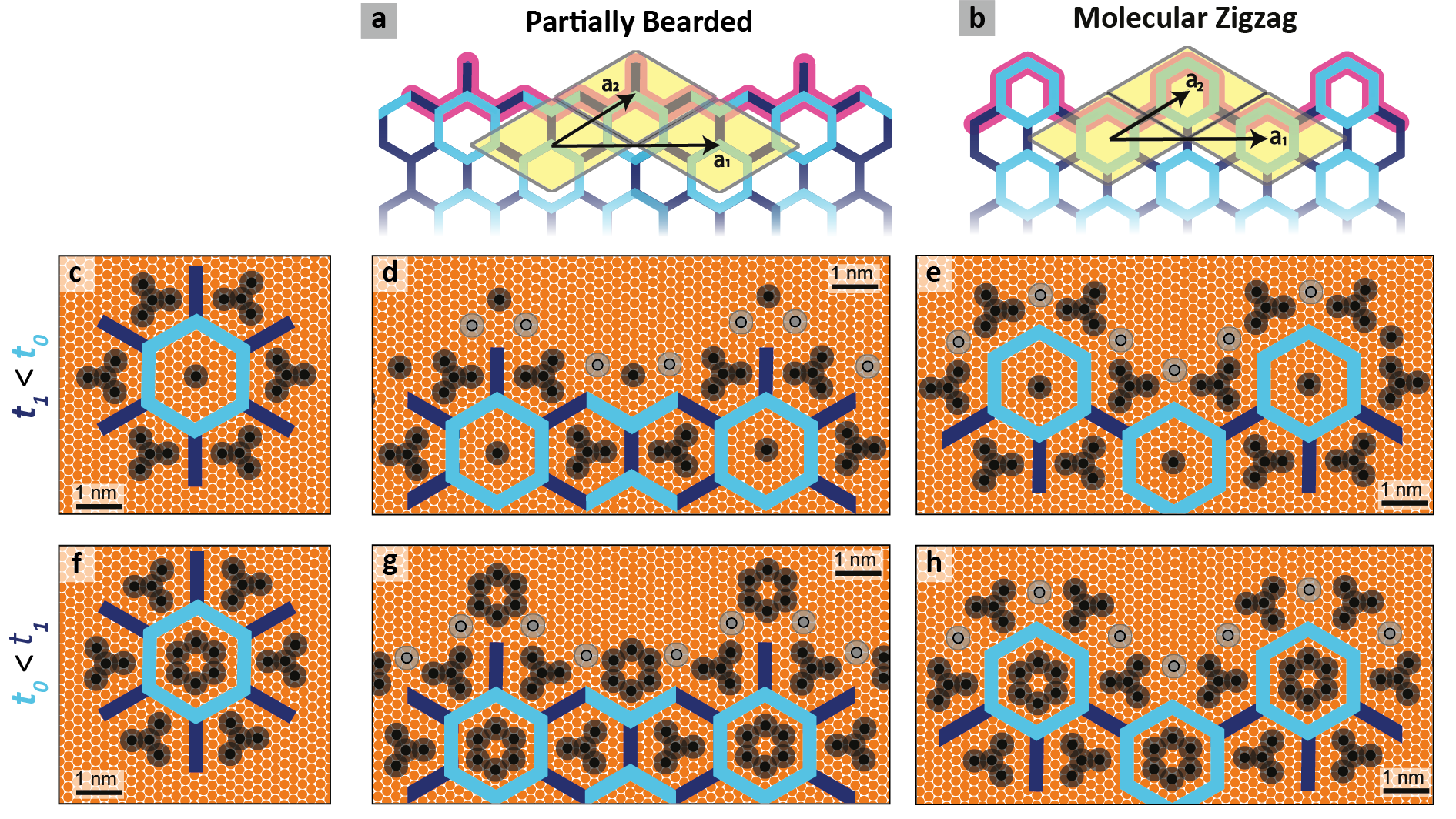 Figure 1
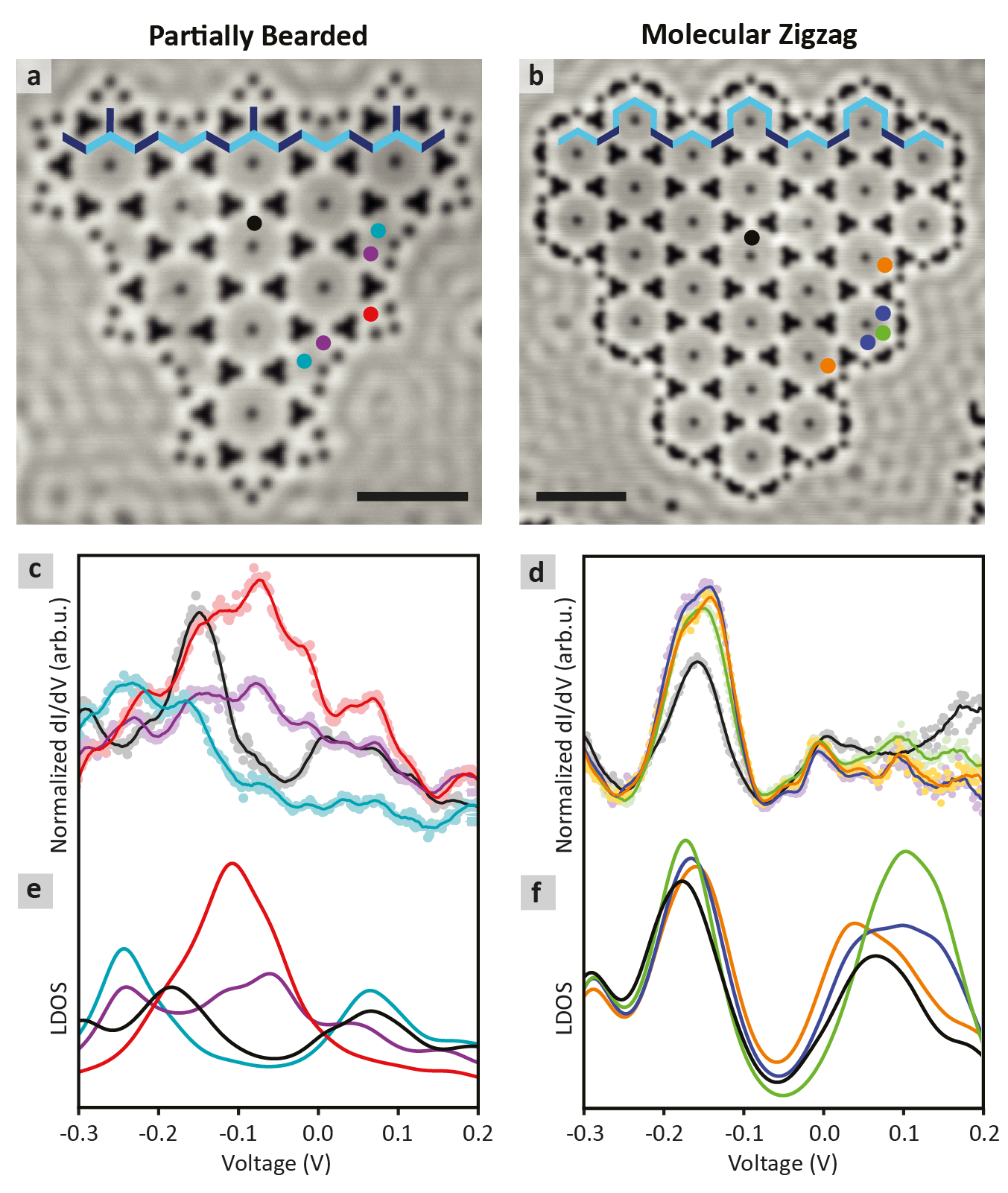 Figure 2
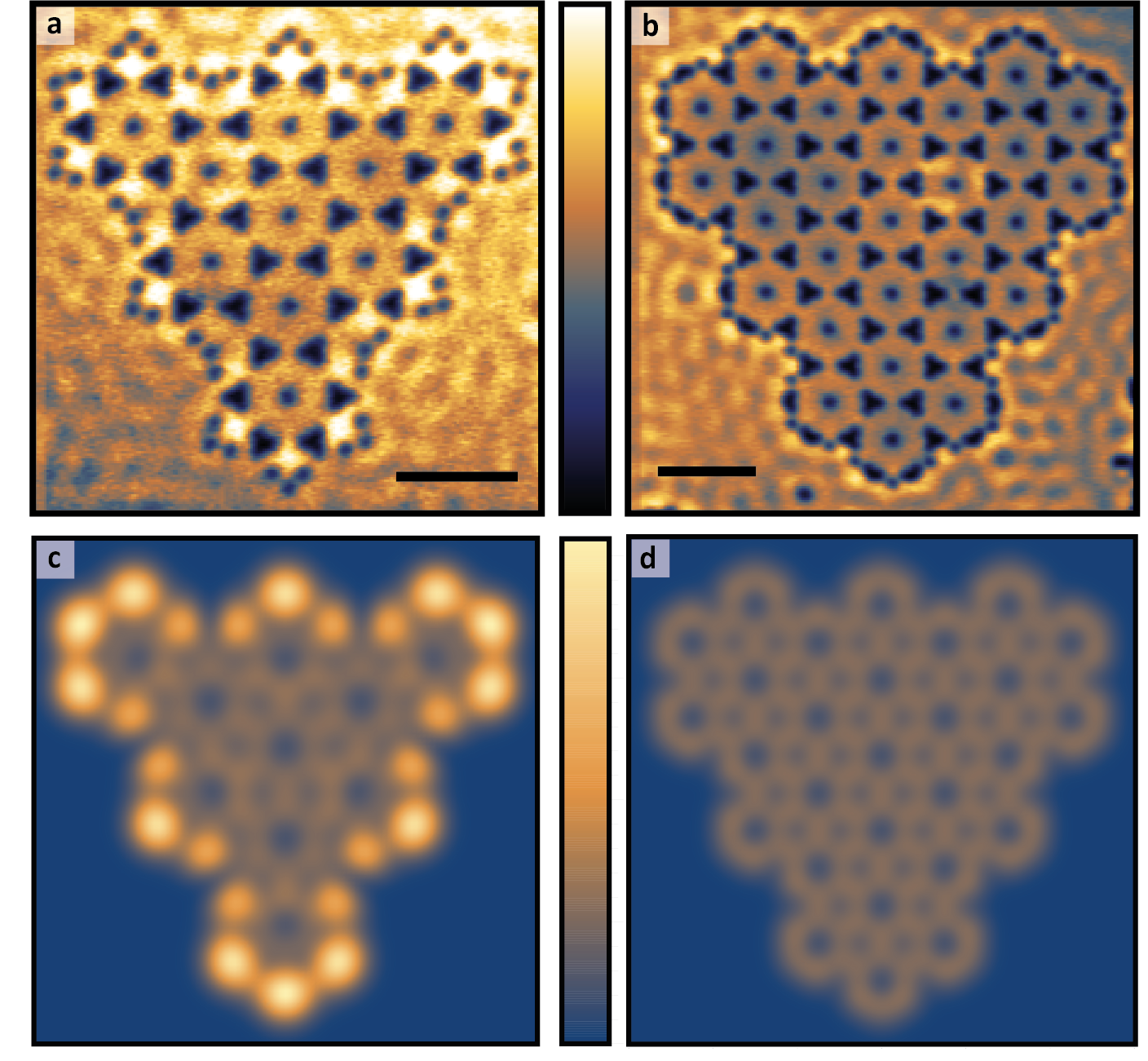 Figure 3
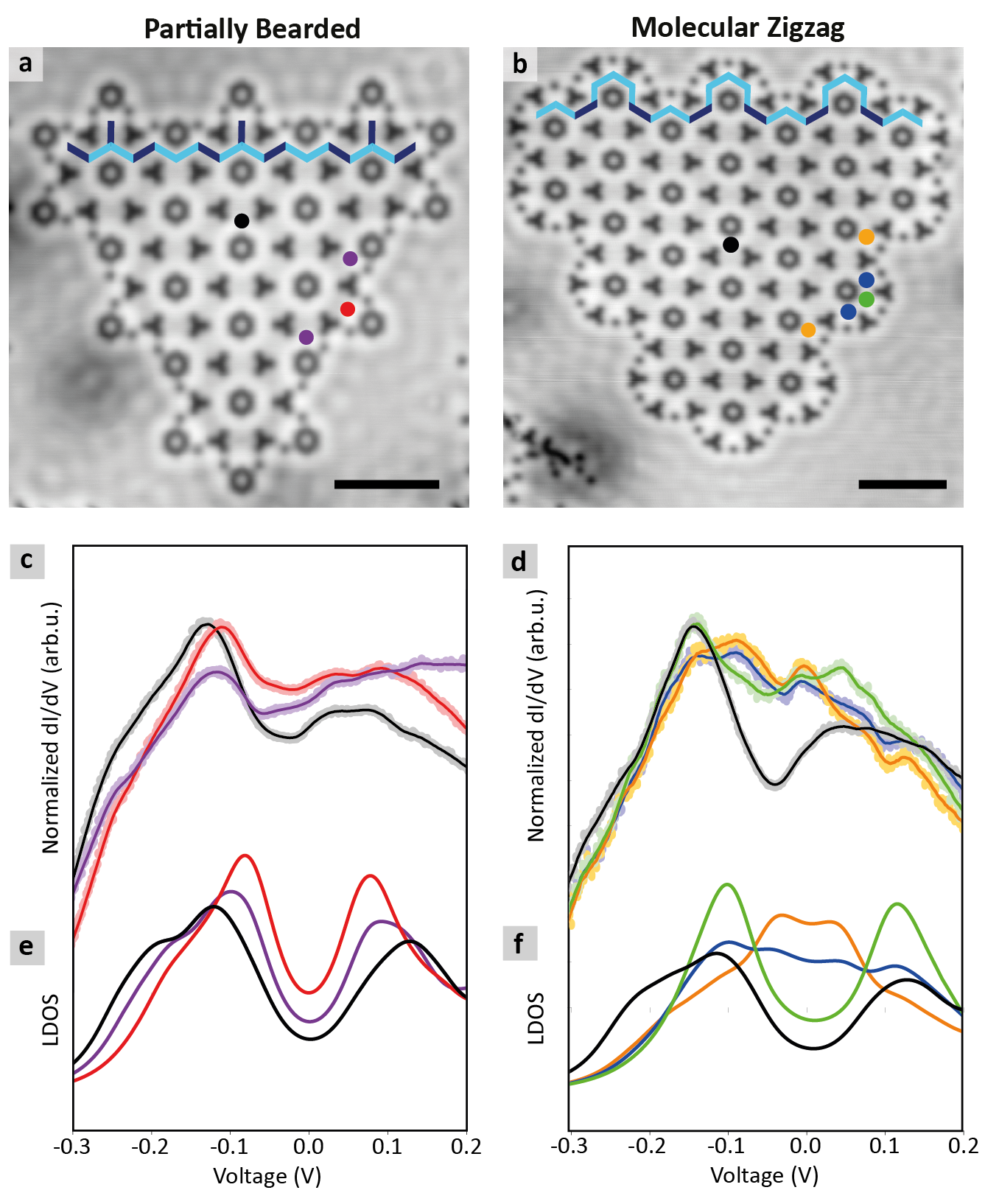 Figure 4
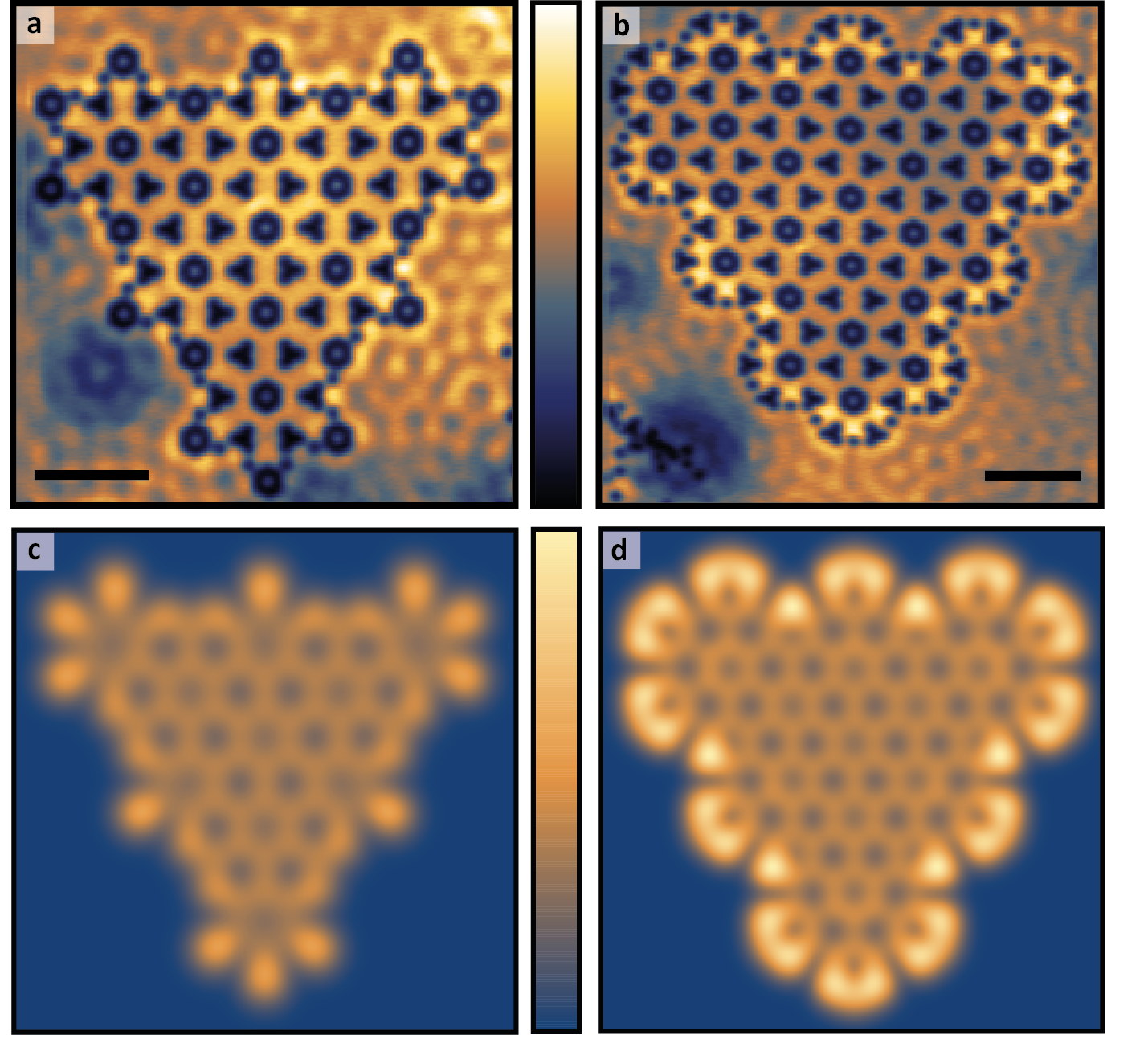 Figure 5
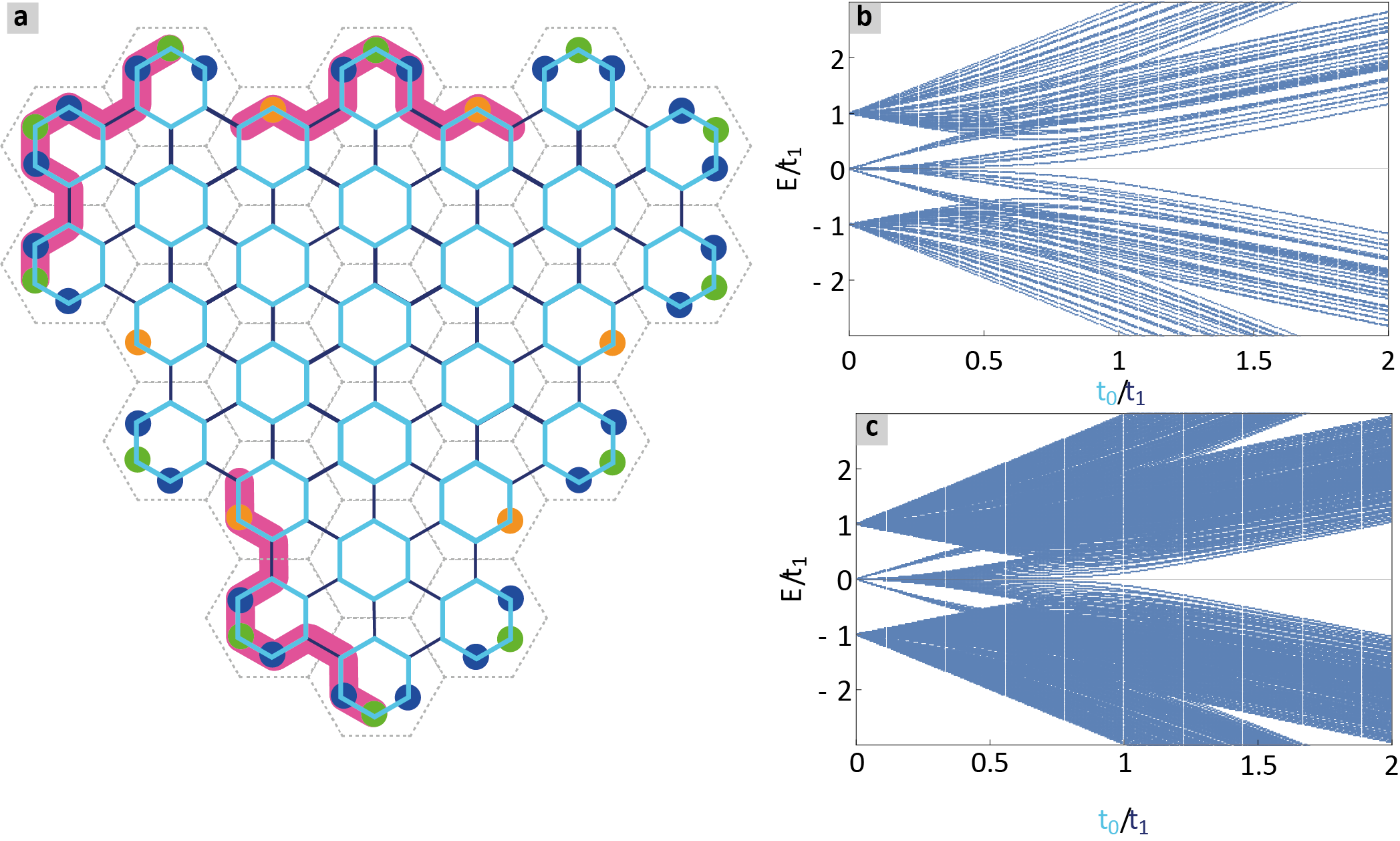 Figure 6
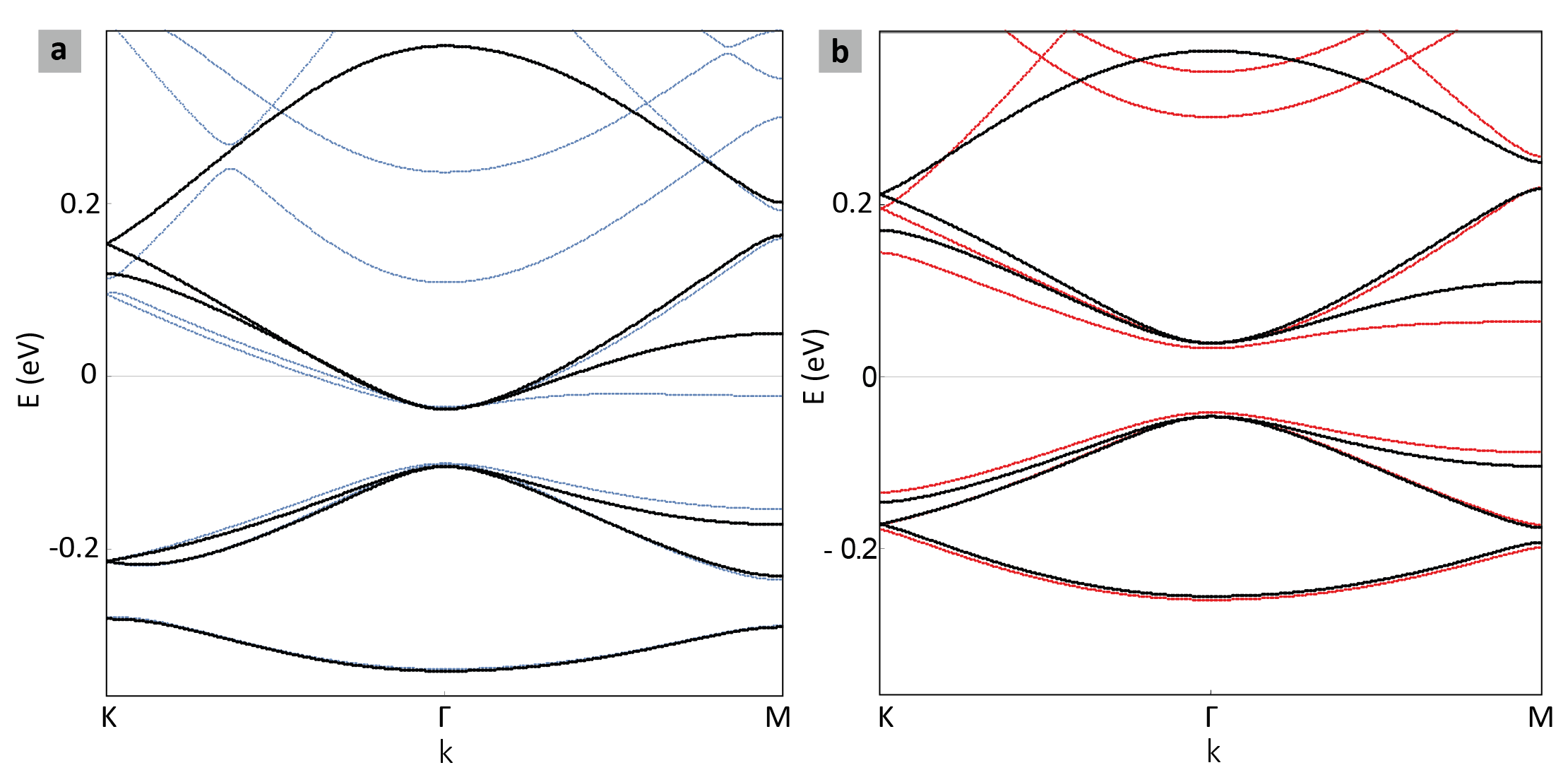 Figure 7
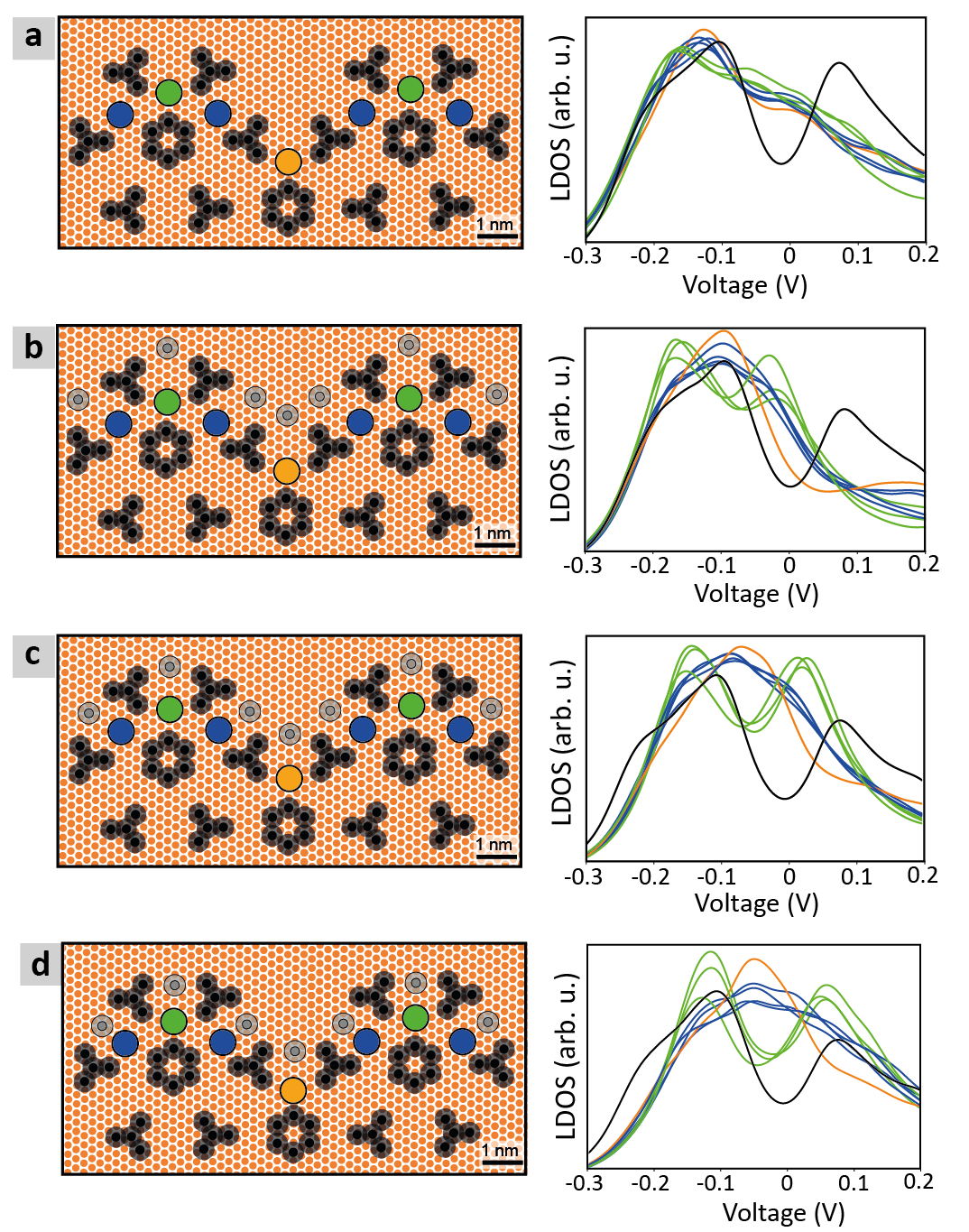 Figure 8
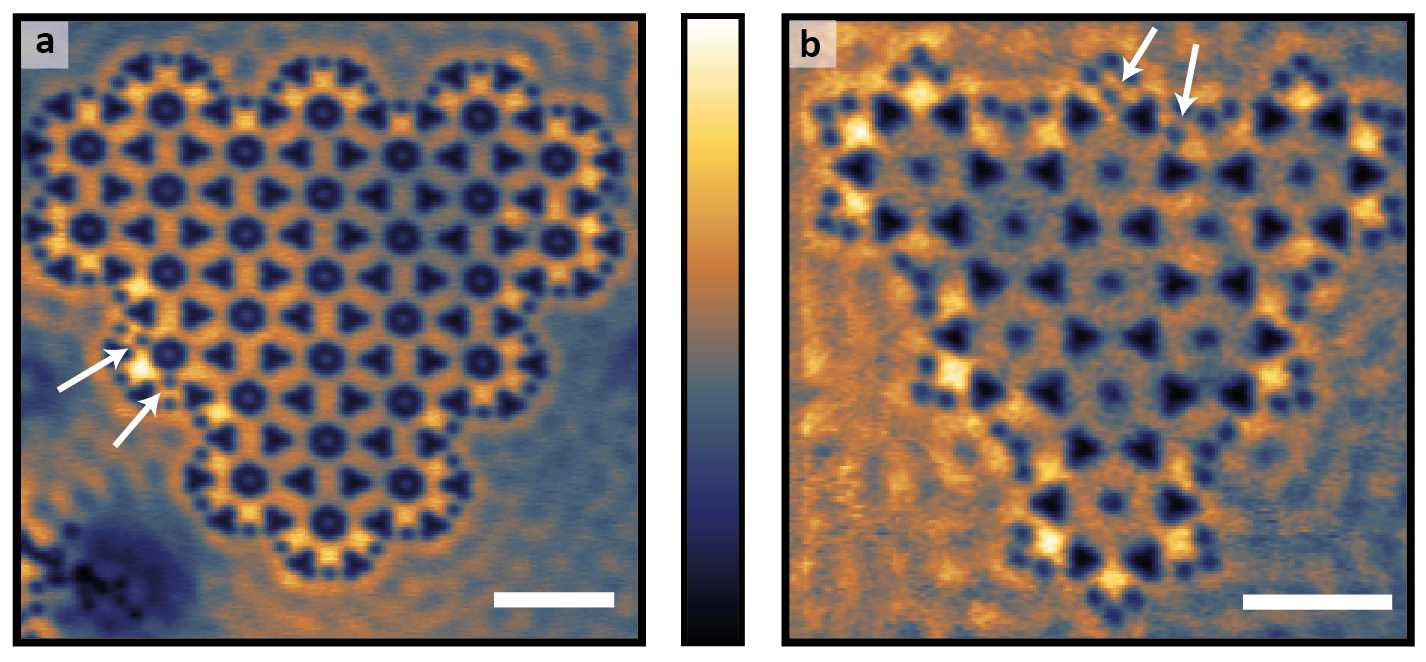 Figure 9
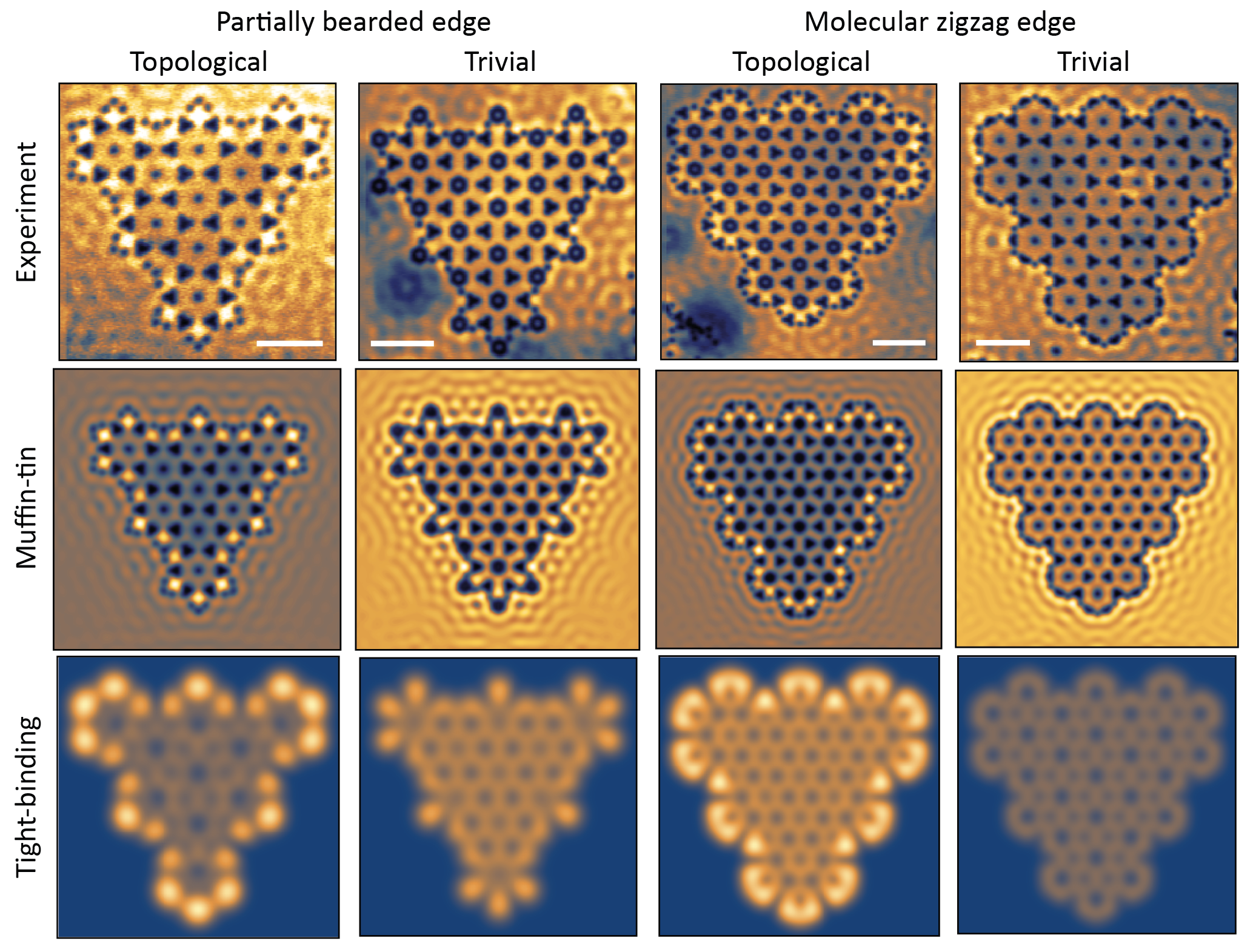 Figure 10
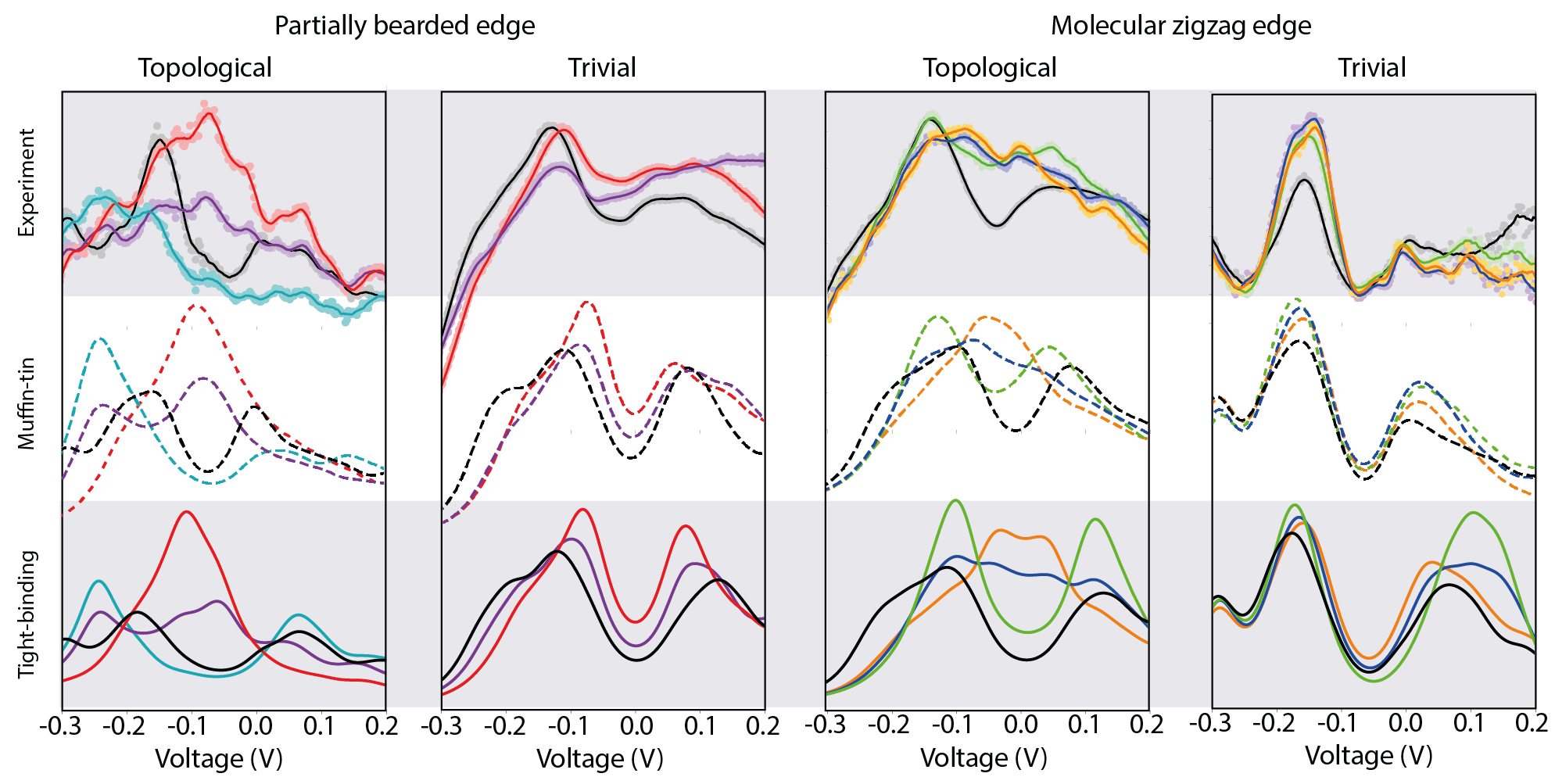 Figure 11
Peer Reviews
No public reviews on file for this paper yet. If you reviewed it on a platform where reviews are public (OpenReview, ICLR, NeurIPS, ICML), you can paste yours below so the community can read it here.
Videos
No videos yet. Explain this paper in a talk, walkthrough, or lecture? Add one.
Edge-dependent topology in Kekulé lattices
S. E. Freeney Both authors contributed equally. Debye Institute for Nanomaterials Science
Utrecht University, Netherlands
J. J. van den Broeke ††footnotemark:
Institute for Theoretical Physics, Utrecht University, Netherlands
A. J. J. Harsveld van der Veen
Debye Institute for Nanomaterials Science
Utrecht University, Netherlands
I. Swart Correspondence to: [email protected], [email protected] Debye Institute for Nanomaterials Science
Utrecht University, Netherlands
C. Morais Smith ††footnotemark:
Institute for Theoretical Physics, Utrecht University, Netherlands
Topological states of matter are robust quantum phases, characterised by propagating or localised edge states in an insulating bulk. Topological boundary states can be triggered by various mechanisms, for example by strong spin-orbit coupling. In this case, the existence of topological states does not depend on the termination of the material. On the other hand, topological phases can also occur in systems without spin-orbit coupling, such as topological crystalline insulators. In these systems, the protection mechanism originates from the crystal symmetry. Here, we show that for topological crystalline insulators with the same bulk, different edge geometries can lead to topological or trivial states. We artificially engineer and investigate a 2D electronic dimerised honeycomb structure, known as the Kekulé lattice, on the nanoscale. The surface electrons of Cu(111) are confined into this geometry by positioning repulsive scatterers (carbon monoxide molecules) with atomic precision, using the tip of a scanning tunnelling microscope. We show experimentally and theoretically that for the same bulk, molecular zigzag and partially bearded edges lead to topological or trivial states in the opposite range of parameters, thus revealing a subtle link between topology and edge termination. Our results shed further light on the nature of topological states and might be useful for future manipulations of these states, with the aim of designing valves or other more complex devices.
A common assumption concerning topological states of matter is that their existence should not depend on the sample termination. The quantised conductivity at the edges of the otherwise insulating material should be insensitive to any detail, except the topology of the bands. This is indeed the case for the quantum Hall effect [1-3] or for the quantum spin Hall effect [4-6], which are triggered by a magnetic field or by a strong spin-orbit coupling respectively, but it does not hold for crystalline topological insulators [7,8]. The reason for this is that the topological invariant depends on the choice of unit cell, which in turn is determined by the edge geometry. To establish the relation between edge geometry and the existence of protected boundary states in topological crystalline insulators experimentally, it is essential to design lattices that have the required weak and strong bonds and to have atomically precise edges.
Electrons in engineered potentials can be used as quantum simulators to study the electronic properties of a large variety of systems, ranging from artificial periodic lattices [9,10] and quasicrystals [11] to fractals [12]. In these systems, it is possible to control the spin [13] and orbital degree of freedom [14], as well as the hopping strength between different sites [9,15]. Quantum simulators can be produced by using the tip of a scanning tunnelling microscope (STM) to manipulate adsorbates to confine electronic states [16] into artificial lattices, or to manipulate vacancies where electronic states can be contained. The versatility of these types of artificial lattices is demonstrated by the realisation of topological states of matter. Vacancies in a chlorine monolayer on Cu(100) have been coupled together to realise topologically non-trivial domain-wall states in 1D Su Schrieffer Heeger (SSH) chains [17]. In addition, the manipulation of Fe atoms on the superconducting Re(0001) surface led to the realisation of a topological superconductor [18,19]. Recently, the carbon-monoxide (CO) on Cu(111) platform has been used to create the so-called higher-order topological insulators (HOTI), in which the topological phase at the boundary exists in at least two dimensions less than in the bulk. A Kagome lattice has been designed, and the tri-partite nature of the unit cell was shown to bring further protection to the zero-mode corner states [20].
Here, we investigate the relation between the emergence of topological states and edge geometry in a topological crystalline insulator by focusing on the Kekulé lattice. For this lattice, topologically non-trivial modes should only emerge for certain edge geometries [21]. Fig. 1 shows the Kekulé texture. It can be regarded as a triangular lattice of hexagonal molecules connected to each other by bonds of strength , while the bonds within these hexagonal molecules have strength . We label these nearest-neighbour bonds as inter- () and intra- () hexagon hopping, respectively (see Fig. 1a,b, where is represented by light blue lines and is represented by navy lines). These bonds, alternated with different strengths, are reminiscent of the 1D SSH model describing polyacetylene, which is known to exhibit topological edge modes [22]. Topological edge states occur similarly for the Kekulé lattice: when a site at the edge is connected only via weak bonds to the rest of the lattice, it forms an edge mode. This, in addition to sublattice symmetry and mirror symmetry, can give rise to topologically protected states [21].
Theoretically, the Kekulé system has been a benchmark for studies of charge fractionalisation in the presence of time-reversal symmetry [23]. Moreover, it was proven that these fractionally charged excitations are semions, hence Abelian anyons carrying charge and manifesting a phase upon braiding [24]. The presence of topological edge states in the Kekulé lattice was first proposed by Wu et al. [25]. Two phases, one at and another at , separated by a bulk gap closing at the point where the structure is simply a regular graphene lattice (), were thought to be analogous to the quantum spin Hall effect as a consequence of an effective time-reversal symmetry [25]. It was later discovered that this was not the case, as the presence of edge states does not only depend on the hopping structure, but also on the edge type, which defines the unit cell. For the two different hopping structures and the two different types of edge termination, two topological and two trivial phases were predicted, classified by the mirror winding number [21]. It emerged that the protection of topological in-gap modes is as a result of the chiral and mirror symmetry of the system [26]. Both these protecting symmetries pose experimental challenges: in realistic finite-size systems, the mirror symmetry can only be preserved locally, and the usually unavoidable next-nearest neighbour (NNN) hopping breaks the chiral symmetry of the system. We engineer four finite lattices to experimentally investigate the role of the boundary in Kekulé systems. To generate these lattices, we use electronic scatterers, in this case CO molecules, to confine the surface state that manifests as a 2D electron gas on Cu(111). If for example the scatterers are arranged to form a box, the surface-state electrons confined within it adopt particle-in-a-box type behaviour, which can be considered analogous to the behaviour of electrons in an atom. This concept can be taken further; when scatterers are arranged into an entire lattice, the electrons assume the form of the anti-lattice by sitting between the scatterers [9]. It is with this principle that we generate the Kekulé lattices with two different values of hopping parameters. We switch the positioning of the strong and weak bonds (intra- and inter-hexagon), as well as the termination of the structures (bearded or molecular zigzag [21]). In total, we build four lattices by manipulating up to 522 carbon monoxide atoms per lattice with atomic precision, using the STM tip.
As a main outcome, we observe that the same Kekulé structure may be trivial or topological, depending on the termination of the sample. The experimental observations are corroborated by theoretical calculations using the muffin-tin and tight binding approaches for the specific experimental realisation, as well as investigations of the underlying crystalline symmetries protecting the topological phase.
Experimental realisation: The design of the engineered lattices may be observed in Fig. 1a,b. The leftmost column of the pictographic table in Fig. 1 shows the precise positioning of the CO molecules on Cu(111) for a single Kekulé unit cell. CO only adsorbs directly on top of surface atoms of Cu(111). For , the repulsive potential introduced by the central six CO molecules serves to diminish the strength of (light blue). In contrast, for , there is less repulsion about the single central scatterer [9]. Additionally, for , each triangularly shaped collection of four CO molecules reduces the bond strength between hexagons, while for they are rotated 60° with respect to the opposite design. This allows for a stronger while simultaneously impinging on the connection between hexagons, decreasing . Since the lattice has triangular symmetry, we have chosen the overall shape of the lattice to be triangular to allow for the same type of edges on all sides. Symmetry is preserved at the edges, including at the corners, where there is local resemblance to the edges. The distance between CO molecules was deliberately chosen. The on-site energy of an electron confined in 2D increases linearly with the inverse of the area of the boundary containing it. This effect can equivalently be seen through larger or smaller unit cells effectively leading to n- or p-doping, respectively [9,14]. Thus, we have chosen a unit cell size that positions the middle of the bulk gap approximately at the Fermi energy. Grey circles at the edges of the crystal in Fig. 1d,e,g,h represent CO molecules that were introduced to limit the interaction with the surrounding 2D electron gas. Without these additional scatterers, there would be an energy broadening in the differential conductance spectra/local density of states (LDOS), reducing the energy resolution so that experimental features would be less clearly defined. The positions of these CO “blockers” have been carefully chosen, so that the confinement of electrons at the edges is as equivalent as possible to that of electrons in the bulk, keeping the on-site energy at approximately . This is elaborated upon in the ‘Choice of blocking’ section in the Supplementary Information.
Two different types of termination have been investigated for each lattice, based on the theoretical proposal by Kariyado and Hu [21]: the partially bearded edge and the molecular zigzag edge, as introduced in the first row of the pictographic table in Fig. 1. Below each, the blueprints for the precise arrangement of the CO molecules used to achieve such edges are shown for both and . Neither the zigzag nor the armchair edges are included in this investigation. The zigzag edge has not been created because it leads to well-known results: due to the breaking of the sublattice symmetry at the zigzag termination, edge states occur inevitably, and are therefore of no special interest. The lattice terminations presented here preserve the sublattice symmetry. The armchair terminated configuration has been theoretically predicted to exhibit gapped edge modes [27]. The HOTI properties of armchair terminated Kekulé lattices have recently been experimentally investigated in photonic systems [26]. The protection of the corner modes is however different from the edge modes investigated here.