Quantitative Mitigation of Timing Side Channels
Saeid Tizpaz-Niari, Pavol Cerny, Ashutosh Trivedi

TL;DR
This paper introduces a novel approach called SCHMIT for mitigating timing side channels by reducing information leaks through entropy-based objectives, while maintaining user-defined performance overhead, applicable to real-world applications.
Contribution
It formulates the problem of timing side channel mitigation as Shannon mitigation, providing polynomial algorithms for deterministic cases and optimization-based solutions for stochastic cases, addressing a gap in existing methods.
Findings
SCHMIT effectively reduces timing side channels in benchmarks
The approach guarantees confidentiality within performance bounds
It scales to real-world applications with functional timing observations
Abstract
Timing side channels pose a significant threat to the security and privacy of software applications. We propose an approach for mitigating this problem by decreasing the strength of the side channels as measured by entropy-based objectives, such as min-guess entropy. Our goal is to minimize the information leaks while guaranteeing a user-specified maximal acceptable performance overhead. We dub the decision version of this problem Shannon mitigation, and consider two variants, deterministic and stochastic. First, we show the deterministic variant is NP-hard. However, we give a polynomial algorithm that finds an optimal solution from a restricted set. Second, for the stochastic variant, we develop an algorithm that uses optimization techniques specific to the entropy-based objective used. For instance, for min-guess entropy, we used mixed integer-linear programming. We apply the…
Click any figure to enlarge with its caption.
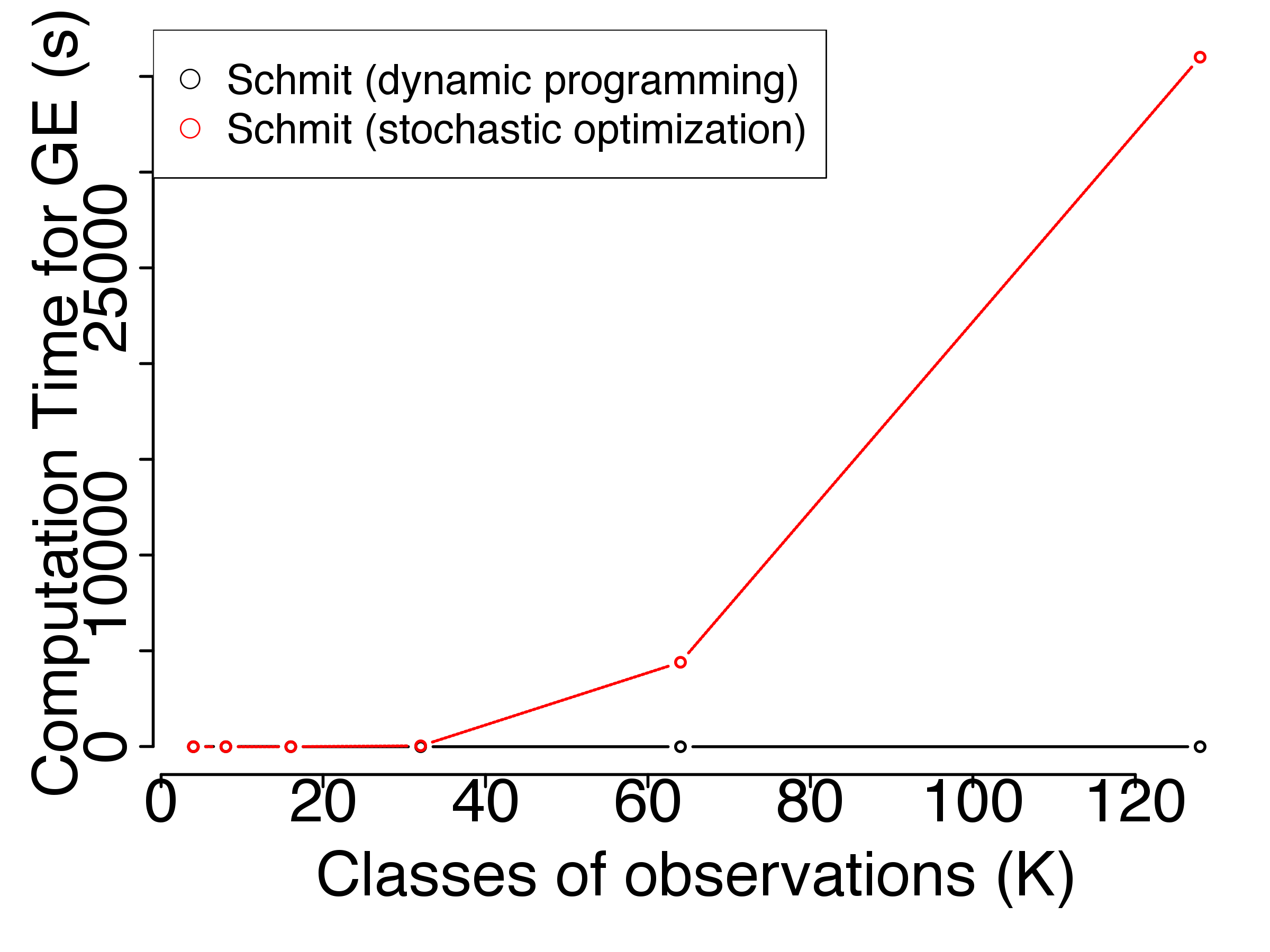 Figure 1
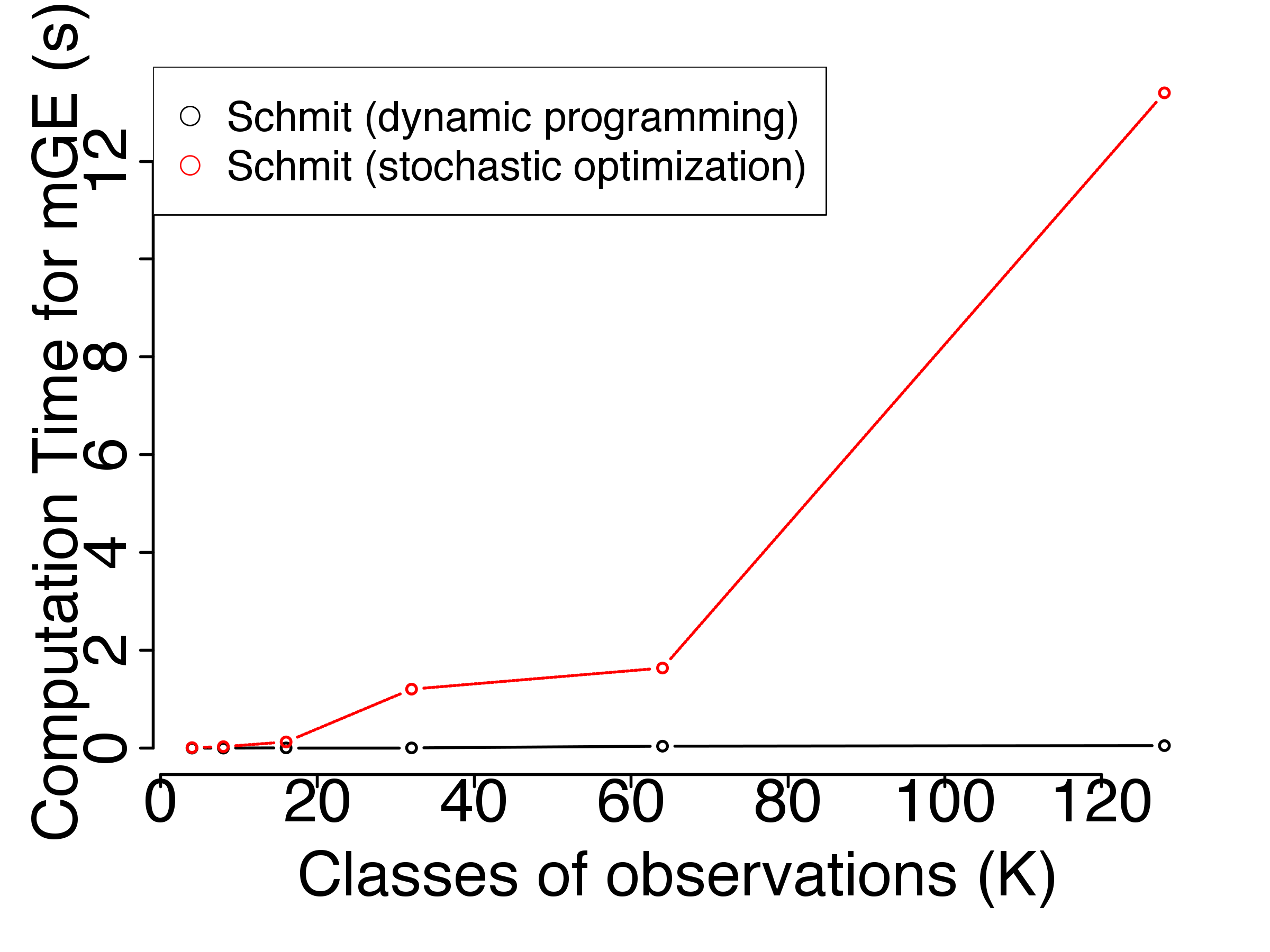 Figure 2
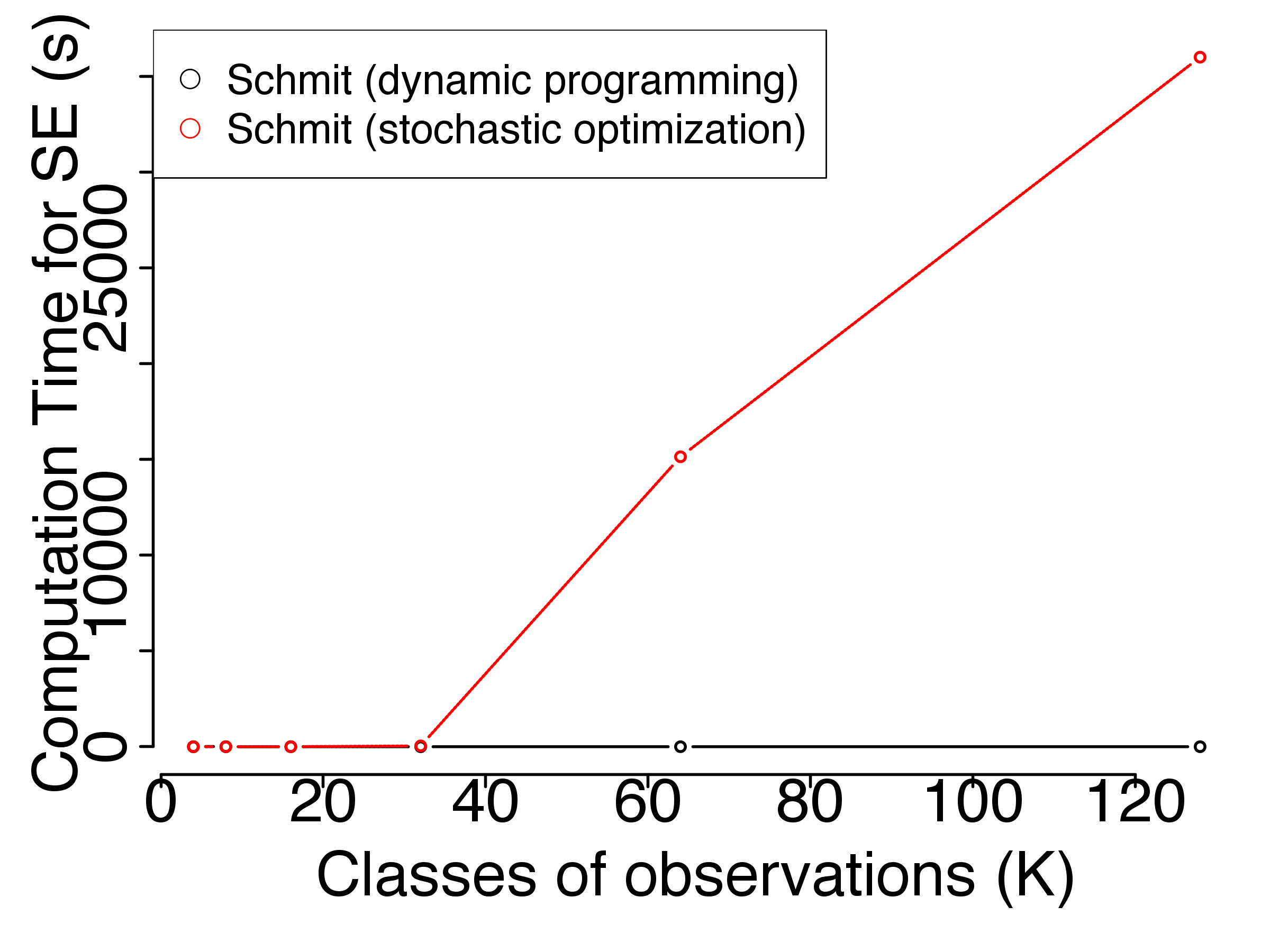 Figure 3
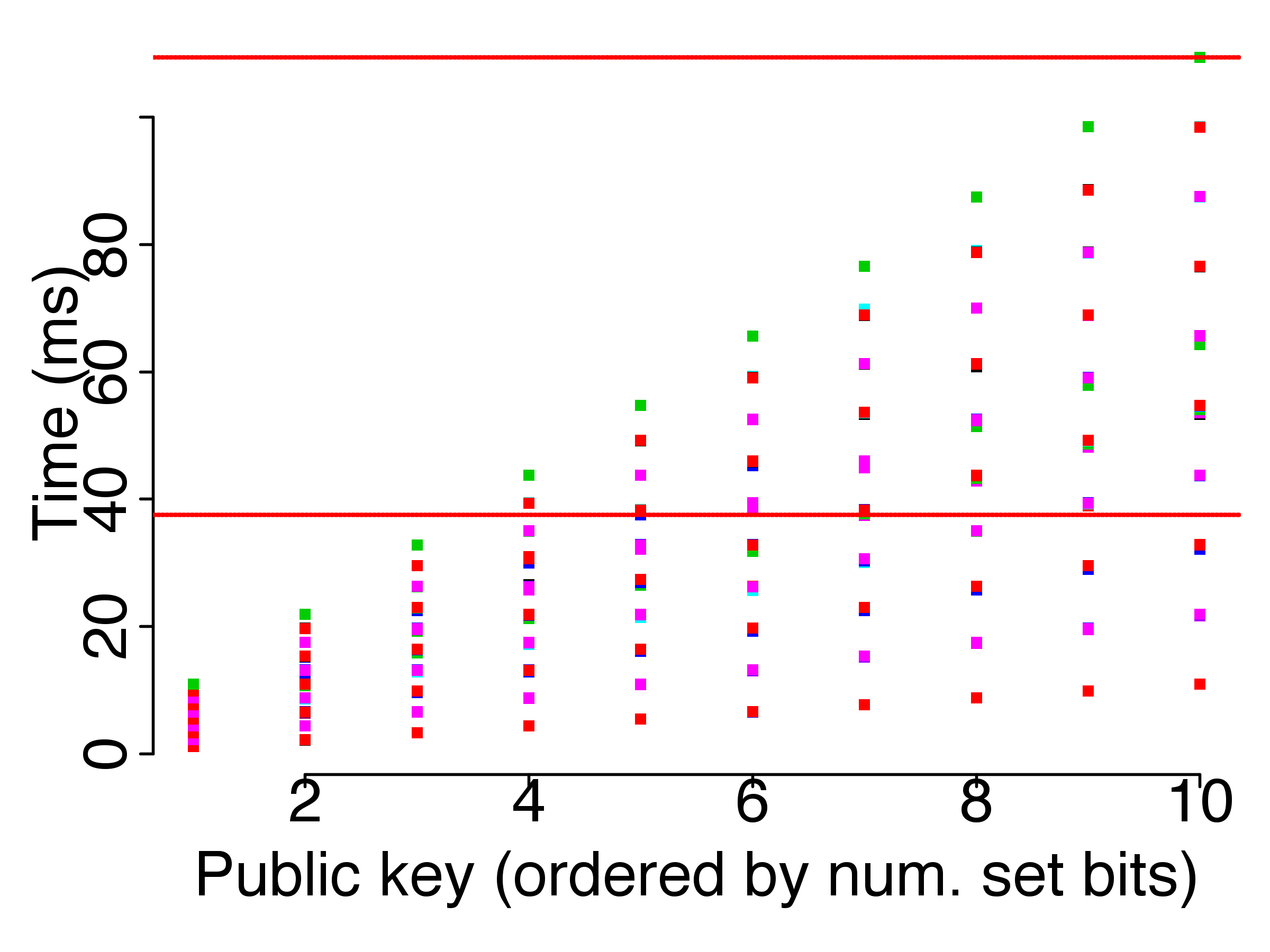 Figure 4
 Figure 5
 Figure 6
 Figure 7
 Figure 8
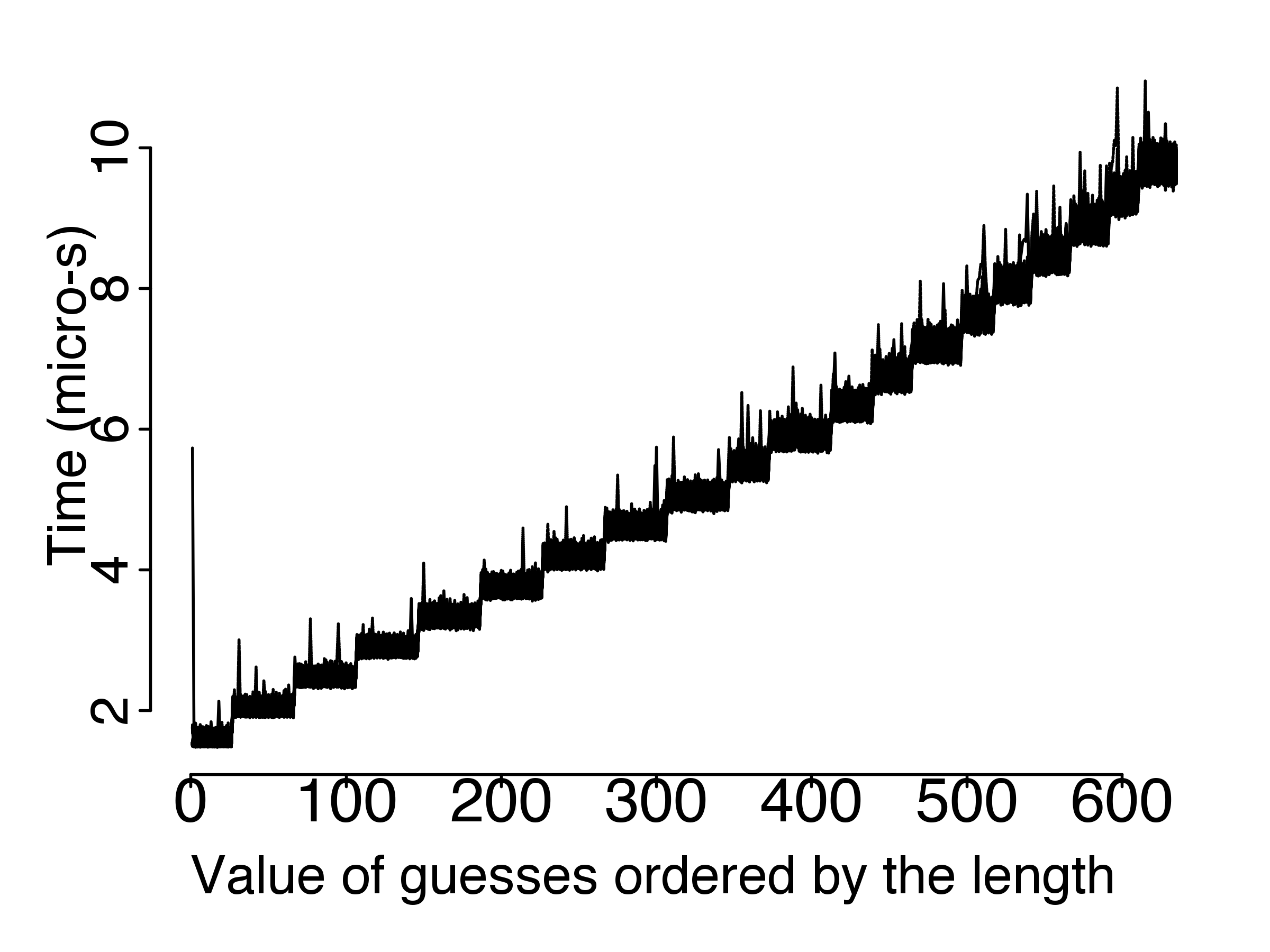 Figure 9
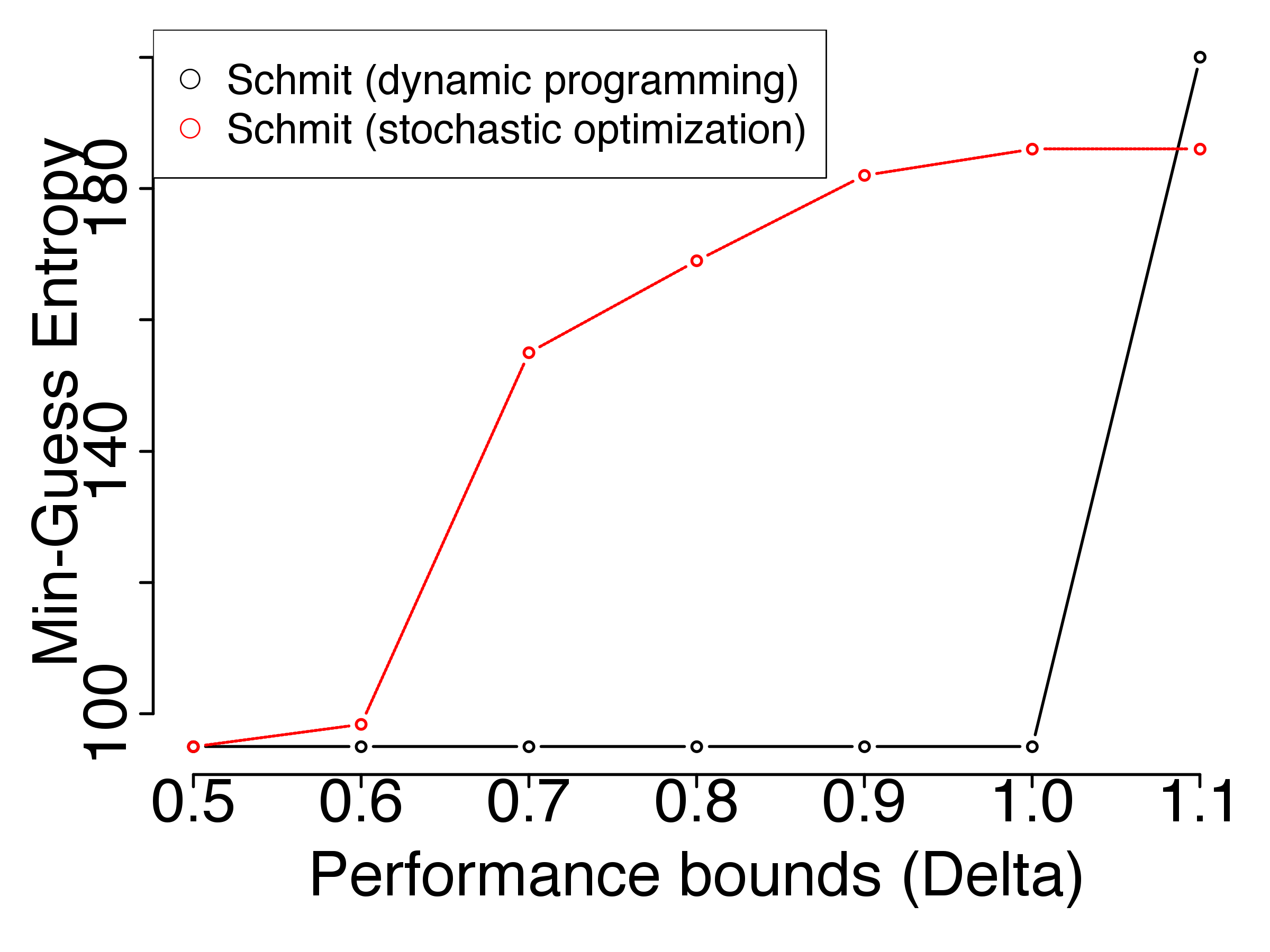 Figure 10
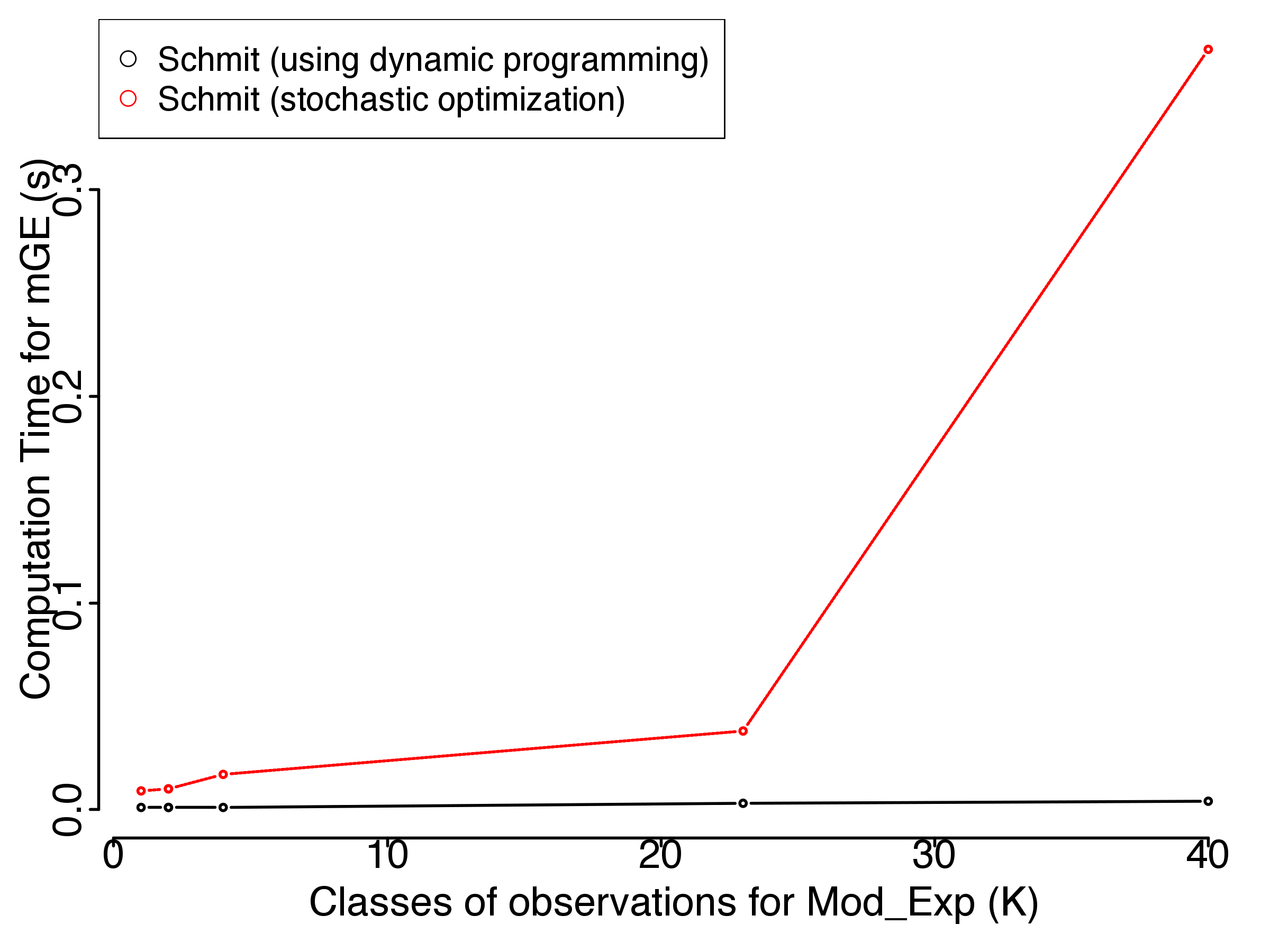 Figure 11
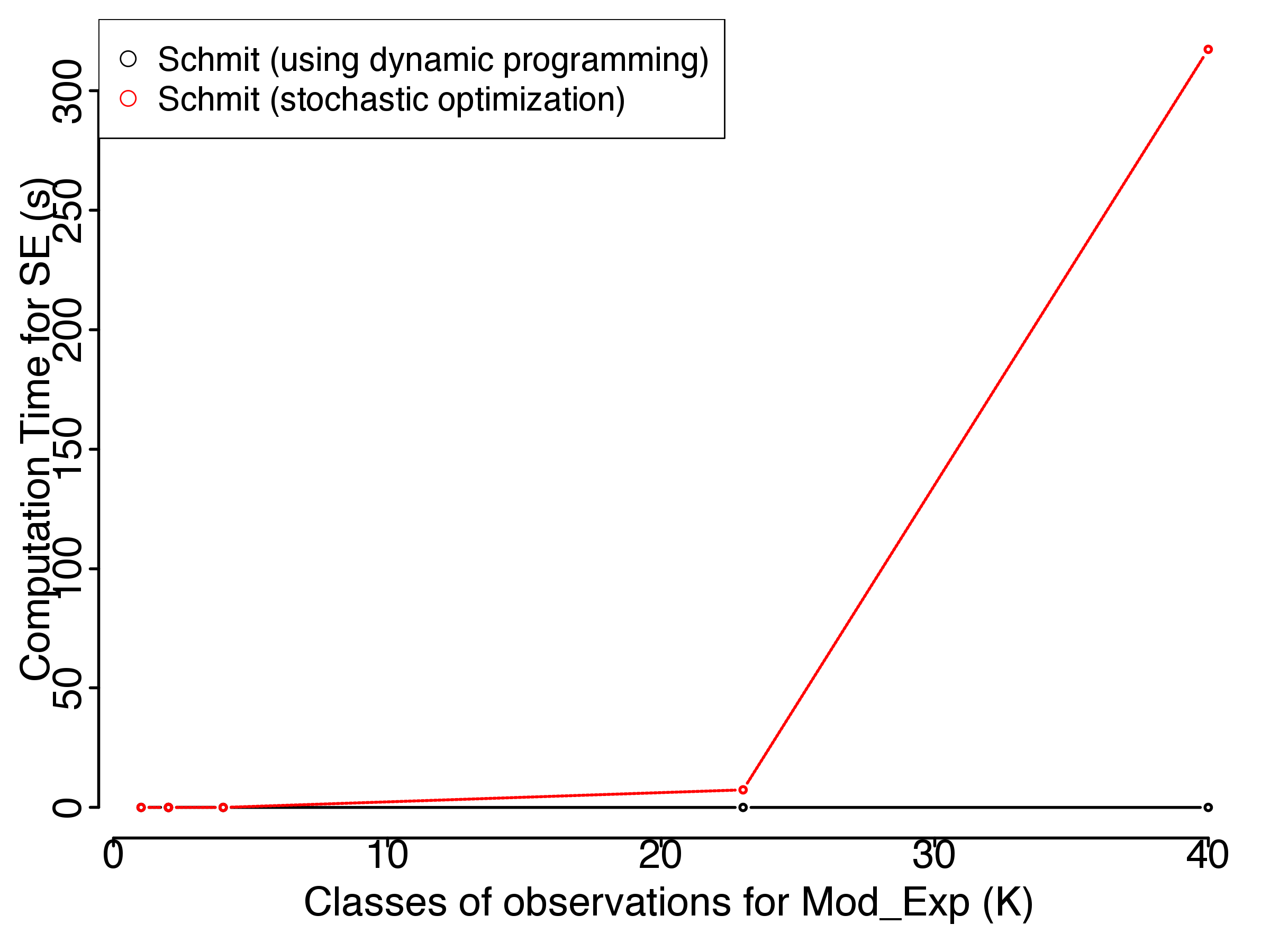 Figure 12
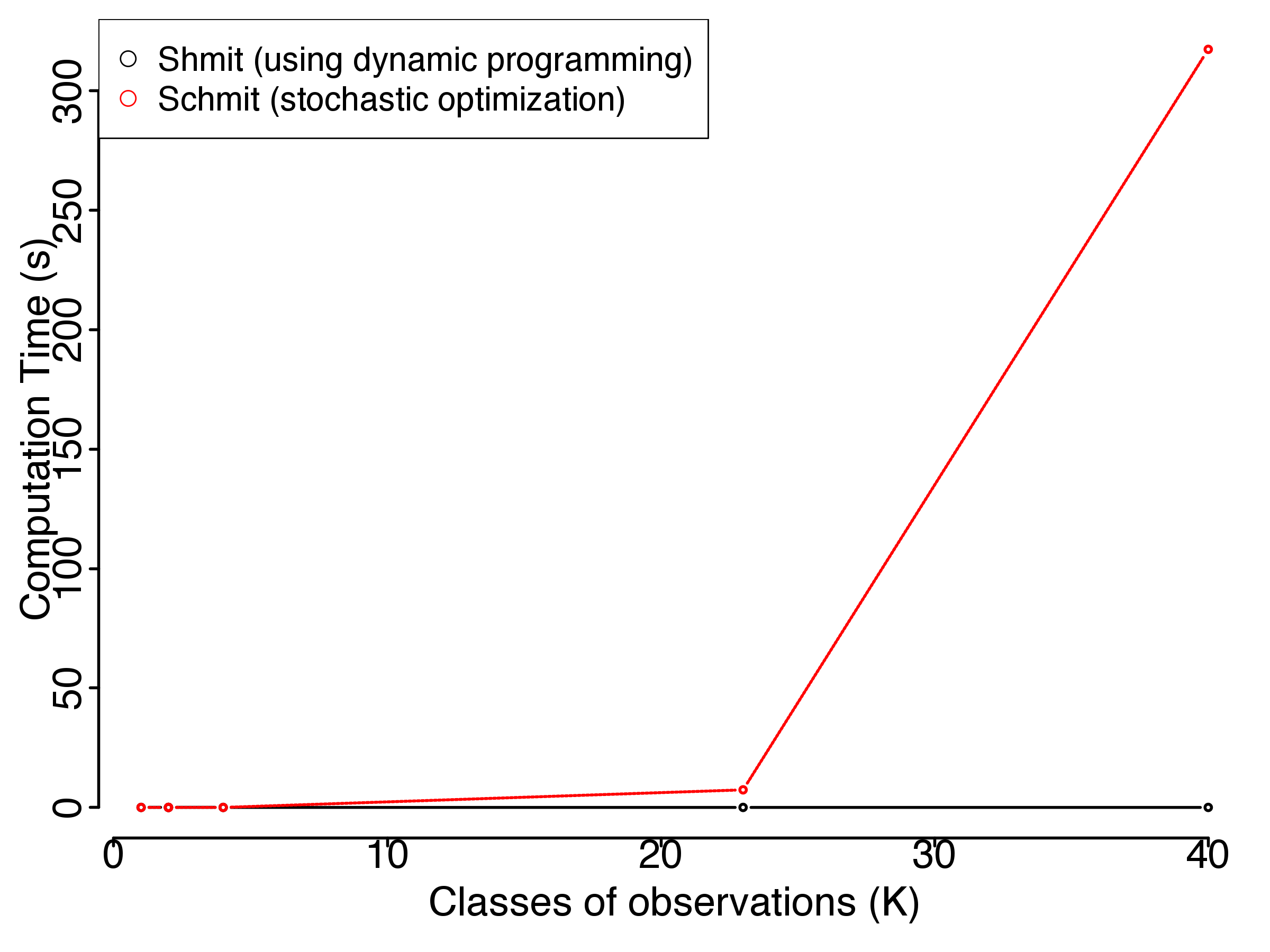 Figure 13
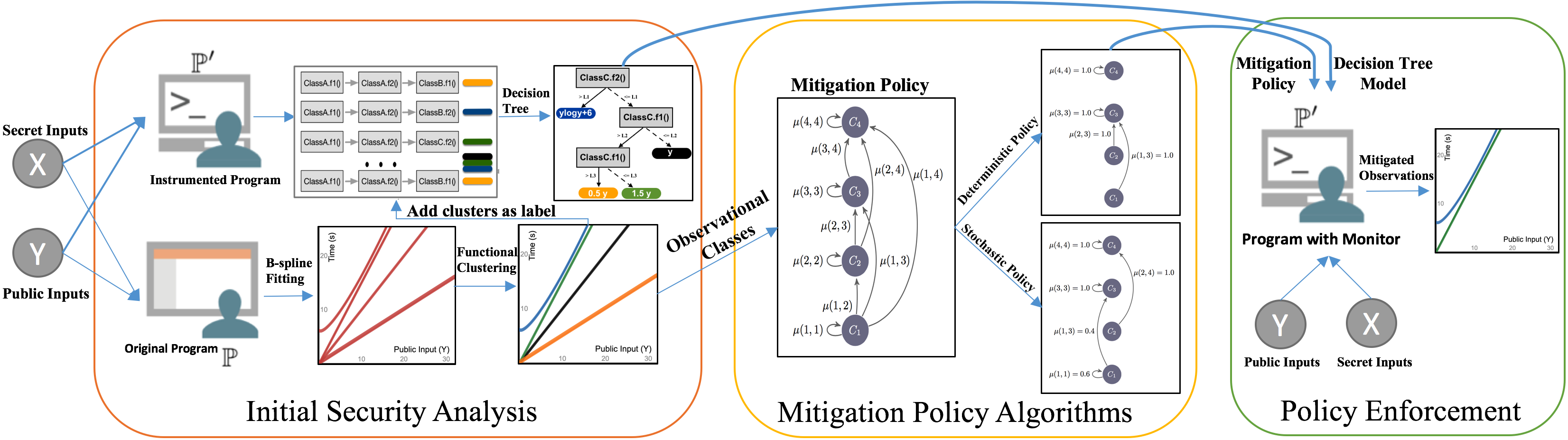 Figure 14
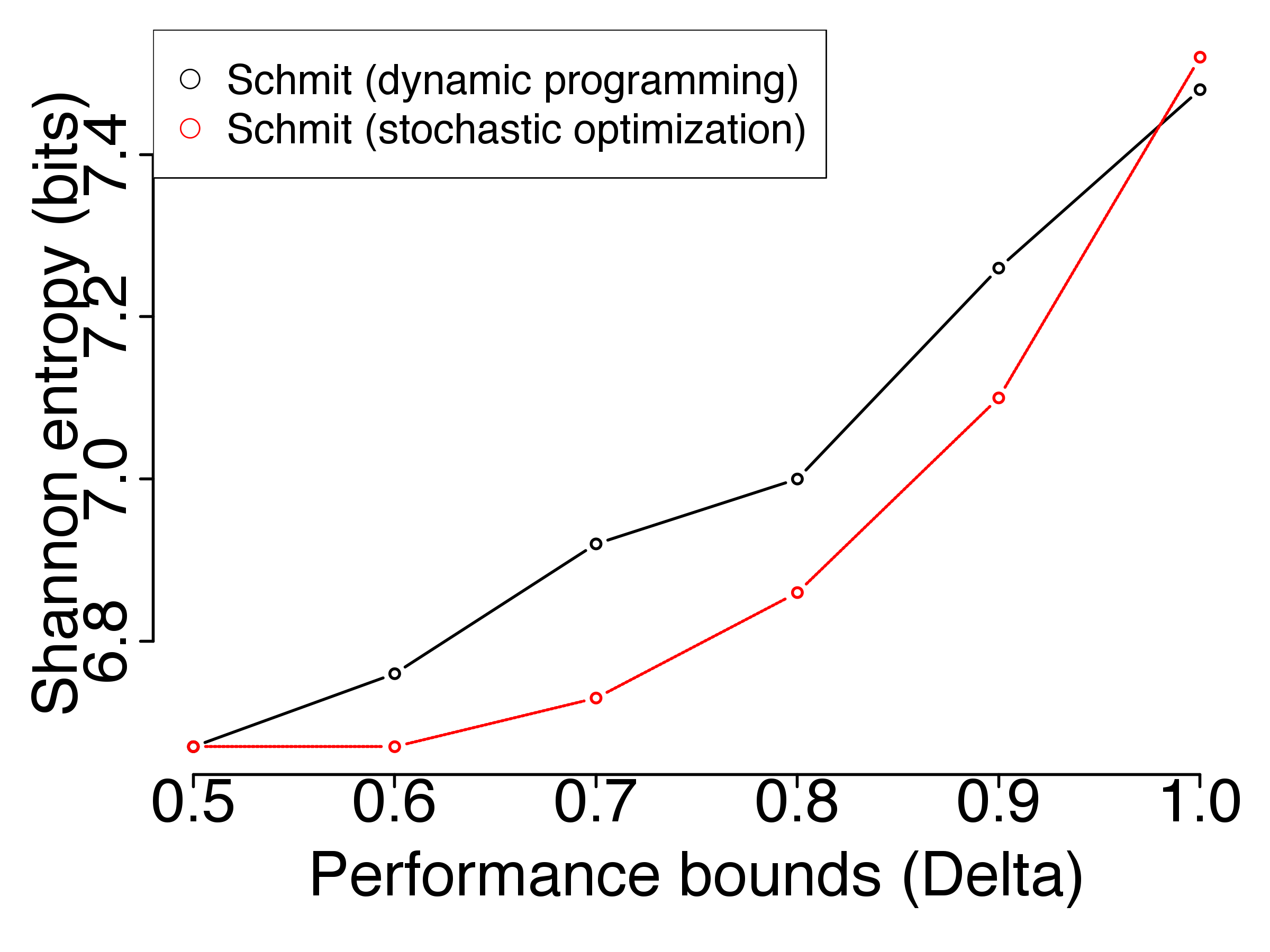 Figure 15
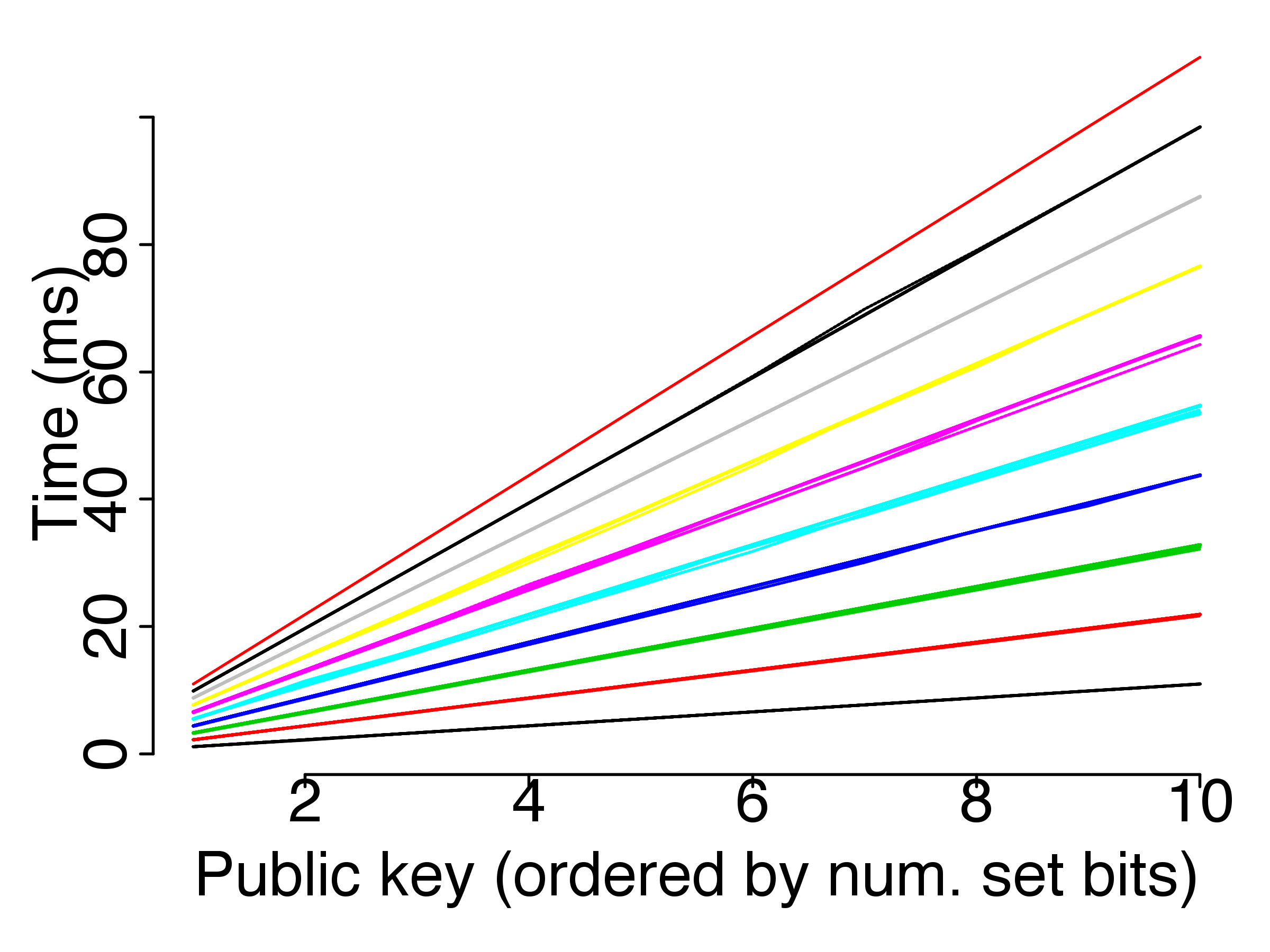 Figure 16
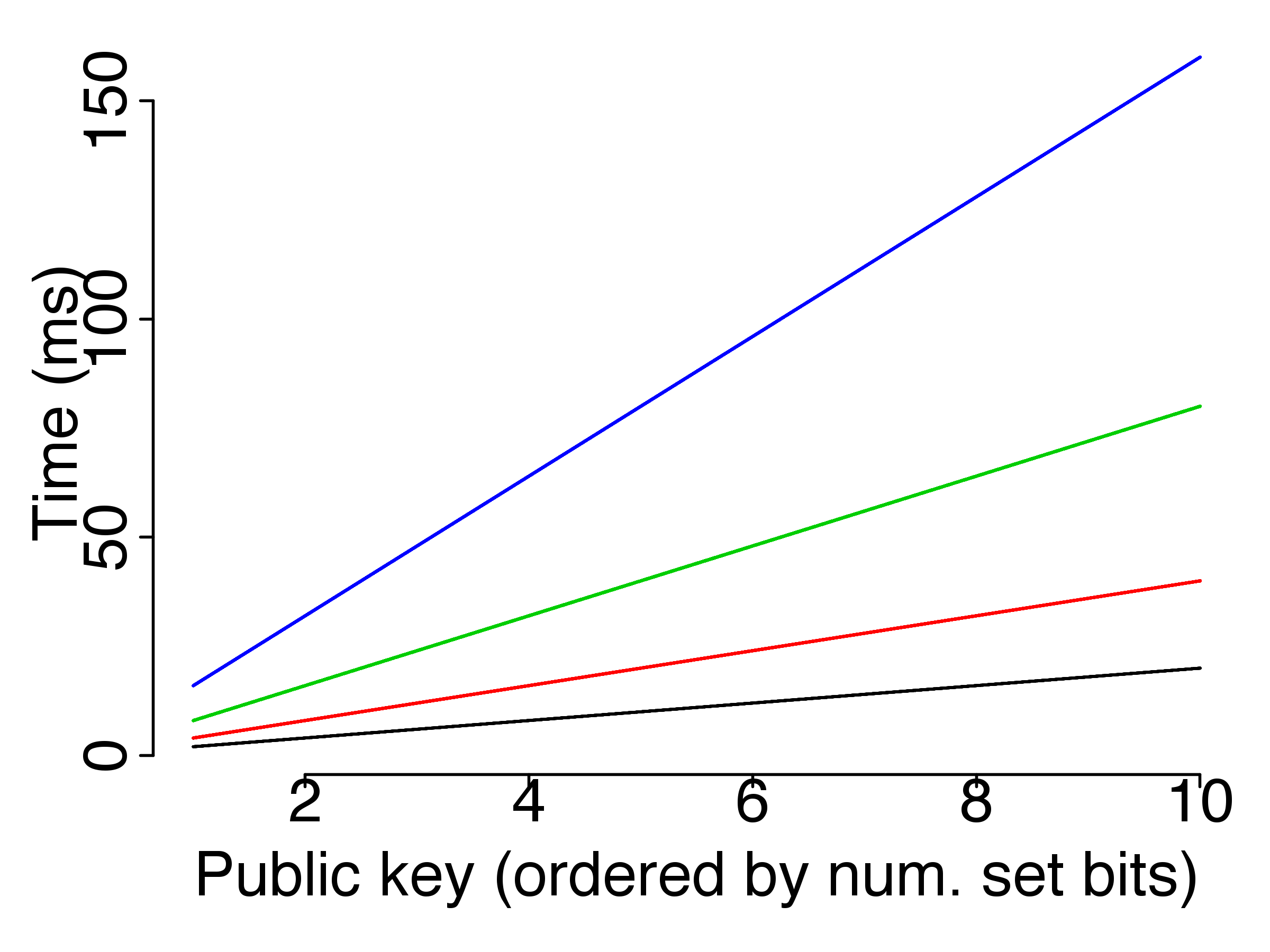 Figure 17
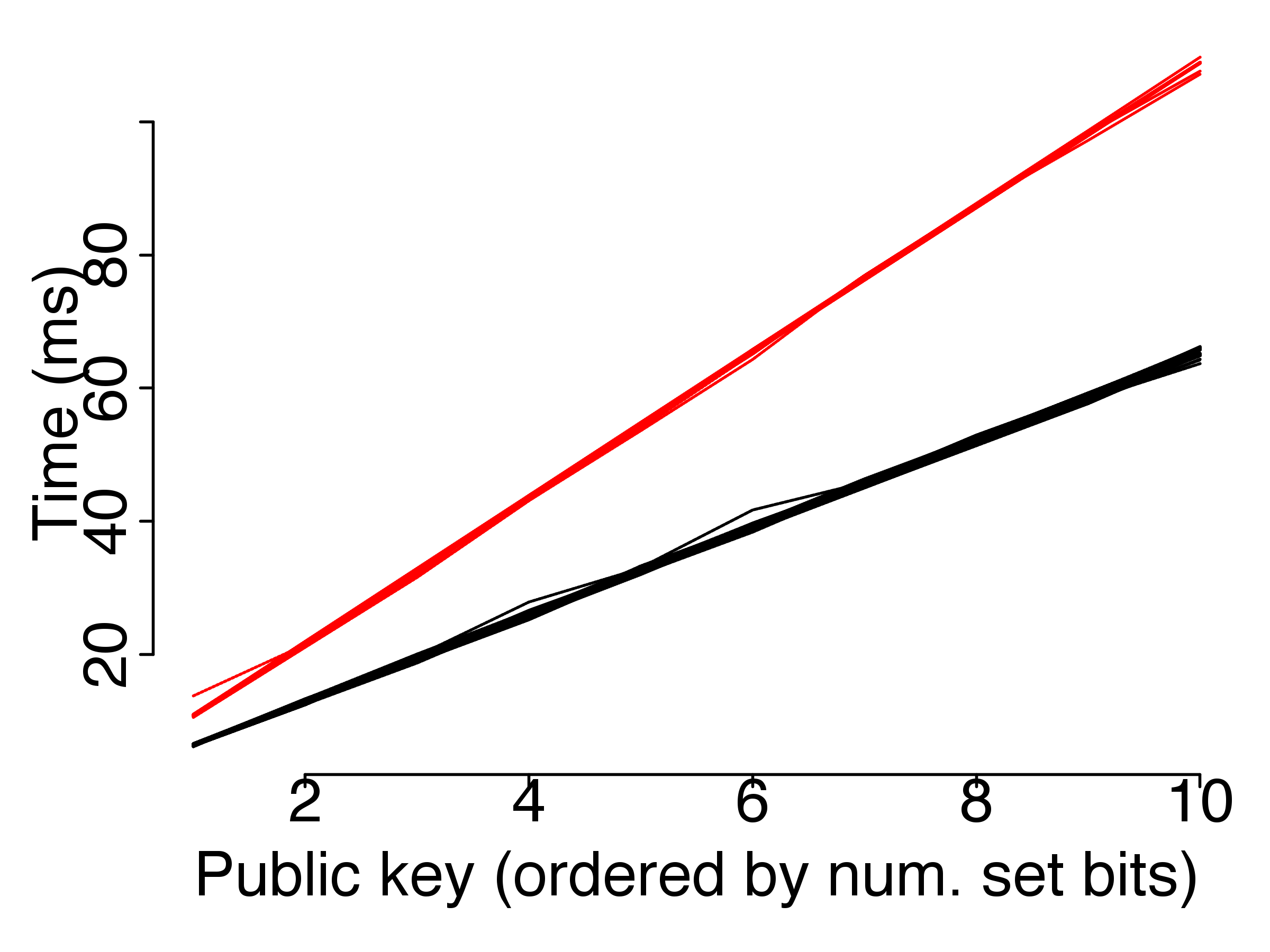 Figure 18
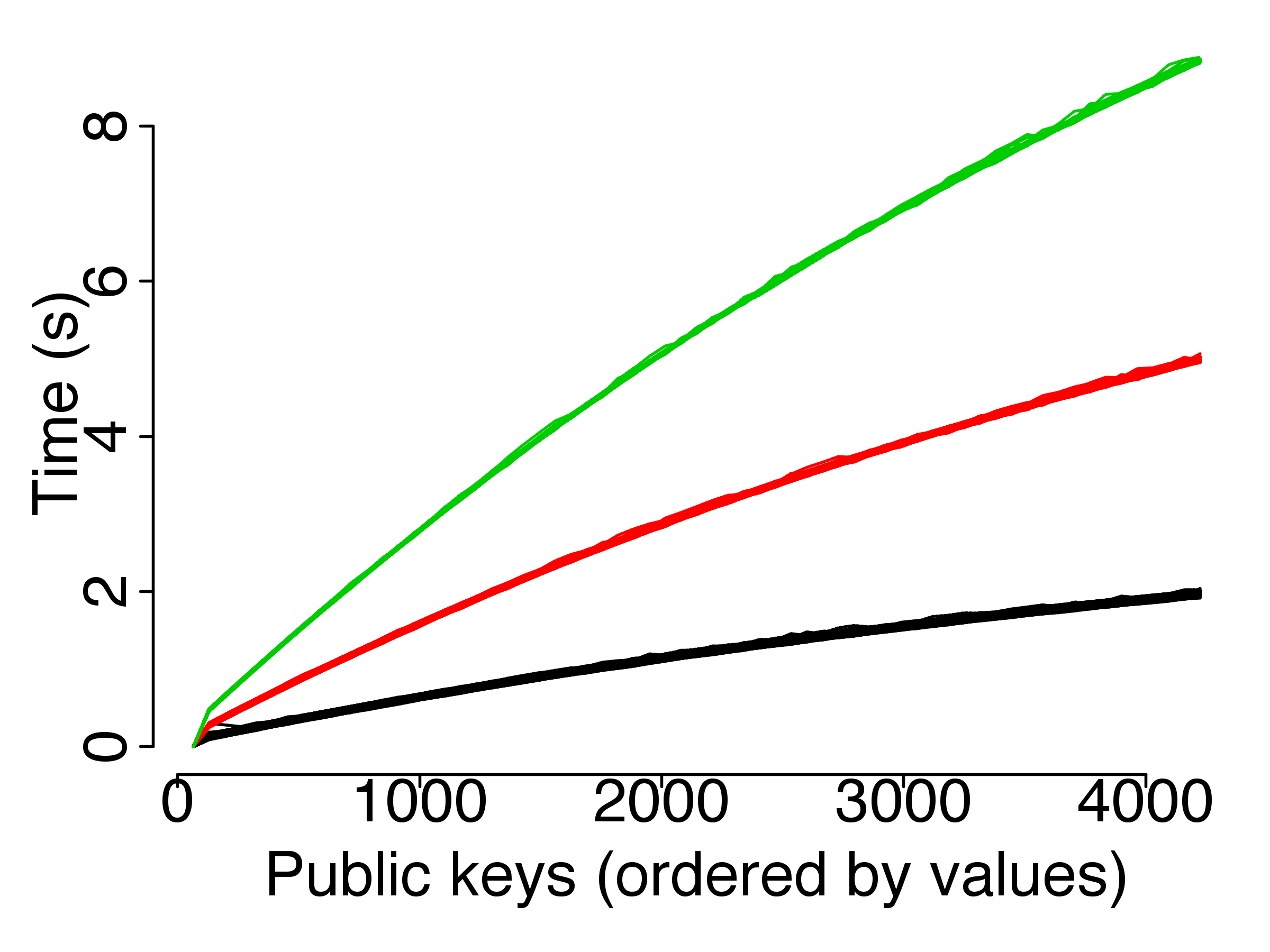 Figure 19
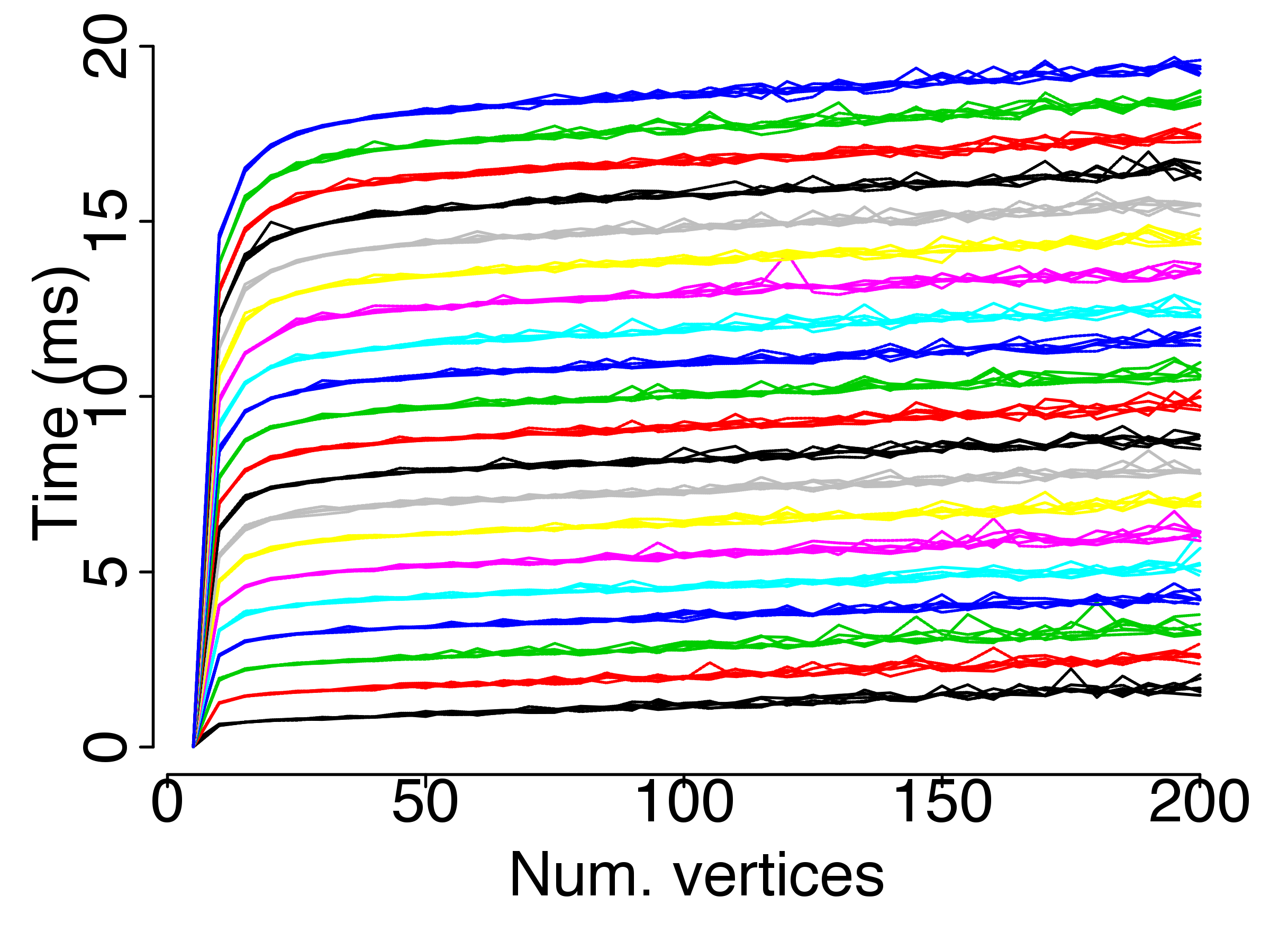 Figure 20
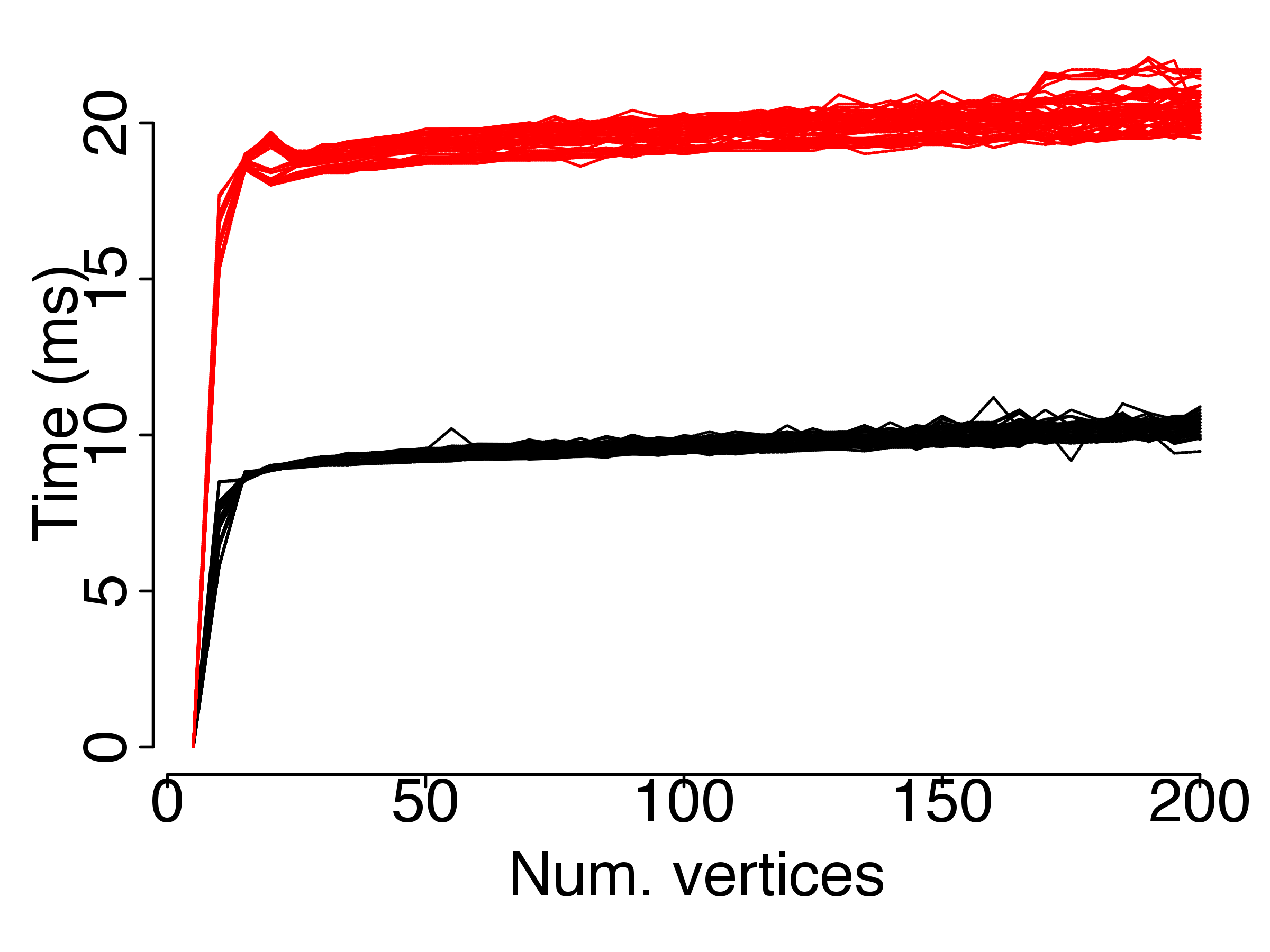 Figure 21
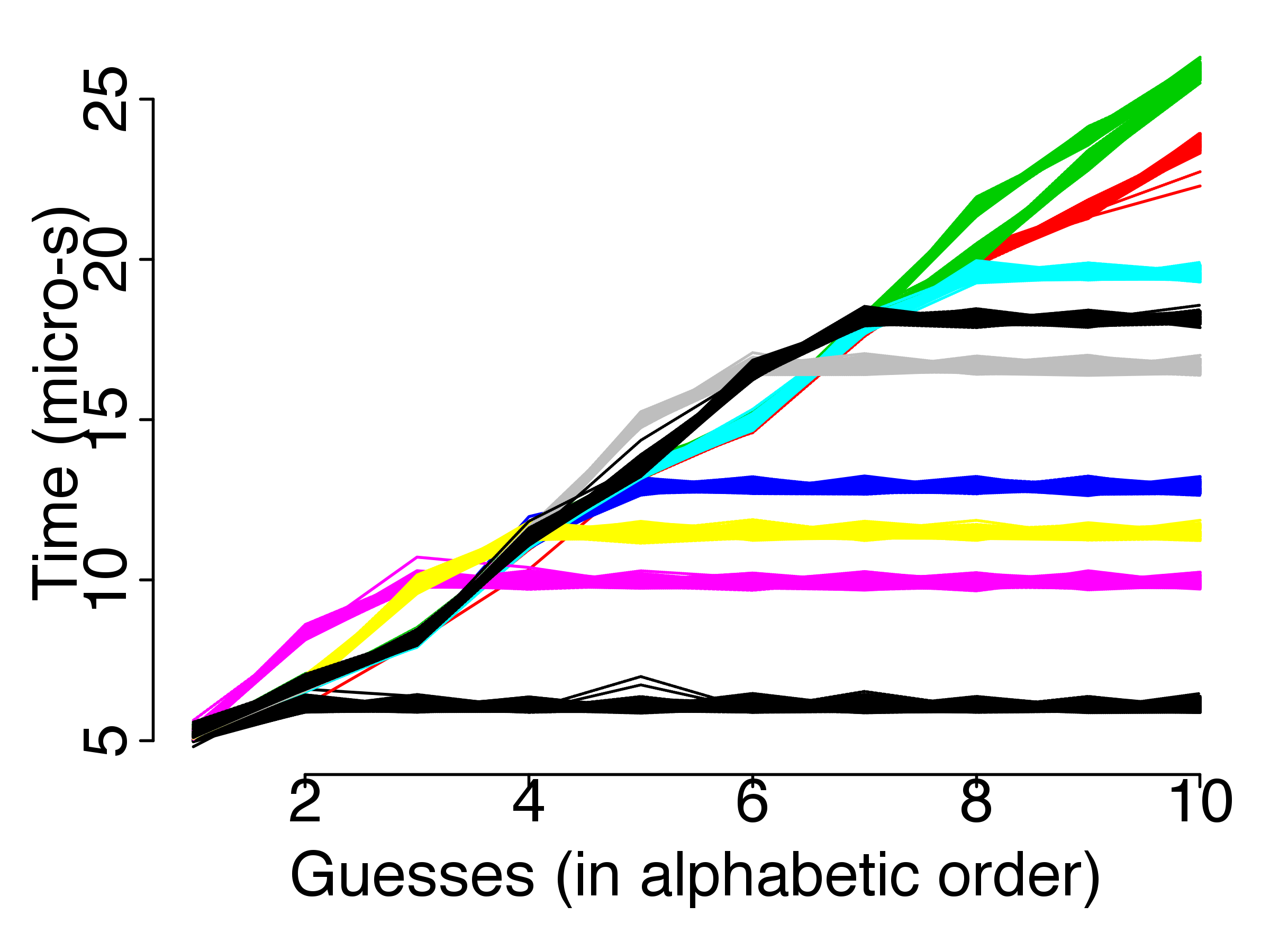 Figure 22
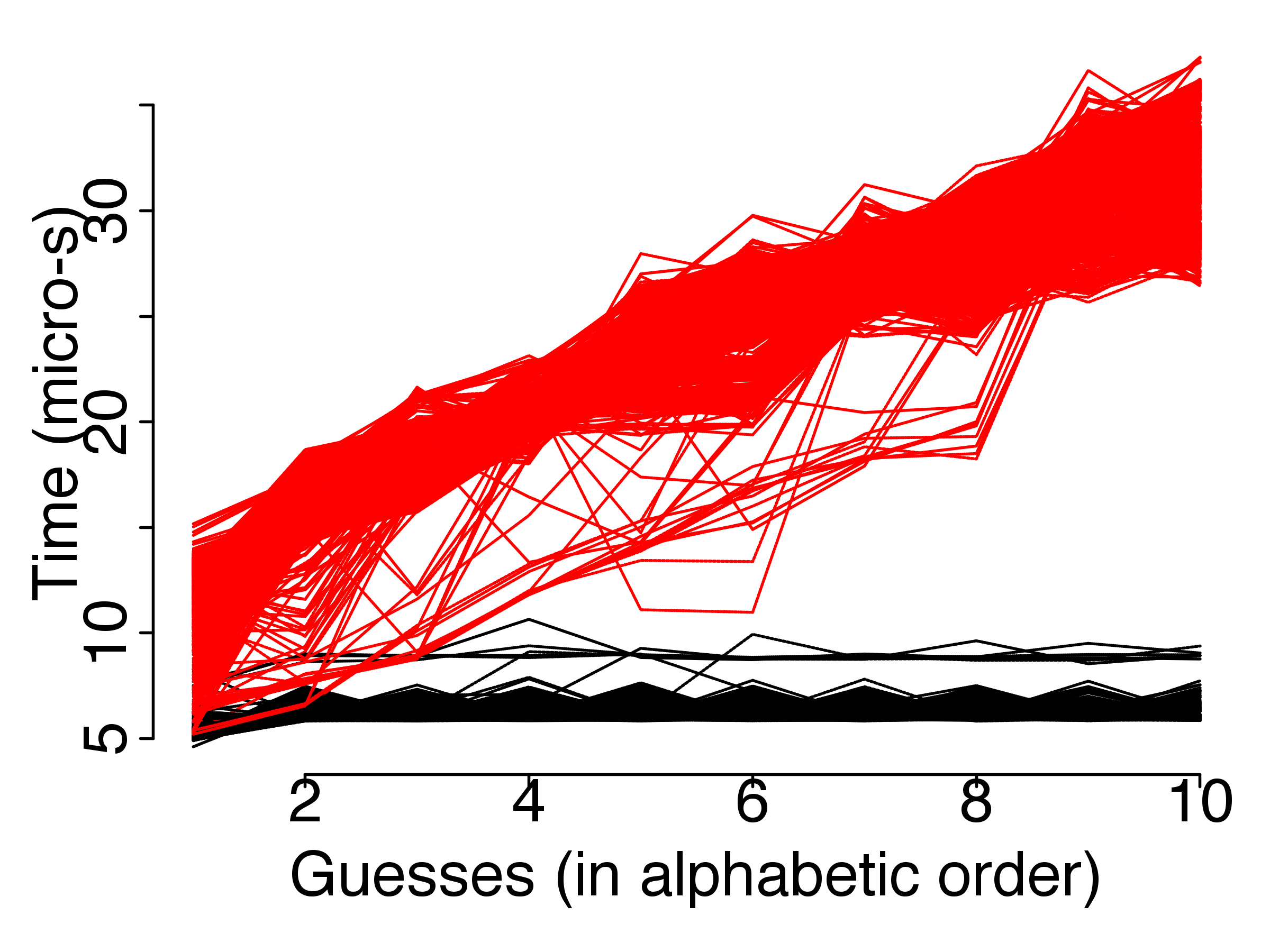 Figure 23
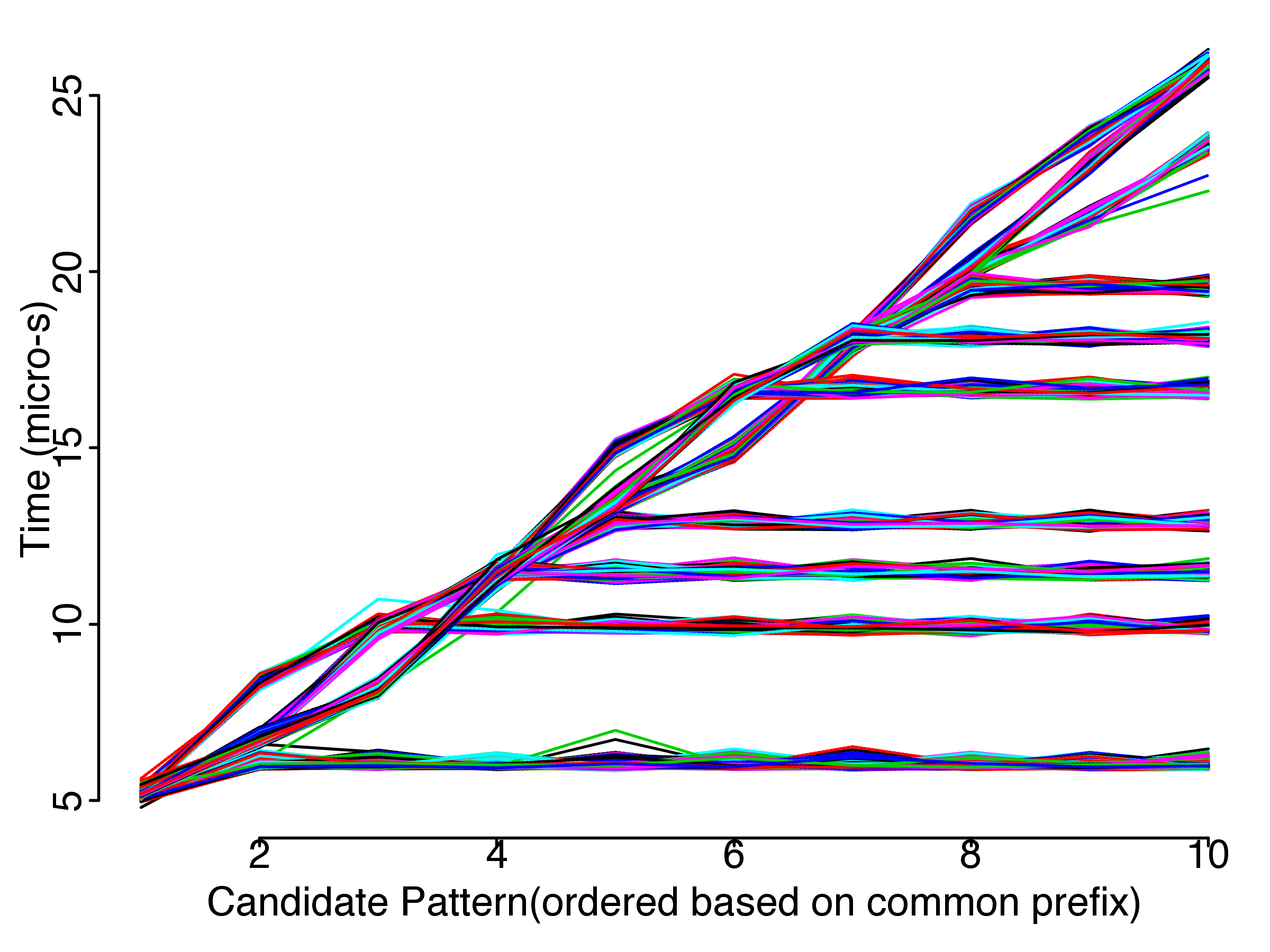 Figure 24
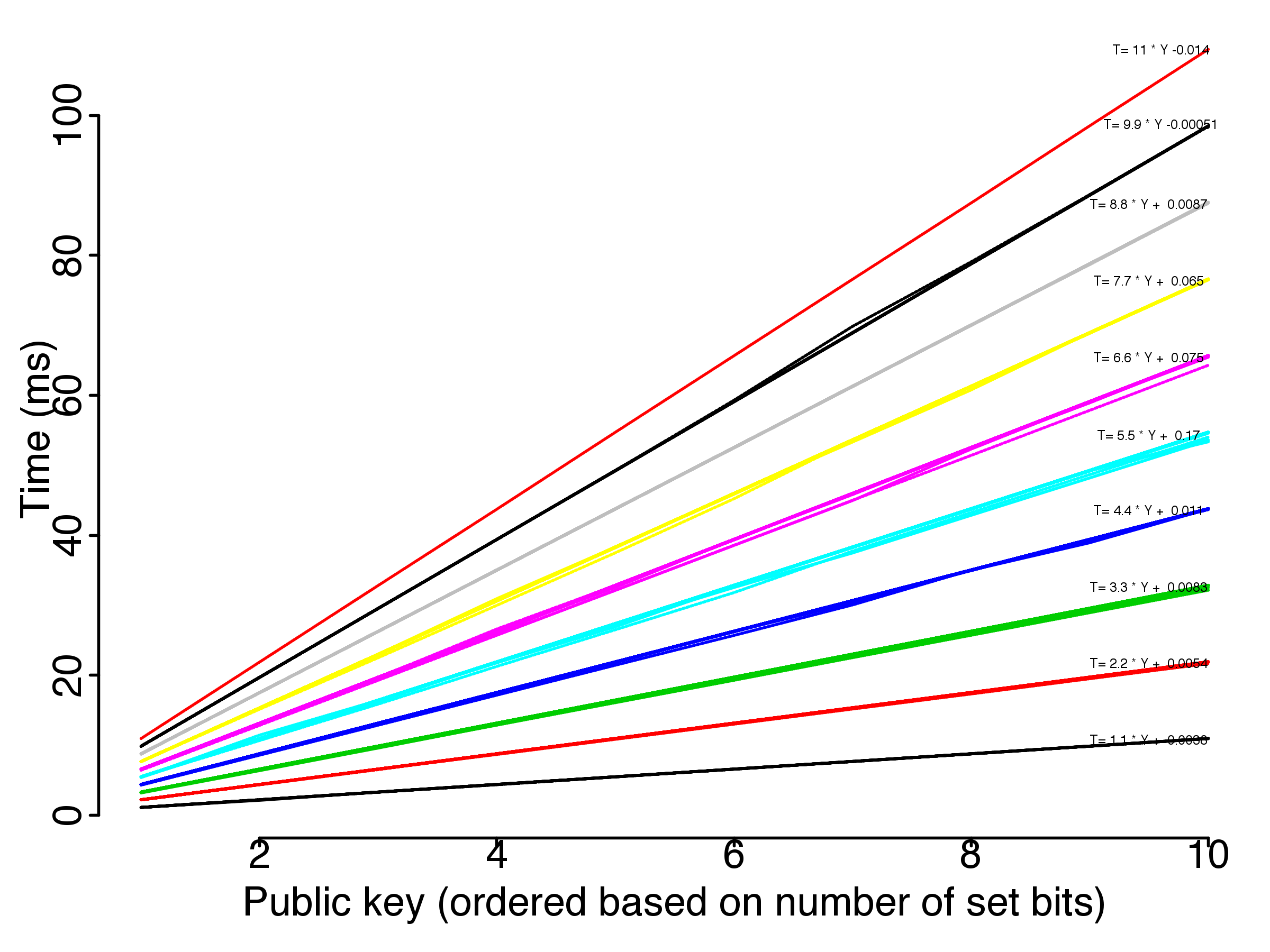 Figure 25
 Figure 26
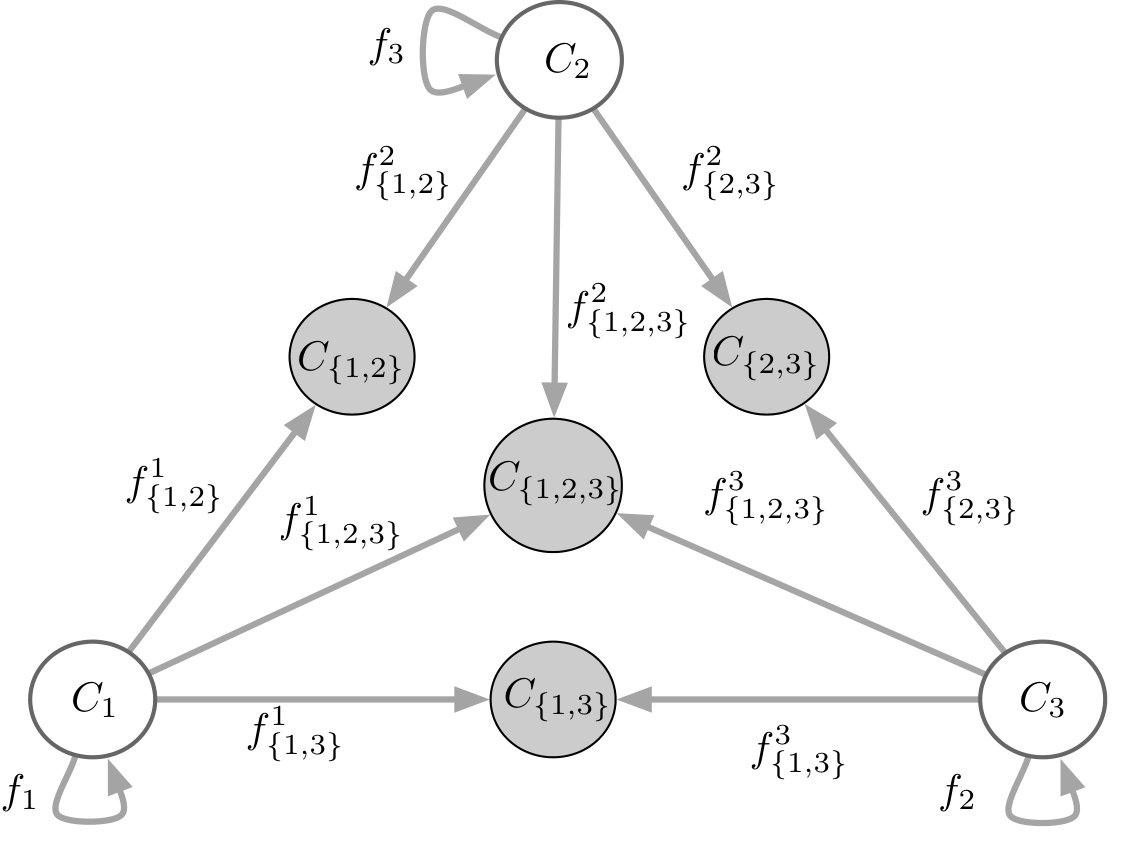 Figure 27
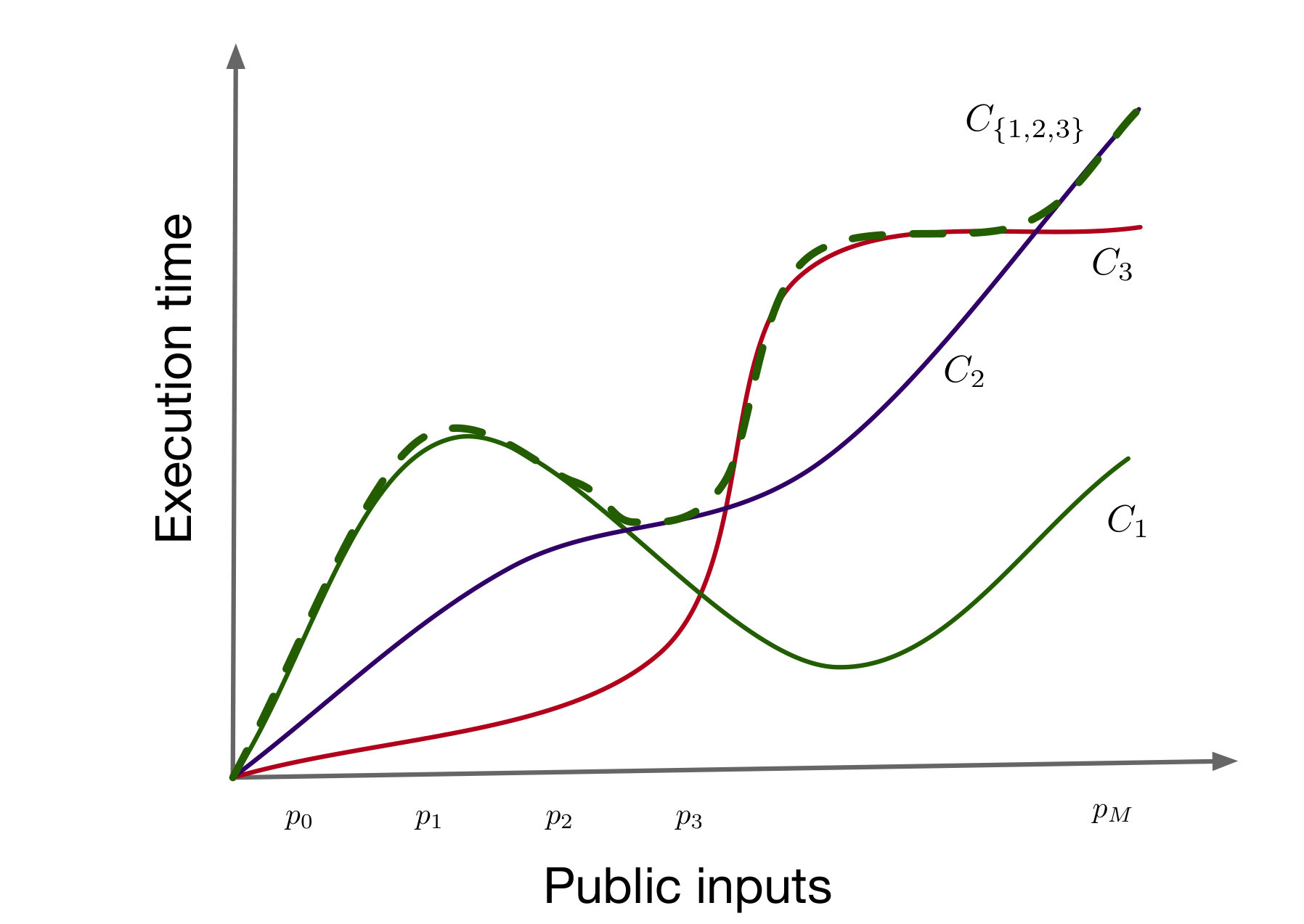 Figure 28
Peer Reviews
No public reviews on file for this paper yet. If you reviewed it on a platform where reviews are public (OpenReview, ICLR, NeurIPS, ICML), you can paste yours below so the community can read it here.
Videos
No videos yet. Explain this paper in a talk, walkthrough, or lecture? Add one.