A Hybrid Reduced Order Method for Modelling Turbulent Heat Transfer Problems
Sokratia Georgaka, Giovanni Stabile, Kelbij Star, Gianluigi Rozza and, Michael J Bluck

TL;DR
This paper introduces a hybrid reduced order modeling approach combining Proper Orthogonal Decomposition and Radial Basis Function interpolation to efficiently simulate turbulent heat transfer in complex pipe flows.
Contribution
It presents a novel parametric reduced order model that integrates POD, Galerkin projection, and RBF interpolation for turbulent heat transfer problems.
Findings
The reduced order model accurately predicts turbulent mixing in a T-junction.
The method significantly reduces computational cost compared to full order models.
It effectively incorporates eddy viscosity and diffusivity at high Reynolds numbers.
Abstract
A parametric, hybrid reduced order model approach based on the Proper Orthogonal Decomposition with both Galerkin projection and interpolation based on Radial Basis Functions method is presented. This method is tested against a case of turbulent non-isothermal mixing in a T-junction pipe, a common ow arrangement found in nuclear reactor cooling systems. The reduced order model is derived from the 3D unsteady, incompressible Navier-Stokes equations weakly coupled with the energy equation. For high Reynolds numbers, the eddy viscosity and eddy diffusivity are incorporated into the reduced order model with a Proper Orthogonal Decomposition (nested and standard) with Interpolation (PODI), where the interpolation is performed using Radial Basis Functions. The reduced order solver, obtained using a k-{\omega} SST URANS full order model, is tested against the full order solver in a 3D…
Click any figure to enlarge with its caption.
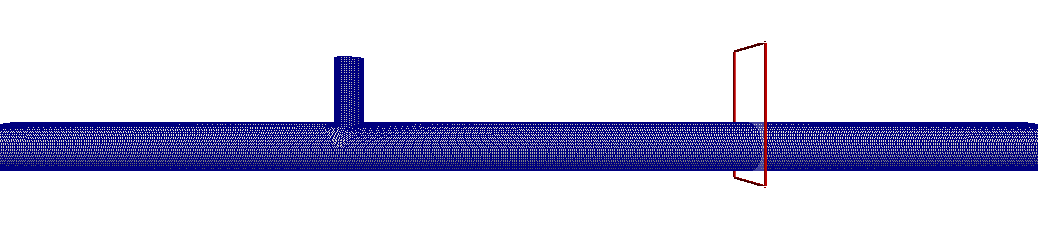 Figure 1
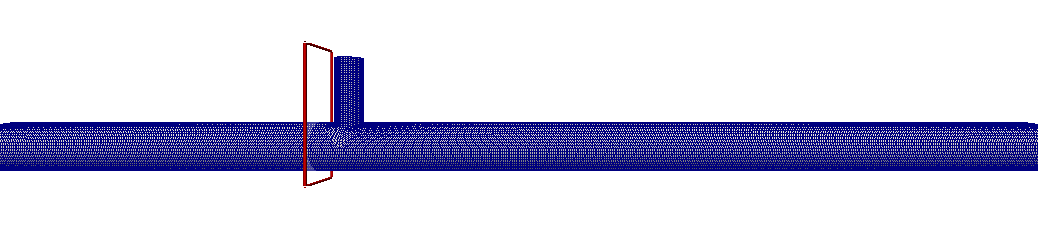 Figure 2
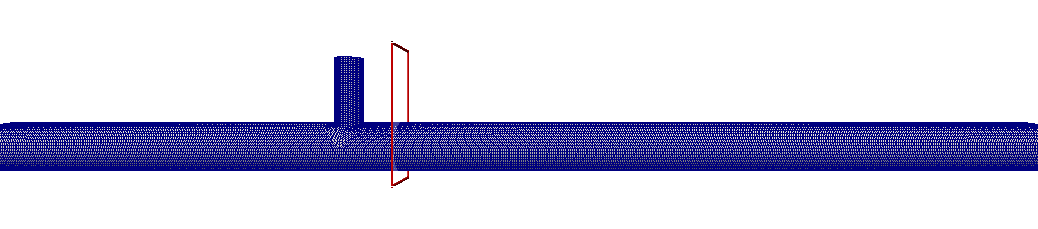 Figure 3
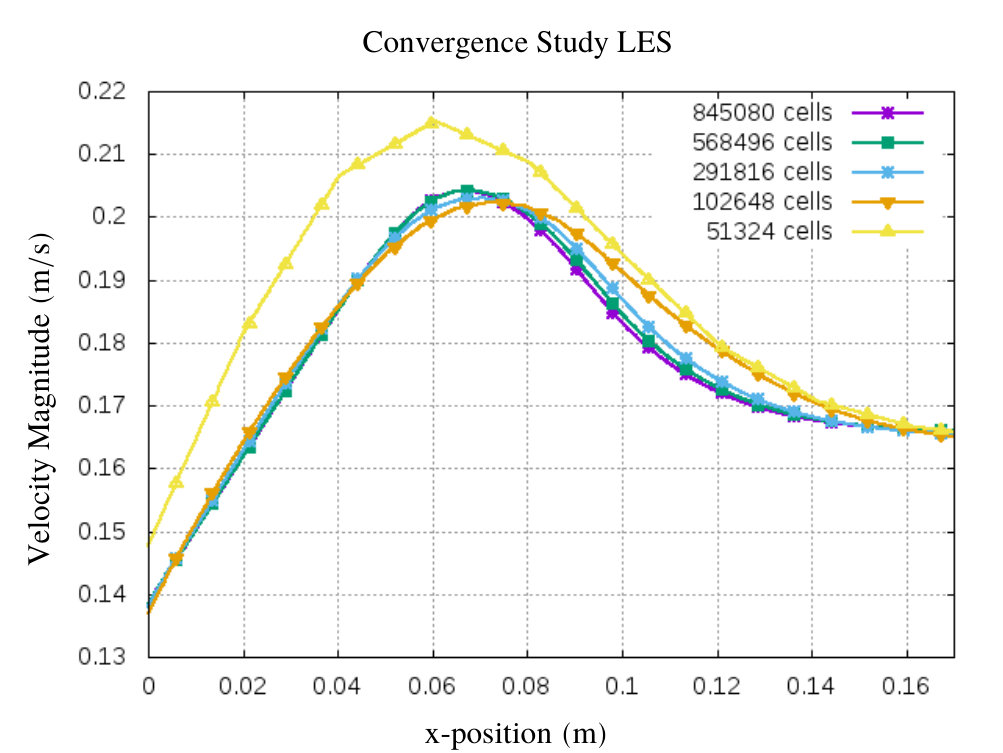 Figure 4
 Figure 5
 Figure 6
 Figure 7
 Figure 8
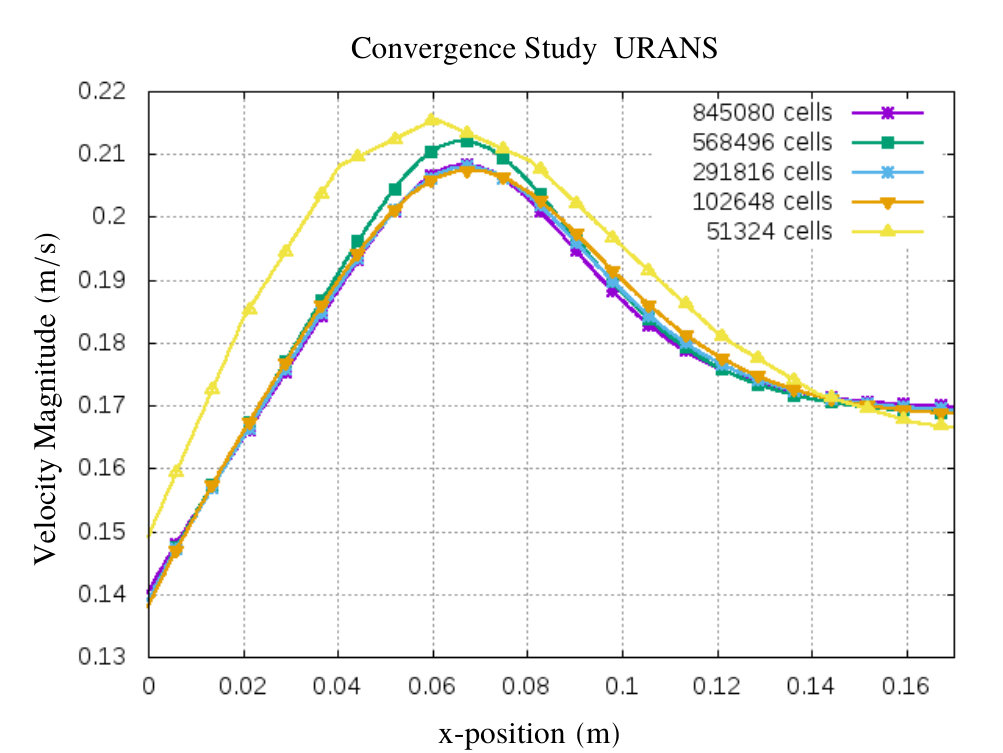 Figure 9
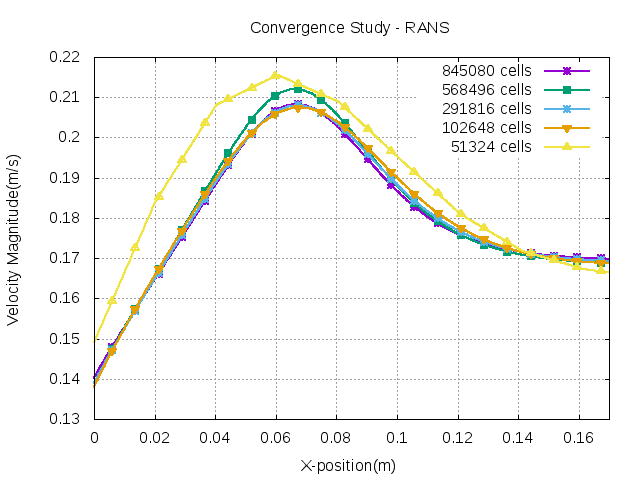 Figure 10
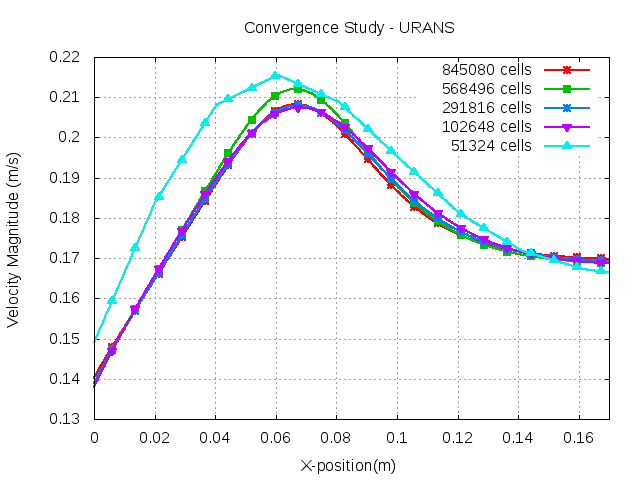 Figure 11
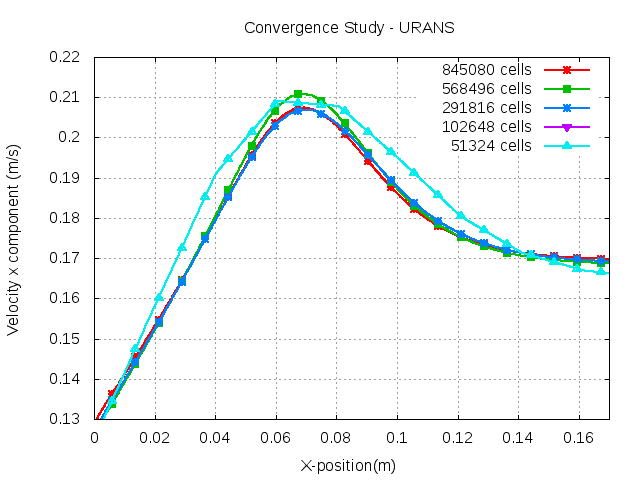 Figure 12
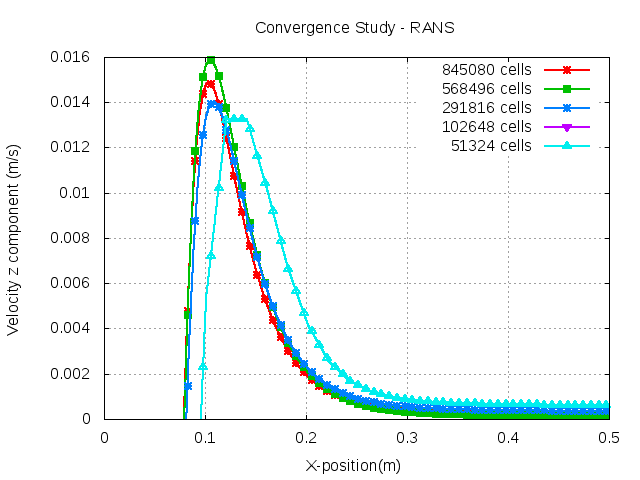 Figure 13
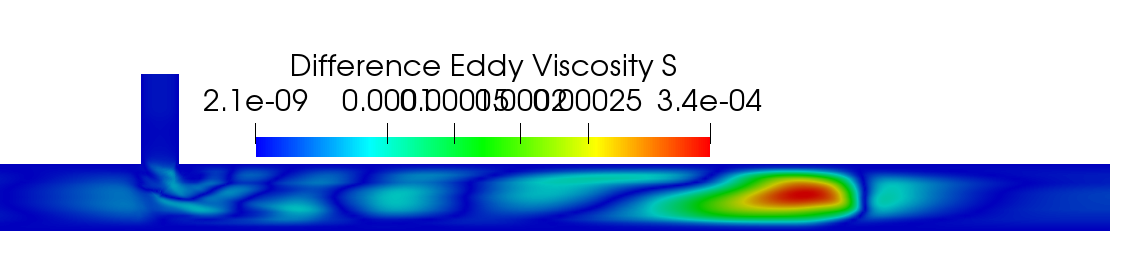 Figure 14
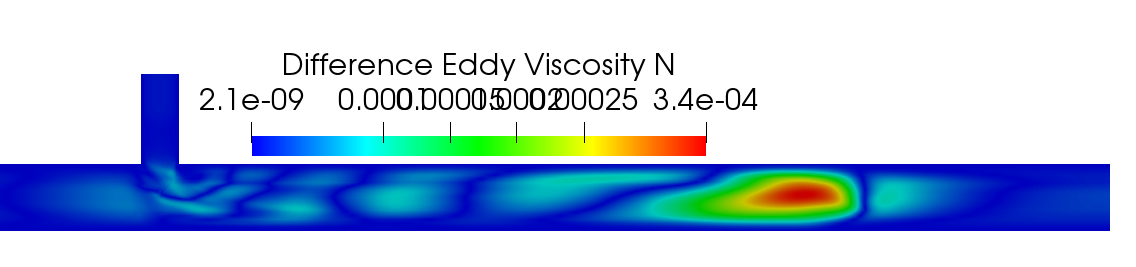 Figure 15
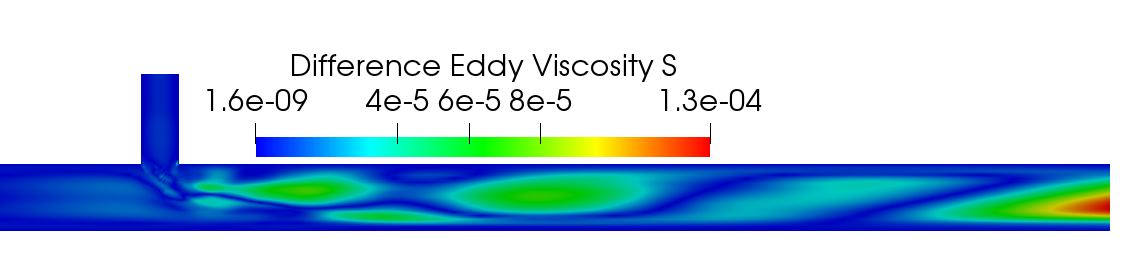 Figure 16
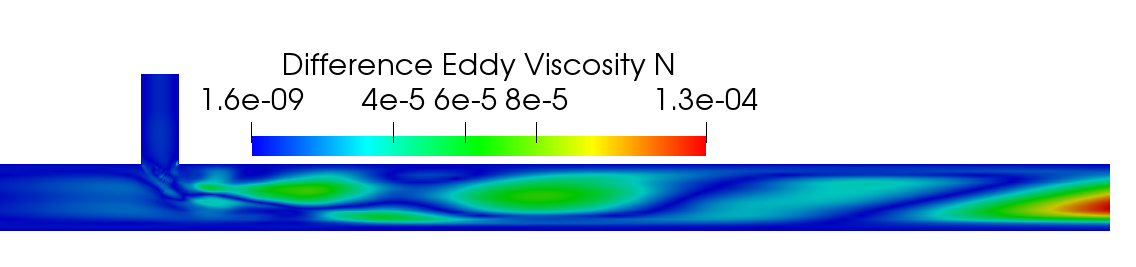 Figure 17
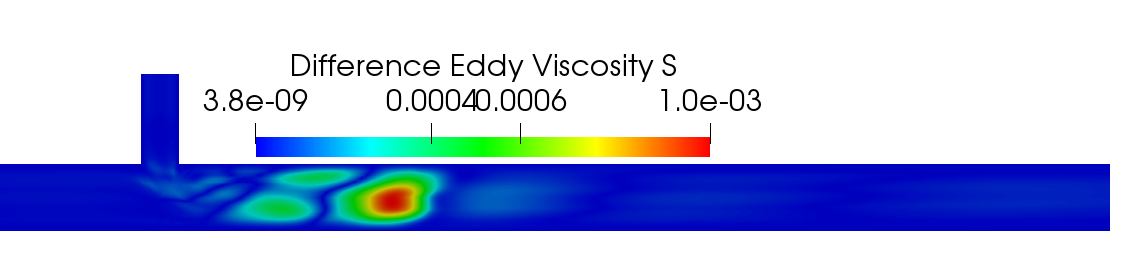 Figure 18
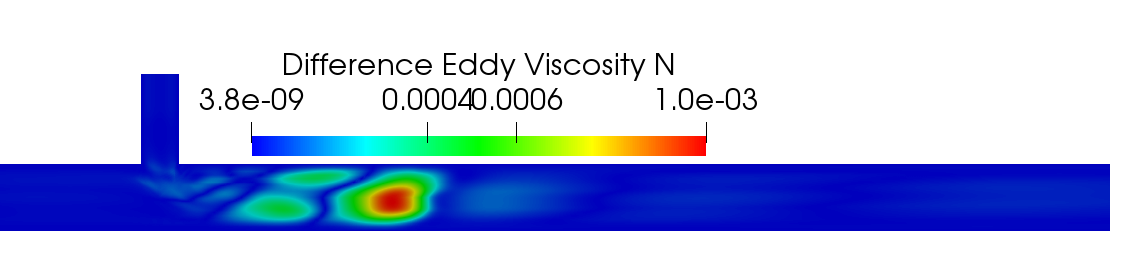 Figure 19
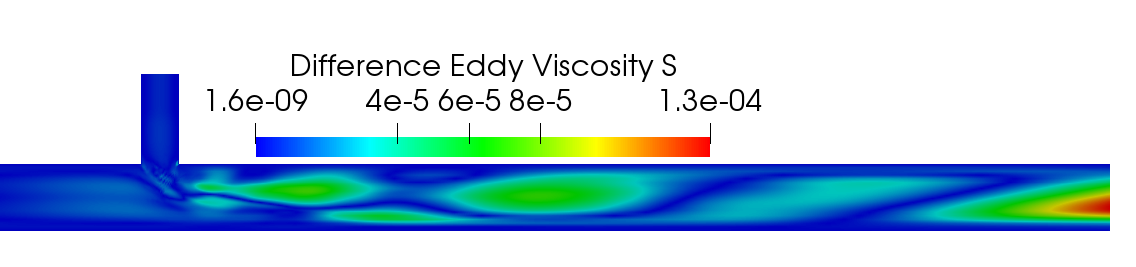 Figure 20
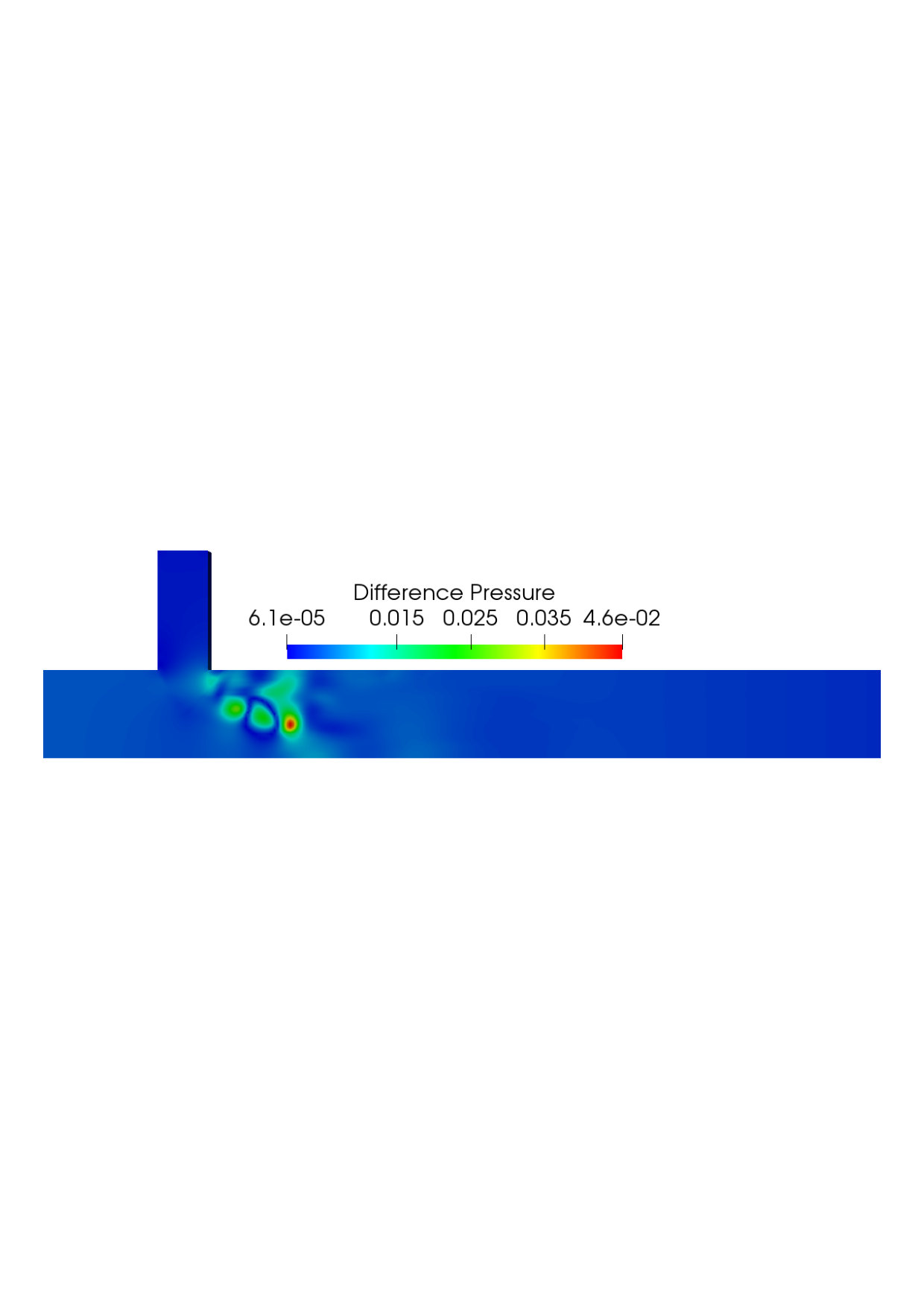 Figure 21
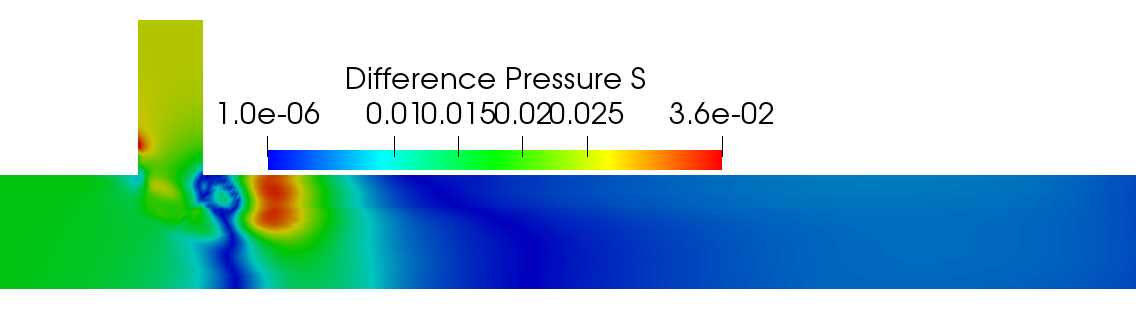 Figure 22
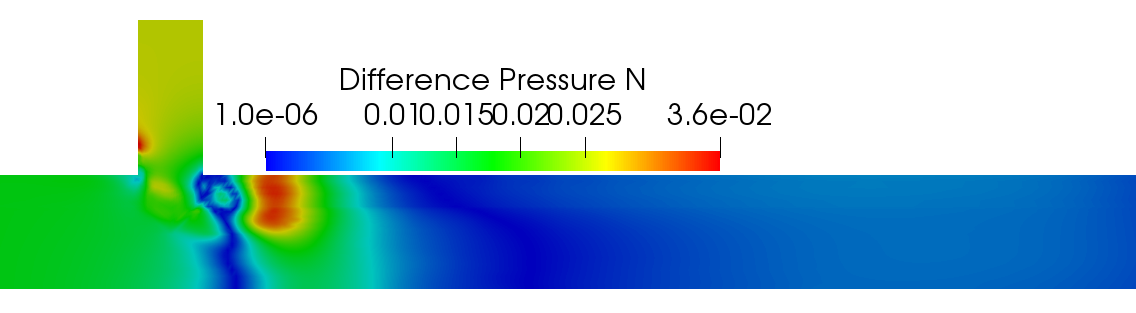 Figure 23
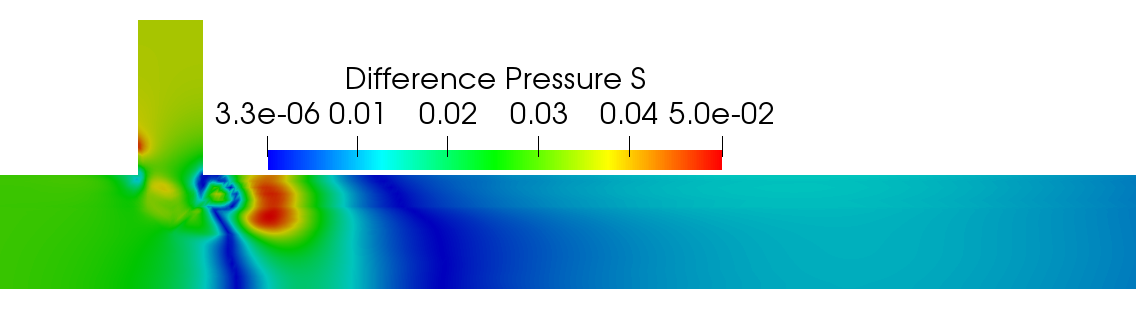 Figure 24
 Figure 25
 Figure 26
 Figure 27
 Figure 28
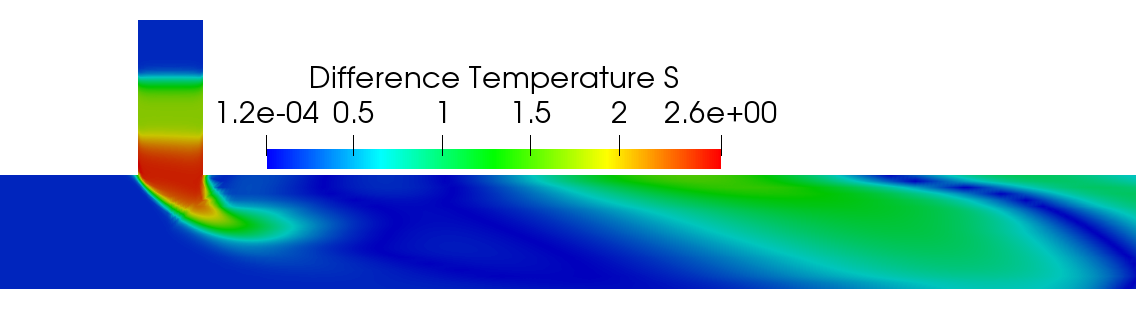 Figure 29
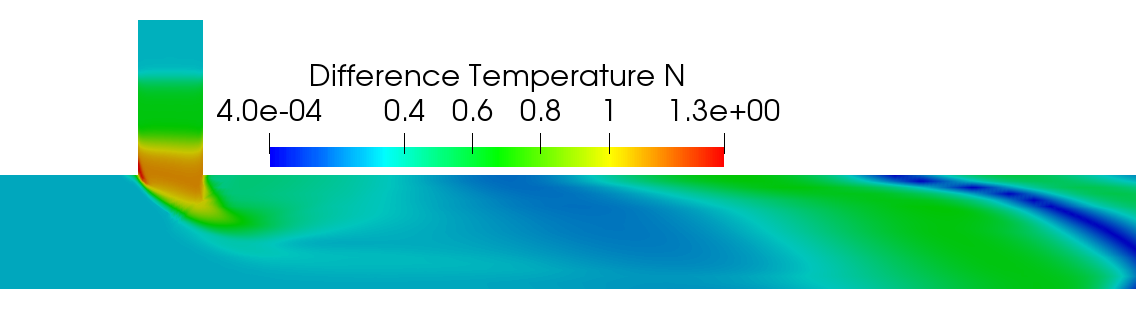 Figure 30
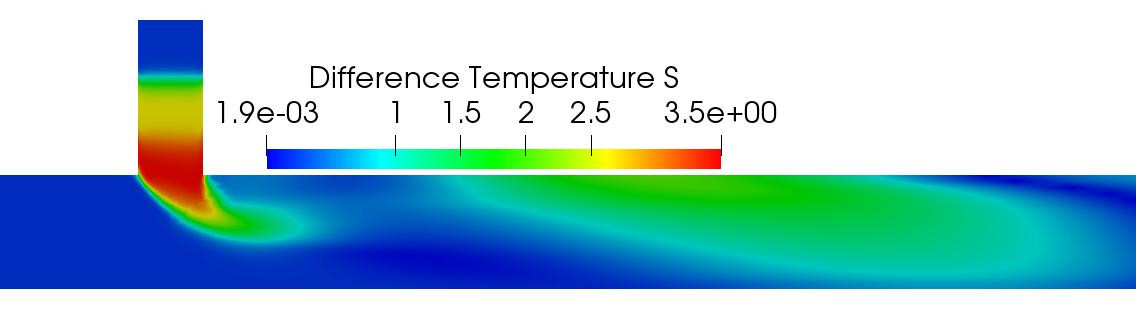 Figure 31
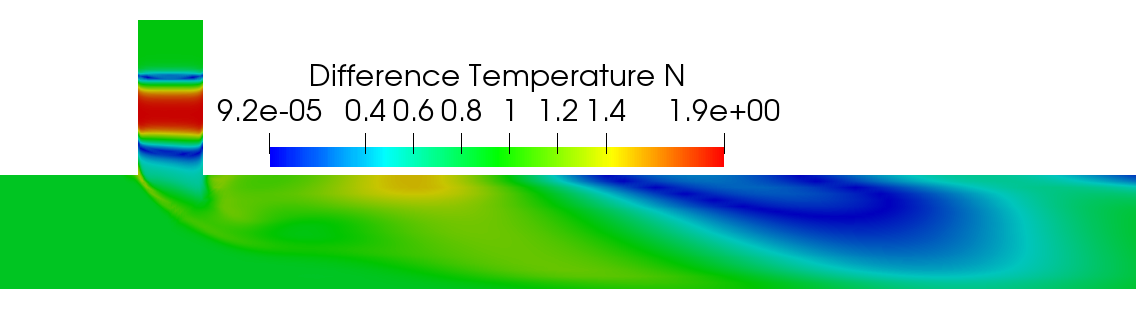 Figure 32
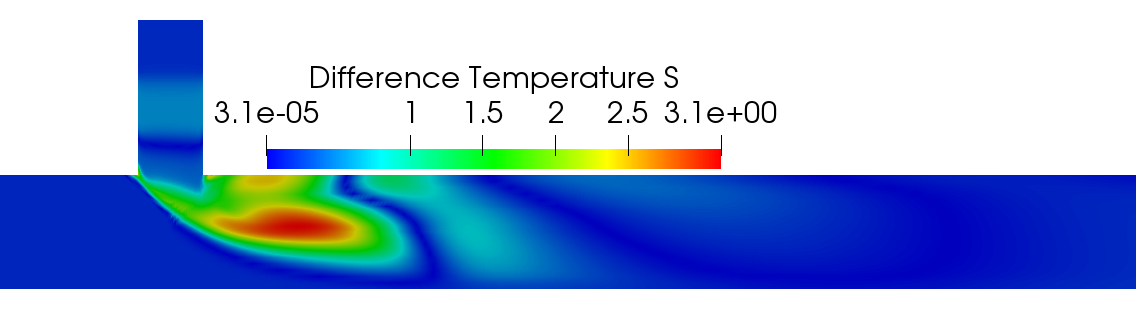 Figure 33
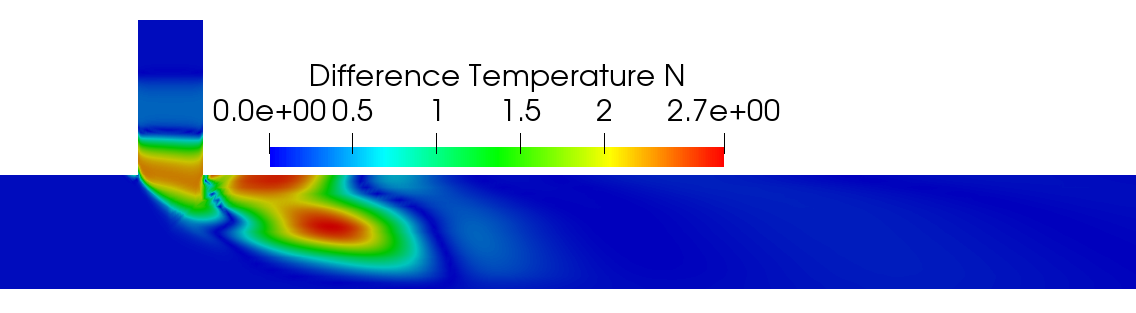 Figure 34
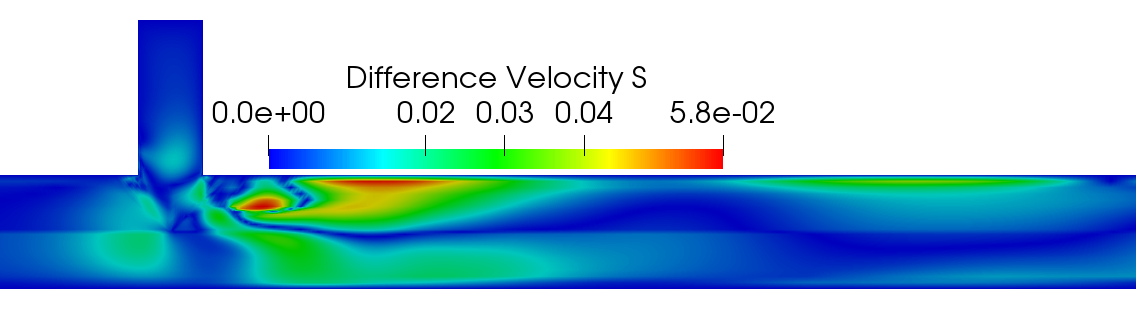 Figure 35
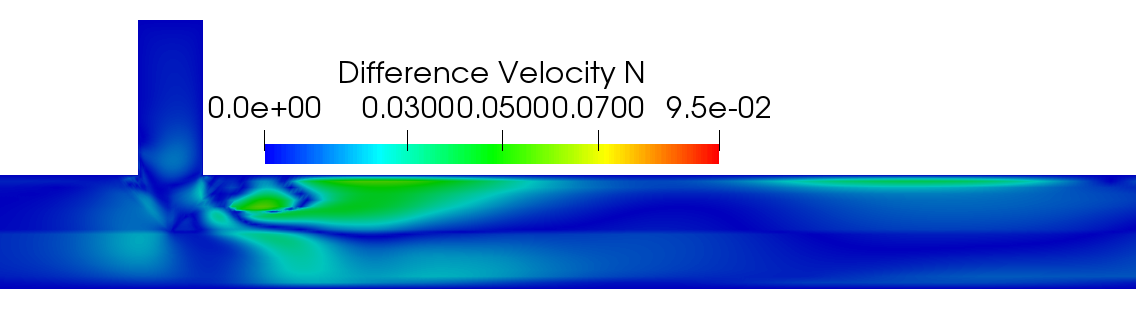 Figure 36
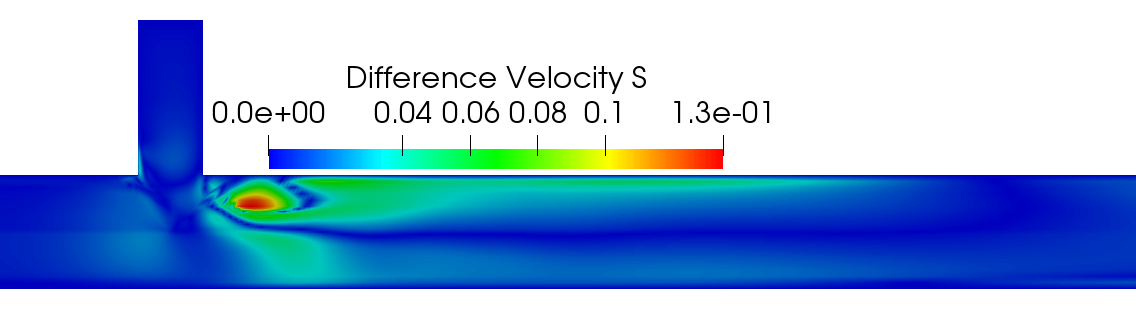 Figure 37
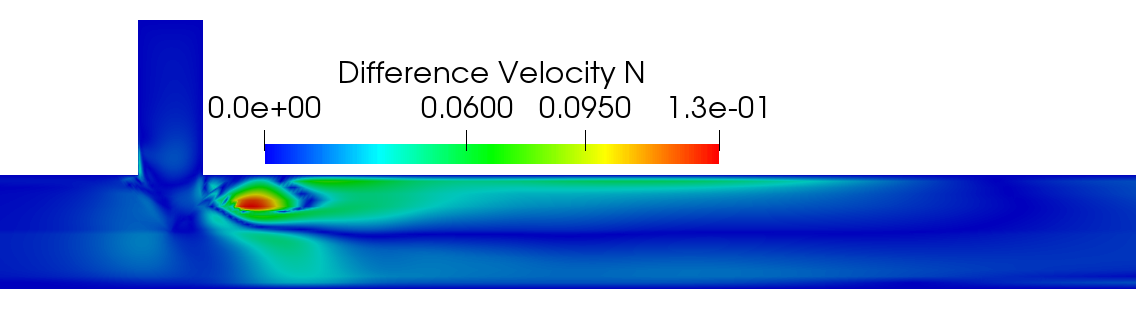 Figure 38
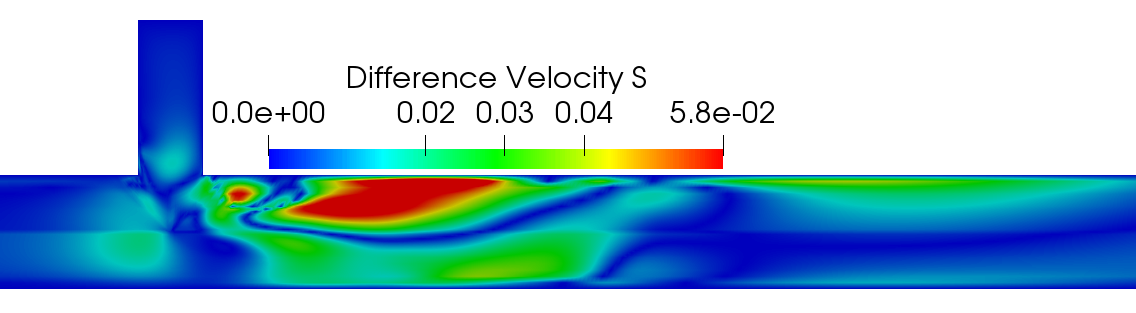 Figure 39
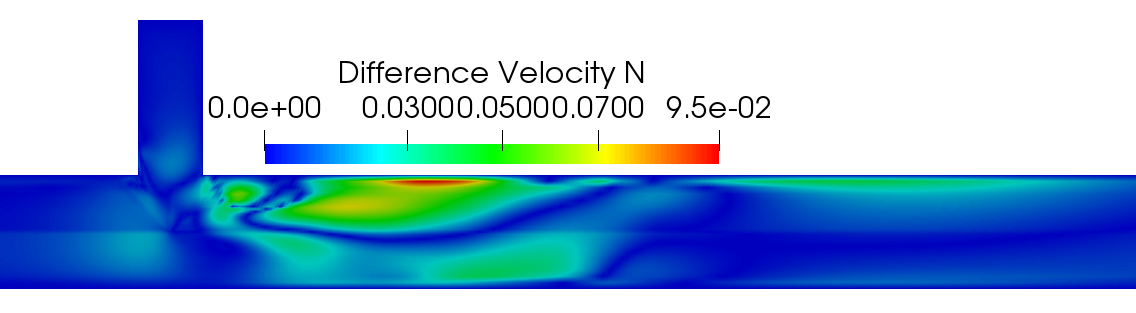 Figure 40
Peer Reviews
No public reviews on file for this paper yet. If you reviewed it on a platform where reviews are public (OpenReview, ICLR, NeurIPS, ICML), you can paste yours below so the community can read it here.
Videos
No videos yet. Explain this paper in a talk, walkthrough, or lecture? Add one.