Preparatory data analysis for the reconstruction of real-time MRI data
H. Christian M. Holme

TL;DR
This paper presents preprocessing methods, coil compression and channel selection, to improve real-time MRI reconstruction by reducing data volume and artifacts, tested on head and heart imaging data.
Contribution
It introduces and evaluates two novel preprocessing techniques specifically designed for real-time MRI data to address speed and artifact issues.
Findings
Coil compression effectively reduces data volume.
Channel selection decreases streak artifacts.
Methods improve image quality in real-time MRI.
Abstract
Real-time magnetic resonance imaging (MRI) poses unique challenges related to the speed of data acquisition and to the degree of undersampling necessary to achieve this speed. This Master's thesis introduces and evaluates two pre-processing approaches for these problems: Coil compression to reduce the data volume and a channel selection algorithm to reduce streak artifacts which arise as a consequence of undersampling. Both approaches are tested on real data covering anatomical imaging of the head and of the heart.
Click any figure to enlarge with its caption.
 Figure 1
 Figure 2
 Figure 3
 Figure 4
 Figure 5
 Figure 6
 Figure 7
 Figure 8
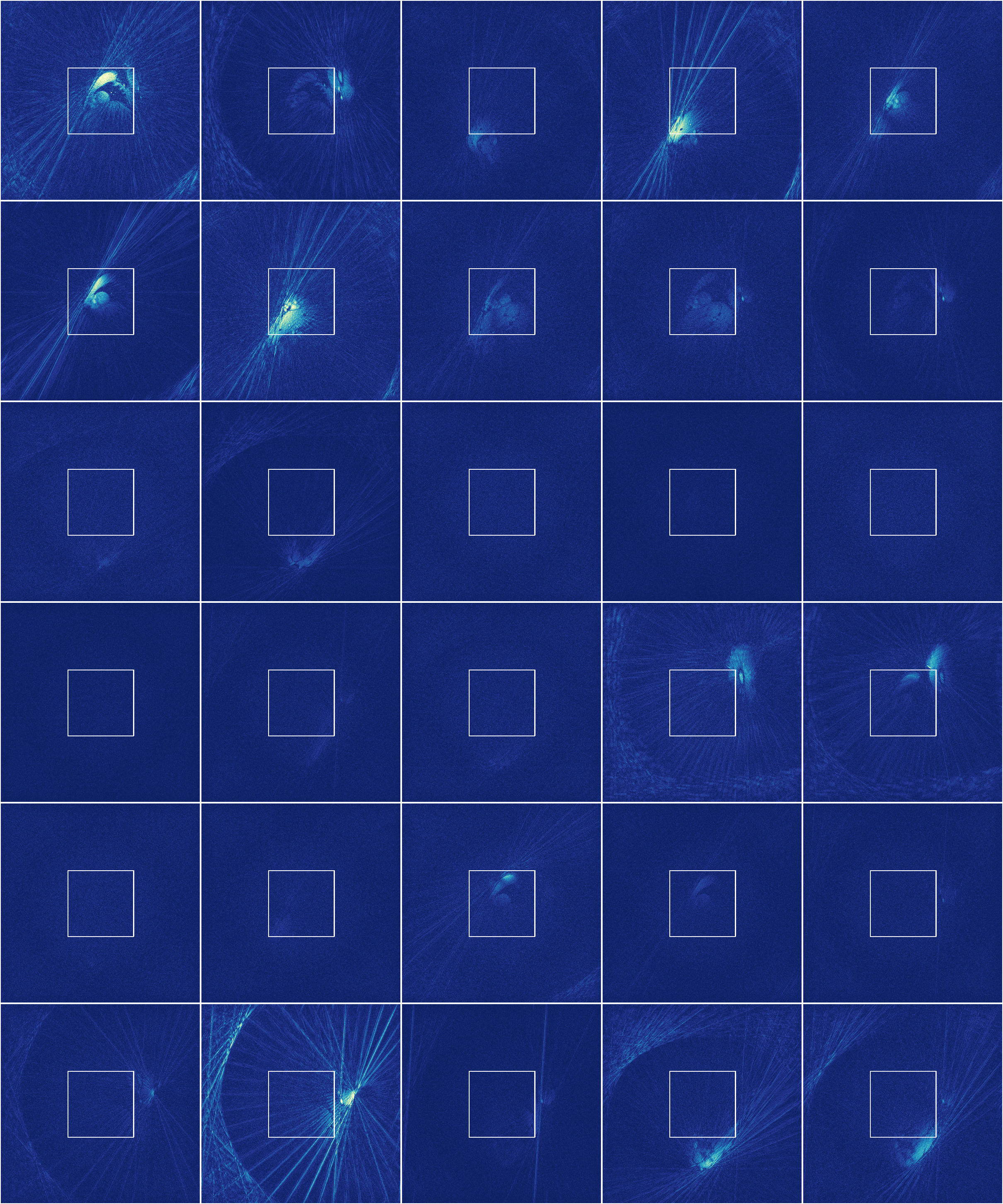 Figure 9
 Figure 10
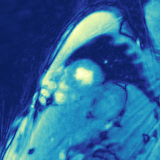 Figure 11
 Figure 12
 Figure 13
 Figure 14
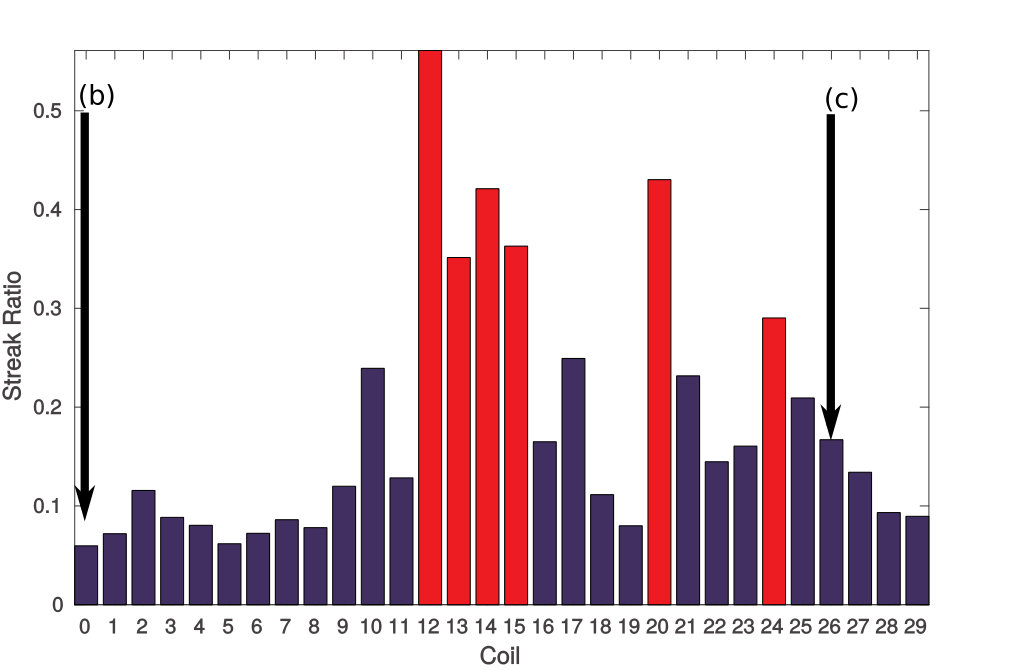 Figure 15
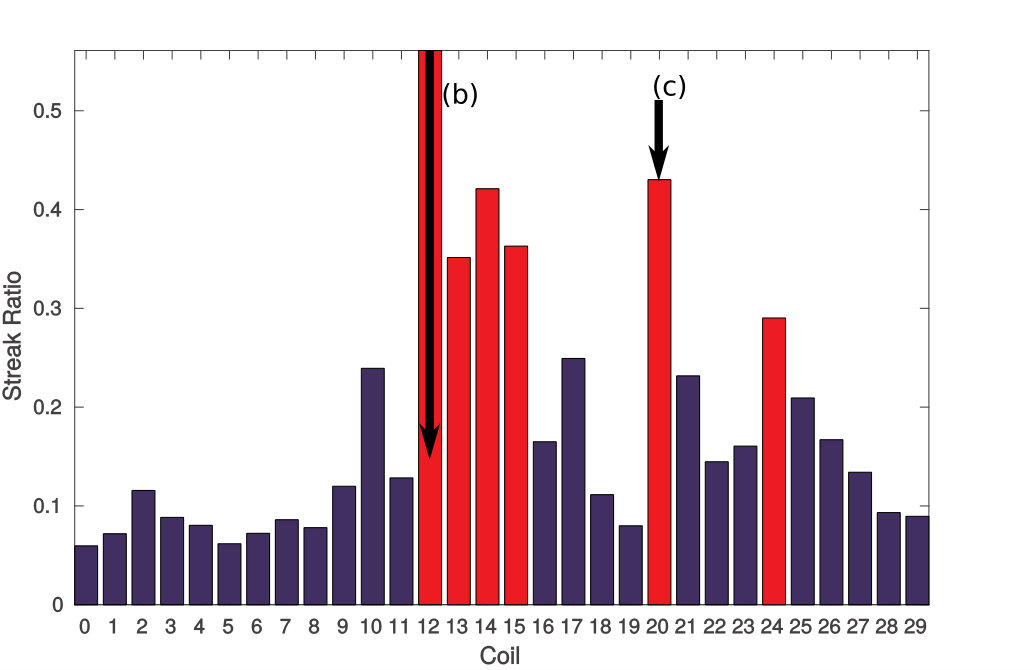 Figure 16
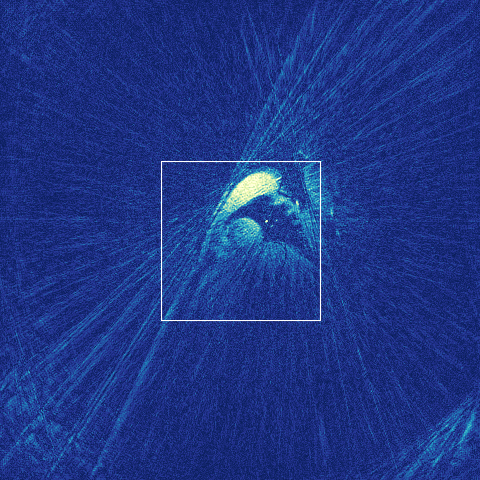 Figure 17
 Figure 18
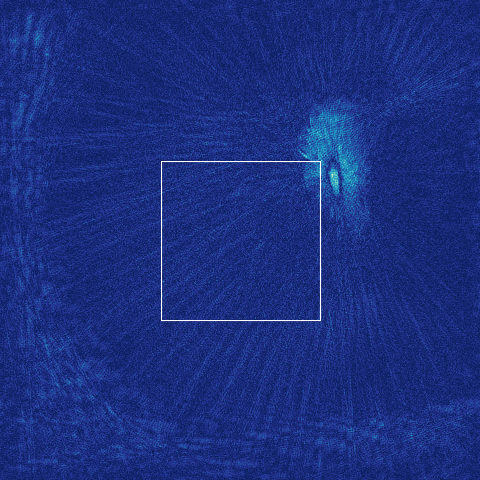 Figure 19
 Figure 20
 Figure 21
 Figure 22
 Figure 23
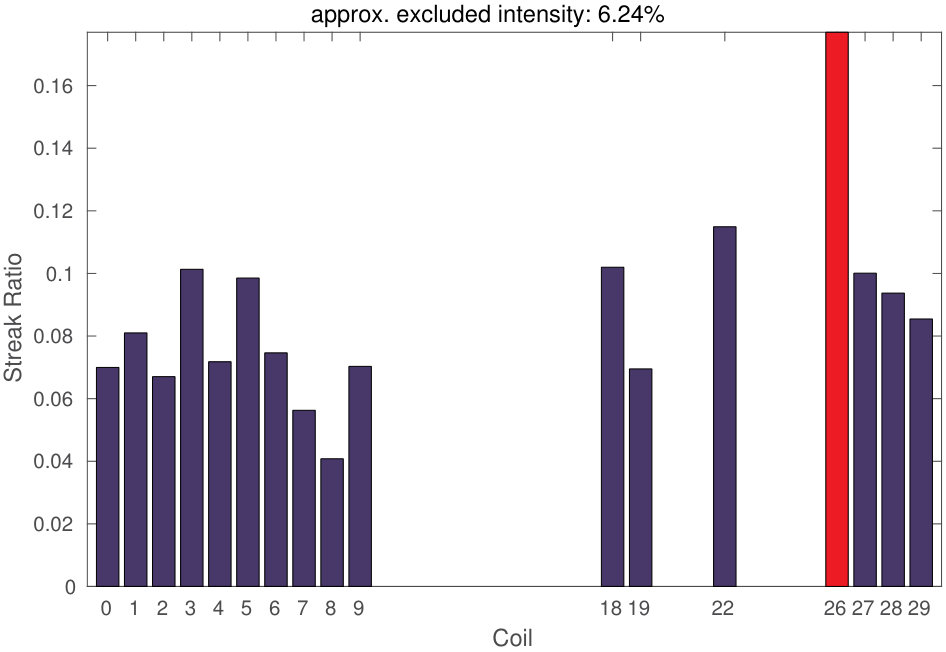 Figure 24
 Figure 25
 Figure 26
 Figure 27
 Figure 28
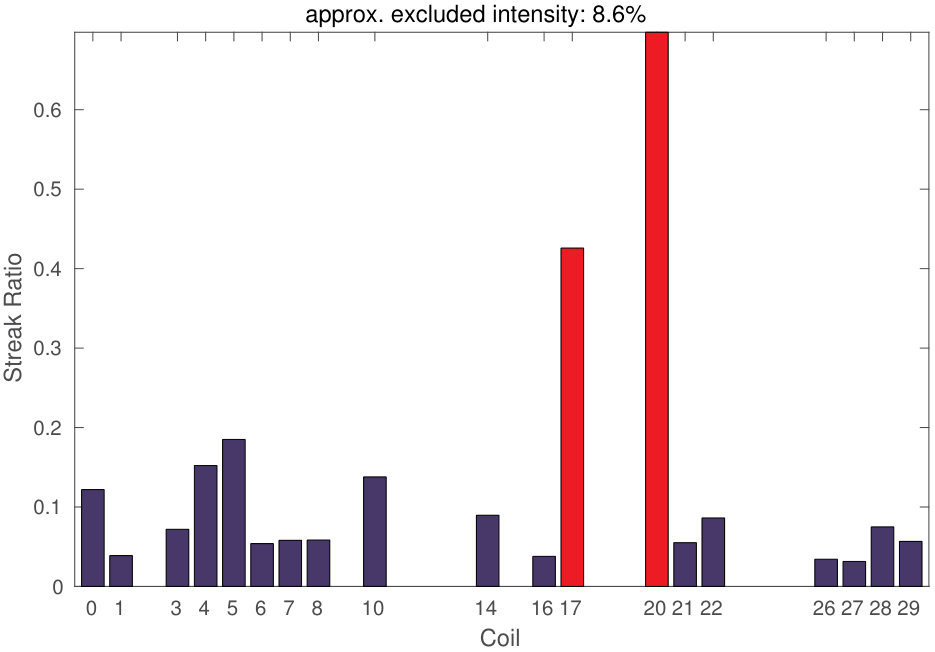 Figure 29
 Figure 30
 Figure 31
 Figure 32
 Figure 33
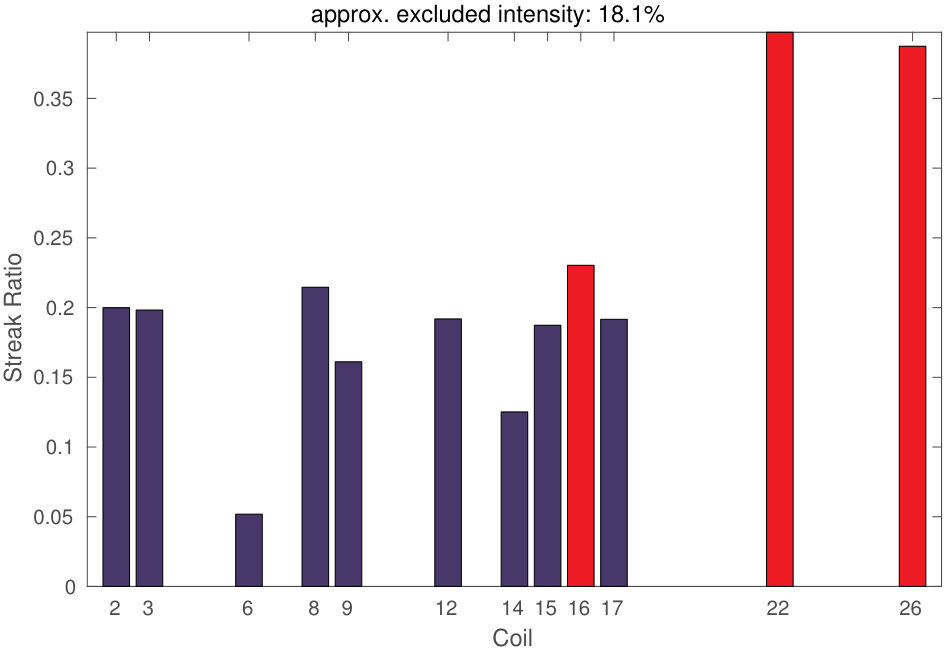 Figure 34
 Figure 35
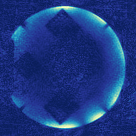 Figure 36
 Figure 37
 Figure 38
 Figure 39
 Figure 40
Peer Reviews
No public reviews on file for this paper yet. If you reviewed it on a platform where reviews are public (OpenReview, ICLR, NeurIPS, ICML), you can paste yours below so the community can read it here.
Videos
No videos yet. Explain this paper in a talk, walkthrough, or lecture? Add one.
Taxonomy
TopicsAdvanced MRI Techniques and Applications · Medical Imaging Techniques and Applications · Atomic and Subatomic Physics Research