Random sequential adsorption of Platonic and Archimedean solids
Piotr Kubala

TL;DR
This study investigates the packing behavior of Platonic and Archimedean solids using random sequential adsorption, revealing optimal packing fractions, microstructural properties, and improvements in simulation algorithms for larger packings.
Contribution
It introduces optimized RSA algorithms for polyhedral packings and analyzes their structural and kinetic properties, providing new insights into polyhedral packing behavior.
Findings
Highest packing fraction: 0.40210 for truncated tetrahedra
Smallest packing fraction: 0.35635 for regular tetrahedra
Optimized algorithms enable larger packings with reduced statistical error
Abstract
The aim of the study presented here was the analysis of packings generated according to random sequential adsorption protocol consisting of identical Platonic and Archimedean solids. The computer simulations performed showed, that the highest saturated packing fraction is reached by packings built of truncated tetrahedra and the smallest one by packings composed of regular tetrahedra. The propagation of translational and orientational order exhibited microstructural propertied typically seen in RSA packings and the kinetics of 3 dimensional packings growth were again observed not to be strictly connected with the dimenstion of the configuration space. Moreover, a number of optimizations for the RSA algorithm were described allowing generation of significantly larger packings, which translated directly to a lower statistical error of the…
Click any figure to enlarge with its caption.
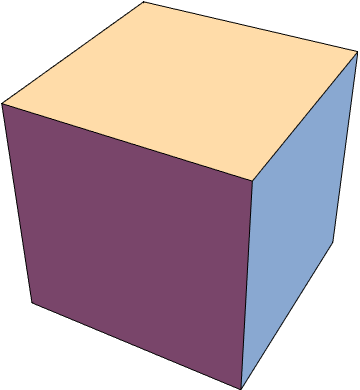 Figure 1
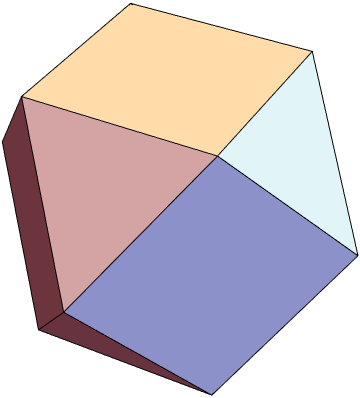 Figure 2
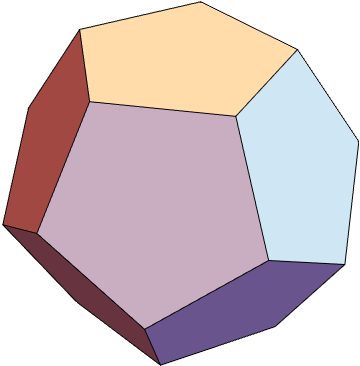 Figure 3
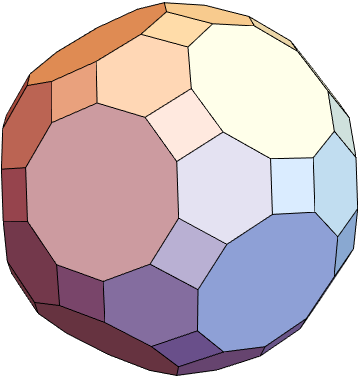 Figure 4
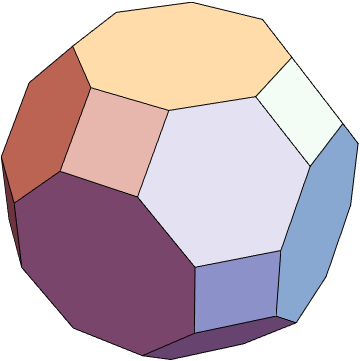 Figure 5
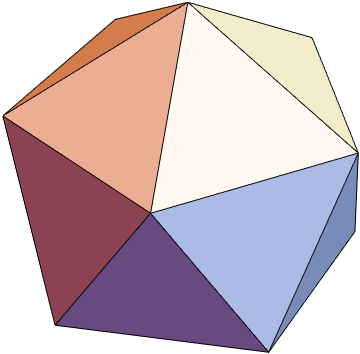 Figure 6
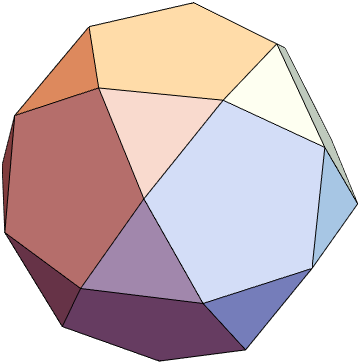 Figure 7
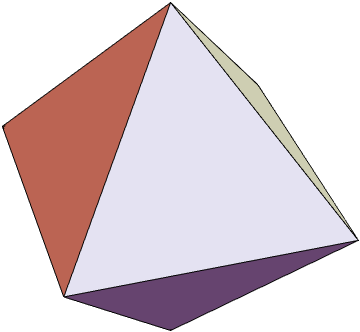 Figure 8
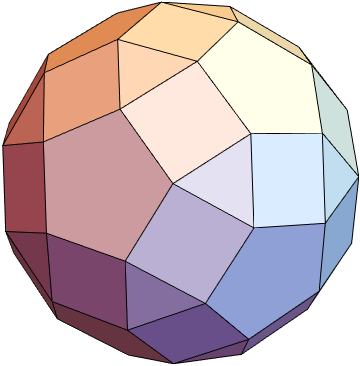 Figure 9
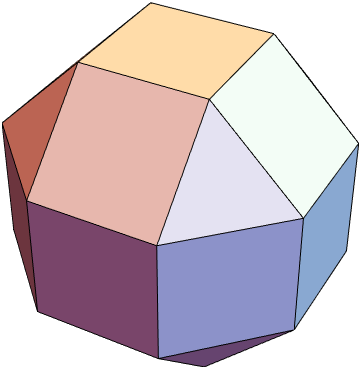 Figure 10
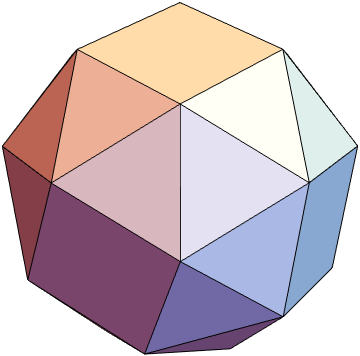 Figure 11
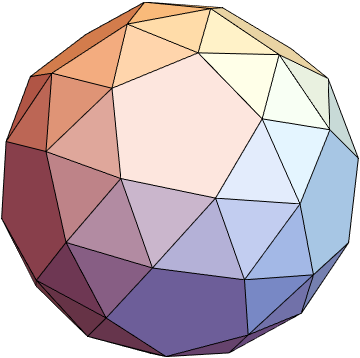 Figure 12
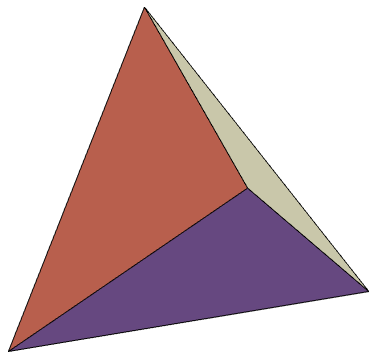 Figure 13
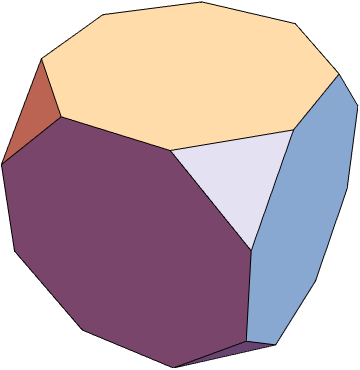 Figure 14
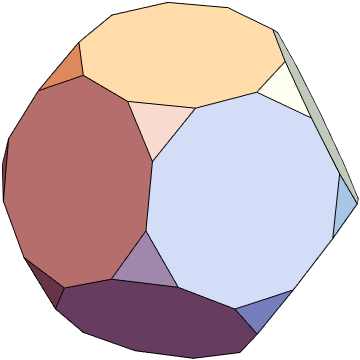 Figure 15
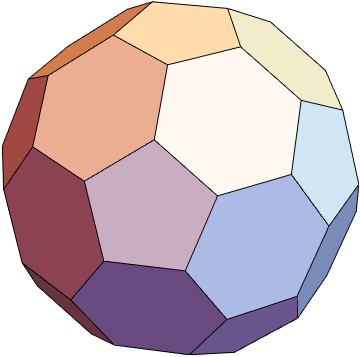 Figure 16
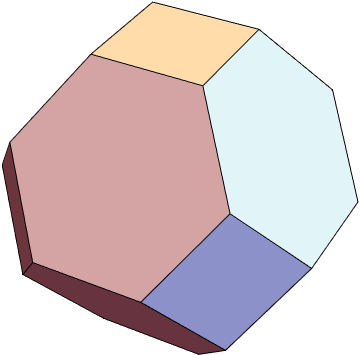 Figure 17
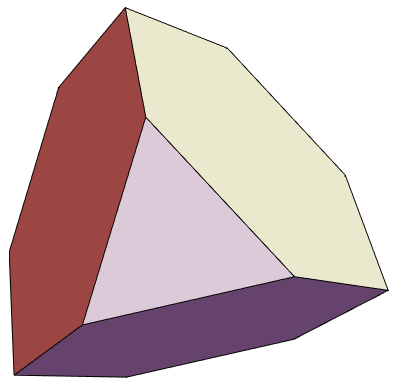 Figure 18
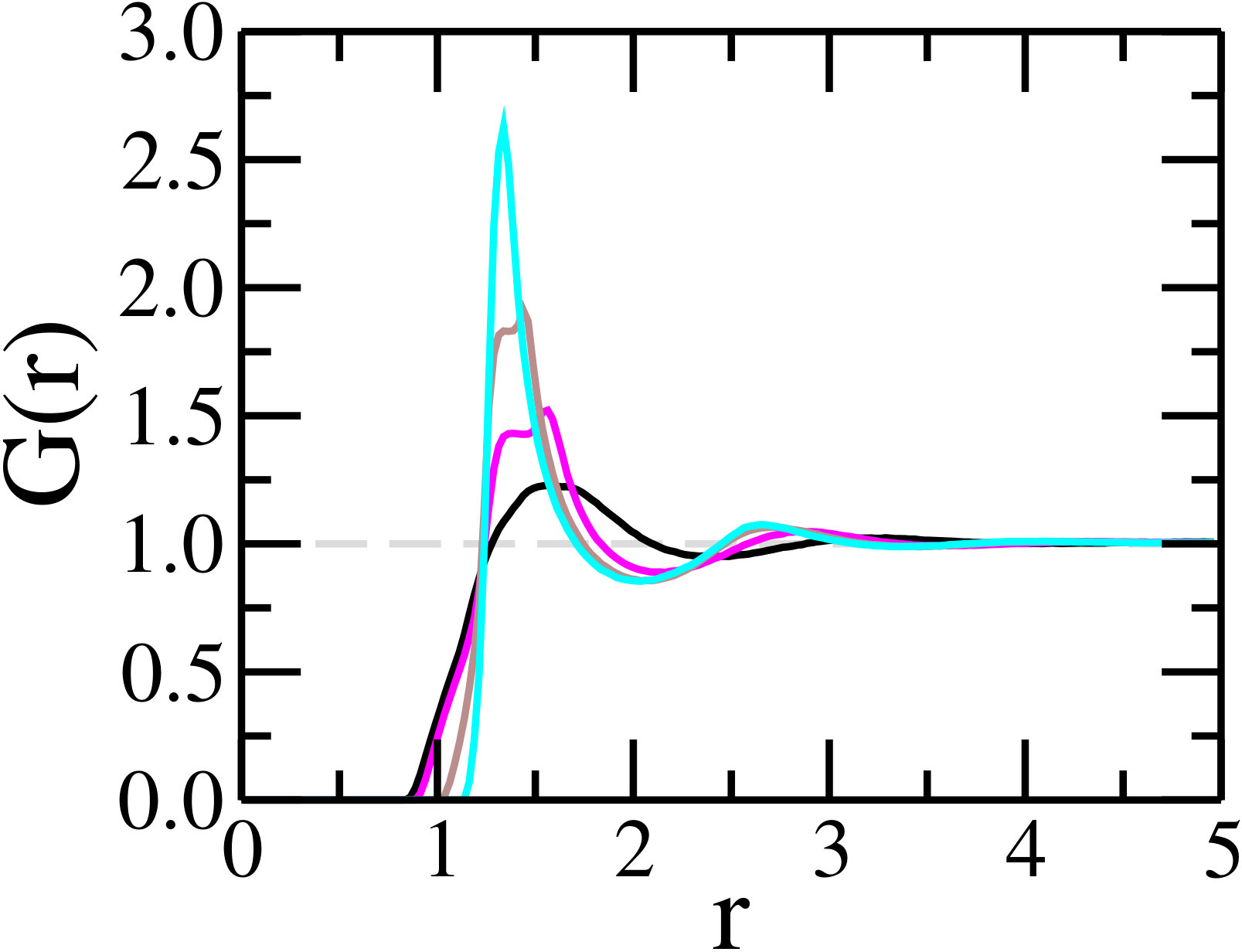 Figure 19
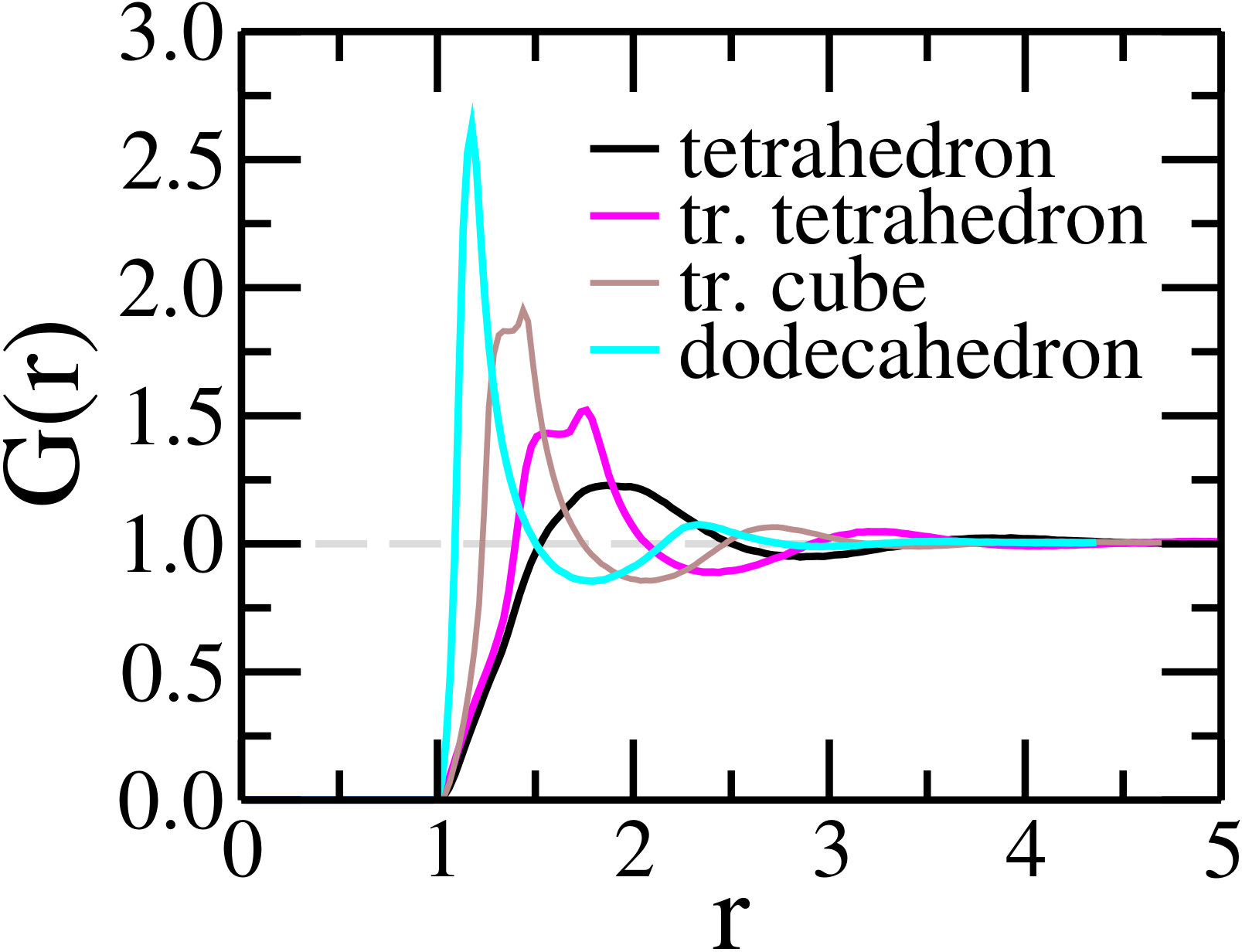 Figure 20
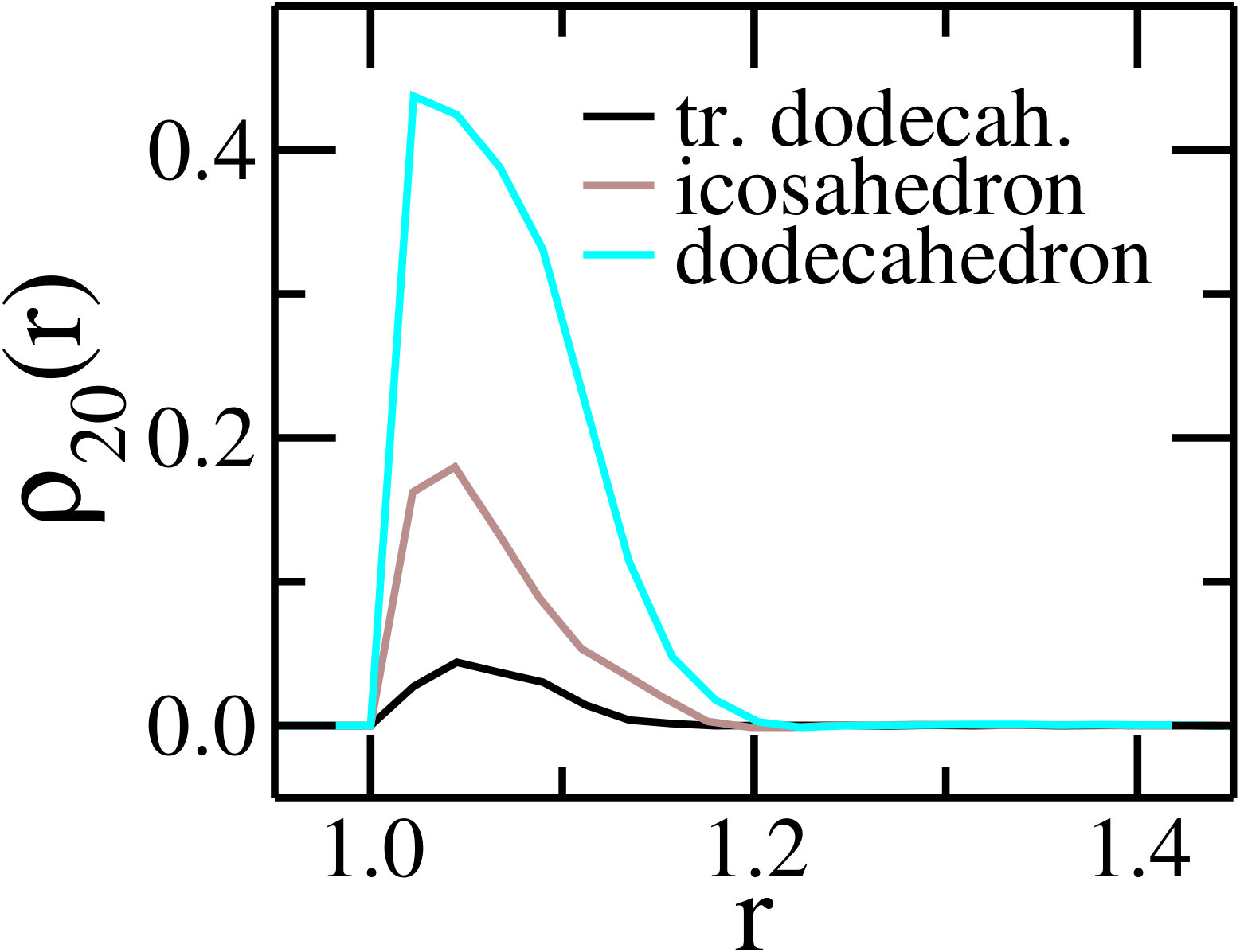 Figure 21
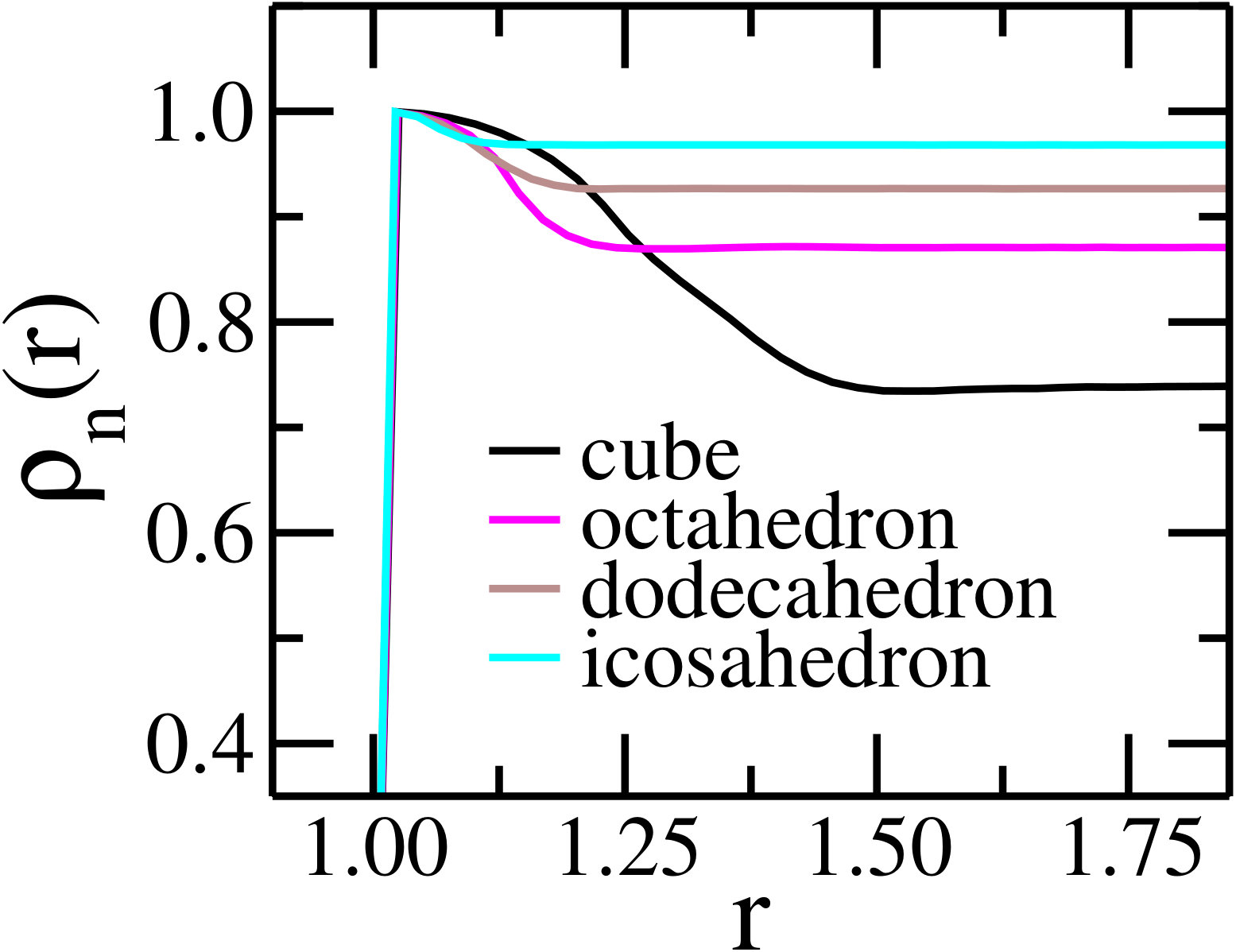 Figure 22
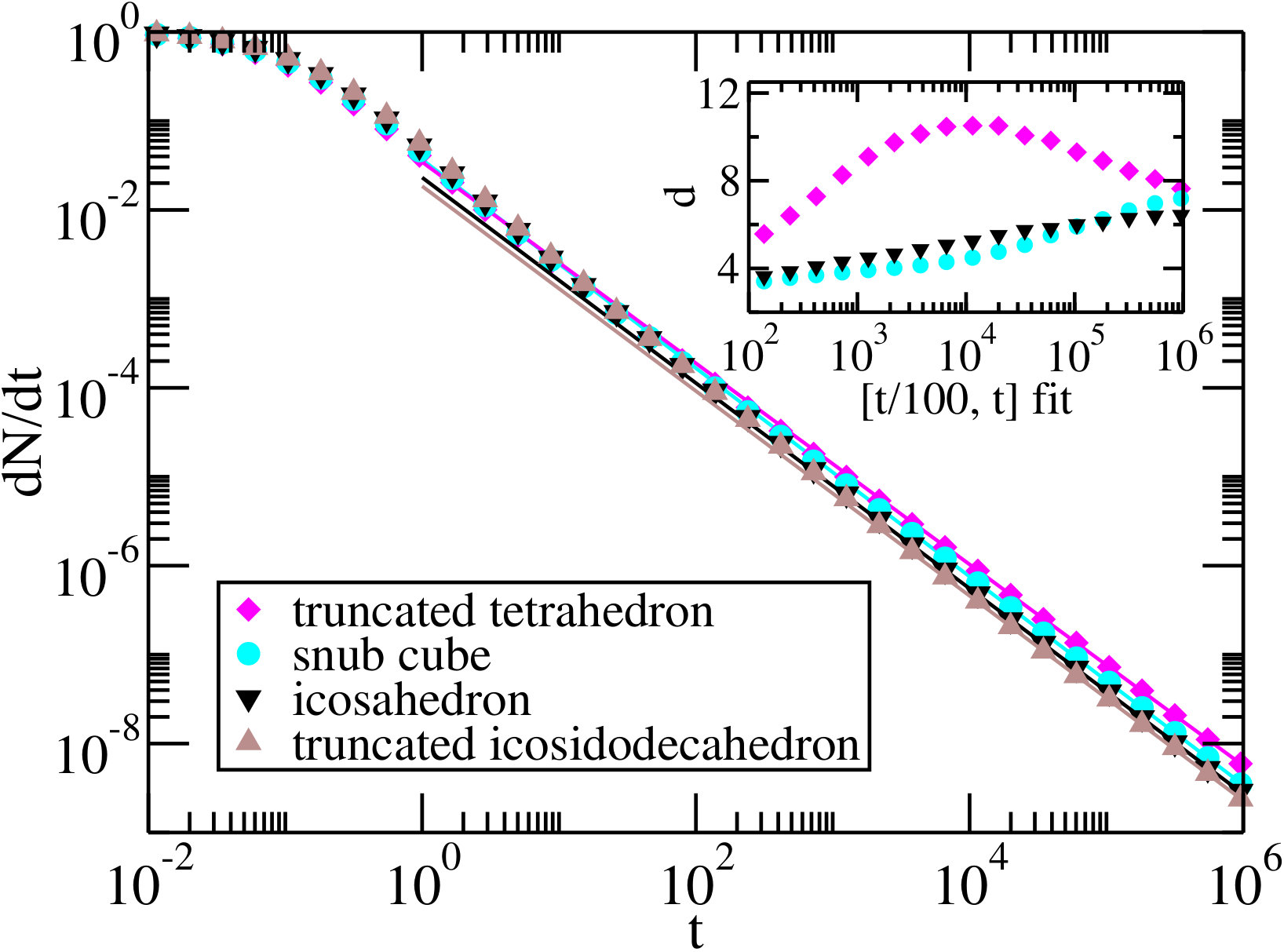 Figure 23
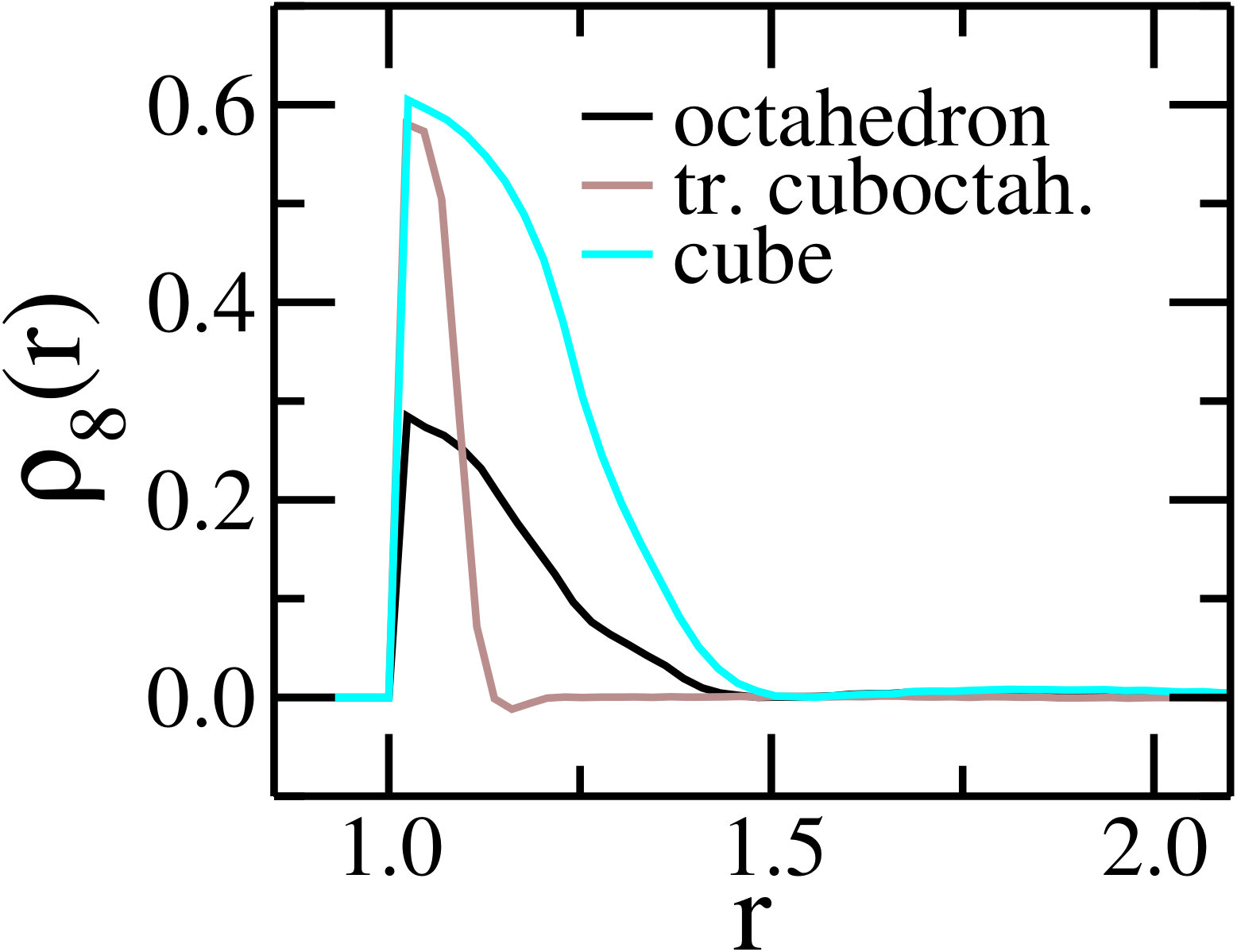 Figure 24
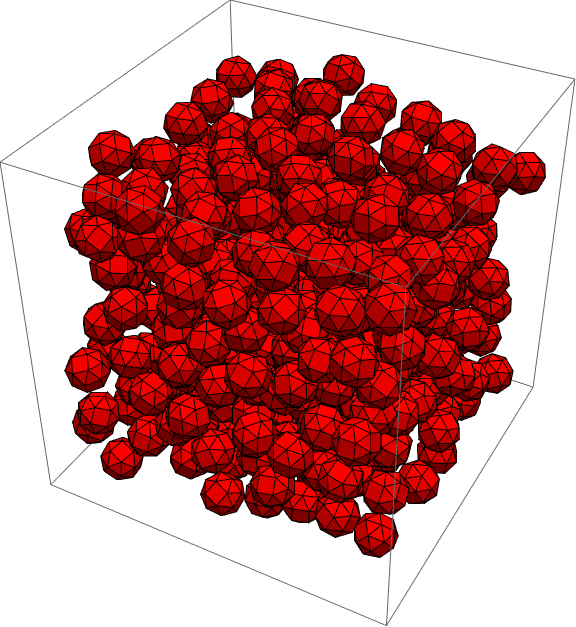 Figure 25
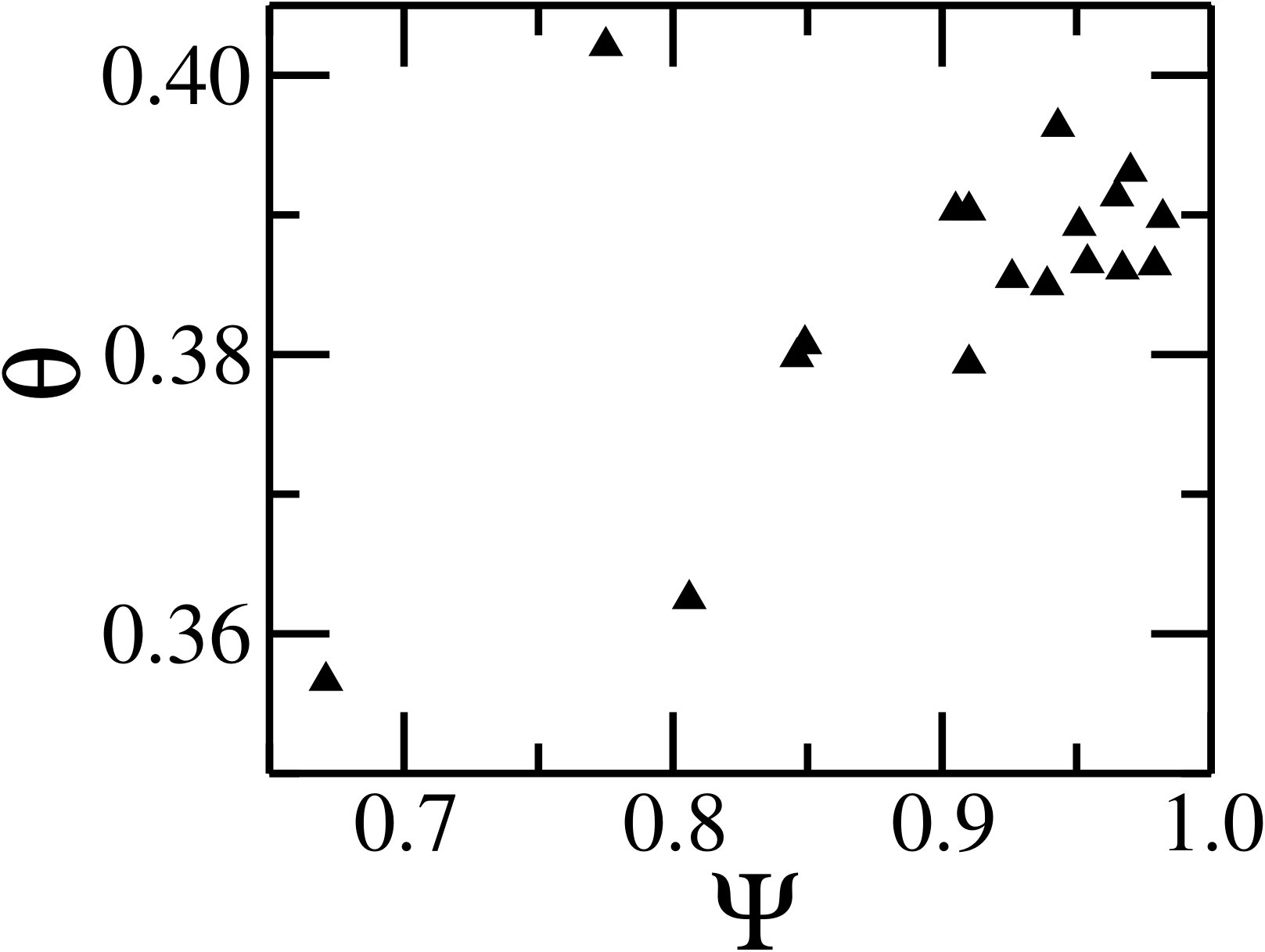 Figure 26
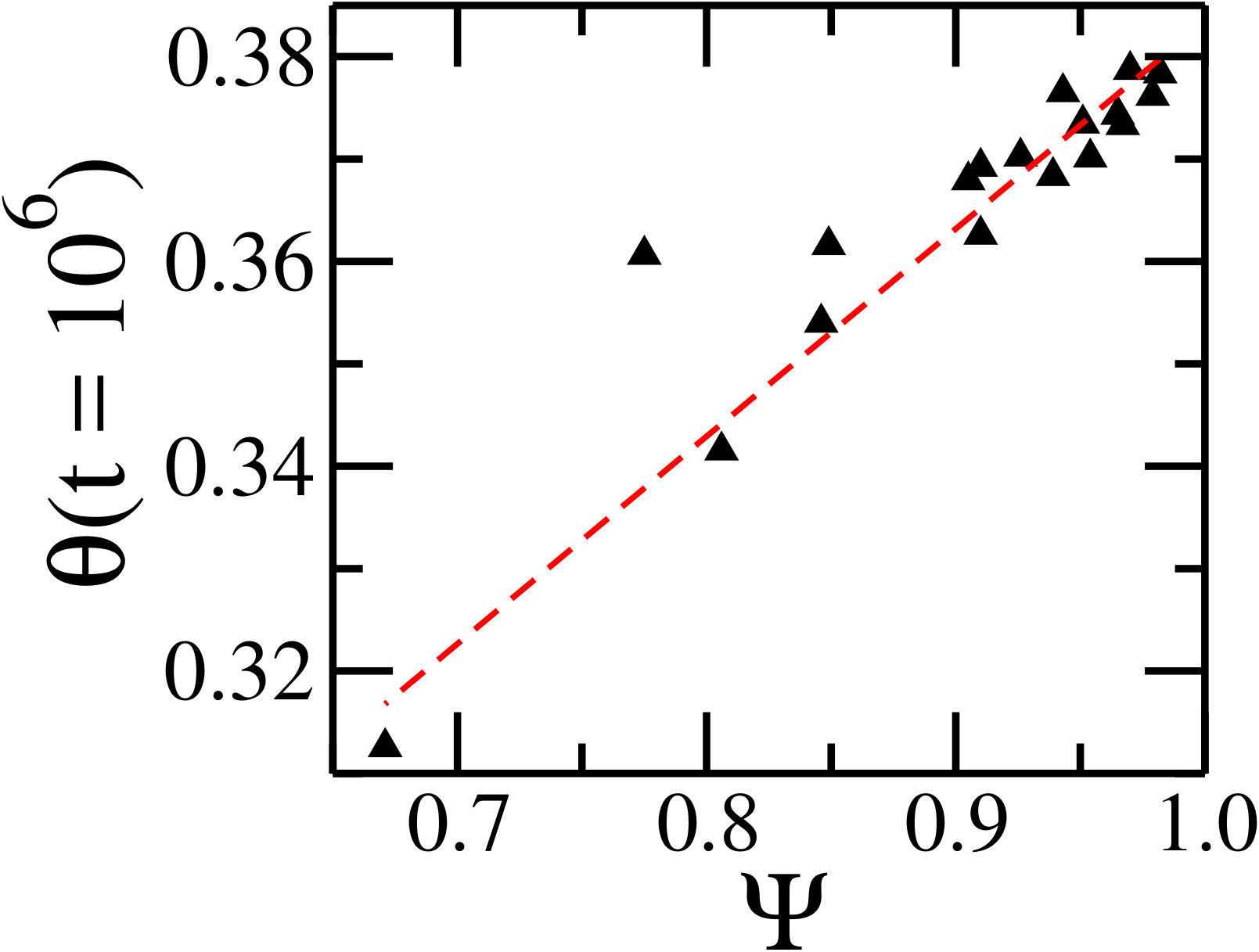 Figure 27
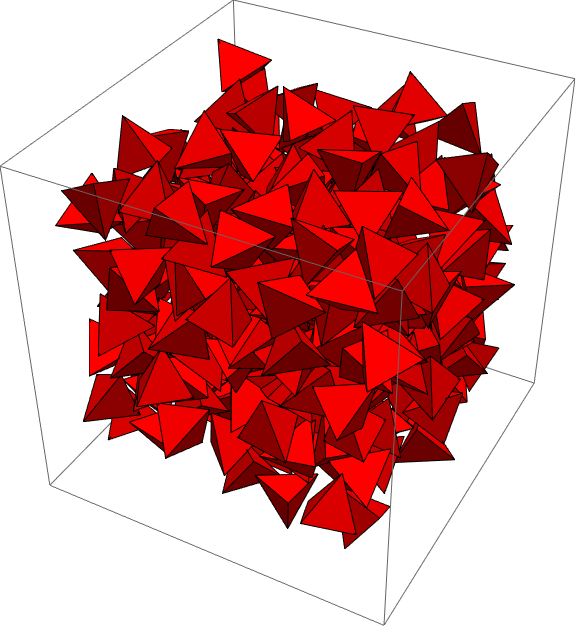 Figure 28
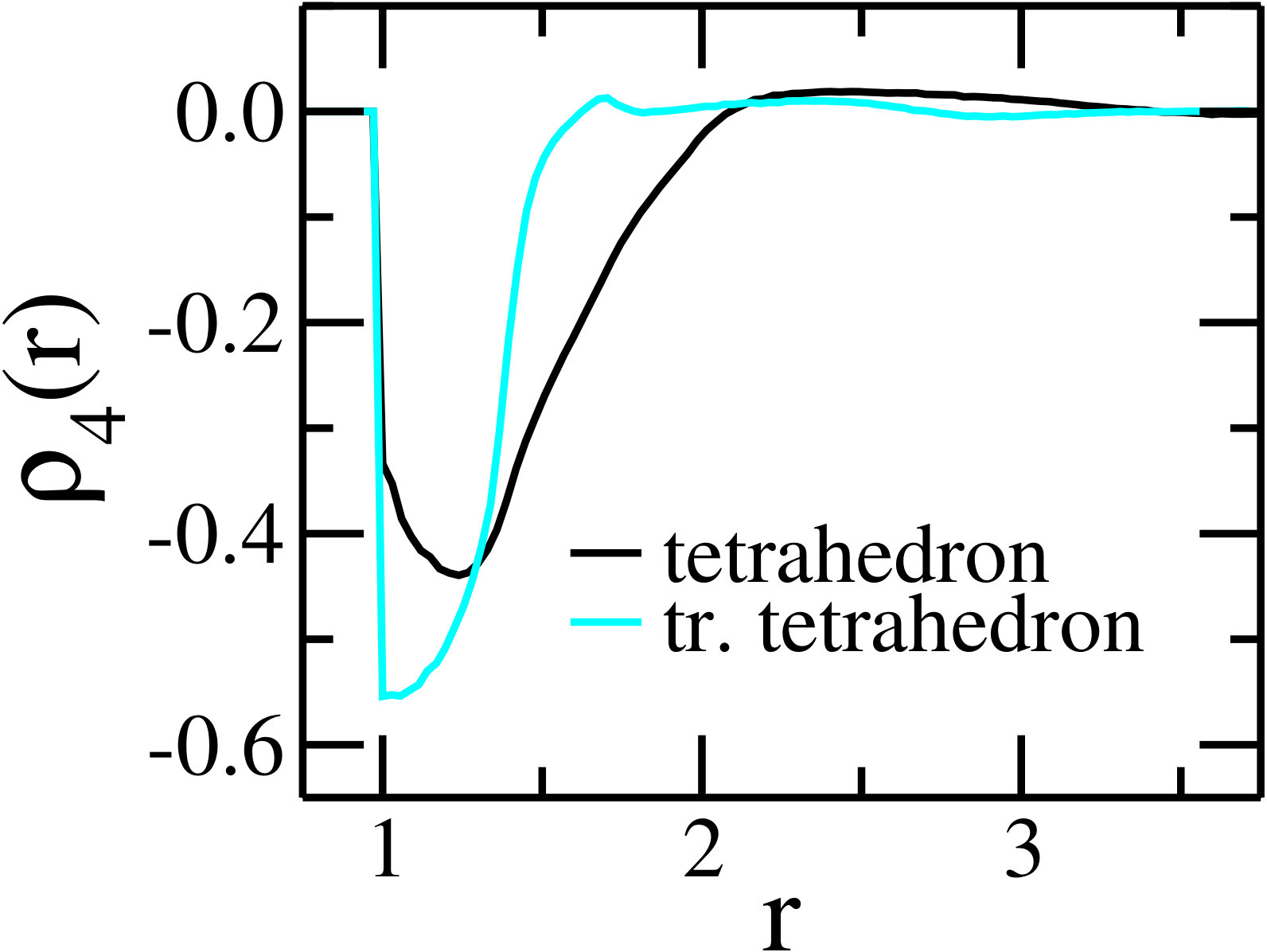 Figure 29
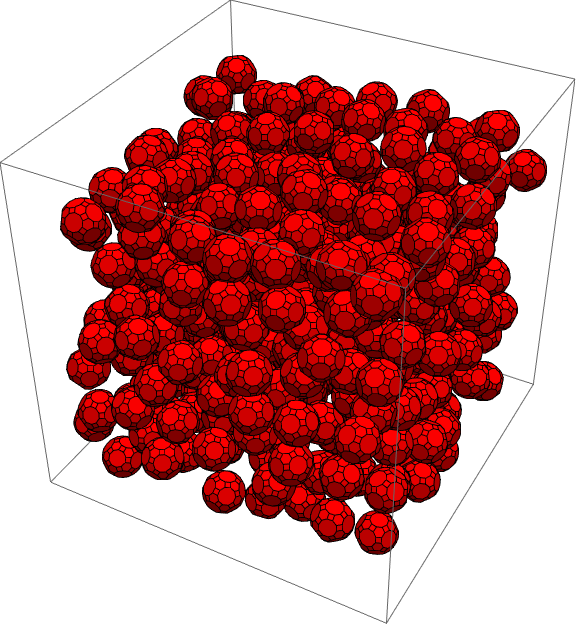 Figure 30
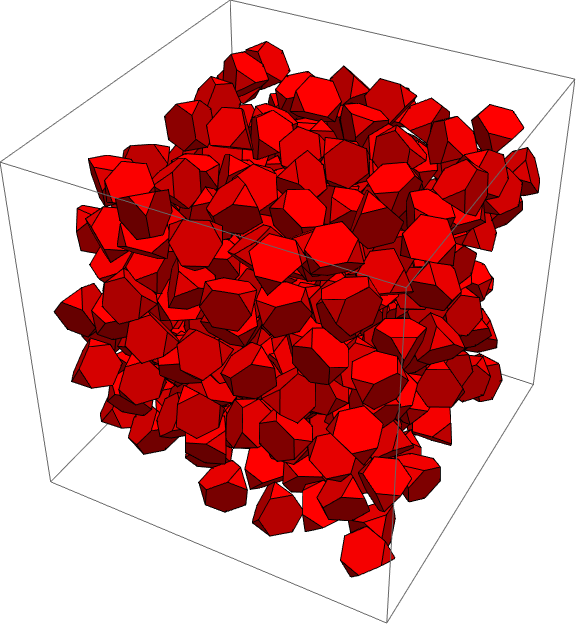 Figure 31
Peer Reviews
No public reviews on file for this paper yet. If you reviewed it on a platform where reviews are public (OpenReview, ICLR, NeurIPS, ICML), you can paste yours below so the community can read it here.
Videos
No videos yet. Explain this paper in a talk, walkthrough, or lecture? Add one.