AutoRegressive Planet Search: Application to the Kepler Mission
Gabriel A. Caceres, Eric D. Feigelson, G. Jogesh Babu, Natalia, Bahamonde, Alejandra Christen, Karine Bertin, Cristian Meza, Michel Cur\'e

TL;DR
This paper applies the AutoRegressive Planet Search (ARPS) methodology to Kepler data, successfully identifying known and new exoplanet candidates with high accuracy using a three-stage analysis pipeline.
Contribution
The paper demonstrates the effectiveness of ARPS in analyzing Kepler light curves, combining ARIMA modeling, periodogram analysis, and machine learning for exoplanet detection.
Findings
Recovered 76% of confirmed planets, 97% with additional constraints
Identified 97 new planet candidates after vetting
Most candidates have periods less than 10 days, including ultra-short period hot planets
Abstract
The 4-year light curves of 156,717 stars observed with NASA's Kepler mission are analyzed using the AutoRegressive Planet Search (ARPS) methodology described by Caceres et al. (2019). The three stages of processing are: maximum likelihood ARIMA modeling of the light curves to reduce stellar brightness variations; constructing the Transit Comb Filter periodogram to identify transit-like periodic dips in the ARIMA residuals; Random Forest classification trained on Kepler Team confirmed planets using several dozen features from the analysis. Orbital periods between 0.2 and 100 days are examined. The result is a recovery of 76% of confirmed planets, 97% when period and transit depth constraints are added. The classifier is then applied to the full Kepler dataset; 1,004 previously noticed and 97 new stars have light curve criteria consistent with the confirmed planets, after subjective…
Click any figure to enlarge with its caption.
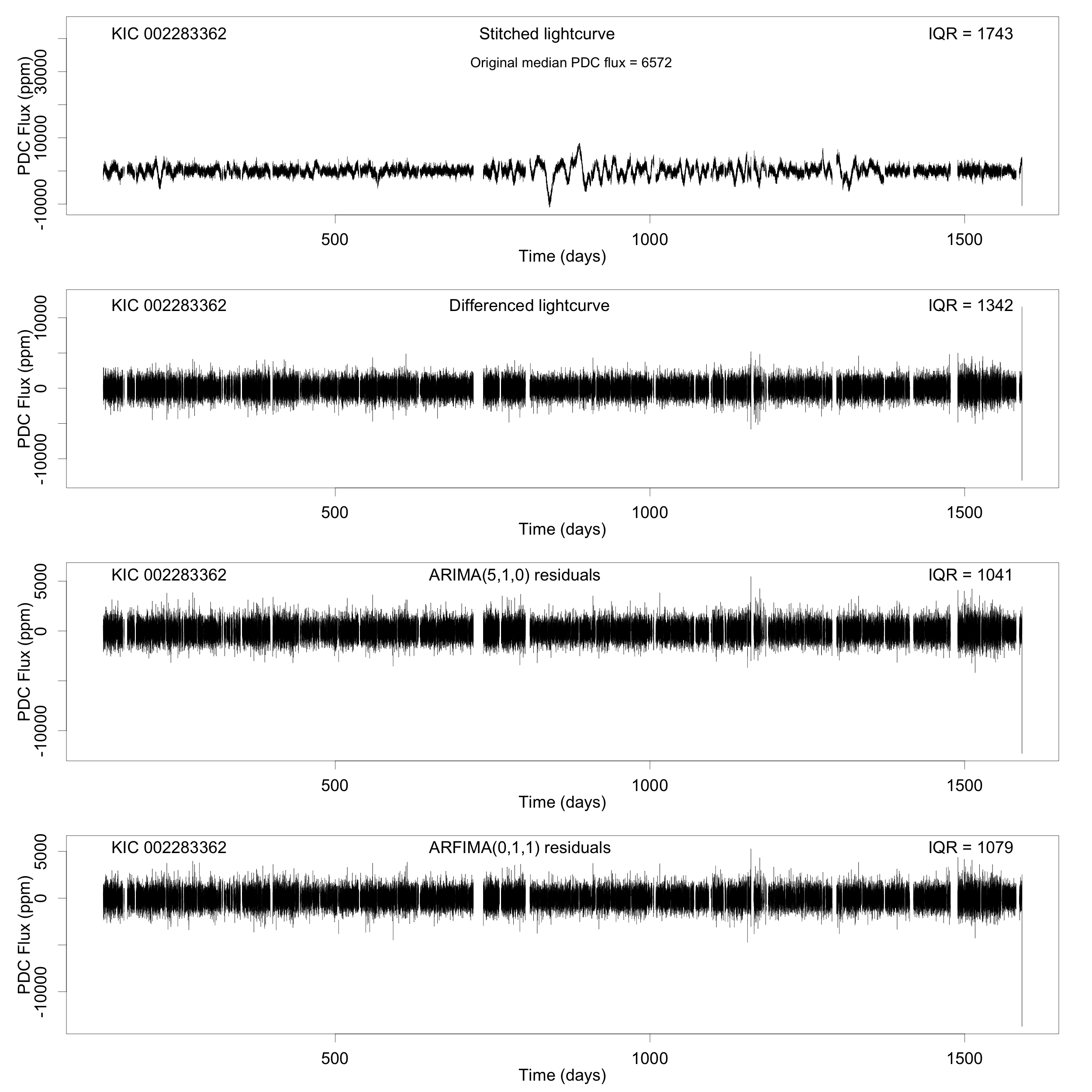 Figure 1
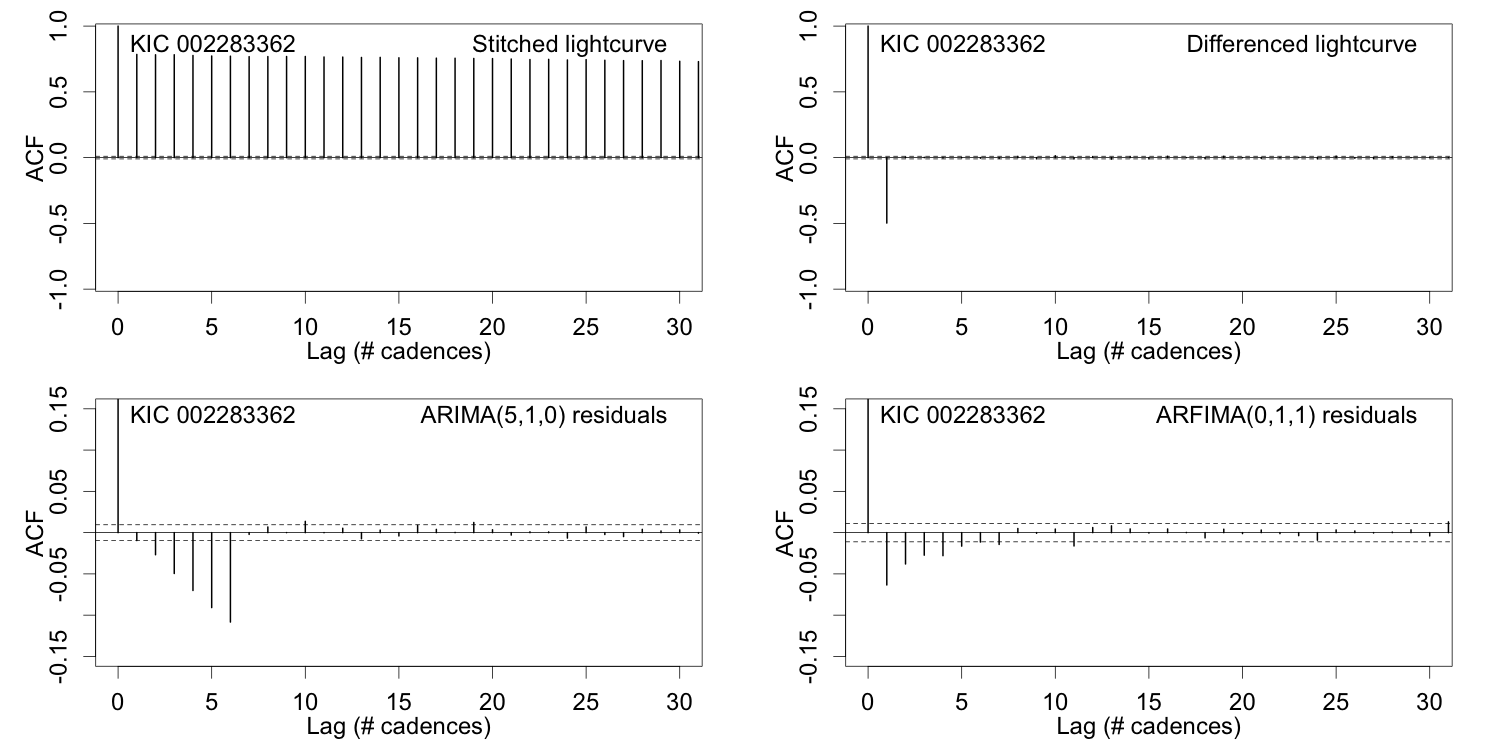 Figure 2
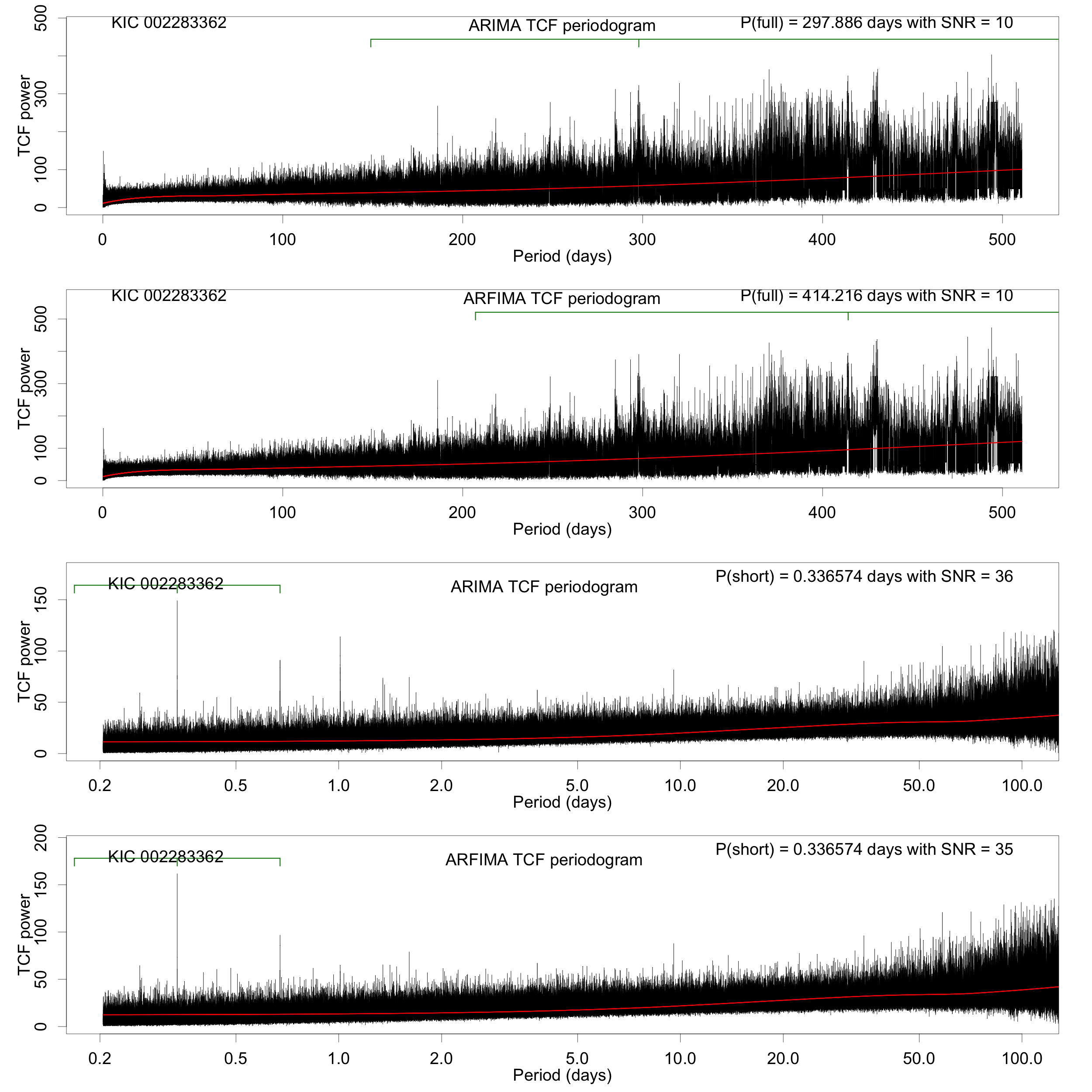 Figure 3
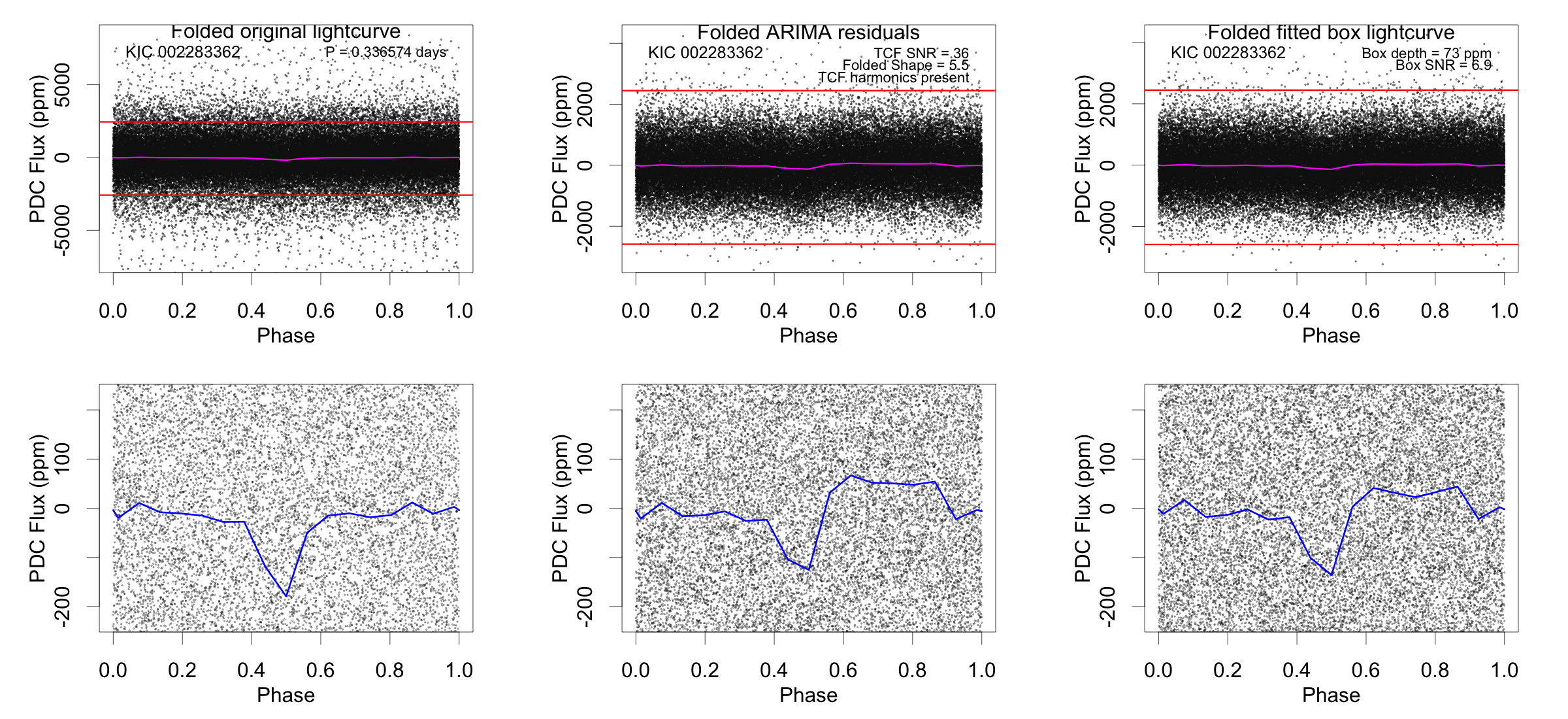 Figure 4
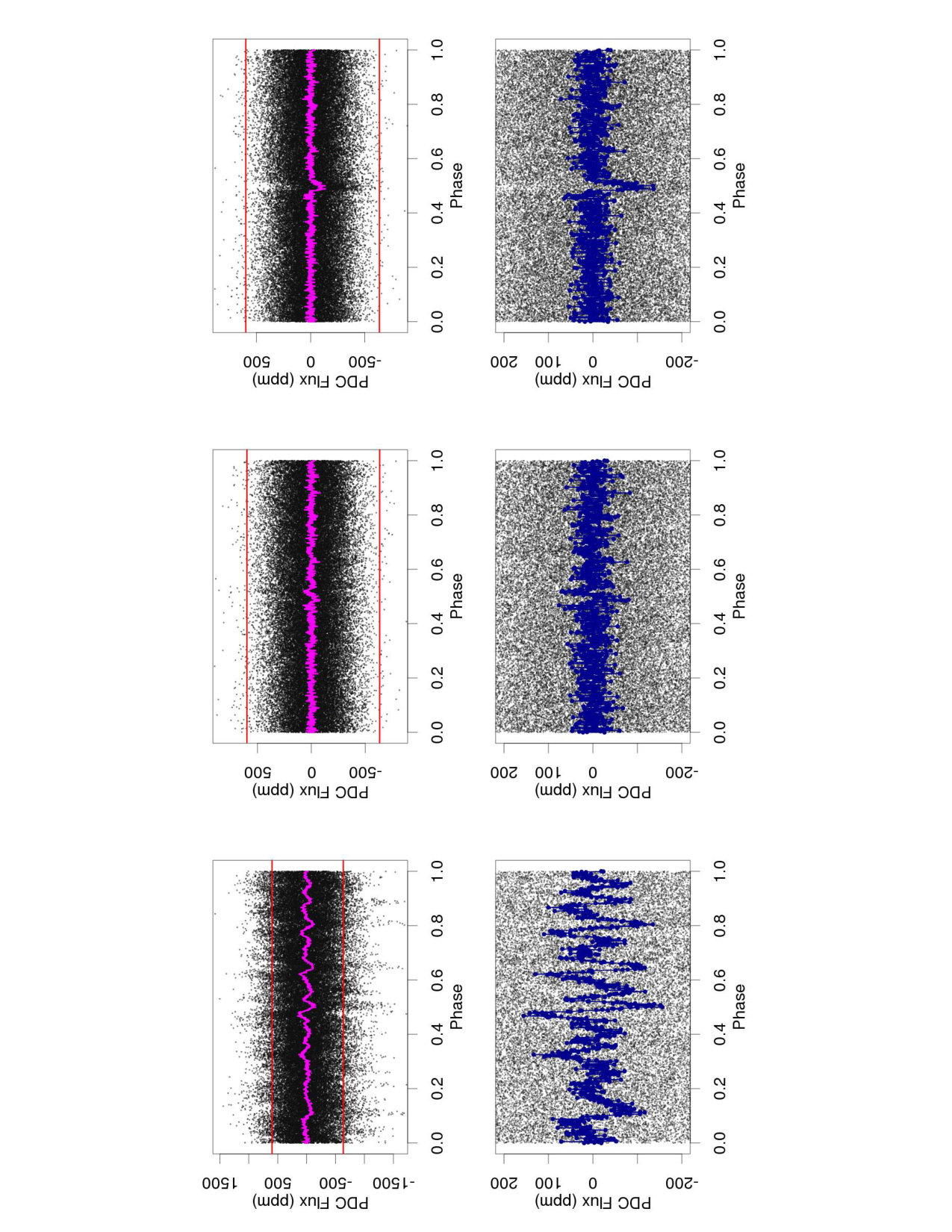 Figure 5
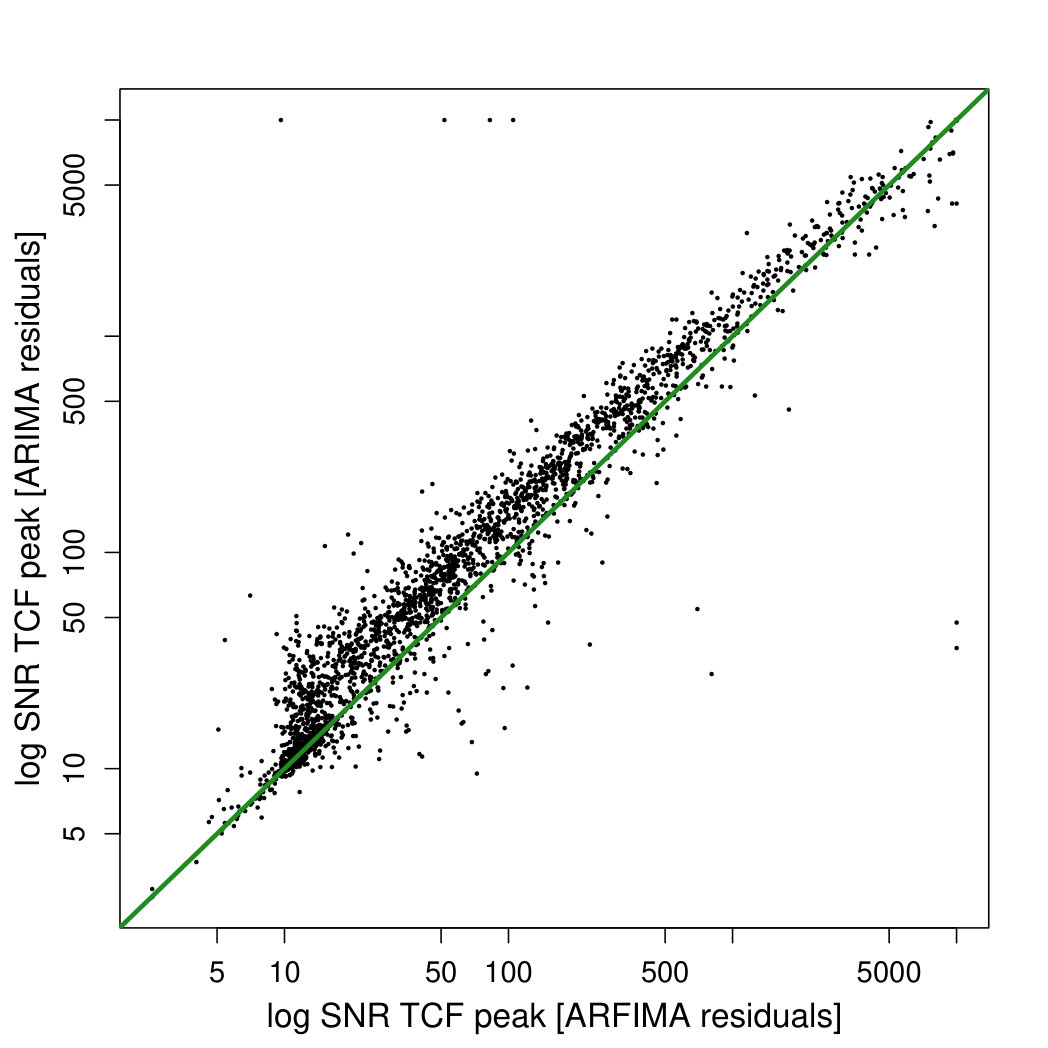 Figure 6
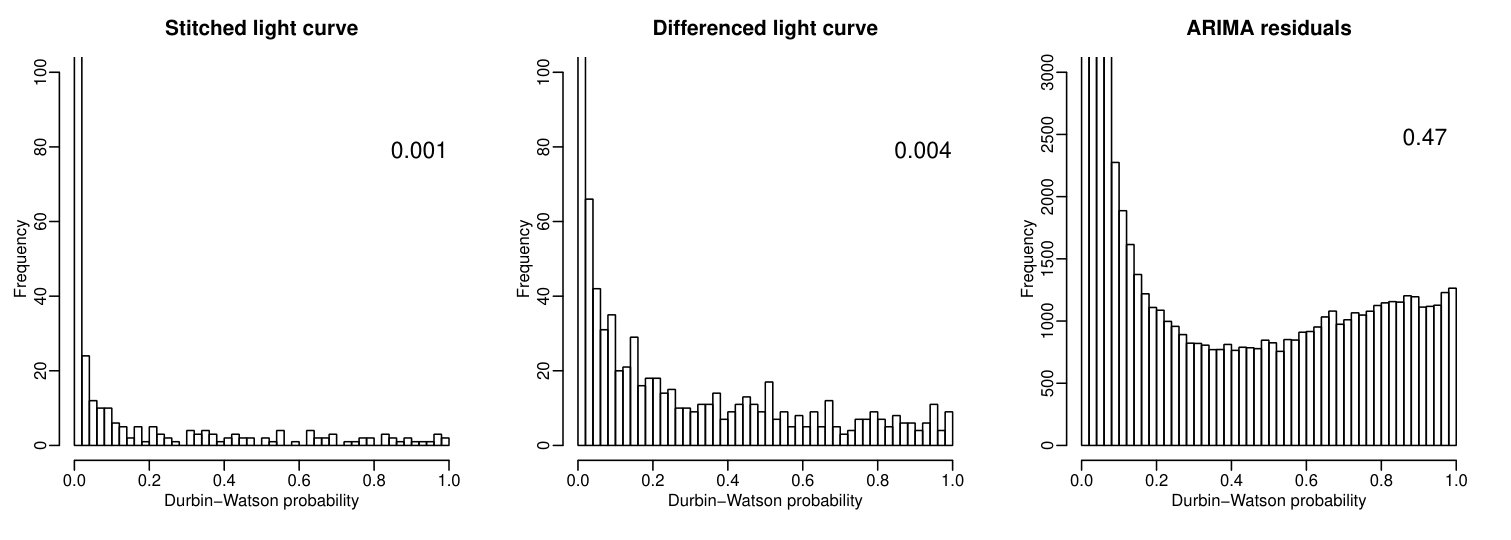 Figure 7
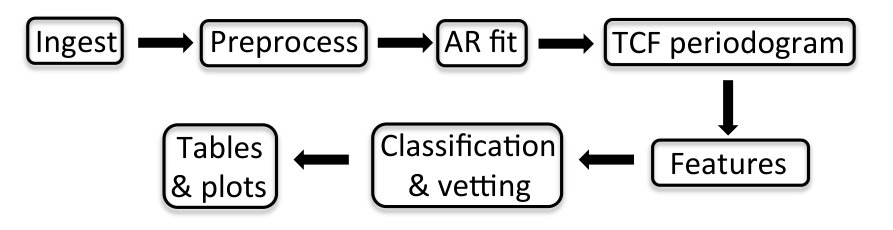 Figure 8
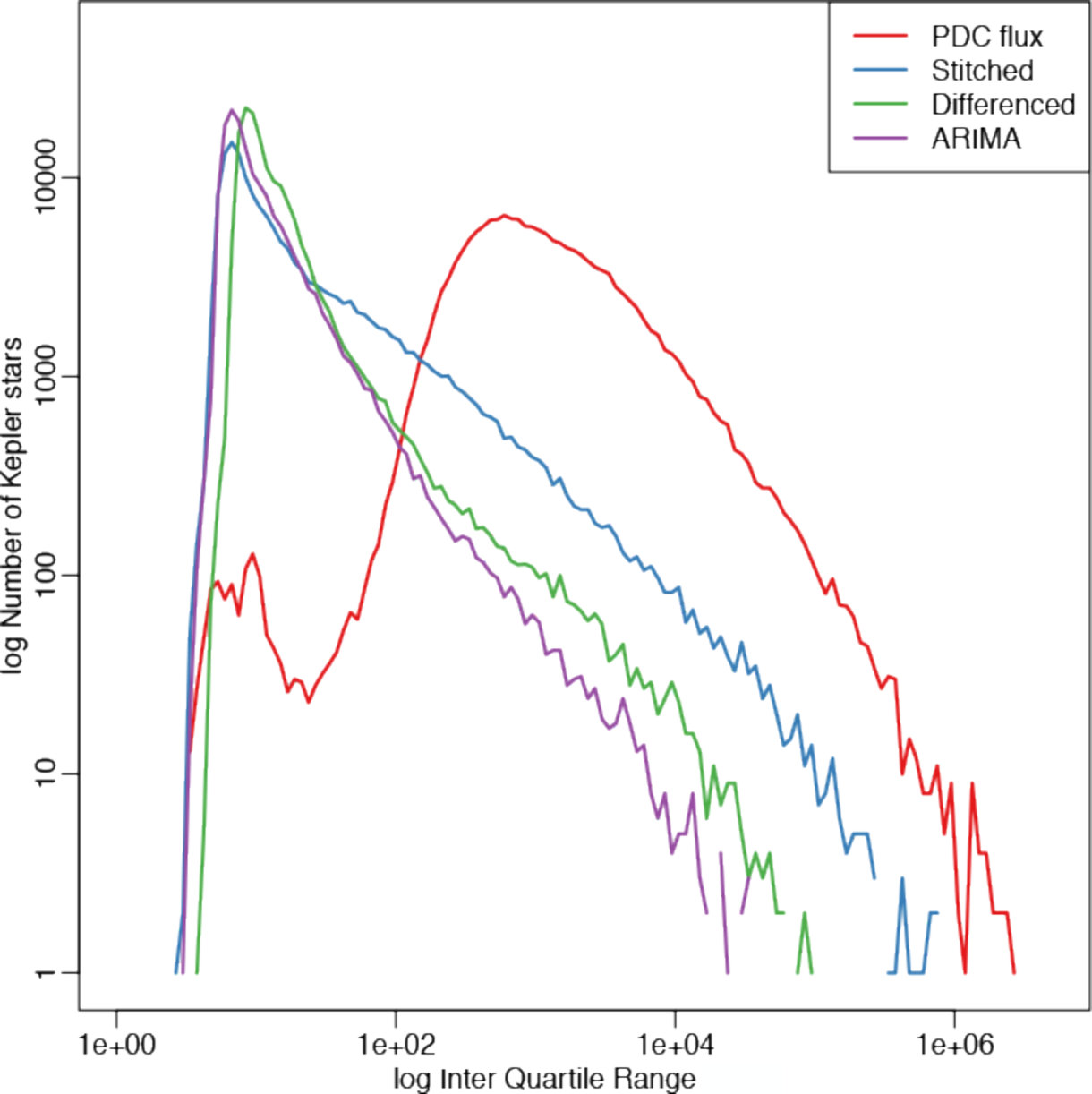 Figure 9
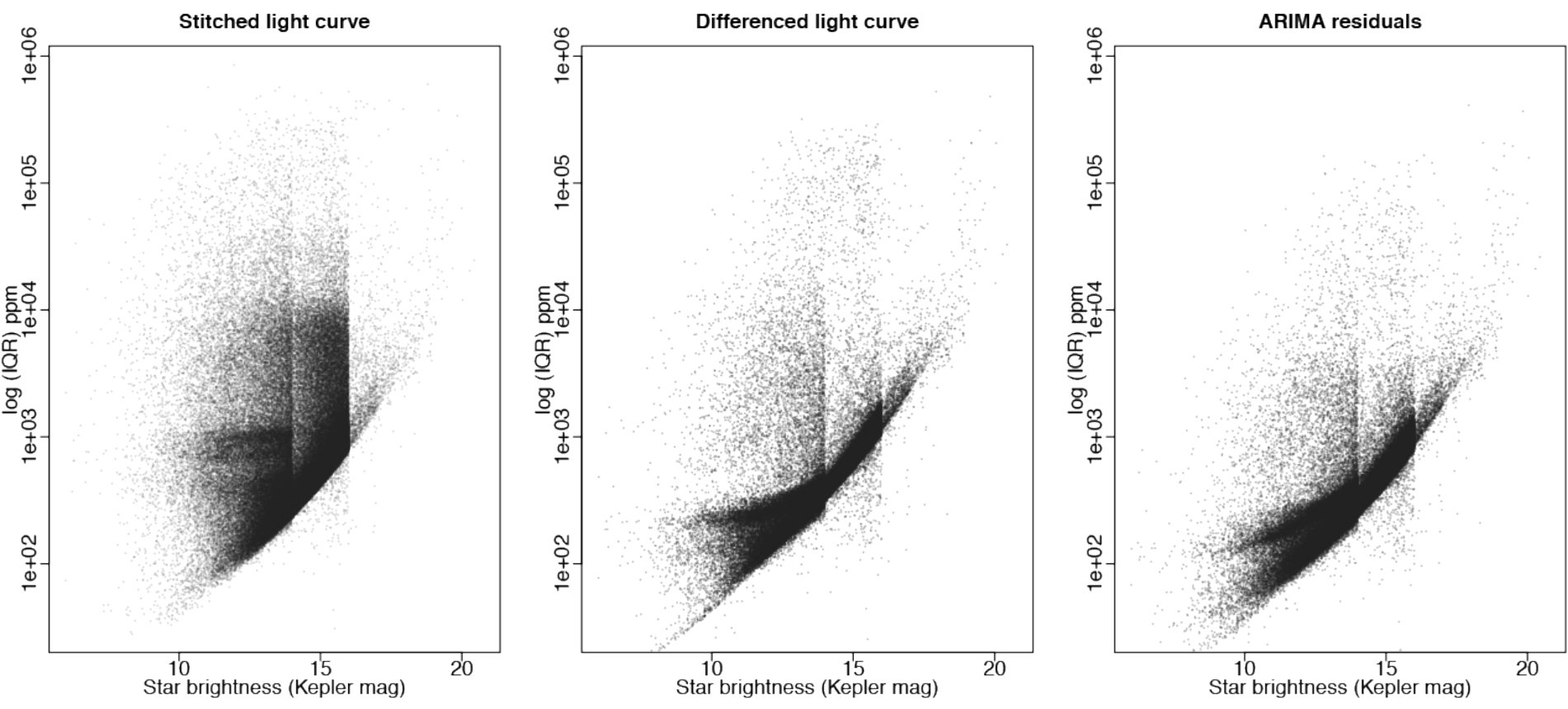 Figure 10
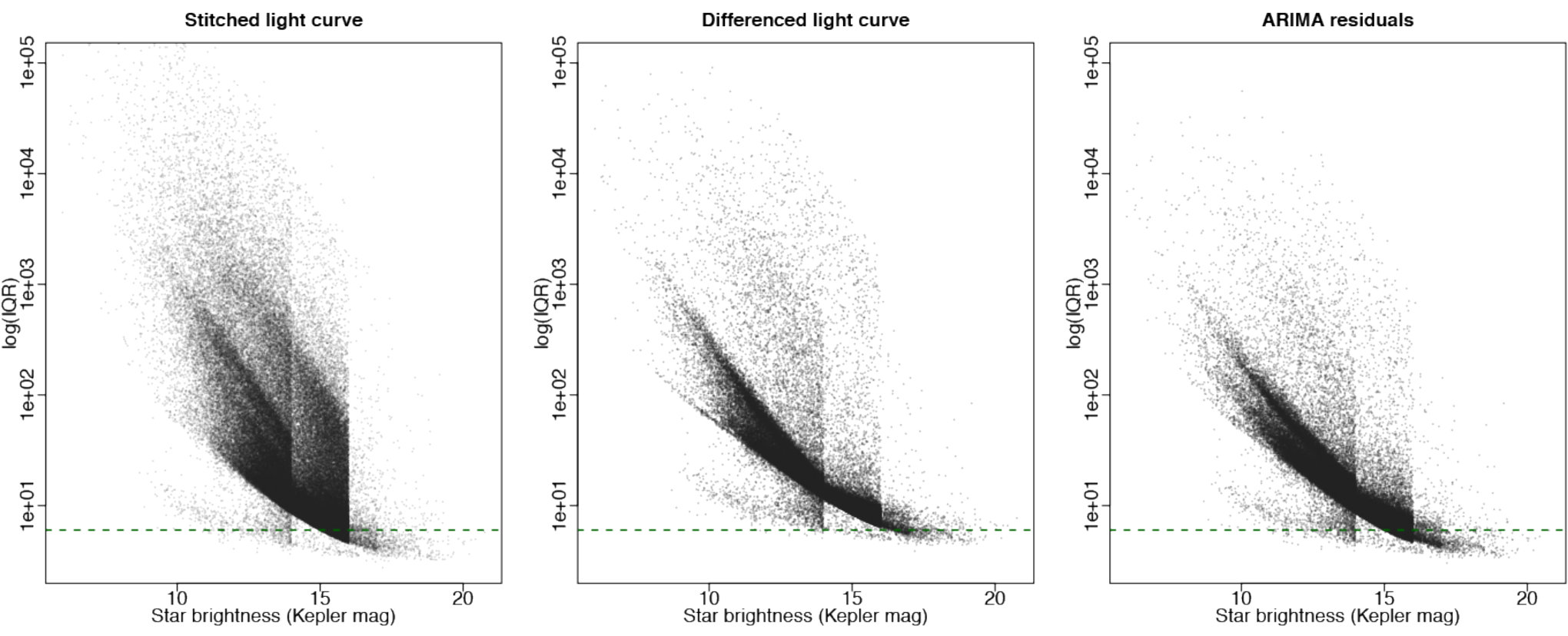 Figure 11
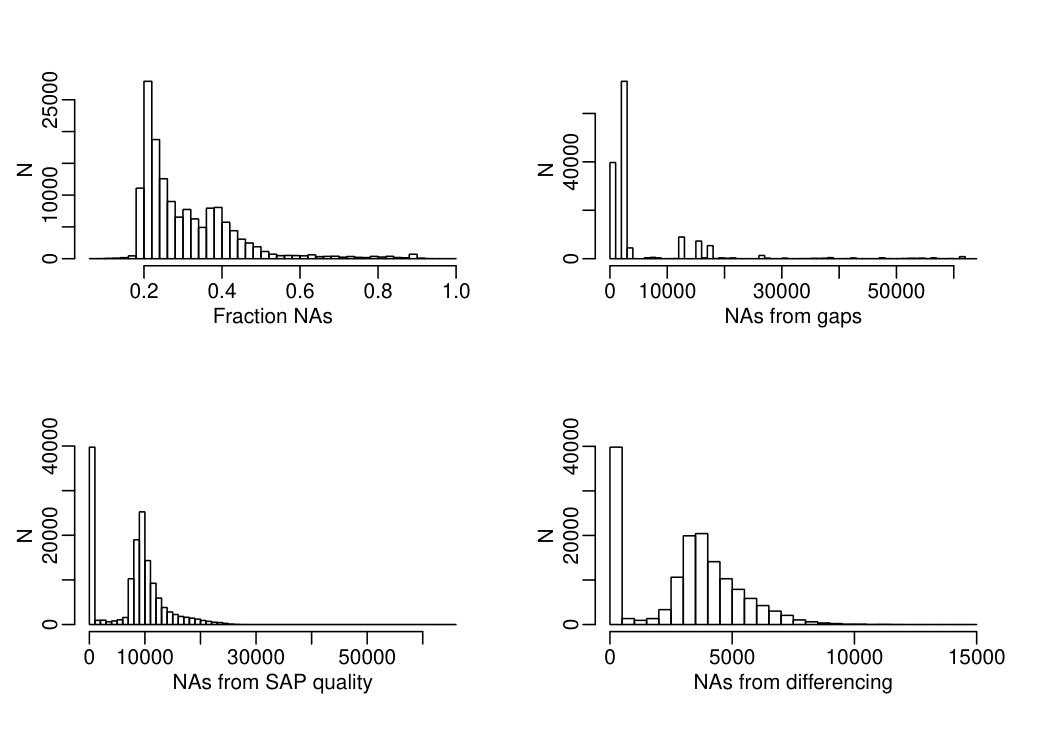 Figure 12
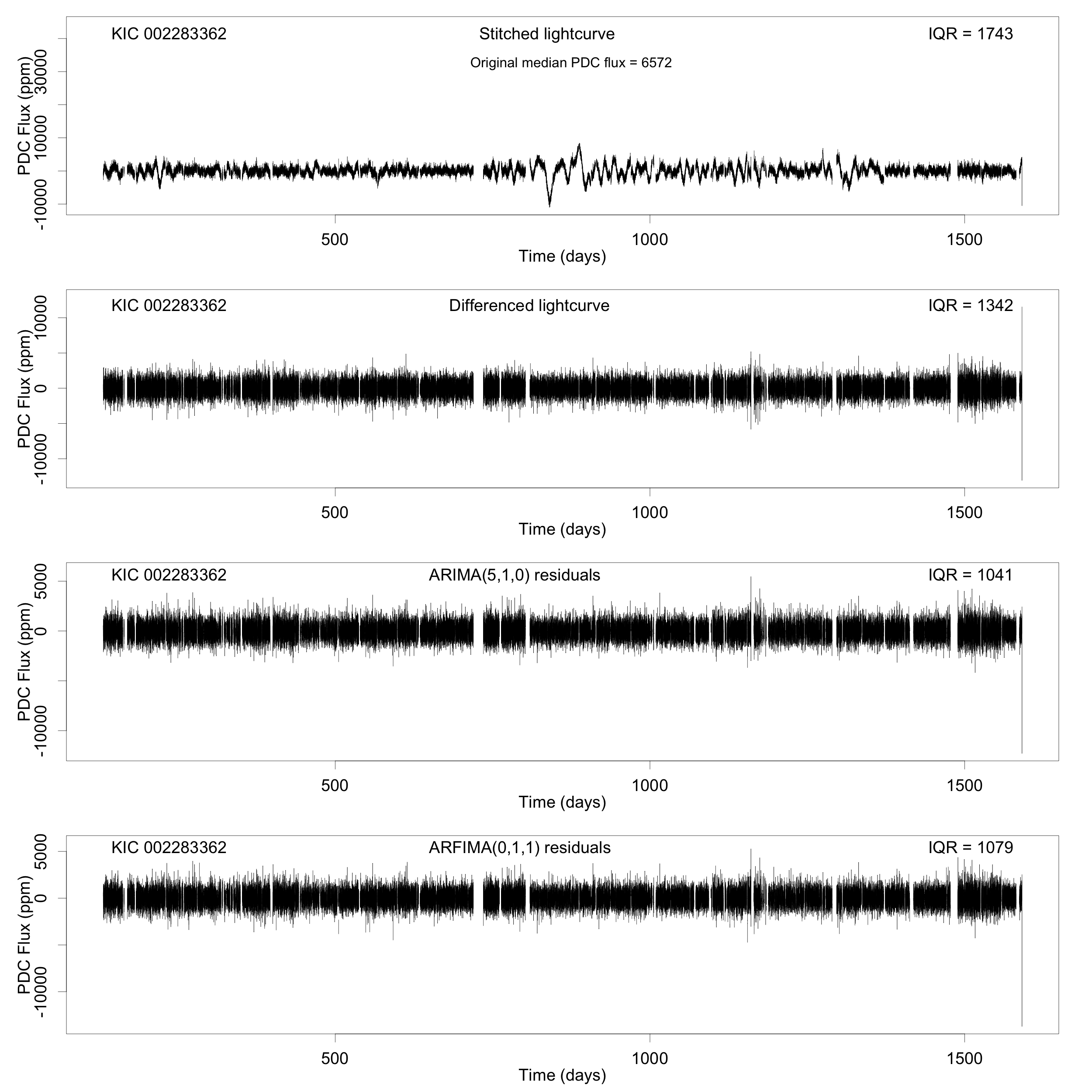 Figure 13
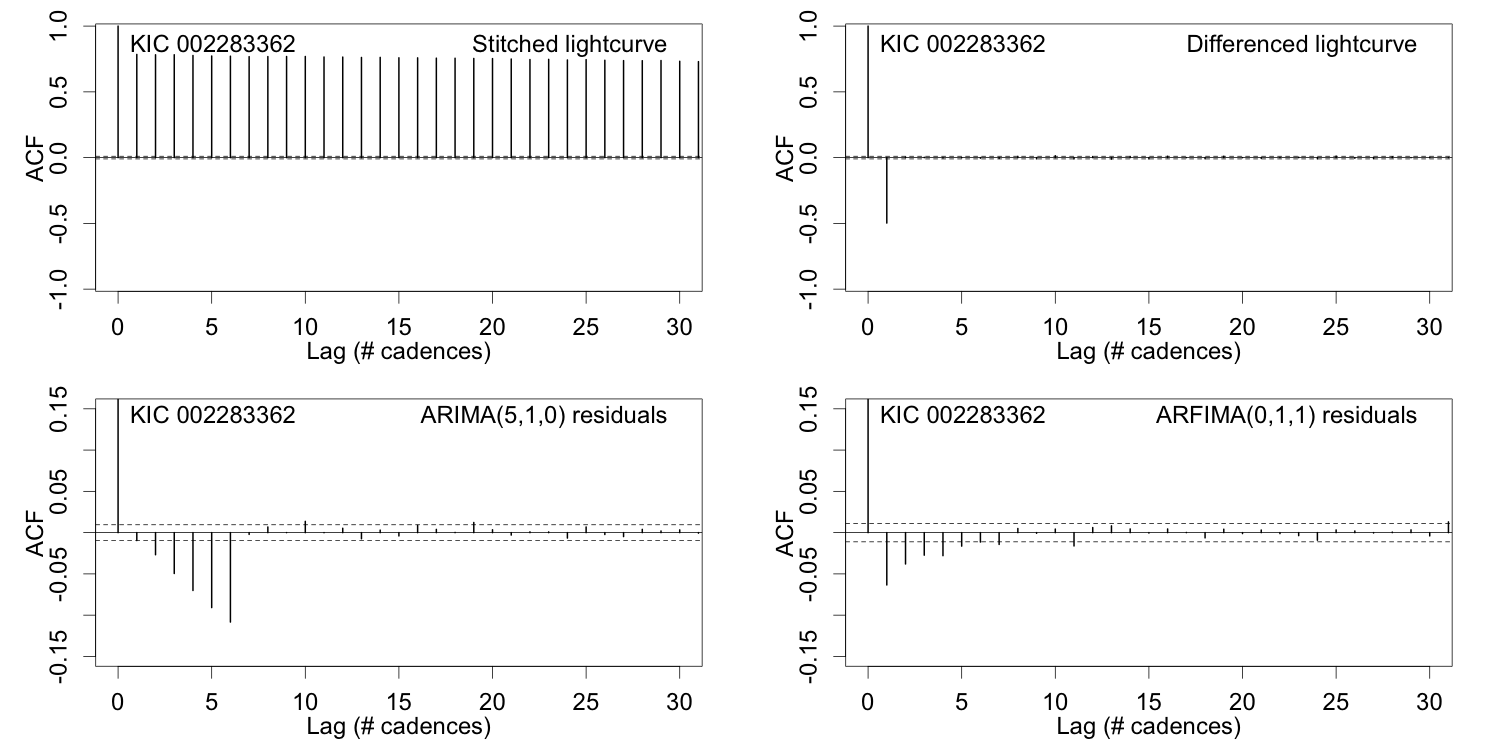 Figure 14
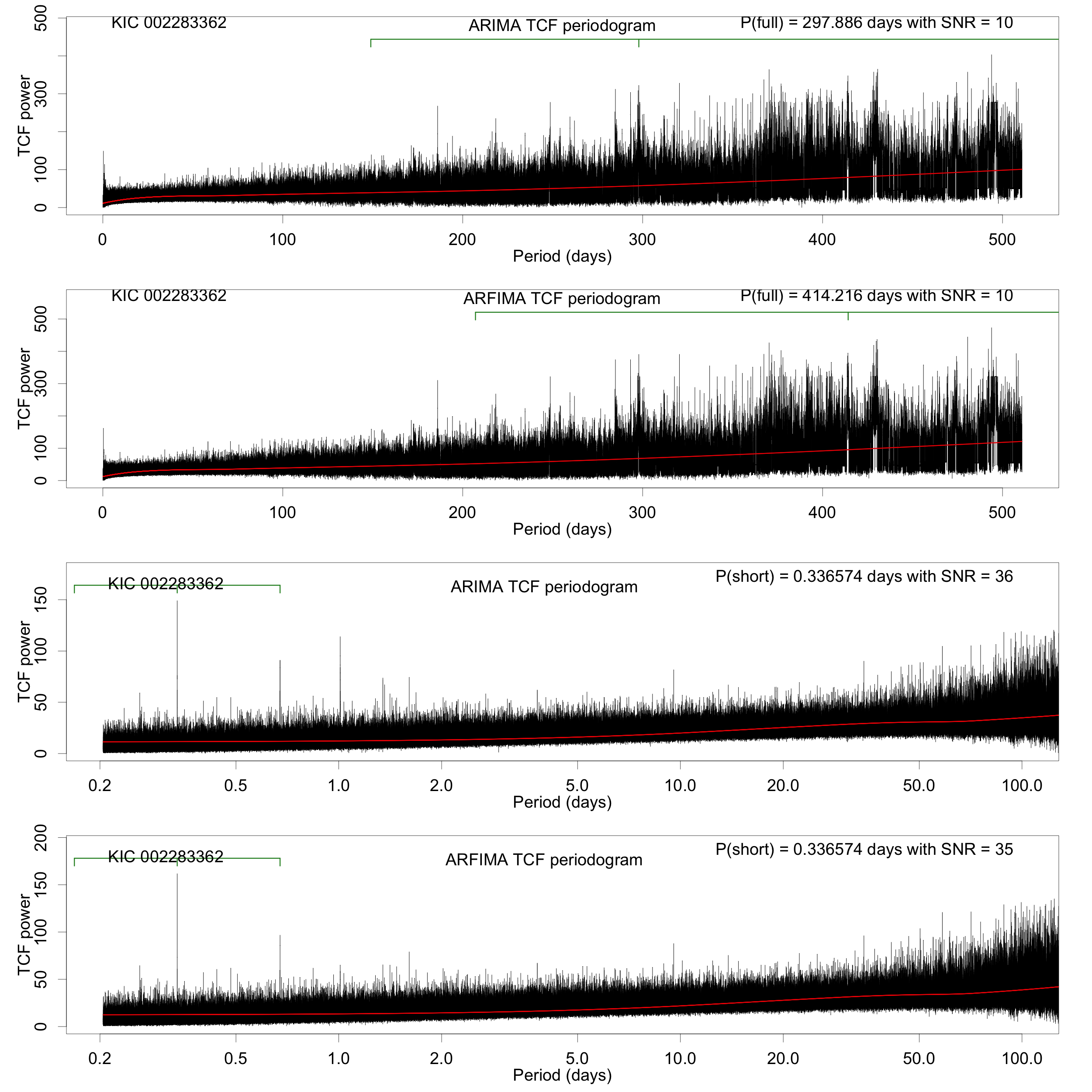 Figure 15
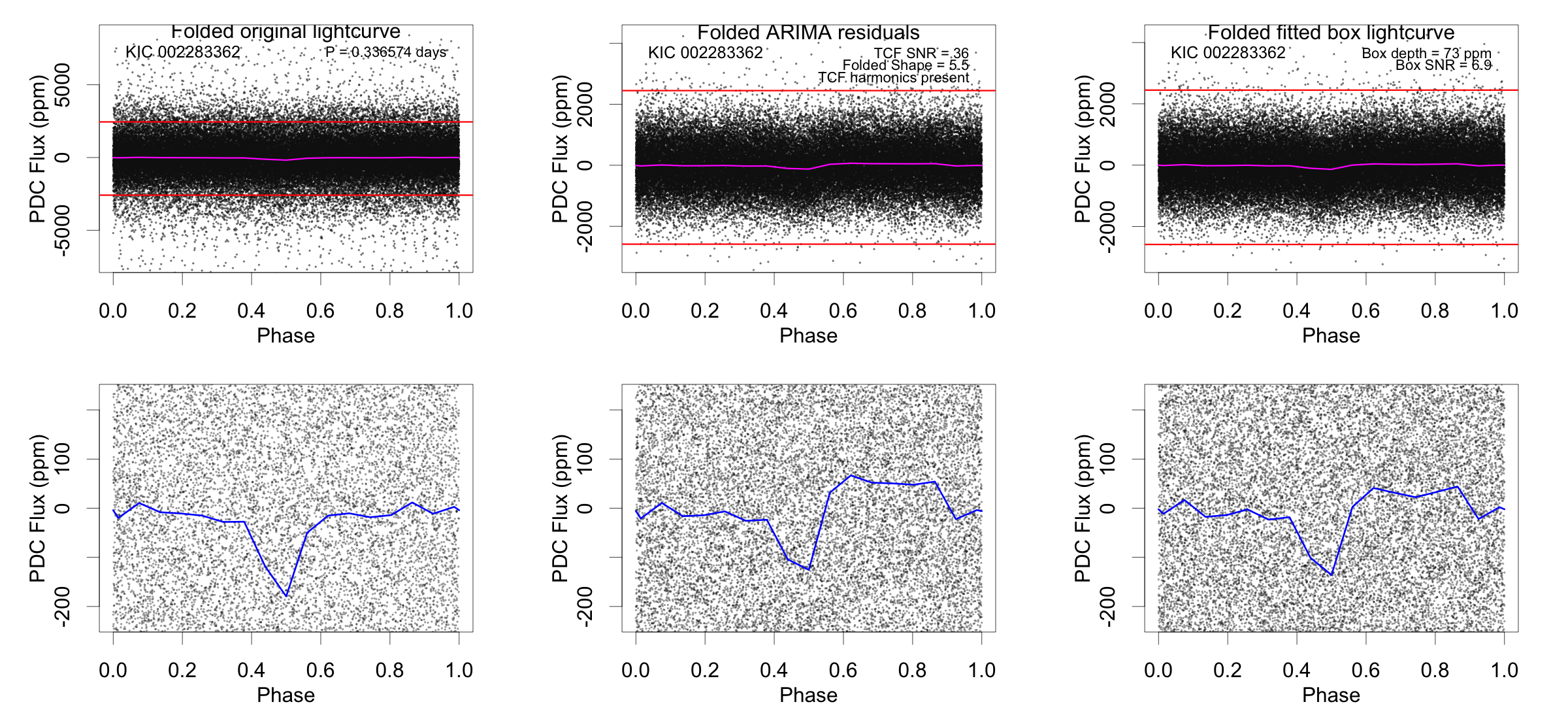 Figure 16
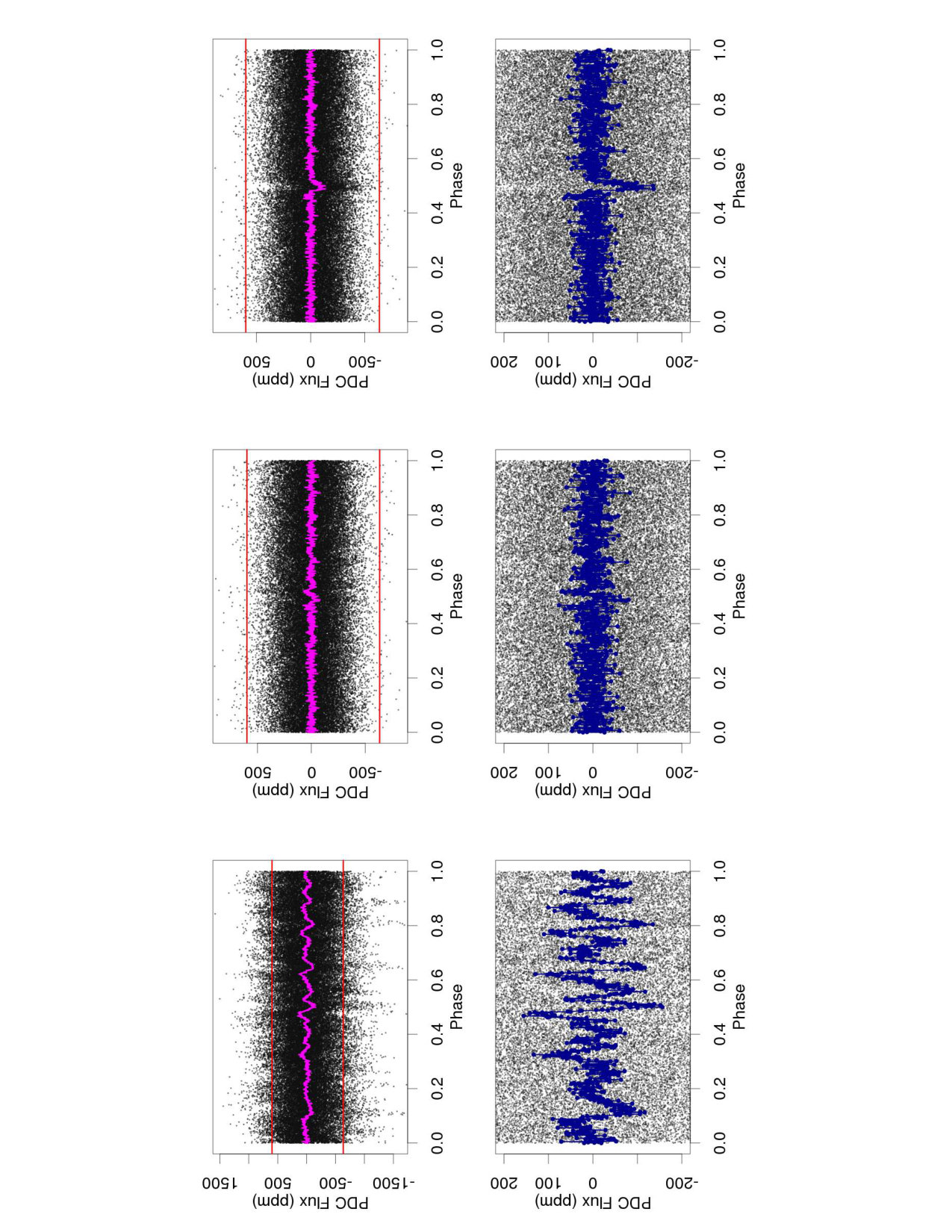 Figure 17
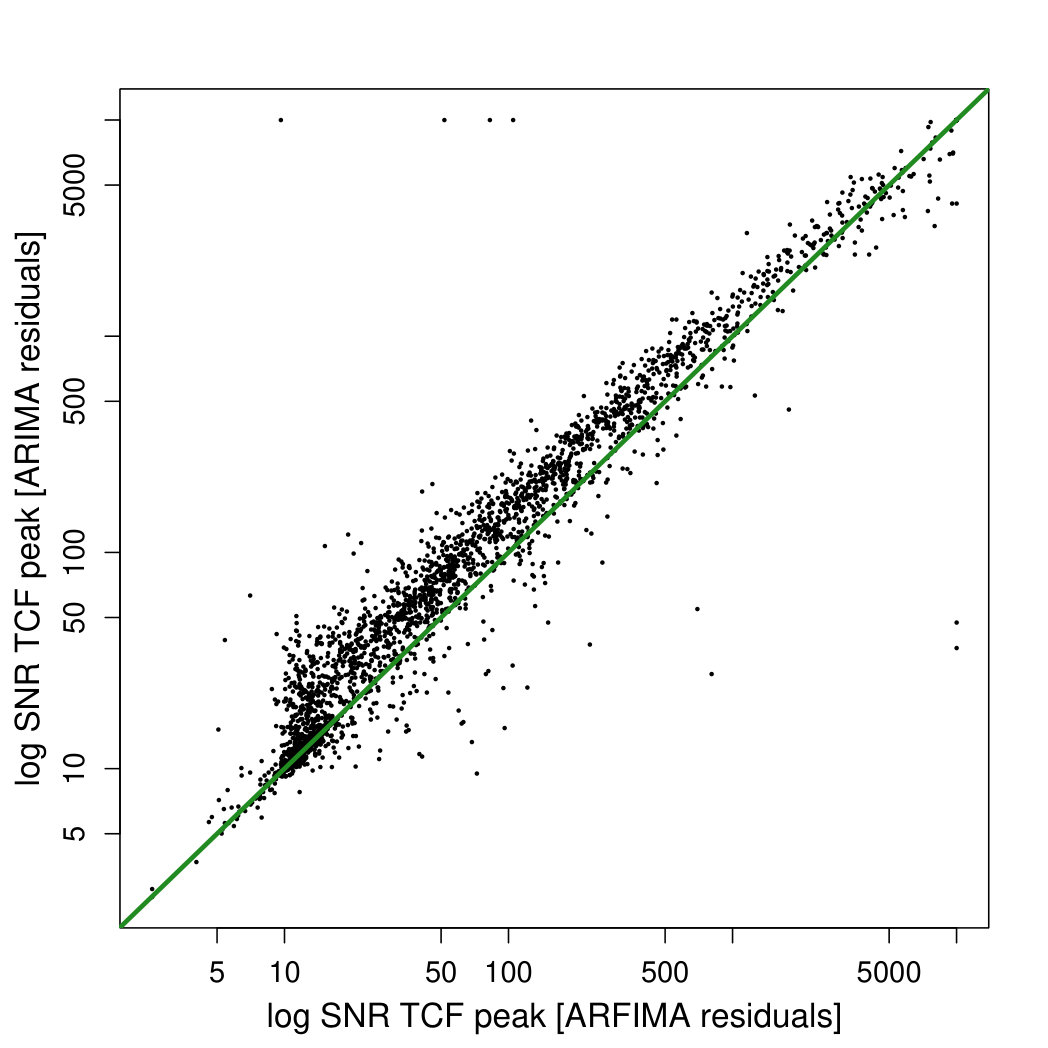 Figure 18
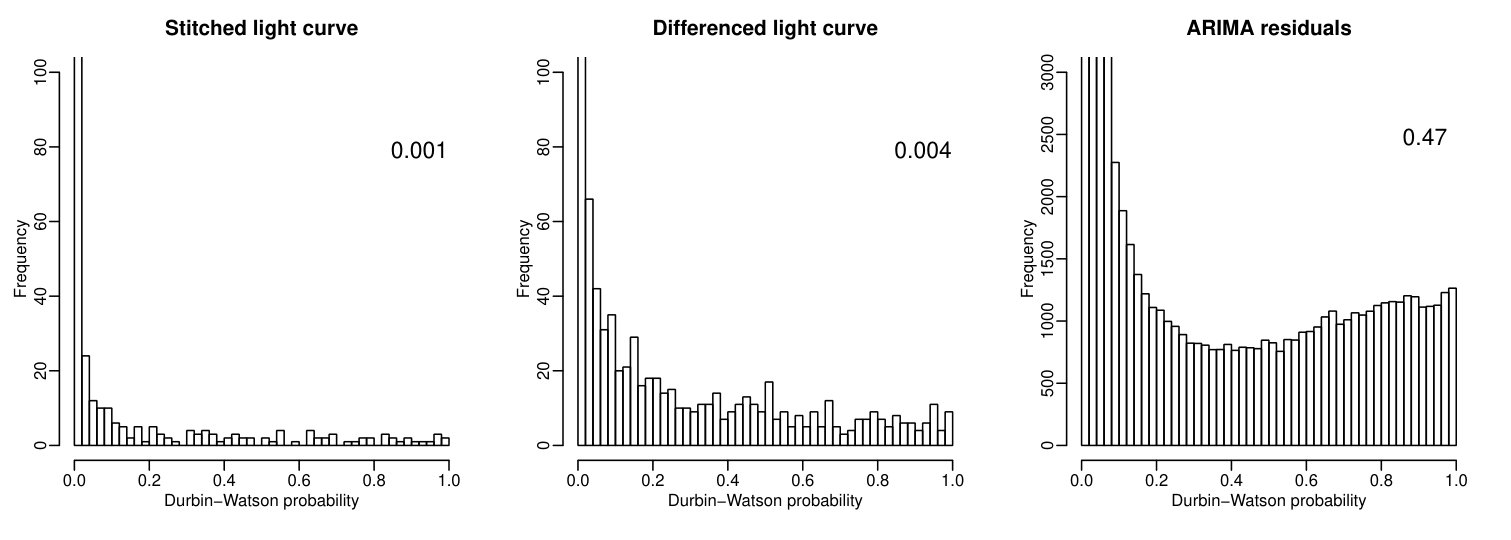 Figure 19
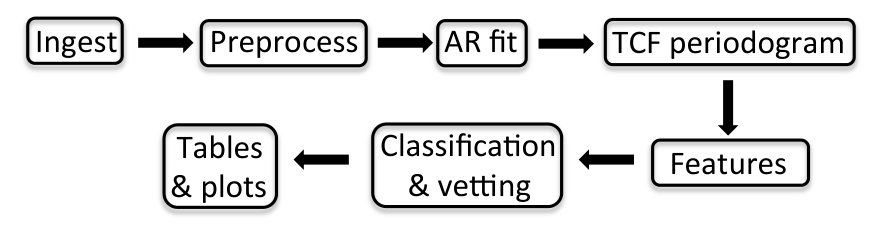 Figure 20
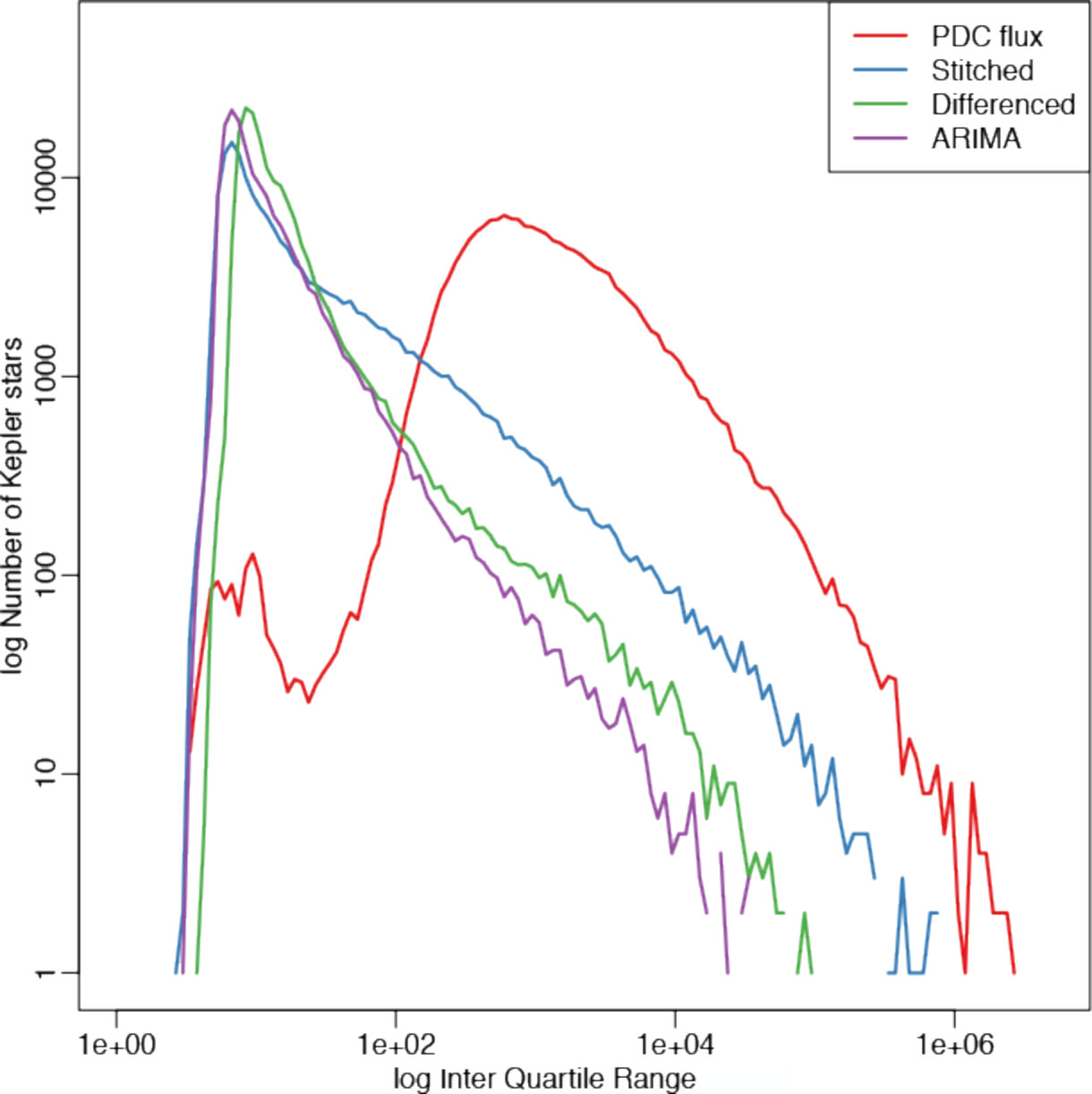 Figure 21
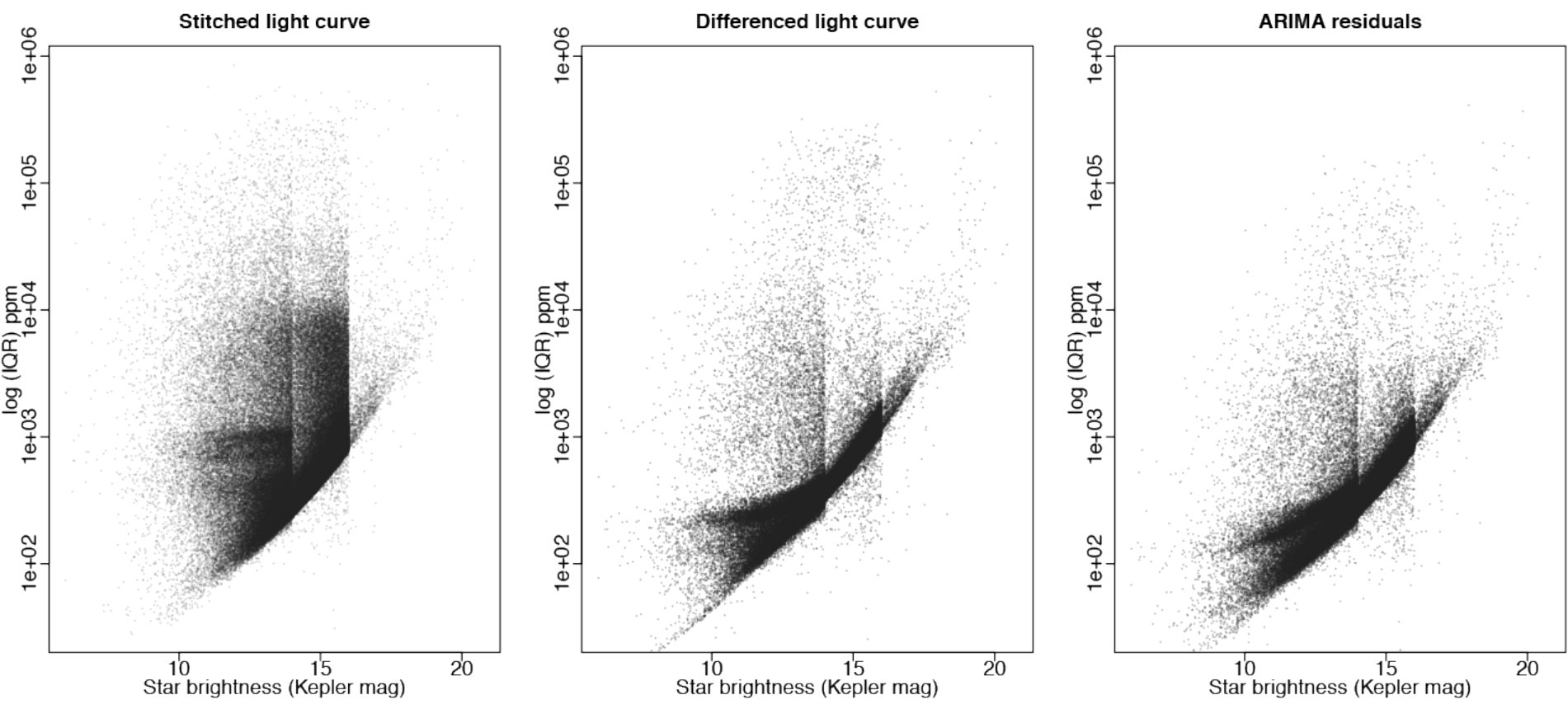 Figure 22
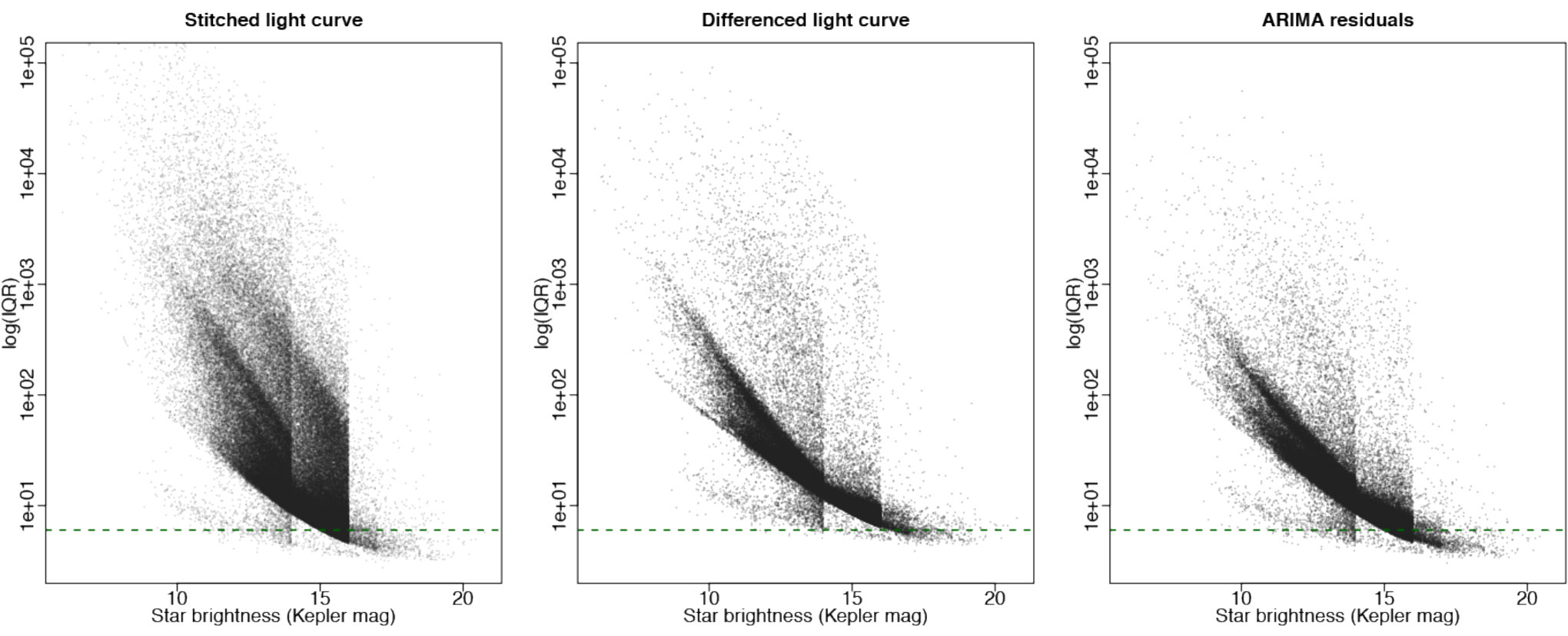 Figure 23
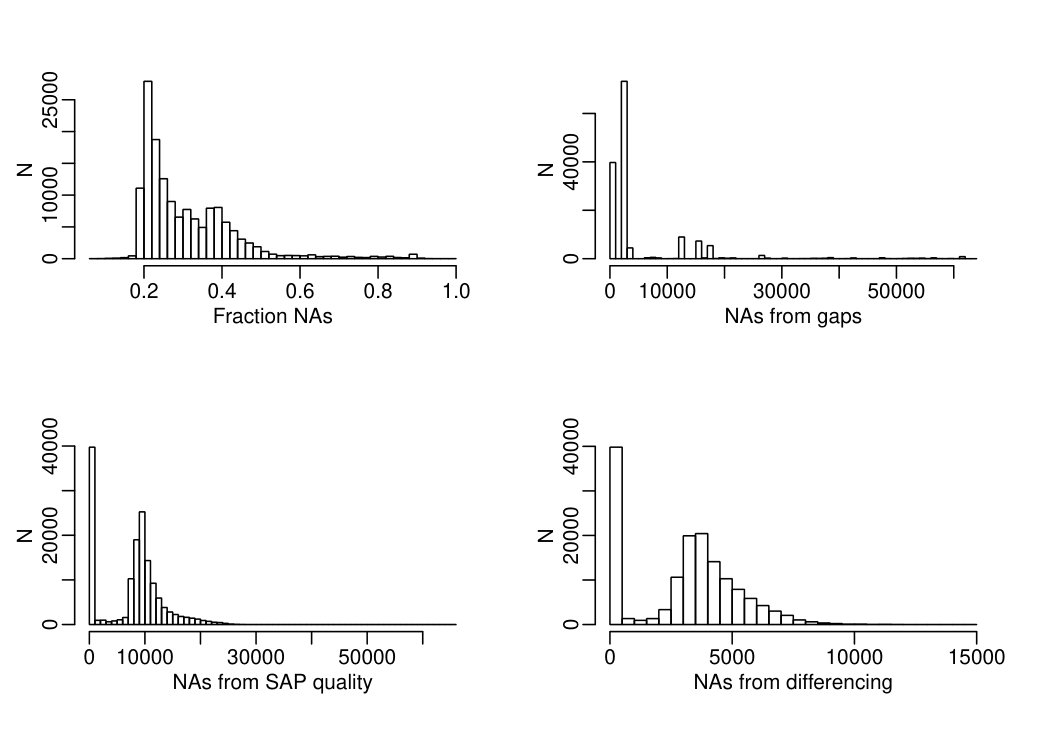 Figure 24
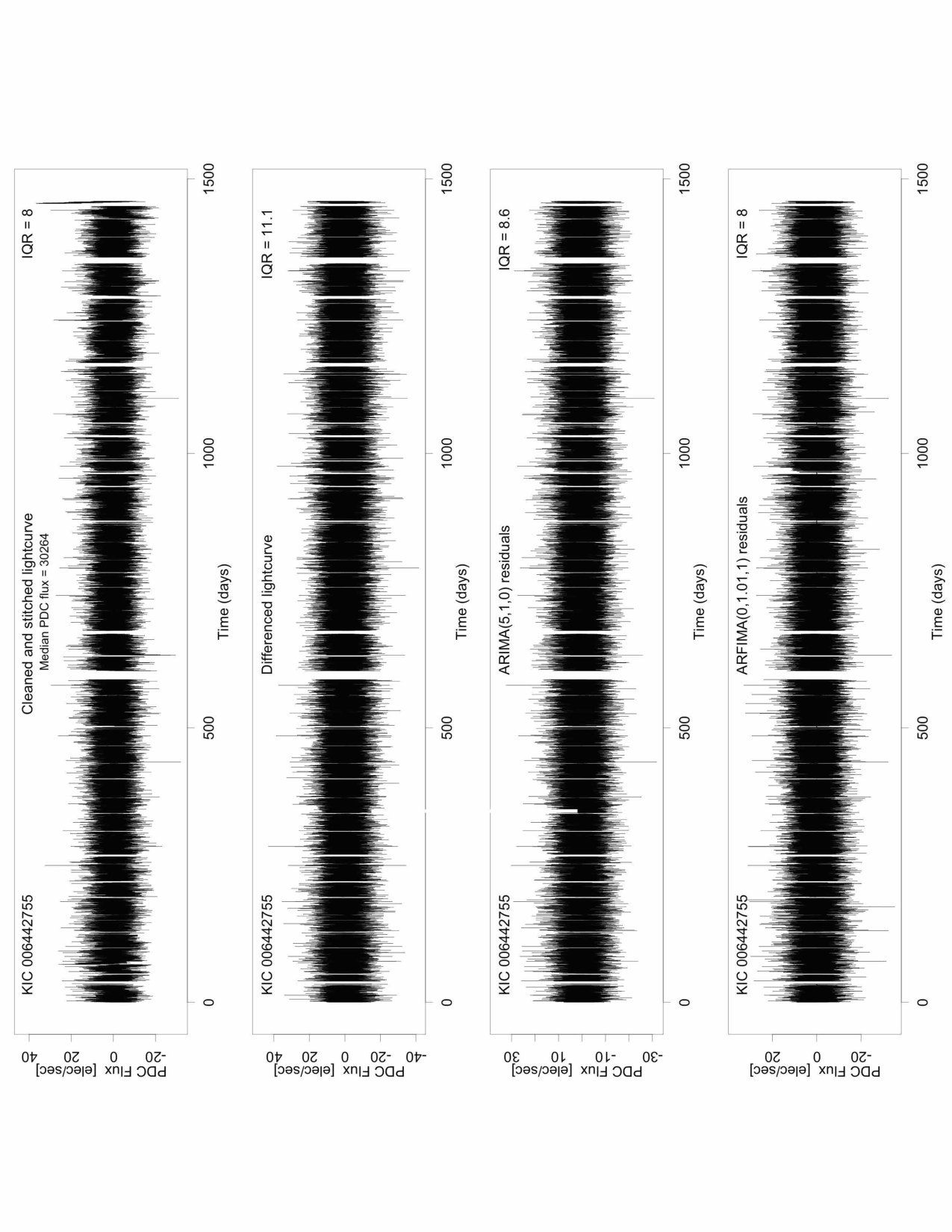 Figure 25
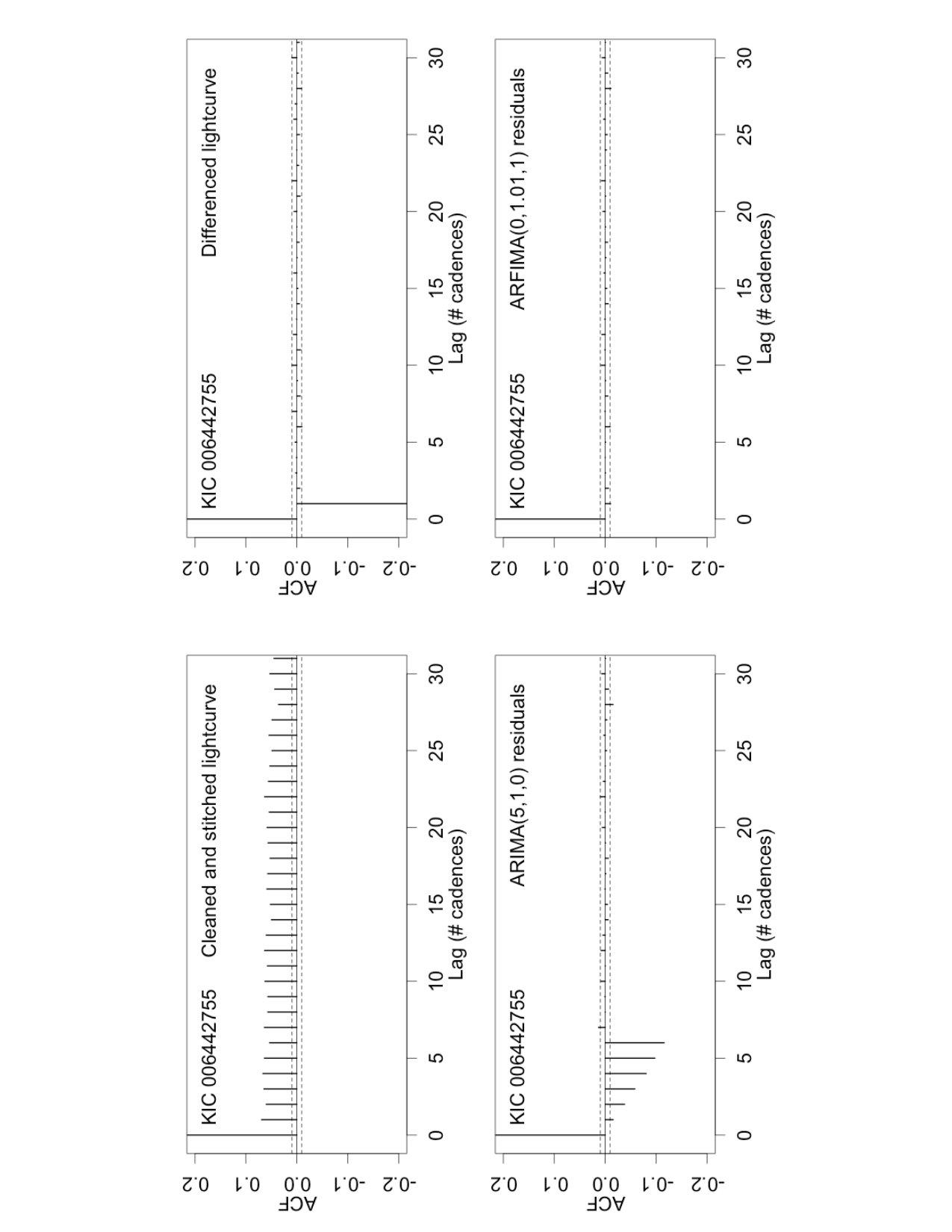 Figure 26
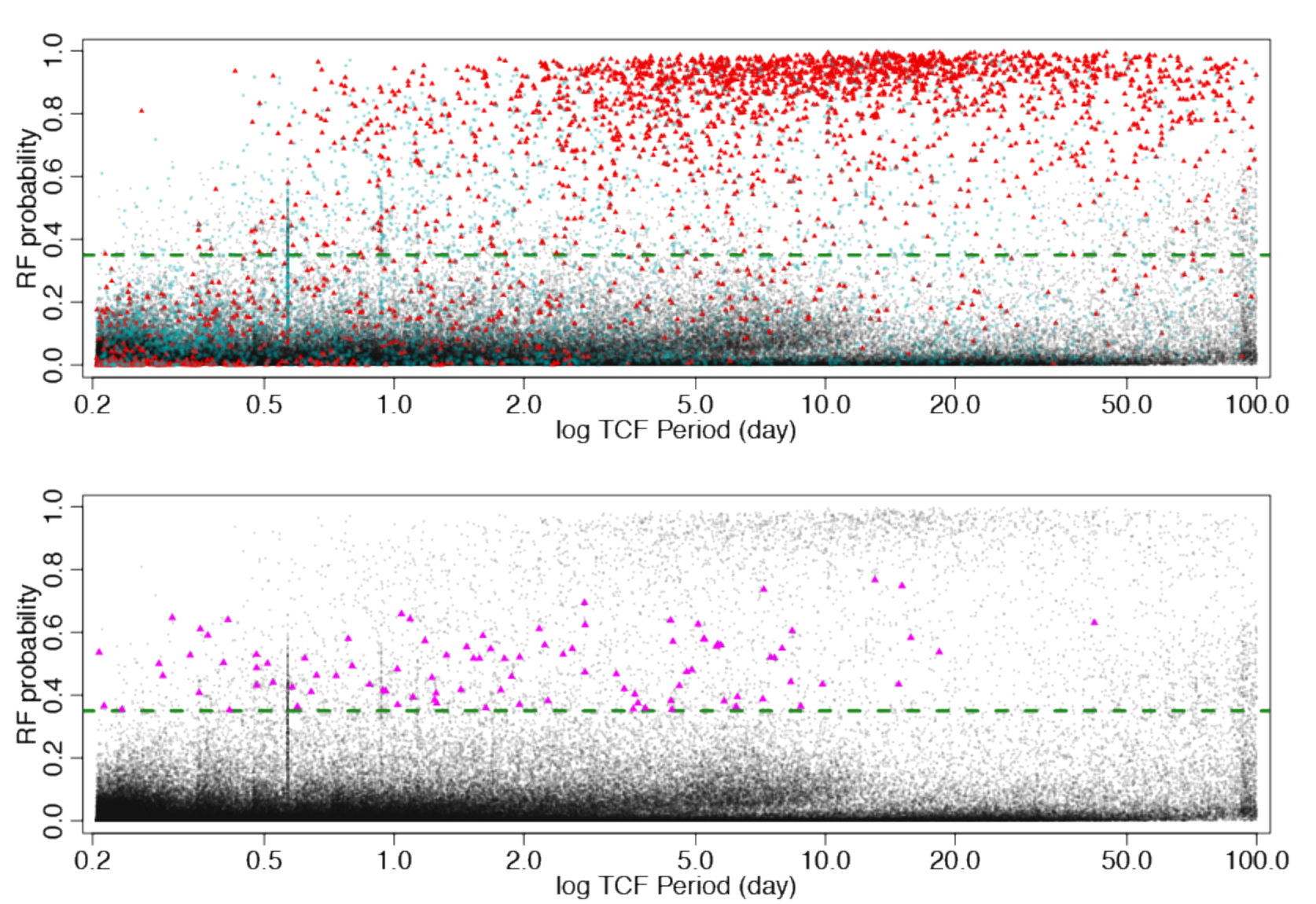 Figure 27
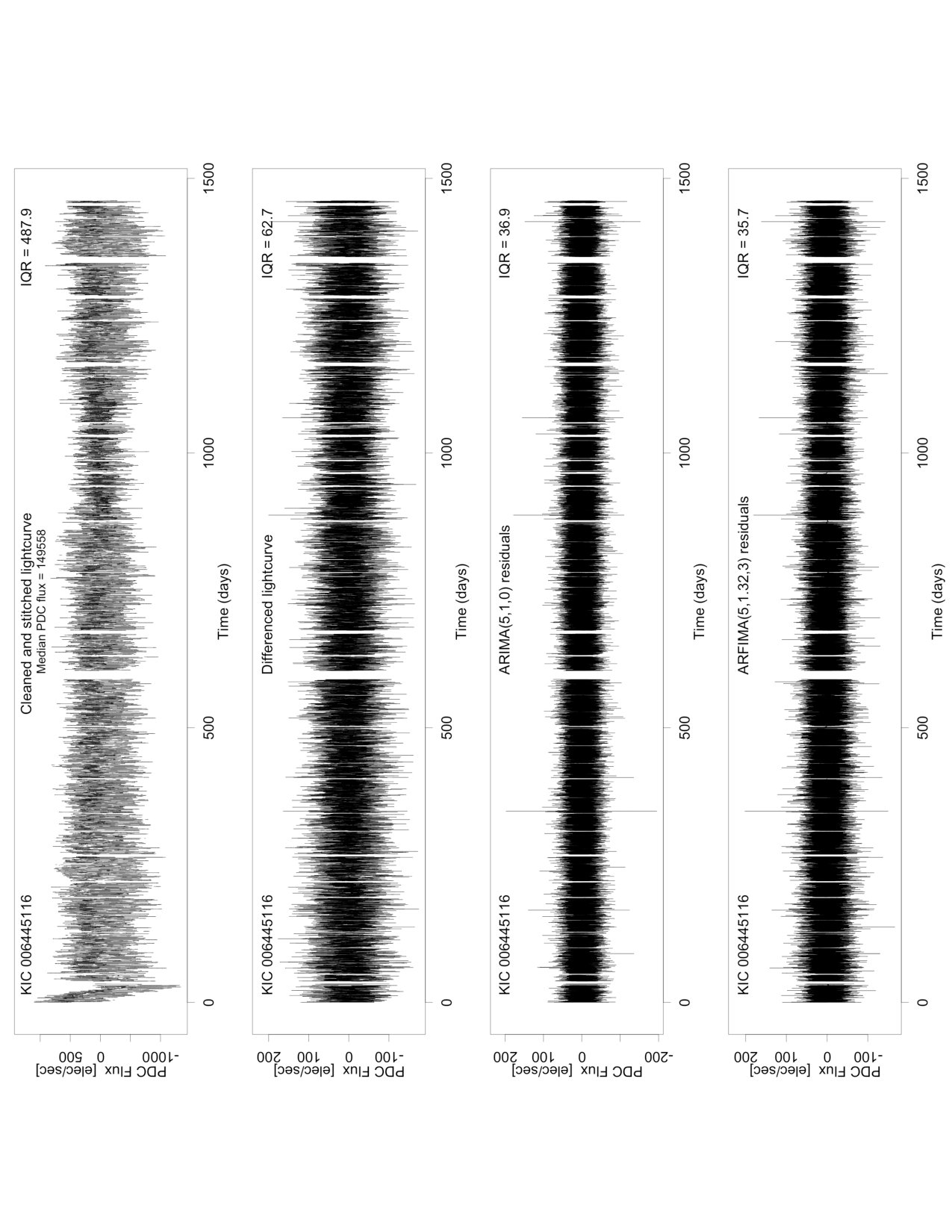 Figure 28
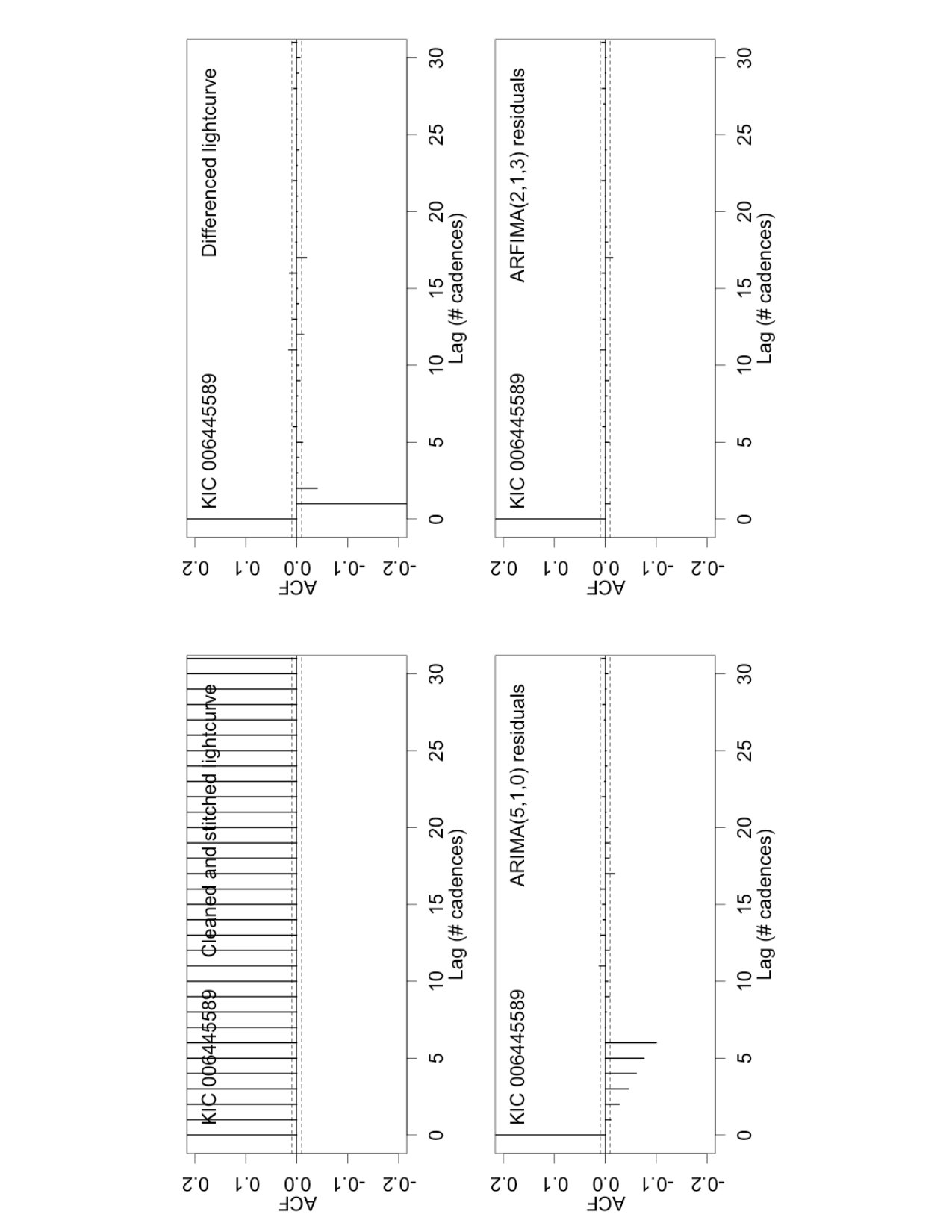 Figure 29
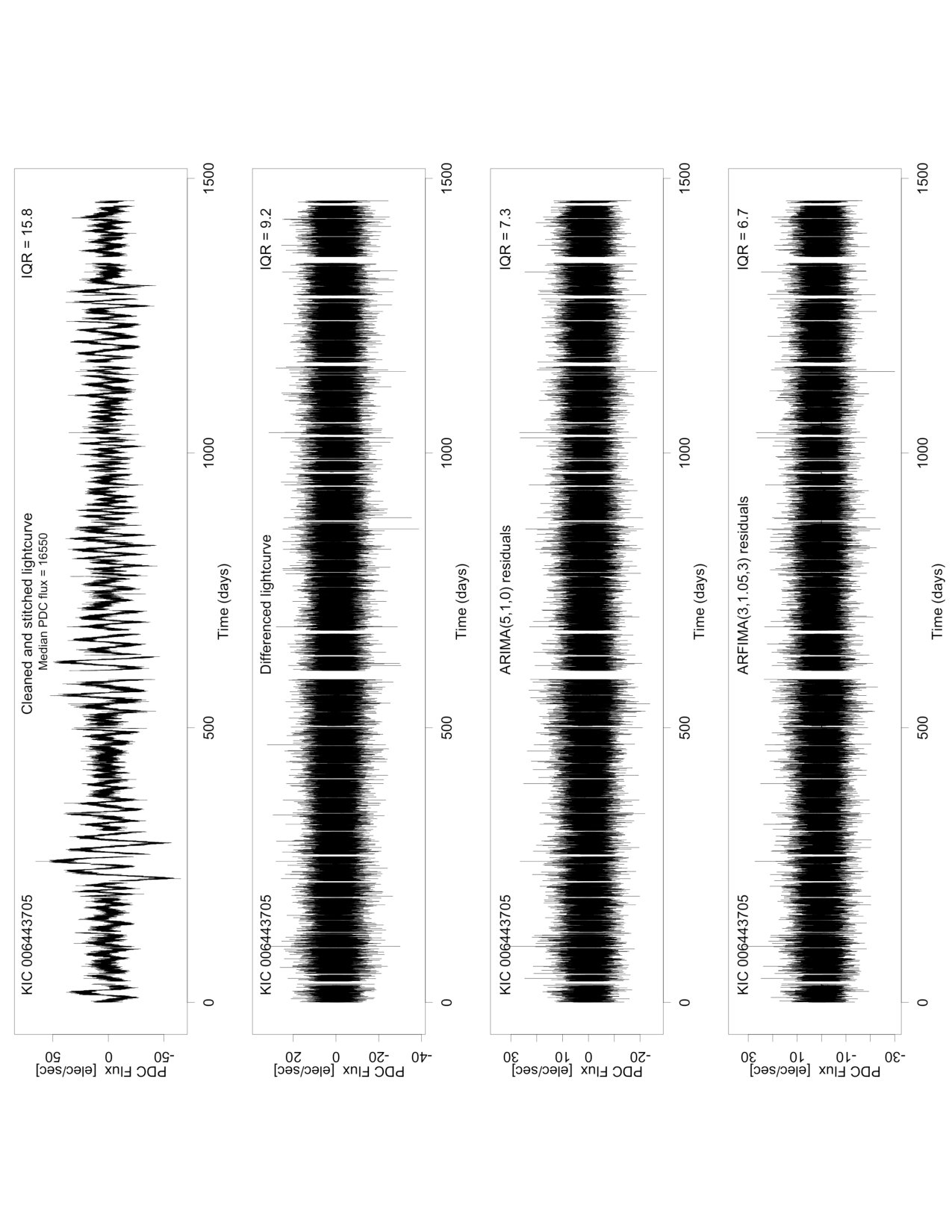 Figure 30
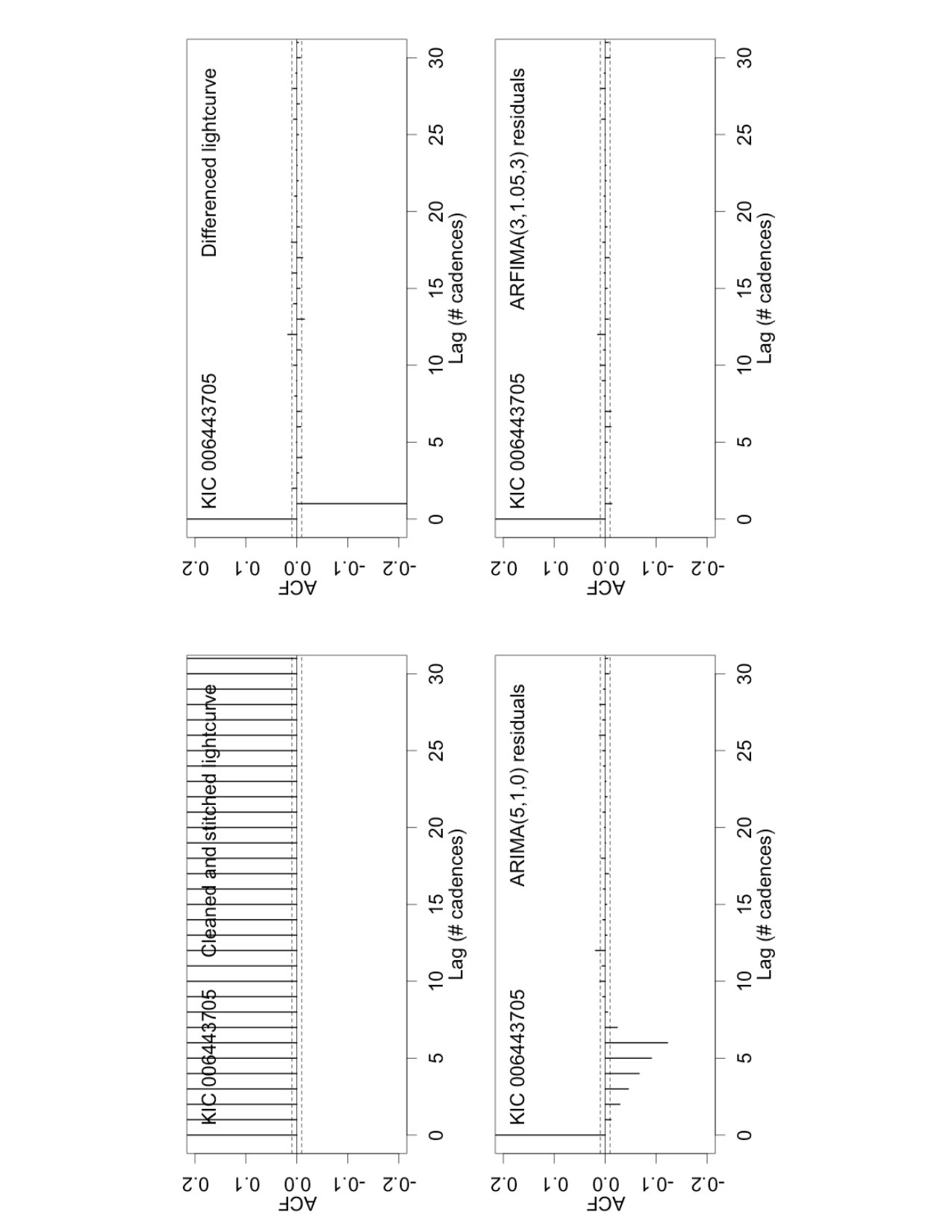 Figure 31
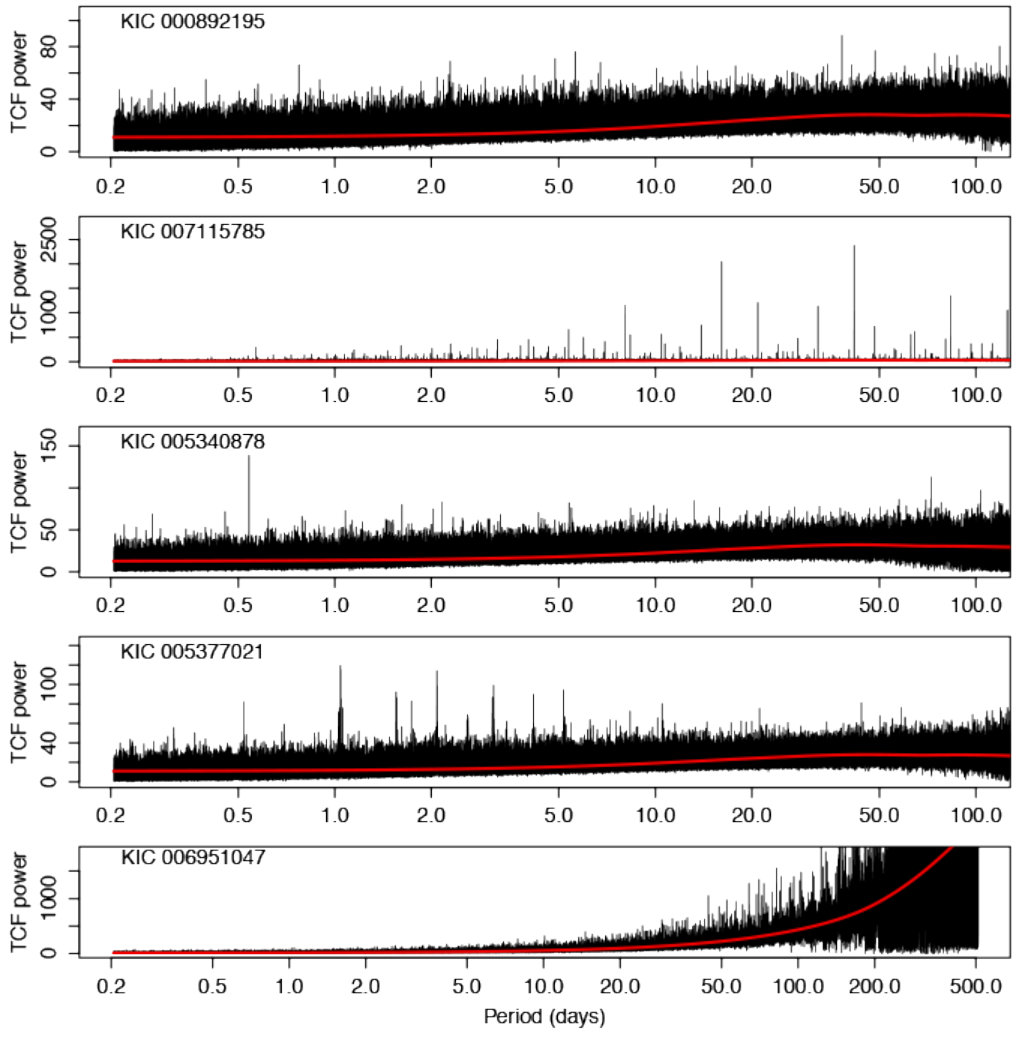 Figure 32
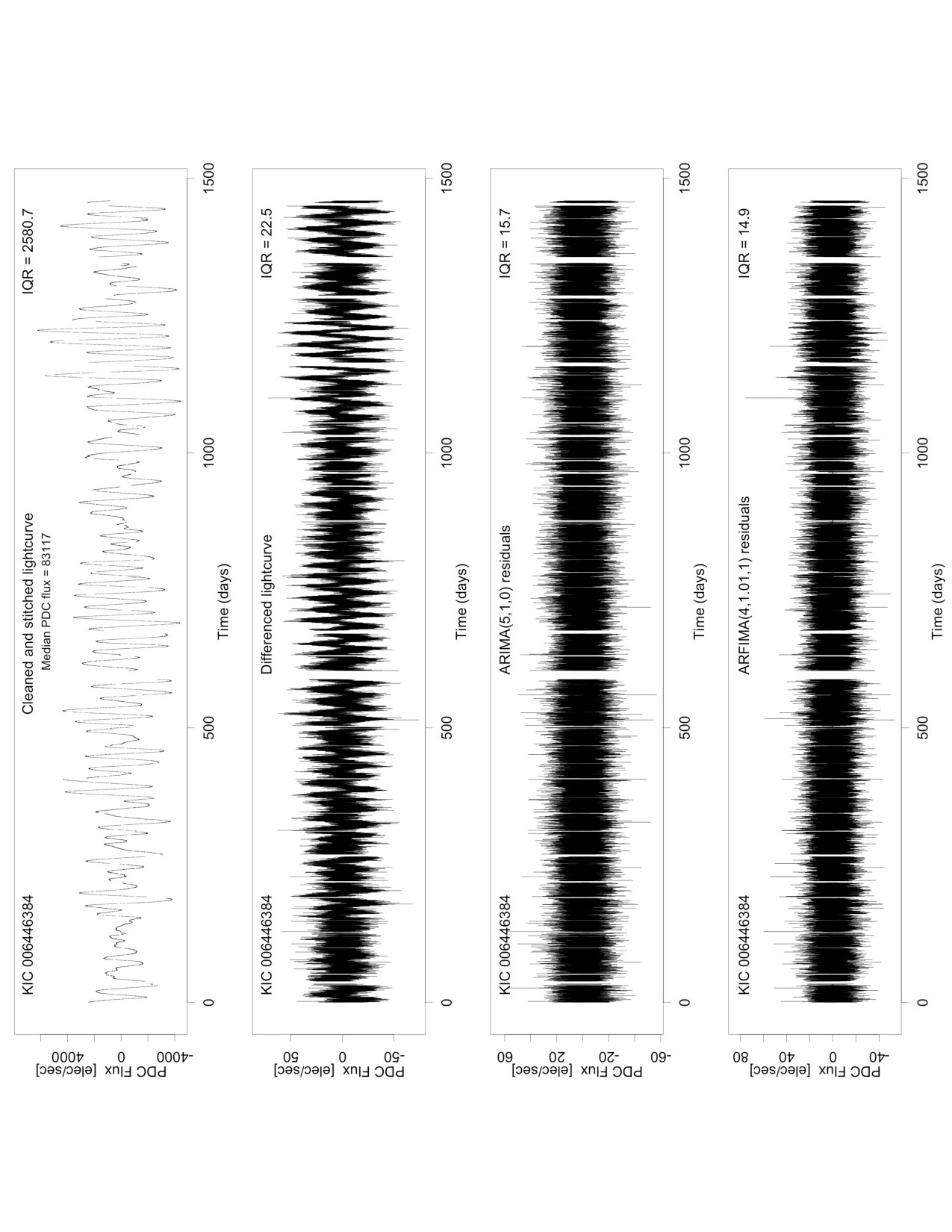 Figure 33
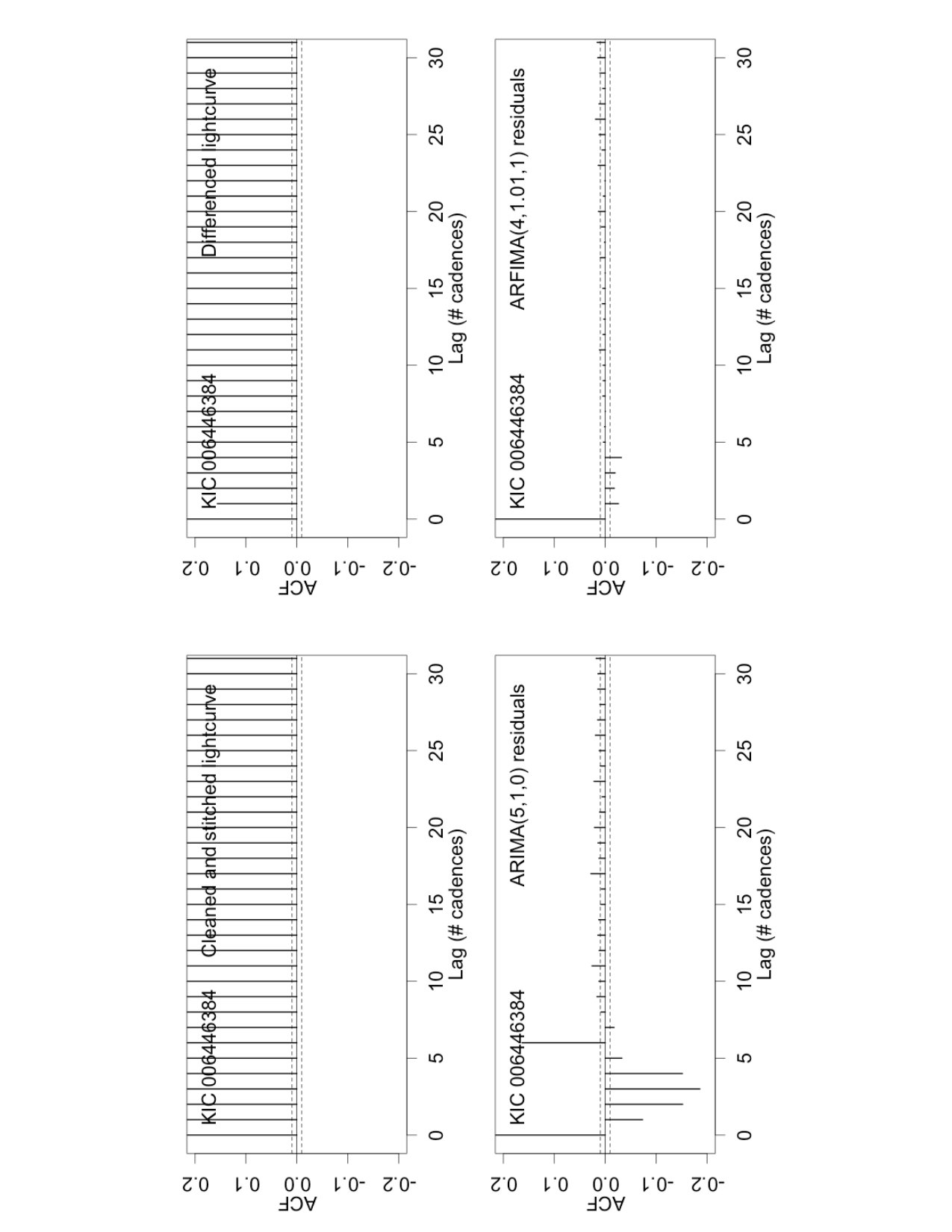 Figure 34
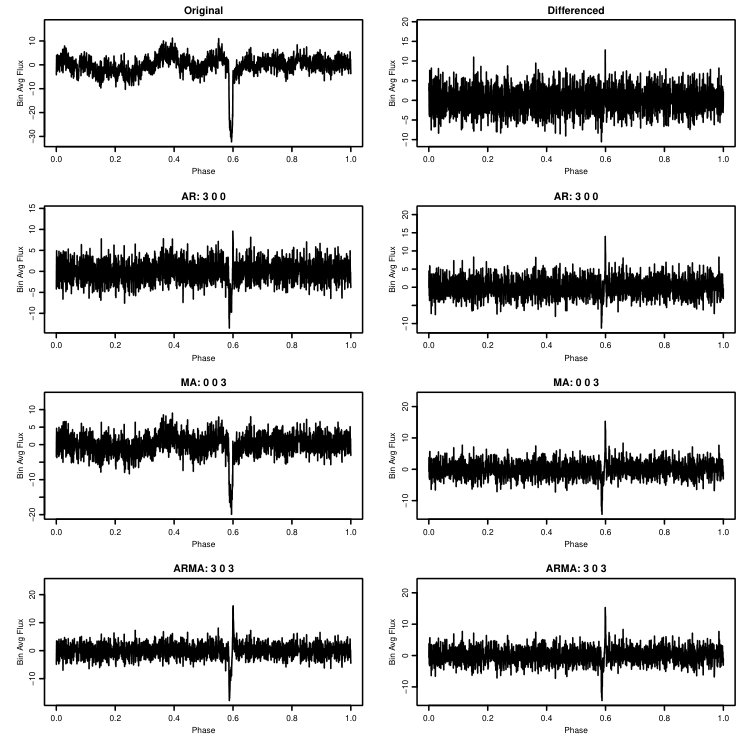 Figure 35
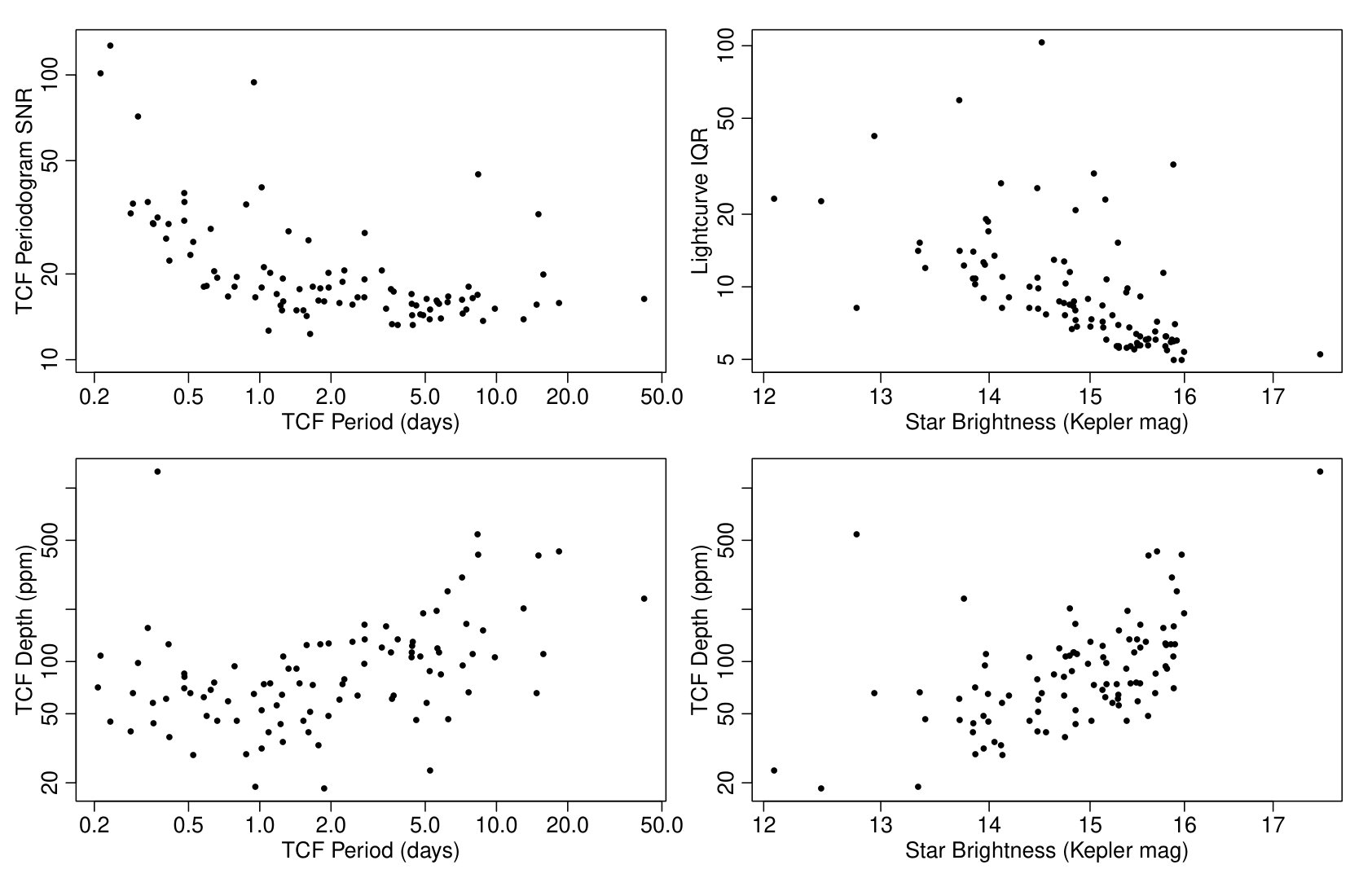 Figure 36
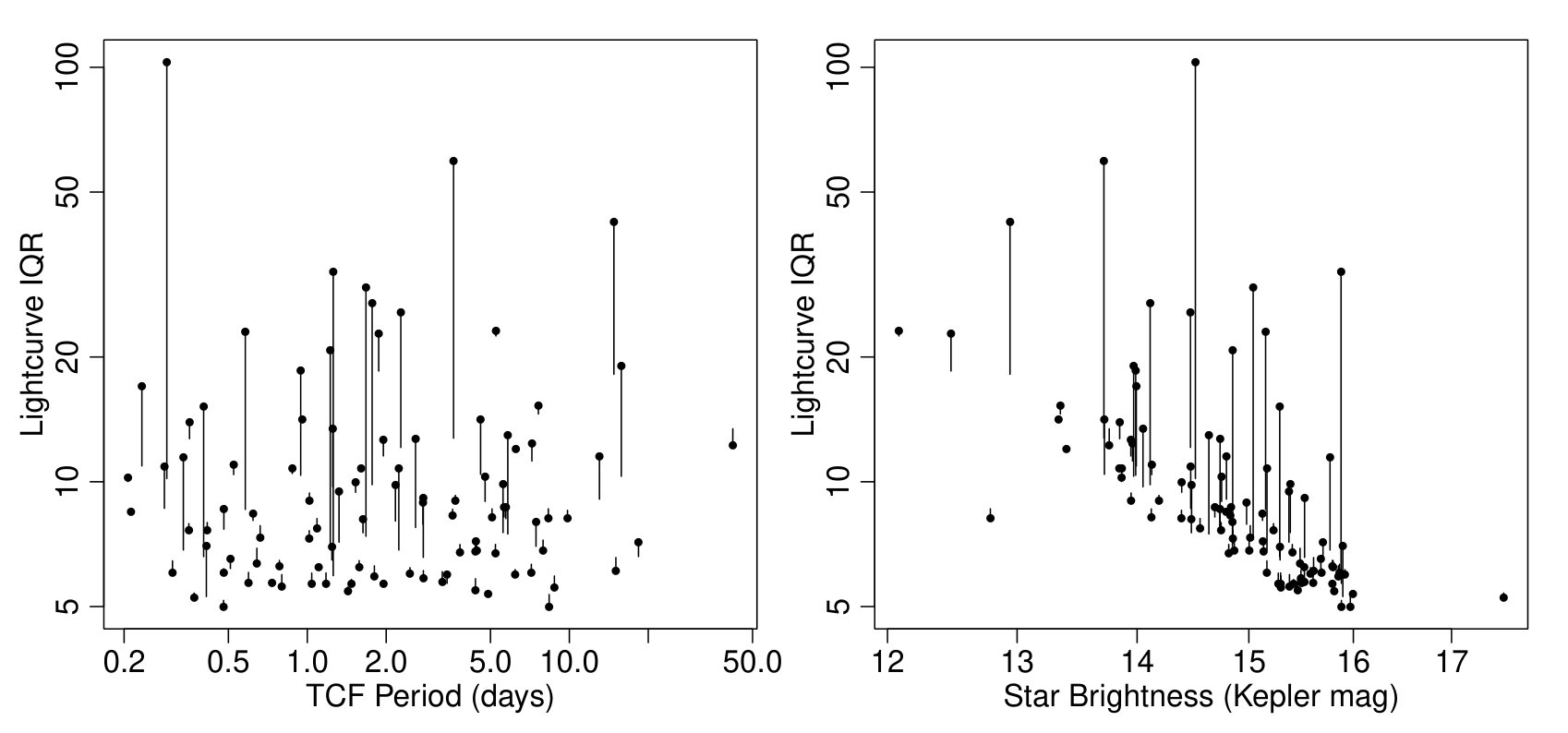 Figure 37
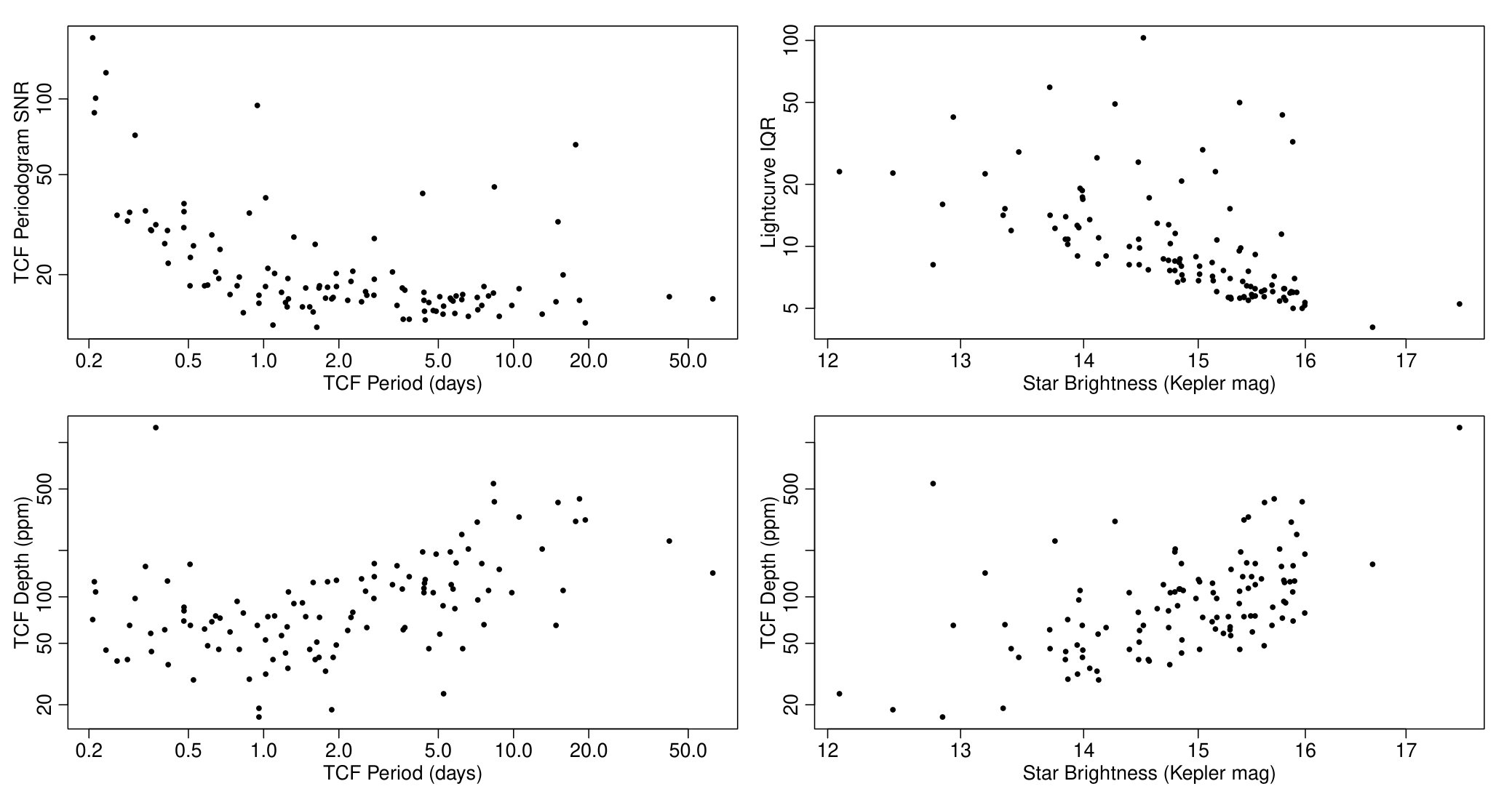 Figure 38
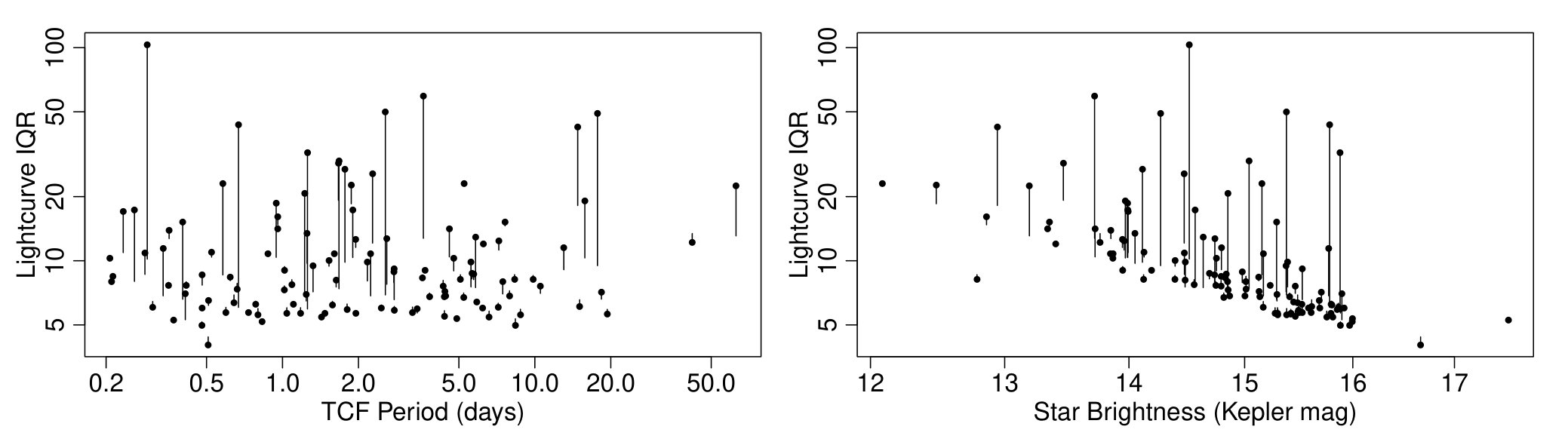 Figure 39
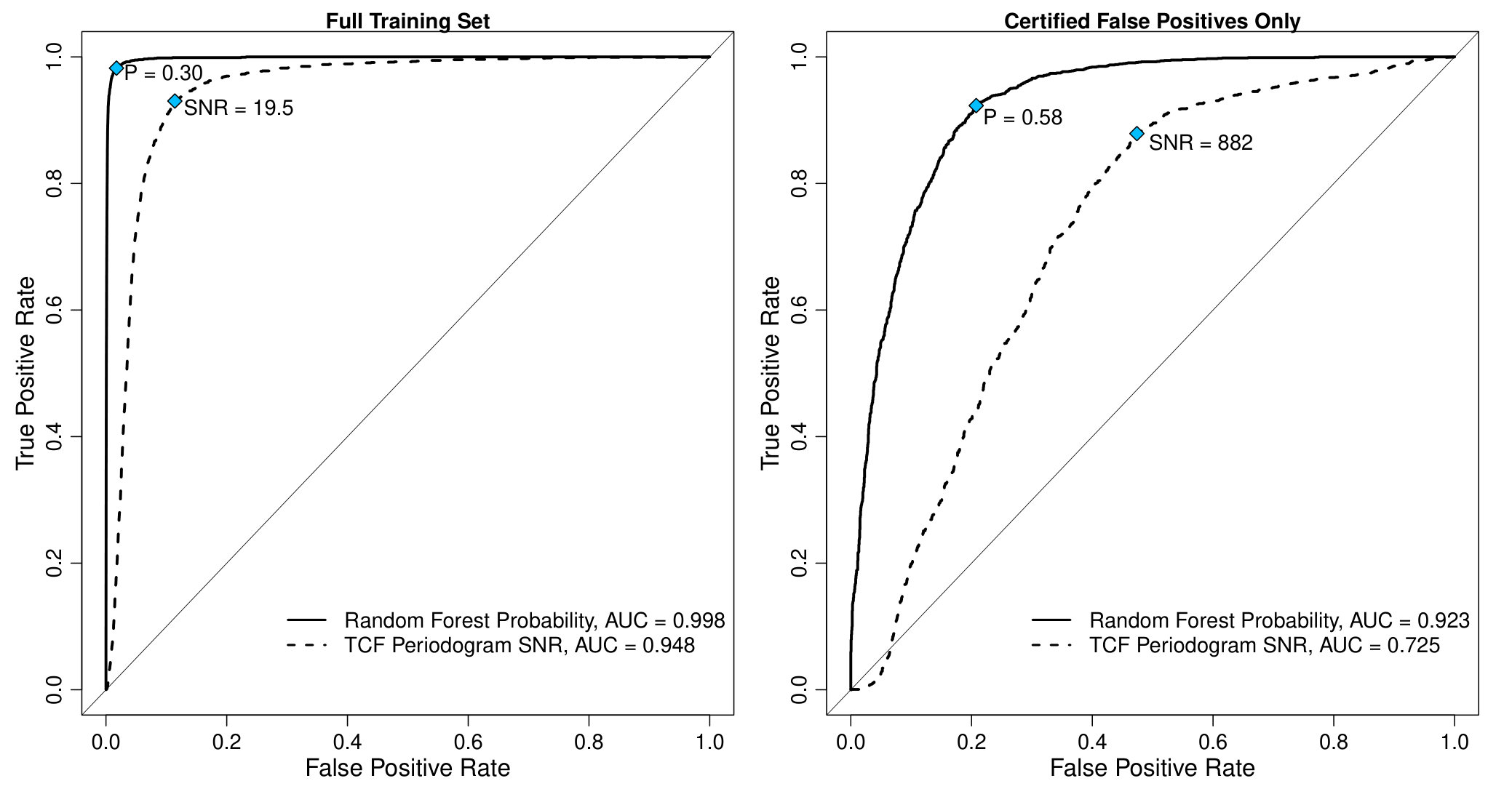 Figure 40
Peer Reviews
No public reviews on file for this paper yet. If you reviewed it on a platform where reviews are public (OpenReview, ICLR, NeurIPS, ICML), you can paste yours below so the community can read it here.
Videos
No videos yet. Explain this paper in a talk, walkthrough, or lecture? Add one.