Hydrodynamics of massless integrable RG flows and a non-equilibrium c-theorem
David X. Horvath

TL;DR
This paper investigates the non-equilibrium hydrodynamics of massless integrable quantum field theories, revealing bounds on energy and momentum densities, and proposing a non-equilibrium c-theorem based on generalized hydrodynamics and transport formalism.
Contribution
It introduces a systematic analysis of massless integrable flows' hydrodynamics, extending results to various models and proposing a non-equilibrium c-theorem with bounds on currents and densities.
Findings
Profiles exhibit extended plateaux in non-equilibrium states.
Dynamical central charge for energy current is monotonic.
Results suggest a general validity of the non-equilibrium c-theorem in integrable models.
Abstract
We study Euler scale hydrodynamics of massless integrable quantum field theories interpolating between two non-trivial renormalisation group fixed points after inhomogeneous quantum quenches. Using a partitioning protocol with left and right initial thermal states and the recently developed framework of generalised hydrodynamics, we focus on current and density profiles for the energy and momentum as a function of \xi = x=t, where both x and t are sent to infinity. Studying the first few members of the An and Dn massless flows we carry out a systematic treatment of these series and generalise our results to other unitary massless models. In our analysis we find that the profiles exhibit extended plateaux and that non-trivial bounds exist for the energy and momentum densities and currents in the non-equilibrium stationary state, i.e. when \xi = 0. To quantify the magnitude of currents…
Click any figure to enlarge with its caption.
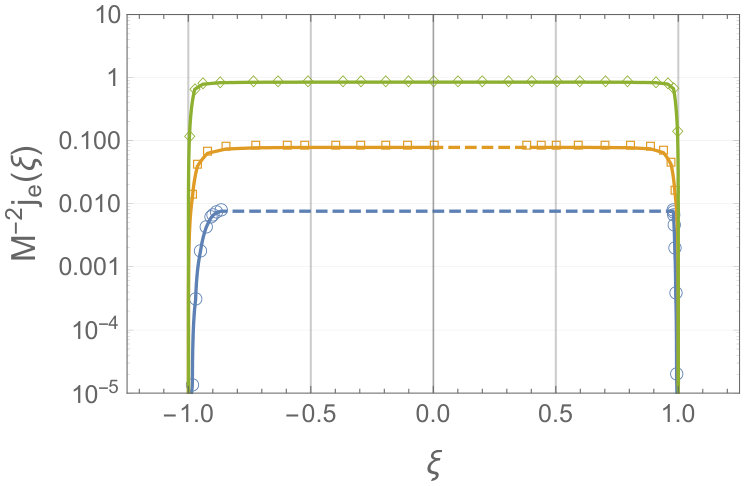 Figure 1
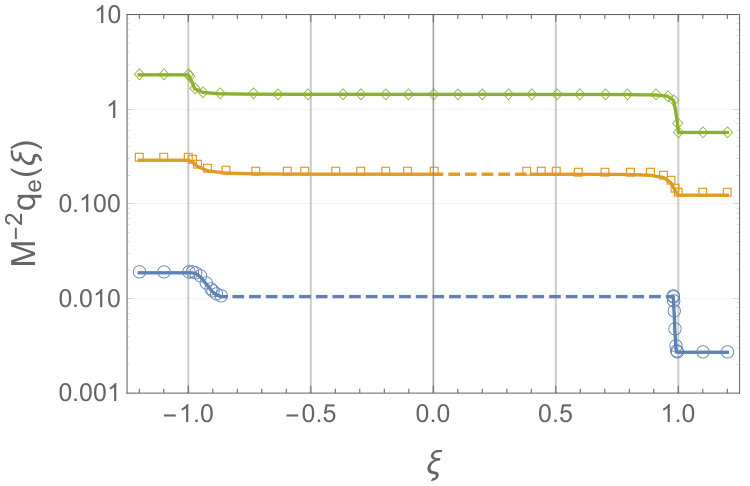 Figure 2
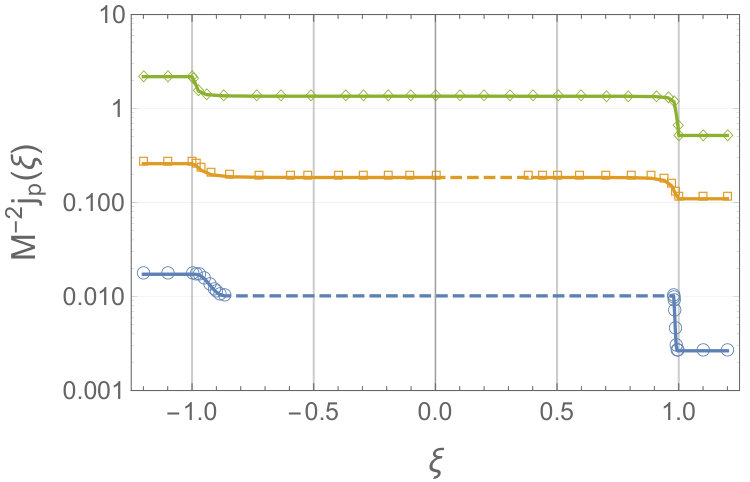 Figure 3
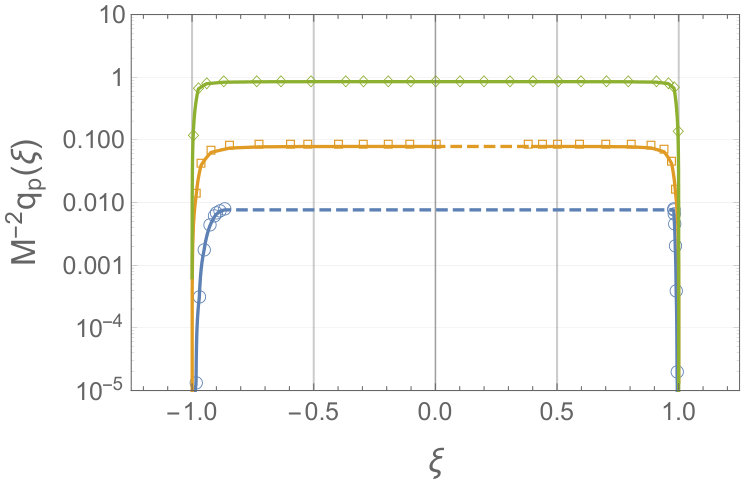 Figure 4
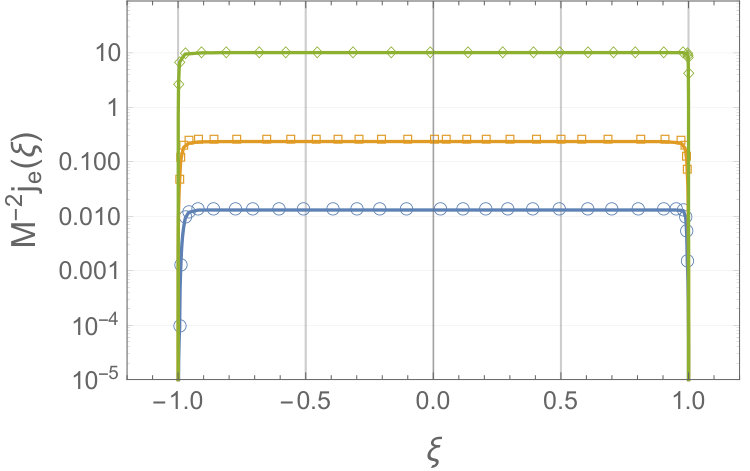 Figure 5
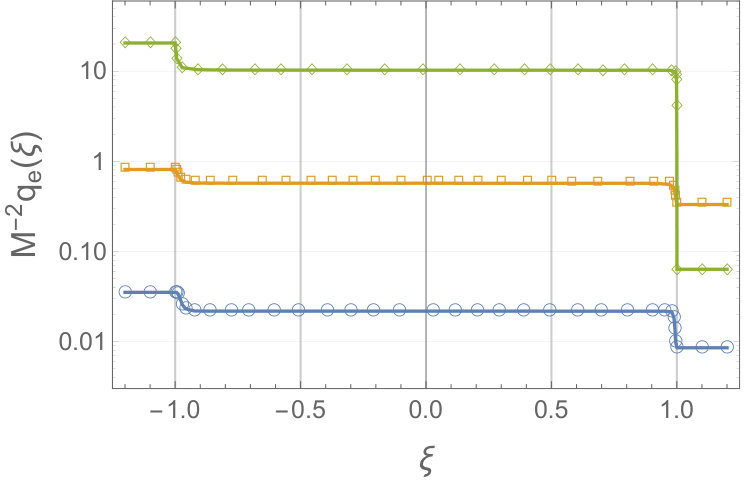 Figure 6
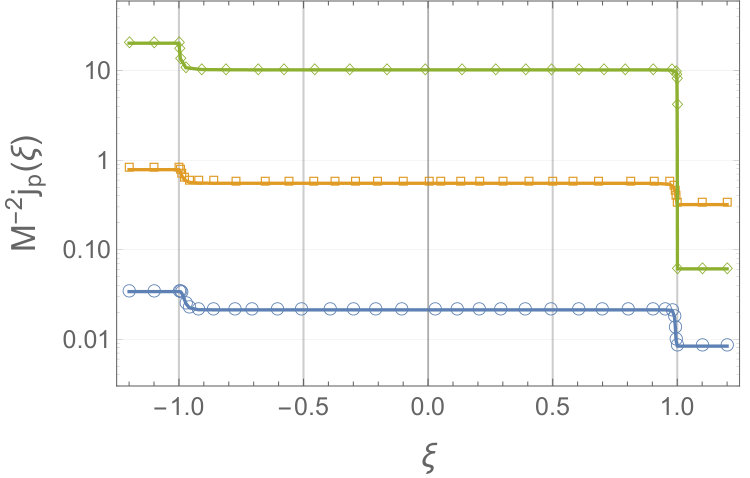 Figure 7
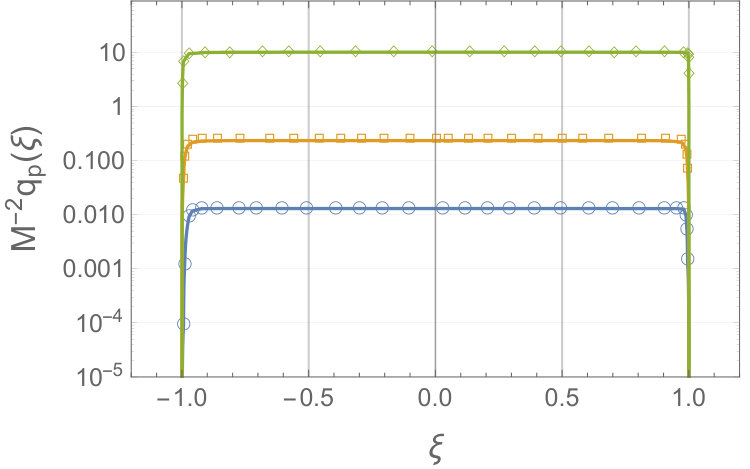 Figure 8
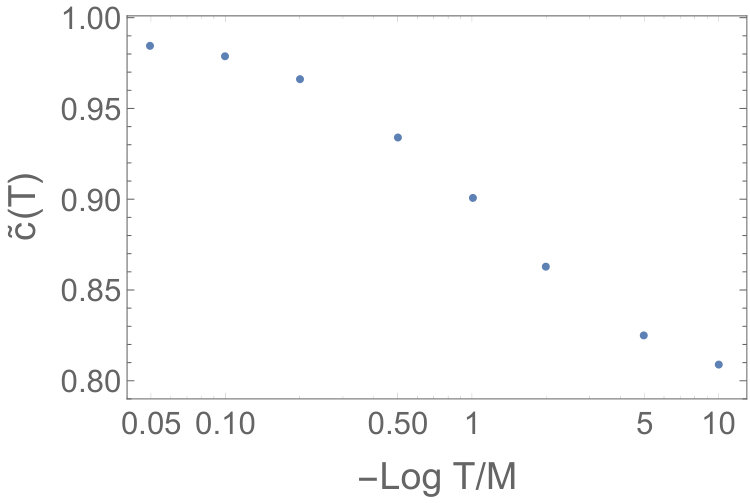 Figure 9
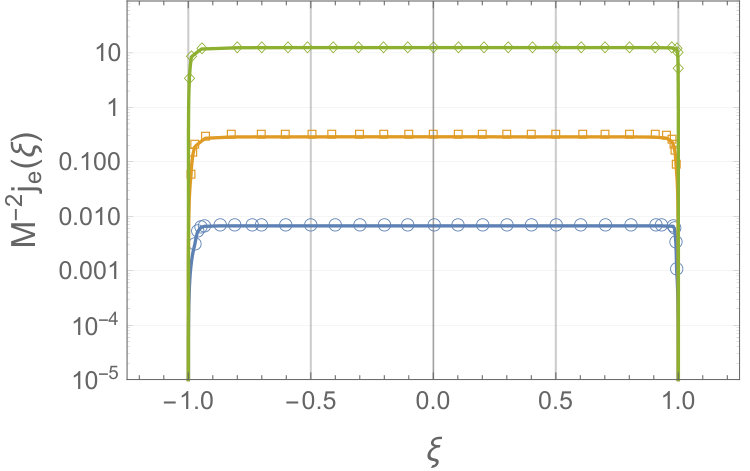 Figure 10
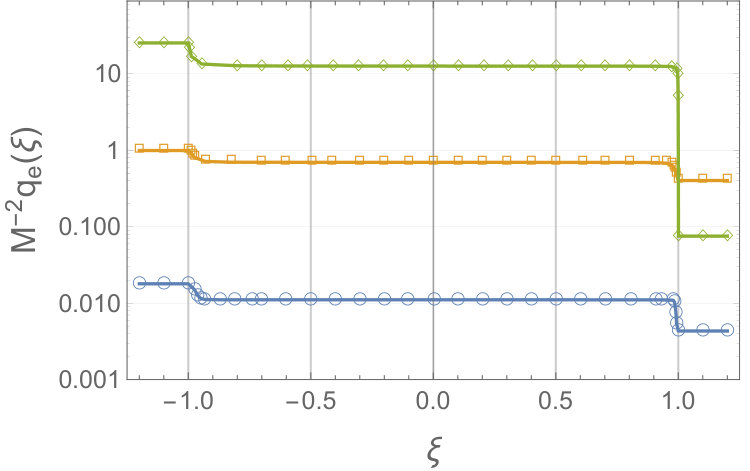 Figure 11
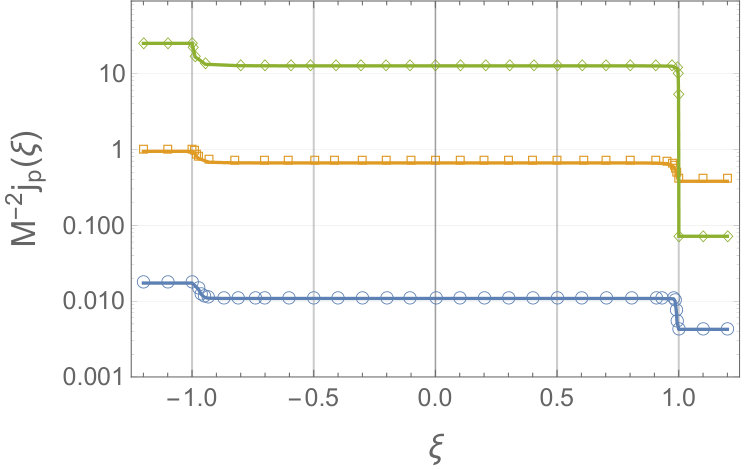 Figure 12
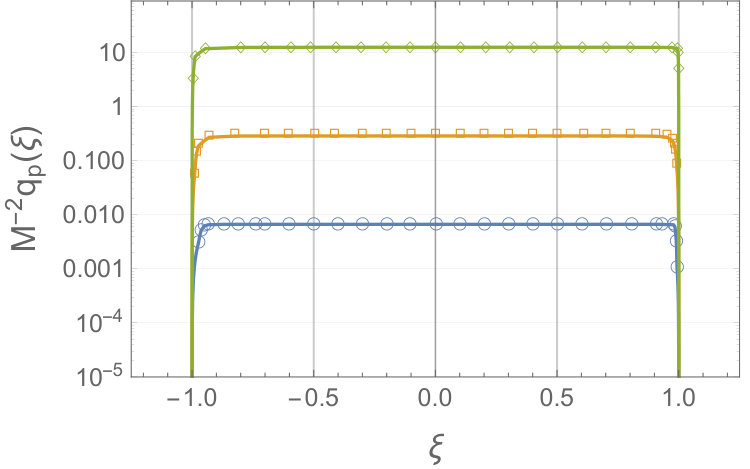 Figure 13
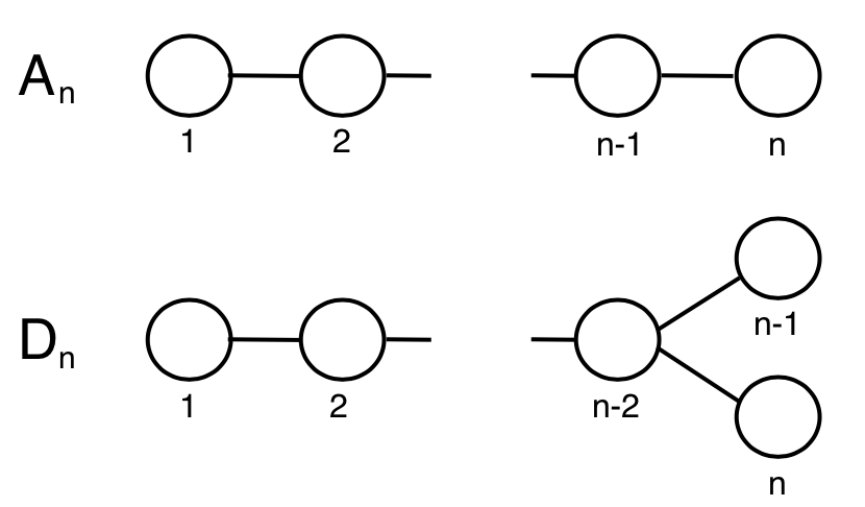 Figure 14
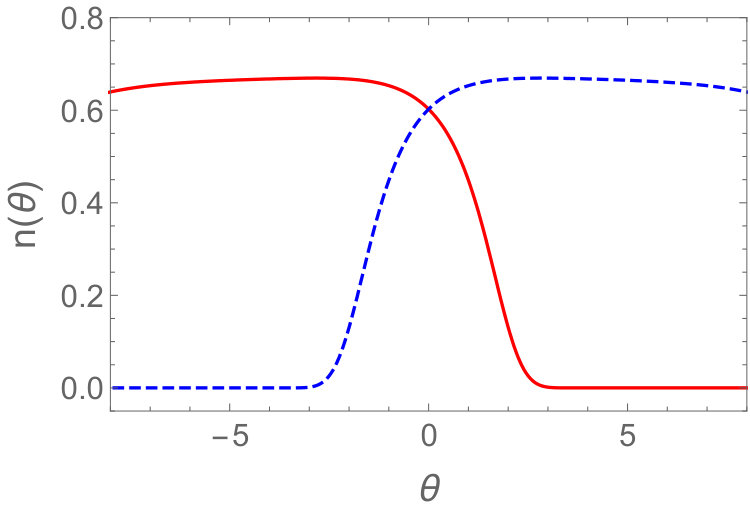 Figure 15
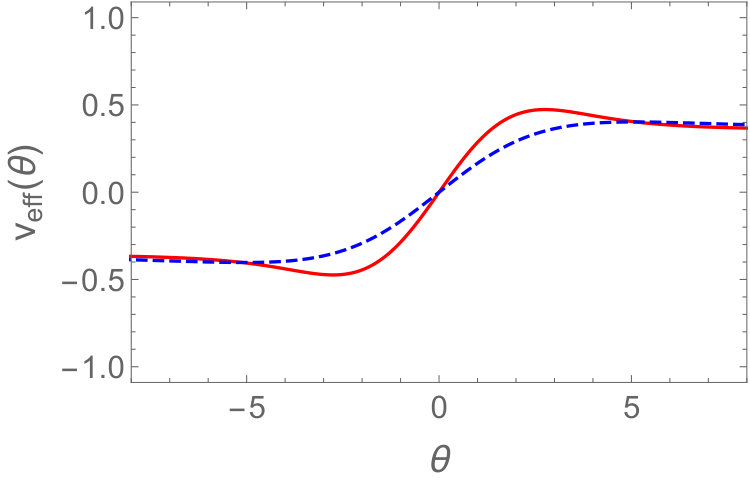 Figure 16
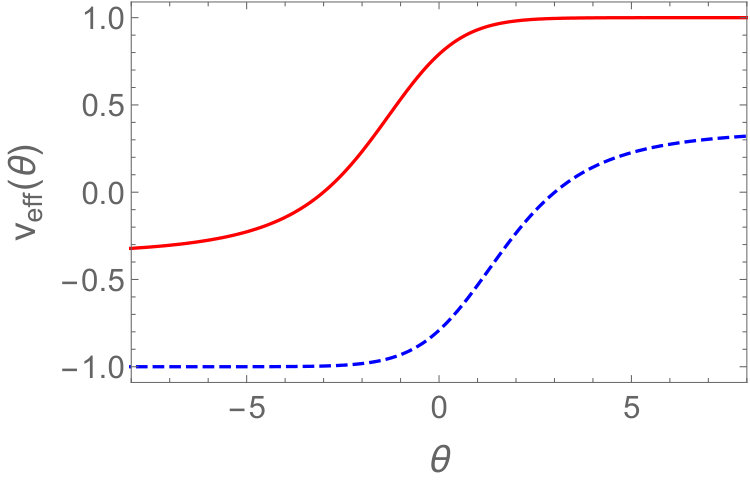 Figure 17
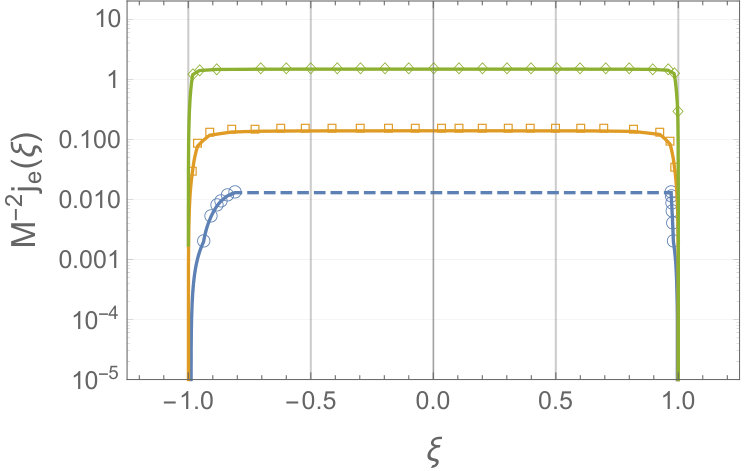 Figure 18
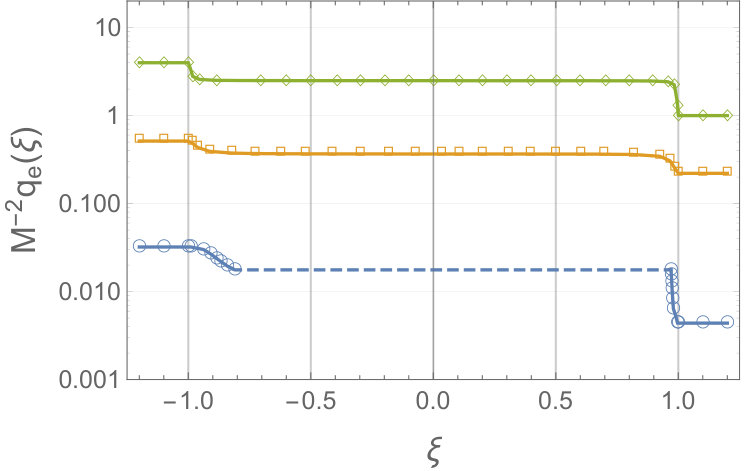 Figure 19
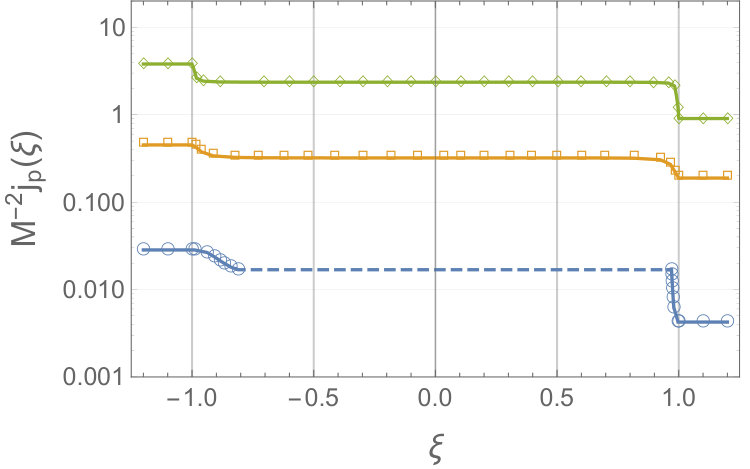 Figure 20
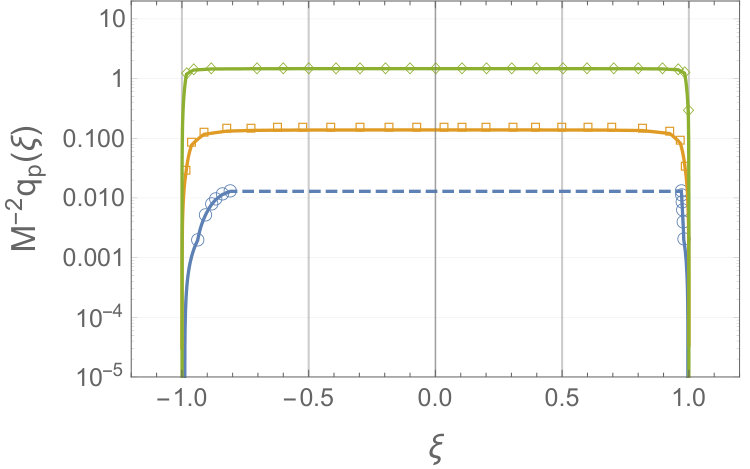 Figure 21
Peer Reviews
No public reviews on file for this paper yet. If you reviewed it on a platform where reviews are public (OpenReview, ICLR, NeurIPS, ICML), you can paste yours below so the community can read it here.
Videos
No videos yet. Explain this paper in a talk, walkthrough, or lecture? Add one.