Verification Artifacts in Cooperative Verification: Survey and Unifying Component Framework
Dirk Beyer, Heike Wehrheim

TL;DR
This paper surveys cooperative verification approaches, emphasizing the role of exchangeable verification artifacts, and introduces a formal, unified framework to define their semantics, enhancing the integration of diverse verification techniques.
Contribution
It provides a comprehensive overview of cooperative verification methods and formalizes verification artifacts with a unified semantics framework.
Findings
Formalization of verification artifacts with precise semantics
Unified component framework for cooperative verification
Enhanced integration of diverse verification techniques
Abstract
The goal of cooperative verification is to combine verification approaches in such a way that they work together to verify a system model. In particular, cooperative verifiers provide exchangeable information (verification artifacts) to other verifiers or consume such information from other verifiers with the goal of increasing the overall effectiveness and efficiency of the verification process. This paper first gives an overview over approaches for leveraging strengths of different techniques, algorithms, and tools in order to increase the power and abilities of the state of the art in software verification. Second, we specifically outline cooperative verification approaches and discuss their employed verification artifacts. We formalize all artifacts in a uniform way, thereby fixing their semantics and providing verifiers with a precise meaning of the exchanged information.
Click any figure to enlarge with its caption.
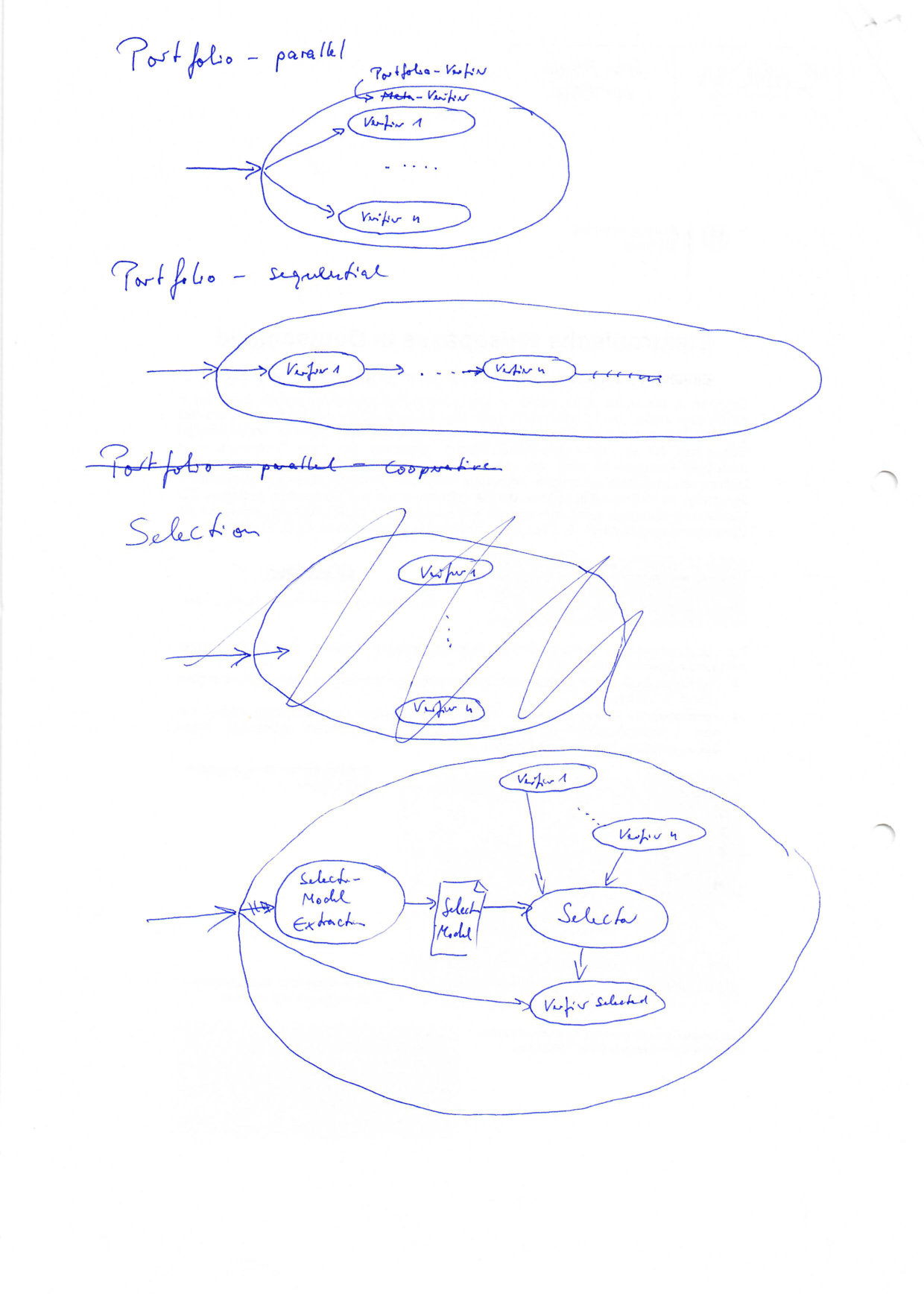 Figure 1
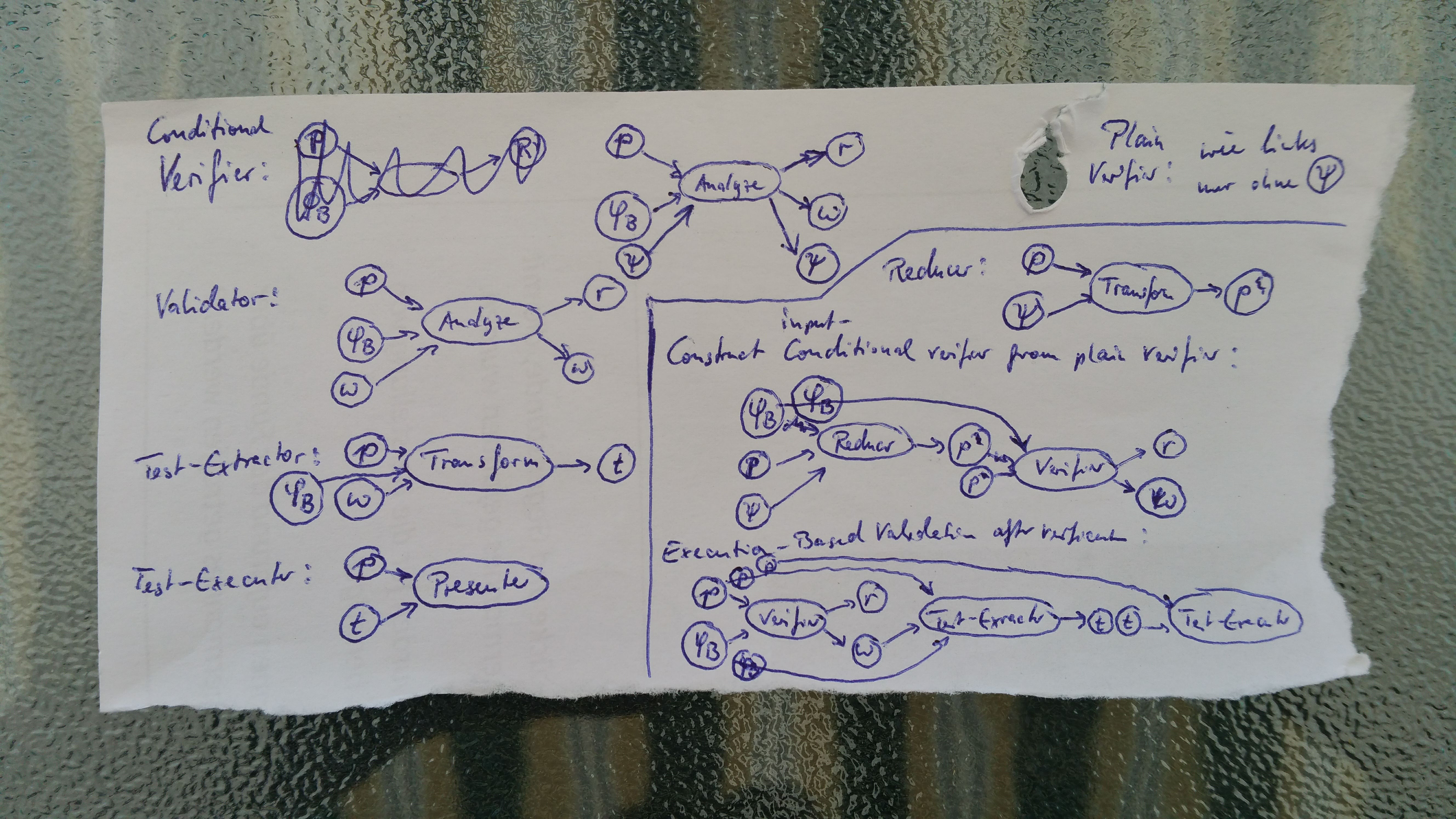 Figure 2
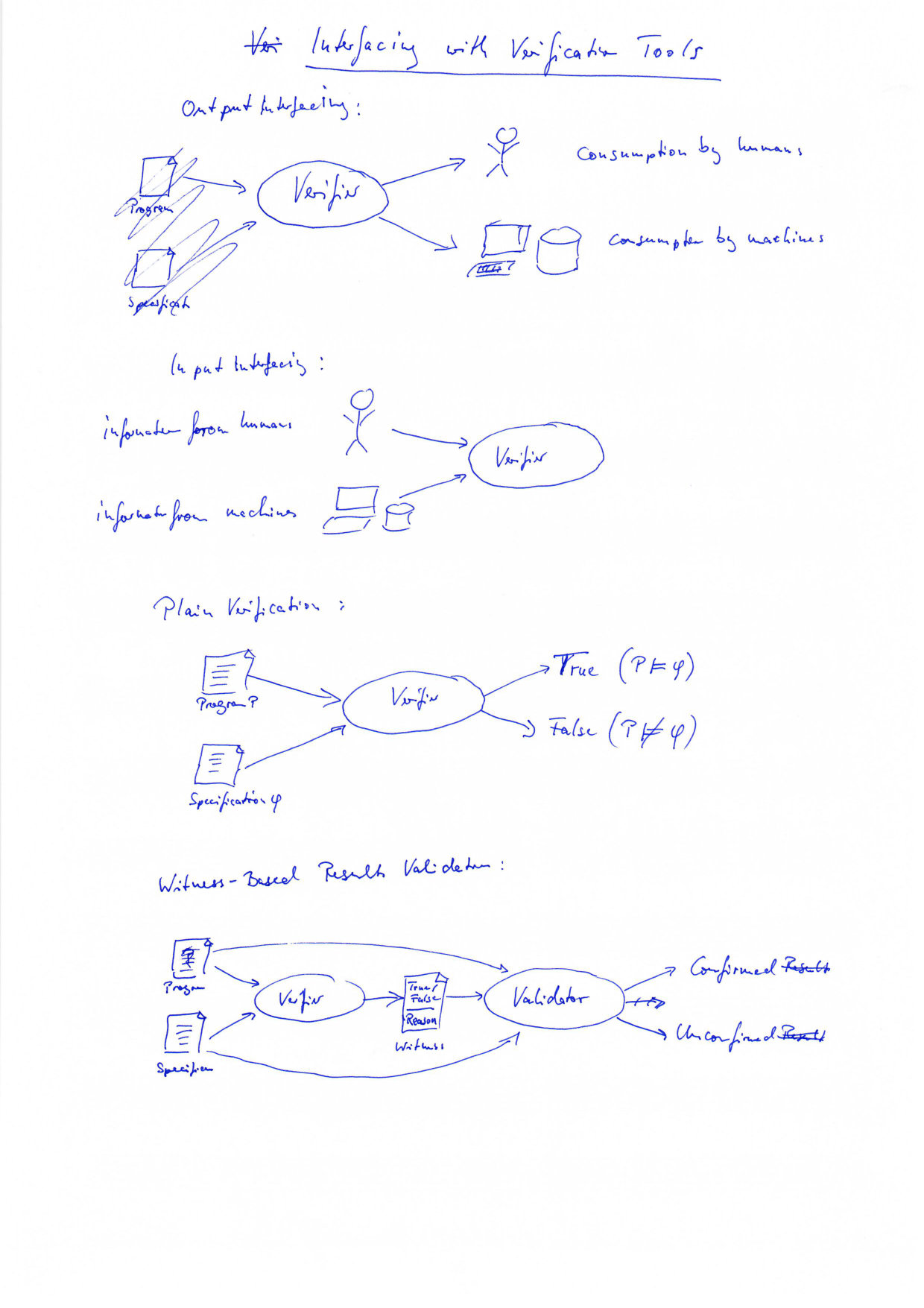 Figure 3
 Figure 4
 Figure 5
Peer Reviews
No public reviews on file for this paper yet. If you reviewed it on a platform where reviews are public (OpenReview, ICLR, NeurIPS, ICML), you can paste yours below so the community can read it here.
Videos
No videos yet. Explain this paper in a talk, walkthrough, or lecture? Add one.