A Perspective on Conventional High-Temperature Superconductors at High Pressure: Methods and Materials
Jos\'e A. Flores-Livas, Lilia Boeri, Antonio Sanna, Gianni Profeta,, Ryotaro Arita, Mikhail Eremets

TL;DR
This paper reviews recent advances in experimental, theoretical, and computational methods that led to the discovery of high-temperature superconductivity in hydrogen-rich materials under high pressure, highlighting trends and future strategies.
Contribution
It provides a comprehensive overview of methodologies and results in superconducting hydrides, emphasizing the synergy that enabled breakthroughs in room-temperature superconductivity.
Findings
Hydrogen-rich materials like H₃S and LaH₁₀ exhibit superconductivity at megabar pressures.
Conventional electron-phonon coupling explains superconductivity in these compounds.
Empirical rules and trends in electronic structure influence superconductivity in hydrides.
Abstract
Two hydrogen-rich materials, HS and LaH, synthesized at megabar pressures, have revolutionized the field of condensed matter physics providing the first glimpse to the solution of the hundred-year-old problem of room temperature superconductivity. The mechanism underlying superconductivity in these exceptional compounds is the conventional electron-phonon coupling. Here we describe recent advances in experimental techniques, superconductivity theory and first-principles computational methods which have made possible these discoveries. This work aims to provide an up-to-date compendium of the available results on superconducting hydrides and explain how the synergy of different methodologies led to extraordinary discoveries in the field. Besides, in an attempt to evidence empirical rules governing superconductivity in binary hydrides under pressure, we discuss general trends…
Click any figure to enlarge with its caption.
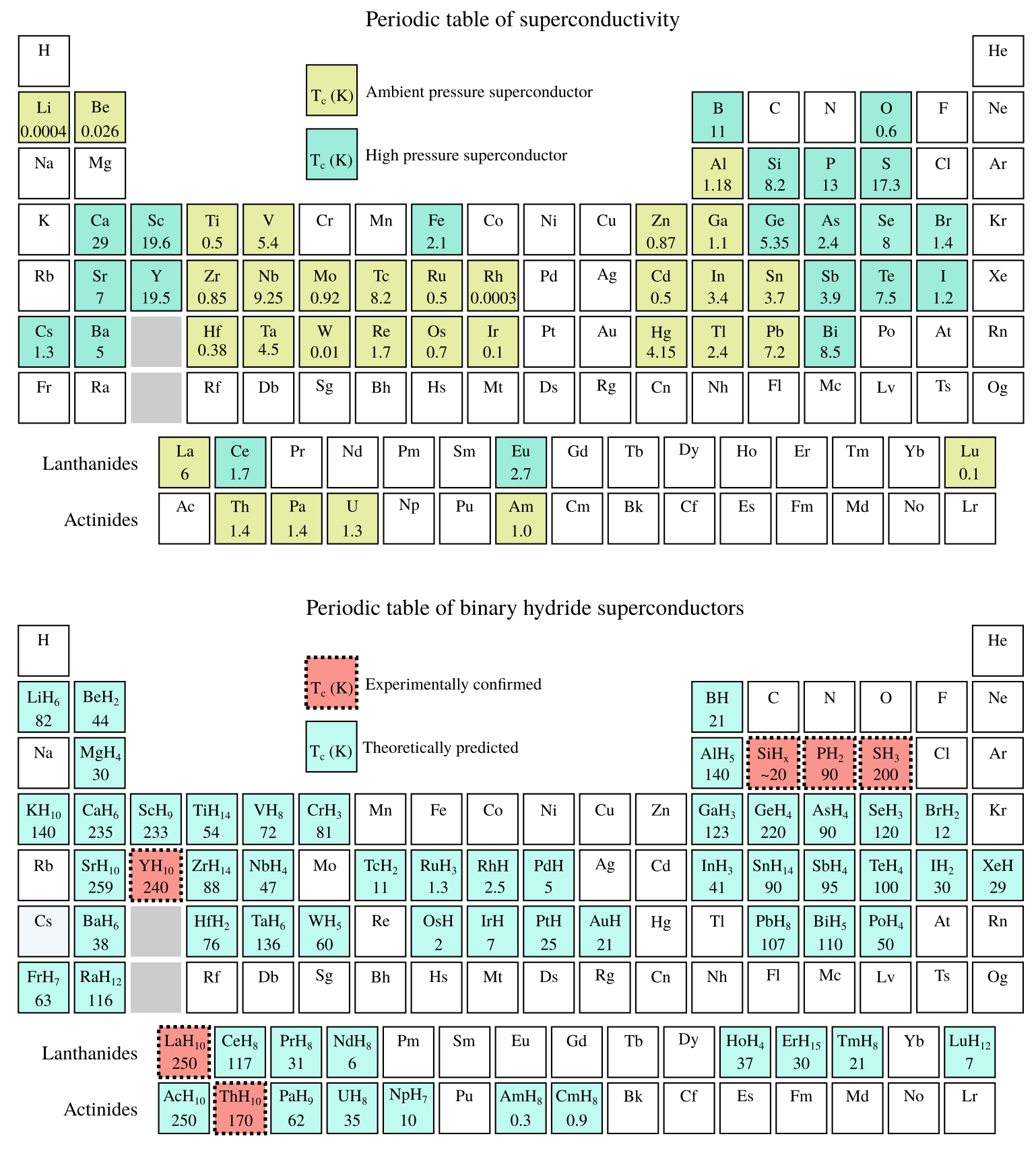 Figure 1
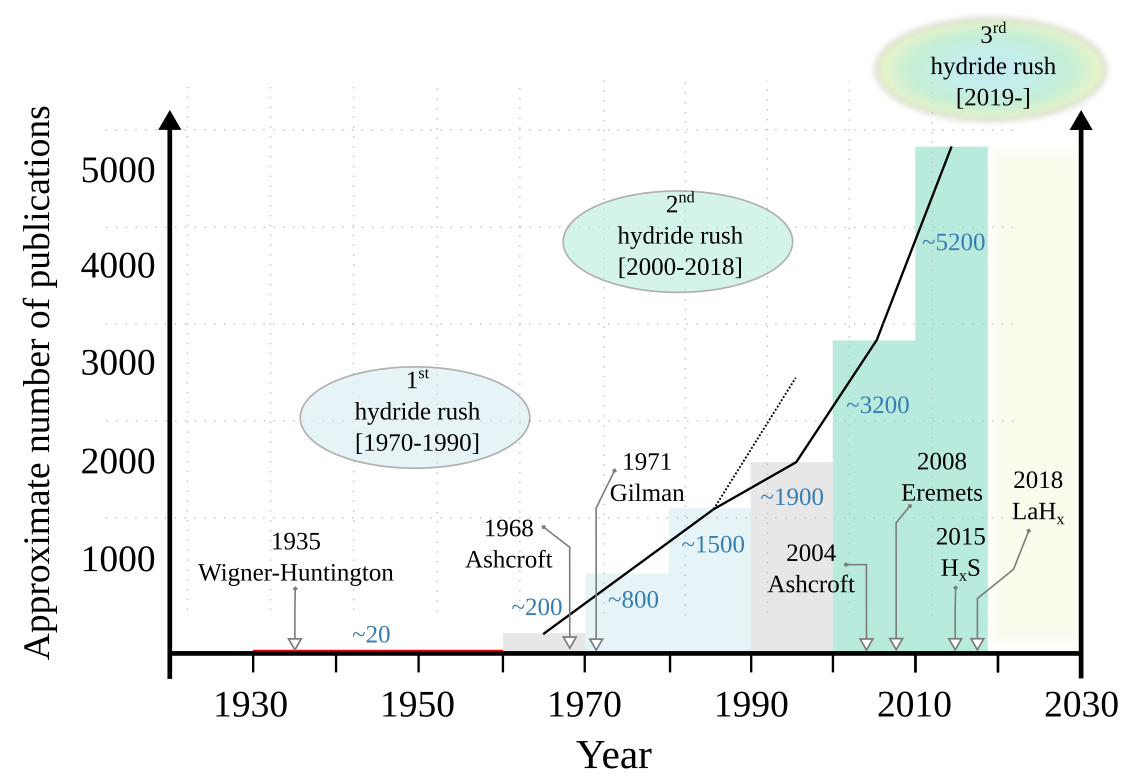 Figure 2
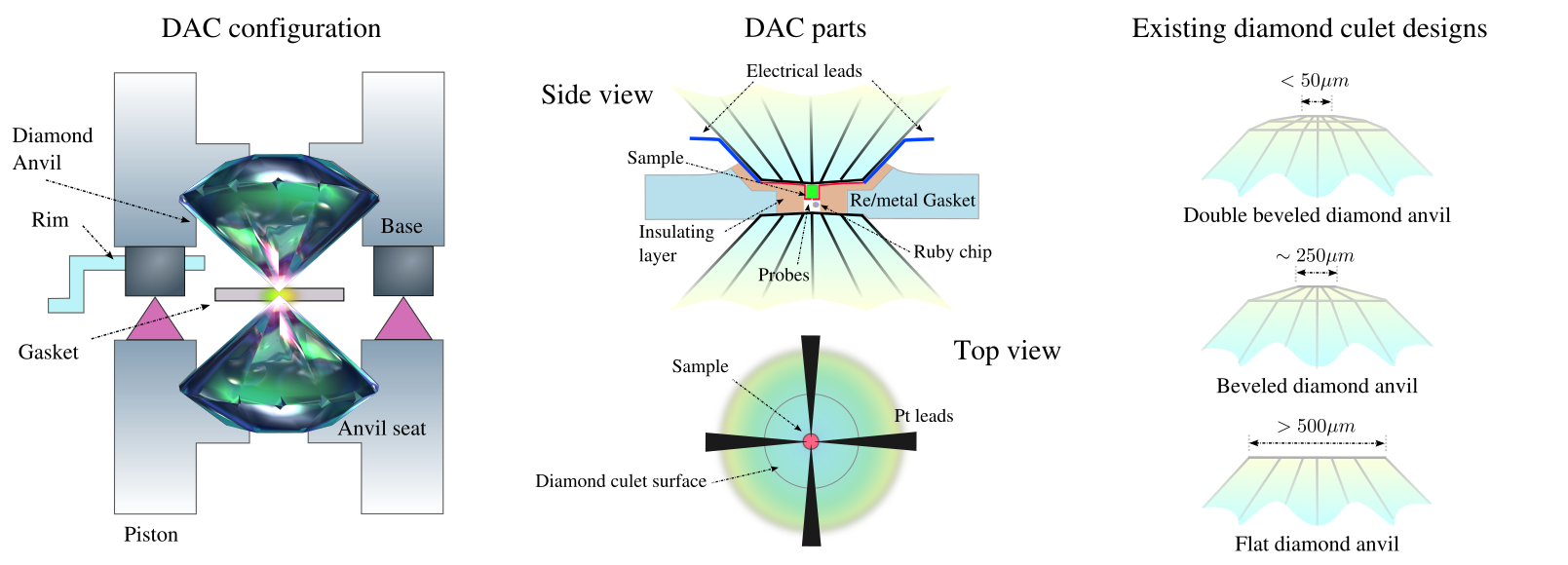 Figure 3
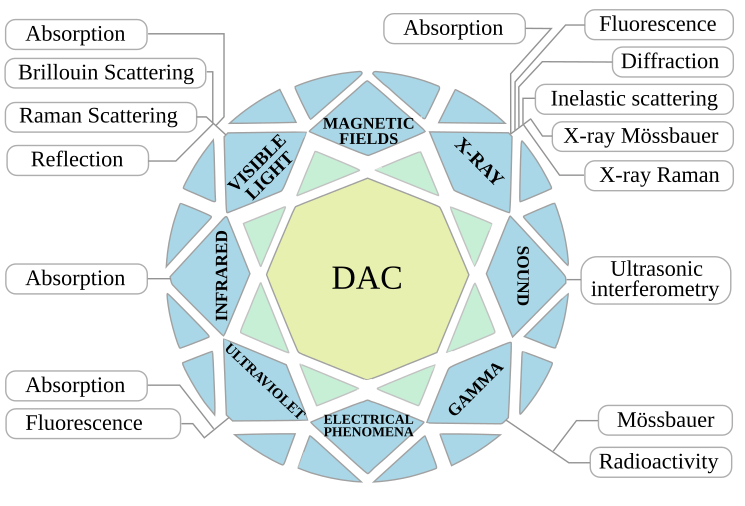 Figure 4
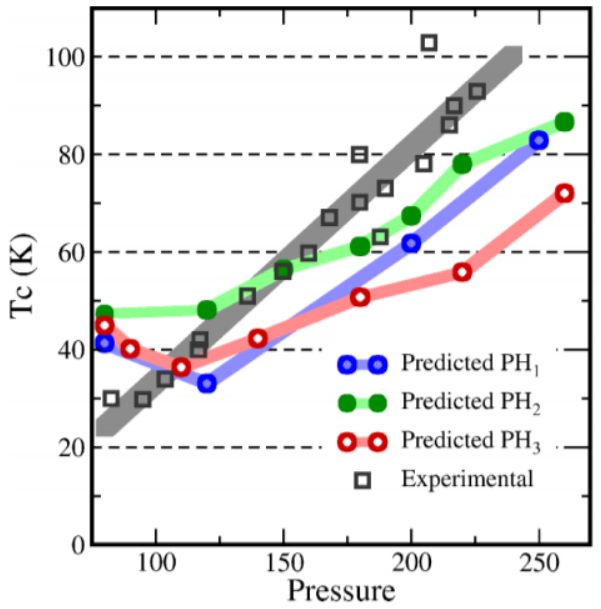 Figure 5
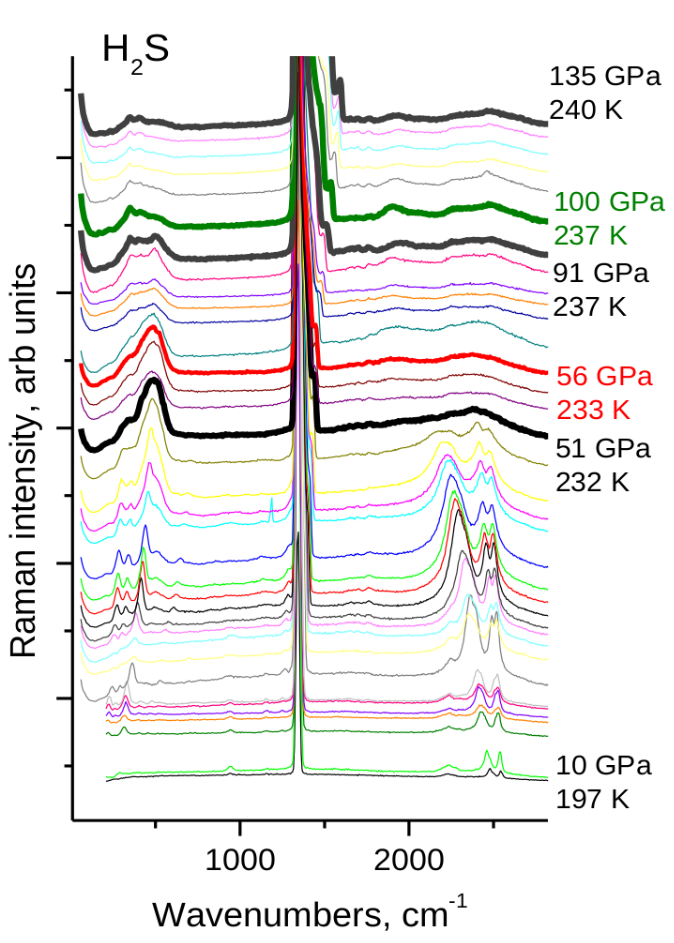 Figure 6
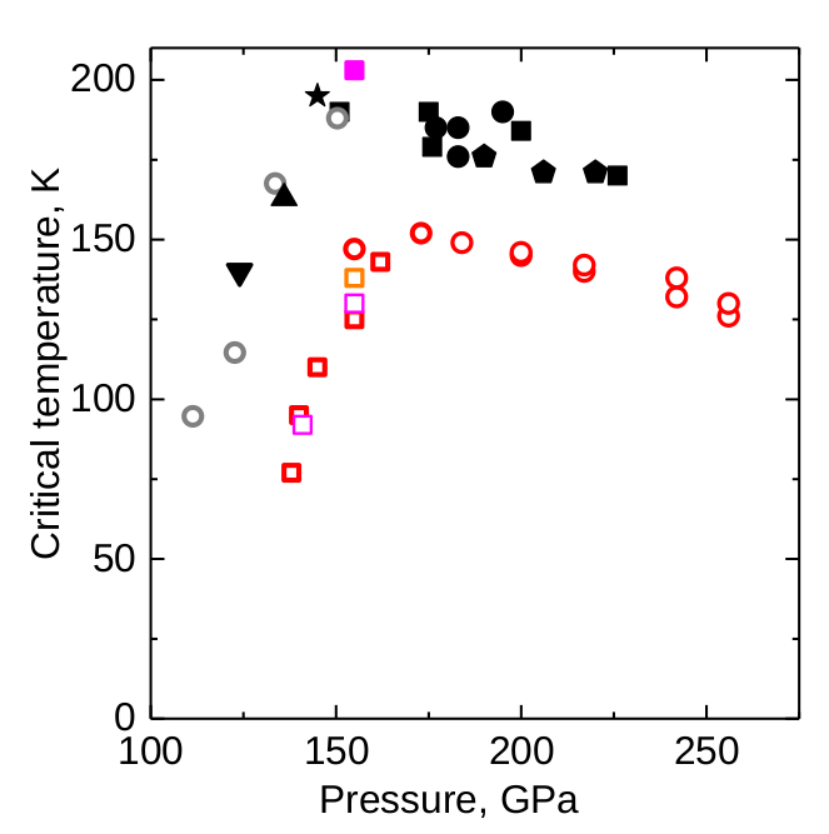 Figure 7
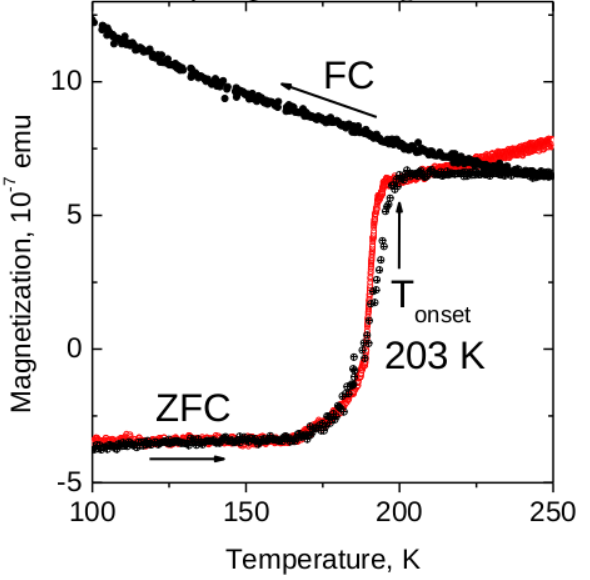 Figure 8
 Figure 9
 Figure 10
 Figure 11
 Figure 12
 Figure 13
 Figure 14
 Figure 15
 Figure 16
 Figure 17
 Figure 18
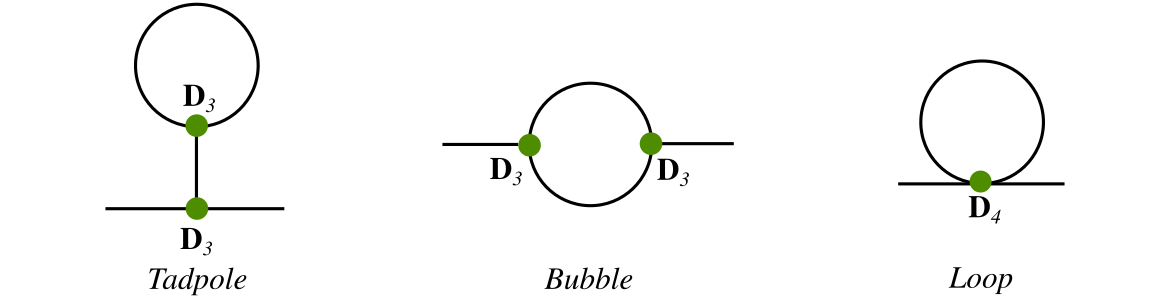 Figure 19
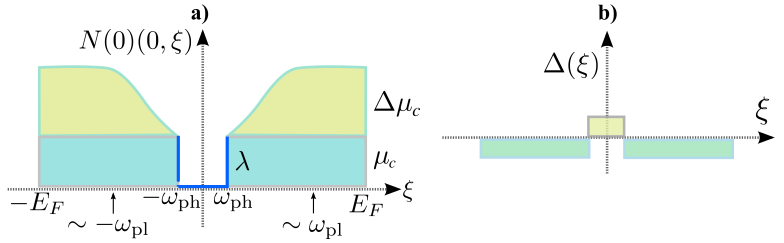 Figure 20
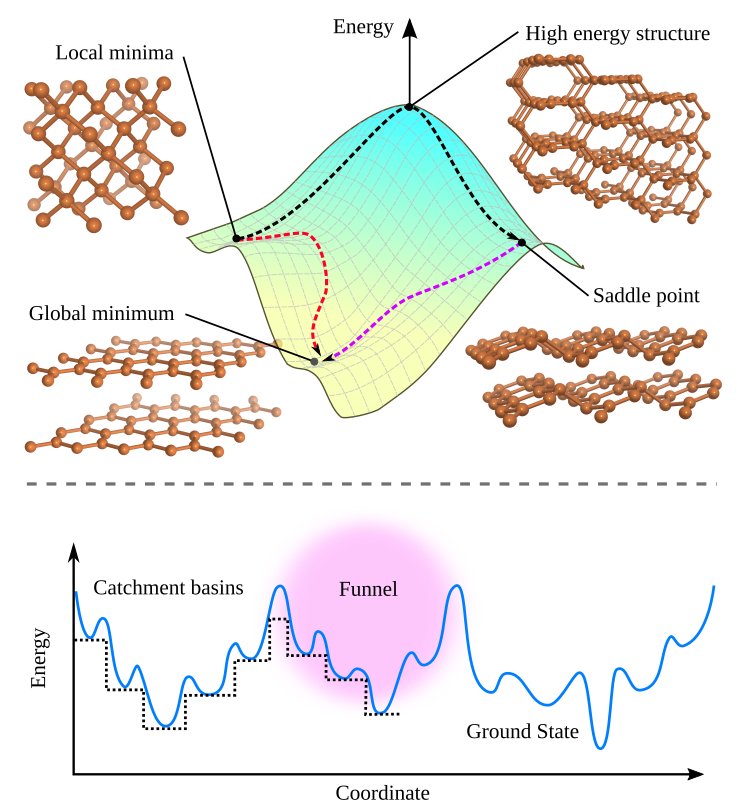 Figure 21
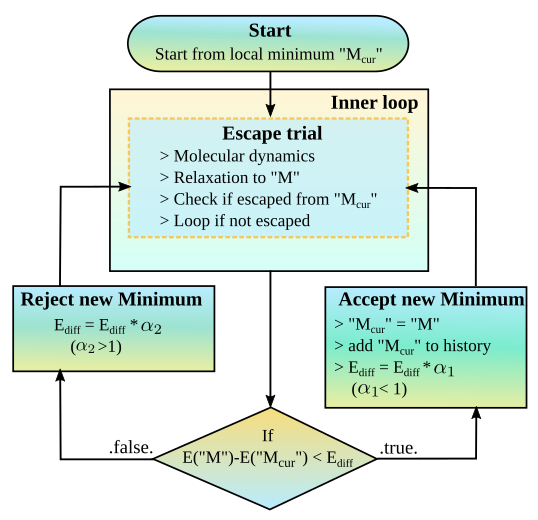 Figure 22
 Figure 23
 Figure 24
 Figure 25
 Figure 26
 Figure 27
 Figure 28
 Figure 29
 Figure 30
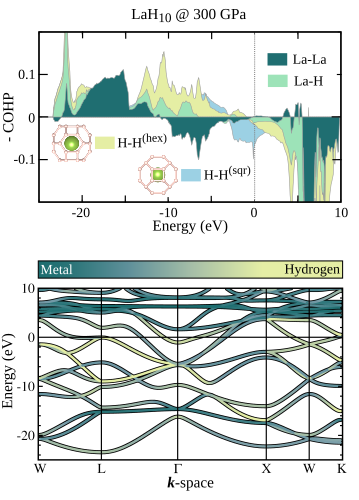 Figure 31
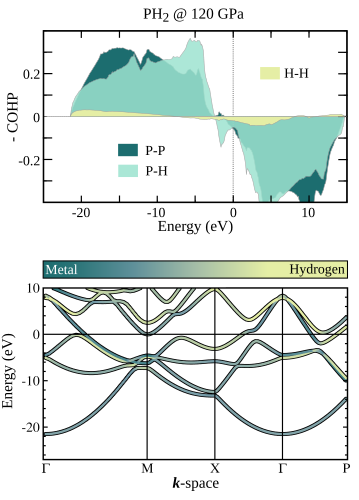 Figure 32
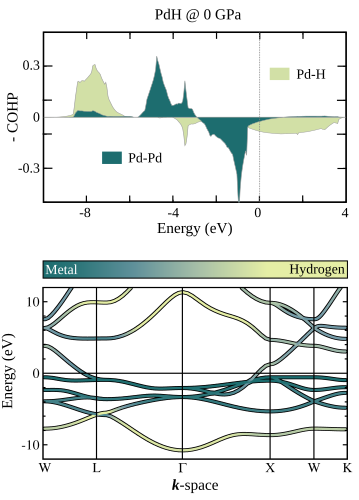 Figure 33
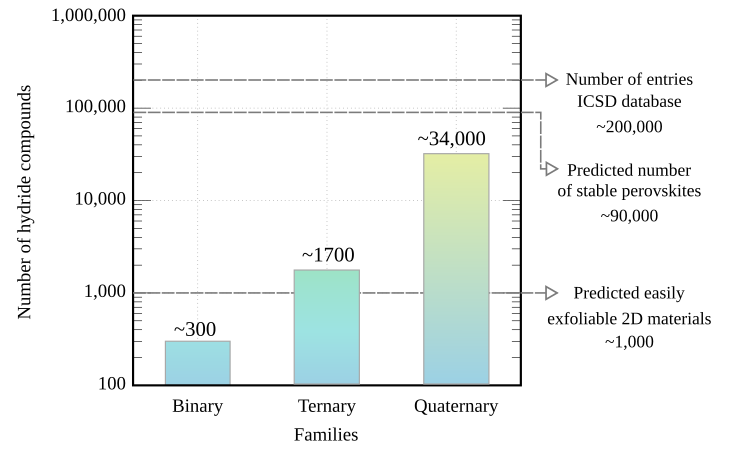 Figure 34
Peer Reviews
No public reviews on file for this paper yet. If you reviewed it on a platform where reviews are public (OpenReview, ICLR, NeurIPS, ICML), you can paste yours below so the community can read it here.
Videos
No videos yet. Explain this paper in a talk, walkthrough, or lecture? Add one.
A Perspective on Conventional High-Temperature Superconductors at High Pressure: Methods and Materials
José A. Flores-Livas
Lilia Boeri
Department of Physics, Sapienza Universita’ di Roma, Italy
Antonio Sanna
Max-Planck Institute of Microstructure Physics, Weinberg 2, 06120 Halle, Germany
Gianni Profeta
Dipartimento di Fisica Università degli Studi di L’Aquila and SPIN-CNR, I-67100 L’Aquila, Italy
Ryotaro Arita
Department of Applied Physics, Hongo Bunkyo-ku, 113-8656, Japan
RIKEN Center for Emergent Matter Science, 2-1 Hirosawa, Wako, 351-0198, Japan
Mikhail Eremets
Max-Planck Institute for Chemistry, Hahn-Meitner-Weg 1 55128 Mainz, Germany
Abstract
Two hydrogen-rich materials, H3S and LaH10, synthesized at megabar pressures, have revolutionized the field of condensed matter physics providing the first glimpse to the solution of the hundred-year-old problem of room temperature superconductivity. The mechanism underlying superconductivity in these exceptional compounds is the conventional electron-phonon coupling. Here we describe recent advances in experimental techniques, superconductivity theory and first-principles computational methods which have made possible these discoveries. This work aims to provide an up-to-date compendium of the available results on superconducting hydrides and explain how the synergy of different methodologies led to extraordinary discoveries in the field. Besides, in an attempt to evidence empirical rules governing superconductivity in binary hydrides under pressure, we discuss general trends in the electronic structure and chemical bonding. The last part of the Review introduces possible strategies to optimize pressure and transition temperatures in conventional superconducting materials as well as future directions in theoretical, computational and experimental research.
keywords:
High-pressure chemistry , Hydrides , Conventional superconductivity , Density-functional theory , Structure prediction
††journal: Physics Reports††journal: Physics Reports
\SetBgScale
1 \SetBgAngle0 \SetBgColorviolet!0 \SetBgContents
**Note added in proof
**The first version of this Review was completed in May 2019. At that time, only H3S and LaH10 had been discovered to superconduct at high-T. A few months after we completed the first version, several important papers have appeared, reporting the observation of superconductivity in yttrium hydride at 240 K [204, 203], and in thorium hydride at 170 K [202], as well as the prediction of room temperature superconductivity in the Li2MgH16 system [562, 195]. Moreover, a thorough theoretical explanation of the open issues in LaH10 has also been formulated [190]. For the revised version of this Review, January 2020, we updated the relevant references and figures, but not included an in-depth description of the results.
Acknowledgements: J.A.F.-L. Acknowledges Stefan Goedecker for willingness to support and the NCCR MARVEL funded by the Swiss National Science Foundation. J.A.F.-L. and M.E. are thankful to A. Drozdov for valuable discussions. Computational resources from project s970 of the Swiss National Supercomputing Center (CSCS) in Lugano gratefully acknowledged. L.B. acknowledges support from Fondo Ateneo Sapienza 2017-18. G.P. acknowledges financial support from the Italian Ministry for Research and Education through PRIN-2017 project Tuning and understanding Quantum phases in 2D materials - Quantum 2D (IT-MIUR Grant No. 2017Z8TS5B) and CINECA (ISCRA initiative) for computing resources. R.A. was supported by a Grant-in-Aid for Scientific Research (No.16H06345, 19H05825) from Ministry of Education, Culture, Sports, Science and Technology, Japan. M.E. is thankful to the Max Planck community for the invaluable support, and U. Pöschl for the constant encouragement. Some of the authors acknowledges the hospitality of the cini-Sardegna meeting where parts of this work were written.
The reference list from the paper itself. Each links out to its DOI / PubMed record.
- 1[1] A. P. Drozdov, M. I. Eremets, I. A. Troyan, V. Ksenofontov, S. I. Shylin, Conventional superconductivity at 203 kelvin at high pressures in the sulfur hydride system, Nature 525 (2015) 2015/08/17/online.
- 2[2] A. P. Drozdov, P. P. Kong, V. S. Minkov, S. P. Besedin, M. A. Kuzovnikov, S. Mozaffari, L. Balicas, F. F. Balakirev, D. E. Graf, V. B. Prakapenka, E. Greenberg, D. A. Knyazev, M. Tkacz, M. I. Eremets, Superconductivity at 250 K in lanthanum hydride under high pressures, Nature 569 (7757) (2019) 528–531.
- 3[3] M. Somayazulu, M. Ahart, A. K. Mishra, Z. M. Geballe, M. Baldini, Y. Meng, V. V. Struzhkin, R. J. Hemley, Evidence for Superconductivity above 260 K in Lanthanum Superhydride at Megabar Pressures, Phys. Rev. Lett. 122 (2019) 027001.
- 4[4] V. L. Ginzburg, What problems of physics and astrophysics seem now to be especially important and interesting (thirty years later, already on the verge of XXI century)?, Physics-Uspekhi 42 (4) (1999) 353.
- 5[5] K. N. Mukhin, A. F. Sustavov, V. N. Tikhonov, On the centenary of the nobel prize: Russian laureates in physics, Physics-Uspekhi 46 (5) (2003) 493.
- 6[6] E. Wigner, H. B. Huntington, On the possibility of a metallic modification of hydrogen, The Journal of Chemical Physics 3 (12) (1935) 764–770.
- 7[7] N. Ashcroft, Metallic Hydrogen: A High-Temperature Superconductor?, Phys. Rev. Lett. 21 (1968) 1748–1749.
- 8[8] V. L. Ginzburg, Superfluidity and superconductivity in the universe, Journal of Statistical Physics 1 (1) (1969) 3–24.