Space Curves from Nonlinear Schr\"odinger Solutions: A Direct Approach
Kumar Abhinav, Partha Guha

TL;DR
This paper introduces a direct method to construct space curves from any nonlinear Schrödinger (NLS) solution, enabling new ways to analyze vortex filament evolution with potential applications in physical systems.
Contribution
It presents a novel direct construction approach linking NLS solutions to space curves using ordered integrals and Magnus expansion, simplifying the mapping process.
Findings
Provides a new explicit mapping from NLS solutions to space curves.
Utilizes ordered integrals and Magnus expansion for the construction.
Highlights potential applications in physical systems analysis.
Abstract
The connection between vortex filament evolution in the local induction approximation and non-linear Schr\"odinger (NLS) equation by Hasimoto [H. Hasimoto, J. Fluid Mechanics 51, (1972) 477] has led to space curves corresponding to NLS solitons in the past. Utilizing this map, we propose a direct construction of parametric curve evolution from any NLS solution. It includes ordered (or nested) integrals of products of local matrices akin to the causal evolution of quantum theory, necessitating the implementation of the Magnus expansion. Such a straightforward mapping may be a simple tool to study the evolution of various systems of physical concern, although the actual computation can be a challenge for most NLS solutions.
Click any figure to enlarge with its caption.
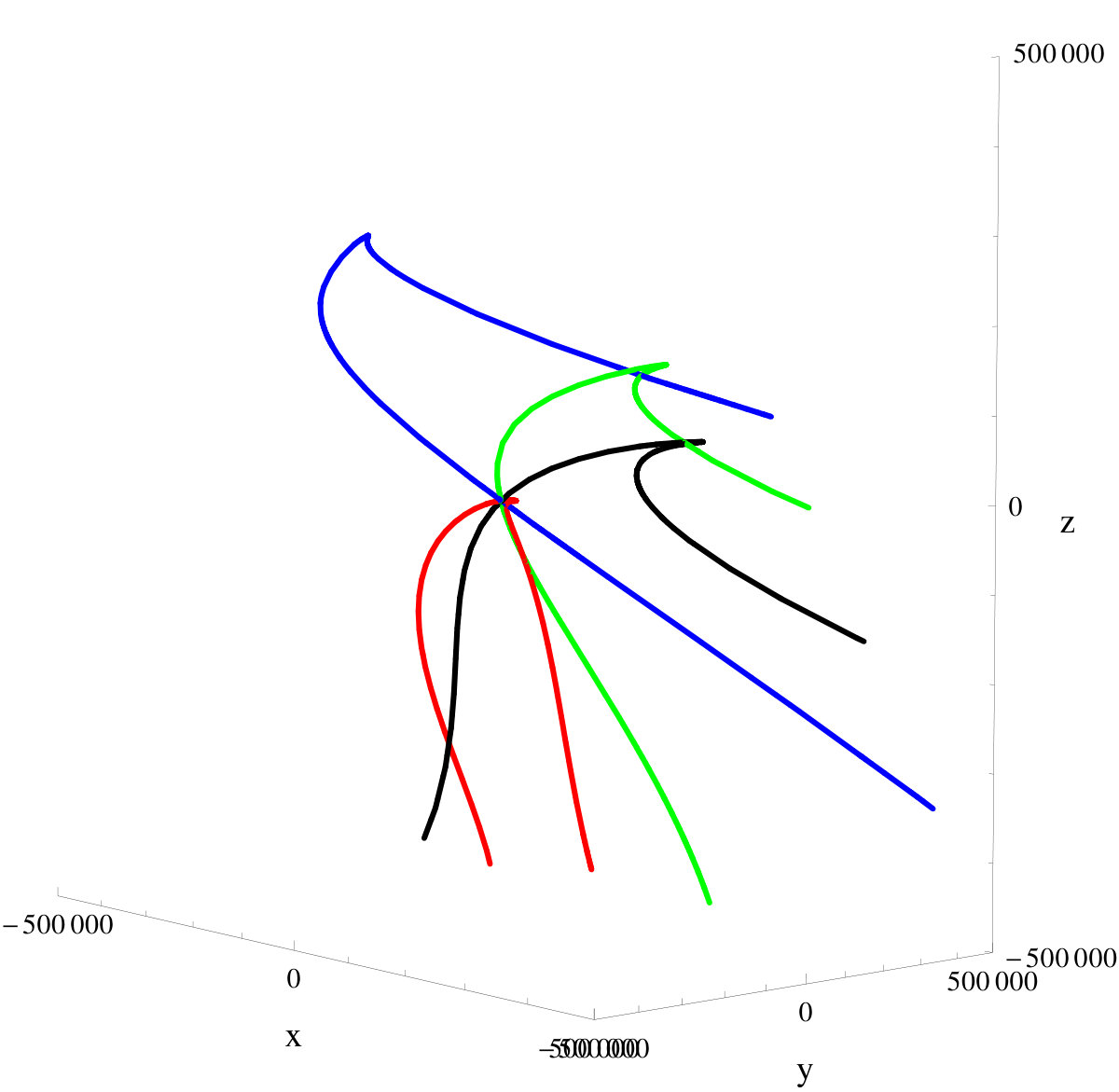 Figure 1
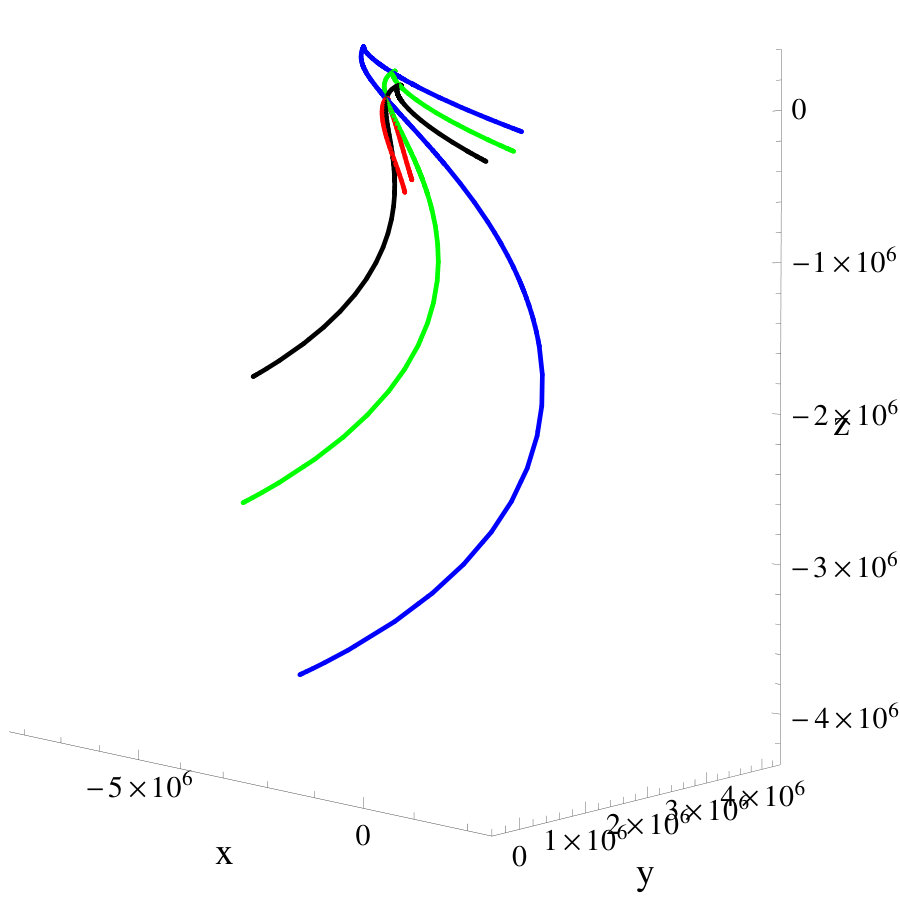 Figure 2
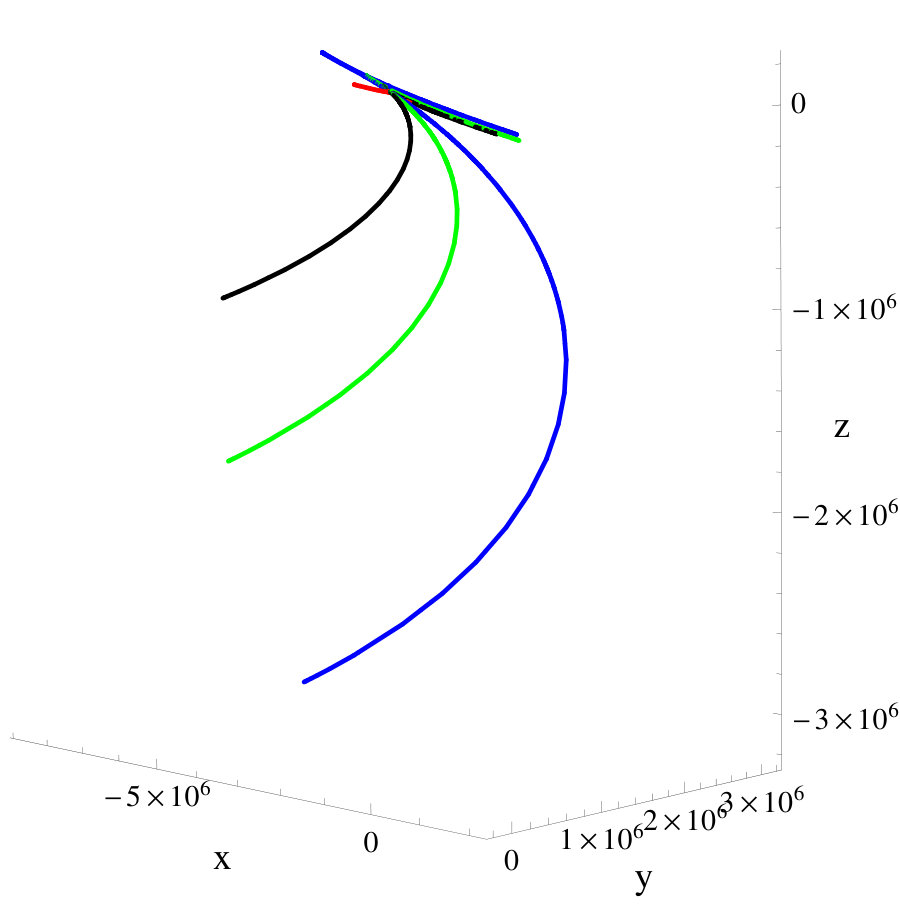 Figure 3
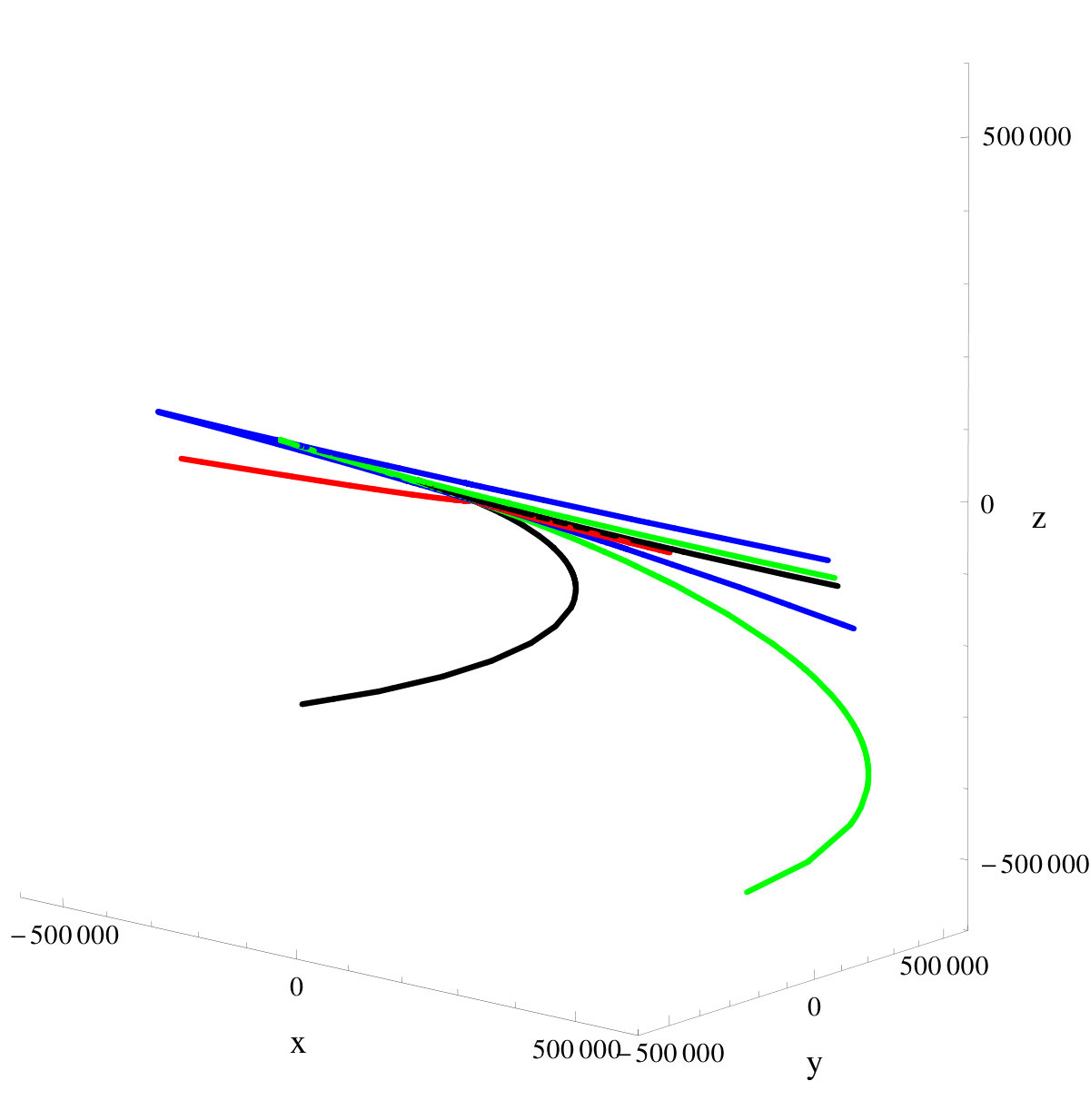 Figure 4
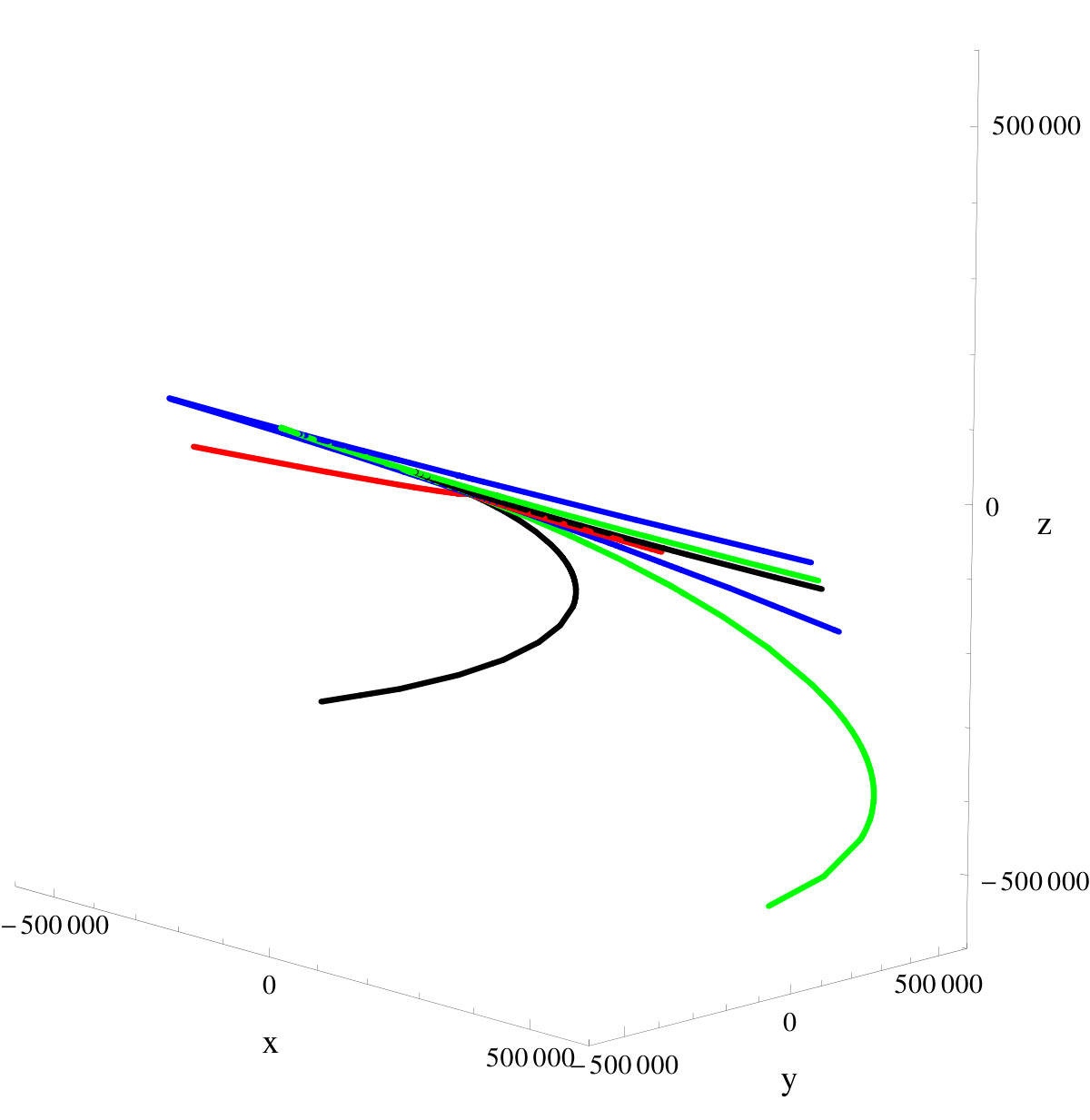 Figure 5
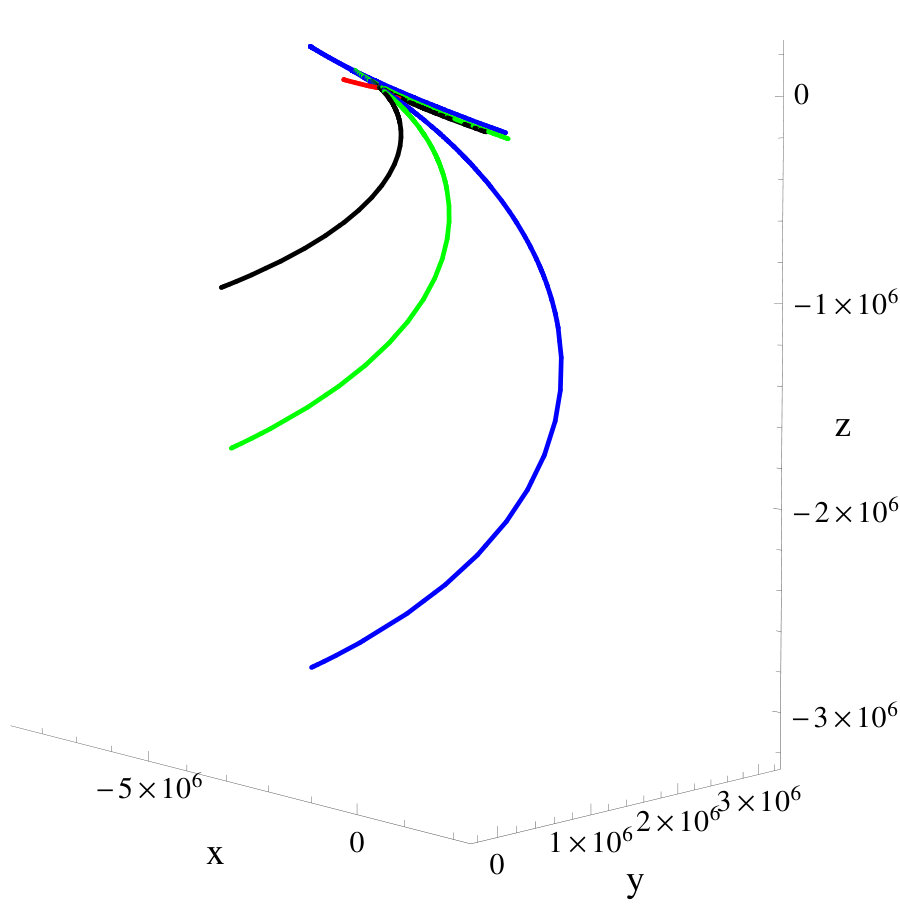 Figure 6
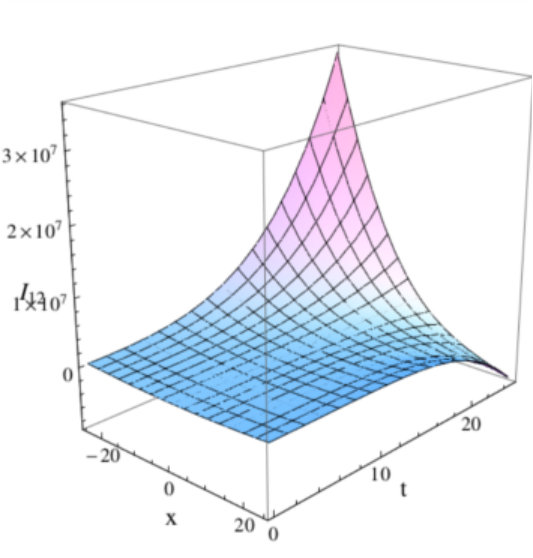 Figure 7
 Figure 8
 Figure 9
 Figure 10
 Figure 11
 Figure 12
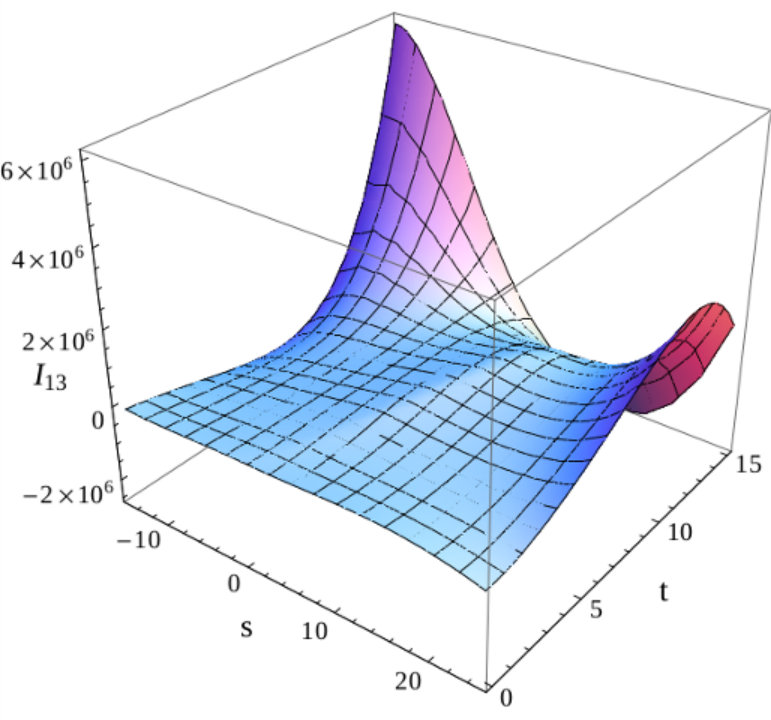 Figure 13
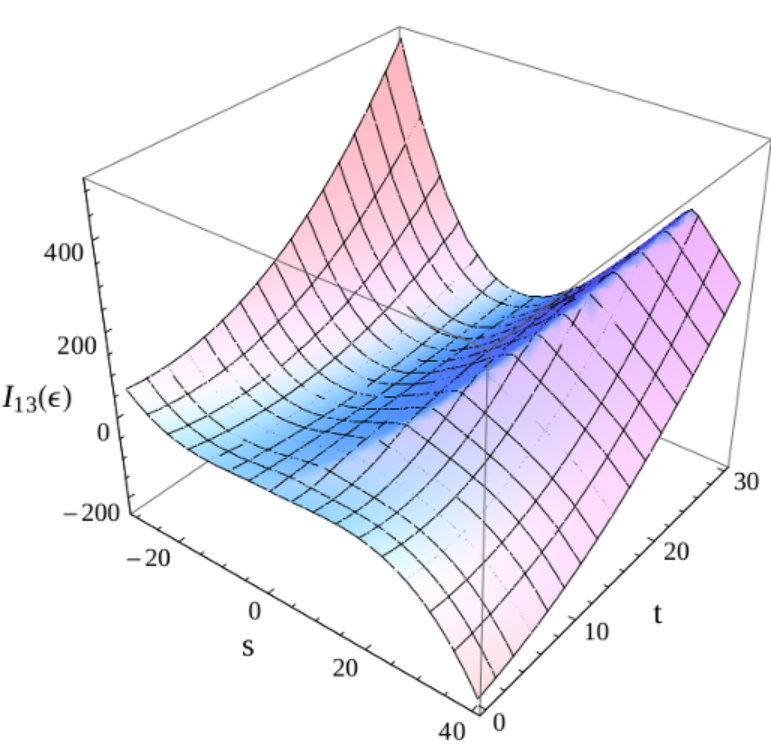 Figure 14
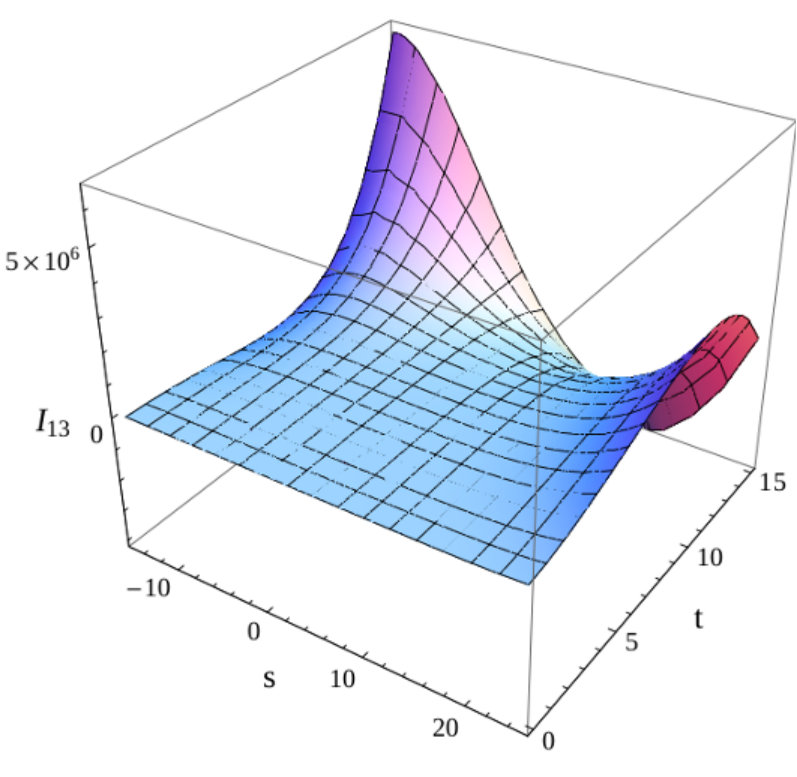 Figure 15
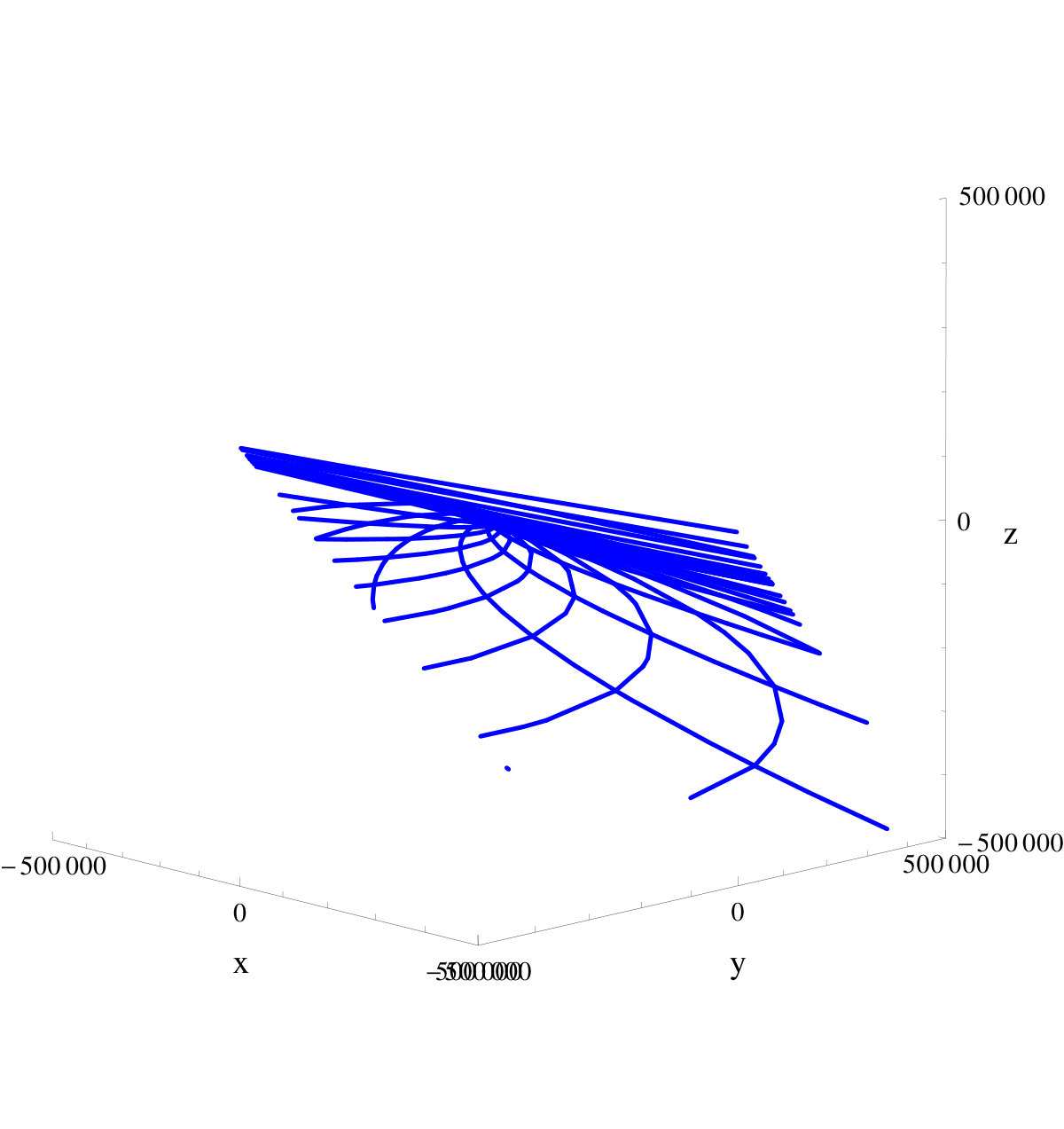 Figure 16
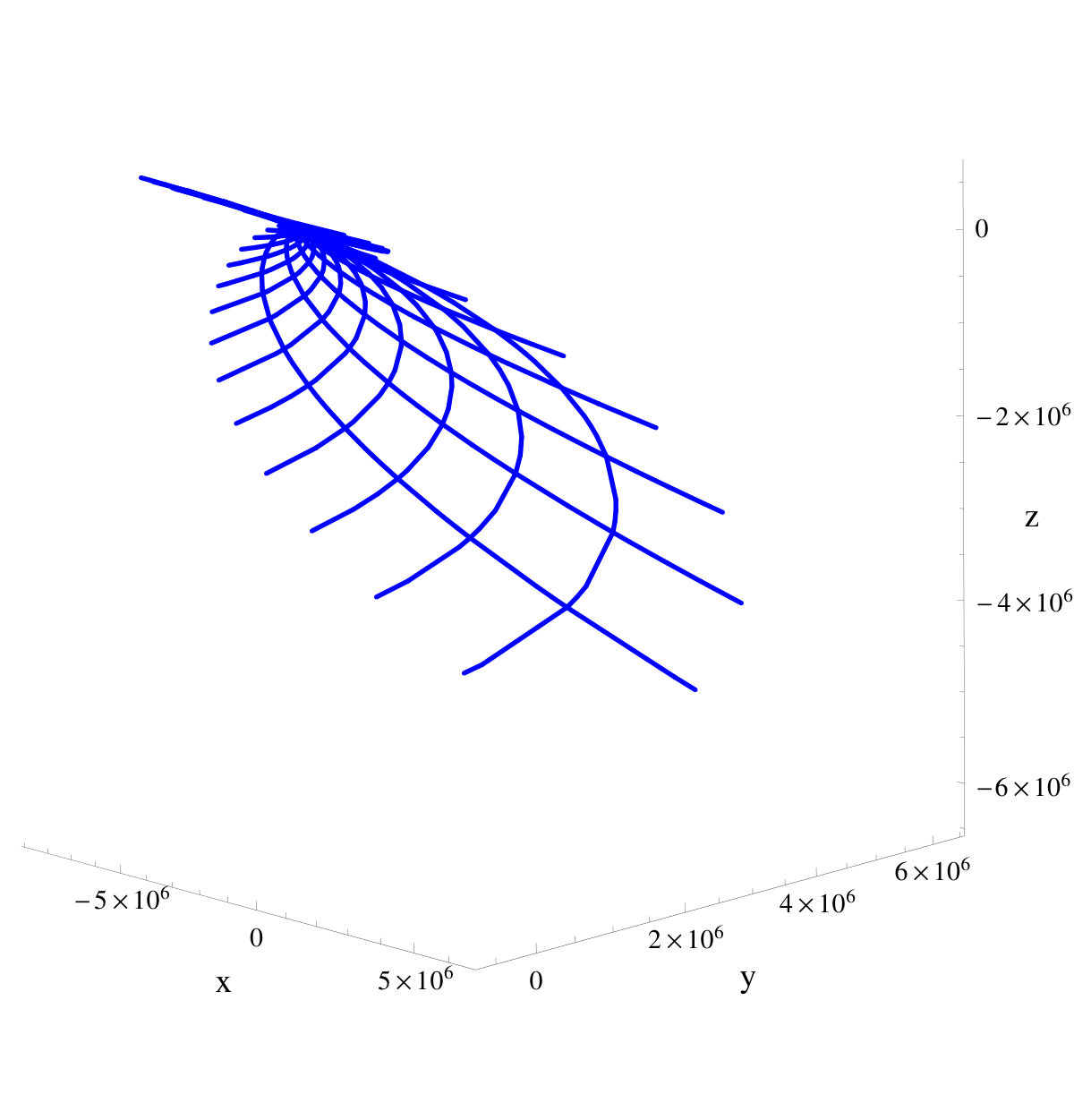 Figure 17
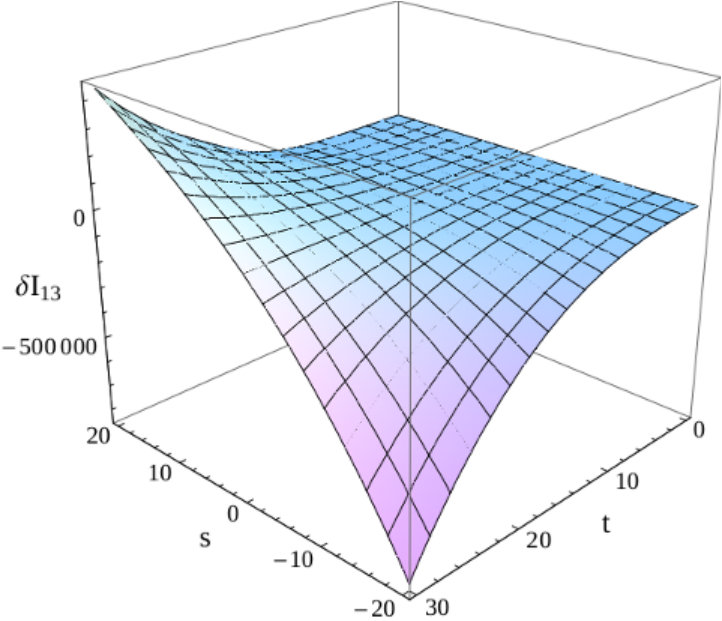 Figure 18
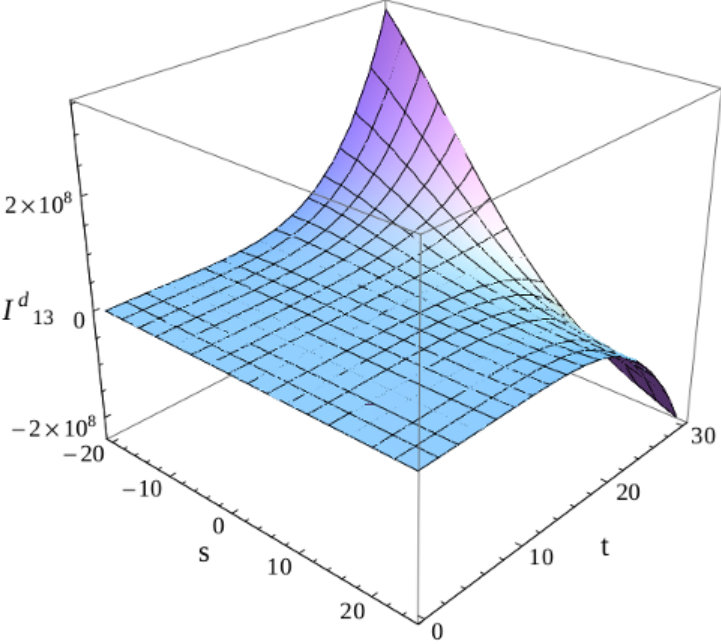 Figure 19
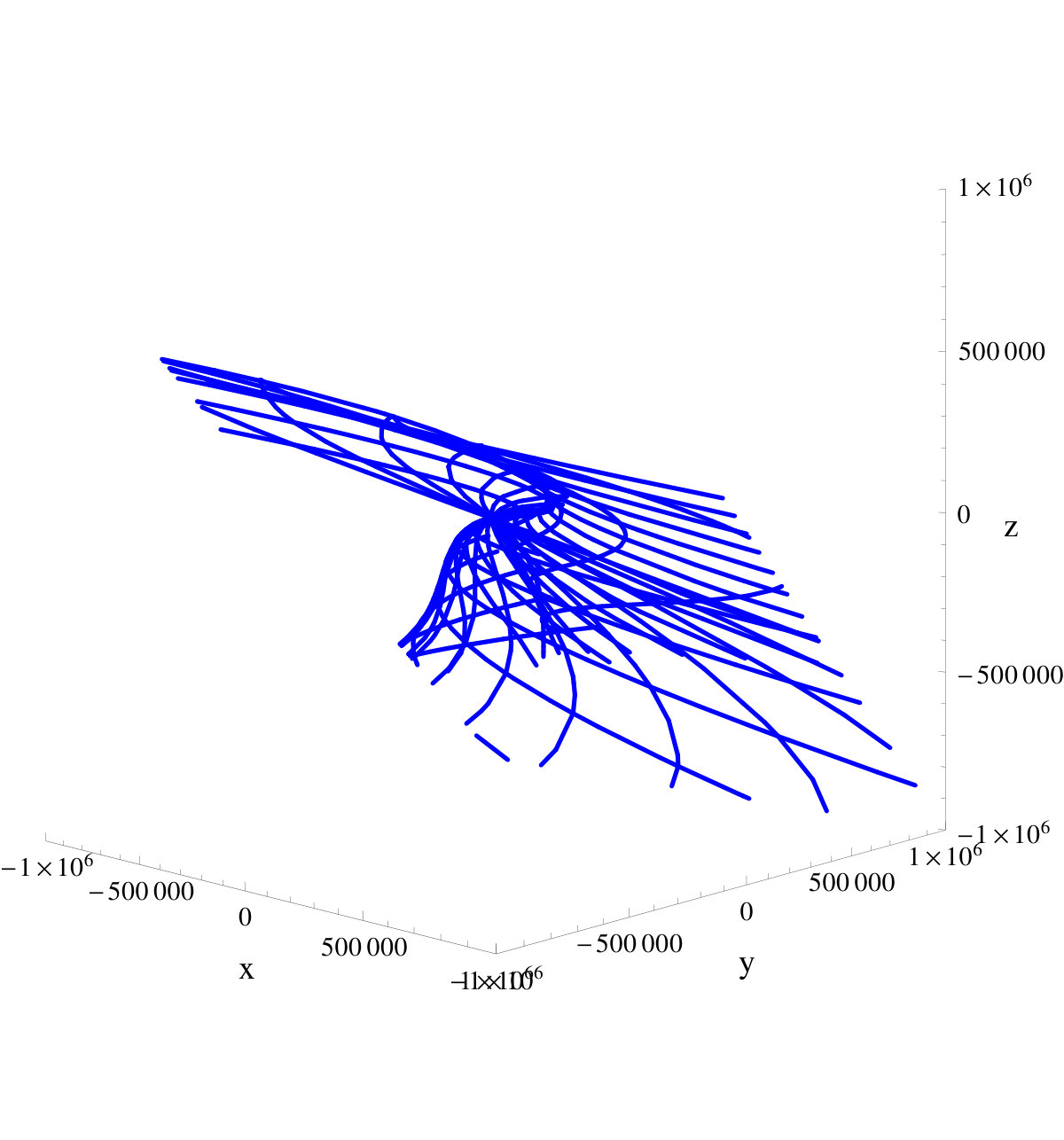 Figure 20
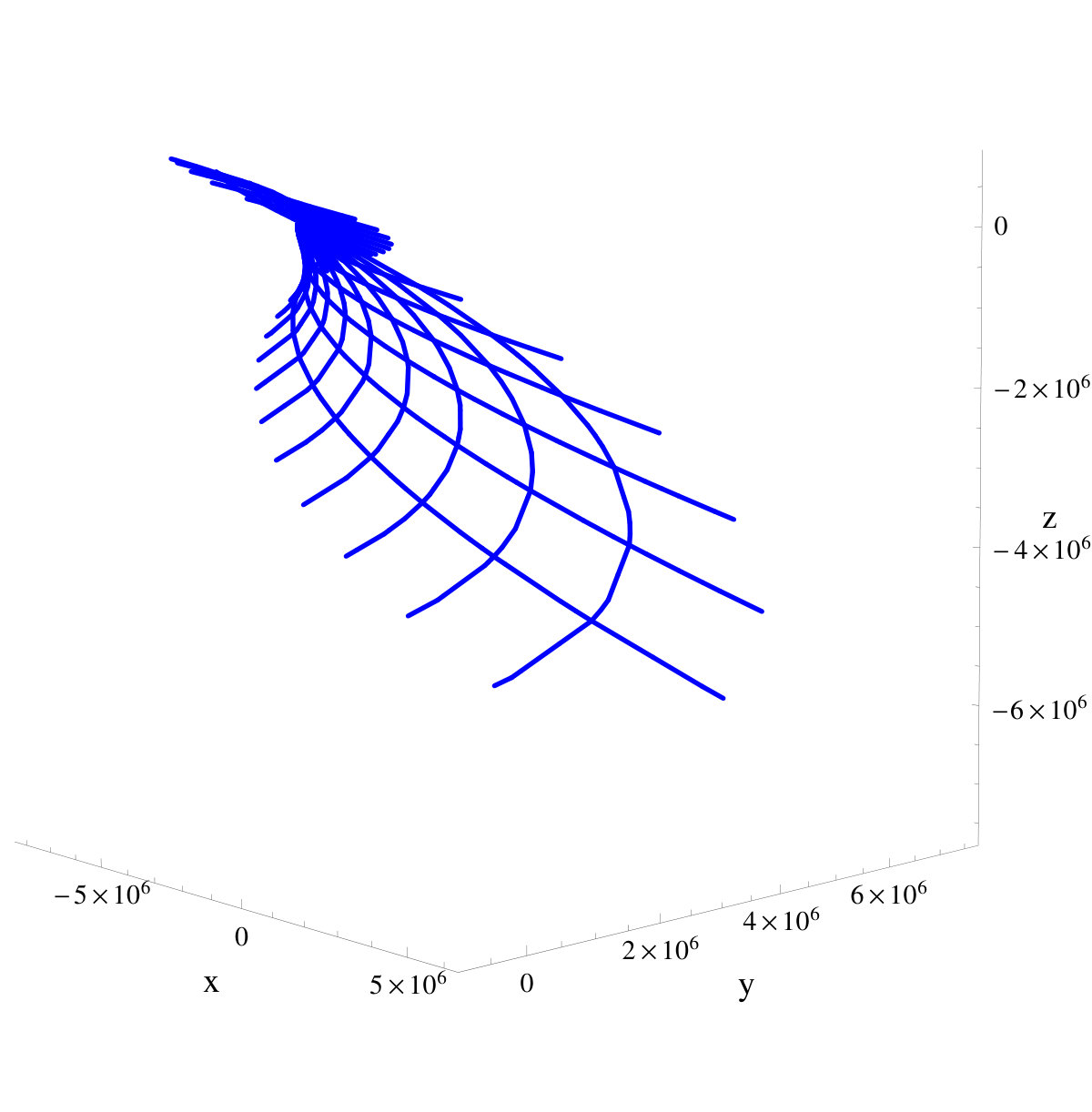 Figure 21
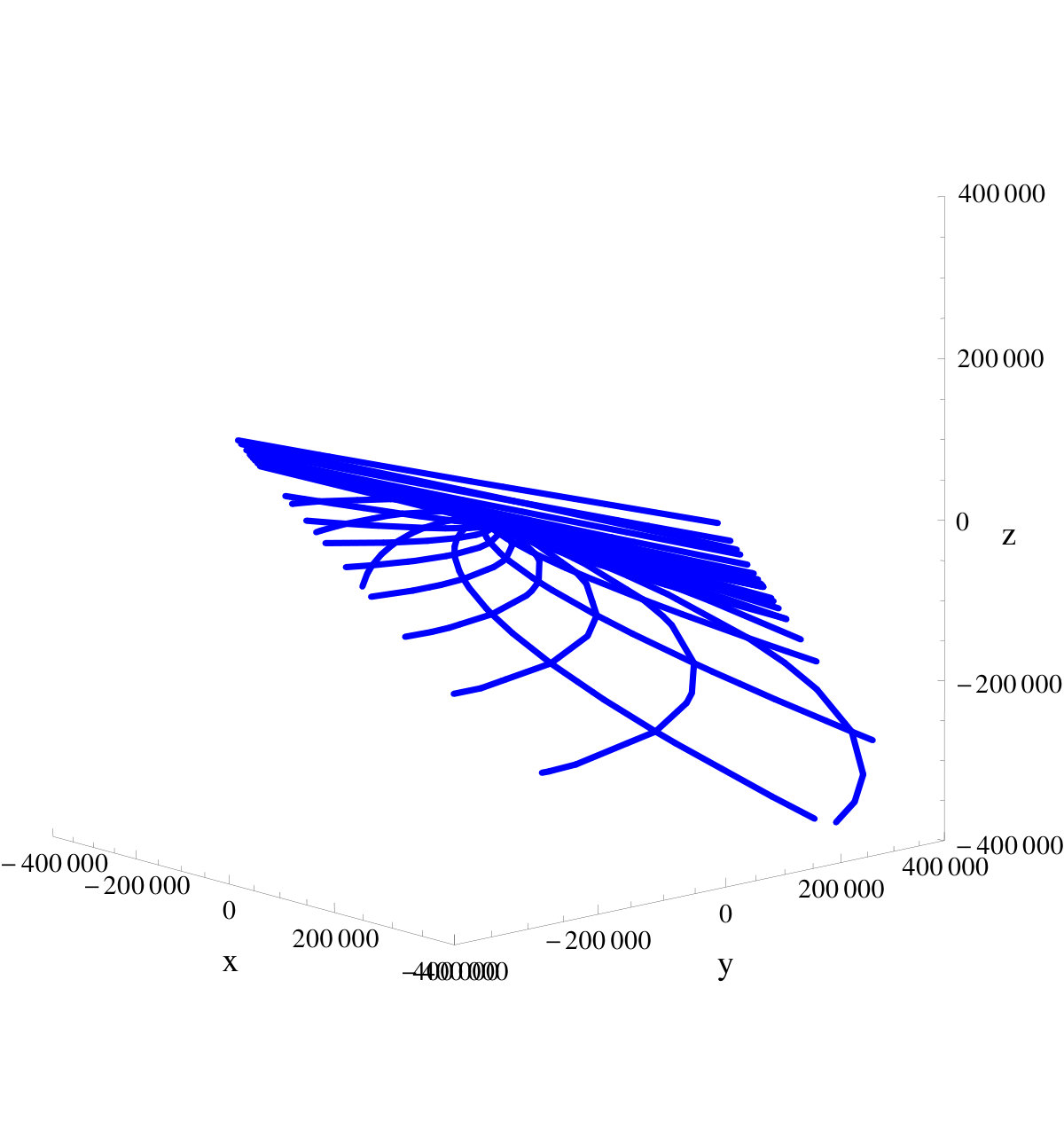 Figure 22
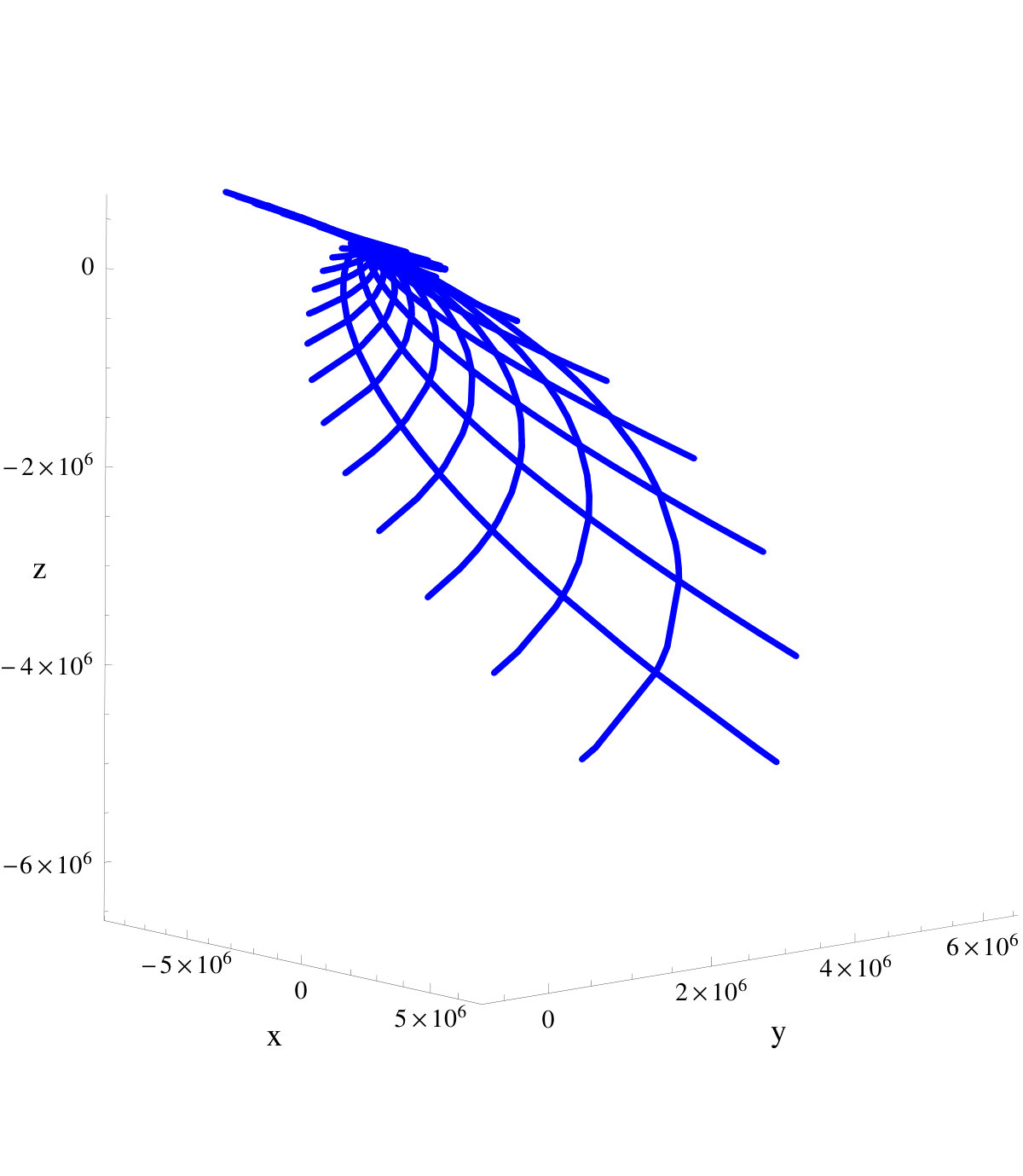 Figure 23
Peer Reviews
No public reviews on file for this paper yet. If you reviewed it on a platform where reviews are public (OpenReview, ICLR, NeurIPS, ICML), you can paste yours below so the community can read it here.
Videos
No videos yet. Explain this paper in a talk, walkthrough, or lecture? Add one.
Taxonomy
TopicsNonlinear Photonic Systems · Cold Atom Physics and Bose-Einstein Condensates · Magnetic confinement fusion research
Inverse Hasimoto Map and
Deformed Nonlinear Schrödinger Equation
Kumar Abhinav
Centre for Theoretical Physics and Natural Philosophy,
Mahidol University, Nakhonsawan Campus, Phayuha Khiri, Nakhonsawan 60130, Thailand.
Partha Guha
Khalifa University of Science and Technology,
PO Box 127788, Abu Dhabi, UAE.
Abstract
A mapping from the solutions of the vortex filament equation in the Local Induction Approximation (LIA) to soliton solutions of the nonlinear Schrödinger equation was obtained by Hasimoto [H. Hasimoto, J. Fluid Mechanics 51, (1972) 477]. We utilize it to construct an Inverse Hasimoto Map depicting a three-dimensional parametric curve evolution as per the Frenet-Serret equations starting from the solution of the nonlinear Schrödinger equation. This method includes integrals of ordered products (or nested integrals) of local matrices, akin to the causal evolution of quantum theory, necessitating the implementation of the Magnus expansion. This straightforward mapping may be a geometrical tool to analyze the localized evolution of various dynamical systems.
Nonlinear Schrödinger equation, Inverse Hasimoto Map, Quasi-integrable deformation, Non-holonomic deformation, Solitons.
pacs:
05.45.Yv, 02.30.Ik, 05.90.+m
Evolution of certain systems like Vortex filaments in perfect fluids and classical one-dimensional continuum Heisenberg spin chain [1] may mathematically be modeled as a moving space curve parameterized as . Da Rios [2] derived a set of two coupled equations governing the in-extensional motion of a vortex filament within an irrotational fluid in terms of the time evolution of geometric parameters intrinsic to the filament: curvature () and torsion ().
[TABLE]
These equations were rediscovered by Betchov decades later [3].
Hasimoto showed that these Da Rios–Betchov equations can elegantly be combined to give a focusing-type nonlinear Schrödinger (NLS) equation [4],
[TABLE]
using the so-called Hasimoto map [5]:
[TABLE]
This map relates the Frenet-Serret space-time parameters and to the NLS amplitude . Subsequently, physical characteristics of the NLS system like densities of energy () and momentum () can directly be constructed from these geometric parameters. In contrast, the non-linear coupling reflects the on-site interaction strength of the physical system. These equations prescribe (up to a rigid motion) the evolution of a vortex filament in an infinite domain of for given initial conditions and . In particular, the single-soliton solution of this equation describes a isolated loop of helical twisting motion along the vortex line [6].
Extending Hasimoto’s work, Lamb [7] initiated the study on the dynamics of space curves corresponding to soliton solutions of a class (sine-Gordon, MKdV, and NLS) of nonlinear differential equations. Later, in addition to the Hasimoto map, more ways of connecting nonlinear solutions to Frenet-Serret curves were obtained for the same class of systems [8]. However, the explicit construction of the space curve corresponding to a solution of a given differential equation (the reconstruction problem) was still lacking [9, 10]. The initial computation of an inverse Hasimoto transformation to reformulate the Da Rios–Betchov type equations had been performed by Sym [10] and Aref-Linchem [11].
In this letter we obtain a direct inversion yielding the Frenet-Serret curve dynamics from the NLS solution. It is achieved by solving the matrix-valued Frenet-Serret equations that necessarily introduce -integrals of ordered products curvature and torsion; quantities that can be read off of a given solution to the NLS equation. The novelty of the present work is the straightforward approach, that obtains the exact space-curve coordinates from a given NLS solution, which has not been achieved till now as per the best of our knowledge. In addition to the formal interest, this can yield a crucial understanding of various physical systems (e.g. spin configuration, filament dynamics in fluids, etc.) which are effectively represented through localized and other specific types of NLS solutions. It can further shed light on the stability, or lack thereof, of a particular physical state based on the properties of the corresponding nonlinear solution. Such correspondence between physical systems and NLS systems [12, 13] with subsequent deformations [14] have been studied before.
The Frenet-Serret equations can be cast into the matrix form [15]:
[TABLE]
where and
[TABLE]
Here the parametric space derivatives of the tangent (), normal () and binormal () of a space-time curve are interrelated through corresponding and . As the Hasimoto map relates and to the NLS amplitude the IHM amounts to solve for that in turn should yield the . Then, on integrating the components of torsion, the three-dimensional coordinates of the curve can be obtained as a function of and .
Although of first-order, Eq. 4 is matrix-valued and thus cannot be integrated directly. This situation is identical to the time evolution of a quantum state under a time-dependent Hamiltonian invoking time-ordering of the unitary evolution [16]. In the same way, respecting the matrix order, the general solution of Eq. 4 takes the form:
[TABLE]
with . The symbol marks ordered product:
[TABLE]
among the products of the integrands in the exponent. These integrals of ordered products can equivalently be written in terms of nested integrals as,
[TABLE]
Such results appear often in physical systems, tempting possible interpretations of the vortex filament evolution, more so as the matrix is anti-Hermitian making the ordered exponent in Eq. 6 unitary.
The Magnus expansion [] is employed to approximate in the form:
[TABLE]
The choice of is totally arbitrary and so it can be chosen as the identity matrix for brevity. The first few terms of the expansion are,
[TABLE]
By definition the first row of the matrix represents the components of the tangent, the identification immediately provides the space coordinates of the curve,
[TABLE]
subjected to arbitrary initial conditions . From Eq. 3, the curvature and torsion are expressed in terms of the NLS amplitude and phase as,
[TABLE]
A case of particular interest is that of the focusing-type NLS system of Eq. 2 related to the spin orientation of 1-D Heisenberg XXX model in the continuum limit through the Hasimoto map [17]. The spin orientation itself is identified with the tangent to the Frenet-Serret curve, implying a direct physical interpretation of the curve dynamics. We demonstrate this process for the particular periodic solution to the NLSE obtained by Sall’ [18]:
[TABLE]
plotted in Fig. 1. The solution is well-behaved and quite amiable to the calculation of the matrix exponent. Notably, for other standard solutions of the NLS system, even obtaining a closed form of is not possible. Then the curvature and torsion takes the particular forms,
[TABLE]
on substituting which the Magnus exponent is can be obtained as,
[TABLE]
up to the 4th order. Following the exponentiation of , Eq. 11 then leads to the parametric vortex filament in the space, time-snaps of which with respect to the NLS variable are shown in Fig. 2. We have used Mathematica 12 to obtain them numerically.
In conclusion, we have obtained a direct approach to construct the evolving vortex filament corresponding to solutions of the NLS system. It includes evaluation of integrals containing ordered products of geometric parameters pertaining to the curve expressed in terms of the amplitude and phase of the particular solution. Such nested integrals are not very easy to evaluate but could be approximated under particular conditions. For the given solution of Eq. 13 we could obtain the exact forms of up to the 4th order which is the usual extent in most of the literature that deals with the Magnus expansion.
Acknowledgement: Kumar Abhinav’s research is supported by Mahidol University, Thailand under the Grant Number MRC-MGR 04/2565. Work of Partha Guha was supported by the Khalifa University of Science and Technology, United Arab Emirates under Grant Number FSU-2021-014.
The reference list from the paper itself. Each links out to its DOI / PubMed record.
- 1[1] R. J. Baxter, Exactly solved models in statistical mechanics (Academic Press, London, 1982).
- 2[2] L. S. Da Rios, Sul moto d’un liquido indefinito con un filetto vorticoso di forma qualunque ,Rend. Circ. Mat. Palermo 22 , (1906) 117.
- 3[3] R. Betchov, On the curvature and torsion of an isolated vortex filament , J. Fluid Mech. 22 , (1965) 471.
- 4[4] M. Lakshmanan, Continuum spin system as an exactly solvable dynamical system , Phys. Lett. A 61 , (1977) 53.
- 5[5] R. Hasimoto, A soliton on a vortex filament , J. Fluid Mechanics 51 , (1972) 477.
- 6[6] A. Majda and A. Bertozzi, Vorticity and Incompressible Flow (Cambridge Univ. Press, Cambridge, 2002).
- 7[7] G. L. Lamb Jr, Solitons on moving space curves , J. Math. Phyis. 18 , (1977) 1654.
- 8[8] S. Murugesh and R. Balakrishnan, New connections between moving curves and soliton equations , Phys. Lett. A 290 , (2001) 81.