TL;DR
Radio halos significantly contaminate the Epoch of Reionization observations by SKA, with their brightness and leakage into the EoR window posing challenges for detecting the 21 cm signal.
Contribution
This study models radio halo contamination using SKA configurations, revealing their substantial impact on EoR signal detection and emphasizing the need for mitigation strategies.
Findings
Radio halos can be 10^4 to 10^2.5 times more luminous than the EoR signal on certain scales.
Power leakage from radio halos into the EoR window can reach up to 800%.
Radio halos inside station far side-lobes also cause significant contamination.
Abstract
The overwhelming foreground contamination is one of the primary impediments to probing the Epoch of Reionization (EoR) through measuring the redshifted 21 cm signal. Among various foreground components, radio halos are less studied and their impacts on the EoR observations are still poorly understood. In this work, we employ the Press-Schechter formalism, merger-induced turbulent re-acceleration model, and the latest SKA1-Low layout configuration to simulate the SKA "observed" images of radio halos. We calculate the one-dimensional power spectra from simulated images and find that radio halos can be about , and times more luminous than the EoR signal on scales of in the 120-128, 154-162, and 192-200 MHz bands, respectively. By examining the two-dimensional power spectra inside properly defined EoR windows, we find…
Click any figure to enlarge with its caption.
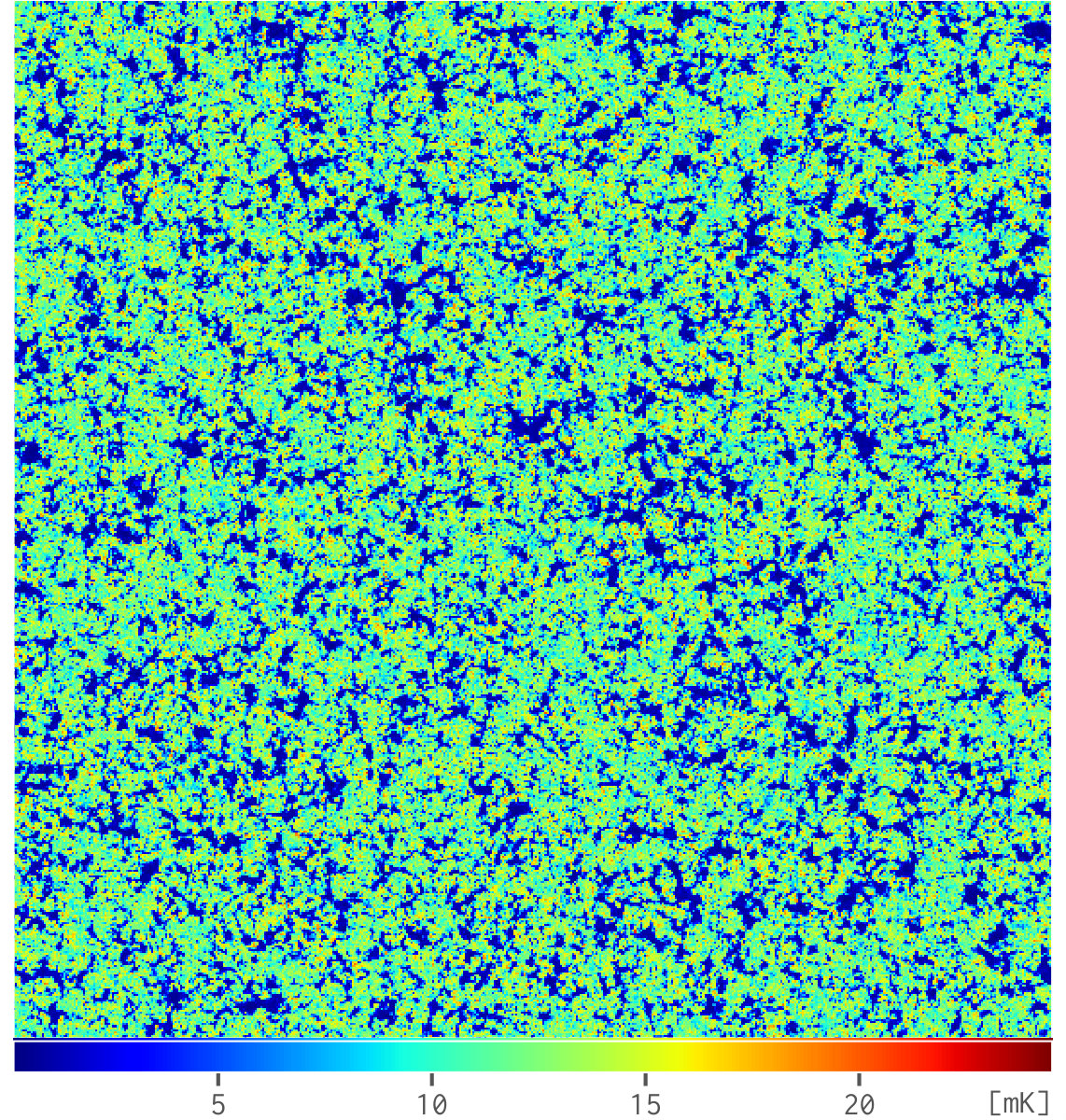 Figure 1
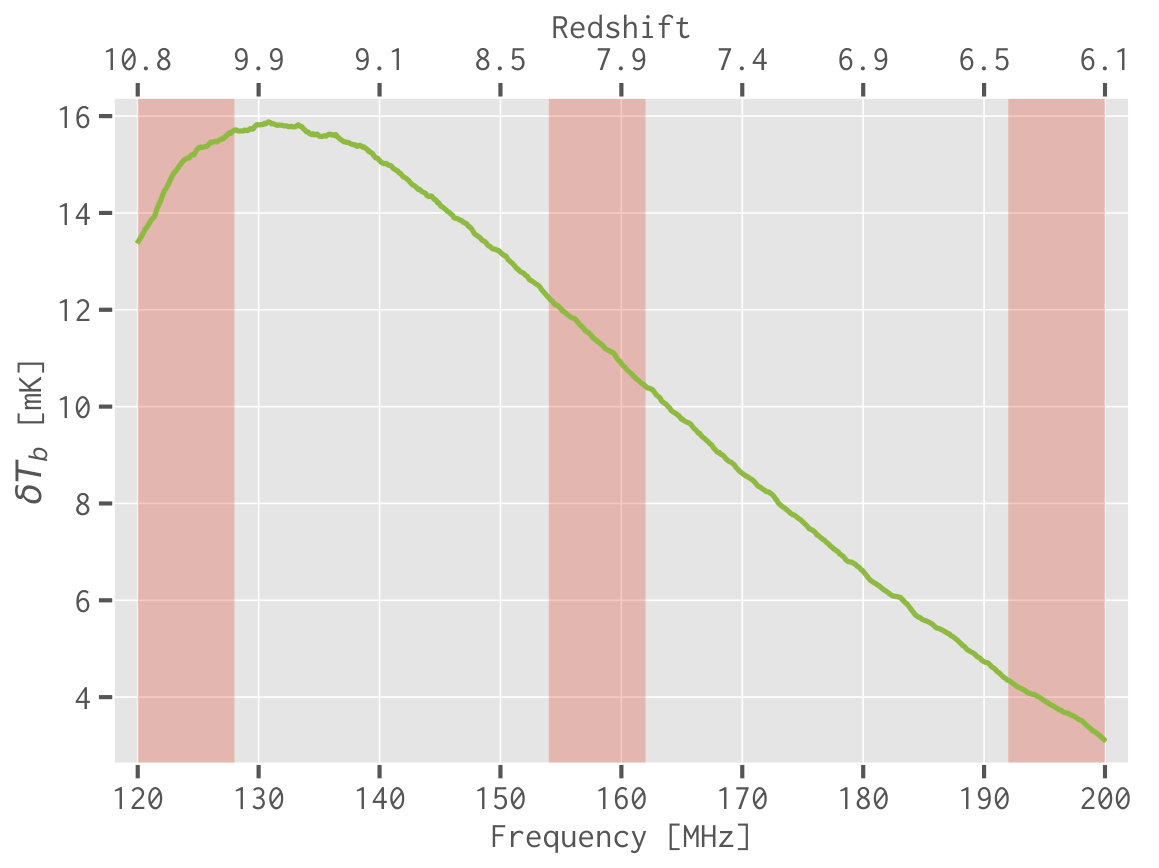 Figure 2
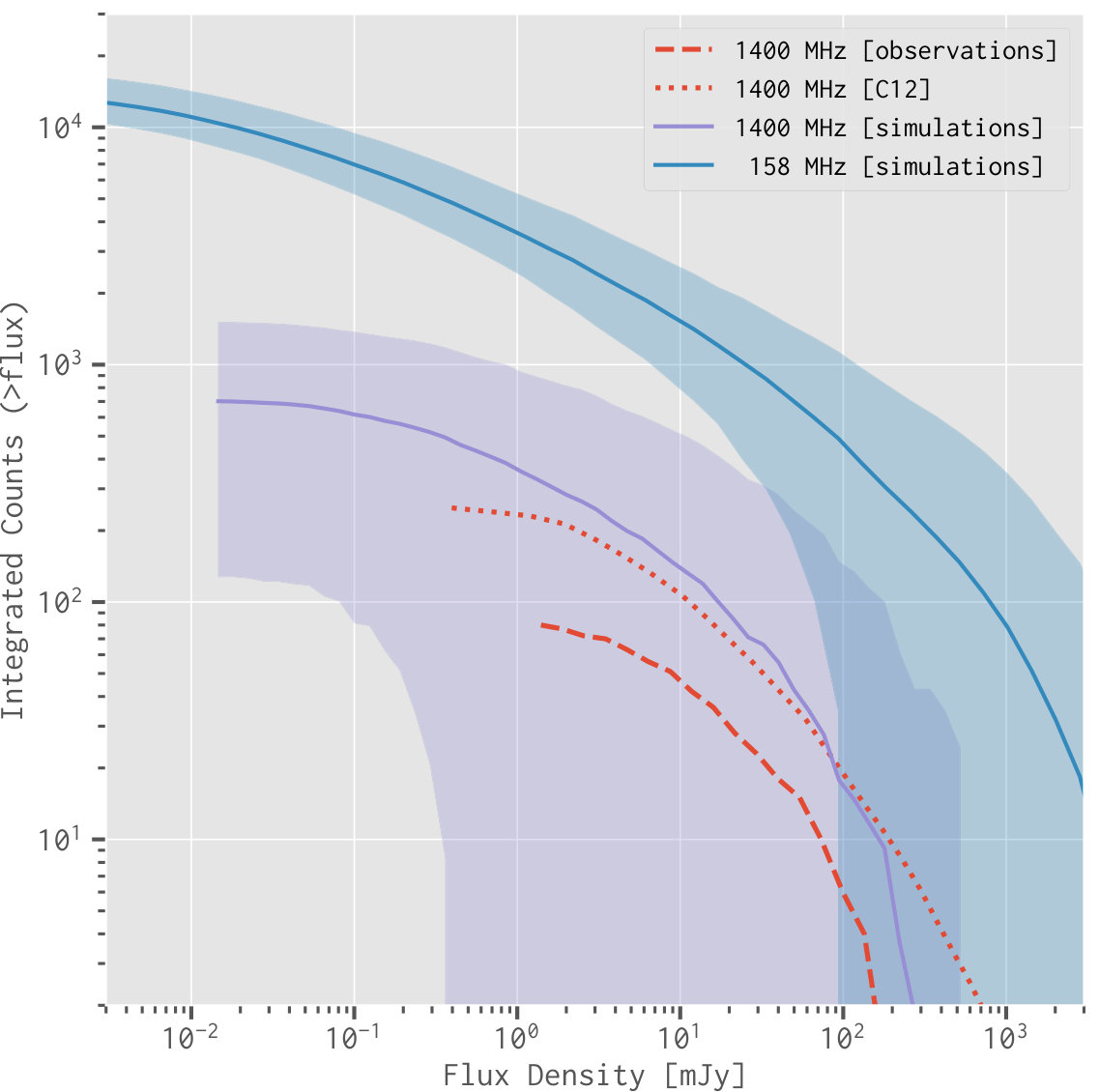 Figure 3
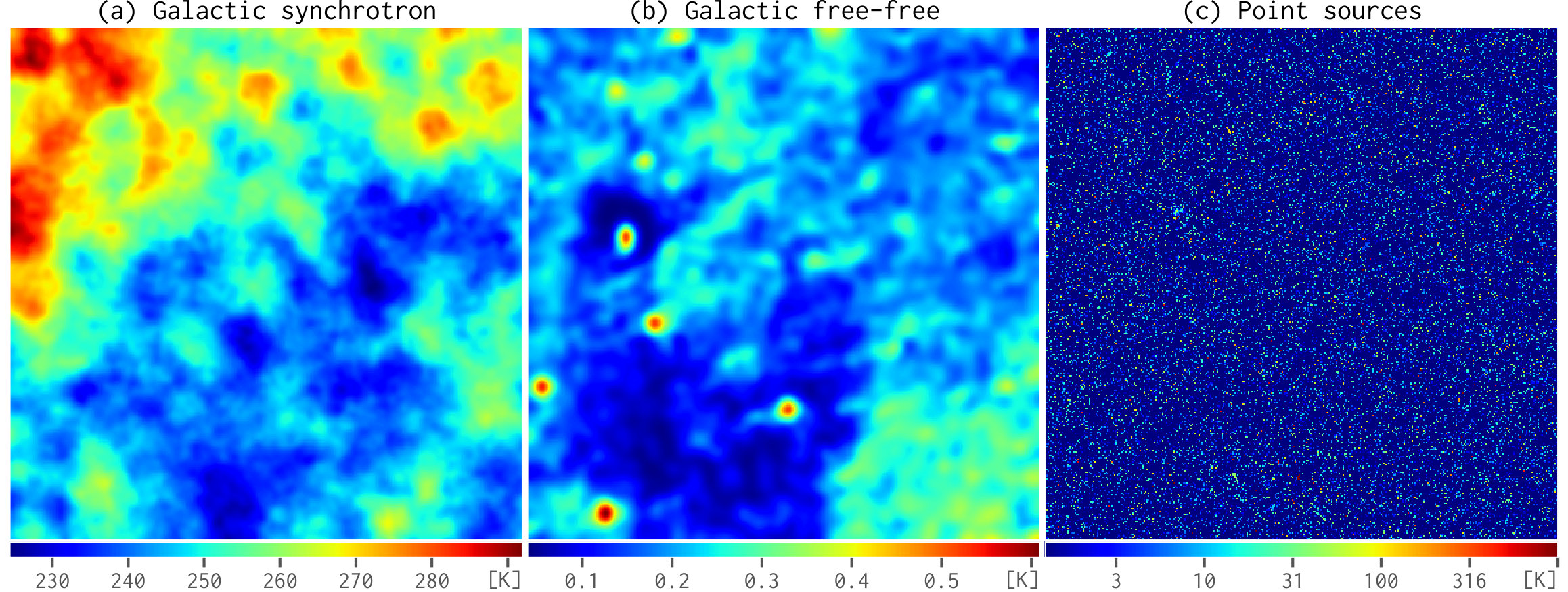 Figure 4
 Figure 5
 Figure 6
 Figure 7
 Figure 8
 Figure 9
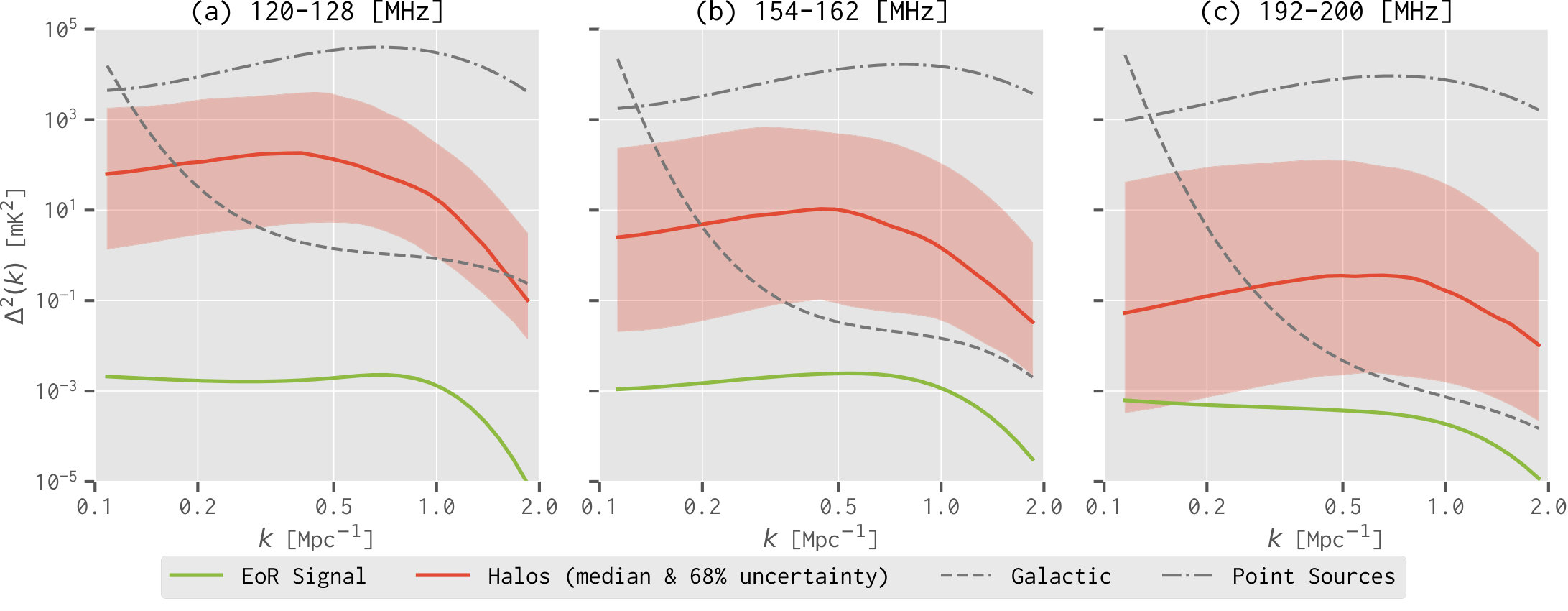 Figure 10
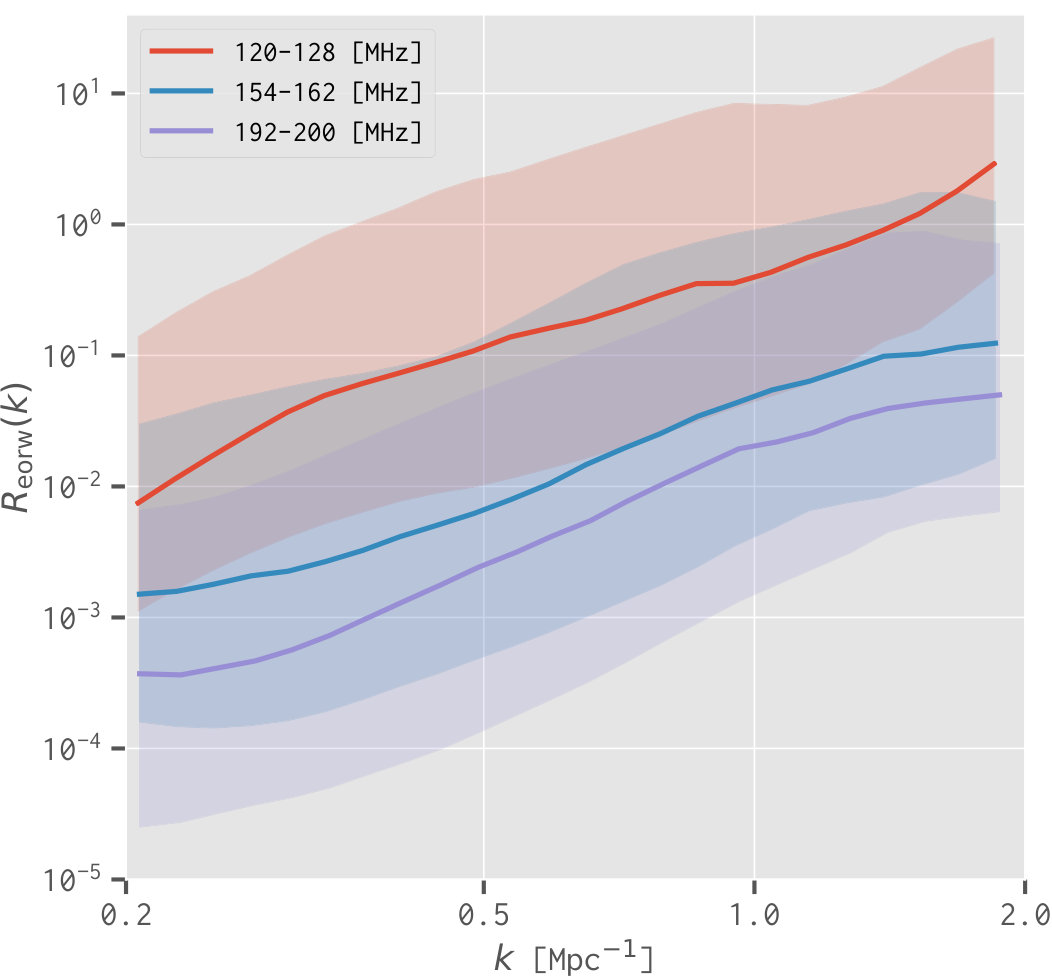 Figure 11
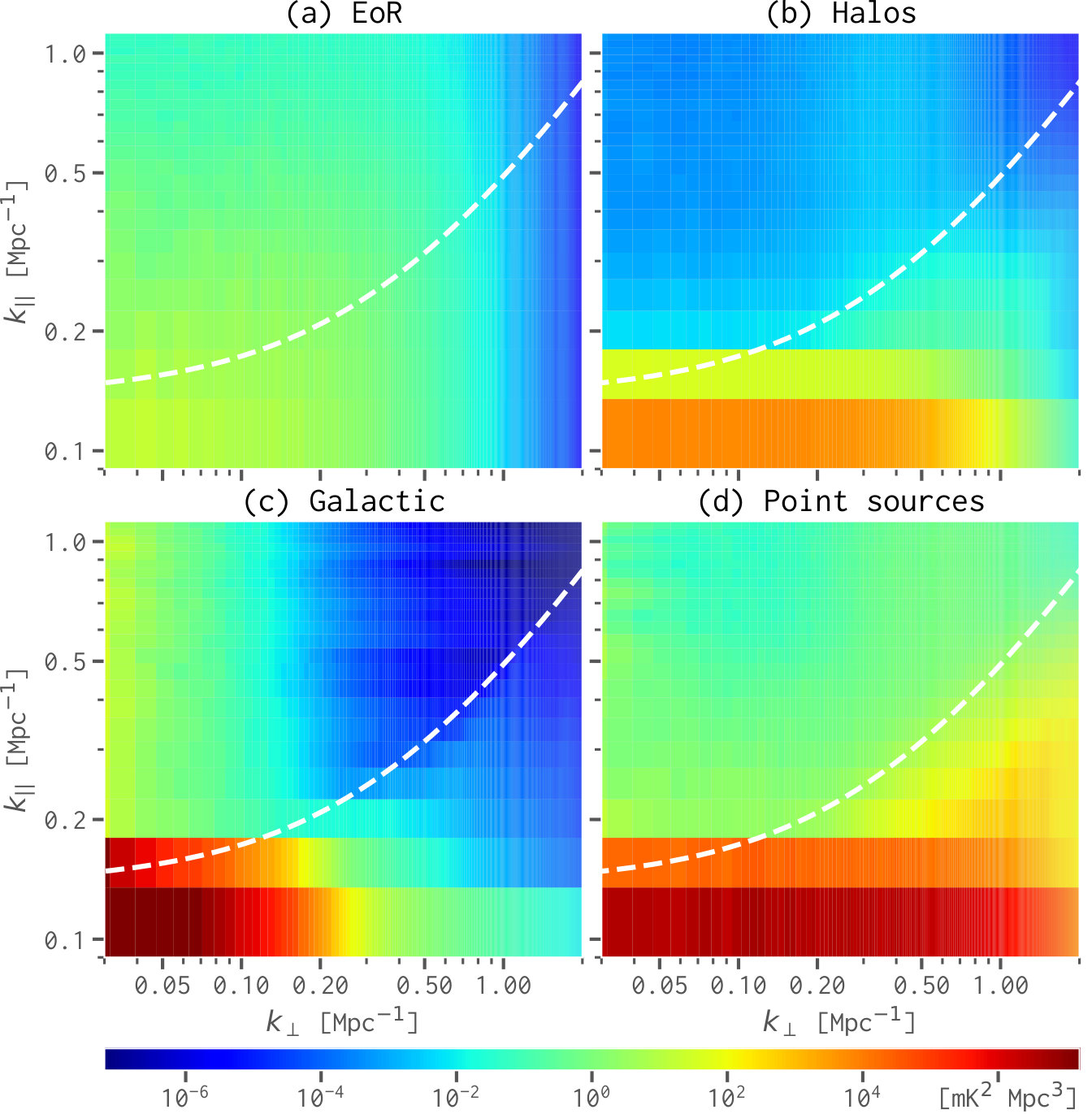 Figure 12
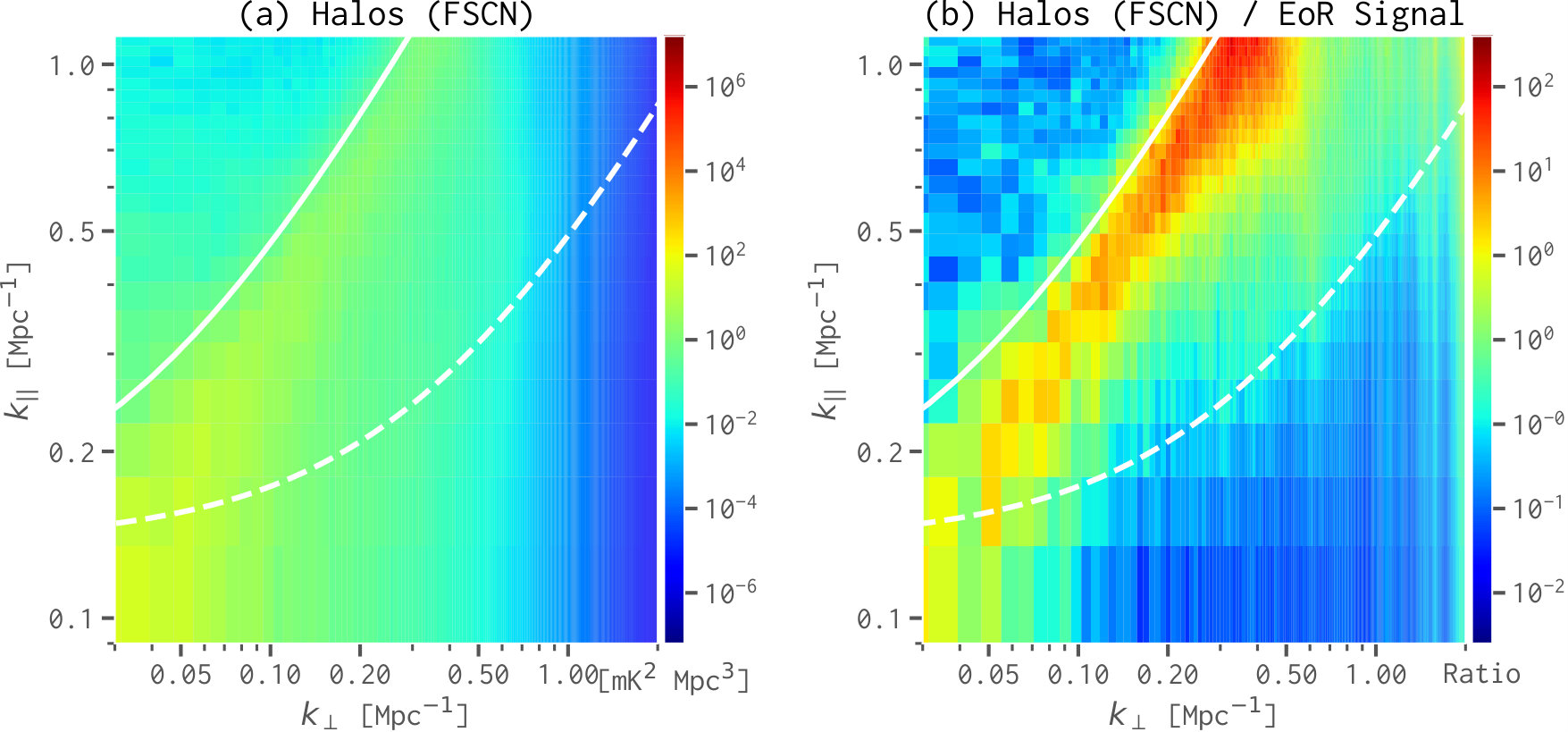 Figure 13
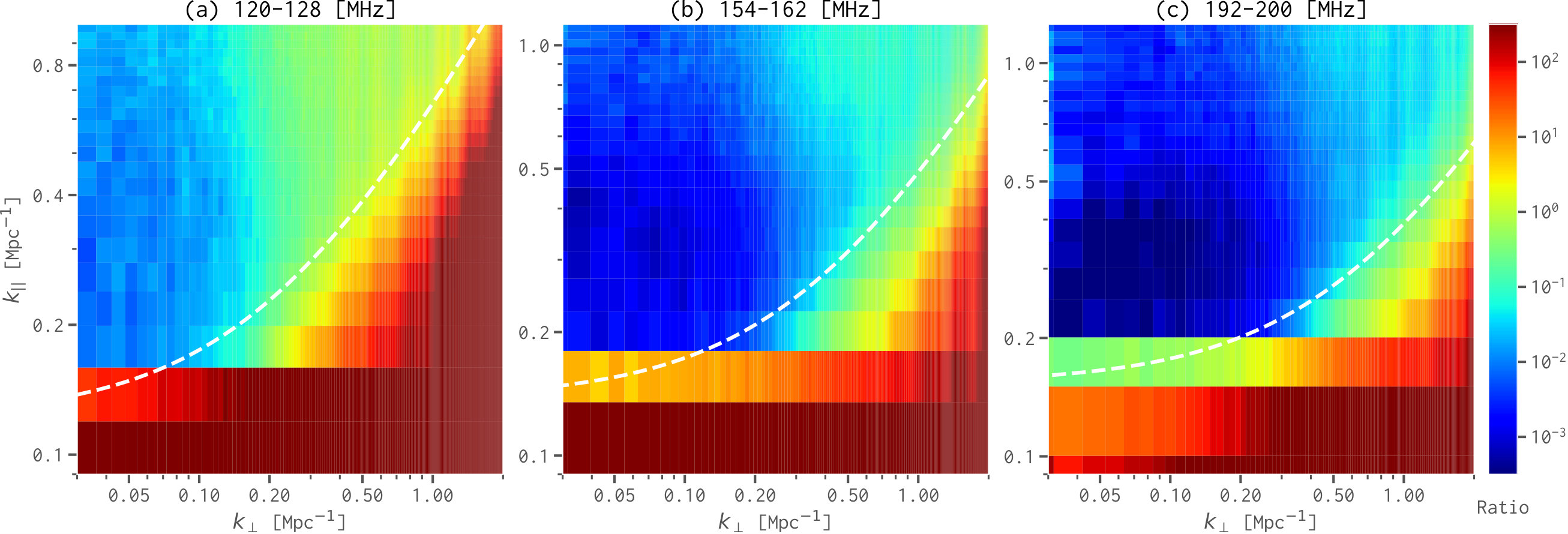 Figure 14
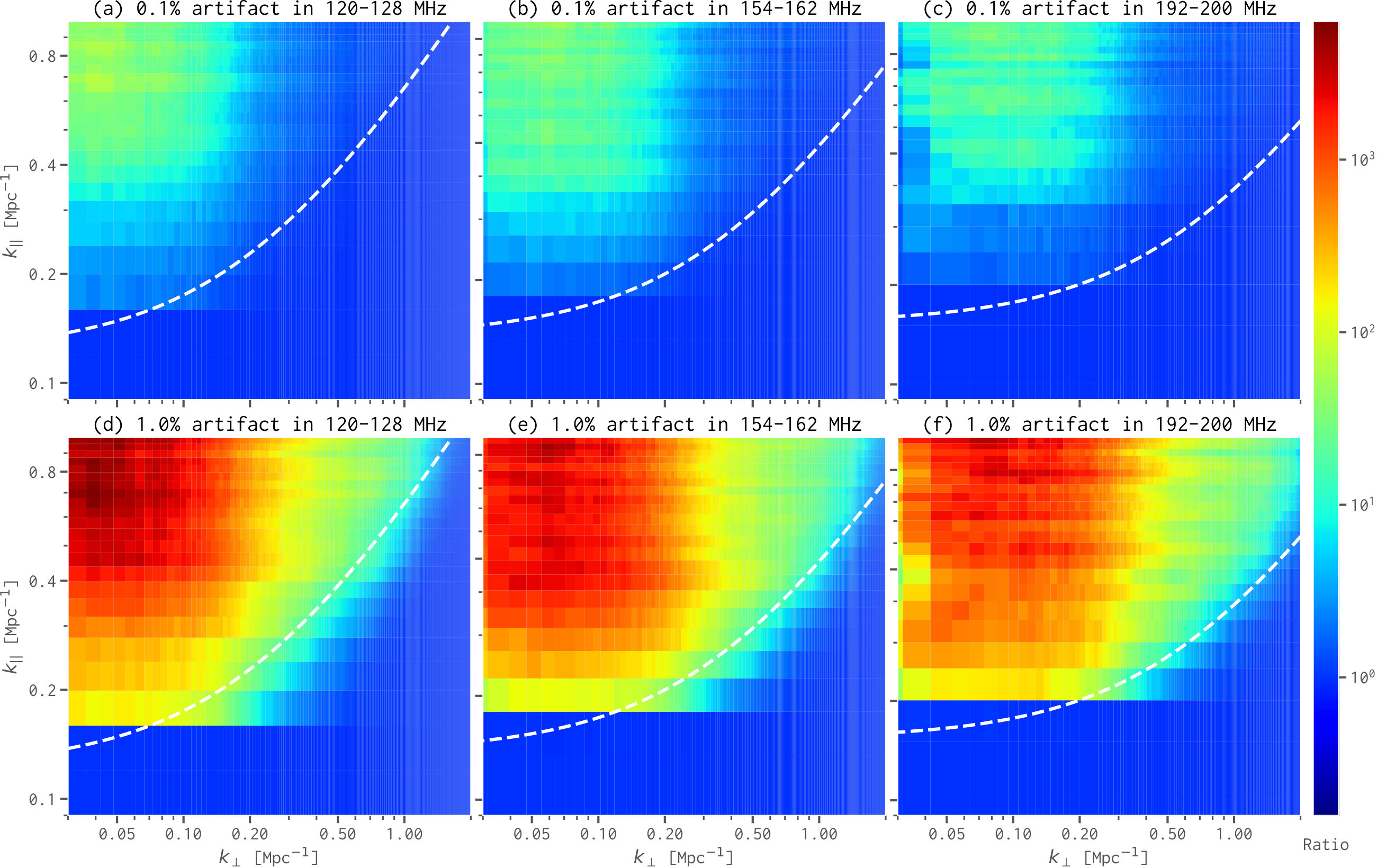 Figure 15
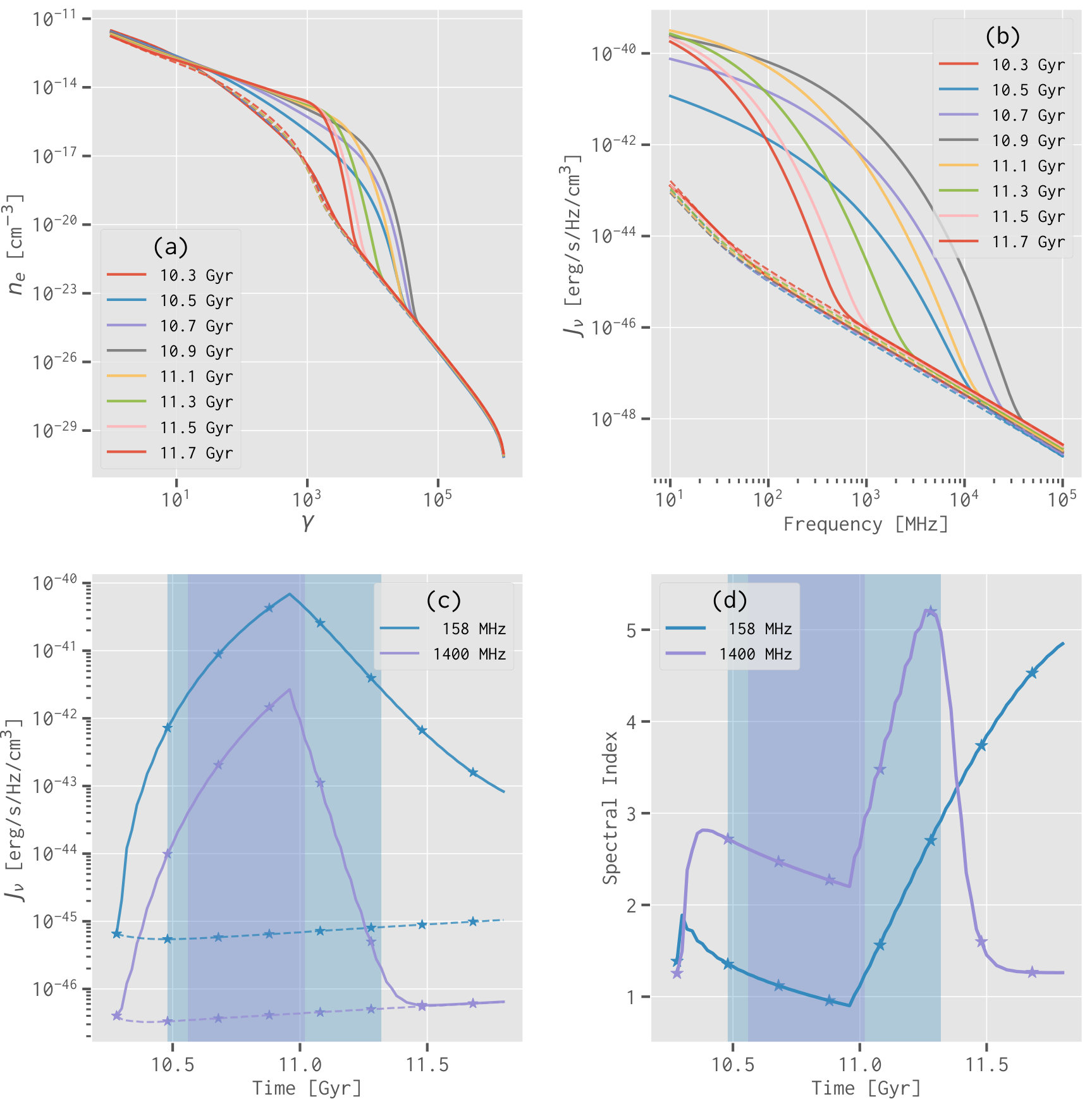 Figure 16
Peer Reviews
No public reviews on file for this paper yet. If you reviewed it on a platform where reviews are public (OpenReview, ICLR, NeurIPS, ICML), you can paste yours below so the community can read it here.
Code & Models
Videos
No videos yet. Explain this paper in a talk, walkthrough, or lecture? Add one.
