On Optimal Neighbor Discovery
Philipp H. Kindt, Samarjit Chakraborty

TL;DR
This paper establishes the fundamental limits on neighbor discovery latency under energy constraints, revealing that some existing protocols are already optimal and highlighting future directions for robustness improvements.
Contribution
It provides the first tight, duty-cycle-dependent bounds on worst-case discovery latency, clarifying the optimality of current protocols and guiding future research.
Findings
Several existing protocols are proven to be optimal.
No further latency reduction is possible under current energy constraints.
Future protocols can focus on robustness against beacon collisions.
Abstract
Mobile devices apply neighbor discovery (ND) protocols to wirelessly initiate a first contact within the shortest possible amount of time and with minimal energy consumption. For this purpose, over the last decade, a vast number of ND protocols have been proposed, which have progressively reduced the relation between the time within which discovery is guaranteed and the energy consumption. In spite of the simplicity of the problem statement, even after more than 10 years of research on this specific topic, new solutions are still proposed even today. Despite the large number of known ND protocols, given an energy budget, what is the best achievable latency still remains unclear. This paper addresses this question and for the first time presents safe and tight, duty-cycle-dependent bounds on the worst-case discovery latency that no ND protocol can beat. Surprisingly, several existing…
Click any figure to enlarge with its caption.
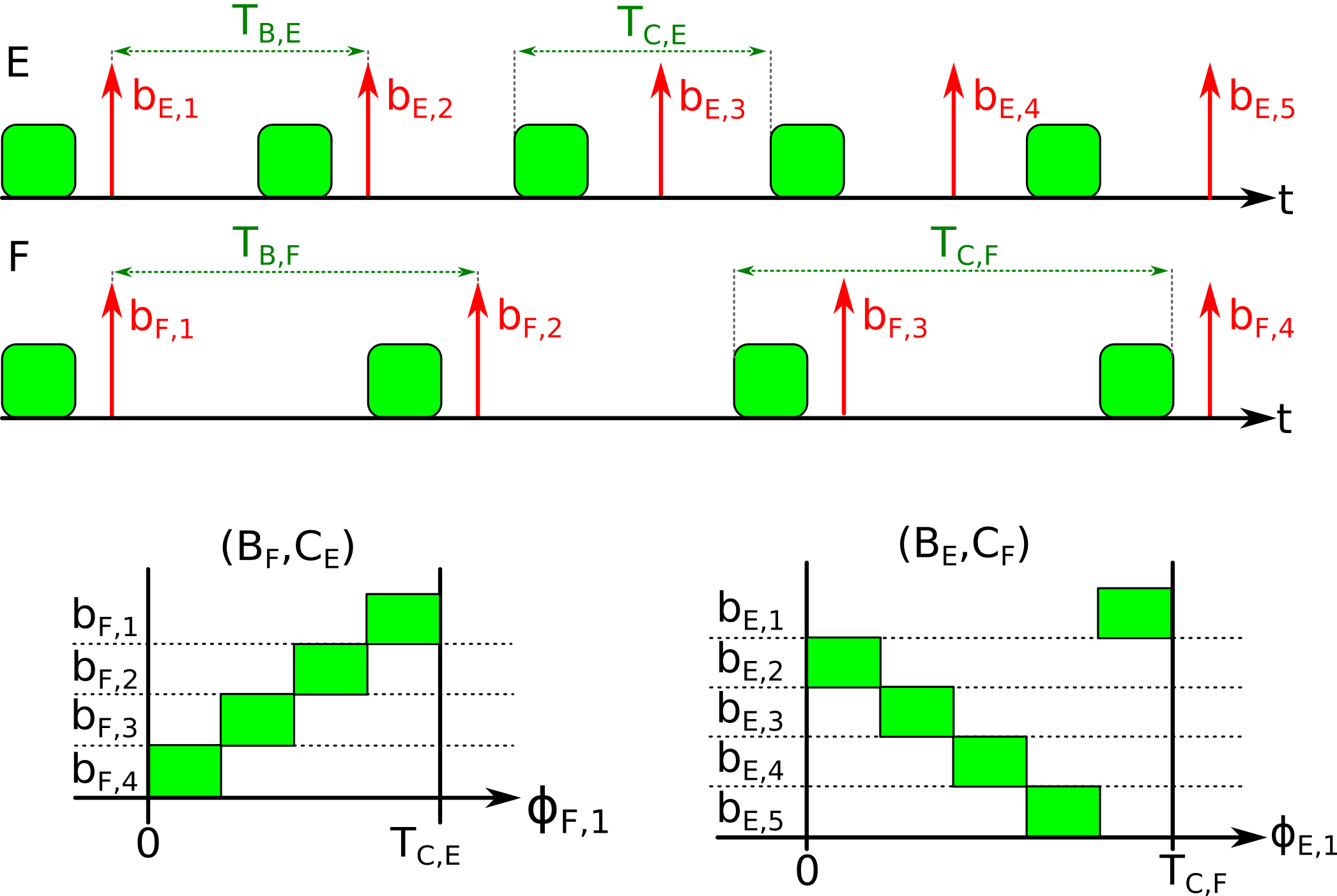 Figure 1
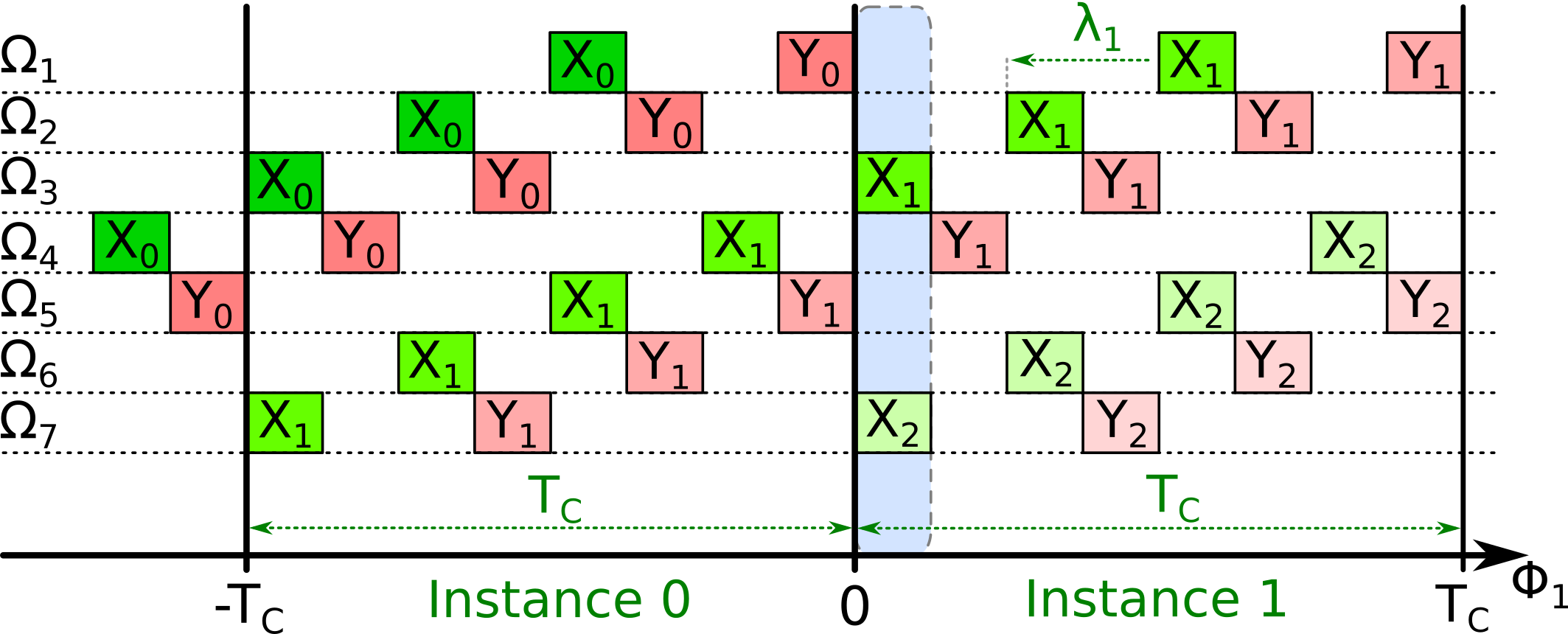 Figure 2
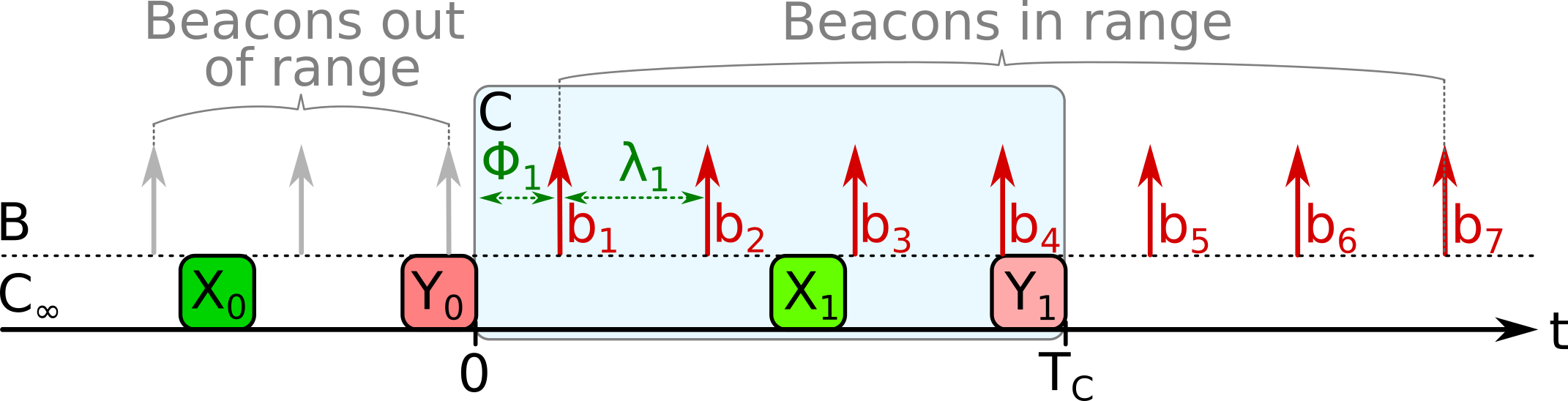 Figure 3
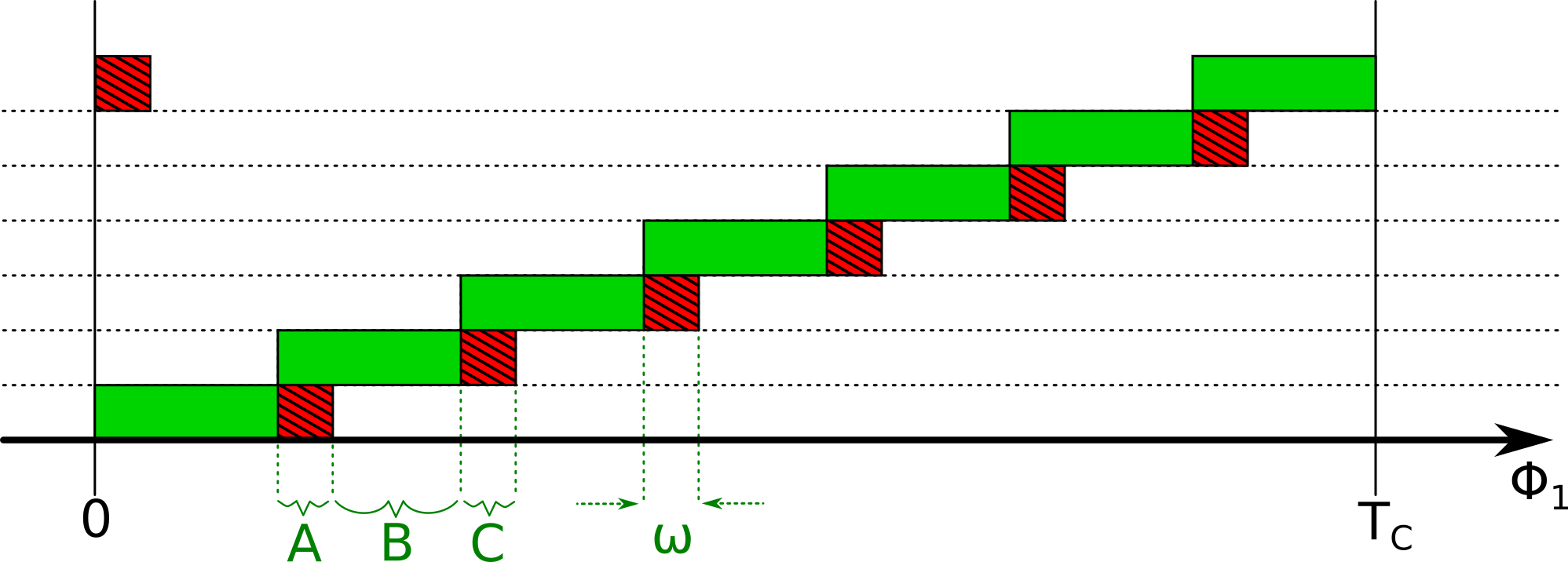 Figure 4
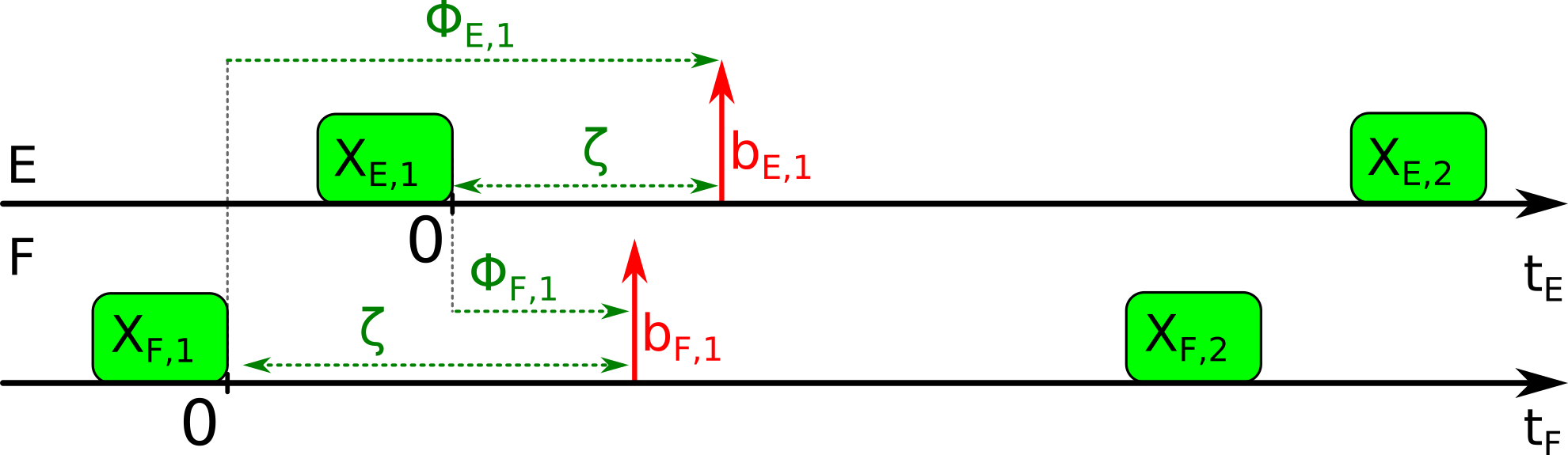 Figure 5
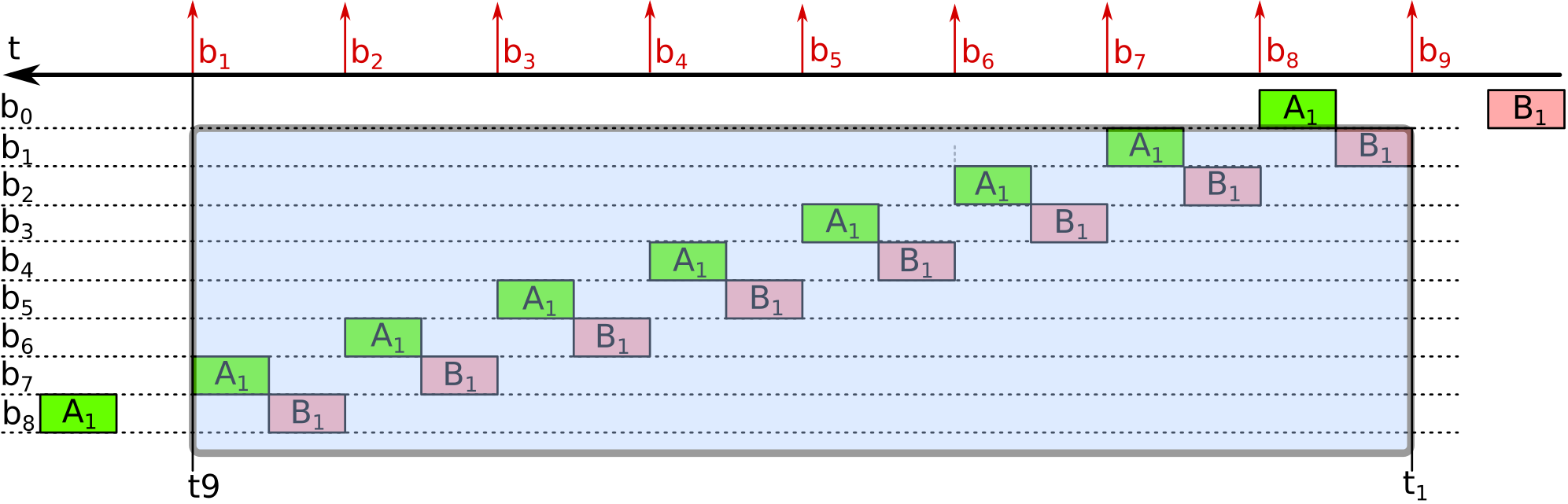 Figure 6
 Figure 7
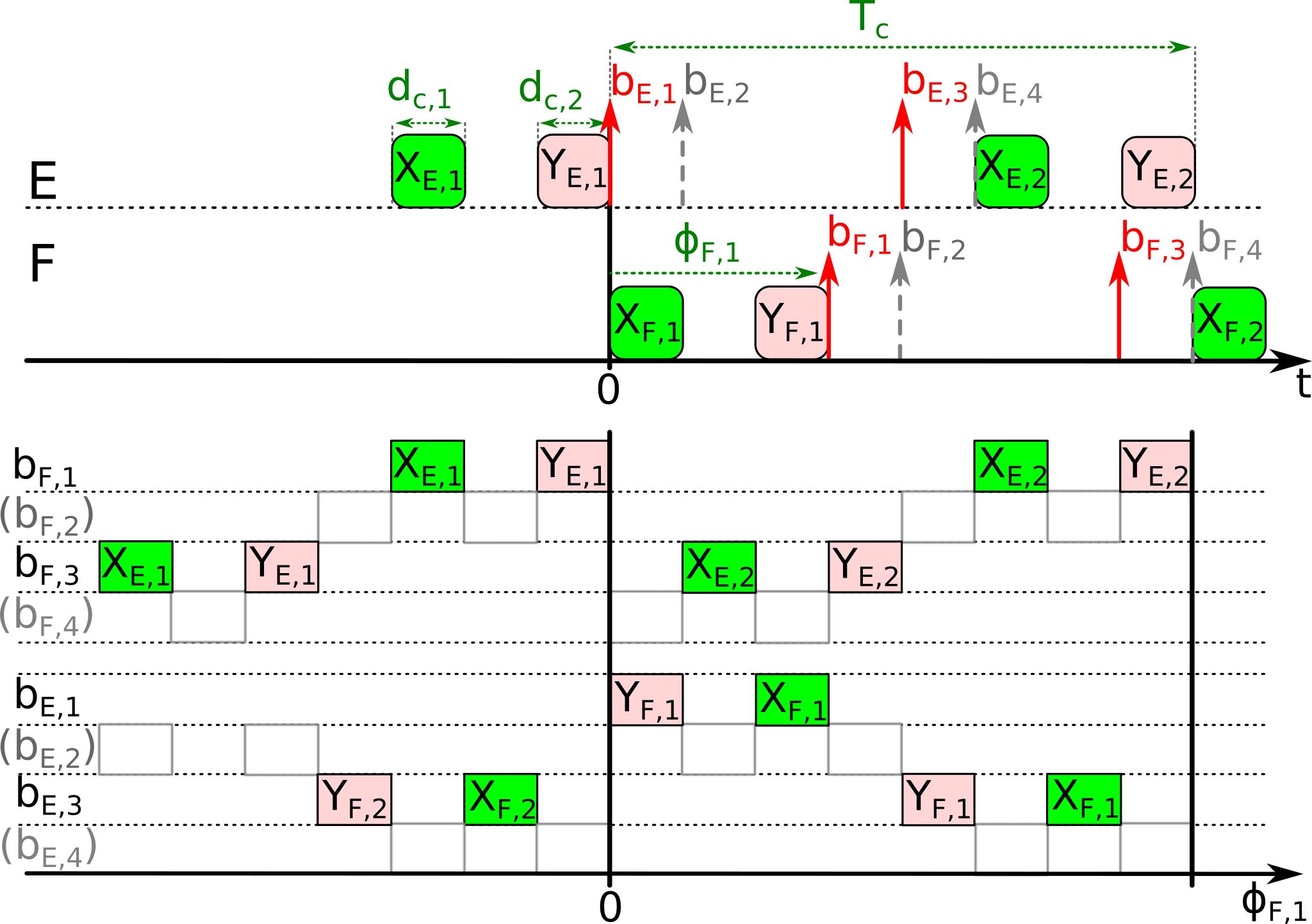 Figure 8
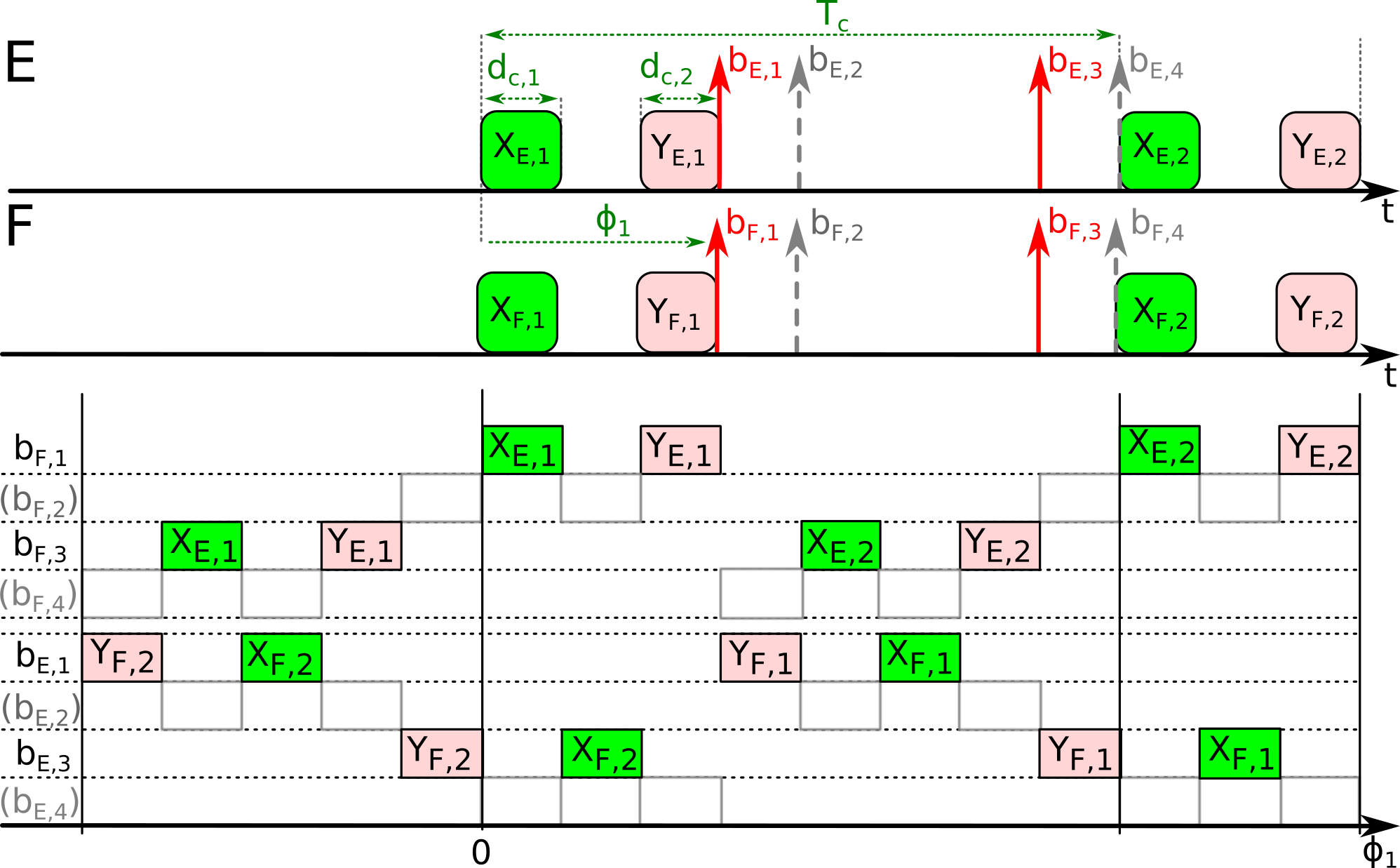 Figure 9
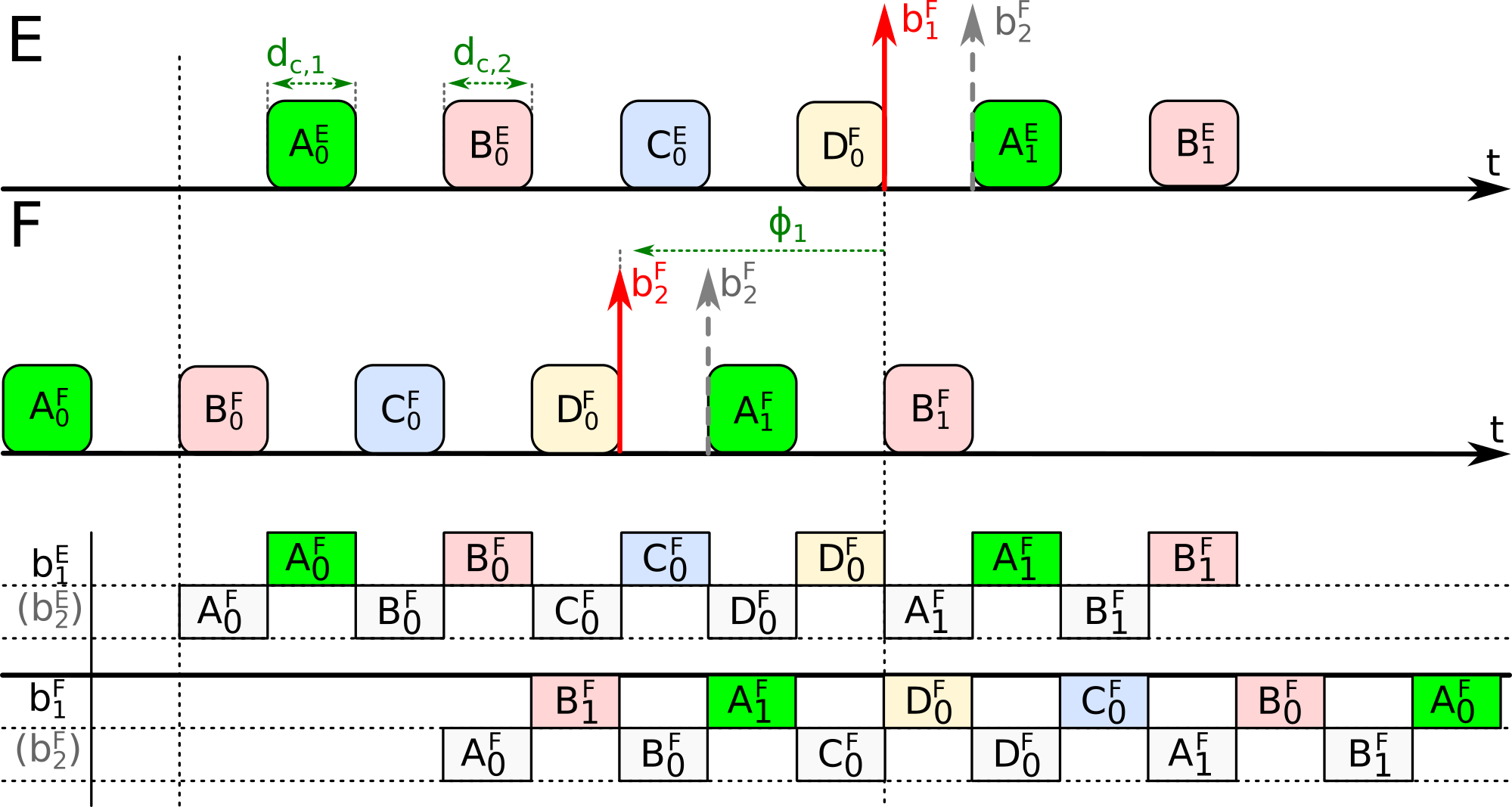 Figure 10
 Figure 11
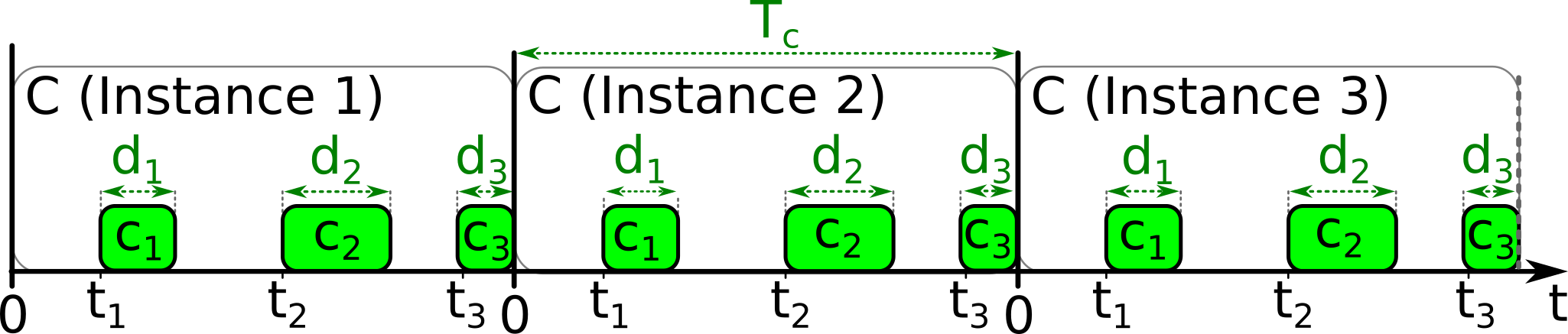 Figure 12
 Figure 13
 Figure 14
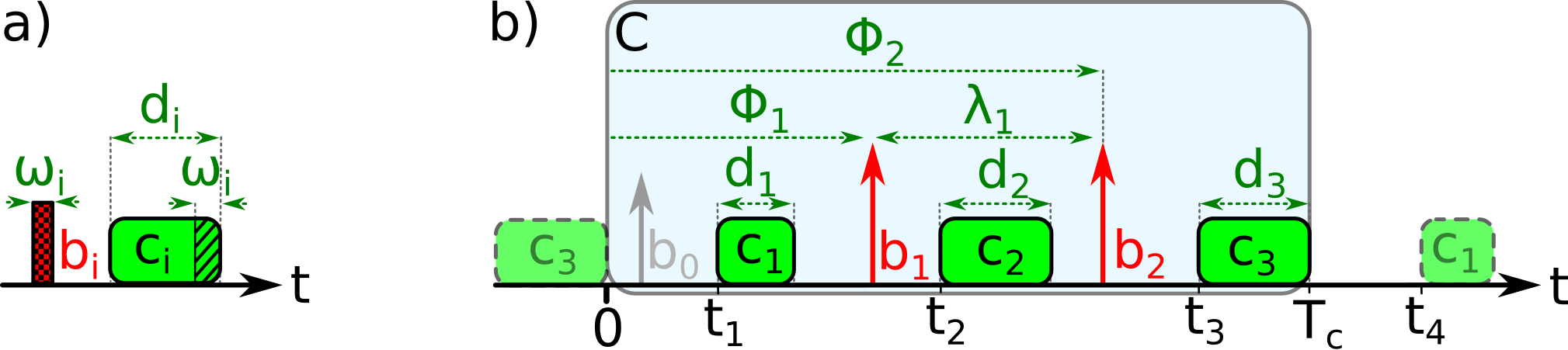 Figure 15
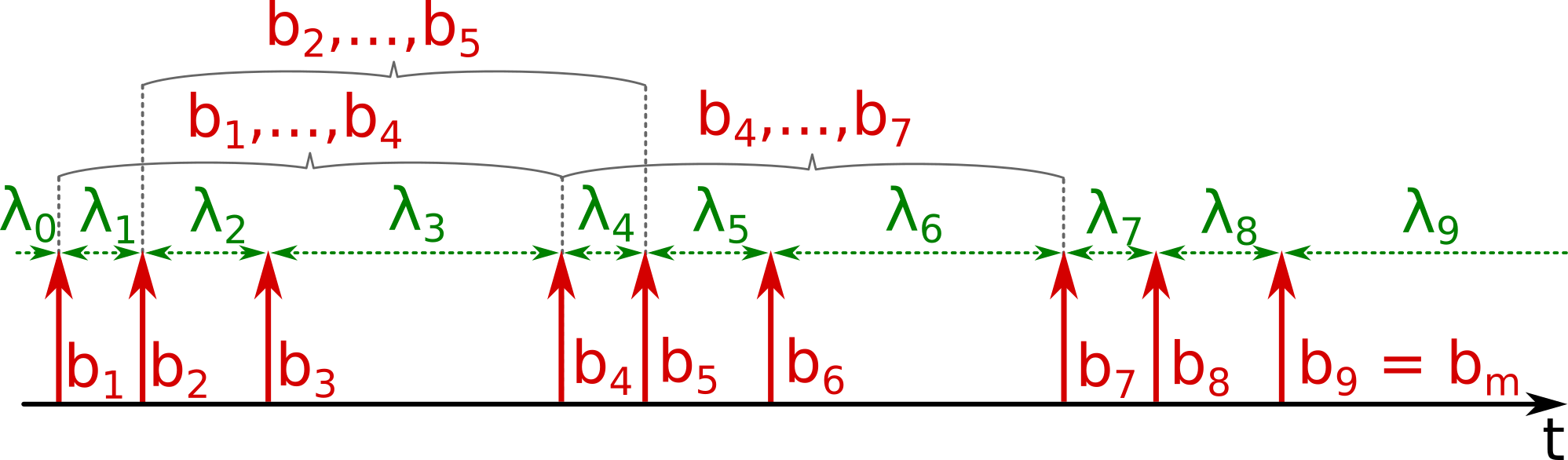 Figure 16
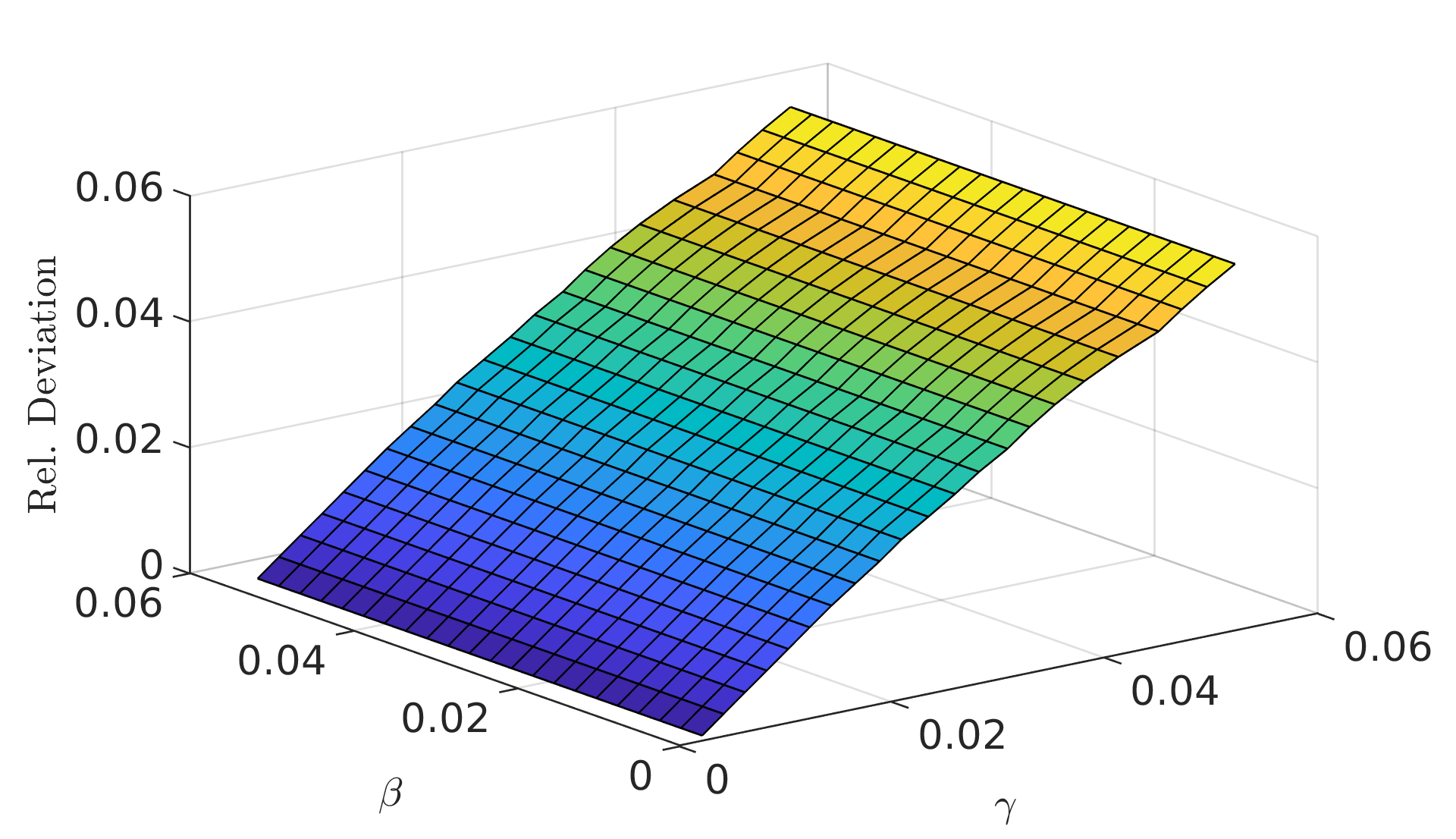 Figure 17
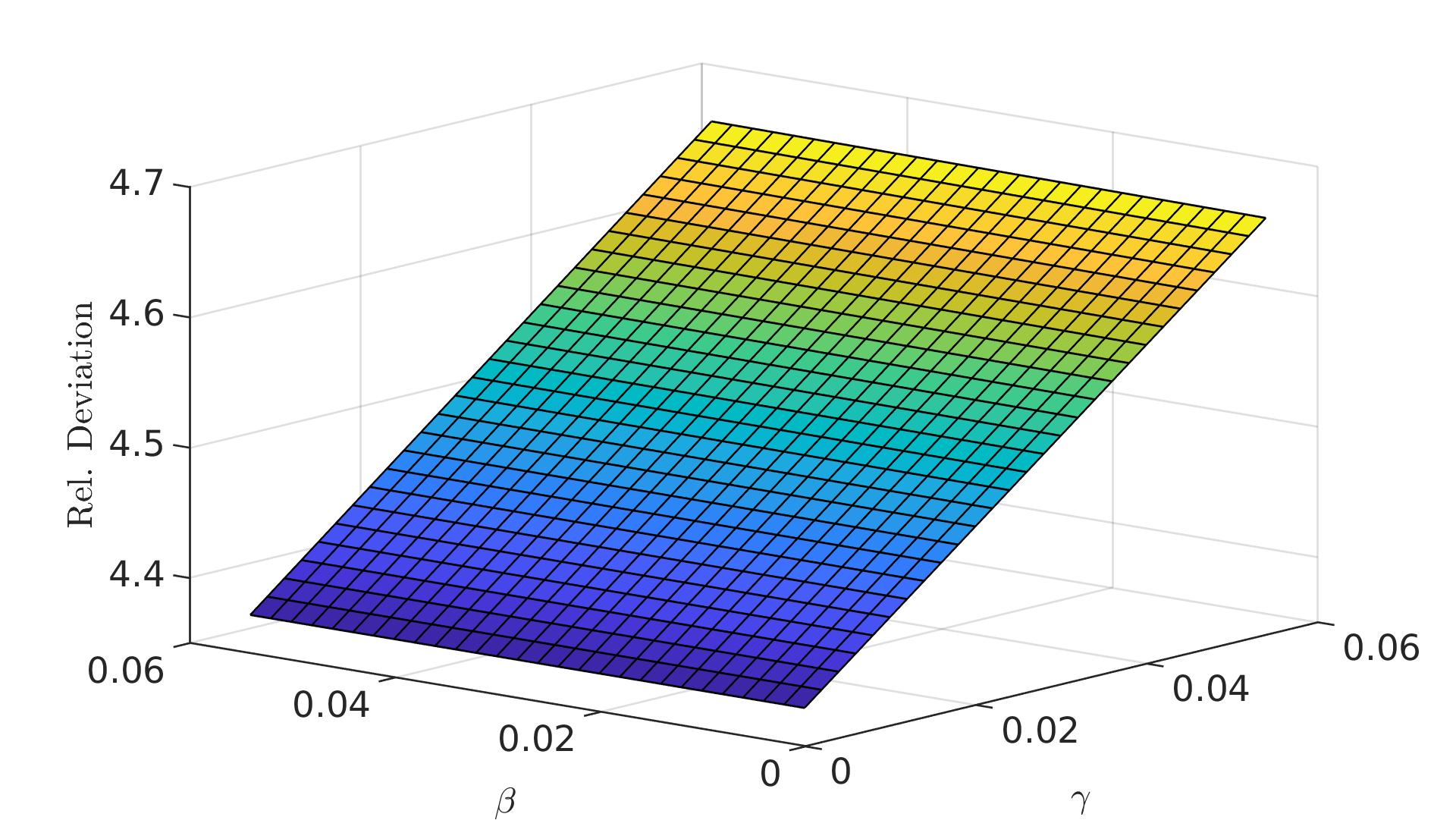 Figure 18
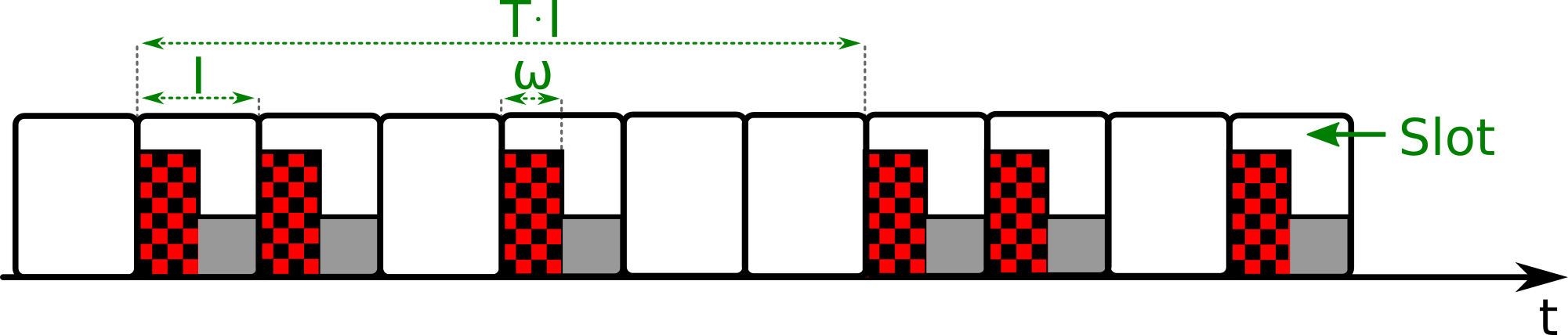 Figure 19
 Figure 20
Peer Reviews
No public reviews on file for this paper yet. If you reviewed it on a platform where reviews are public (OpenReview, ICLR, NeurIPS, ICML), you can paste yours below so the community can read it here.
Videos
No videos yet. Explain this paper in a talk, walkthrough, or lecture? Add one.