Fast and Accurate Proper Orthogonal Decomposition using Efficient Sampling and Iterative Techniques for Singular Value Decomposition
V. Charumathi (1), M. Ramakrishna (1), Vinita Vasudevan (1) ((1), Indian Institute of Technology, Madras)

TL;DR
This paper introduces an efficient iterative sampling algorithm for proper orthogonal decomposition that significantly reduces computation time while maintaining high accuracy, suitable for large datasets that exceed memory capacity.
Contribution
It presents a novel iterative sampling and merging approach for POD that improves efficiency and scalability over traditional SVD methods.
Findings
Achieves high accuracy in approximating POD modes.
Significantly reduces runtime compared to truncated SVD.
Enables POD computation for large matrices beyond RAM capacity.
Abstract
In this paper, we propose a computationally efficient iterative algorithm for proper orthogonal decomposition (POD) using random sampling based techniques. In this algorithm, additional rows and columns are sampled and a merging technique is used to update the dominant POD modes in each iteration. We derive bounds for the spectral norm of the error introduced by a series of merging operations. We use an existing theorem to get an approximate measure of the quality of subspaces obtained on convergence of the iteration. Results on various datasets indicate that the POD modes and/or the subspaces are approximated with excellent accuracy with a significant runtime improvement over computing the truncated SVD. We also propose a method to compute the POD modes of large matrices that do not fit in the RAM using this iterative sampling and merging algorithms.
Click any figure to enlarge with its caption.
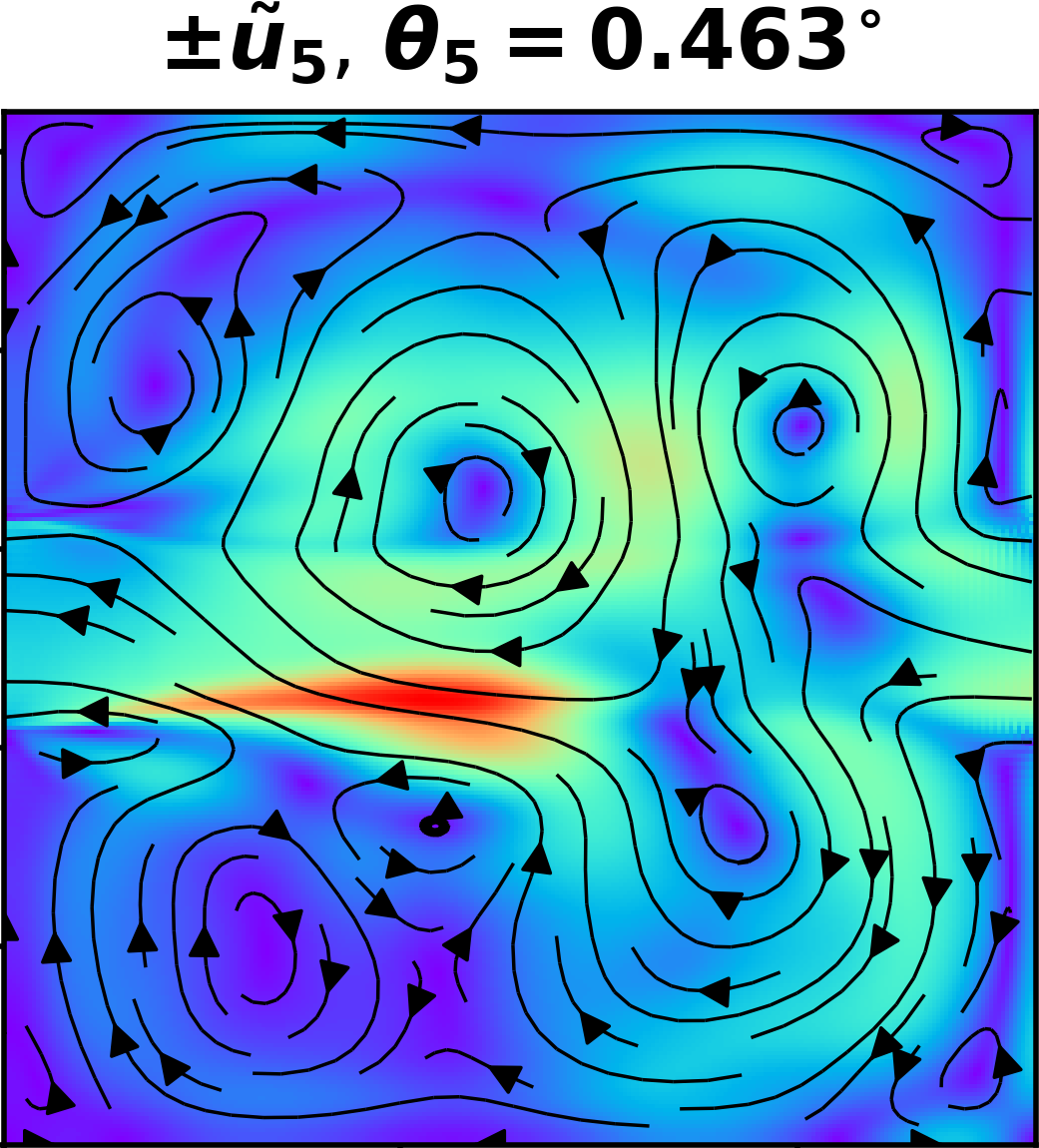 Figure 1
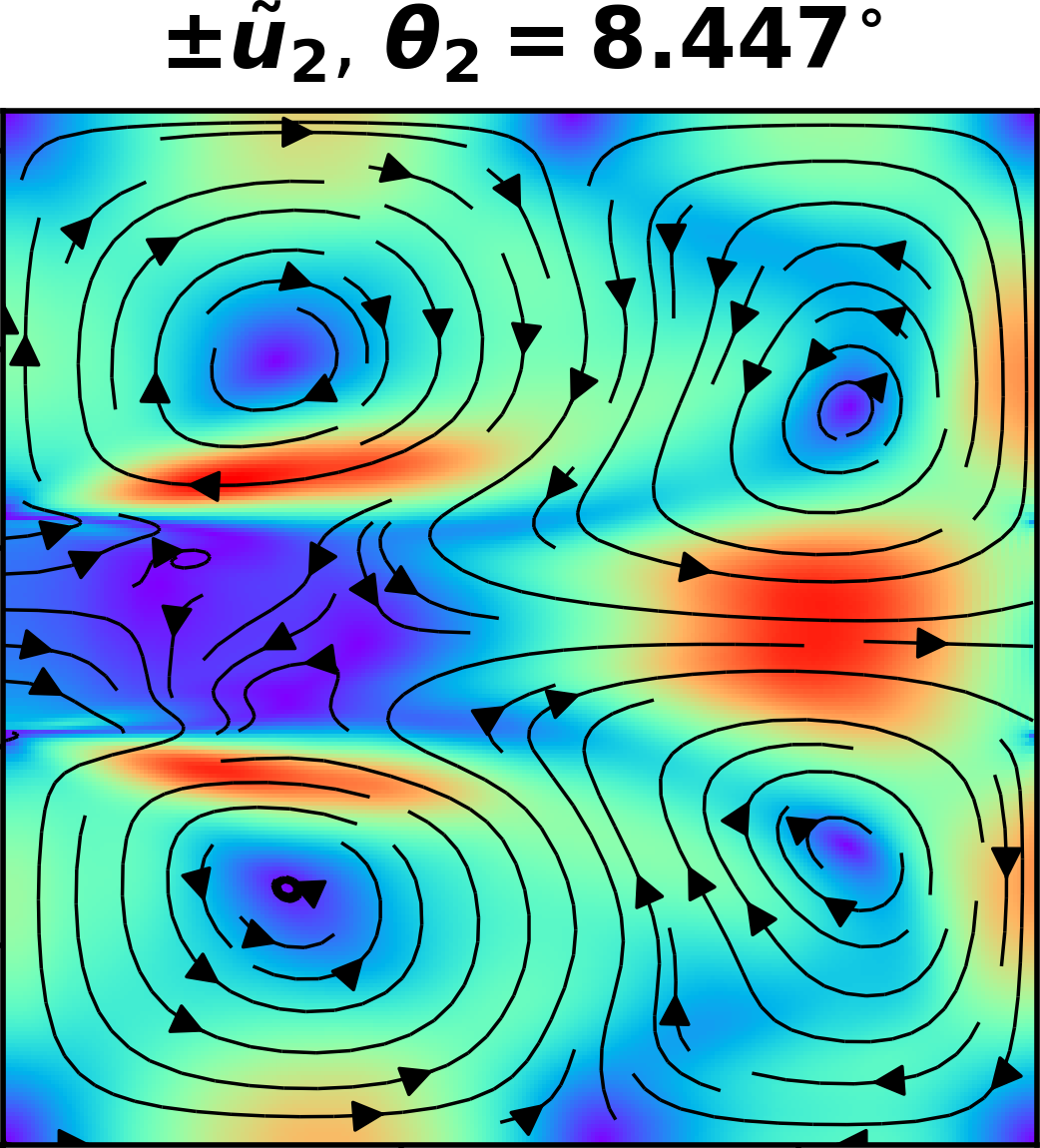 Figure 2
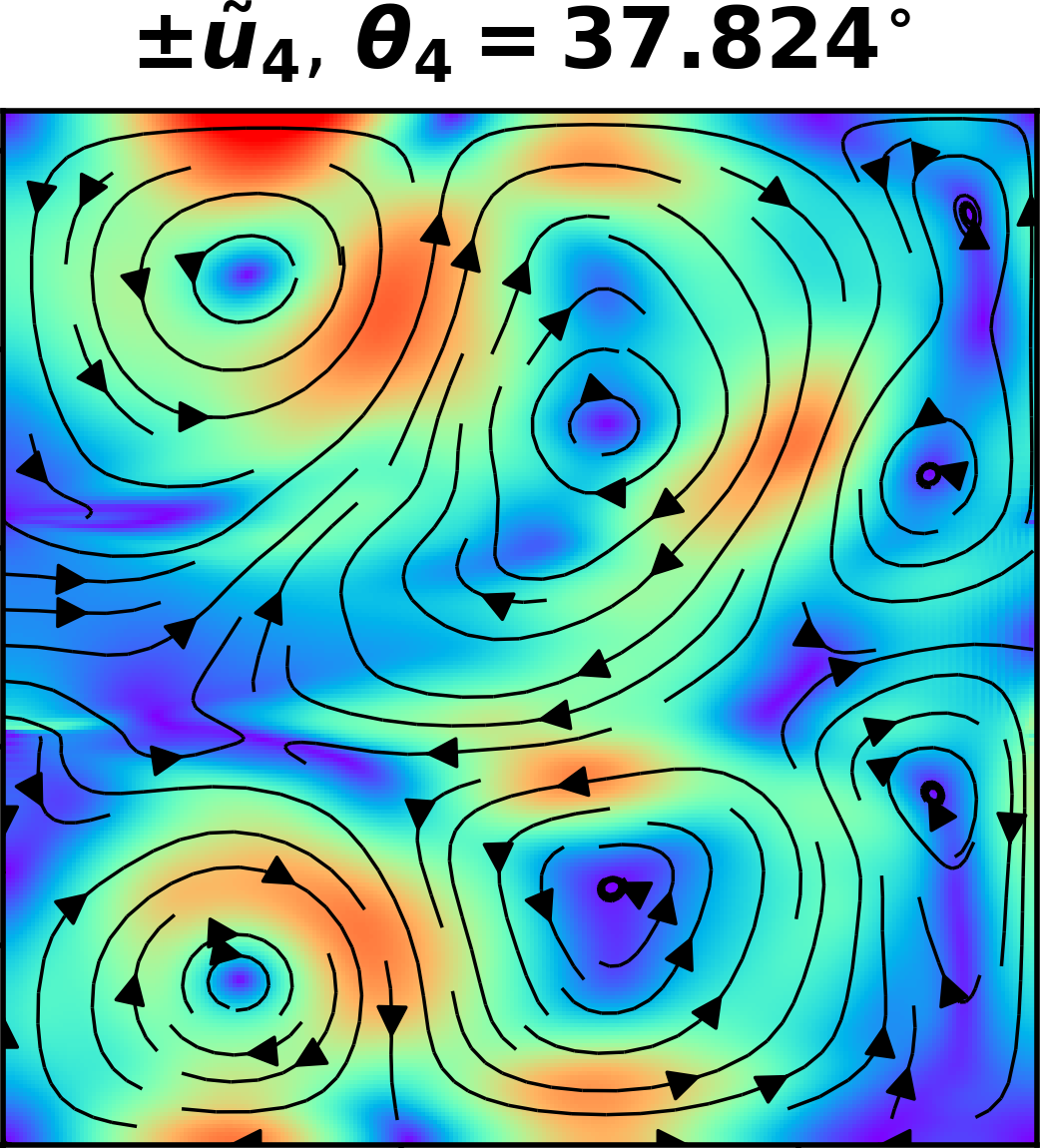 Figure 3
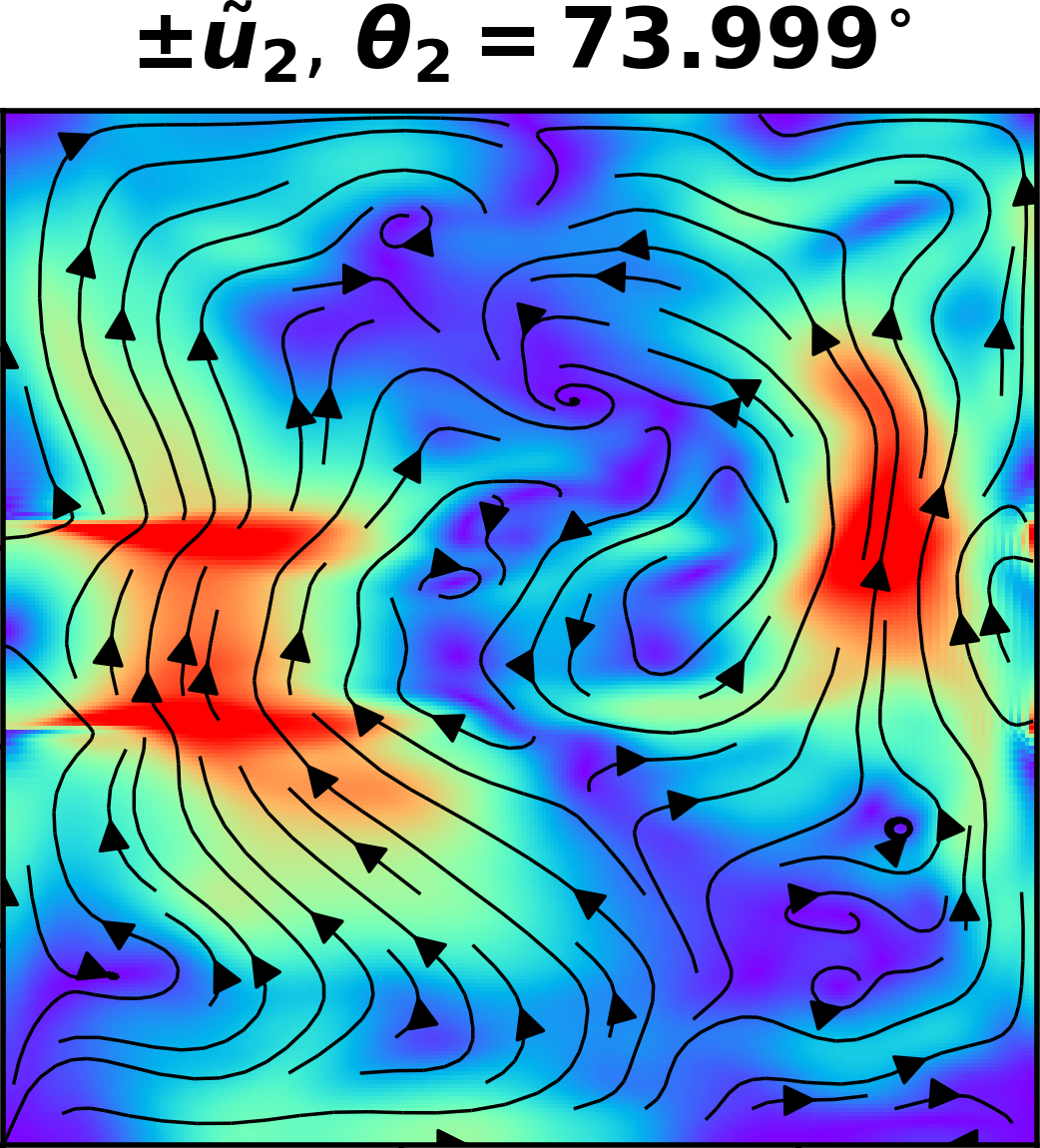 Figure 4
 Figure 5
 Figure 6
 Figure 7
 Figure 8
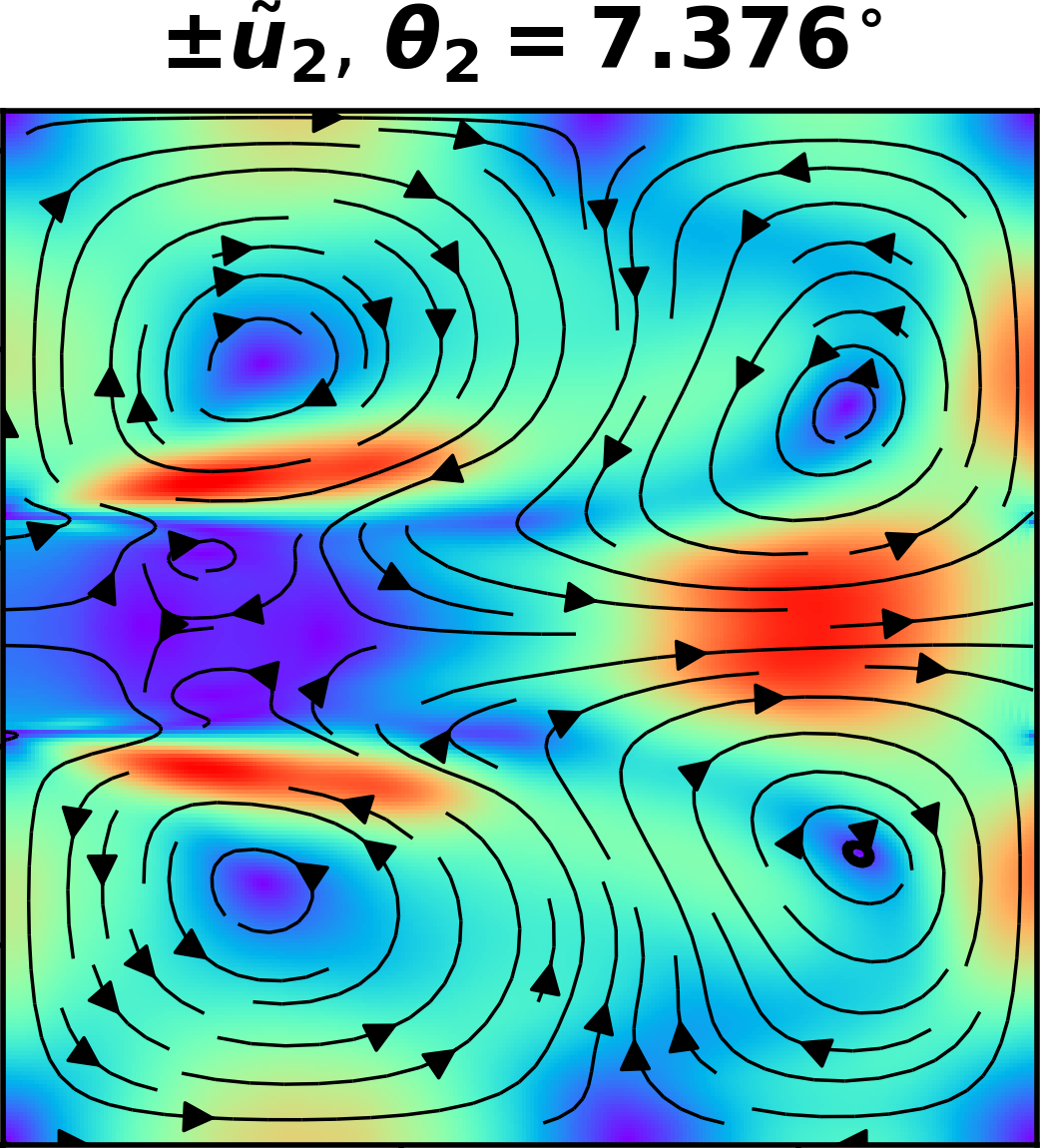 Figure 9
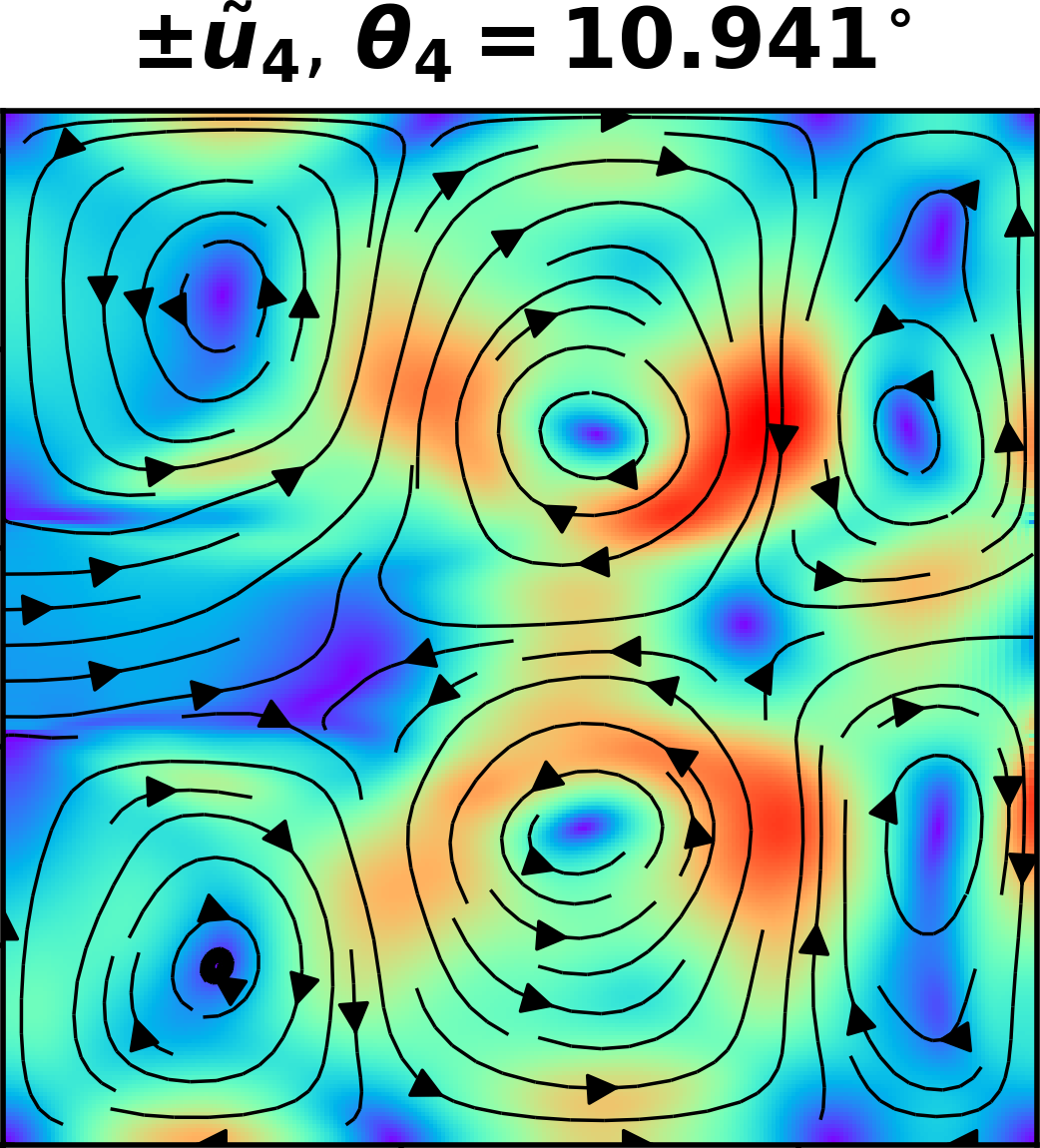 Figure 10
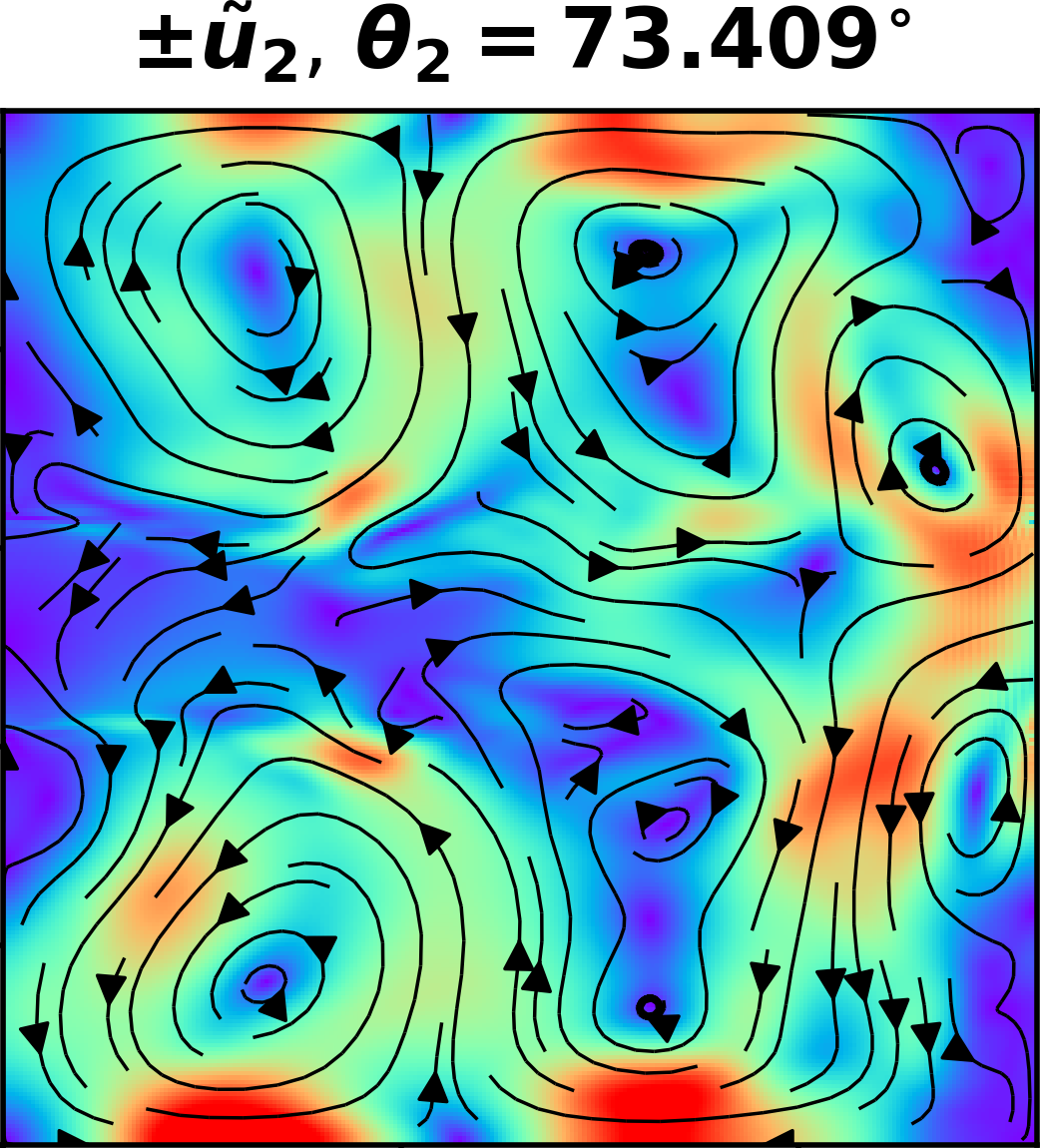 Figure 11
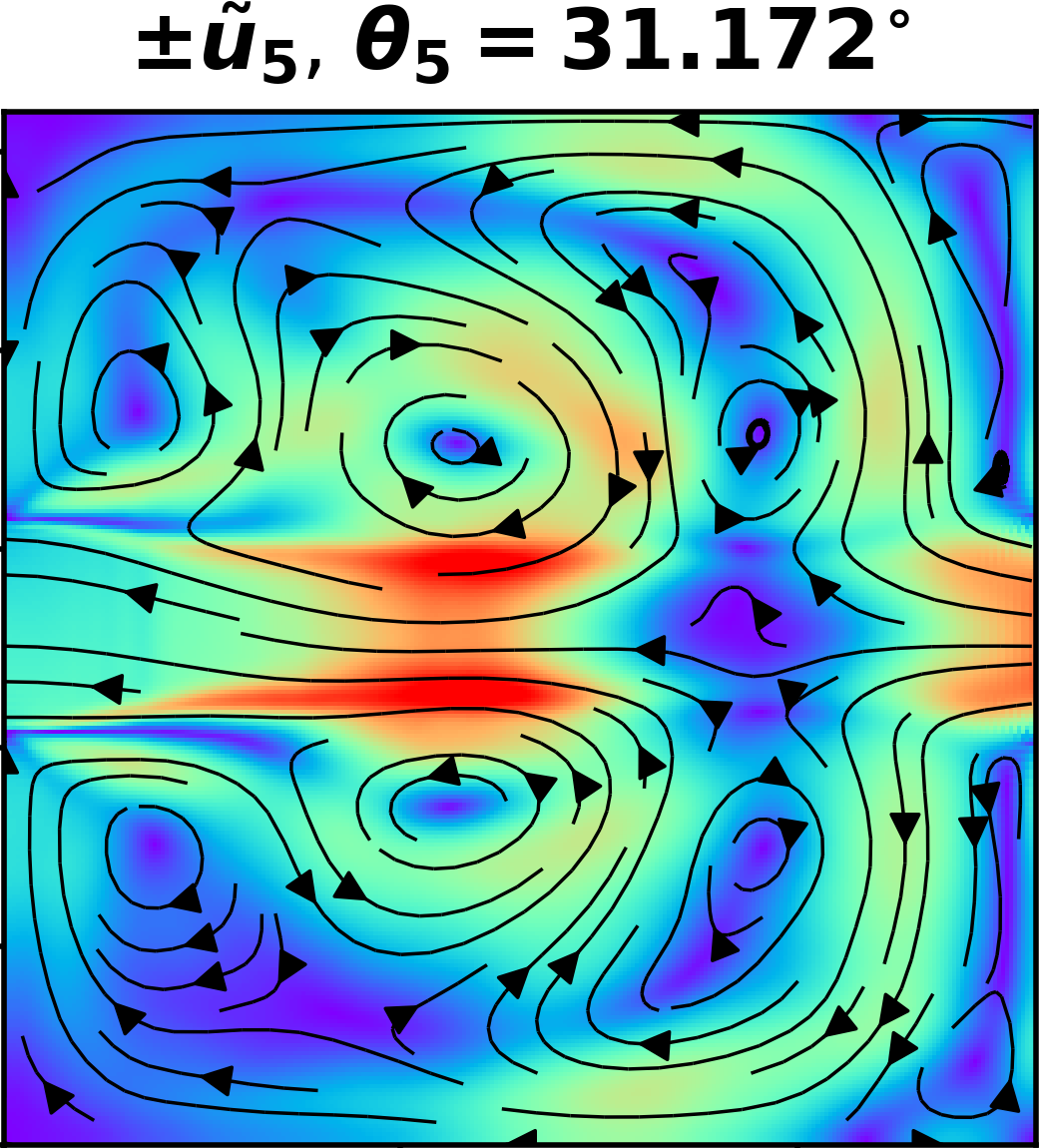 Figure 12
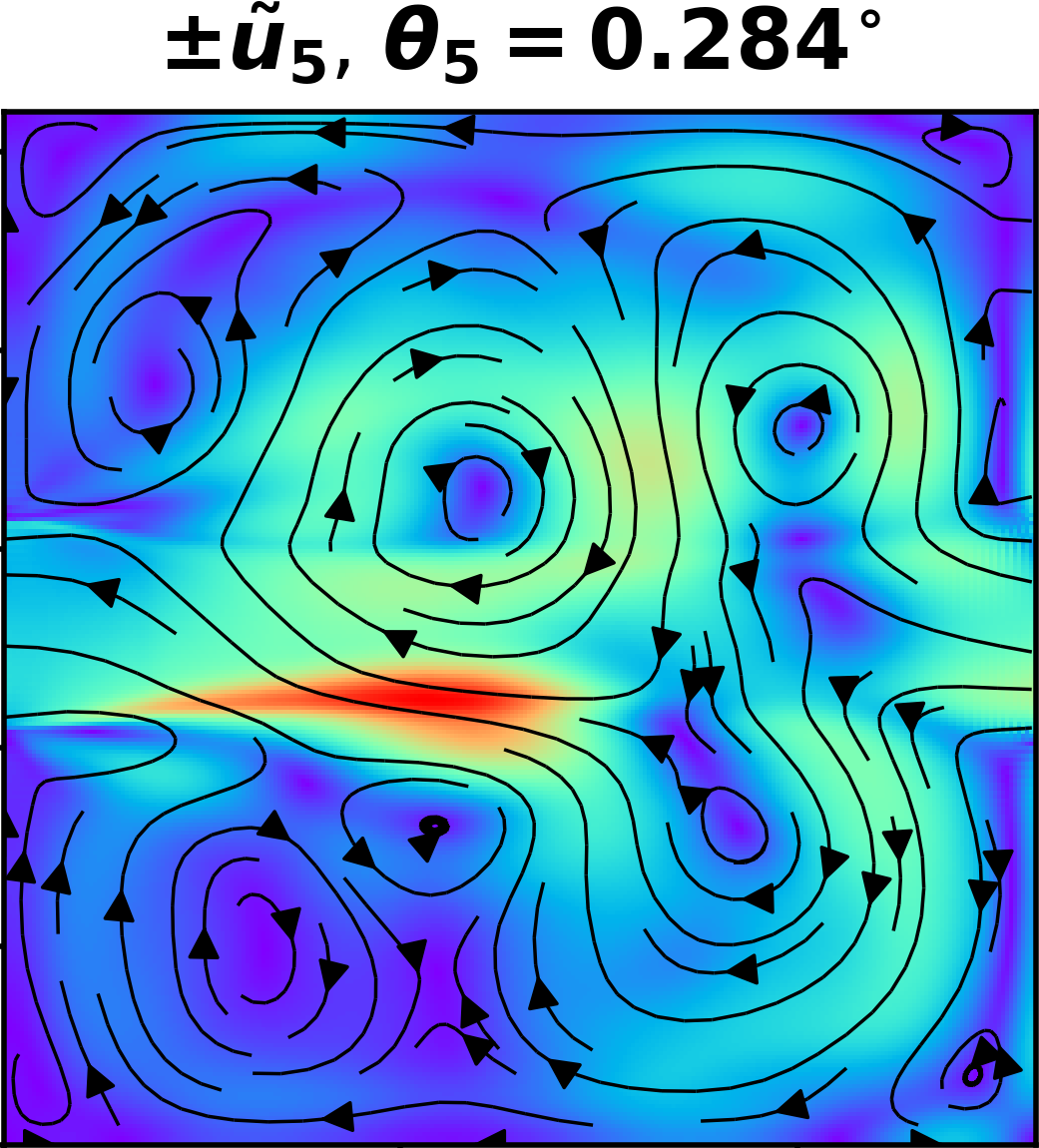 Figure 13
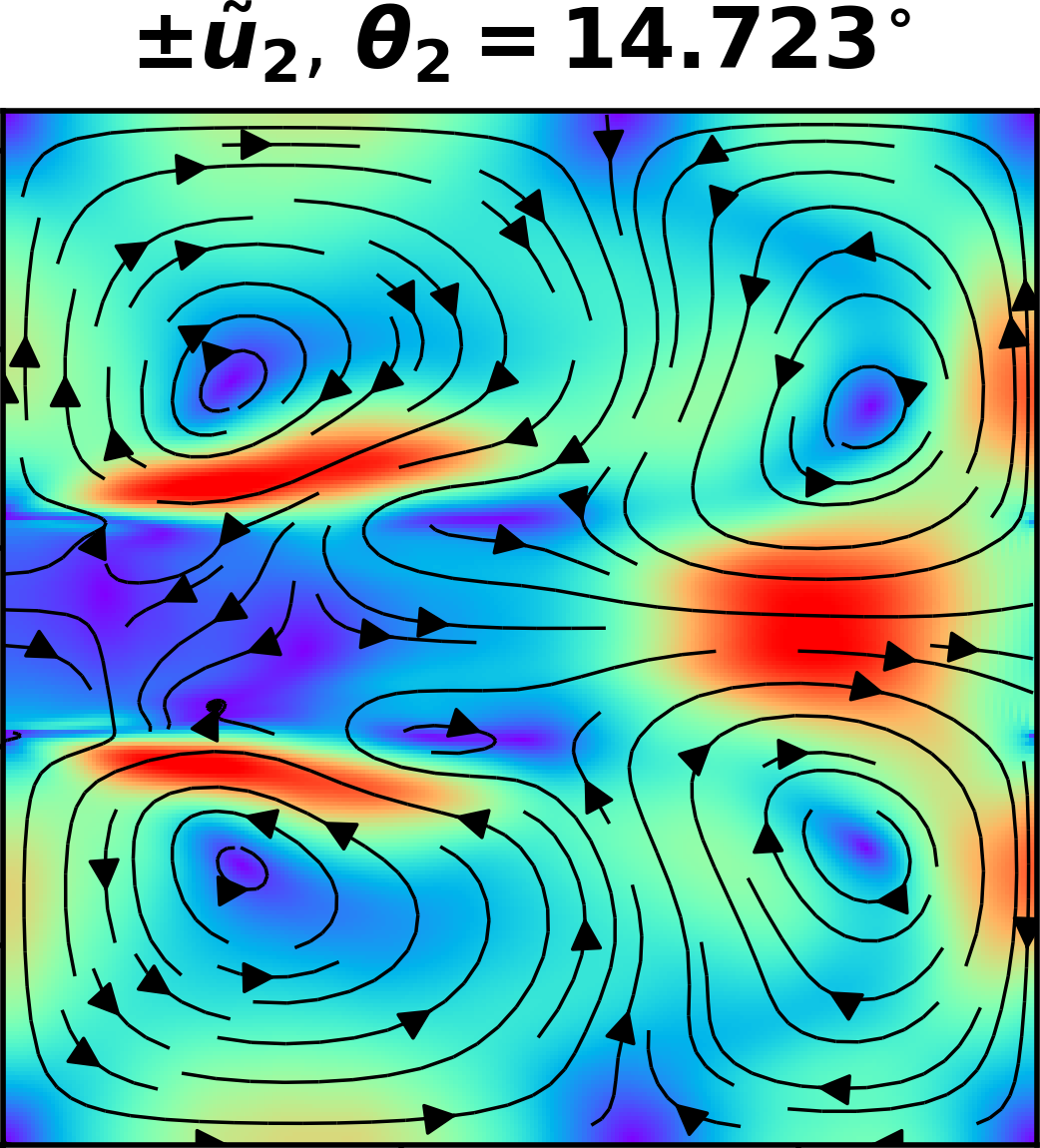 Figure 14
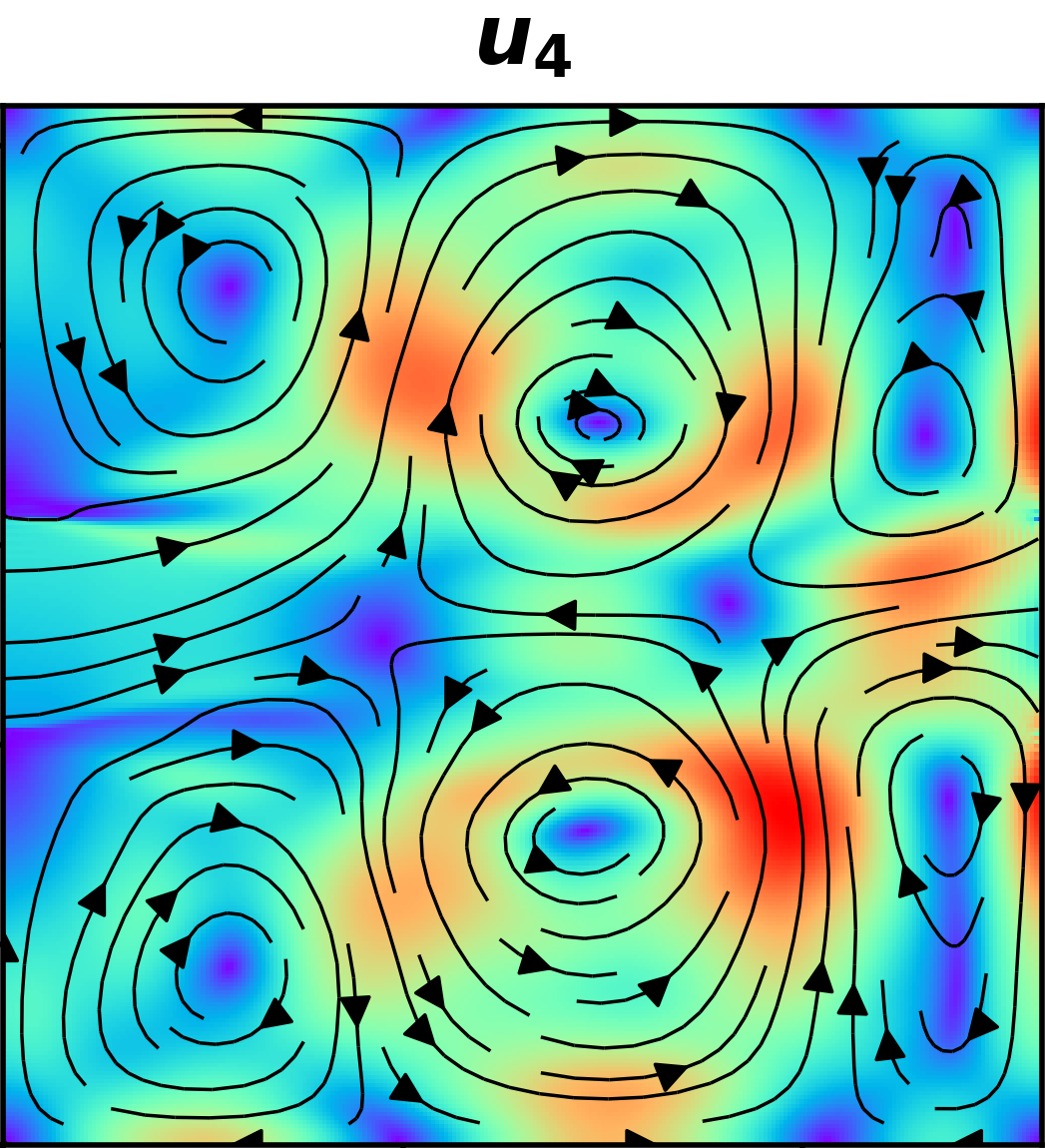 Figure 15
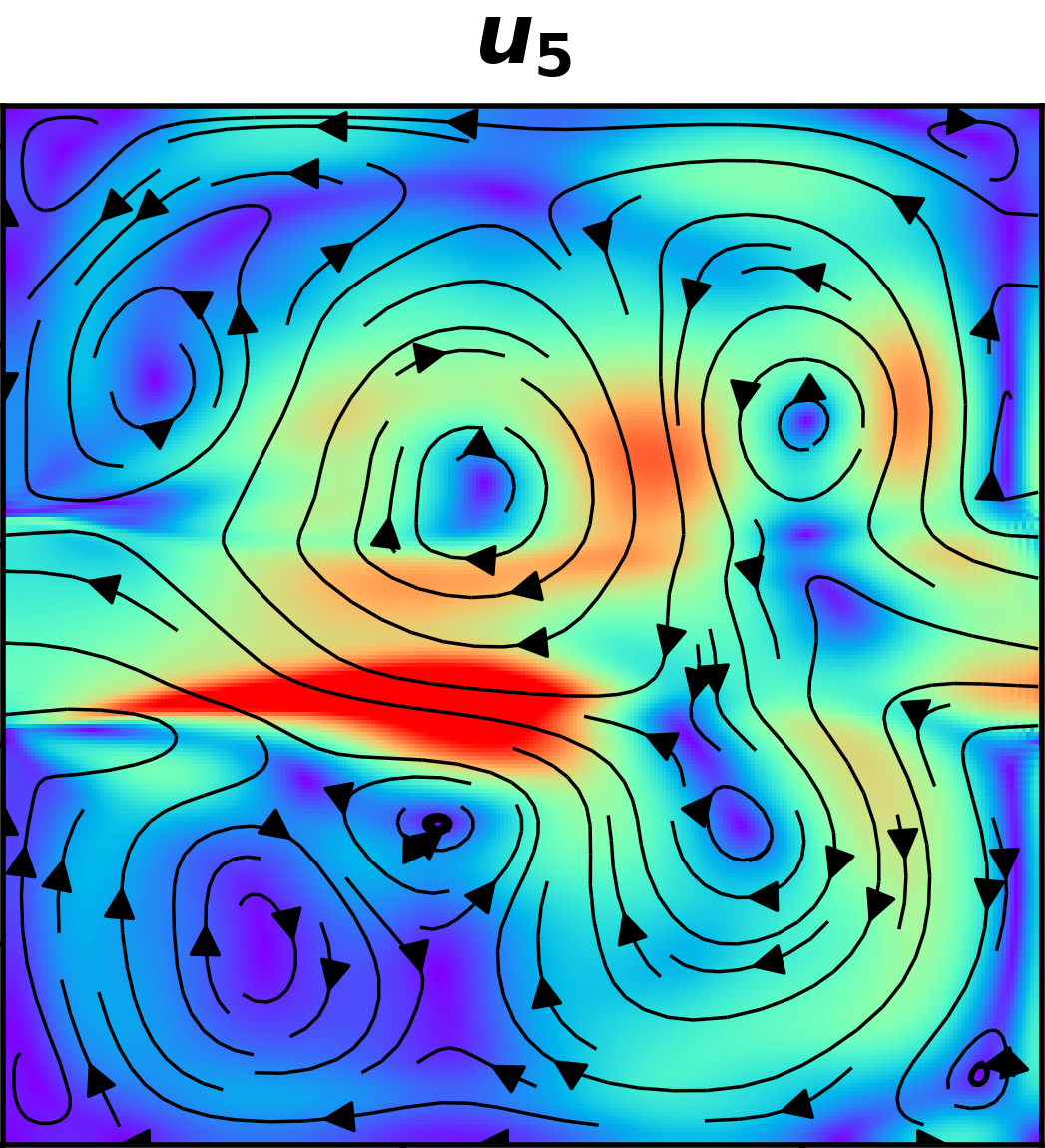 Figure 16
 Figure 17
 Figure 18
 Figure 19
 Figure 20
 Figure 21
 Figure 22
 Figure 23
 Figure 24
 Figure 25
 Figure 26
 Figure 27
 Figure 28
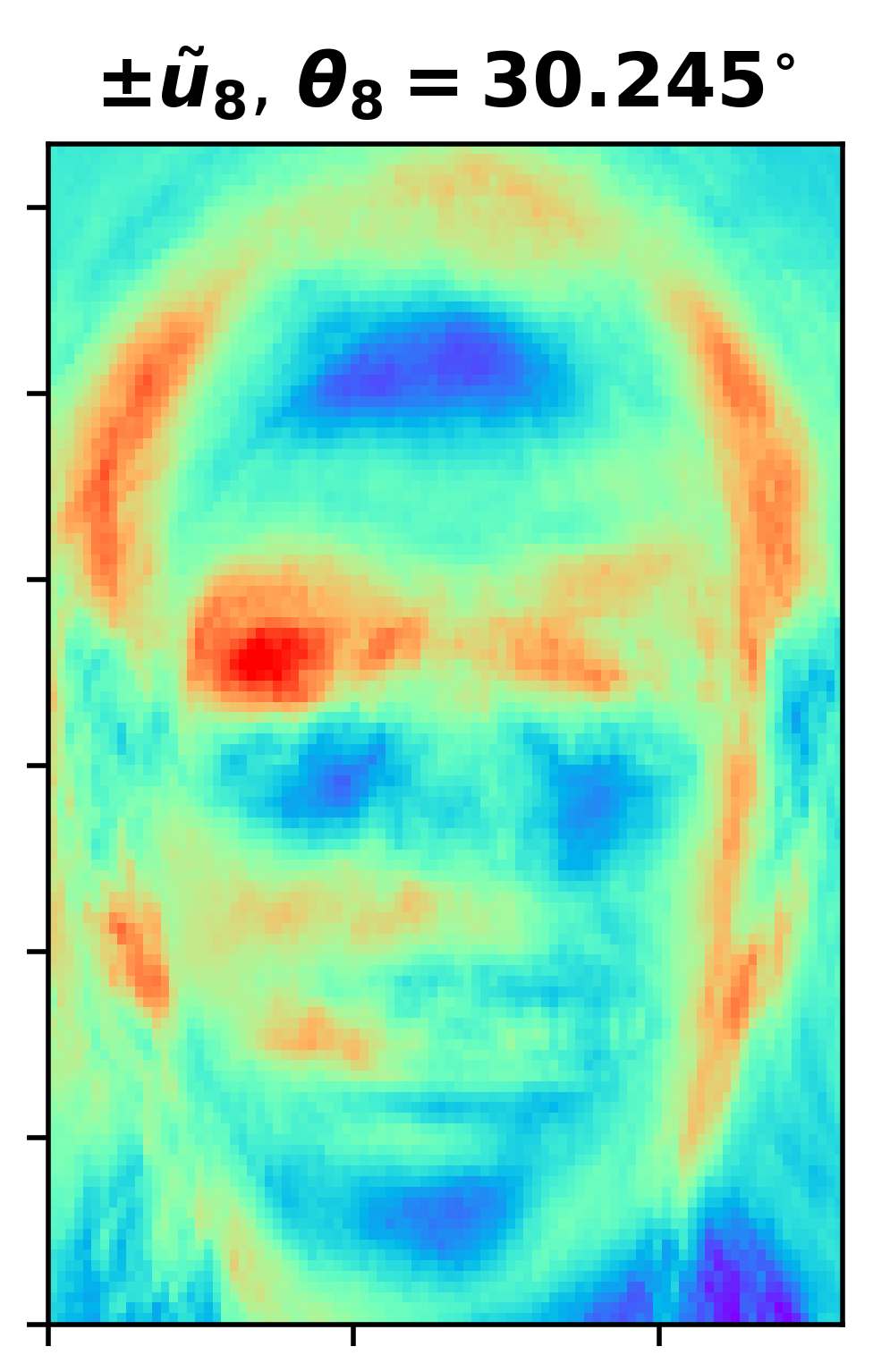 Figure 29
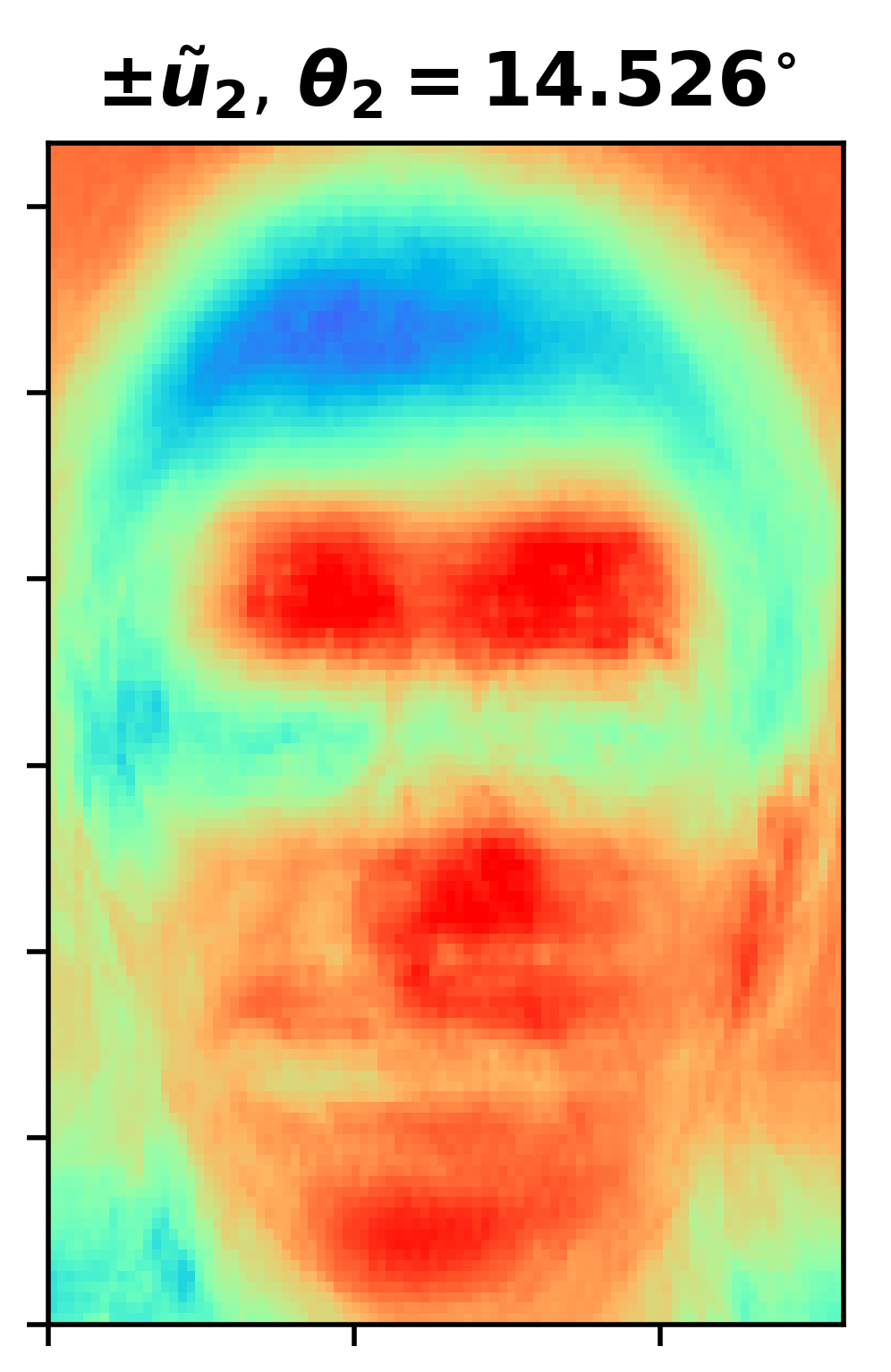 Figure 30
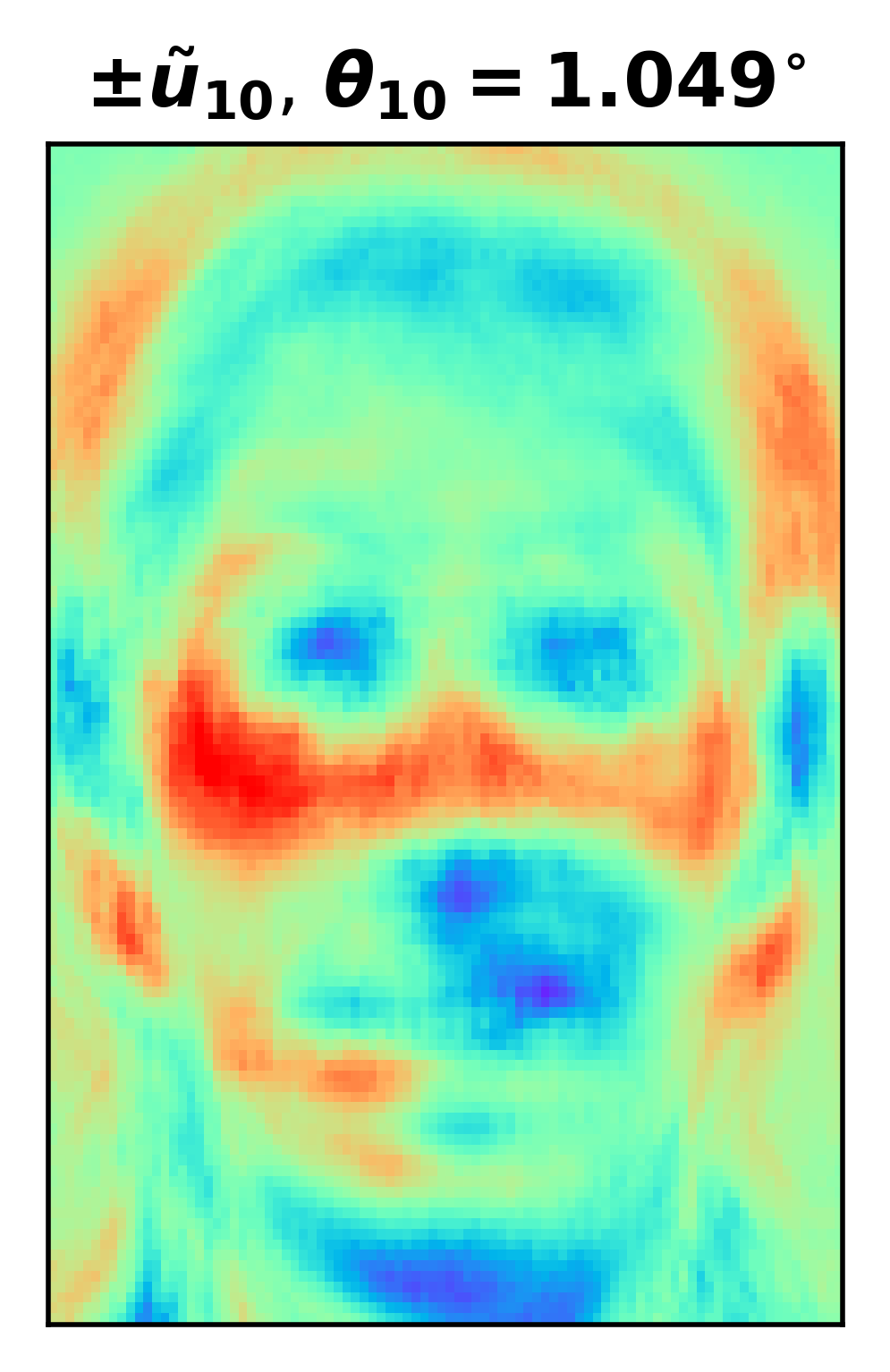 Figure 31
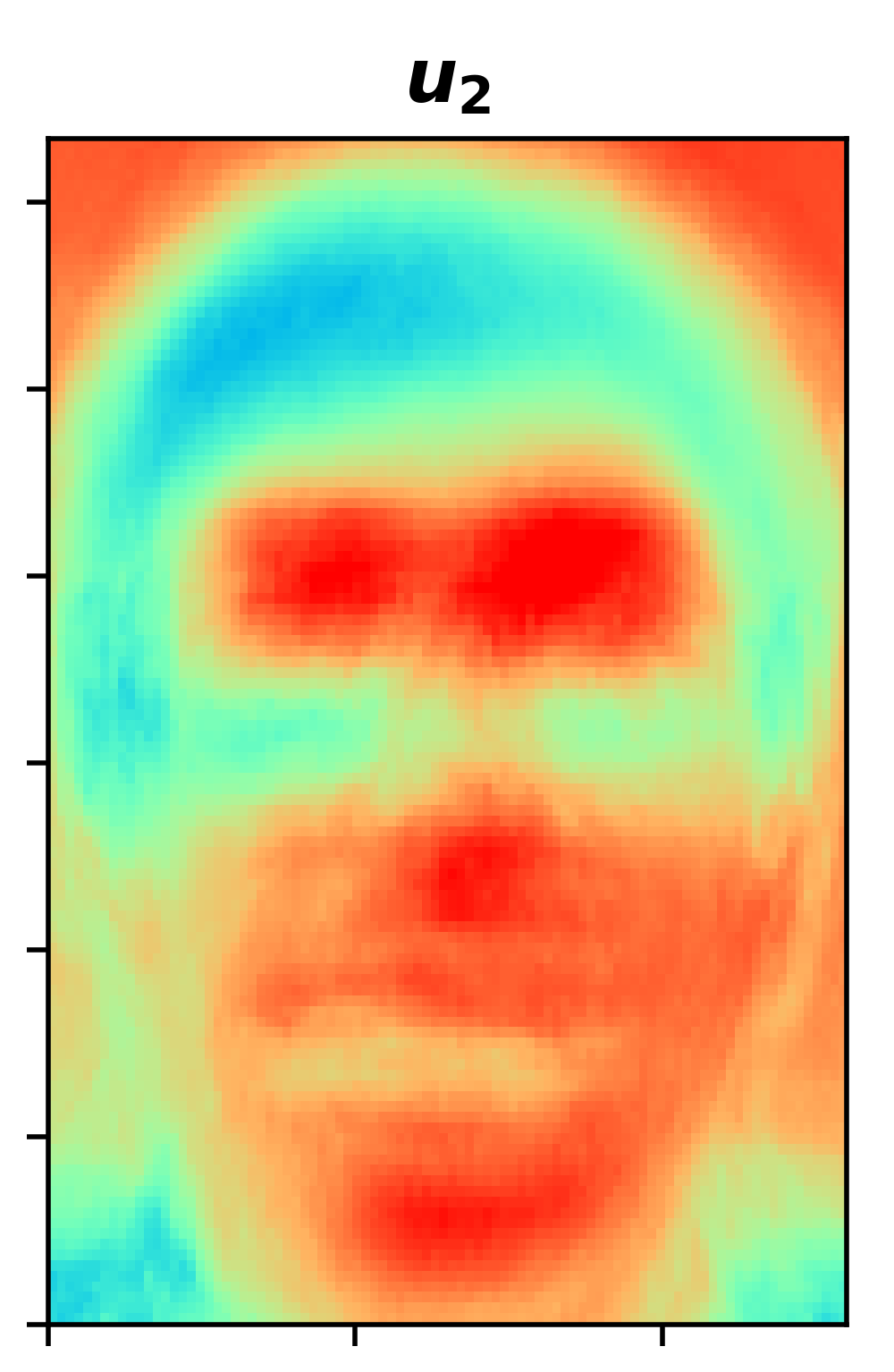 Figure 32
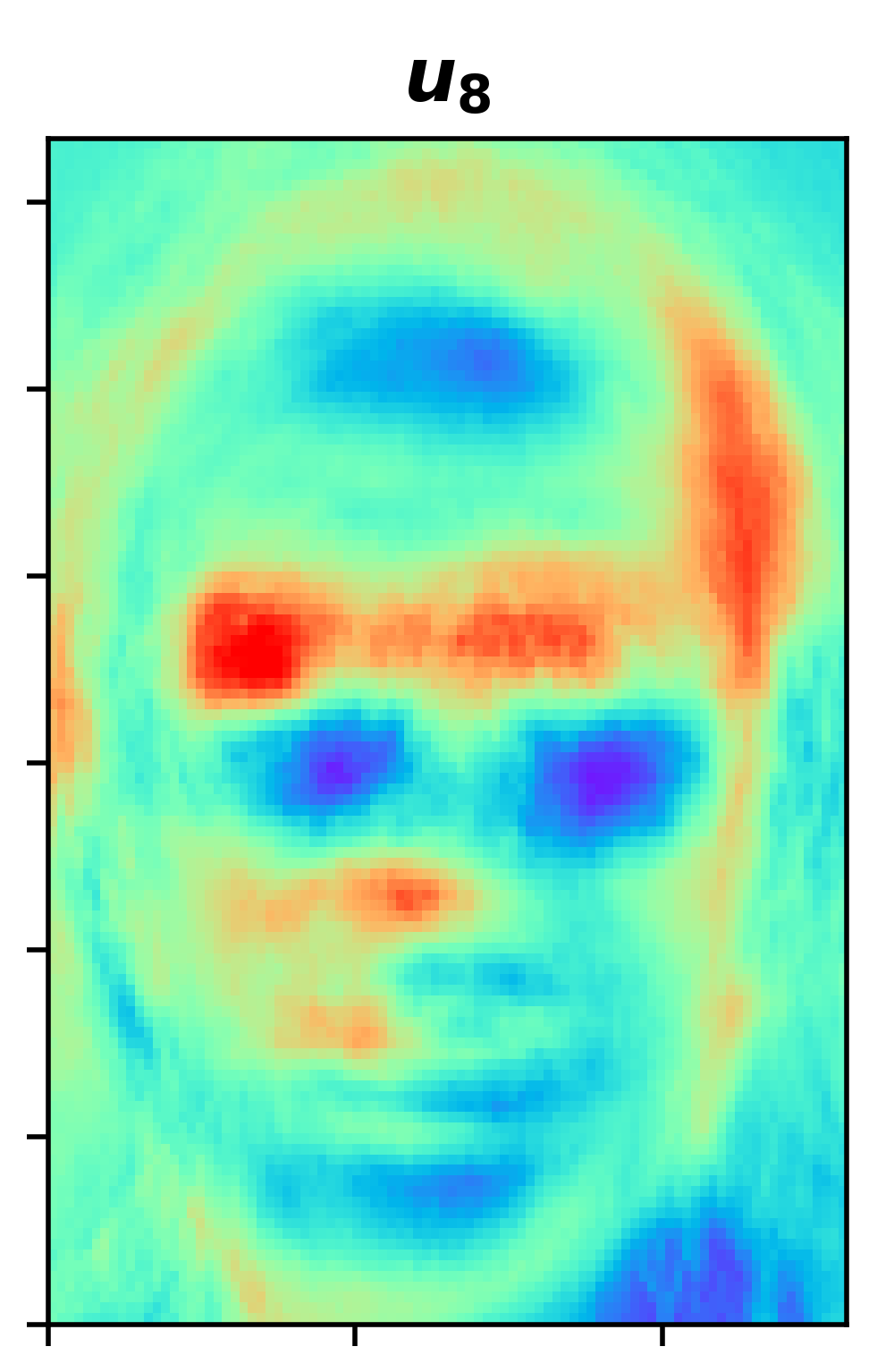 Figure 33
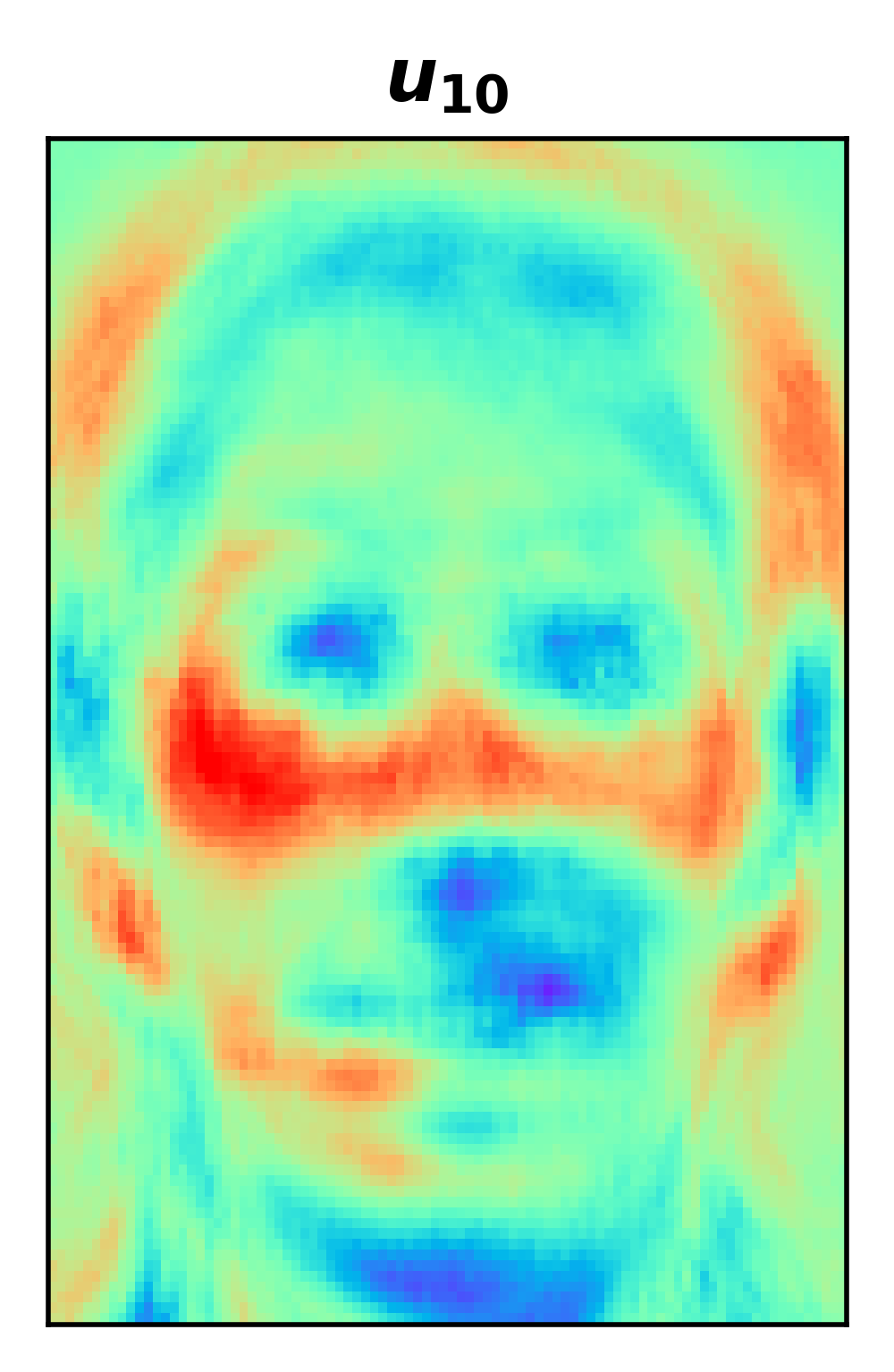 Figure 34
Peer Reviews
No public reviews on file for this paper yet. If you reviewed it on a platform where reviews are public (OpenReview, ICLR, NeurIPS, ICML), you can paste yours below so the community can read it here.
Videos
No videos yet. Explain this paper in a talk, walkthrough, or lecture? Add one.
Taxonomy
TopicsBlind Source Separation Techniques · Tensor decomposition and applications · Model Reduction and Neural Networks