Renormalization group crossover in the critical dynamics of field theories with mode coupling terms
Andrea Cavagna, Luca Di Carlo, Irene Giardina, Luca Grandinetti, Tomas, S. Grigera, Giulia Pisegna

TL;DR
This paper investigates how mode coupling and dissipation influence the critical dynamics of field theories, revealing a crossover between conservative and dissipative fixed points with different critical exponents, supported by numerical simulations.
Contribution
It introduces a renormalization group analysis of mode-coupled field theories with dissipation, uncovering a crossover between fixed points and its implications for biological swarms and quantum systems.
Findings
Identifies a crossover exponent $=4/d$ between fixed points.
Numerical simulations confirm the crossover in three dimensions.
Highlights relevance for biological swarms and quantum gases.
Abstract
Motivated by the collective behaviour of biological swarms, we study the critical dynamics of field theories with coupling between order parameter and conjugate momentum in the presence of dissipation. By performing a dynamical renormalization group calculation at one loop, we show that the violation of momentum conservation generates a crossover between a conservative yet IR-unstable fixed point, characterized by a dynamic critical exponent , and a dissipative IR-stable fixed point with . Interestingly, the two fixed points have different upper critical dimensions. The interplay between these two fixed points gives rise to a crossover in the critical dynamics of the system, characterized by a crossover exponent . Such crossover is regulated by a conservation length scale, , which is larger the smaller the dissipation: beyond the…
Click any figure to enlarge with its caption.
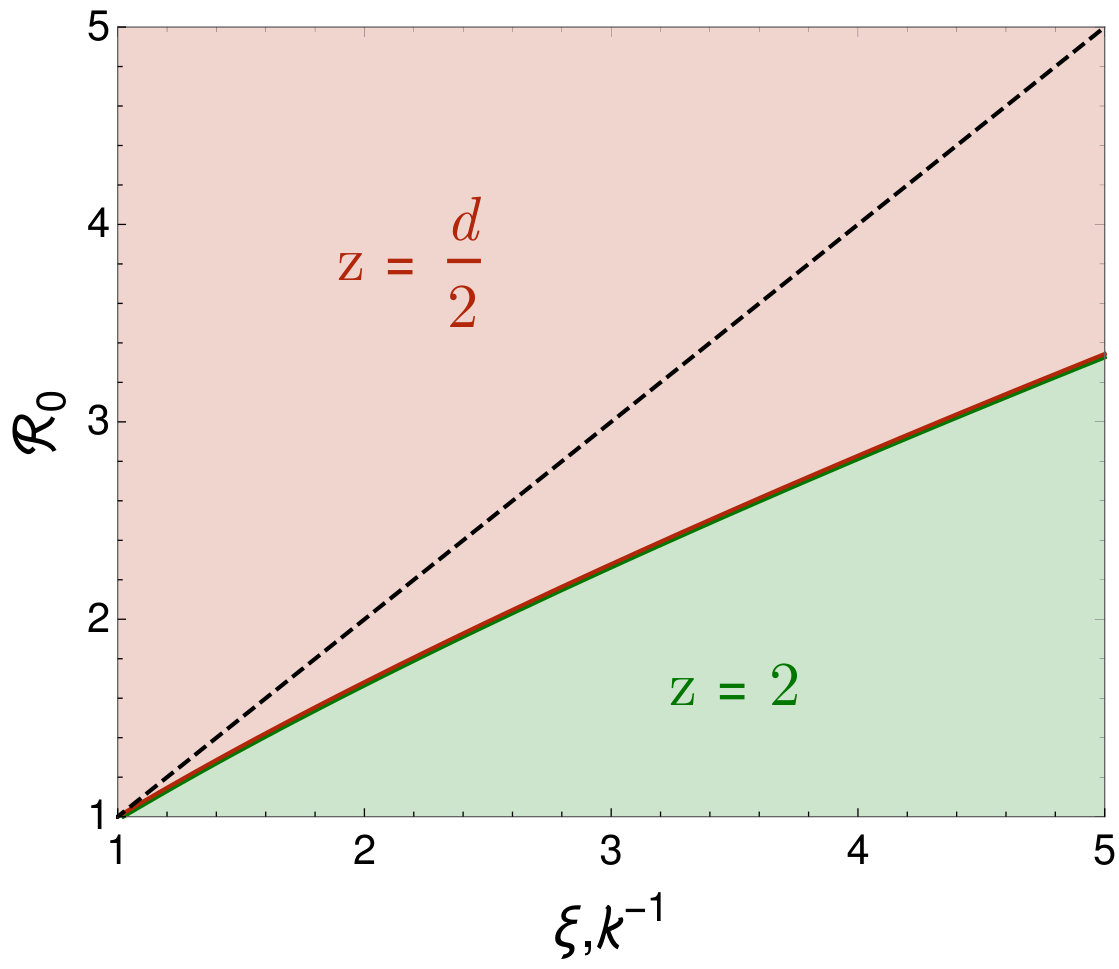 Figure 1
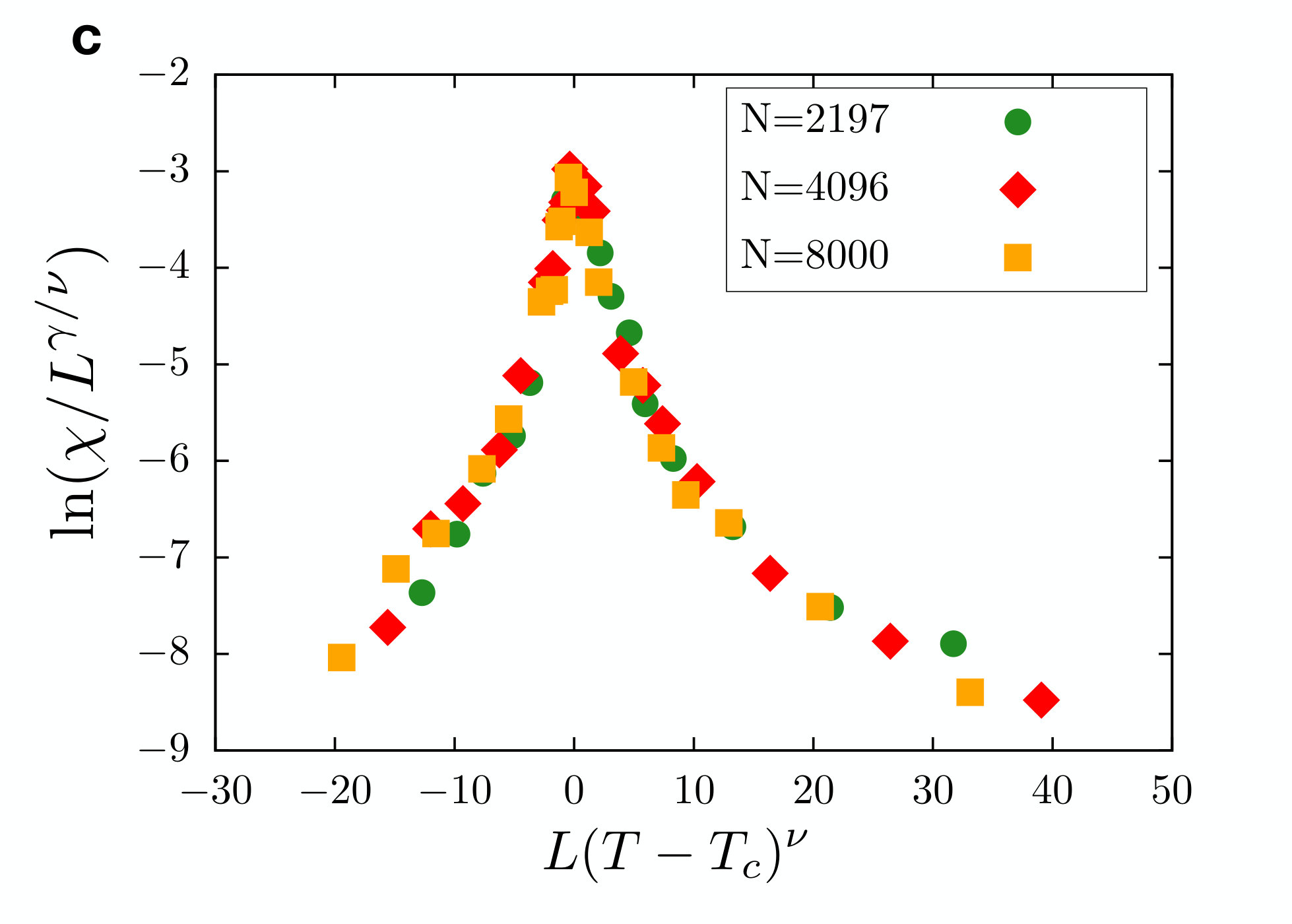 Figure 2
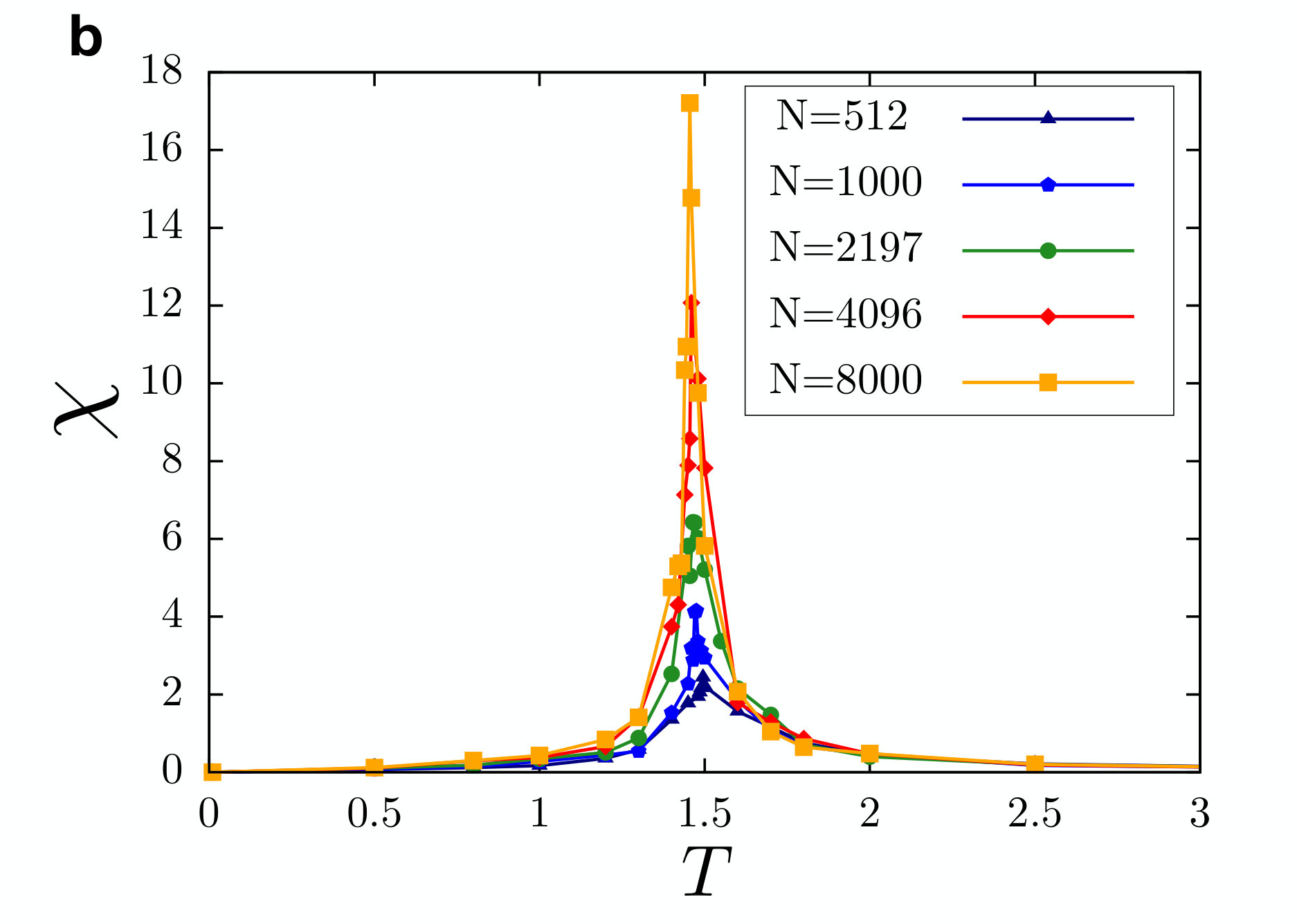 Figure 3
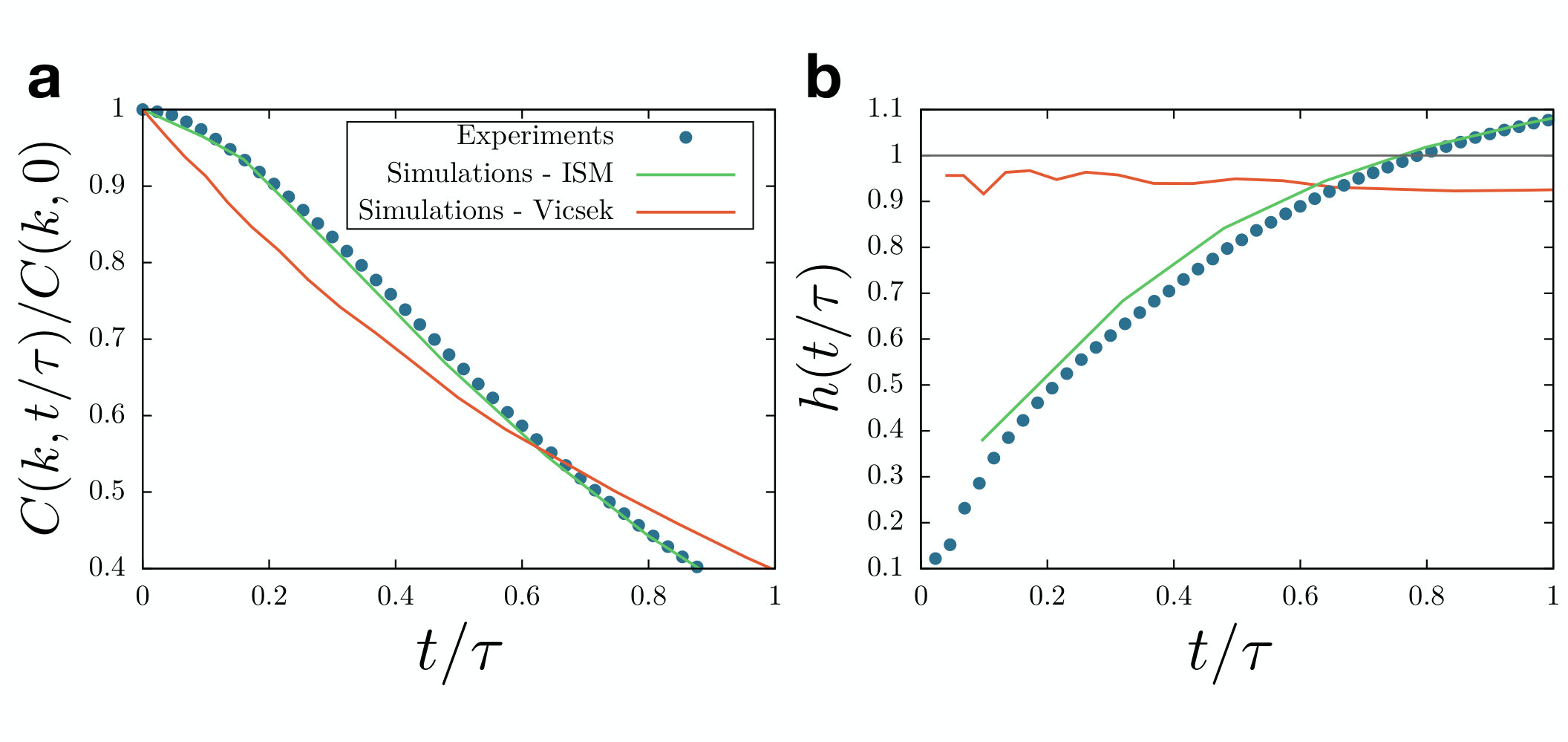 Figure 4
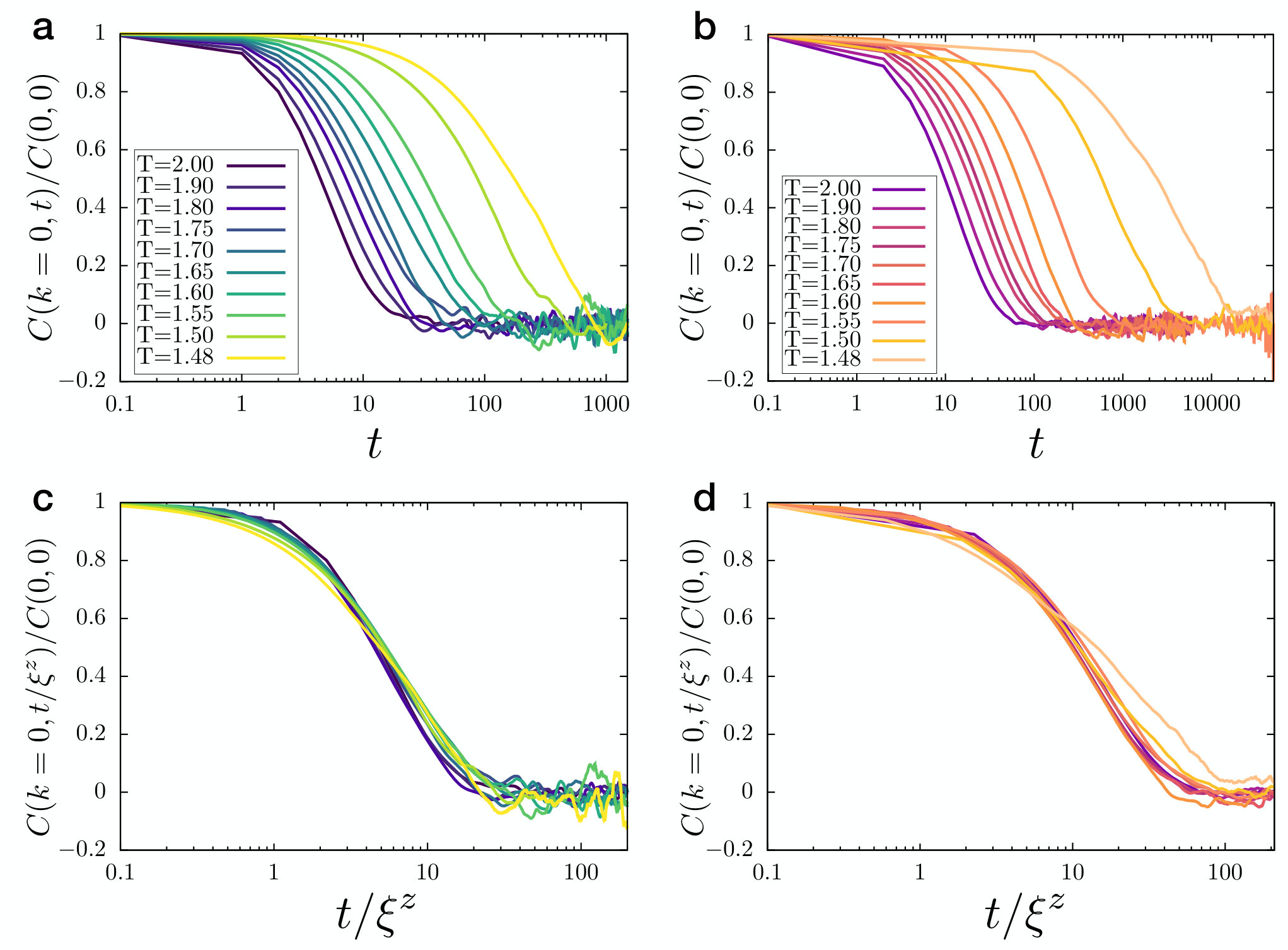 Figure 5
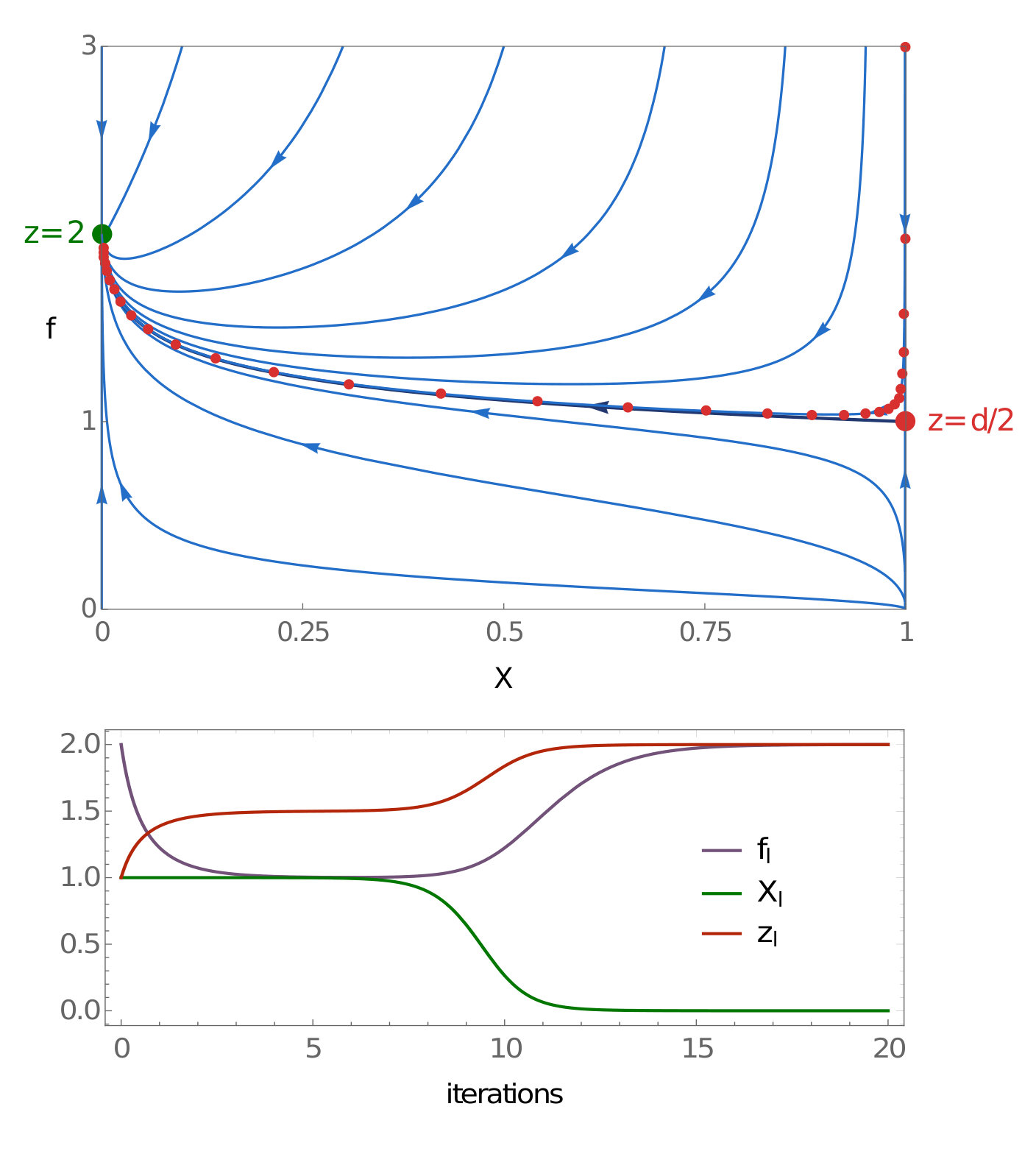 Figure 6
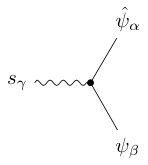 Figure 0
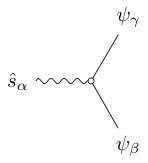 Figure 1
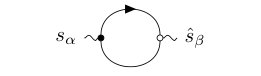 Figure 10
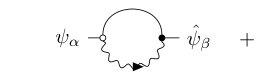 Figure 11
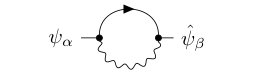 Figure 12
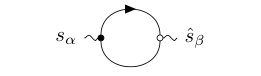 Figure 13
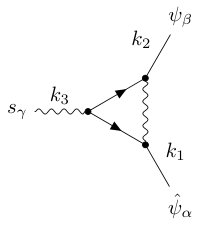 Figure 14
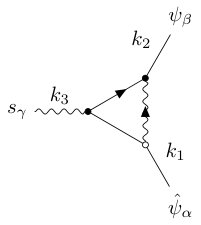 Figure 15
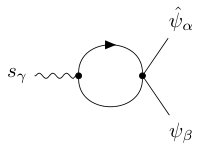 Figure 16
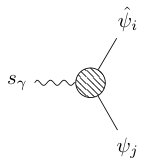 Figure 17
 Figure 18
 Figure 19
 Figure 2
 Figure 3
 Figure 4
 Figure 5
 Figure 6
 Figure 7
 Figure 8
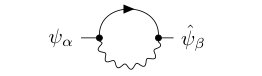 Figure 9
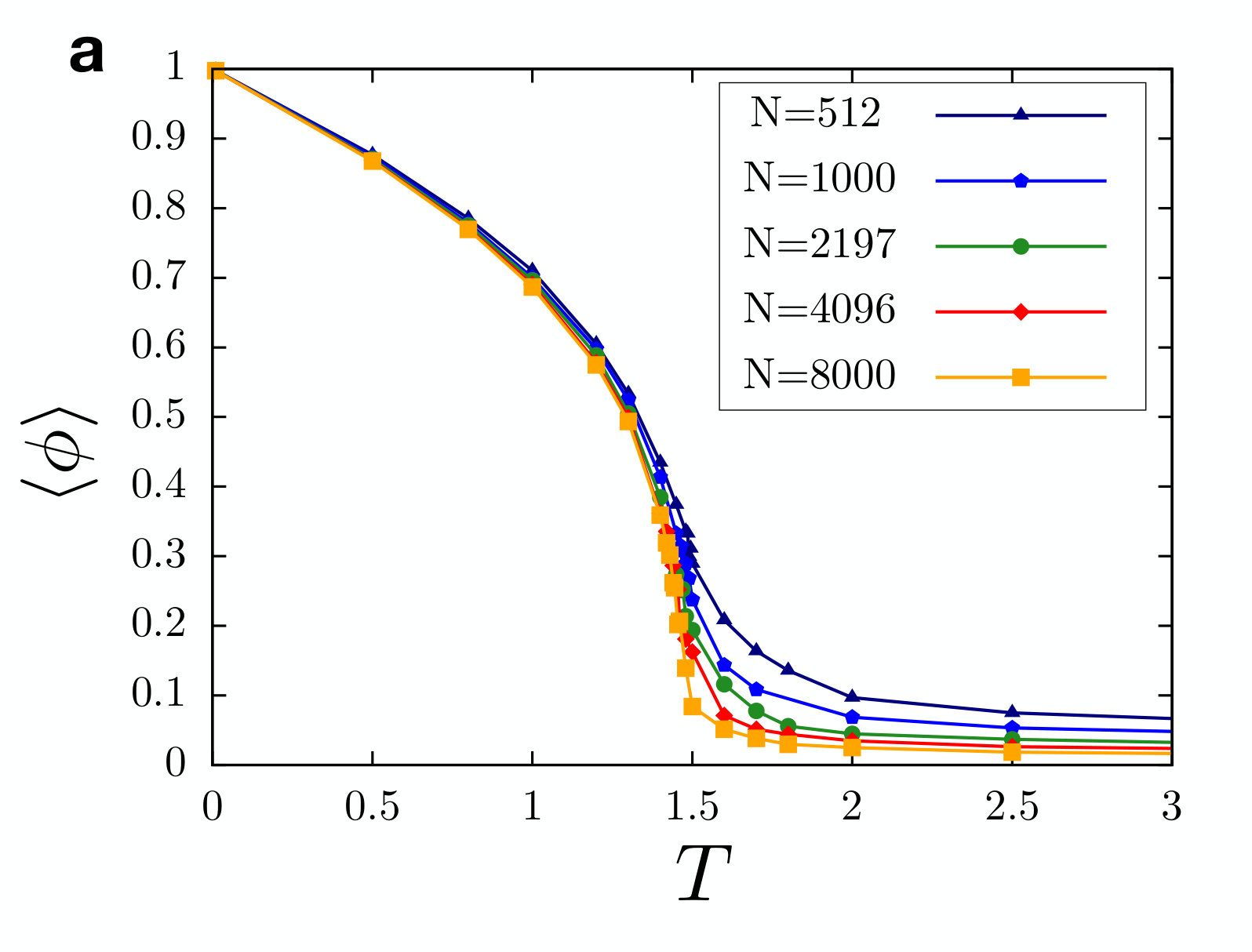 Figure 27
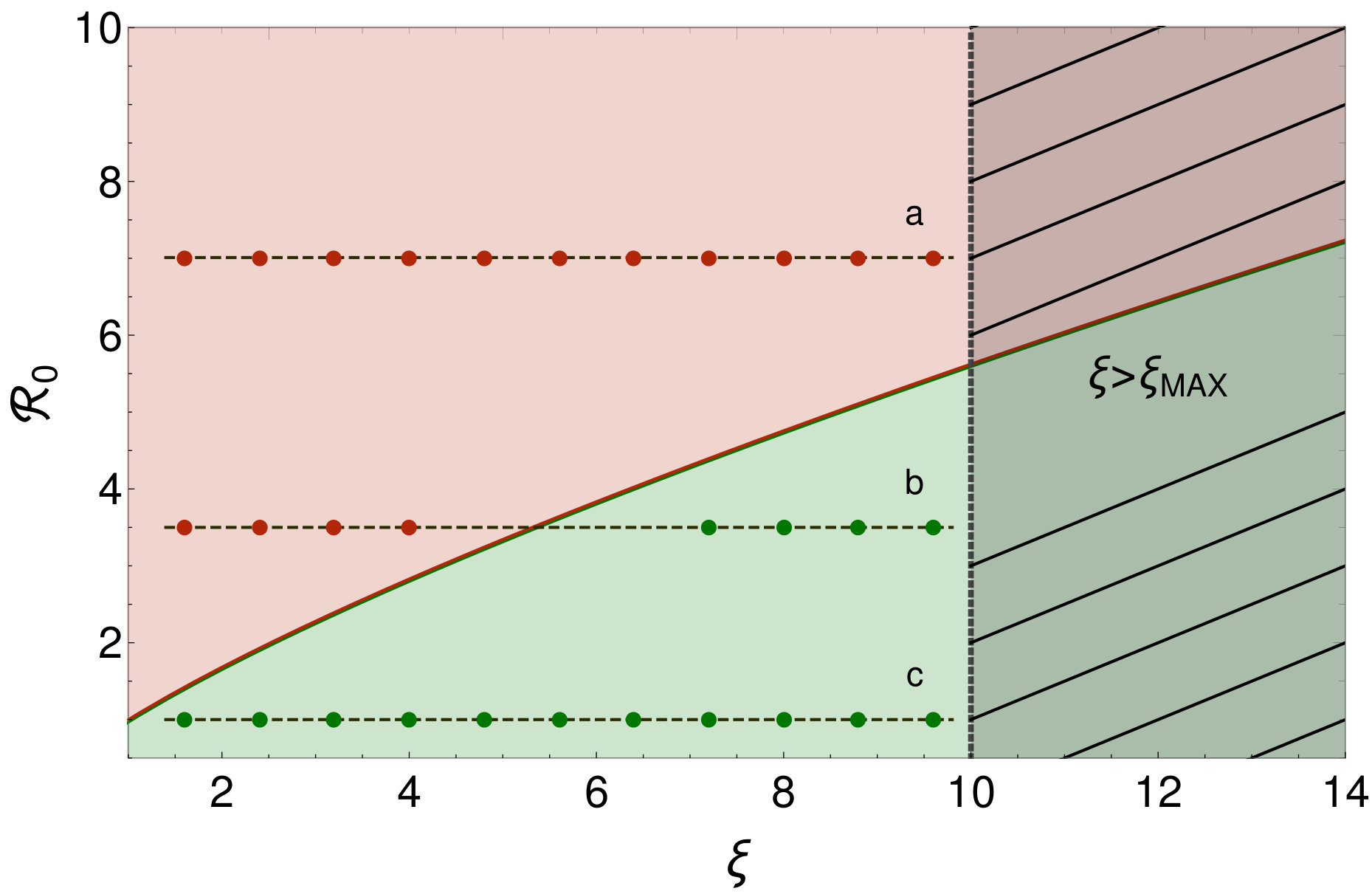 Figure 28
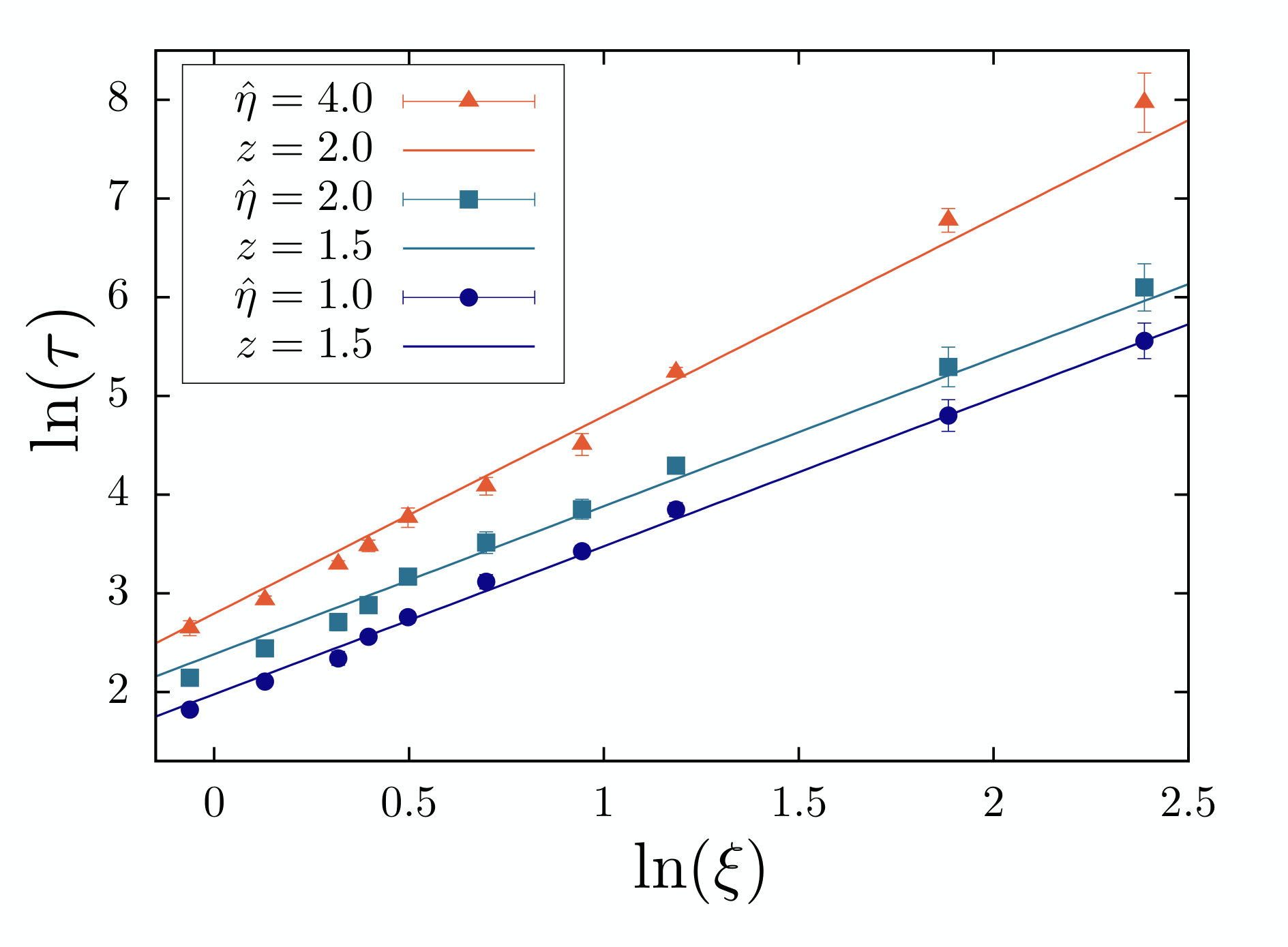 Figure 29
Peer Reviews
No public reviews on file for this paper yet. If you reviewed it on a platform where reviews are public (OpenReview, ICLR, NeurIPS, ICML), you can paste yours below so the community can read it here.
Videos
No videos yet. Explain this paper in a talk, walkthrough, or lecture? Add one.