Analytical PAW Projector Functions for Reduced Bandwidth Requirements
Paul F. Baumeister, Shigeru Tsukamoto

TL;DR
This paper introduces an analytical basis for PAW projector functions in DFT calculations, significantly reducing memory bandwidth needs and improving scalability on high-performance computing systems, especially GPUs.
Contribution
It proposes a 3D factorizable Hermite basis for PAW projectors and an on-the-fly sampling method to minimize memory transfer, enhancing performance in large-scale DFT computations.
Findings
Reduced memory bandwidth requirements demonstrated on GPUs
Performance improvements in projection operations
Potential for better scalability in distributed systems
Abstract
Large scale electronic structure calculations require modern high performance computing (HPC) resources and, as important, mature HPC applications that can make efficient use of those. Real-space grid-based applications of Density Functional Theory (DFT) using the Projector Augmented Wave method (PAW) can give the same accuracy as DFT codes relying on a plane wave basis set but exhibit an improved scalability on distributed memory machines. The projection operations of the PAW Hamiltonian are known to be the performance critical part due to their limitation by the available memory bandwidth. We investigate on the utility of a 3D factorizable basis of Hermite functions for the localized PAW projector functions which allows to reduce the bandwidth requirements for the grid representation of the projector functions in projection operations. Additional on-the-fly sampling of the 1D basis…
Click any figure to enlarge with its caption.
 Figure 1
 Figure 2
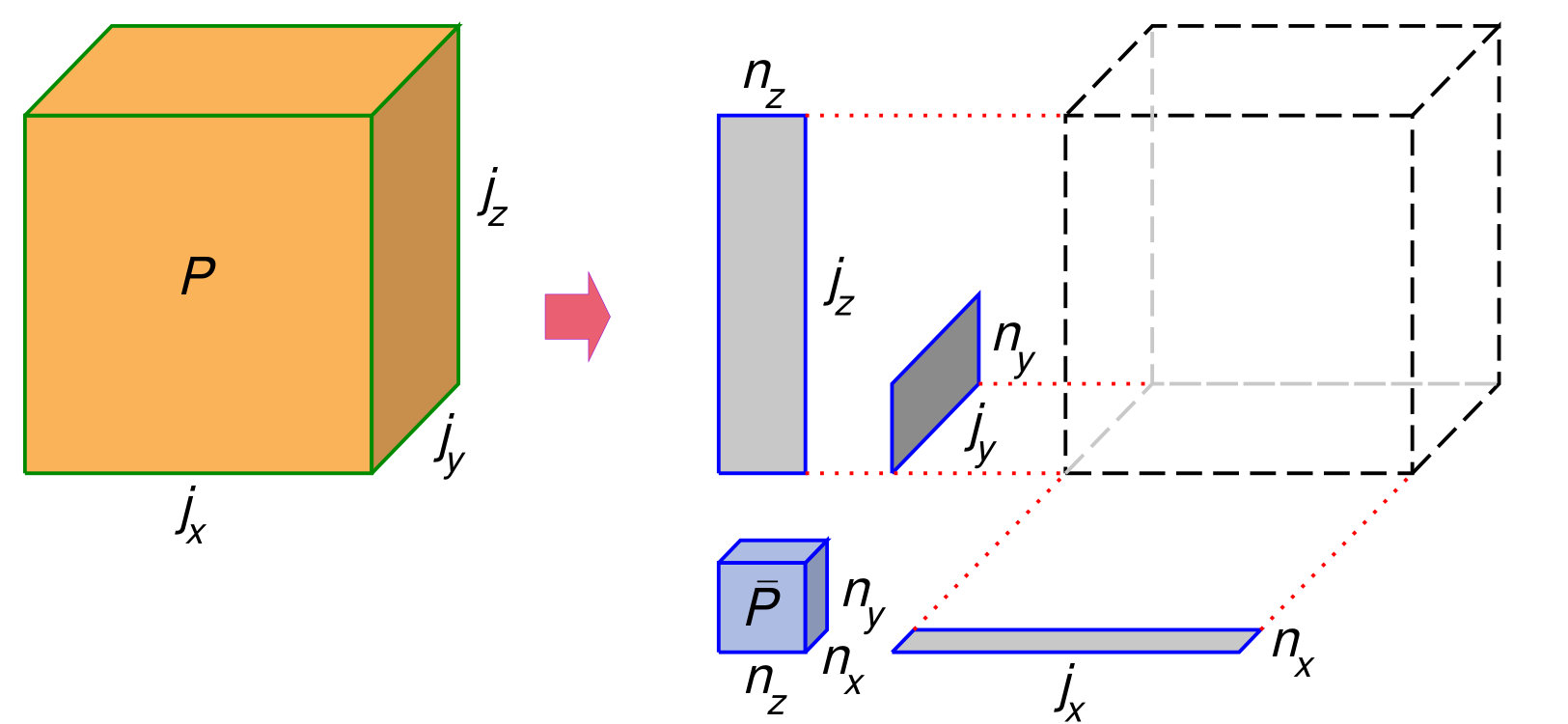 Figure 3
 Figure 4
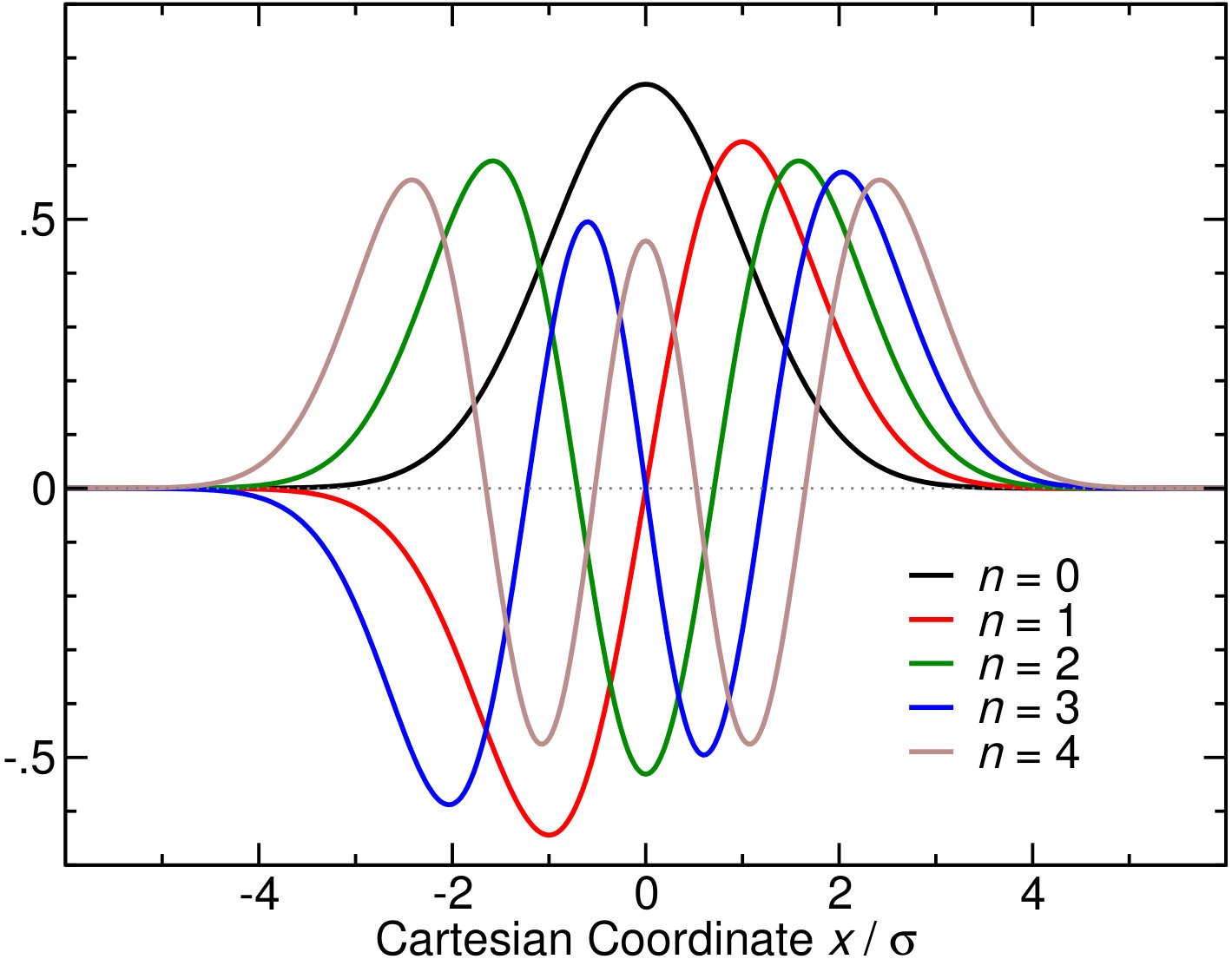 Figure 5
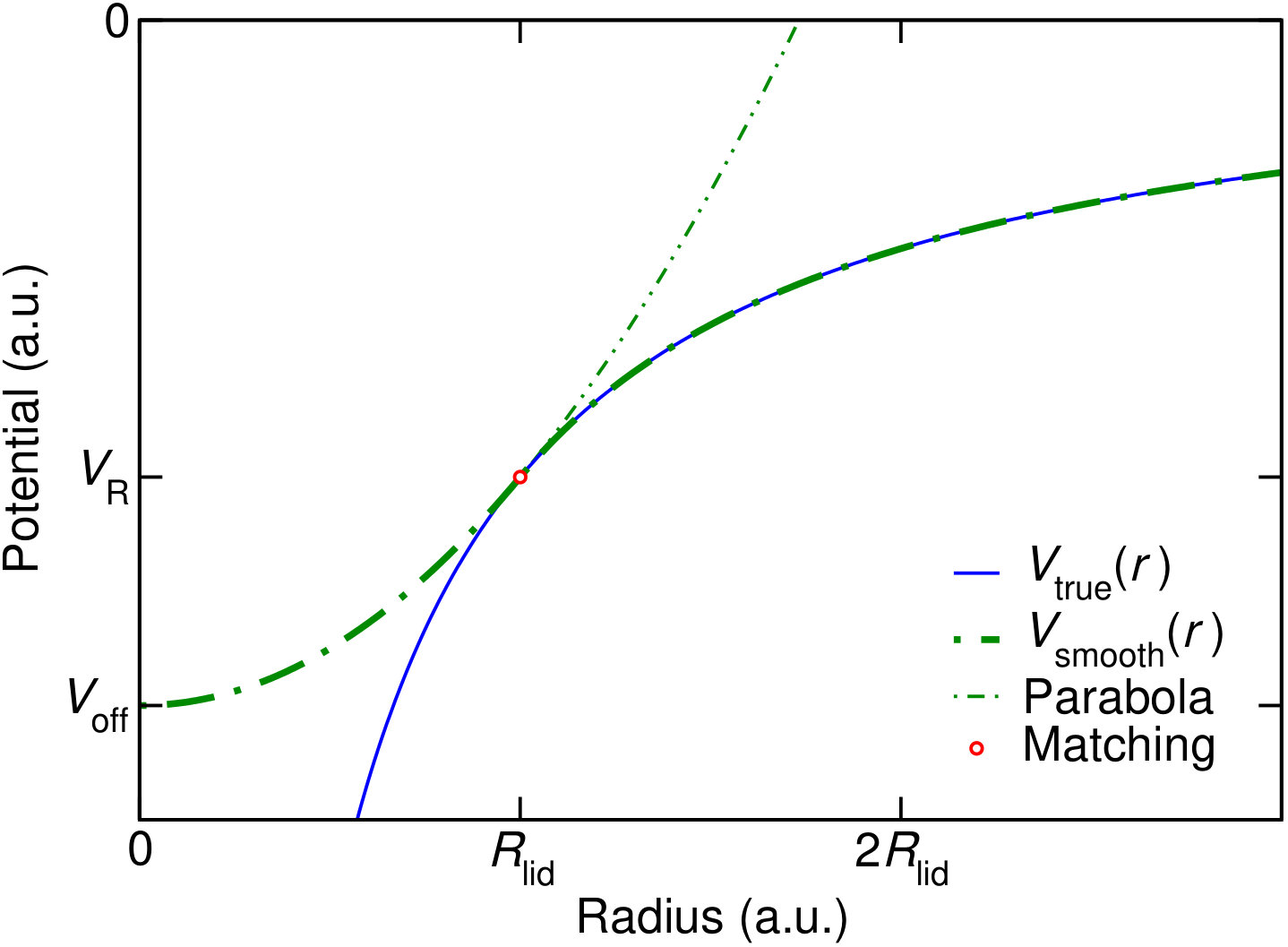 Figure 6
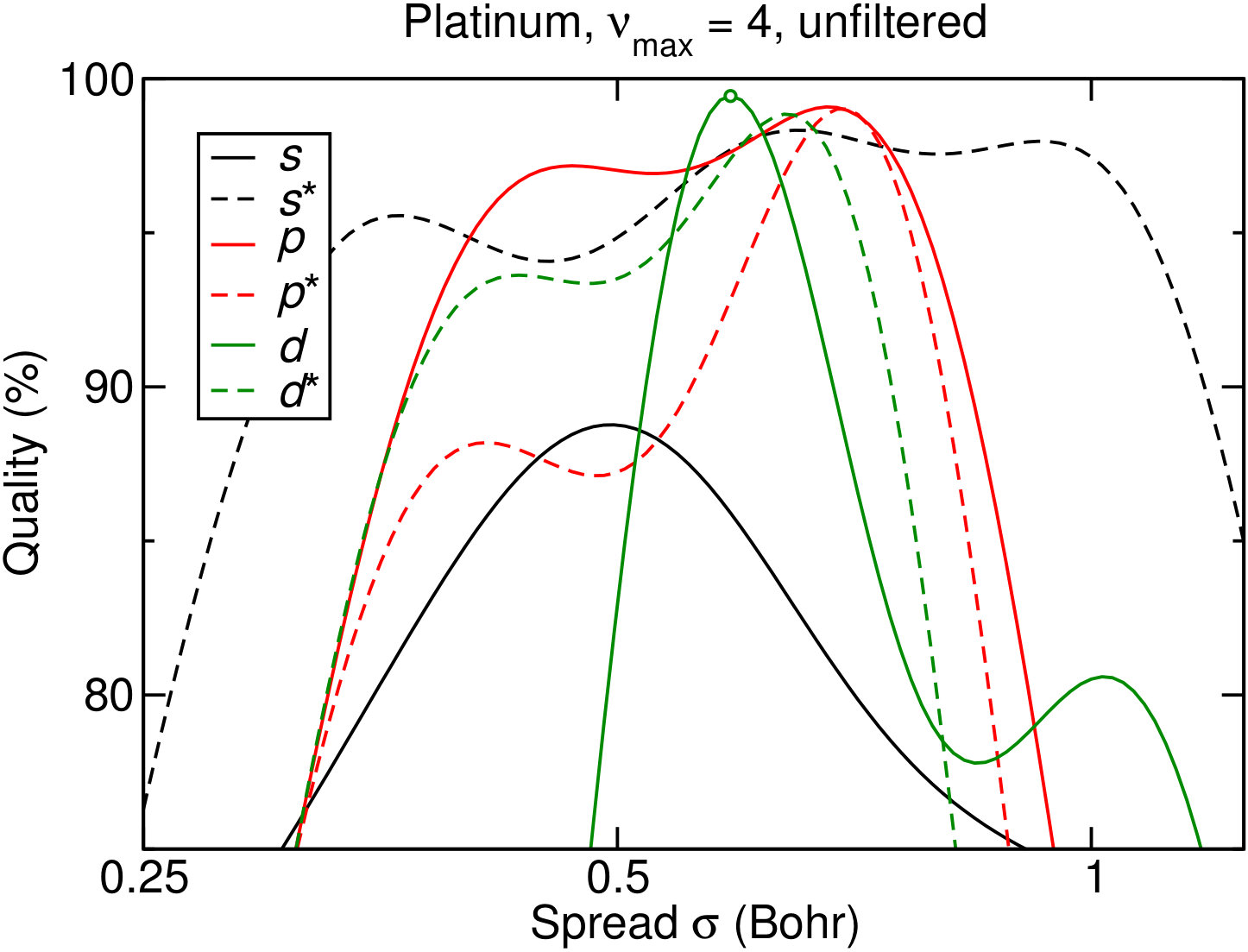 Figure 7
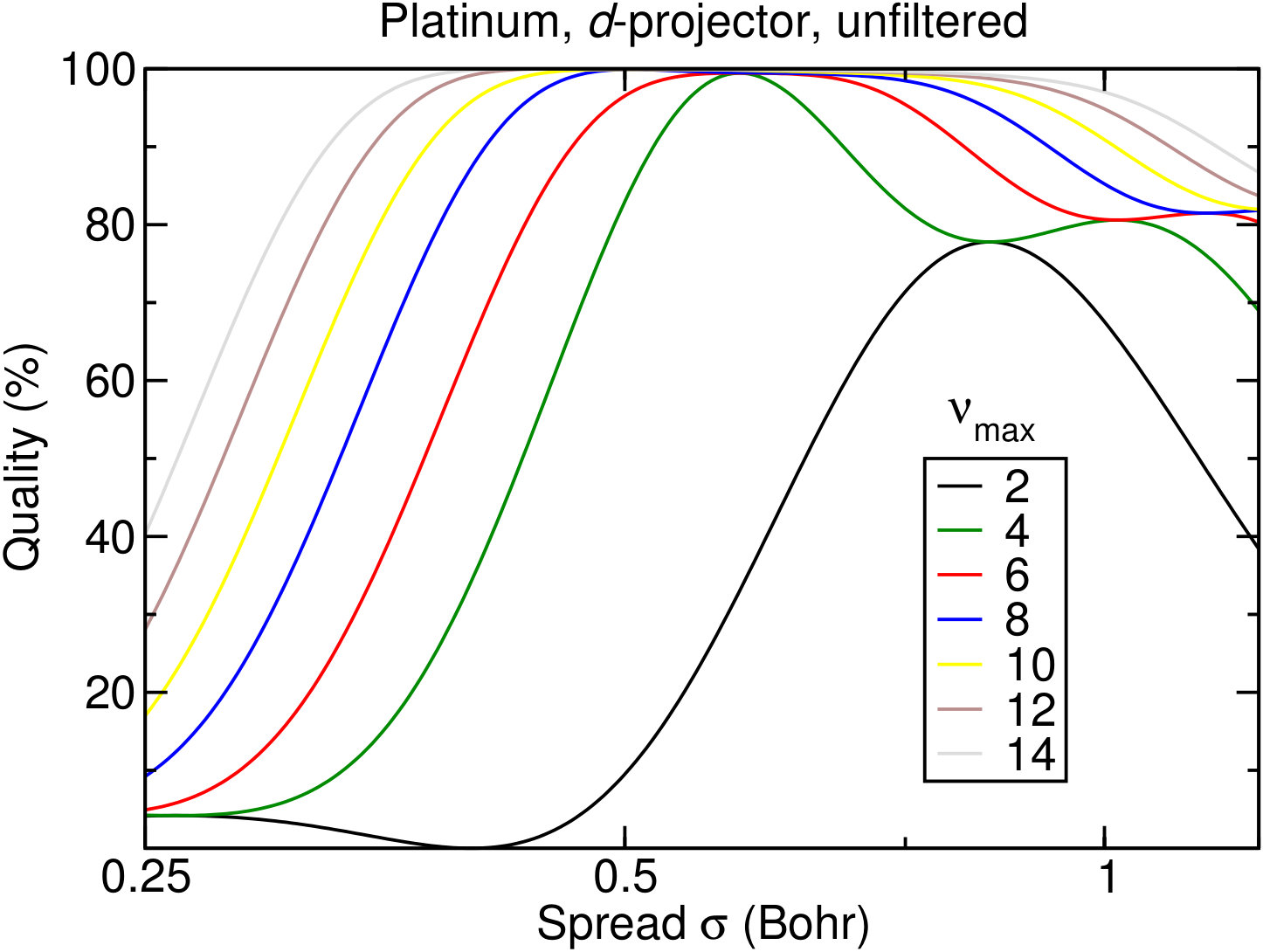 Figure 8
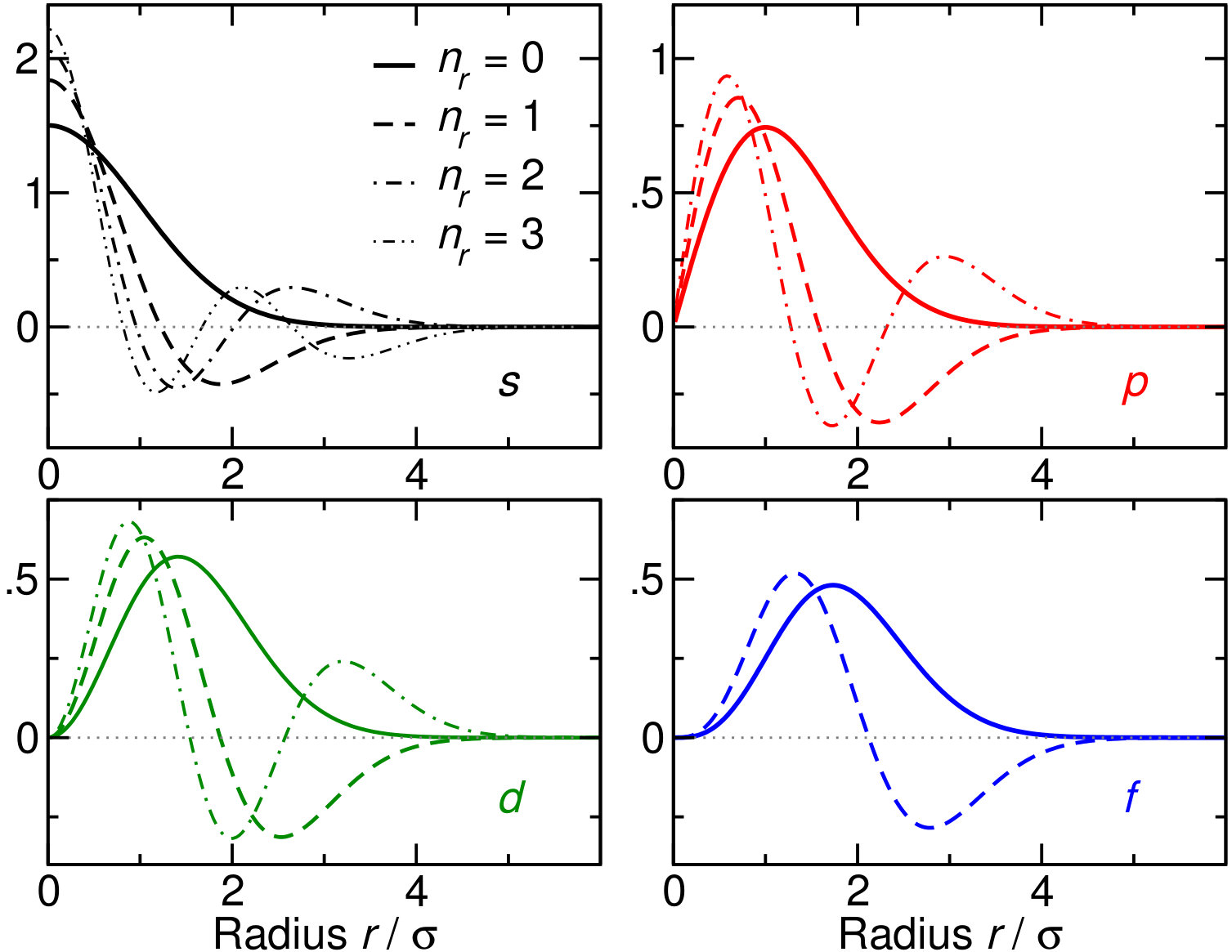 Figure 9
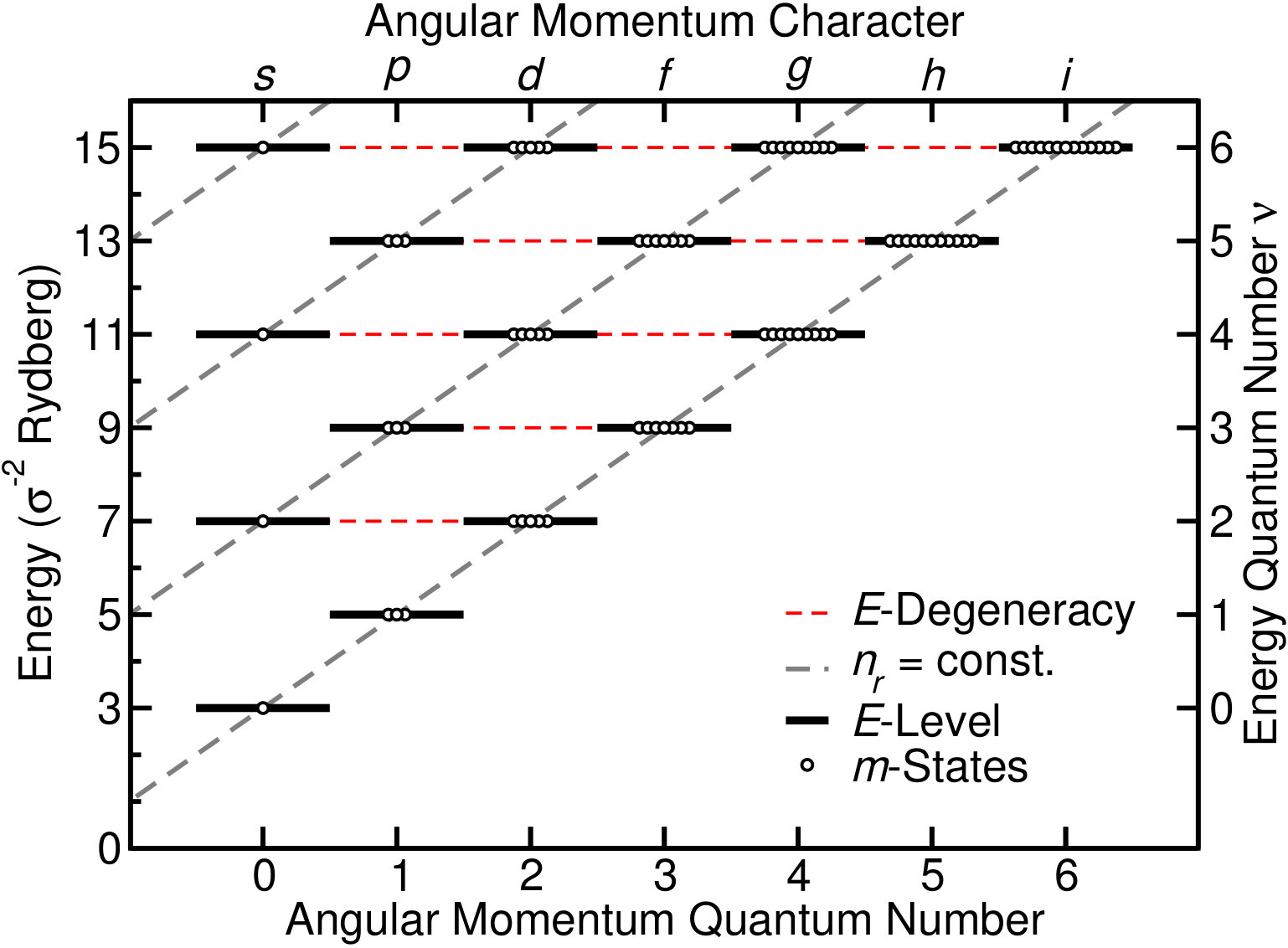 Figure 10
Peer Reviews
No public reviews on file for this paper yet. If you reviewed it on a platform where reviews are public (OpenReview, ICLR, NeurIPS, ICML), you can paste yours below so the community can read it here.
Videos
No videos yet. Explain this paper in a talk, walkthrough, or lecture? Add one.