TL;DR
This paper demonstrates that coordinated operation of electric autonomous mobility on demand fleets and power distribution networks can greatly reduce overloads and voltage drops, enhancing grid reliability and avoiding costly upgrades.
Contribution
It extends an optimization-based model to jointly control AMoD fleets and power networks, showing significant improvements through coordination.
Findings
Coordination reduces overloads by 99%.
Voltage drops are decreased by 50%.
Coordination helps avoid power grid upgrades.
Abstract
In future transportation systems, the charging behavior of electric Autonomous Mobility on Demand (AMoD) fleets, i.e., fleets of electric self-driving cars that service on-demand trip requests, will likely challenge power distribution networks (PDNs), causing overloads or voltage drops. In this paper, we show that these challenges can be significantly attenuated if the PDNs' operational constraints and exogenous loads (e.g., from homes or businesses) are accounted for when operating an electric AMoD fleet. We focus on a system-level perspective, assuming full coordination between the AMoD and the PDN operators. From this single entity perspective, we assess potential coordination benefits. Specifically, we extend previous results on an optimization-based modeling approach for electric AMoD systems to jointly control an electric AMoD fleet and a series of PDNs, and analyze the benefit of…
Click any figure to enlarge with its caption.
 Figure 1
 Figure 2
 Figure 3
 Figure 4
 Figure 5
 Figure 6
 Figure 7
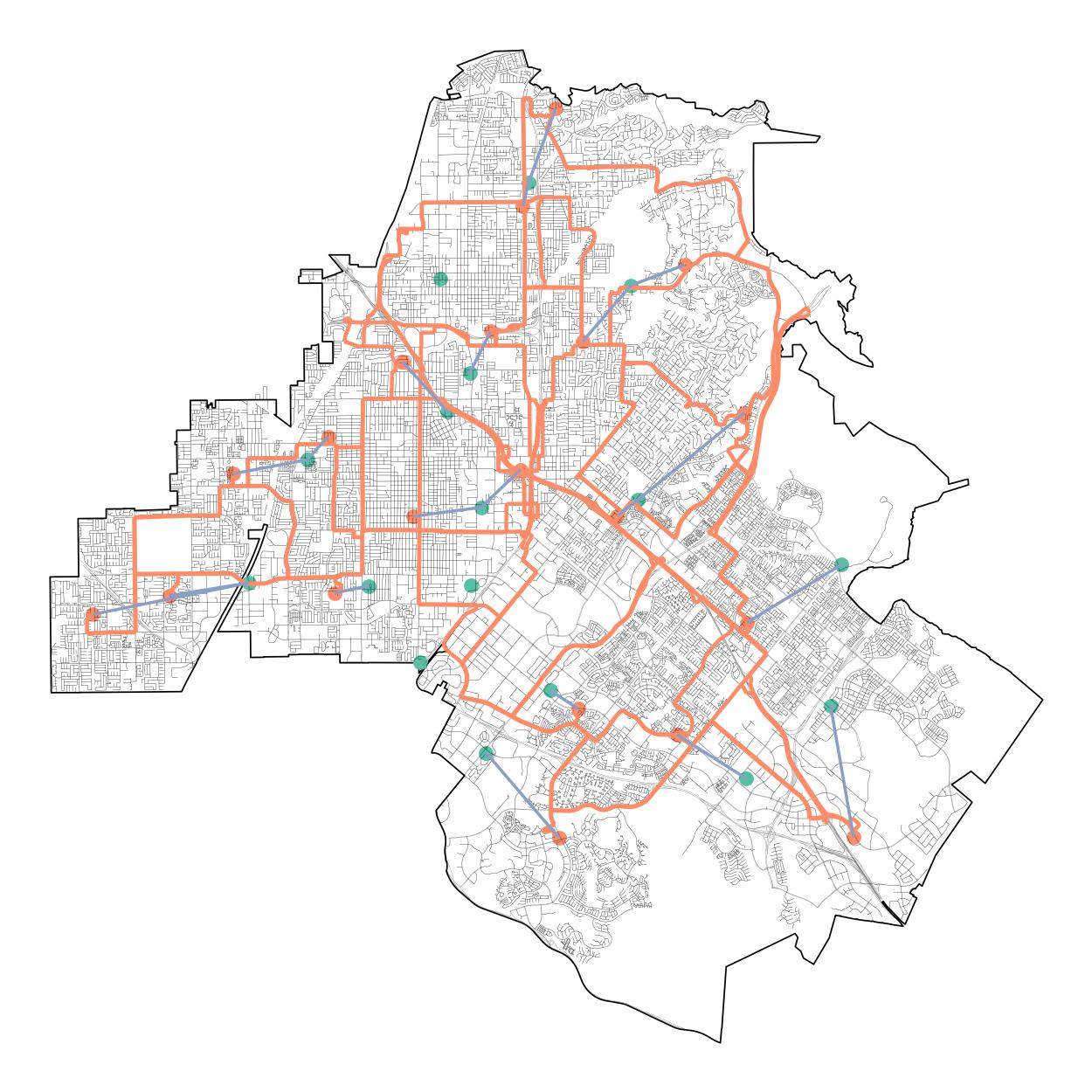 Figure 8
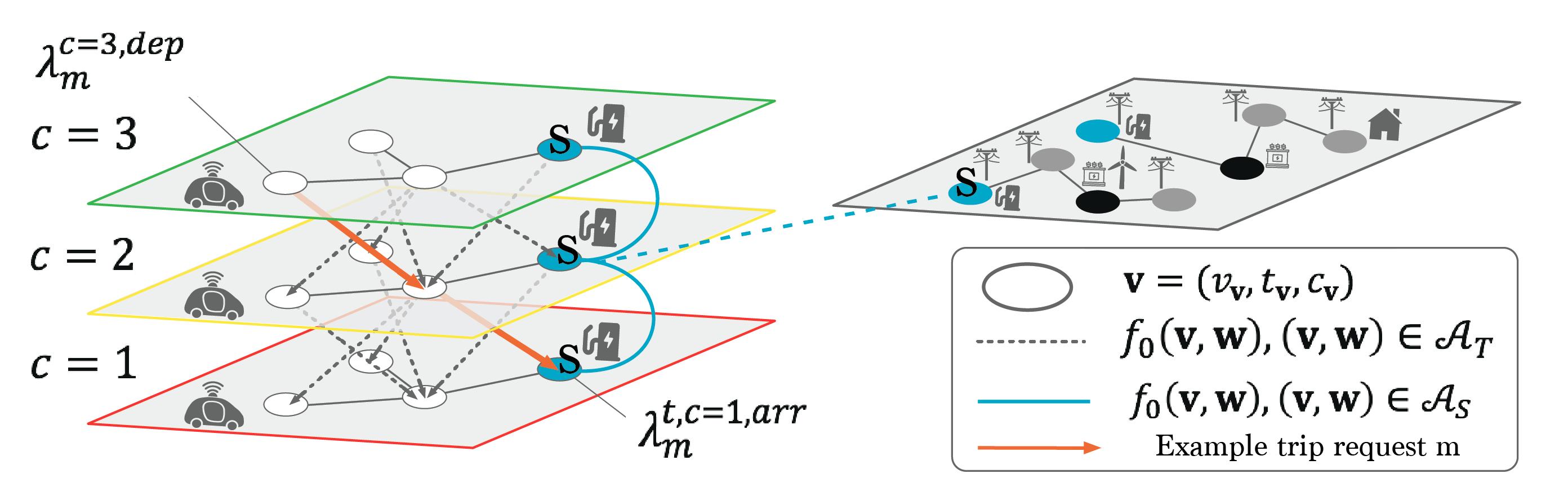 Figure 9
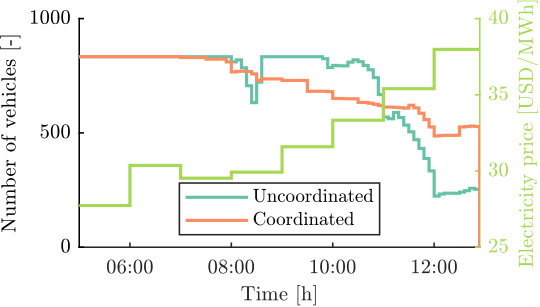 Figure 10
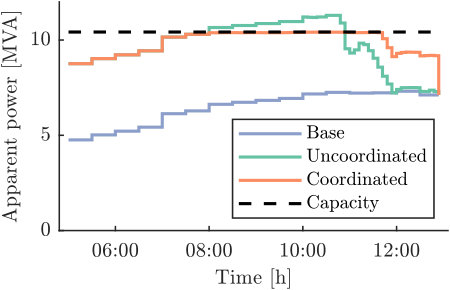 Figure 11
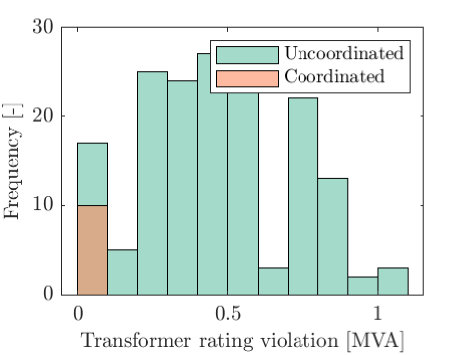 Figure 12
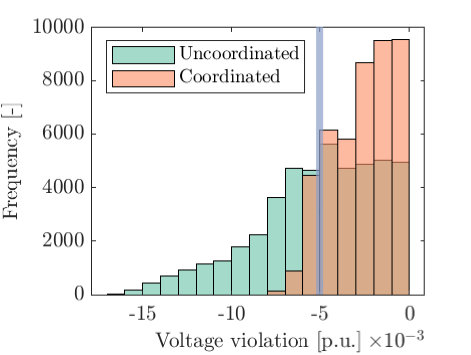 Figure 13
Peer Reviews
No public reviews on file for this paper yet. If you reviewed it on a platform where reviews are public (OpenReview, ICLR, NeurIPS, ICML), you can paste yours below so the community can read it here.
Code & Models
Videos
No videos yet. Explain this paper in a talk, walkthrough, or lecture? Add one.
