
TL;DR
This paper employs the point-particle effective field theory framework to analyze particle conversion processes mediated by flavor-changing couplings at a point-particle, revealing renormalization requirements and momentum-dependent cross-section behaviors.
Contribution
It introduces a novel application of PPEFT to flavor-changing particle interactions, detailing renormalization procedures and momentum effects, with implications for complex nuclear and particle physics reactions.
Findings
Renormalization of point-particle couplings near the origin.
Discovery of a 1/k_in enhancement in cross-sections.
Connection to non-self-adjoint PPEFT and nuclear reactions.
Abstract
We use the point-particle effective field theory (PPEFT) framework to describe particle-conversion mediated by a flavour-changing coupling to a point-particle. We do this for a toy model of two non-relativistic scalars coupled to the same point-particle, on which there is a flavour-violating coupling. It is found that the point-particle couplings all must be renormalized with respect to a radial cut-off near the origin, and it is an invariant of the flow of the flavour-changing coupling that is directly related to particle-changing cross-sections. At the same time, we find an interesting dependence of those cross-sections on the ratio k_out/k_in of the outgoing and incoming momenta, which can lead to a 1/k_in enhancement in certain regimes. We further connect this model to the case of a single-particle non-self-adjoint (absorptive) PPEFT, as well as to a PPEFT of a single particle…
Click any figure to enlarge with its caption.
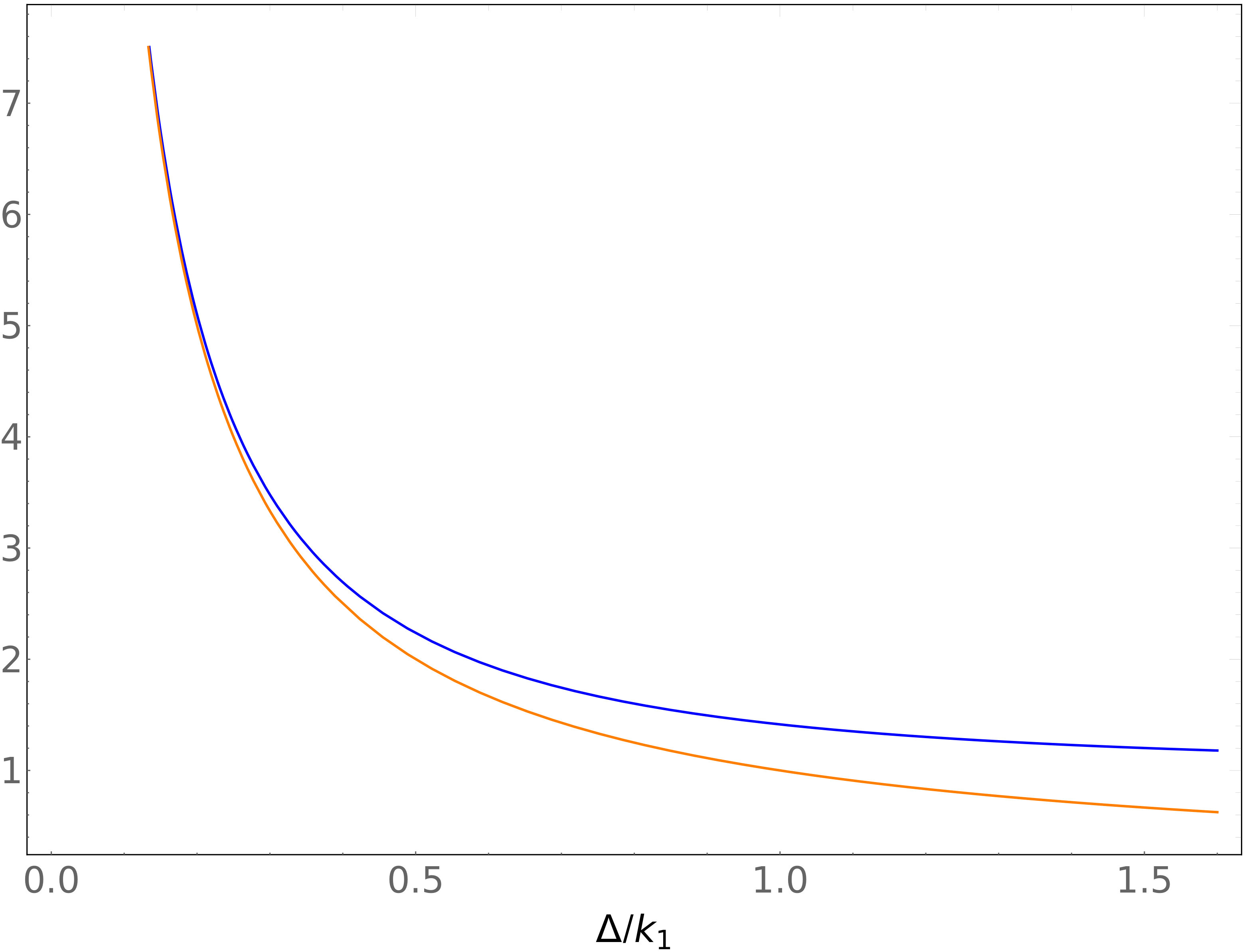 Figure 1
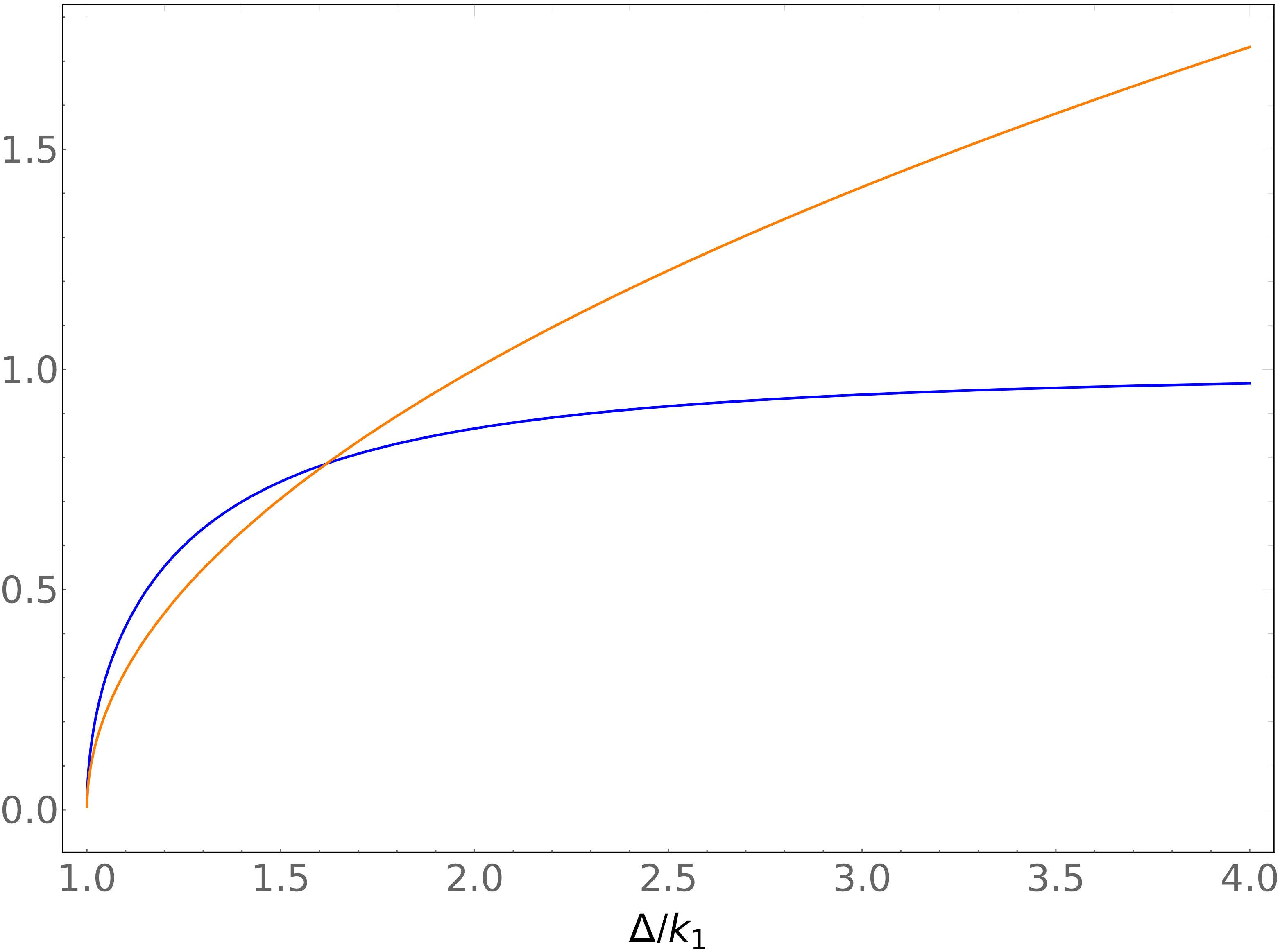 Figure 2
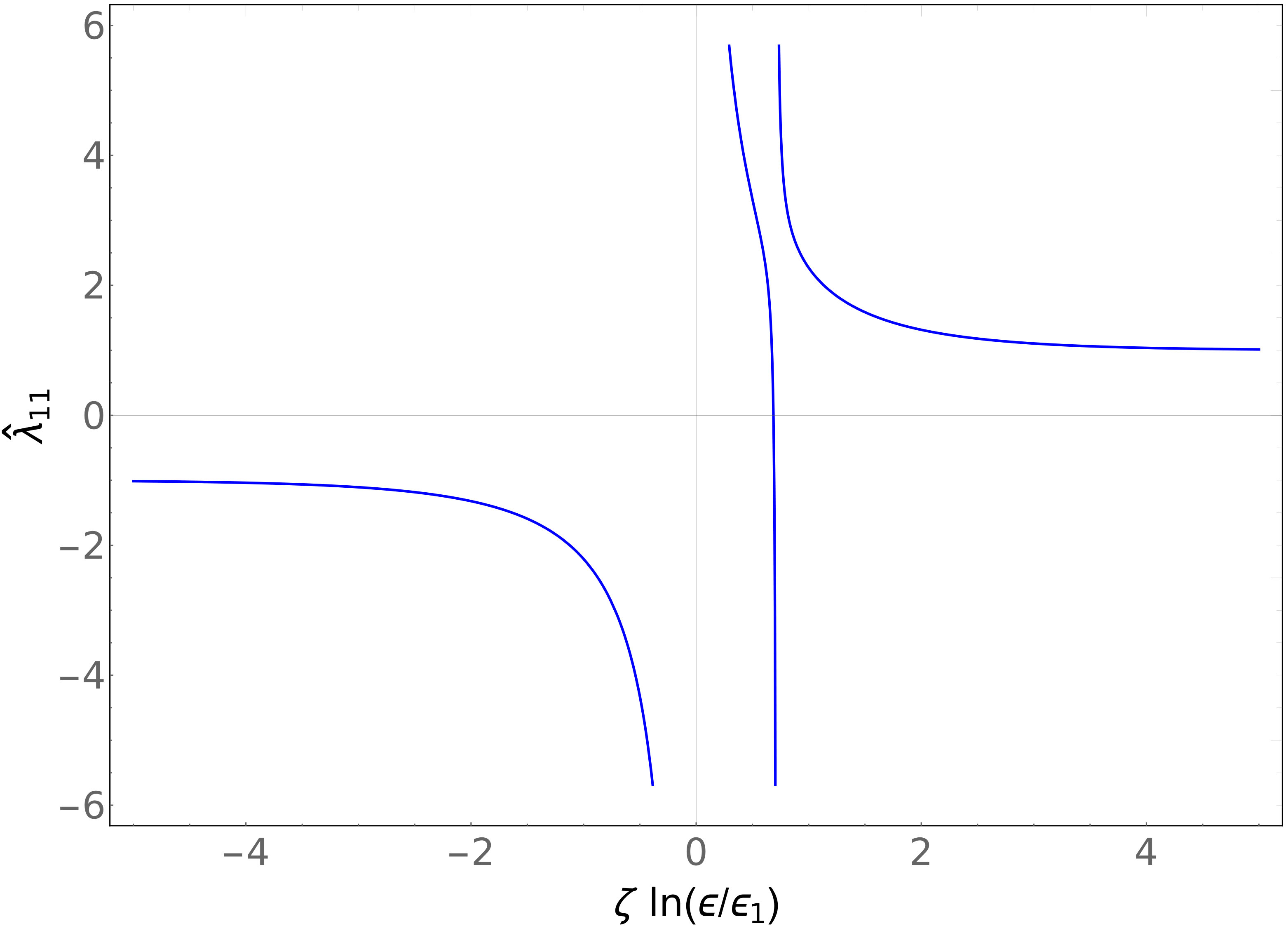 Figure 3
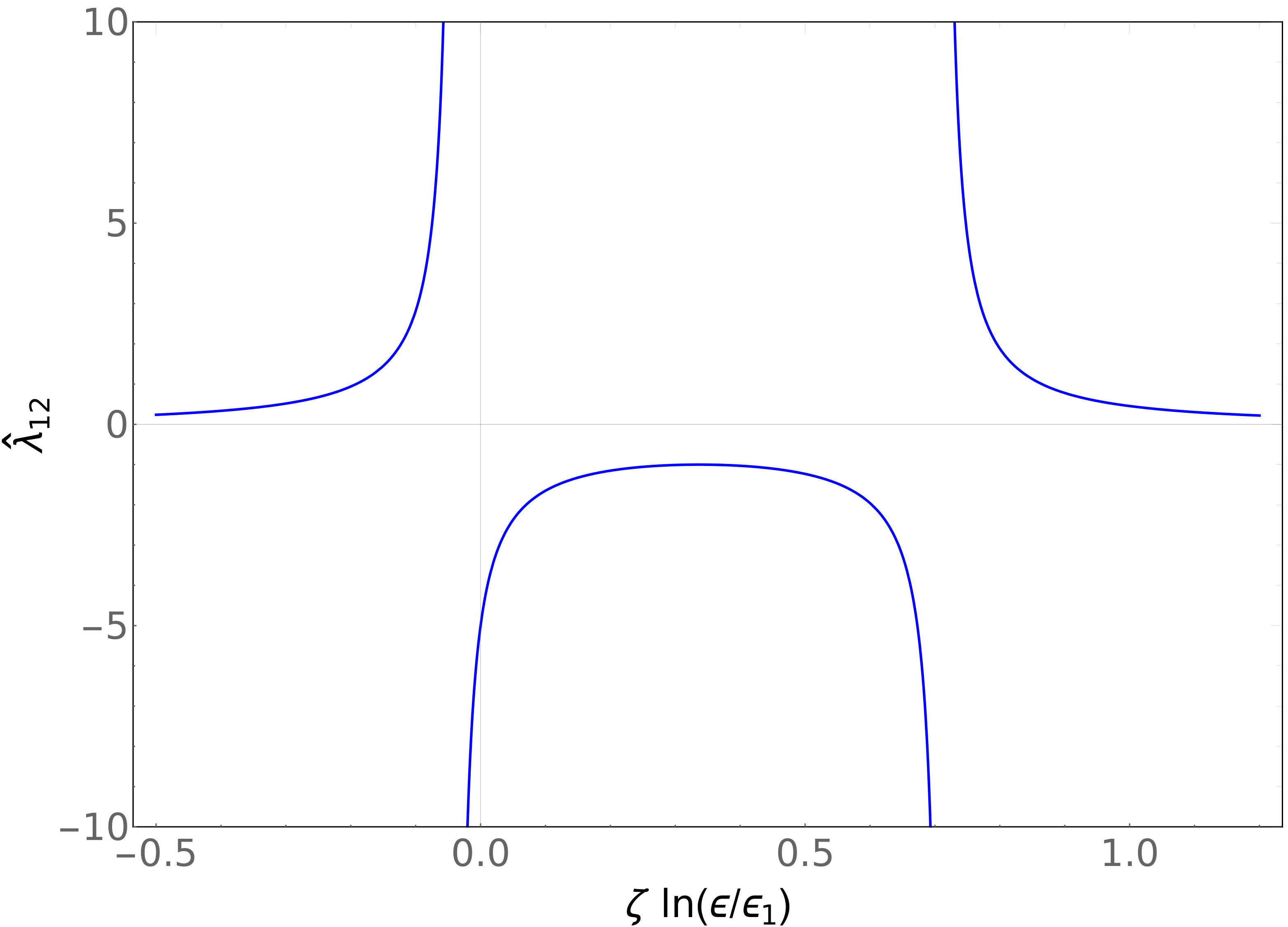 Figure 4
Peer Reviews
No public reviews on file for this paper yet. If you reviewed it on a platform where reviews are public (OpenReview, ICLR, NeurIPS, ICML), you can paste yours below so the community can read it here.
Videos
No videos yet. Explain this paper in a talk, walkthrough, or lecture? Add one.
Taxonomy
TopicsParticle physics theoretical and experimental studies · Cosmology and Gravitation Theories · High-Energy Particle Collisions Research