The coupling between inertial and rotational eigenmodes in planets with liquid cores
Santiago Andres Triana, Jeremy Rekier, Antony Trinh, Veronique, Dehant

TL;DR
This paper presents a high-resolution numerical model that couples Earth's rigid body dynamics with fluid core inertial modes, revealing resonances and interactions that influence nutation and are often neglected in traditional models.
Contribution
It introduces the first simultaneous numerical solution of Earth's rigid and fluid core dynamics, accounting for dissipative processes and boundary shape effects.
Findings
Resonance of Free Core Nutation mode with nearby modes when mantle's moment of inertia is reduced.
Mode interactions analogous to those in a uniformly rotating ellipsoid.
Dissipative processes in the fluid core significantly affect Earth's nutation dynamics.
Abstract
The Earth is a rapidly rotating body. The centrifugal pull makes its shape resemble a flattened ellipsoid and Coriolis forces support waves in its fluid core, known as inertial waves. These waves can lead to global oscillations, or modes, of the fluid. Periodic variations of the Earth's rotation axis (nutations) can lead to an exchange of angular momentum between the mantle and the fluid core and excite these inertial modes. In addition to viscous torques that exist regardless of the shape of the boundaries, the small flattening of the core-mantle boundary (CMB) allows inertial modes to exert pressure torques on the mantle. These torques effectively couple the rigid-body dynamics of the Earth with the fluid dynamics of the fluid core. Here we present the first high resolution numerical model that solves simultaneously the rigid body dynamics of the mantle and the Navier-Stokes equation…
Click any figure to enlarge with its caption.
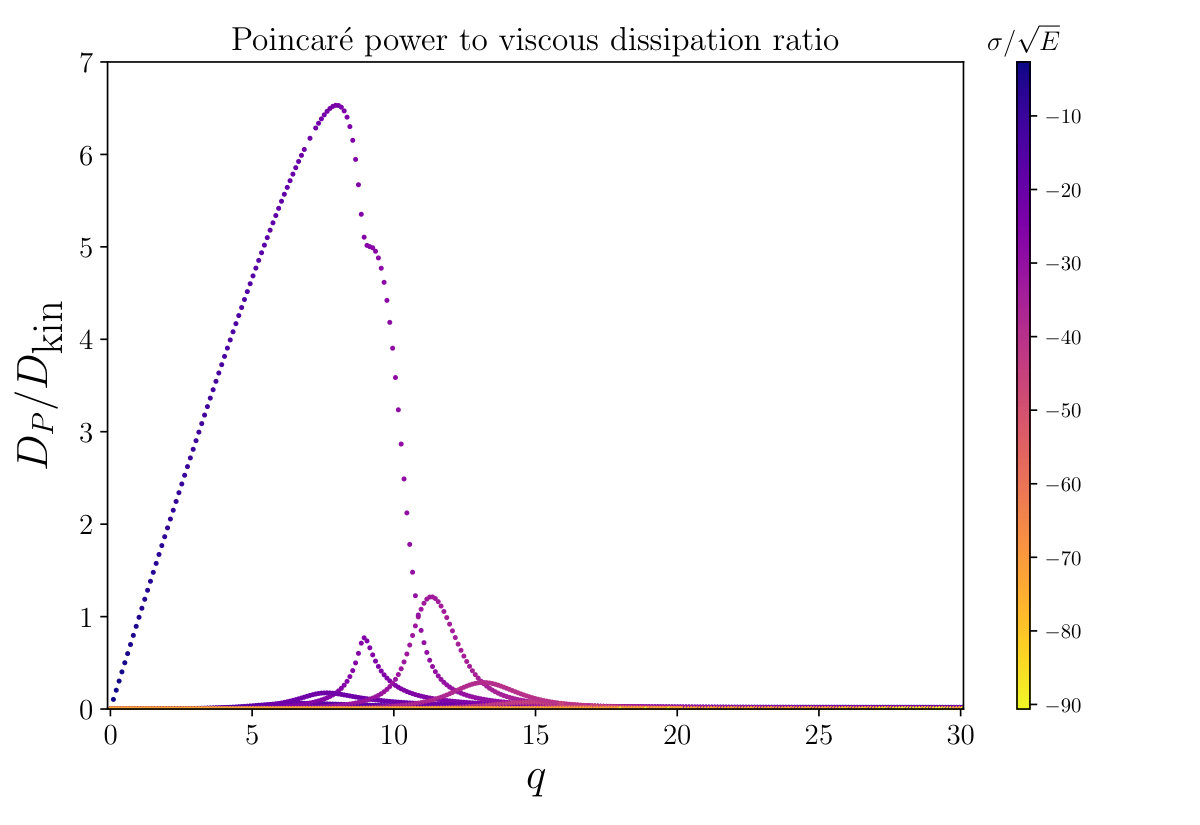 Figure 1
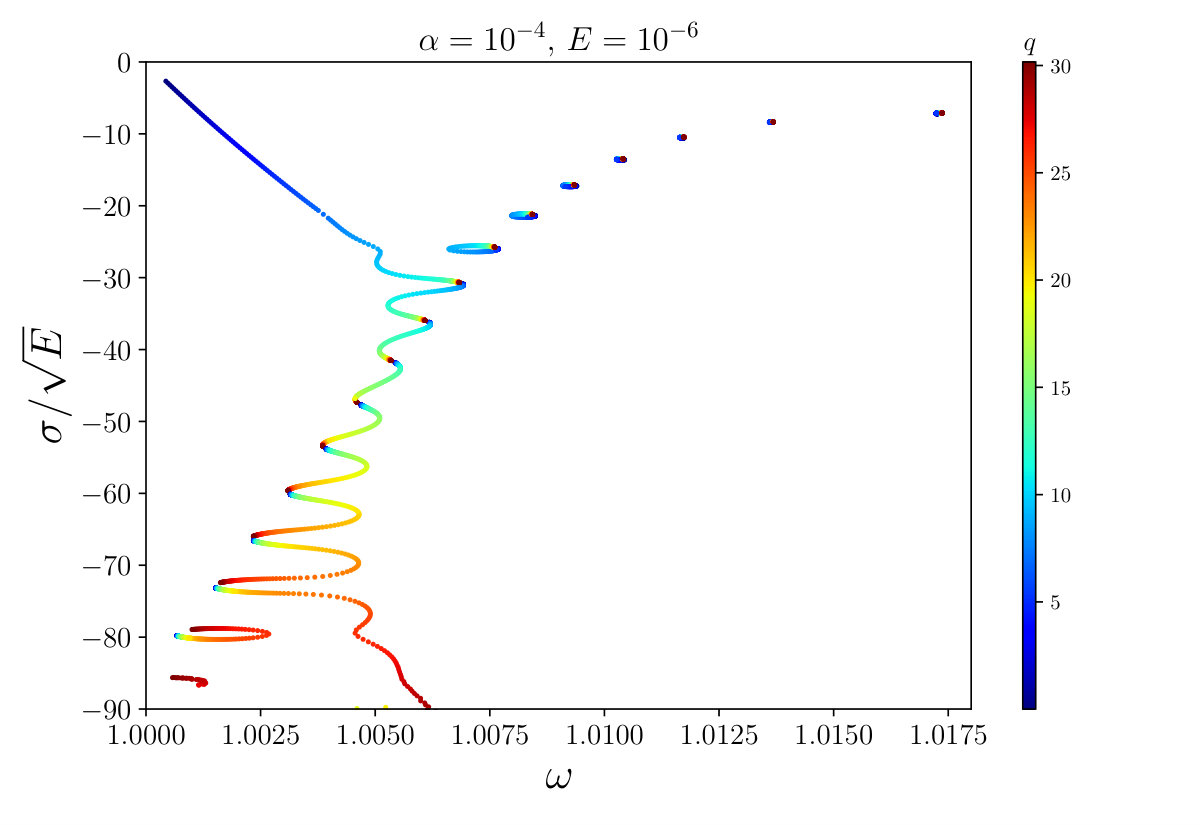 Figure 2
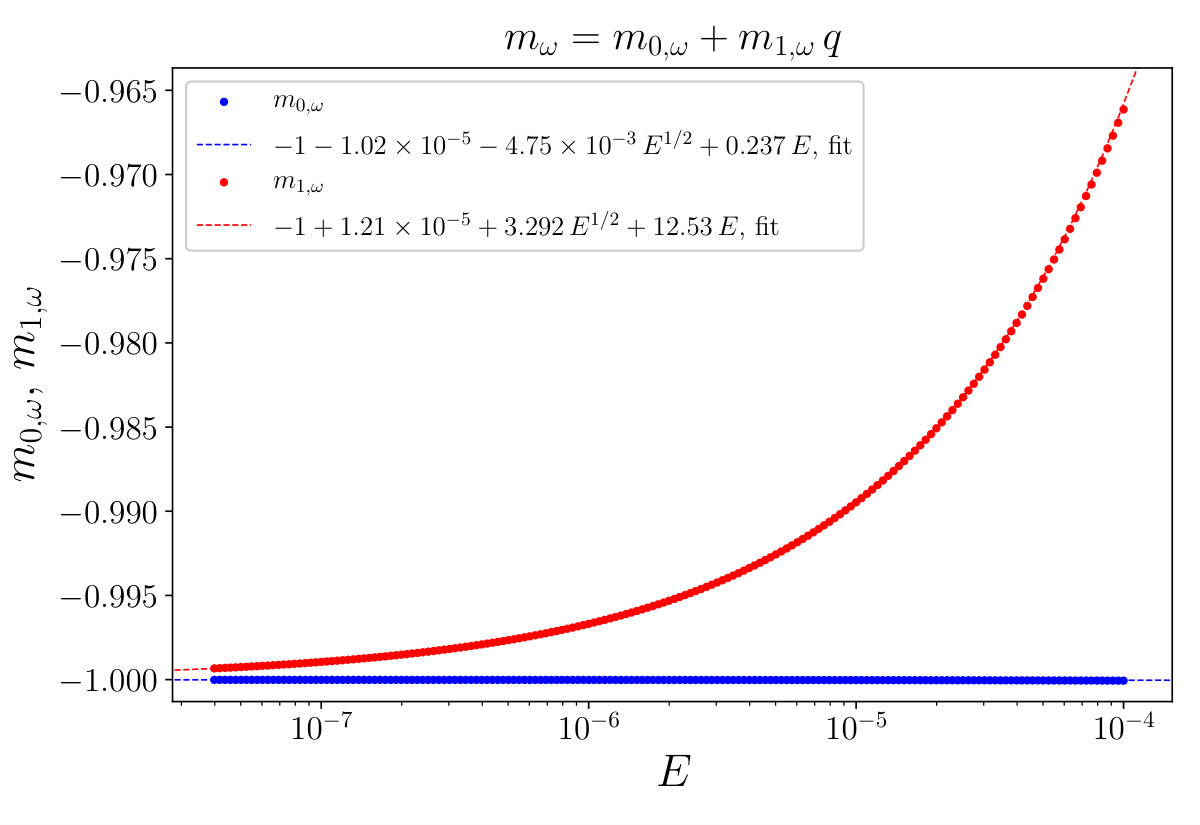 Figure 3
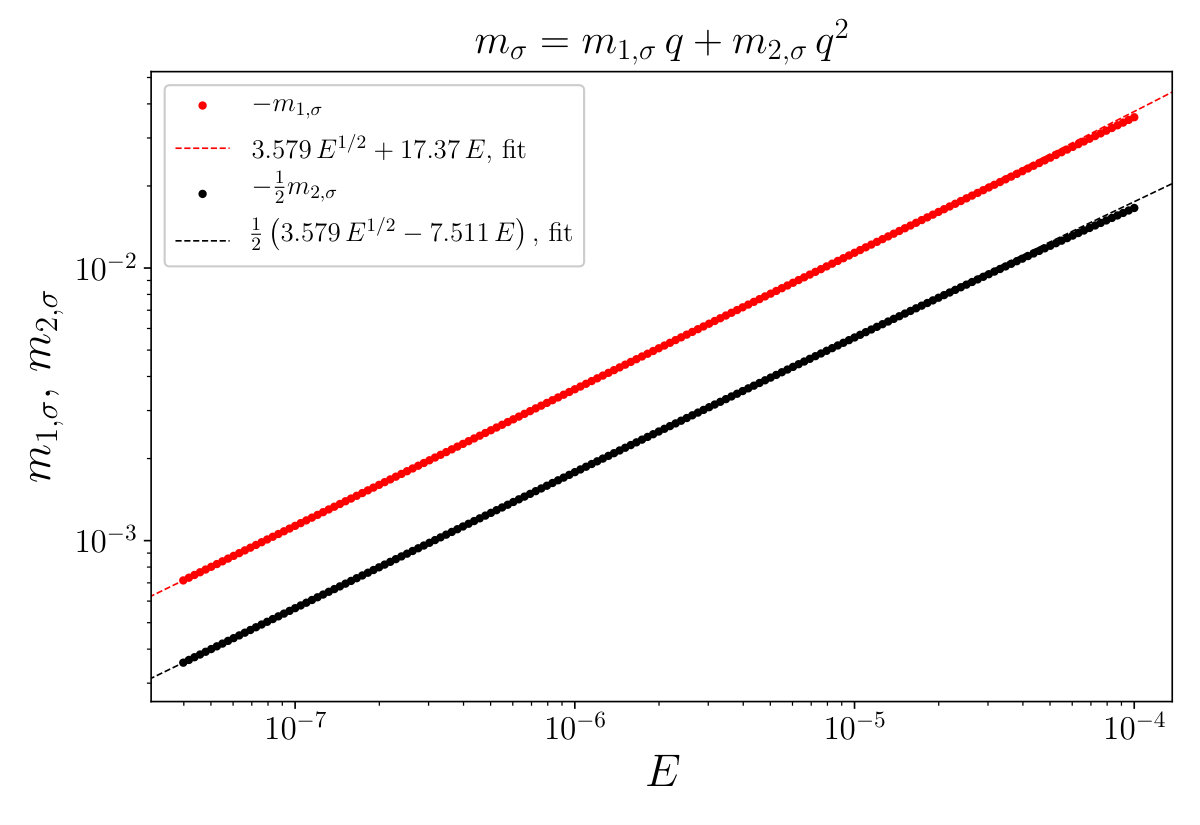 Figure 4
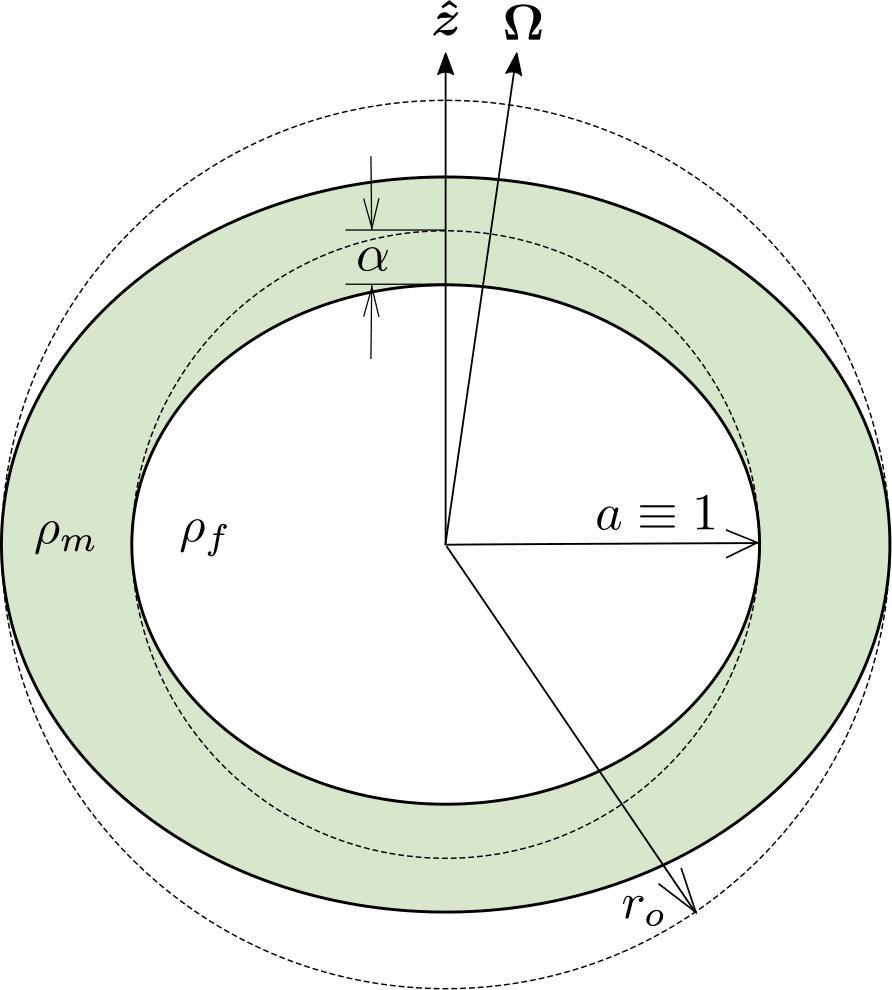 Figure 5
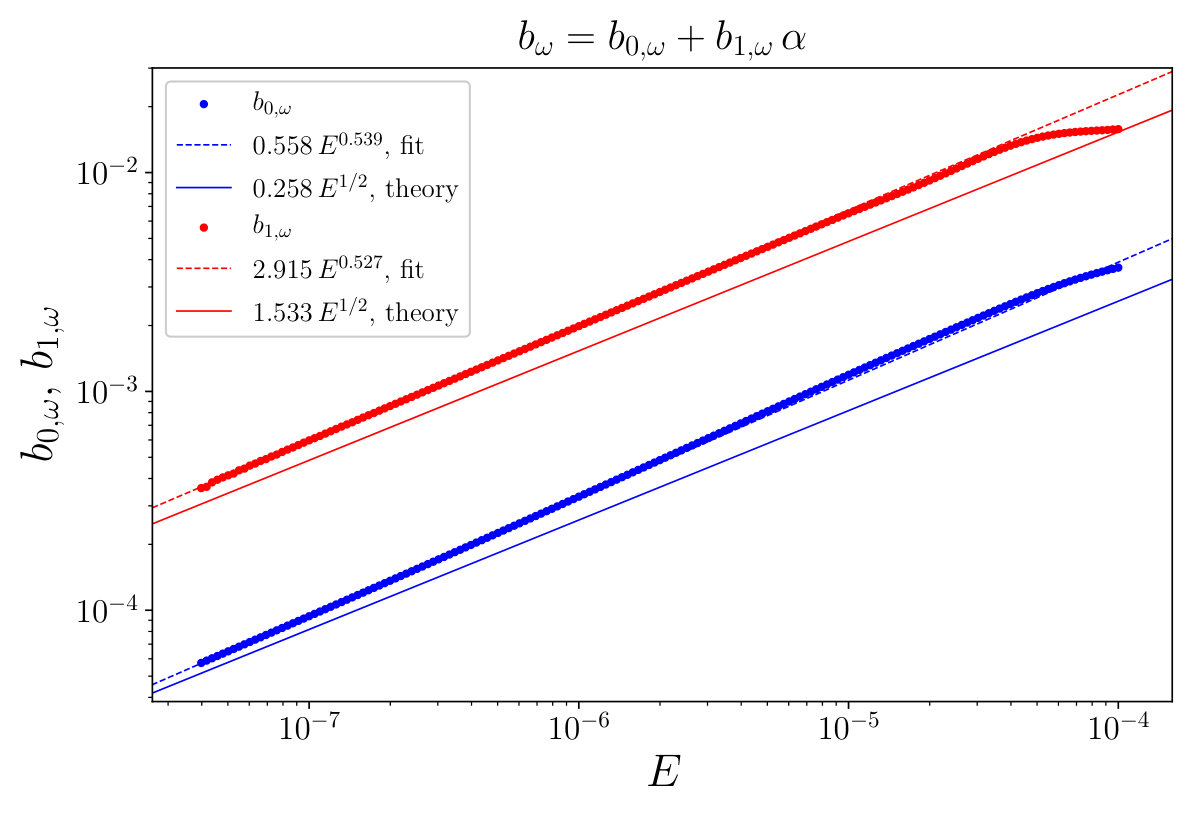 Figure 6
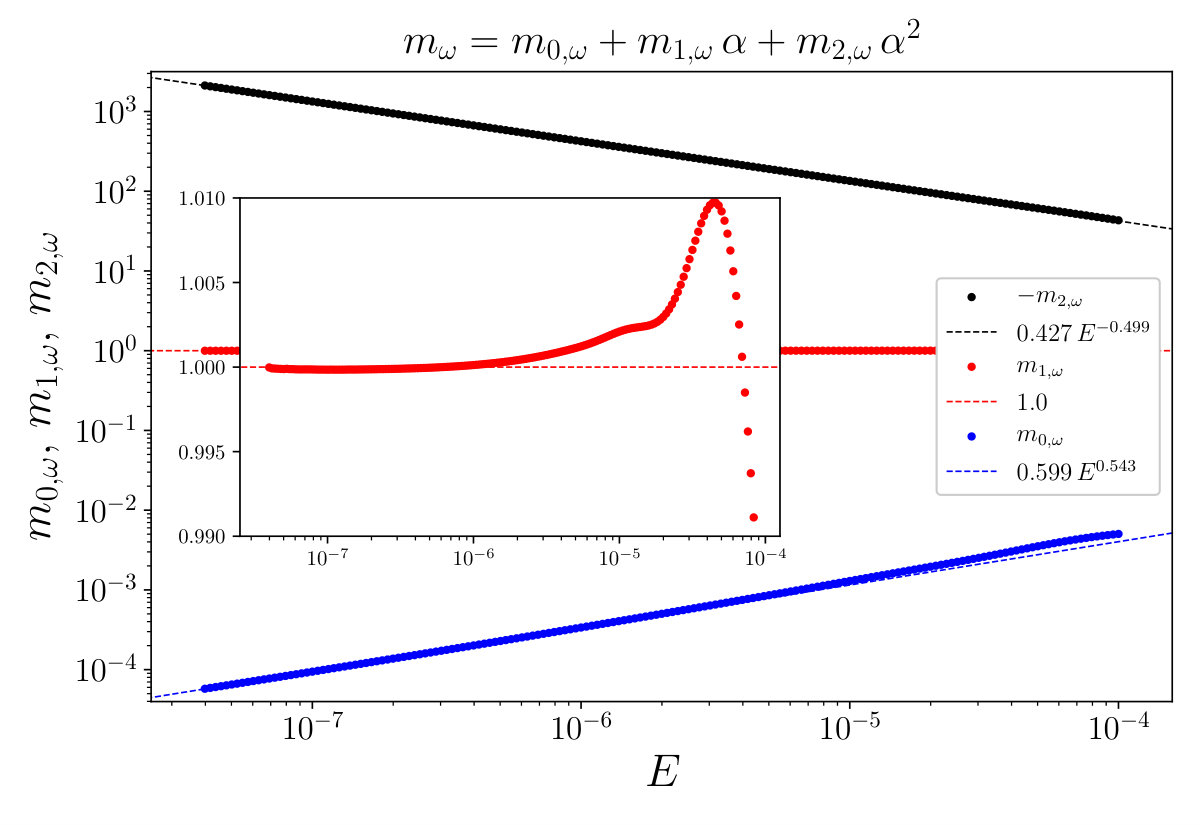 Figure 7
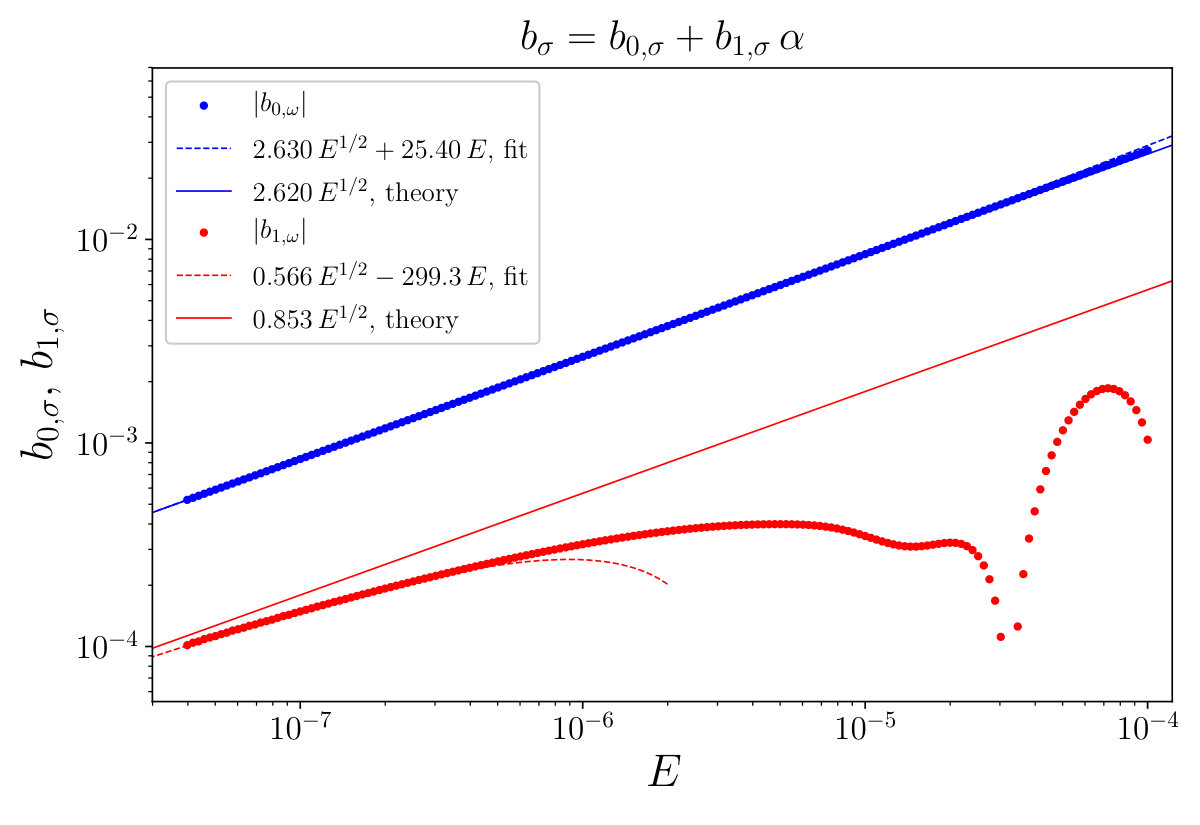 Figure 8
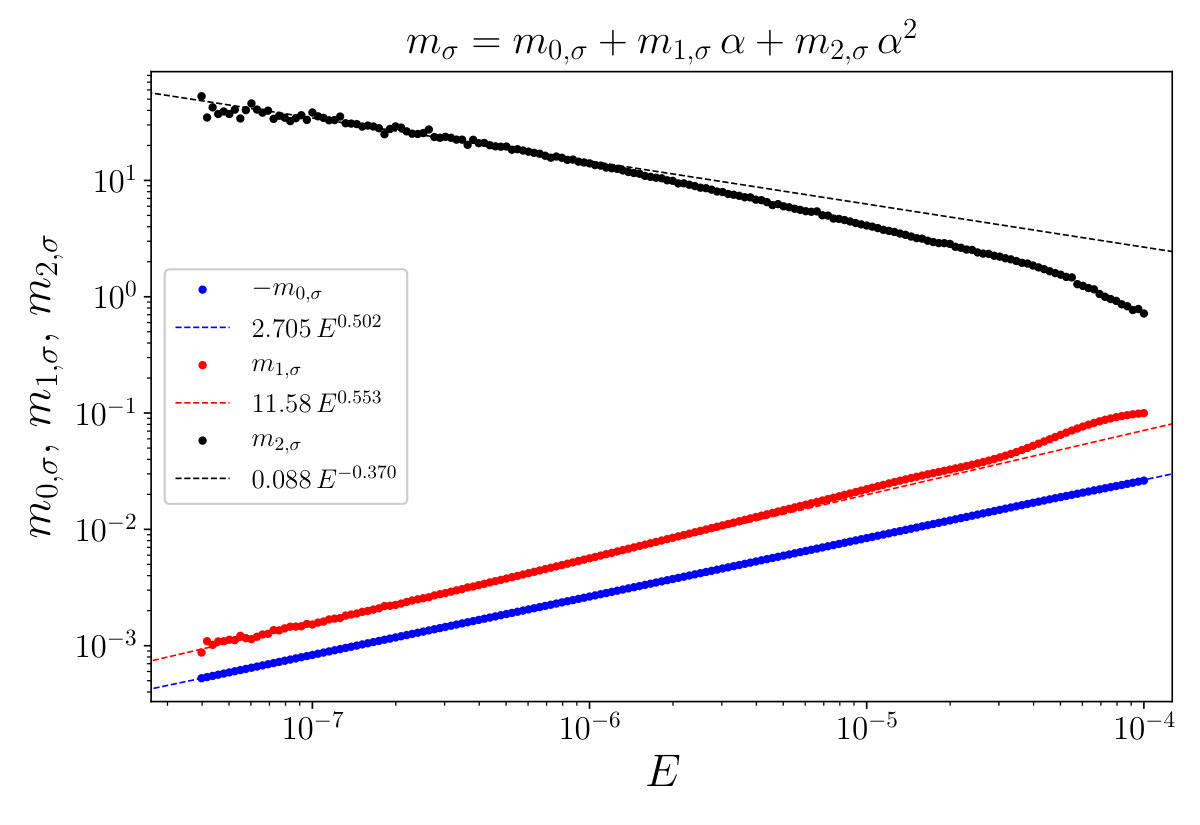 Figure 9
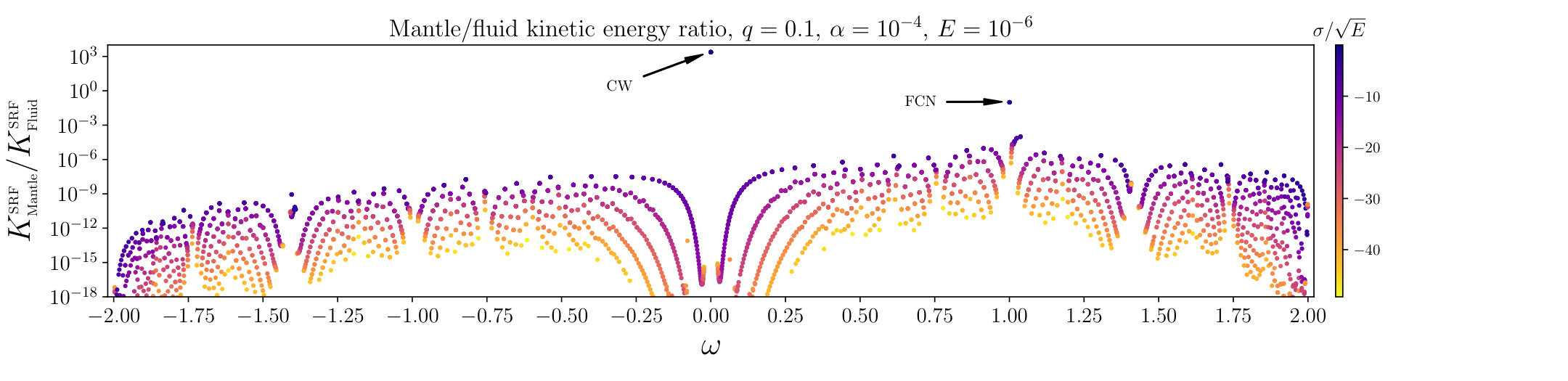 Figure 2
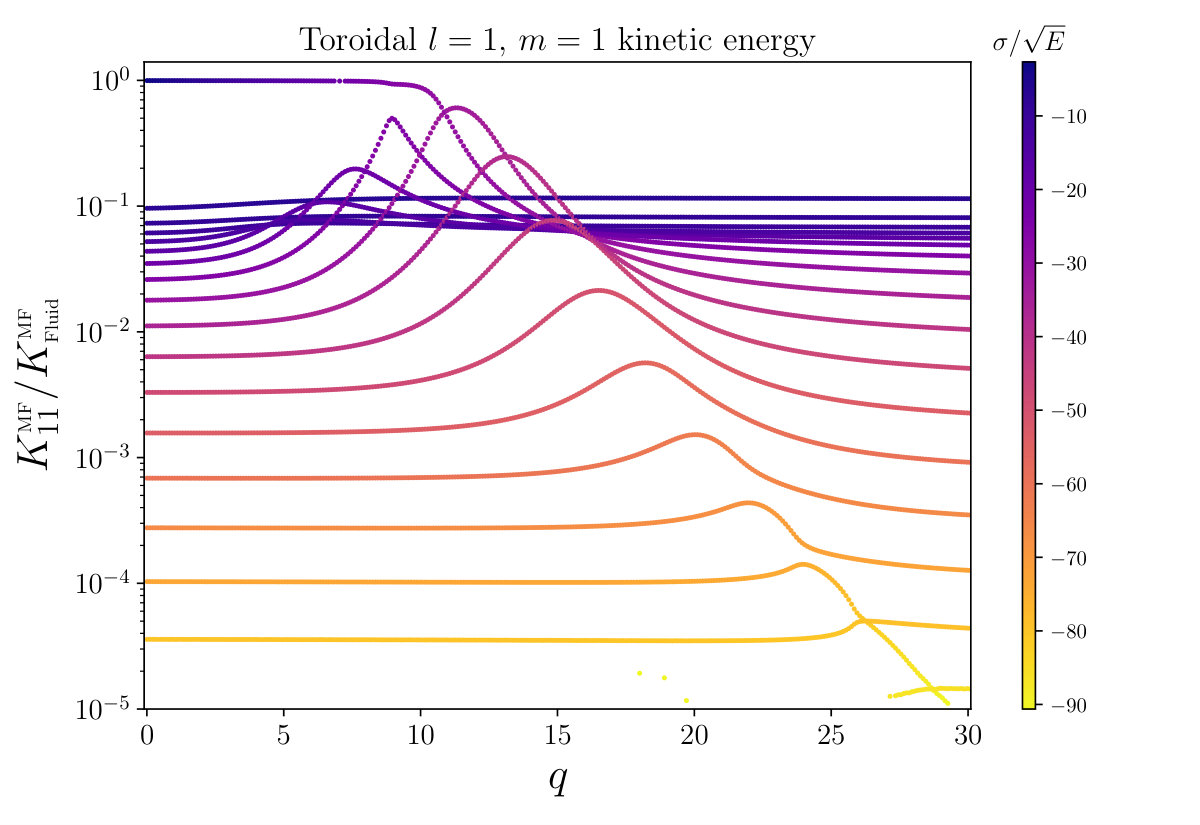 Figure 11
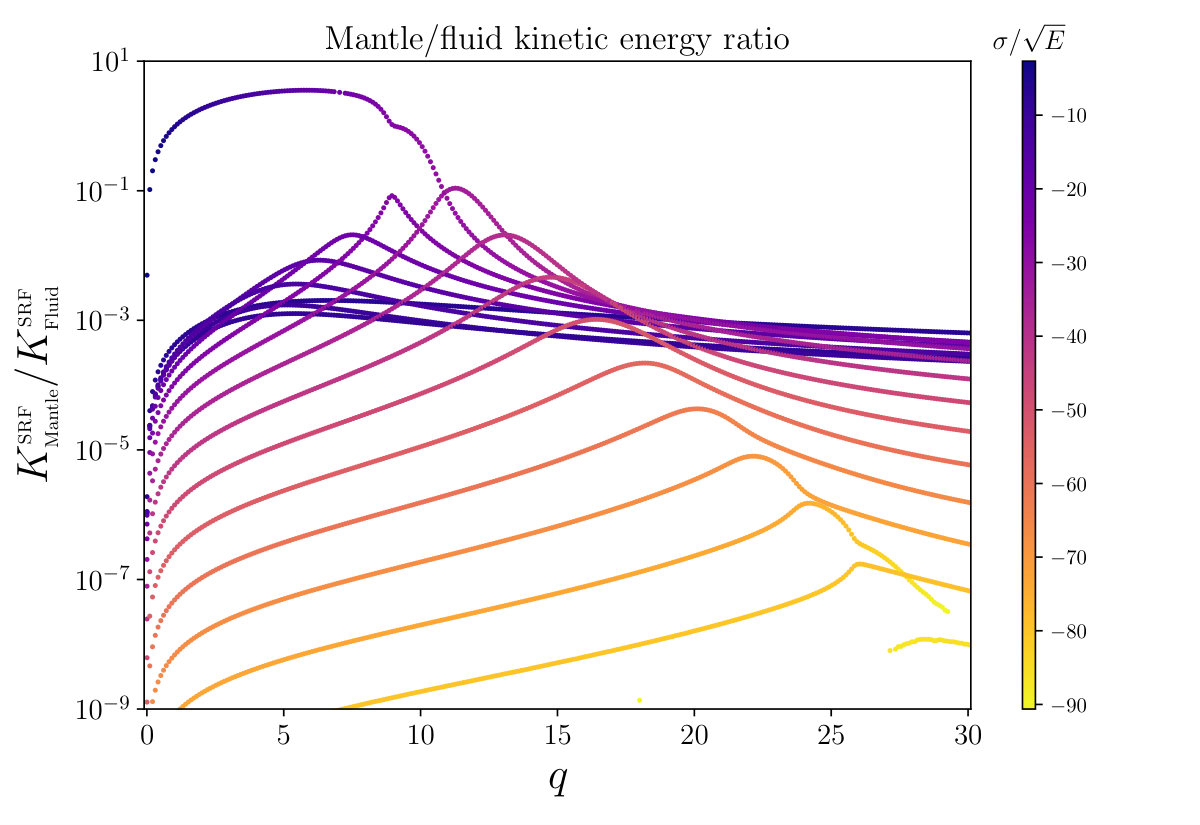 Figure 12
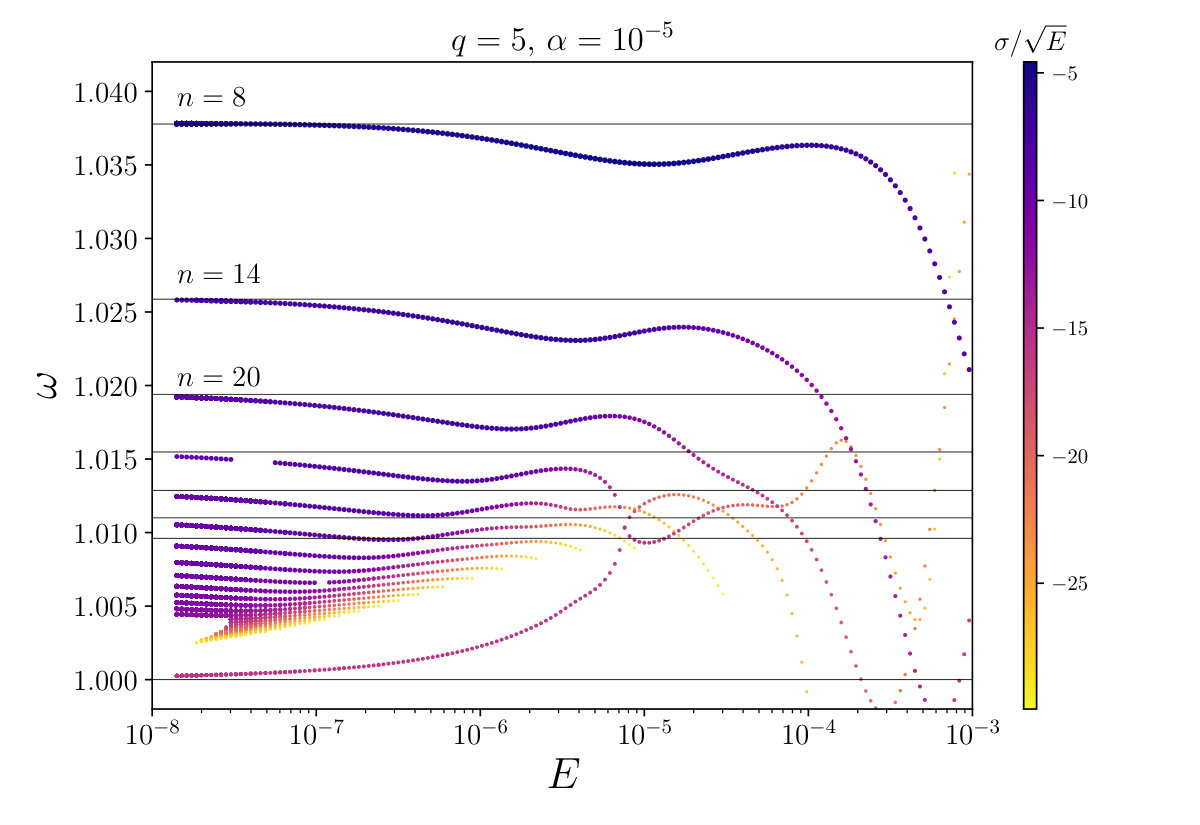 Figure 13
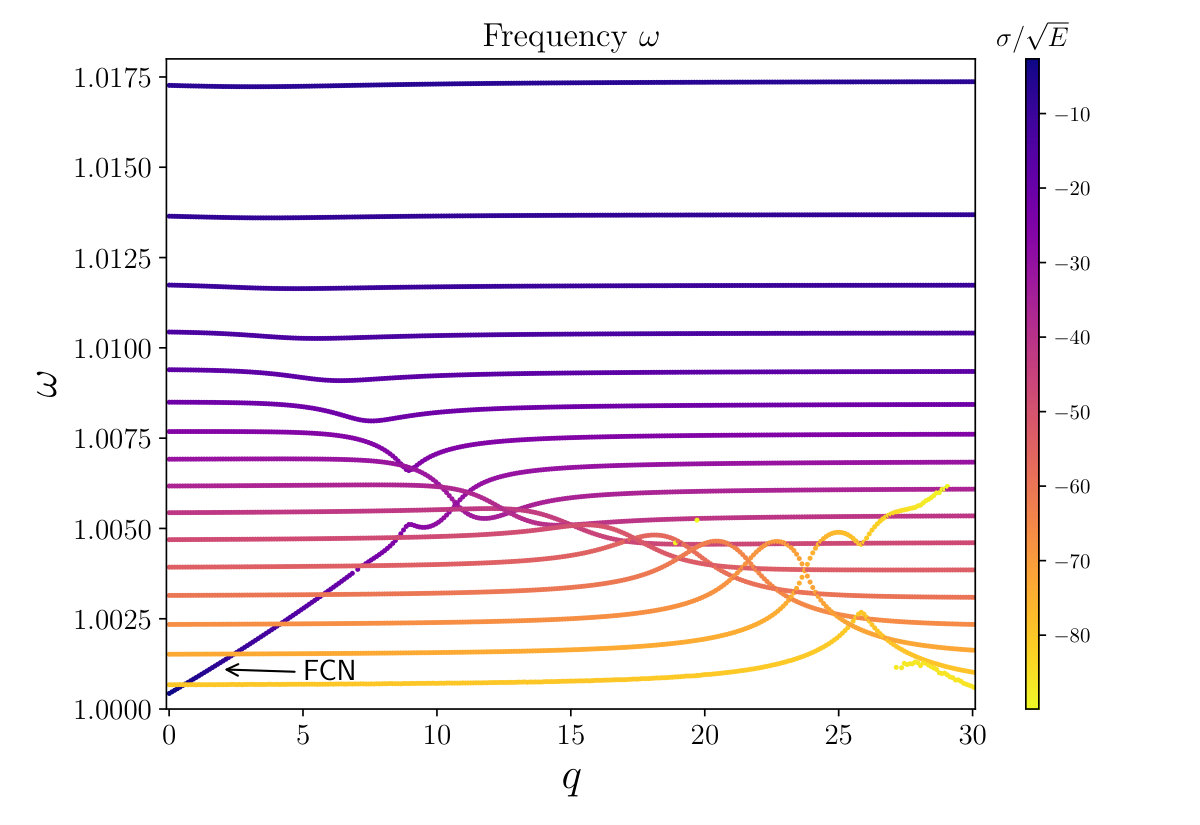 Figure 14
 Figure 15
 Figure 16
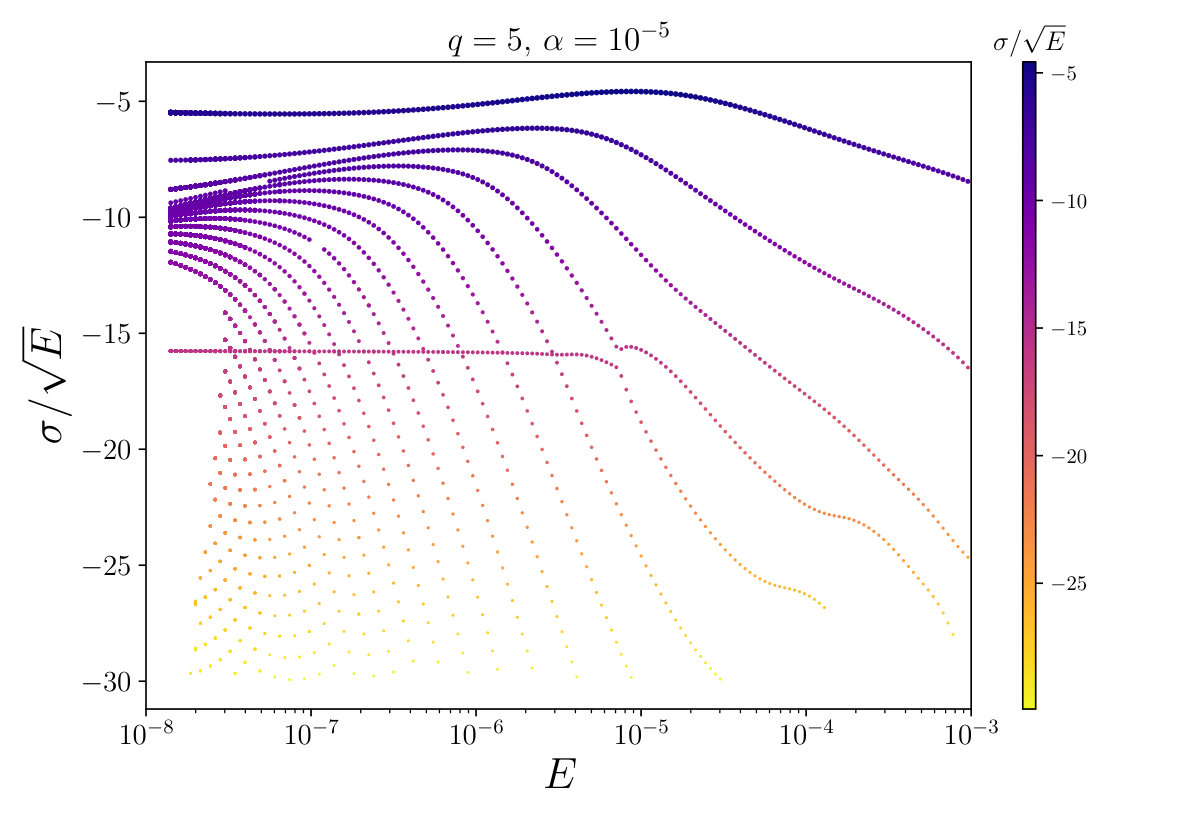 Figure 17
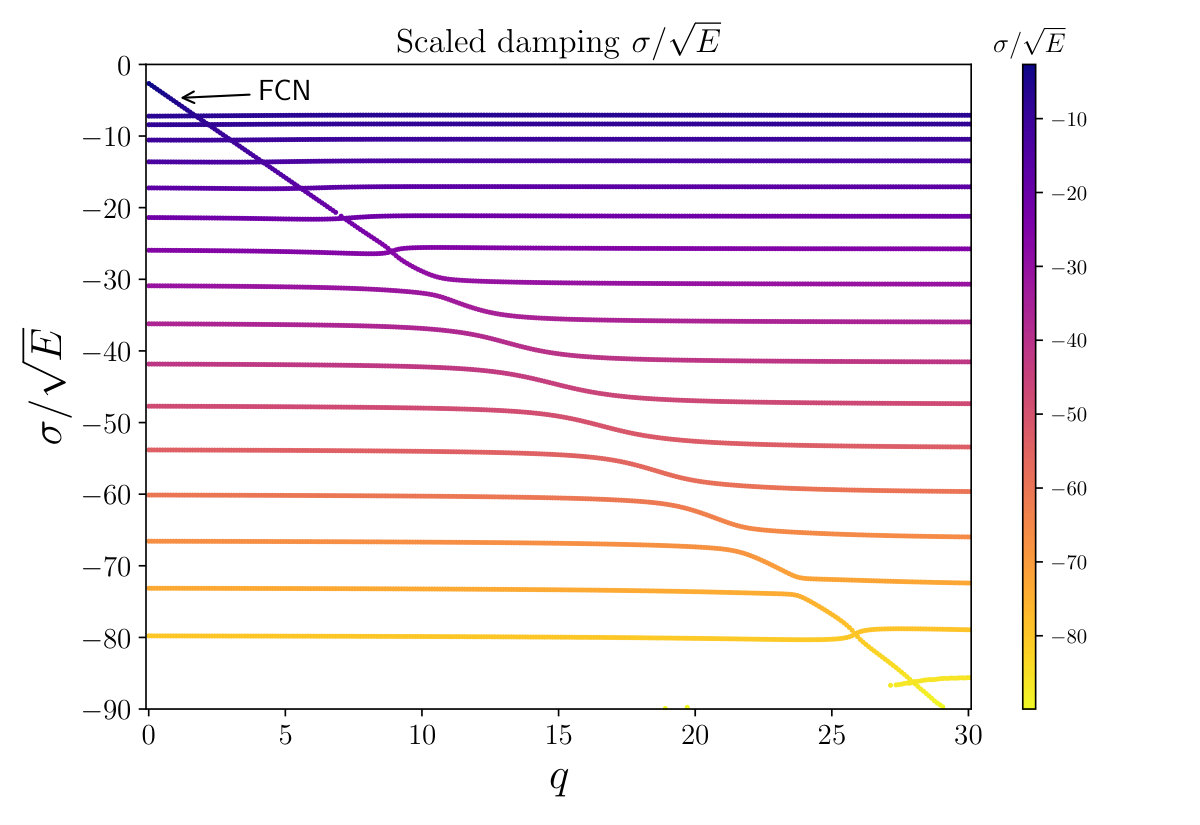 Figure 18
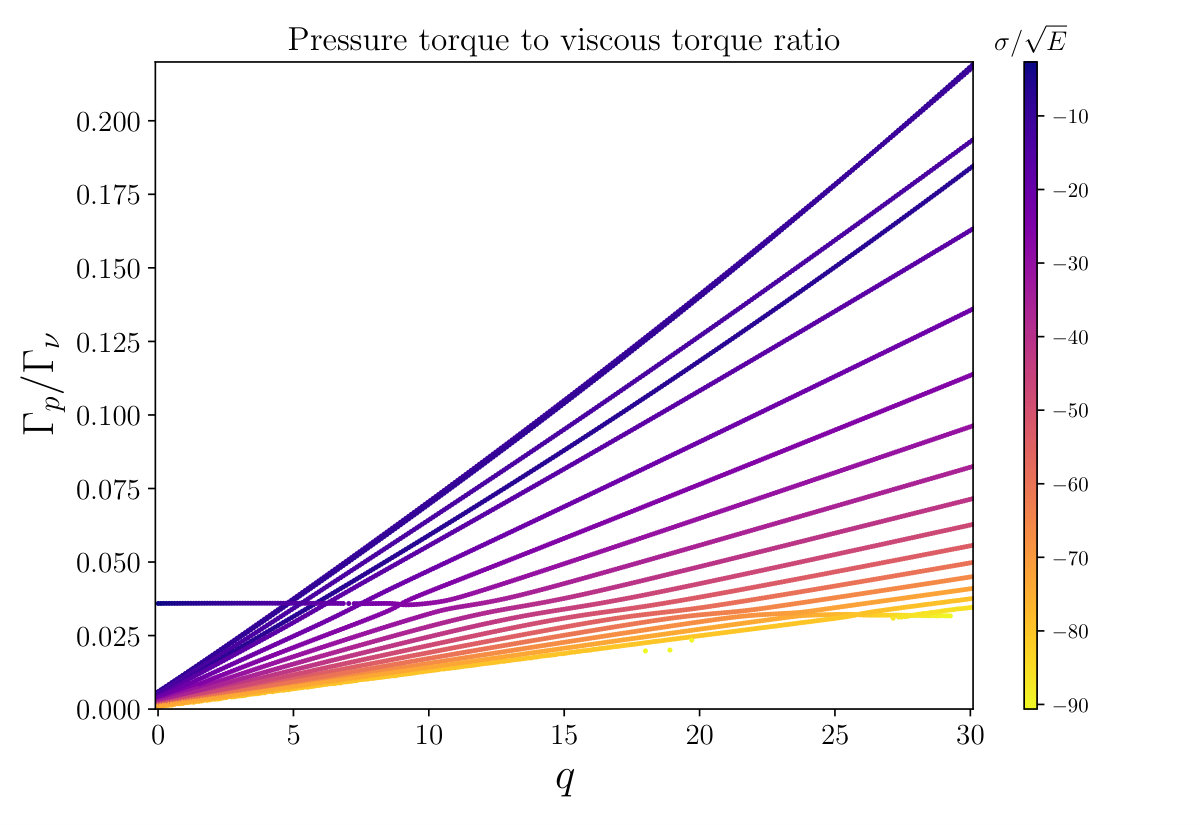 Figure 19
Peer Reviews
No public reviews on file for this paper yet. If you reviewed it on a platform where reviews are public (OpenReview, ICLR, NeurIPS, ICML), you can paste yours below so the community can read it here.
Videos
No videos yet. Explain this paper in a talk, walkthrough, or lecture? Add one.