TL;DR
This paper explores the use of decision tree-based machine learning methods, including boosted trees, to develop transparent and effective insurance tariff plans that outperform traditional GLMs in predictive accuracy and risk management.
Contribution
It introduces adapted loss functions for insurance data and demonstrates how to tune, visualize, and evaluate tree-based models for insurance pricing, enhancing interpretability and profitability.
Findings
Boosted trees outperform classical GLMs in predictive accuracy.
Tree-based models provide better risk segmentation and portfolio profitability.
Visualization tools help interpret complex machine learning models.
Abstract
Pricing actuaries typically operate within the framework of generalized linear models (GLMs). With the upswing of data analytics, our study puts focus on machine learning methods to develop full tariff plans built from both the frequency and severity of claims. We adapt the loss functions used in the algorithms such that the specific characteristics of insurance data are carefully incorporated: highly unbalanced count data with excess zeros and varying exposure on the frequency side combined with scarce, but potentially long-tailed data on the severity side. A key requirement is the need for transparent and interpretable pricing models which are easily explainable to all stakeholders. We therefore focus on machine learning with decision trees: starting from simple regression trees, we work towards more advanced ensembles such as random forests and boosted trees. We show how to choose…
Click any figure to enlarge with its caption.
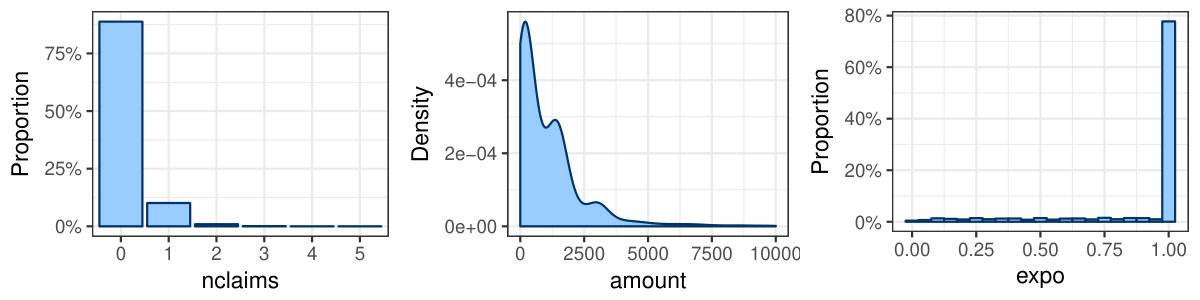 Figure 1
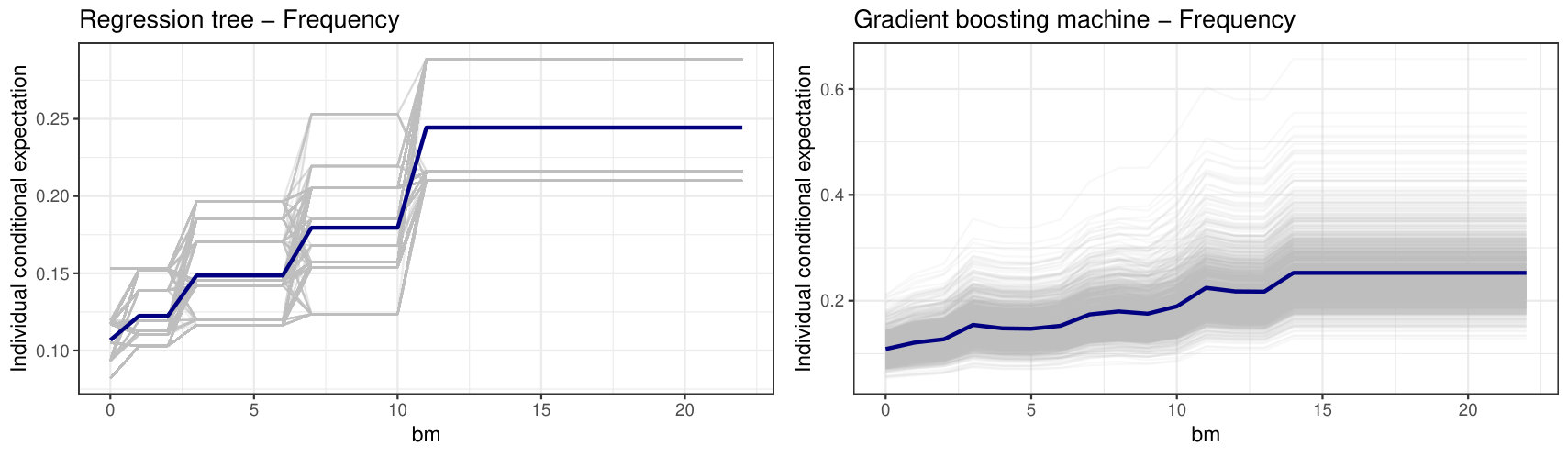 Figure 2
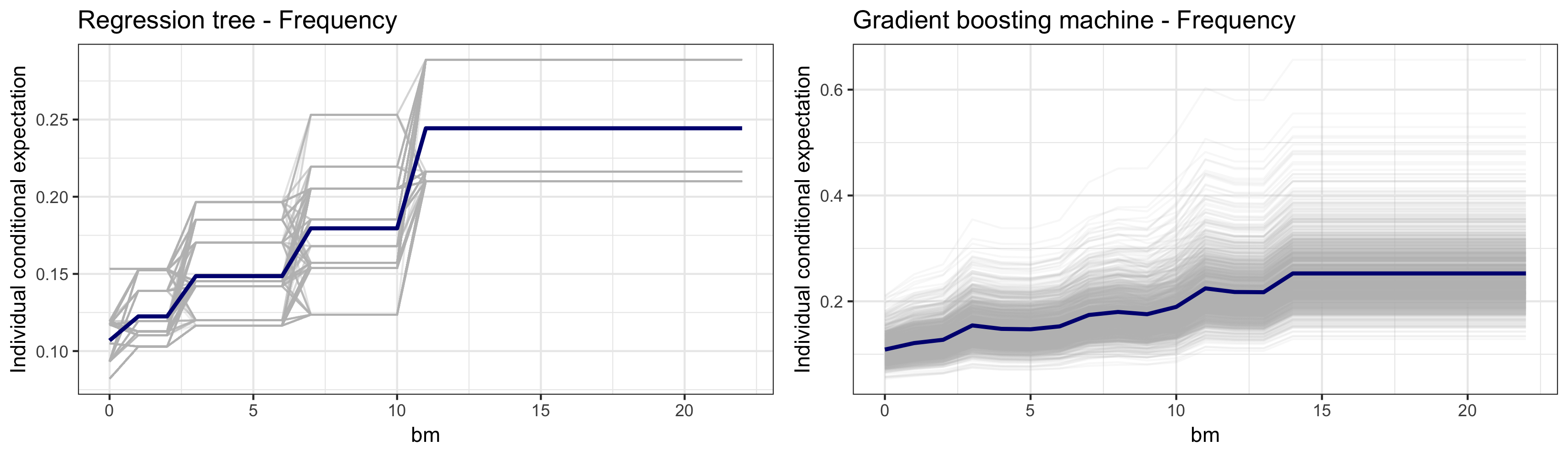 Figure 3
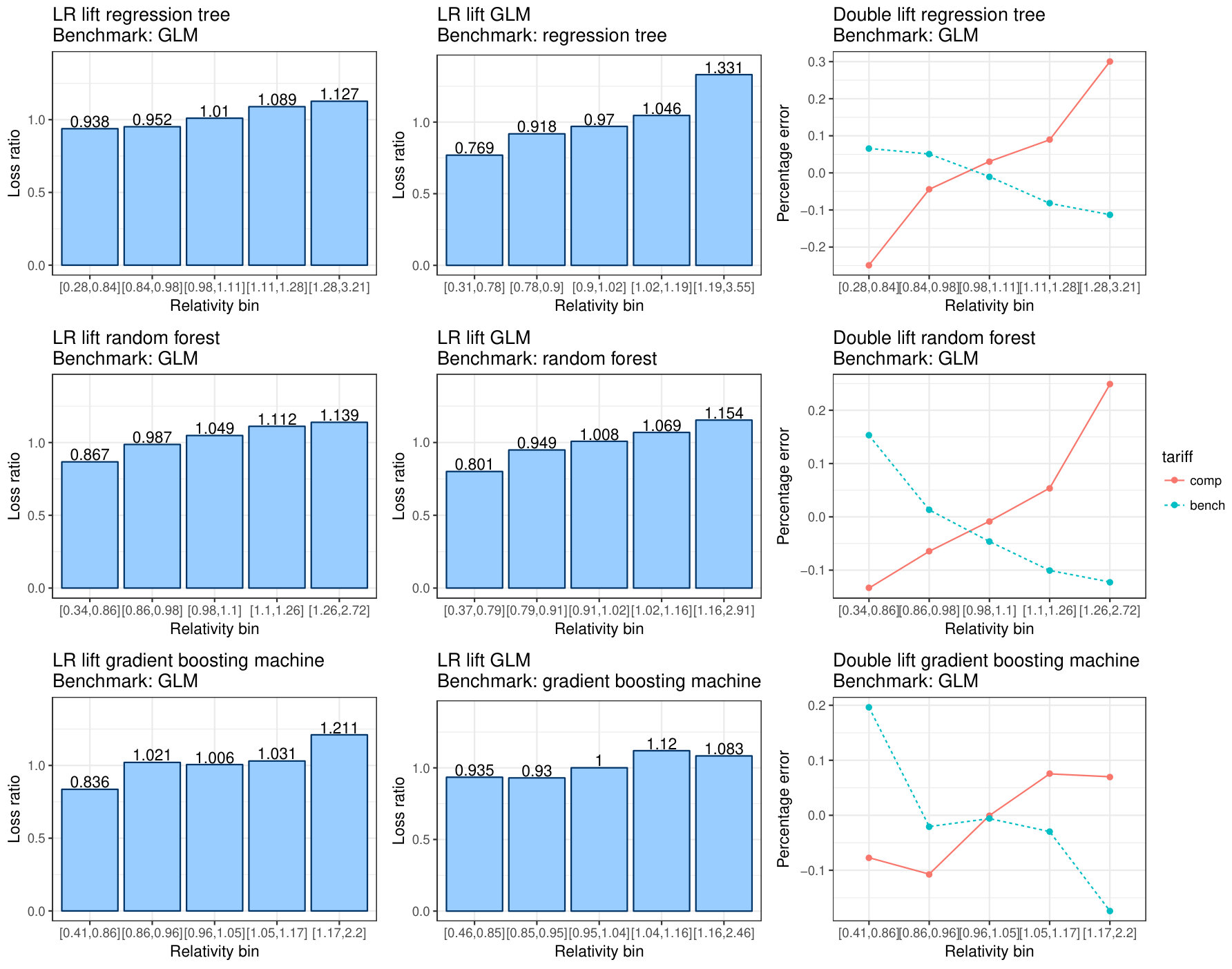 Figure 4
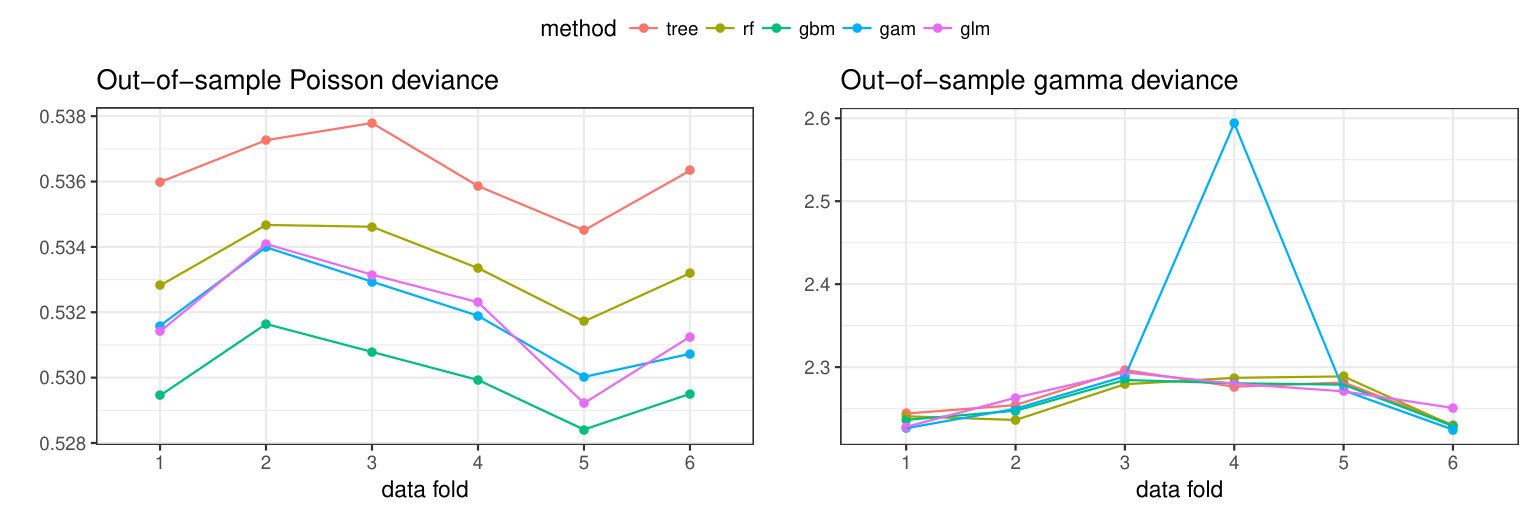 Figure 5
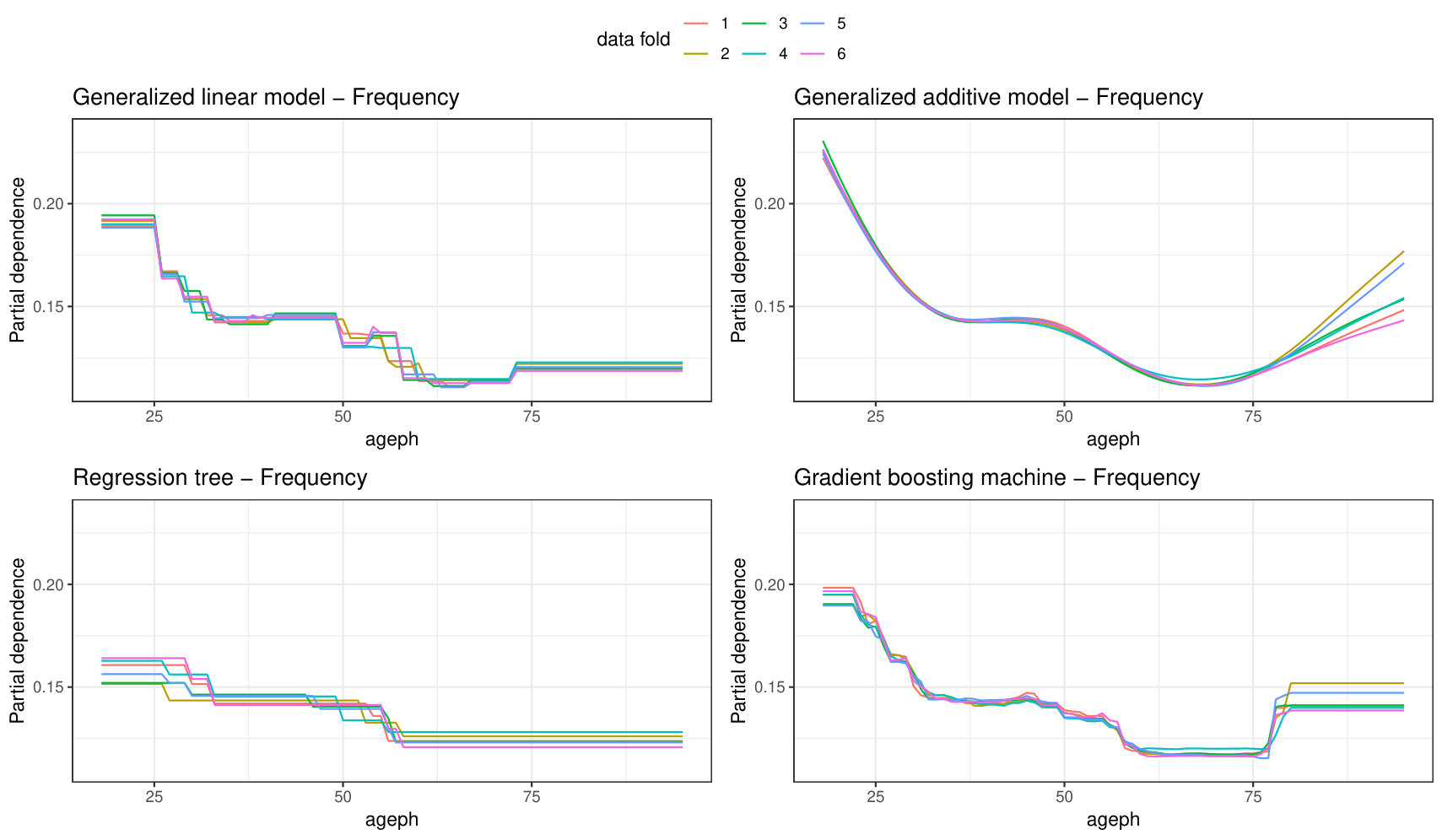 Figure 6
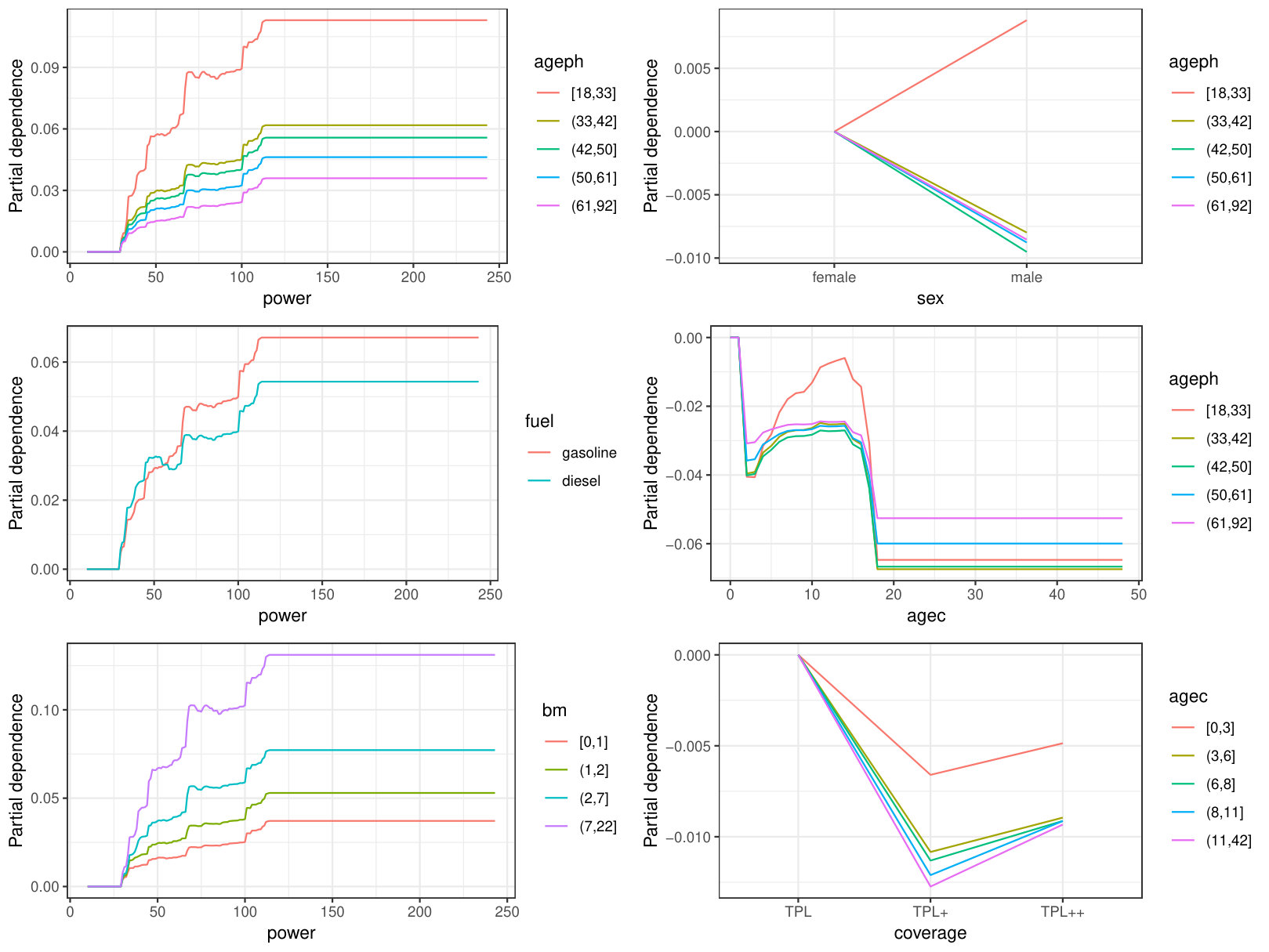 Figure 7
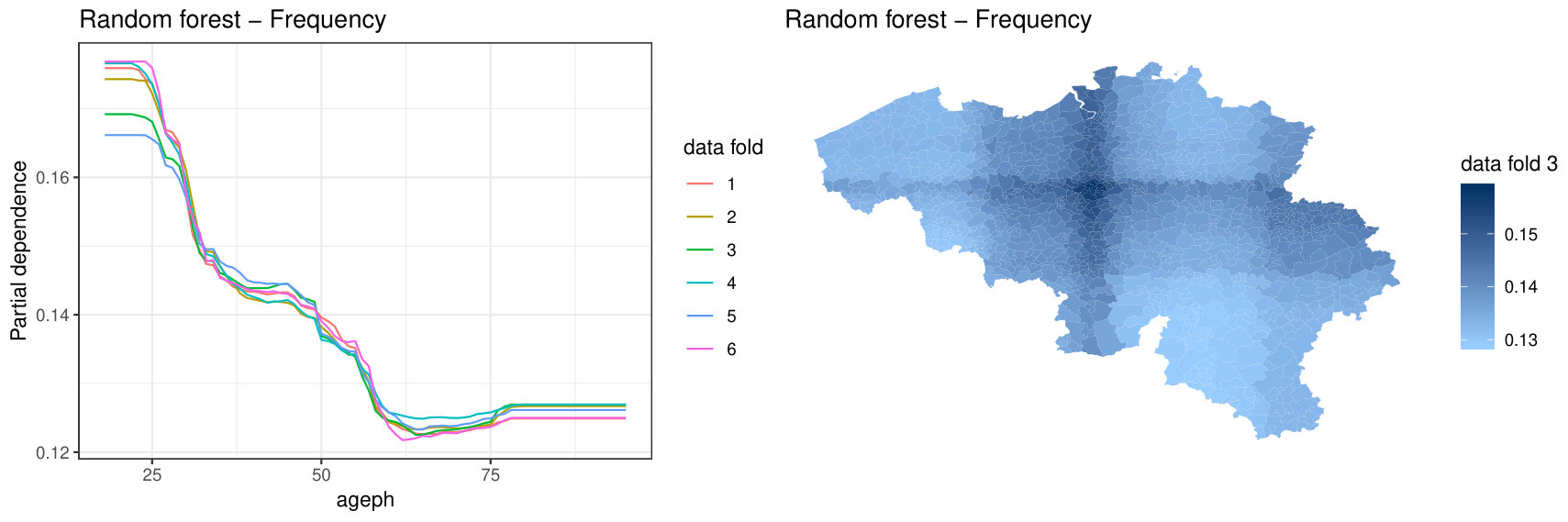 Figure 8
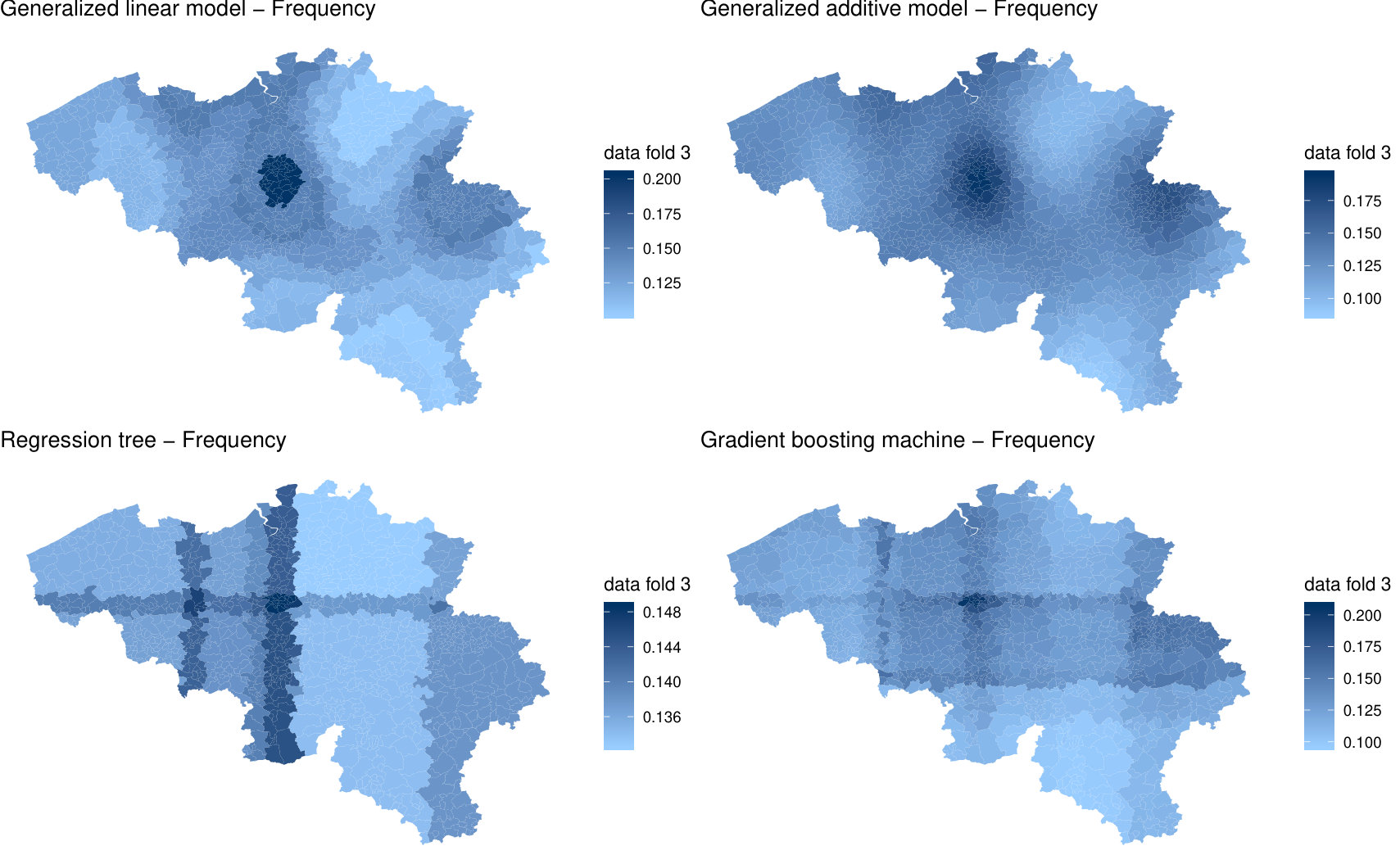 Figure 9
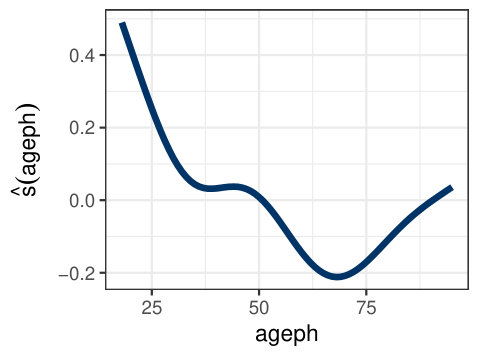 Figure 10
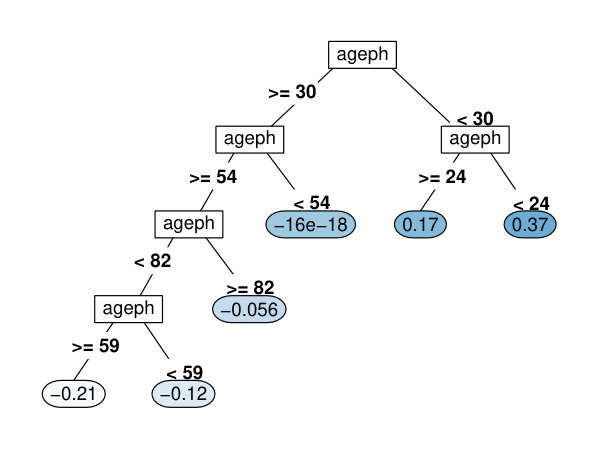 Figure 11
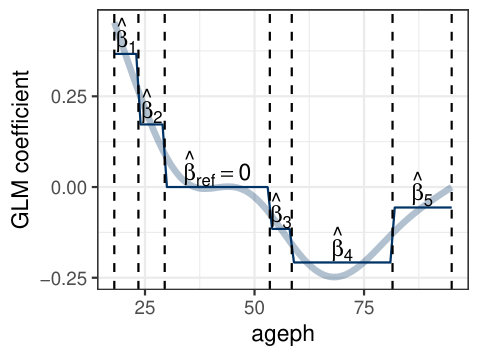 Figure 12
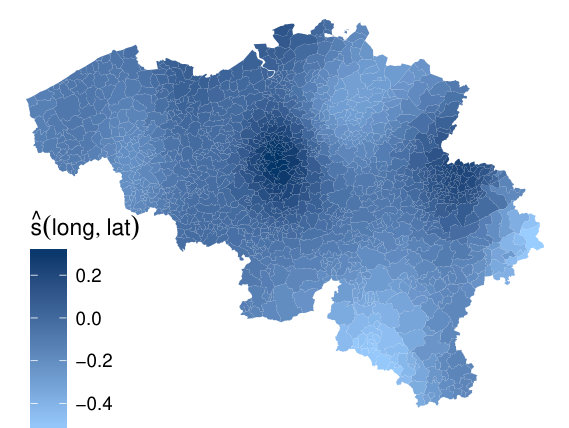 Figure 13
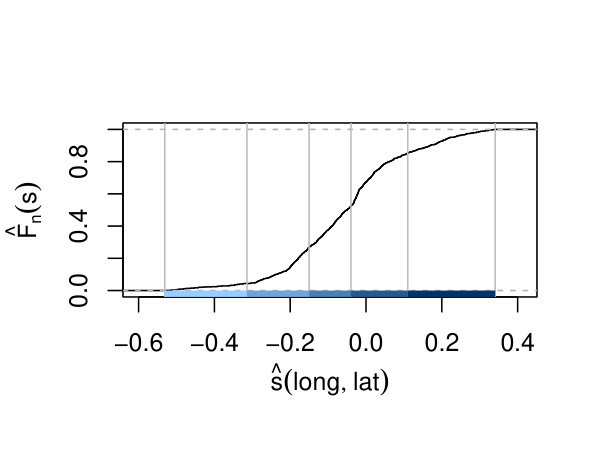 Figure 14
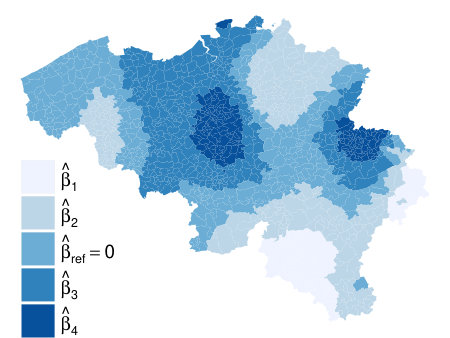 Figure 15
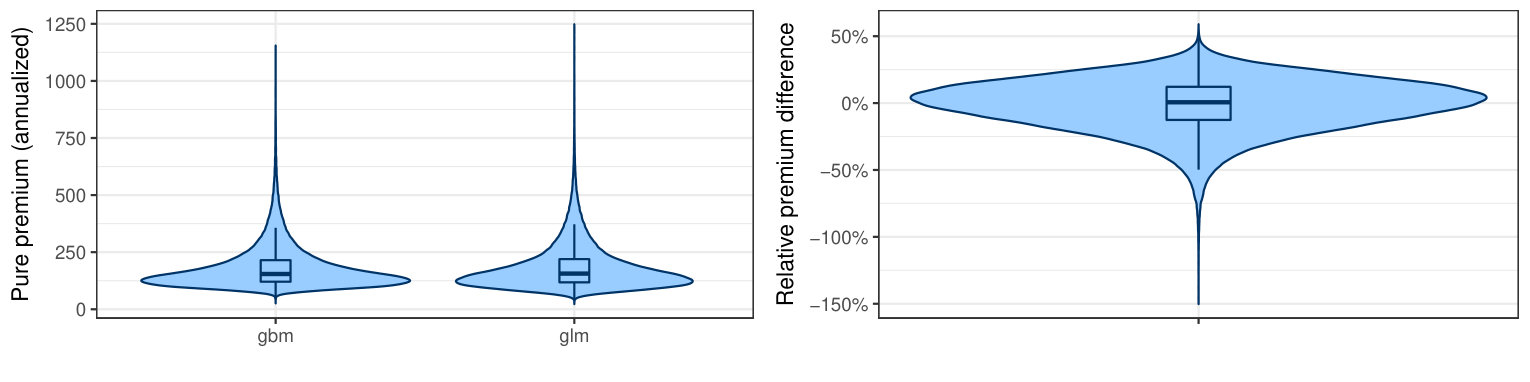 Figure 16
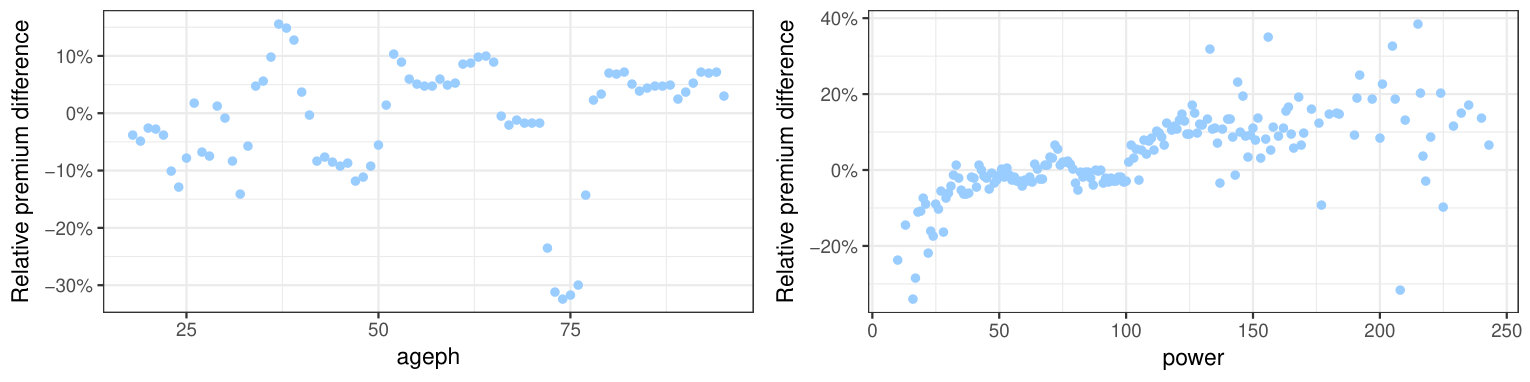 Figure 17
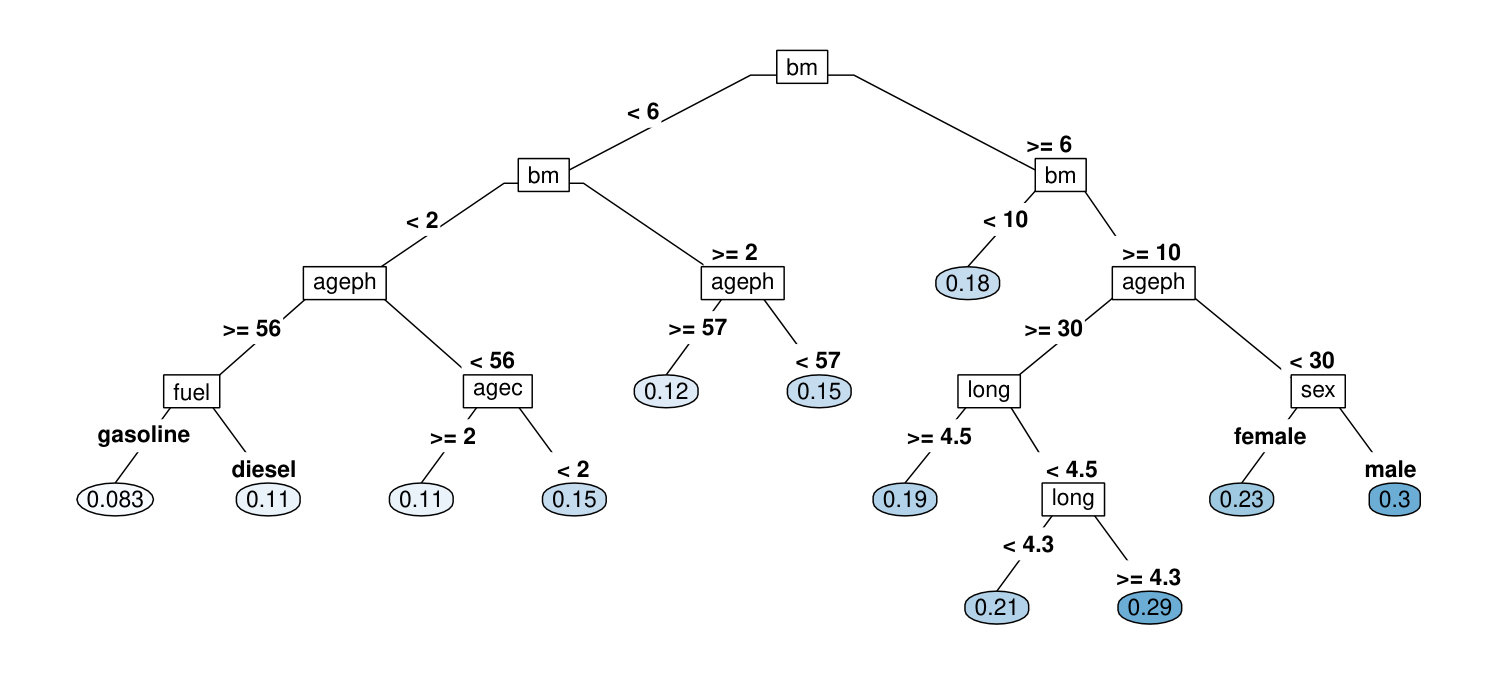 Figure 18
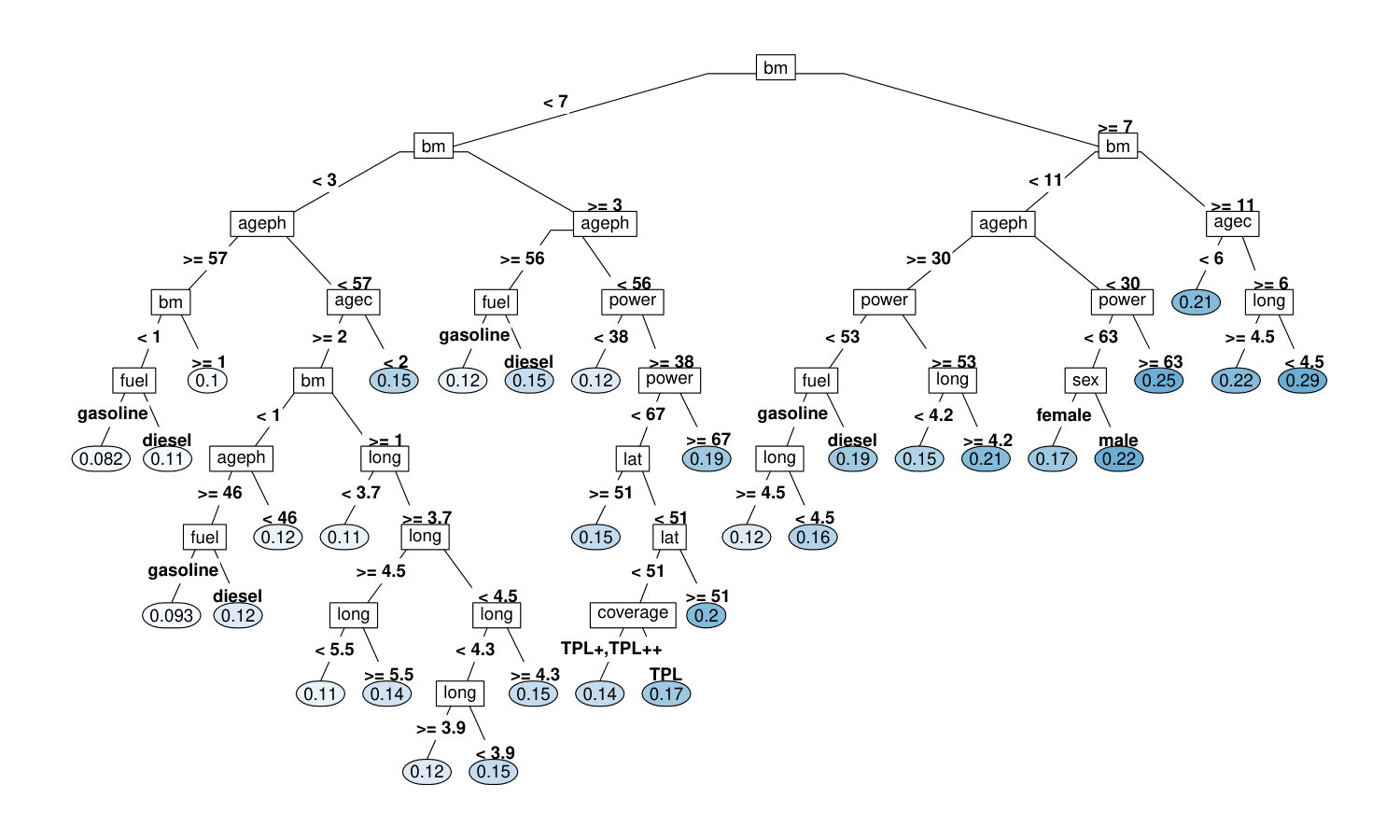 Figure 19
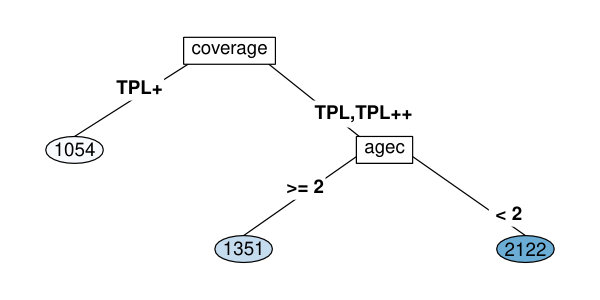 Figure 20
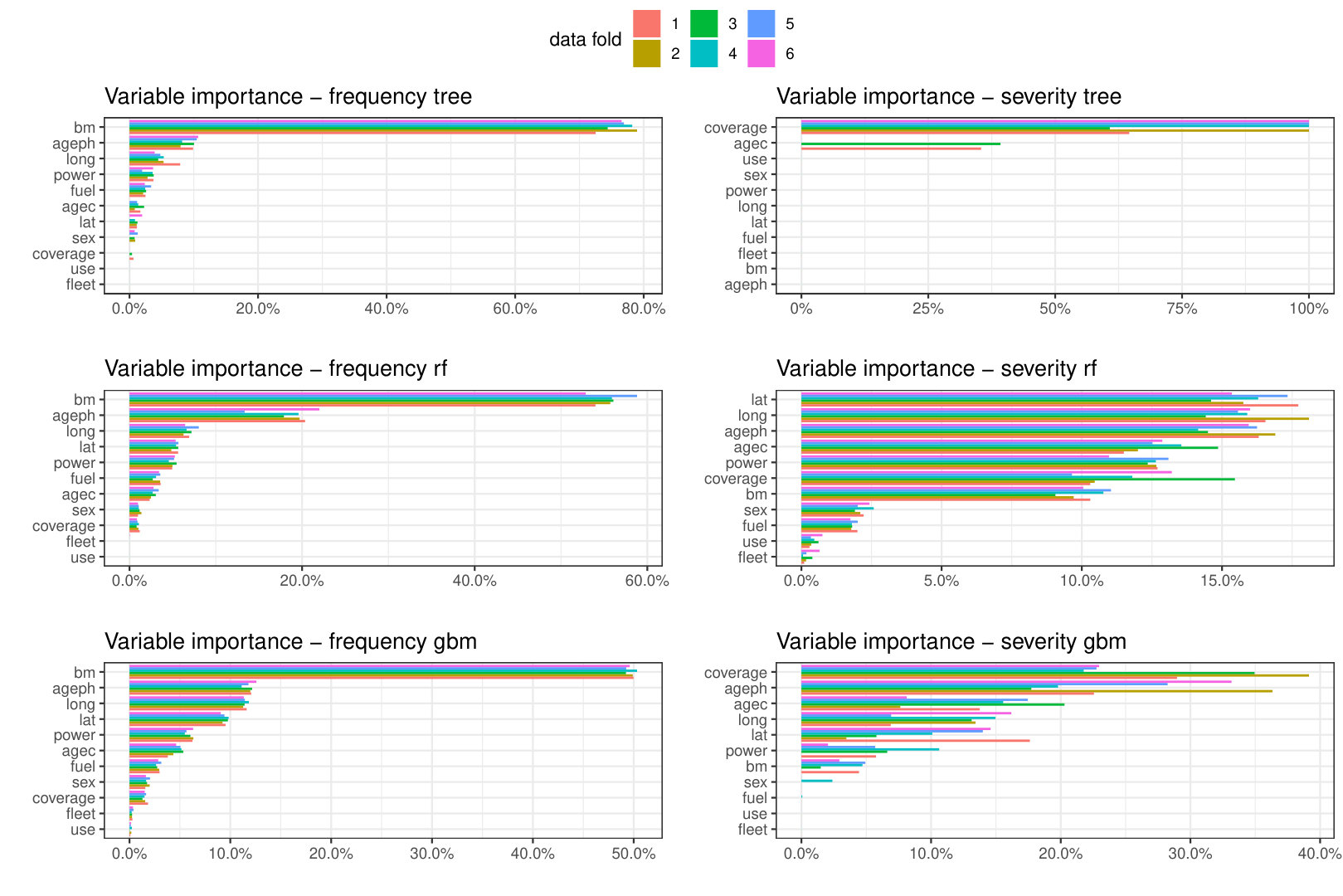 Figure 21
Peer Reviews
No public reviews on file for this paper yet. If you reviewed it on a platform where reviews are public (OpenReview, ICLR, NeurIPS, ICML), you can paste yours below so the community can read it here.
Code & Models
Videos
No videos yet. Explain this paper in a talk, walkthrough, or lecture? Add one.
