Minimally-Entangled State Preparation of Localized Wavefunctions on Quantum Computers
Natalie Klco, Martin J. Savage

TL;DR
This paper demonstrates efficient initialization of localized wavefunctions on quantum computers using symmetric exponential functions, reducing entangling gates needed and improving accuracy for scalar field theories and similar systems.
Contribution
It introduces a method for preparing approximate localized wavefunctions with fewer entangling gates, validated on IBM quantum devices, applicable to various physical systems.
Findings
Symmetric exponential wavefunctions have large overlap with Gaussian states.
Initialization reduces entangling gates from exponential to linear in qubits.
Calibration workflows improve gate fidelity and systematic error mitigation.
Abstract
Initializing a single site of a lattice scalar field theory into an arbitrary state with support throughout the quantum register requires entangling gates on a quantum computer with qubits per site. It is conceivable that, instead, initializing to functions that are good approximations to states may have utility in reducing the number of required entangling gates. In the case of a single site of a non-interacting scalar field theory, initializing to a symmetric exponential wavefunction requires entangling gates, compared with the required for a symmetric Gaussian wavefunction. In this work, we explore the initialization of 1-site (), 2-site () and 3-site () non-interacting scalar field theories with symmetric exponential wavefunctions using IBM's quantum simulators and quantum devices…
Click any figure to enlarge with its caption.
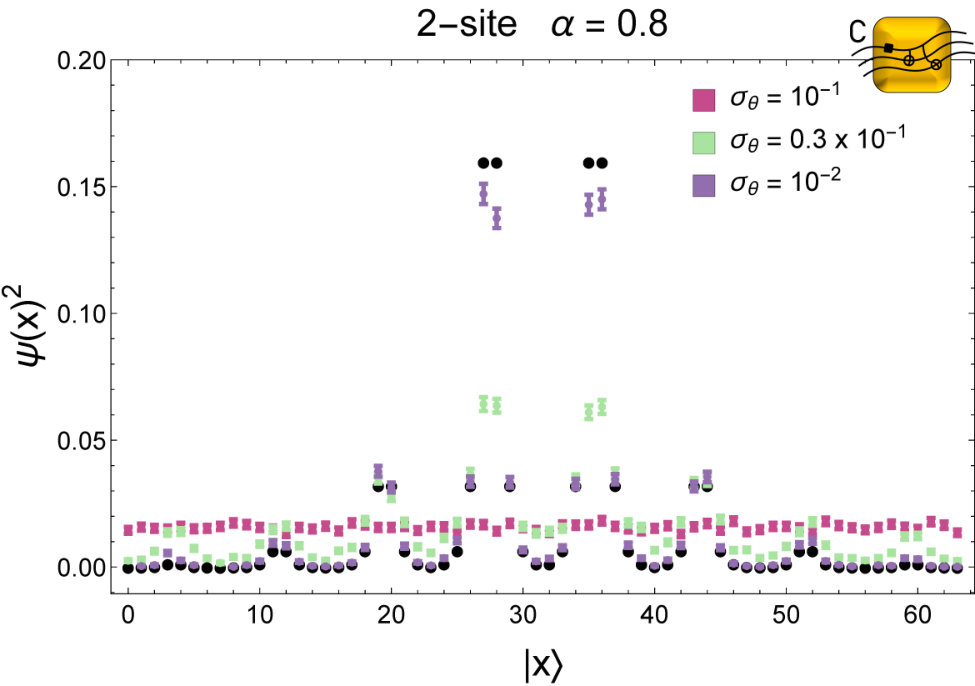 Figure 1
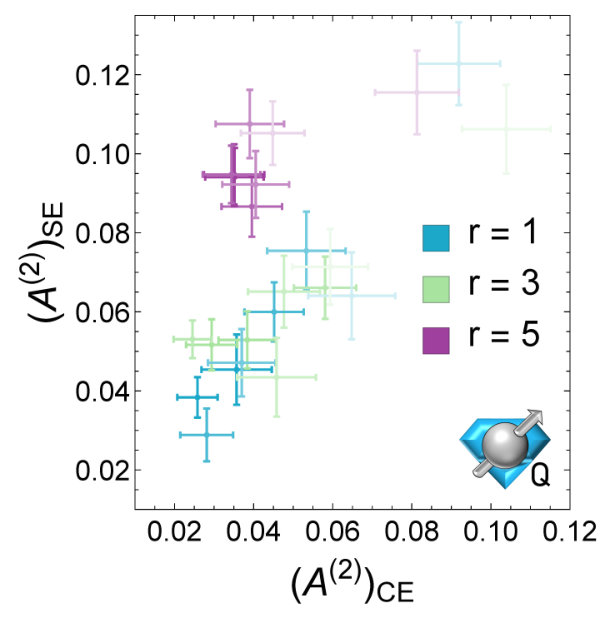 Figure 2
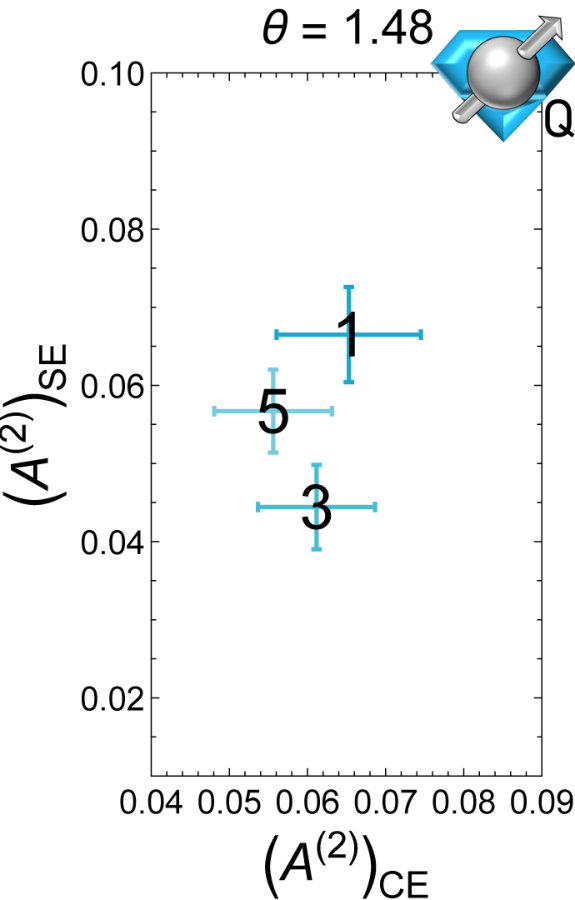 Figure 3
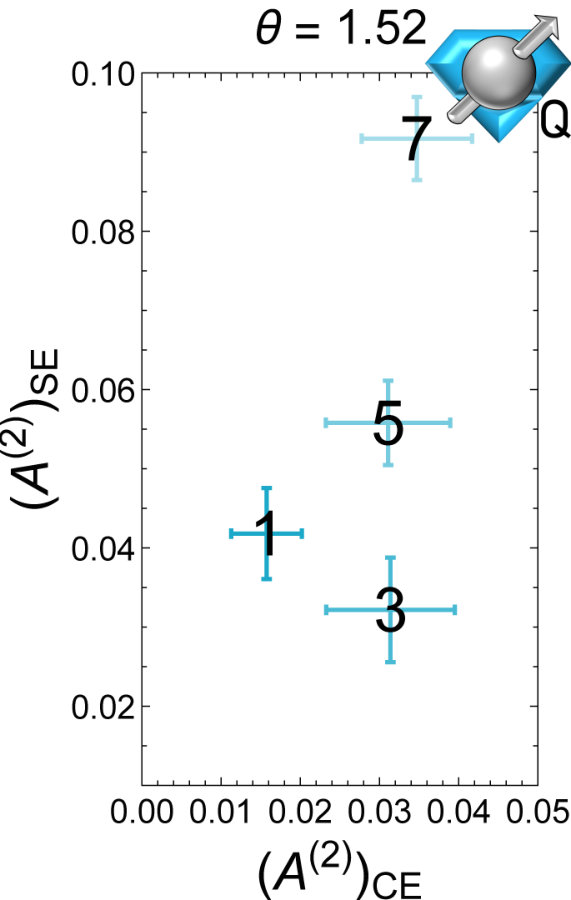 Figure 4
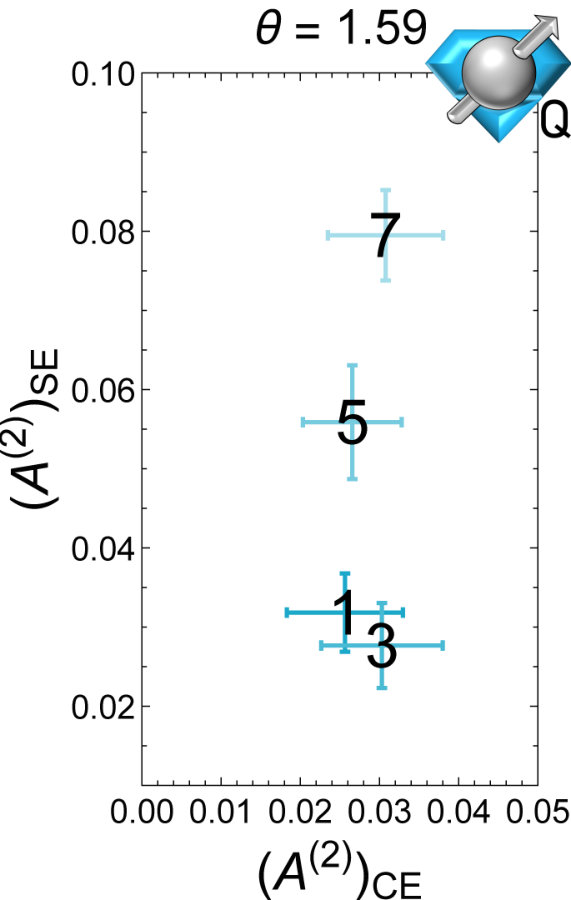 Figure 5
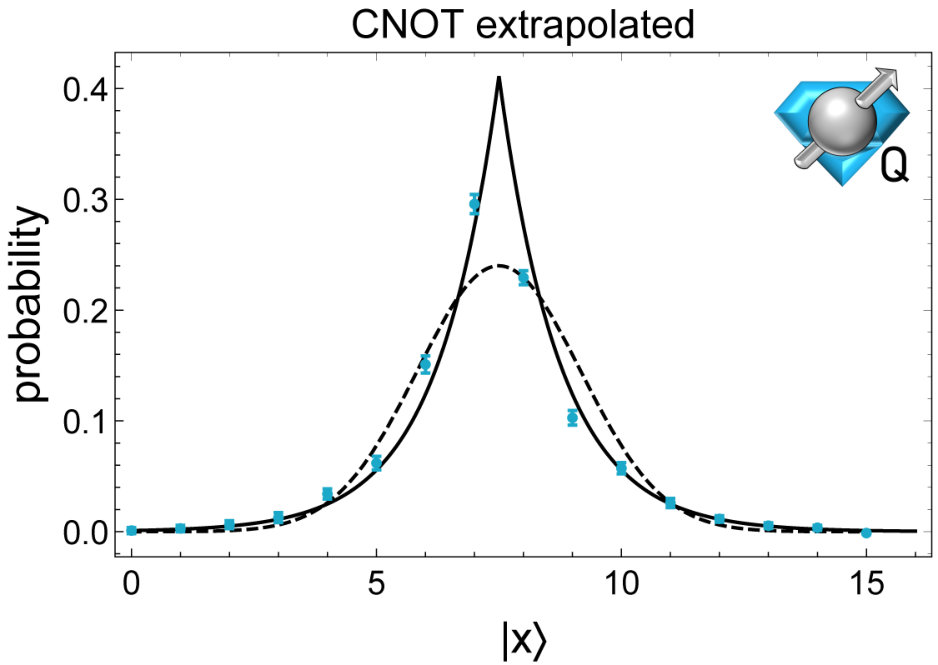 Figure 6
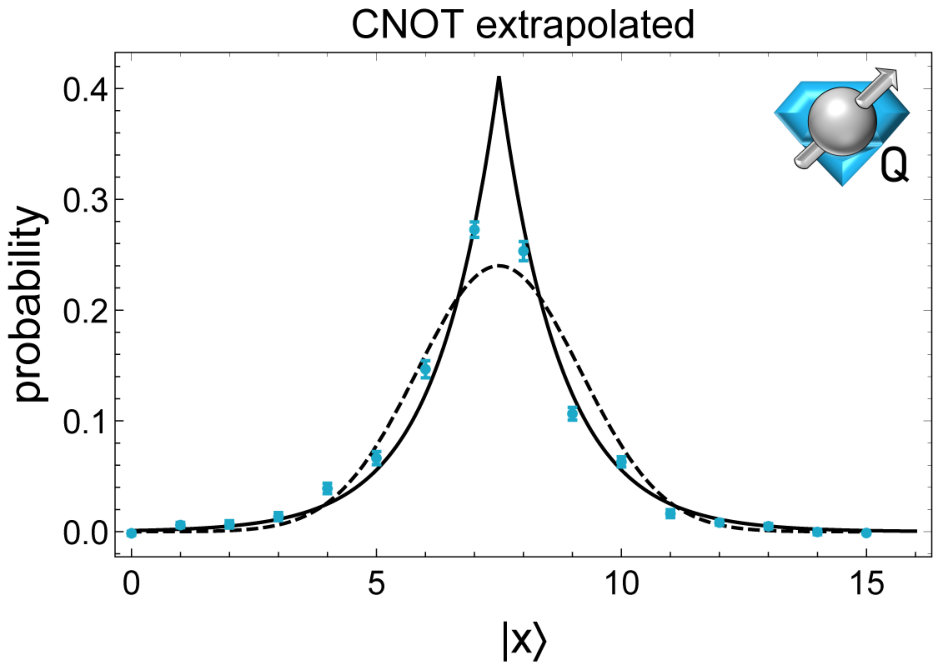 Figure 7
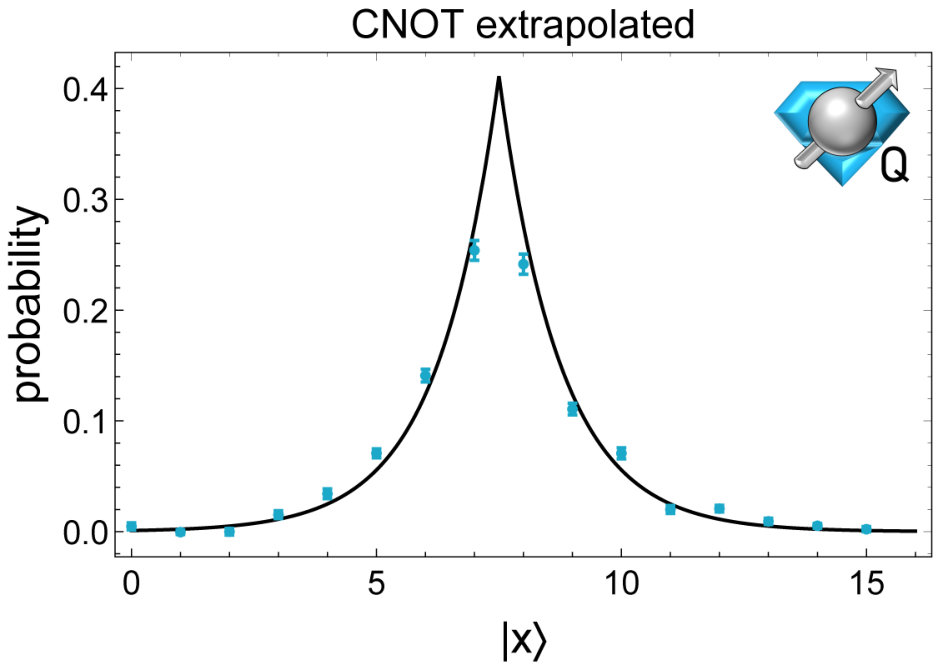 Figure 8
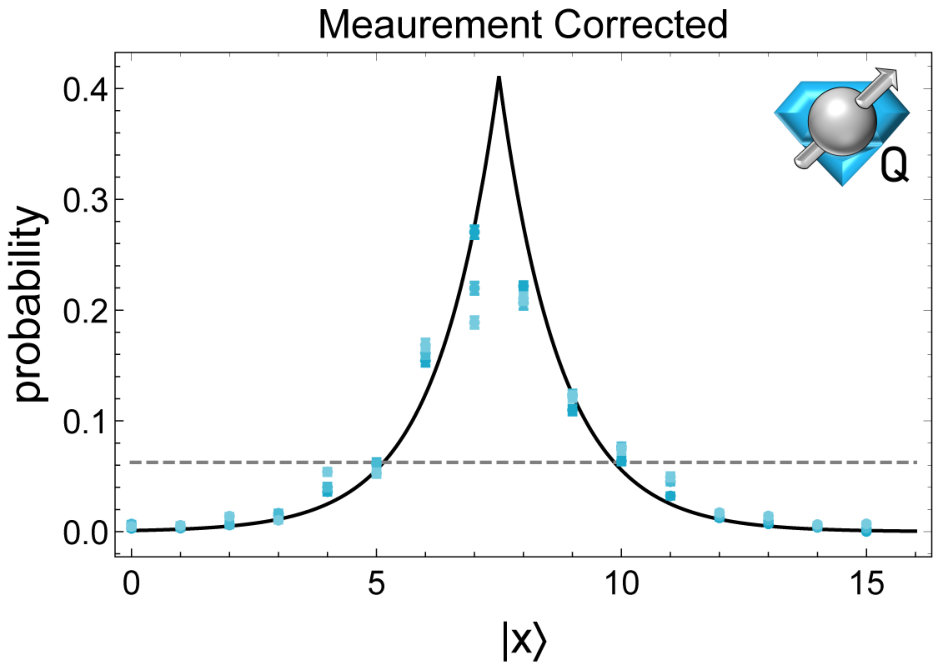 Figure 9
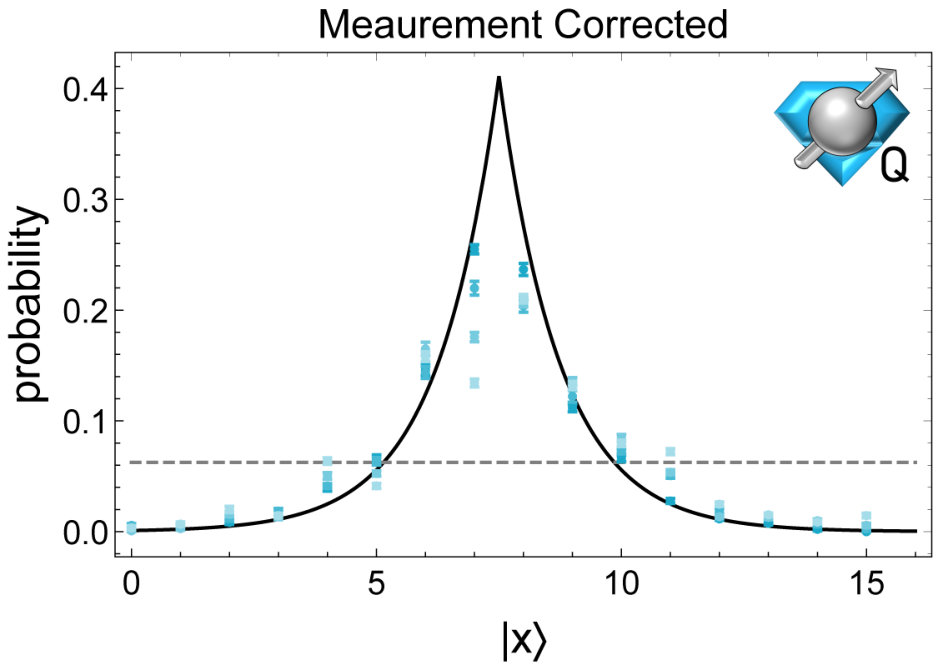 Figure 10
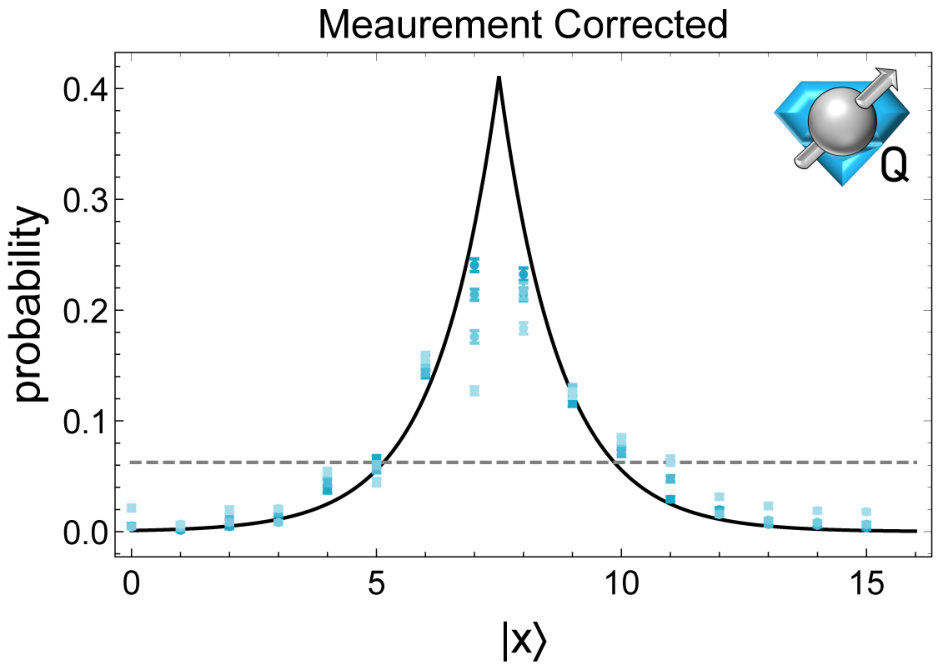 Figure 11
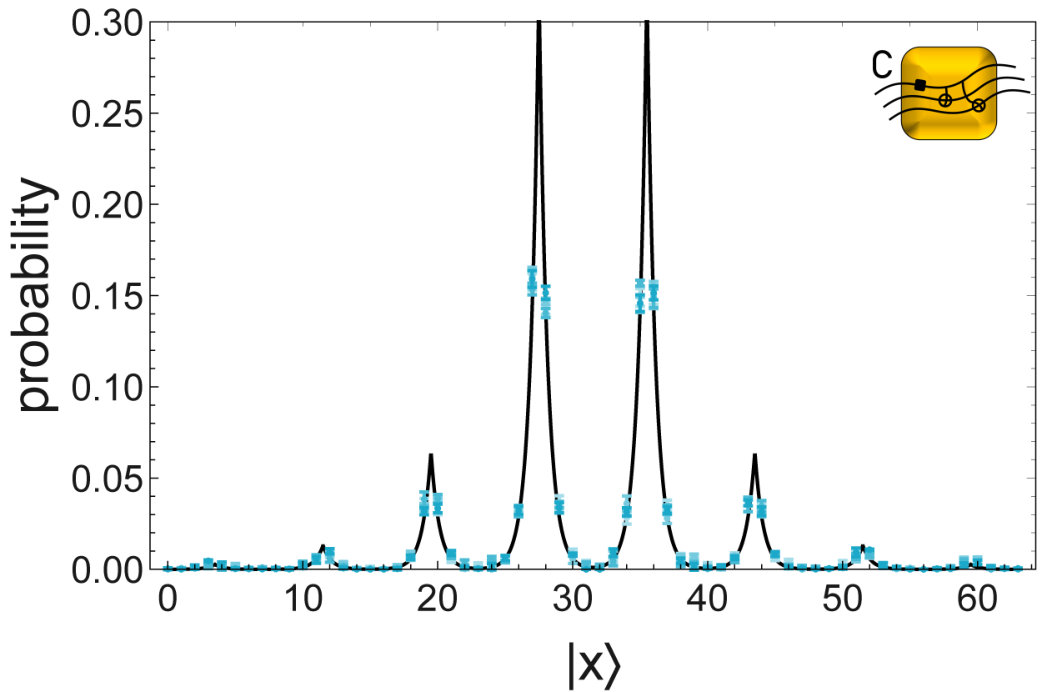 Figure 12
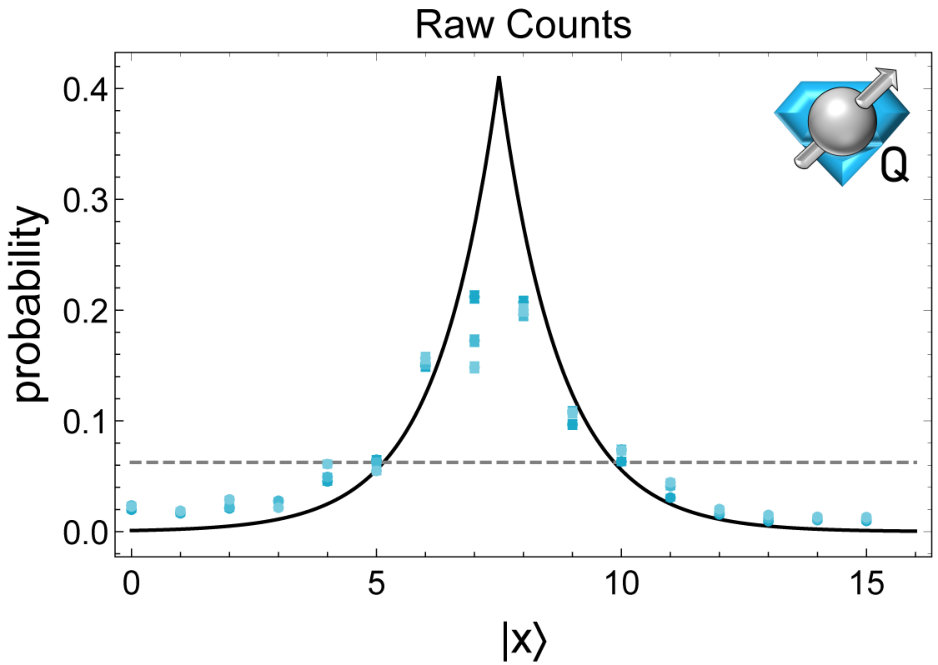 Figure 13
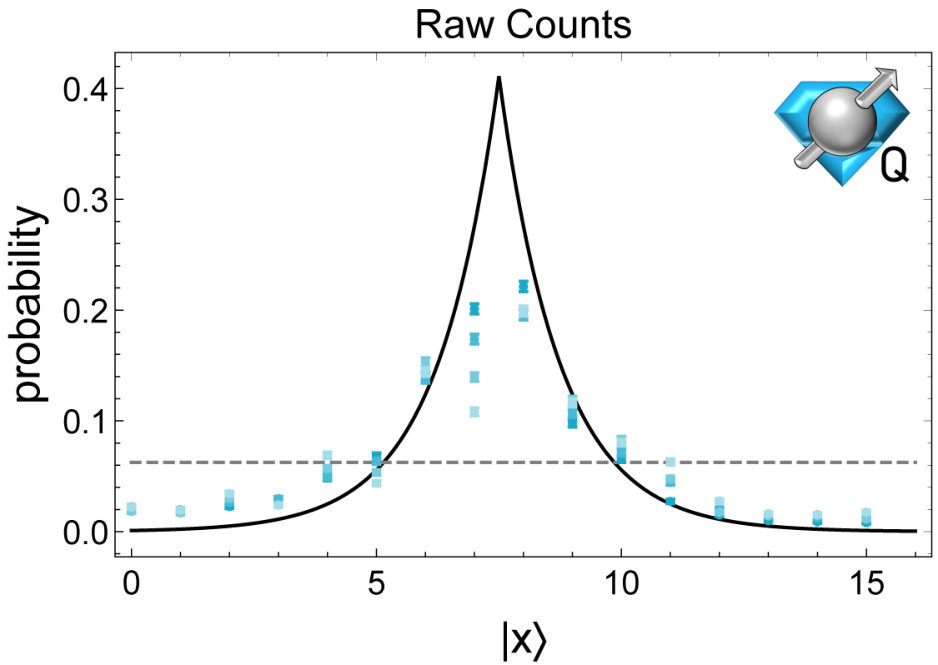 Figure 14
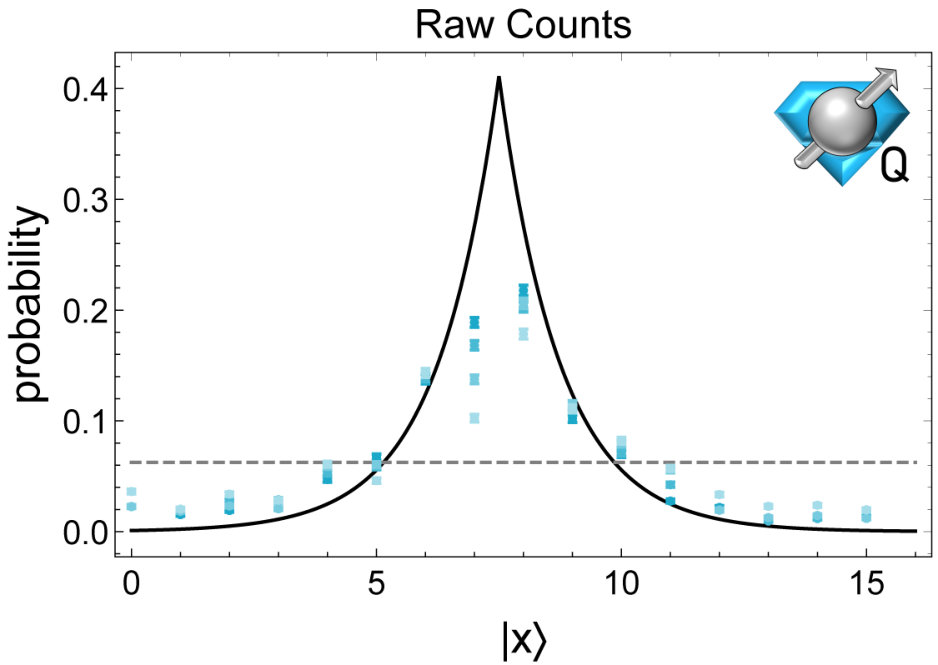 Figure 15
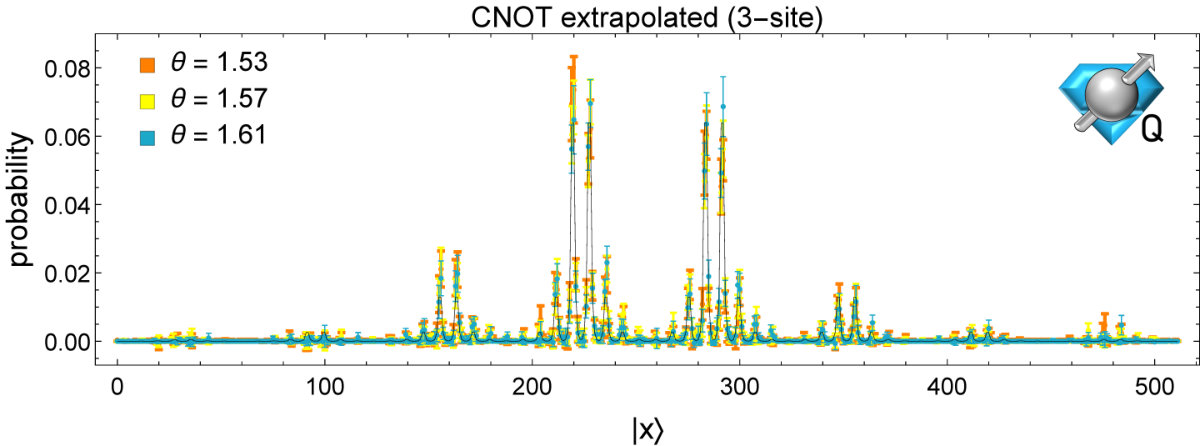 Figure 16
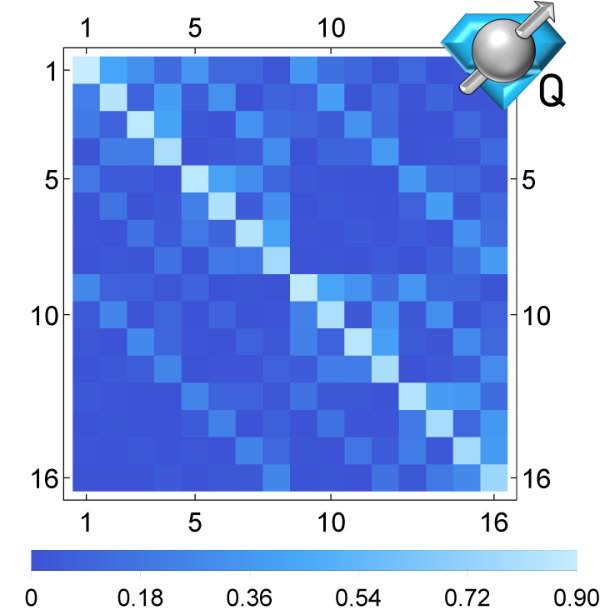 Figure 17
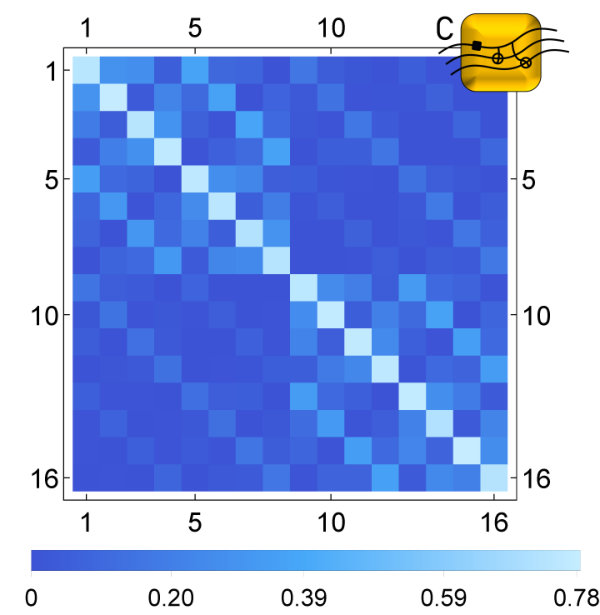 Figure 18
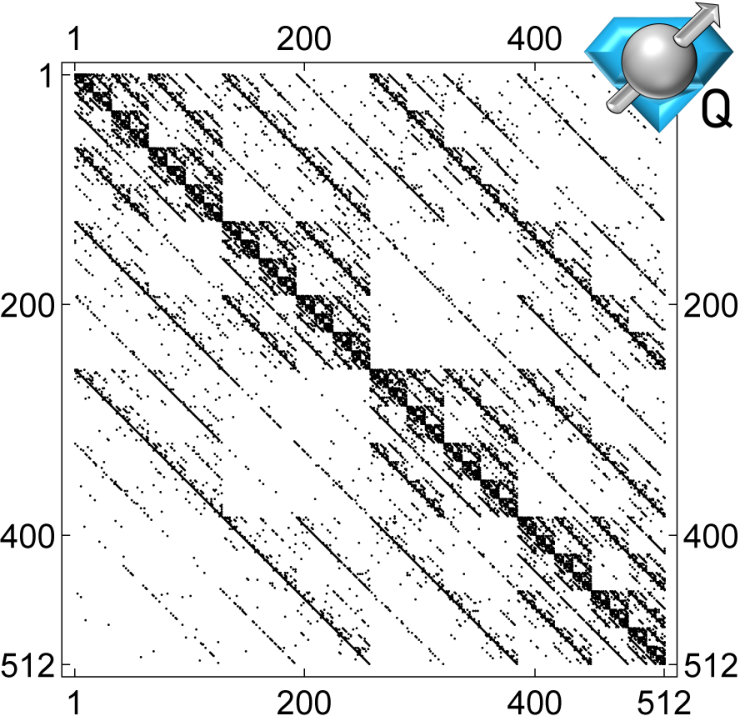 Figure 19
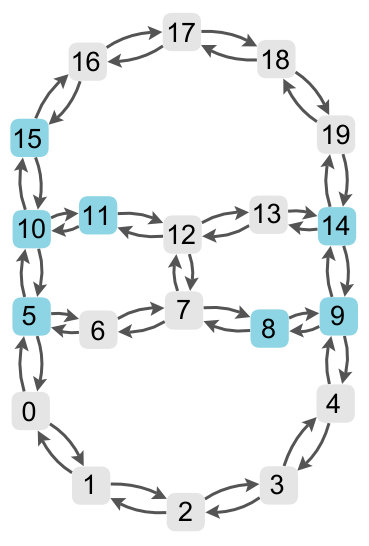 Figure 20
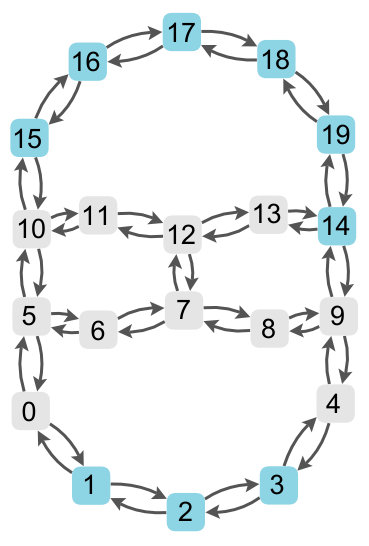 Figure 21
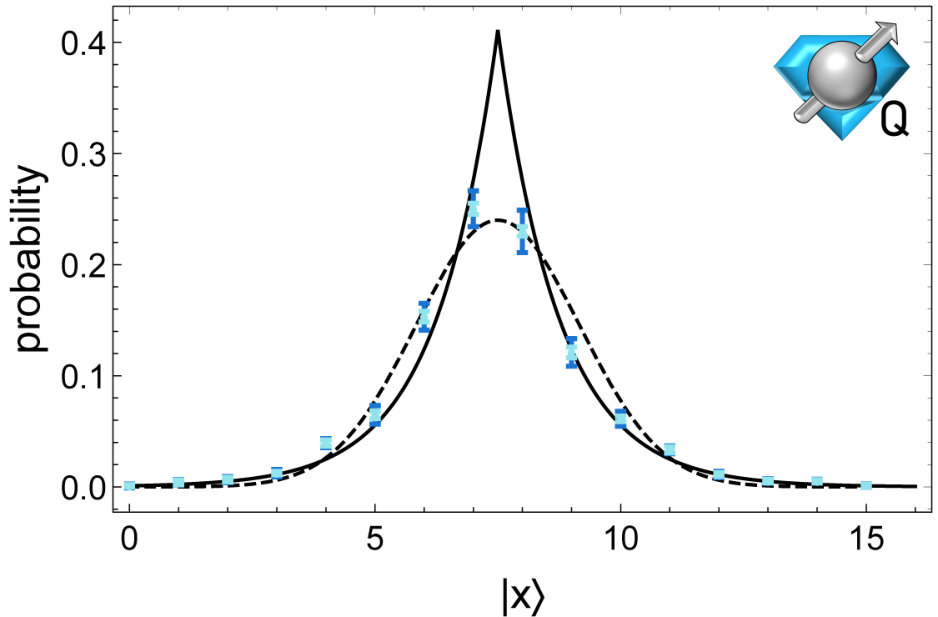 Figure 22
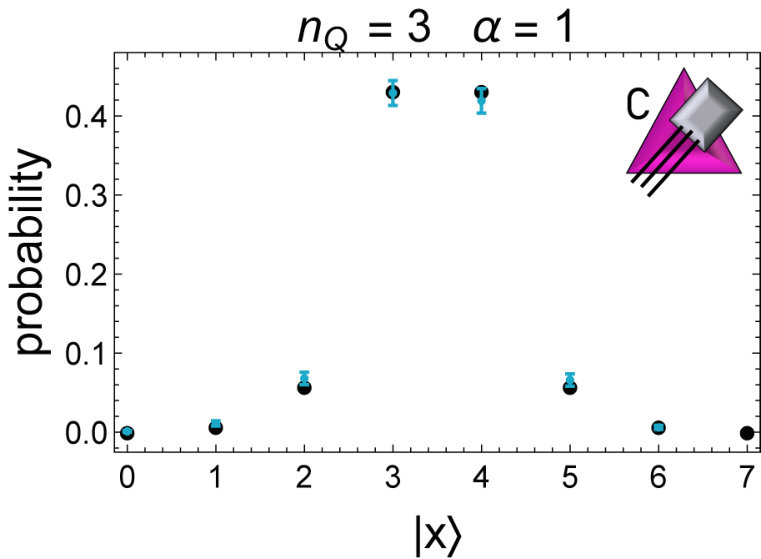 Figure 23
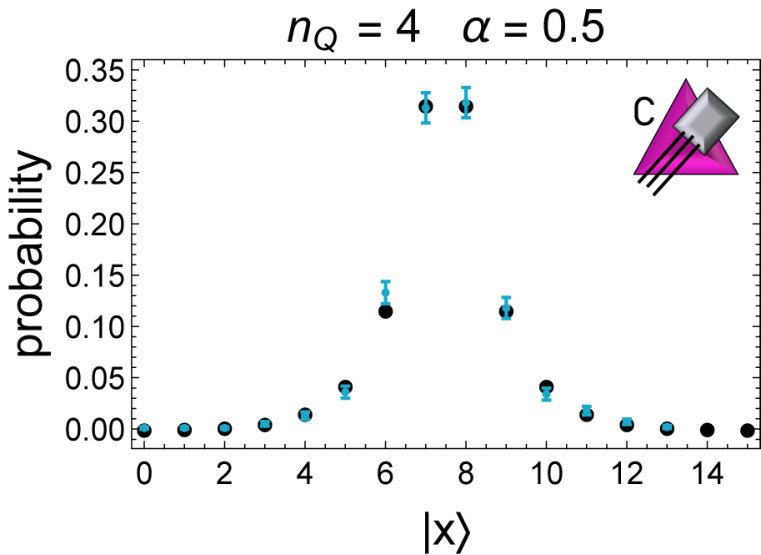 Figure 24
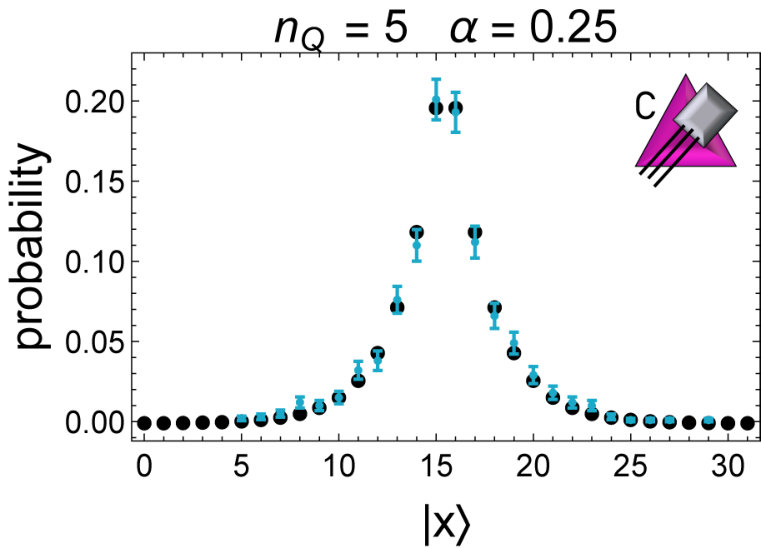 Figure 25
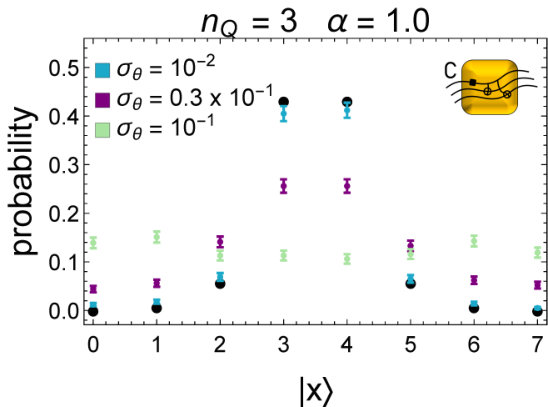 Figure 26
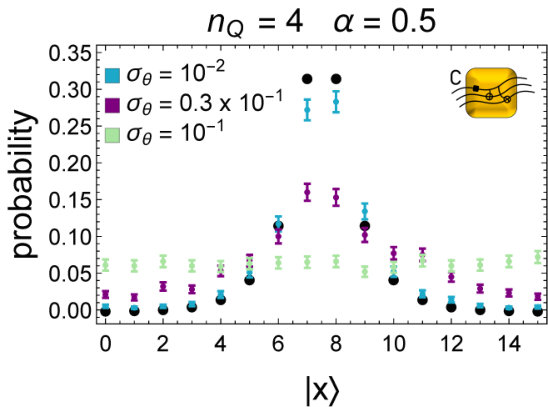 Figure 27
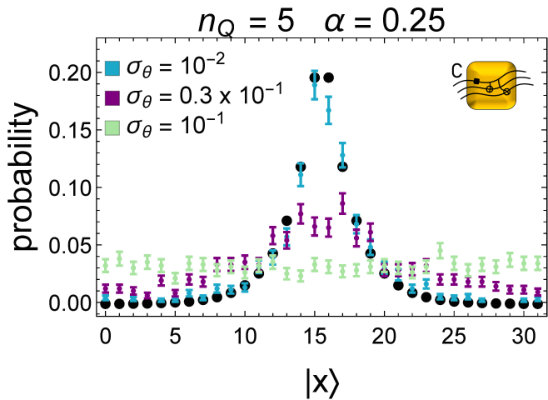 Figure 28
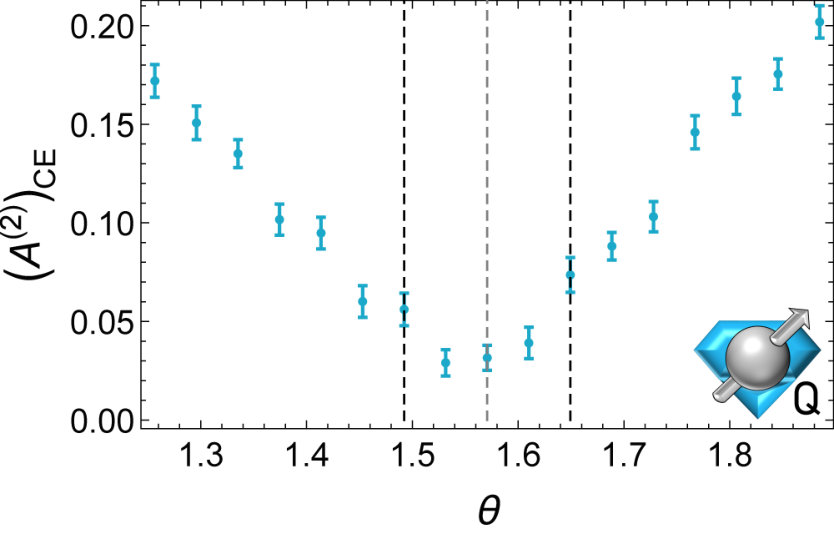 Figure 29
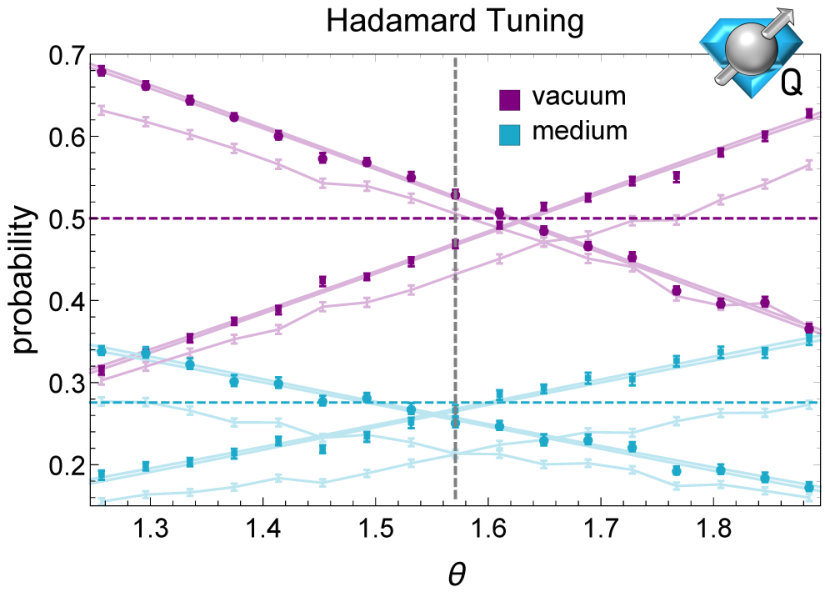 Figure 30
 Figure 31
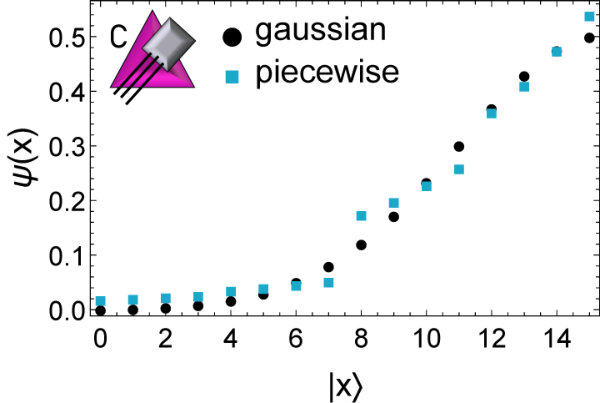 Figure 32
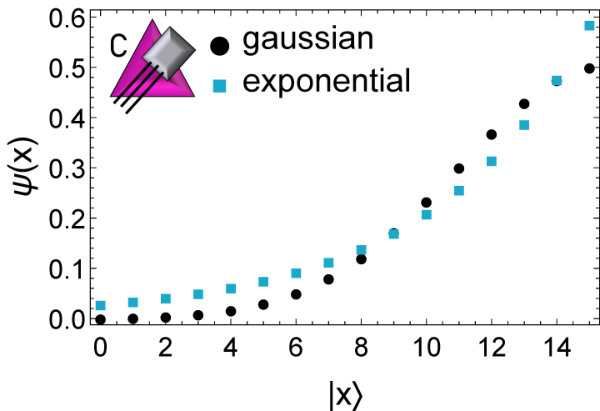 Figure 33
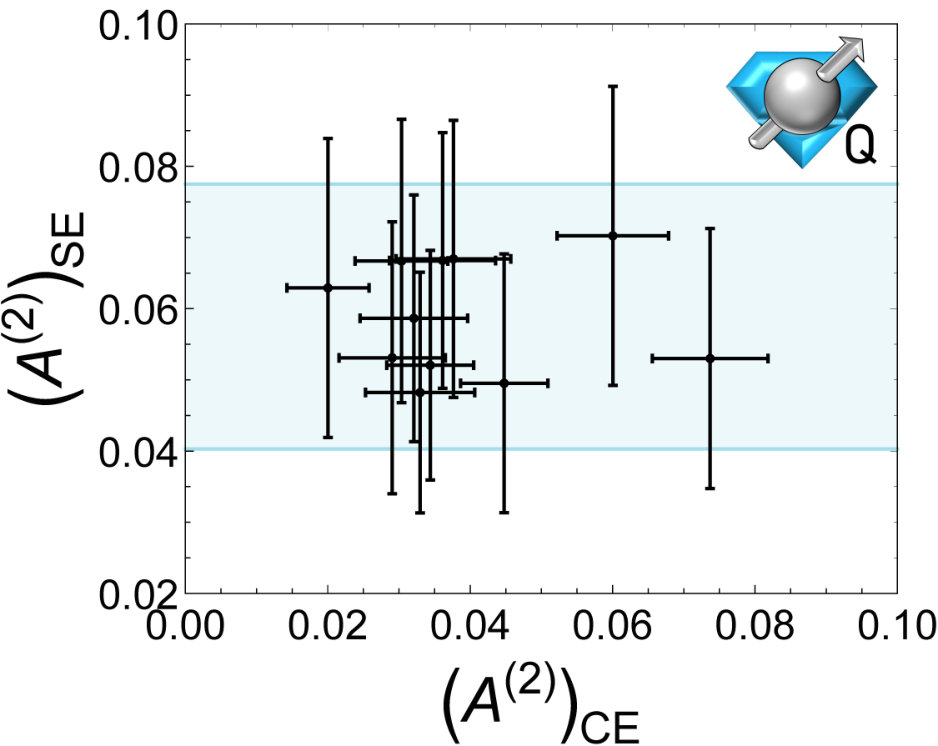 Figure 34
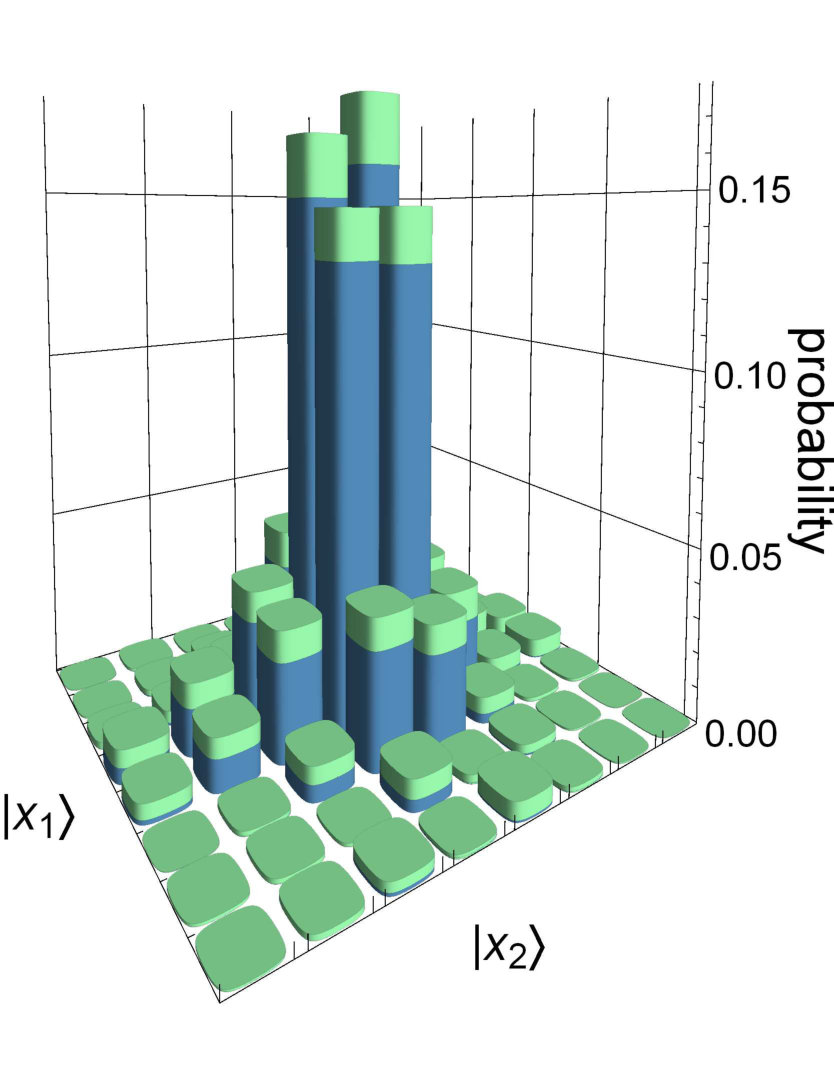 Figure 35
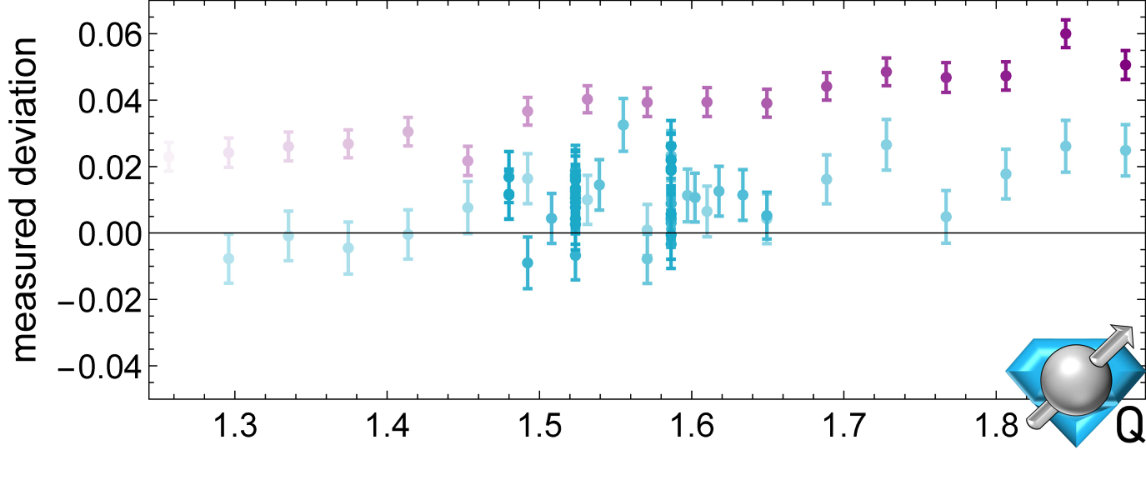 Figure 36
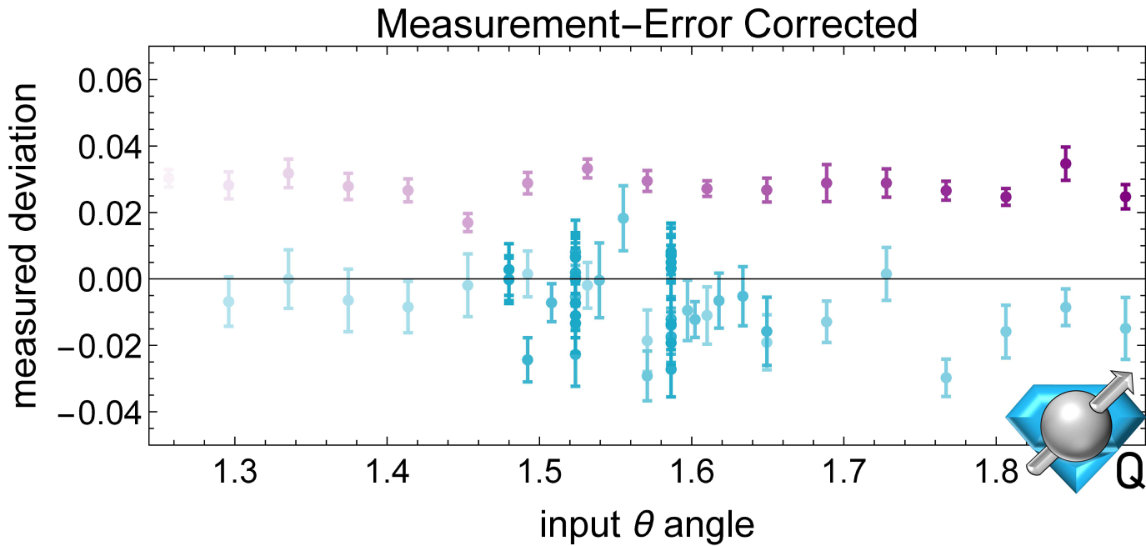 Figure 37
 Figure 38
 Figure 39
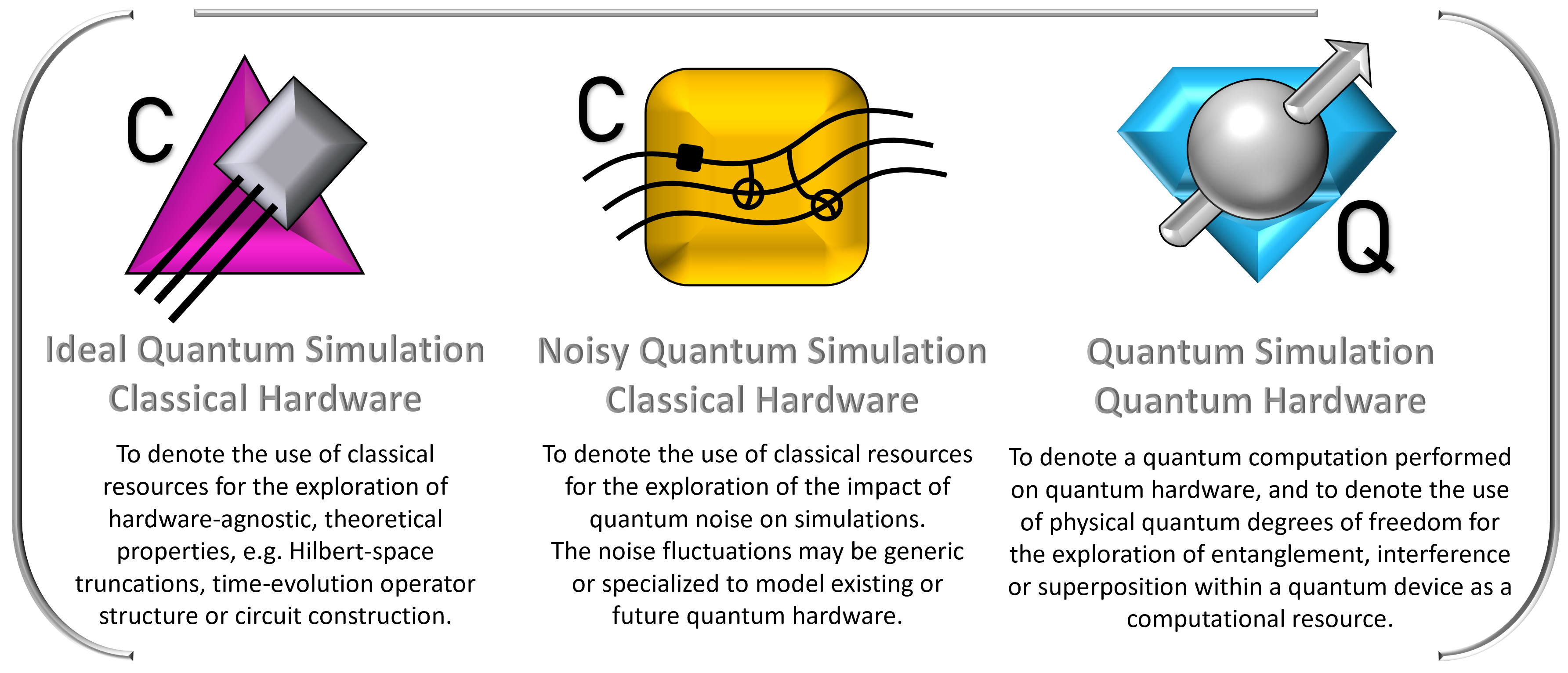 Figure 40
Peer Reviews
No public reviews on file for this paper yet. If you reviewed it on a platform where reviews are public (OpenReview, ICLR, NeurIPS, ICML), you can paste yours below so the community can read it here.
Videos
No videos yet. Explain this paper in a talk, walkthrough, or lecture? Add one.