A Silicon Surface Code Architecture Resilient Against Leakage Errors
Zhenyu Cai, Michael A. Fogarty, Simon Schaal, Sofia Patomaki, Simon C., Benjamin, John J. L. Morton

TL;DR
This paper introduces a silicon quantum dot surface code architecture that effectively mitigates leakage errors using mediator dots and charge reservoirs, enhancing fault tolerance for scalable quantum computing.
Contribution
The authors propose a novel surface code architecture with multi-electron mediator dots and optimized stabilizer cycles to suppress leakage errors in silicon spin qubits.
Findings
Charge leakage errors are reduced to levels comparable to depolarising noise.
The architecture maintains high fidelity in the presence of leakage errors.
Scalability is achieved through elongated mediator dots with integrated charge reservoirs.
Abstract
Spin qubits in silicon quantum dots are one of the most promising building blocks for large scale quantum computers thanks to their high qubit density and compatibility with the existing semiconductor technologies. High fidelity single-qubit gates exceeding the threshold of error correction codes like the surface code have been demonstrated, while two-qubit gates have reached 98\% fidelity and are improving rapidly. However, there are other types of error --- such as charge leakage and propagation --- that may occur in quantum dot arrays and which cannot be corrected by quantum error correction codes, making them potentially damaging even when their probability is small. We propose a surface code architecture for silicon quantum dot spin qubits that is robust against leakage errors by incorporating multi-electron mediator dots. Charge leakage in the qubit dots is transferred to the…
Click any figure to enlarge with its caption.
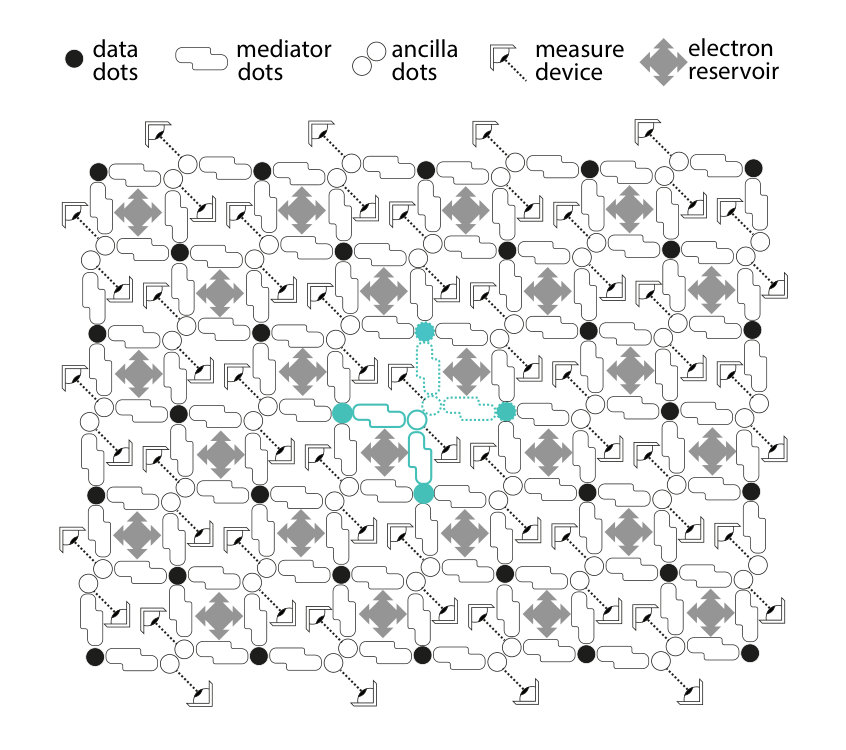 Figure 1
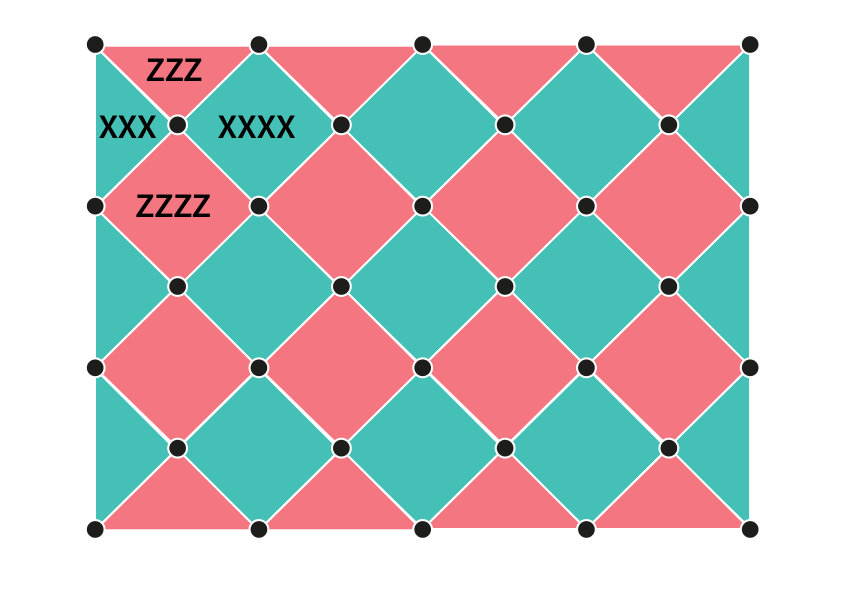 Figure 2
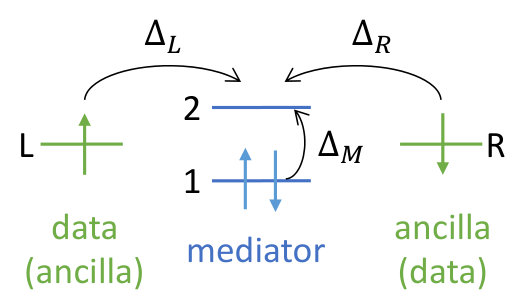 Figure 3
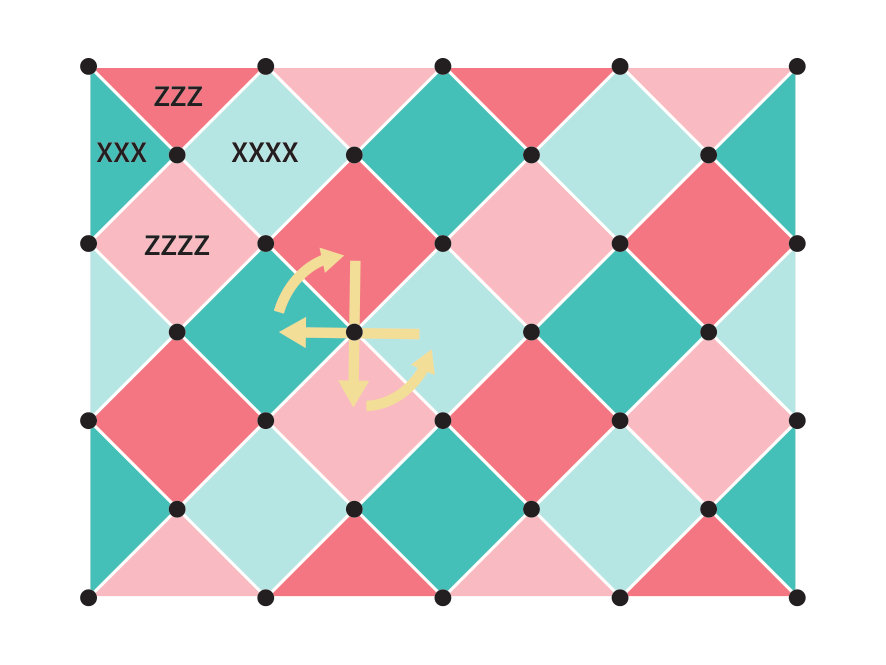 Figure 4
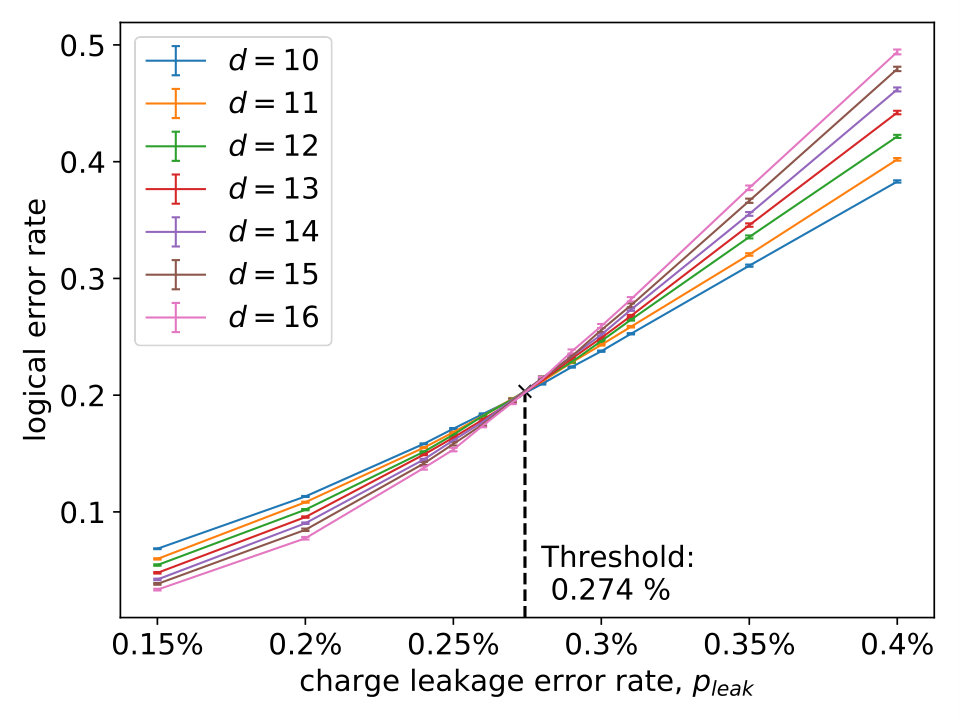 Figure 5
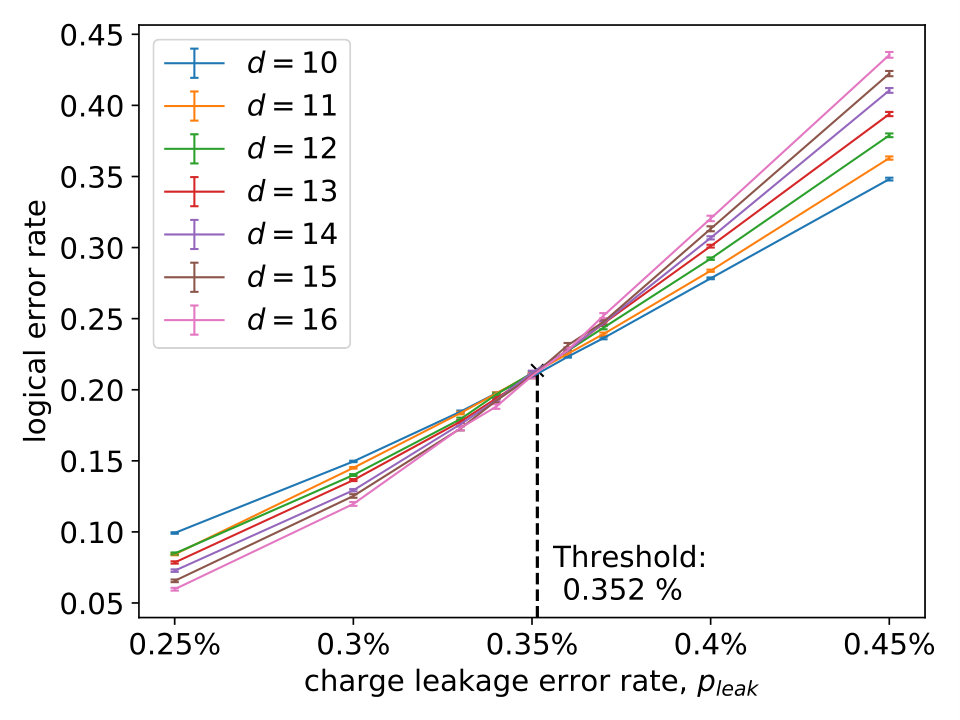 Figure 6
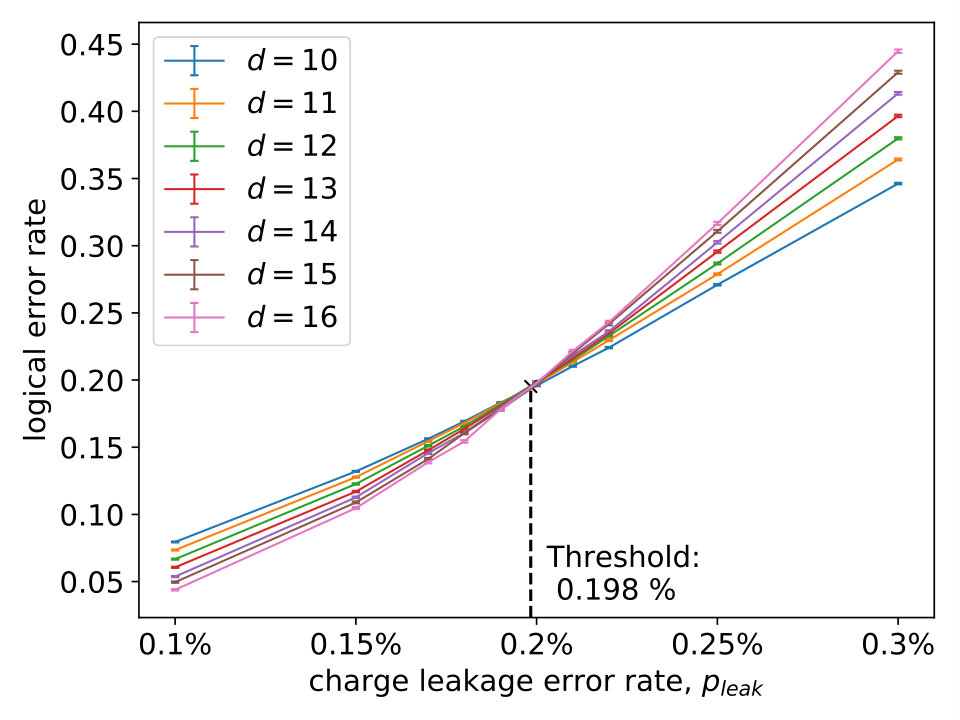 Figure 7
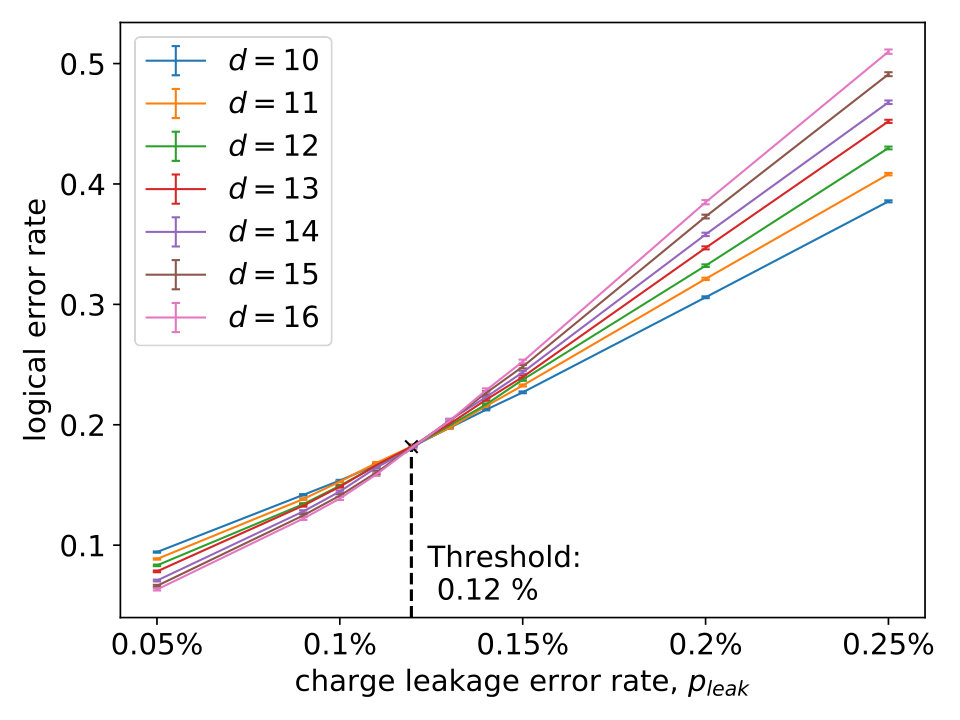 Figure 8
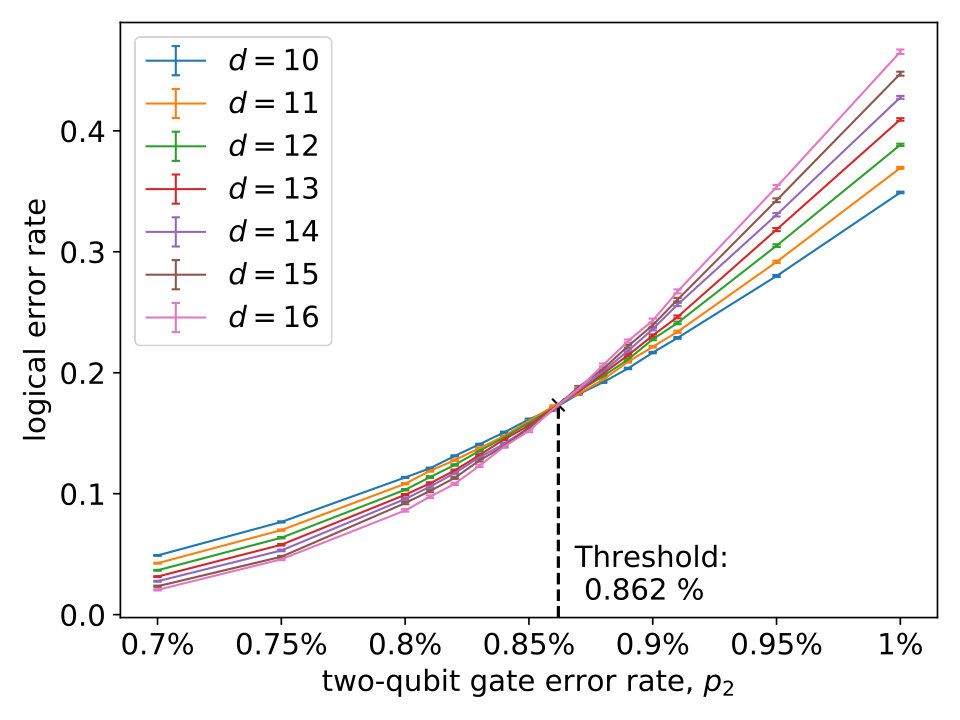 Figure 9
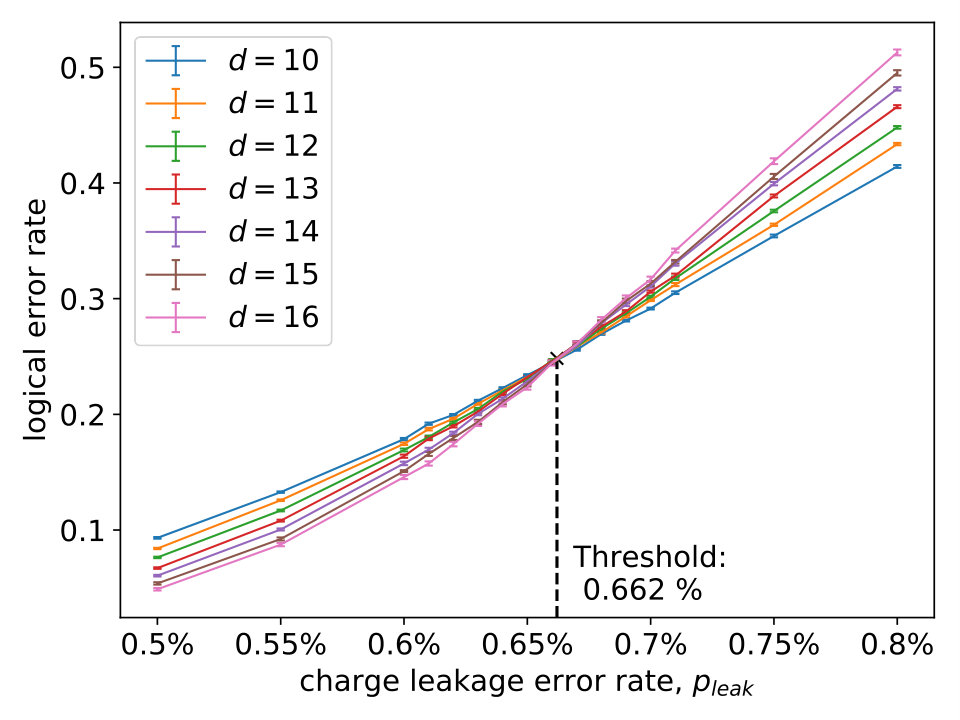 Figure 10
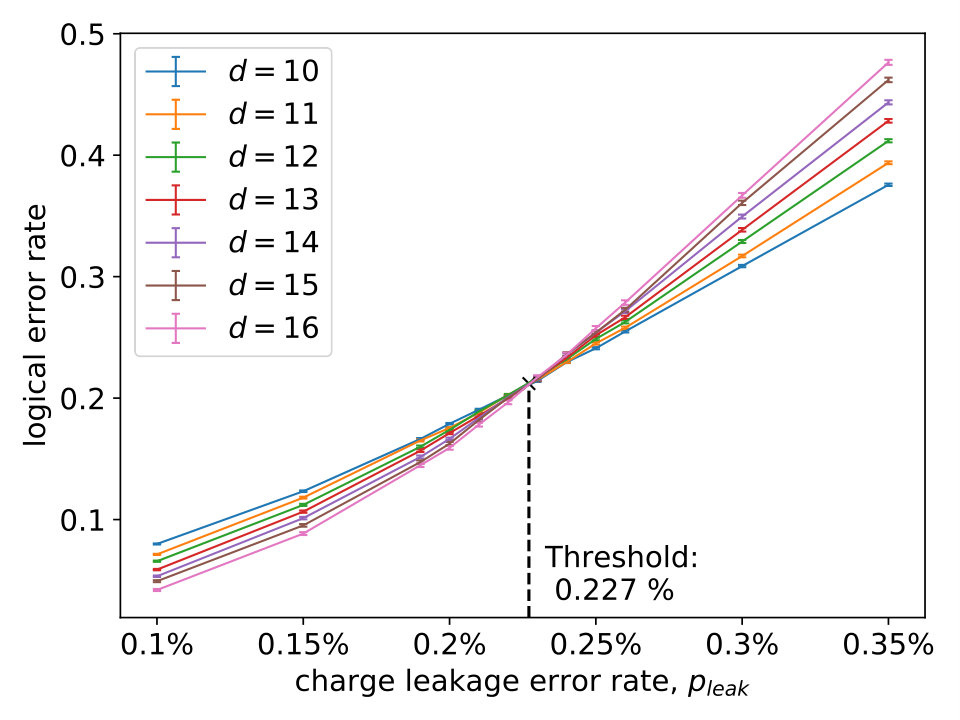 Figure 11
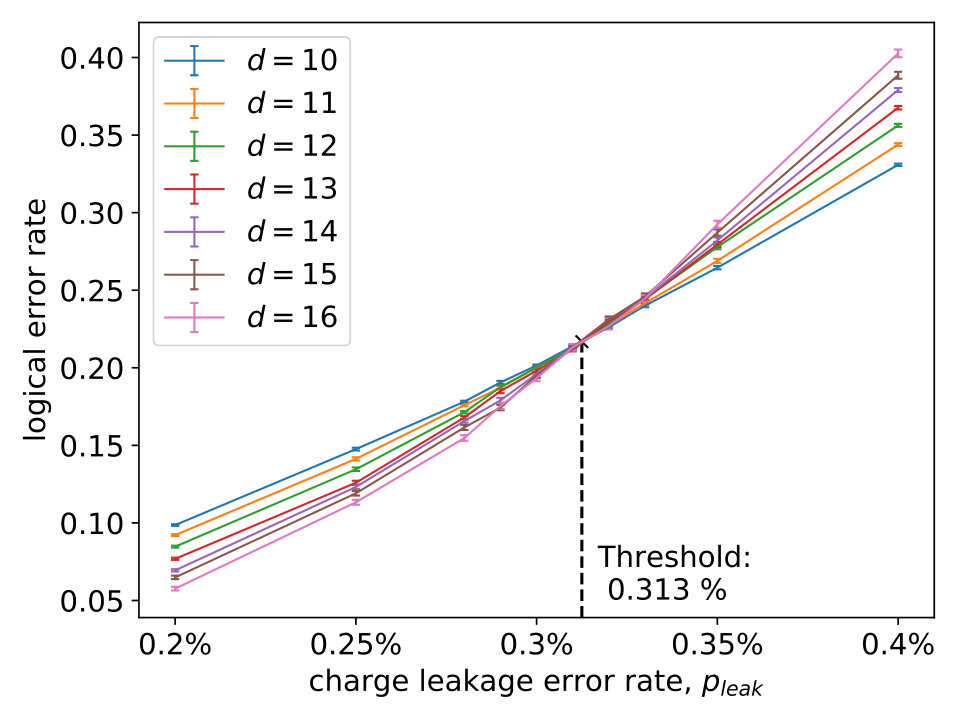 Figure 12
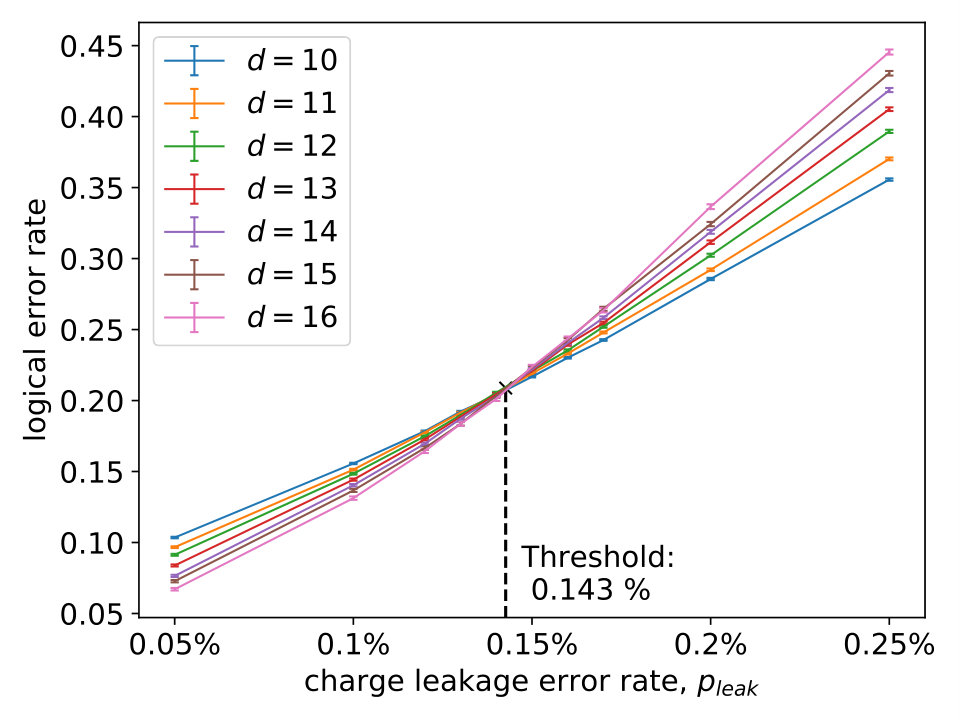 Figure 13
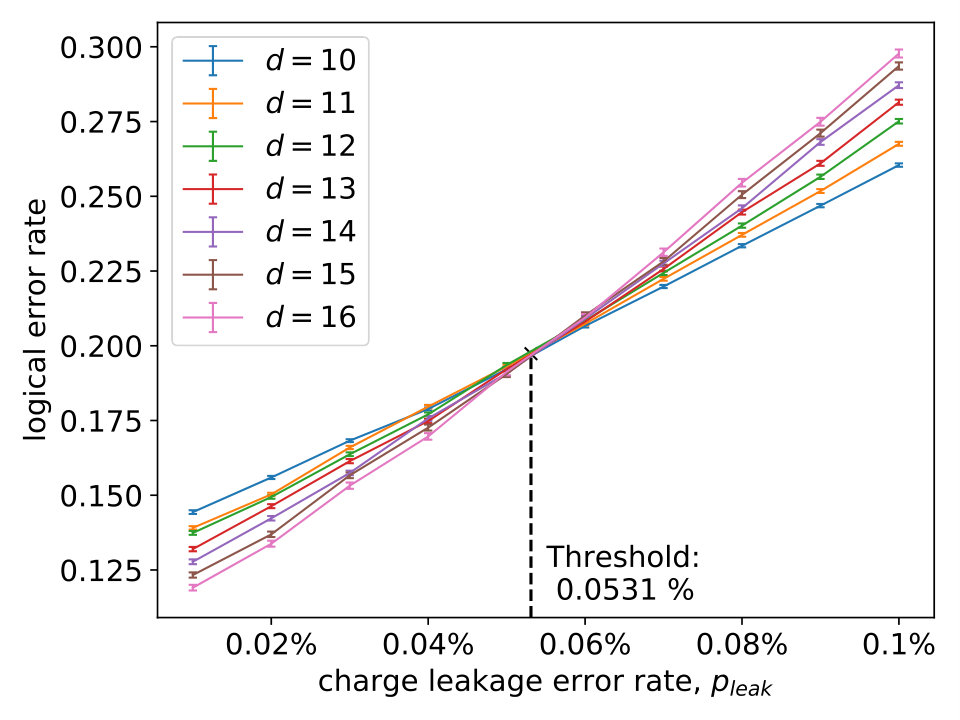 Figure 14
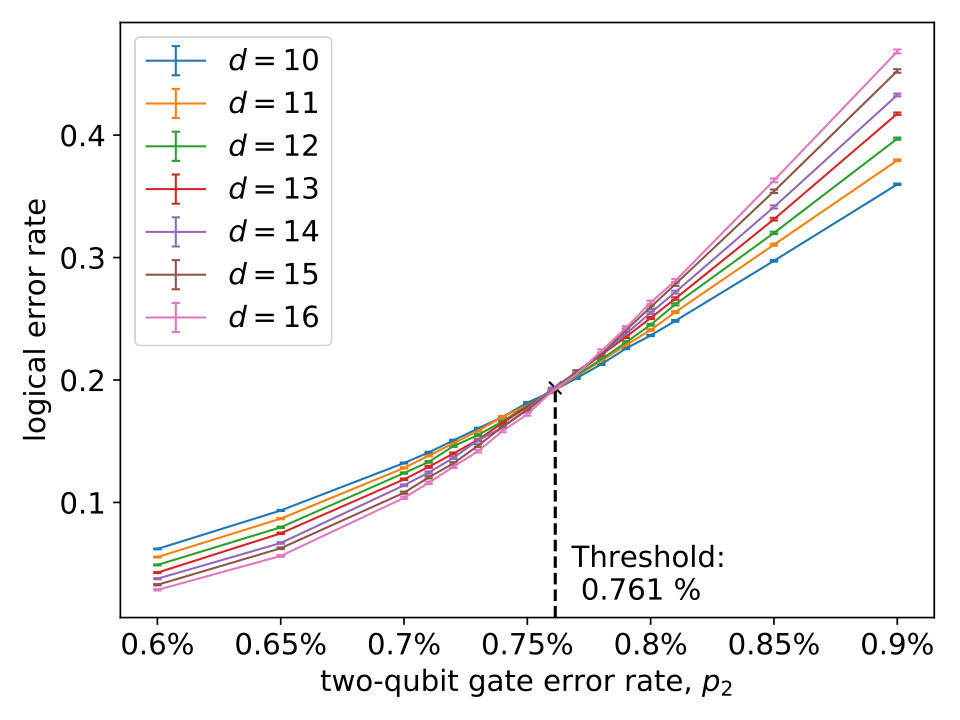 Figure 15
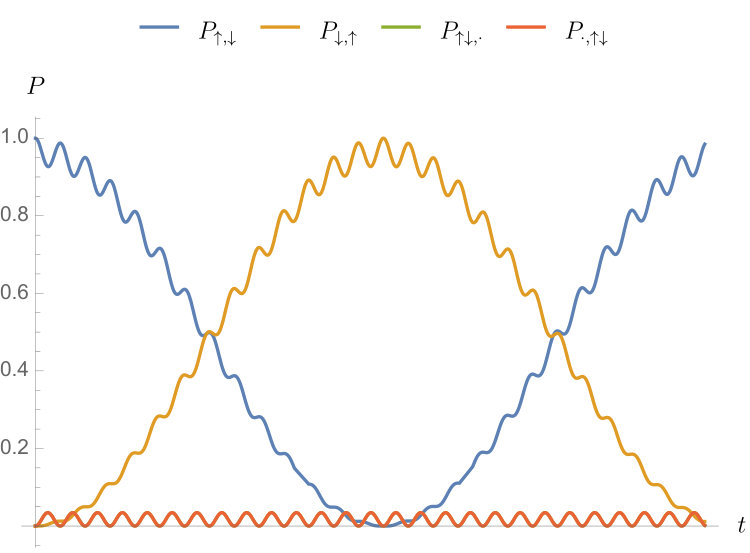 Figure 16
Peer Reviews
No public reviews on file for this paper yet. If you reviewed it on a platform where reviews are public (OpenReview, ICLR, NeurIPS, ICML), you can paste yours below so the community can read it here.
Videos
No videos yet. Explain this paper in a talk, walkthrough, or lecture? Add one.