The digest2 NEO Classification Code
Sonia Keys, Peter Vere\v{s}, Matthew J. Payne, Matthew J. Holman,, Robert Jedicke, Gareth V. Williams, Tim Spahr, David J. Asher, Carl, Hergenrother

TL;DR
digest2 is a fast, reliable software tool for classifying small Solar System bodies, especially Near-Earth Objects, aiding follow-up observations with high accuracy demonstrated on real and synthetic data.
Contribution
This paper details the development, application, and performance evaluation of the digest2 classification algorithm for NEO detection and prioritization.
Findings
Digest2 accurately distinguishes NEOs from non-NEOs.
94% of simulated NEOs achieved D2 ≥ 65 at least once.
D2 varies with observational parameters and sky position.
Abstract
We describe the digest2 software package, a fast, short-arc orbit classifier for small Solar System bodies. The digest2 algorithm has been serving the community for more than 13 years. The code provides a score, D2, which represents a pseudo-probability that a tracklet belongs to a given Solar System orbit type. digest2 is primarily used as a classifier for Near-Earth Object (NEO) candidates, to identify those to be prioritized for follow-up observation. We describe the historical development of digest2 and demonstrate its use on real and synthetic data. We find that digest2 can accurately and precisely distinguish NEOs from non- NEOs. At the time of detection, 14% of NEO tracklets and 98.5% of non-NEOs tracklets have D2 below the critical value of D2 = 65. 94% of our simulated NEOs achieved the maximum D2 = 100 and 99.6% of NEOs achieved at least once during the simulated…
Click any figure to enlarge with its caption.
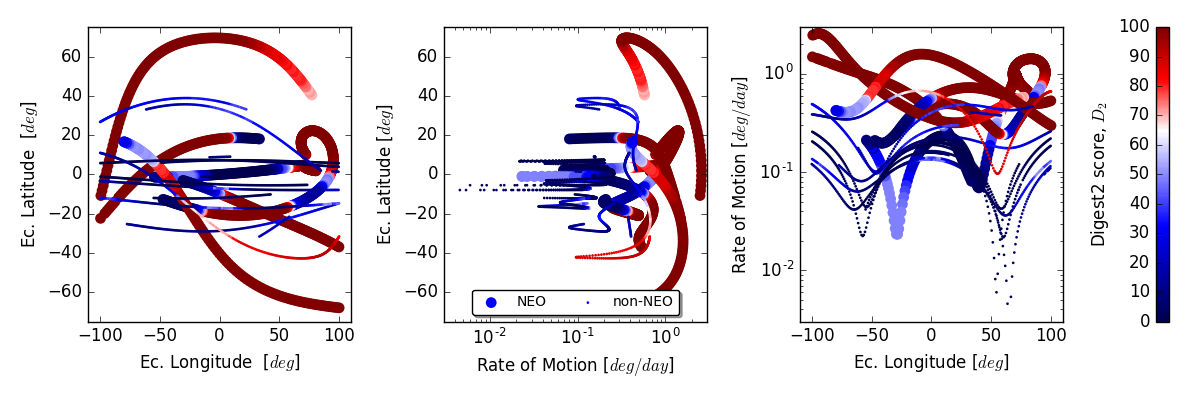 Figure 1
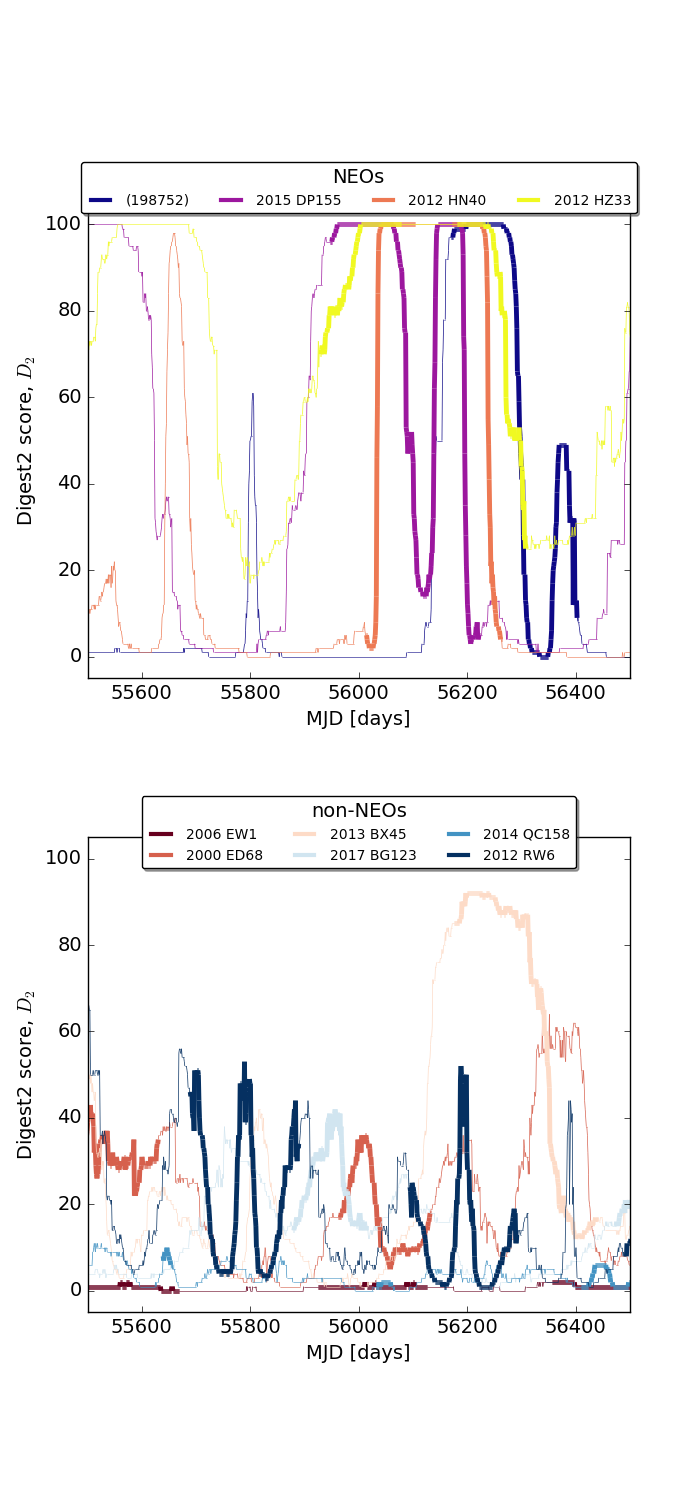 Figure 2
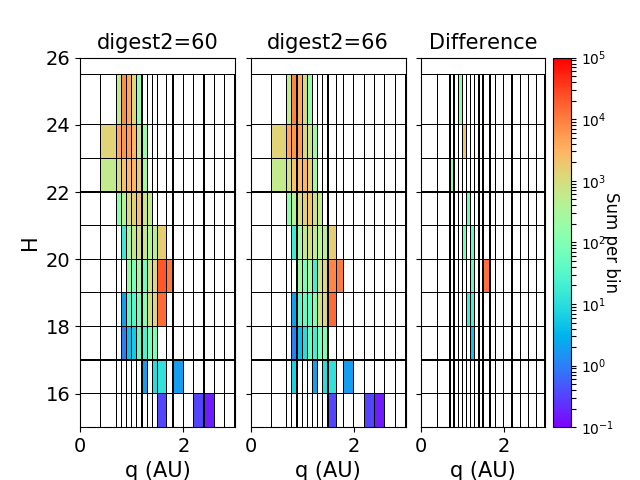 Figure 3
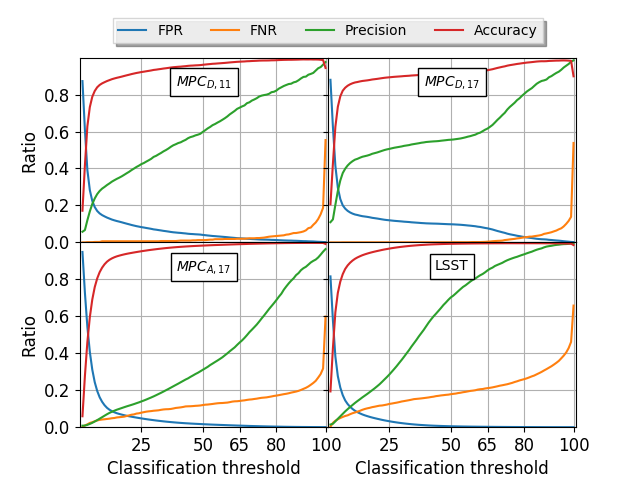 Figure 4
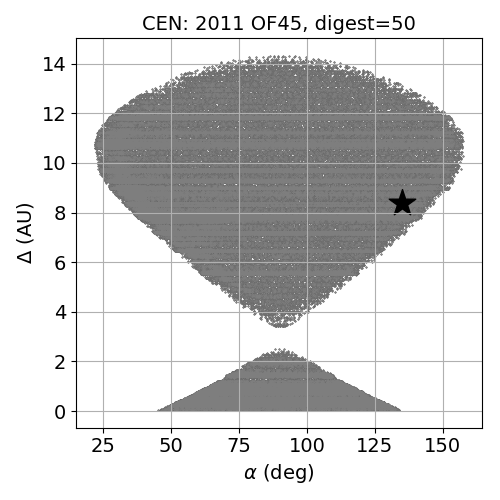 Figure 5
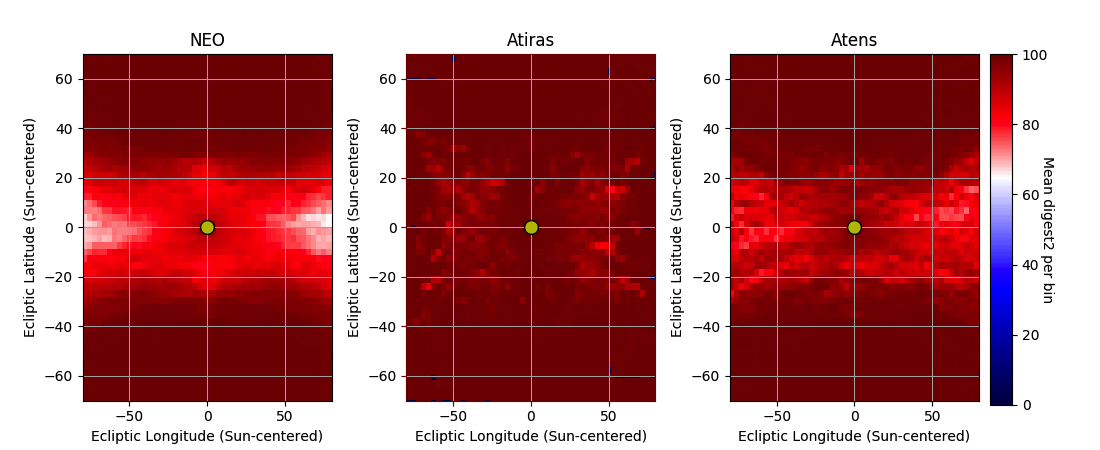 Figure 6
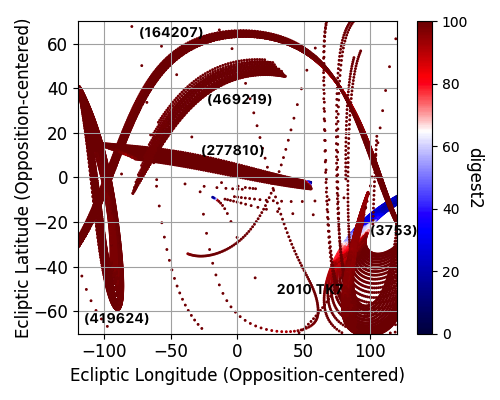 Figure 7
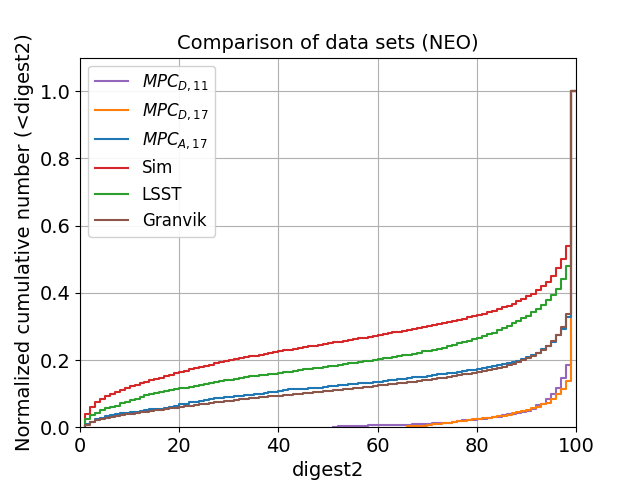 Figure 8
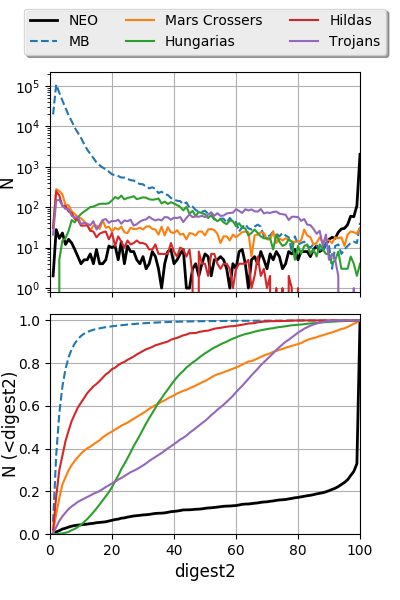 Figure 9
 Figure 10
 Figure 11
 Figure 12
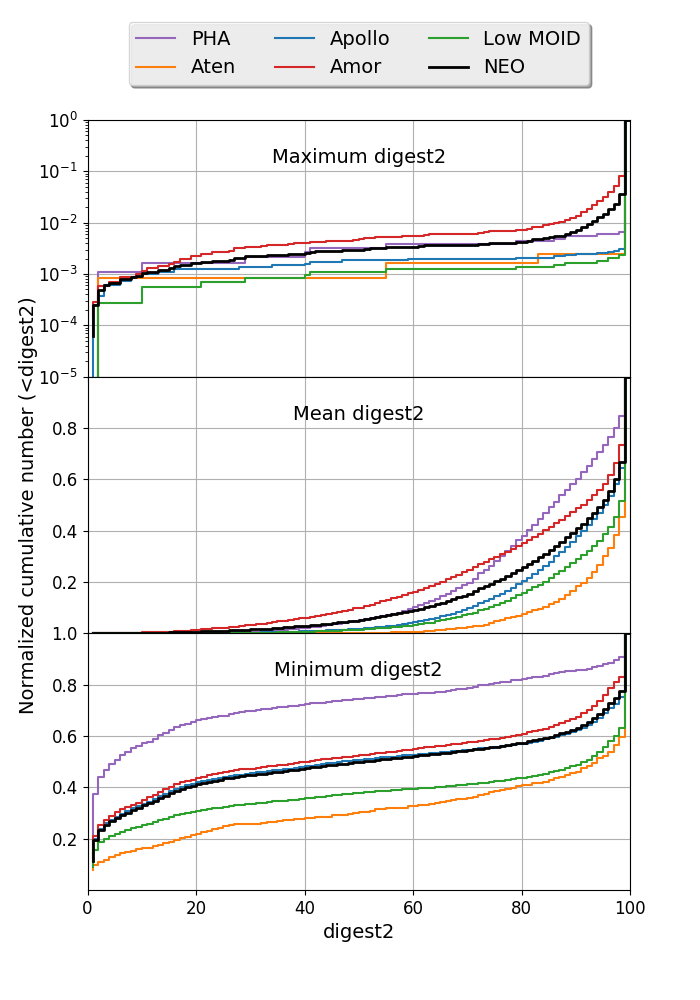 Figure 13
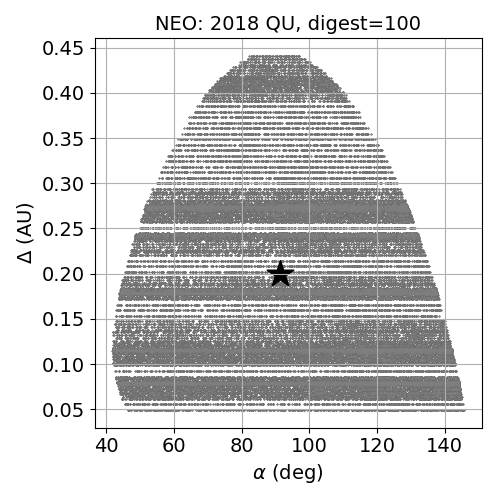 Figure 14
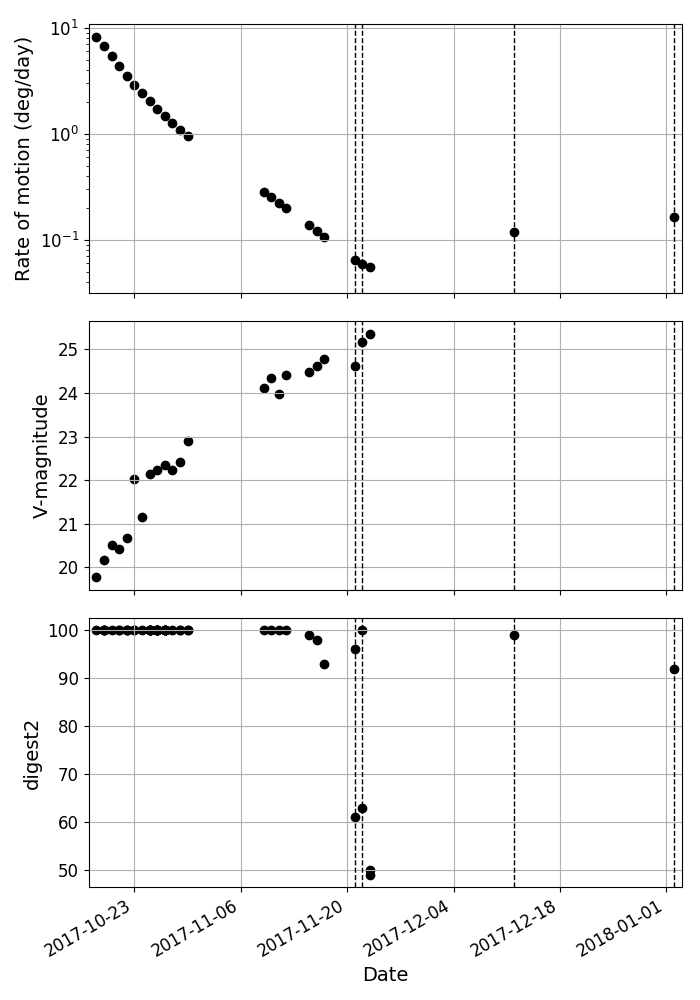 Figure 15
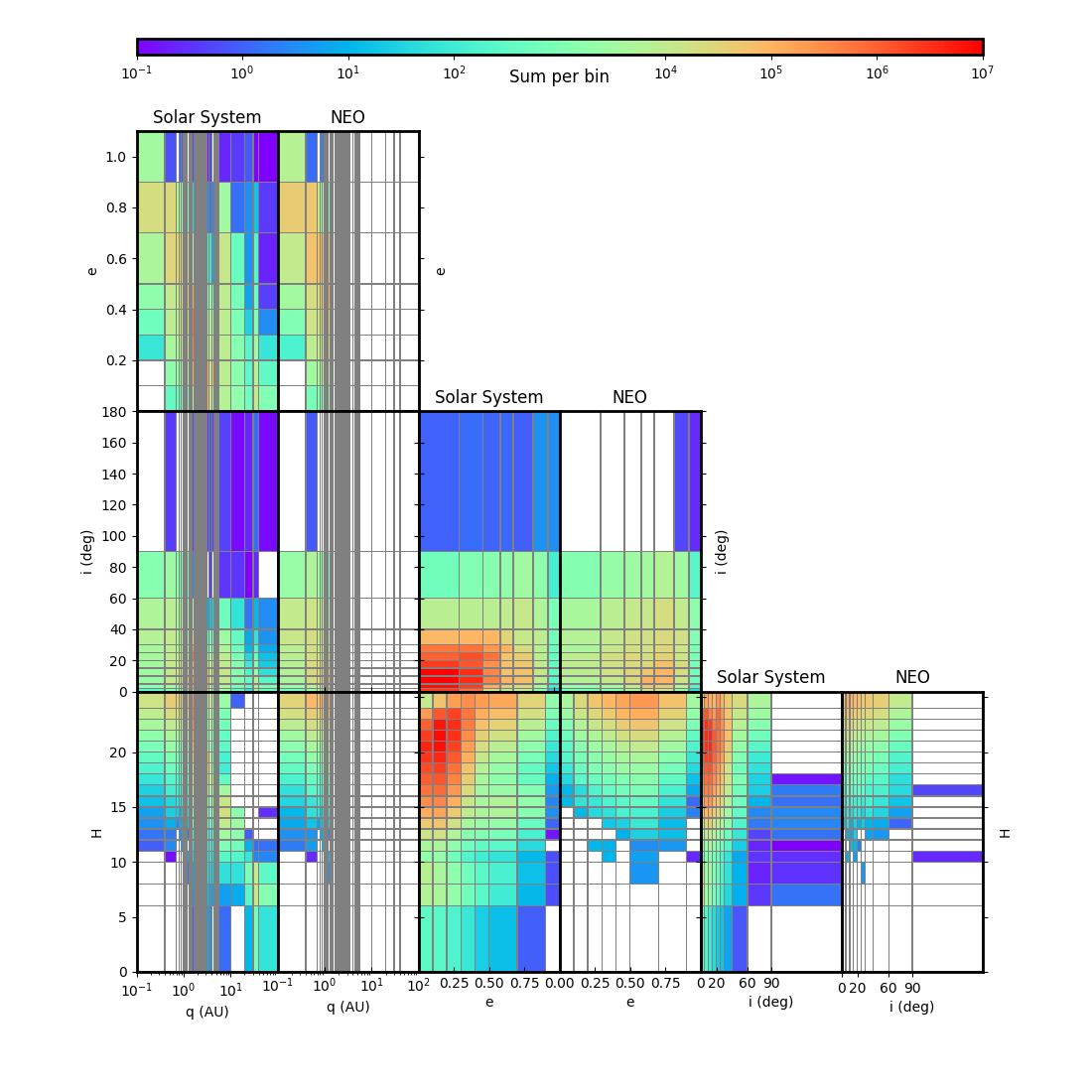 Figure 16
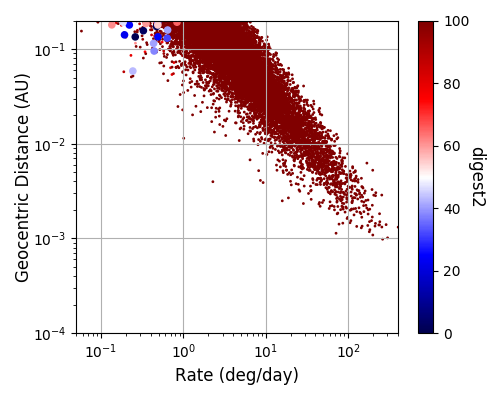 Figure 17
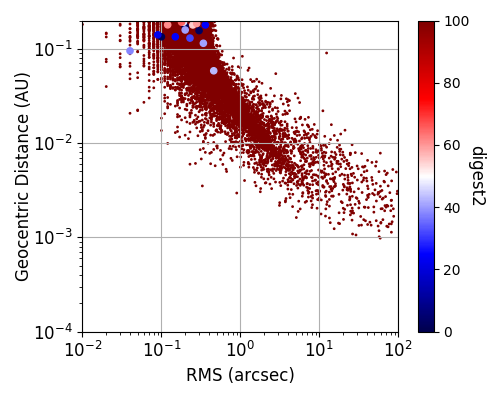 Figure 18
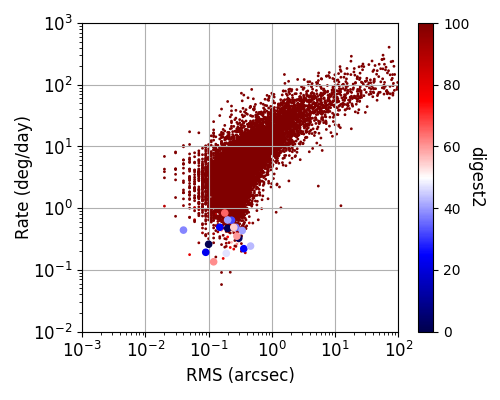 Figure 19
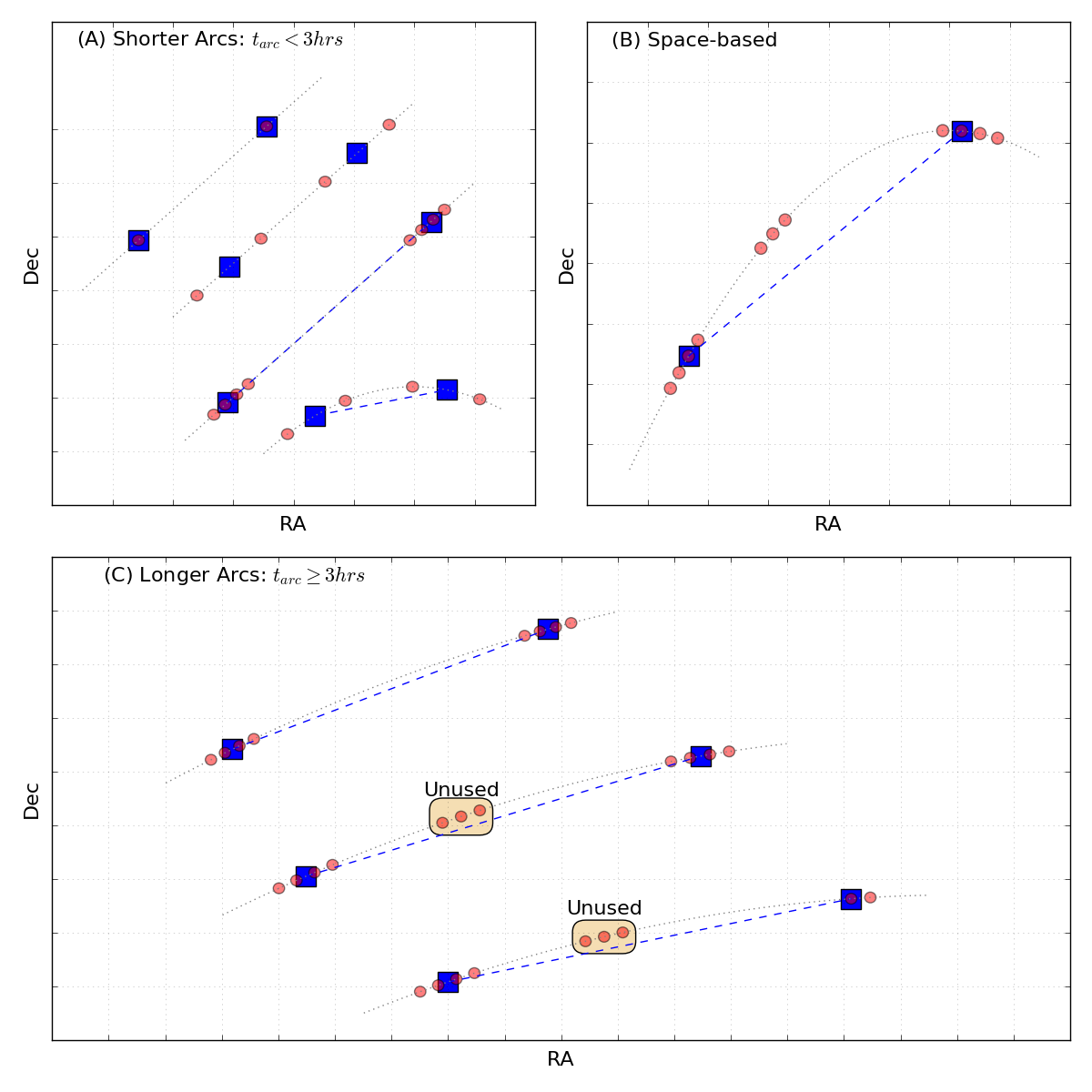 Figure 20
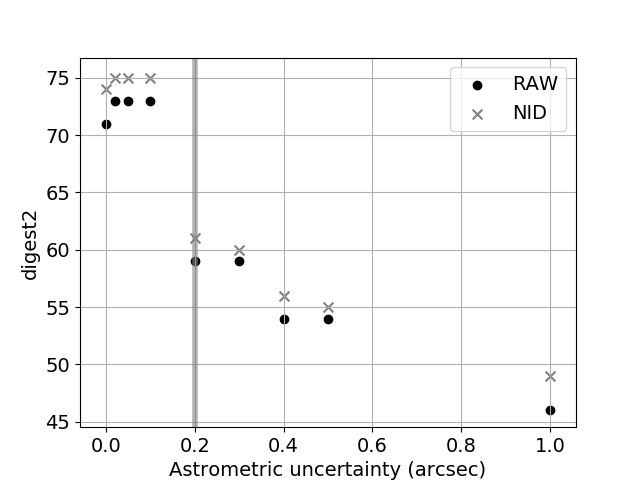 Figure 21
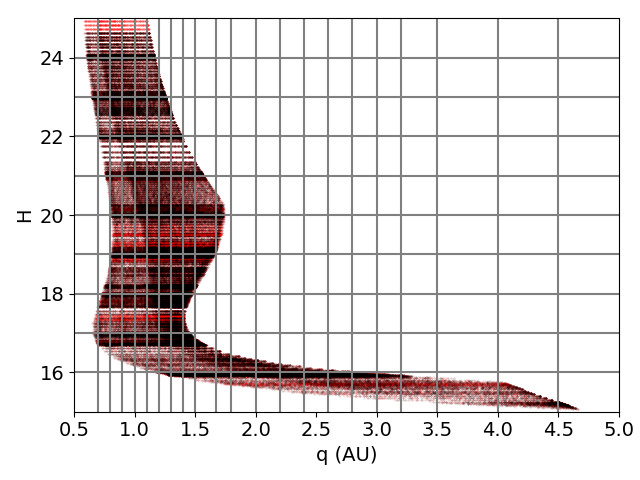 Figure 22
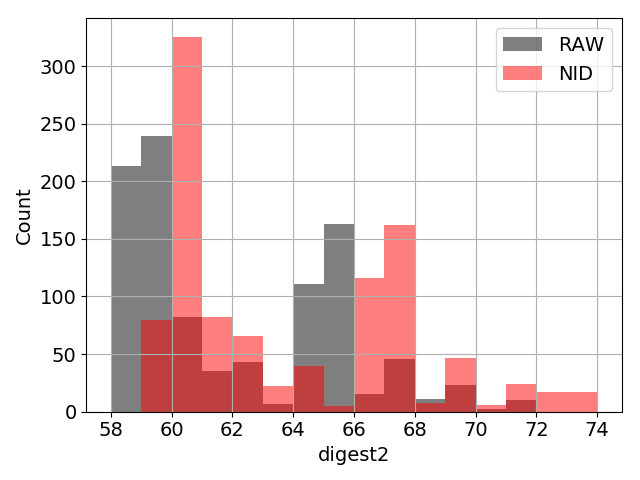 Figure 23
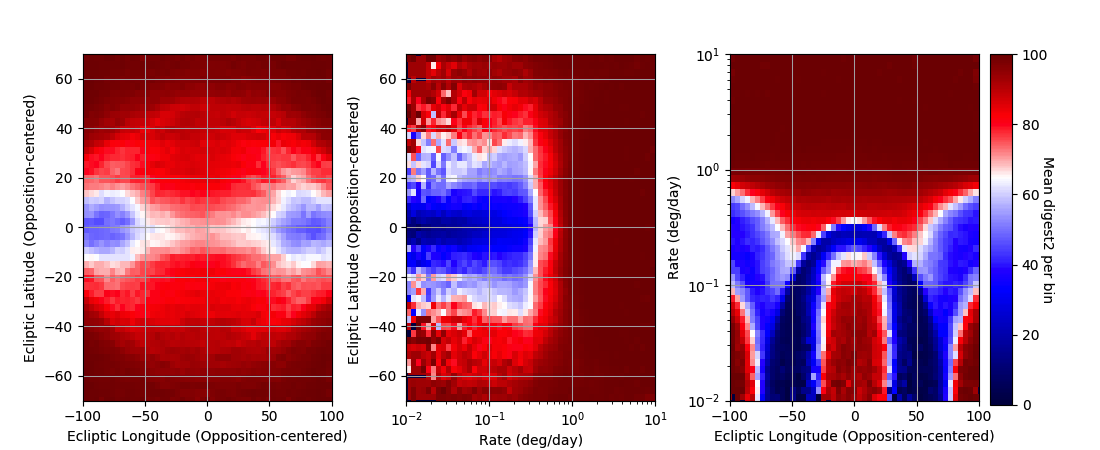 Figure 24
Peer Reviews
No public reviews on file for this paper yet. If you reviewed it on a platform where reviews are public (OpenReview, ICLR, NeurIPS, ICML), you can paste yours below so the community can read it here.
Videos
No videos yet. Explain this paper in a talk, walkthrough, or lecture? Add one.