An error indicator-based adaptive reduced order model for nonlinear structural mechanics -- application to high-pressure turbine blades
Fabien Casenave, Nissrine Akkari

TL;DR
This paper introduces an adaptive reduced order modeling approach with an error indicator for nonlinear structural mechanics, specifically applied to high-pressure turbine blades with uncertain thermal loading, improving computational efficiency and accuracy.
Contribution
A novel error indicator-based adaptive reduced order model that updates itself when the error exceeds a threshold, suitable for complex nonlinear industrial applications.
Findings
Effective in handling nonlinear elastoviscoplastic behavior
Successfully applied to a 5 million DOF industrial problem
Computations performed in parallel with distributed memory
Abstract
The industrial application motivating this work is the fatigue computation of aircraft engines' high-pressure turbine blades. The material model involves nonlinear elastoviscoplastic behavior laws, for which the parameters depend on the temperature. For this application, the temperature loading is not accurately known and can reach values relatively close to the creep temperature: important nonlinear effects occur and the solution strongly depends on the used thermal loading. We consider a nonlinear reduced order model able to compute, in the exploitation phase, the behavior of the blade for a new temperature field loading. The sensitivity of the solution to the temperature makes {the classical unenriched proper orthogonal decomposition method} fail. In this work, we propose a new error indicator, quantifying the error made by the reduced order model in computational complexity…
Click any figure to enlarge with its caption.
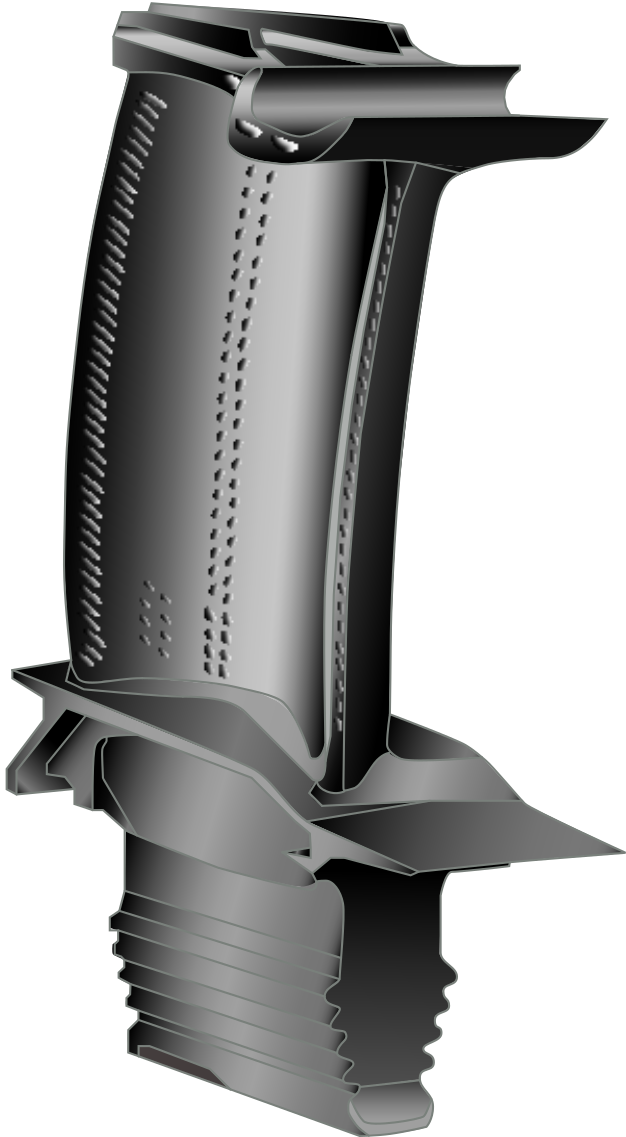 Figure 1
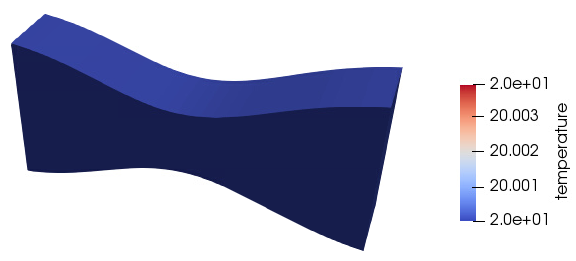 Figure 2
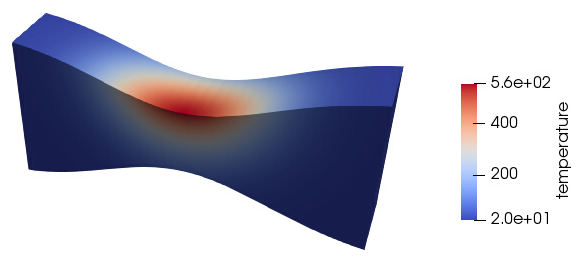 Figure 3
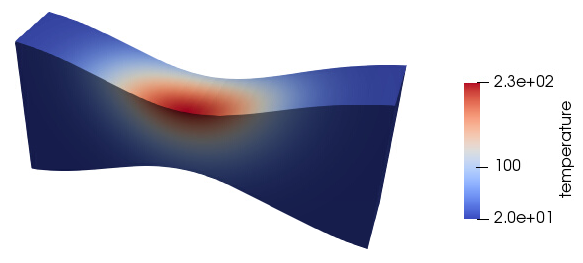 Figure 4
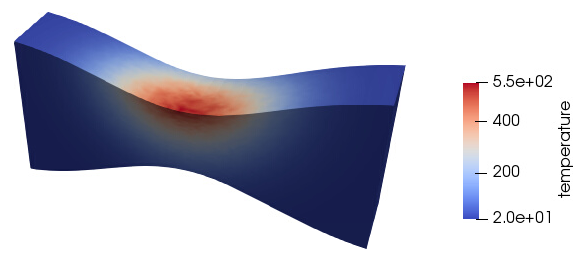 Figure 5
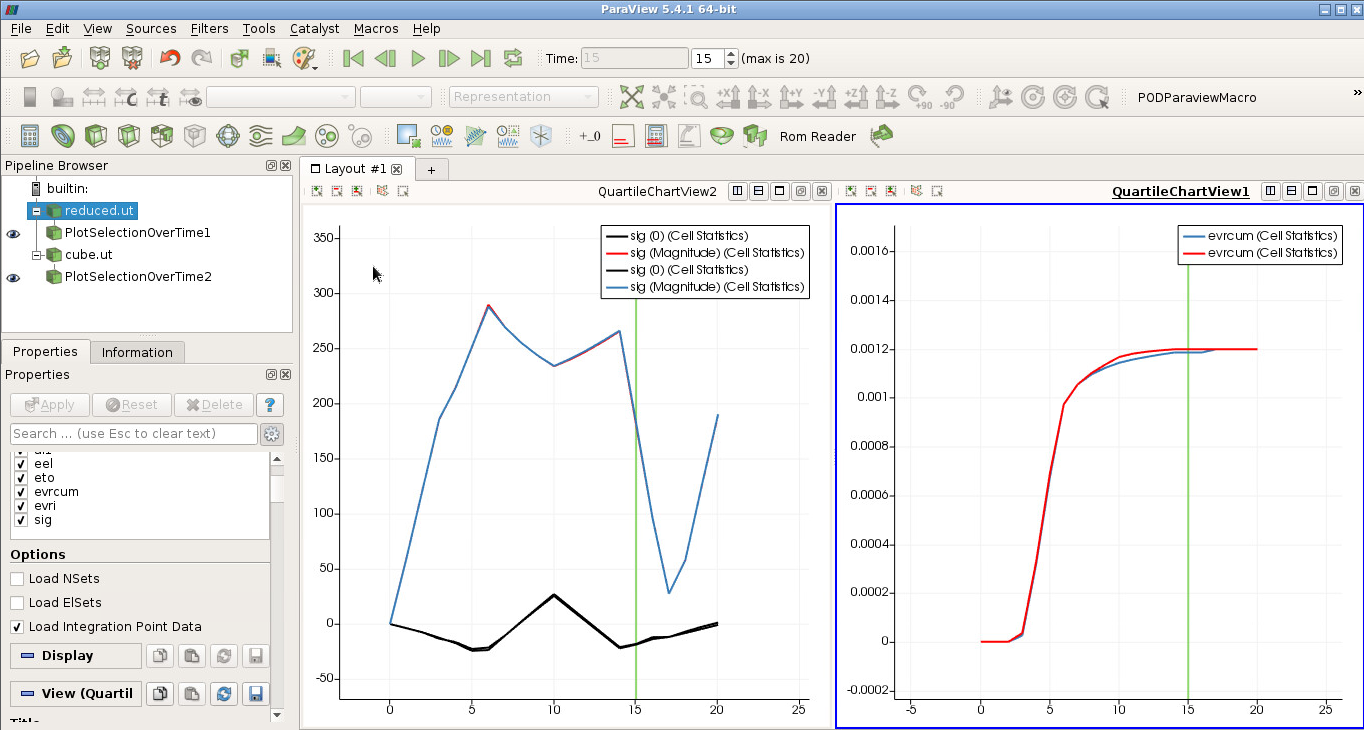 Figure 6
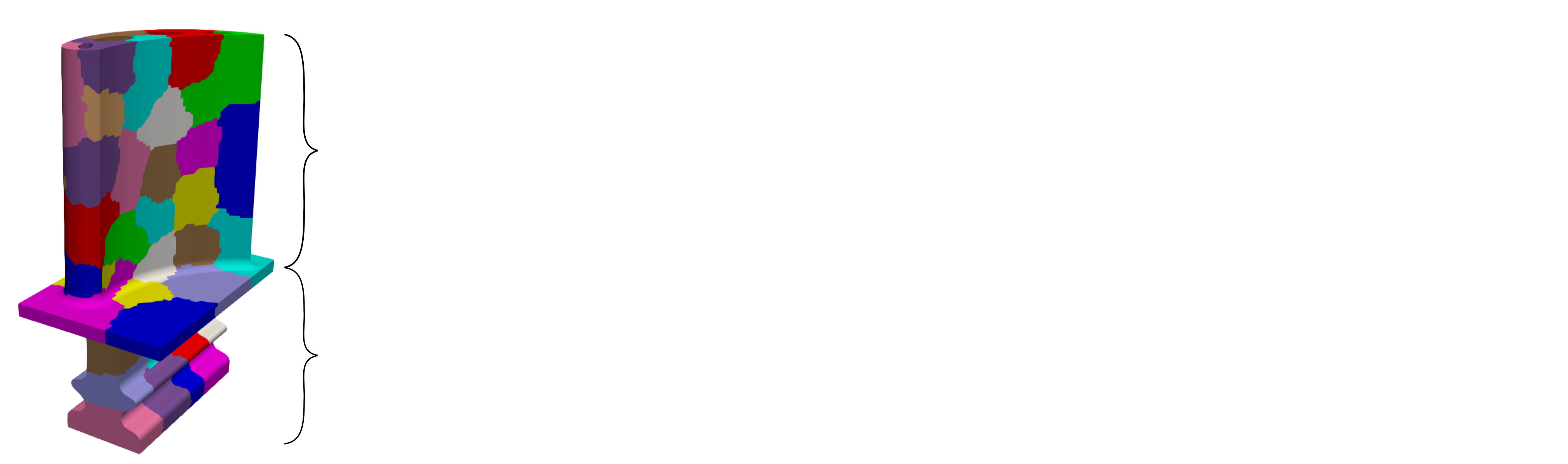 Figure 7
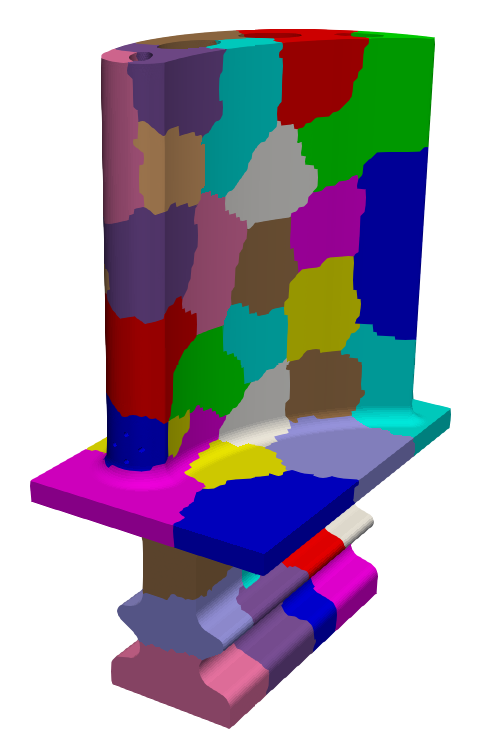 Figure 8
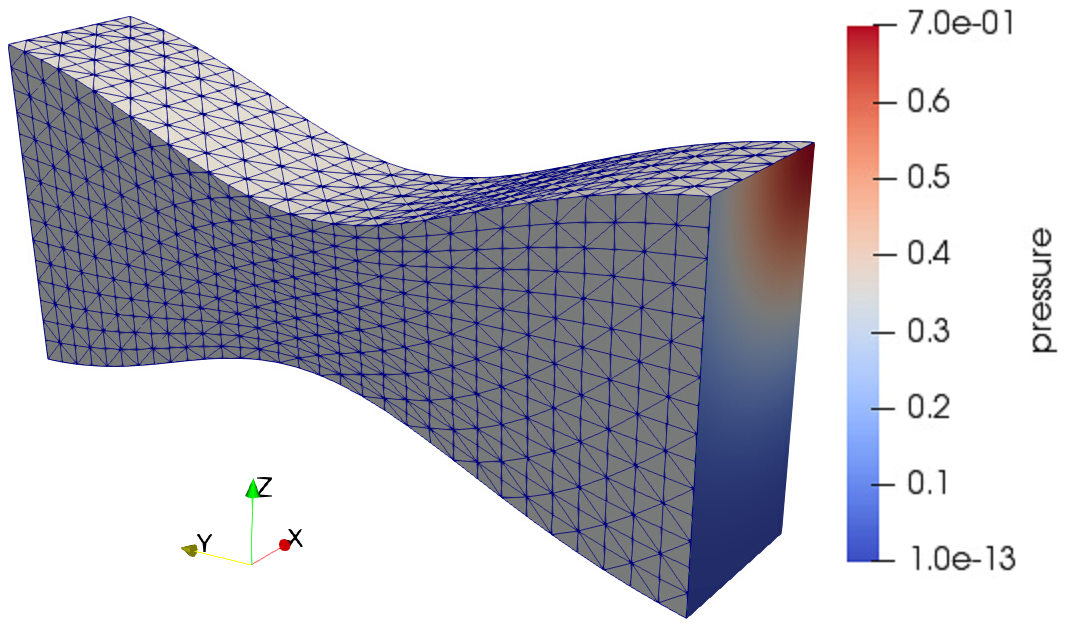 Figure 9
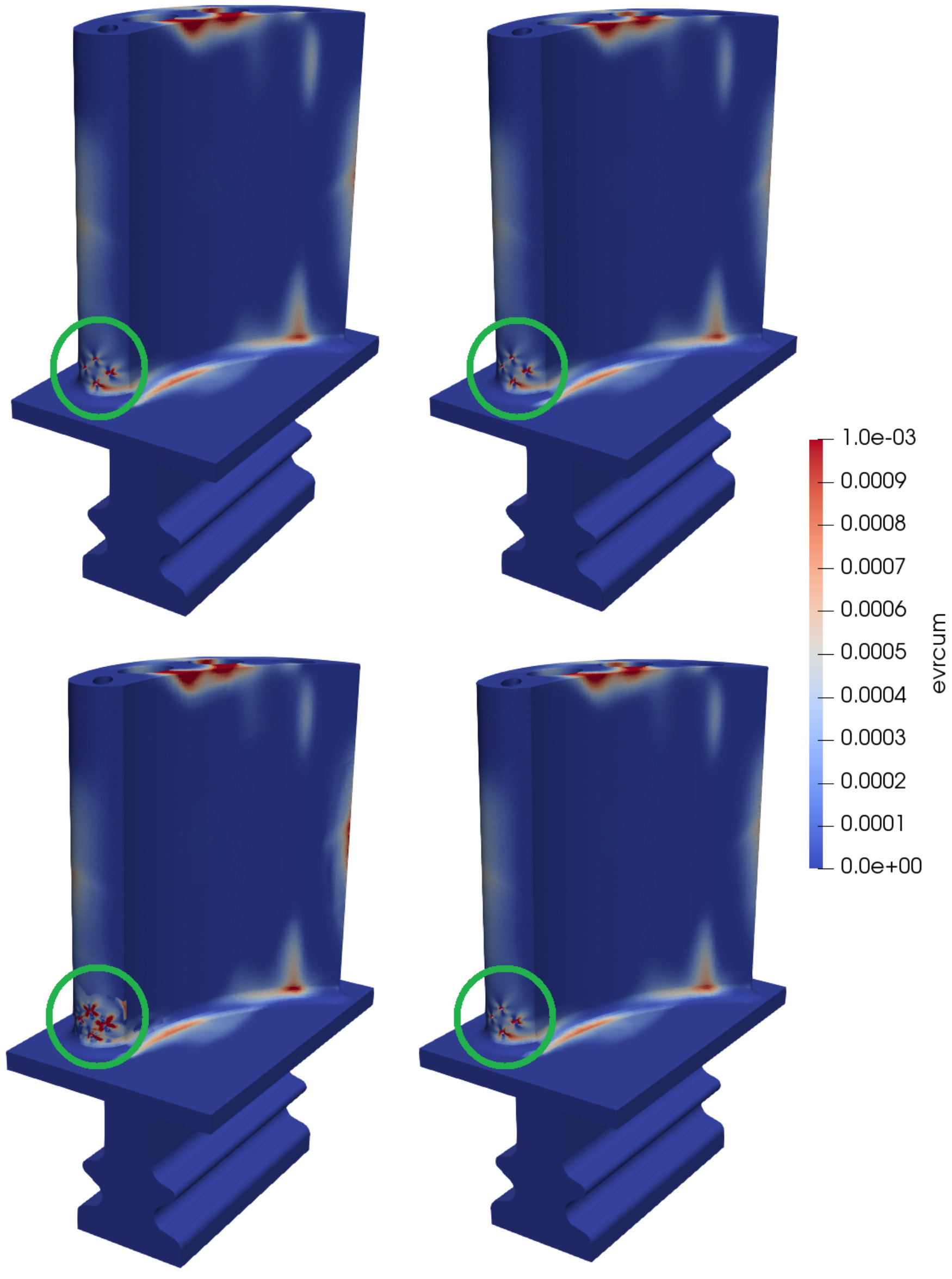 Figure 10
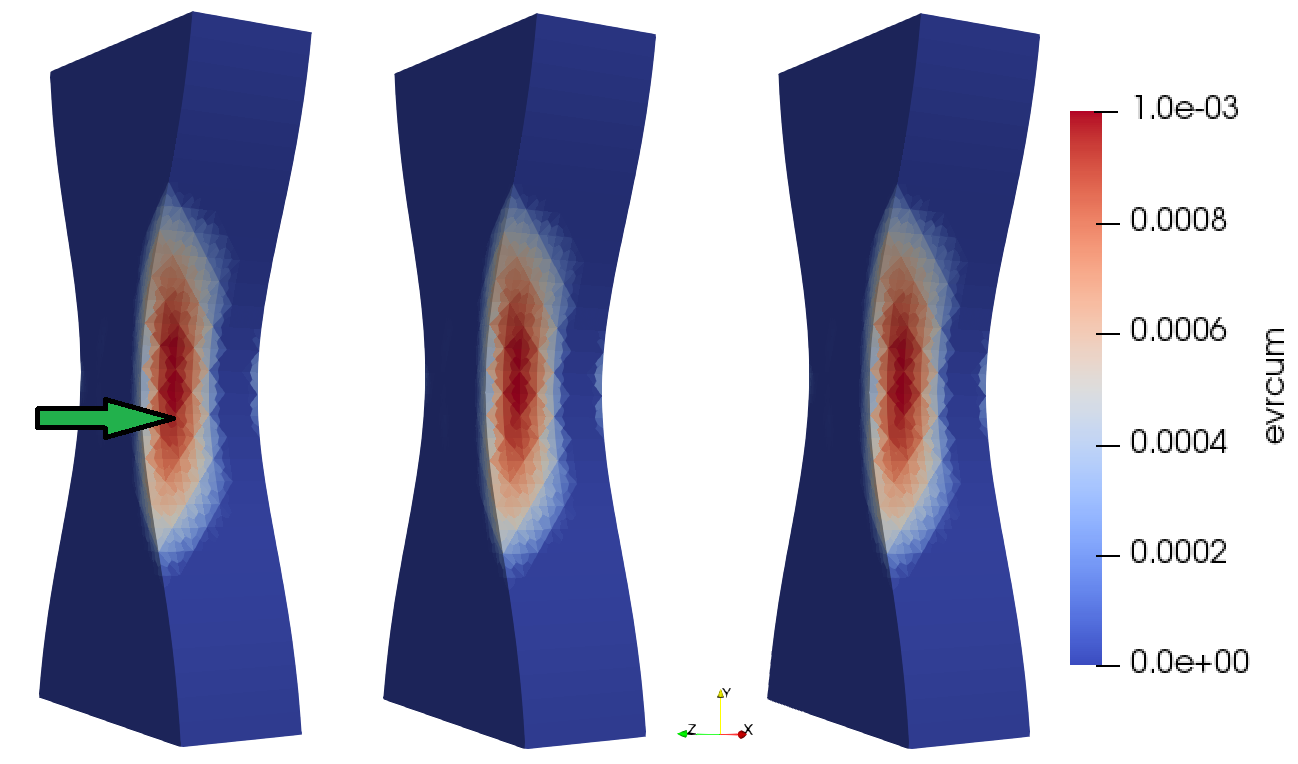 Figure 11
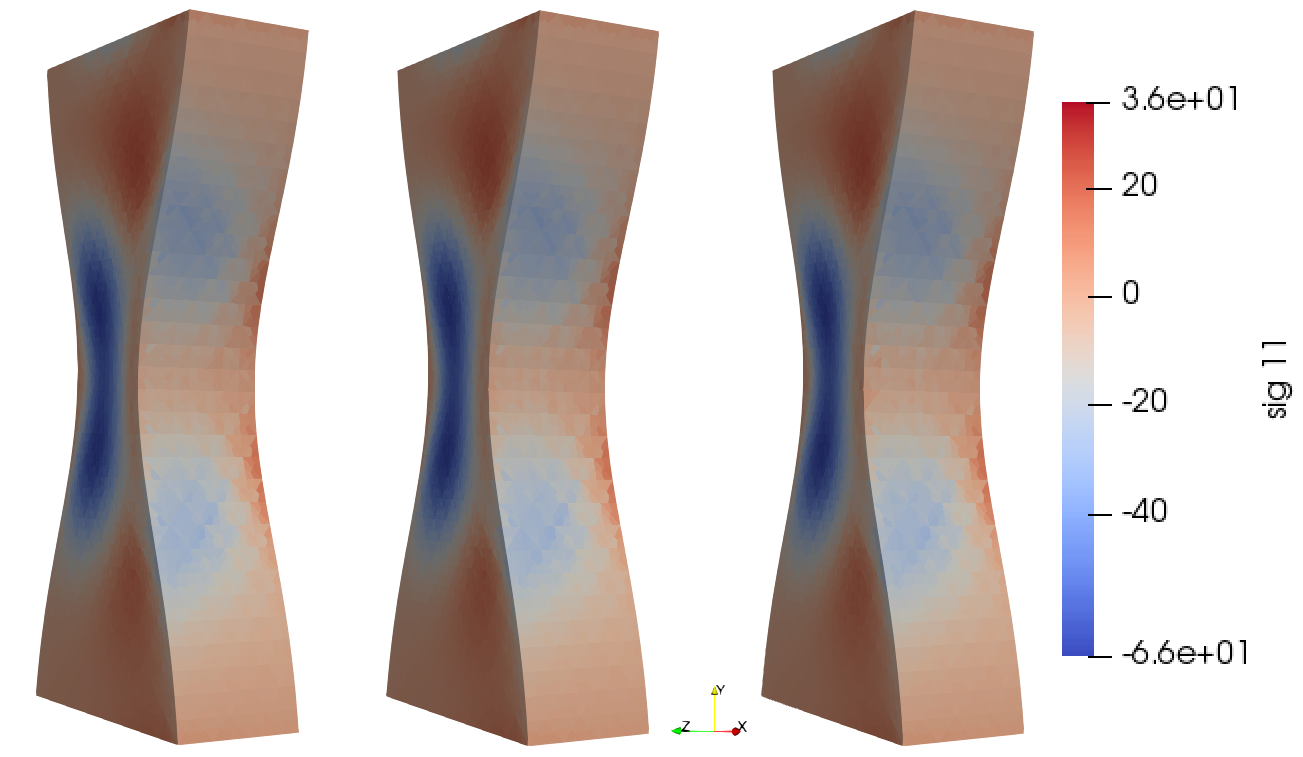 Figure 12
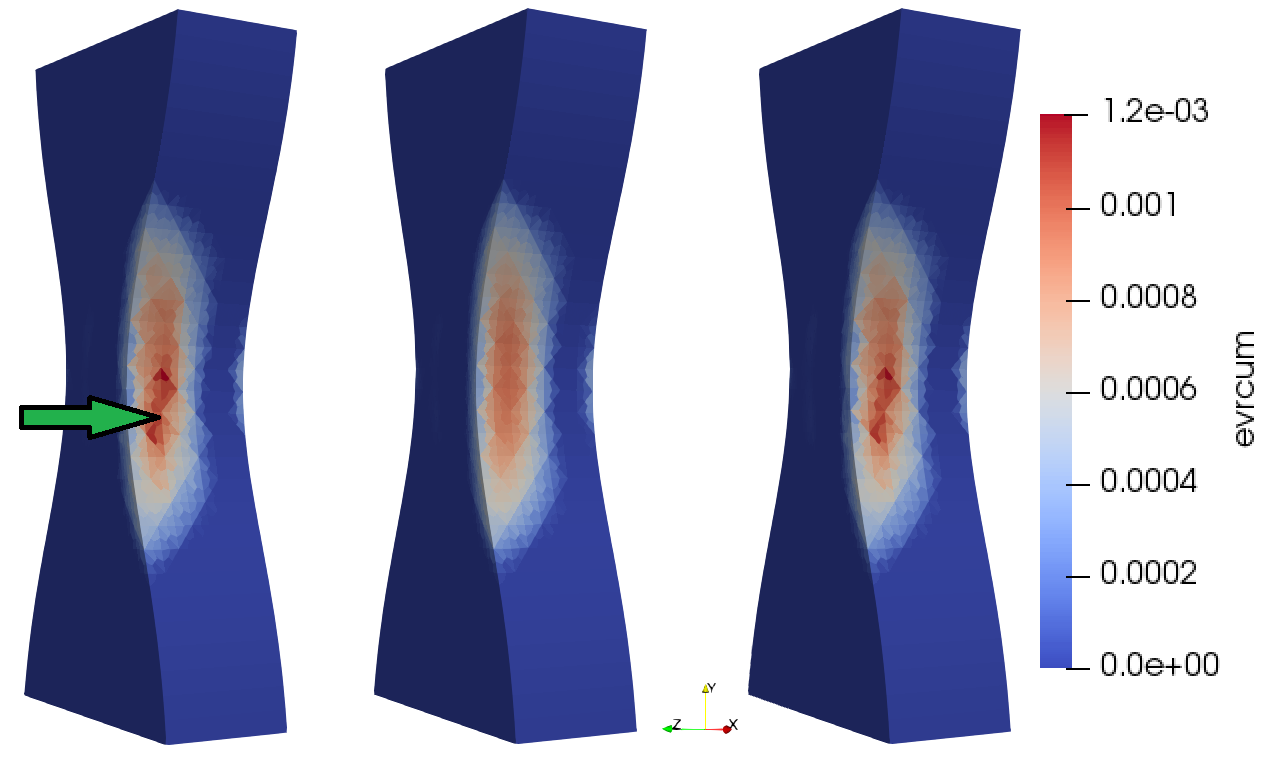 Figure 13
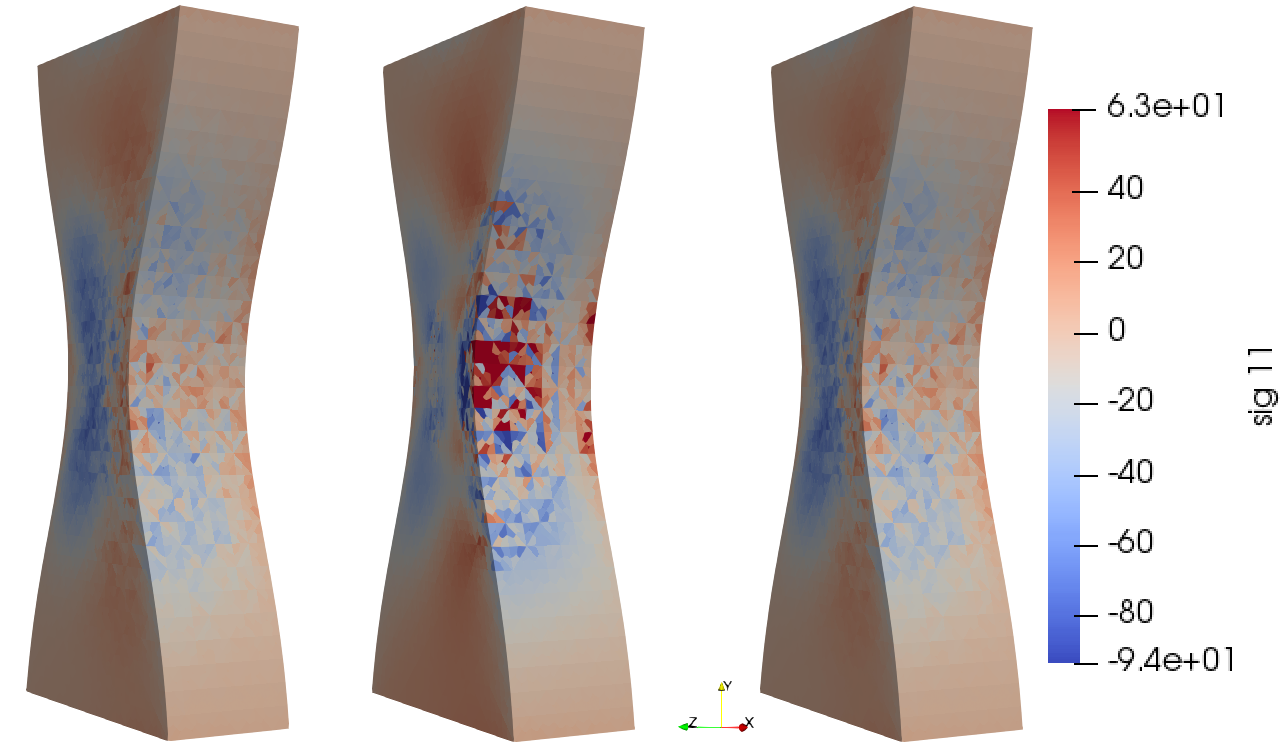 Figure 14
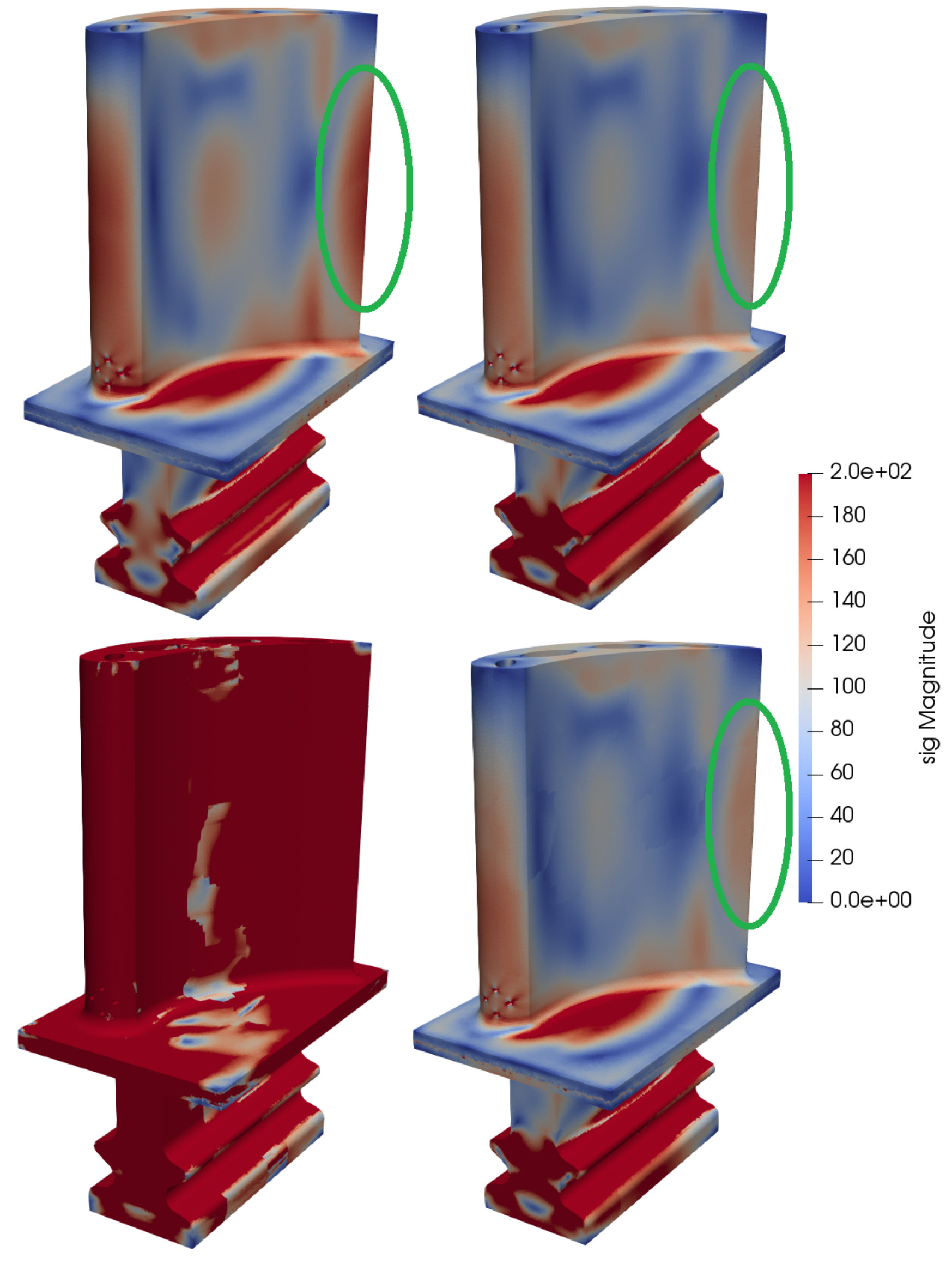 Figure 15
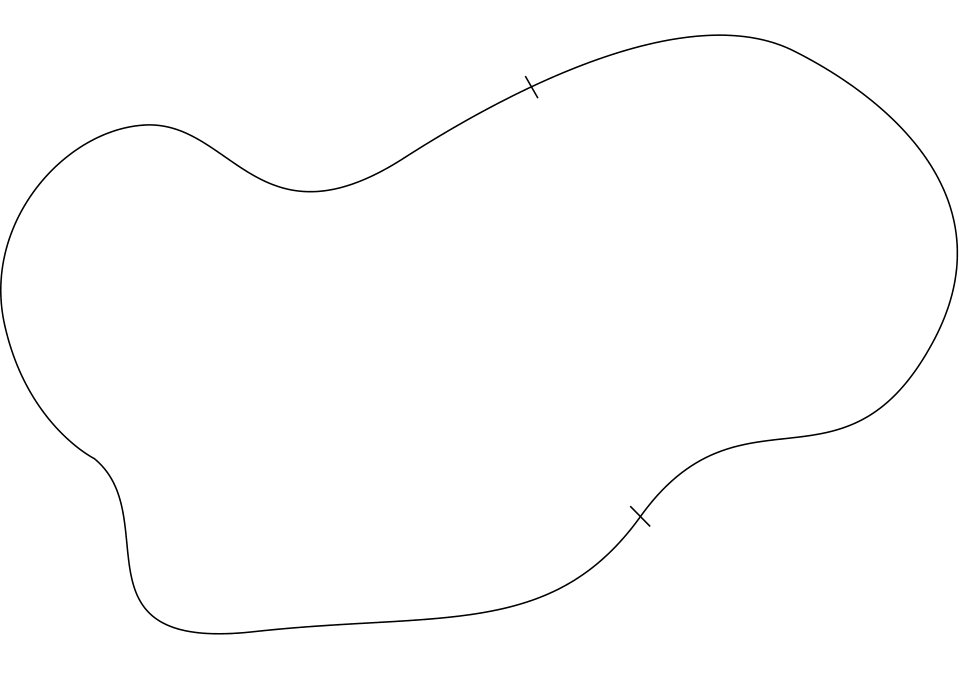 Figure 16
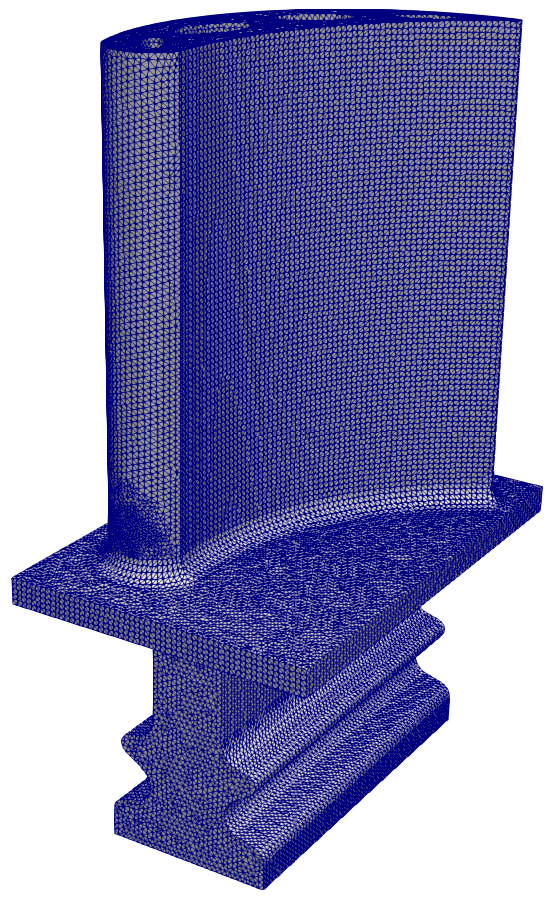 Figure 17
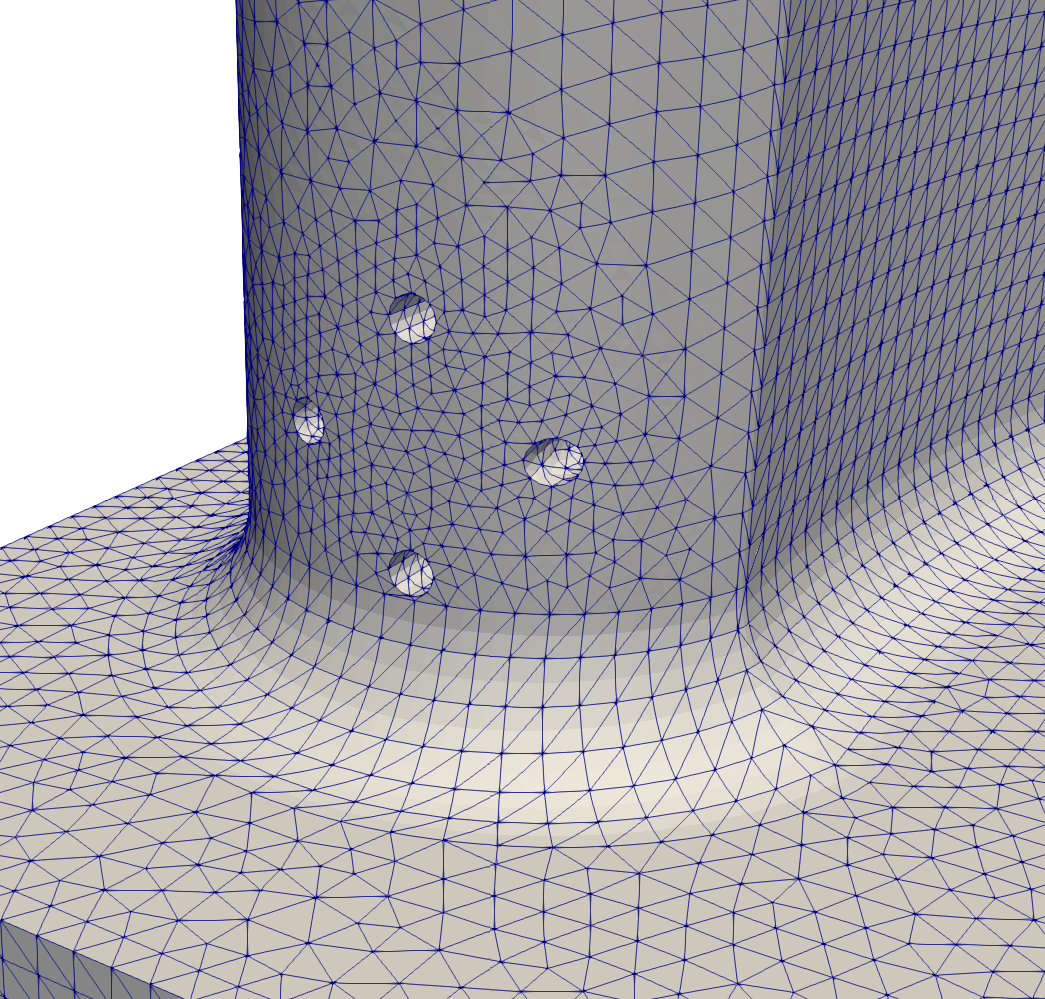 Figure 18
 Figure 19
 Figure 20
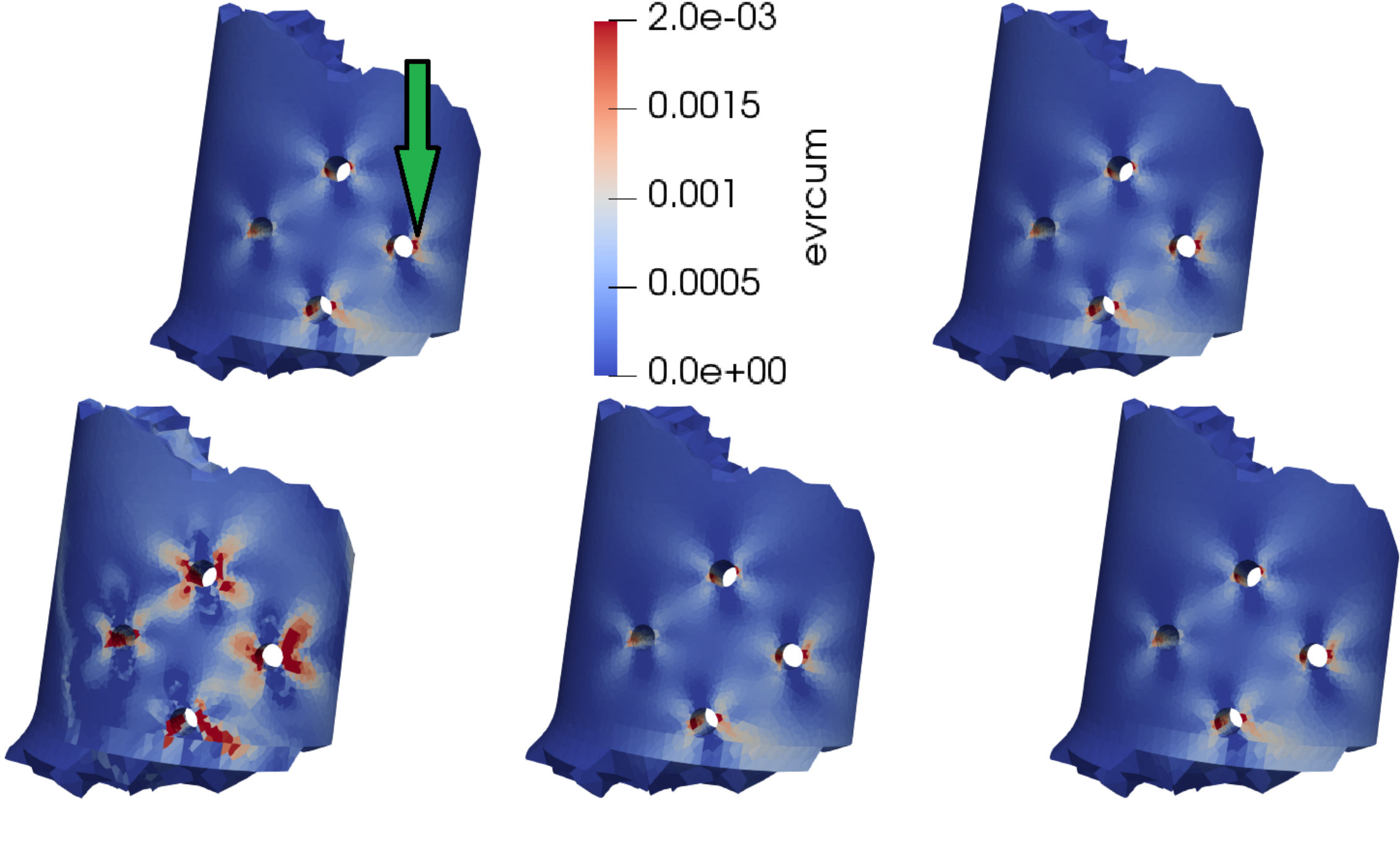 Figure 21
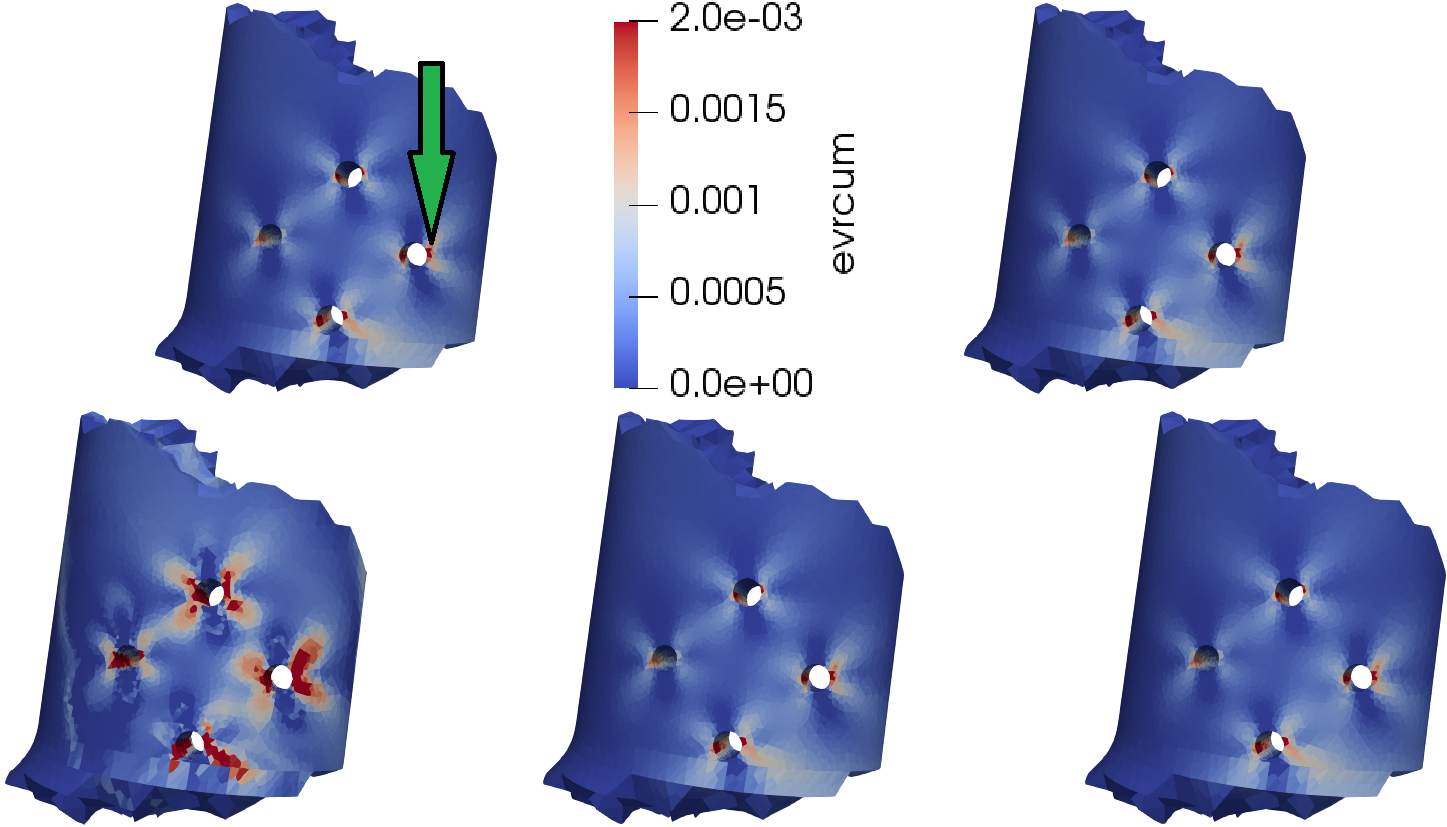 Figure 22
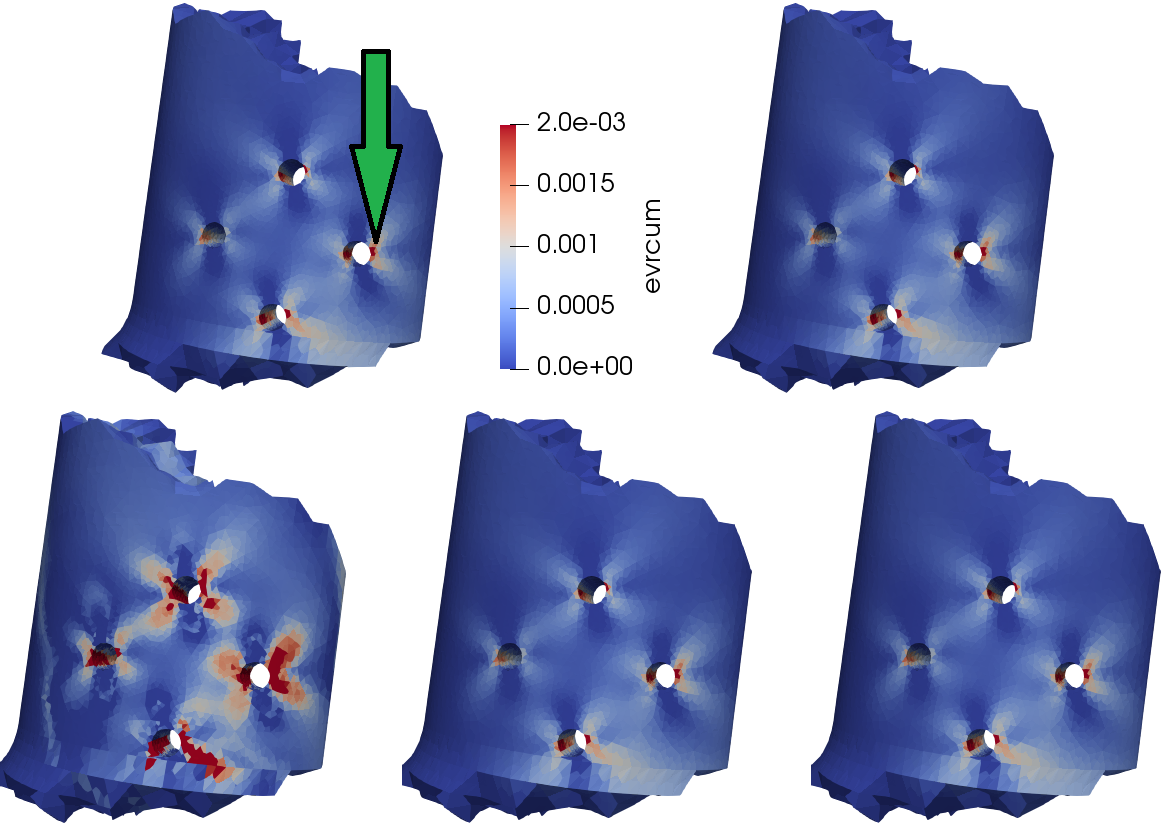 Figure 23
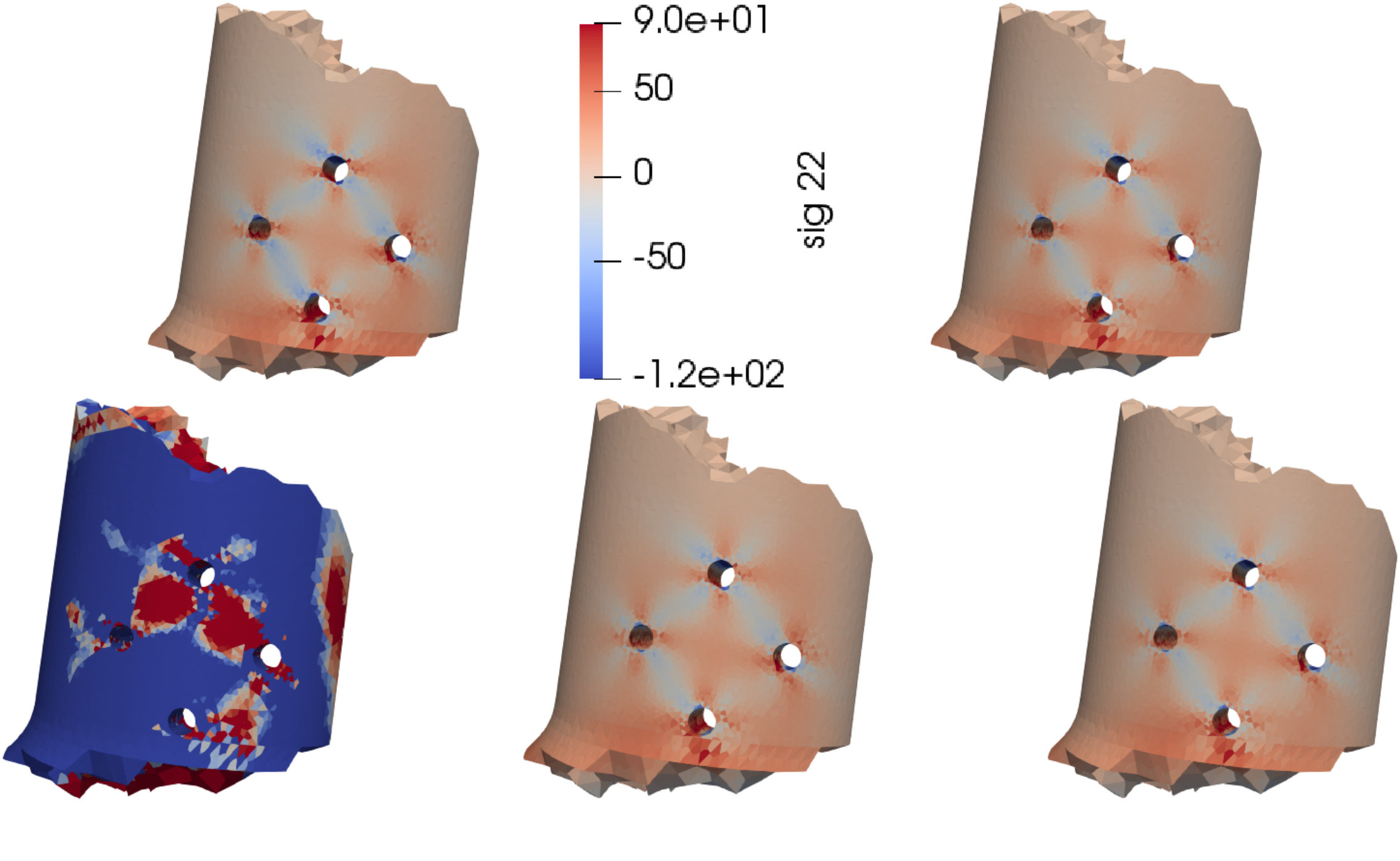 Figure 24
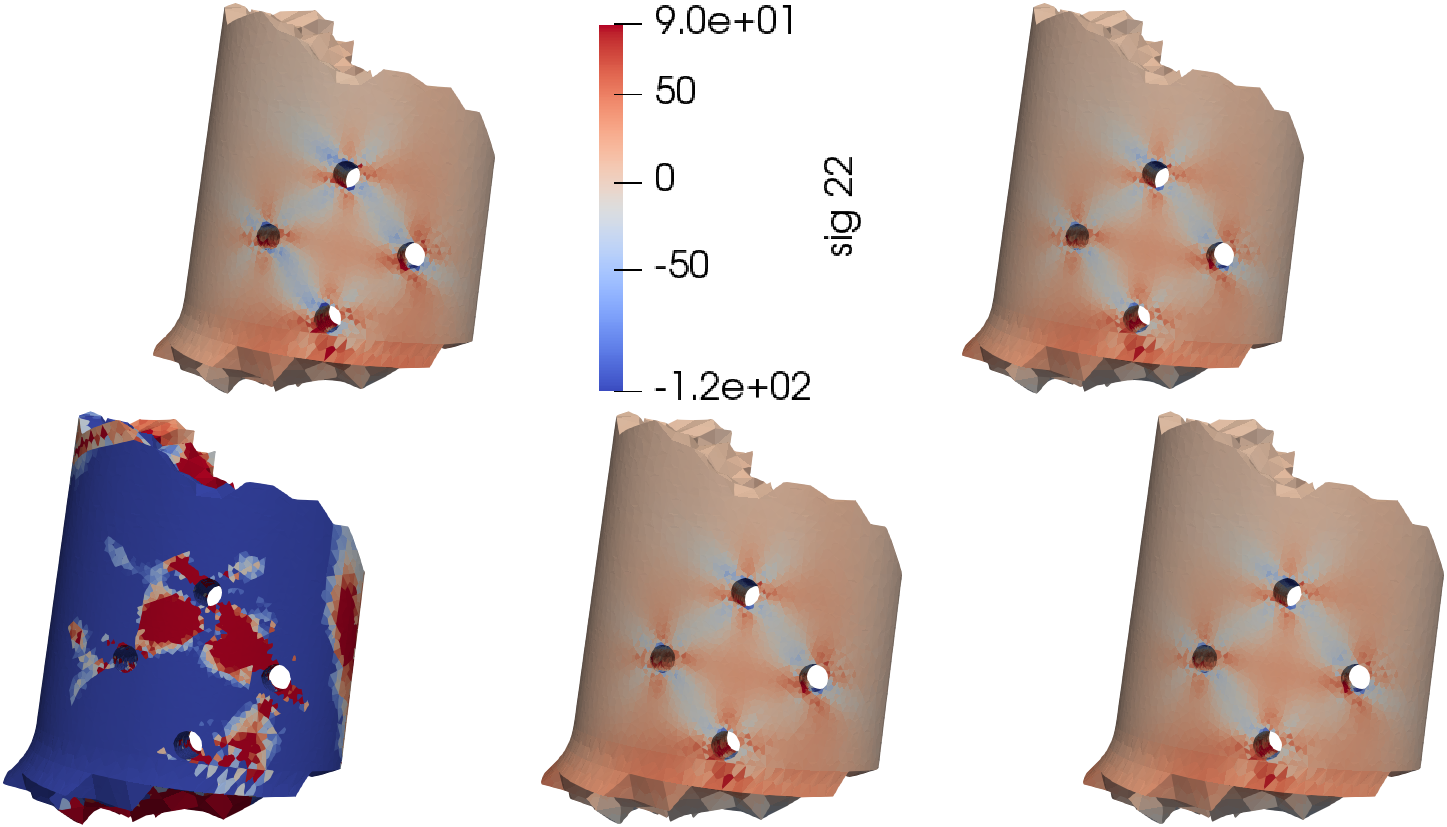 Figure 25
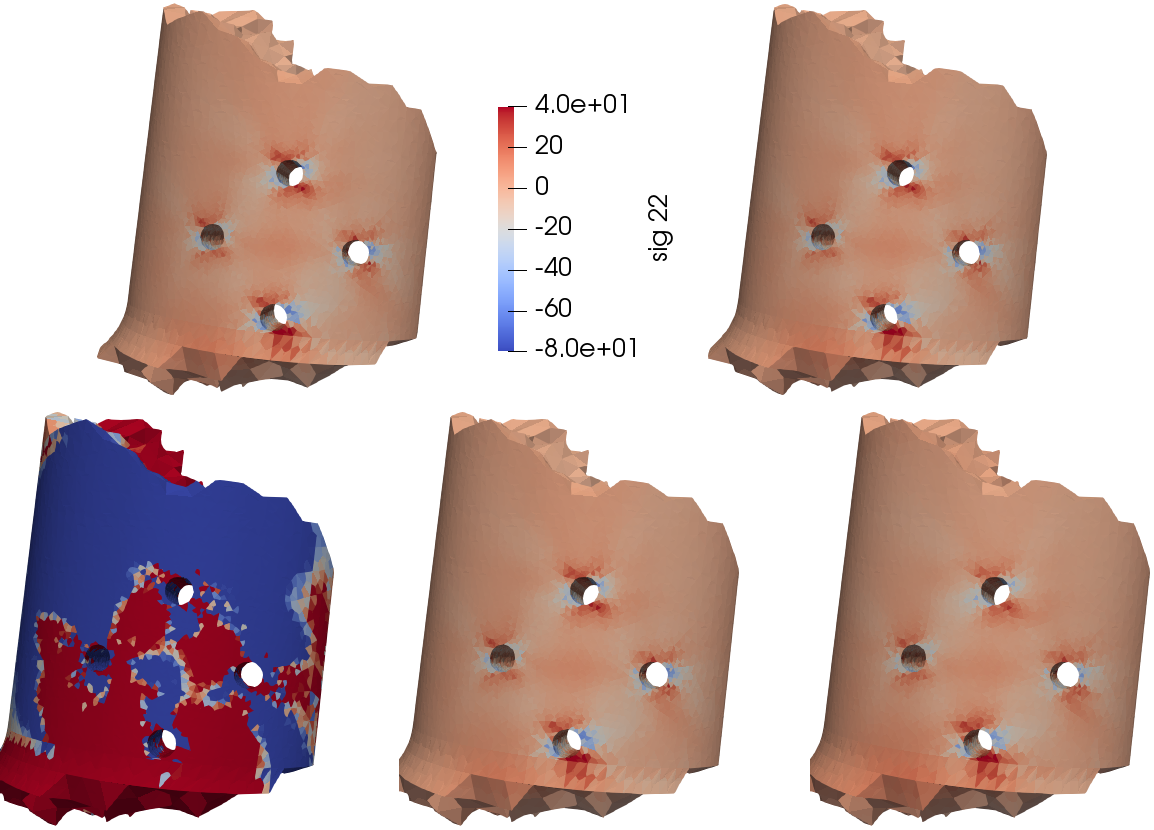 Figure 26
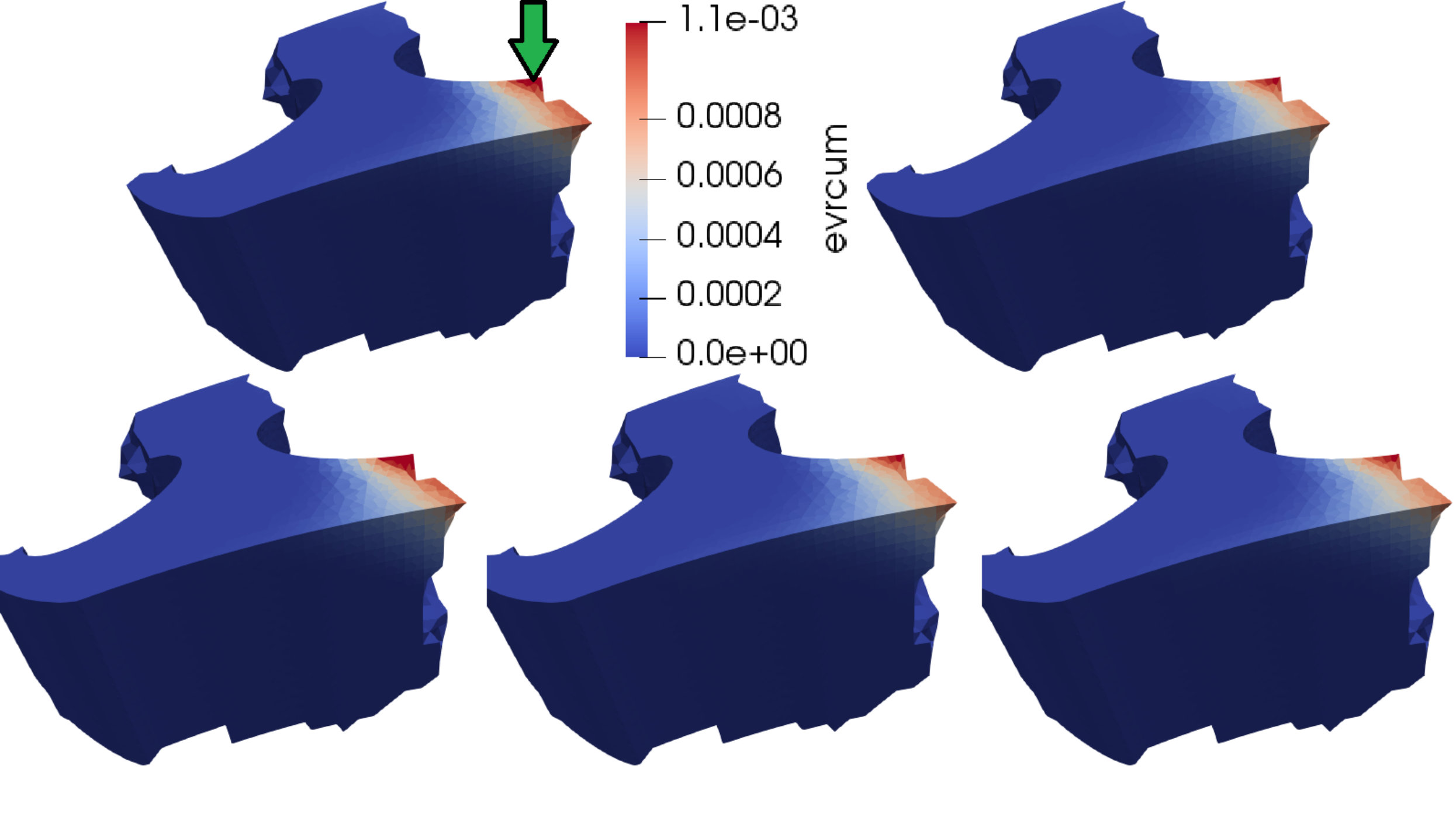 Figure 27
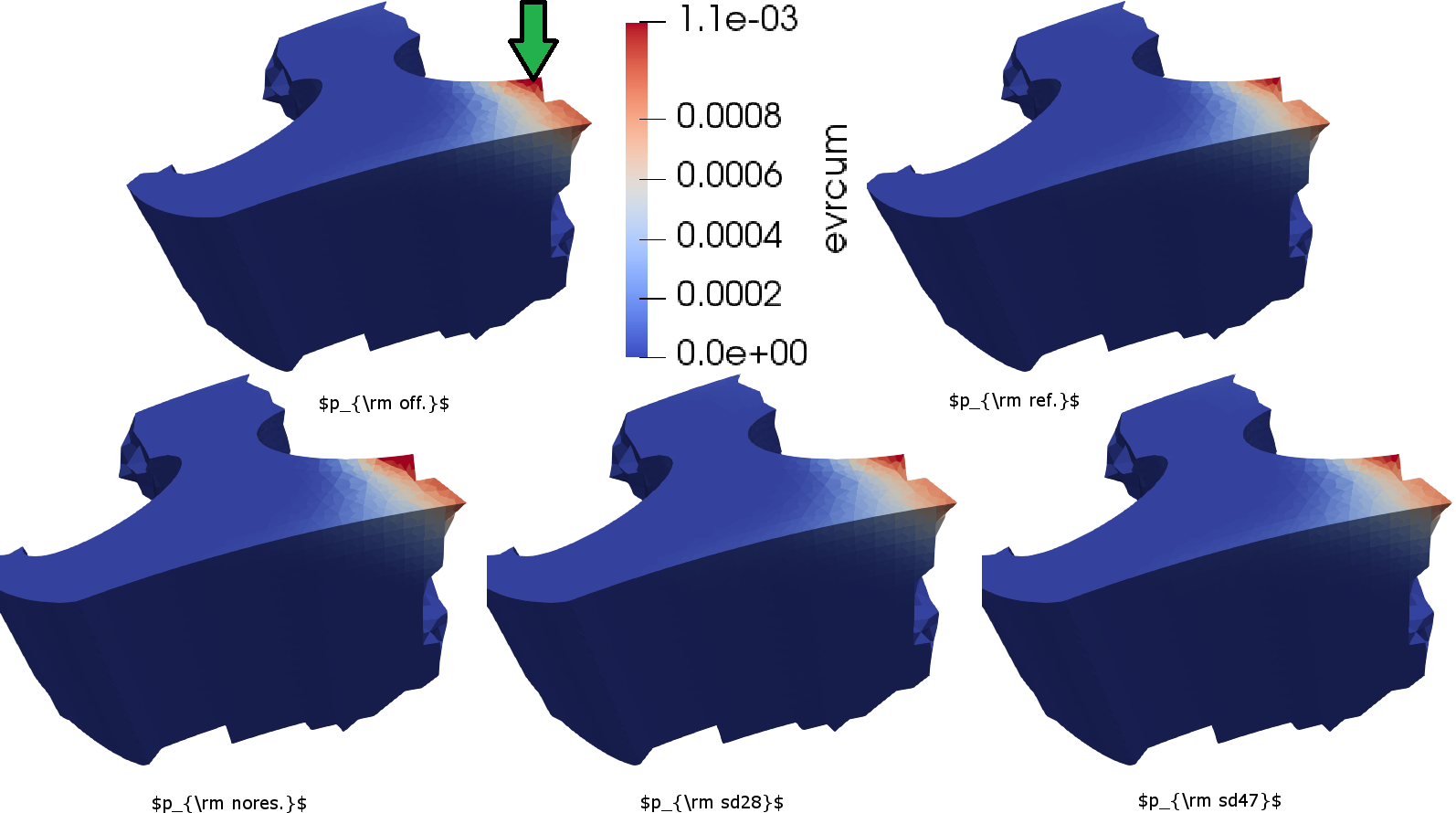 Figure 28
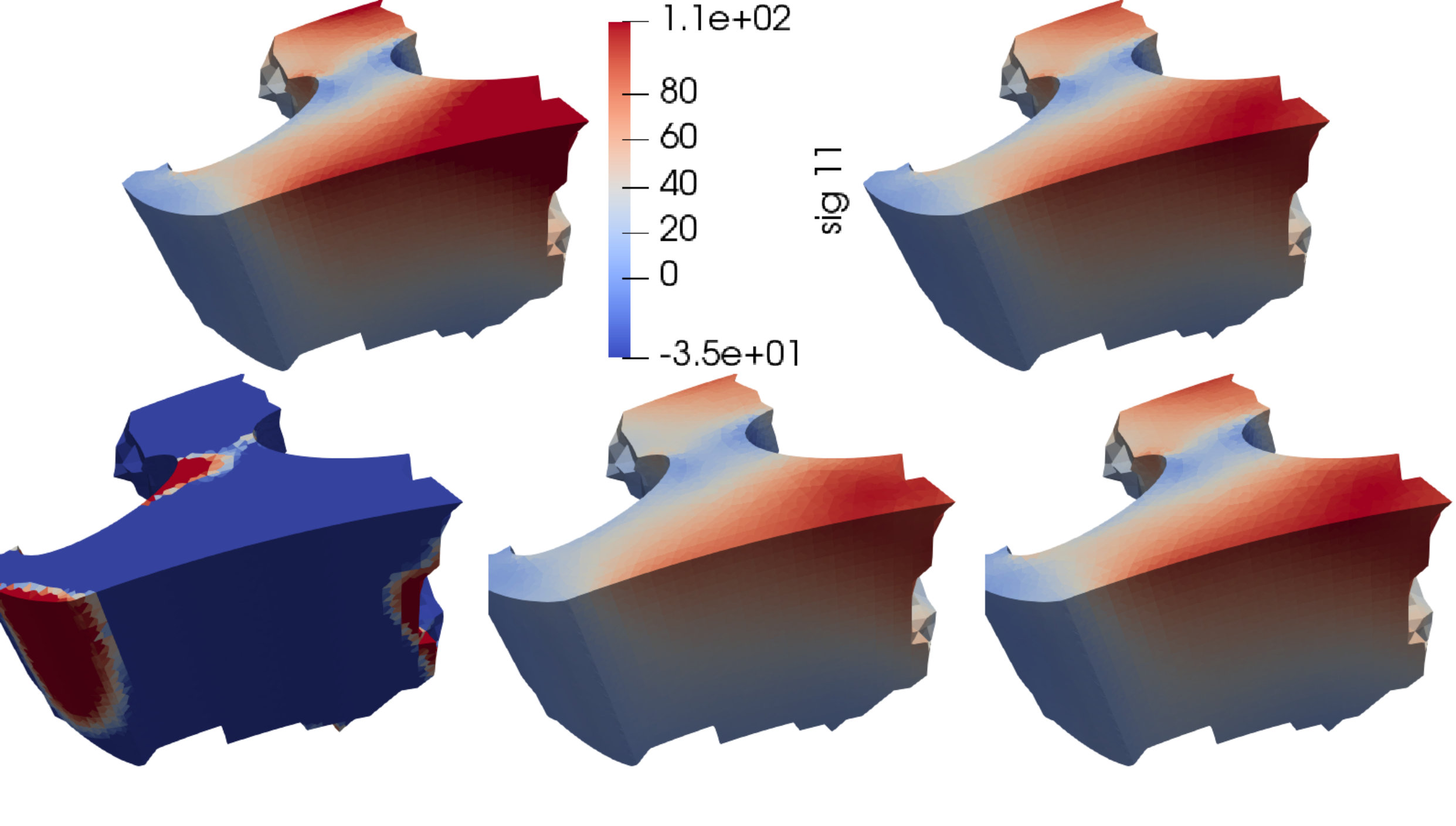 Figure 29
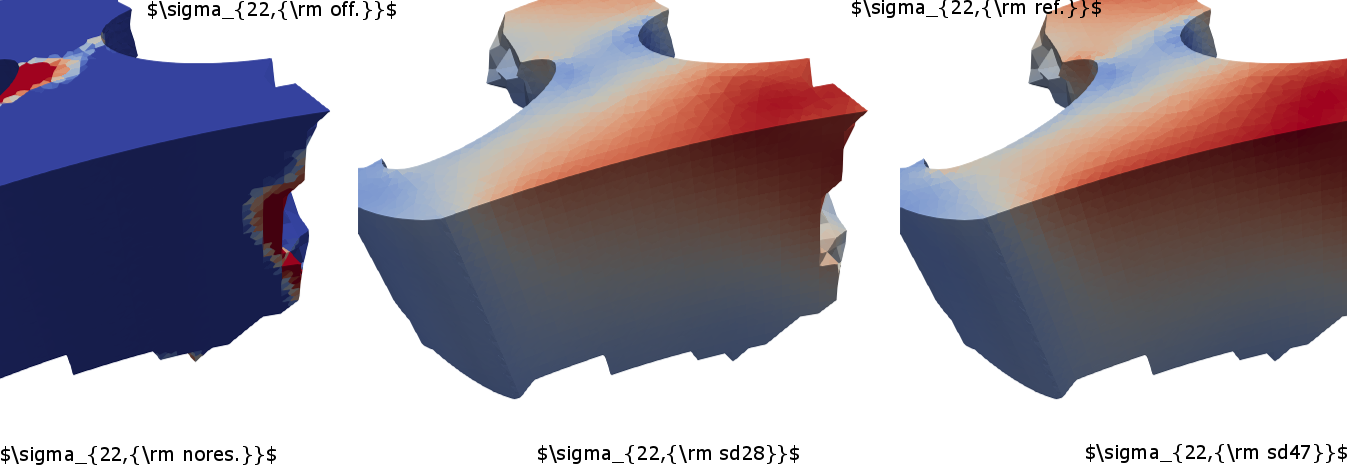 Figure 30
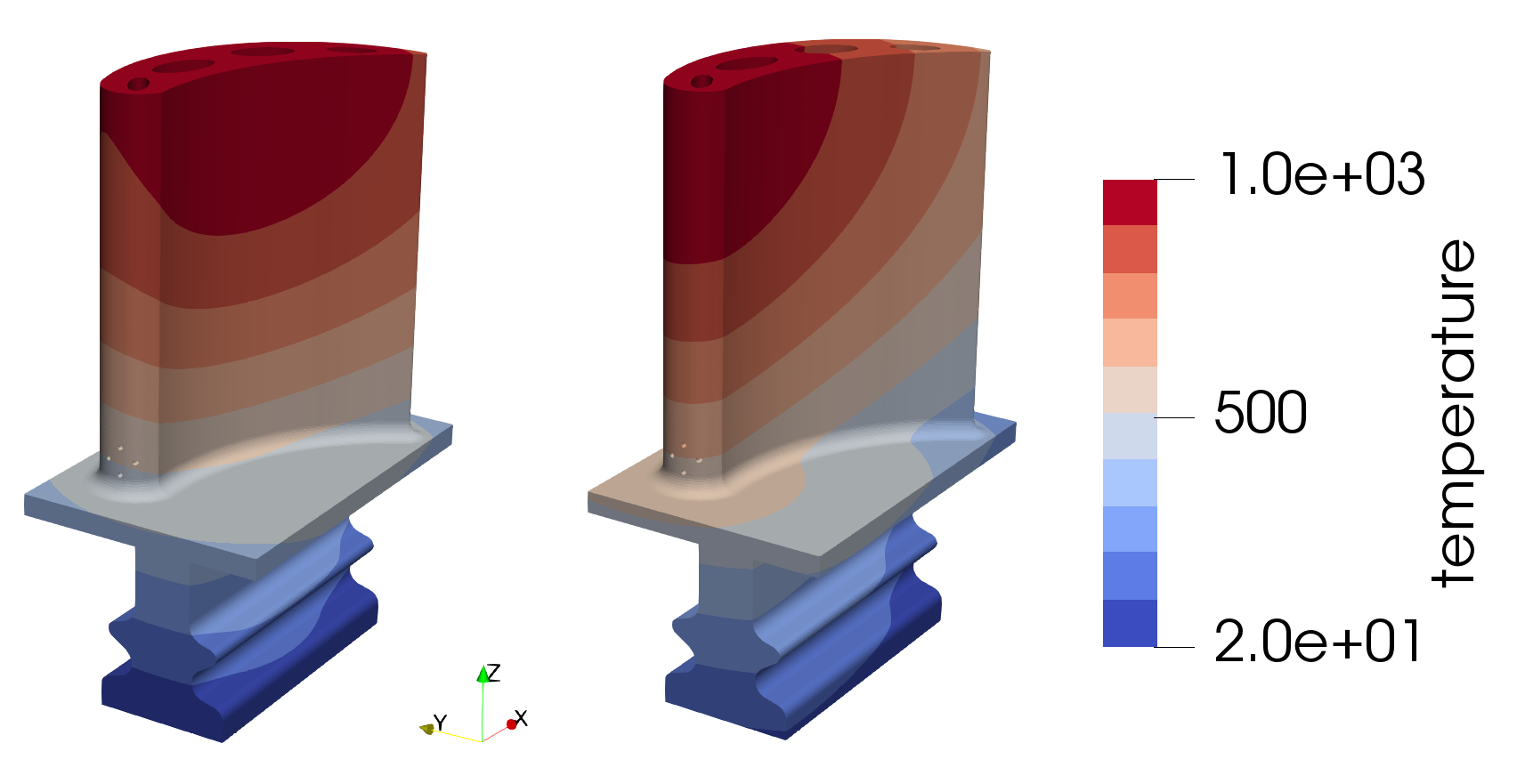 Figure 31
Peer Reviews
No public reviews on file for this paper yet. If you reviewed it on a platform where reviews are public (OpenReview, ICLR, NeurIPS, ICML), you can paste yours below so the community can read it here.
Videos
No videos yet. Explain this paper in a talk, walkthrough, or lecture? Add one.