On interplay between excitability and geometry
Andrew Adamatzky

TL;DR
This paper investigates how excitability levels influence wave-front propagation and pattern formation in geometrically constrained excitable media, using numerical simulations of the FitzHugh-Nagumo model.
Contribution
It reveals the role of excitability in controlling wave behavior in complex geometries and explores wave dynamics on random planar graphs.
Findings
Localized wave-fragments propagate ballistically at lower excitability.
Excitability affects wave propagation through angled branches and sudden expansions.
Patterns of wave traversal depend on excitability levels.
Abstract
A commonly accepted feature of an excitable medium is that a local excitation leads to a propagation of circular or spiral excitation wave-fronts. This is indeed the case in fully excitable medium. However, with a decrease of an excitability localised wave-fragments emerge and propagate ballistically. Using FitzhHugh-Nagumo model we numerically study how excitation wave-fronts behave in a geometrically constrained medium and how the wave-fronts explore a random planar graph. We uncover how excitability controls propagation of excitation in angled branches, influences arrest of excitation entering a sudden expansion, and determines patterns of traversing of a random planar graph by an excitation waves.
Click any figure to enlarge with its caption.
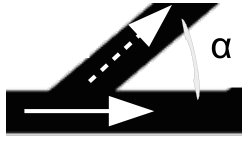 Figure 1
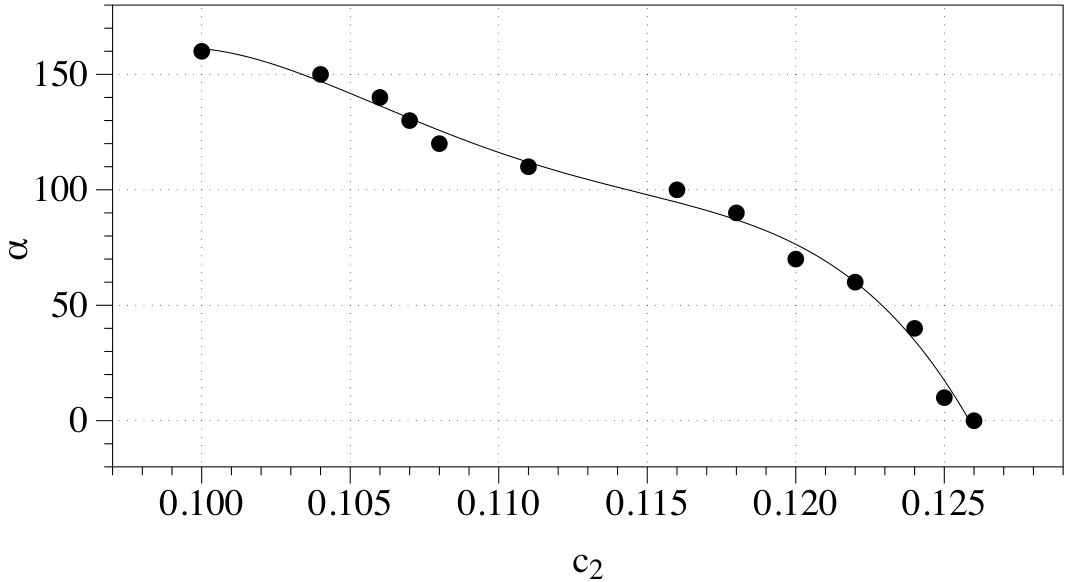 Figure 2
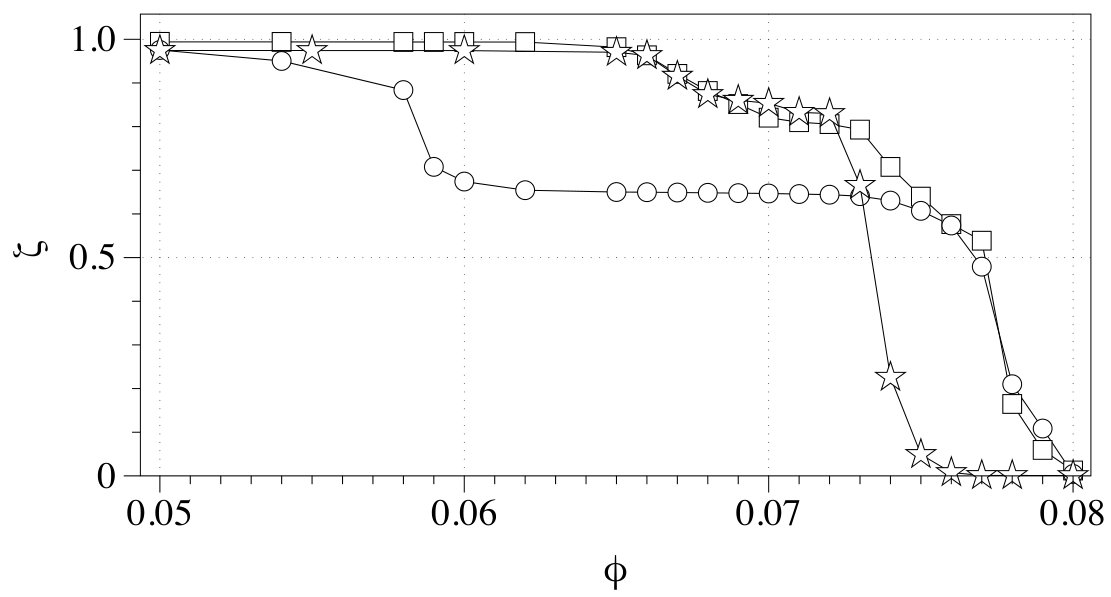 Figure 3
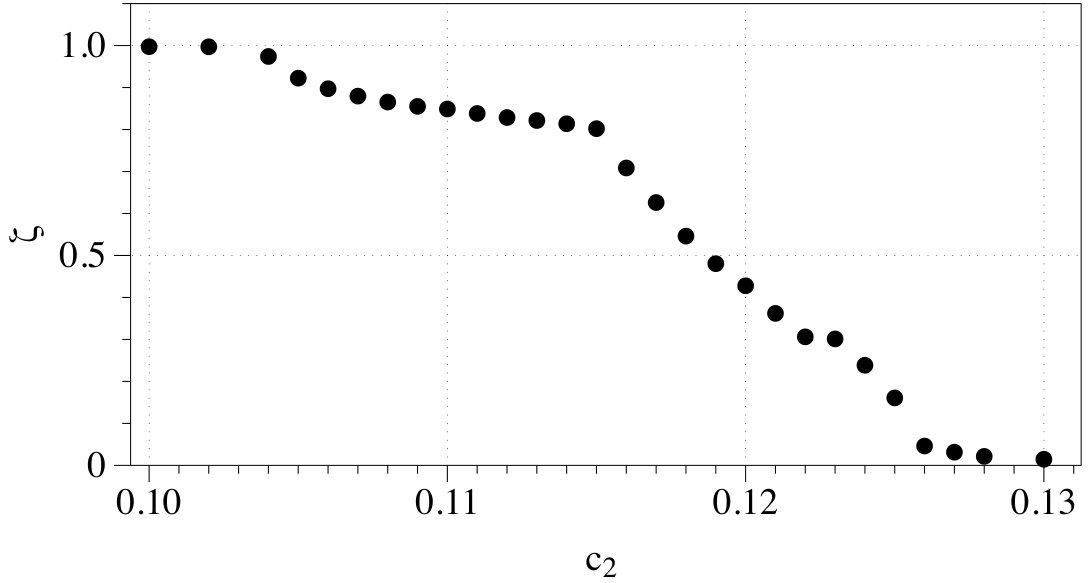 Figure 4
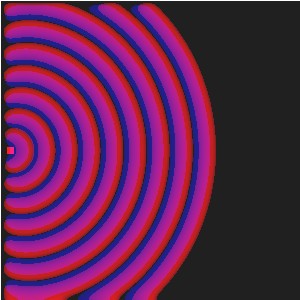 Figure 5
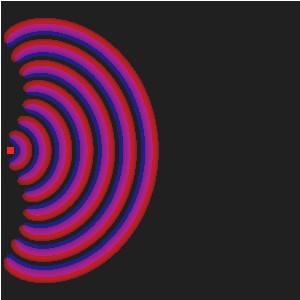 Figure 6
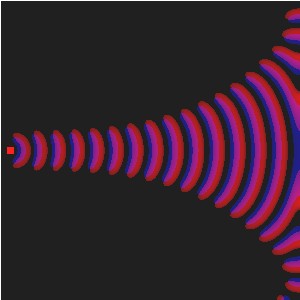 Figure 7
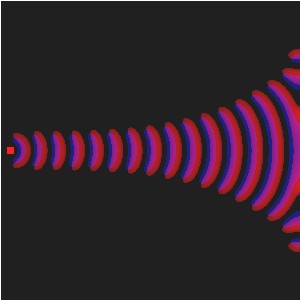 Figure 8
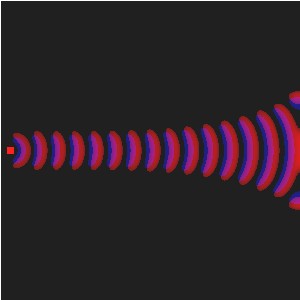 Figure 9
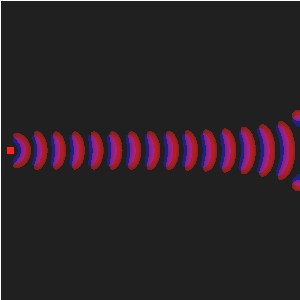 Figure 10
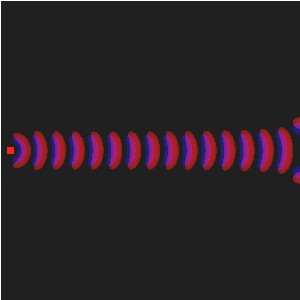 Figure 11
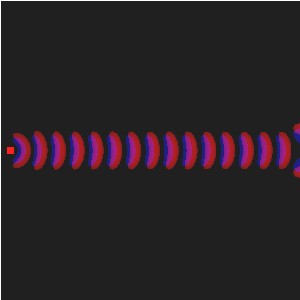 Figure 12
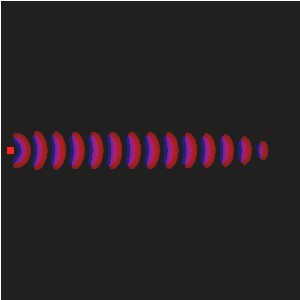 Figure 13
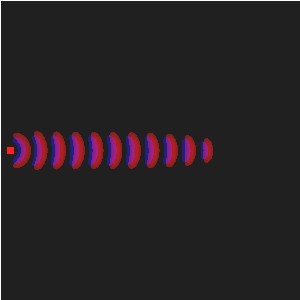 Figure 14
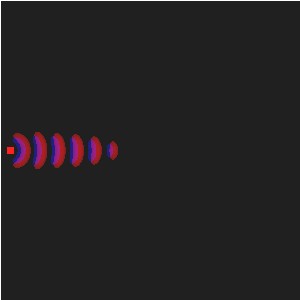 Figure 15
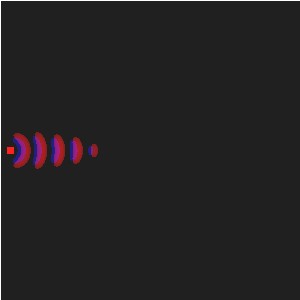 Figure 16
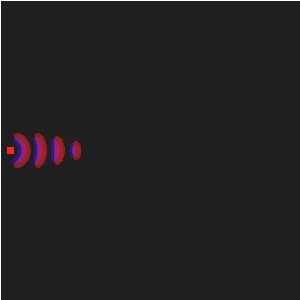 Figure 17
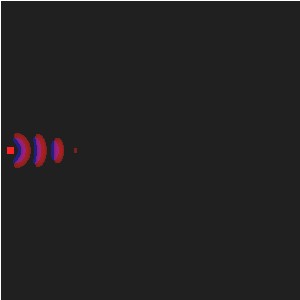 Figure 18
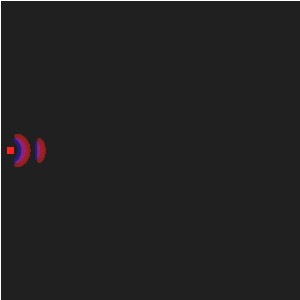 Figure 19
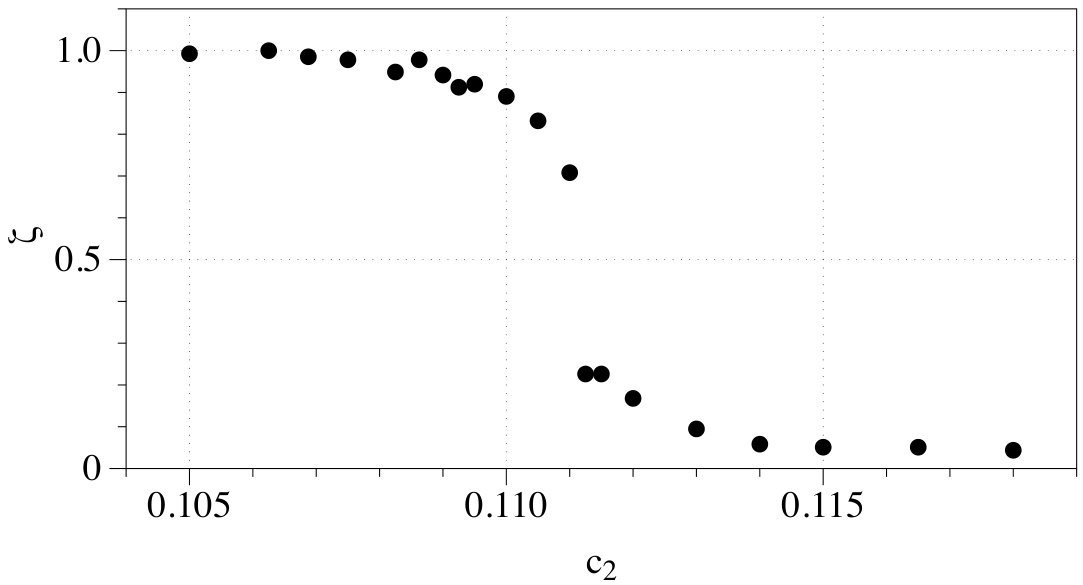 Figure 20
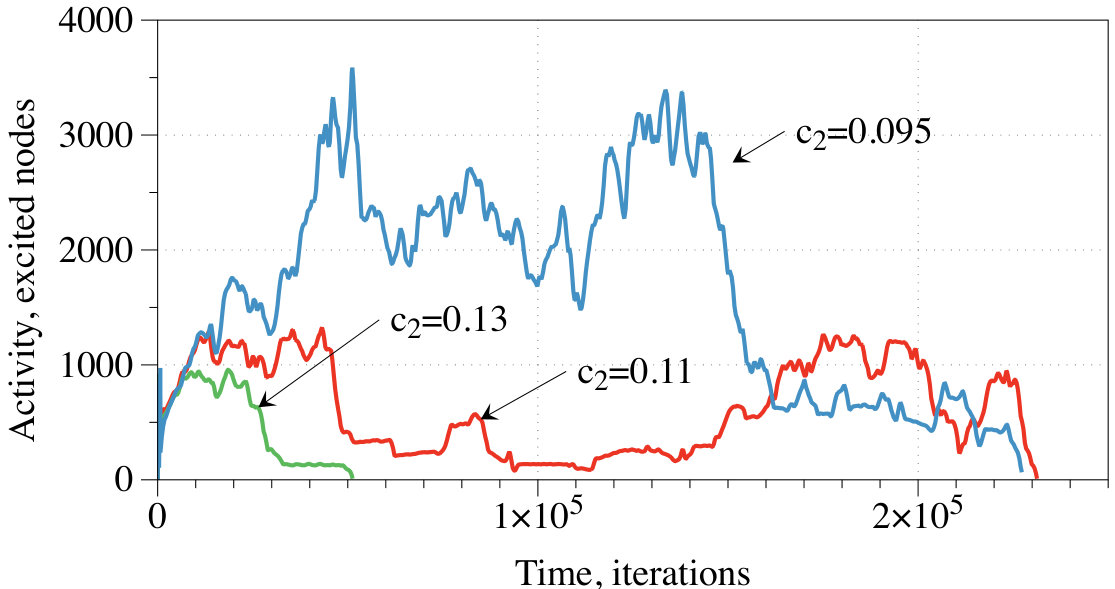 Figure 21
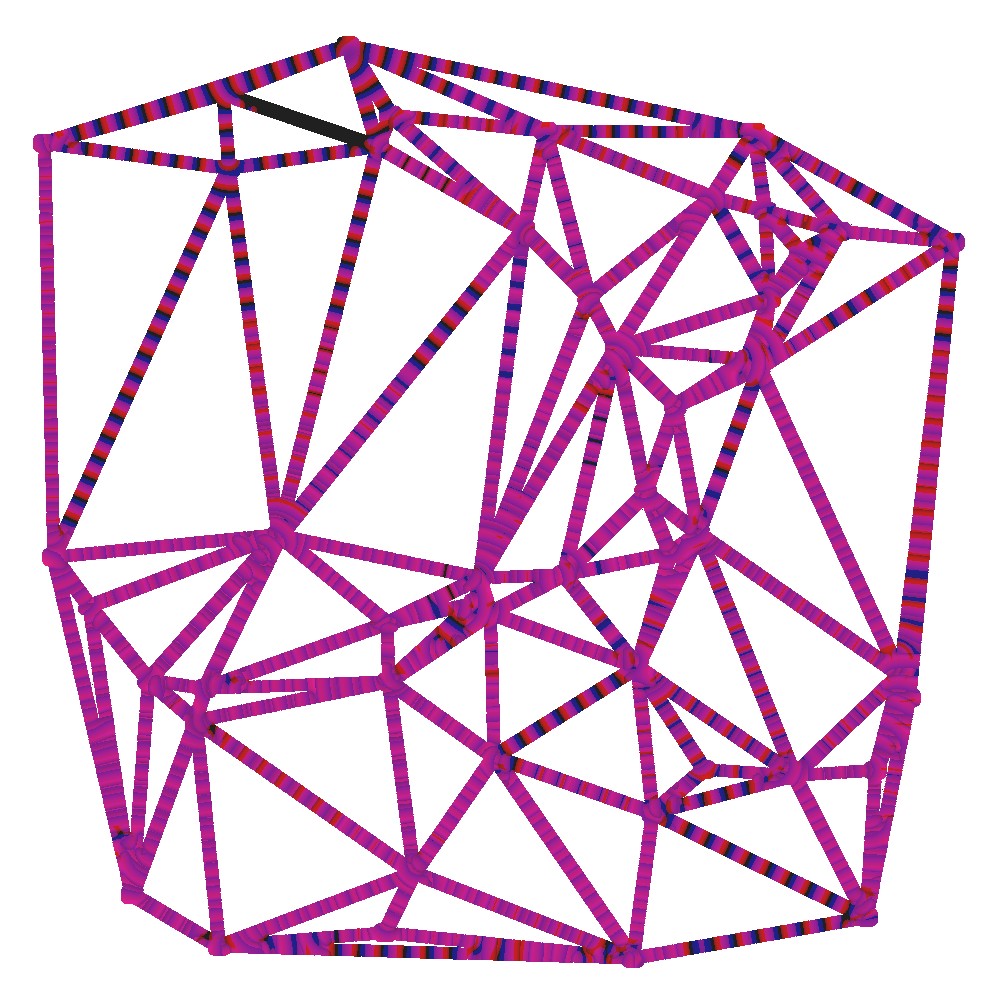 Figure 22
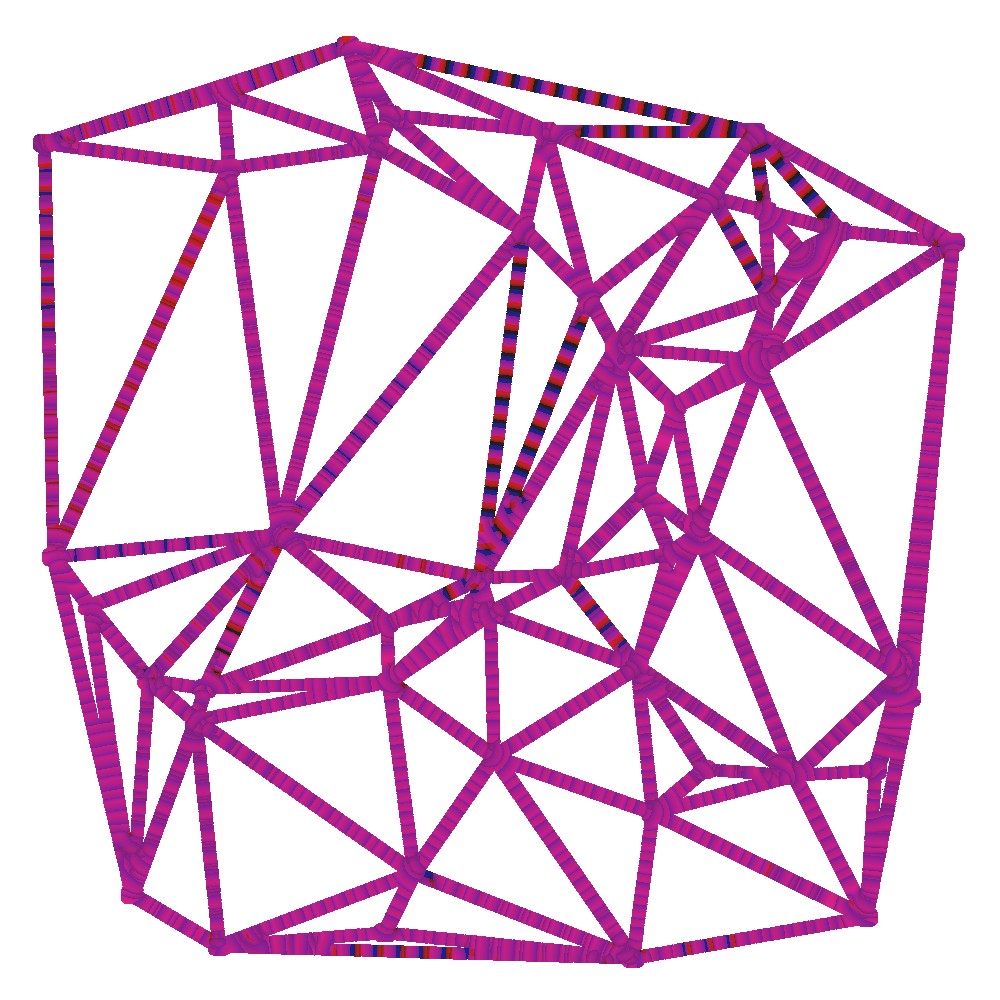 Figure 23
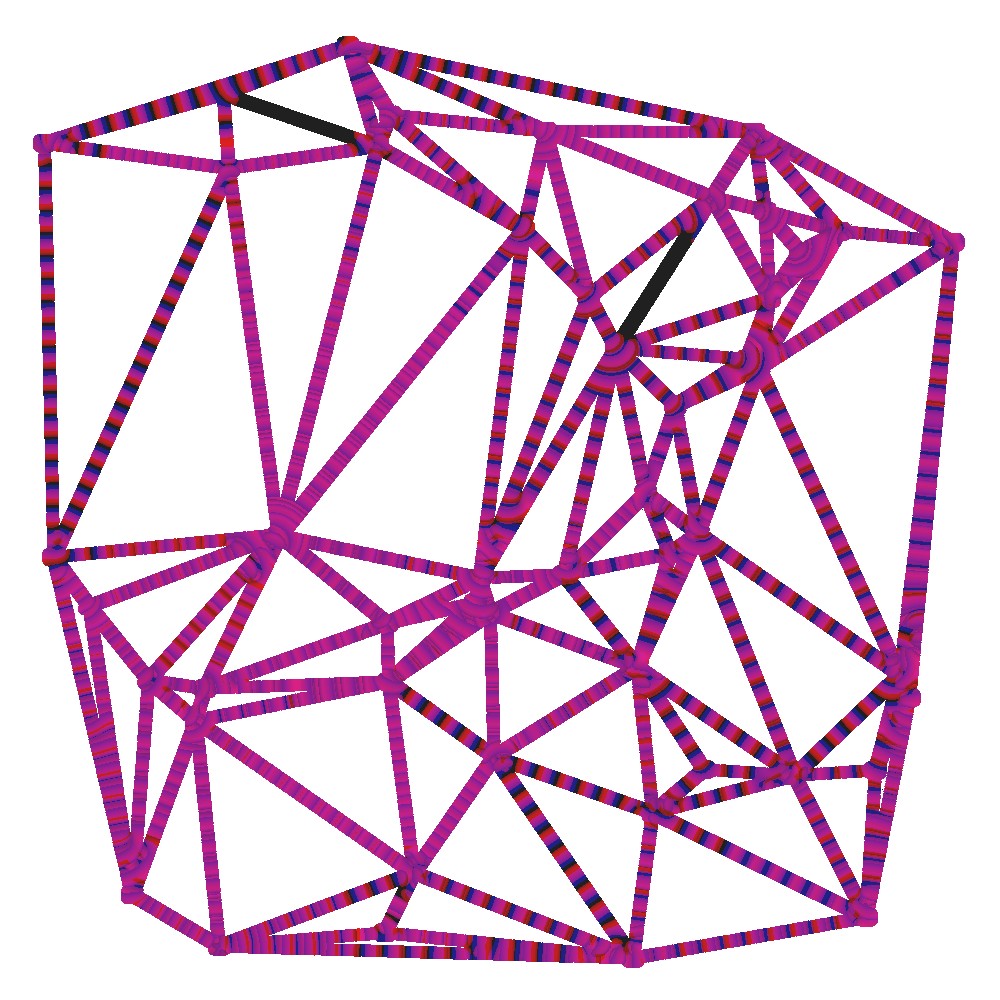 Figure 24
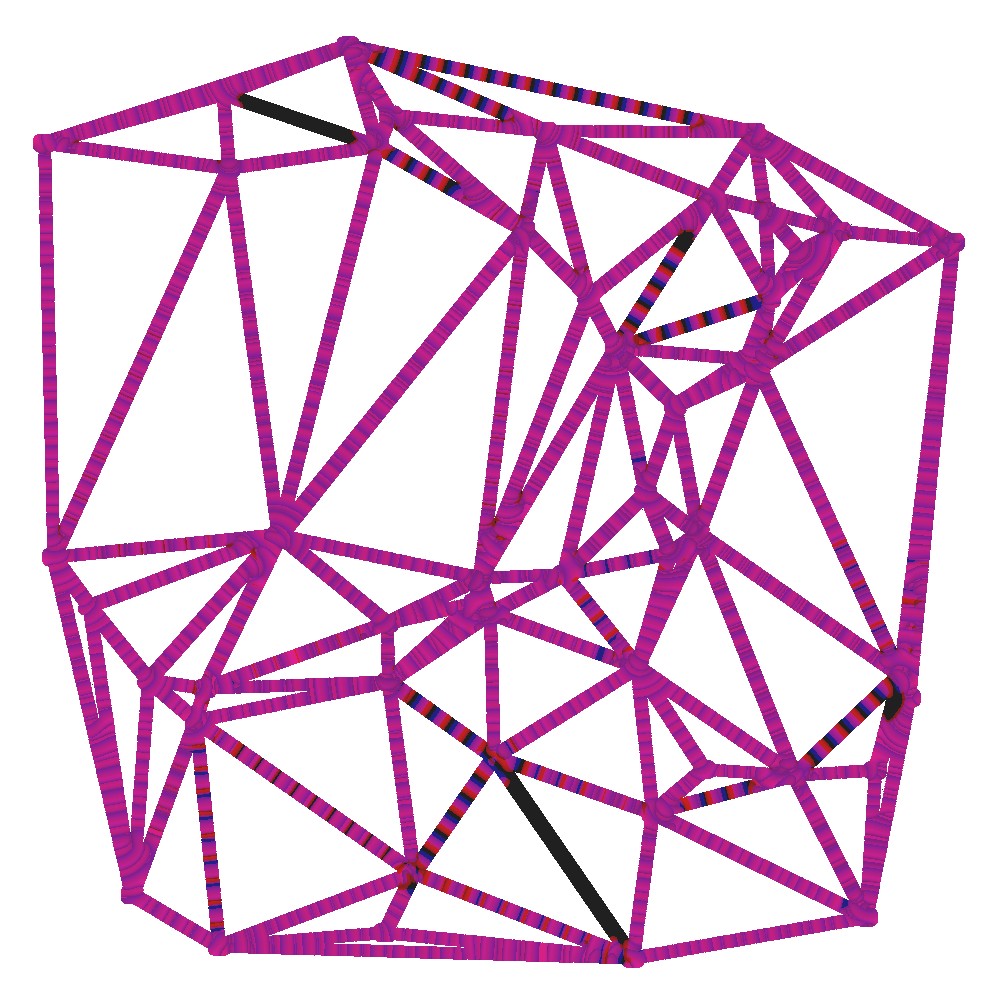 Figure 25
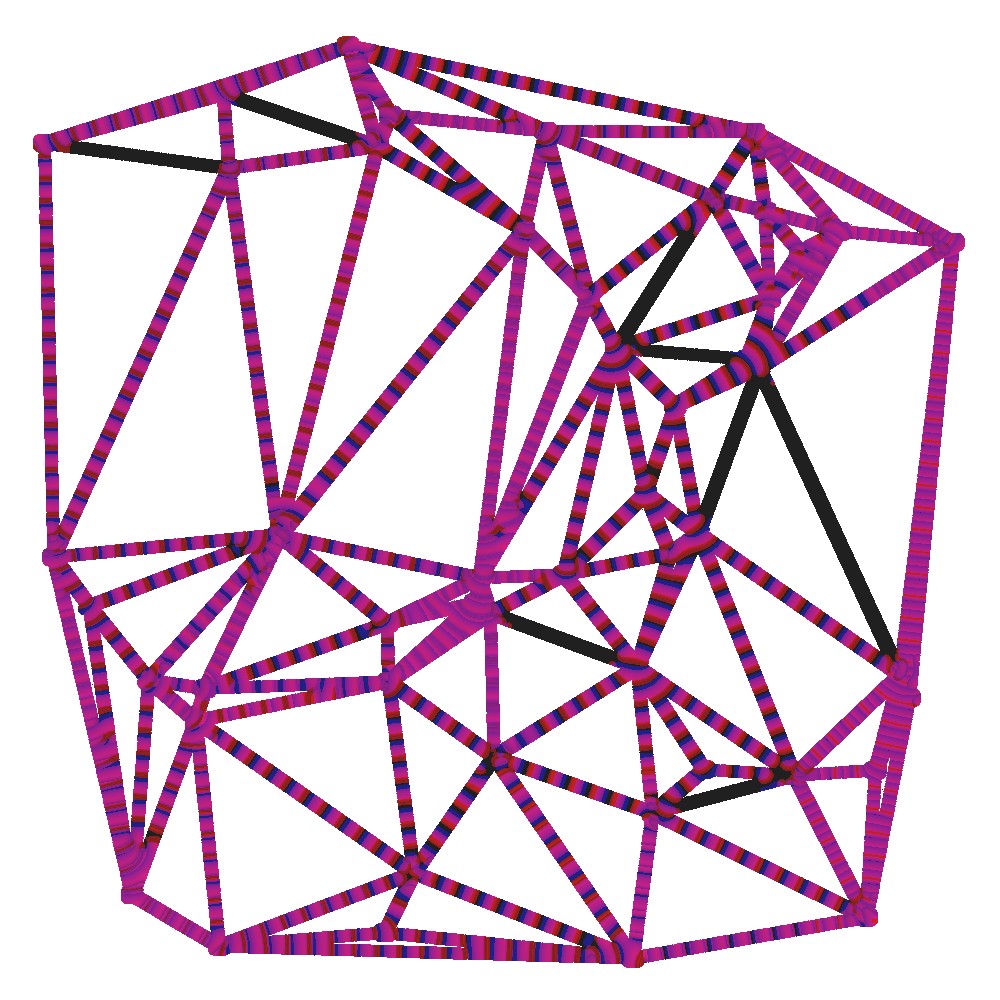 Figure 26
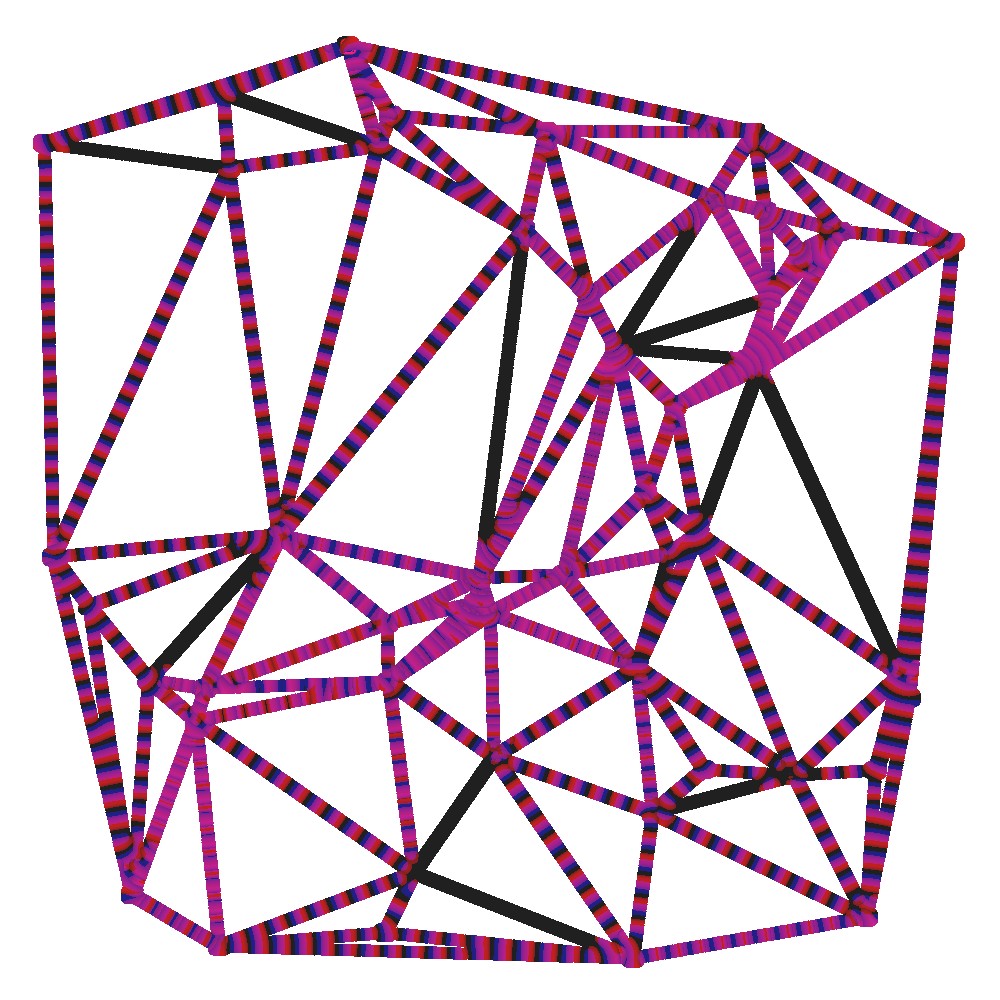 Figure 27
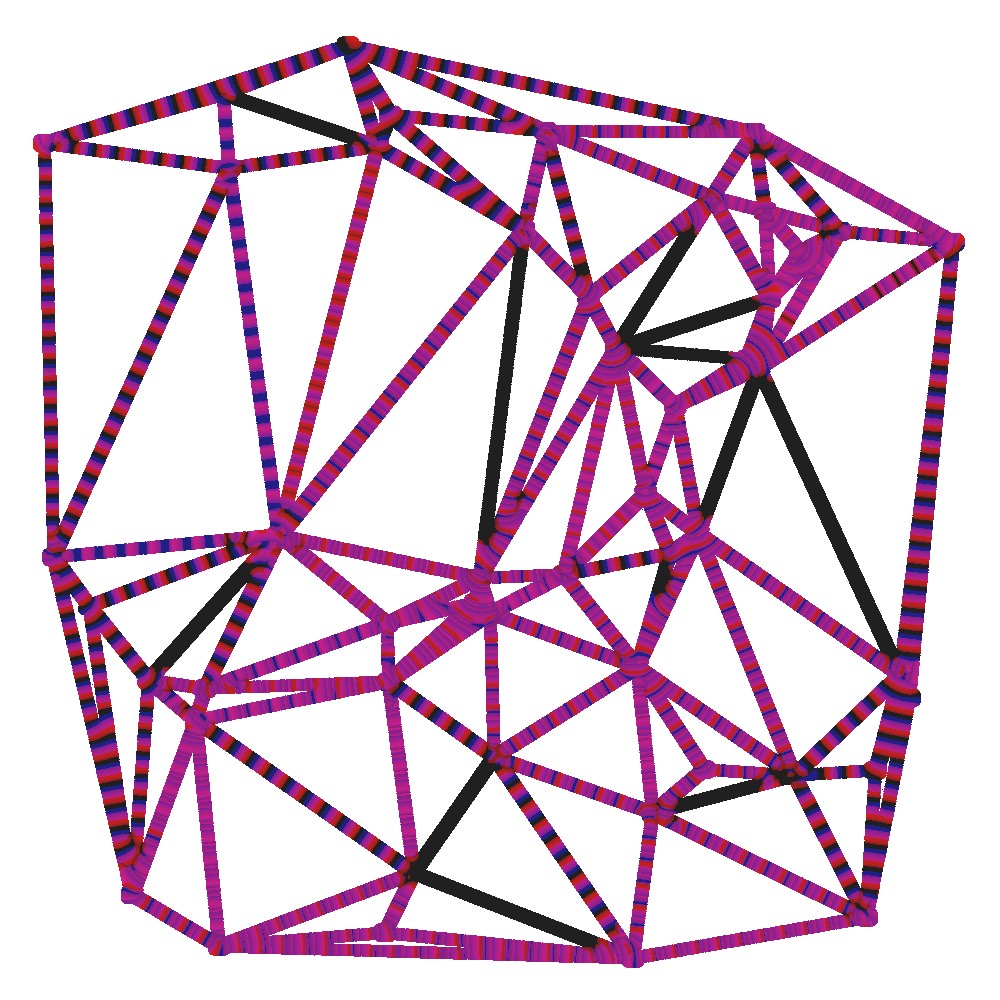 Figure 28
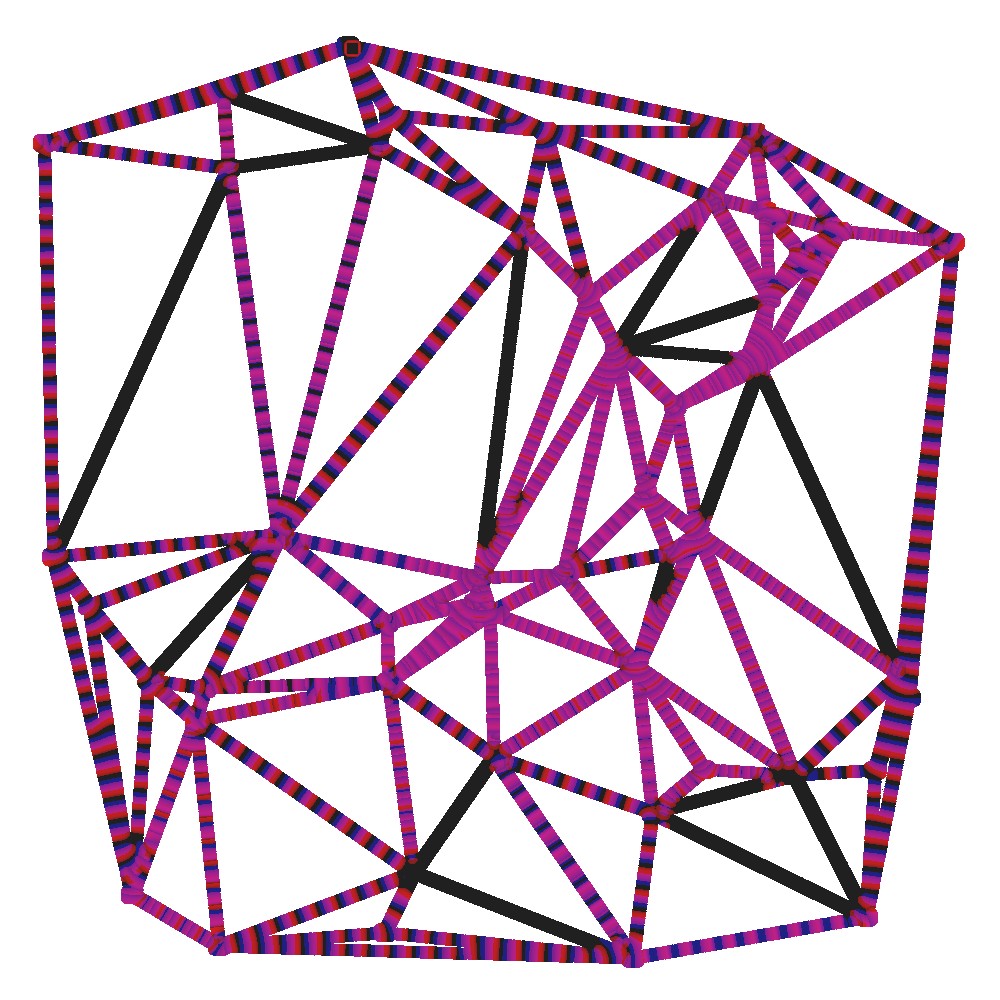 Figure 29
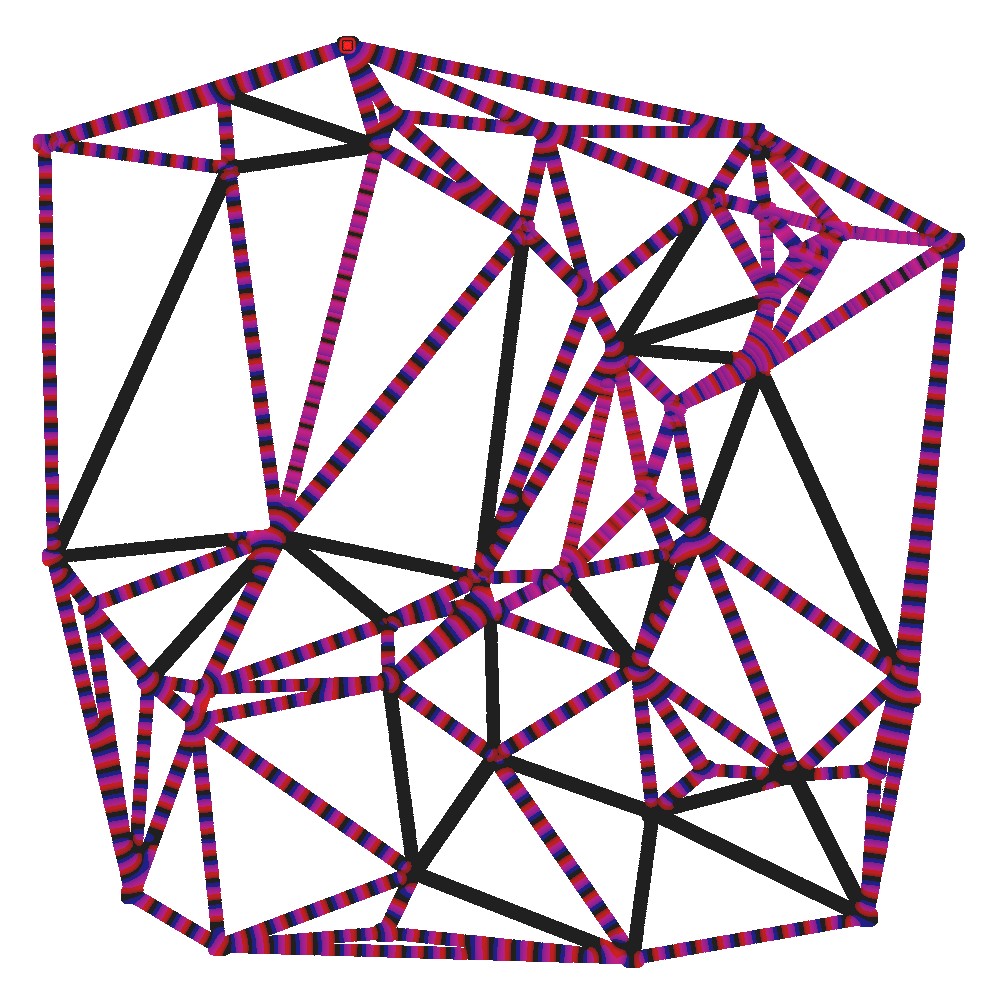 Figure 30
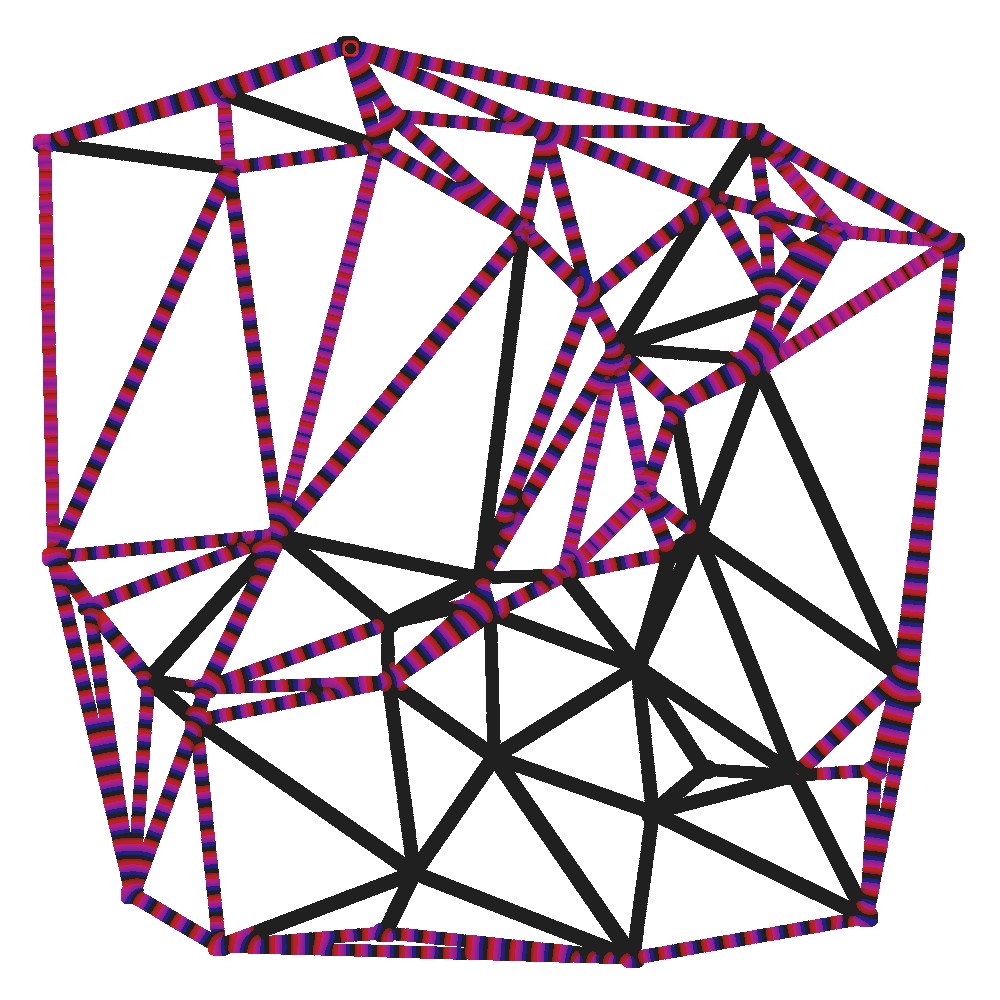 Figure 31
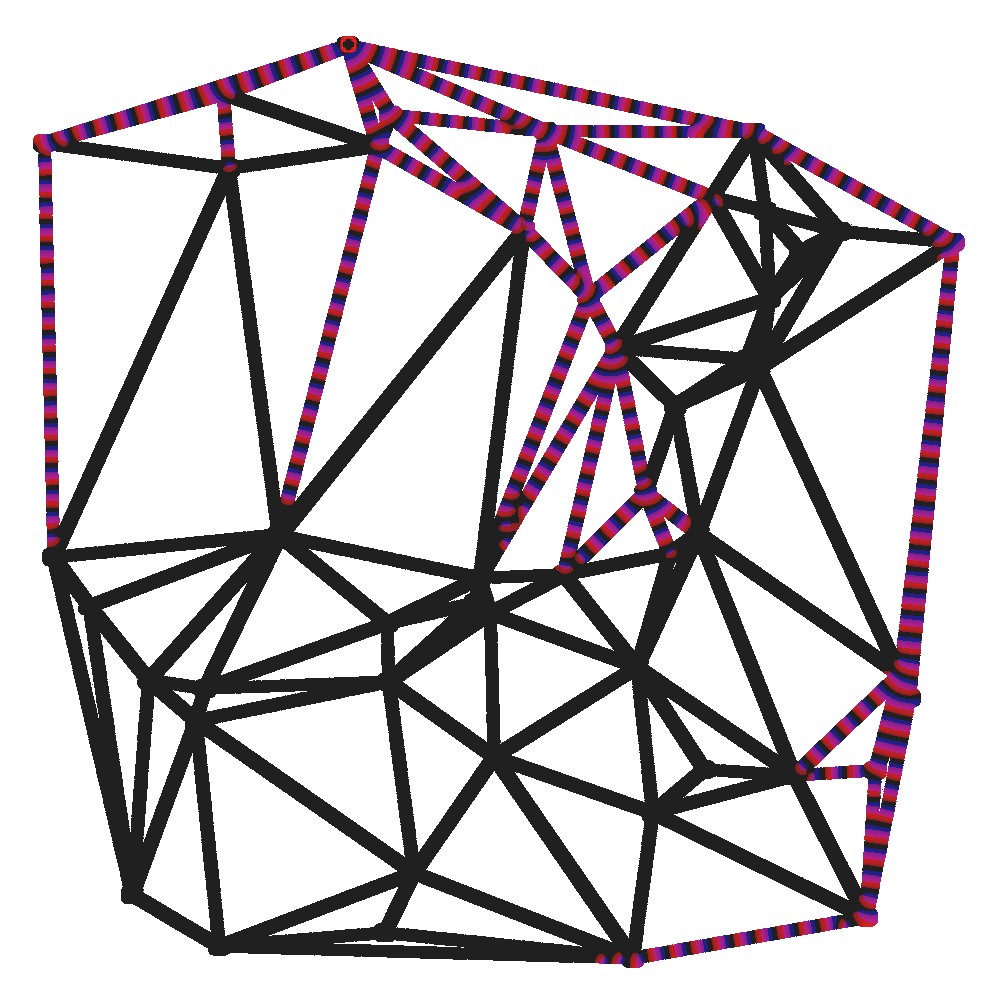 Figure 32
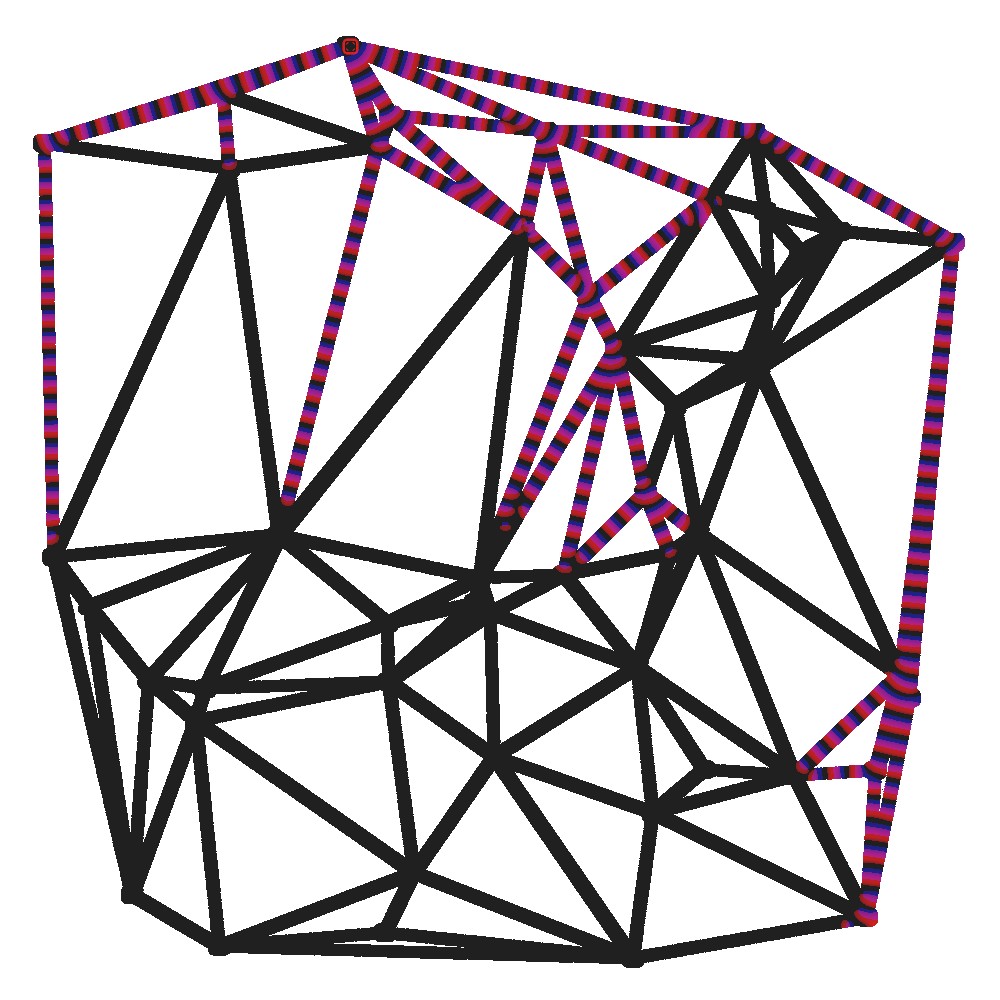 Figure 33
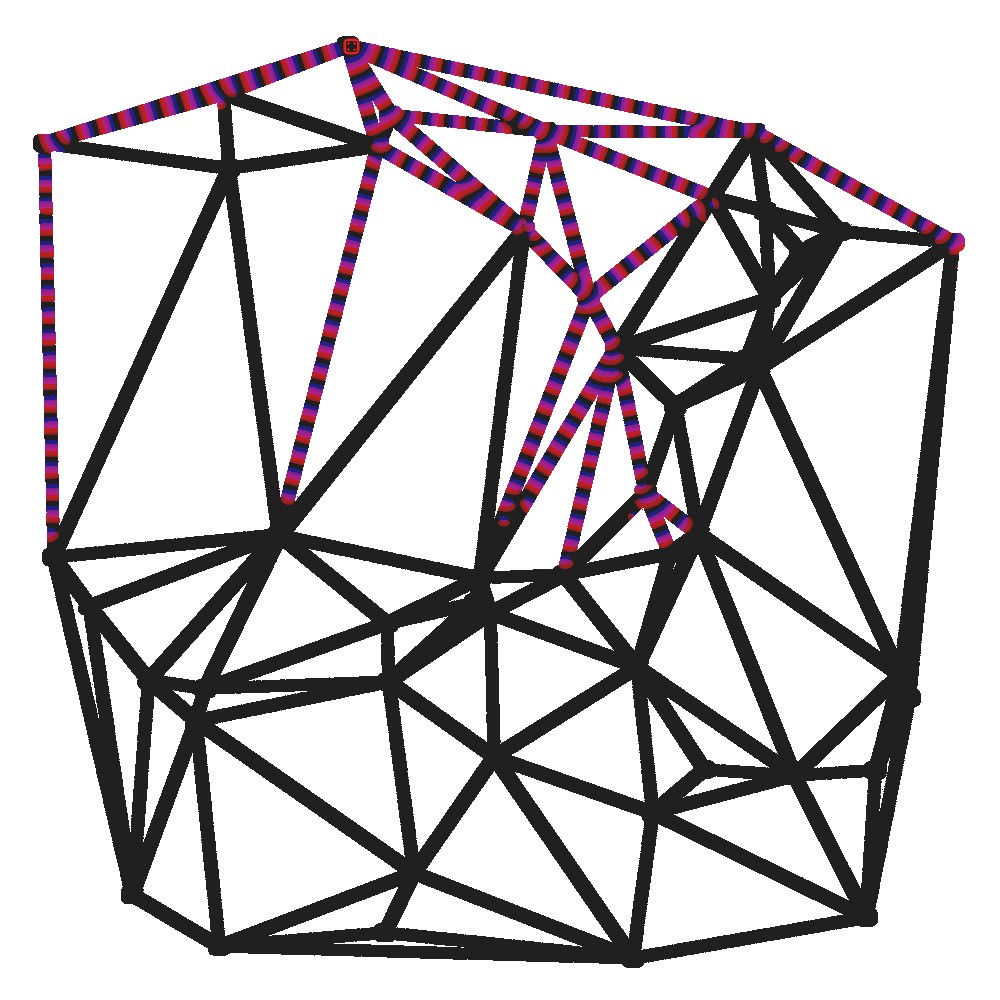 Figure 34
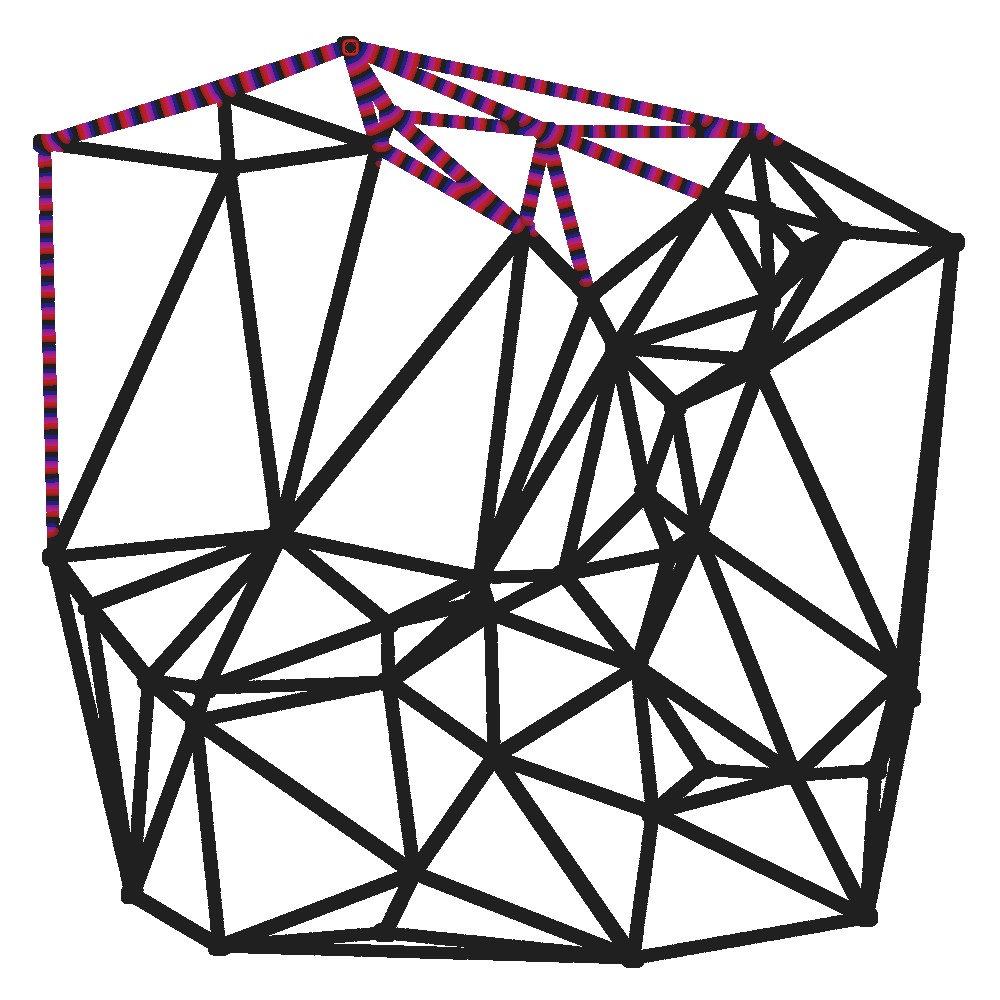 Figure 35
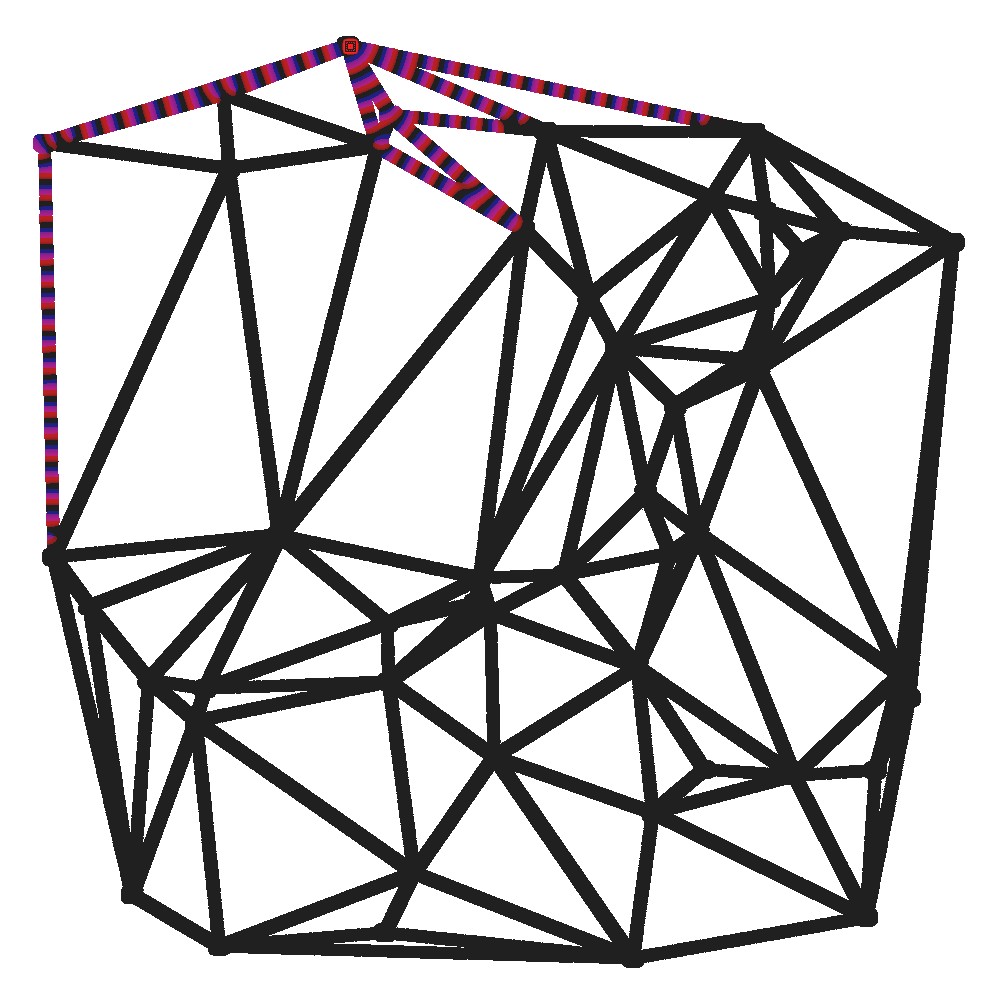 Figure 36
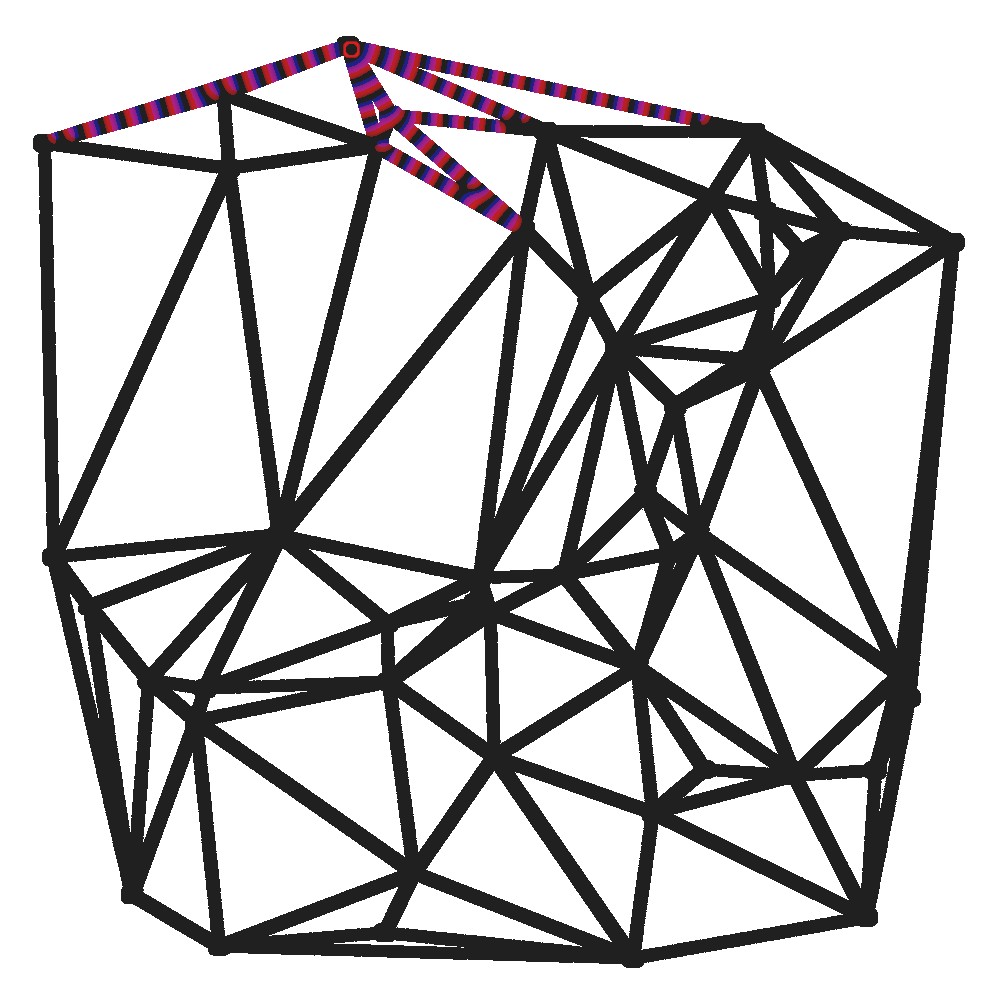 Figure 37
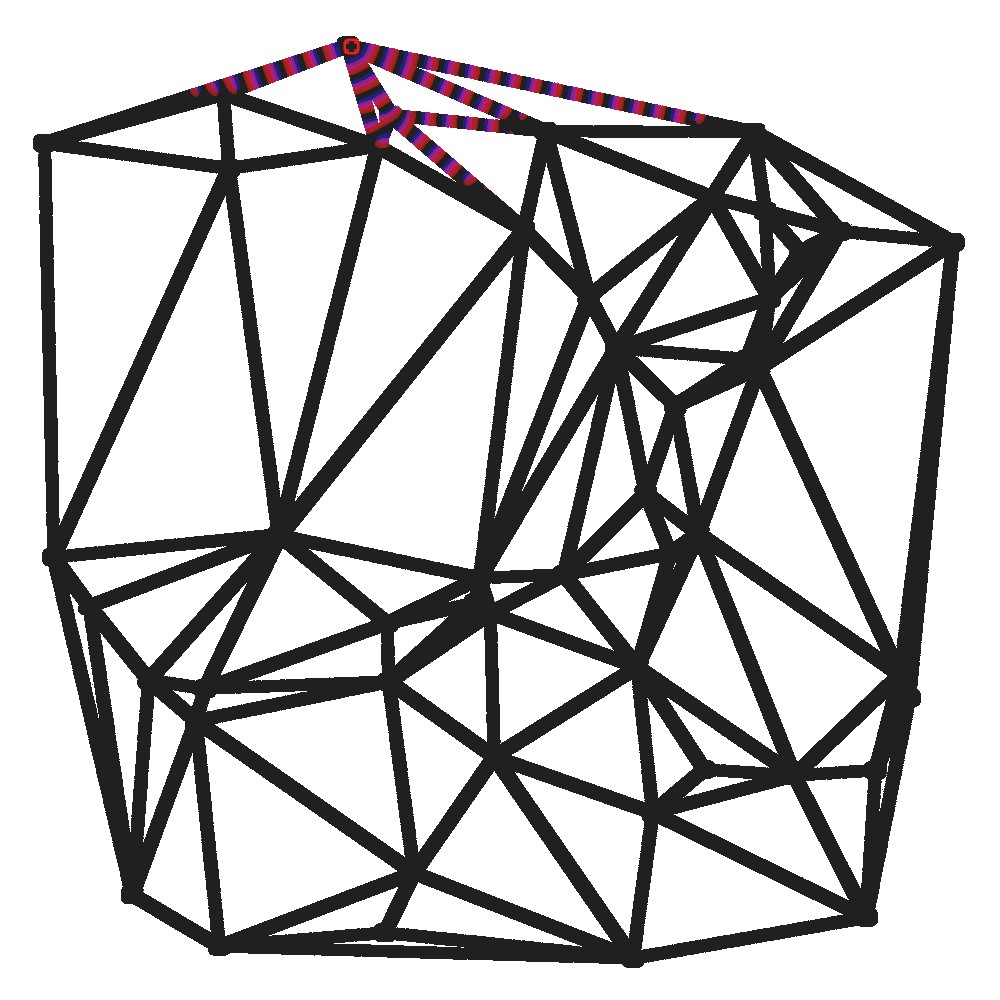 Figure 38
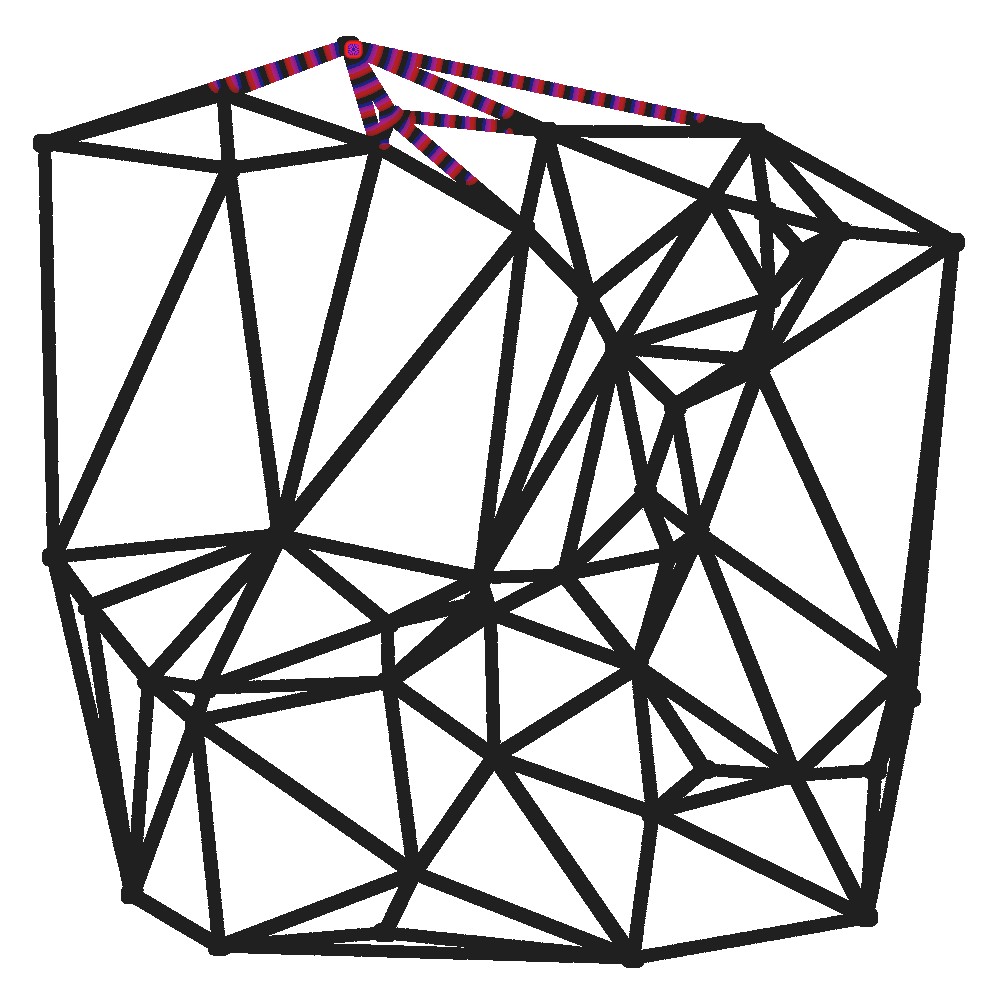 Figure 39
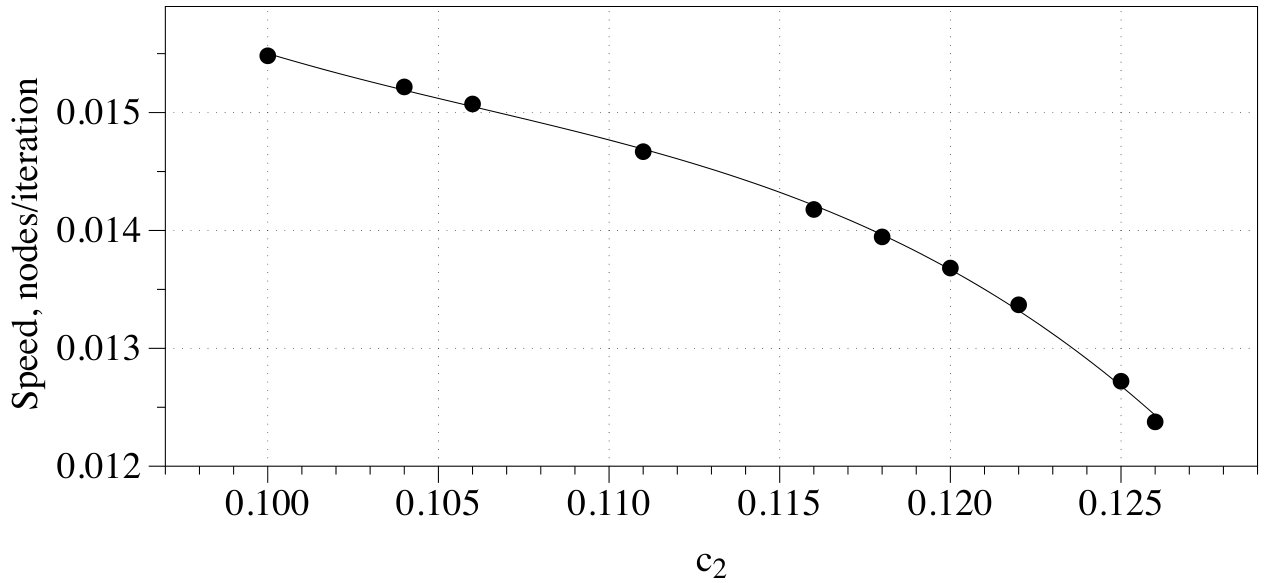 Figure 40
Peer Reviews
No public reviews on file for this paper yet. If you reviewed it on a platform where reviews are public (OpenReview, ICLR, NeurIPS, ICML), you can paste yours below so the community can read it here.
Videos
No videos yet. Explain this paper in a talk, walkthrough, or lecture? Add one.
On interplay between excitability and geometry
Andrew Adamatzky
Unconventional Computing Laboratory,
University of the West of England, Bristol BS16 1QY, UK
Abstract
A commonly accepted feature of an excitable medium is that a local excitation leads to a propagation of circular or spiral excitation wave-fronts. This is indeed the case in fully excitable medium. However, with a decrease of an excitability localised wave-fragments emerge and propagate ballistically. Using FitzhHugh-Nagumo model we numerically study how excitation wave-fronts behave in a geometrically constrained medium and how the wave-fronts explore a random planar graph. We uncover how excitability controls propagation of excitation in angled branches, influences arrest of excitation entering a sudden expansion, and determines patterns of traversing of a random planar graph by an excitation waves.
Keywords: excitable medium, wave-fronts, FitzHugh-Nagumo model
1 Introduction
Excitation is essential property of all living creatures, from bacteria [31], protists [15, 24, 11], fungi [32] and plants [39, 19, 45] to vertebrates [25, 7, 34, 14]. Waves of excitation could be also found in various physical [26, 40, 38, 22], chemical [9, 43, 44] and social systems [17, 16]. A study of a propagation of excitation wave-fronts in geometrically constrained media also brings a high value in future and emergent computing technologies because there is a substantial number of theoretical and experimental laboratory prototypes of unconventional computing devices based on the interaction of the wave-fronts [2, 3].
Interactions of wave-fronts with inhomogeneities of a medium and geometrical constrains of the medium has been studied for the case of a fully excitable medium, especially in the context of myocardiuam and formation of spiral waves due to inhomogeneities [21, 28, 10, 13, 37, 30, 29, 27, 42, 46, 41, 20]. Particularly interesting results include cancellation of excitation wave-fronts in the narrowing areas [27], annihilation or delay of wave-fronts propagating along narrow channel when entering a sudden expansion [28, 13]. We reconsider these topics and introduce several new ones in present paper.
A key feature of present study is that we consider behaviour of the medium at a wide range of excitability: from classical fully excitable medium with target waves to sub-excitable medium with localised wave-fragments to non-excitable medium. In numerical experiments we demonstrate dependence of an angle of a branching channel which a wave can enter on the excitability of the medium. We show how the excitability affects arresting of the wave on entering an expansion. We also analyse an extend of a random planar graph exploration by wave-fronts for various values of excitability.
2 The model
FitzHugh-Nagumo (FHN) equations [18, 33, 35] give us a qualitative approximation of Hodgkin-Huxley model [8] of electrical activity of living cells:
[TABLE]
where is a value of a trans-membrane potential, is a variable accountable for a total slow ionic current, or a recovery variable responsible for a slow negative feedback, is a value of external stimulation current. Current through intra-cellular spaces is approximated by , where is a conductance. Detailed explanations of the ‘mechanics’ of the model are provided in [36], here we repeat some insights. The term governs a passive spread of the current. The terms and describe the ionic currents. The term has two stable fixed points and and one unstable point , where is a threshold of an excitation. We integrated the system using Euler method with five-node Laplace operator, time step and grid point spacing , other parameters were , , , , we controlled excitability of the medium by varying from 0.09 (fully excitable) to 0.013 (non excitable). Boundaries are considered to be impermeable: , where is a vector normal to the boundary. The numerical integration code, written in Processing was inspired by [23, 35, 36]. Time-lapse snapshots provided in the paper were recorded at every 150th time step, and we display sites with ; videos supplementing figures were produced by saving a frame of the simulation every 100th step of the numerical integration and assembling them in the video with play rate 30 fps. Videos are available at [1].
3 Results
Propagation of a wave-front in a ‘free’ space.
Let us have a brief look at the wave propagation in a ‘free’ space for selected values of excitability (Fig. 1). In a fully excitable medium, we observe a circular wave propagating from a single source of stimulation (Fig. 1(a)). Since excitability reaches a stimulation evokes not a circular wave but a wave-fragment. The fragment rapidly expands in Fig. 1(b). The time necessary for a wave-fragment to lose its stability and start expanding increases with decrease of excitability (Fig. 1(c)–1(f)). The excitation shows soliton-like behaviour with a wave-fragment staying compact for hundreds of thousands of iterations for (Fig. 1(g)) and (Fig. 1(h)). For wave-fragments collapse rapidly.
Speed of a wave-front propagation in a channel.
As seen in Fig. 1(i), excitation wave-front collapses after nearly iterations for , yet when geometrically restricted to a channel of a conducive material, width 20 nodes, the excitation steadily propagates for up to 0.1265 (Fig. 1(k)). Geometrical constraining of an excitation enhances lifetime of wave-fragments at lower values of excitability however does not prevent wave-fragments from slowing down (Fig. 1). A crude linear dependence of a speed on excitability is and more accurate cubic one is .
Wave profile.
What happens with a wave profile with decrease of excitability? As illustrated in Fig. 1, the increase of from 0.1 to 0.12 to 0.126 causes decrease in amplitude. A width of the wave-front does not seem to be affected by the excitability, as seen in Fig. 1. However, due to a lower amplitude and a narrower shape the wave-fronts are visualised as narrow for higher values of .
Excitation propagation into angled branches.
Assume a wave-front propagates along a central channel, 20 nodes wide, from which other channels are branching our at various angles. A width of each lateral channel is 20 nodes. How would excitability of the medium affect an ability of the wave-front to enter a later channel branching at a specified angle? To find the answer we designed a template with 15 lateral channels branching out the central channel at angles (Fig. 2) from 20o to 170o with increment 10o. A distance between two adjacent lateral channels is 60 nodes.
Exemplar time lapses of excitation propagating in the template for various values of is shown in Fig. 2(a)–2(h). Excitation enters all lateral channels till (Fig. 2(a)) but fails to enter the channel branching out at 170o when excitability is (Fig. 2(b)). With further increase of less channels branching out at obtuse angles remain unexcited (Fig. 2(c)). At excitability level the excitation fails to enter 90o channel (Fig. 2(d)). After further decrease of excitability through (Fig. 2(e) and (Fig. 2(f)) to (Fig. 2(f)) excitation fails to propagate along the central channel at .
The largest angle of a lateral channel entered by an excitation decreases polynomially with increase of : (Fig. 2). In Fig. 2 we give a fine-grained characterisation of the dynamic using the coverage . The coverage is a ratio of nodes excited at least once during the simulation to a total number of nodes in the template. Three critical values of are evident in Fig. 2: (wave fails to enter 170o lateral channel), (wave fails to enter 80o channel) and (wave fails to propagate in the central channel).
Arrest of an excitation wave-front on its entry into an expansion.
To analyse how excitability affects an arrest of a wave-front on entering expansion we prepared 15 templates as follows. Each template is comprised of two rectangles nodes connected by a channel 460 nodes long. Width of the channel was varied from 6 nodes to 20 nodes. We initiated an excitation in the bottom expansion, and allowed the excitation wave to propagate along the narrow channel and into the top expansion. Exemplar time lapses of experiments are shown in Fig. 3(a), 3(b), 3(c). Let is the smallest width of a channel from which the excitation propagates into the extension reservoir. The dependence of on is shown in Fig. 3. The following piece-wise linear approximation is valid: , if and , if .
Exploration of a random plant graph by excitation wave-fronts.
A random planar graph is generated using Grapherator R package [12] as a random set of 50 planar nodes (samples points from a bi-variate uniform distribution) connected by 137 edges of a Delaunay triangulation. For each of the tested values of we started with a graph in a resting state and stimulated the north-most node of the graph. Exemplar time lapses of excitation on are shown in Fig. 4. From the plot of ratio of edges traversed by excitation wave-fronts versus we see that decreases with increase of . At we witness a sharp decrease in graph coverage (Fig. 4). Note that at the same value of excitation wave-fronts are no longer entering branches with angle over 90o (Fig. 2(d)) and chances of arrest on entering an expansion start to increase exponentially with growth of (Fig. 3). The coverage can be approximated by two cubic functions: for and for . As evidenced by videos of experiments [1] and exemplar plots of activity in Fig. 4 the traversing of the by excitation wave-fronts is non-linear. For below 0.09 we see multiplications of wave-fronts, with some fronts travelling along cyclic routes on the graph. Few outburst of activity, due to multiplication of the fronts for is shown in Fig. 4. For we witness prolonged periods of low activity with few outbursts of higher aperiodic activity. This is due to a small number of wave-fronts traversing the graph. Some collisions between the wave-fronts lead to annihilation of the fronts, others to formation of additional wave-fronts.
4 Discussion
We found how excitability affects a speed of excitation wave-fronts, an ability of the fronts to expand into angled branches, and chances of the fronts to be arrested on entering an expansion. While studying exploration of a random planar graph with excitations we found that the coverage as a function of excitability is a sigmoid function, and that for certain range of excitability values we can observe repeated outburst of excitations due to the wave-fronts travelling along cyclic paths and producing multiple wave-fragments while interacting with each other. The function is comparable with coverage functions obtained in our numerical experiments with two-variable Oregonator model of Belousov-Zhabotinsky (BZ) reaction, where excitability is controlled by parameter , and city streets networks are explored by oxidation wave fronts: Barcelona [5], London [6] and Tehran [4] (Fig. 5). Despite different equations used (Oregonator for street networks and FHN for a random planar graph) similarities are striking. In both cases we have a sigmoid function. The function is rather perfect in case of a random graph (Fig. 4) and the function is less pronounced, or even distorted, in the case of street networks (Fig. 5). In the case of a random graph the sharp transition starts roughly at the middle, of the interval , full coverage, and , no coverage. Also, noticeably, the coverage function for Tehran shows two sharp drops in coverage, first just near and second near . Further studies are required to establish deep relationships between Oregonator BZ and FHN models’ behaviour on graphs and their potential for analysing the geometric networks.
The reference list from the paper itself. Each links out to its DOI / PubMed record.
- 1[1] Andrew Adamatzky. Supplementary materials. On interplay between geometry and excitability. http://doi.org/10.5281/zenodo.2558149, 2019.
- 2[2] Andrew Adamatzky, Benjamin De Lacy Costello, and Tetsuya Asai. Reaction-diffusion computers . Elsevier, 2005.
- 3[3] Andrew Adamatzky and Benjamin De Lacy Costello. Reaction-diffusion computing. Unconventional Computing: A Volume in the Encyclopedia of Complexity and Systems Science, Second Edition , pages 171–194, 2018.
- 4[4] Andrew Adamatzky and Mohammad Mahdi Dehshibi. Exploring tehran with excitable medium. ar Xiv preprint ar Xiv:1807.09023 , 2018.
- 5[5] Andrew Adamatzky, Valverdu Jordi, and Georgios Sirakoulis. Chemical excitable medium in barcelona street network as a method for panicked crowds behaviour analysis. Complex Systems , 2019, in press.
- 6[6] Andrew Adamatzky, Neil Phillips, Roshan Weerasekera, Michail-Antisthenis Tsompanas, and Georgios Ch Sirakoulis. Street map analysis with excitable chemical medium. Physical Review E , 98(1):012306, 2018.
- 7[7] David J Aidley and DJ Ashley. The physiology of excitable cells , volume 4. Cambridge University Press Cambridge, 1998.
- 8[8] Go W Beeler and H Reuter. Reconstruction of the action potential of ventricular myocardial fibres. The Journal of physiology , 268(1):177–210, 1977.