Avalanche statistics during coarsening dynamics
Francesca Pelusi, Mauro Sbragaglia, Roberto Benzi

TL;DR
This study investigates avalanche behavior during the coarsening process in a biphasic elastic system using lattice Boltzmann simulations, revealing scaling laws similar to those in disordered materials under external stress.
Contribution
It provides a quantitative analysis of avalanche statistics during coarsening, highlighting similarities with disordered materials' response to external loads.
Findings
Avalanche size, duration, and inter-avalanche times follow scaling laws.
Rearrangements propagate via elastic interactions causing intermittent bursts.
Avalanche statistics resemble those in disordered materials under external stress.
Abstract
We study the coarsening dynamics of a two dimensional system via lattice Boltzmann numerical simulations. The system under consideration is a biphasic system consisting of domains of a dispersed phase closely packed together in a continuous phase and separated by thin interfaces. Such system is elastic and typically out of equilibrium. The equilibrium state is attained via the coarsening dynamics, wherein the dispersed phase slowly diffuses through the interfaces, causing domains to change in size and eventually rearrange abruptly. The effect of rearrangements is propagated throughout the system via the intrinsic elastic interactions and may cause rearrangements elsewhere, resulting in intermittent bursts of activity and avalanche behaviour. Here we aim at quantitatively characterizing the corresponding avalanche statistics (i.e. size, duration, inter-avalanche time). Despite the…
Click any figure to enlarge with its caption.
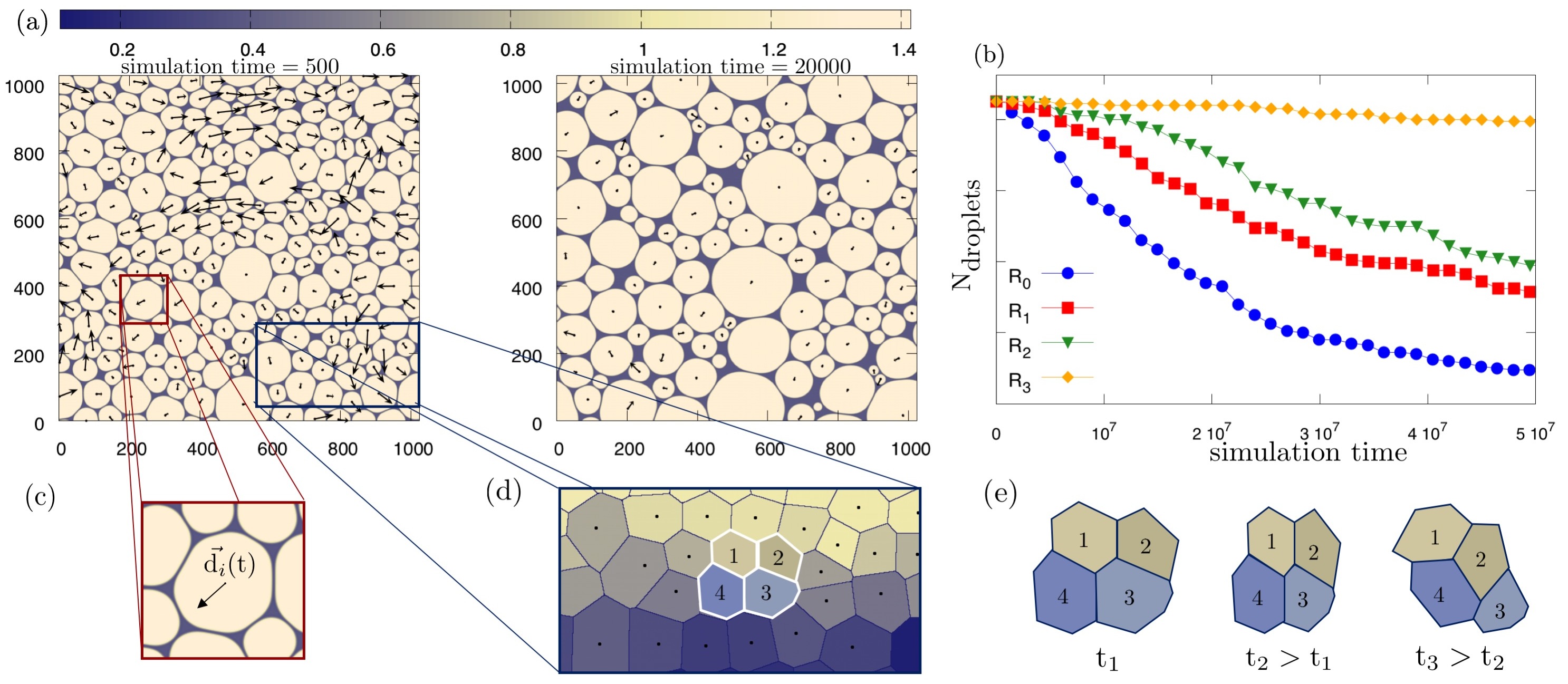 Figure 1
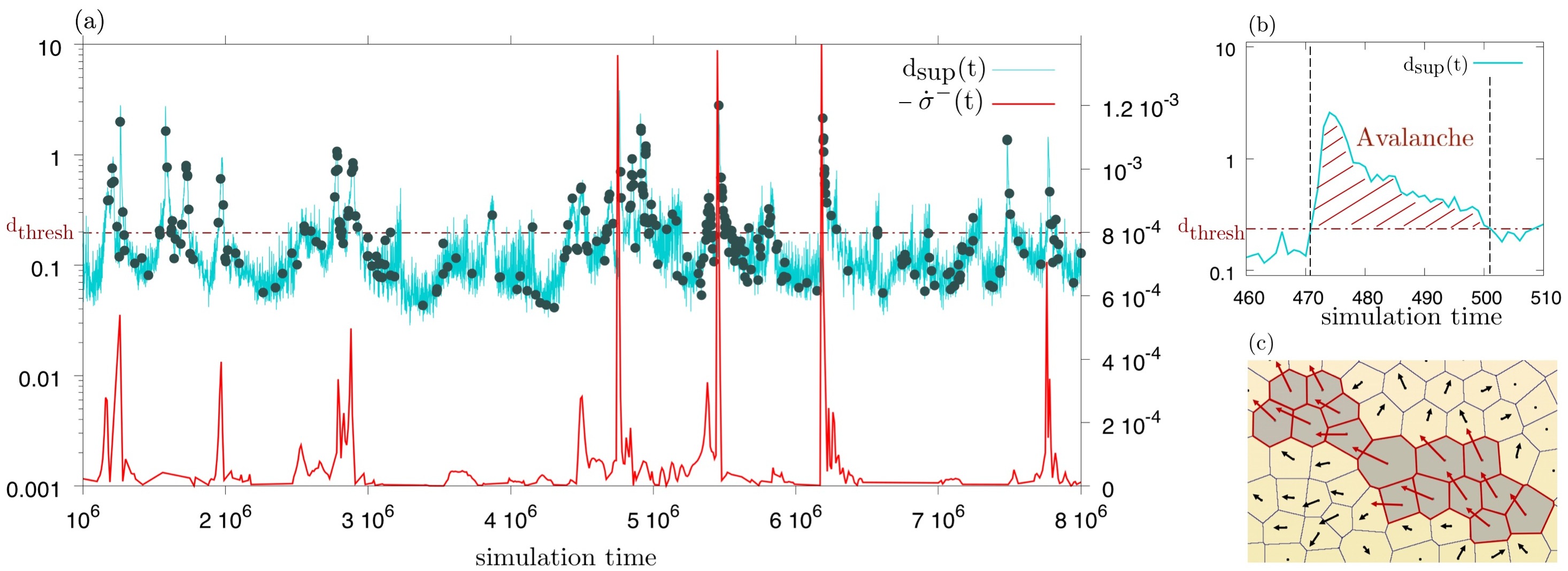 Figure 3
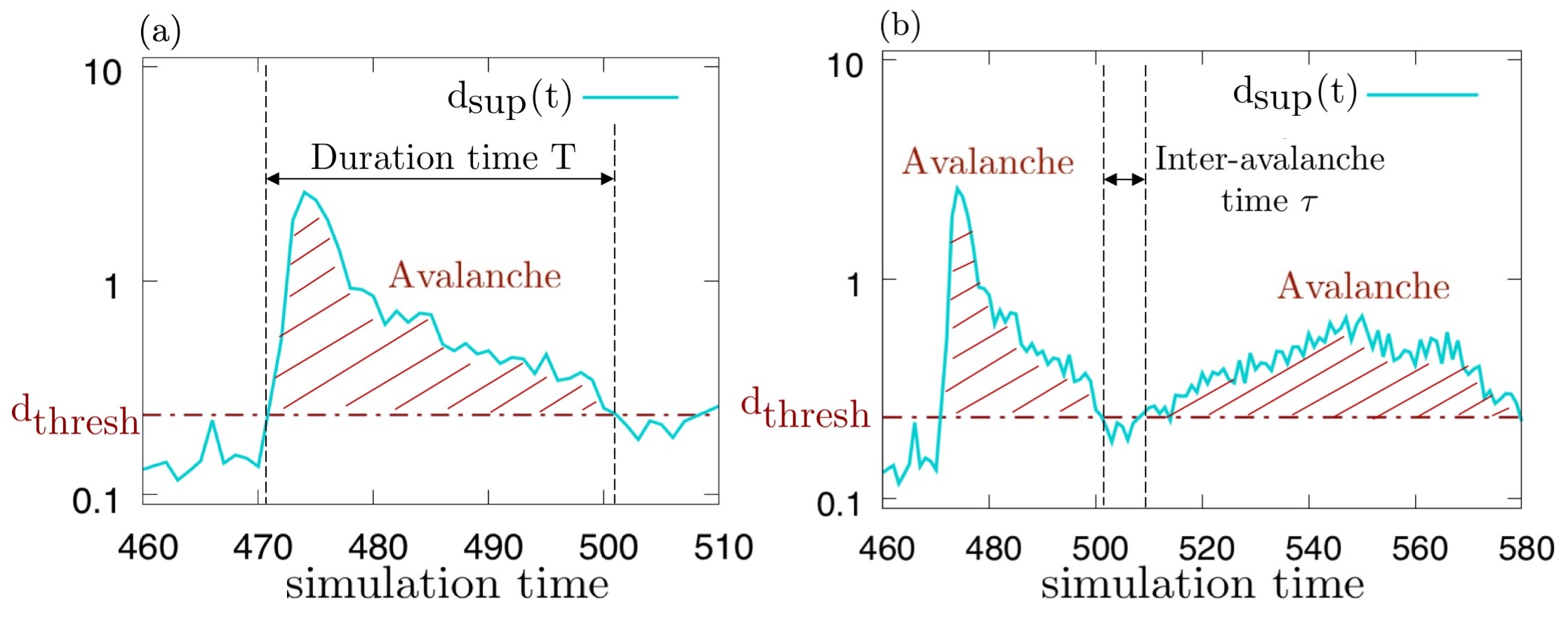 Figure 5
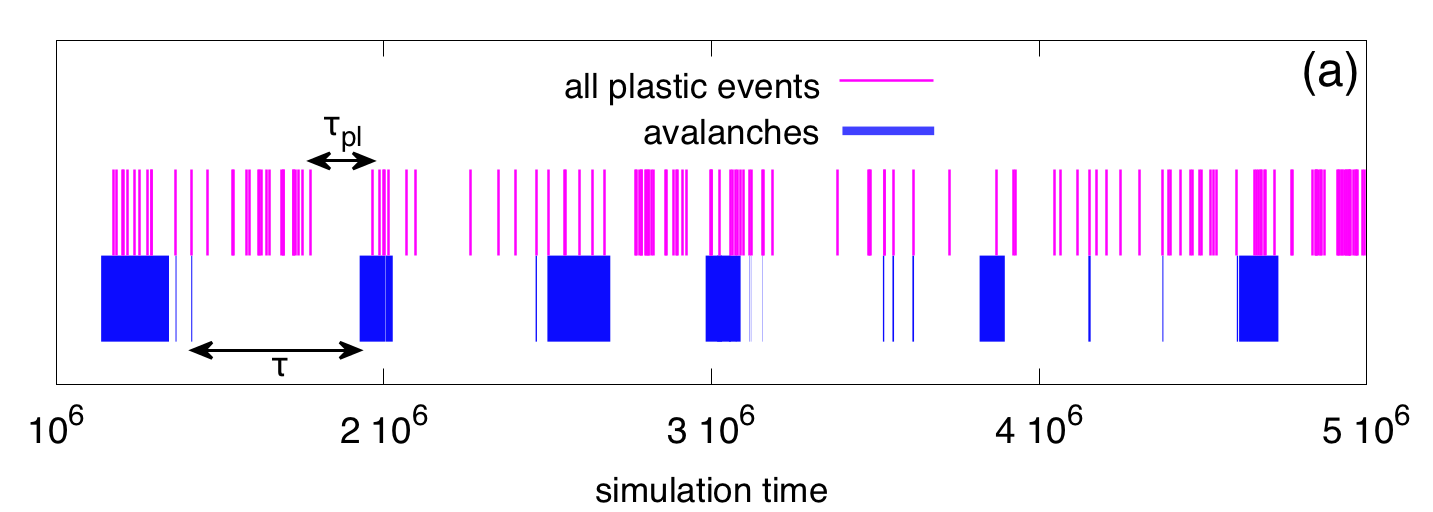 Figure 4
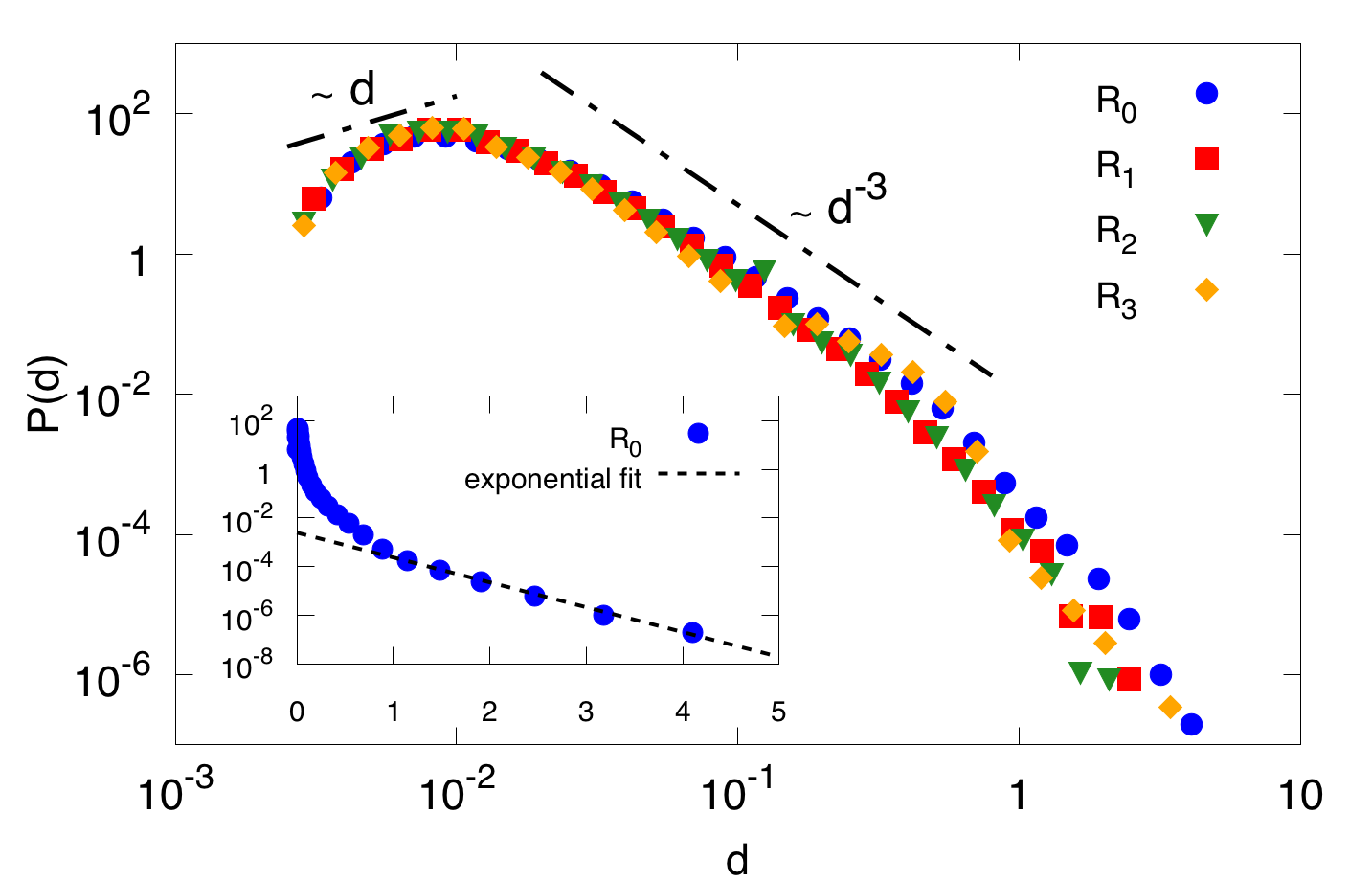 Figure 5
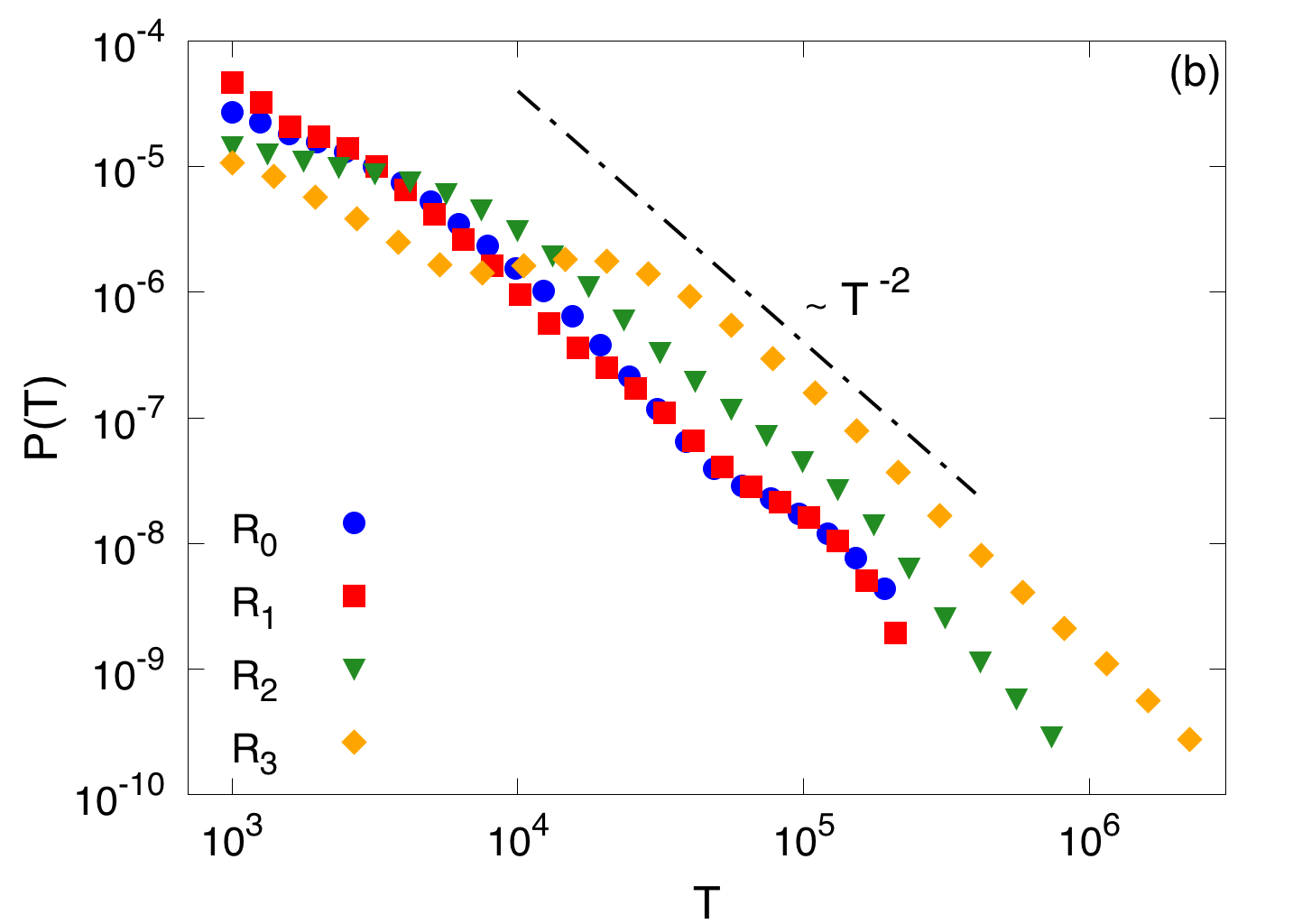 Figure 6
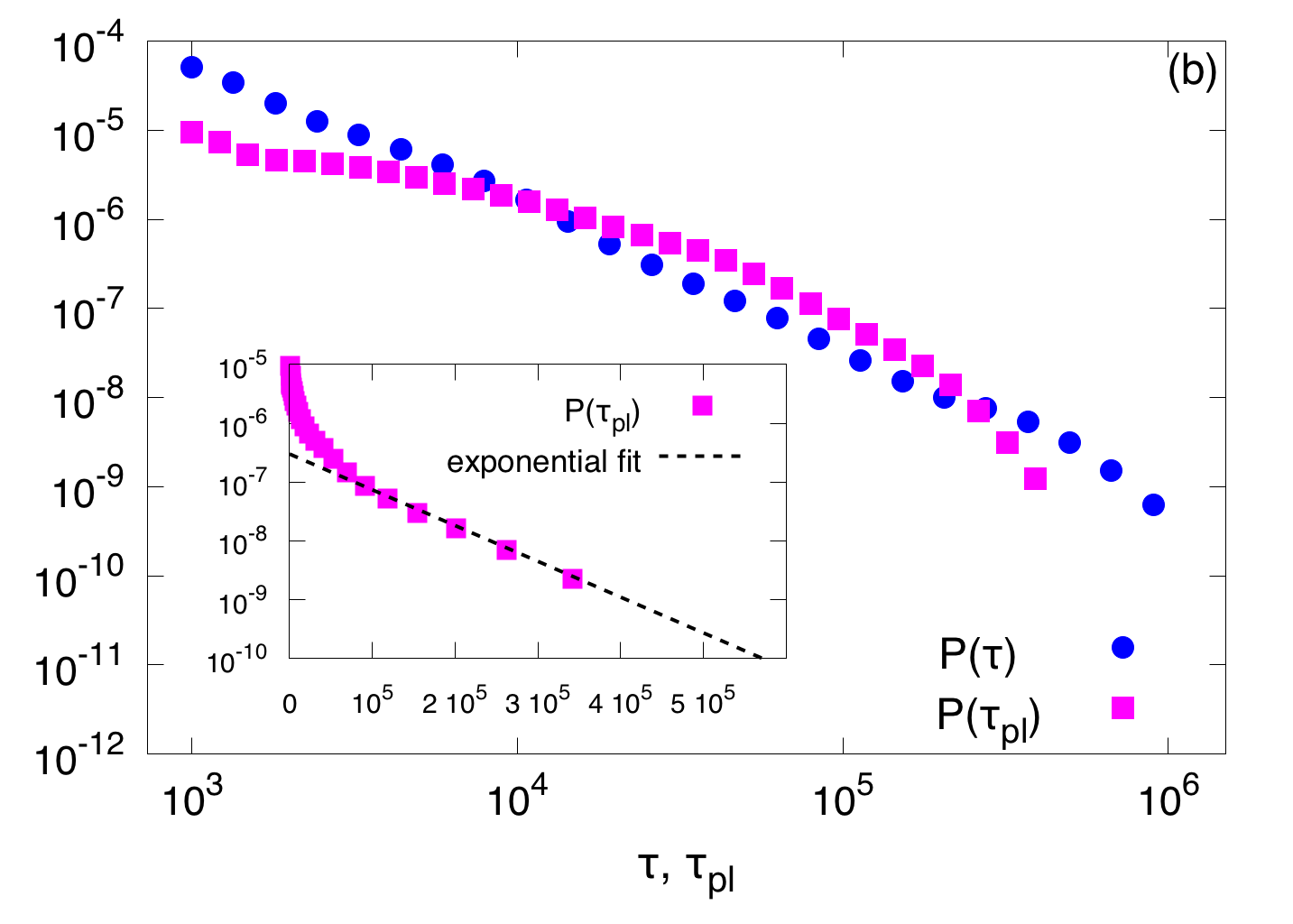 Figure 7
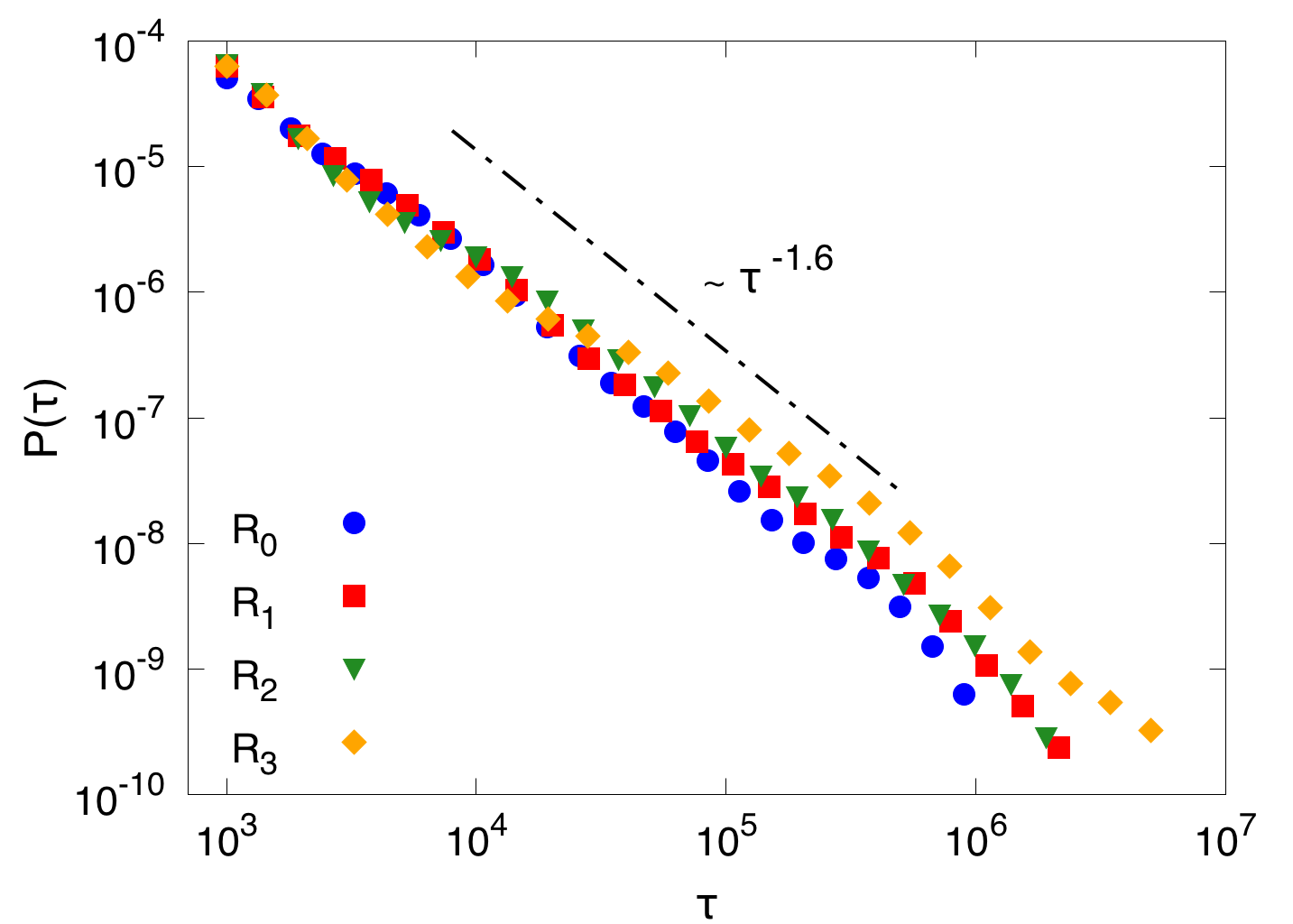 Figure 8
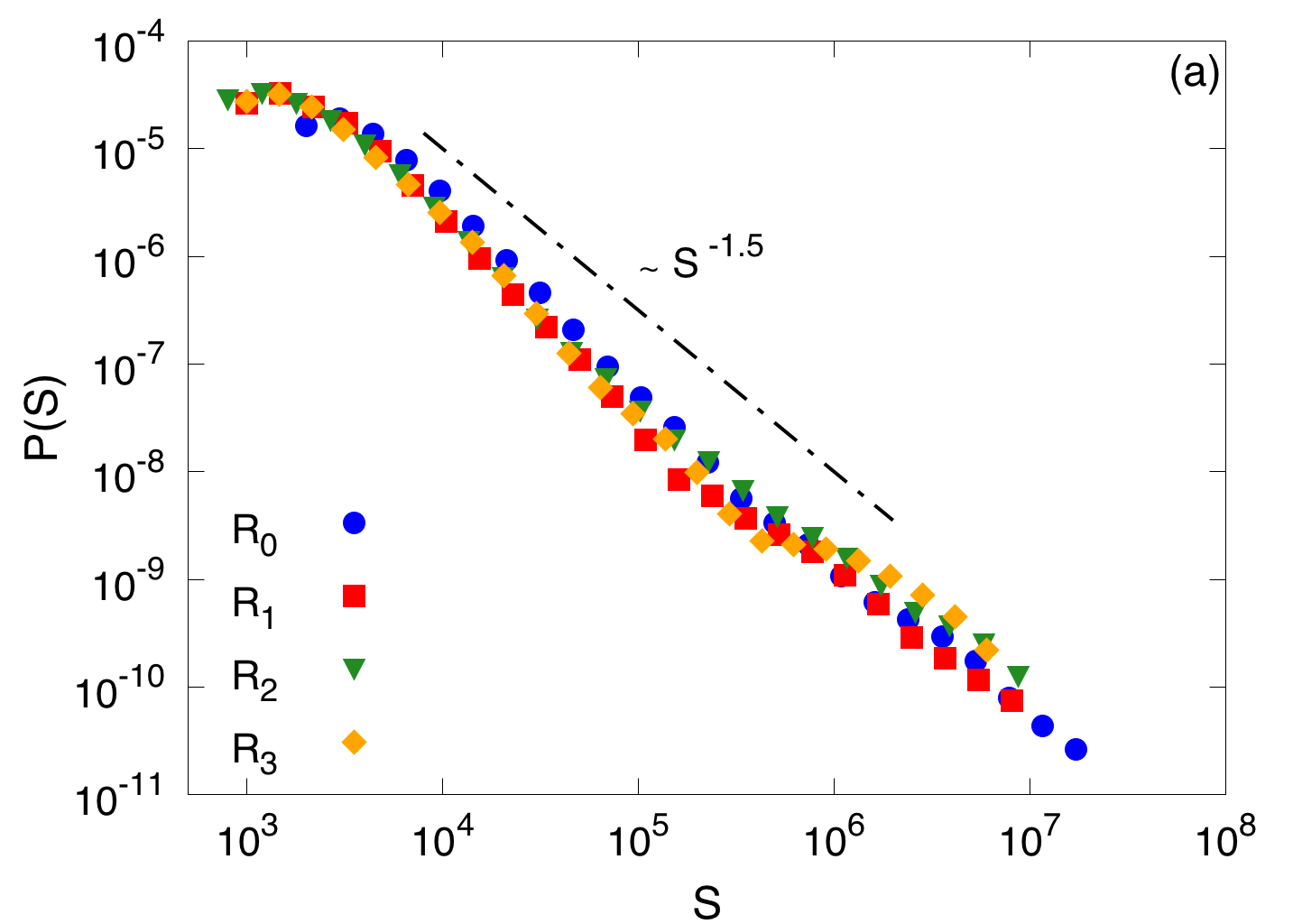 Figure 9
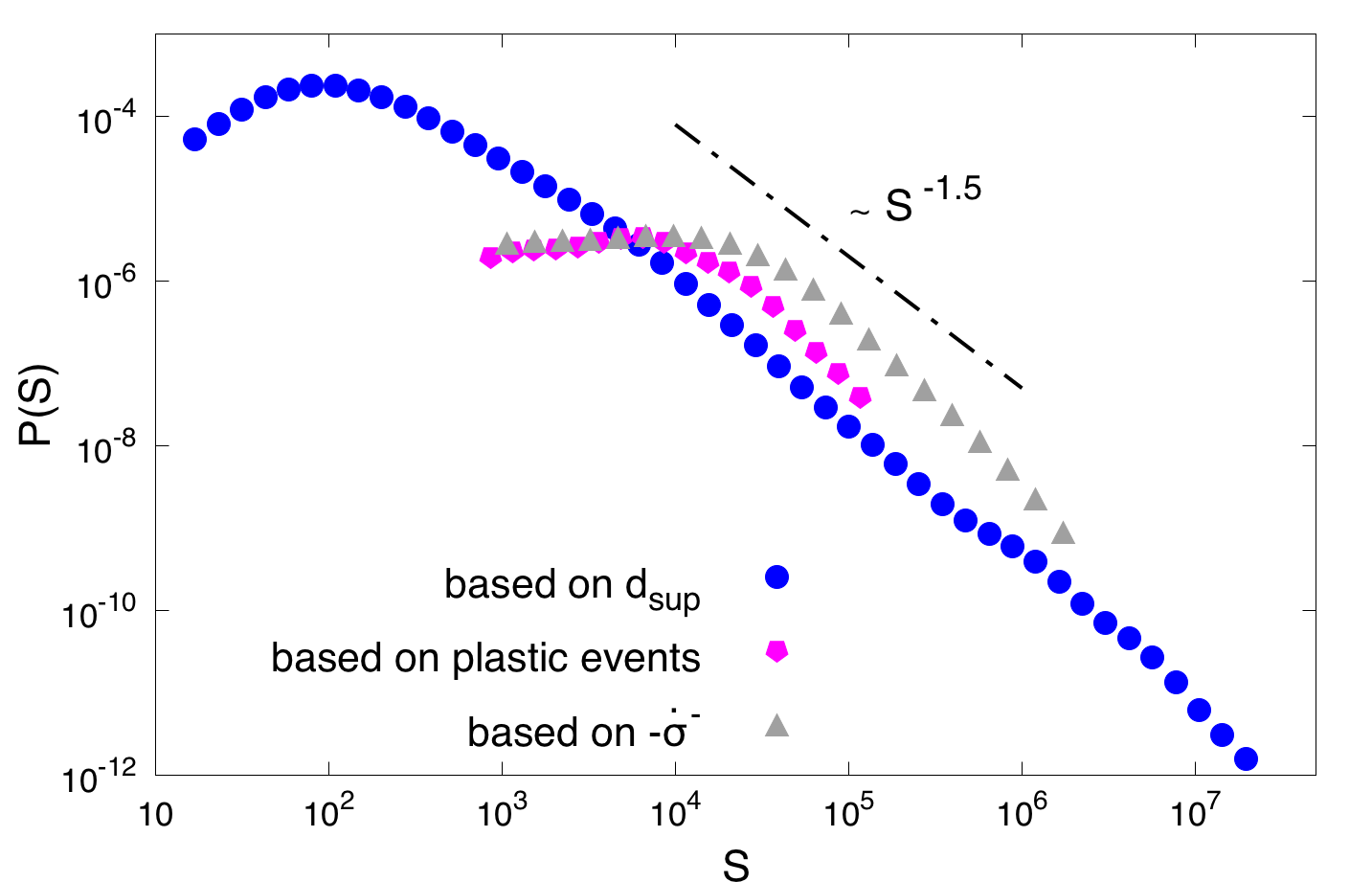 Figure 10
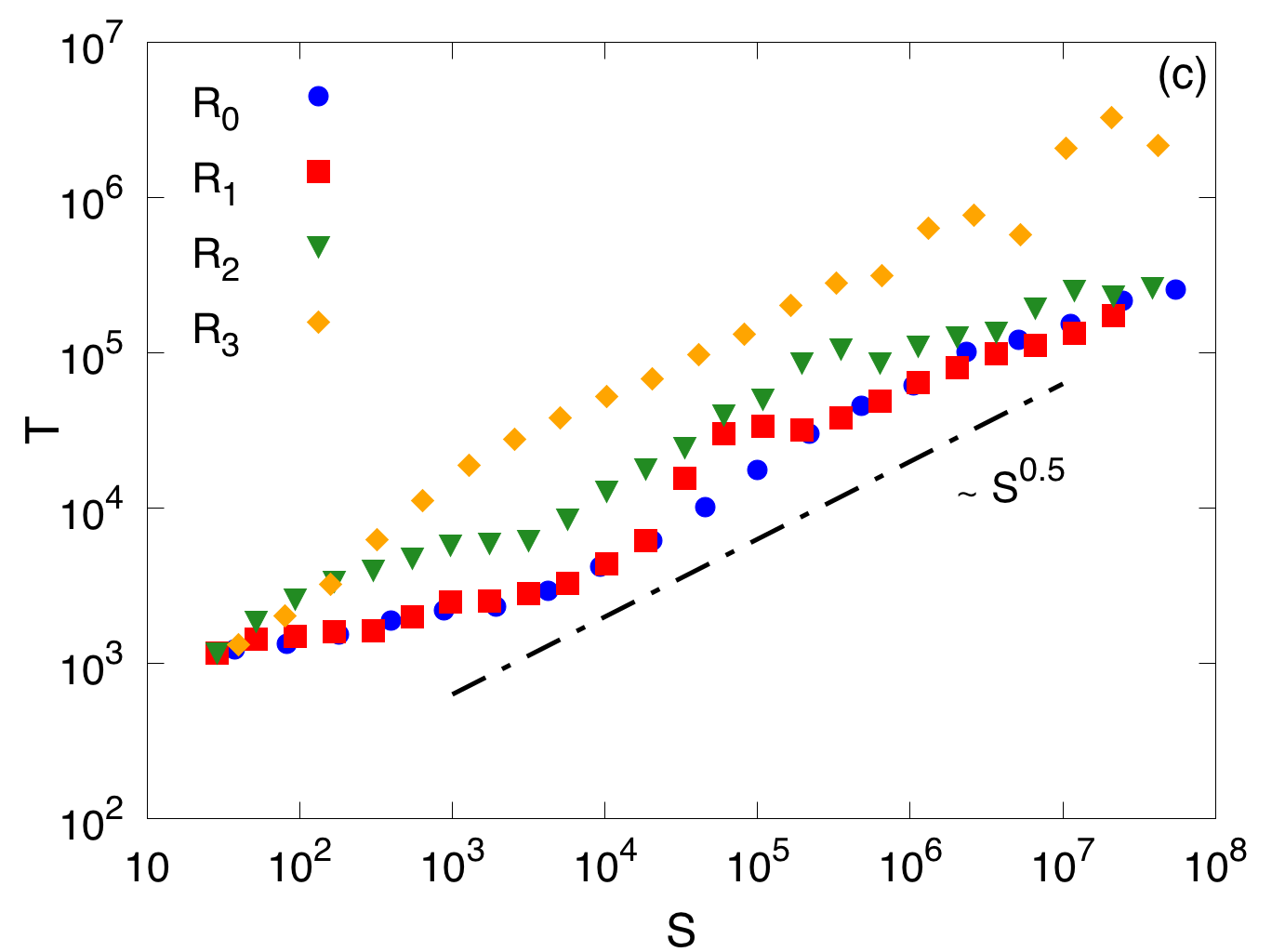 Figure 11
Peer Reviews
No public reviews on file for this paper yet. If you reviewed it on a platform where reviews are public (OpenReview, ICLR, NeurIPS, ICML), you can paste yours below so the community can read it here.
Videos
No videos yet. Explain this paper in a talk, walkthrough, or lecture? Add one.
Avalanche statistics during coarsening dynamics
F. Pelusi
Department of Physics and INFN, University of Tor Vergata,
Via della Ricerca Scientifica 1, 00133 Rome, Italy
M. Sbragaglia
Department of Physics and INFN, University of Tor Vergata,
Via della Ricerca Scientifica 1, 00133 Rome, Italy
R. Benzi
Department of Physics and INFN, University of Tor Vergata,
Via della Ricerca Scientifica 1, 00133 Rome, Italy
Abstract
We study the coarsening dynamics of a two dimensional system via lattice Boltzmann numerical simulations. The system under consideration is a biphasic system consisting of domains of a dispersed phase closely packed together in a continuous phase and separated by thin interfaces. Such system is elastic and typically out of equilibrium. The equilibrium state is attained via the coarsening dynamics, wherein the dispersed phase slowly diffuses through the interfaces, causing domains to change in size and eventually rearrange abruptly. The effect of rearrangements is propagated throughout the system via the intrinsic elastic interactions and may cause rearrangements elsewhere, resulting in intermittent bursts of activity and avalanche behaviour. Here we aim at quantitatively characterizing the corresponding avalanche statistics (i.e. size, duration, inter-avalanche time). Despite the coarsening dynamics is triggered by an internal driving mechanism, we find quantitative indications that such avalanche statistics displays scaling-laws very similar to those observed in the response of disordered materials to external loads.
I Introduction
Emulsions and foams are ubiquitous in nature and technology Larson (1999); Coussot (2005). These systems are biphasic systems with a complex microstructure: they are characterized by a collection of elementary constituents (i.e. liquid droplets or gas bubbles) dispersed in a continuous phase and stabilized against coalescence by the presence of surfactants at the interfaces. When the concentration of the dispersed phase is very large, the topological structure is that of soft domains with different sizes closely packed together and separated by thin films. The packing of the microstructure confers an elasticity to these systems Princen and Kiss (1989); Denkov et al. (2009) and when driven with external loads they display an yielding behaviour with a rich intermittent dynamics Lulli et al. (2018), typically characterized by a sequence of elastic loadings followed by their “failure” via abrupt avalanche behaviours Barkhausen (1917); Durin and Zapperi (2000); Dastur and Leslie (1981); Ruina (1983); Repain et al. (2004); Cantat and Pitois (2006); Bonamy et al. (2008); Barrat (2017). Such a kind of intermittent dynamics is observed not only for biphasic systems Cantat and Pitois (2006), but also in many other contexts as diverse as the seismic motion of faults Ruina (1983), the propagation of cracks in fracture mechanics Bonamy et al. (2008); Laurson et al. (2010) and Barkhausen noise in ferromagnetic systems Barkhausen (1917); Durin and Zapperi (2000), just to cite a few examples.
From the micromechanical point of view, the avalanche behaviour hinges on the presence of plastic rearrangements Barrat (2017). Plastic rearrangements can be viewed as topological changes/readjustments in the microstructure of the material; the effect of such readjustments propagates through the microstructure via the elastic interactions and can trigger novel rearrangements elsewhere, thus causing the avalanche behaviour. Avalanches are routinely characterized via the statistical description of their spatio-temporal properties, i.e. their size Lin et al. (2014); Leishangthem et al. (2017); Salerno et al. (2012); Salerno and Robbins (2013); Okuzono and Kawasaki (1995); Durian (1997); Dennin and Knobler (1997); Karimi et al. (2017), their duration in time Gittings and Durian (2008); Budrikis and Zapperi (2013); Liu et al. (2016), and the inter-avalanche time Gittings and Durian (2008); Bak et al. (2002); Laurson et al. (2009); Sessoms et al. (2010); Janićević et al. (2016). In the recent years there has been an intense scrutiny to quantitatively understand whether the avalanche behaviour of different systems could be classified into different universality classes Salerno et al. (2012); Salerno and Robbins (2013); Budrikis and Zapperi (2013); Lin et al. (2014); Liu et al. (2016). In the majority of the studied cases, the systems are driven with an external driving and typically in a quasi-static protocol, i.e. in the limiting case of an infinitesimally small external load. It has to be noted, however, that the heterogeneity in the microstructure peculiar of biphasic systems may cause the system to be in non equilibrium states even in the absence of external loads. Equilibrium is then attained via the coarsening dynamics Cugliandolo (2010). For foams, for example, coarsening materializes via the diffusion of the dispersed phase through the thin interfaces Stavans (1993); von Neumann (1952); Lambert et al. (2010); Webster and Cates (2001); Saint-Jalmes and Langevin (2002); Vera and Durian (2002); Mullins (1985); Cantat et al. (2013): domains slowly change in size, eventually creating local topological changes and plastic rearrangements, whose effect is propagated through the elastic microstructure Gittings and Durian (2008). This poses the question of whether the coarsening dynamics is able to trigger an avalanche behaviour or not and its similarity with respect to the avalanche behaviour observedfor externally driven systems Dennin and Knobler (1997); Dennin (2004). The present communication aims to address this question.
II Numerical method
The results shown in this paper are obtained via numerical simulations based on the lattice Boltzmann method developed by some of the authors in the recent years Succi (2018). In a nutshell, the method allows the numerical simulation of closely packed droplets of a dispersed phase in another continuous phase. Droplets are separated by diffuse interfaces where mesoscale interactions are ad-hoc tuned to prevent droplets coalescence. In Fig. 1 we report some relevant information on the coarsening dynamics that we can simulate using the numerical simulations. We analyzed a two dimensional biphasic system of droplets prepared in a slightly polydisperse configuration with a large packing fraction (see Fig. 1 (a)). The boundary conditions applied are periodic in both directions. The system is left free to evolve in time via the internal coarsening dynamics, which causes domains to move without any preferential direction in space (see Fig. 1 (c)). The numerical tool we used permits to compute the vectorial displacement of all droplets () at any time step of simulation; additionally, based on the procedures described in Bernaschi et al. (2017) we can quantitatively analyze topological changes in the droplets configurations via Voronoi Diagrams (see Fig. 1 (d)). By performing a Voronoi tessellation of the centers of mass of the droplets we can monitor the droplets neighbours and detect a “rearrangement” when these neighbours change. This allows to look at the location of rearrangements in space and time, as well as the size of the droplets involved in a rearrangement. Another key asset of the numerical simulations is the possibility to tune the mesoscale interactions at the interface to reduce or enhance the diffusion of mass, thus resulting in different coarsening rates. In Fig. 1 (b) we show results for different simulations corresponding to four different coarsening rates: from (the fastest) to (the slowest) 111The different coarsening rates have been obtained by using the model described in Benzi et al. (2015) by changing the nearest neighbors and next-to-nearest neighbors interactions. Specifically: and (); and (); and (); and ().. This is particularly important for the aim of the present paper, since this allows for a quantitative characterization of the avalanche statistics in a “quasi-static” protocol Salerno et al. (2012); Salerno and Robbins (2013), i.e. in the limit of vanishing coarsening rate. Further technical details are reported in Benzi et al. (2014); Bernaschi et al. (2017). All dimensional numerical results are given in lattice Boltzmann units (lbu), not indicated hereafter for the sake of simplicity.
III Results and discussion
As remarked before, during coarsening dynamics, the system may abruptly rearrange (see Fig. 1 (e) for a sketch). Here we want to address the behaviour of collections of rearrangements (avalanches) mediated by the long-range elastic interactions. Hence it is crucial to have a quantitative assessment of the elastic response of the system. Following Ferrero et al. (2014); Chandrasekhar (1943), we estimated the probability distribution function (PDF) of the norm of the displacement field , for all the time steps of the simulation () and all droplets (). In presence of a long-range elastic response Ferrero et al. (2014); Chandrasekhar (1943) one can predict some scaling-laws for based on a mean-field argument, i.e. valid in the limit where the rate of events is small; one can then use the analytical result as a reference benchmark to assess the elastic response in our system. In such limit, is expected to decay at large as for a two-dimensional system and for a three dimensional system; at small displacements, is expected to behave as for two dimensional systems and for three dimensional systems Ferrero et al. (2014); Chandrasekhar (1943). These observations have already been documented in the literature, see for example studies on amorphous/soft solids in three dimensions Leishangthem et al. (2017); Bouzid et al. (2016), coarsening foams in three dimensions Gittings and Durian (2008) or elastoplastic models in two dimensions Ferrero et al. (2014). In Fig. 2 we report for the various coarsening rates analyzed. While a clear scaling-law emerges for moderately large , the small- asymptotic behaviour is barely visible, which we attribute to the fact that such small are well below the numerical lattice size and one would need to run simulations with larger droplets size to better highlight such scaling-law. We also notice that the crossover between the small- and large- behaviour is expected to depend on the rate of events Ferrero et al. (2014), but we do not observe such dependence. This happens because, for the coarsening rates analyzed, the rate of plastic rearrangements is small; if we superimpose an external shear to the coarsening dynamics (data not shown), we observed that the two asymptotics at small and large change and the peak of the distribution of shifts forward, in agreement with the results of Ferrero et al. (2014). For very large the power-law behaviour exhibits an exponential cut-off (see inset) in agreement with Leishangthem et al. (2017). Taken all together, the results displayed in Fig. 2 provide a quantitative evidence of the elastic response of the system to plastic perturbations, and pave the way for the quantitative characterization of avalanches.
The characterization of the avalanches is routinely performed by monitoring the stress drop in the system Leishangthem et al. (2017); Liu et al. (2016); Salerno et al. (2012); Salerno and Robbins (2013); Dennin (2004); Frette et al. (1999). Key quantities are measured in relation to the released energy after an elastic loading, wherein a stress drop is observed in conjunction with plastic rearrangements that drive the system into a more stable configuration Leishangthem et al. (2017); Okuzono and Kawasaki (1995); Durian (1997); Dennin and Knobler (1997). The stress is measurable in our numerical simulations Dollet et al. (2015) and in principle we could directly characterize the avalanches via the statistics of minus the filtered stress derivative, , computed by analyzing the evolution of the stress derivative and selecting only the negative values (superscript -). Nevertheless, being the elastic stress and the elastic response inherently related to the droplets displacement, it comes also natural to look for some definition of avalanches via the displacement field. The displacement field is expected to be very small in absence of plastic rearrangements; conversely, when plastic rearrangements occur, the displacement field is expected to strongly increase and localize, both in time and space. In other words, plastic rearrangements are expected to be responsible for the largest values attained by the displacement field, hence it is logical to look for the maximum displacement Benzi et al. (2016); Lulli et al. (2018) as a non trivial quantity to address the statistical properties of avalanches. This was already highlighted in Benzi et al. (2016), where the very same model that we considered here was analyzed under the effect of an external driving in a Couette cell below yield. A stick-slip behaviour was observed with stress loads and sudden drops during avalanches. The maximum displacement was used to estimate the distribution of the energy release, displaying a power-law behaviour akin to the Gutenberg-Richter law of seismology Gutenberg and Richter (1944). The time evolutions of both and are displayed in Fig. 3 (a). We also tracked in time the evolution of plastic rearrangements, indicated with a green bullet in the figure. Overall, Fig. 3 (a) confirms the expectations posited before: the time dynamics of is that of a typical intermittent signal, with long “rest” periods (small ) separated by sudden intermittent peaks. Peaks in are accompanied by the occurrence of plastic rearrangements, which show some non trivial clusterization in time. Moreover, in correspondence of large values of , we typically observe large . These are compelling evidences that there exists a strong connection between , and the fulfillment of plastic rearrangements, as already stressed in previous works (see for example Dennin (2004); Jiang et al. (1999); Chen et al. (2012); Frette et al. (1999)). In passing, we remark that during the “rest” periods (low values ) without rearrangements, the system is undergoing a slow coarsening dynamics in quantitative agreement with the celebrated Von Neumann’s law von Neumann (1952) (see Benzi et al. (2015), results not shown here). Moreover, notice that plastic rearrangements do not necessarily clusterize when is large, an issue that we will further discuss in Fig. 8.
With these state of affairs, we proceeded into a more quantitative characterization of the avalanches, and we started from the avalanche size . We estimated the PDF of the avalanche size using three different protocols: i) we define to be proportional to Leishangthem et al. (2017); Liu et al. (2016); Salerno et al. (2012); Salerno and Robbins (2013); Dennin (2004); Frette et al. (1999); ii) we define based on , as sketched in Fig. 3 (b): first, we introduced a threshold to select extreme events. The threshold value is chosen by looking at the PDF of (not shown), which displays two asymptotics: an increase at small values of and a power-law scaling for large values of . The value of in correspondence of the crossover between the two asymptotics is chosen as the threshold , the rationale being that working above we are granted the selection of the extreme events. During the period of time where we selected only those droplets whose absolute value of displacements is above (see Fig. 3-(c)). Consequently, we defined as the sum of the areas of those droplets for the whole period of time where ; iii) finally, we define based on plastic rearrangements: when we selected only those droplets having performed plastic rearrangements and summed their areas. Notice that protocols ii) and iii) are based on a direct measure of droplets areas. Results on the PDF of the avalanche size based on the three protocols are displayed in Fig. 4. The values of have been rescaled by a prefactor to allow the three quantities to vary in the same range, without affecting their scaling properties. When the three PDF’s display a scaling-law behaviour, the scaling exponent comes out to be very close to the mean field prediction Leishangthem et al. (2017); Liu et al. (2016). The main difference in comparing the three protocols emerges in the width of the region where the PDF displays a scaling-law: while the protocols based on the plastic rearrangements and display a scaling-law behaviour on 1 and 2 decades respectively, the protocol based on displays the scaling-law behaviour on more than 5 decades.
Motivated by the quality of the statistics on the avalanche size obtained via the threshold on the dynamics of , we naturally extended the results to other coarsening rates (cfr. Fig. 1-(b)) and also looked at the statistical properties of other avalanche quantities, like the avalanche duration and the inter-avalanche time . Both and can be intuitively defined as sketched in Fig. 5. Results on the PDF’s of these avalanche quantities are reported in Fig. 6 (a), (b) and 7. We remark that these PDF’s have been obtained by focusing our attention only on those avalanches whose and display a scaling-law if plotted one against the other (see Fig. 6 (c)) Dahmen et al. (2011); Budrikis and Zapperi (2013); Budrikis et al. (2016); Liu et al. (2016). The PDF’s obtained for and exhibit a scaling-law behaviour, with the exponents reasonably independent of the coarsening rates and close to the mean field predictions, i.e. with exponent and with Leishangthem et al. (2017); Liu et al. (2016). Regarding the inter-avalanche time, there is evidence of scaling-laws , suggesting a temporal correlation between avalanches Bak et al. (2002); Corral (2003, 2004); Baró et al. (2013); Barés et al. (2018). Concerning the exponent , there is a more pronounced dependency on the coarsening rate and the scaling exponent is around . Notice that a power-law scaling for all with an exponent close to what we observe would give a diverging average inter-avalanche time; hence, our findings are somehow indicative of the very long relaxation dynamics peculiar of the system under study. Moreover, the results on the PDF for stimulate some comparisons with earlier results on coarsening foams Gittings and Durian (2008); Sessoms et al. (2010) where it has been reported an exponential distribution for the PDF of the waiting times between successive plastic rearrangements . To better understand this point, in Fig. 8 we show a side-by-side comparison for the PDF of the inter-avalanche time and the just defined . In Fig. 8 (a) we report two sequences in a selected time interval: while the top sequence refers to the occurrence of all plastic rearrangements, the bottom sequence is a “filtered” one, in that it reports the plastic rearrangement at the time only if . Although at this very qualitative level, one can perceive that the sequence of all plastic rearrangements is somehow more “randomized” than the filtered sequence. Going at a more quantitative level, we compared the PDF of with that of . Results are reported in Fig. 8 (b). The observed PDF’s are manifestly different, with the PDF of exhibiting a more evident exponential cut-off Benzi et al. (2015); Gittings and Durian (2008); Sessoms et al. (2010) at large (see inset). The observed difference in the PDF’s highlights the importance of both spatial displacements and plastic rearrangements in characterizing the avalanche statistics. Indeed, clusters of rearrangements do not necessarily correspond to large displacements (see Fig. 3 (a)) and they need to be properly considered in conjunction with large displacements to observe a neat power-law. This result bears similarities with some earlier observations on the spatio-temporal clustering of real earthquakes Kagan and Jackson (1991); Christensen and Olami (1992); Corral (2004); Mulargia et al. (2017), where it is not trivial to distinguish a main earthquakes from aftershocks.
IV Conclusions
Summarizing, based on mesoscale numerical simulations, we have investigated the statistical properties of the coarsening dynamics of an elastic biphasic system consisting of soft elementary constituents (droplets) of a dispersed phase packed together in another continuous phase. While being driven by the “internal” coarsening dynamics, the system develops bursts of intermittent activity (i.e. avalanches) inherently associated to droplets displacements and rearrangements. To quantitatively analyze such dynamics, we have defined the observables peculiar of the avalanche statistics starting from the droplets displacements and analyzed their statistical properties. Results show evidences of power-law scalings, with spatio-temporal correlations that echo those measured in the avalanche statistics of amorphous systems driven with “external” loads. Scaling exponents are close to mean-field predictions, although a more precise determination of their values would require further numerical studies.
Acknowledgements
The authors wish to thank F. Bonaccorso and M. Bernaschi for computational support. FP wishes to thank M. Lulli for his introductory help in controlling the computational tools developed in Bernaschi et al. (2017). MS acknowledges financial support from the project ”Hydrodynamics of Soft-Glassy materials through microdevices” (HYDROSOFT) financed by the University of Rome “Tor Vergata” (Bando “Mission Sustainability”).
The reference list from the paper itself. Each links out to its DOI / PubMed record.
- 1Benzi et al. (2014) R. Benzi, M. Sbragaglia, P. Perlekar, M. Bernaschi, S. Succi and F. Toschi, Soft Matter , 2014, 10 , 4615–4624.
- 2Bernaschi et al. (2017) M. Bernaschi, M. Lulli and M. Sbragaglia, Comput. Phys. Commun. , 2017, 213 , 19 – 28.
- 3Cantat et al. (2013) I. Cantat, S. Cohen-Addad, F. Elias, F. Graner, R. Höhler, O. Pitois, F. Rouyer, A. Saint-Jalmes and S. Cox, Foams: Structure and Dynamics , Oxford University Press, 2013.
- 4Larson (1999) R. G. Larson, The Structure and Rheology of Complex Fluids , Oxford University Press, 1999.
- 5Coussot (2005) P. Coussot, Rheometry of Pastes, Suspensions, and Granular Materials , Wiley-Interscience, 2005.
- 6Princen and Kiss (1989) H. Princen and A. Kiss, Journal of Colloid and Interface Science , 1989, 128 , 176 – 187.
- 7Denkov et al. (2009) N. D. Denkov, S. Tcholakova, K. Golemanov, K. P. Ananthpadmanabhan and A. Lips, Soft Matter , 2009, 5 , 3389–3408.
- 8Lulli et al. (2018) M. Lulli, R. Benzi and M. Sbragaglia, Phys. Rev. X , 2018, 8 , 021031.