The dynamics of rings around Centaurs and Trans-Neptunian Objects
Bruno Sicardy, Stefan Renner, Rodrigo Leiva, Fran\c{c}oise Roques,, Maryame El Moutamid, Pablo Santos-Sanz, Josselin Desmars

TL;DR
This paper explores the formation and dynamics of rings around small celestial bodies like Chariklo, Chiron, and Haumea, emphasizing the role of non-axisymmetric shapes and resonances in ring stability and formation.
Contribution
It provides a detailed analysis of how shape-induced resonances influence ring locations and their relation to the Roche limit, offering insights into ring formation around small bodies.
Findings
Rings are more common around small bodies than previously thought.
Resonances due to non-axisymmetric shapes influence ring stability.
Fast rotators are more likely to have rings.
Abstract
Since 2013, dense and narrow rings are known around the small Centaur object Chariklo and the dwarf planet Haumea. Dense material has also been detected around the Centaur Chiron, although its nature is debated. This is the first time ever that rings are observed elsewhere than around the giant planets, suggesting that those features are more common than previously thought. The origins of those rings remain unclear. In particular, it is not known if the same generic process can explain the presence of material around Chariklo, Chiron, Haumea, or if each object has a very different history. Nonetheless, a specific aspect of small bodies is that they may possess a non-axisymmetric shape (topographic features and or elongation) that are essentially absent in giant planets. This creates strong resonances between the spin rate of the object and the mean motion of ring particles. In…
Click any figure to enlarge with its caption.
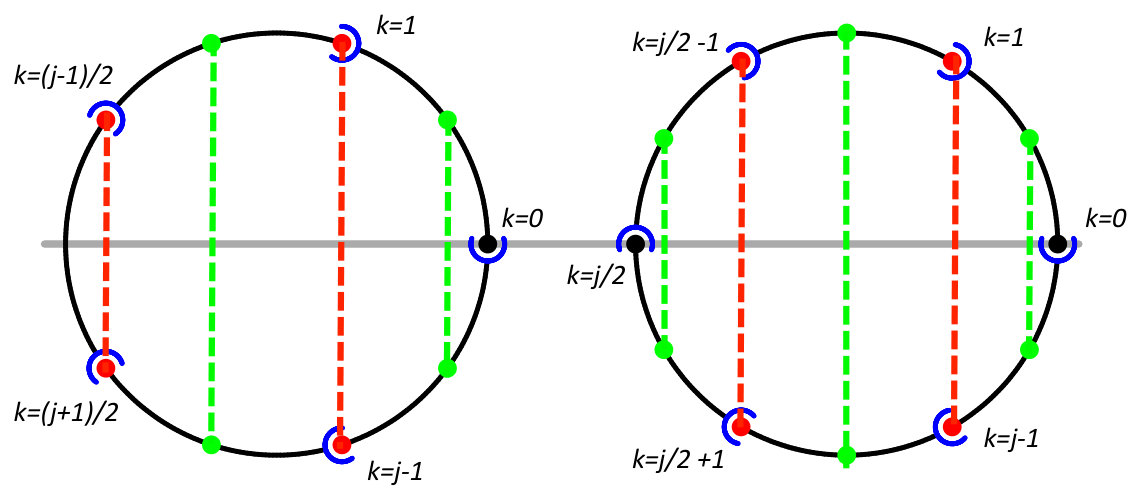 Figure 1
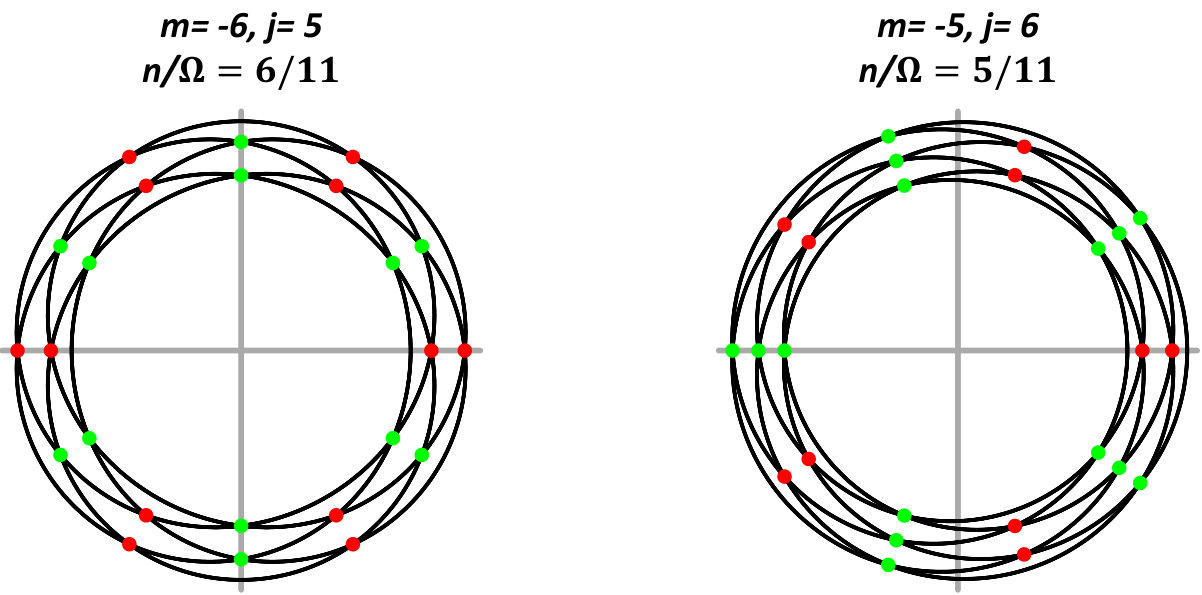 Figure 2
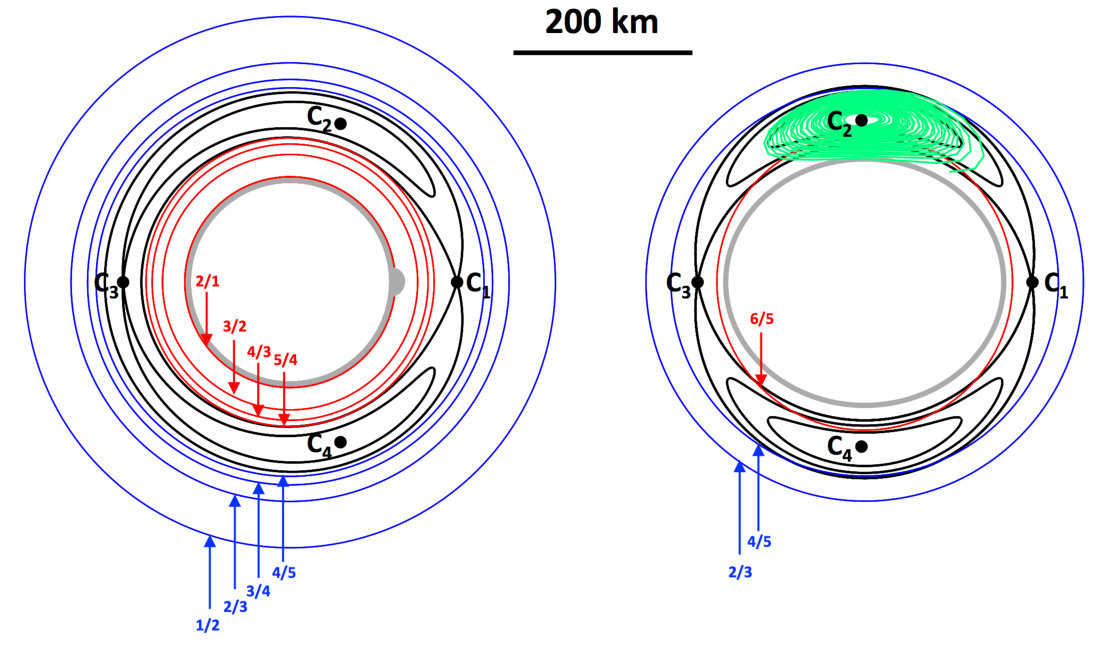 Figure 3
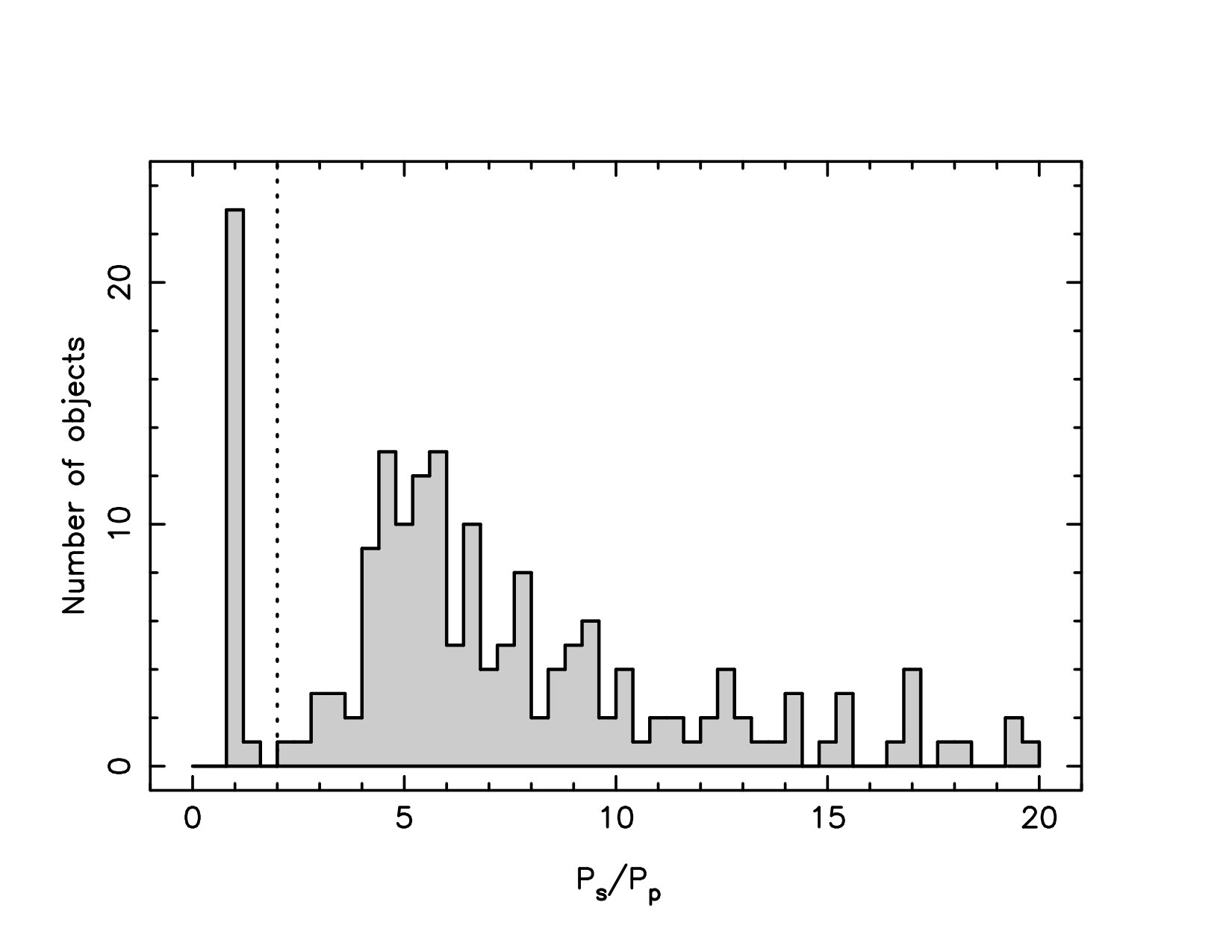 Figure 4
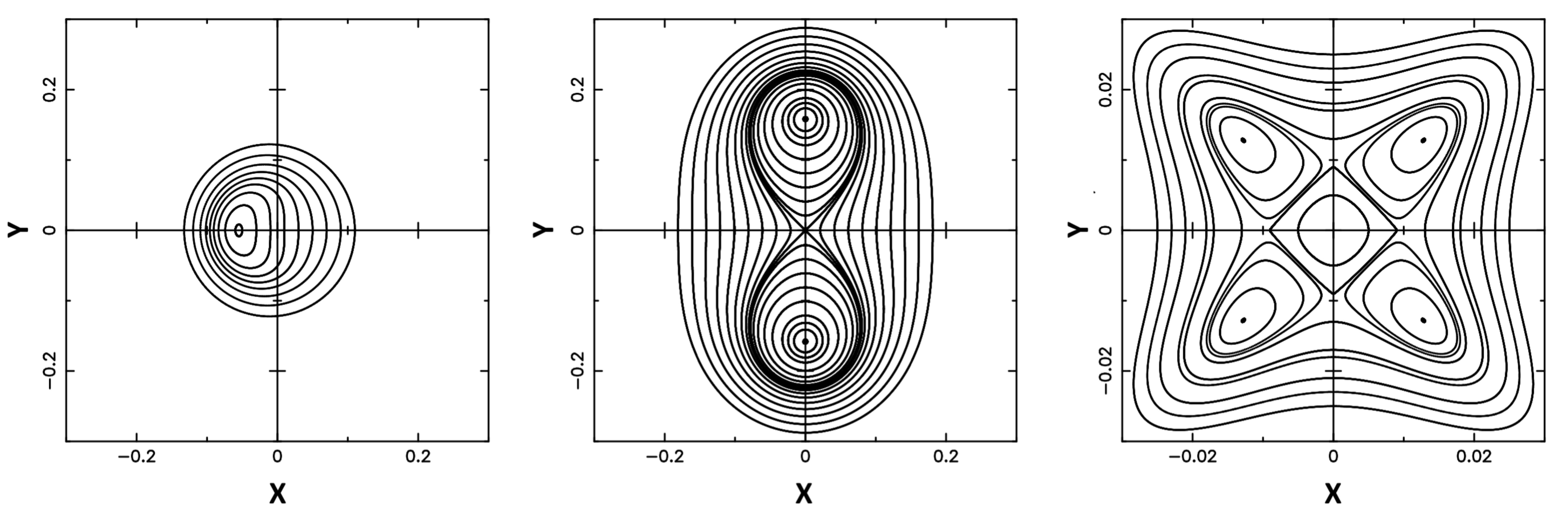 Figure 5
Peer Reviews
No public reviews on file for this paper yet. If you reviewed it on a platform where reviews are public (OpenReview, ICLR, NeurIPS, ICML), you can paste yours below so the community can read it here.
Videos
No videos yet. Explain this paper in a talk, walkthrough, or lecture? Add one.