Nustar Measurement Of Coronal Temperature In Two Luminous, High Redshift Qsos
G. Lanzuisi, R. Gilli, M. Cappi, M. Dadina, S. Bianchi, M. Brusa, G., Chartas, F. Civano, A. Comastri, A. Marinucci, R. Middei, E. Piconcelli, C., Vignali, W. N. Brandt, F. Tombesi, and M. Gaspari

TL;DR
This study measures the coronal temperatures of two luminous high-redshift quasars using X-ray observations, confirming they operate near the pair-production threshold predicted by models, thus filling a key observational gap.
Contribution
First direct measurement of coronal temperatures in high-luminosity, high-redshift quasars, testing theoretical models of pair-production limits in extreme AGN environments.
Findings
Coronal temperatures are approximately 45 keV and 28 keV.
Coronae are optically thick with τ > 1.
Temperatures are consistent with pair-production threshold predictions.
Abstract
X-ray emission from AGN is believed to be produced via Comptonization of optical/UV seed photons emitted by the accretion disk, up-scattered by hot electrons in a corona surrounding the black hole. A critical compactness vs. temperature threshold is predicted above which any increase in the source luminosity, for a fixed size, would then generate positron-electron pairs rather than continue heating the coronal plasma. Current observations seem to confirm that all AGN populate the region below this critical line. These models, however, have never been probed by observations in the high-luminosity regime, where the critical line is expected to reach low temperatures. To fill this observational gap, we selected two luminous ( erg/s) quasars, 2MASSJ1614346+470420 () and B1422+231 (), and obtained XMM-Newton and NuSTAR deep observations for them. We…
Click any figure to enlarge with its caption.
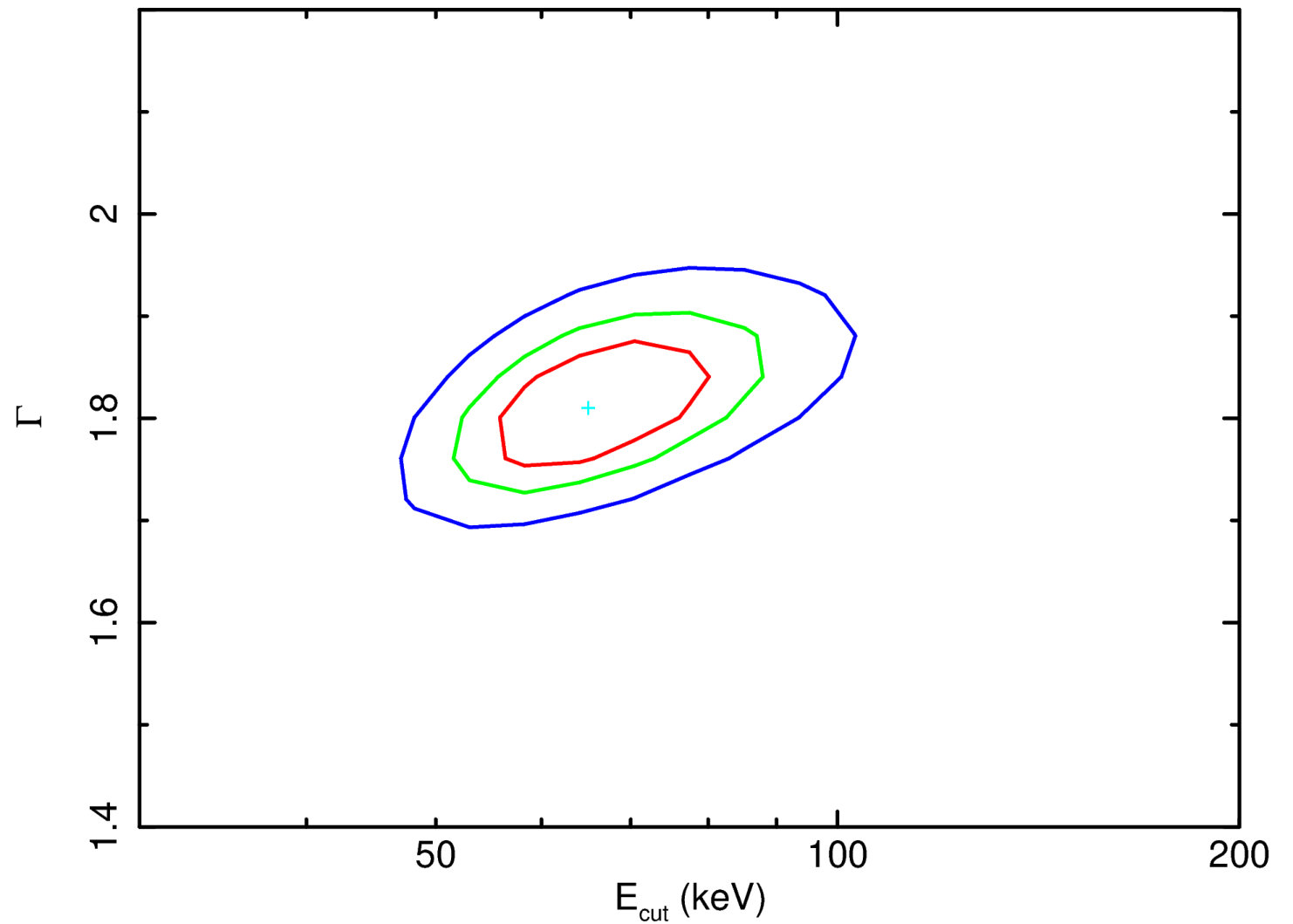 Figure 1
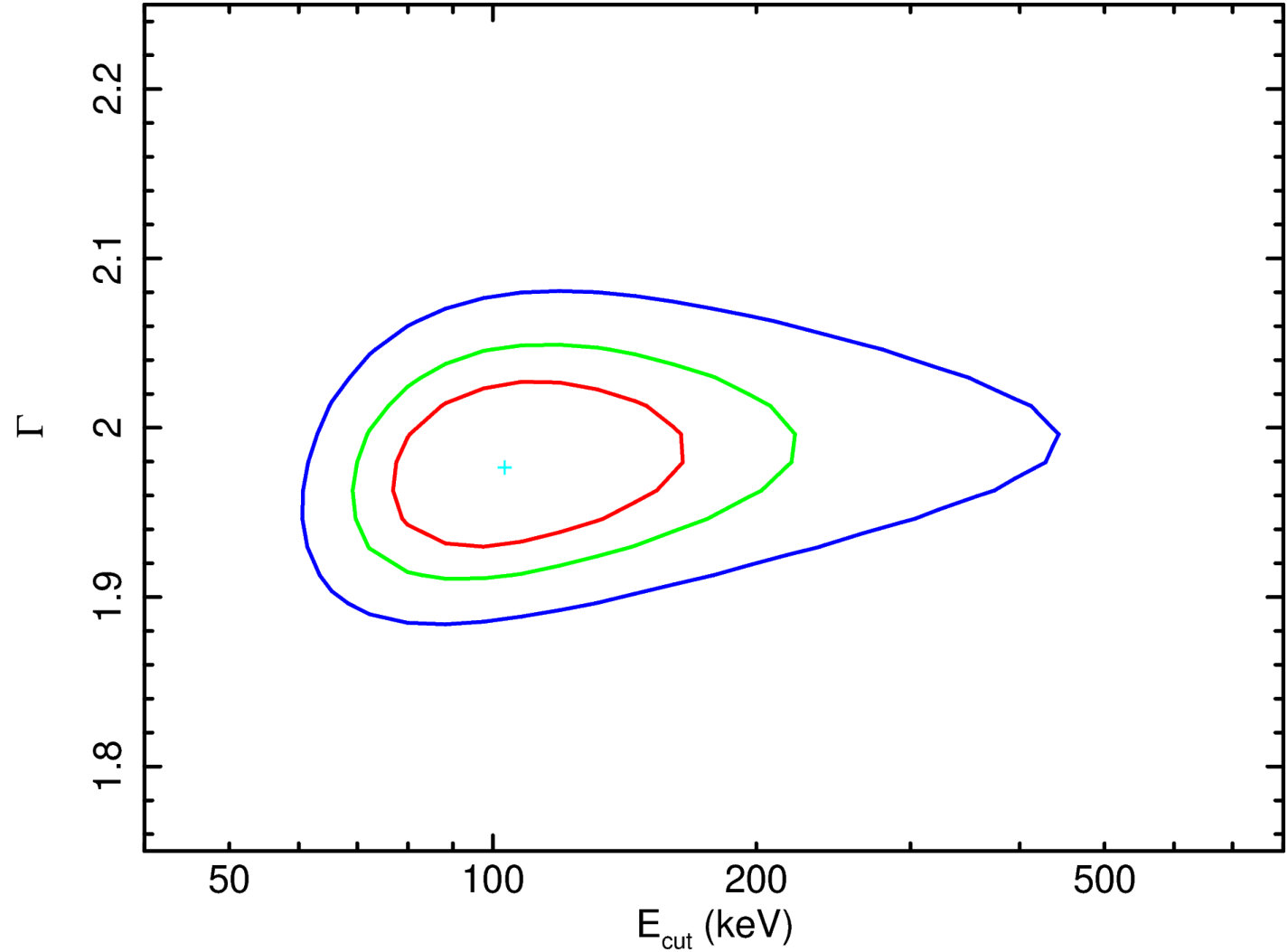 Figure 2
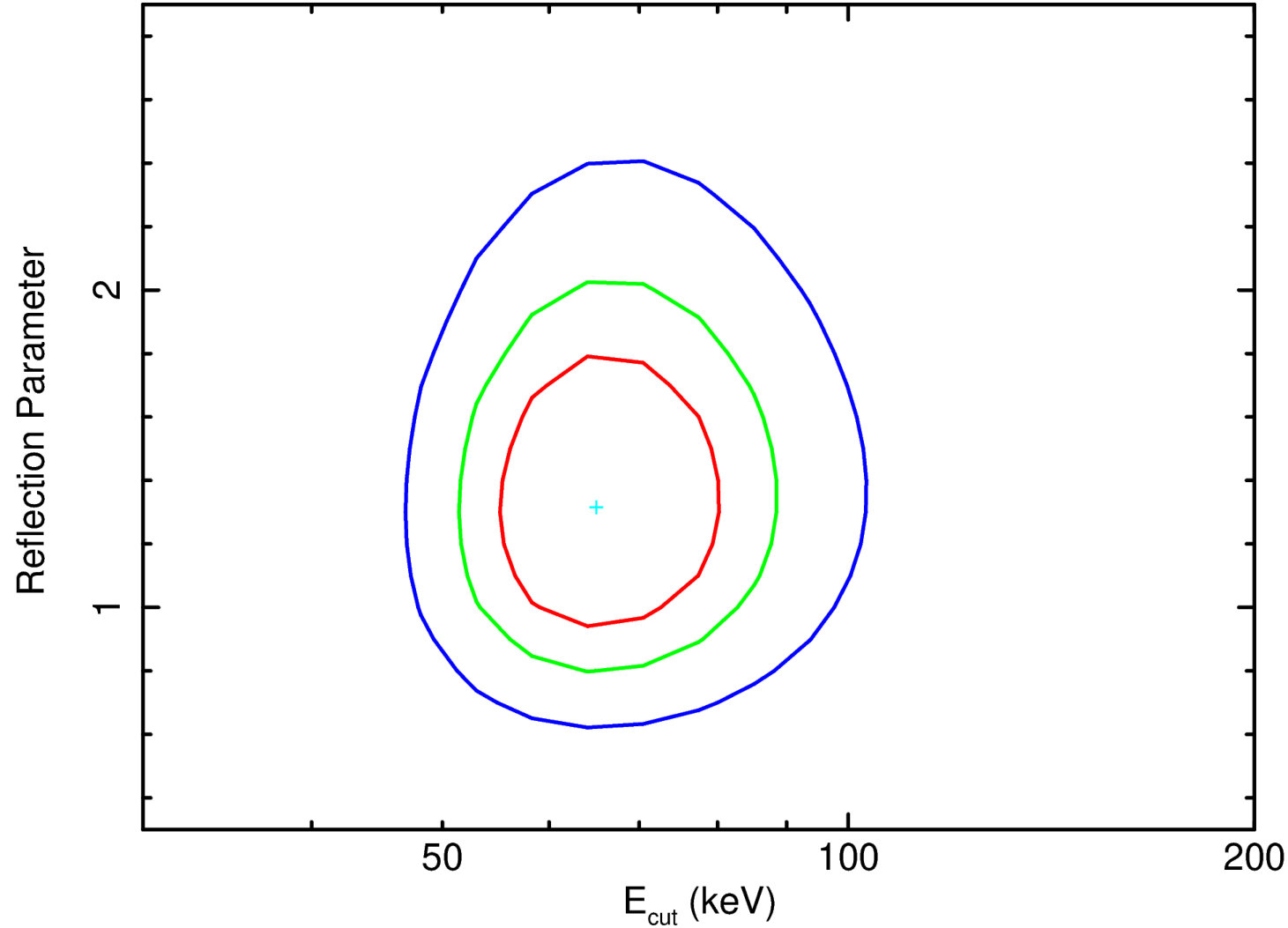 Figure 3
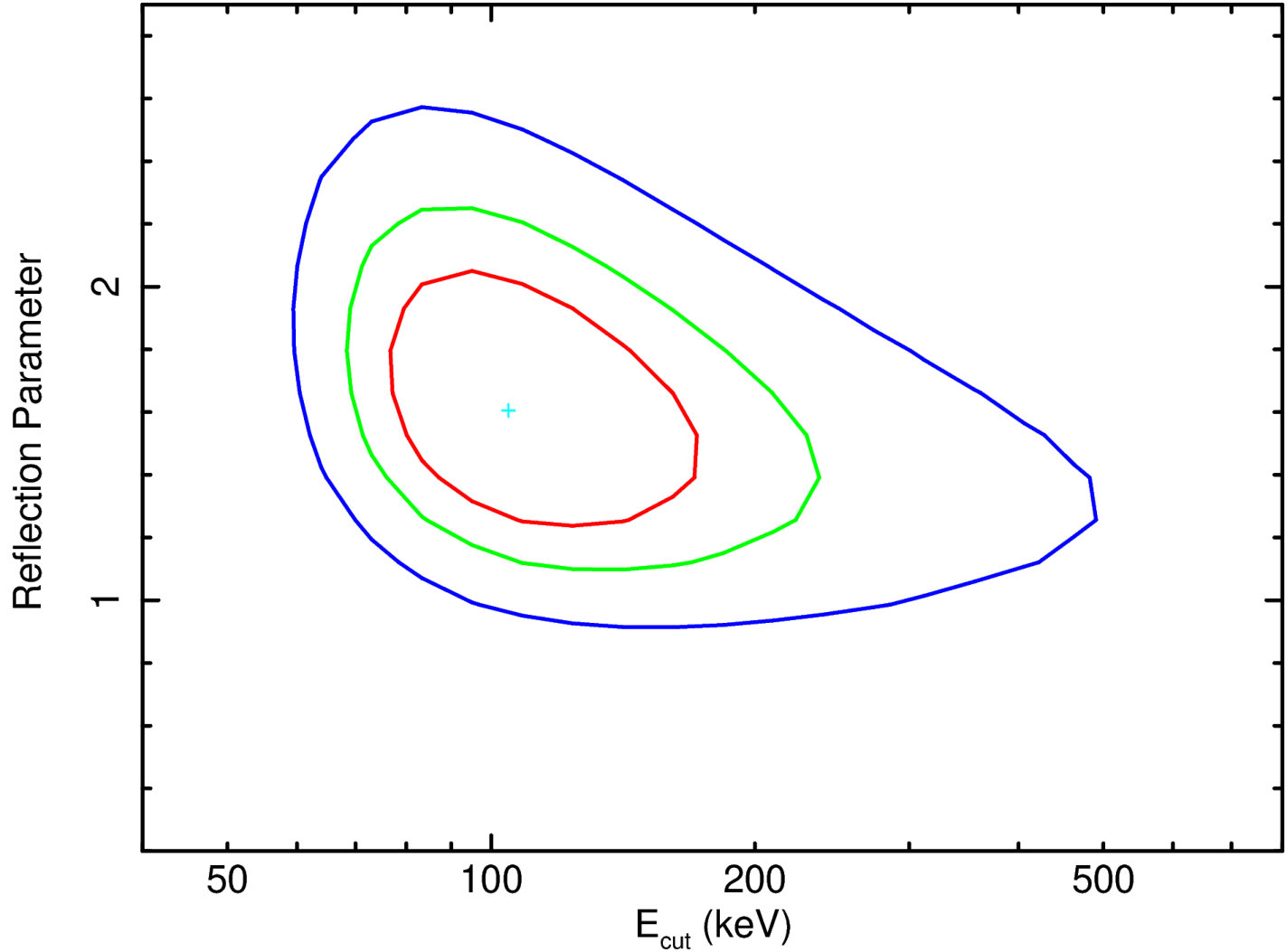 Figure 4
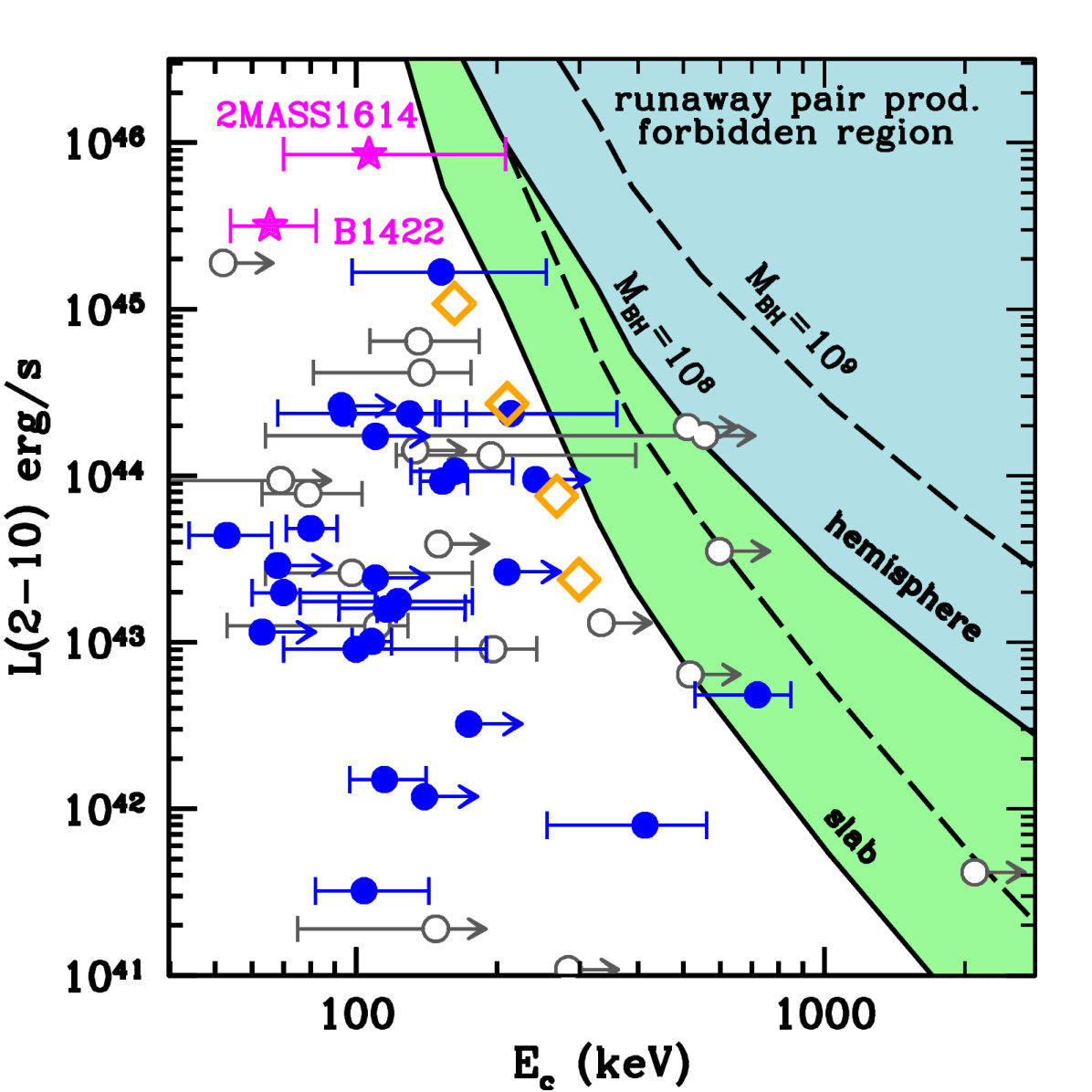 Figure 5
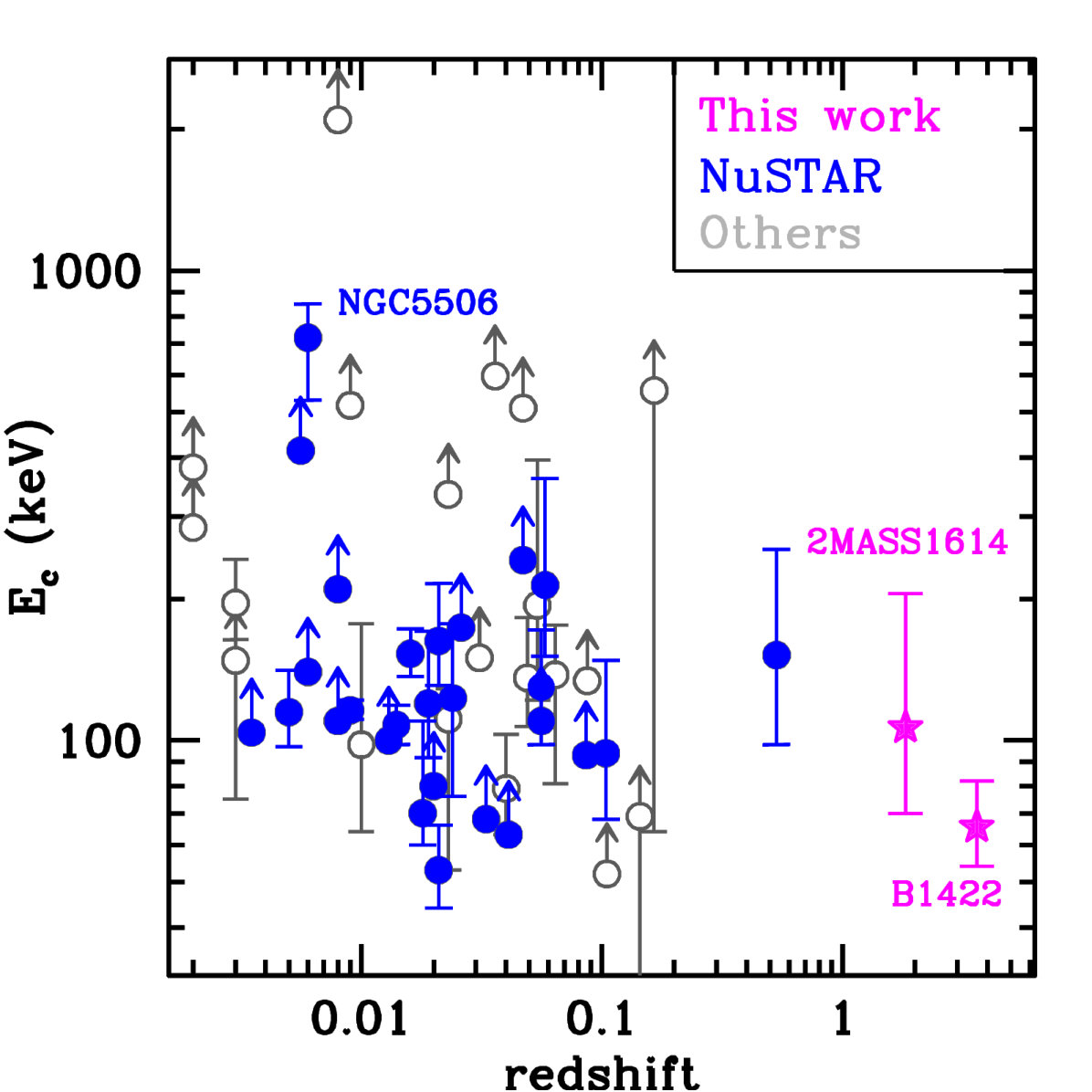 Figure 6
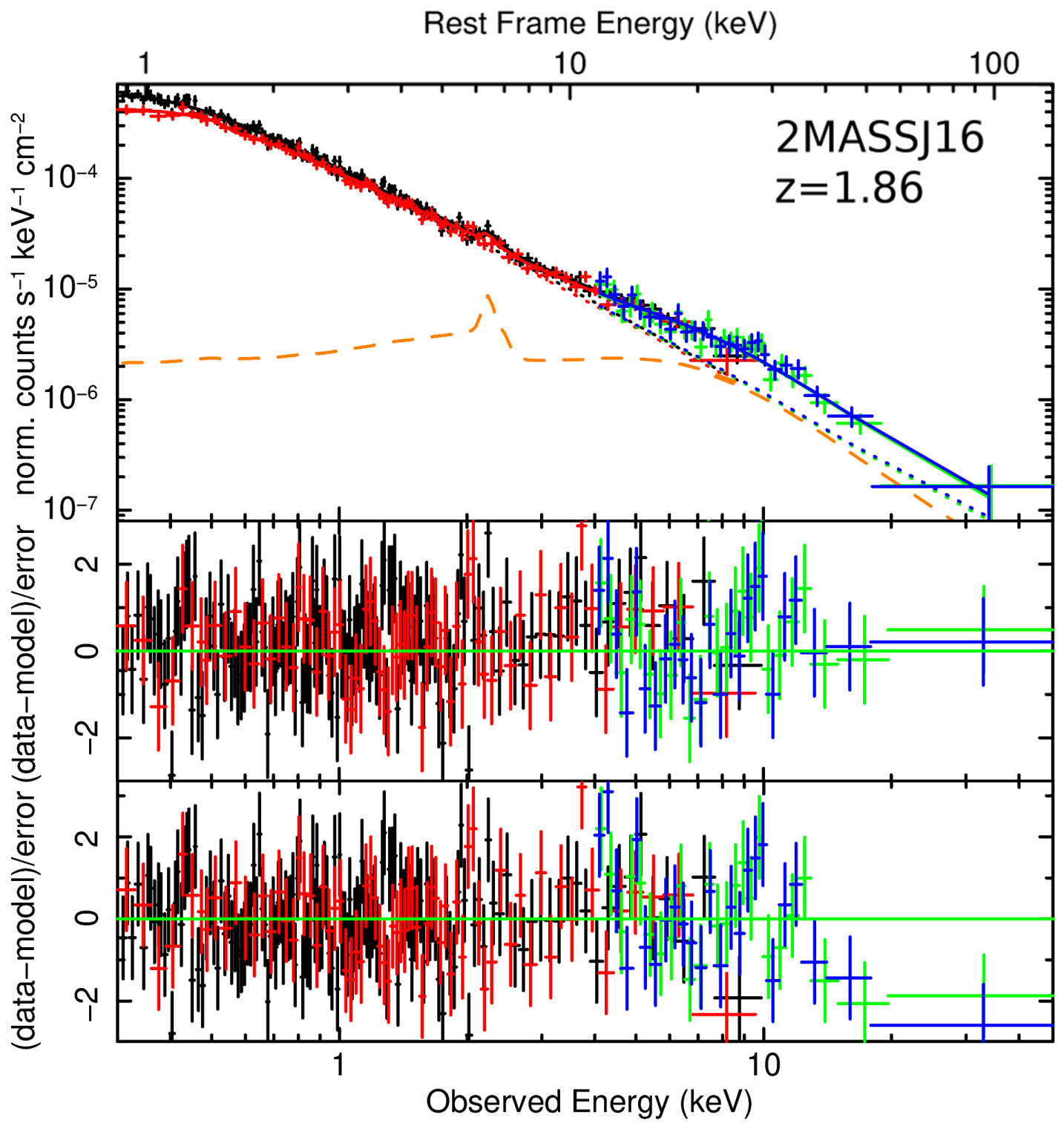 Figure 7
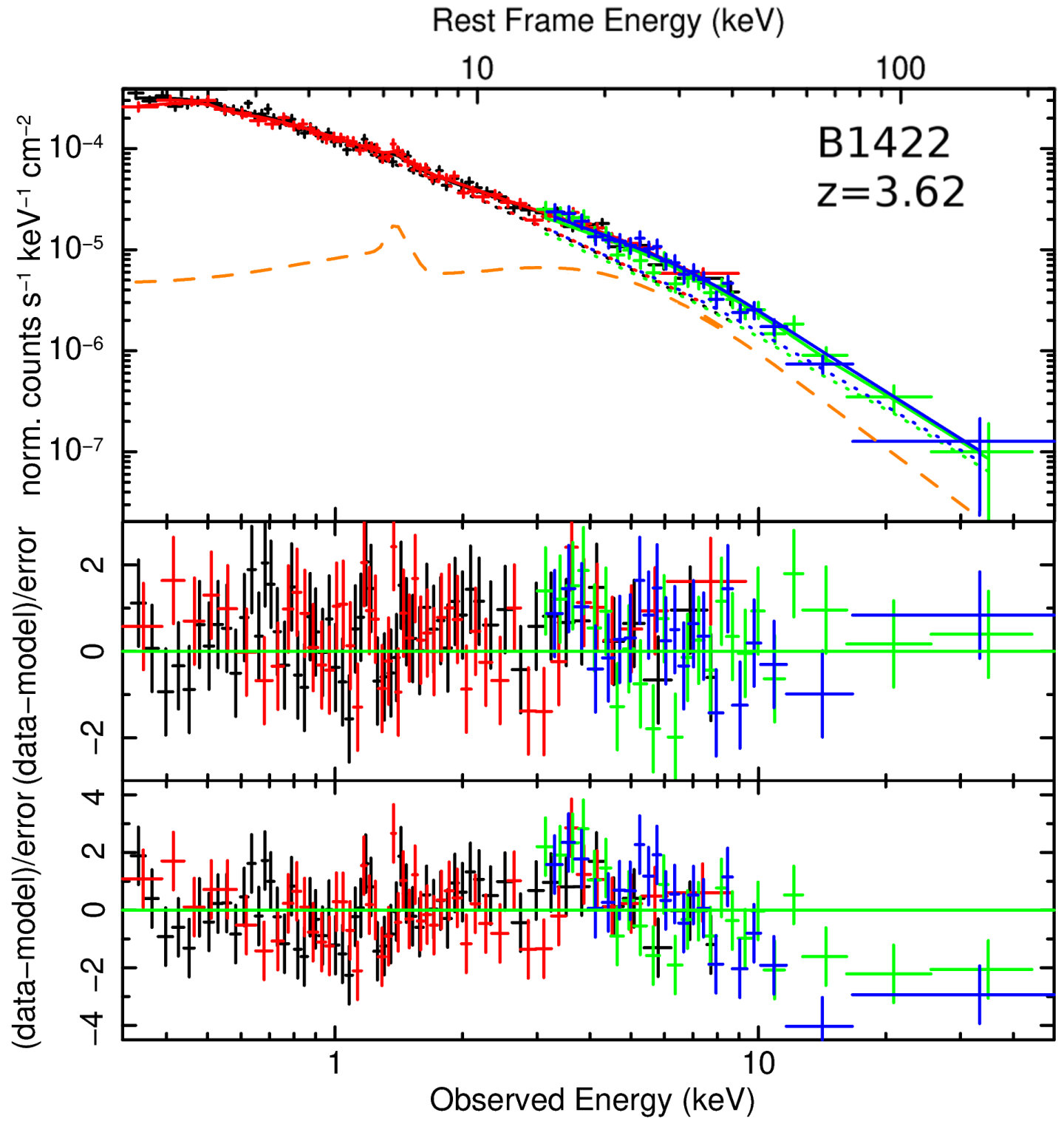 Figure 8
Peer Reviews
No public reviews on file for this paper yet. If you reviewed it on a platform where reviews are public (OpenReview, ICLR, NeurIPS, ICML), you can paste yours below so the community can read it here.
Videos
No videos yet. Explain this paper in a talk, walkthrough, or lecture? Add one.