YBa2Cu3O7/LaXMnO3 (X: Ca, Sr) based Superconductor/Ferromagnet/Superconductor junctions with memory functionality
R. de Andres Prada, T. Golod, O. M. Kapran, E. A. Borodianskyi, Ch., Bernhard, and V. M. Krasnov

TL;DR
This paper reports the fabrication and experimental study of nano-scale superconductor/ferromagnet/superconductor junctions using high-Tc cuprate superconductors and colossal magnetoresistive manganites, demonstrating their potential as memory devices with high-temperature operation.
Contribution
It introduces a novel single-layer CMR ferromagnetic junction that enables memory functionality in both superconducting and normal states, operating up to room temperature.
Findings
Magnetization switches abruptly in a mono-domain manner.
The junction exhibits hysteretic magnetoresistance due to CMR.
Memory read-out is achieved via resistance measurement in a magnetic field.
Abstract
Complex oxides exhibit a variety of unusual physical properties, which can be used for designing novel electronic devices. Here we fabricate and study experimentally nano-scale Superconductor/ Ferromagnet/Superconductor junctions with the high-Tc cuprate superconductor YBa2Cu3O7 and the colossal magnetoresistive (CMR) manganite ferromagnets LaXMnO3 (X: Ca or Sr). We demonstrate that in a broad temperature range the magnetization of a manganite nanoparticle, forming the junction interface, switches abruptly in a mono-domain manner. The CMR phenomenon translates the magnetization loop into a hysteretic magnetoresistance loop. The latter facilitates a memory functionality of such a junction with just a single CMR ferromagnetic layer. The orientation of the magnetization (stored information) can be read out by simply measuring the junction resistance in an applied magnetic field. The CMR…
Click any figure to enlarge with its caption.
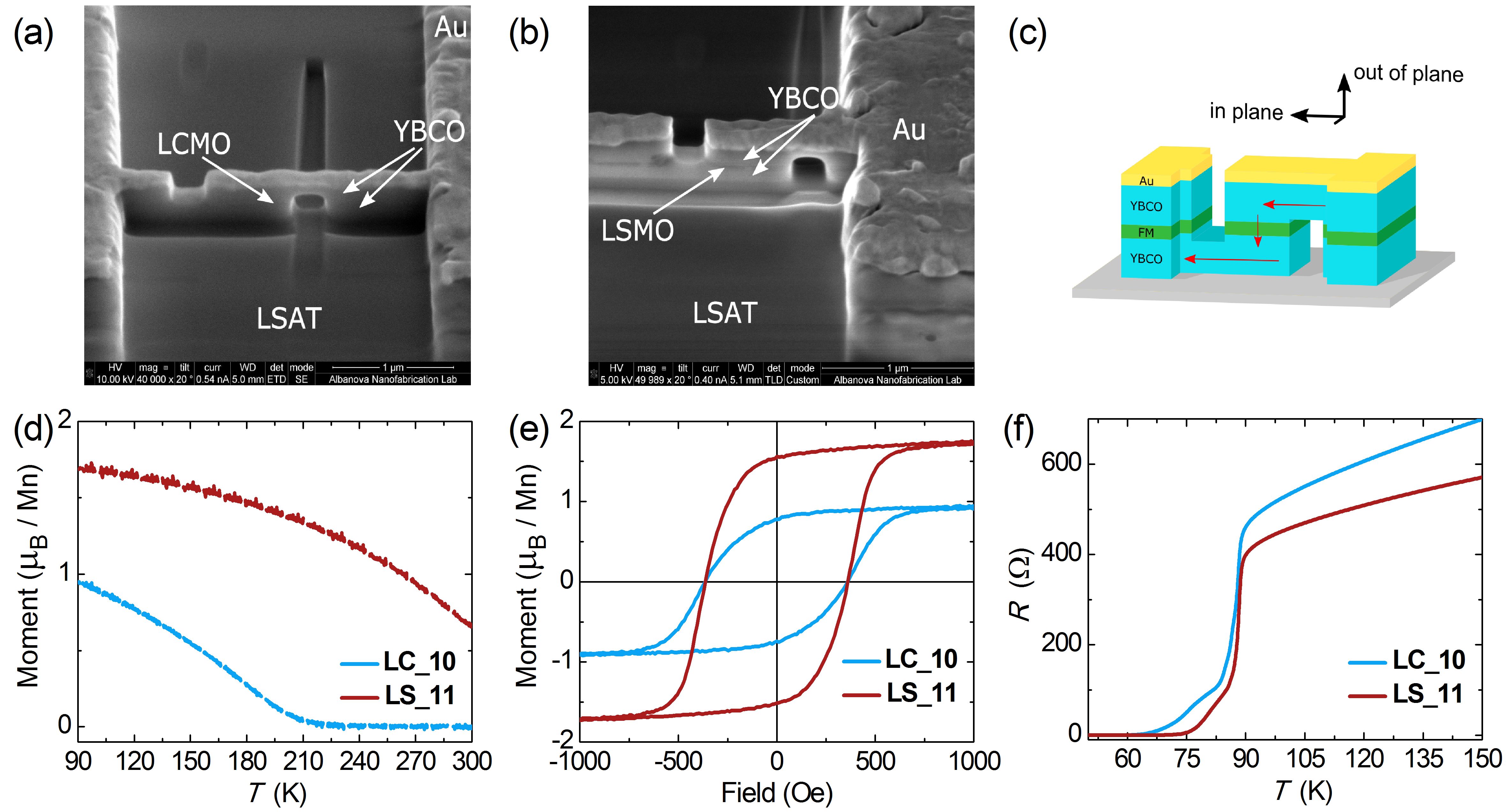 Figure 1
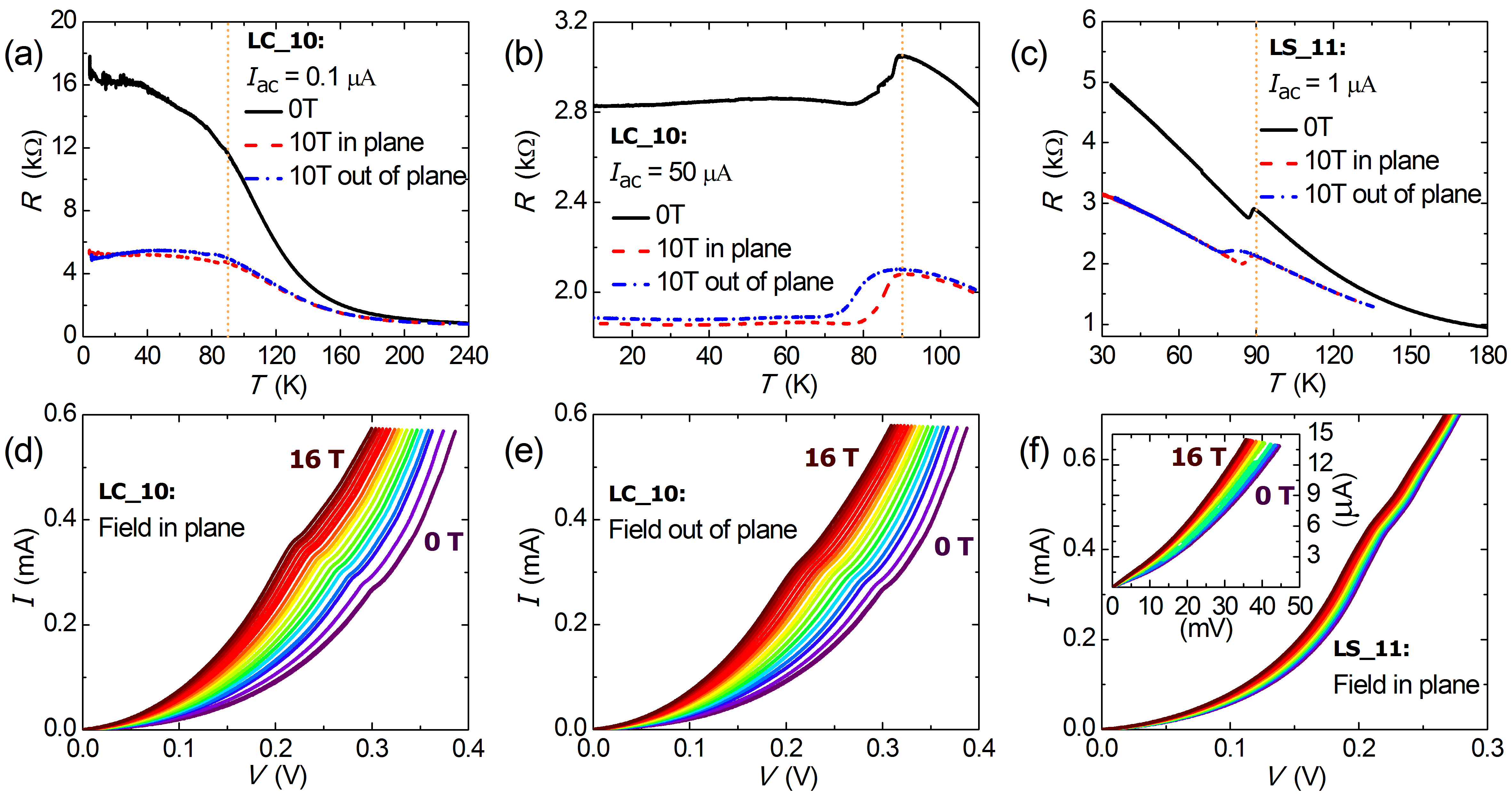 Figure 2
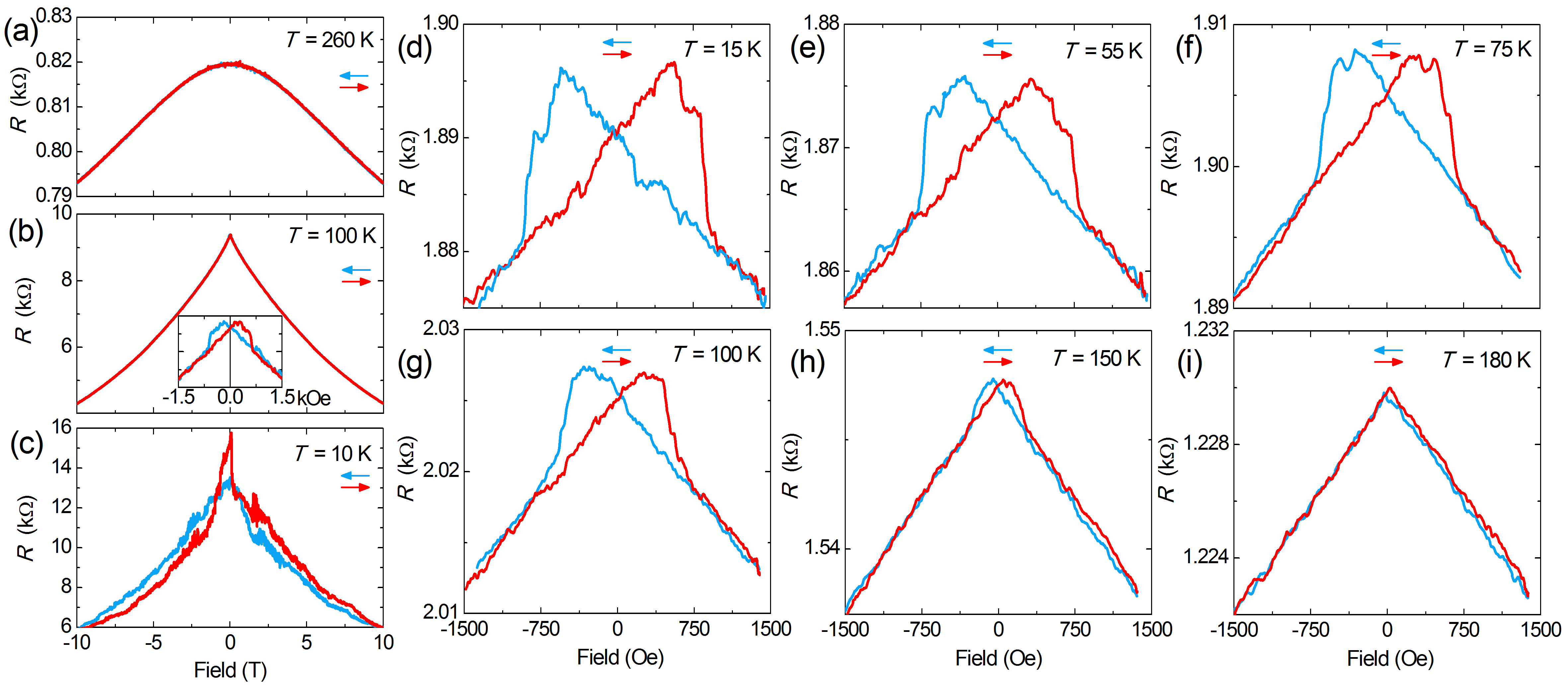 Figure 3
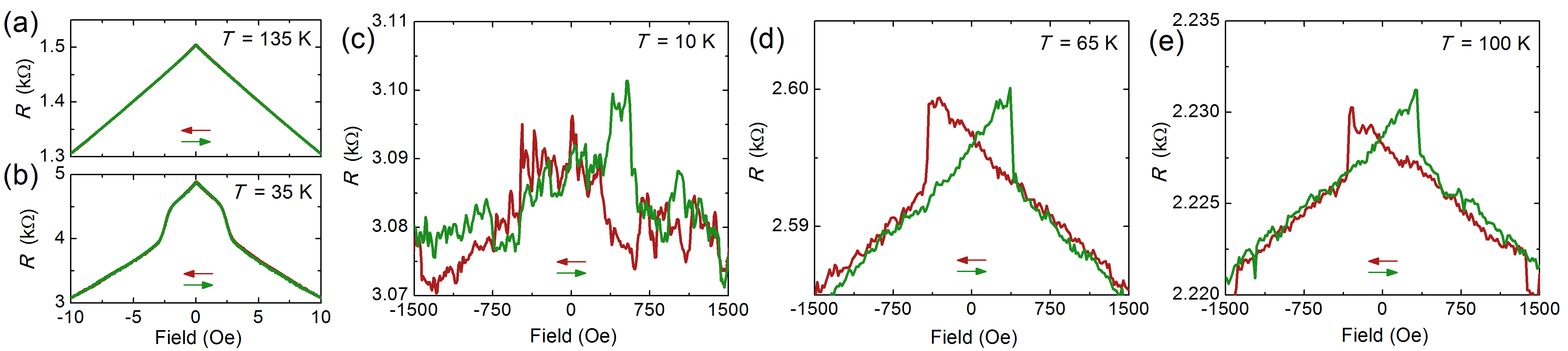 Figure 4
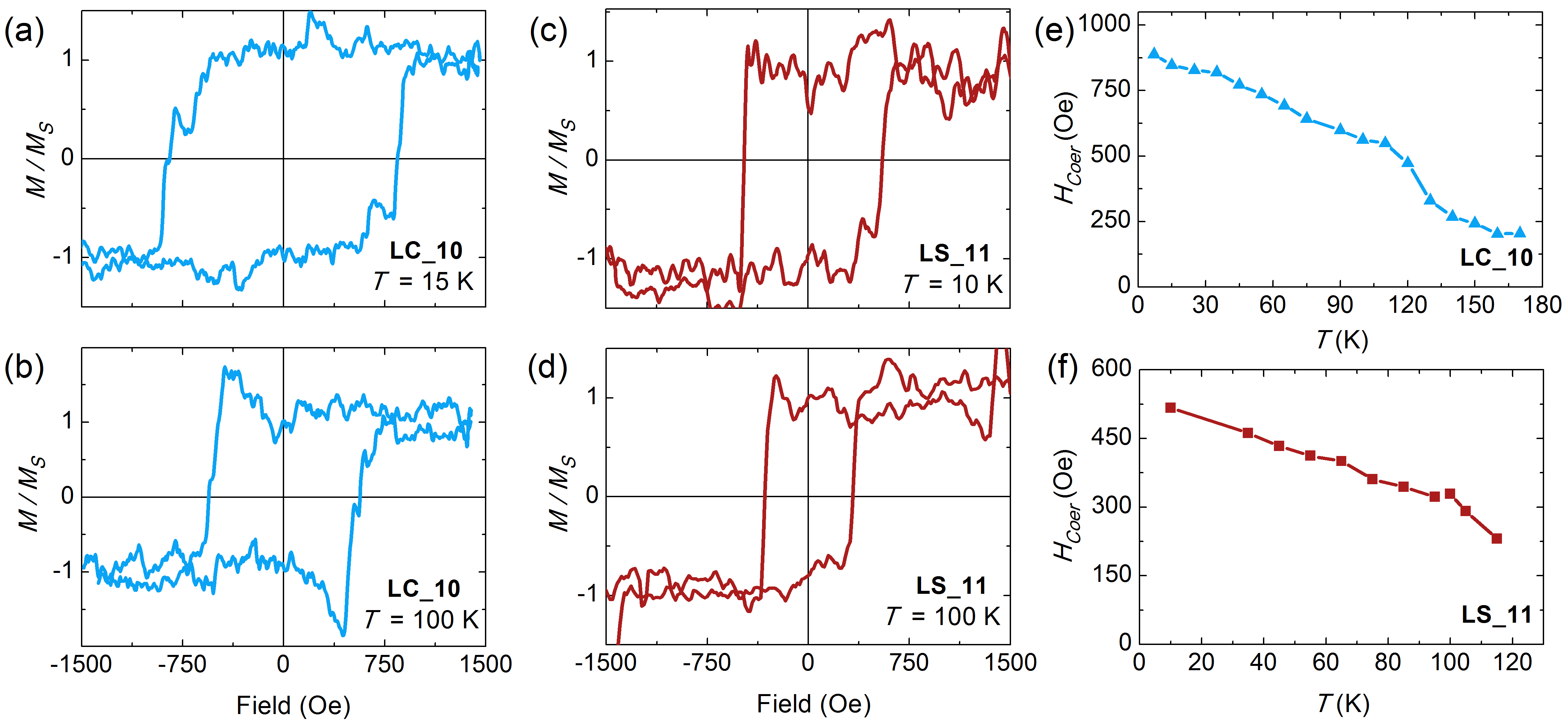 Figure 5
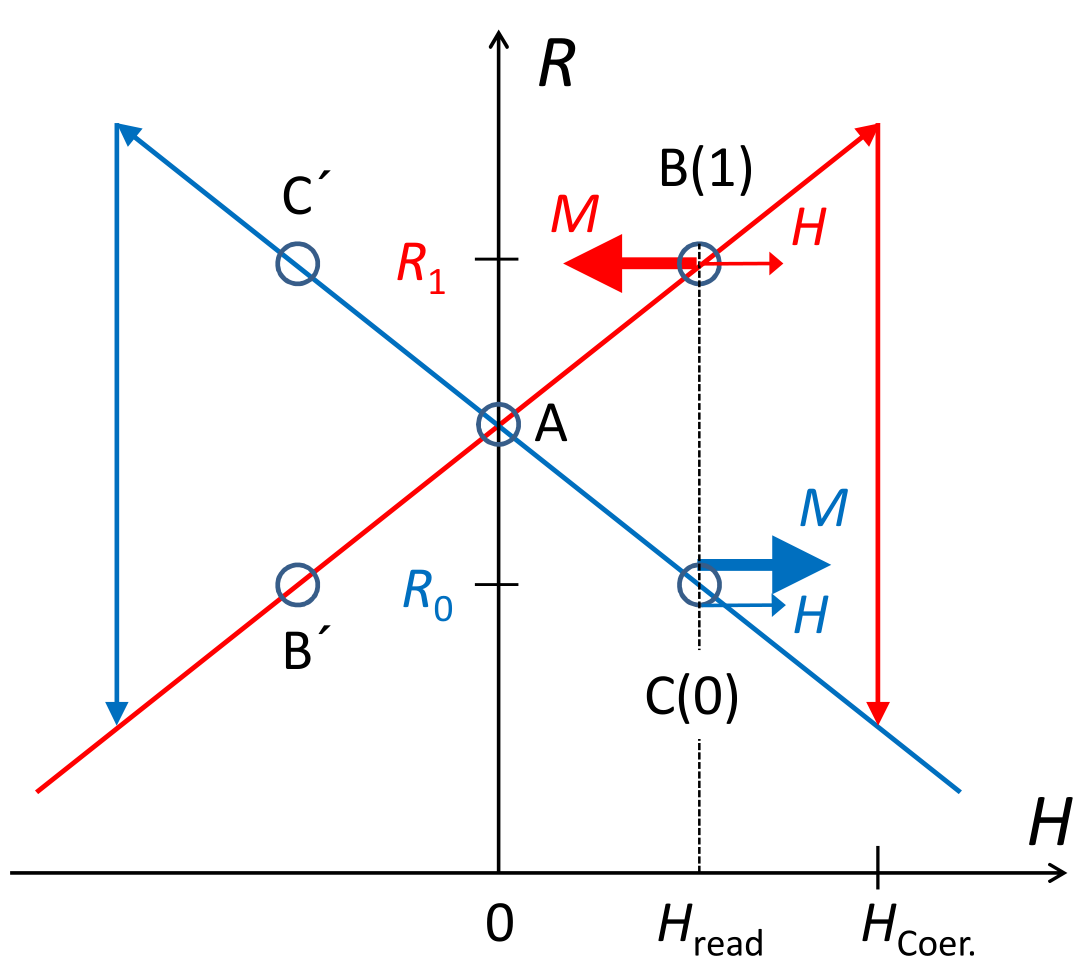 Figure 6
Peer Reviews
No public reviews on file for this paper yet. If you reviewed it on a platform where reviews are public (OpenReview, ICLR, NeurIPS, ICML), you can paste yours below so the community can read it here.
Videos
No videos yet. Explain this paper in a talk, walkthrough, or lecture? Add one.