Characterizing the local relation between star formation rate and gas-phase metallicity in MaNGA spiral galaxies
Laura S\'anchez-Menguiano, Jorge S\'anchez Almeida, Casiana, Mu\~noz-Tu\~n\'on, Sebasti\'an F. S\'anchez, Mercedes Filho, Hsiang-Chih, Hwang, Niv Drory

TL;DR
This study analyzes the local relationship between star formation rate and gas-phase metallicity in over 700 spiral galaxies, revealing that the anti-correlation is prevalent mainly in metal-poor galaxies and is influenced by their average metallicity.
Contribution
It demonstrates that the local SFR-metallicity anti-correlation varies with galaxy metallicity and uses machine learning to identify key factors influencing this relation.
Findings
60% of galaxies show SFR-Zg anti-correlation
Anti-correlation strength decreases with increasing metallicity
External gas accretion fuels star formation in metal-poor galaxies
Abstract
The role of gas accretion in galaxy evolution is still a matter of debate. The presence of inflows of metal-poor gas that trigger star formation bursts of low metallicity has been proposed as an explanation for the local anti-correlation between star formation rate (SFR) and gas-phase metallicity () found in the literature. In the present study, we show how the anti-correlation is also present as part of a diversified range of behaviours for a sample of more than 700 nearby spiral galaxies from the SDSS IV MaNGA survey. We have characterized the local relation between SFR and after subtracting the azimuthally averaged radial profiles of both quantities. of the analyzed galaxies display a anti-correlation, with the remaining showing no correlation () or positive correlation (). Applying a Random Forest machine-learning algorithm,…
Click any figure to enlarge with its caption.
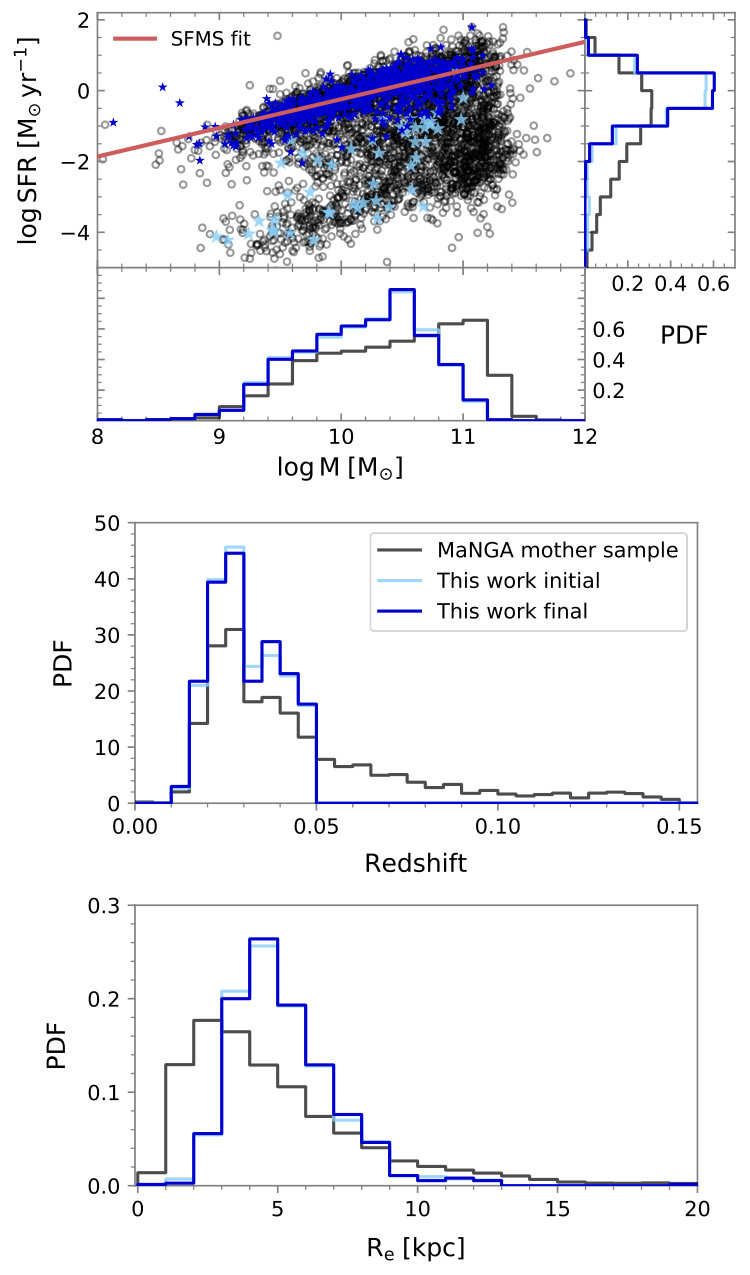 Figure 1
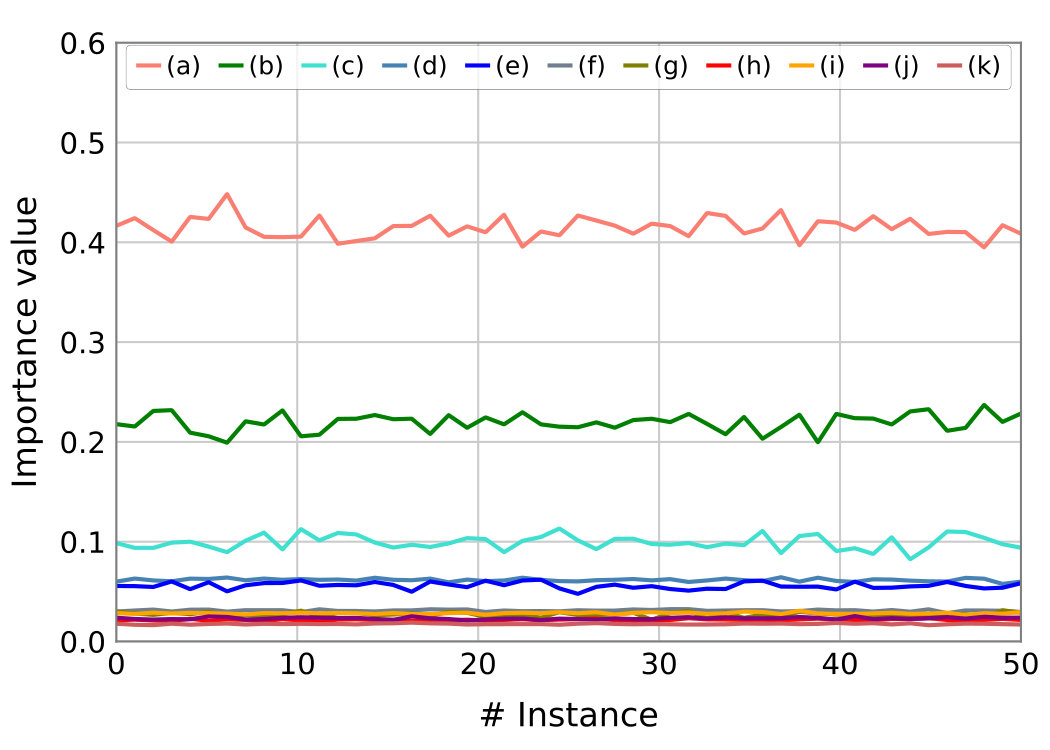 Figure 10
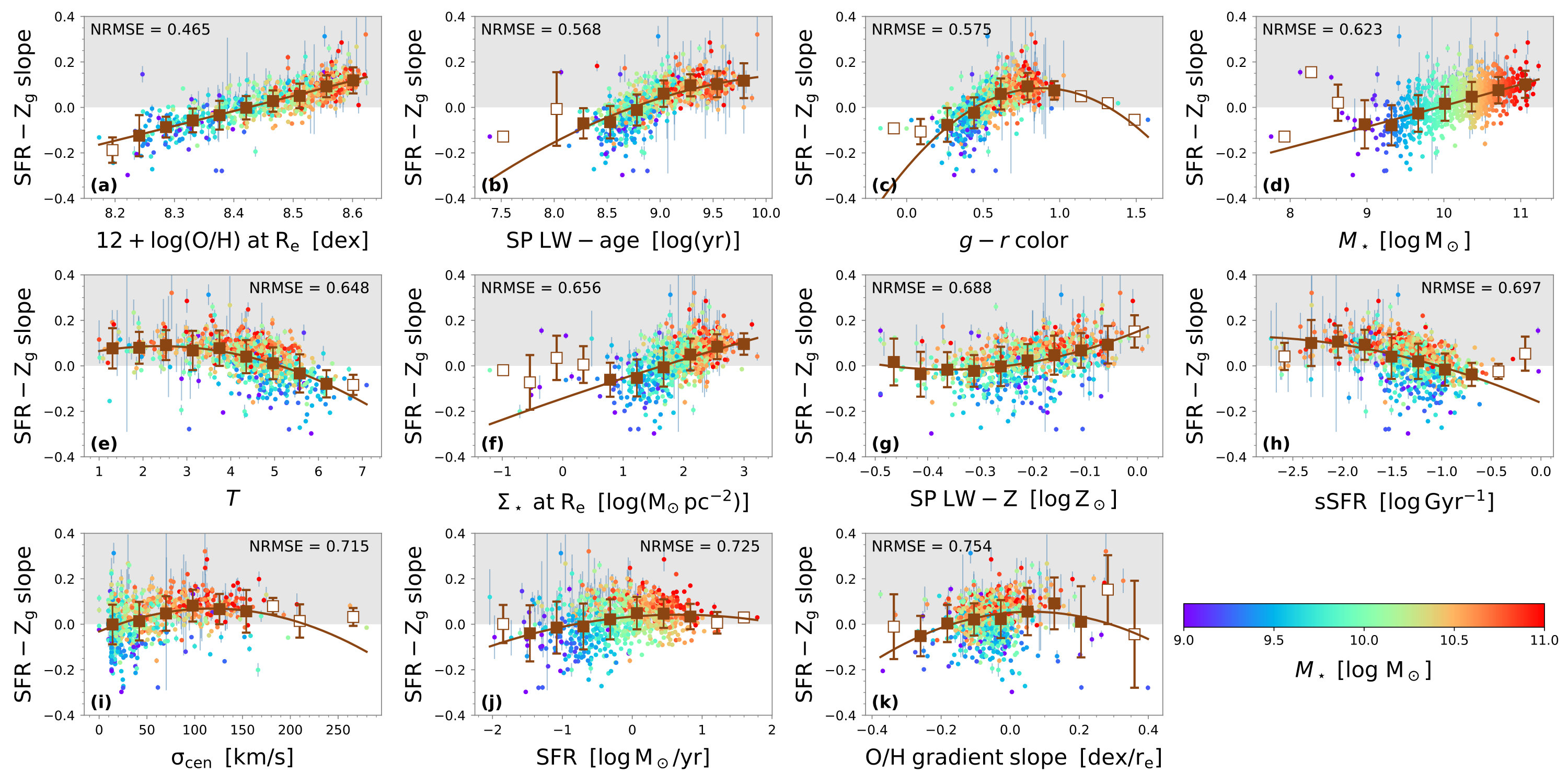 Figure 11
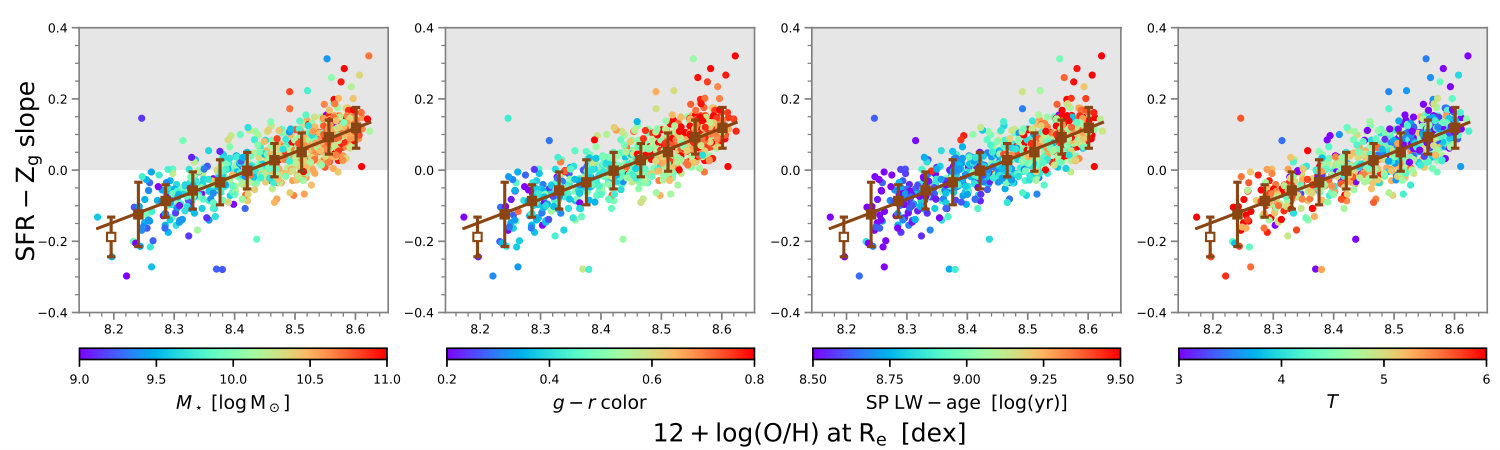 Figure 12
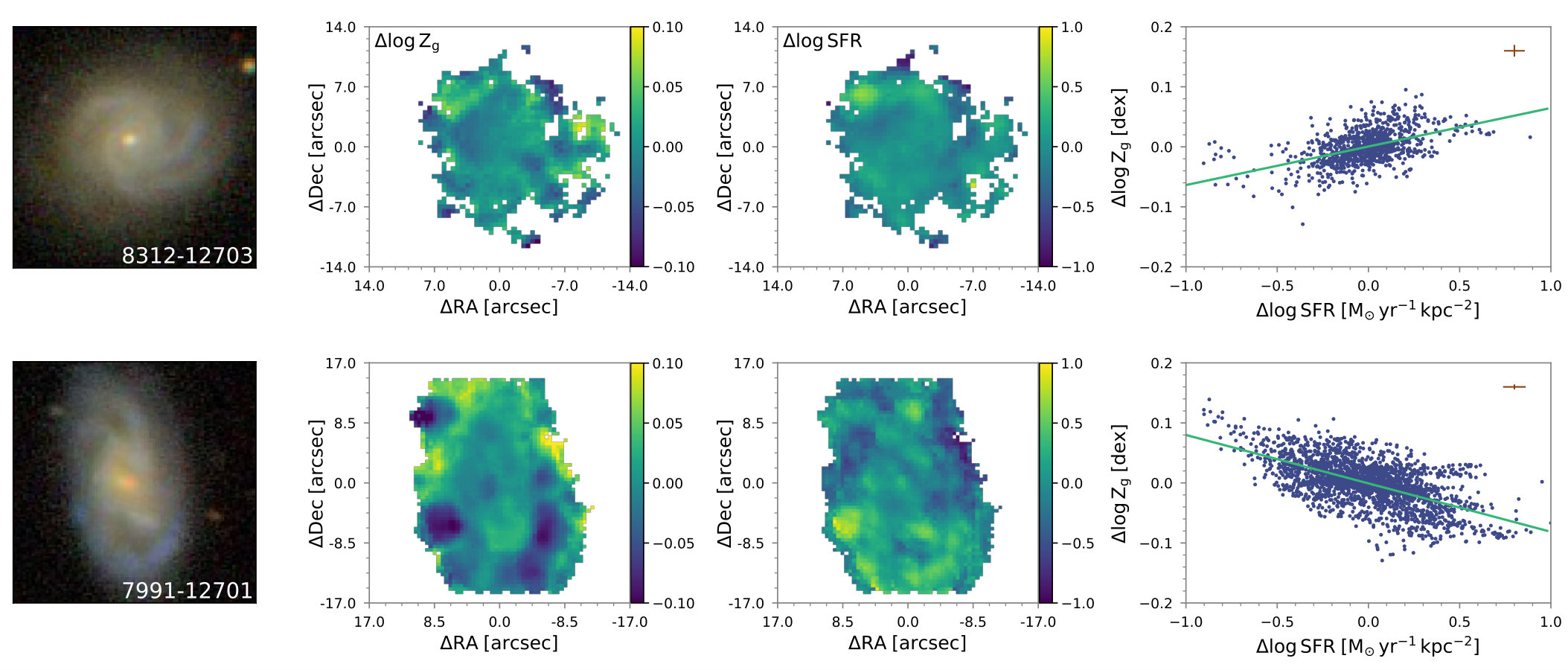 Figure 2
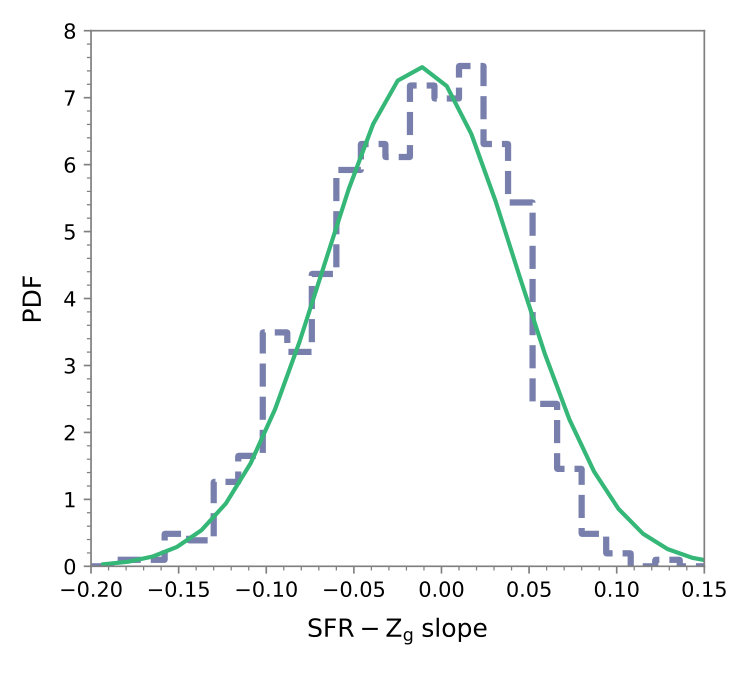 Figure 3
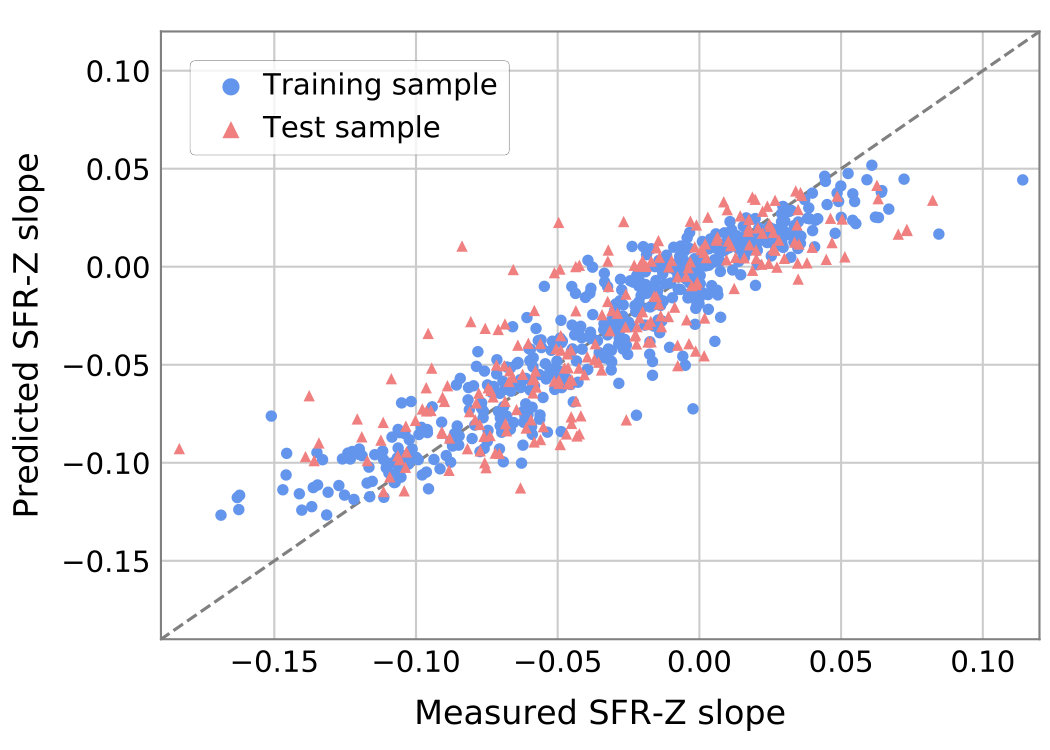 Figure 4
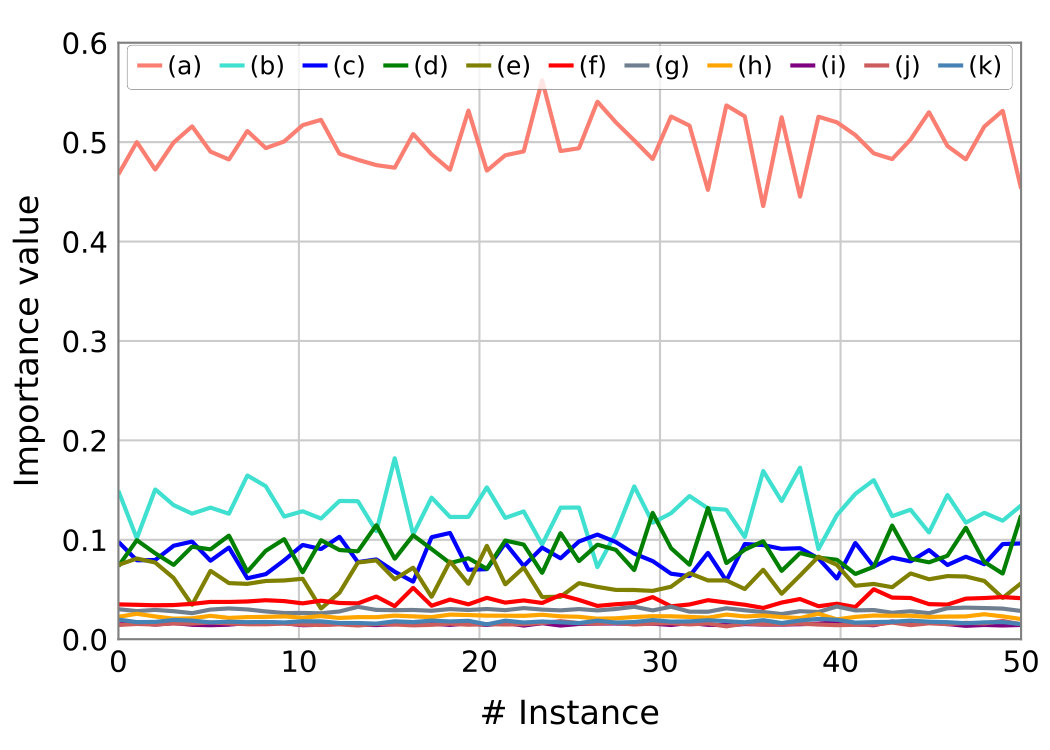 Figure 5
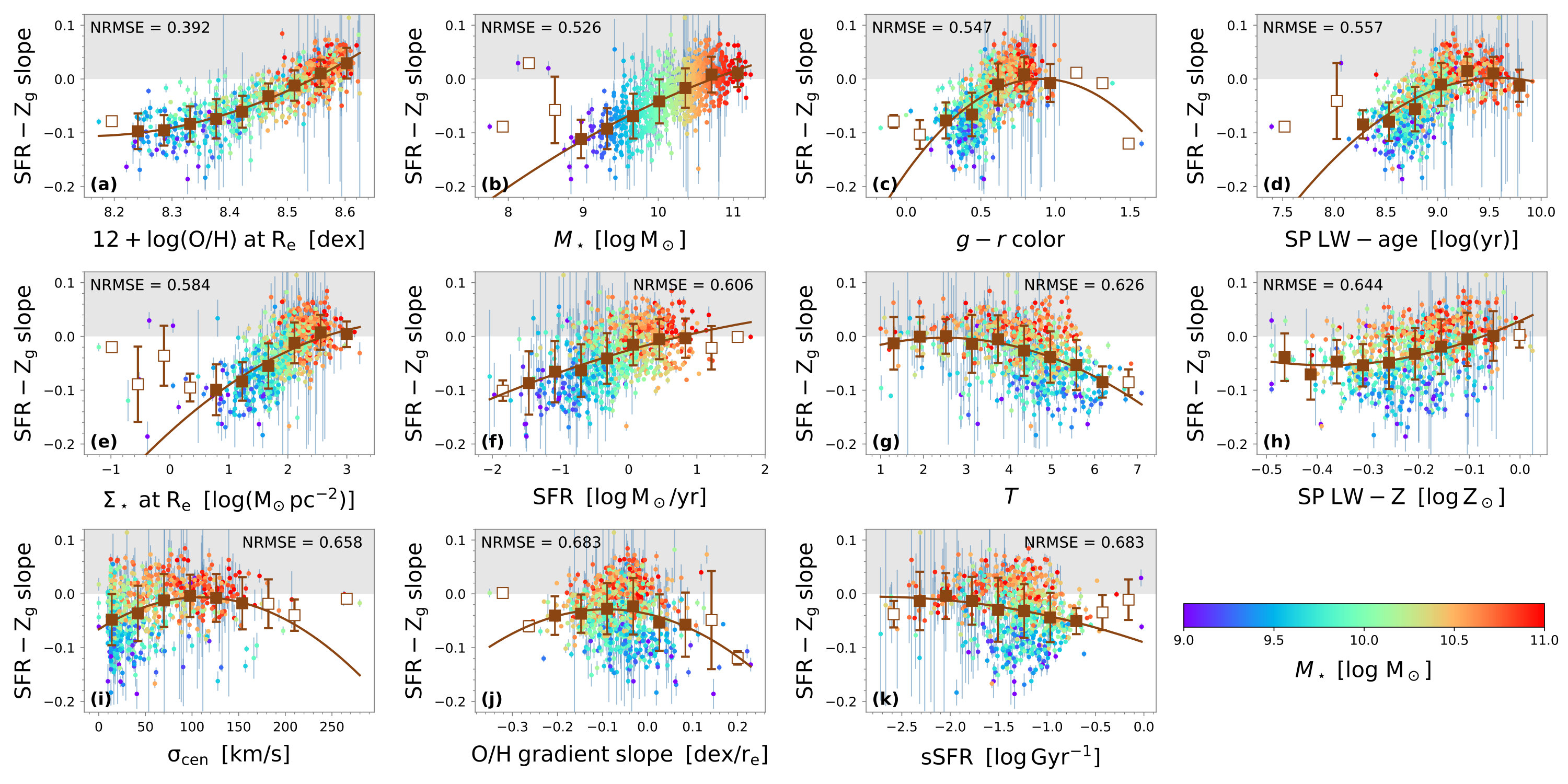 Figure 6
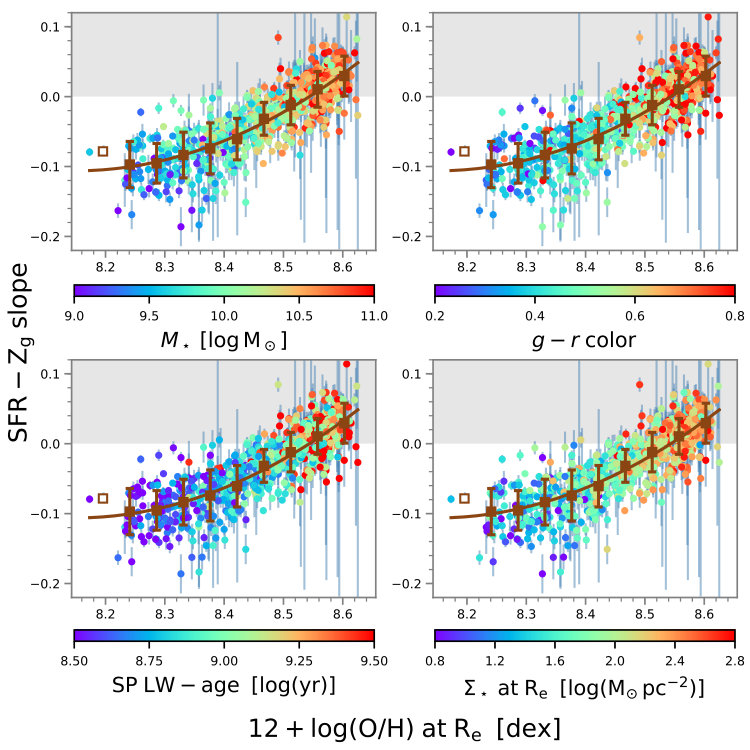 Figure 7
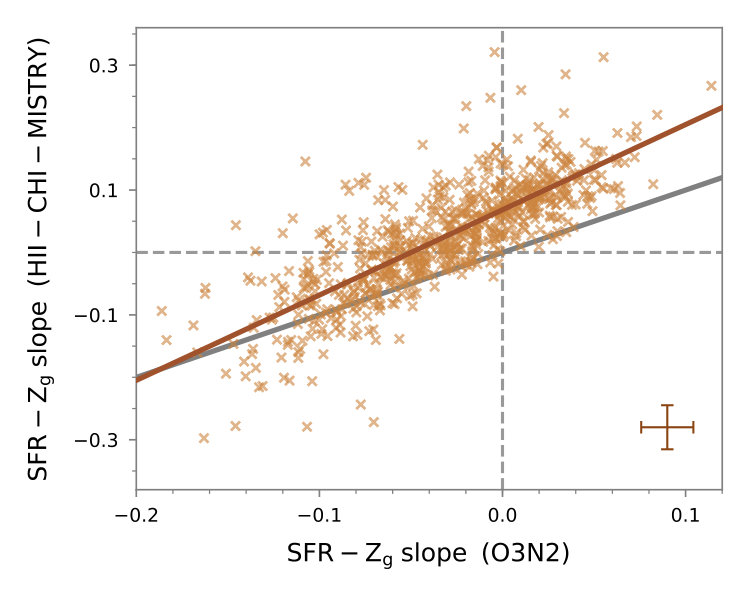 Figure 8
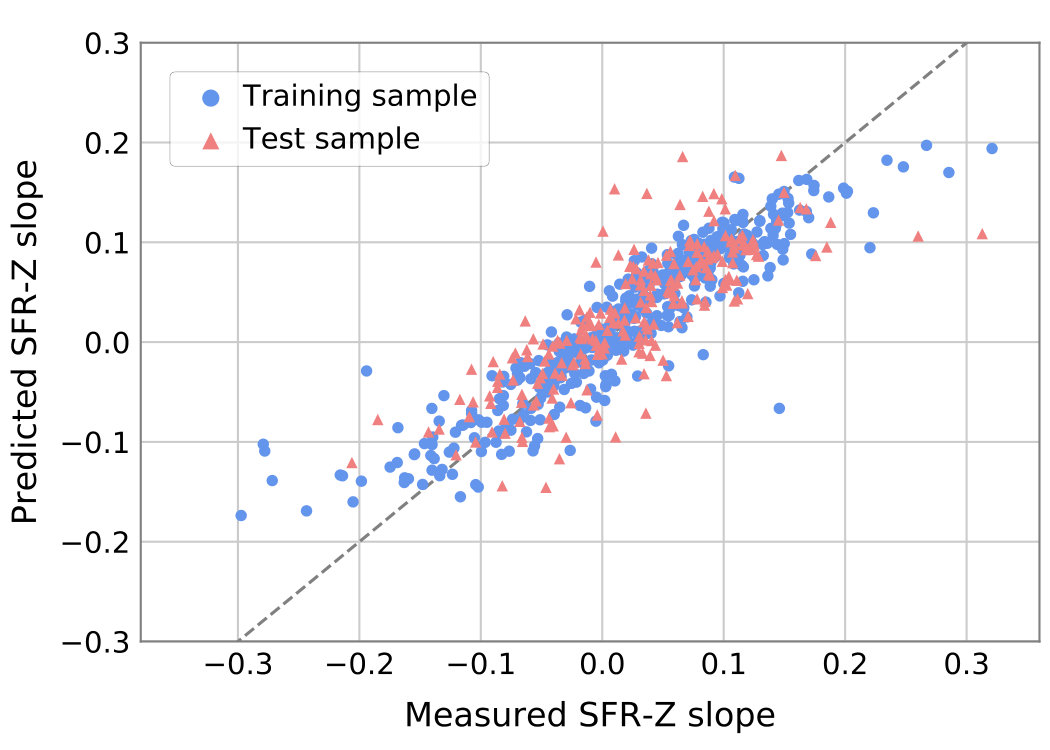 Figure 9
Peer Reviews
No public reviews on file for this paper yet. If you reviewed it on a platform where reviews are public (OpenReview, ICLR, NeurIPS, ICML), you can paste yours below so the community can read it here.
Videos
No videos yet. Explain this paper in a talk, walkthrough, or lecture? Add one.