Achieving Starvation-Freedom with Greater Concurrency in Multi-Version Object-based Transactional Memory Systems
Chirag Juyal, Sandeep Kulkarni, Sweta Kumari, Sathya Peri, and Archit, Somani

TL;DR
This paper introduces a starvation-free multi-version object-based transactional memory system that enhances concurrency and correctness, demonstrating improved performance over existing STM systems.
Contribution
It proposes a novel starvation-free multi-version OSTMs (SF-MVOSTM) that ensures correctness and high concurrency, with three implemented variants showing performance benefits.
Findings
Ensures starvation-freedom in OSTMs while maintaining correctness.
Stores multiple versions per key to reduce aborts and increase throughput.
Outperforms state-of-the-art STMs in experiments.
Abstract
To utilize the multi-core processors properly concurrent programming is needed. Concurrency control is the main challenge while designing a correct and efficient concurrent program. Software Transactional Memory Systems (STMs) provides ease of multithreading to the programmer without worrying about concurrency issues such as deadlock, livelock, priority inversion, etc. Most of the STMs works on read-write operations known as RWSTMs. Some STMs work at high-level operations and ensure greater concurrency than RWSTMs. Such STMs are known as Object-Based STMs (OSTMs). The transactions of OSTMs can return commit or abort. Aborted OSTMs transactions retry. But in the current setting of OSTMs, transactions may starve. So, we proposed a Starvation-Free OSTM (SF-OSTM) which ensures starvation-freedom in object based STM systems while satisfying the correctness criteria as co-opacity. Databases,…
Click any figure to enlarge with its caption.
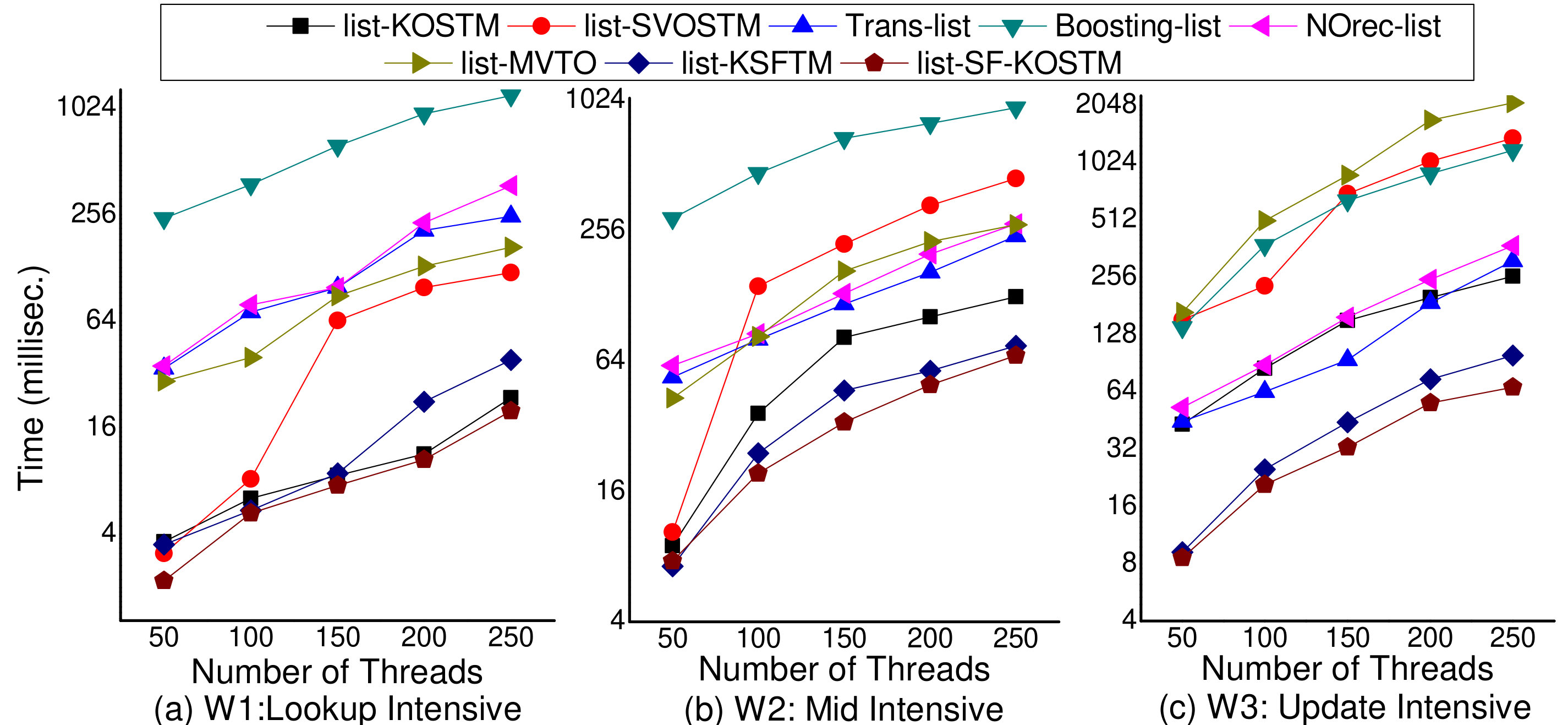 Figure 1
 Figure 2
 Figure 3
 Figure 4
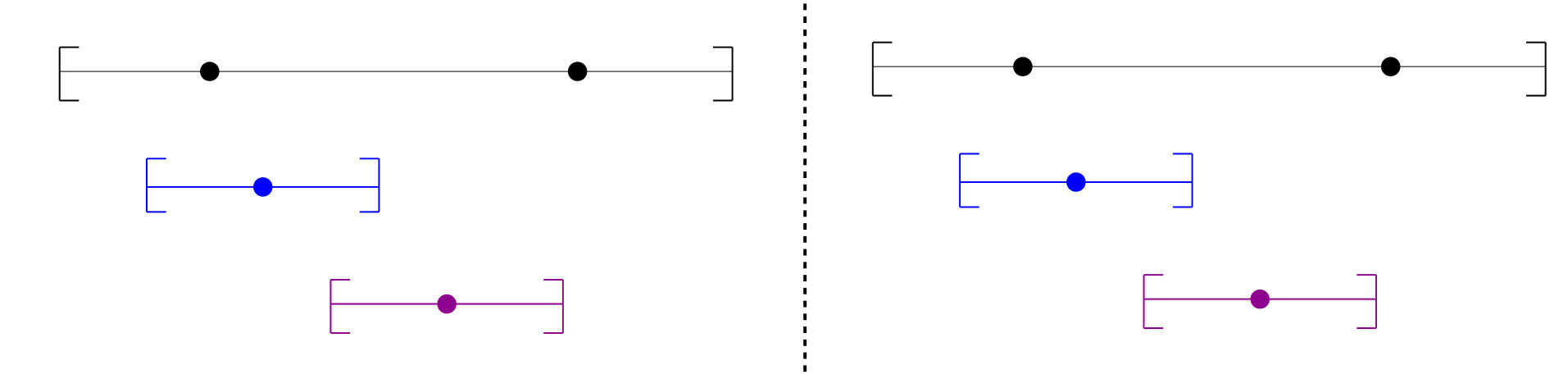 Figure 5
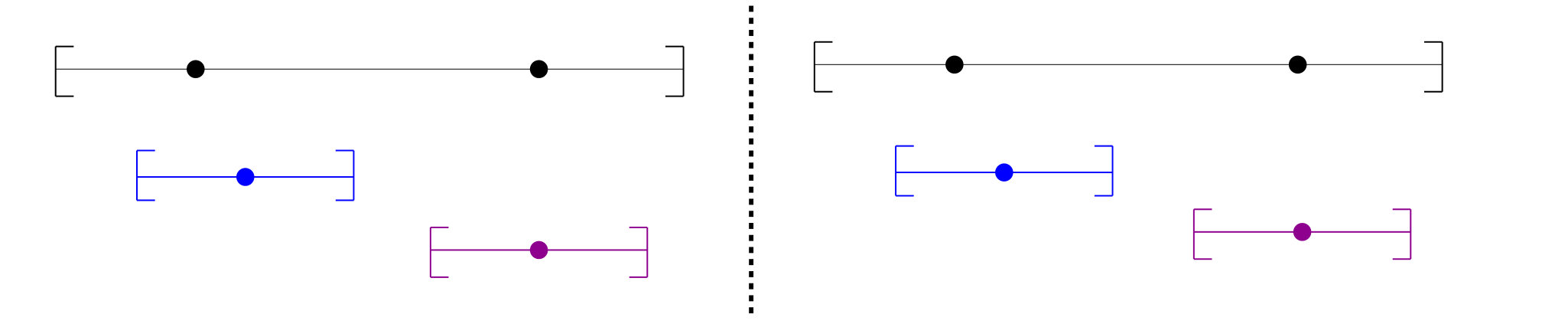 Figure 6
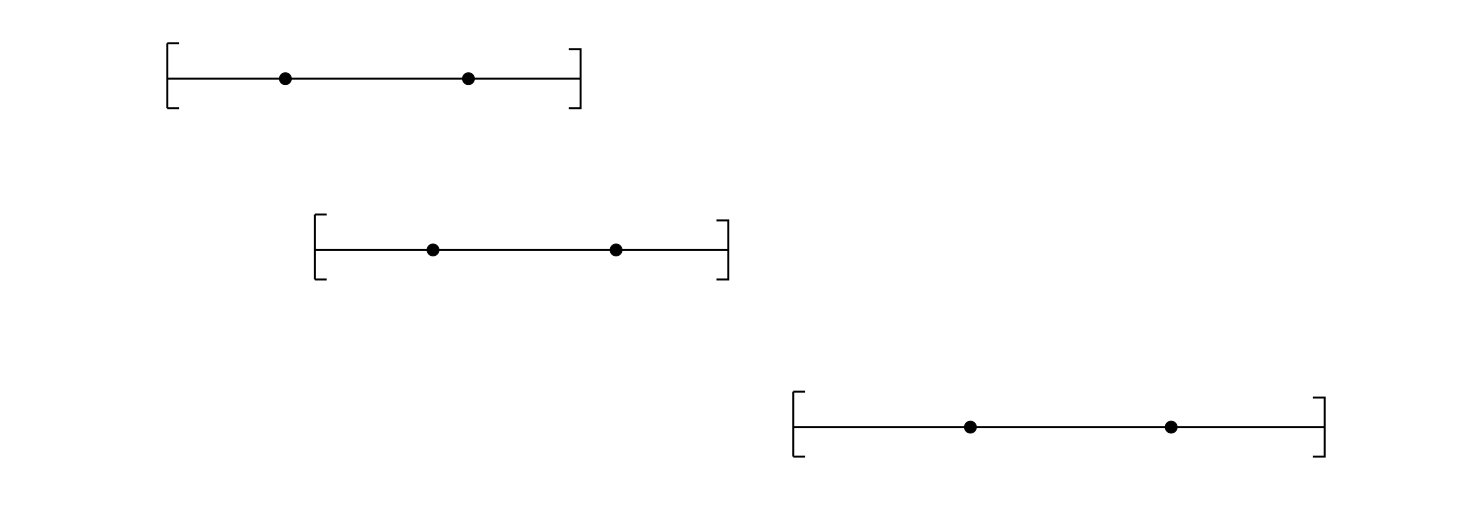 Figure 7
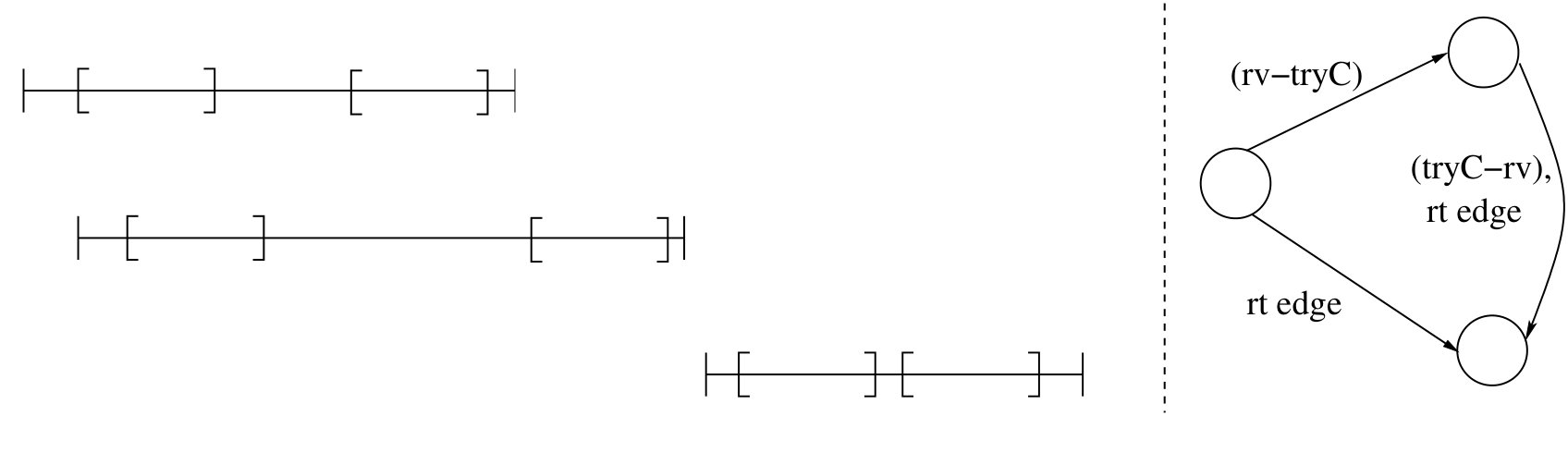 Figure 8
 Figure 9
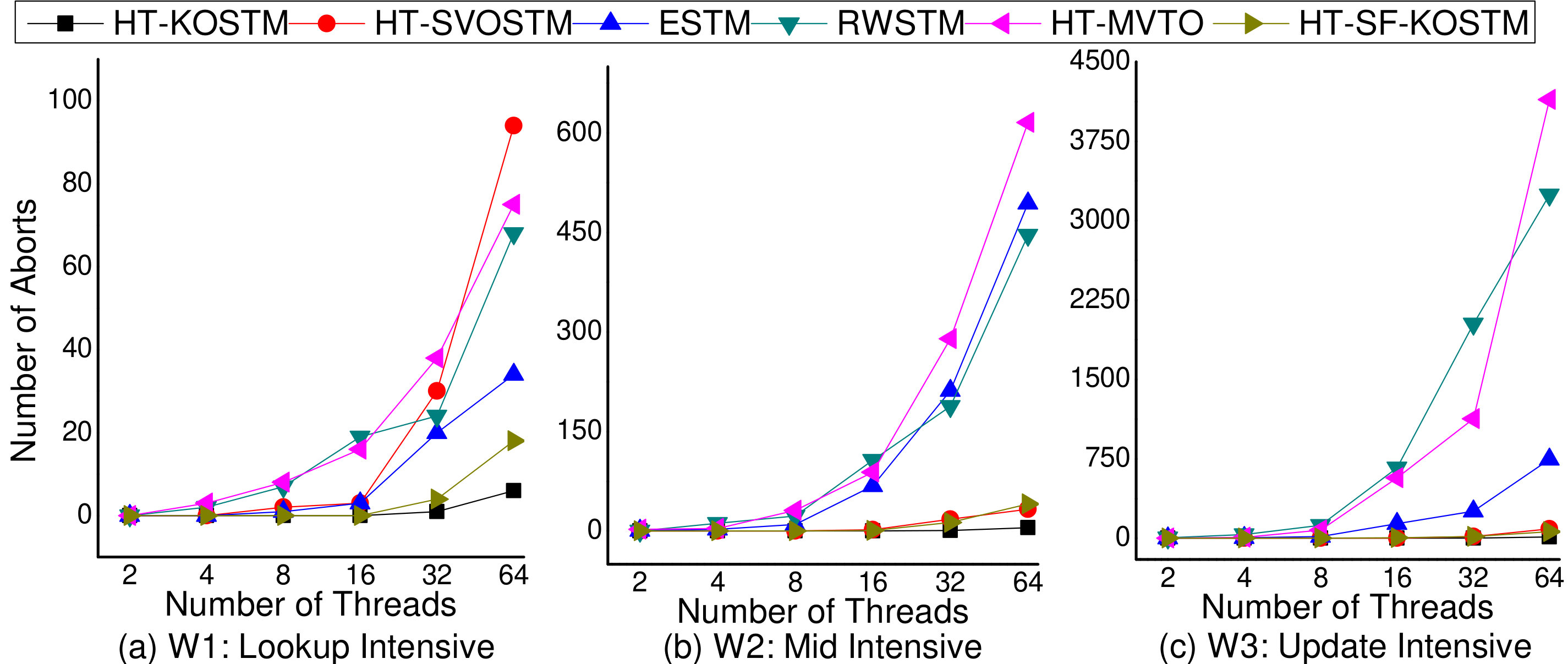 Figure 10
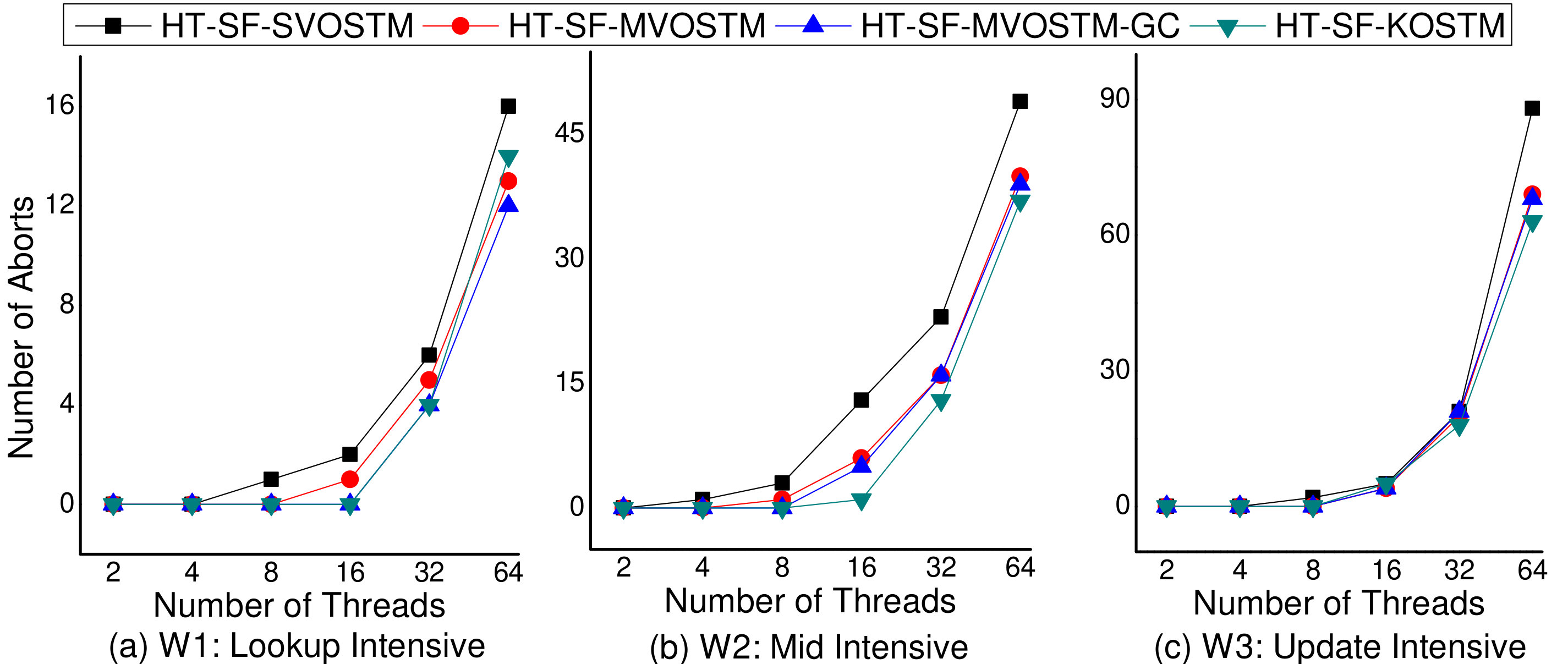 Figure 11
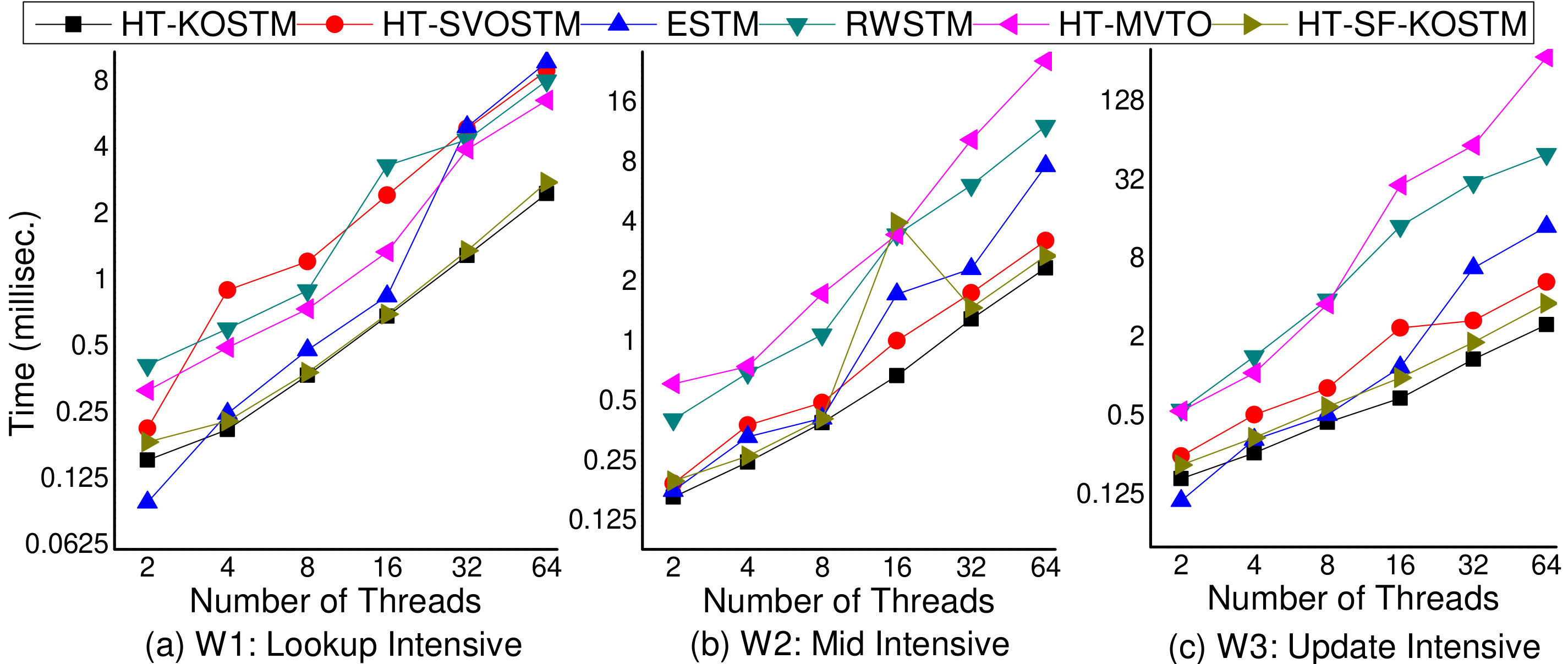 Figure 12
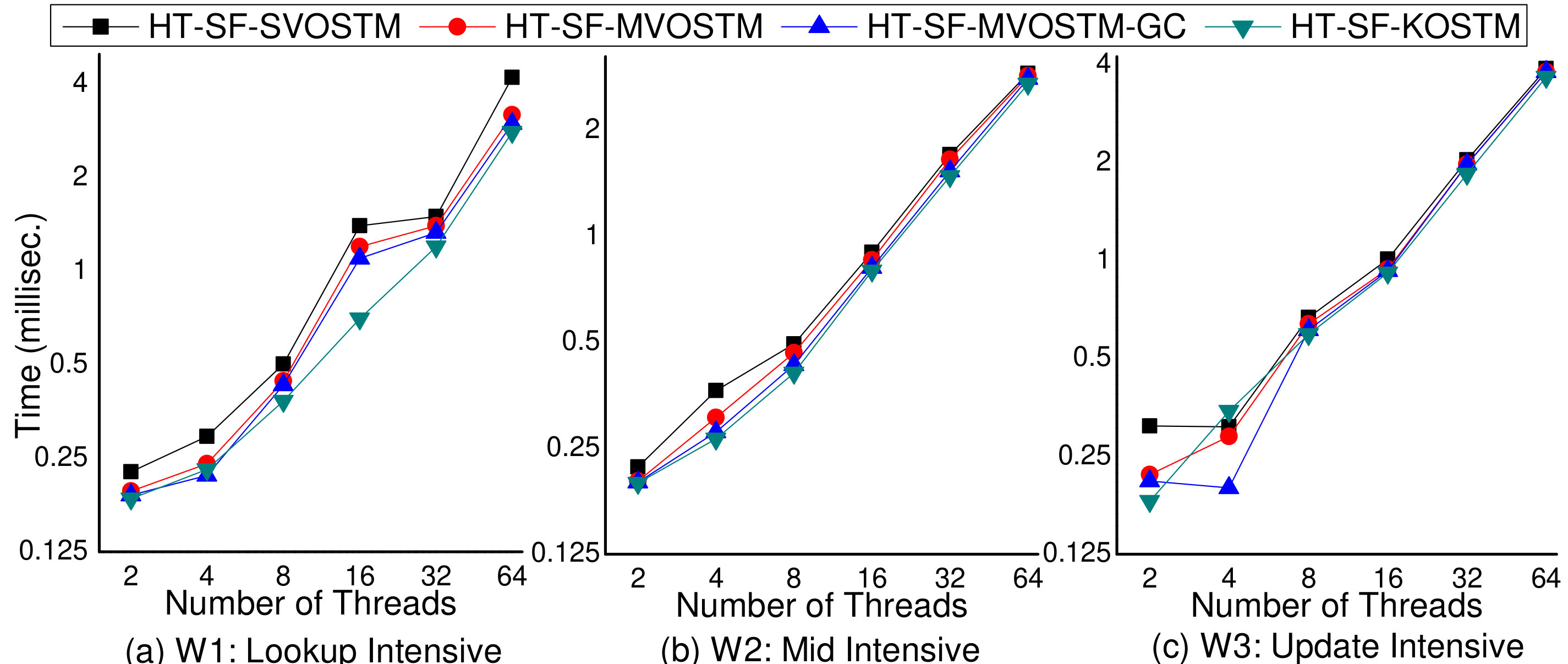 Figure 13
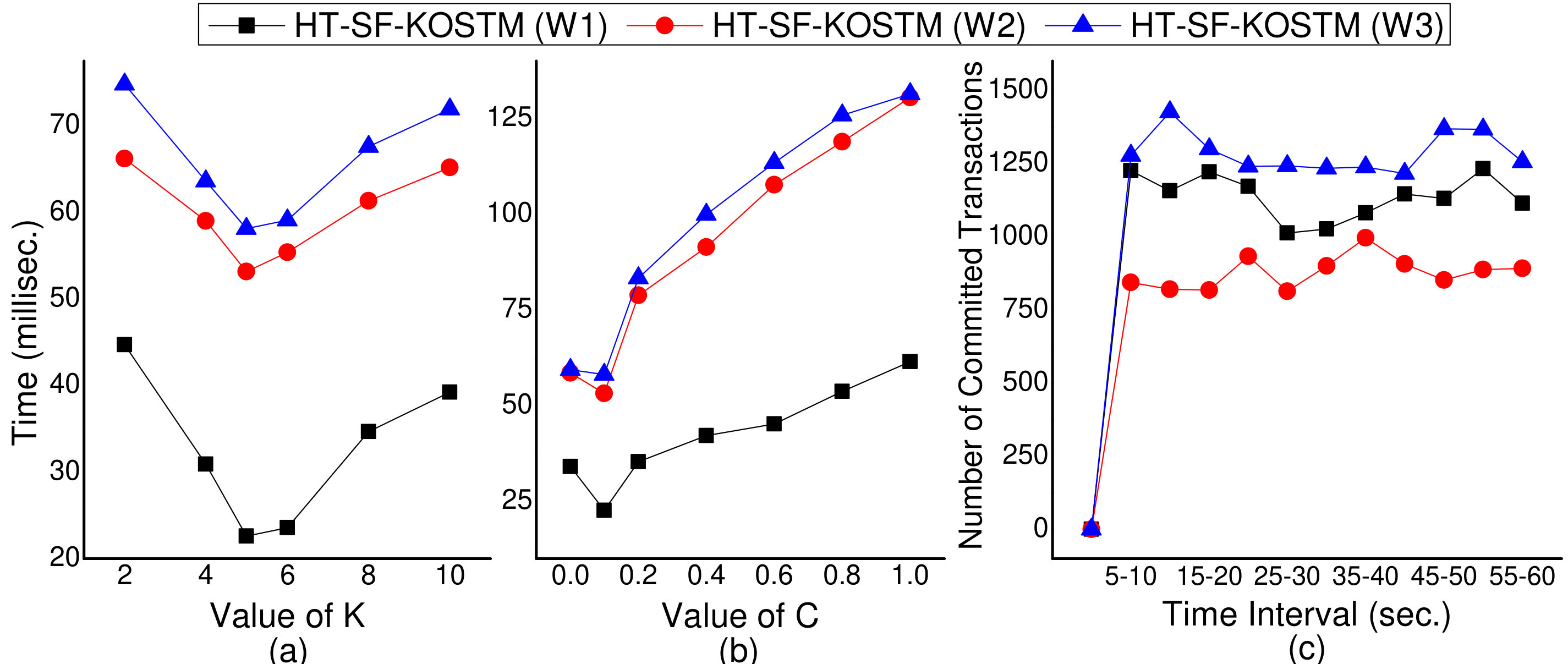 Figure 14
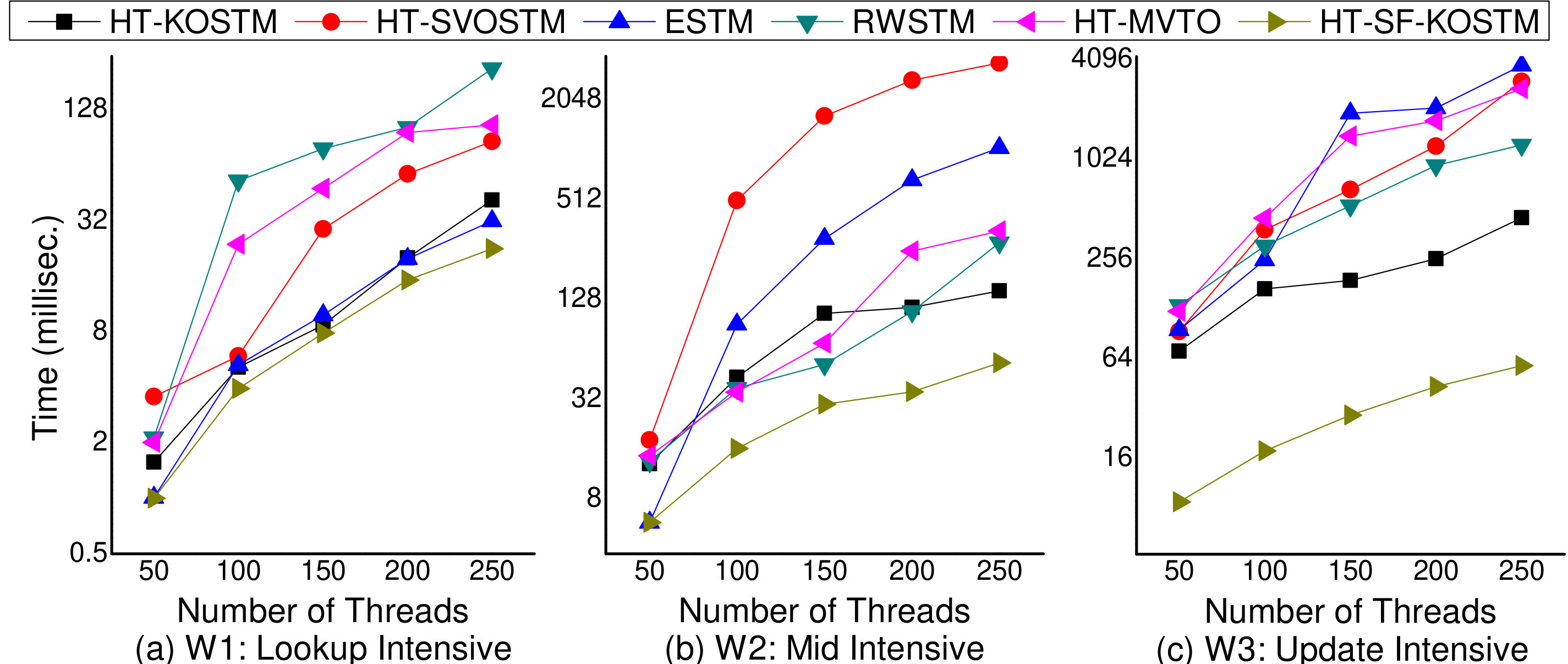 Figure 15
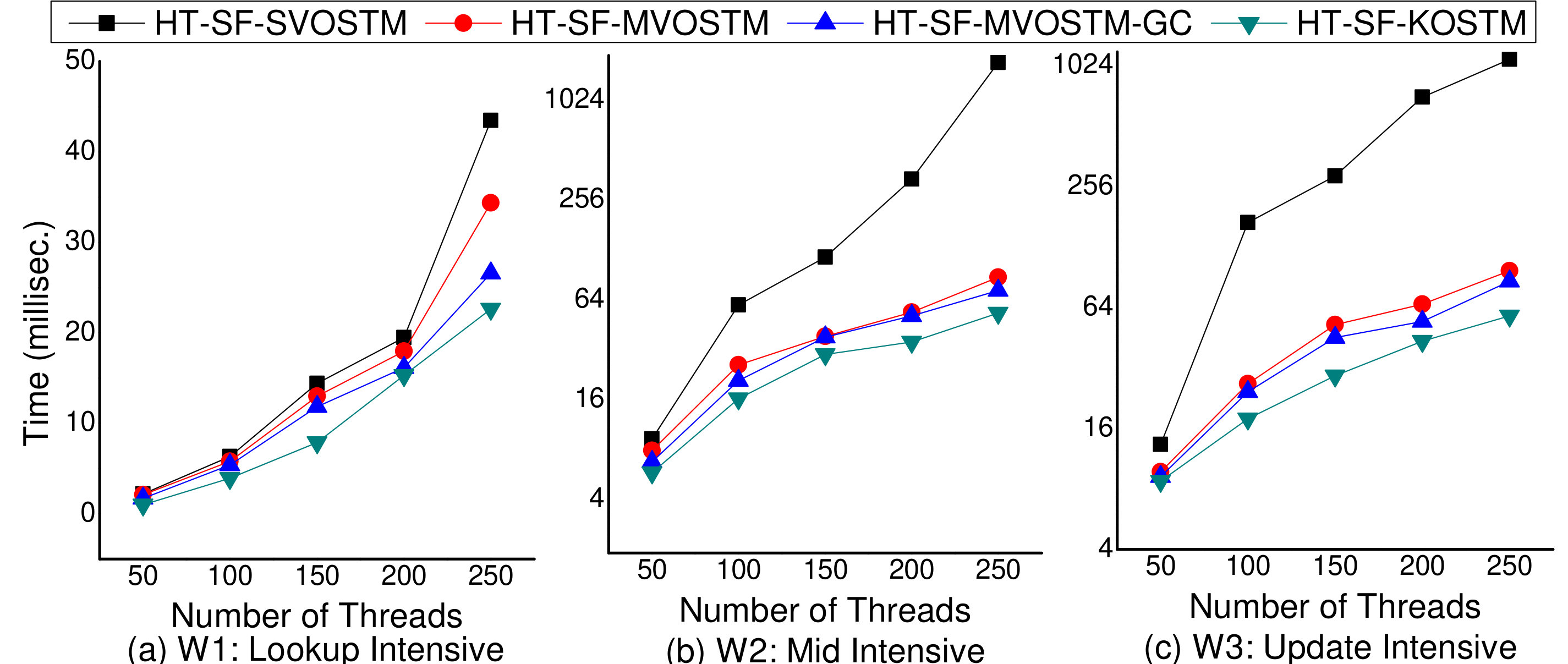 Figure 16
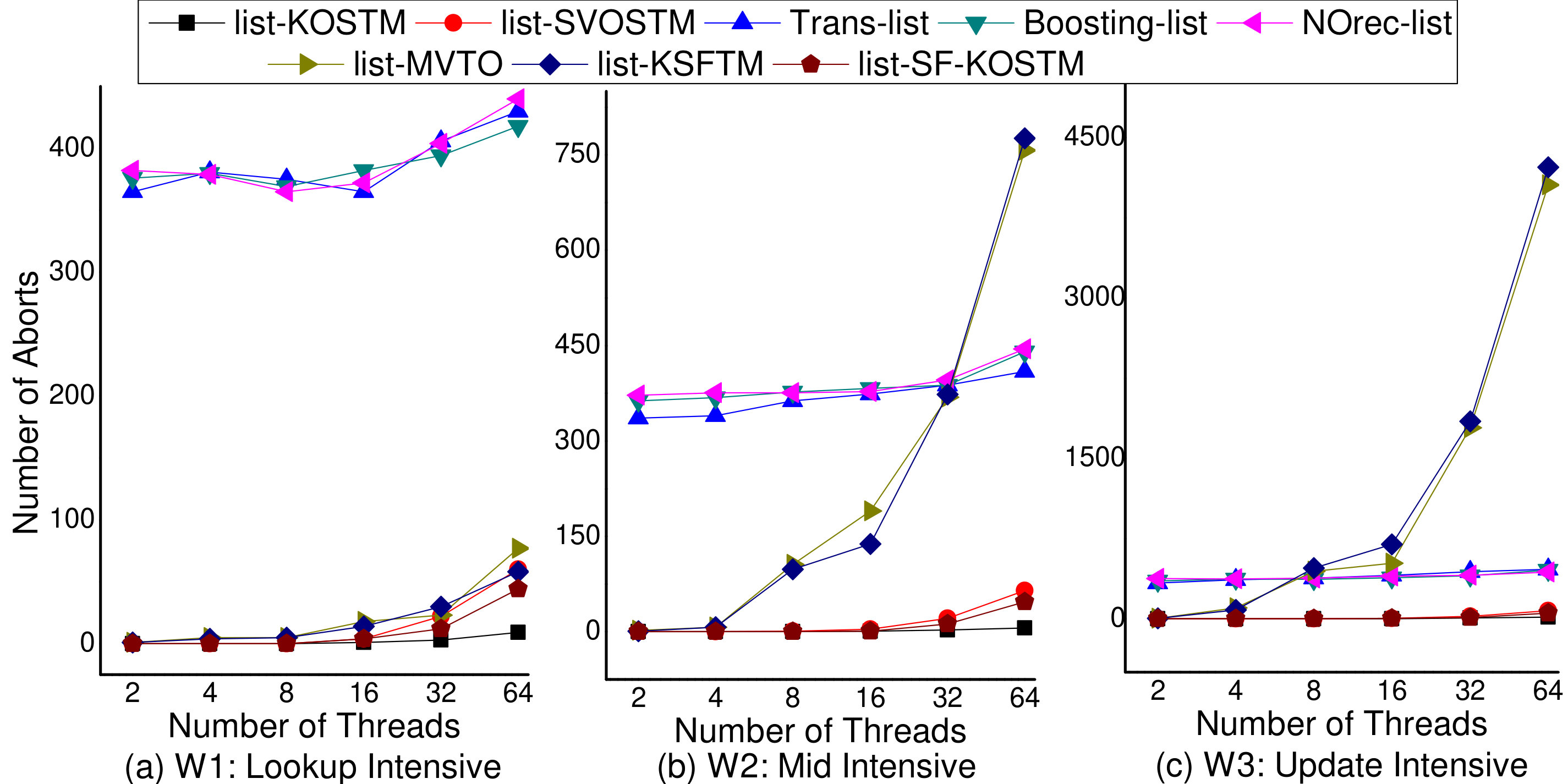 Figure 17
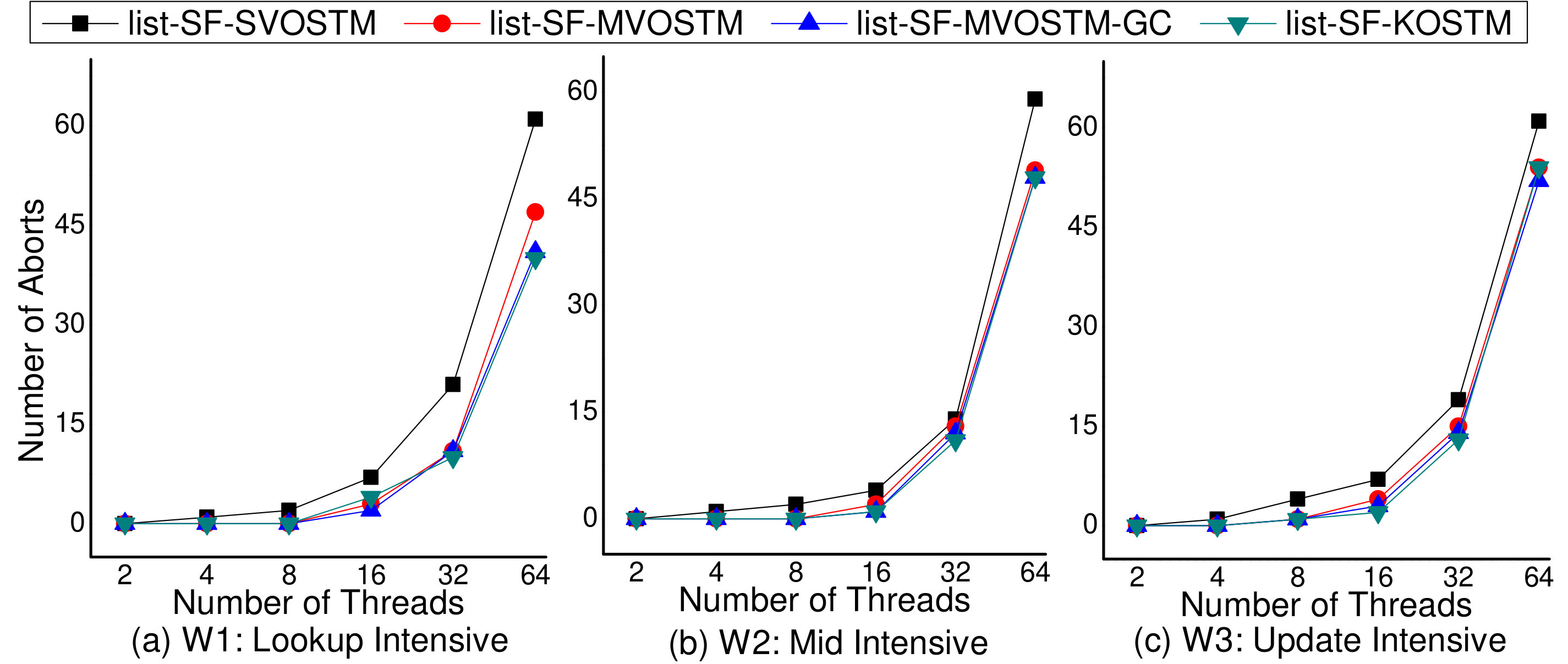 Figure 18
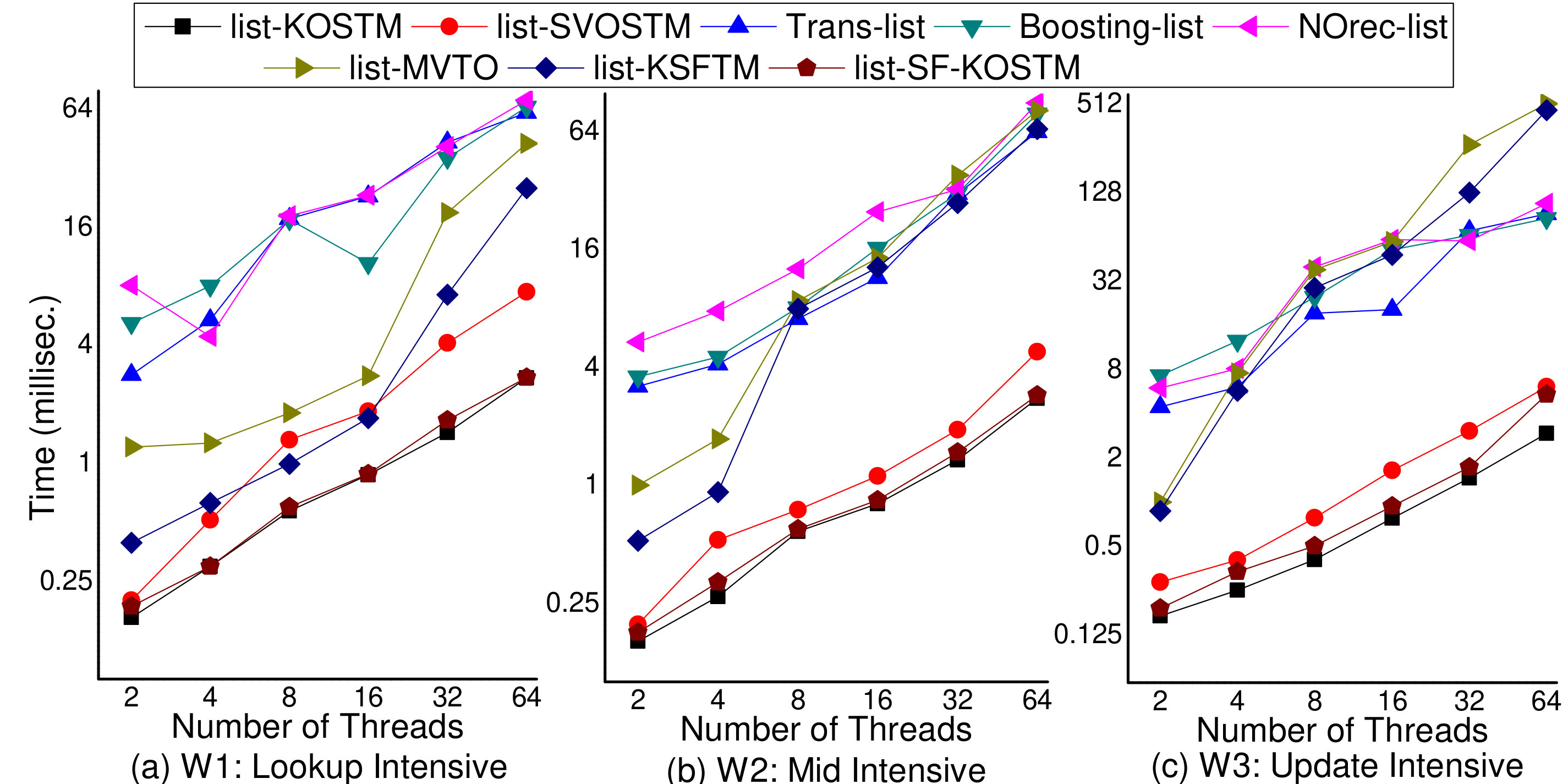 Figure 19
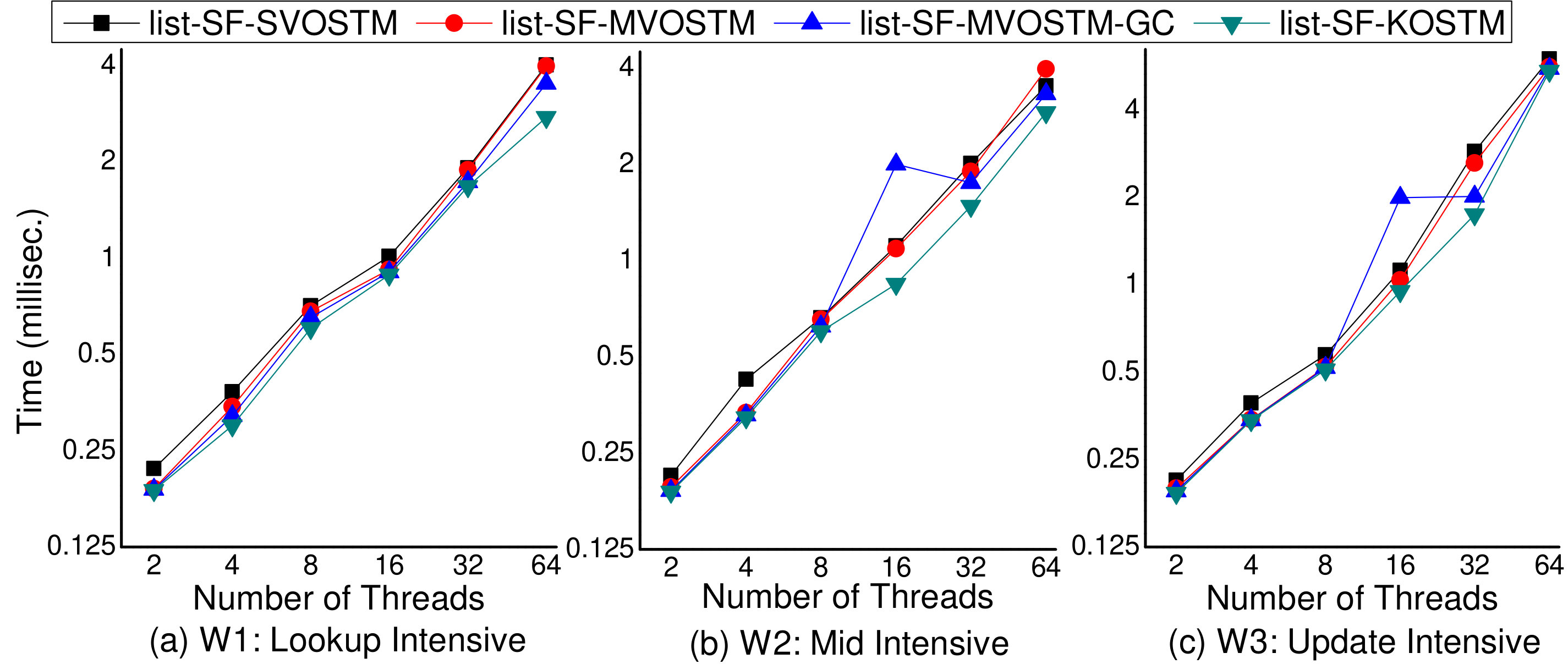 Figure 20
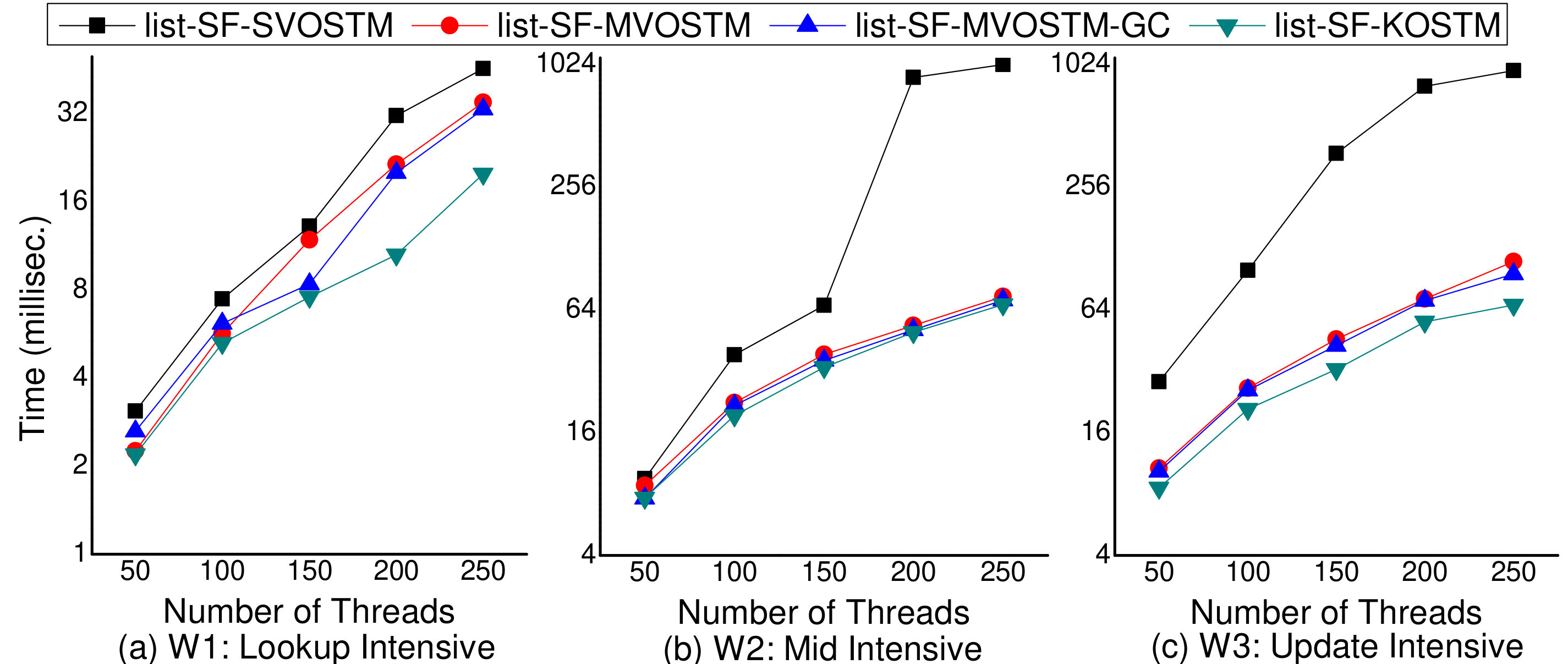 Figure 21
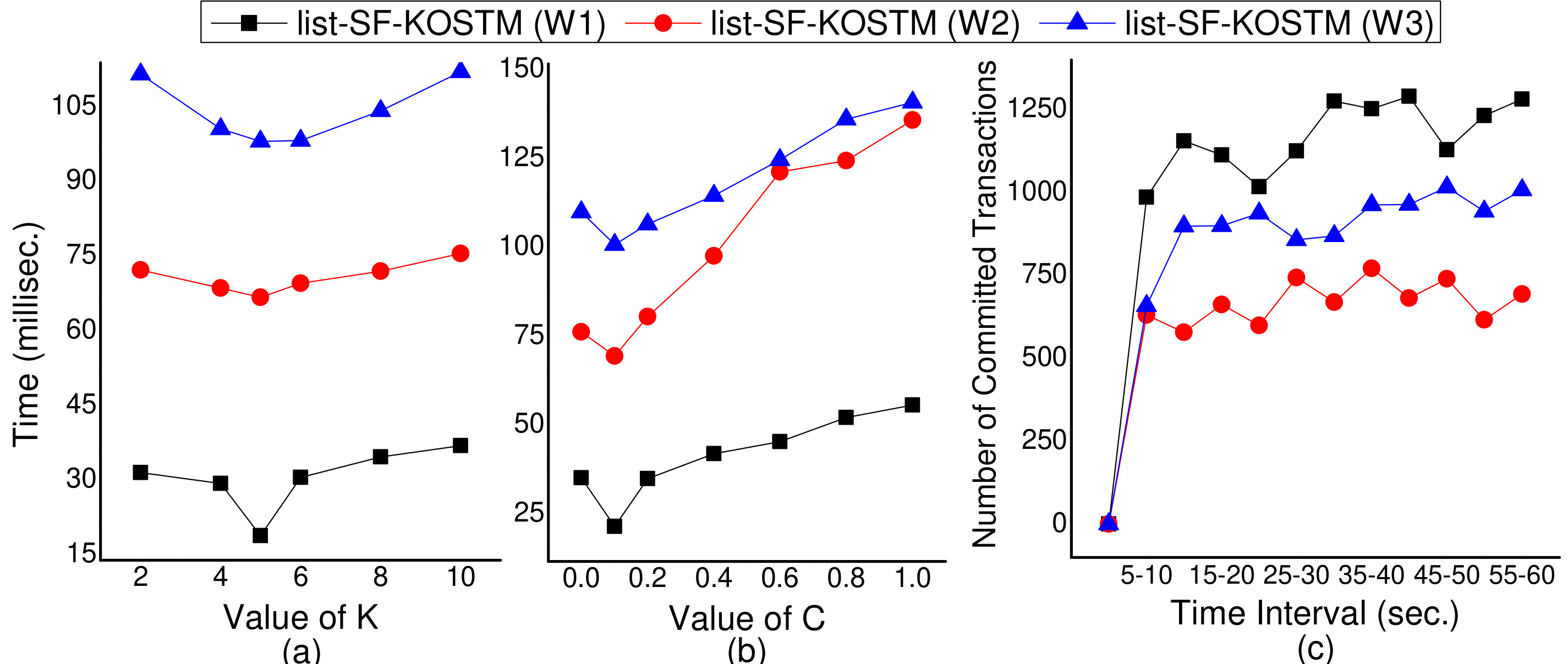 Figure 22
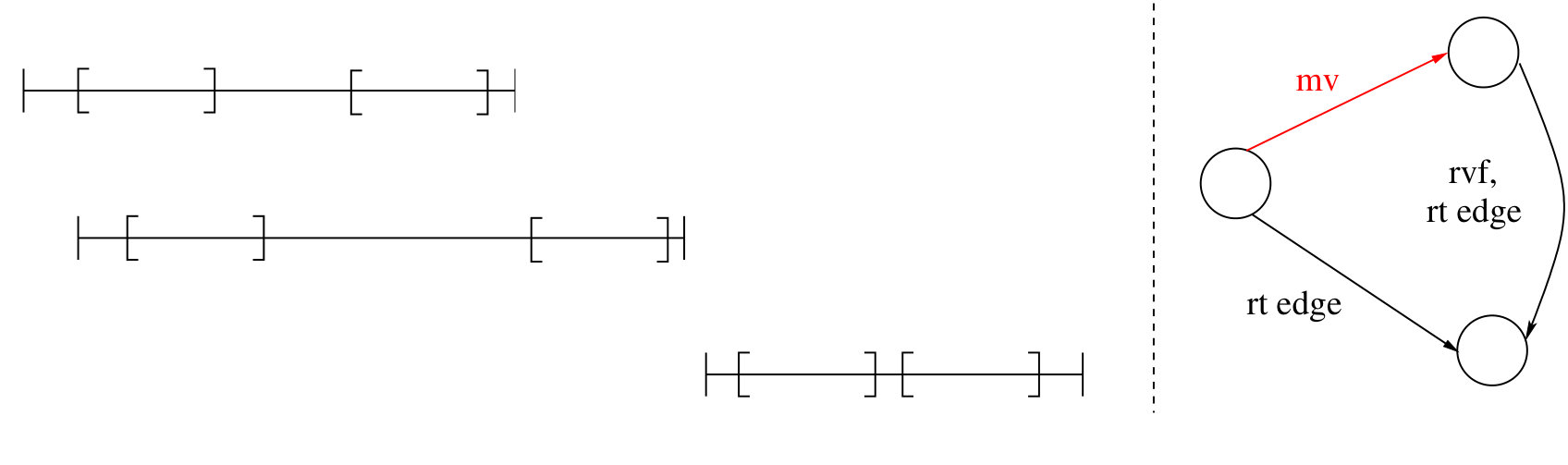 Figure 23
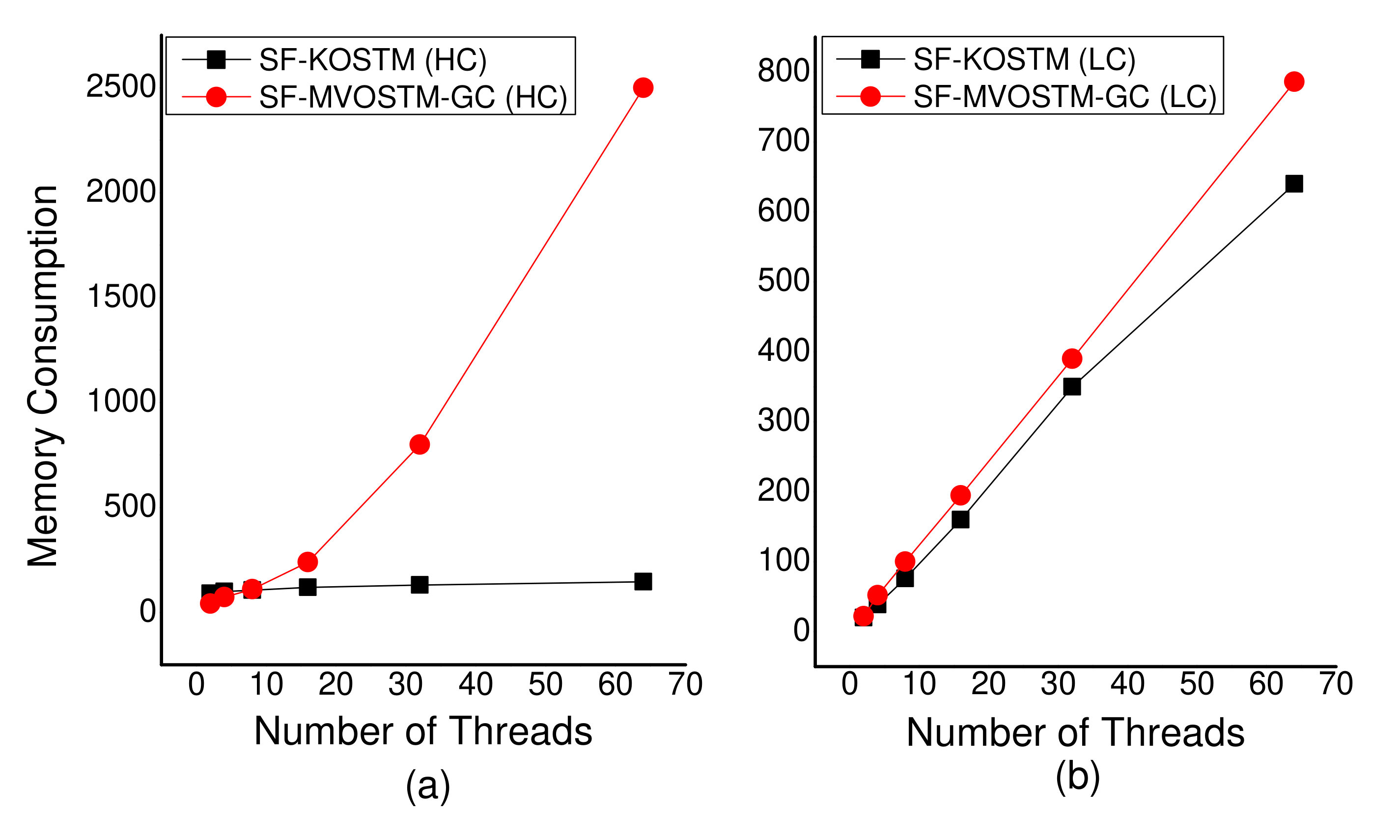 Figure 24
 Figure 25
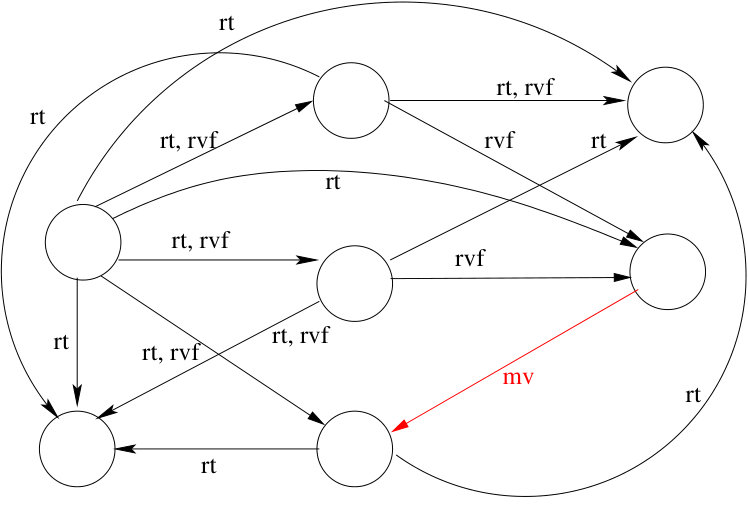 Figure 26
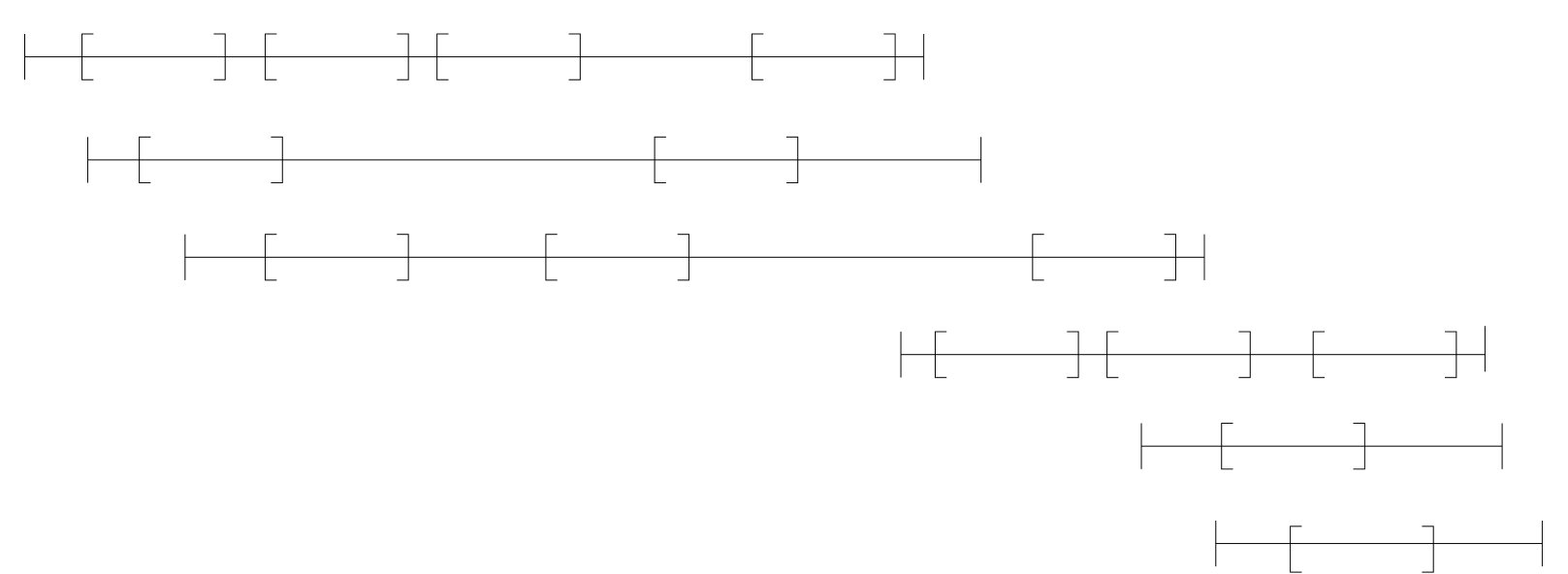 Figure 27
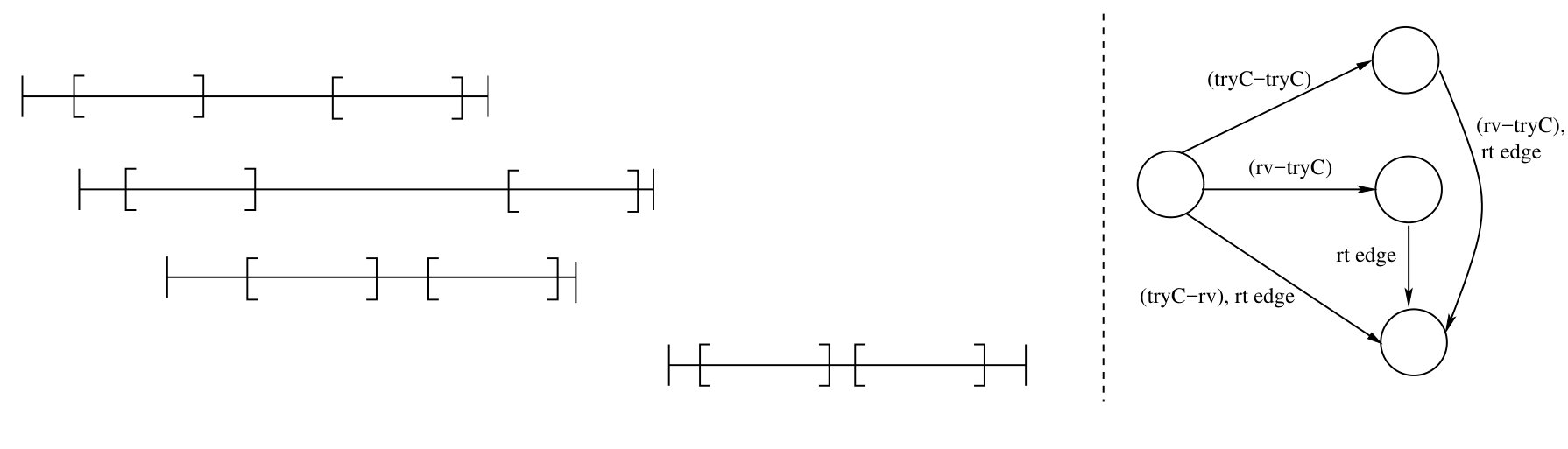 Figure 28
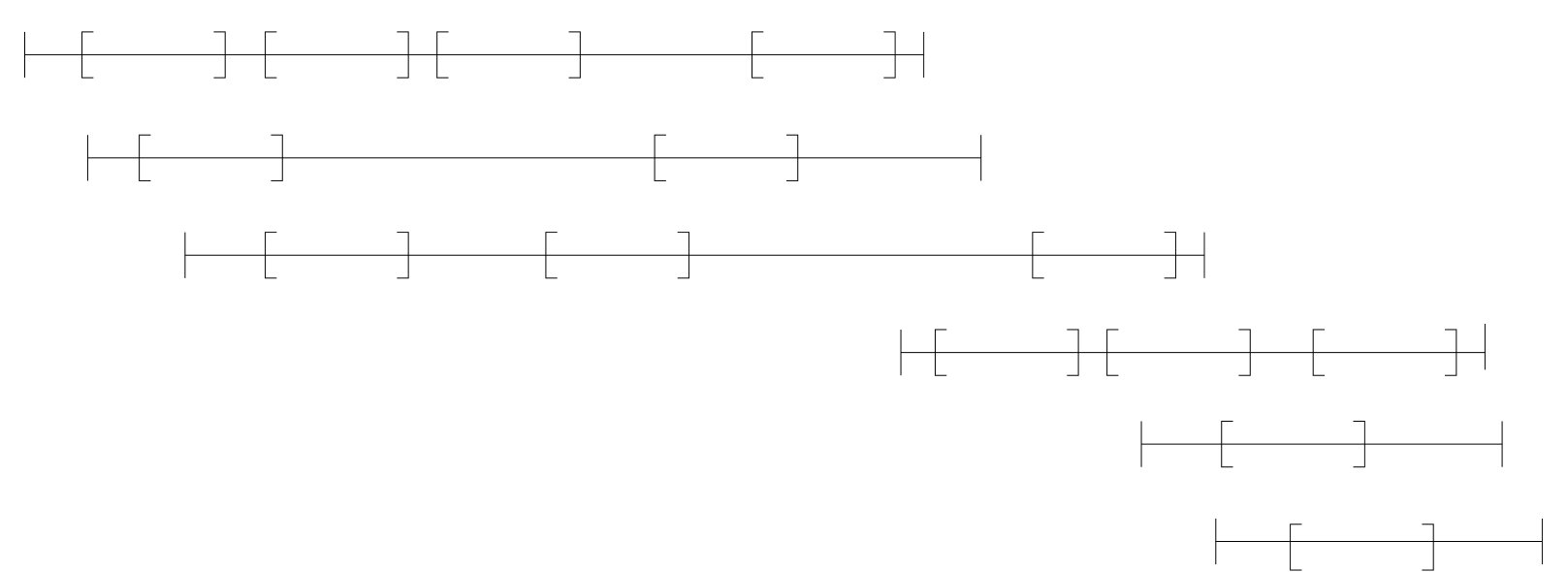 Figure 29
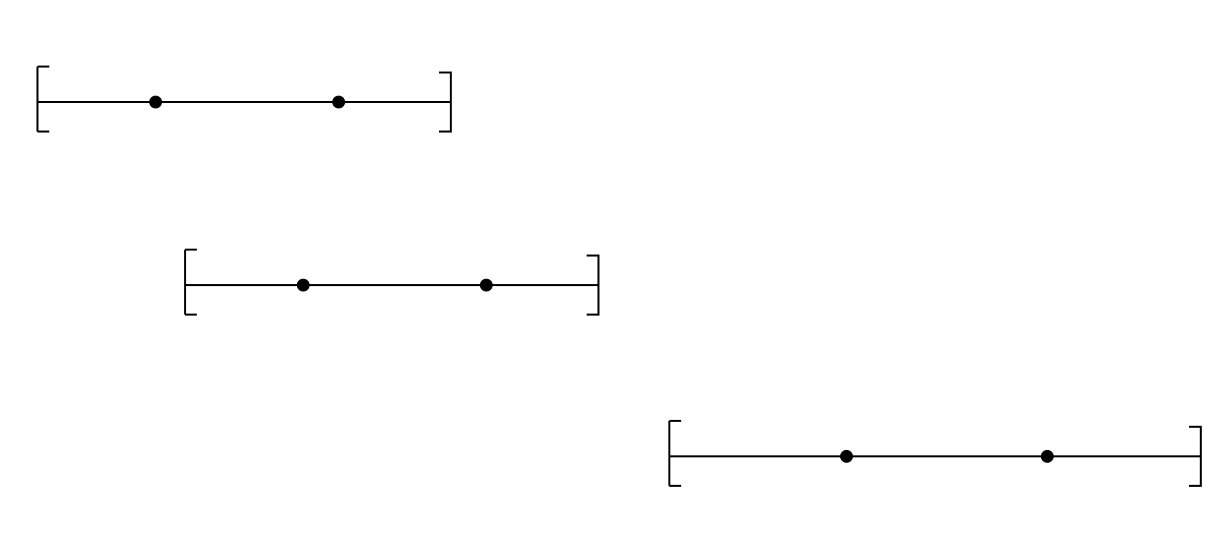 Figure 30
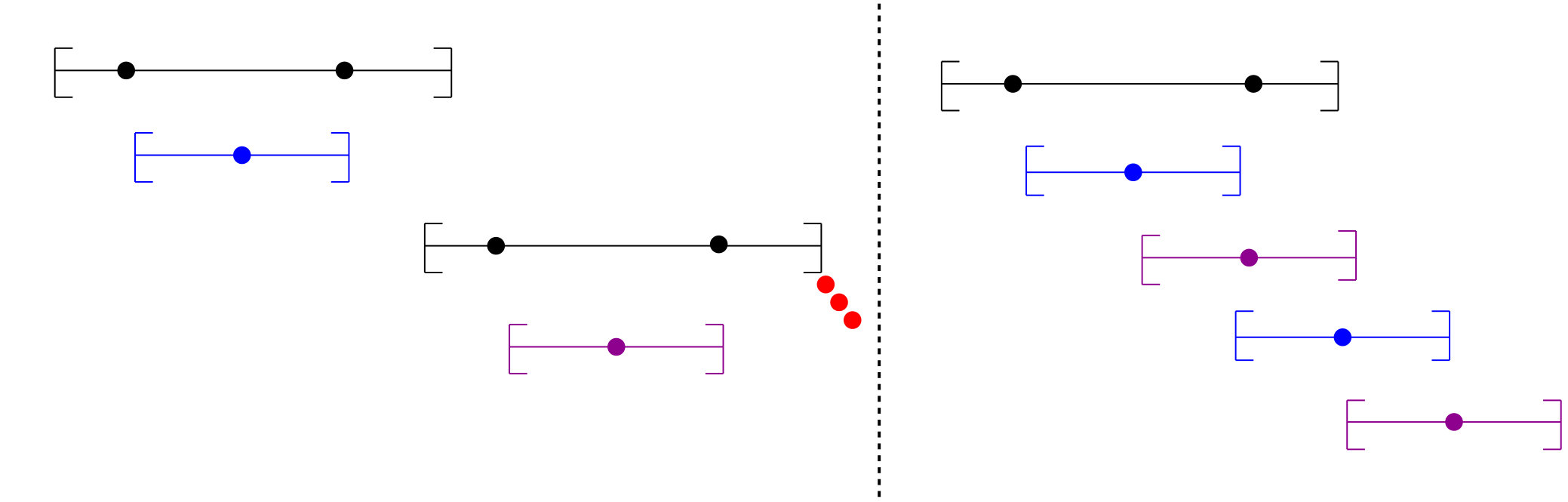 Figure 31
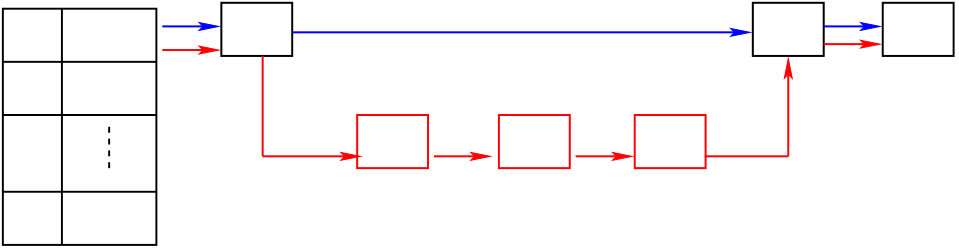 Figure 32
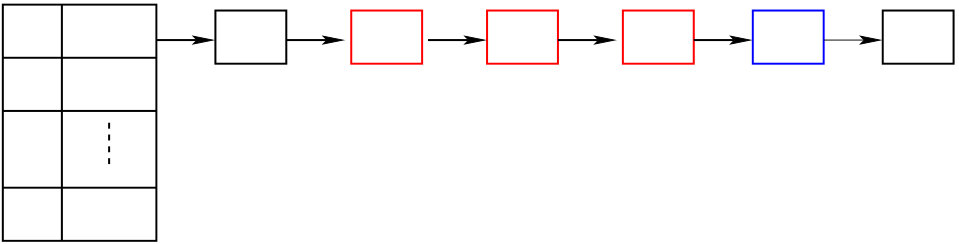 Figure 33
 Figure 34
 Figure 35
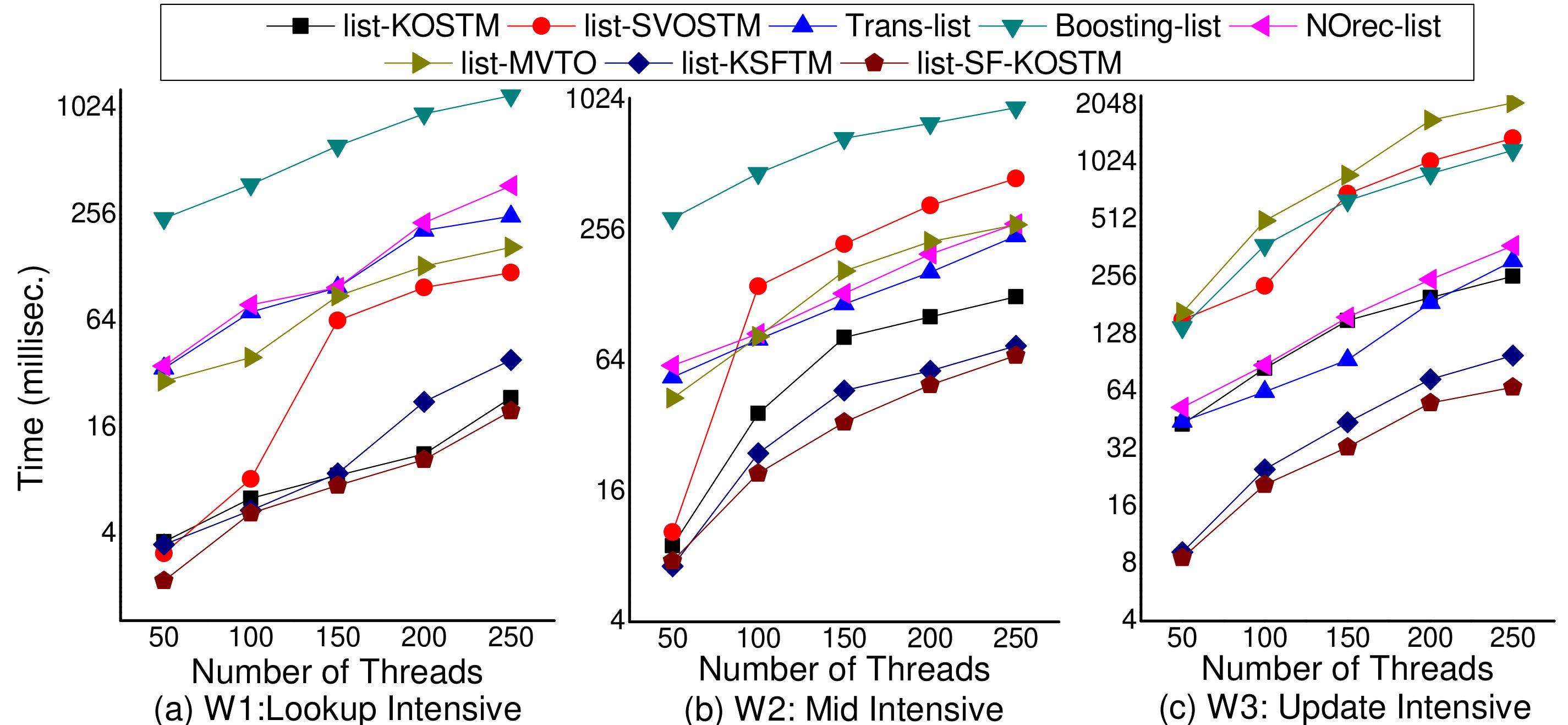 Figure 36
 Figure 37
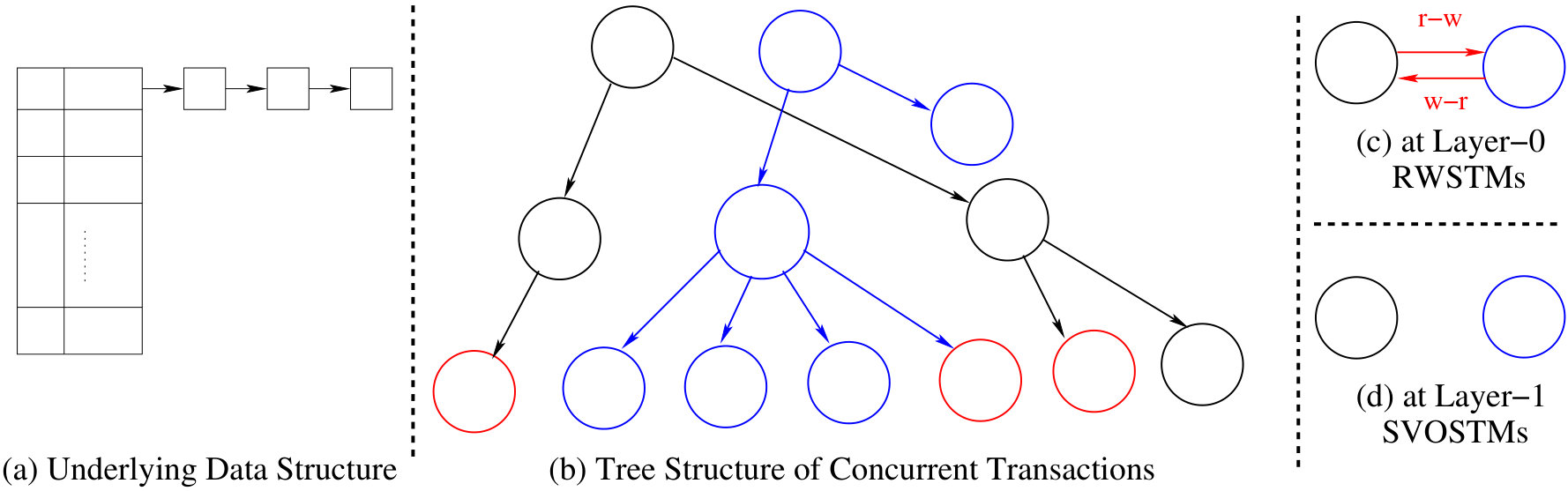 Figure 38
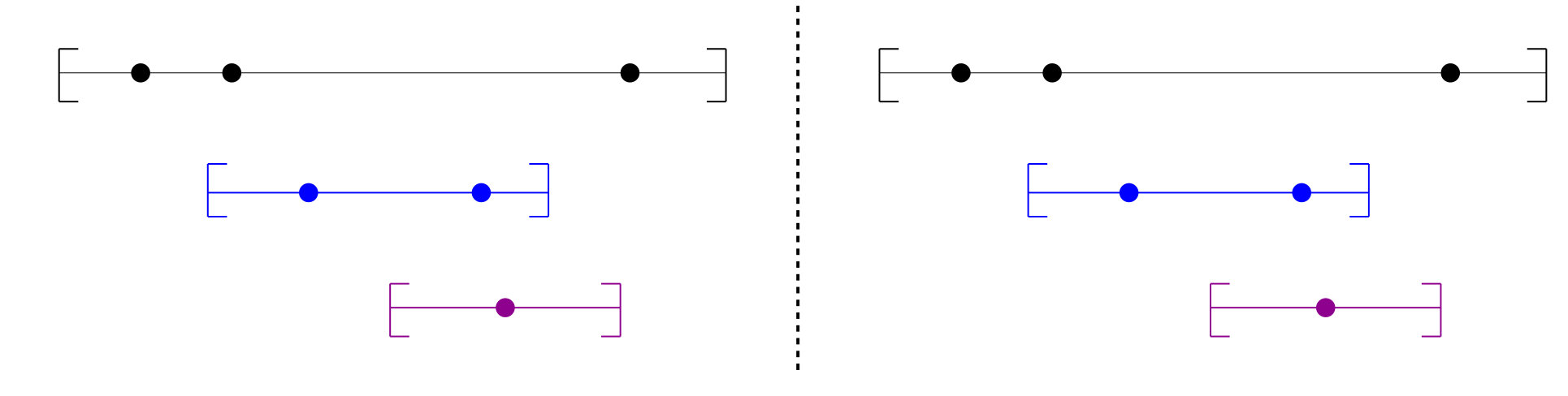 Figure 39
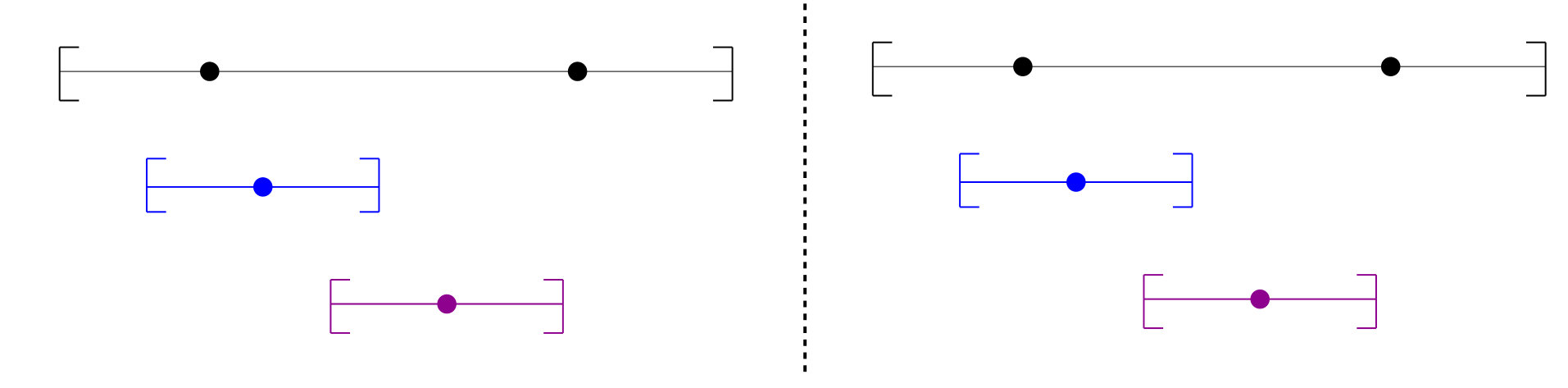 Figure 40
Peer Reviews
No public reviews on file for this paper yet. If you reviewed it on a platform where reviews are public (OpenReview, ICLR, NeurIPS, ICML), you can paste yours below so the community can read it here.
Videos
No videos yet. Explain this paper in a talk, walkthrough, or lecture? Add one.