Leveraging Stochasticity for Open Loop and Model Predictive Control of Complex Fluid Systems
George I. Boutselis, Ethan N. Evans, Marcus A. Pereira, and Evangelos, A. Theodorou

TL;DR
This paper introduces a measure-theoretic framework for controlling stochastic spatio-temporal systems, enabling optimization of control policies based on thermodynamic principles, with promising simulation results across various processes.
Contribution
It develops a novel variational control framework for stochastic fields using measure theory and thermodynamics, applicable to diverse spatio-temporal processes.
Findings
Framework successfully applied to four stochastic processes
Simulation results indicate effective control policy optimization
Provides new insights into stochastic control of complex systems
Abstract
Stochastic Spatio-Temporal processes are prevalent across domains ranging from modeling of plasma to the turbulence in fluids to the wave function of quantum systems. This letter studies a measure-theoretic description of such systems by describing them as evolutionary processes on Hilbert spaces, and in doing so, derives a framework for spatio-temporal manipulation from fundamental thermodynamic principles. This approach yields a variational optimization framework for controlling stochastic fields. The resulting scheme is applicable to a wide class of spatio-temporal processes and can be used for optimizing parameterized control policies. Our simulated experiments explore the application of two forms of this approach on four stochastic spatio-temporal processes, with results that suggest new perspectives and directions for studying stochastic control problems for spatio-temporal…
Click any figure to enlarge with its caption.
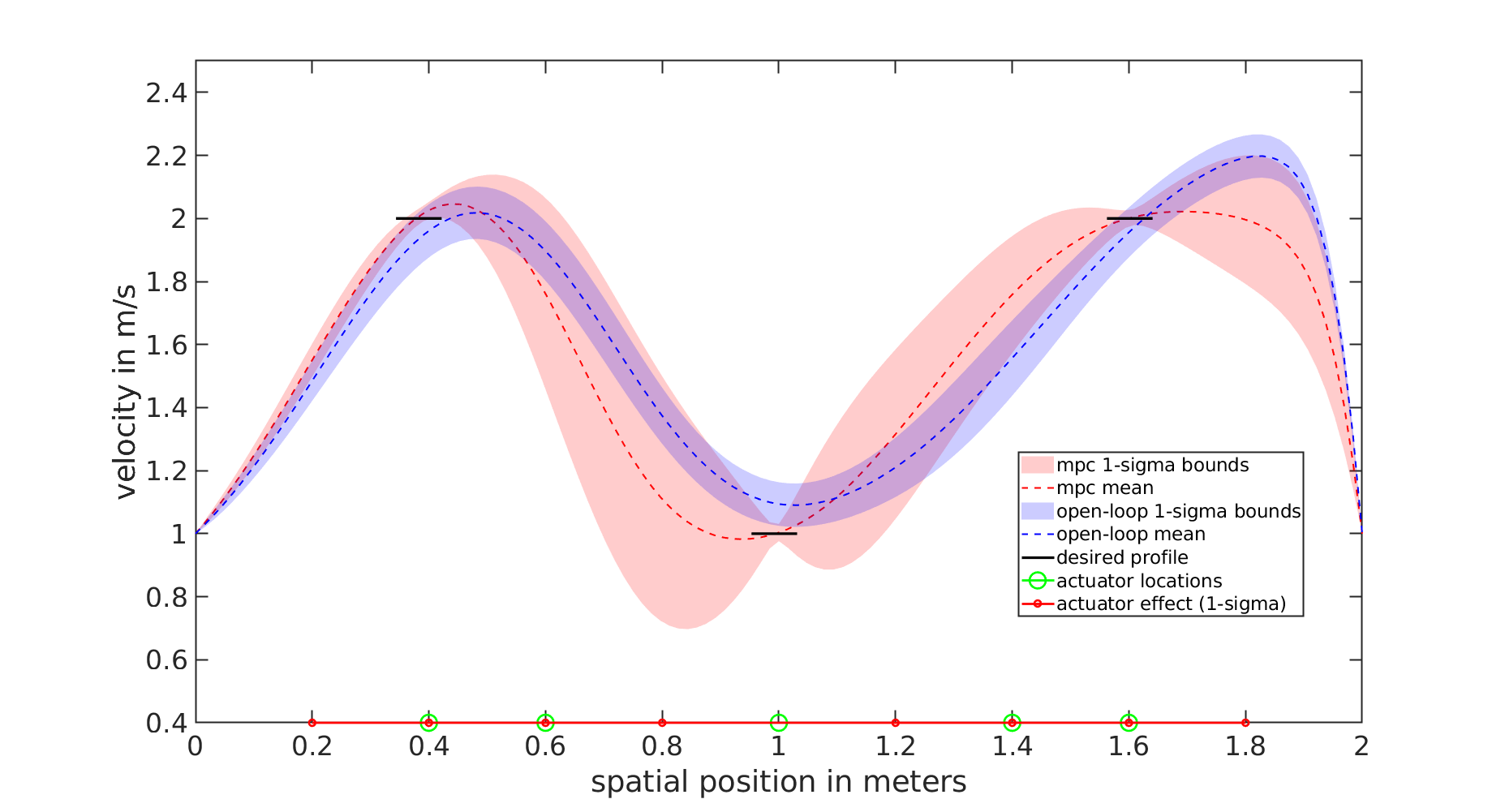 Figure 1
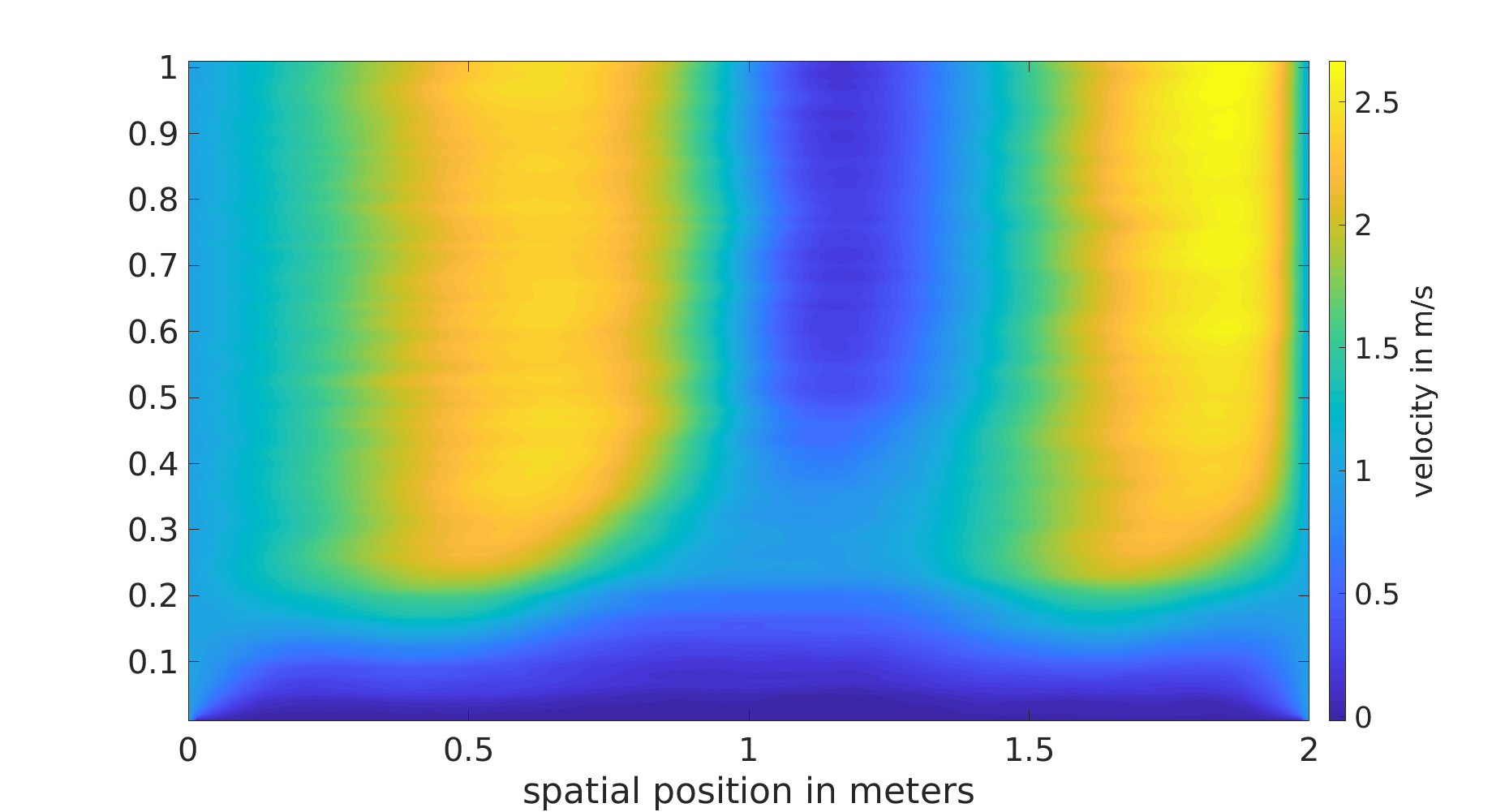 Figure 2
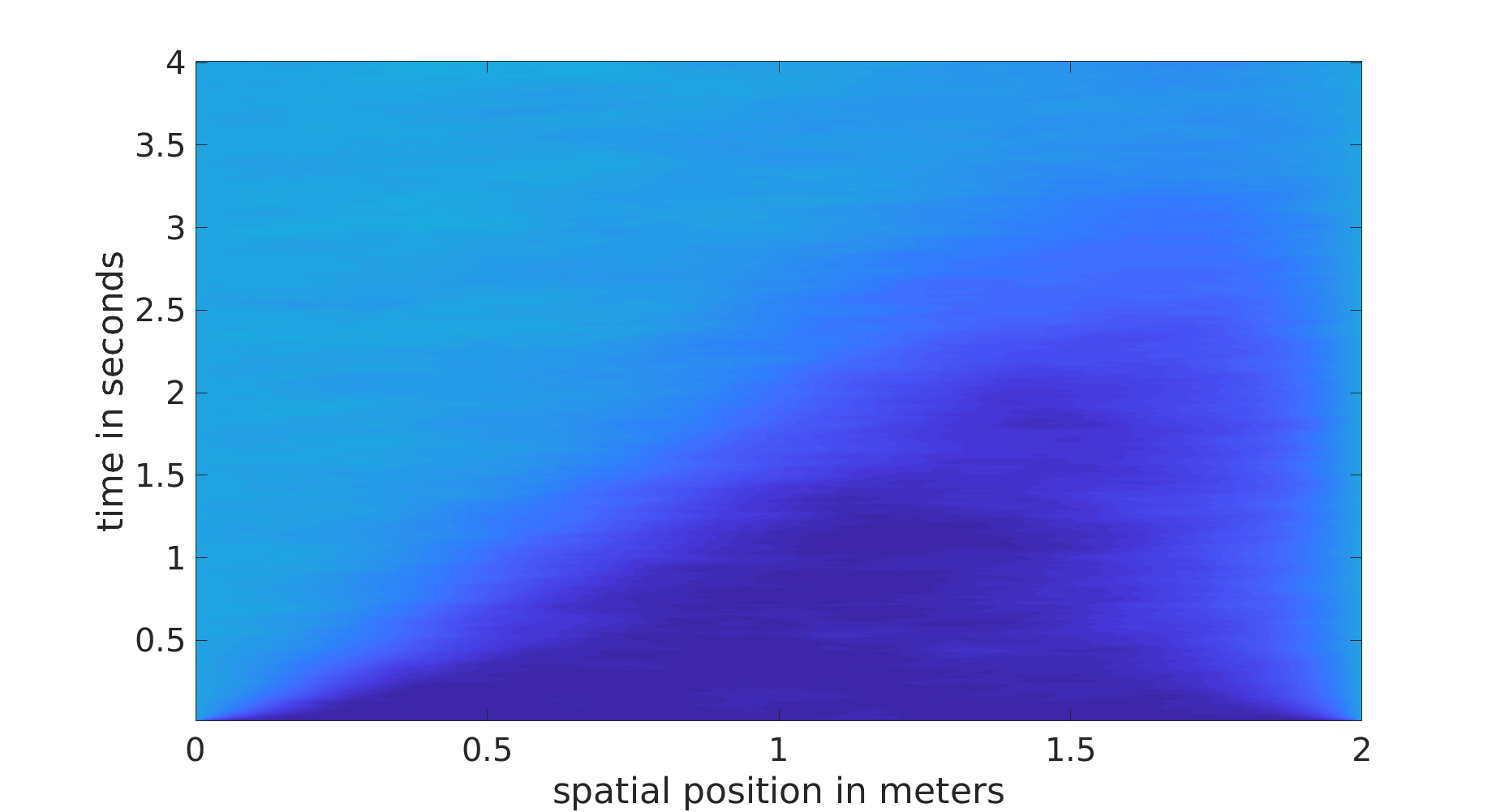 Figure 3
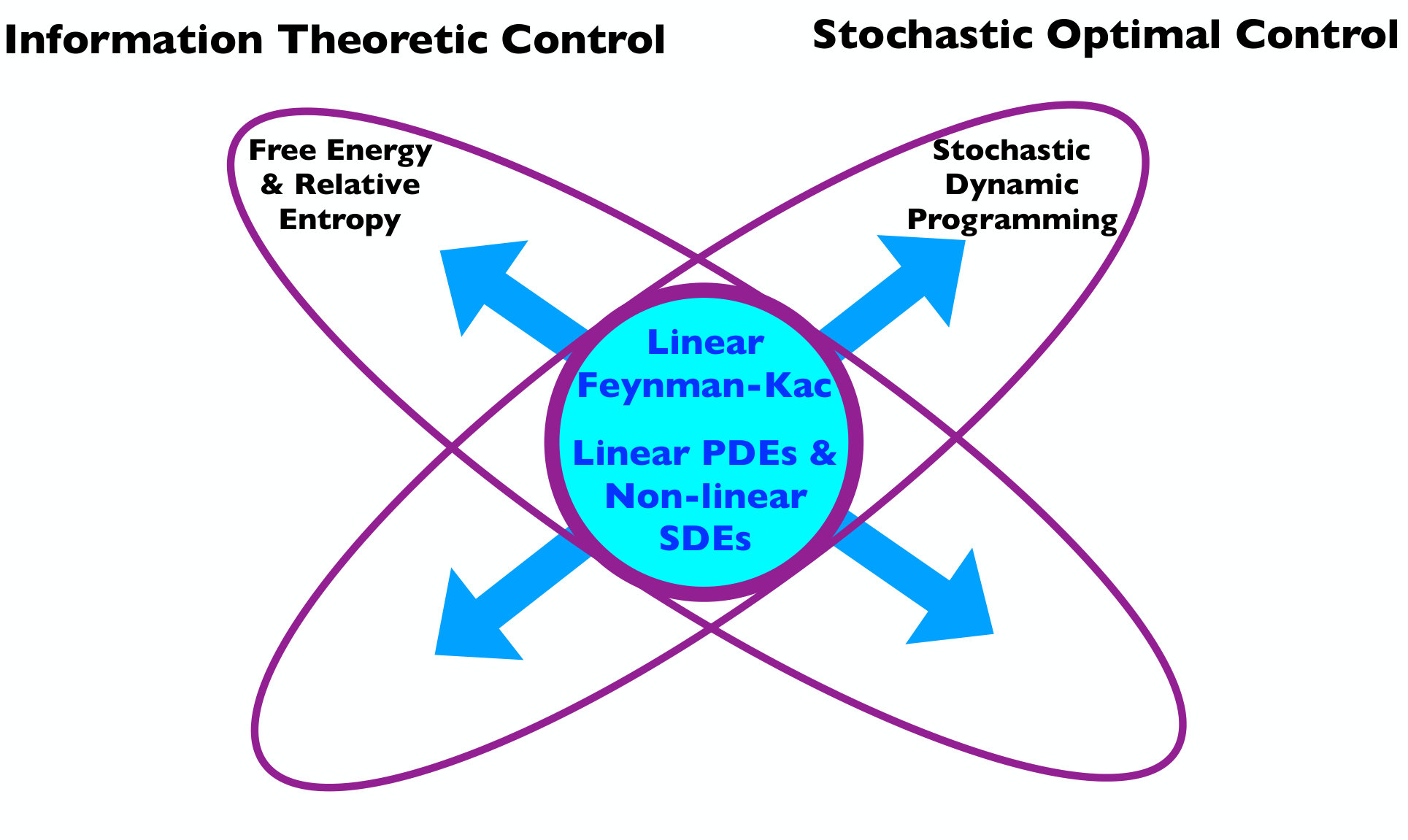 Figure 4
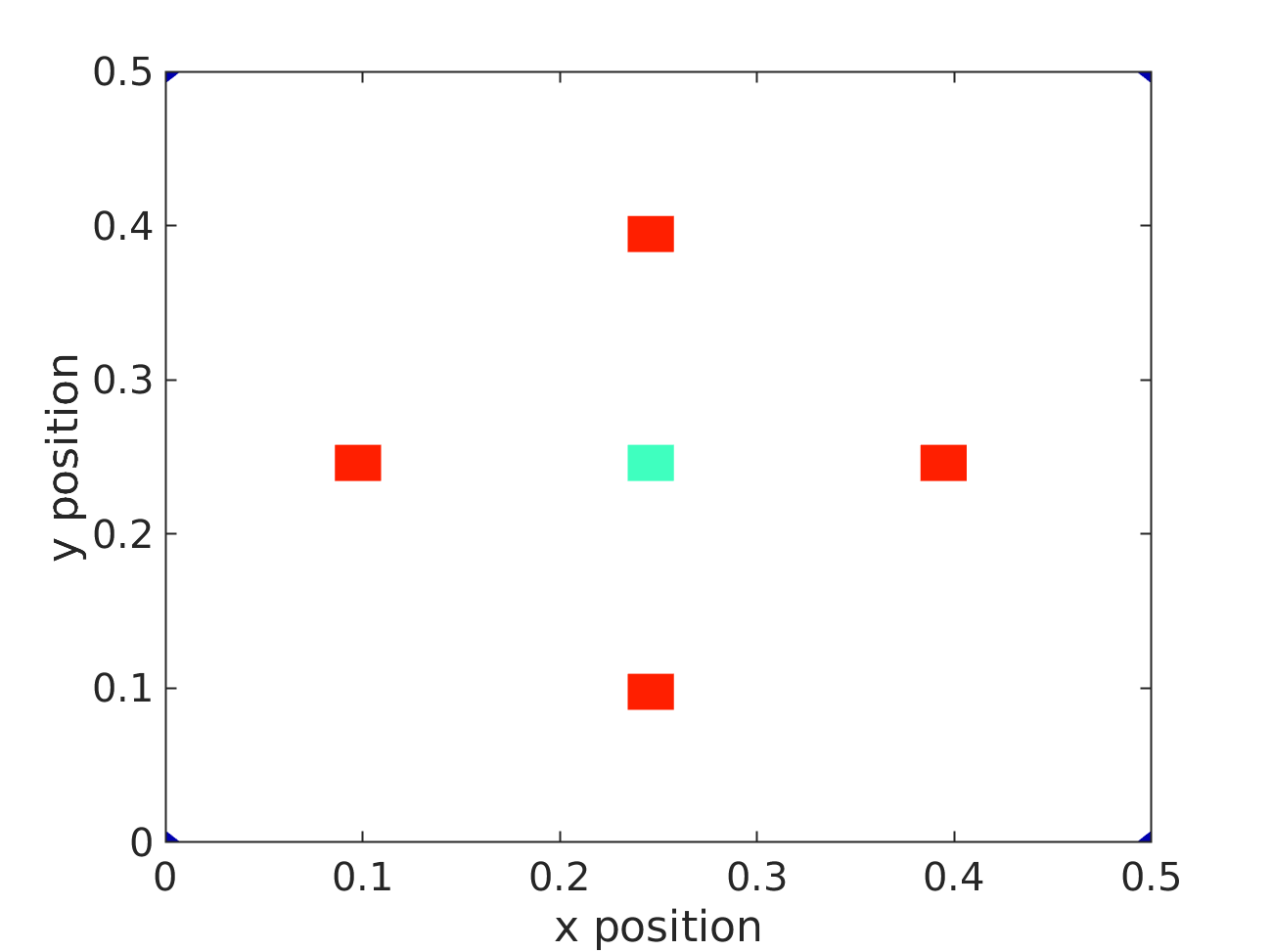 Figure 5
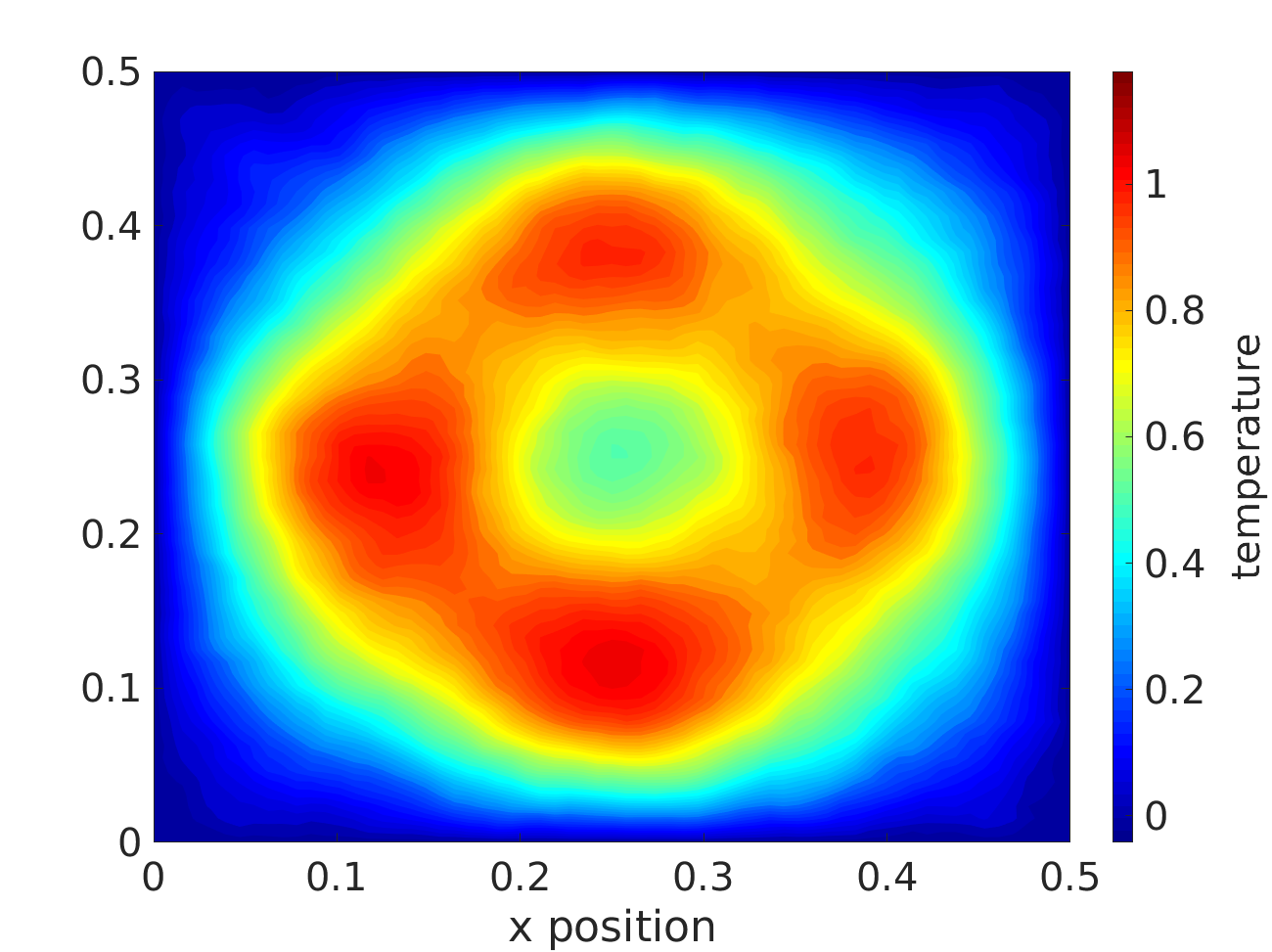 Figure 6
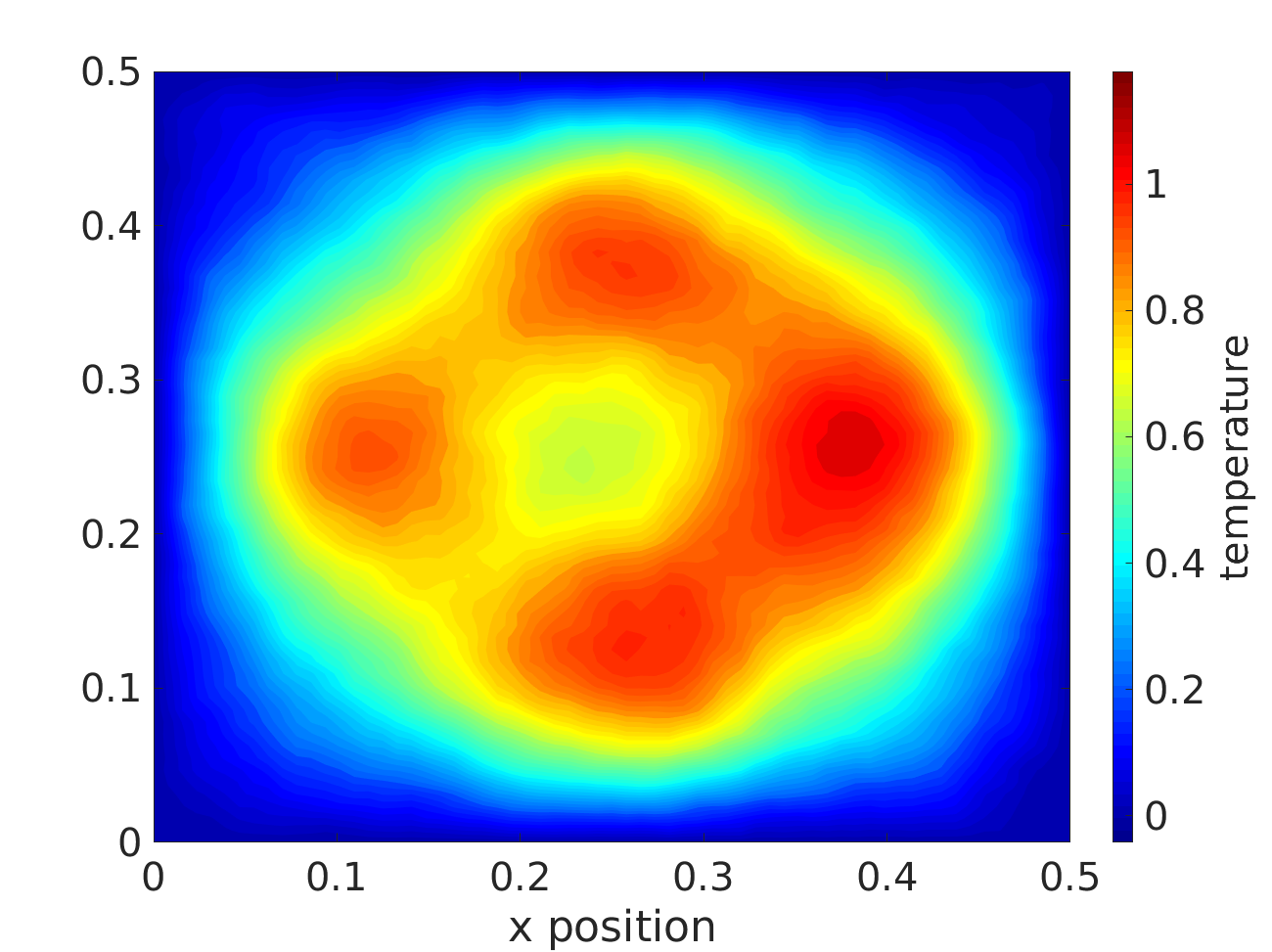 Figure 7
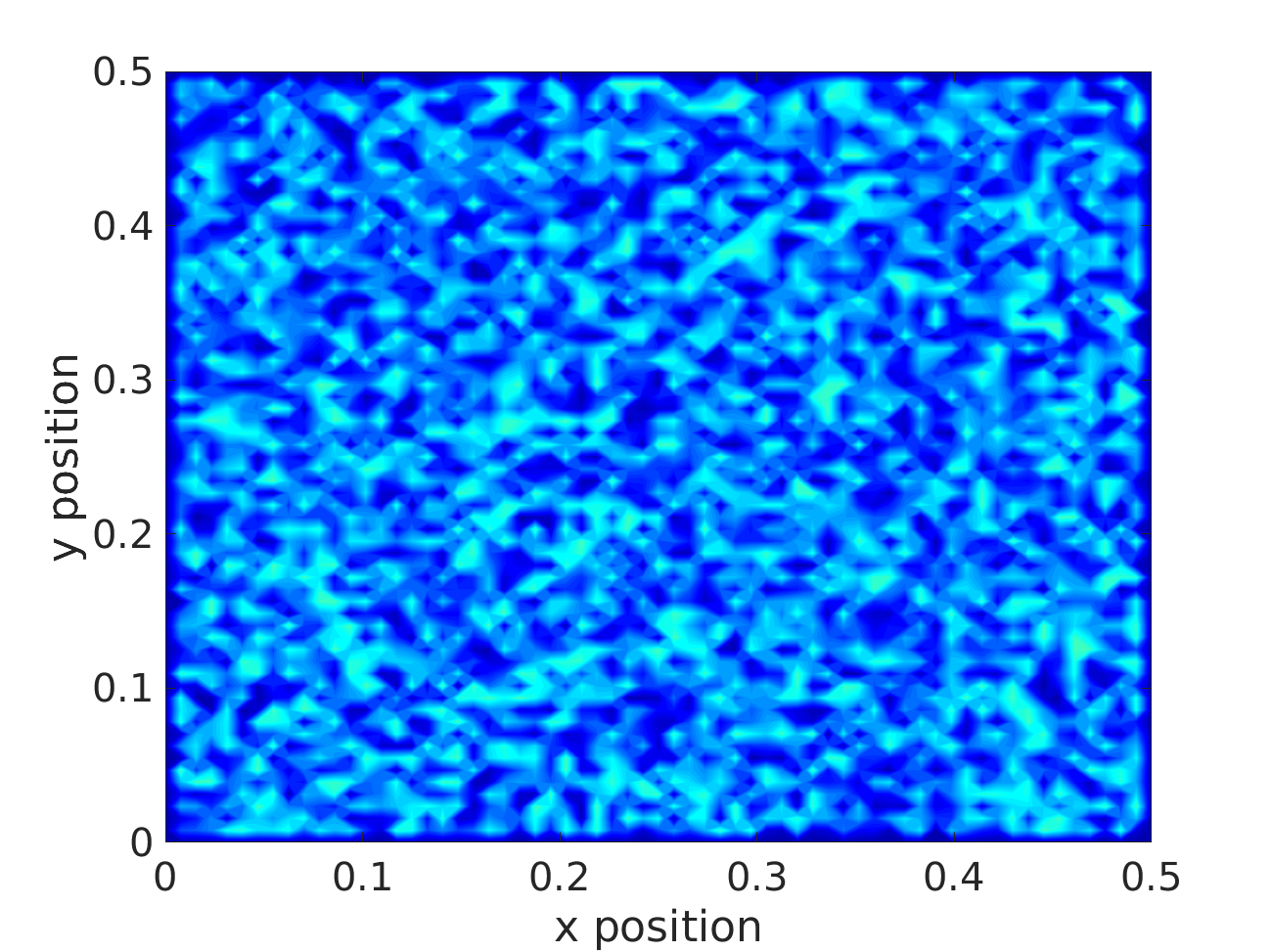 Figure 8
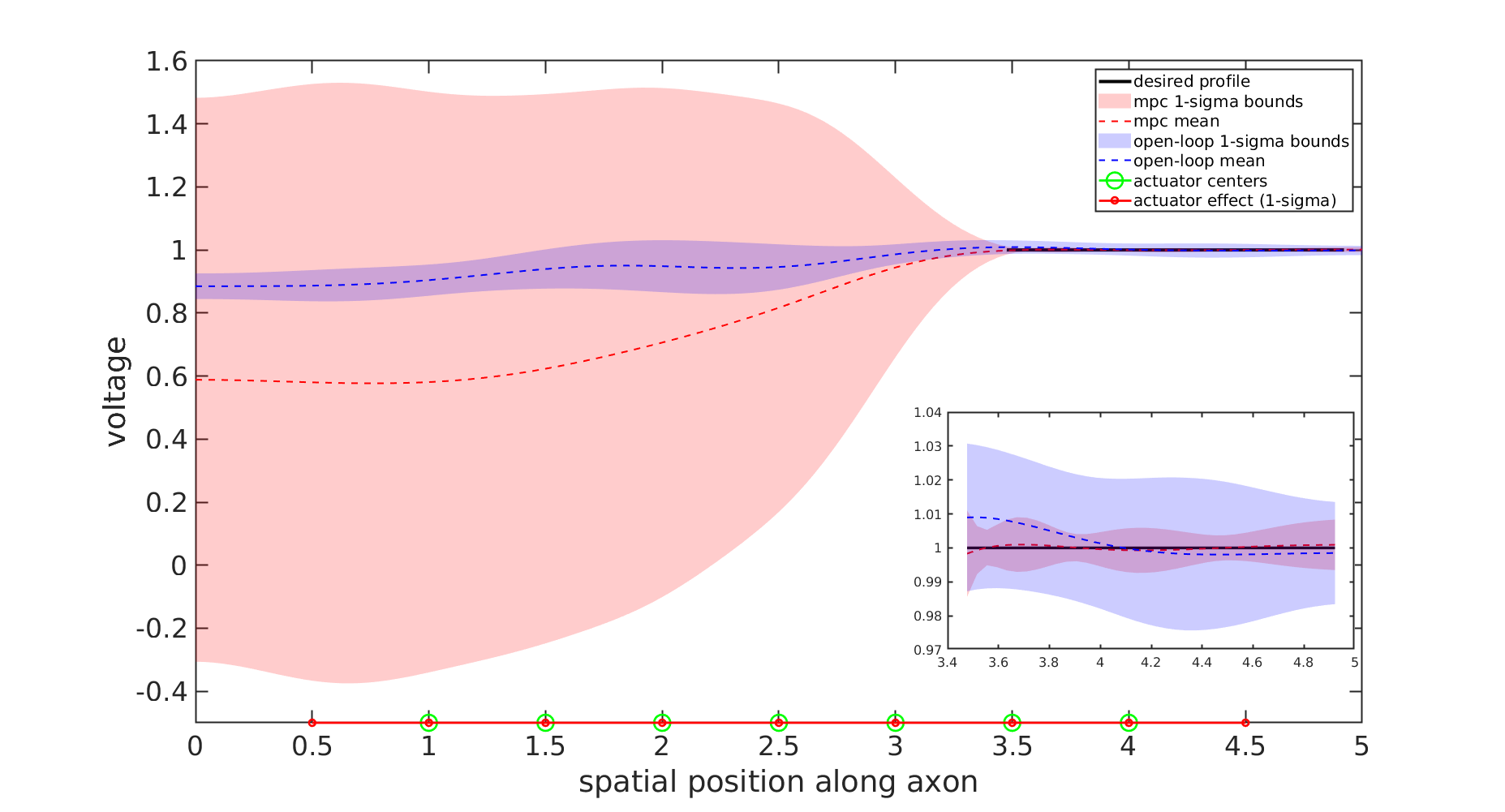 Figure 9
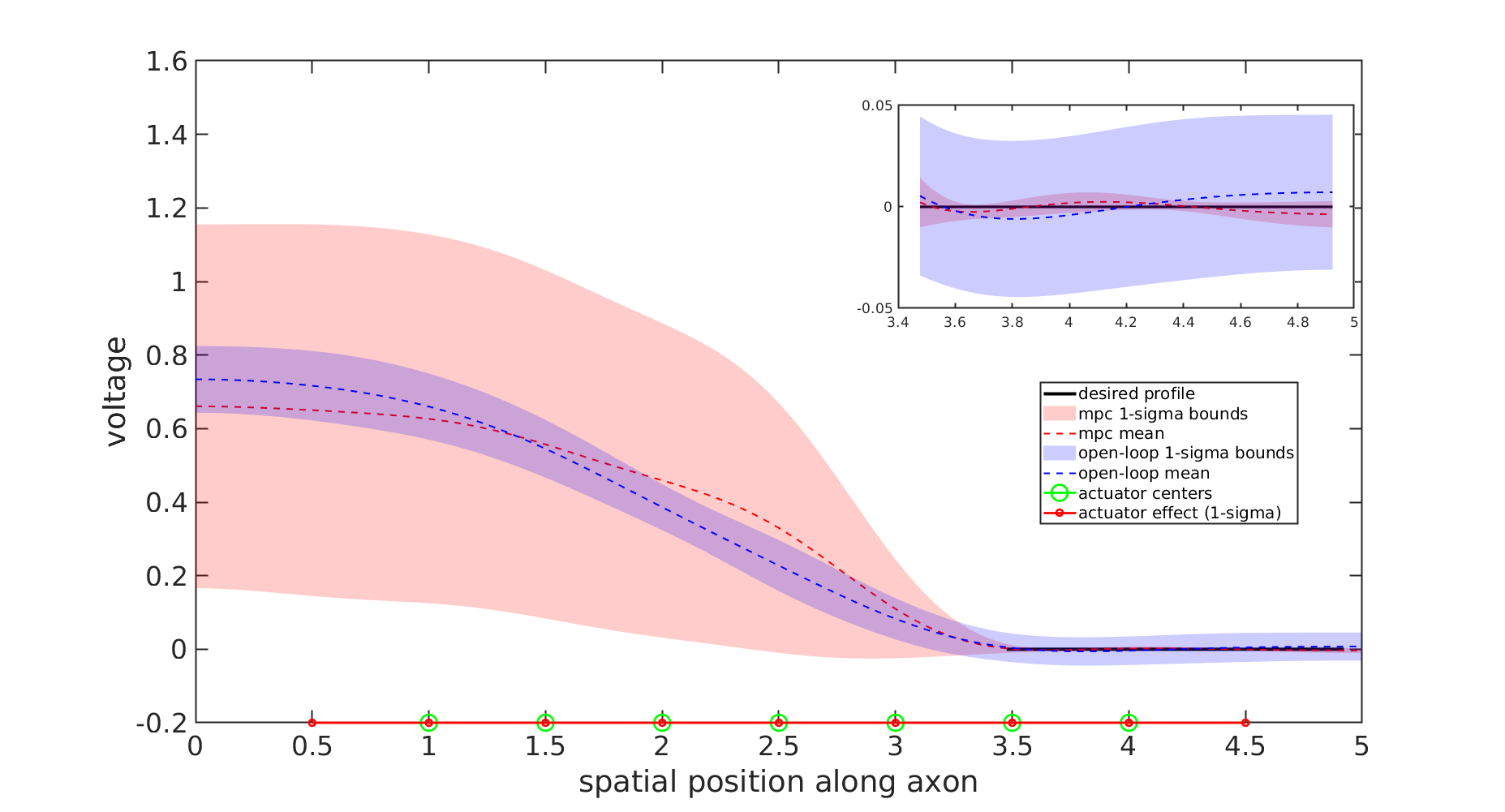 Figure 10
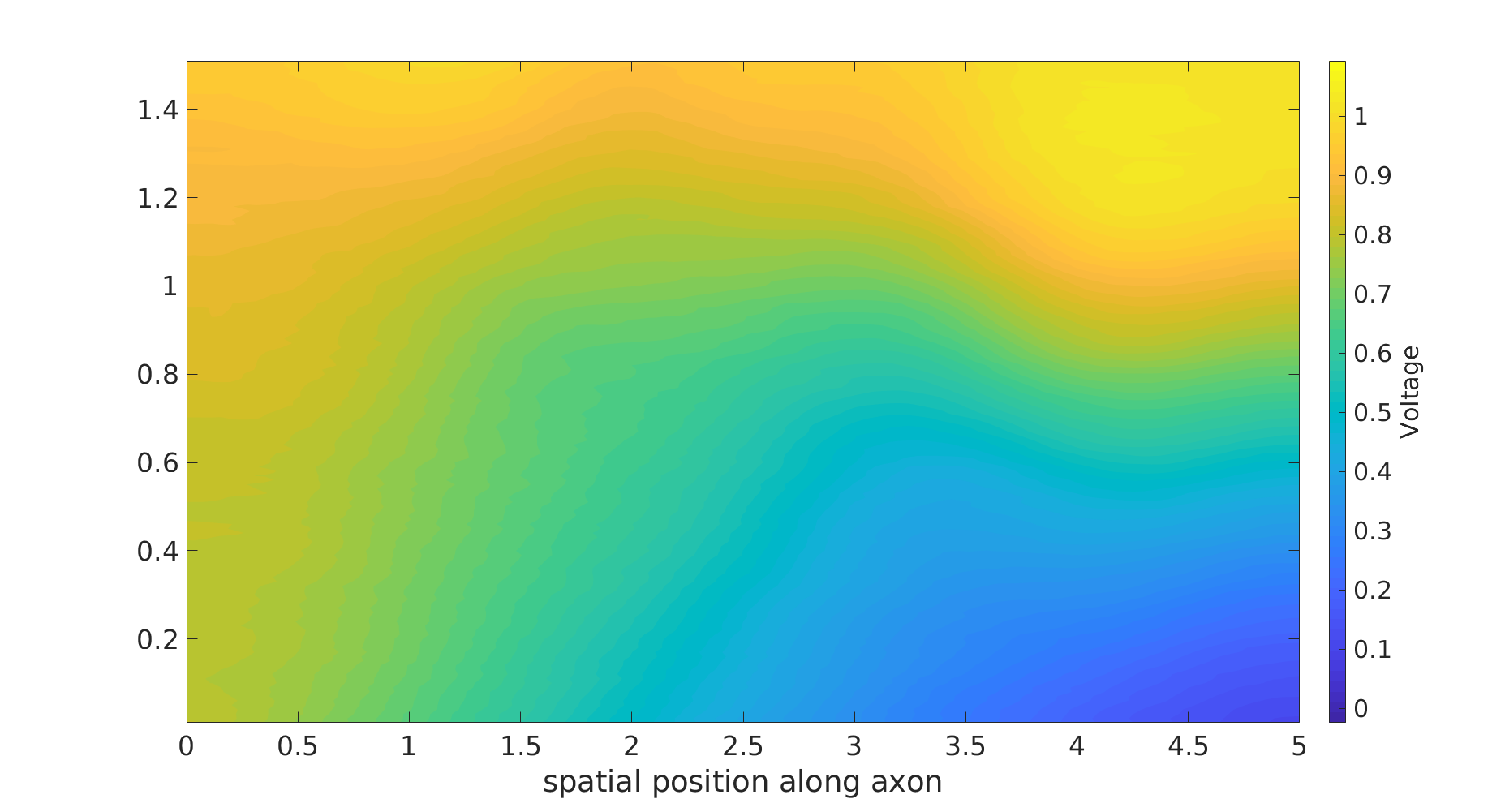 Figure 11
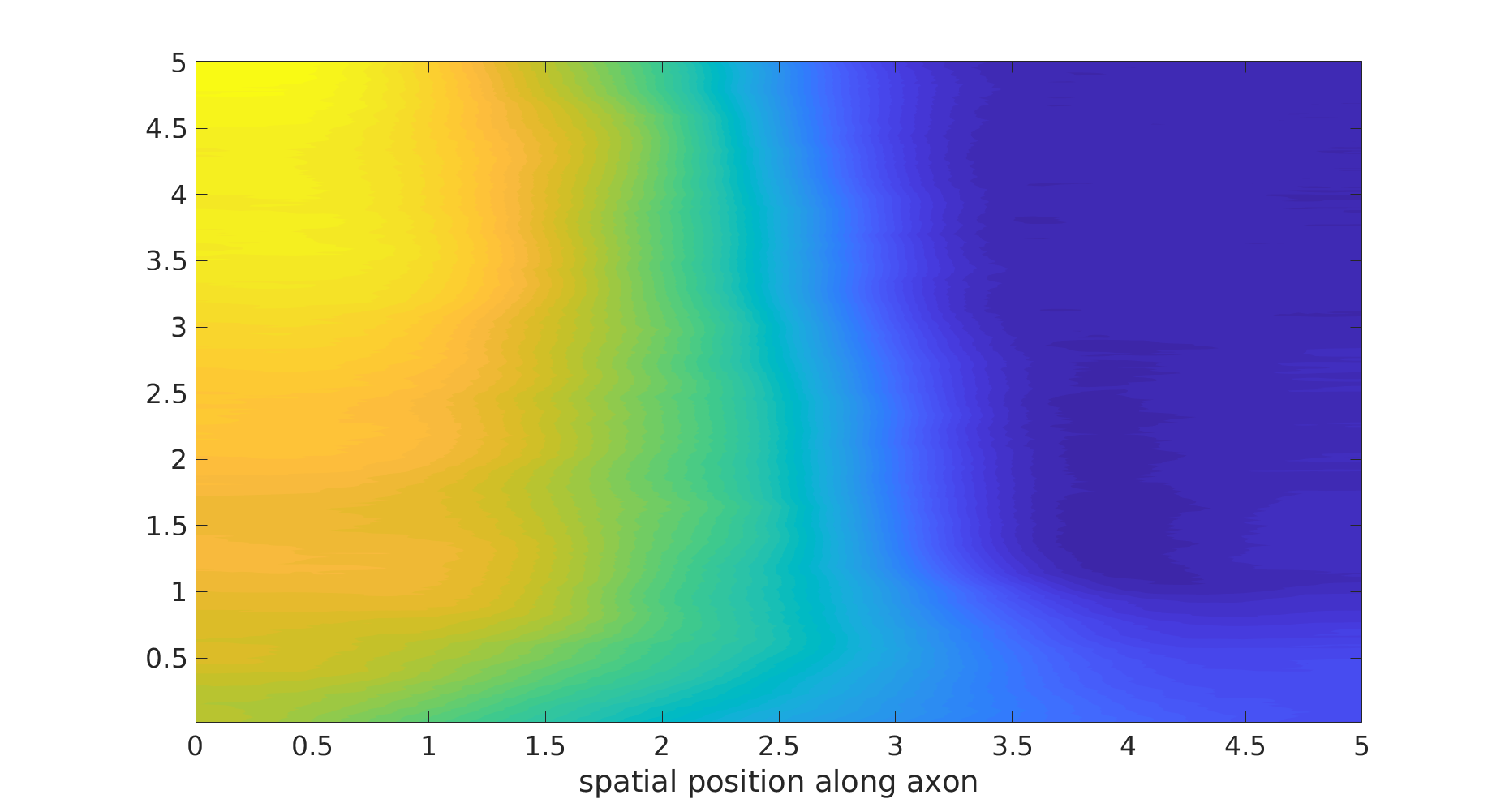 Figure 12
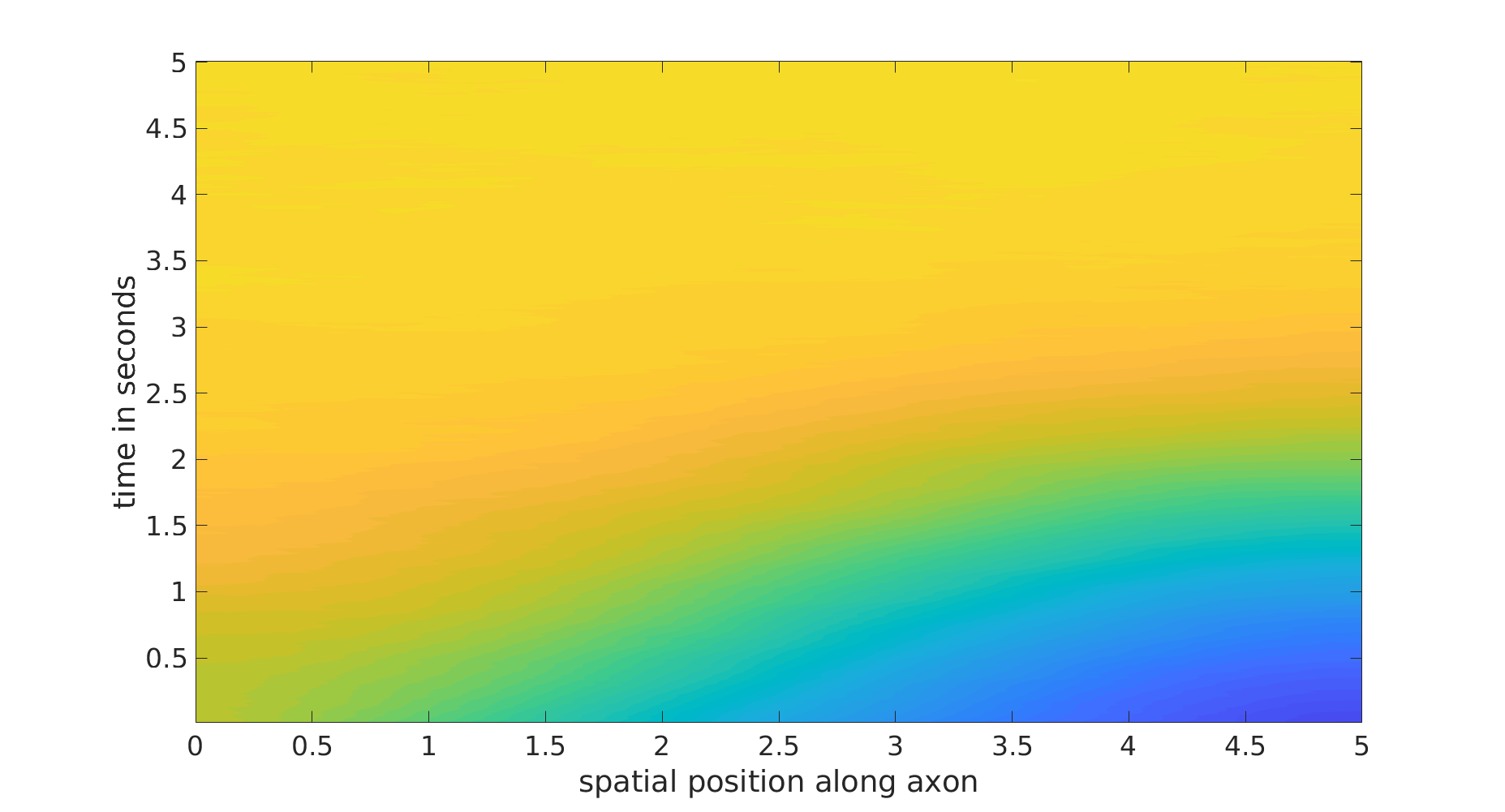 Figure 13
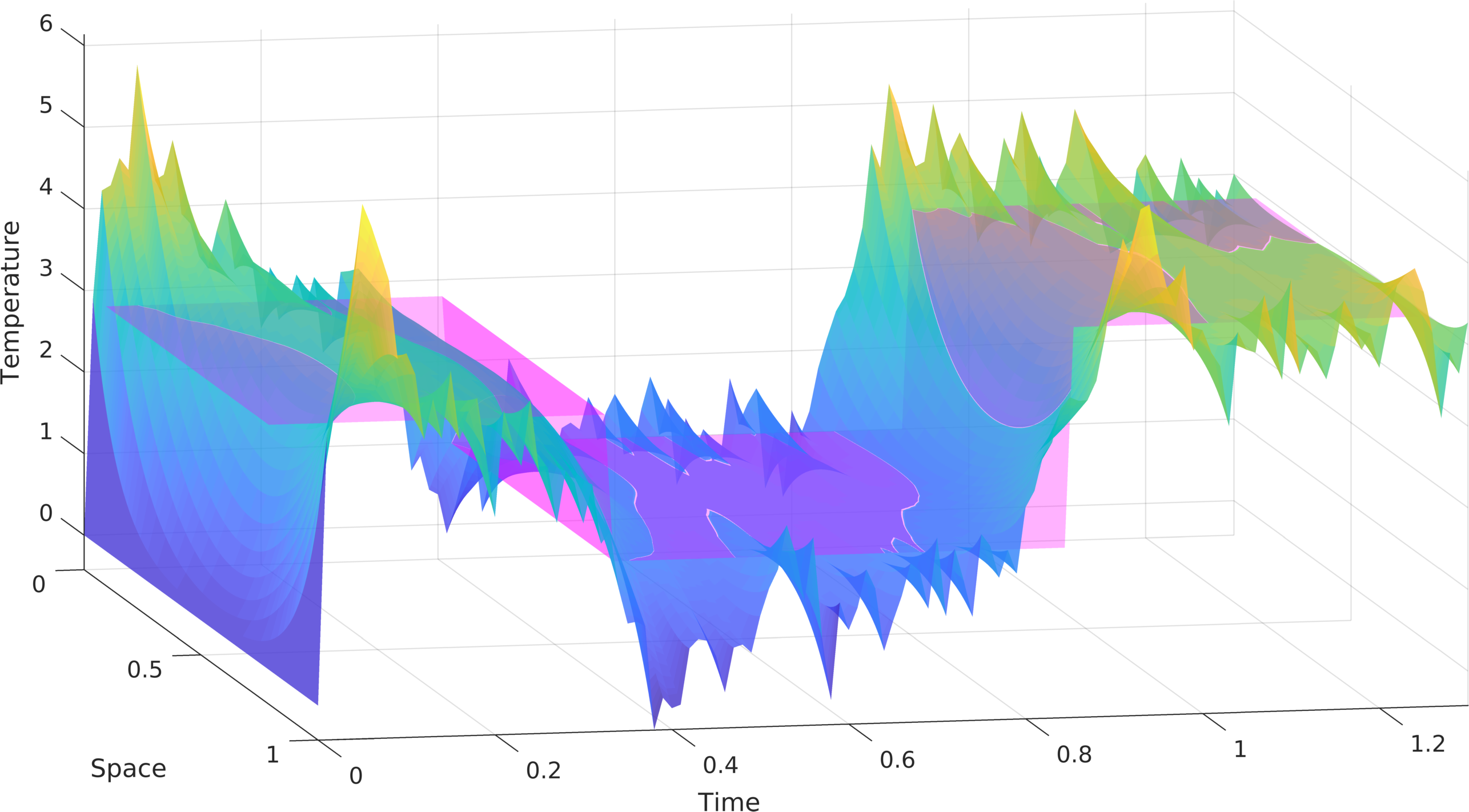 Figure 14
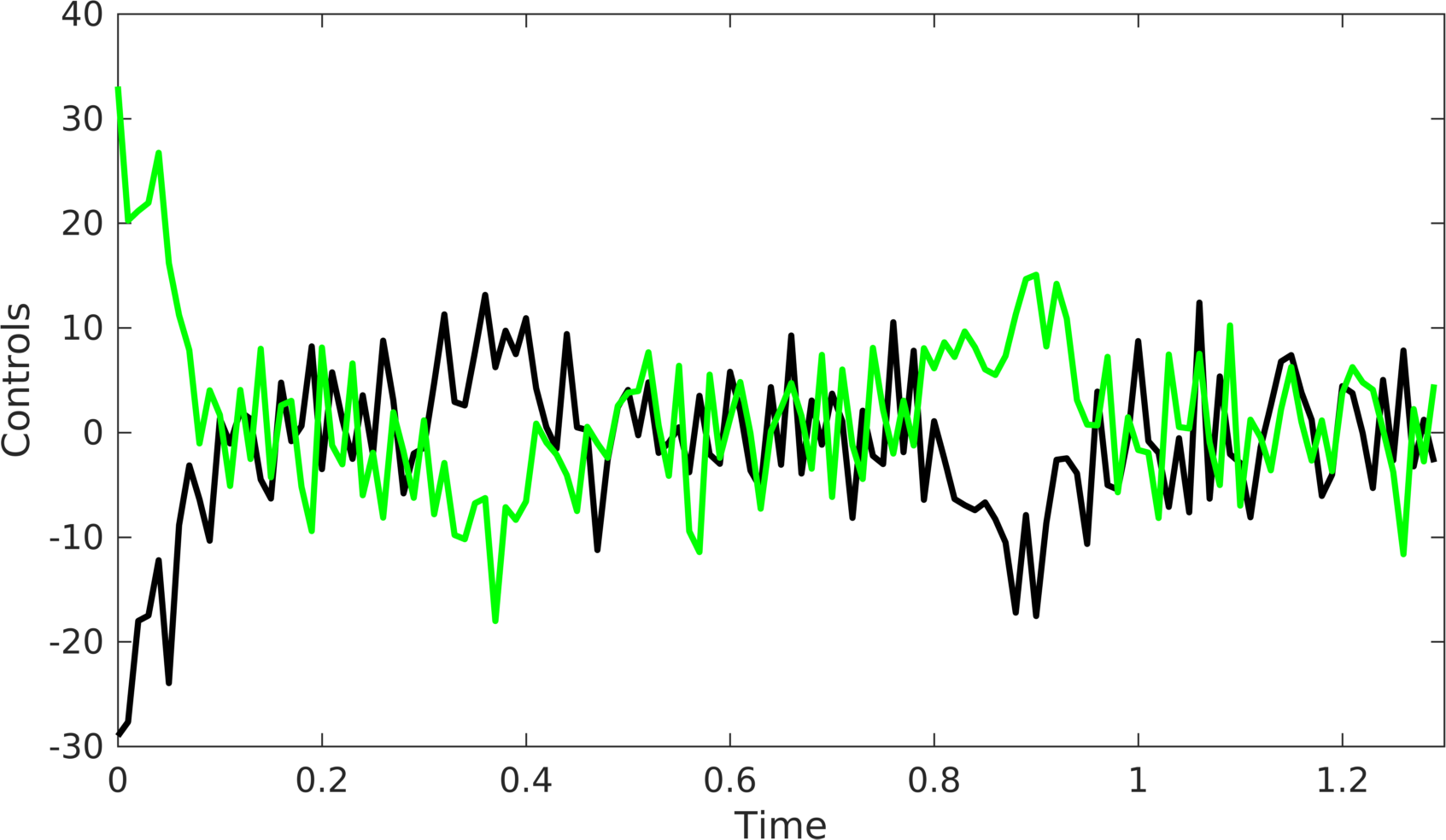 Figure 15
Peer Reviews
No public reviews on file for this paper yet. If you reviewed it on a platform where reviews are public (OpenReview, ICLR, NeurIPS, ICML), you can paste yours below so the community can read it here.
Videos
No videos yet. Explain this paper in a talk, walkthrough, or lecture? Add one.