Impact Dynamics of Moons Within a Planetary Potential
Raluca Rufu, Oded Aharonson

TL;DR
This study uses impact simulations to explore how multiple moonlets within a planetary potential merge or collide, revealing how impact conditions influence surface mixing and heterogeneity, which can inform lunar origin theories.
Contribution
It provides new insights into the impact dynamics of moonlets near planets and assesses how different impact regimes affect surface composition and heterogeneity.
Findings
Surface mixing is efficient in accretionary impacts of similar-sized bodies.
Hit-and-run impacts transfer minimal material, limiting heterogeneity.
Sequences of impacts can enhance surface mixing and heterogeneity.
Abstract
Current lunar origin scenarios suggest that Earth's Moon may have resulted from the merger of two (or more) smaller moonlets. Dynamical studies of multiple moons find that these satellite systems are not stable, resulting in moonlet collision or loss of one or more of the moonlets. We perform Smoothed Particle Hydrodynamic (SPH) impact simulations of two orbiting moonlets inside the planetary gravitational potential and find that the classical outcome of two bodies impacting in free space is altered as erosive mass loss is more significant with decreasing distance to the planet. Depending on the conditions of accretion, each moonlet could have a distinct isotopic signature, therefore, we assess the initial mixing during their merger, in order to estimate whether future measurements of surface variations could distinguish between lunar origin scenarios (single vs. multiple moonlets). We…
Click any figure to enlarge with its caption.
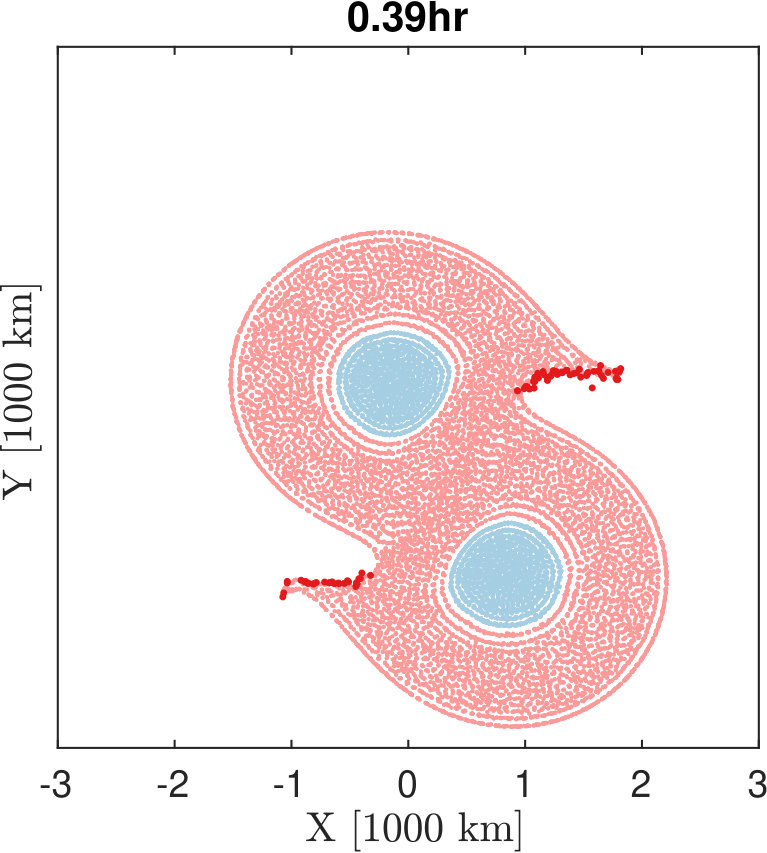 Figure 1
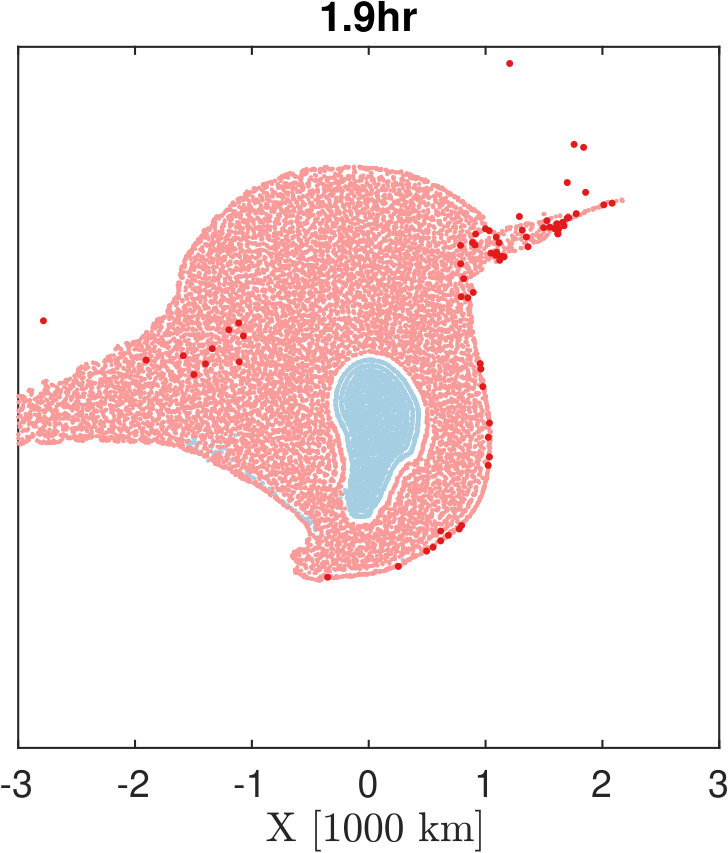 Figure 2
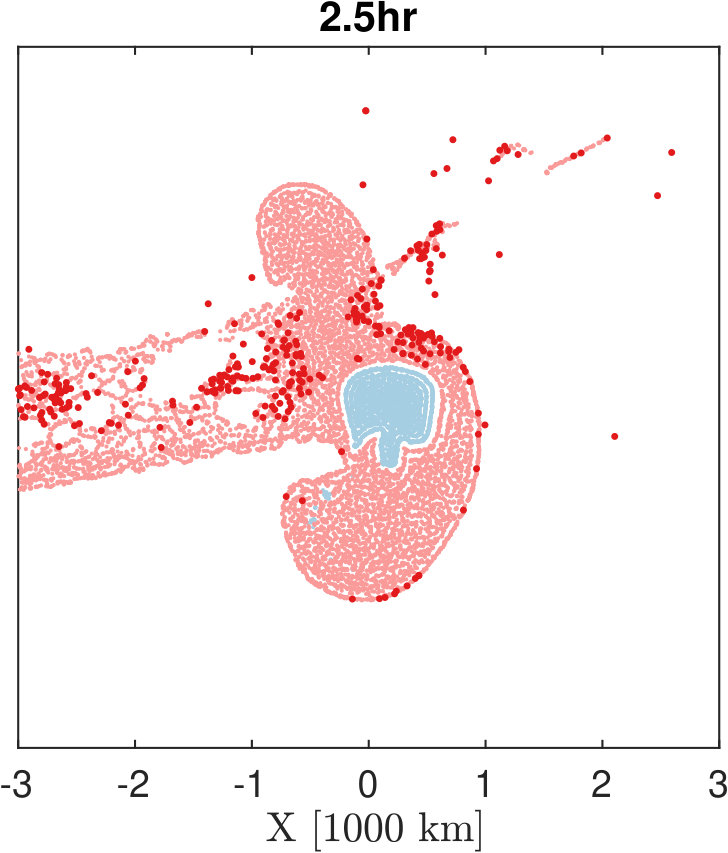 Figure 3
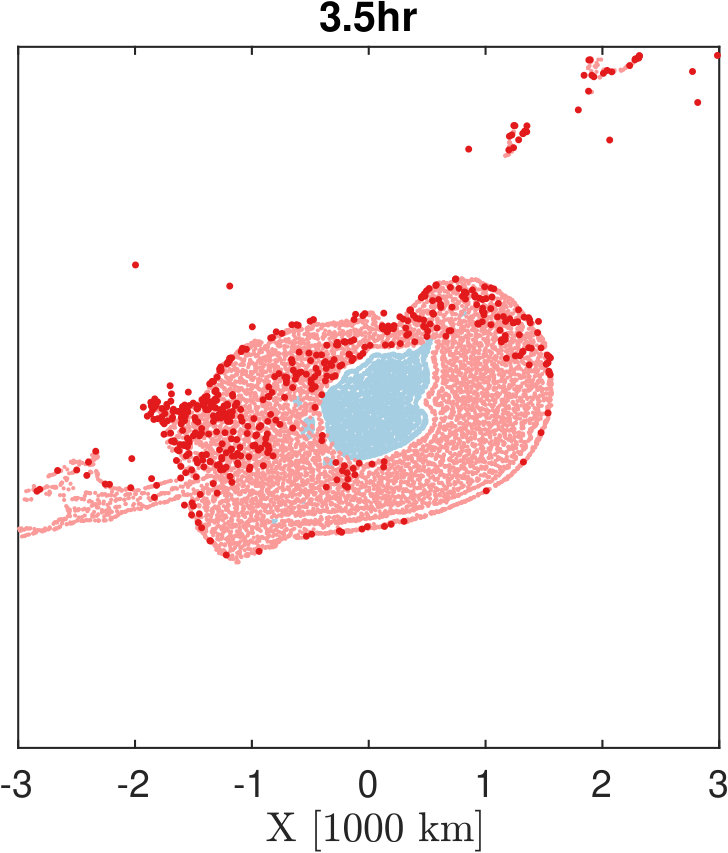 Figure 4
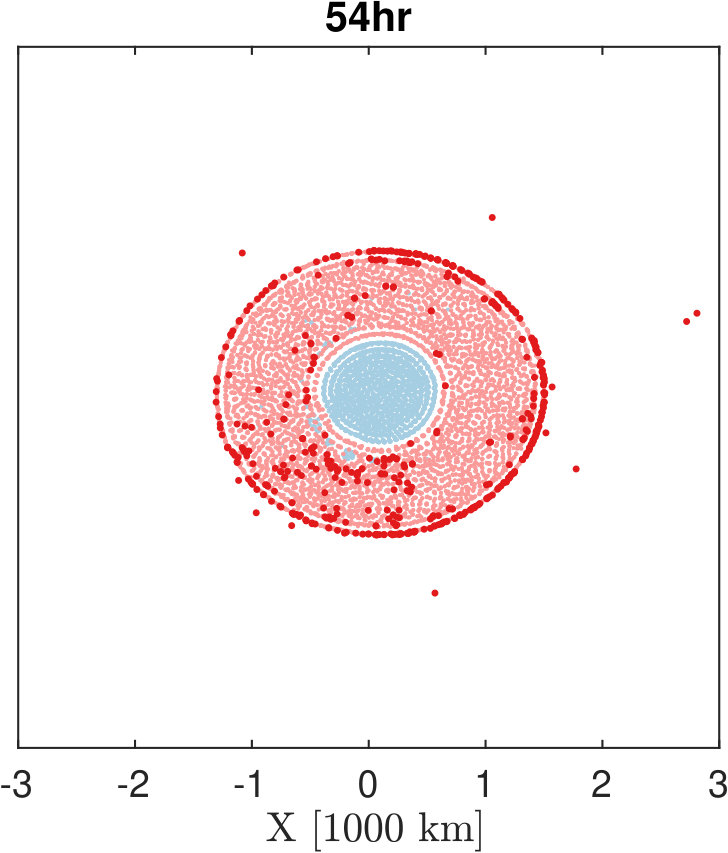 Figure 5
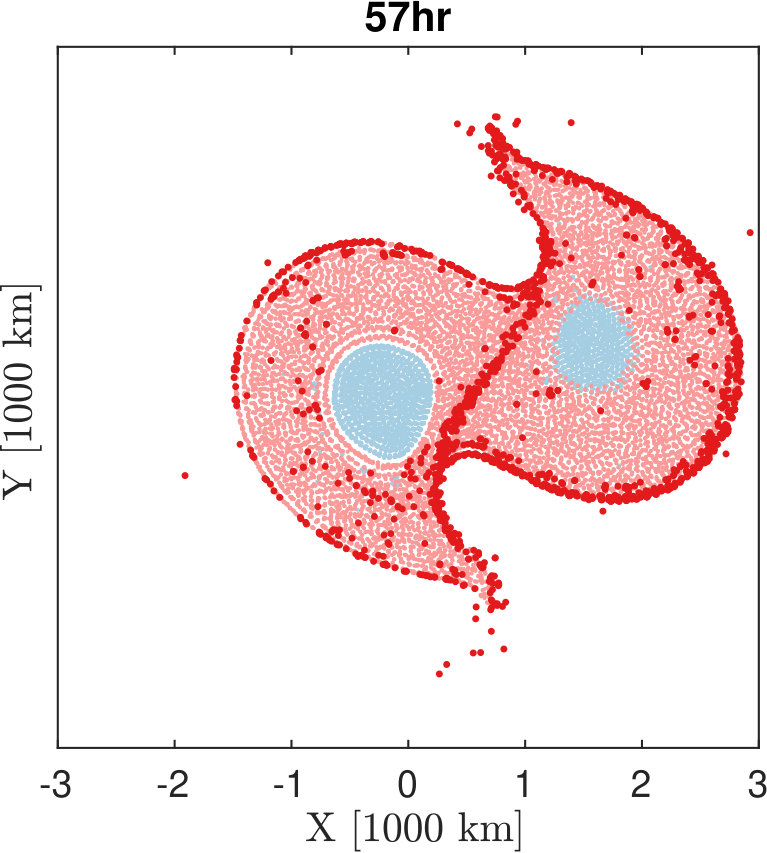 Figure 6
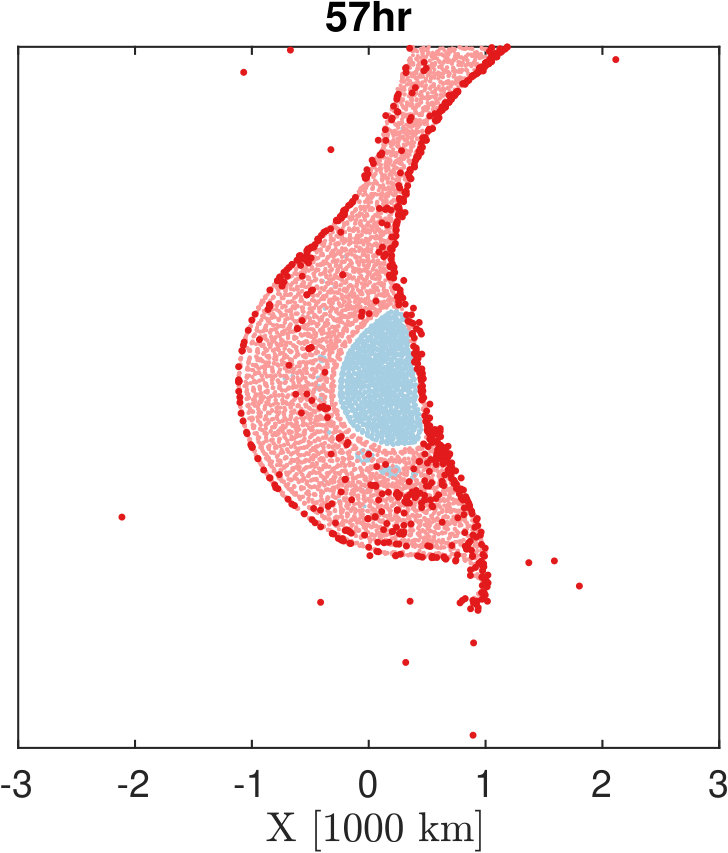 Figure 7
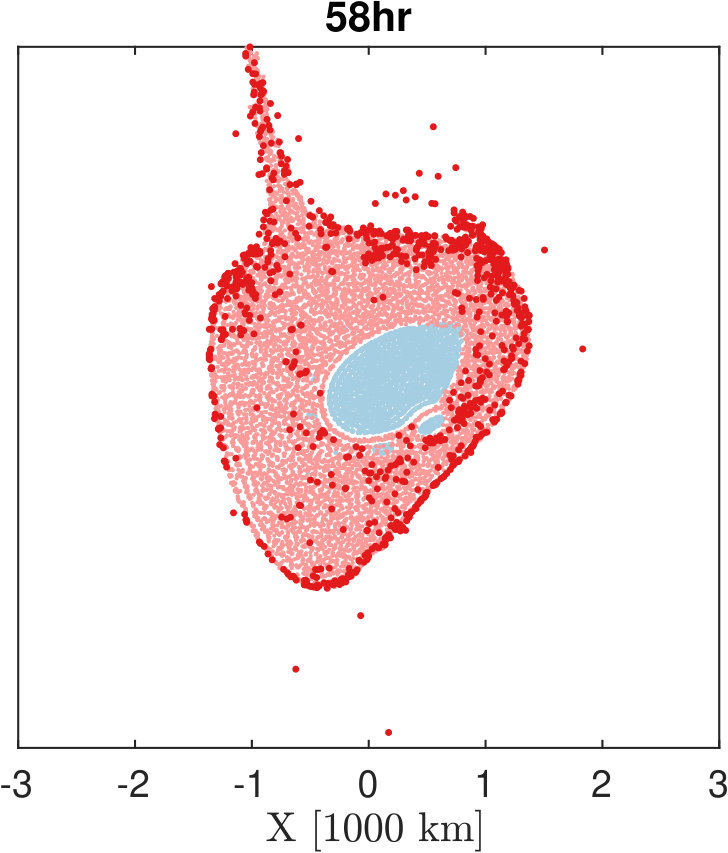 Figure 8
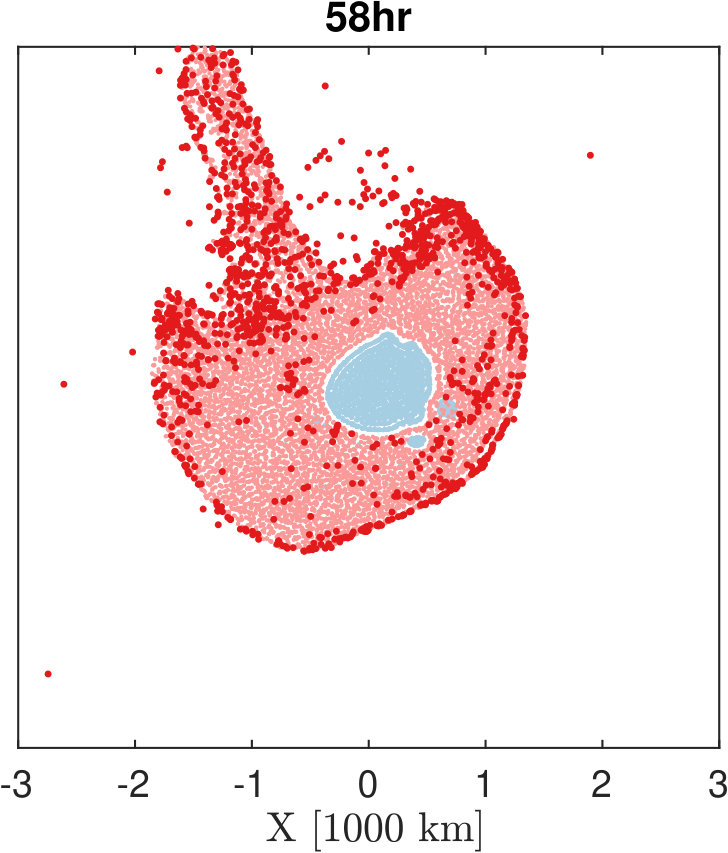 Figure 9
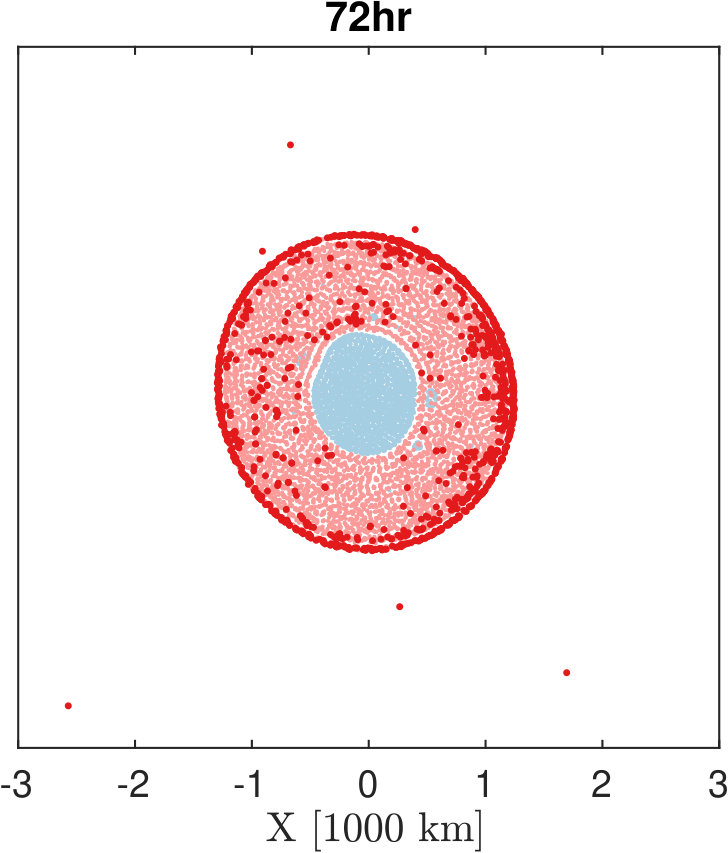 Figure 10
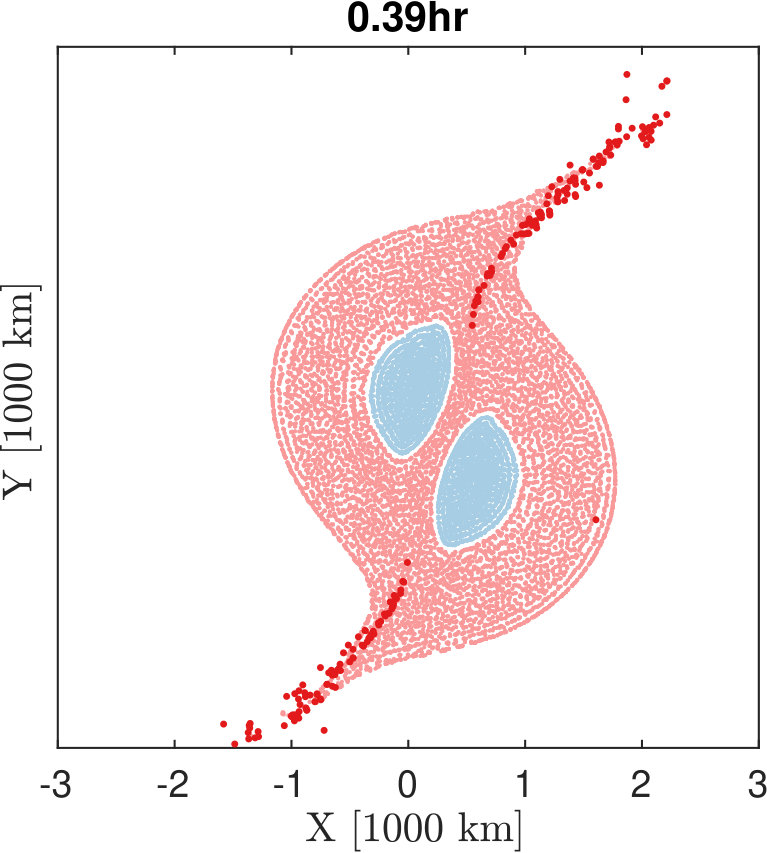 Figure 11
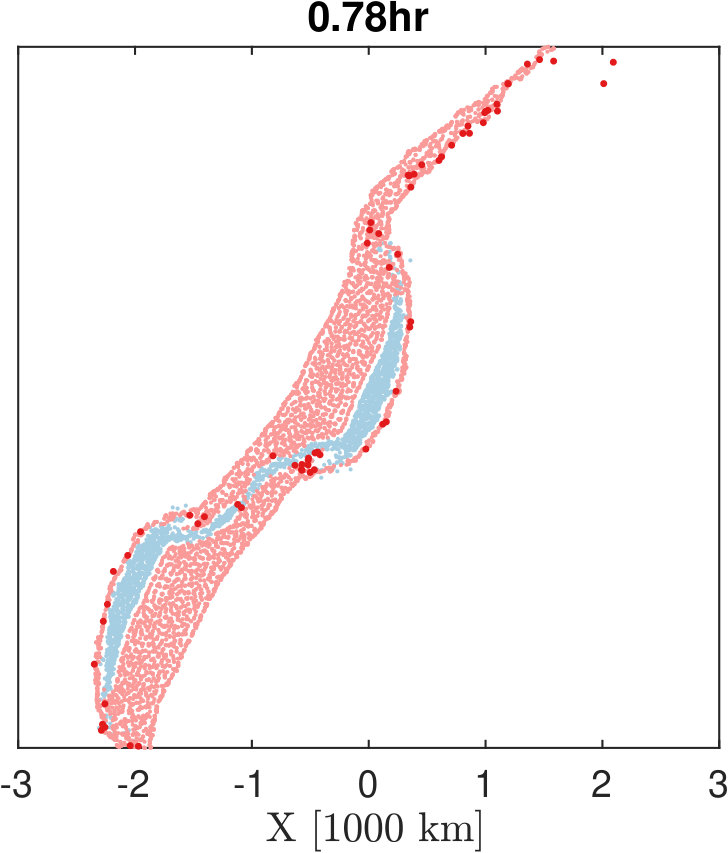 Figure 12
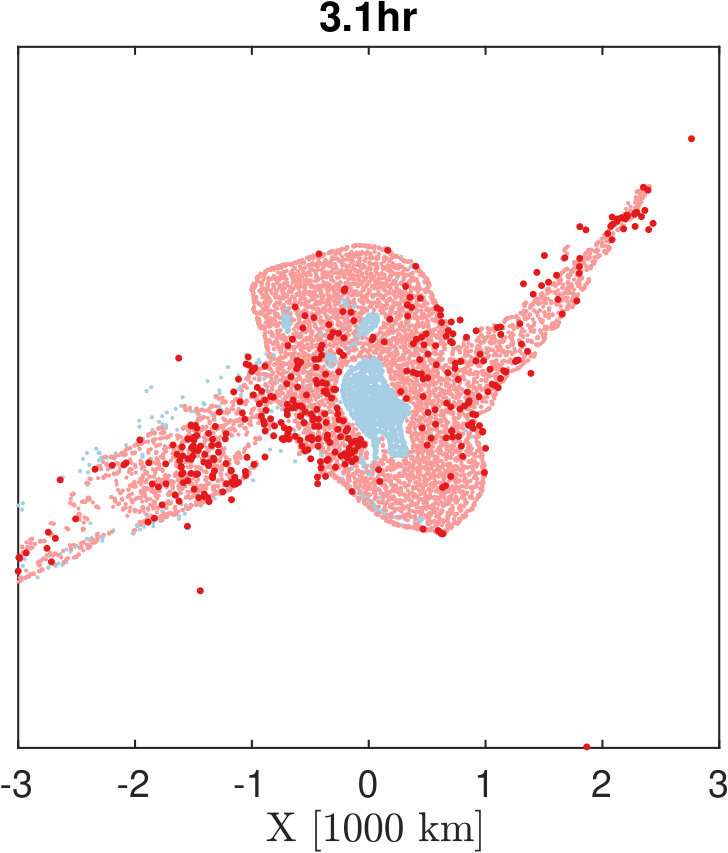 Figure 13
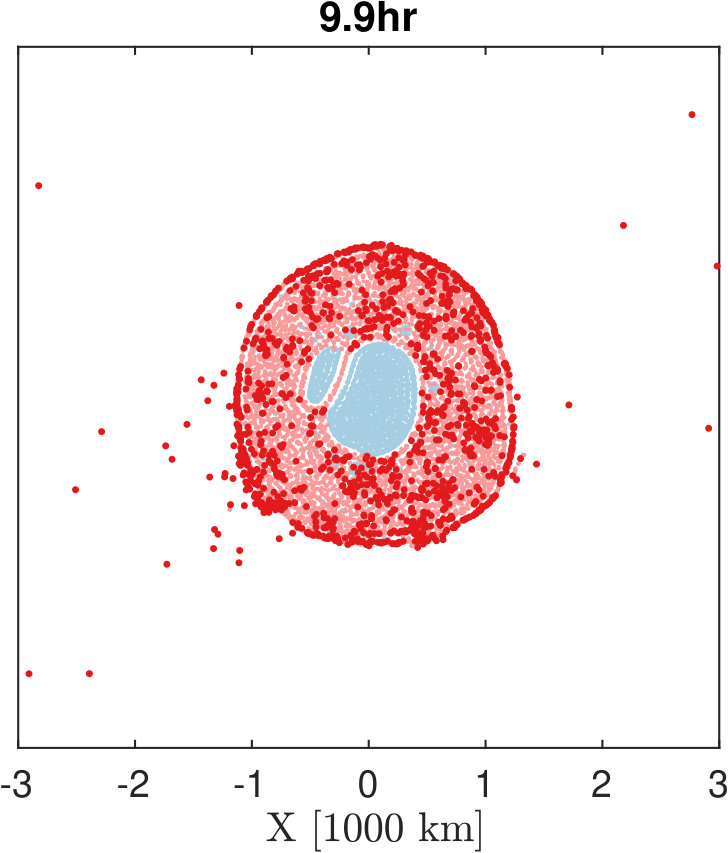 Figure 14
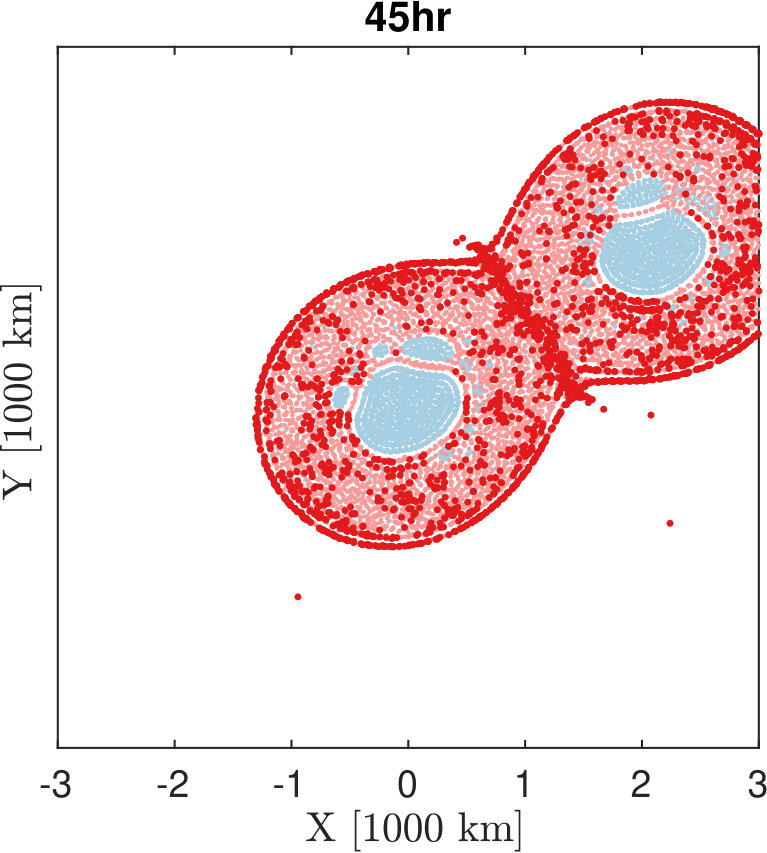 Figure 15
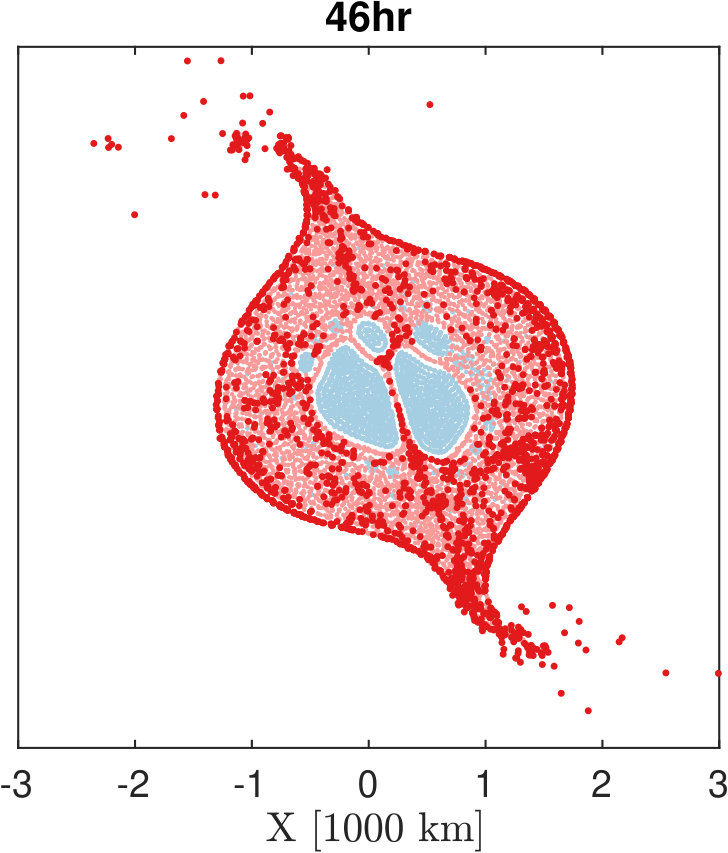 Figure 16
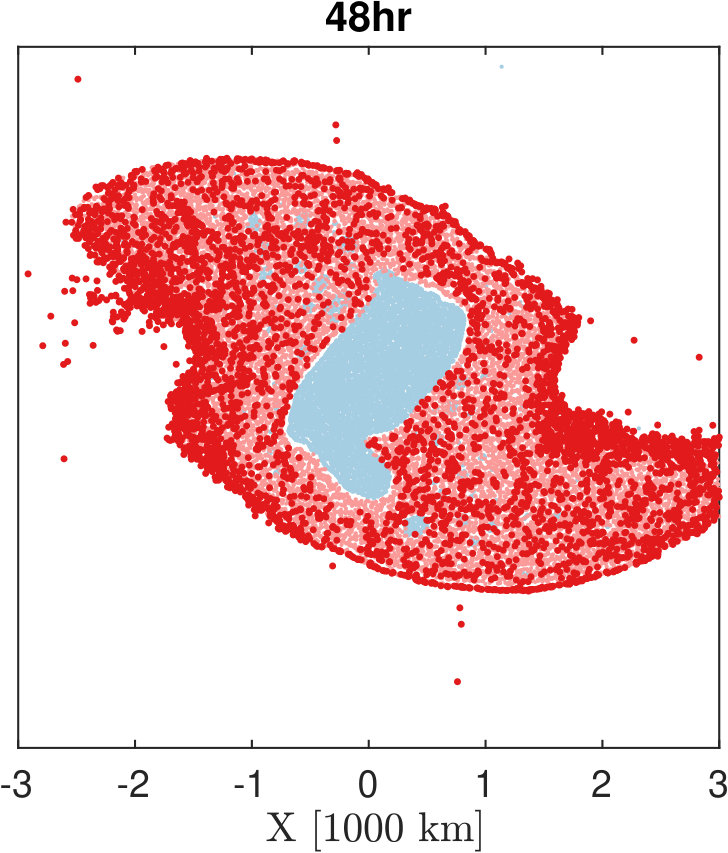 Figure 17
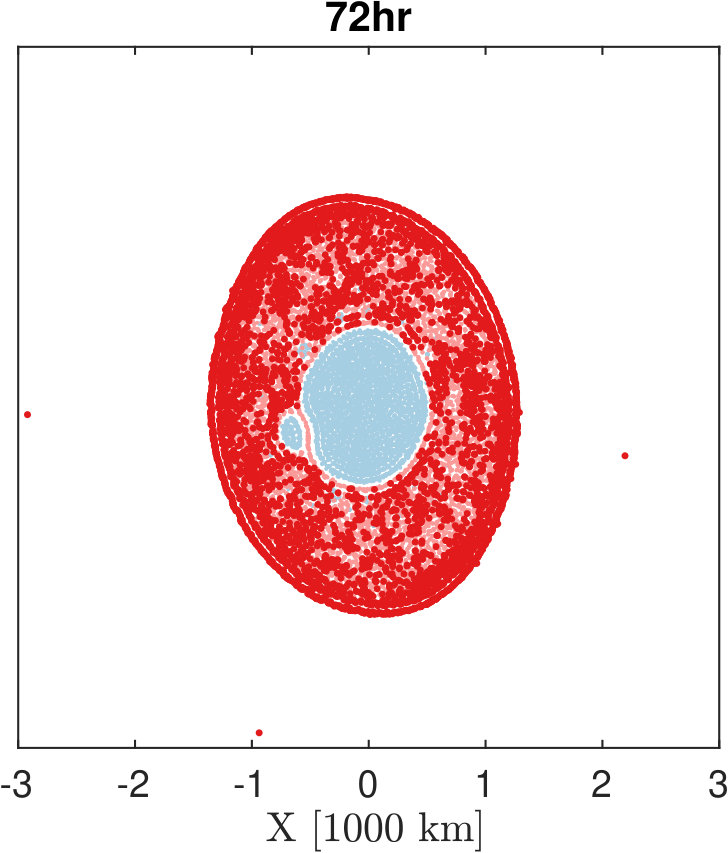 Figure 18
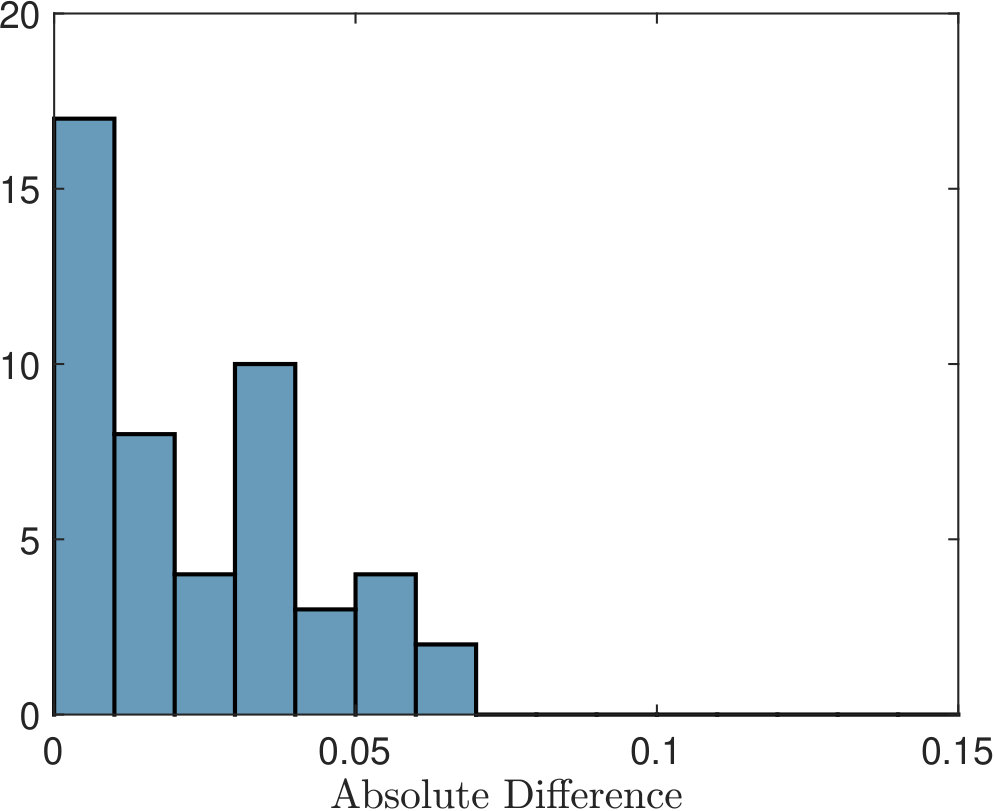 Figure 19
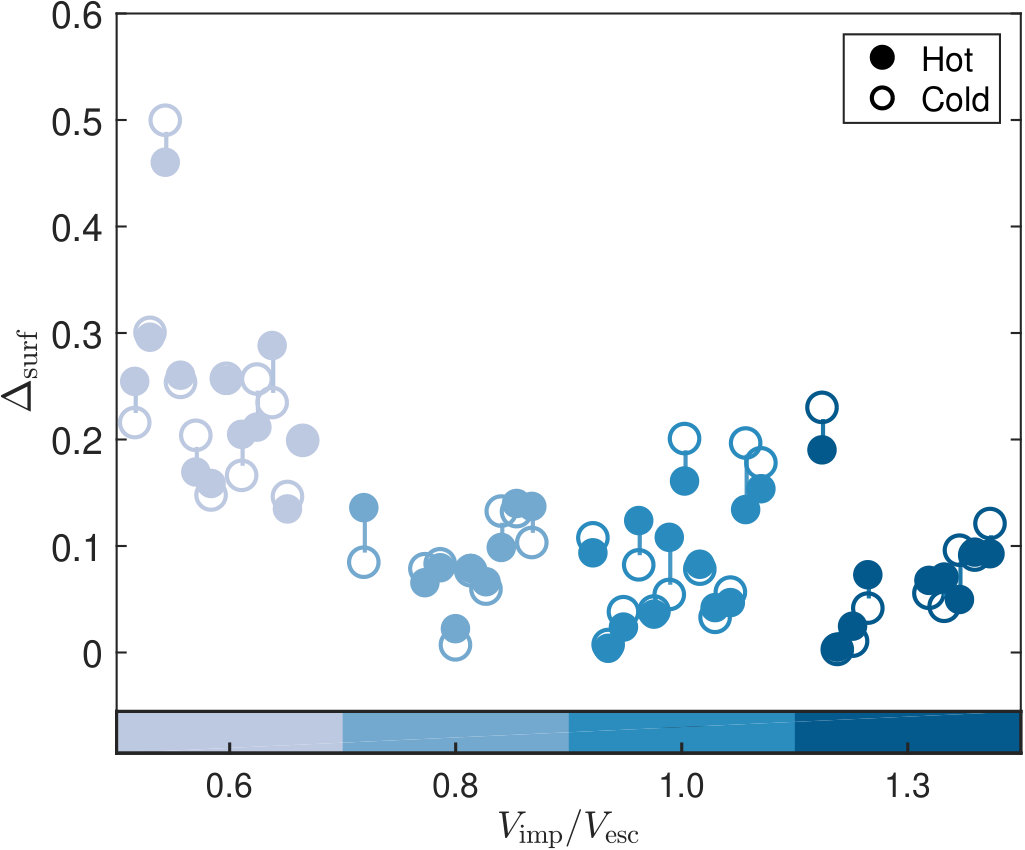 Figure 20
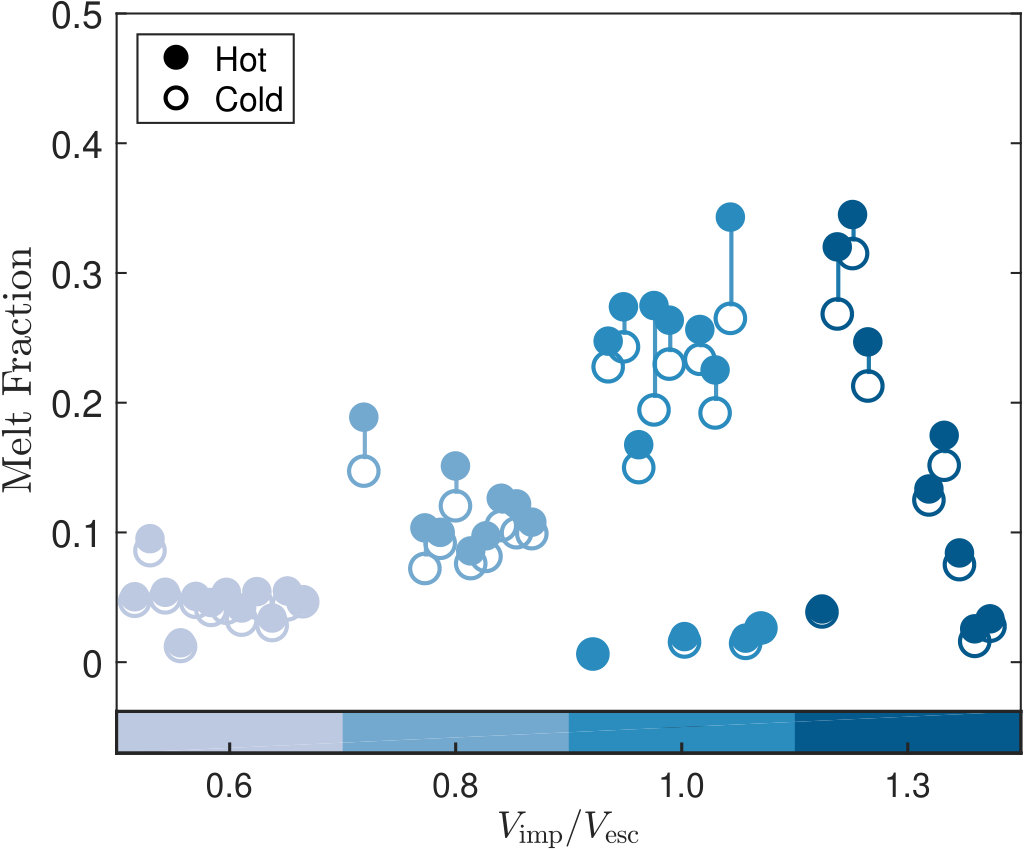 Figure 21
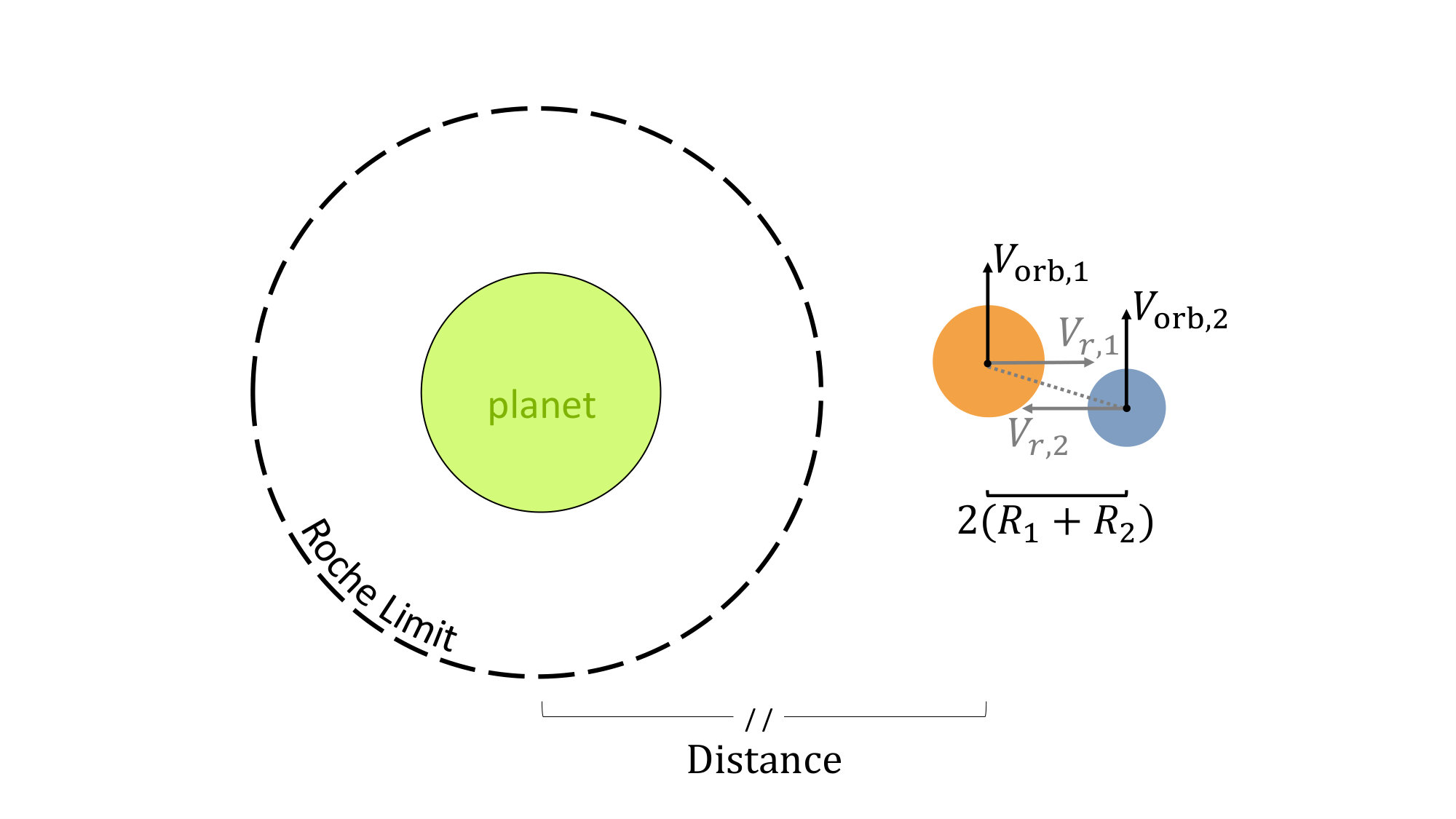 Figure 22
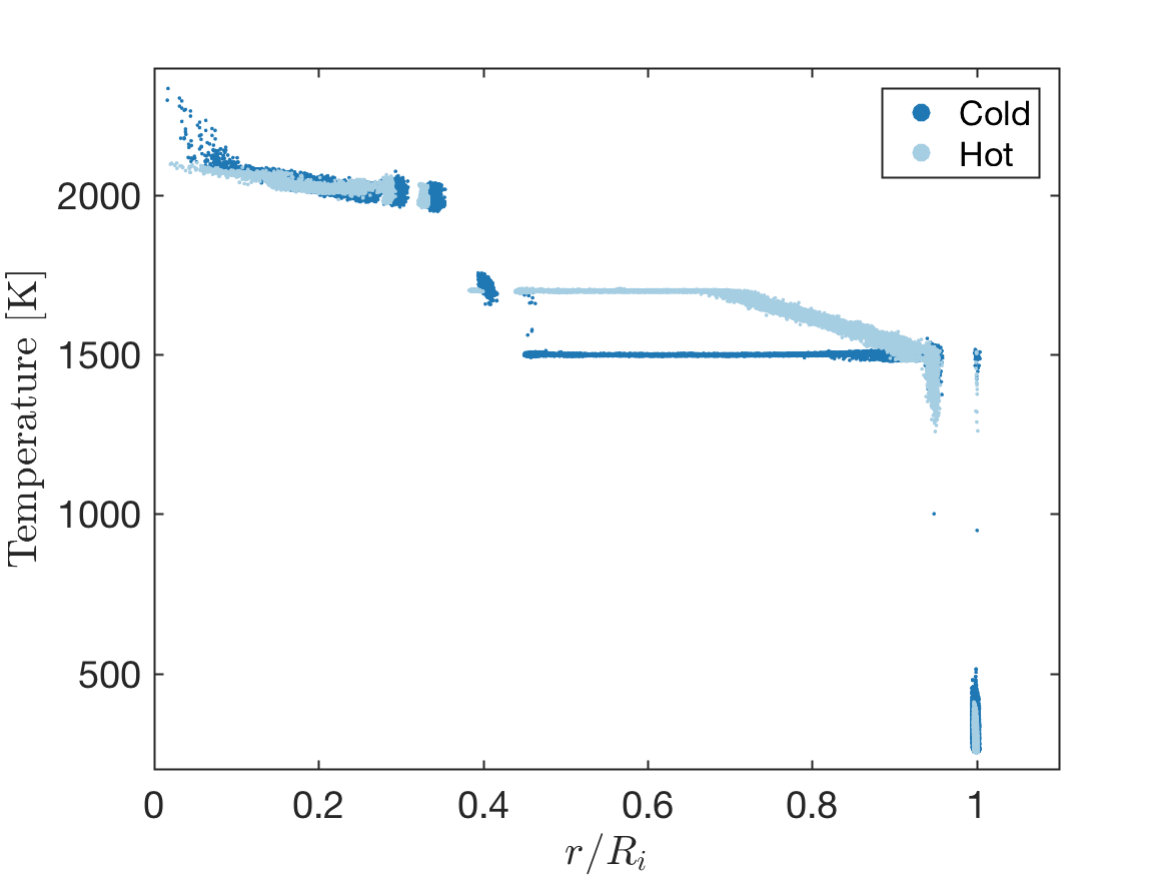 Figure 23
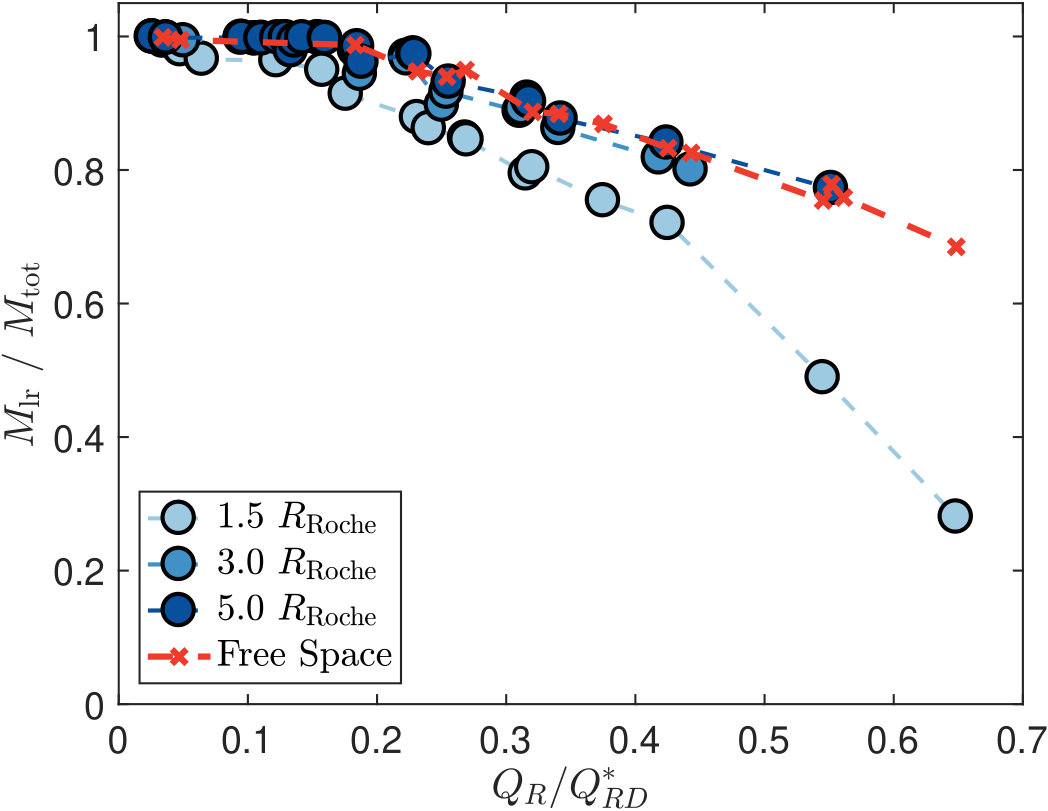 Figure 24
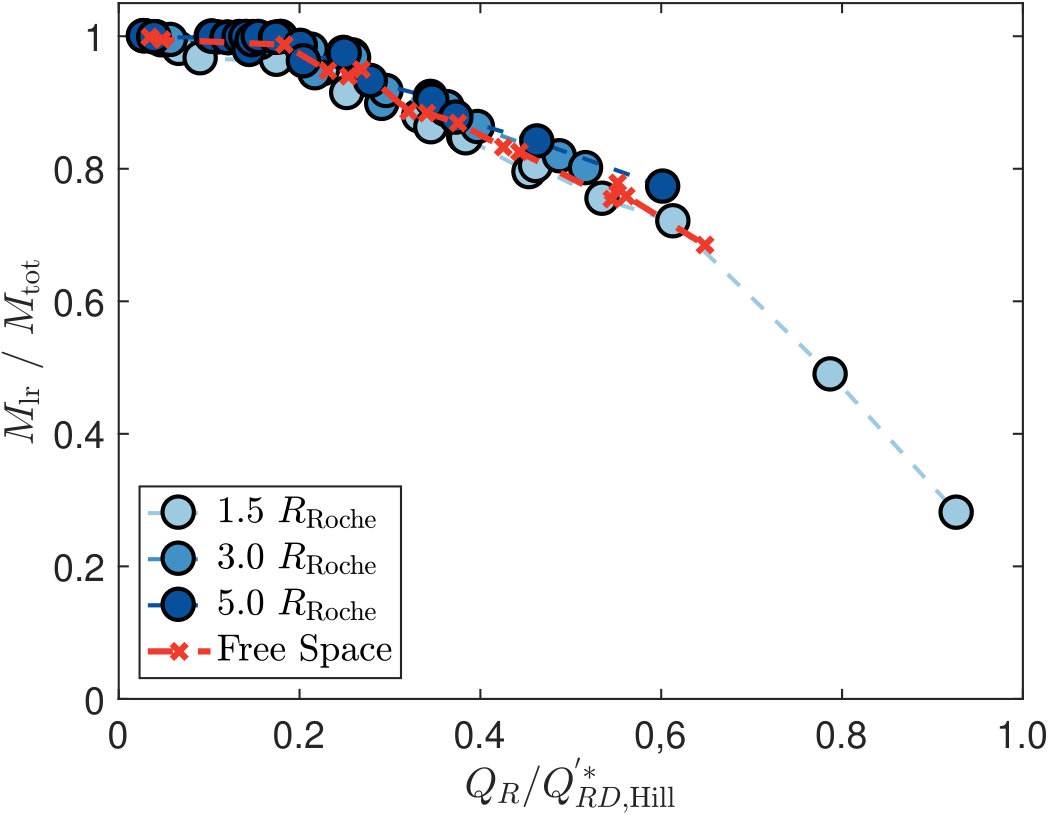 Figure 25
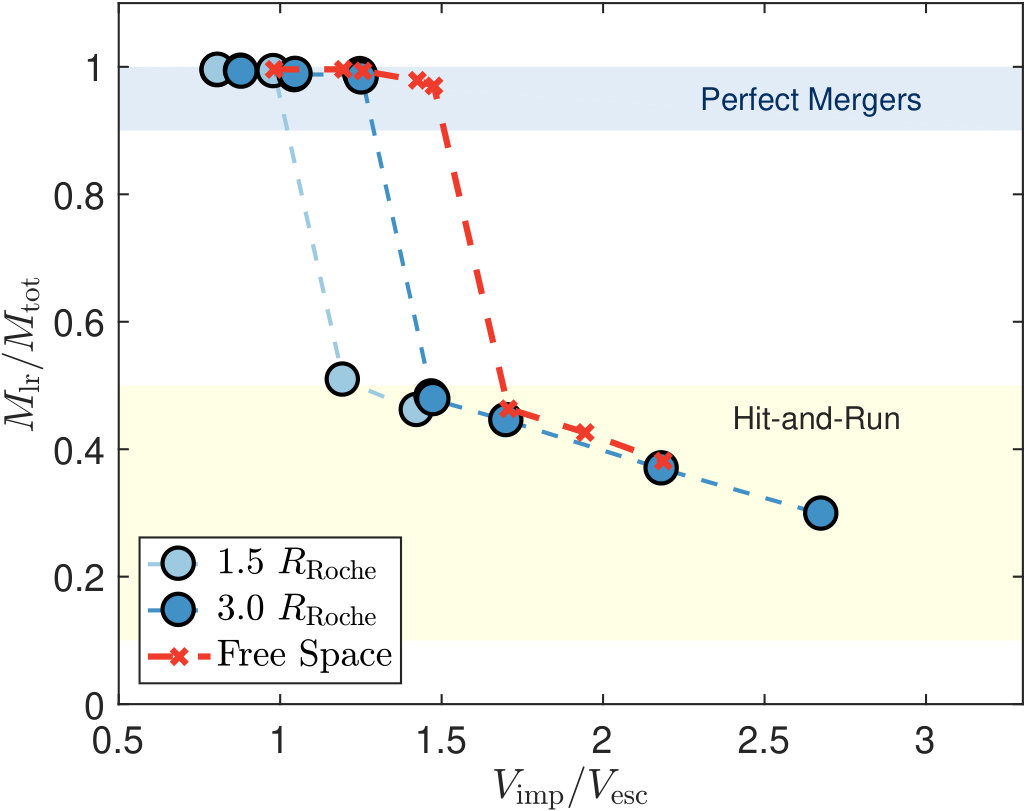 Figure 26
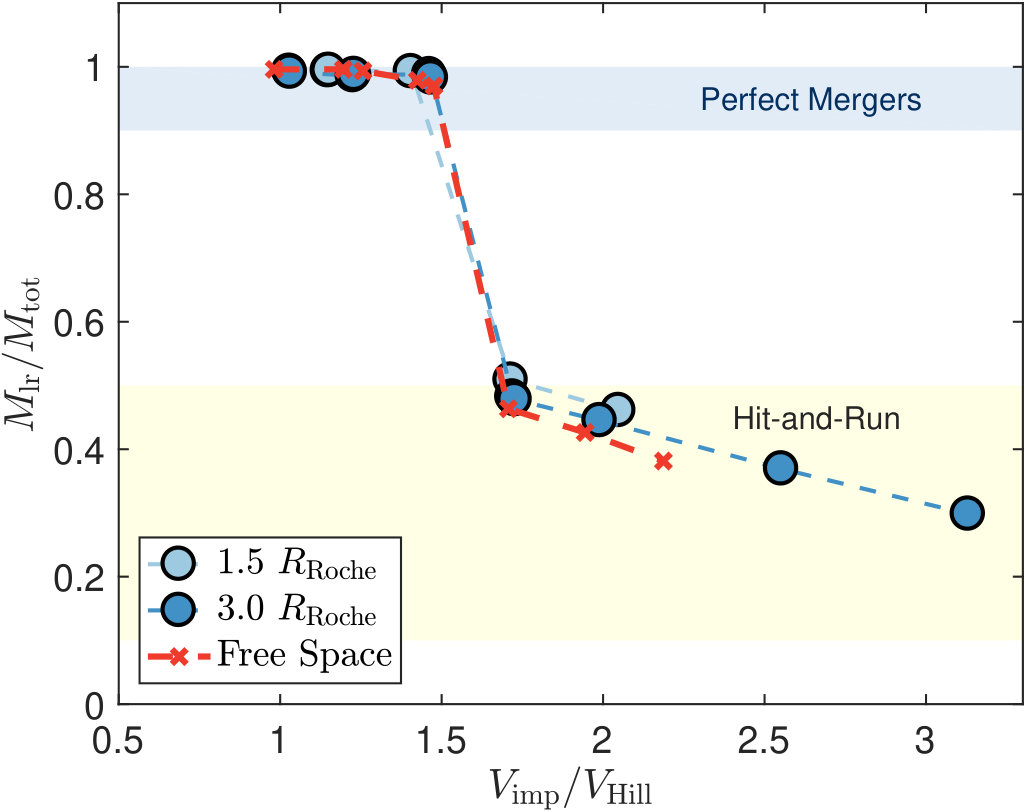 Figure 27
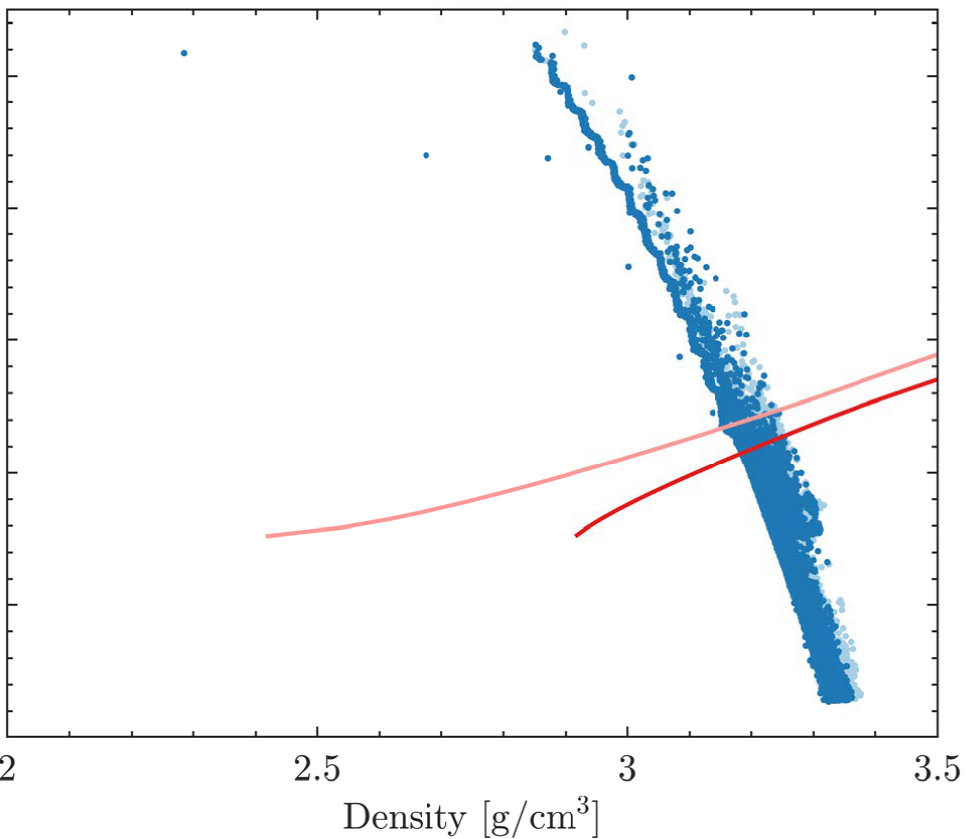 Figure 28
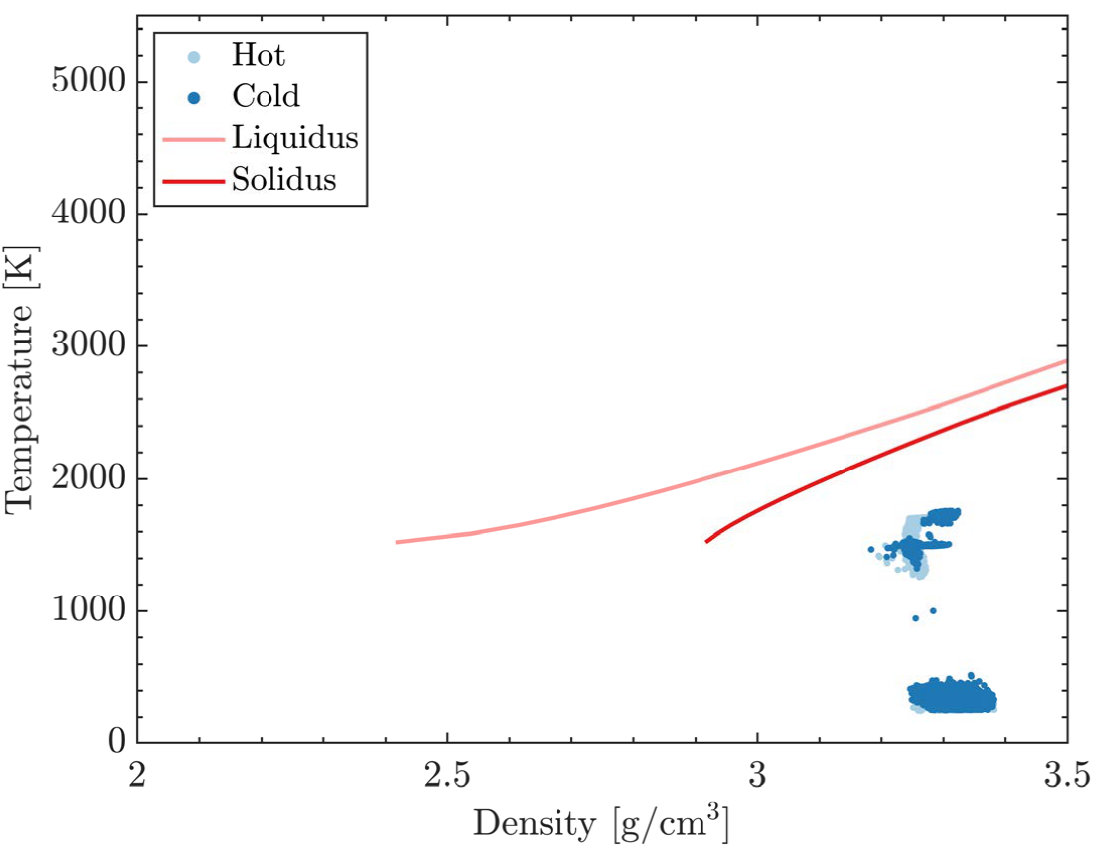 Figure 29
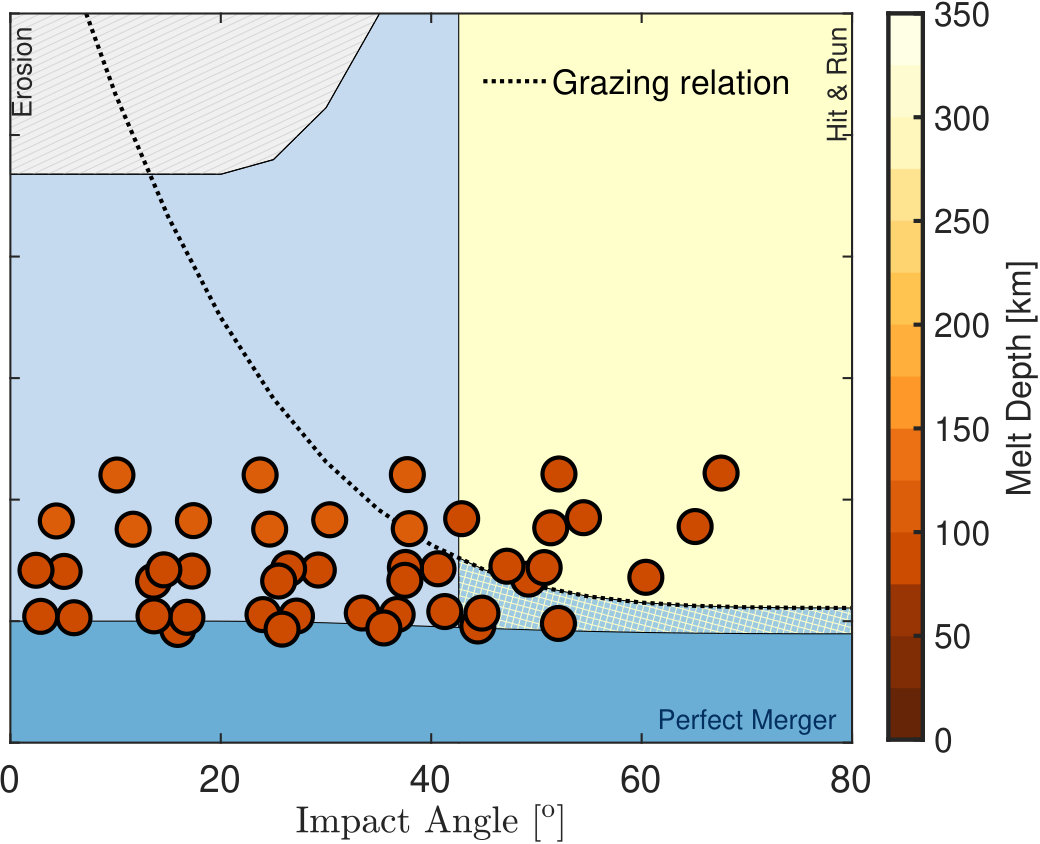 Figure 30
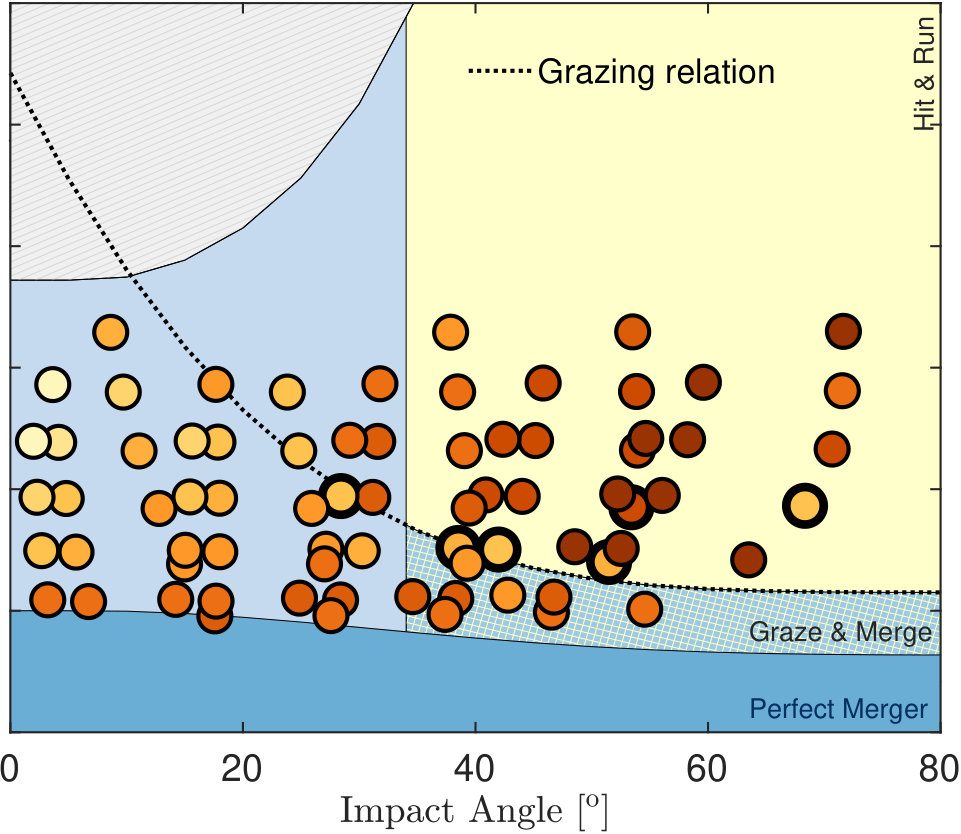 Figure 31
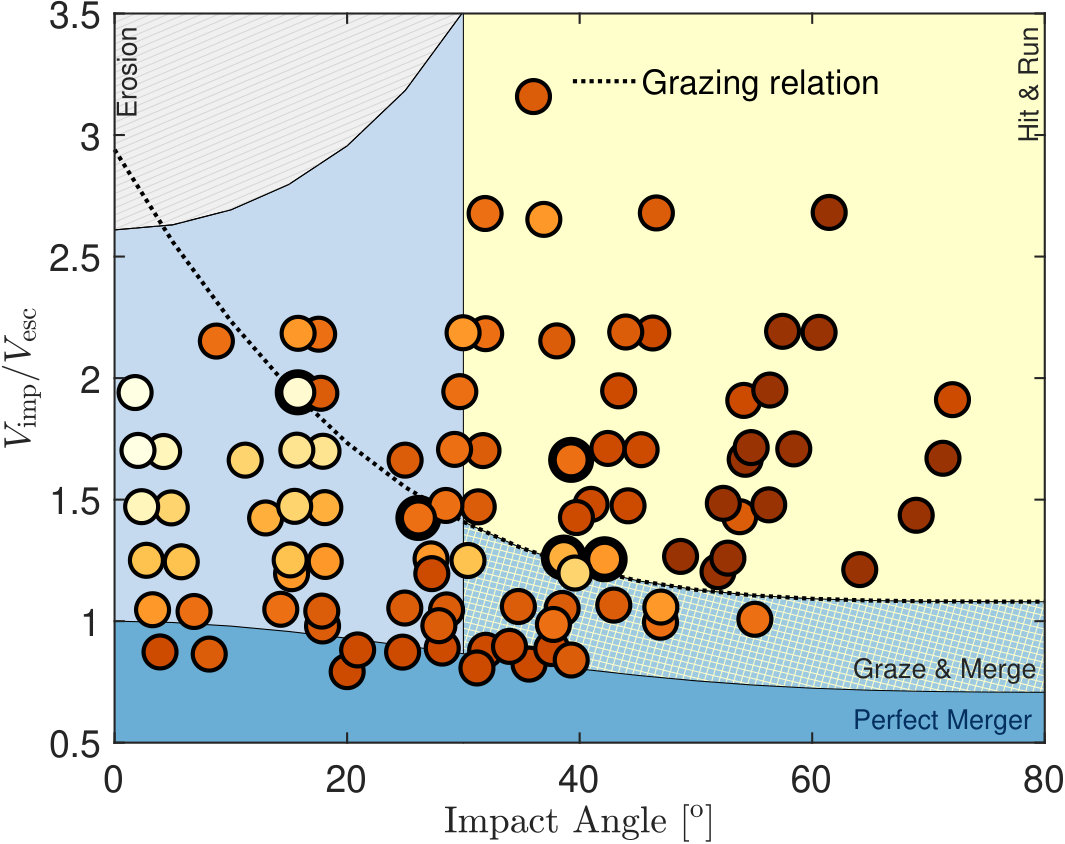 Figure 32
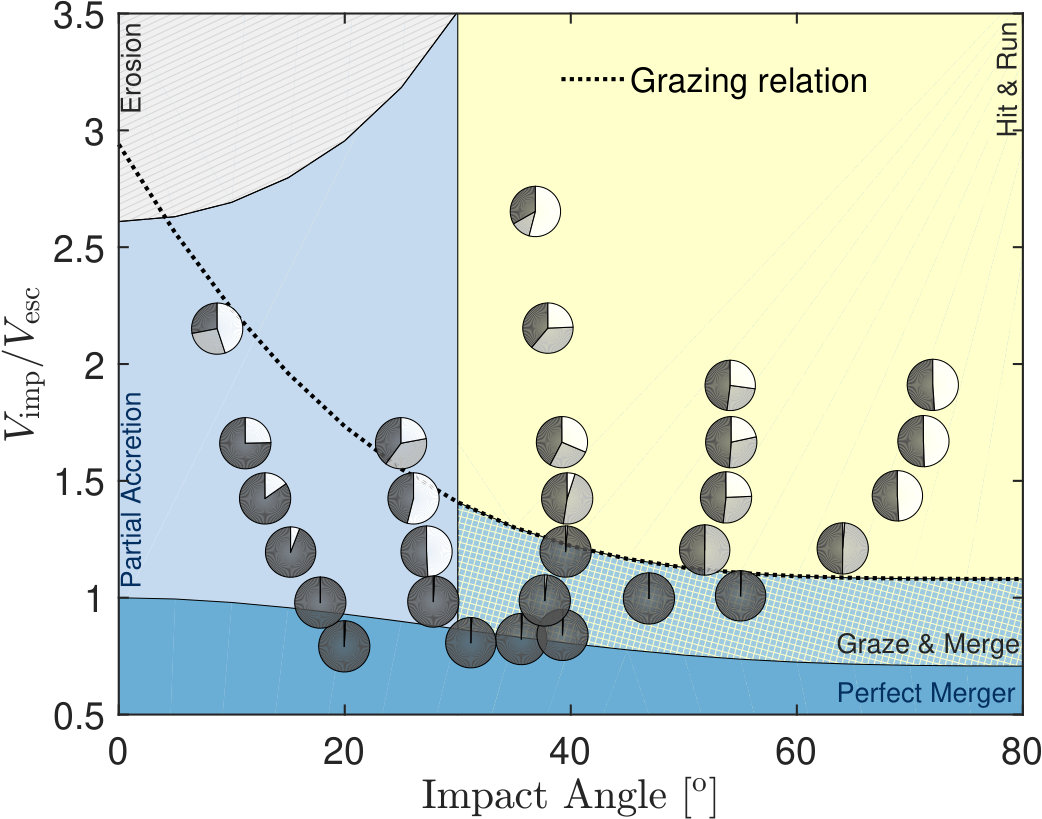 Figure 33
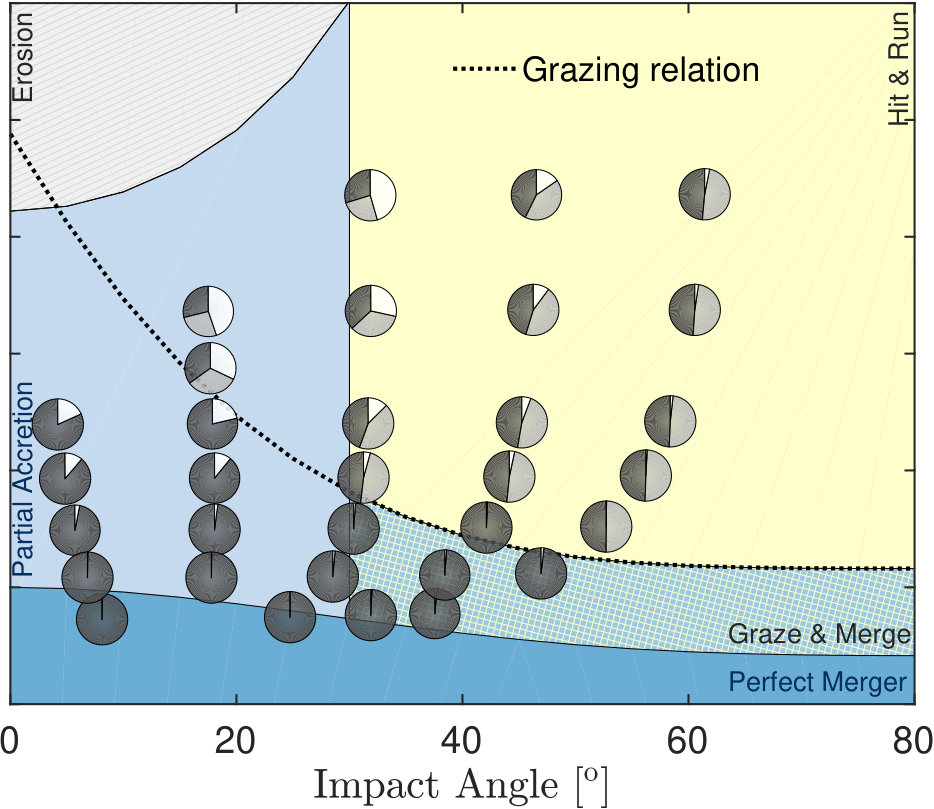 Figure 34
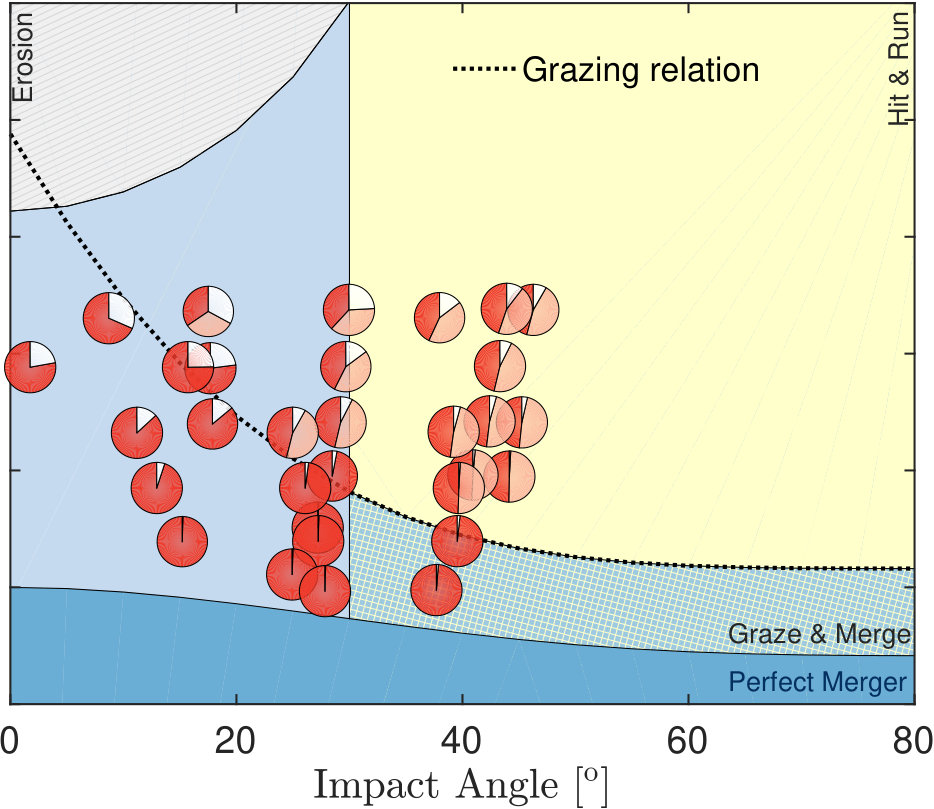 Figure 35
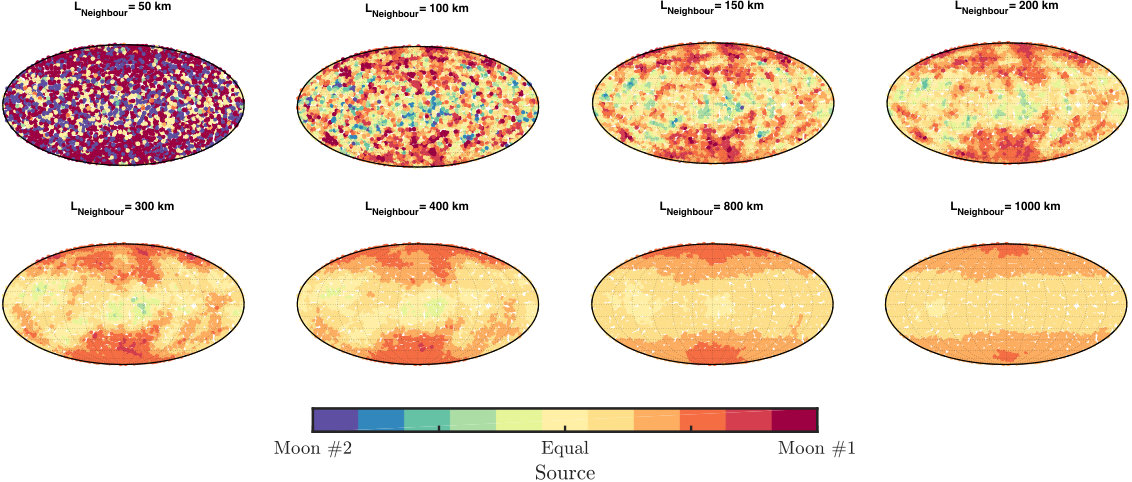 Figure 36
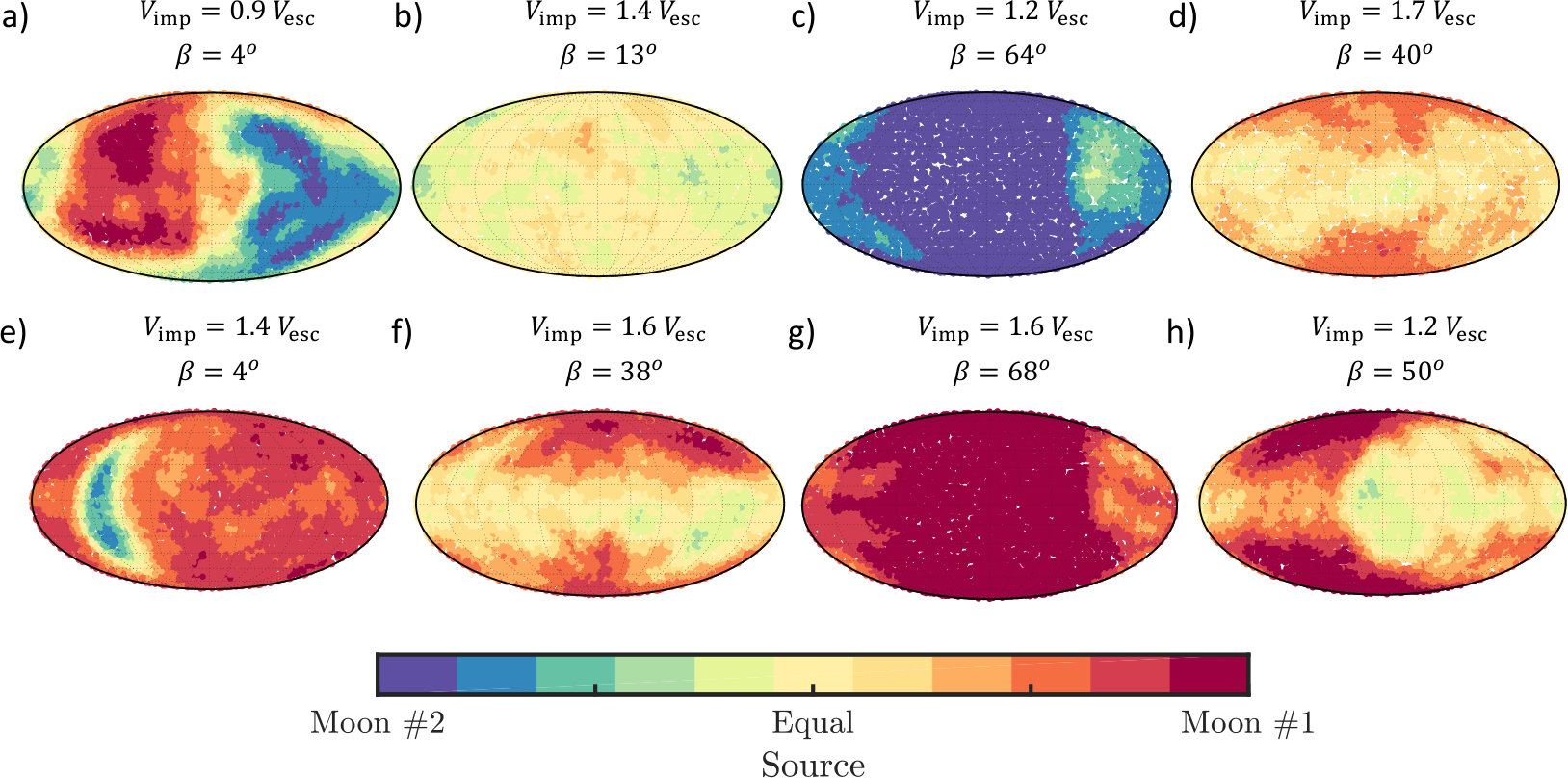 Figure 37
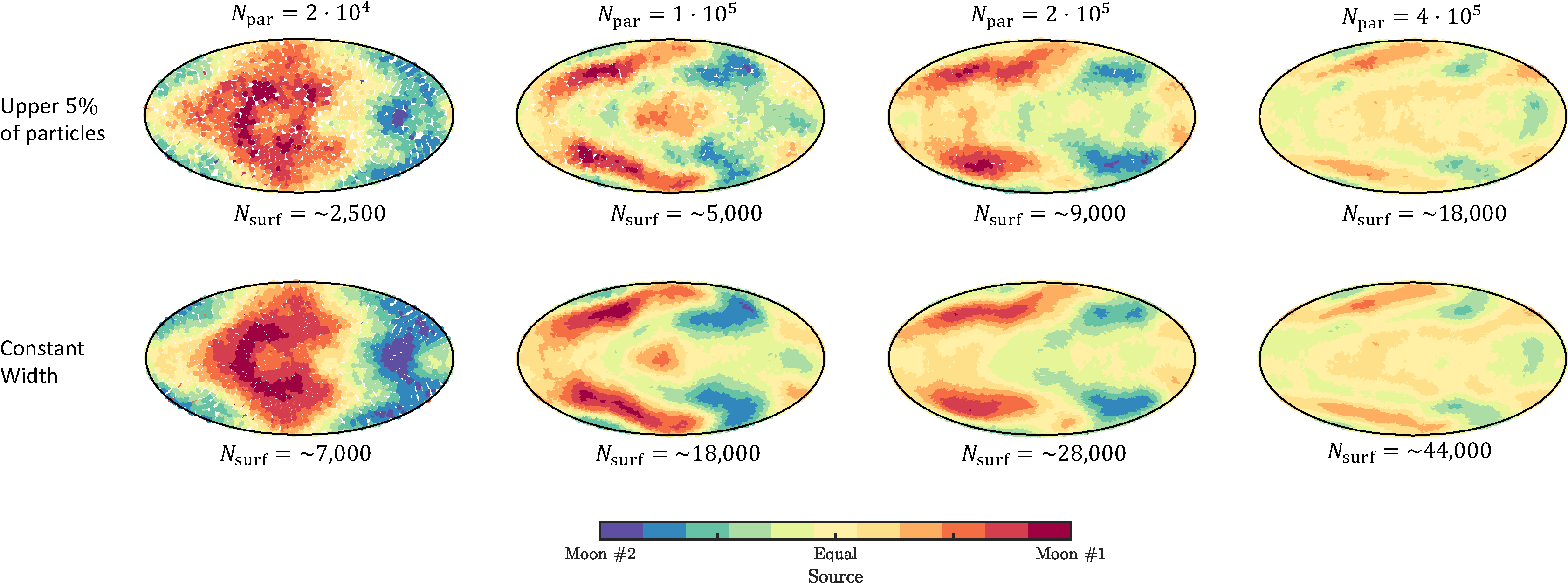 Figure 38
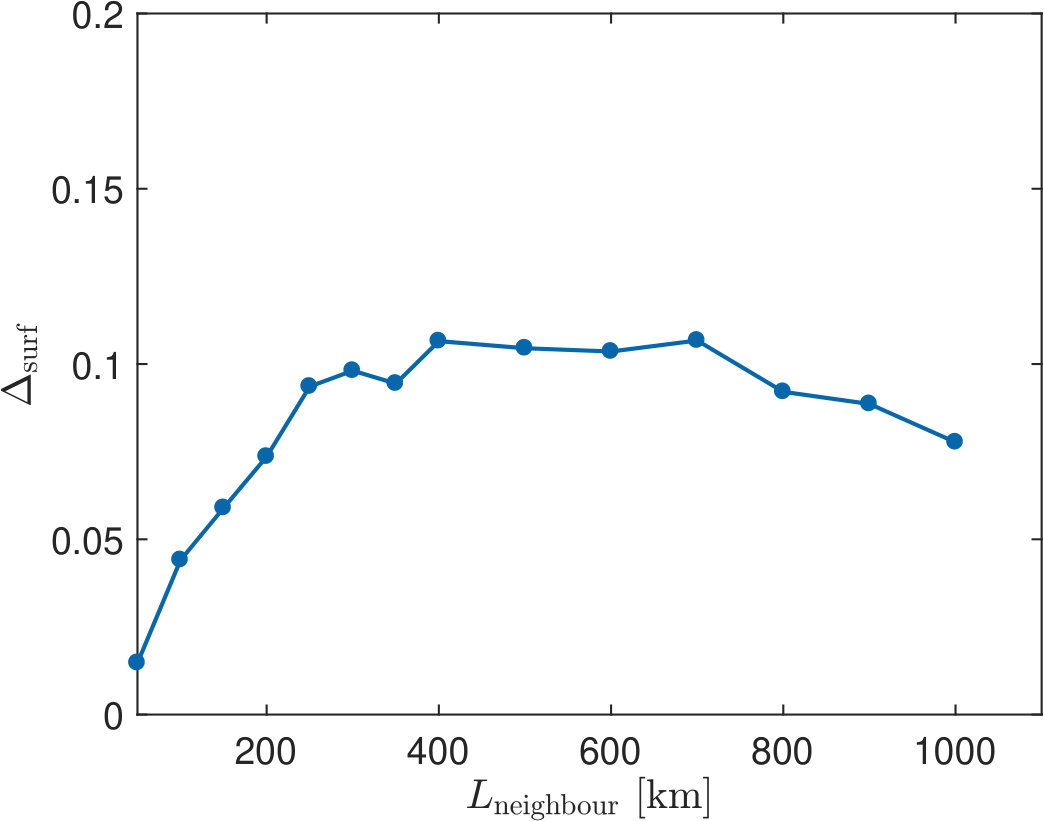 Figure 39
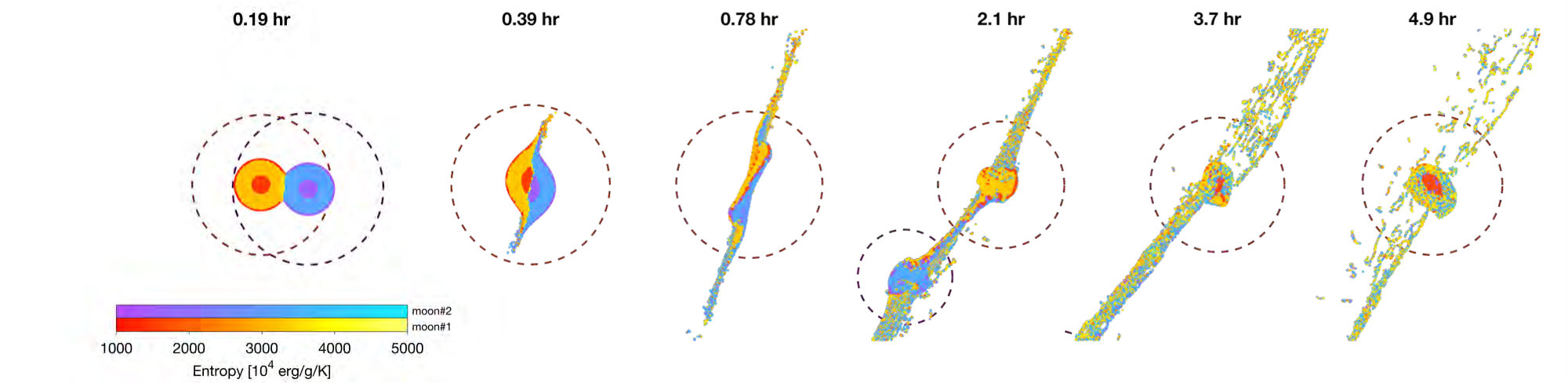 Figure 40
Peer Reviews
No public reviews on file for this paper yet. If you reviewed it on a platform where reviews are public (OpenReview, ICLR, NeurIPS, ICML), you can paste yours below so the community can read it here.
Videos
No videos yet. Explain this paper in a talk, walkthrough, or lecture? Add one.
Impact Dynamics of Moons Within a Planetary Potential
Abstract
Current lunar origin scenarios suggest that Earth’s Moon may have resulted from the merger of two (or more) smaller moonlets. Dynamical studies of multiple moons find that these satellite systems are not stable, resulting in moonlet collision or loss of one or more of the moonlets. We perform Smoothed Particle Hydrodynamic (SPH) impact simulations of two orbiting moonlets inside the planetary gravitational potential and find that the classical outcome of two bodies impacting in free space is altered as erosive mass loss is more significant with decreasing distance to the planet. Depending on the conditions of accretion, each moonlet could have a distinct isotopic signature, therefore, we assess the initial mixing during their merger, in order to estimate whether future measurements of surface variations could distinguish between lunar origin scenarios (single vs. multiple moonlets). We find that for comparable-size impacting bodies in the accretionary regime, surface mixing is efficient, but in the hit-and-run regime, only small amount of material is transferred between the bodies. However, sequences of hit-and-run impacts are expected, which will enhance the surface mixing. Overall, our results show that large scale heterogeneities can arise only from the merger of drastically different component masses. Surfaces of moons resulting from merger of comparable-sized components have little material heterogeneities, and such impacts are preferred, as the relatively massive impactor generates more melt, extending the lunar magma ocean phase.
Plain Language Summary
Lunar origin scenarios suggest that Earth’s single Moon may be a result of merger between smaller moonlets. In this work we test different impact scenarios of two orbiting moonlets, and include the effect of Earth’s gravitational potential. We find that impacts within Earth’s gravitational potential are different from impacts of two bodies in free space. For example, the amount of debris generated during such impacts is enhanced, and thus the mass retained in the final Moon is smaller than previously estimated. As each moonlet could inherit distinct isotopic signature, we test the initial surface mixing between the two components, in order to estimate whether future measurements of surface variation could differentiate between lunar origin theories. We find that surfaces of moonlets resulting from the merger of two comparable-size components are efficiently mixed. For the origin of the Moon, comparable-sized components are preferred, as they are able to generate enough melt and extend the lunar magma ocean phase to be compatible with the observed lunar crust.
\journalname
JGR-Planets
Weizmann Institute of Science, Department of Earth and Planetary Sciences, Rehovot, Israel Southwest Research Institute, 1050 Walnut Street, Suite 300, Boulder, CO 80302, USA Planetary Science Institute, Tucson, AZ, USA \correspondingauthorR. [email protected]
{keypoints}
Impacts within the planetary potential are more erosive.
Dynamical studies of the evolution of multiple satellite, must consider fragmentation.
Significant portions of the lunar mantle are melted during a companion impact.
1 Introduction
Impacts between two orbiting satellites may be an integral part of satellite formation and specifically lunar formation. Mergers between moonlets are especially interesting for the newly proposed multiple-impact hypothesis as these moonlets form from different debris disks and merge together to form the final Moon (Rufu et al., 2017). However, this process is also relevant for the single giant impact, as previous work shows that multiple moonlets can form from the same debris disk (Ida et al., 1997; Salmon and Canup, 2012, 2014).
Satellite pairs were found to be mostly unstable (Canup et al., 1999; Citron et al., 2018), leading to moonlet-moonlet collisions or the loss of one (or both) of the moonlets. In the context of the canonical giant impact, where two moonlets are accreted in the same debris disk, merging occurs rapidly when the inner moonlet is larger than the outer moonlet (Canup et al., 1999). In the context of the multiple impact hypothesis, Citron et al. (2018) demonstrated that a preexisting moonlet can remain stable during subsequent impacts onto the protoplanet and later merge with the newly accreted moonlet. While these studies were able to evaluate the dynamical evolution of the two moonlets up to their impact, they do not estimate the impact outcome, and rather assume perfect merger of the two components. However, the collisional outcomes vary substantially from perfect merger of the two colliding bodies at low velocities, to hit-and-run where the two bodies graze each other but have sufficient relative velocity to escape the mutual gravitational well (Leinhardt and Stewart, 2012). In the hit-and-run regime little mass is transferred between the two colliding bodies.
The dynamics of impacts between two orbiting bodies is substantially different from previously heavily studied planetary-sized impacts (Hartmann and Davis, 1975; Cameron and Ward, 1976; Benz et al., 1989; Canup and Asphaug, 2001; Canup, 2004a, 2008; Ćuk and Stewart, 2012; Canup, 2012; Rufu et al., 2017; Lock et al., 2018). Firstly, for orbiting sub-lunar mass bodies around Earth, the impact velocities are smaller and limited to , thus heating is limited. Secondly, multiple satellite systems that typically lead to close encounters are moonlets with comparable sizes (Canup et al., 1999). Therefore, moonlet-moonlet collisions offer an interesting, and only marginally explored, impact size-distribution (Canup, 2005; Asphaug, 2010) where both moonlets would contribute similarly and substantially to the final satellite, as opposed to the planetary-scale impacts, that were thoroughly studied in the context of the Moon formation (Benz et al., 1989; Canup, 2004a; Ćuk and Stewart, 2012; Rufu et al., 2017). Thirdly, in the context of planetary scale impacts the solar tidal environment is neglected because the planetary Hill sphere is substantially large, compared to the radius of the components, such that the impact dynamics are not influenced by solar tides. However, this approximation is not necessarily true for moonlet impacts, especially if the impact occurs close to the planet. Therefore, moonlet impacts can be more erosive than planetary impacts as the velocity of ejected material required to reach the mutual Hill sphere is smaller than the gravitational escape velocity, altering the merger efficiency (Canup and Esposito, 1995).
Moonlet-moonlet collisions may be relevant for other satellite systems, for example, in the Neptunian system, where typical impact velocities between Triton and a primordial satellite system are expected to be high (Rufu and Canup, 2017), however, the impacts occur farther away from the planet, where tidal effects are minimal. In the Saturnian system, collisions among small and close-in satellites, could have created their peculiar shapes (Leleu et al., 2018). Moreover, collision among satellites or within a potential well may be important for KBO objects as well. For example, in the formation of Haumea’s system (consisting of two satellites, collisional family members, Brown et al. 2007, and a newly observed ring, Ortiz et al. 2017) by a collision from an unbound KBO onto a pre-existing satellite (Schlichting and Sari, 2009). For this system it has been proposed that the same impact is able to disrupt the satellite, form the current two companions and probably the ring (Schlichting and Sari, 2009).
In this work we estimate the merger efficiency of impacts within the planetary gravitational potential, where tidal forces alter the amount of mass that comprises the final moon. In order to directly compare our results with the standard impacts of two bodies in free space, we perform reference simulations with no central potential.
Previous simulations show that protolunar debris disks and their accreted moonlets have different isotopic signatures, depending on the parameters of the collision with the planet and the impactor’s isotopic signature (Rufu et al., 2017). Moreover, in the single giant impact scenario, although moonlets are formed from the same debris disk, the moonlets are not sourced from the same regions in the debris disk. Material from the inner debris disk (inside the Roche limit), comprising most of the secondary moonlet, may experience some equilibration with the proto-Earth (Pahlevan and Stevenson, 2007; Salmon and Canup, 2012, 2014), therefore isotopic signatures between the two moonlets may still arise. After the merger of the two moonlets, the surface solidified in the the first , forming a conductive lid and prolonging the complete lunar solidification to (Elkins-Tanton et al., 2011). Therefore, the surface records the oldest stages of the lunar thermal evolution. Efficient post-impact convection, subsequent impacts and/or subsequent melting due to tidal heating (Meyer et al., 2010), could disrupt the initial crust, but some initial heterogeneities may still be preserved on older terrains, such as, the lunar farside. In this study, we estimate the resulting initial surface mixing between moonlets after their merger, in order to test whether initial lunar crustal heterogeneities could emerge from the last global accretionary event (Robinson et al., 2016) and estimate whether future observed heterogeneities in lunar samples could distinguish between lunar origin scenarios (single vs. multiple moonlets).
Anorthositic material is widely observed on old lunar terrains and considered to represent the primordial lunar crust, formed from the flotation of plagioclase minerals from the lunar magma ocean (Elkins-Tanton et al. 2011; current crystallization studies require a depth of to explain the observed lunar crustal thickness; Zuber et al. 2013; Charlier et al. 2018). An impact that occurs after the formation of the anorthositic crust (less than ; Elkins-Tanton et al. 2011) can cause massive resurfacing, disrupting the previous anorthositic crust. Therefore, the amount of melt that is generated from moonlet impacts is important in order to access whether an anorthositic global crust could reform from the secondary magma ocean phase.
In this work we perform hydrodynamic simulations of impacting moonlets within a planetary potential (described in section 2) to asses: (1) the merger efficiencies and to compare them to impacts of bodies in free space (section 3.1); (2) the initial surface mixing between the two moonlets (section 3.2); (3) the amount of melt that occurs during these impacts (section 3.3).
2 Methods
We perform Smoothed Particle Hydrodynamic (SPH) impact simulations of two orbiting moonlets, using GADGET2 (Springel, 2005) with a tabulated M-ANEOS equation of state for forsterite (Melosh, 2007) and ANEOS for iron (Thompson, 1990) (code modifications were performed by Marcus et al. 2009; Marcus 2011 and available in the supplemental material of Ćuk and Stewart 2012). In this implementation material strength is not introduced as previous studies of impacts with lunar-sized bodies did not find significant differences when adding material forces (Jutzi and Asphaug, 2011). Note that recent work suggests that material strength effects can increase the required energy to disrupt the body, particularly for small masses (Jutzi, 2015). However, the expected impacting velocities in this scenario (Citron et al., 2018) are lower than the catastrophic disruption threshold. For planetary scale impacts, material strength was shown to more effectively disperse the heating in the mantle induced by the impact shock (Emsenhuber et al., 2018), therefore purely hydrodynamic simulation may underestimate the initial amount of melting in the mantle. Further studies are required in order to estimate the effect of material strength on the initial melt distribution and later stage deformation. While the exact role of material strength is somewhat unknown, we expect it to have a minimal effect on the impact results in this study, especially in regards to the final moonlet mass.
The impacting material consists of particles while the planet is simulated using a small number of particles (). The small planetary resolution efficiently represents the gravitational potential, however discontinuities in the hydrodynamic calculation could emerge if particles with distinctly different masses, as is the case for planetary and impacting material, are in close vicinity. In this current setup, these two types of particles rarely interact directly.
As the cores of the colliding bodies may erode during impact, we assume that the colliding bodies have 10% iron material, similar to the current upper estimate for the lunar iron fraction (Wood, 1986; Canup, 2004b). To cover the range of possible Moon formation scenarios, we tested two extreme cases of initial thermal states, ”cold” and ”hot” (from previous studies of lunar evolution, Laneuville et al. 2013, see Text S1 in Supplementary material). Small differences were observed between the outcomes of the two states (see Figure S3 and S5 in Supplementary material), therefore the following results assume a ”cold” initial thermal state. The bodies are simulated in isolation for 10 hours to allow their initial relaxation and to establish gravitational equilibrium. The temperature is then corrected to the initial thermal profile and simulated in isolation again for 10 hours for further relaxation. We verify this configuration is stable by ensuring that the RMS velocity of the particles is of the typical impact velocity, .
The moonlets are placed on a orbit around an Earth-mass planet () at three given distances (, where is Earth’s fluid Roche limit). The smaller distance represents a collision of two moonlets that are formed from the same debris disk and will impact early in their evolution (Canup et al., 1999; Jutzi and Asphaug, 2011). The larger distances represent the collision of two moonlets that are formed in different debris disks, as predicted by the multiple impact hypothesis. These impacts will occur farther away from the planet as the moonlets experienced some tidal evolution before impact (Citron et al., 2018). The moonlets are placed at (where is the radius of moonlet ) distance from each other at the start of the simulation in order to allow for tidal forces to change the shape of the moonlets prior to impact (see Figure 1). We vary the mass ratio of the impacting moonlets (, where is the smaller body and is the total impacting mass). In this work we choose to focus on the last impact that formed the Moon, hence the total impacting mass is constant and equal to one lunar mass (). Initially, each moonlet is given a circular orbital velocity with an additional radial velocity component , such that the radial velocity of the center of mass of the moonlets is zero. The maximum allowed impact velocity is the maximum radial velocity that maintains each moonlet on closed orbit around the planet with a perigee larger than the Roche limit, , therefore, for smaller mass ratios or for larger planetary distance the maximum allowed velocity decreases. Because the moonlets move slightly around the planet before the impact (and the exact moment of impact is not recorded by the SPH output), we numerically estimate the impact angle and velocity by evolving the two moonlets until contact is established (by computing the 3-body gravitational interactions), assuming the bodies retain their spherical shape.
The simulations cover 48 hours of simulated time after impact. In some cases where the resulting moons did not reach a stable state, the simulations are continued for an additional 24 hours. It should be noted that for eccentric moonlets with perigees close to Roche limit or moonlets that continue to pass through a debris disk, the shape and surface of the moonlet will constantly change and equilibrium cannot be reached. The realistic simulated time is limited to a few days due to artificial viscosity that is introduced in the SPH code in order to mimic shock dissipation (Canup, 2004b).
At the end of the simulation, we use K-means clustering machine learning algorithm (Spath, 1985) to divide the mass into two clusters and obtain an initial guess on the mass and radius of the largest cluster. Subsequently, we use an iterative algorithm to find the bounded mass to that specific cluster. The algorithm uses the initial guess and classifies particles as bounded to the moonlet if they are within the Hill radius of the moonlet (, where is the distance of the particle to moonlet , is the Hill radius of moonlet and its semimajor axis) and have a velocity smaller than that required to reach the Hill sphere of the moonlet (Bierhaus et al., 2012; Alvarellos, 2002):
[TABLE]
where is the gravitational constant, is the mass of the moonlet , and is the angle of the particle relative to the moonlet (following Bierhaus et al., 2012, we assume that ). The moonlet’s mass, Hill radius, and center of mass are adjusted and bounded particles are recalculated until convergence is achieved (typically a few iterations). Clustering algorithm is repeated on the material that is not bounded to the previously classified cluster, until the mass with high-density () is smaller than or the two most massive clusters have been classified.
In order to directly compare our results with the standard impacts of two bodies in free space we perform additional simulations with the same impact parameters but without a central potential. To insure that the angle and velocity of the impact at contact are equal to the previous set of simulations, we perform a backward integration (2-body interaction) from the moment of contact until a distance of 2 radii. We set these new positions and velocities as the new initial setup. We verified that the impact parameters in both cases (with/without central potential) are similar by comparing the positions and velocities of the moonlets at contact, as simulated by the hydrodynamic code. The resulting impact angle and velocity difference is and , respectively (where the mutual escape velocity is defined as .
3 Results
3.1 Merger Efficiency
Previous works of ring material accretion near the Roche zone emphasized the difference between the accretion under the influence of tidal forces and accretion of material far from a central potential (Canup and Esposito, 1995). However, as these studies estimate the accretion rate of debris composed of many small components, they do not consider the effect of the angle for each impact, but rather average the accretion efficiency for all angles, or assume radial alignment of the components, which promotes accretion (Canup and Esposito, 1995). Our results show the transitions between accretion and hit-and-run regime at different angles and velocities. Estimating when grazing impacts occur is important because the merger efficiencies in this region is low and interactions between grazing moonlets can destabilize them towards the Roche limit, where they will be disintegrated by tidal forces (Figure 2-a; e.g. simulations in the hit-and-run regime with high angles and velocities above ).
Importantly, in a tidal environment, the boundary of the hit-and-run regime is expanded and such impacts are more abundant. For example, the low angle and high velocity impact in Figure 2-a resulted in two large remnants (largest remnant mass, second largest remnant mass, ). This impact is below the grazing curve (Genda et al., 2012), therefore a single final body was expected. We confirmed this disparity by simulating the same impact in free space, which resulted in a single final body of mass (Figure 2-c). In both cases the bodies graze after the first impact. In the case with the central potential, the bodies expand beyond the mutual Hill radius (dashed lines in Figure 3-a) and gravitationally separate, as opposed to the free space case where the bodies do not have enough energy to escape the the mutual gravitational pull and re-impact again after 5 hours (Figure 3-b). Overall, the transition to the hit-and-run regime occurs at a lower velocity when the impact occurs closer to the planet (Figure 4-a). The Hill escape velocity (Eq. 1, here we defined as the mutual Hill radius of both impacting moons and set ) at is , whereas at it is . By normalizing the impact velocity to the local Hill escape velocity, , rather than the escape velocity (Genda et al., 2012), we find that the transition to the hit-and-run regime occurs at the same normalized velocity (Figure 4-b).
Citron et al. (2018) found that most impacts are at a velocity , and these will have a high merger efficiency if the impact angle is low enough for accretion, but these also include hit-and-run impacts for higher angles. Because grazing angles are the most probable (), most similar size impacts will usually not accrete at velocities . Hit-and-run impacts transfer little angular momentum between the orbiting components. Therefore, moonlets will remain on approximately similar orbits, and will likely impact several times (Asphaug, 2010) until the final accretion or the loss of one moonlet (e.g., Supplemental Movie S1). Perfect merger is often assumed in dynamical studies (Kokubo et al., 2006; Raymond et al., 2009; Rufu and Canup, 2017; Citron et al., 2018), however resolving hit-and-run impacts is important, as each impact can raise the melting fraction of the final moon (see section 3.3) and could potentially dynamically destabilize moonlets (as is the case for the impacts near the Roche limit).
For impacts in free space and small impacting angles, partial accretion is expected (Figure 2 - light blue region; most of the impacting mass should be retained within a single body). Previous studies found that the mass of the largest remnant in accretionary impacts, , is linearly proportional to the kinetic energy of the impact, ,
[TABLE]
where, , is defined as the disruptive (catastrophic) energy required for (Stewart and Leinhardt, 2009). However, for impacts within a central potential, we observe that with decreasing planetary distance, debris generation is enhanced because the Hill radius of the orbiting moonlet is smaller. Hence, ejected material requires less energy to escape the gravitational pull of the moonlet (Eq. 1) and typical merger efficiencies are lower (light blue line in Figure 5-a) than predicted from previously defined scaling laws in free space (red line in Figure 5-a; Leinhardt and Stewart, 2012). The disruptive energy scales as, , where is a dimensionless material constant (Housen and Holsapple, 1990; Leinhardt and Stewart, 2012), and is the catastrophic velocity and proportional to the escape velocity, . Hence, the scaling between the catastrophic energy in free space scales to the escape velocity as, . Similarly, for impacts within a central potential we scale the disruptive energy to the velocity required to escape from the Hill sphere (rather the mutual escape velocity) hence:
[TABLE]
We find that with the corrected disrupting energy, one slope fits well with the results from different planetary distances (Figure 5-b).
Overall, in both grazing and non-grazing cases, the merger efficiency is lower near the Roche limit and erosion of the moonlet is enhanced. The generated debris typically remain in orbit and can reaccrete on the surface of the surviving moonlet or fall onto the planet.
3.2 Surface Properties
Different moonlets can inherit different isotopic compositions, either because each moonlet is sourced from a distinct region in the heterogeneous debris disk (Salmon and Canup, 2012), or because each moonlet is accreted from a distinct debris disk generated by different impacts (Rufu et al., 2017). In order to estimate the initial surface heterogeneities in the moon after the last global impact event, we checked whether large areas containing contributions from a single moonlet exist on the surface. Our motivation being that, if surface heterogeneities are present, they could be preserved only in the upper layer, as it quickly solidifies.
For each particle at the surface (material in the upper layer in the volume enclosed by a longitude-latitude rectangle of , and typically represented by particles; see Text S2 for other definitions) of the surviving moonlet we calculate (where is the fraction of surface particles in the neighborhood sourced from moon ). The width defining the surface layer is chosen as it samples the upper layer, therefore only large subsequent impacts (of the order of the South-Pole Aitken-forming impact, Melosh et al. 2017) could drastically disrupt this layer and excavate enough material to bury these signatures. SPH lacks the ability to resolve the small scales required for chemical equilibration, therefore, the length defining each neighbourhood is , ensuring that only large scale heterogeneities are resolved (typically resulting in neighbours for each particle; see Text S2 for sensitivity analysis on this value). Moreover, we emphasizes that this is an estimation of the immediate post-impact surface variation, and additional post-impact process (e.g., resurfacing due to impacts, vigorous convection or small scale instabilities) could remix the surface and remove any prior variations. However, the motivation of this study is to estimate an upper limit on the heterogeneities emerging from the last global event.
The resulted surface patterns show that low velocity and head-on impacts do not efficiently mix the surface of the resulting product because differential rotation post impact is limited. In these rare cases, large surface heterogeneities occur (Figure 6-a, e). More typical accretionary impacts of comparable-sized components have a larger amount of mixing (Figure 6-b, f). Specifically, surface variations for smaller mass ratios is decreased by the disruption of the small body and the reaccretion of material on the surface of the surviving moonlet (Figure 6-f, h; with similar initial condition and findings of Jutzi and Asphaug 2011). In hit-and-runs impacts, which are more probable for larger mass ratios, little mass is transferred by the impact, therefore, only small-scale heterogeneities are created (Figure 6-c, g). However, because the large components usually survive intact after impact, subsequent impacts could transfer additional material to the surface, creating a surface that is sourced almost equally from both moonlets (Figure 6-d).
It should be noted that for the highly erosive impacts or cases where one moonlet is disrupted due to passage through the planetary Roche limit, large amount of debris is generated and reaccreted on the surface of the surviving moonlet. The reaccretion timescale is larger than computationally attainable with SPH methods. Therefore, in these cases, we expect the overall surface variation to decrease, supporting our conclusions that typically surfaces are mixed.
3.3 Melting
The highland terrain comprises about of the lunar surface area and is composed mostly of anorthositic material (Taylor and Wieczorek, 2014). Anorthosites are rarely present in the Procellarum KREEP terrane and remote sensing identified anorthosites only in the outer edges of the South Pole Aitken Basin (Taylor and Wieczorek, 2014). Anorthositic-poor regions, comprising of the lunar area, are correlated with younger surfaces, therefore the anorthositic materials are considered to represent the initial crust. The leading theory of the formation of the anorthositic crust is the flotation of plagioclase minerals from a lunar magma ocean (Elkins-Tanton et al., 2011). Gravity data from GRAIL (Zuber et al., 2013) reveal igneous intrusions that provide evidence for a lunar radial expansion and consistent with a solidification of a 200-300 km-deep magma ocean (Andrews-Hanna et al., 2013). However, recent lunar crystallization studies (Charlier et al., 2018) reveal that magma ocean of is required to explain the lunar crustal thickness observed by GRAIL. Moreover, deeper magma oceans are possible if plagioclase flotation is imperfect or trapped liquids in cumulates are considered. Due to the uncertainties on the magma ocean depth required to reconcile the observations (crust thickness and lunar expansion limits), and the uncertainties on the initial thermal state of the mooonlets, we estimate that a magma ocean depth resulting from a ”cold” initial thermal state is compatible with recrystallizing a global anorthositic crust.
We consider that material melted if the final entropy of the particle is larger than the value defined by the liquidus curve (calculated using the M-ANEOS code, Melosh, 2007; see Figure S4 in Supplementary material) at that density. We assume a ”cold” thermal initial state and ignore partially melted material, therefore this is a lower boundary for the total amount of melt after impact (see Figure S5 in Supplementary material for differences between the two thermal states).
Because the impact velocities are small (), melting induced by shock heating in early stages of the impact is limited. However, interactions of bodies of comparable size lead to greater mantle-redistribution. This in turn promotes melting by decompression, shear heating, and gravitational energy release from infalling material. High energy accretionary impacts can melt about of the final moon’s mantle, corresponding to -deep magma ocean (assuming that all the melt is concentrated on the top layers of the moon; Figure 7). On the other hand, hit-and-run impacts will result in less than melt, corresponding to -deep magma ocean. As discussed before, in the non-disruptive hit-and-run cases, we expect that components will impact again as they remain on intersecting orbits after the first impact. The reimpacting timescale is shorter (a few orbits ) than the crust formation timescale (; Elkins-Tanton et al. 2011). Therefore, sequences of impacts (*e.g. *two hit-and-run impacts, Figure 8, and a hit-and-run followed by an accretionary impact, Figure 9) add additional melt to the mantle of the surviving moonlet. Sequences of hit-and-run impacts do not transfer substantial mass between the impacts, but they can provide an additional heating source to the lunar magma ocean.
For accretionary impacts with high mass ratios, a magma ocean of is expected, which is consistent with the required magma ocean depth to form the lunar crust (Andrews-Hanna et al., 2013). For impacts with small mass ratios, melt production is not efficient because these impacts are not energetic enough to disrupt and melt the body.
3.4 Discussion and Conclusions
We tested impacts between two orbiting moonlets. The classical phase space of two bodies in free space (Leinhardt and Stewart, 2012) is altered when the impacts occur under the influence of a planetary potential. For comparable-sized impactors, hit-and-run impacts (bodies graze and transfer little amount of material) prevail over accretionary impacts (Asphaug, 2010). This abundance is further increased in the tidal environment, as Hill spheres are smaller with decreasing distance to the planet and impacting bodies will require less energy to reach the point where they are not gravitationally bound. Similarly, erosion is increased in the tidal environment and the energy required for disruption (estimated by previous works, e.g. Movshovitz et al. 2016) is smaller. Interactions between grazing moonlets can destabilize moonlets towards the Roche limit, where they will be disintegrated by tidal forces. The produced debris remain in orbit and can later accrete by the surviving moon, enhancing the surface mixing, or fall onto the planet. Additionally, generated debris disks can reform moonlets, similar to the scenario proposed by Hesselbrock and Minton (2017) for the formation of the Martian satellites. Overall, we find that moonlet merger efficiencies are lower than previously estimated by free-space simulations, therefore, dynamical studies of the evolution of multiple satellite should include some degree of fragmentation.
Overall, if the last two components of the final Moon are comparable in size, mixing between the colliding bodies is efficient, and surface heterogeneities are not likely. We note that these results represent the immediate post-impact surface variation, and emphasize that additional post-impact processes would decrease prior surface variations, further supporting our conclusions that surfaces resulting from the last-global-acrretionary events are well mixed. The amount of mixing can be probed by future lunar samples (e.g, Chang’e 5 sample return mission) and compared with previously observed heterogeneities (Robinson and Taylor, 2014; Robinson et al., 2016). Unfortunately, the lack of future observed heterogeneities could not preferentiate between scenarios with single or multiple moonlets impact, as the initial mixing efficiency is high.
We estimated the typical amount of melting in moonlet impacts and their contribution to the lunar magma ocean. Overall, impacts of comparable-sized components can melt significant portions of the mantle, mainly due to redistribution of material. A smaller contribution occurs in the early stages of the impact, when shock heating is important. The observed anorthositic crust, which is created fast, after the solidification of of the magma ocean (Elkins-Tanton et al., 2011) could reform after the merging impact. The impacts between moonlets extend the magma ocean phase of the final Moon. Additionally, our results show that the majority of small-sized impactors are not energetic enough to disrupt the moonlet and hence do not create enough melt to account for the observed anorthositic crust. Therefore, to avoid the disruption of the observed anorthositic lunar crust, impacts of smaller size components can occur only early in the evolution (less than ; Elkins-Tanton et al. 2011) before crustal disruption is recorded. After crustal formation, resurfacing due to subsequent impacts is limited. We therefore conclude that in the context of the moonlet merger scenario, a relatively large last event is preferred in order to account for the global distribution of a floatation crust (Taylor and Wieczorek, 2014).
Acknowledgements.
We thank Dave Stevenson for helpful discussions. This project was supported by the Helen Kimmel Center for Planetary Science, the Minerva Center for Life Under Extreme Planetary Conditions, and by the I-CORE Program of the PBC and ISF (Center No. 1829/12). R.R. is grateful to the Israel Ministry of Science, Technology and Space for their Shulamit Aloni fellowship and NASA’s SSERVI program for support. We thank Simon Lock and an anonymous reviewer for their thoughtful comments and suggestions that improved the final version of this manuscript. The modified version of GADGET-2 and EOS tables are available in the supporting information of Ćuk and Stewart (2012). A summary of the impact results is included in the supplementary material.
The reference list from the paper itself. Each links out to its DOI / PubMed record.
- 1Alvarellos (2002) Alvarellos, J. (2002), Orbital evolution of impact ejecta from Ganymede, Icarus , 160 (1), 108–123.
- 2Andrews-Hanna et al. (2013) Andrews-Hanna, J. C., S. W. Asmar, J. W. Head, W. S. Kiefer, A. S. Konopliv, F. G. Lemoine, I. Matsuyama, E. Mazarico, P. J. Mc Govern, H. J. Melosh, et al. (2013), Ancient igneous intrusions and early expansion of the Moon revealed by GRAIL gravity gradiometry, Science , 339 (6120), 675–678.
- 3Asphaug (2010) Asphaug, E. (2010), Similar-sized collisions and the diversity of planets, Chemie der Erde-Geochemistry , 70 (3), 199–219.
- 4Benz et al. (1989) Benz, W., A. Cameron, and H. Melosh (1989), The origin of the Moon and the single-impact hypothesis III, Icarus , 81 (1), 113 – 131.
- 5Bierhaus et al. (2012) Bierhaus, E. B., L. Dones, J. L. Alvarellos, and K. Zahnle (2012), The role of ejecta in the small crater populations on the mid-sized Saturnian satellites, Icarus , 218 (1), 602–621.
- 6Brown et al. (2007) Brown, M. E., K. M. Barkume, D. Ragozzine, and E. L. Schaller (2007), A collisional family of icy objects in the Kuiper belt, Nature , 446 (7133), 294–296.
- 7Cameron and Ward (1976) Cameron, A. G., and W. R. Ward (1976), The origin of the Moon, in Lunar and Planetary Science Conference , vol. 7.
- 8Canup (2005) Canup, R. (2005), A giant impact origin of Pluto-Charon, Science , 307 (5709), 546–550.