Extracting Success from IBM's 20-Qubit Machines Using Error-Aware Compilation
Shin Nishio, Yulu Pan, Takahiko Satoh, Hideharu Amano, and Rodney Van, Meter

TL;DR
This paper presents an error-aware compilation method for IBM's 20-qubit quantum computers that improves success probability and reduces error, using a fidelity-based metric and beam search heuristic.
Contribution
It introduces a novel compilation approach that accounts for qubit error rates and employs a beam search heuristic to optimize circuit placement on NISQ devices.
Findings
Increased estimated success probability of quantum circuits.
Reduced KL-divergence indicating closer approximation to ideal distributions.
Effective error-aware compilation on real IBM quantum hardware.
Abstract
NISQ (Noisy, Intermediate-Scale Quantum) computing requires error mitigation to achieve meaningful computation. Our compilation tool development focuses on the fact that the error rates of individual qubits are not equal, with a goal of maximizing the success probability of real-world subroutines such as an adder circuit. We begin by establishing a metric for choosing among possible paths and circuit alternatives for executing gates between variables placed far apart within the processor, and test our approach on two IBM 20-qubit systems named Tokyo and Poughkeepsie. We find that a single-number metric describing the fidelity of individual gates is a useful but imperfect guide. Our compiler uses this subsystem and maps complete circuits onto the machine using a beam search-based heuristic that will scale as processor and program sizes grow. To evaluate the whole compilation process, we…
Click any figure to enlarge with its caption.
 Figure 1
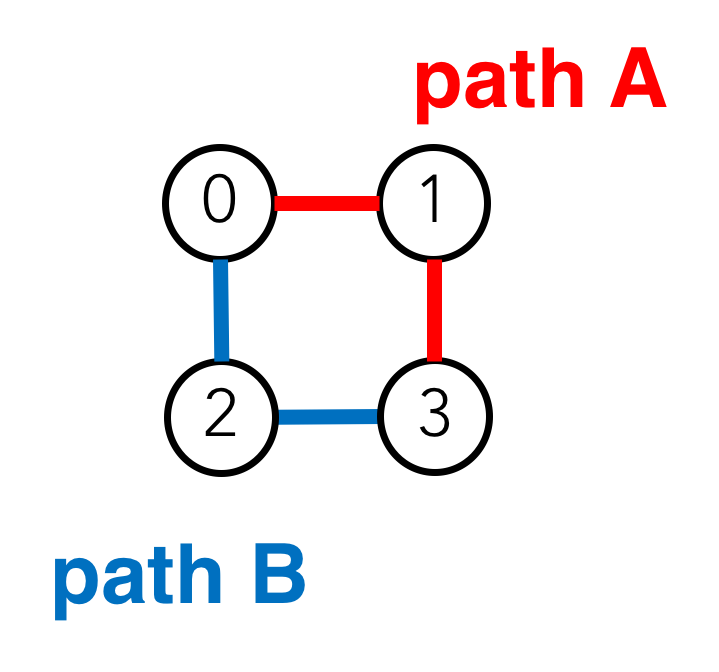 Figure 2
 Figure 3
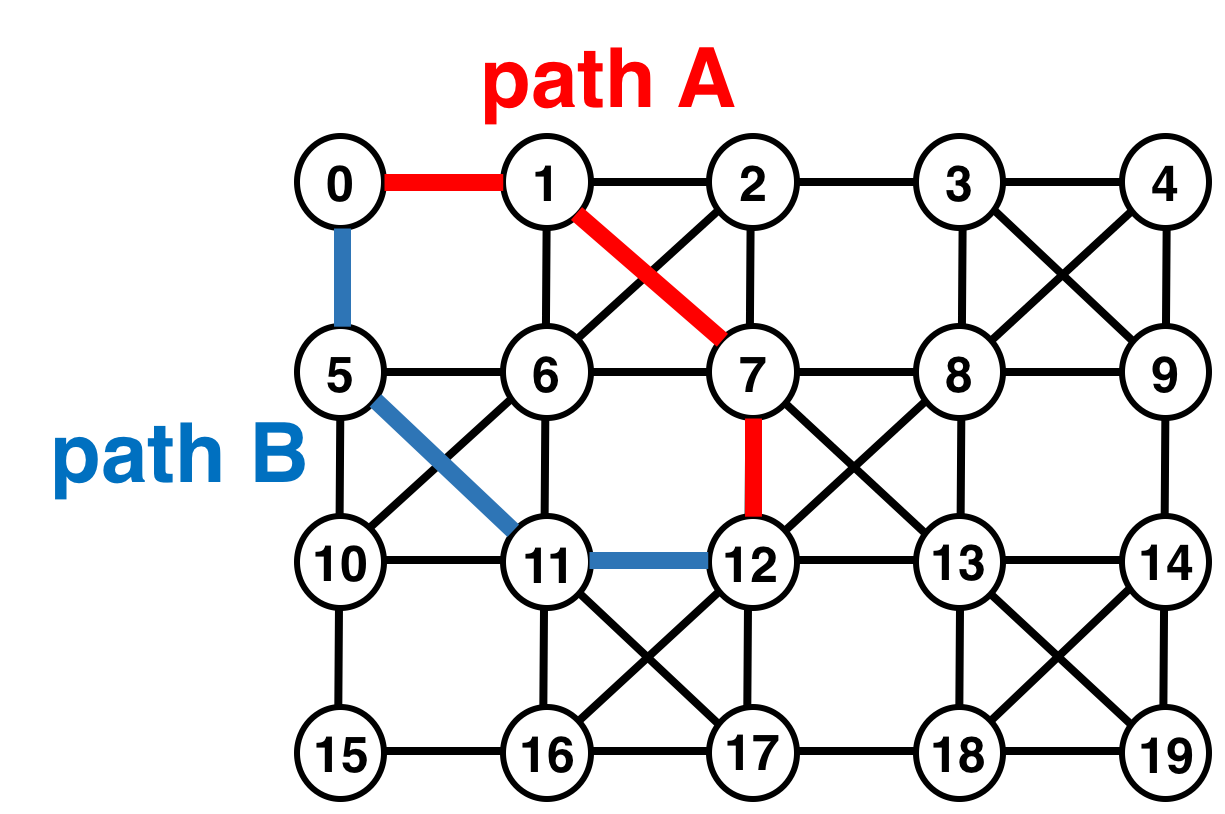 Figure 4
 Figure 5
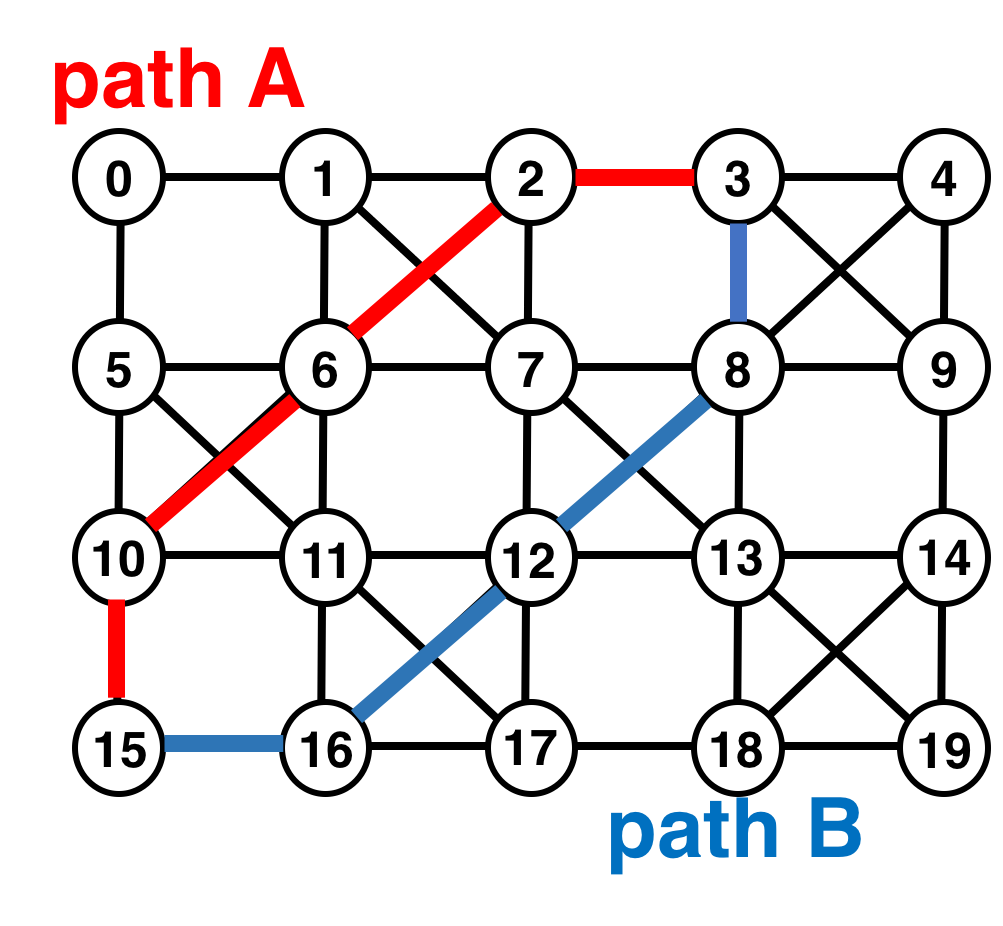 Figure 6
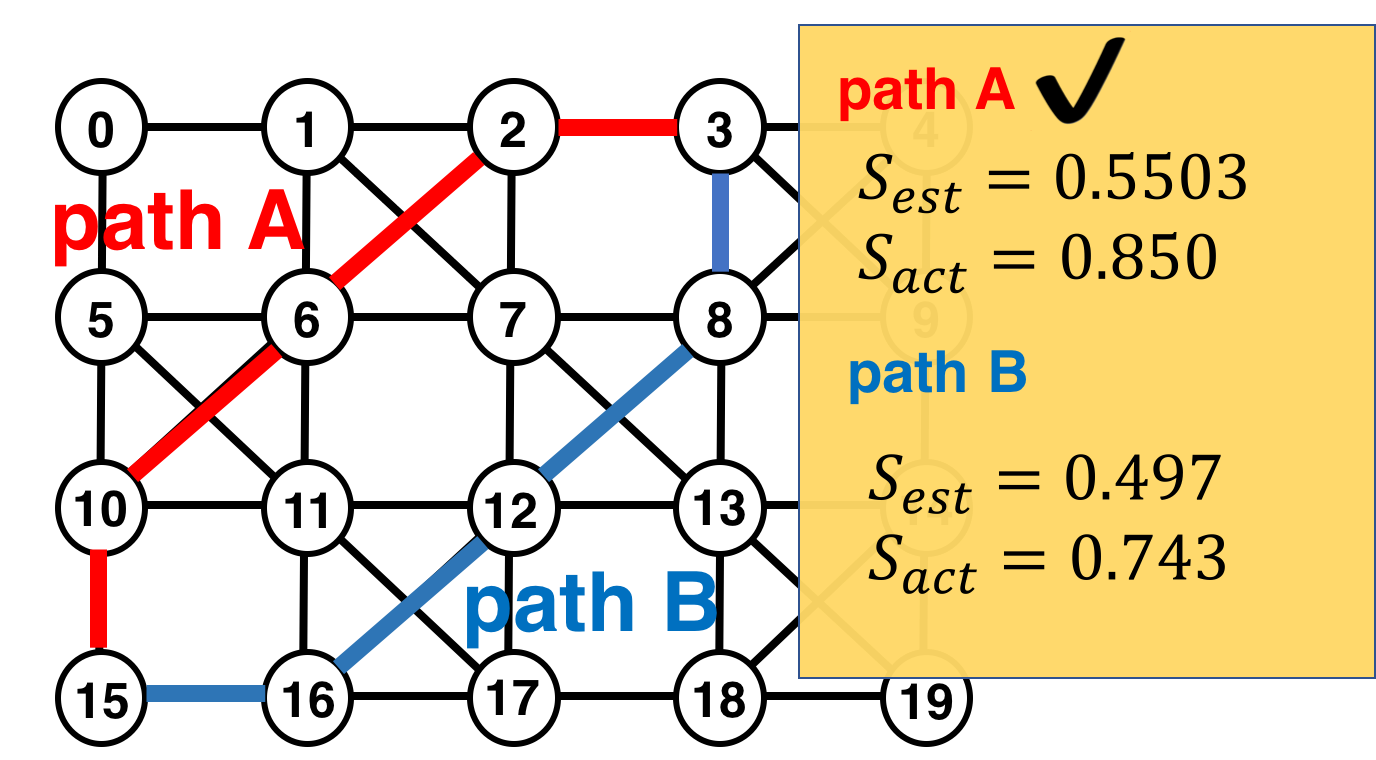 Figure 7
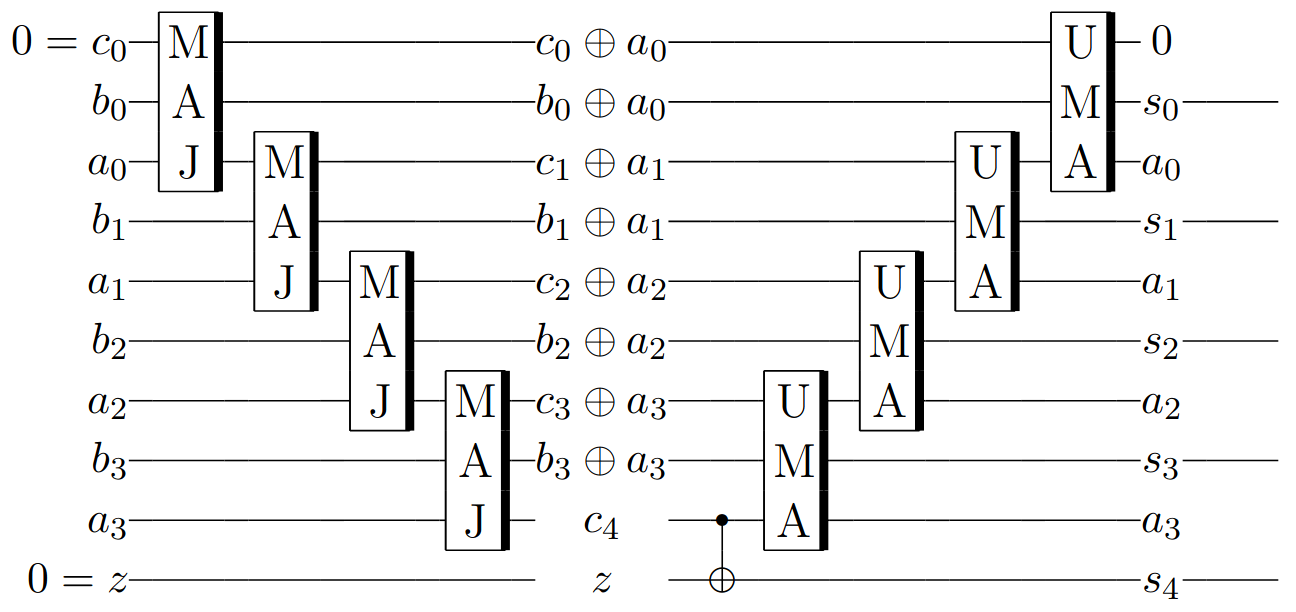 Figure 8
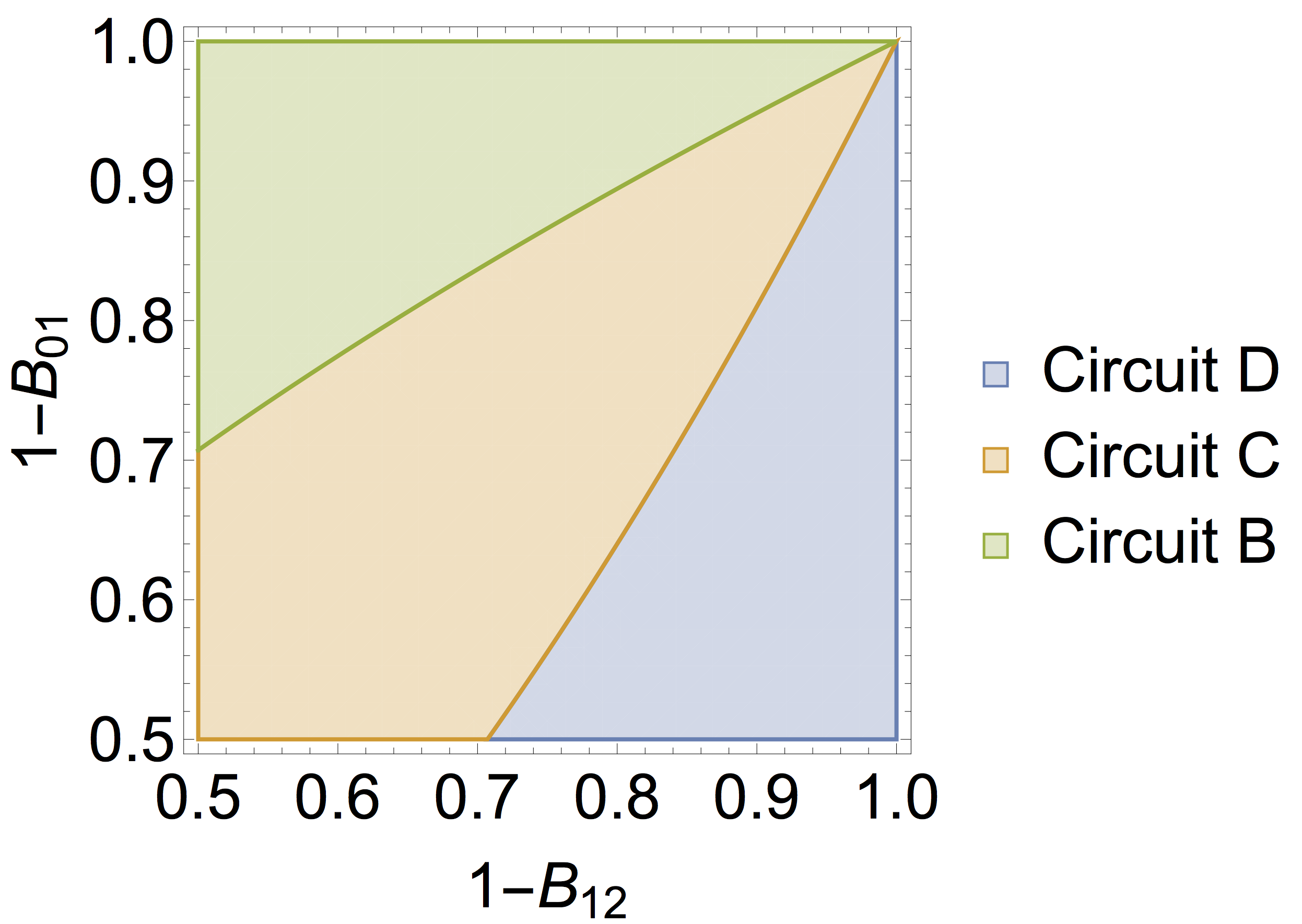 Figure 9
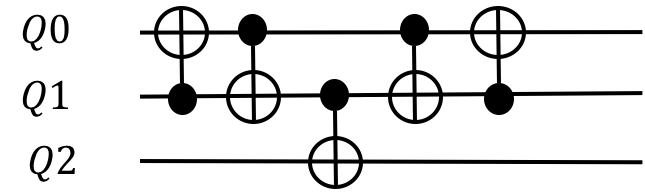 Figure 10
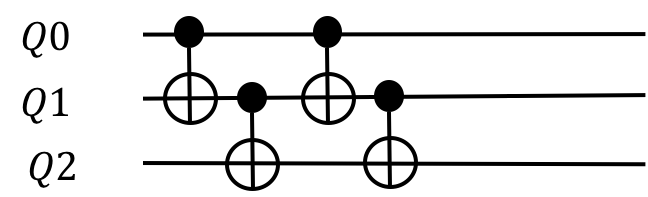 Figure 11
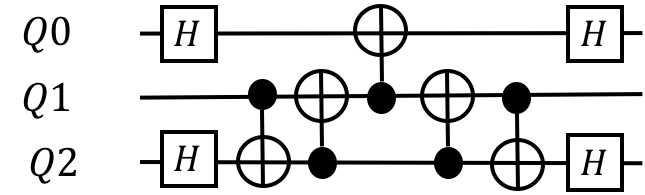 Figure 12
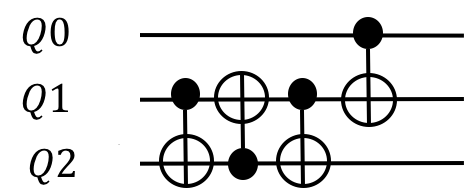 Figure 13
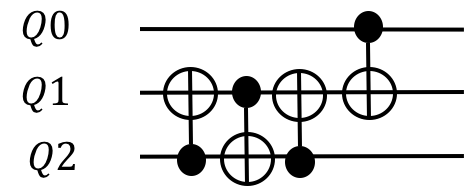 Figure 14
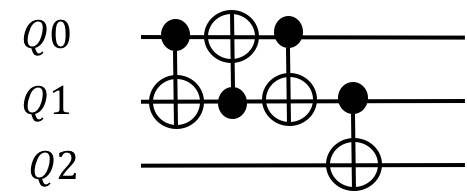 Figure 15
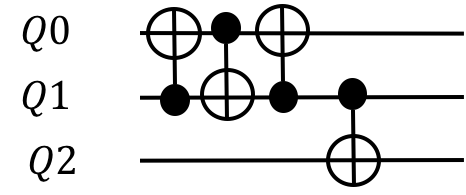 Figure 16
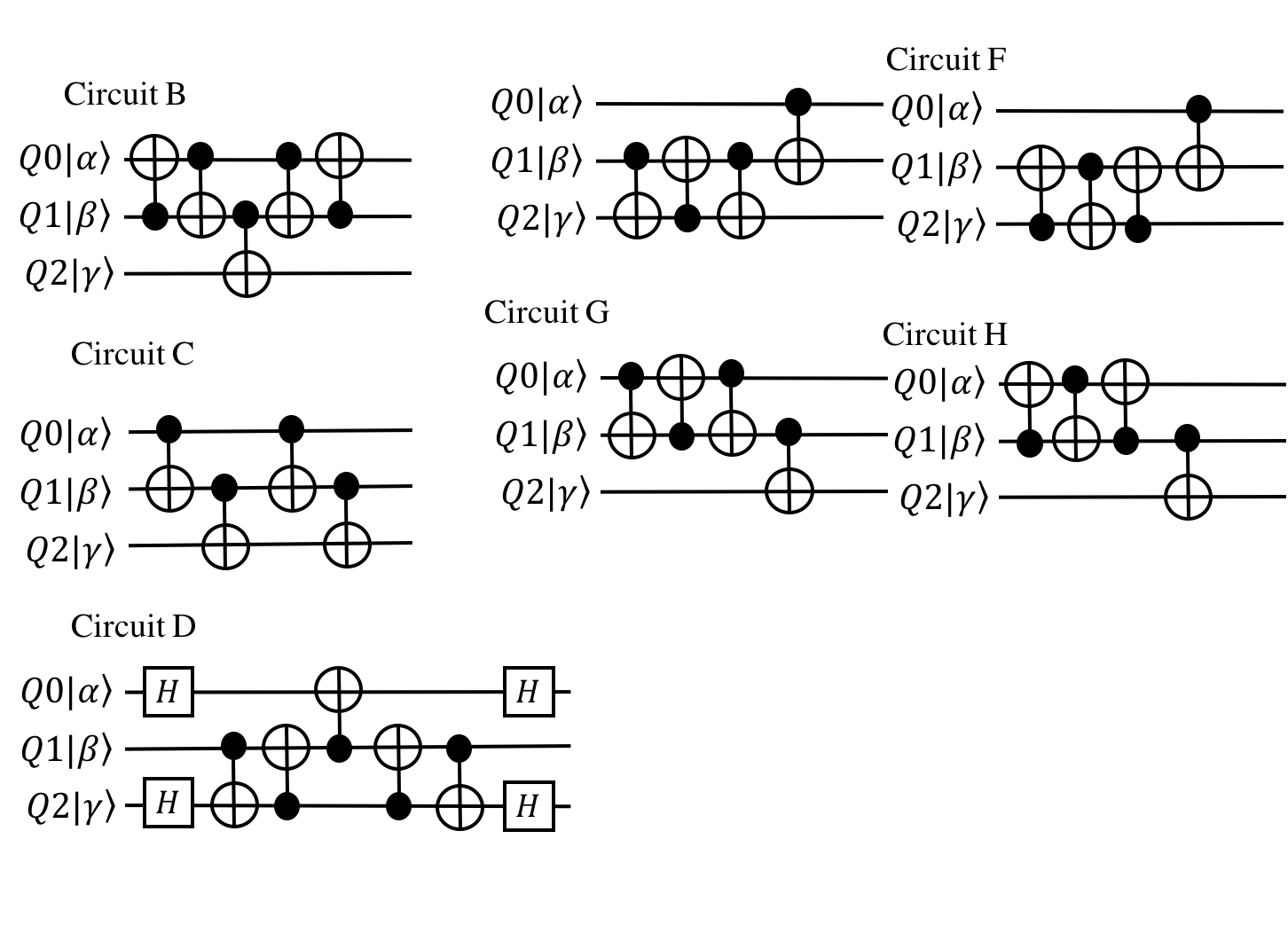 Figure 17
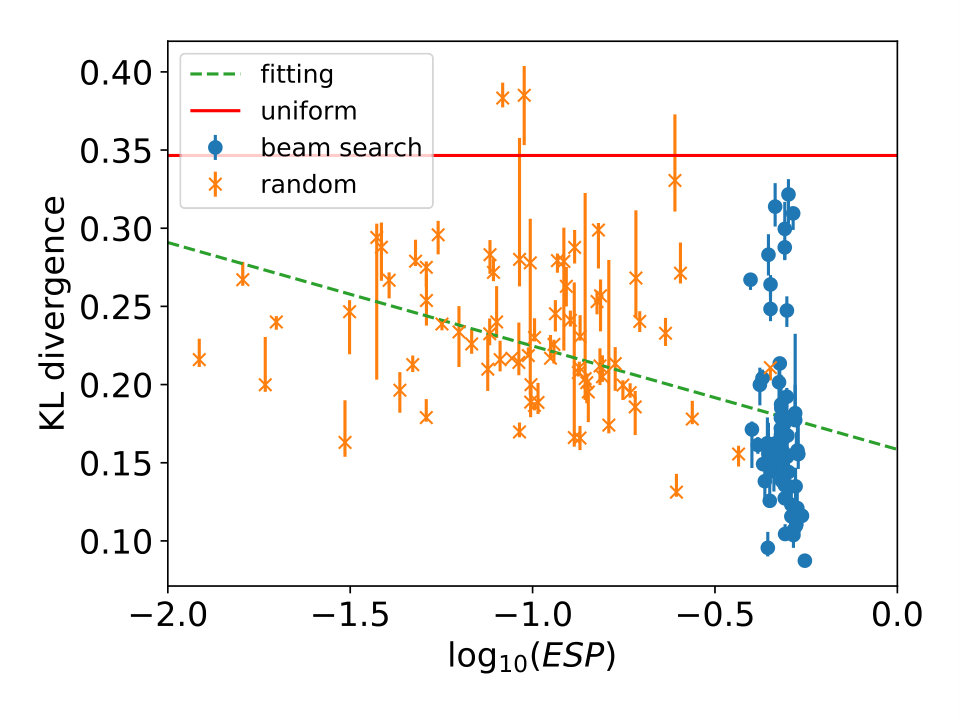 Figure 18
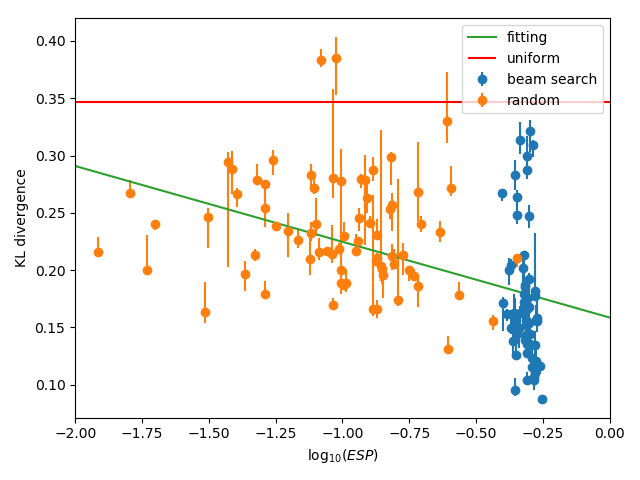 Figure 19
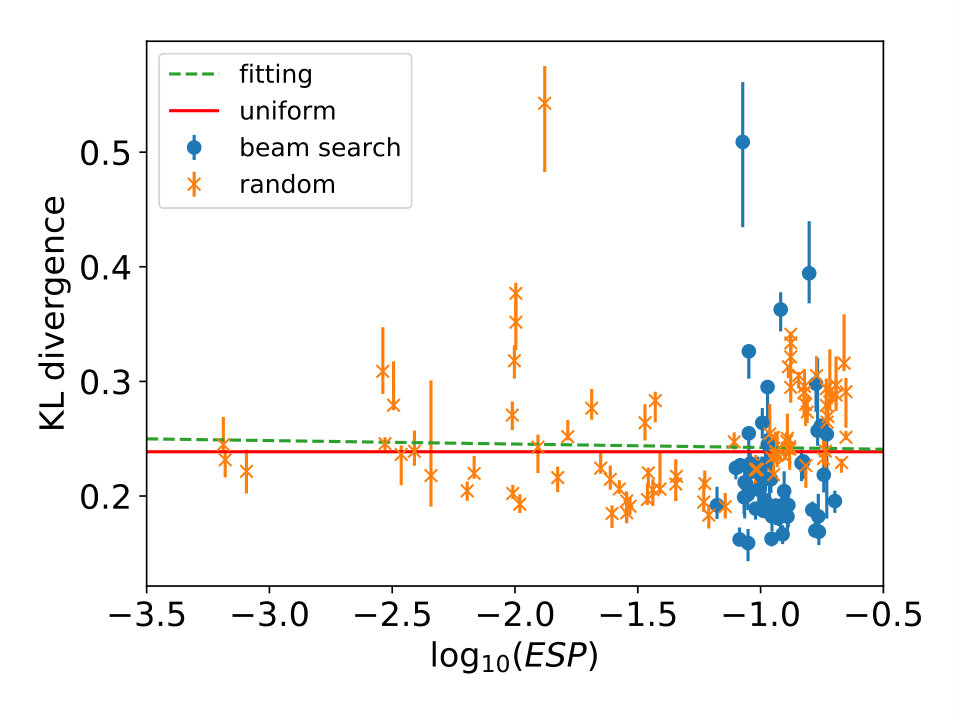 Figure 20
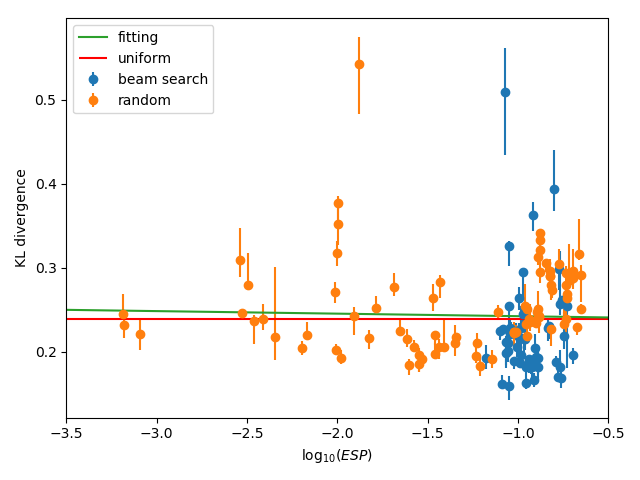 Figure 21
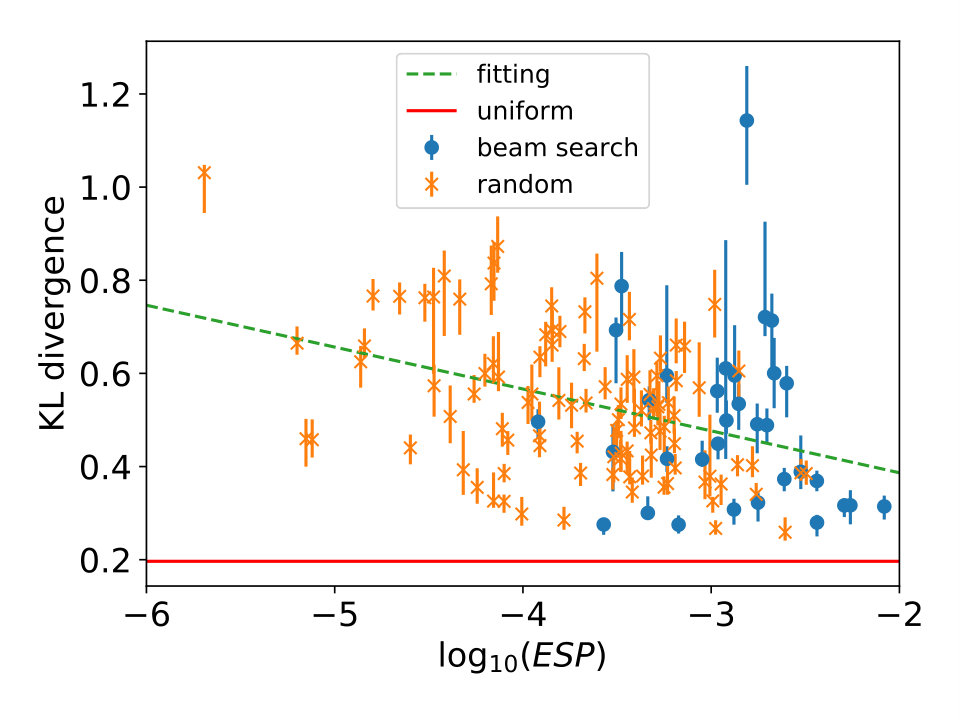 Figure 22
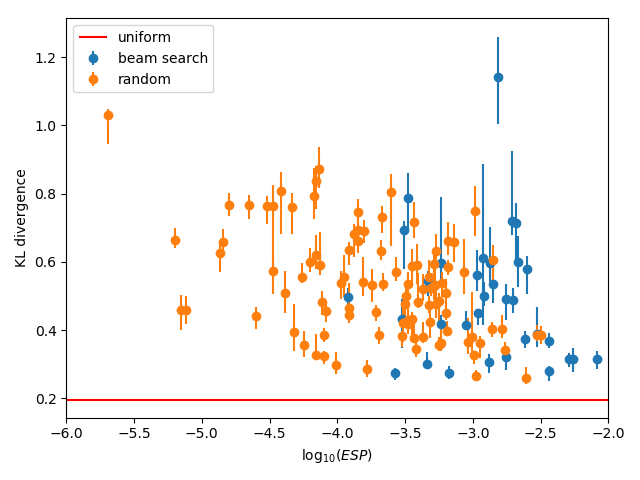 Figure 23
 Figure 24
 Figure 25
 Figure 26
 Figure 27
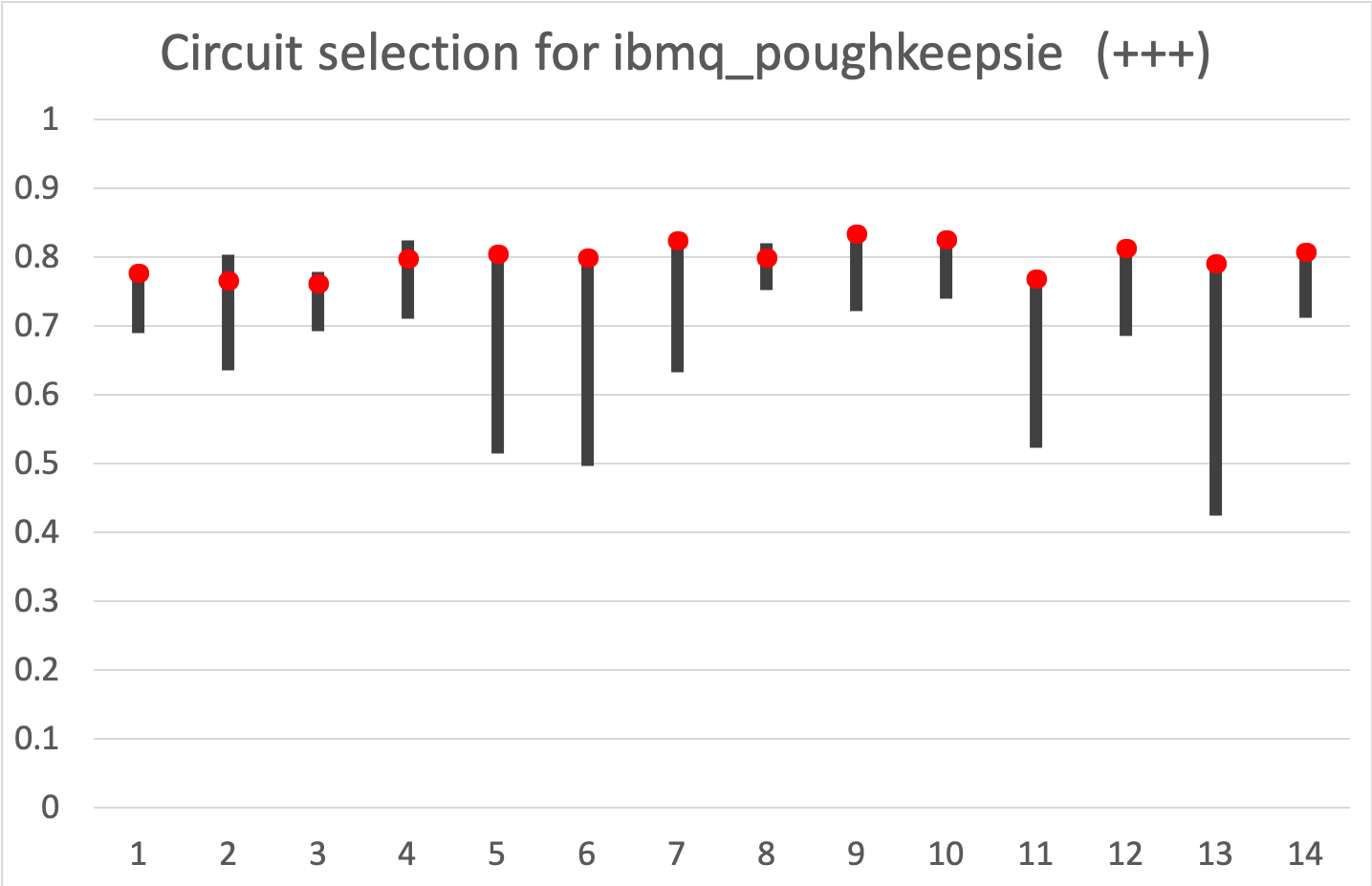 Figure 28
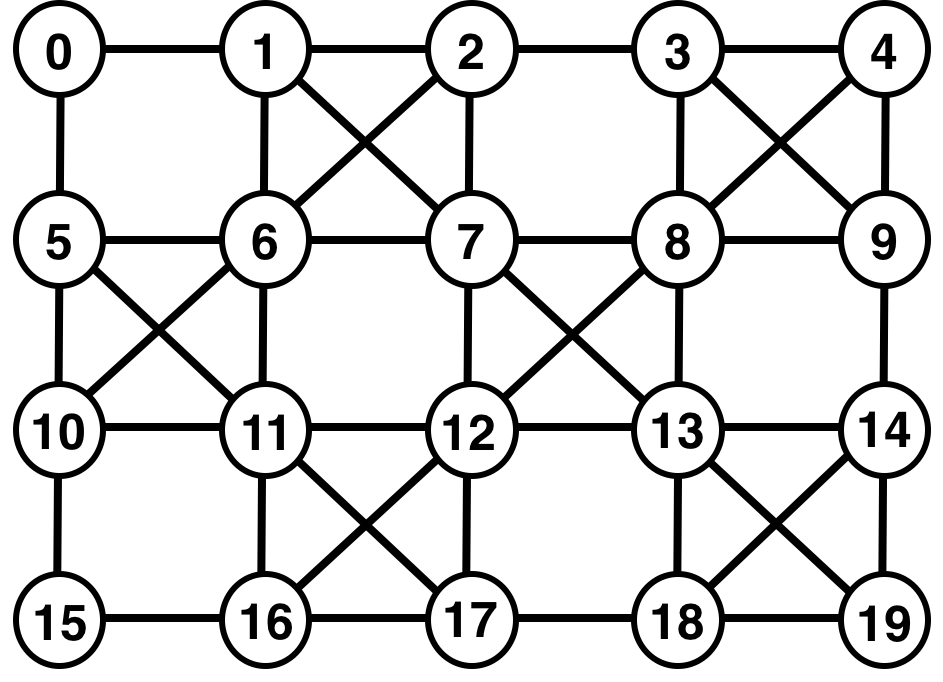 Figure 29
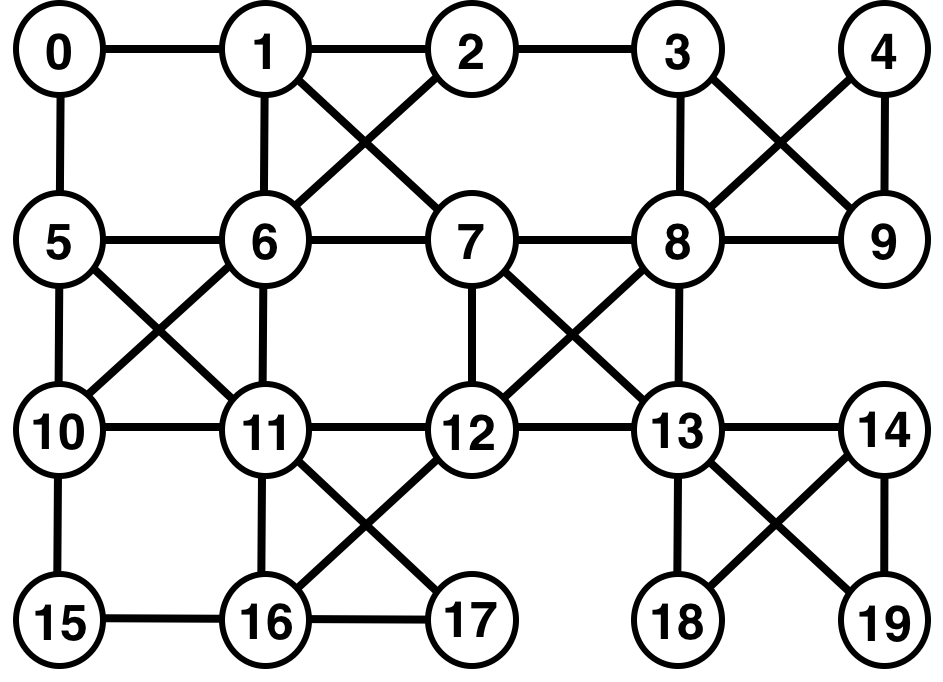 Figure 30
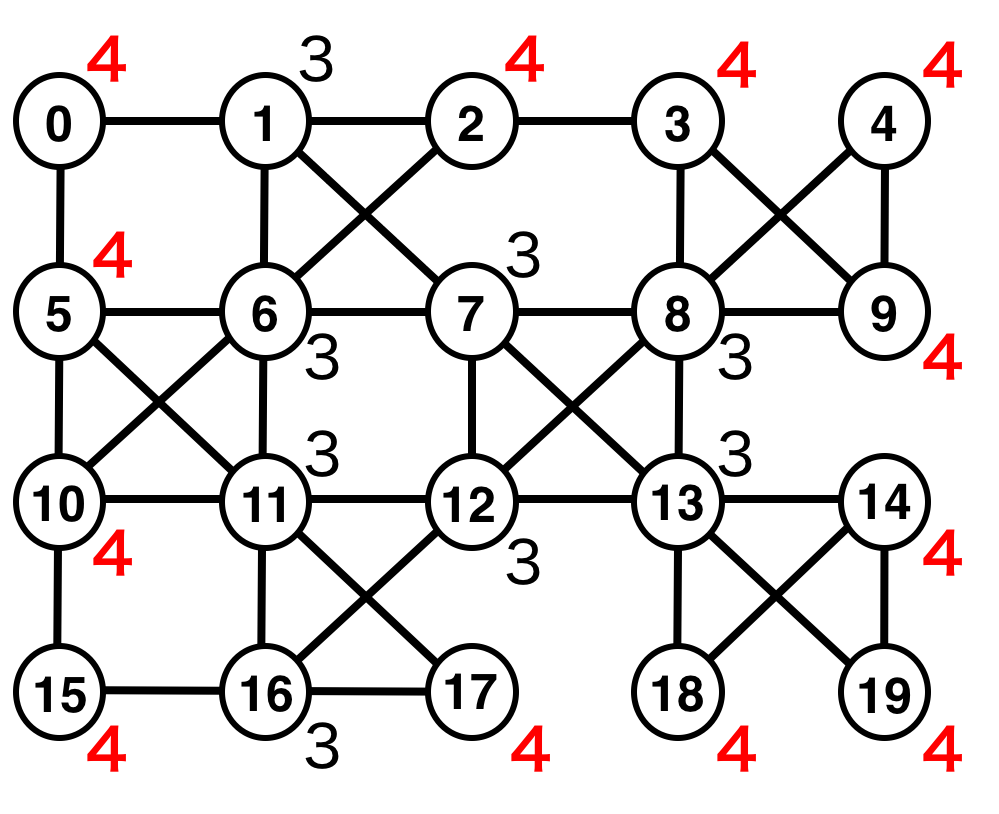 Figure 31
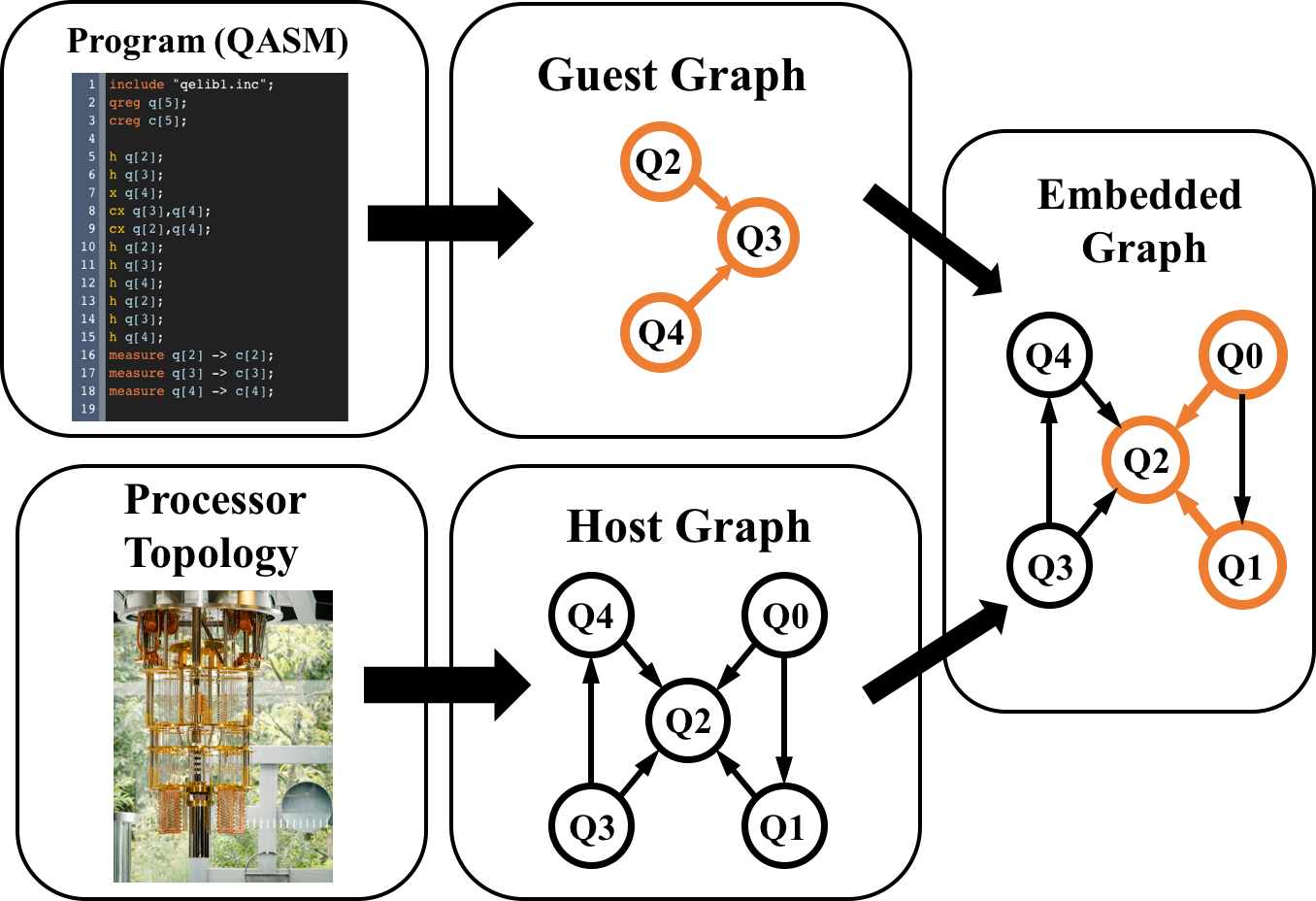 Figure 32
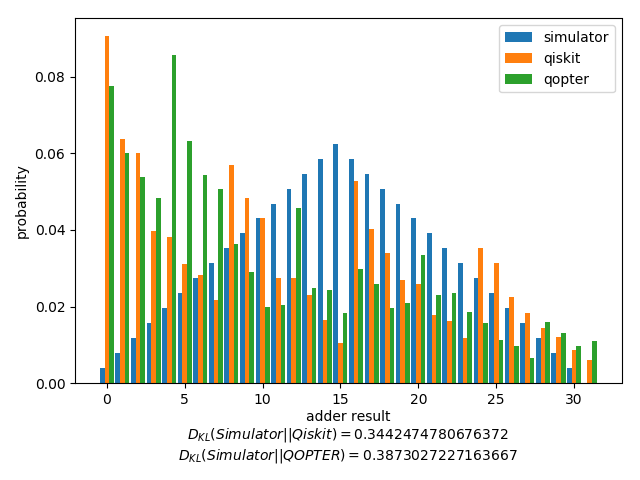 Figure 33
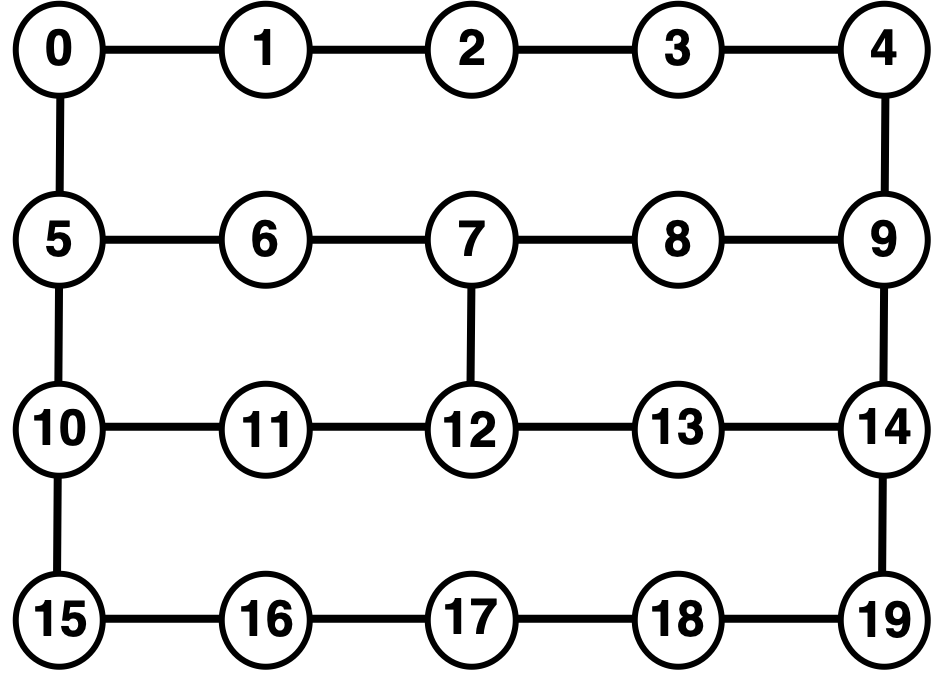 Figure 34
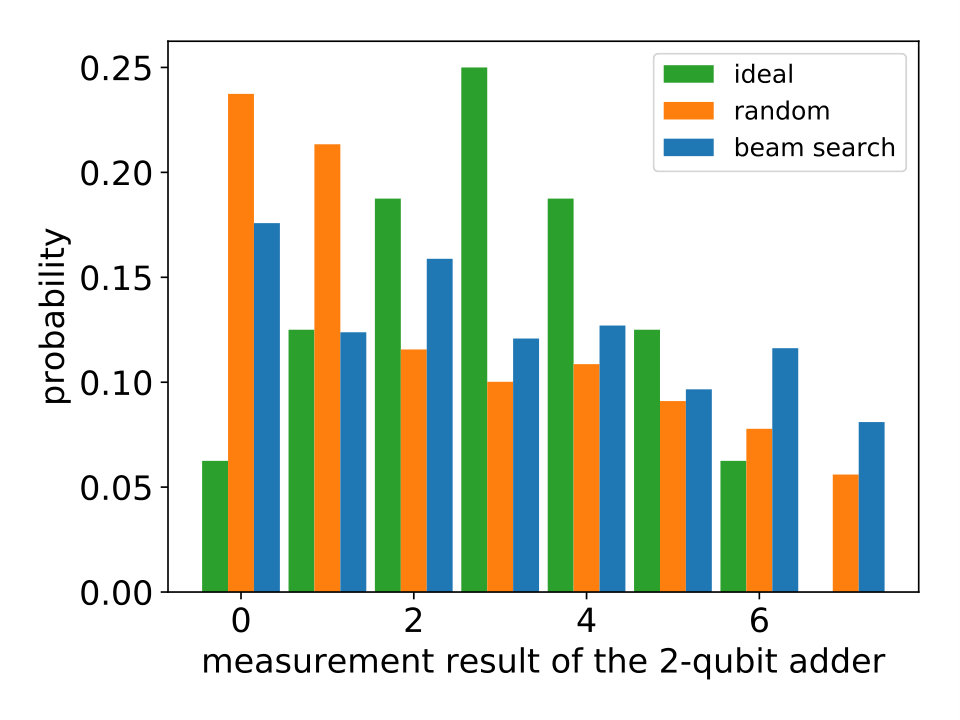 Figure 35
 Figure 36
 Figure 37
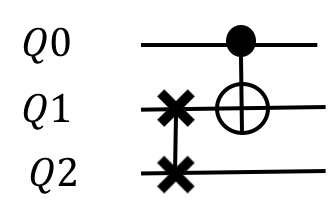 Figure 38
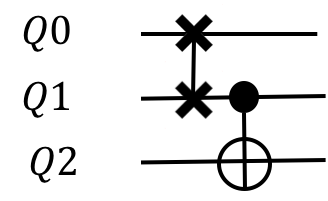 Figure 39
Peer Reviews
No public reviews on file for this paper yet. If you reviewed it on a platform where reviews are public (OpenReview, ICLR, NeurIPS, ICML), you can paste yours below so the community can read it here.
Videos
No videos yet. Explain this paper in a talk, walkthrough, or lecture? Add one.