Multi-sphere approximation of realistic particles with a combined 3D thinning and greedy algorithm
Fei-Liang Yuan

TL;DR
This paper presents a novel method combining 3D thinning and greedy algorithms to efficiently approximate realistic particles with minimal spheres, ensuring accurate mechanical properties for DEM simulations.
Contribution
It introduces a combined 3D thinning and greedy set-covering algorithm for optimal sphere approximation of particles, with density correction for accurate mass and inertia properties.
Findings
Successfully approximates complex particle shapes with minimal spheres.
Demonstrates improved accuracy in particle-wall contact, settling, and granular flow simulations.
Uses Rigid3D DEM code for validation, enhancing simulation reliability.
Abstract
This article is the updated version of the paper: "Combined 3D thinning and greedy algorithm to approximate realistic particles with corrected mechanical properties, Granular Matter (2019)" by the first author [58]. The main changes here are (1) a recently developed DEM code Rigid3D is used for the DEM simulations, instead of the open-source software LIGGGHTS in the original work; (2) three new validation tests were carried out. The main idea of this work is to combine the 3D thinning and greedy set-covering algorithms for the approximation of realistic particles with multiple spheres. First, the particle's medial surface (or surface skeleton), from which all candidate (maximal inscribed) spheres can be generated, is computed by the topological 3D thinning algorithm. Then, the clump generation procedure is converted into a greedy set-covering problem. The advantage of this approach…
Click any figure to enlarge with its caption.
 Figure 1
 Figure 2
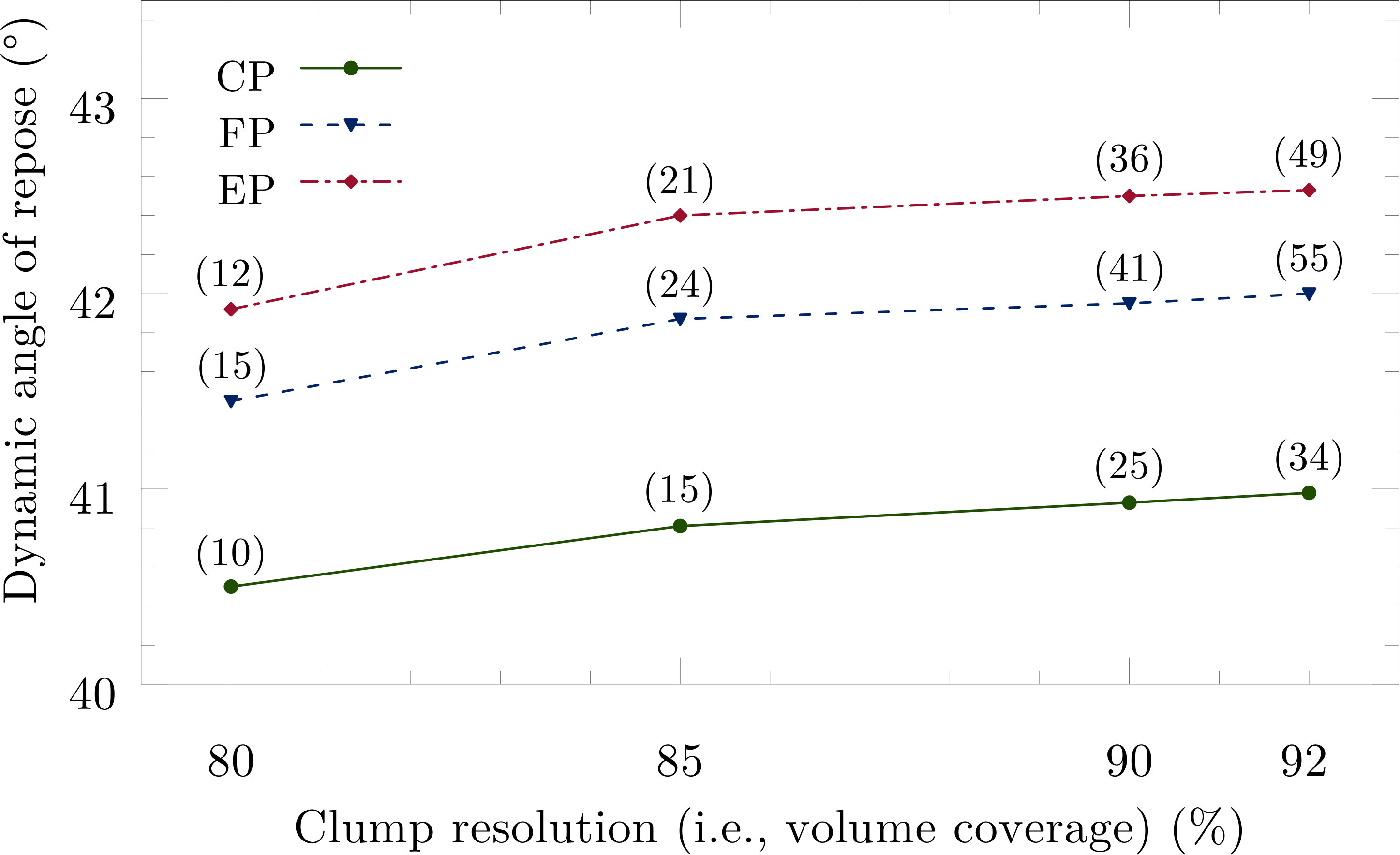 Figure 3
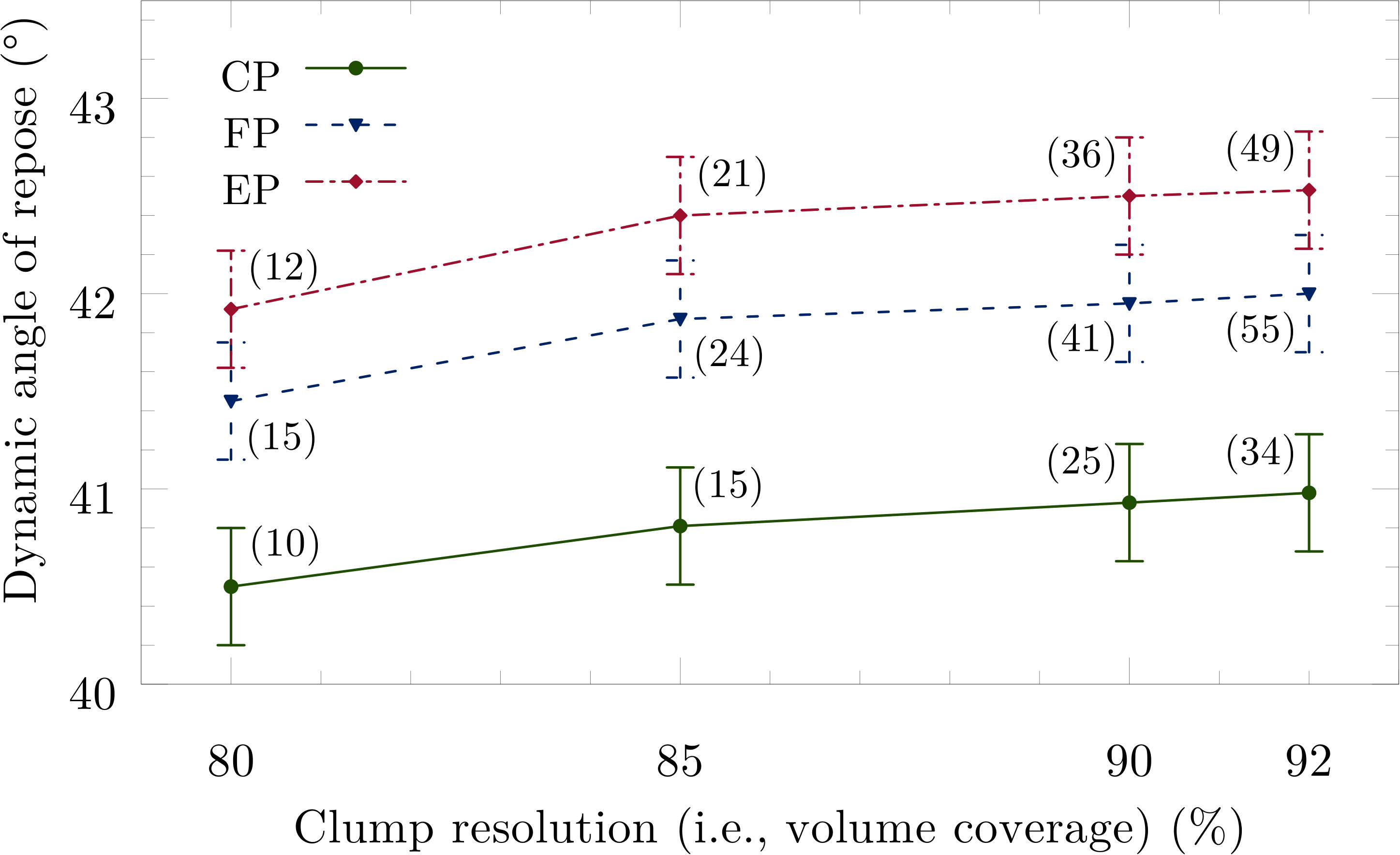 Figure 4
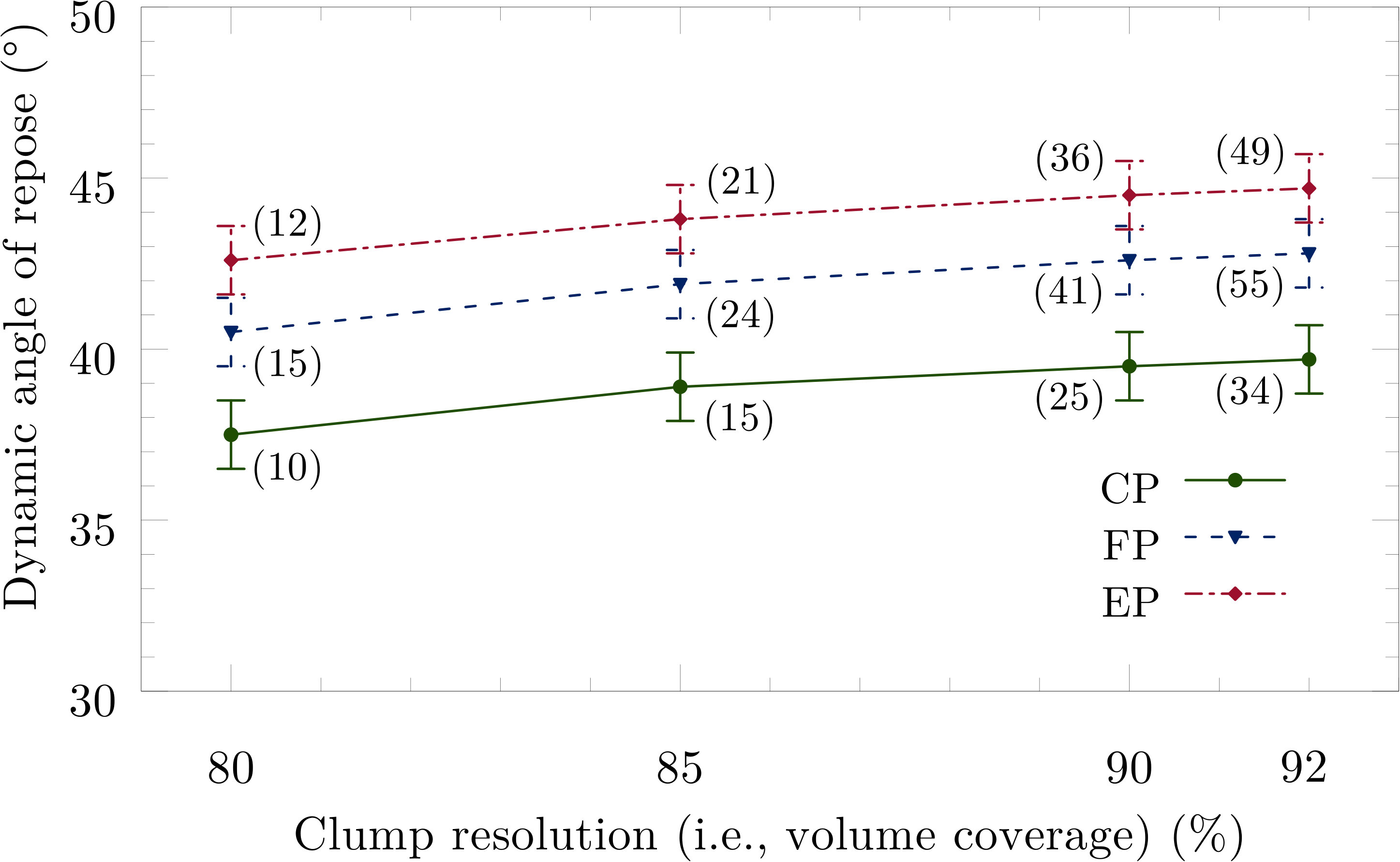 Figure 5
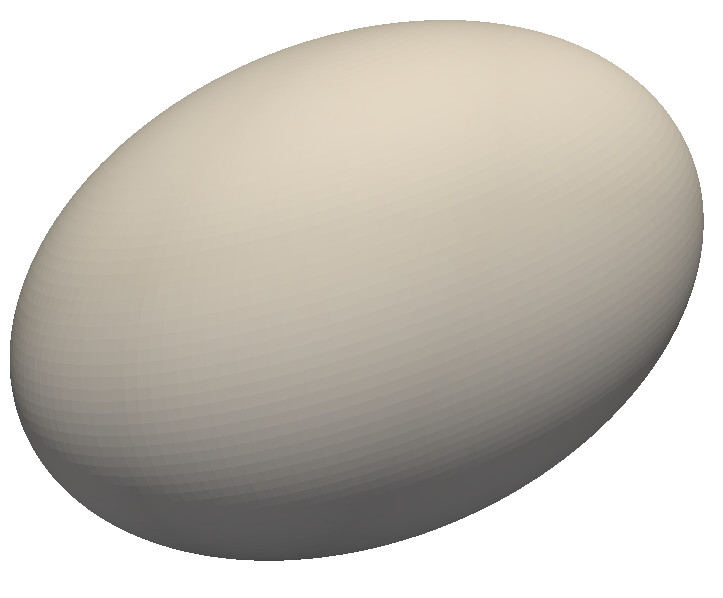 Figure 6
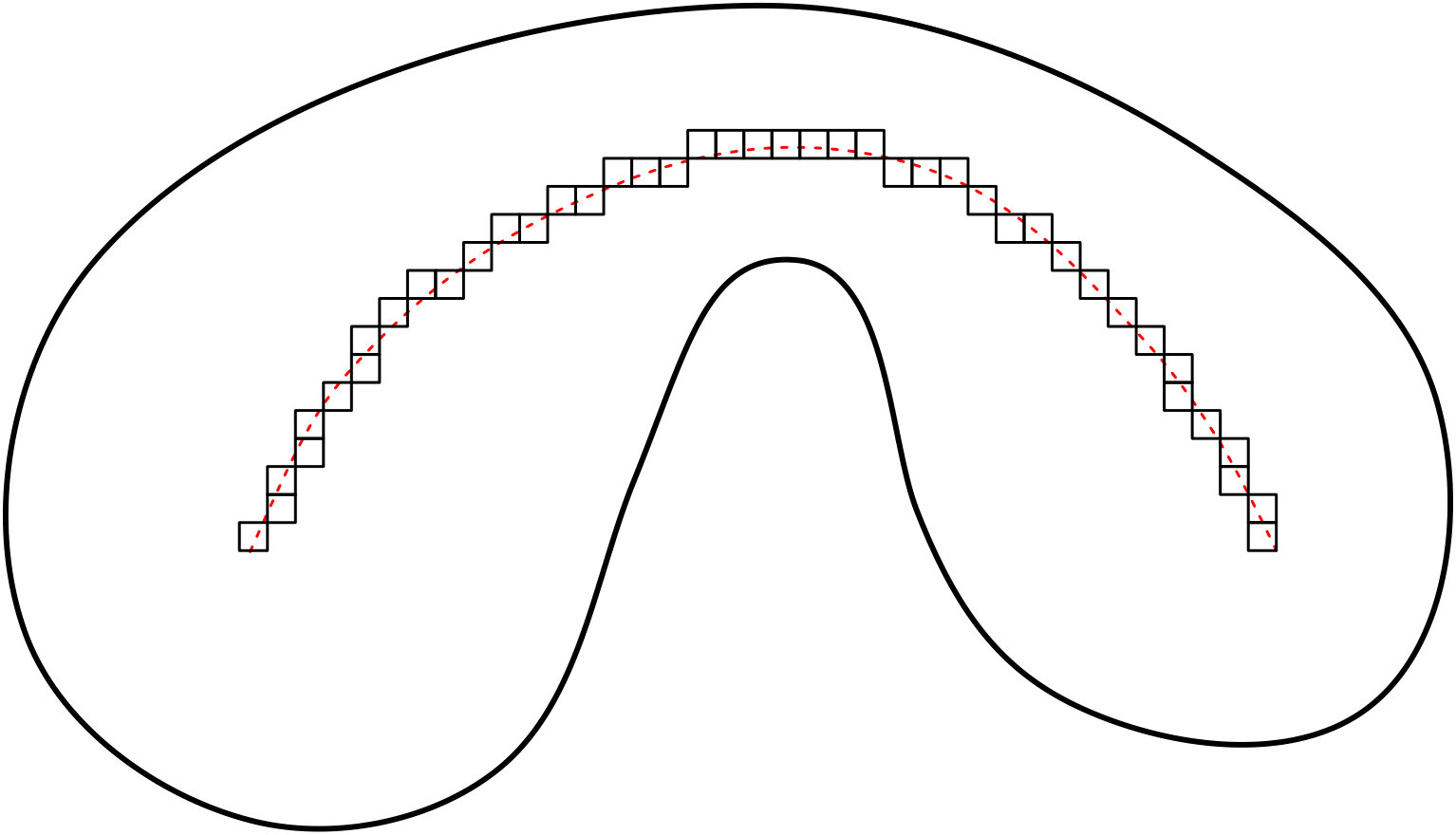 Figure 7
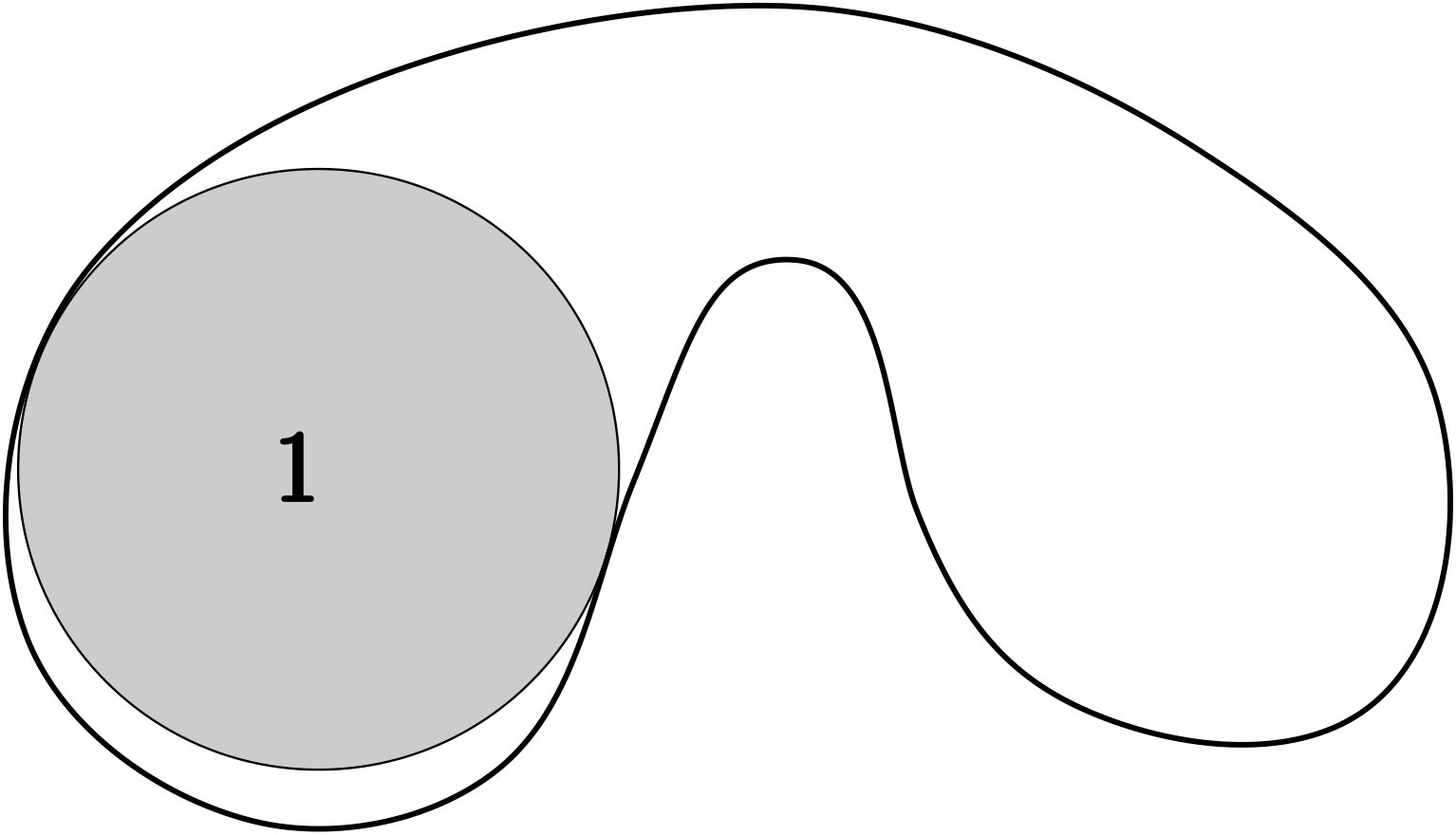 Figure 8
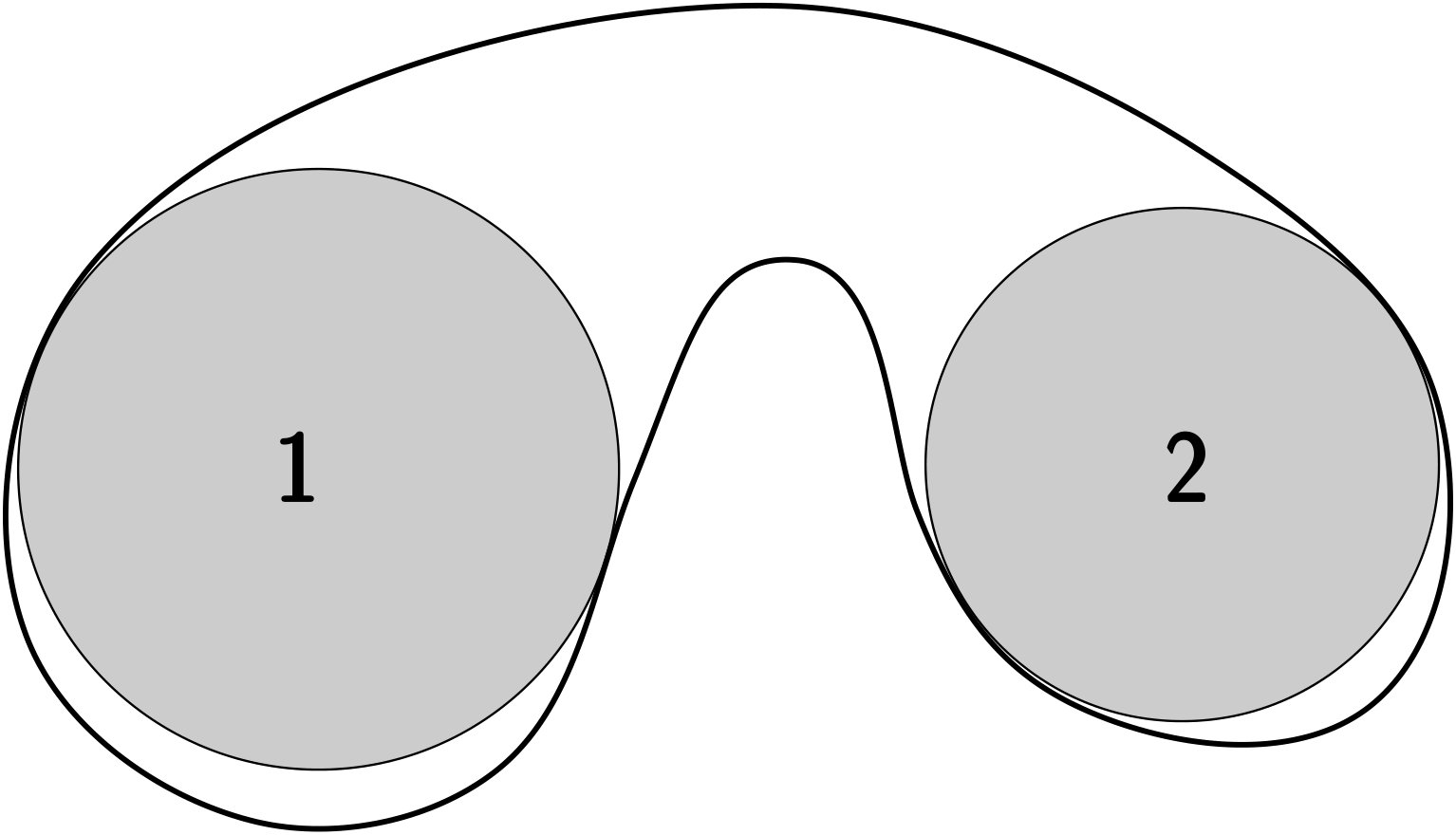 Figure 9
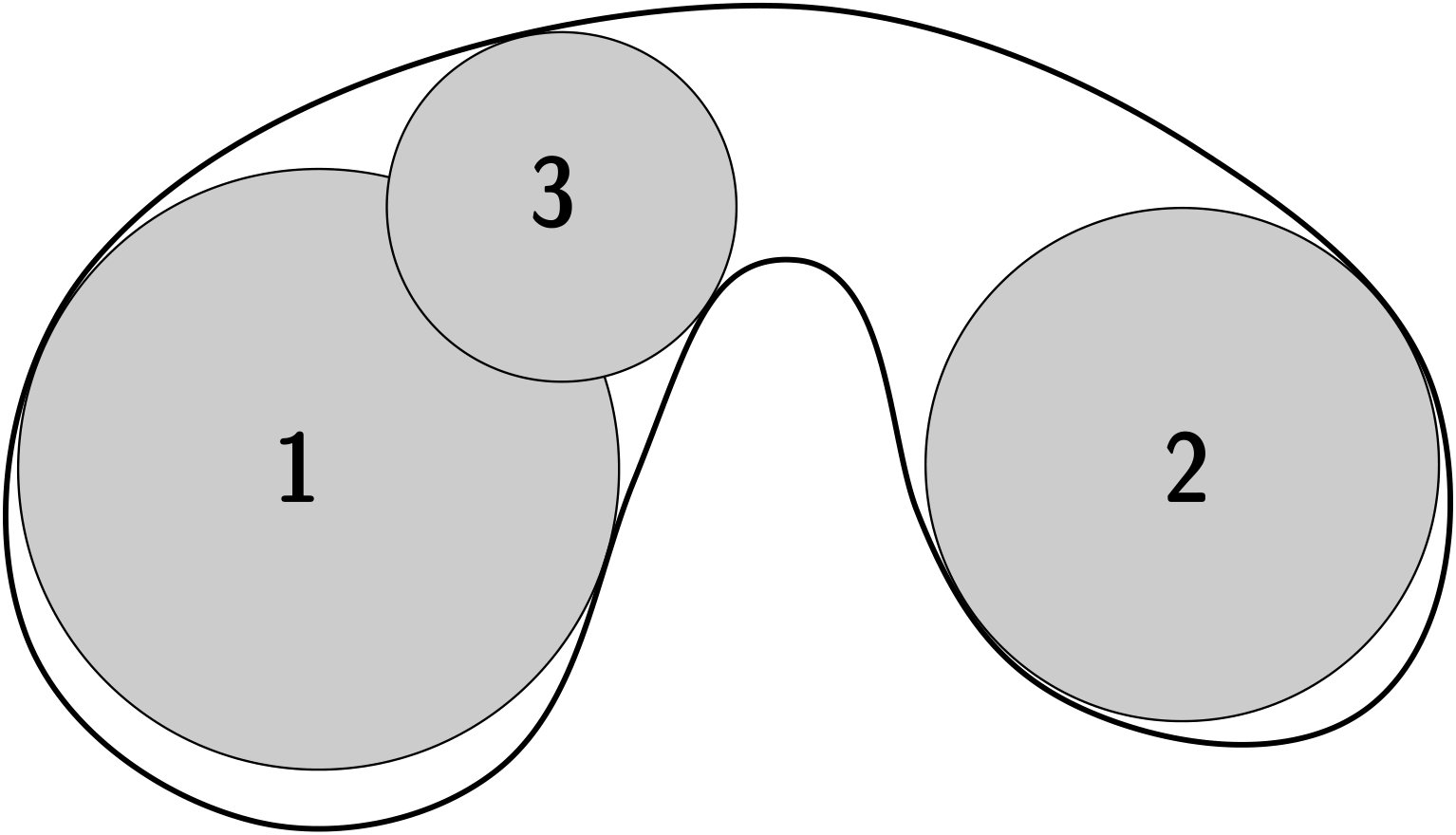 Figure 10
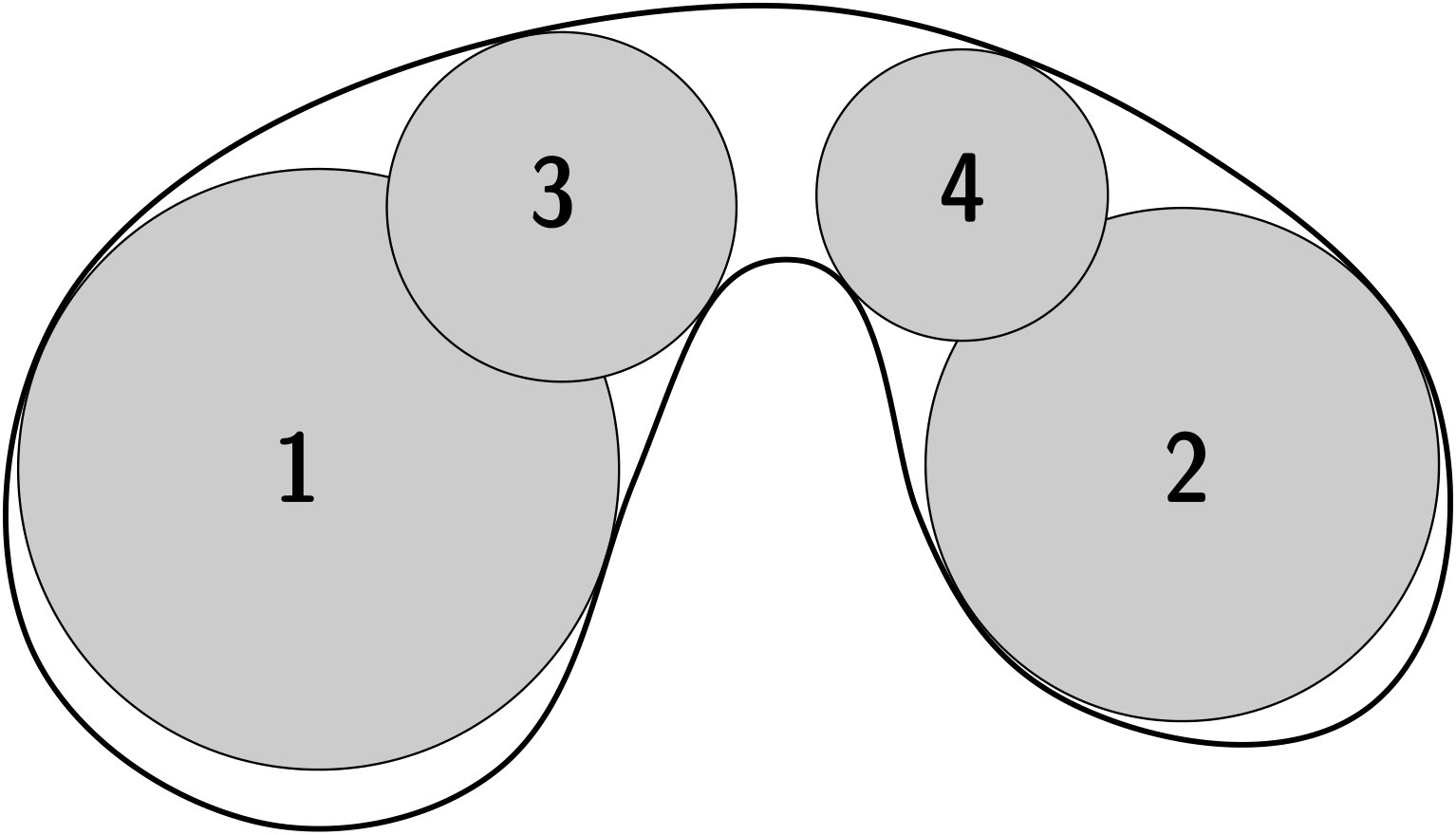 Figure 11
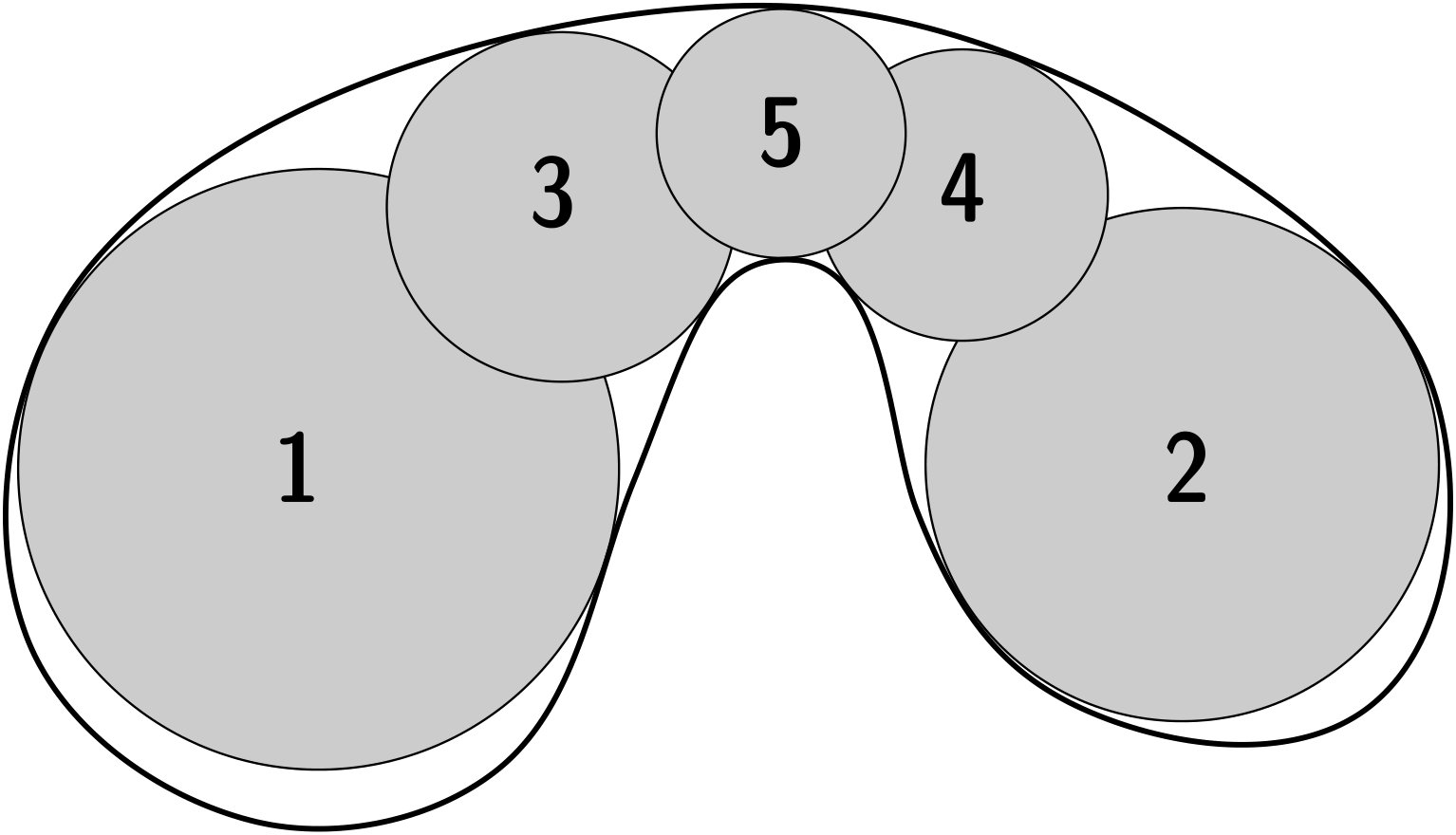 Figure 12
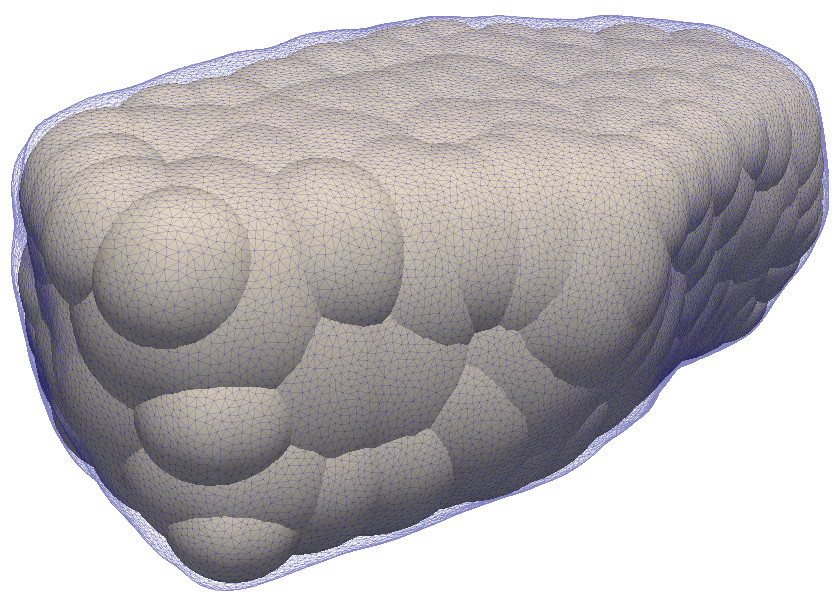 Figure 13
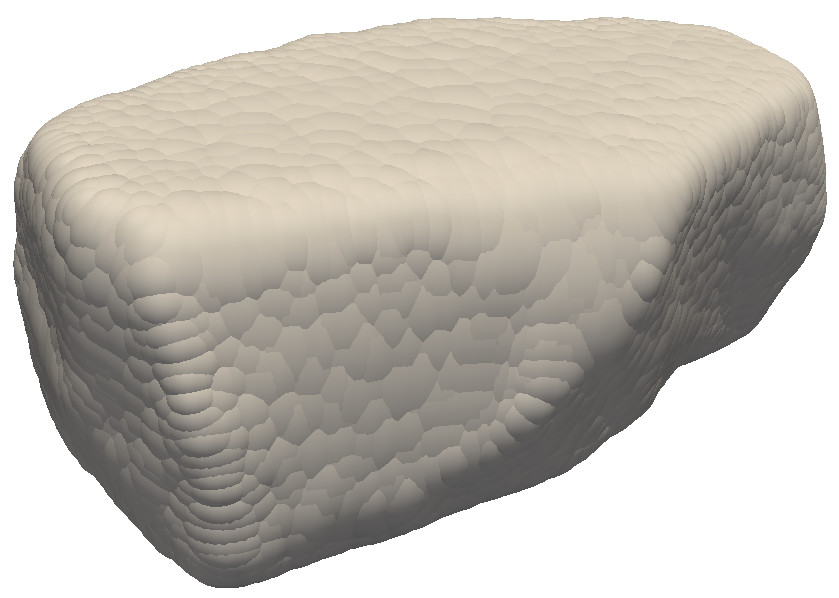 Figure 14
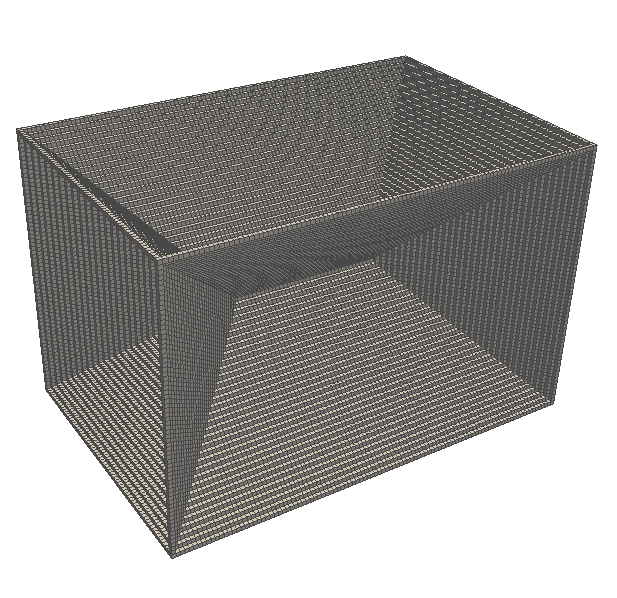 Figure 15
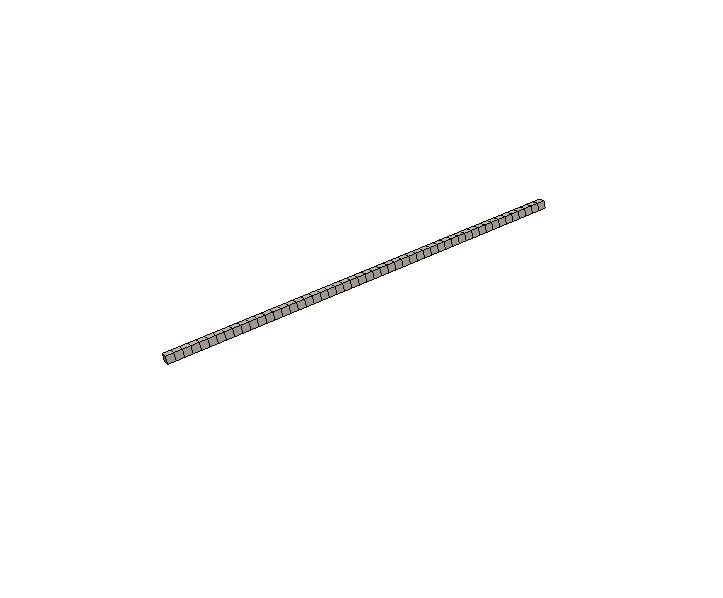 Figure 16
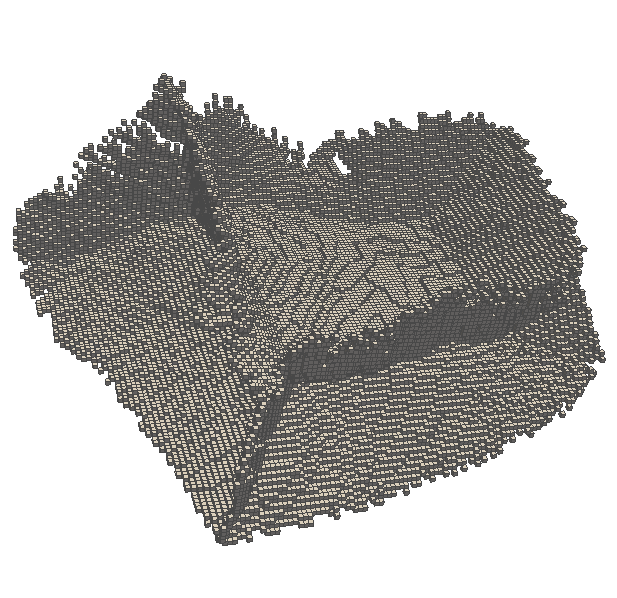 Figure 17
 Figure 18
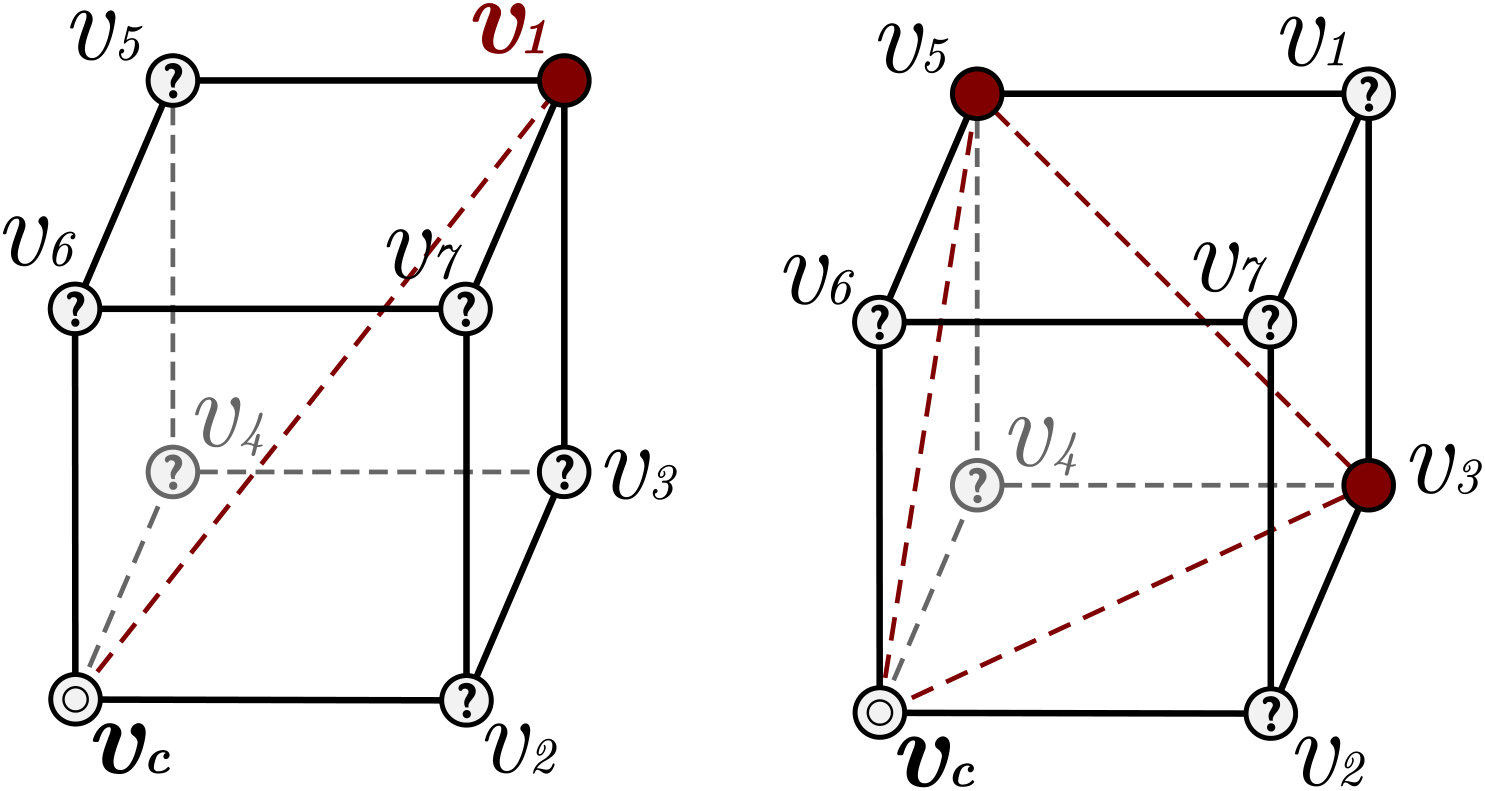 Figure 19
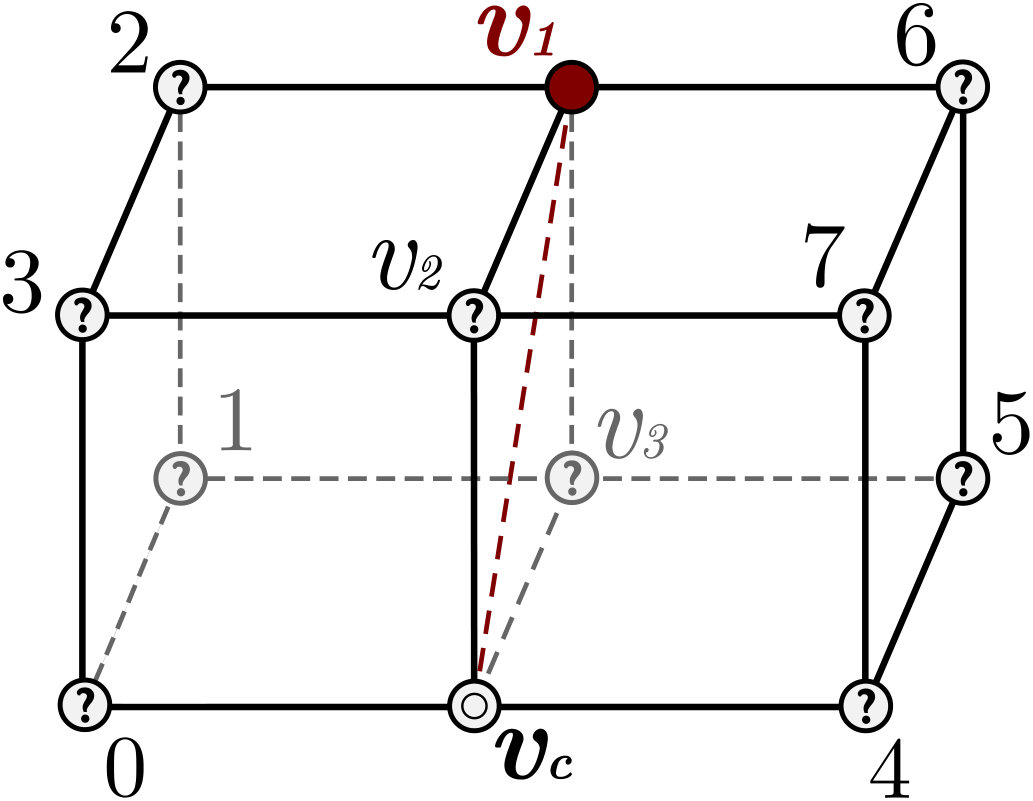 Figure 20
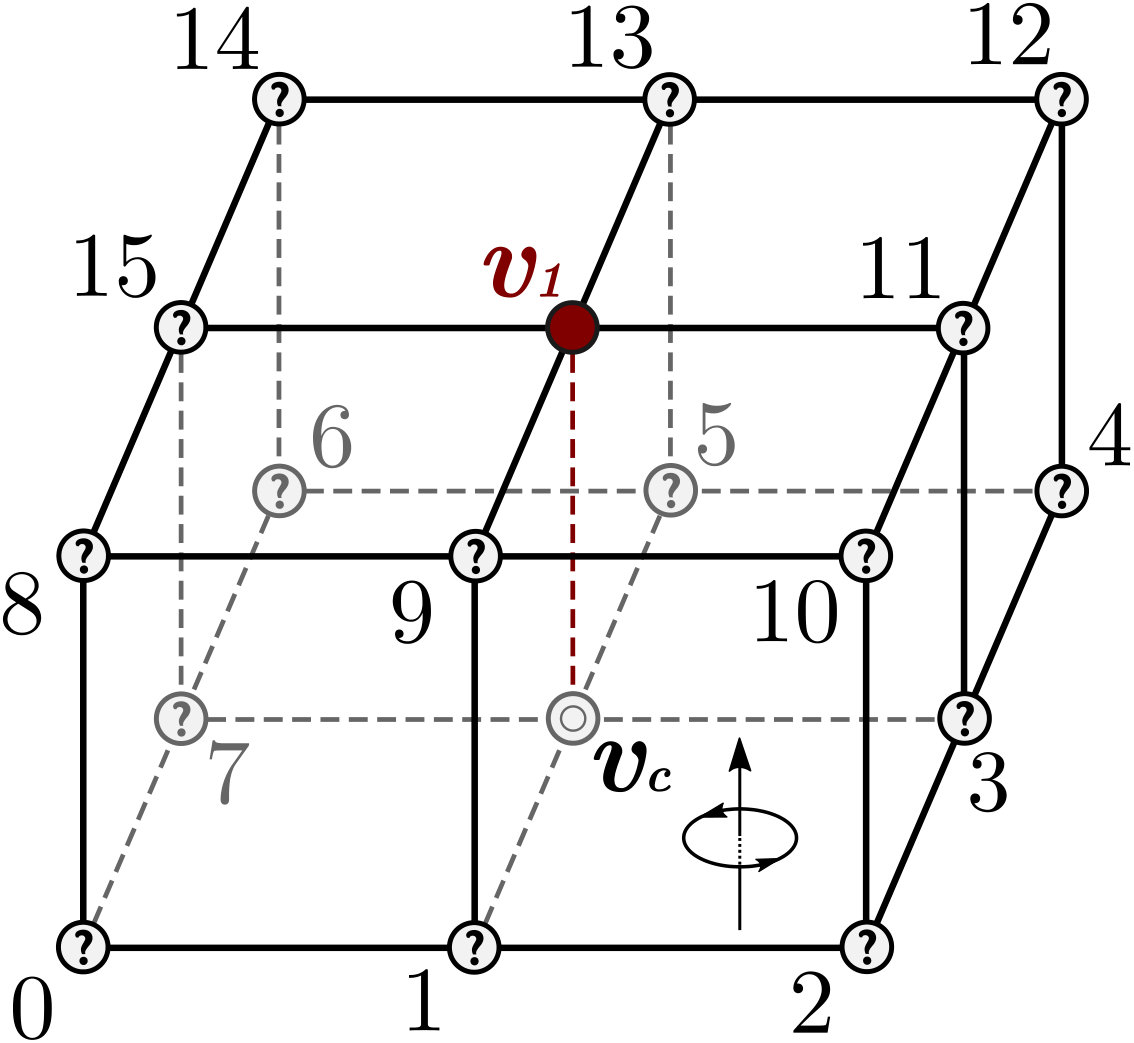 Figure 21
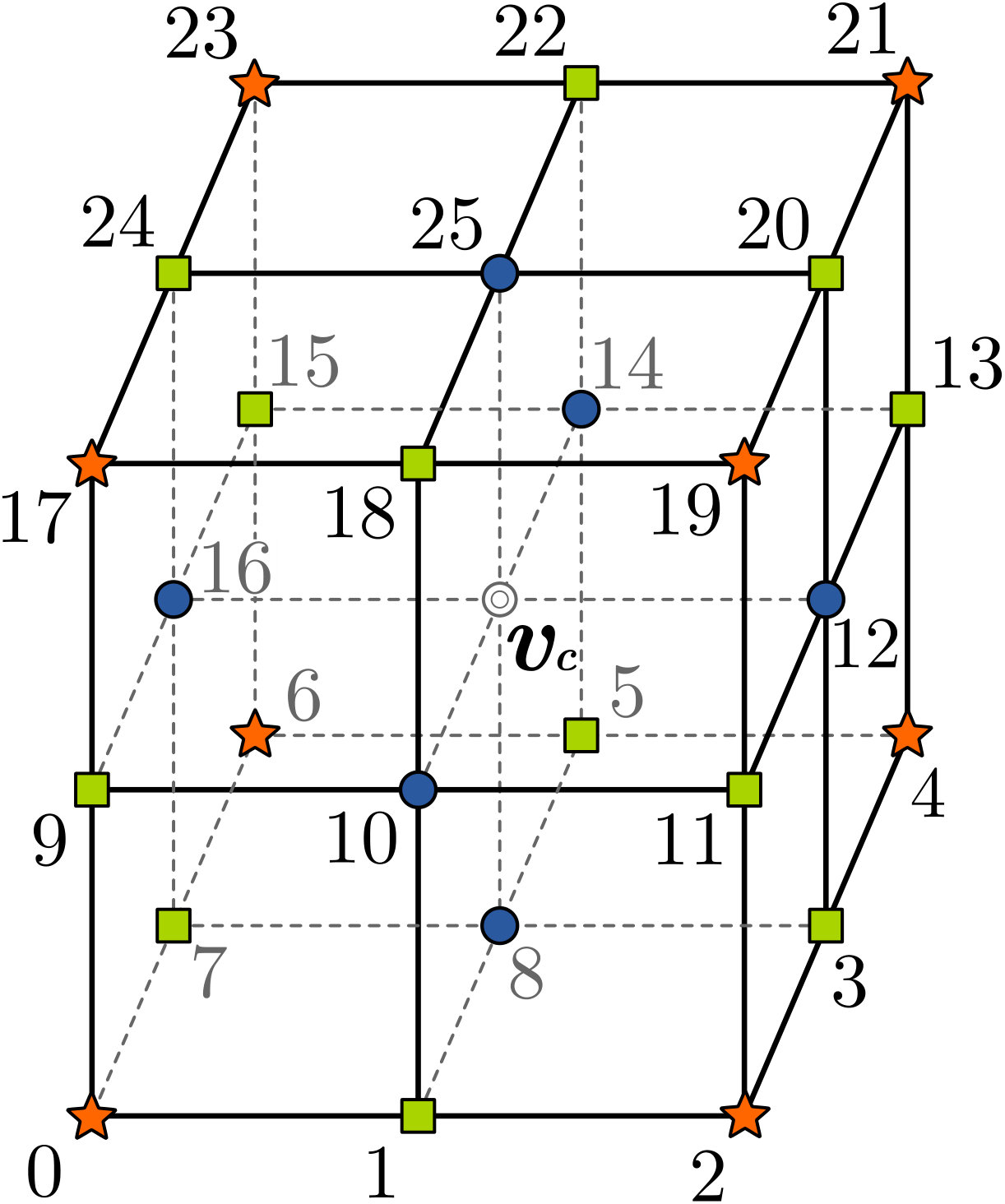 Figure 22
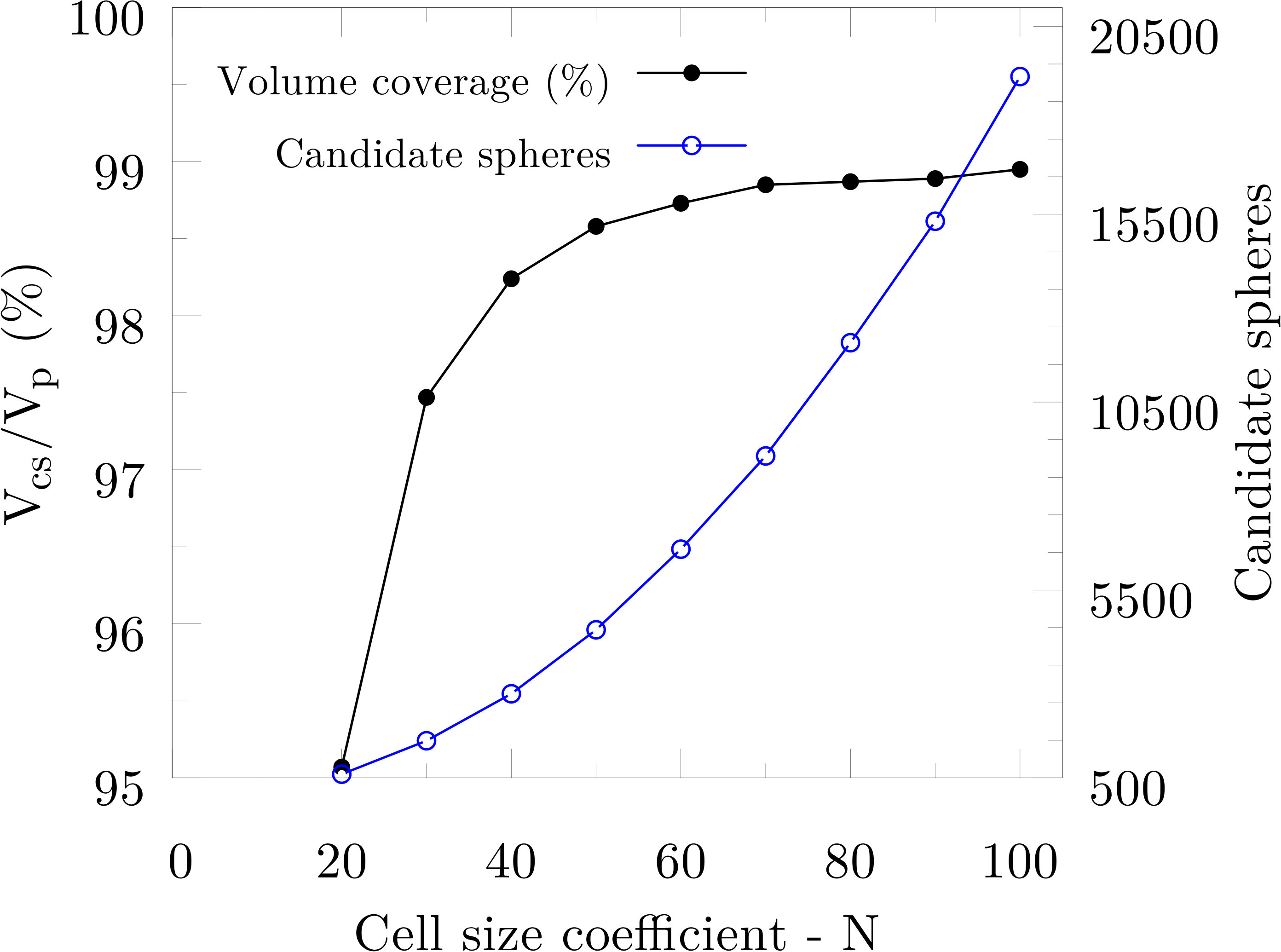 Figure 23
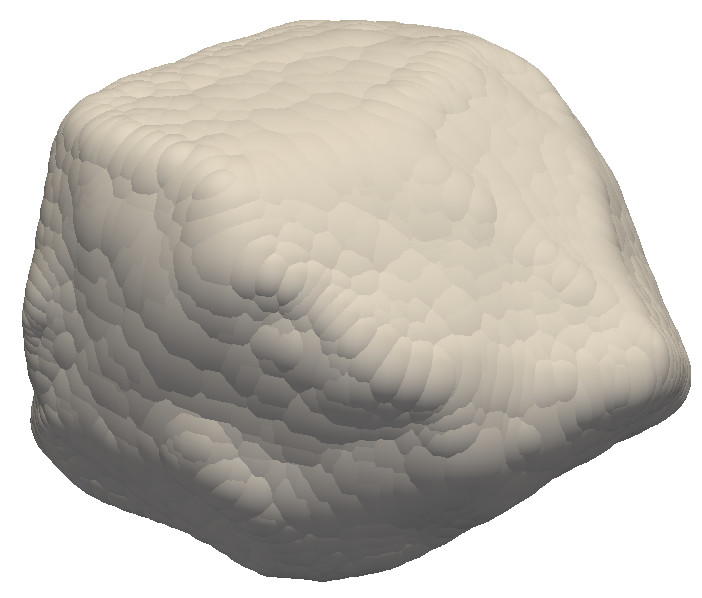 Figure 24
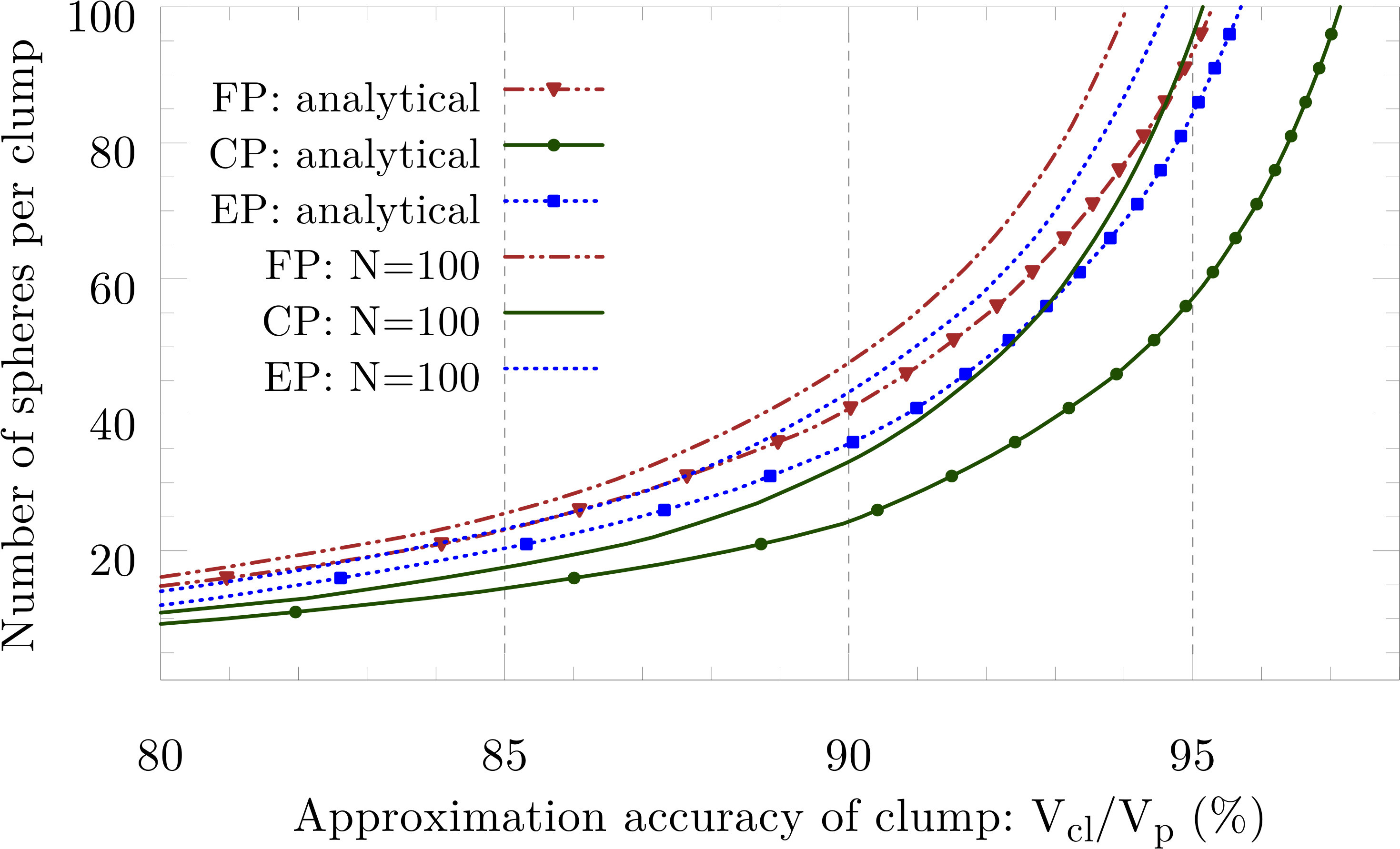 Figure 25
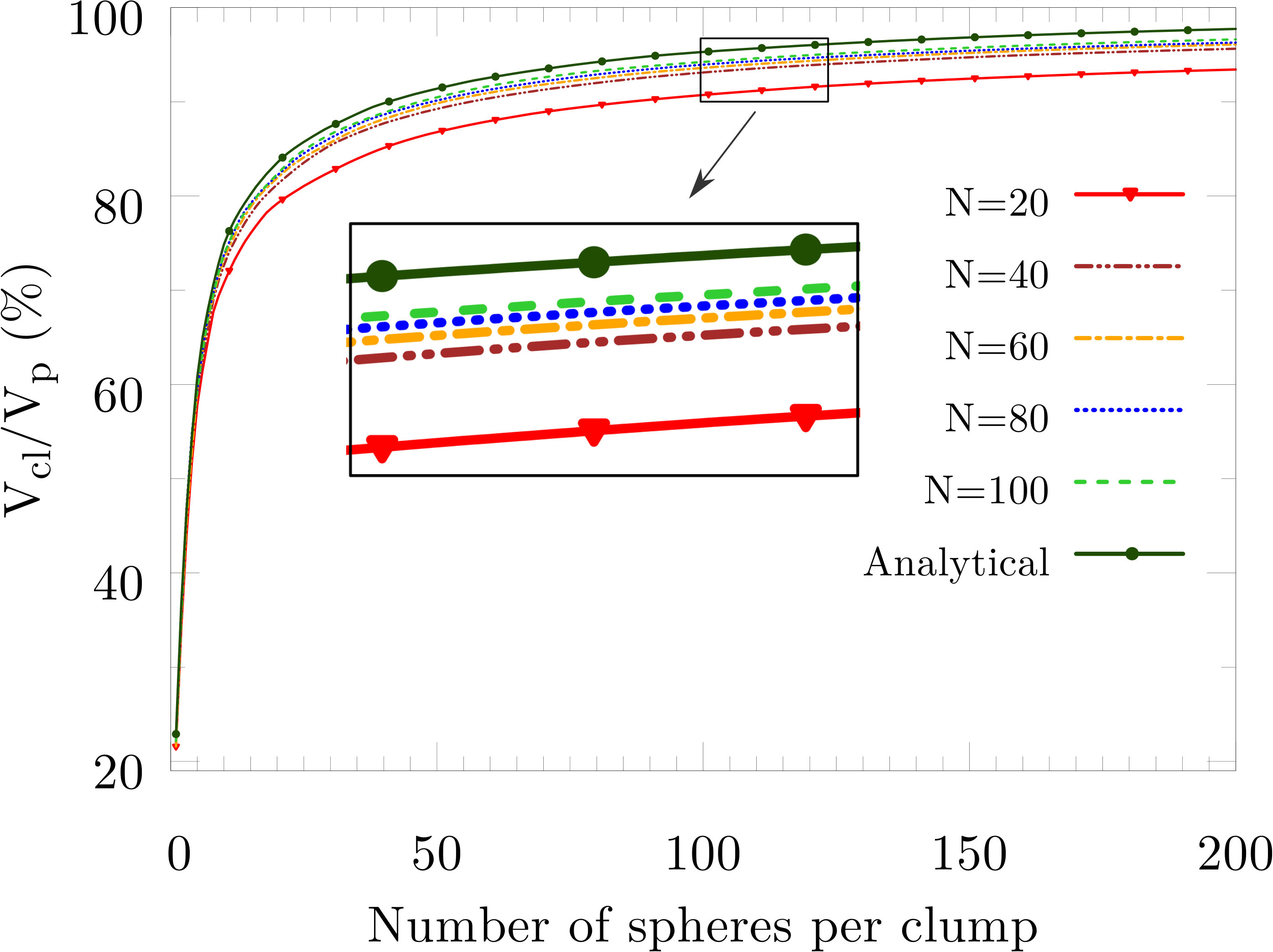 Figure 26
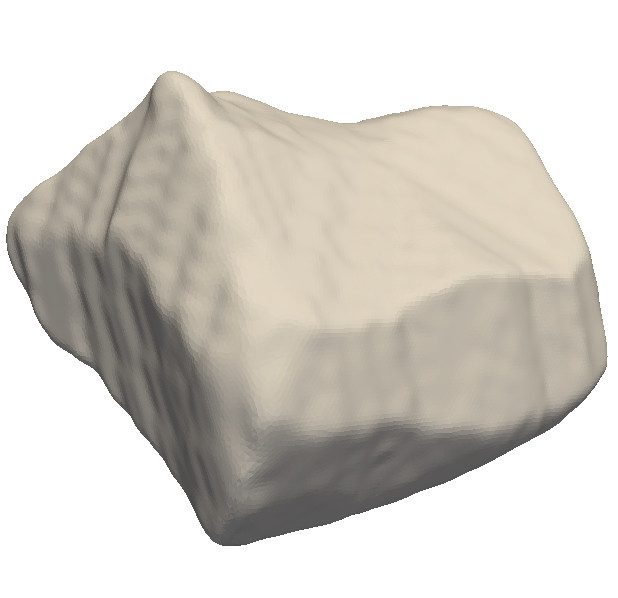 Figure 27
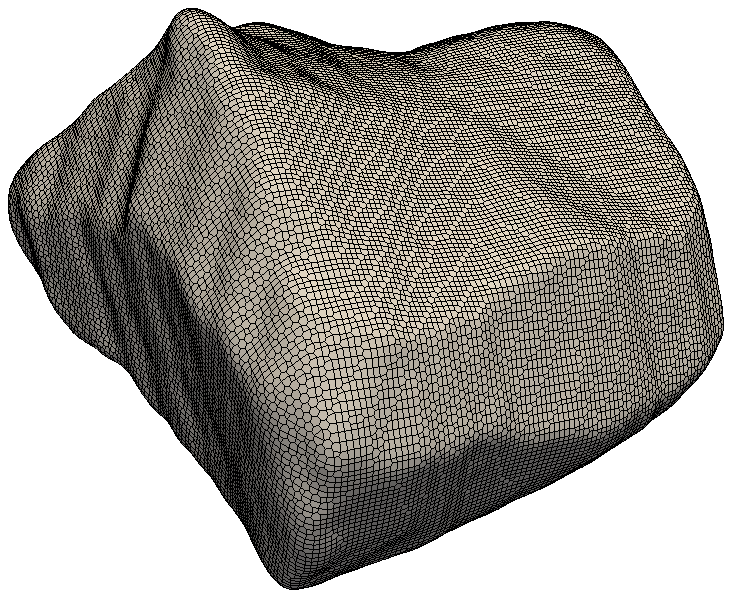 Figure 28
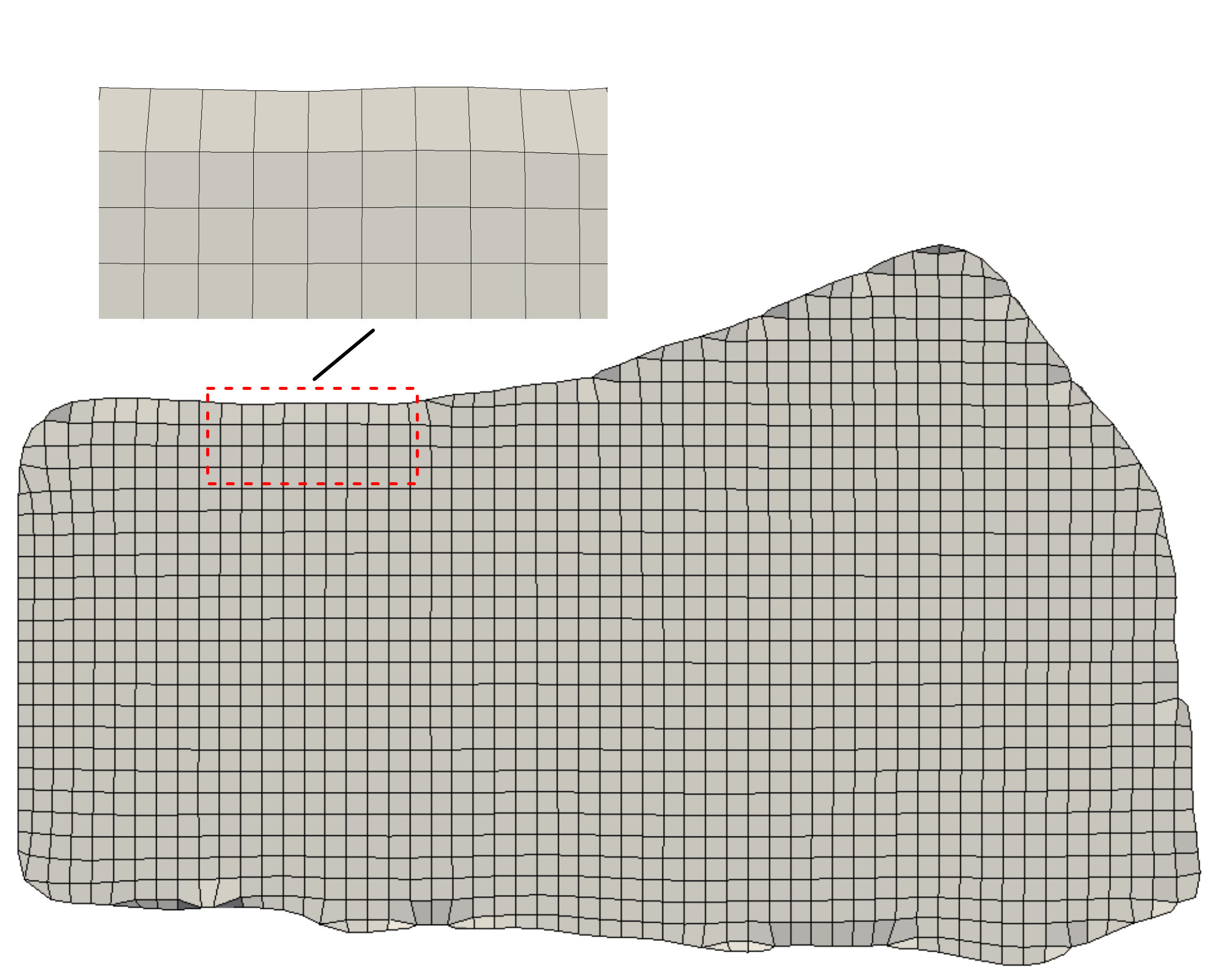 Figure 29
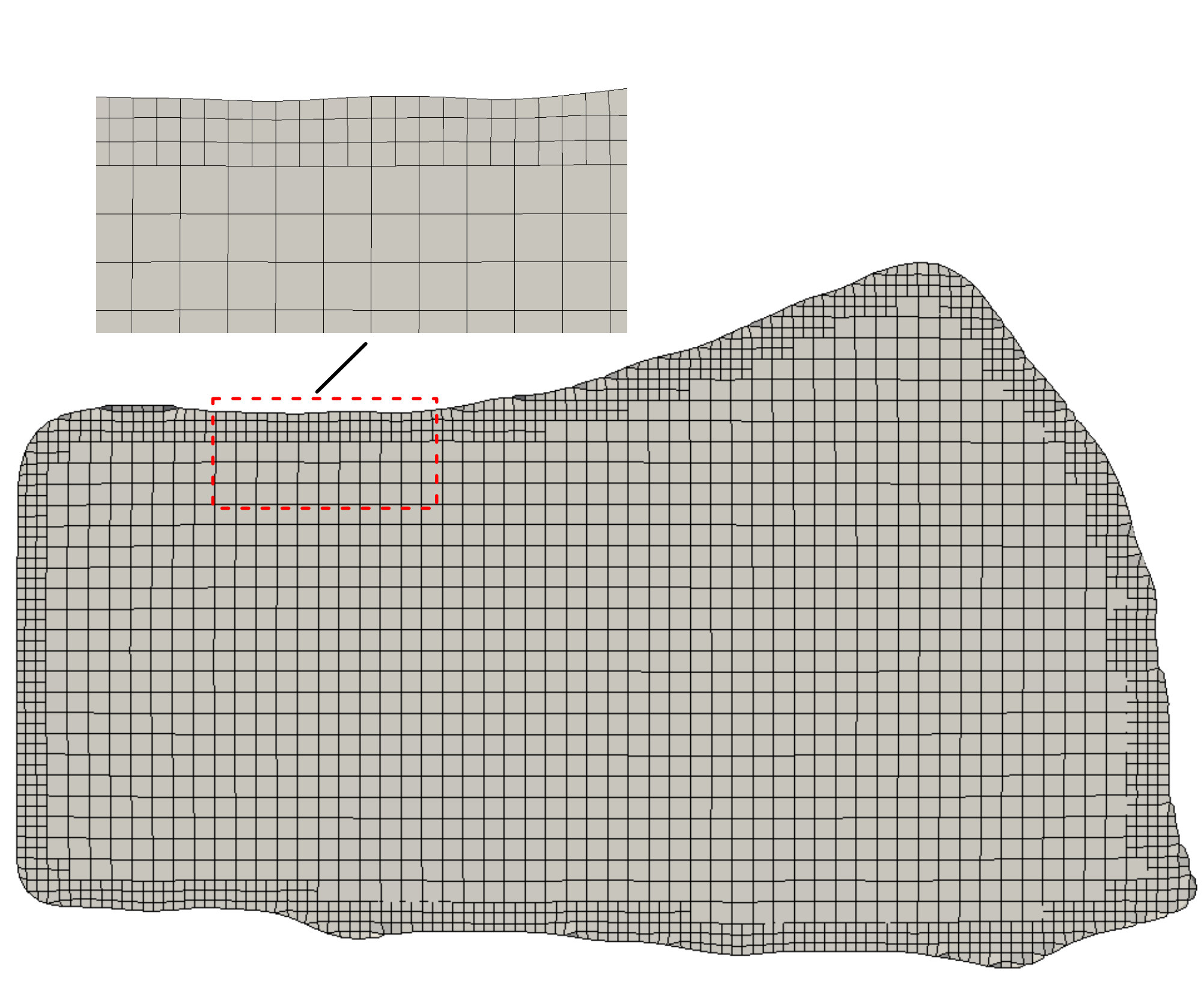 Figure 30
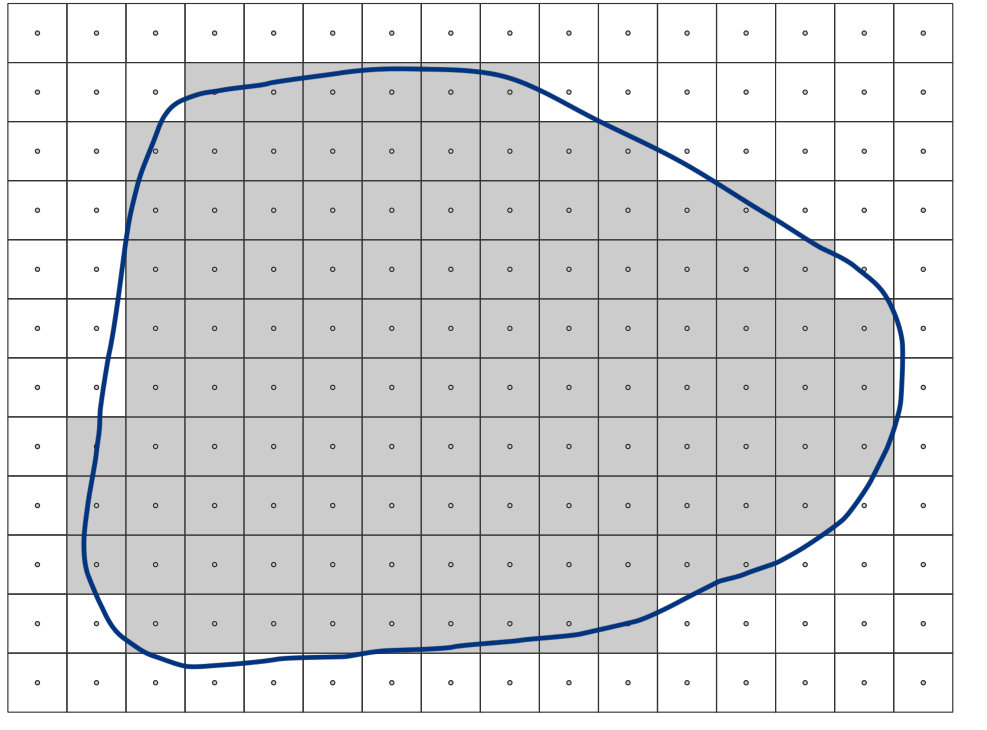 Figure 31
Peer Reviews
No public reviews on file for this paper yet. If you reviewed it on a platform where reviews are public (OpenReview, ICLR, NeurIPS, ICML), you can paste yours below so the community can read it here.
Videos
No videos yet. Explain this paper in a talk, walkthrough, or lecture? Add one.