Topology-based Representative Datasets to Reduce Neural Network Training Resources
Rocio Gonzalez-Diaz, Miguel A. Guti\'errez-Naranjo, Eduardo, Paluzo-Hidalgo

TL;DR
This paper introduces a topology-based method for creating smaller, representative datasets that maintain neural network training accuracy, significantly reducing training time.
Contribution
It proposes a novel approach using persistence diagrams to identify representative datasets, backed by theoretical proofs and experimental validation.
Findings
Representative datasets achieve similar accuracy to original datasets for perceptrons.
Using topology reduces dataset size without sacrificing training quality.
Method accelerates neural network training by dataset reduction.
Abstract
One of the main drawbacks of the practical use of neural networks is the long time required in the training process. Such a training process consists of an iterative change of parameters trying to minimize a loss function. These changes are driven by a dataset, which can be seen as a set of labelled points in an n-dimensional space. In this paper, we explore the concept of are representative dataset which is a dataset smaller than the original one, satisfying a nearness condition independent of isometric transformations. Representativeness is measured using persistence diagrams (a computational topology tool) due to its computational efficiency. We prove that the accuracy of the learning process of a neural network on a representative dataset is "similar" to the accuracy on the original dataset when the neural network architecture is a perceptron and the loss function is the mean…
Click any figure to enlarge with its caption.
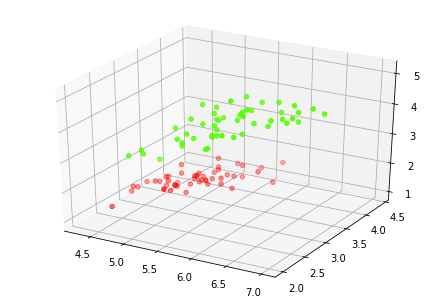 Figure 1
 Figure 2
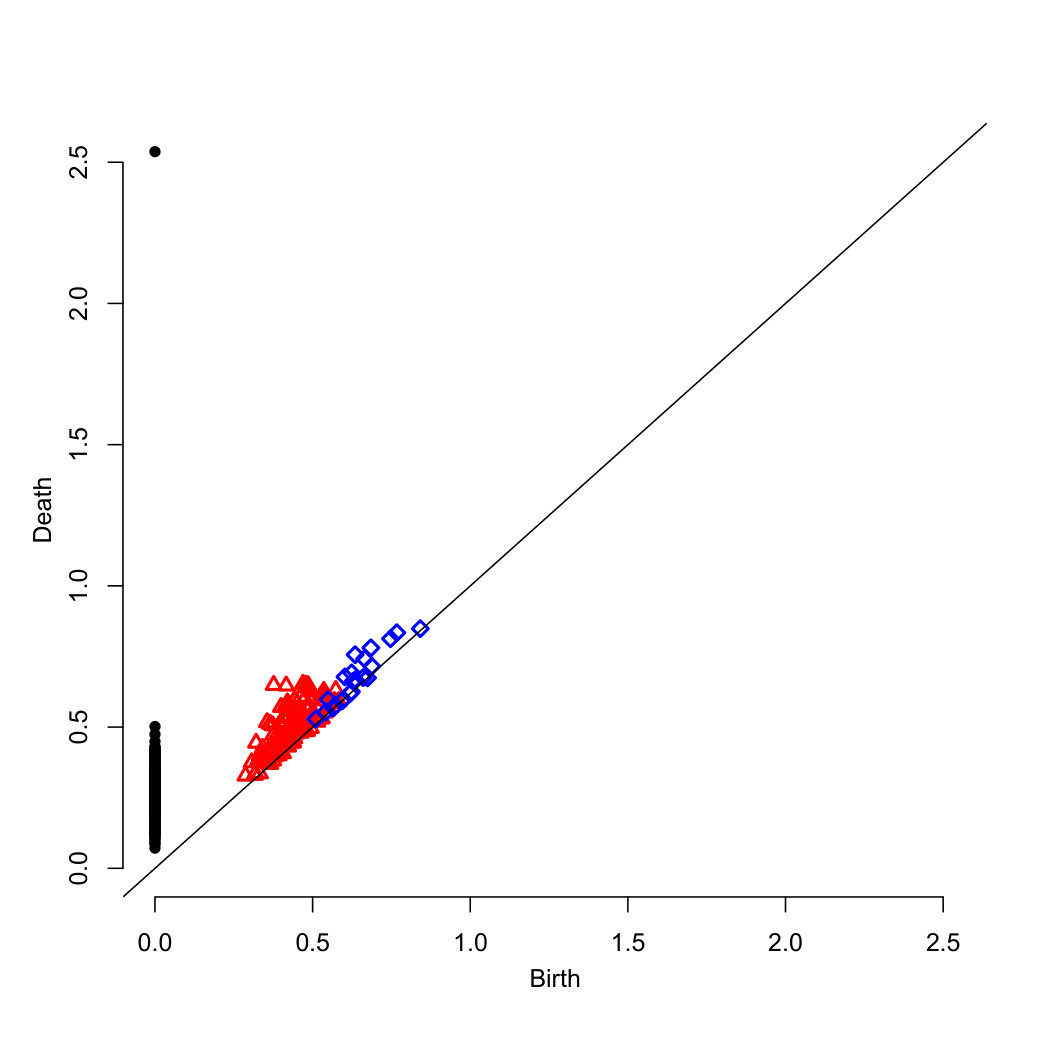 Figure 3
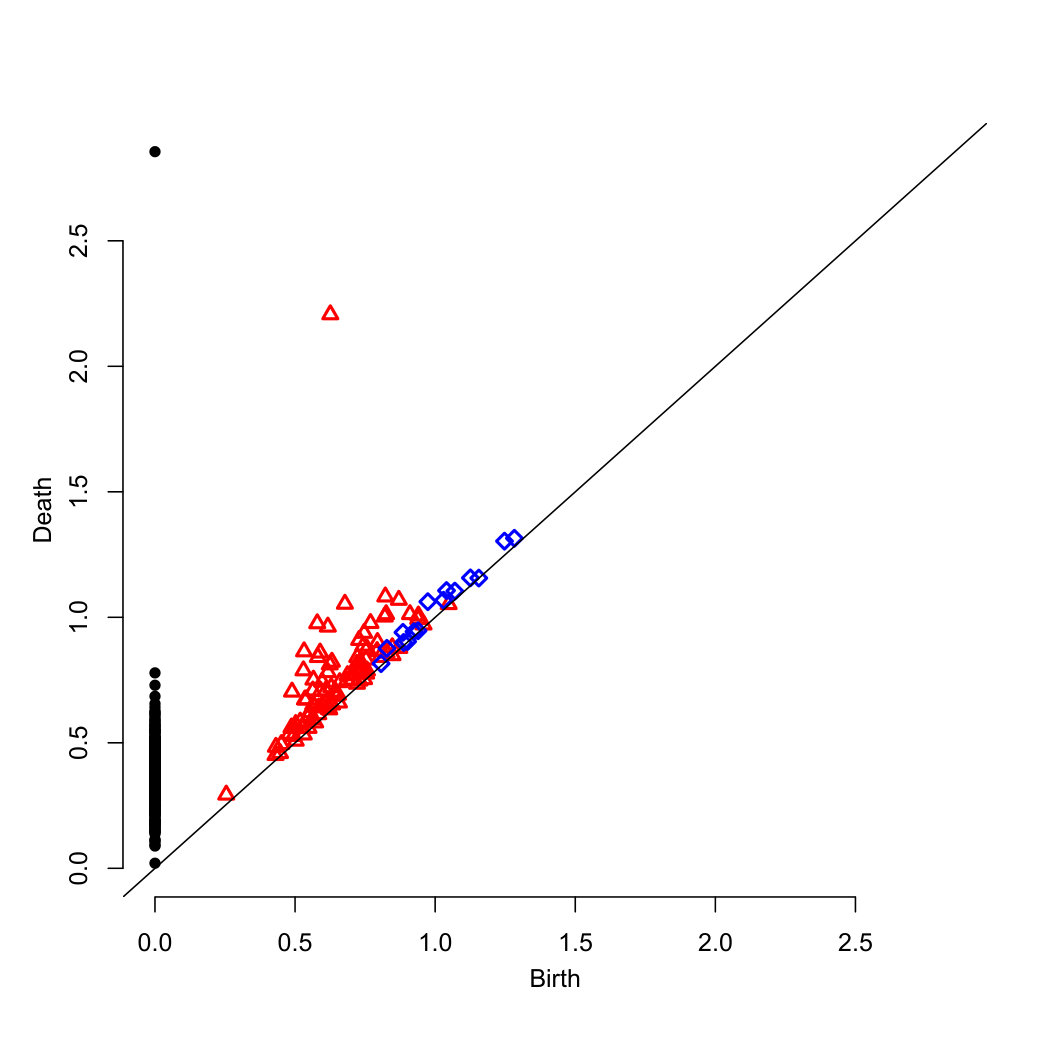 Figure 4
 Figure 5
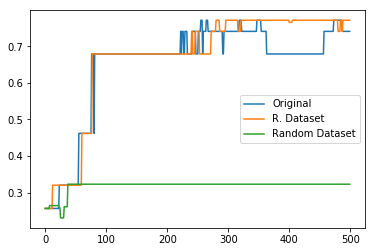 Figure 6
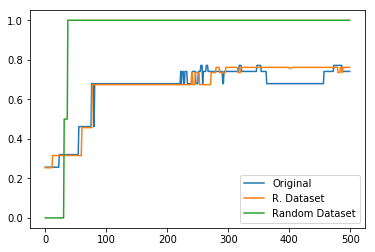 Figure 7
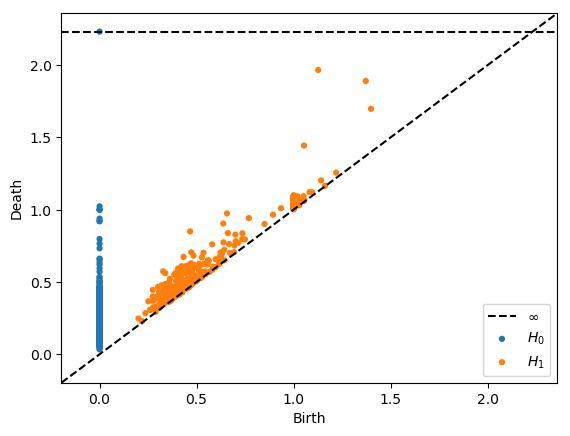 Figure 8
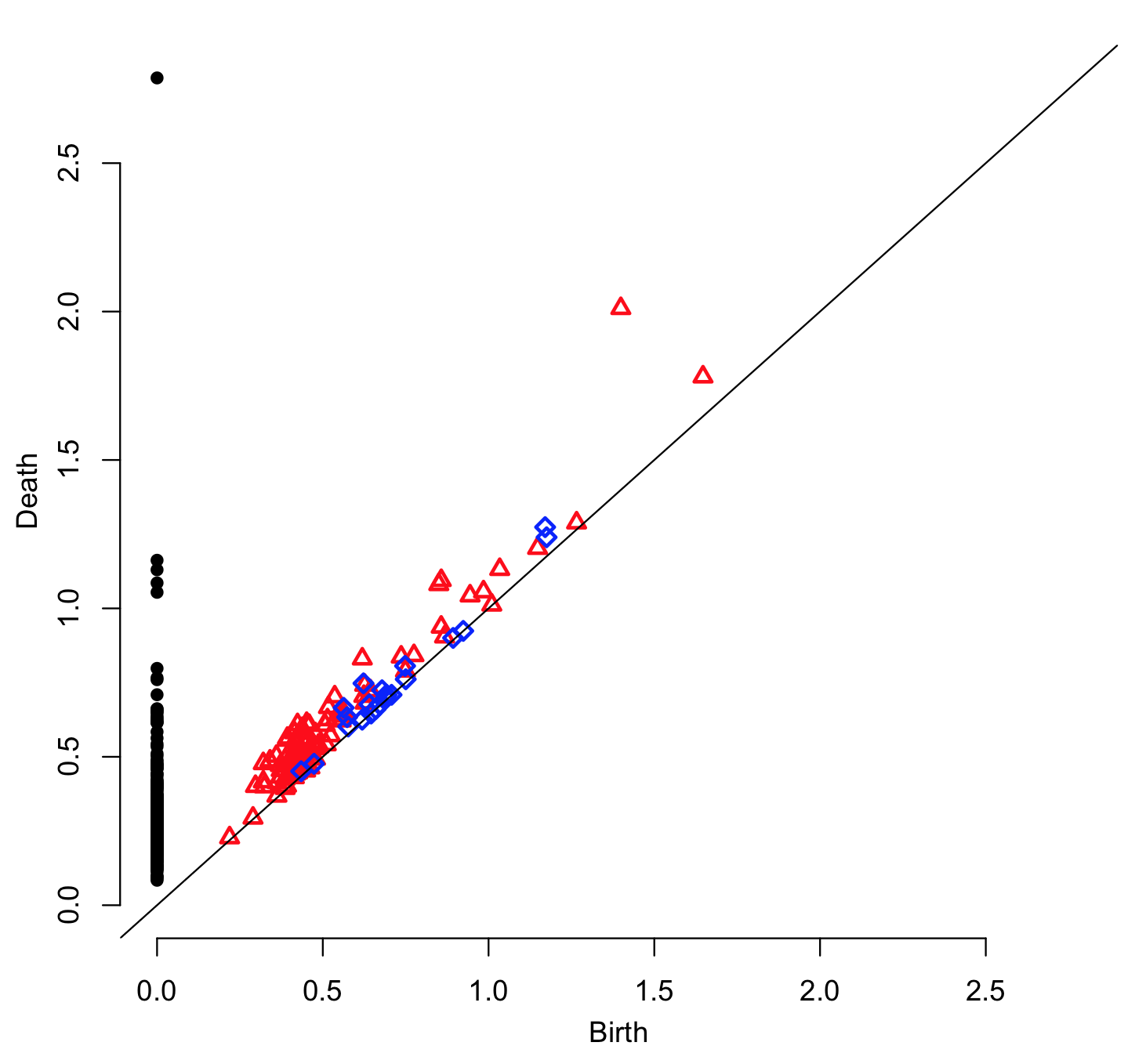 Figure 9
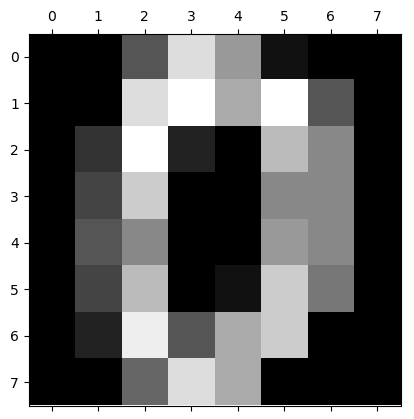 Figure 10
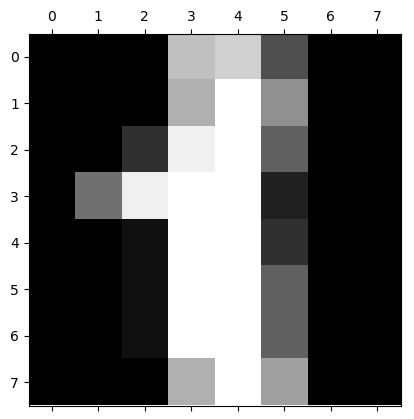 Figure 11
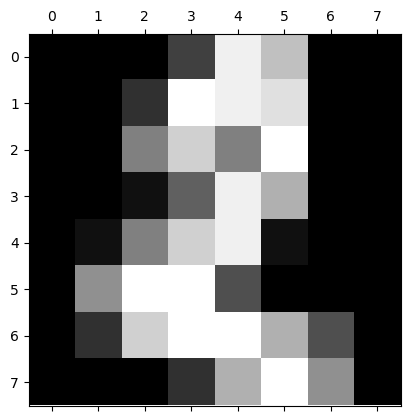 Figure 12
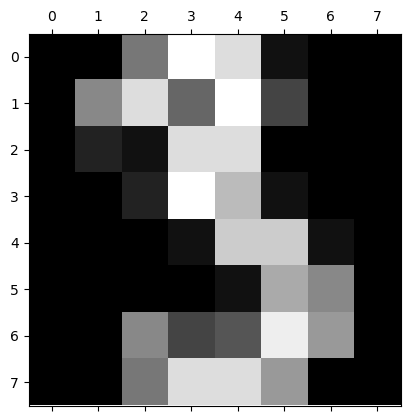 Figure 13
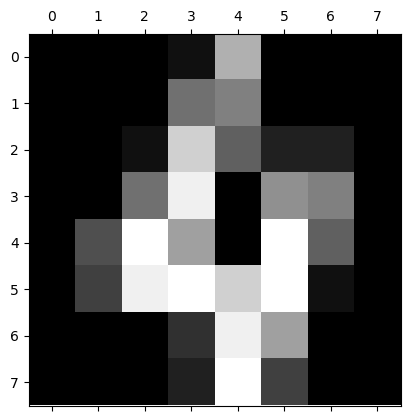 Figure 14
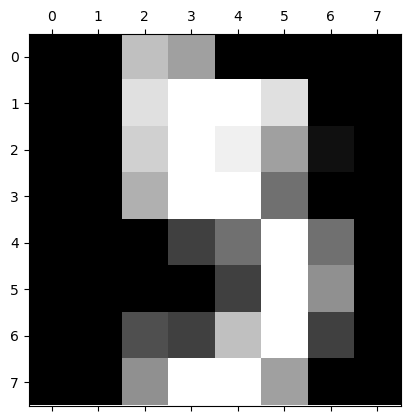 Figure 15
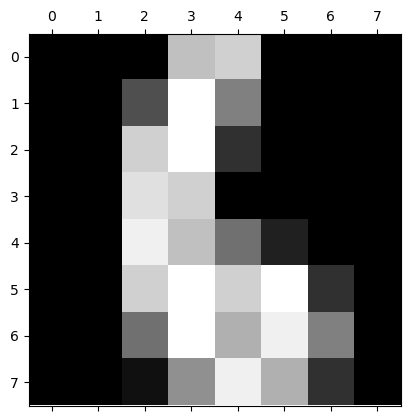 Figure 16
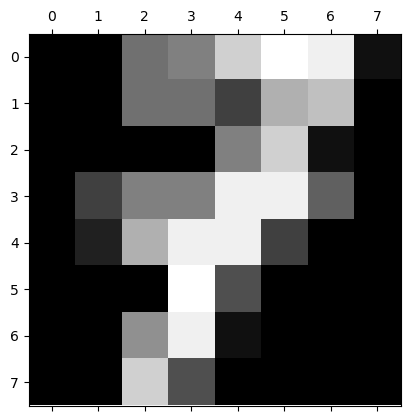 Figure 17
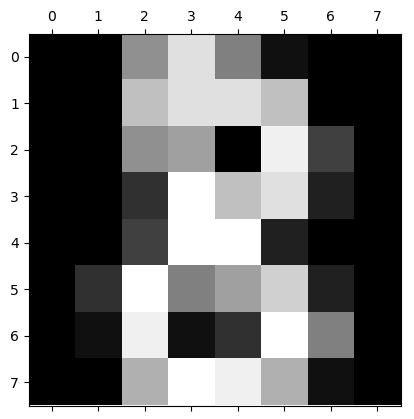 Figure 18
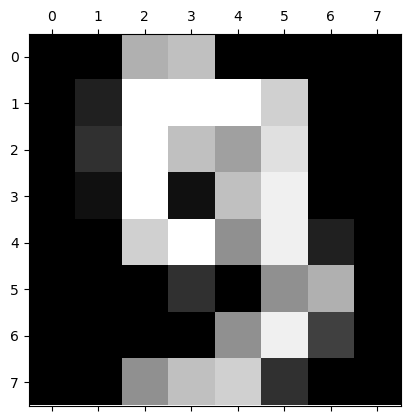 Figure 19
 Figure 20
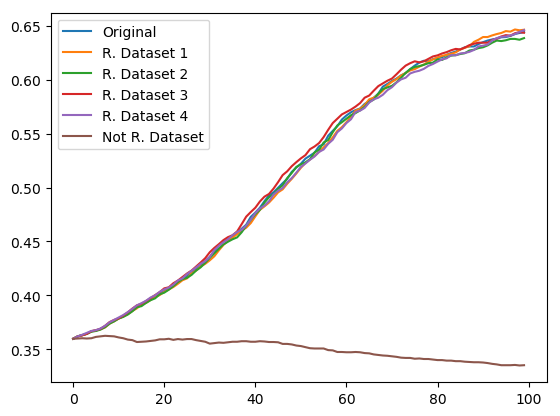 Figure 21
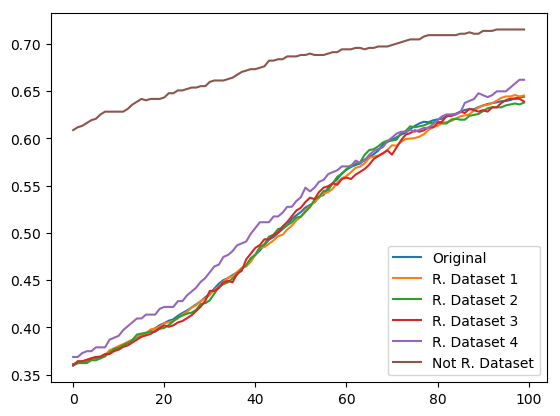 Figure 22
 Figure 23
 Figure 24
 Figure 25
 Figure 26
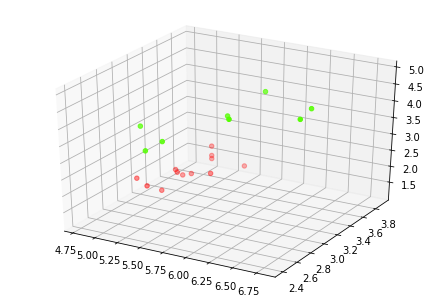 Figure 27
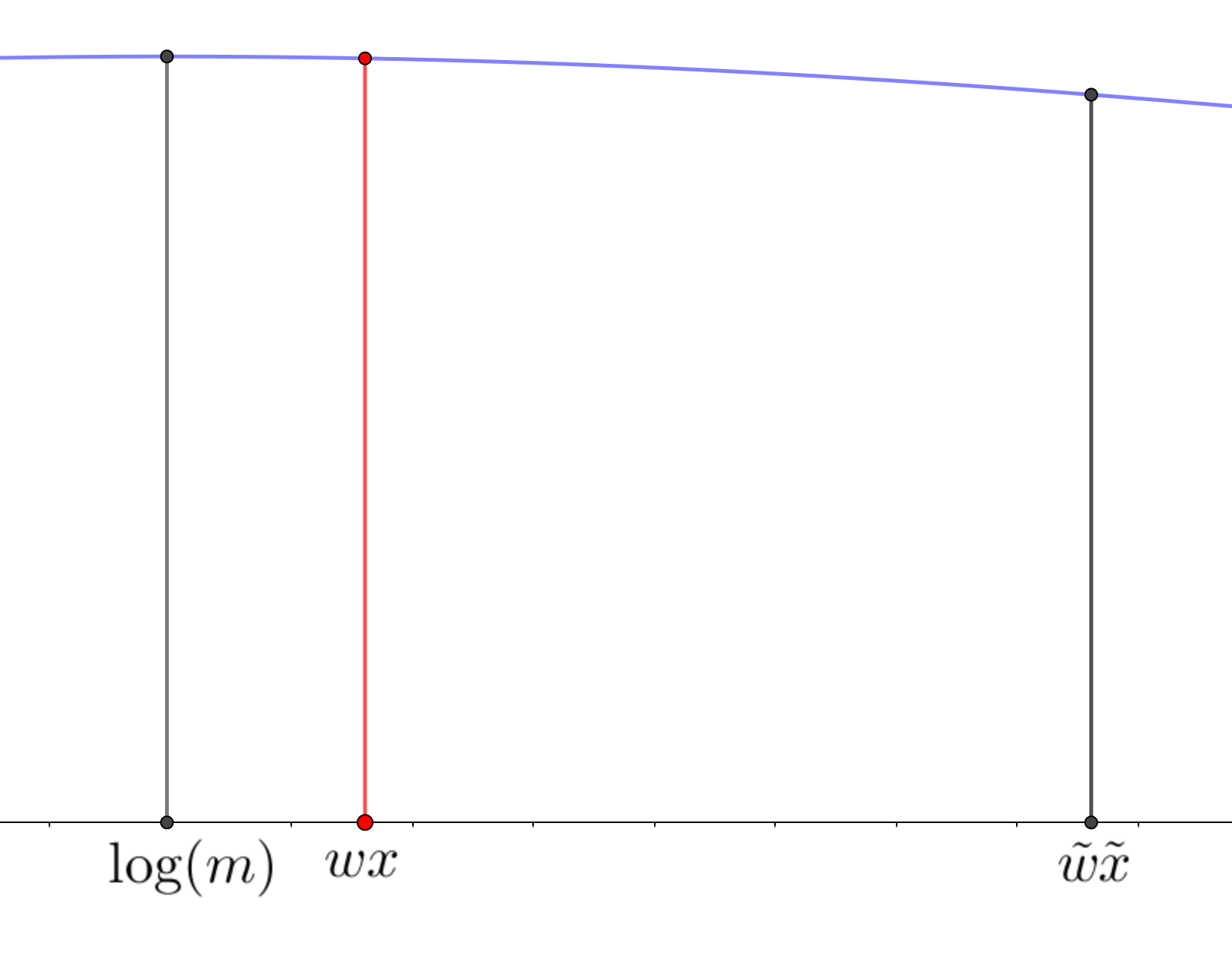 Figure 28
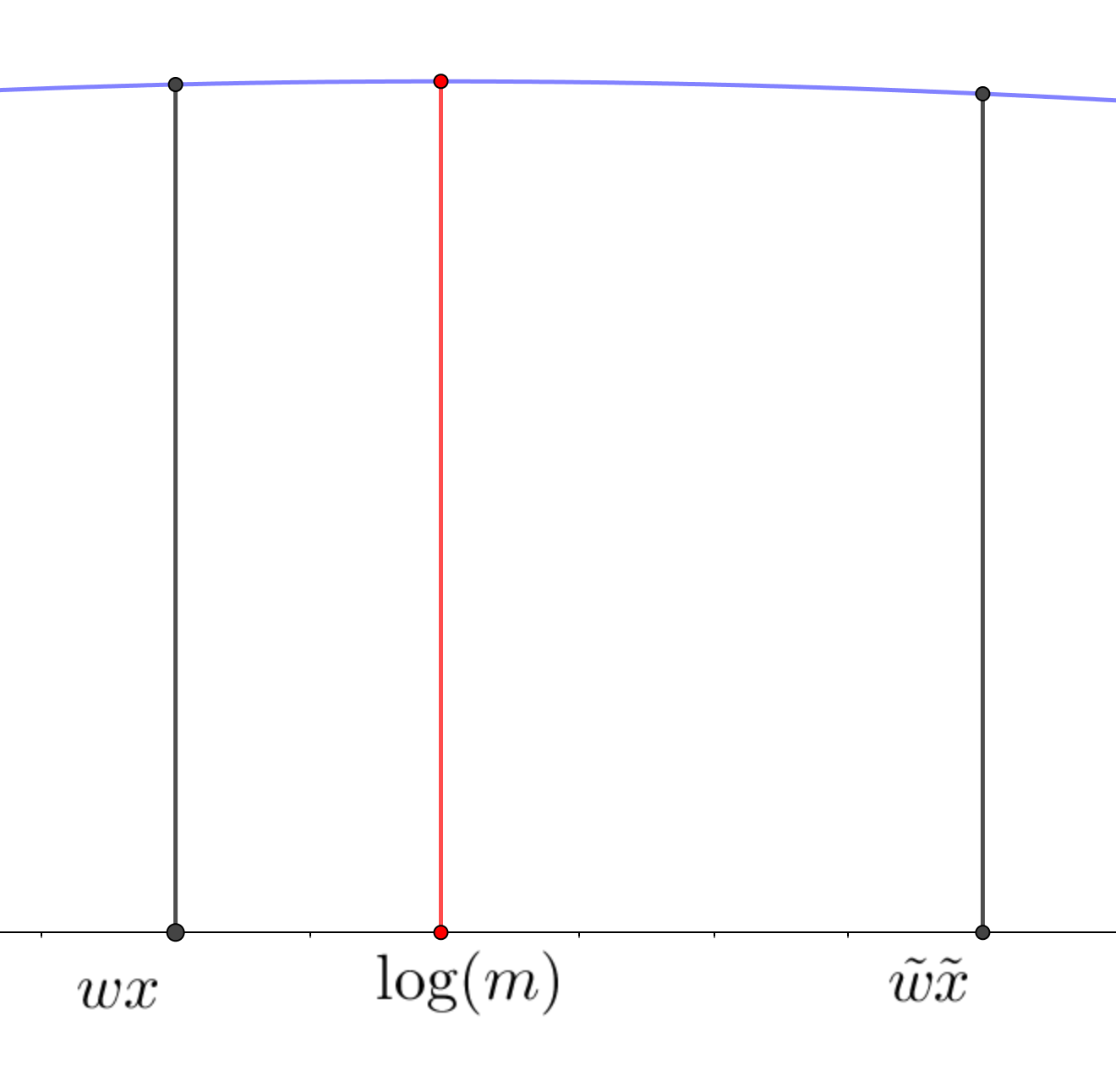 Figure 29
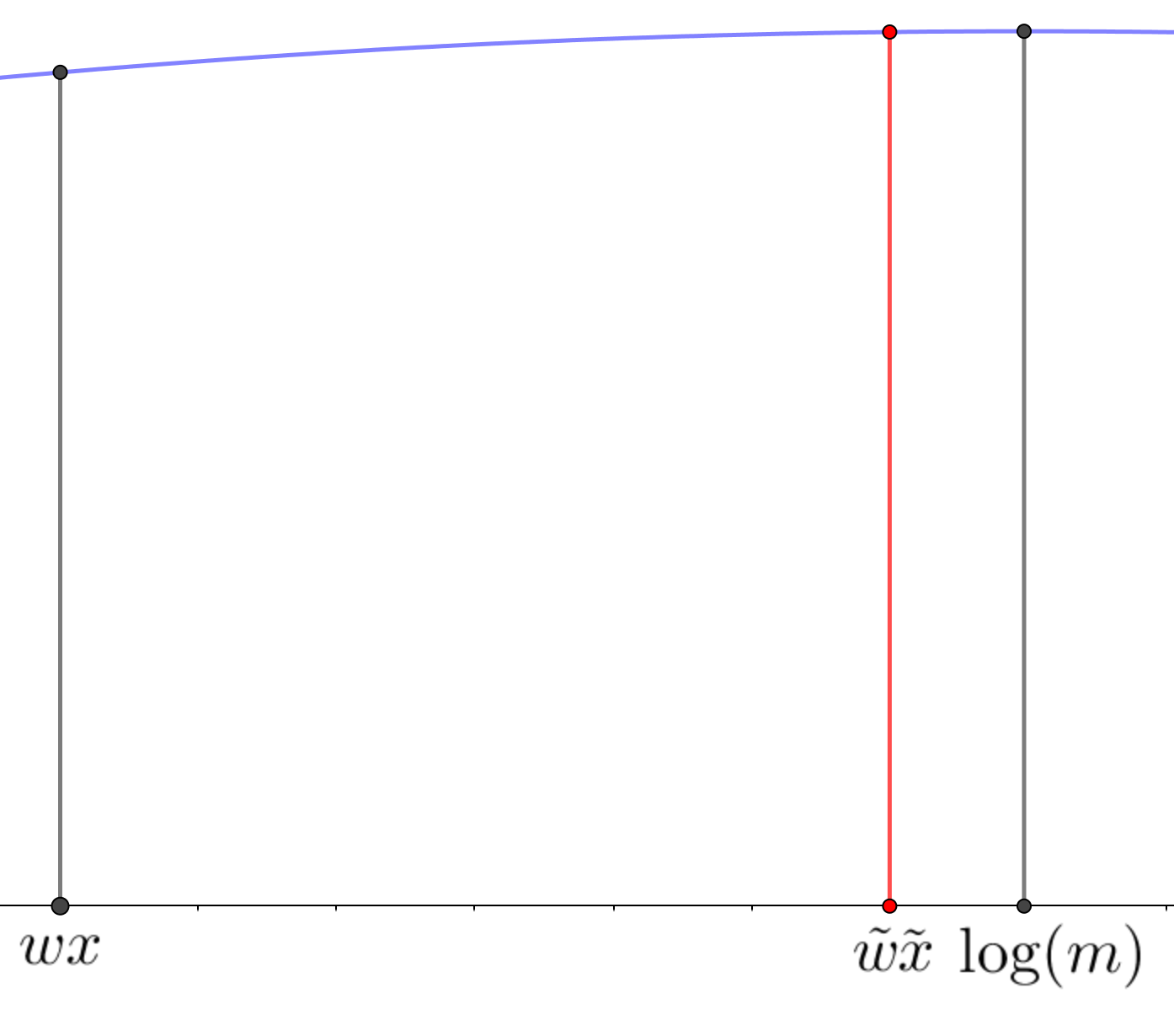 Figure 30
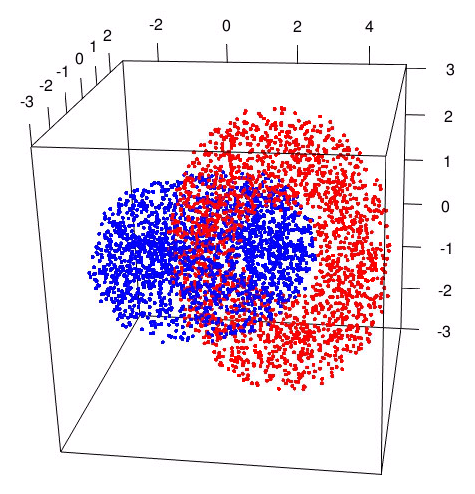 Figure 31
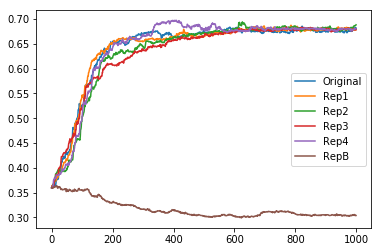 Figure 32
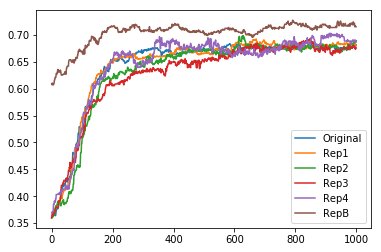 Figure 33
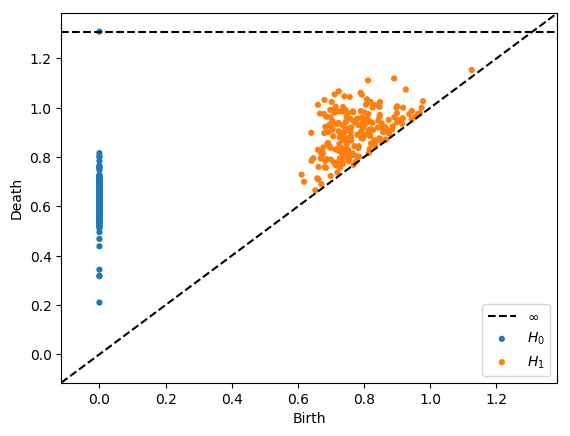 Figure 34
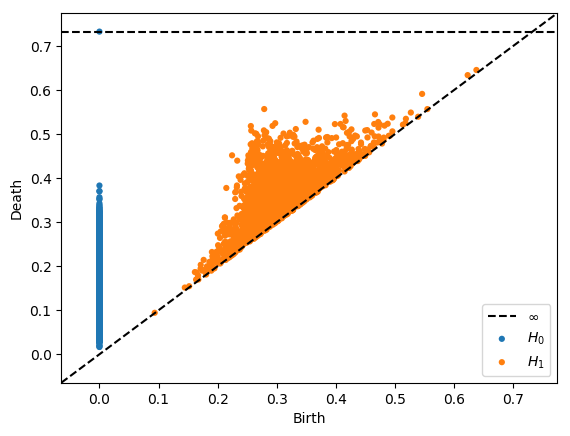 Figure 35
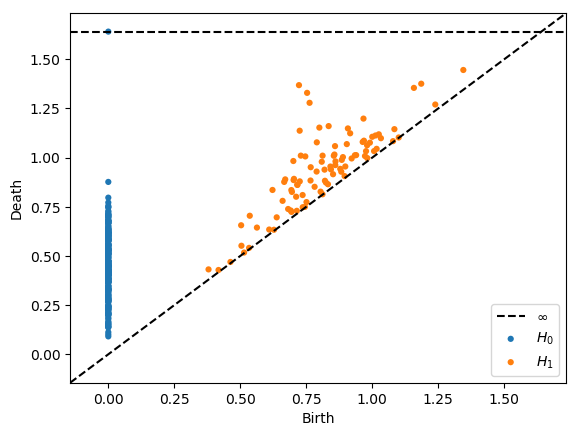 Figure 36
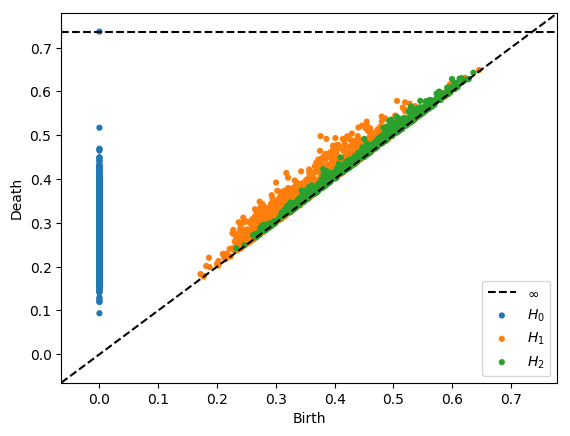 Figure 37
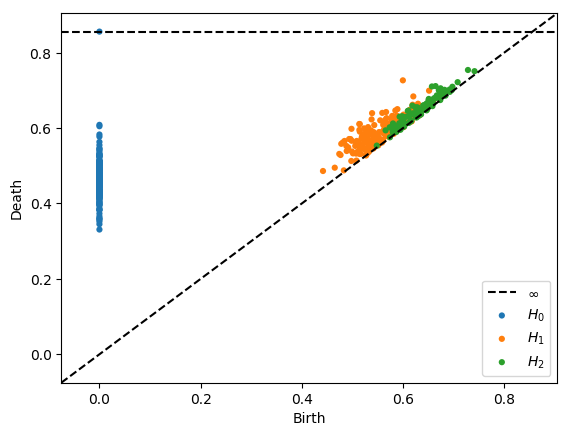 Figure 38
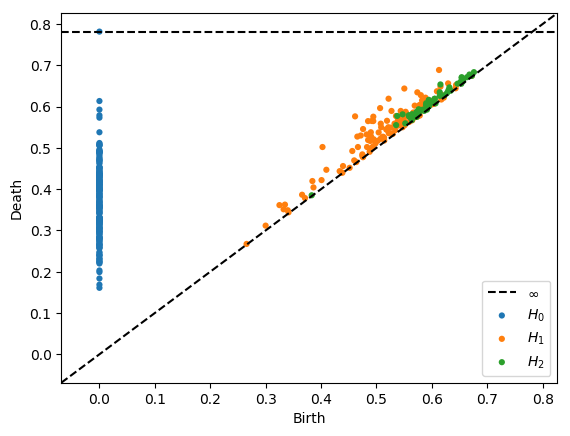 Figure 39
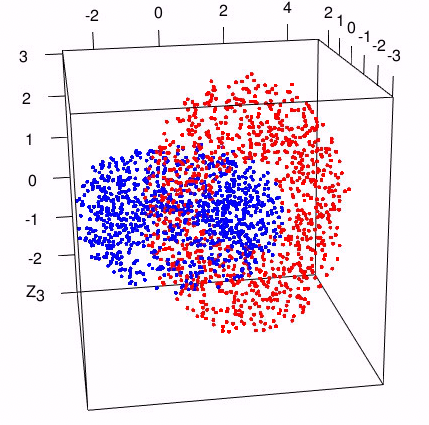 Figure 40
Peer Reviews
No public reviews on file for this paper yet. If you reviewed it on a platform where reviews are public (OpenReview, ICLR, NeurIPS, ICML), you can paste yours below so the community can read it here.
Code & Models
Videos
No videos yet. Explain this paper in a talk, walkthrough, or lecture? Add one.
Taxonomy
TopicsTopological and Geometric Data Analysis