Spin Photonics in 3D Whispering Gallery Mode Resonators
Farhad Khosravi, Cristian L. Cortes, Zubin Jacob

TL;DR
This paper investigates the spin-orbital interaction in whispering gallery modes of spherical resonators, revealing spin-momentum locking and unidirectional mode excitation, with implications for quantum emitters and photonic applications.
Contribution
It provides an exact Green's function analysis of spin-orbital interactions in WGMs, demonstrating unidirectional excitation linked to spin-momentum locking.
Findings
Spin-momentum locking in whispering gallery modes.
Unidirectional excitation of modes with specific angular momentum.
Potential experimental setups with cold atoms or quantum dots.
Abstract
Whispering gallery modes are known for having orbital angular momentum, however the interplay of local spin density, orbital angular momentum, and the near-field interaction with quantum emitters is much less explored. Here, we study the spin-orbital interaction of a circularly polarized dipole with the whispering gallery modes (WGMs) of a spherical resonator. Using an exact dyadic Green's function approach, we show that the near-field interaction between the photonic spin of a circularly polarized dipole and the local spin density of whispering gallery modes gives rise to unidirectional behaviour where modes with either positive or negative orbital angular momentum are excited. We show that this is a manifestation of spin-momentum locking using the whispering gallery modes of the spherical resonator. We discuss the requirements for possible experimental demonstrations using Zeeman…
Click any figure to enlarge with its caption.
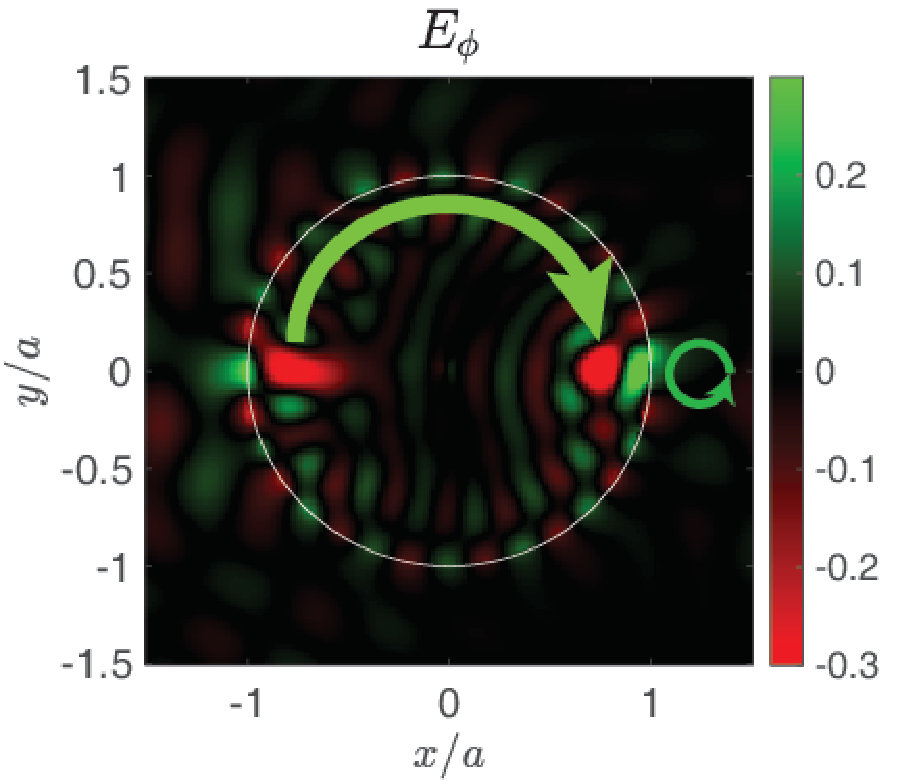 Figure 1
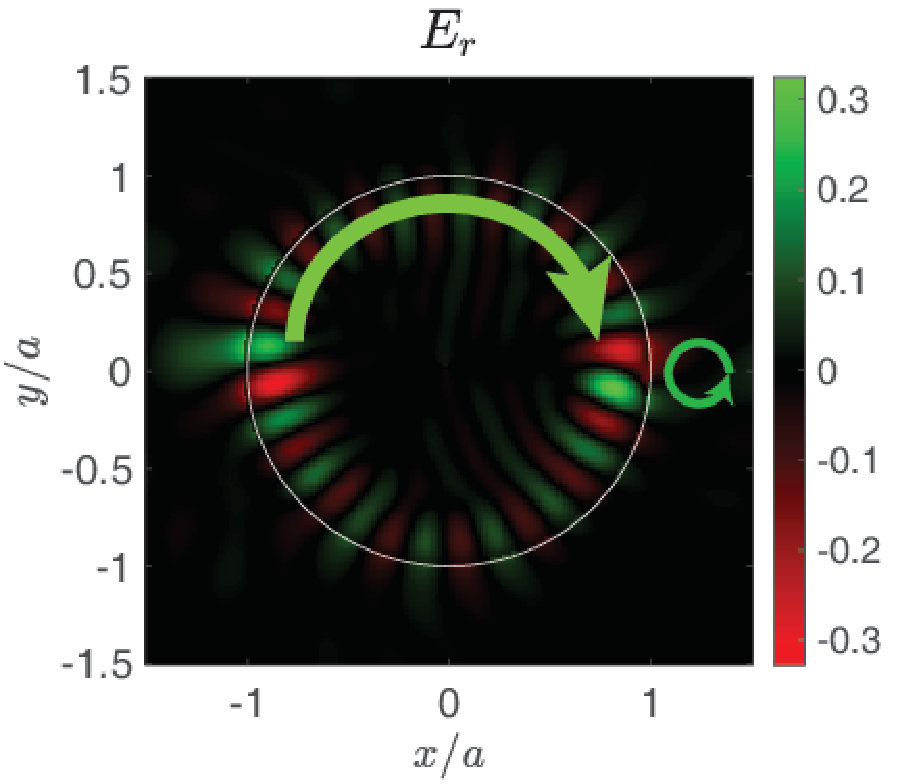 Figure 2
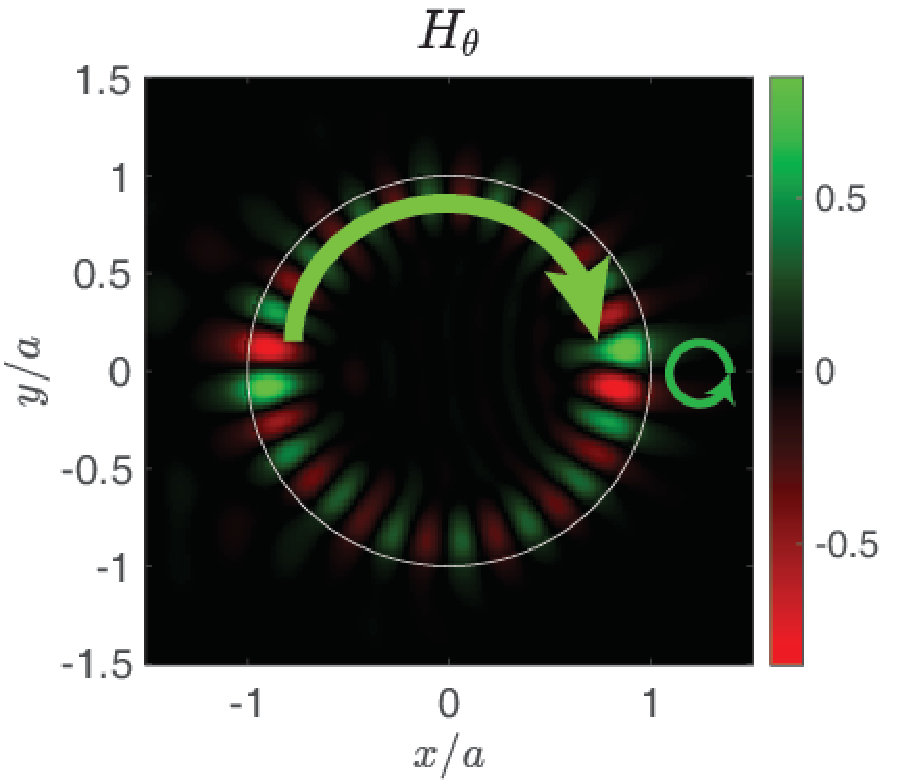 Figure 3
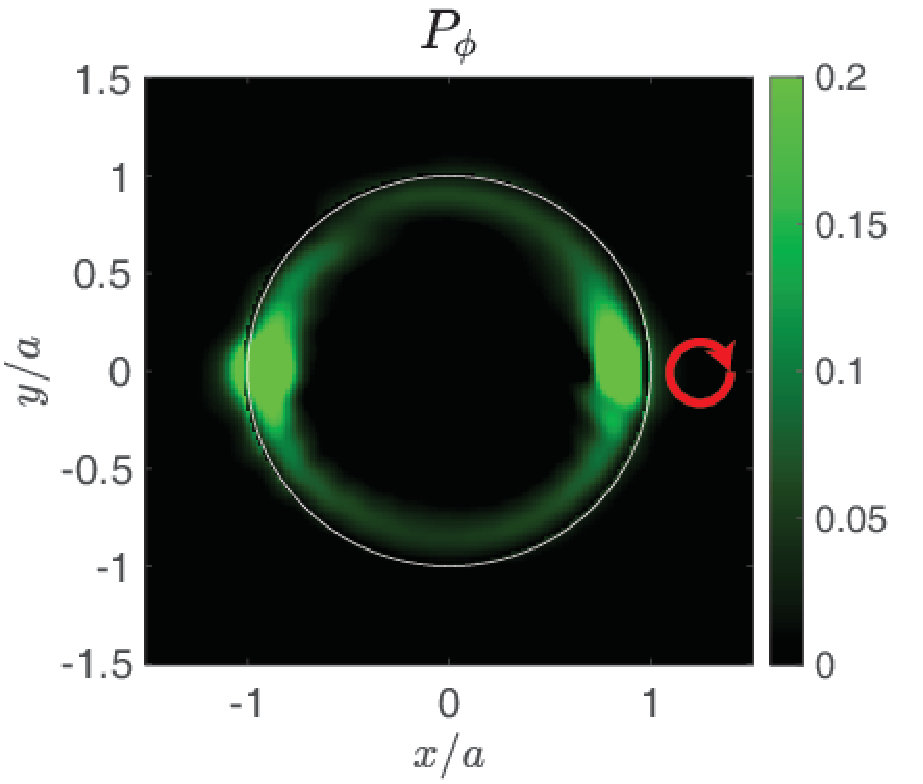 Figure 4
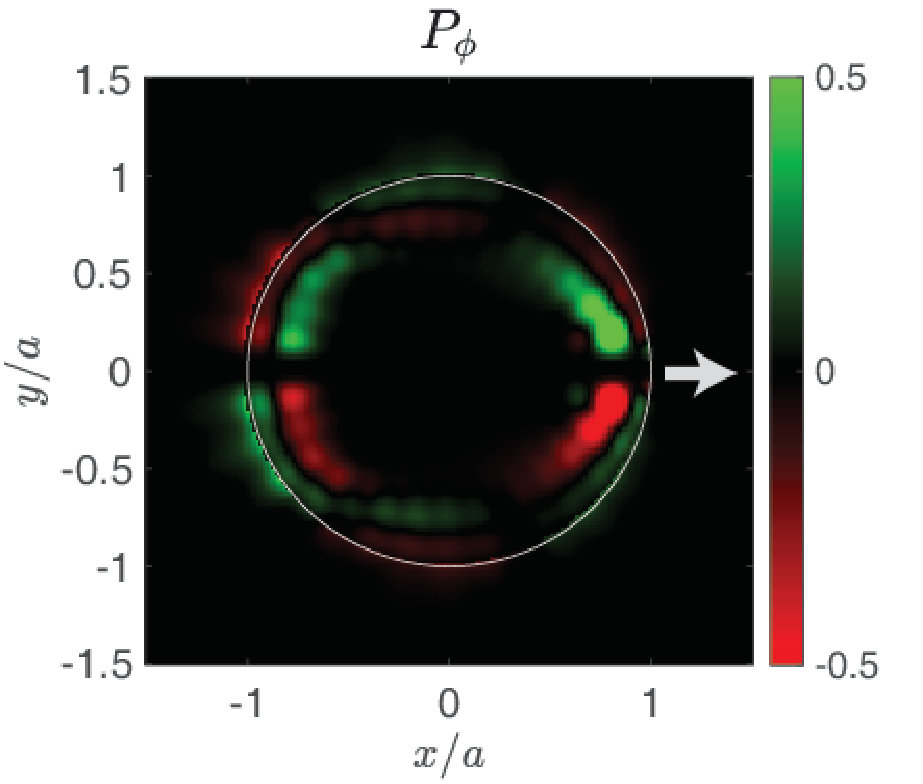 Figure 5
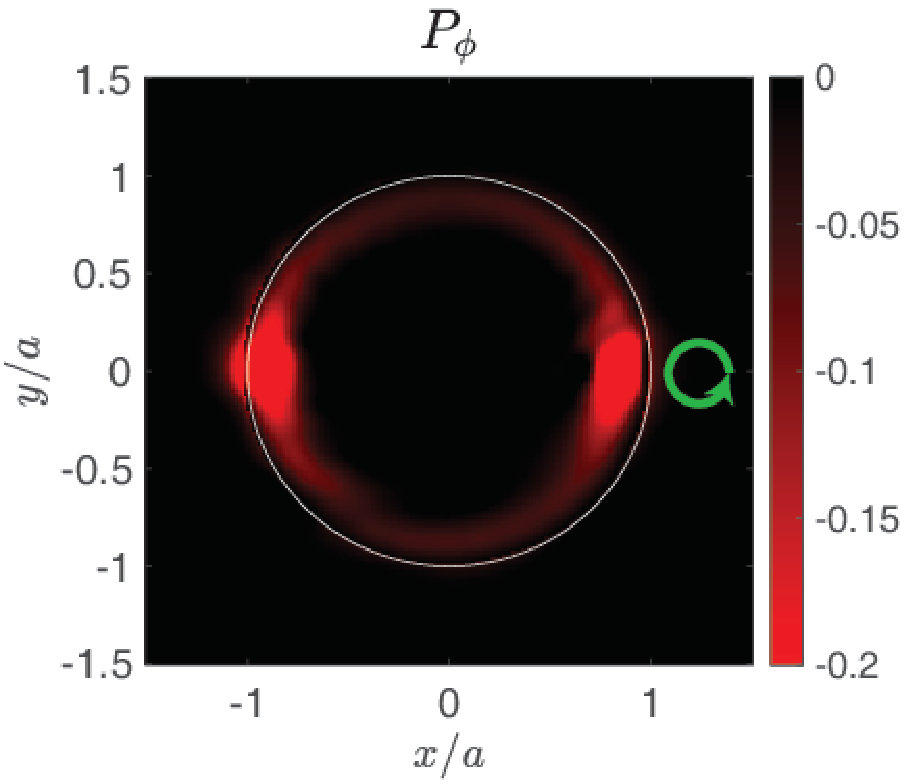 Figure 6
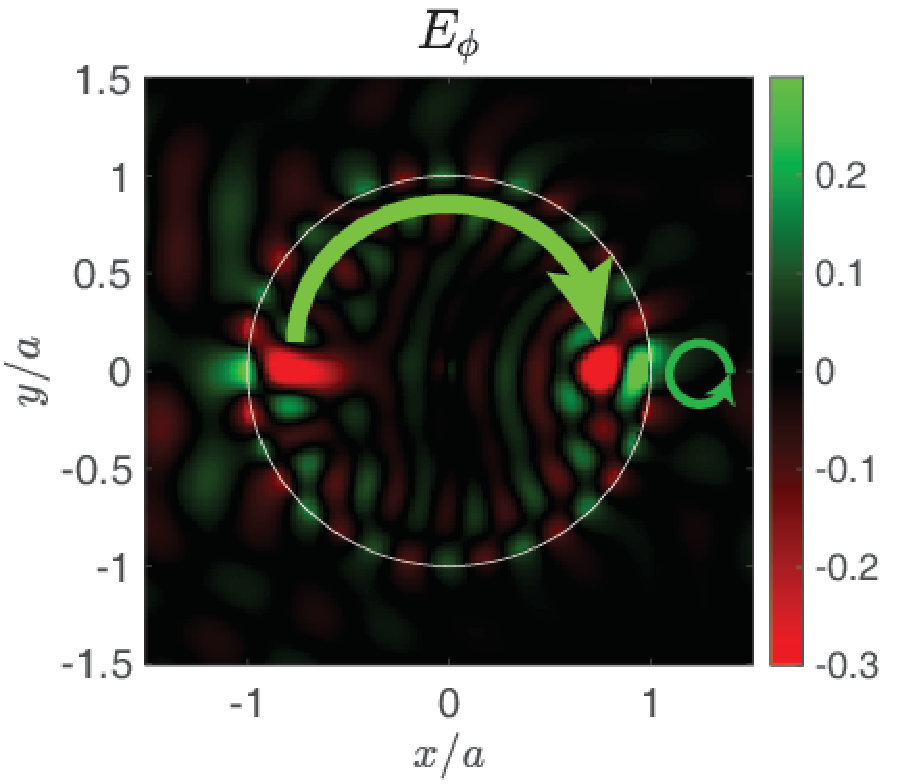 Figure 7
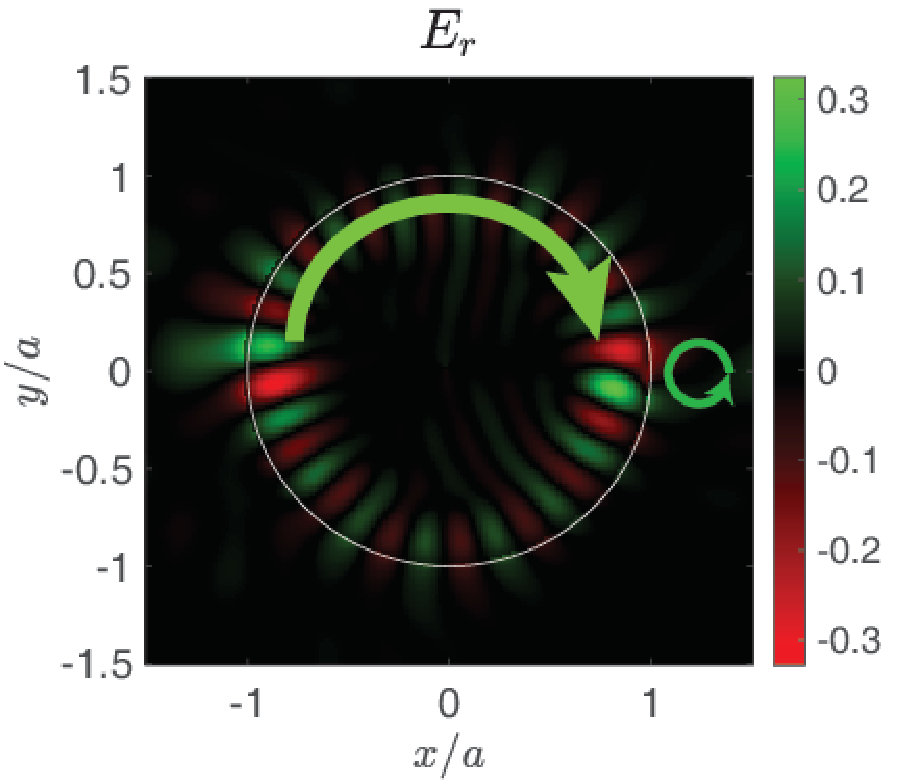 Figure 8
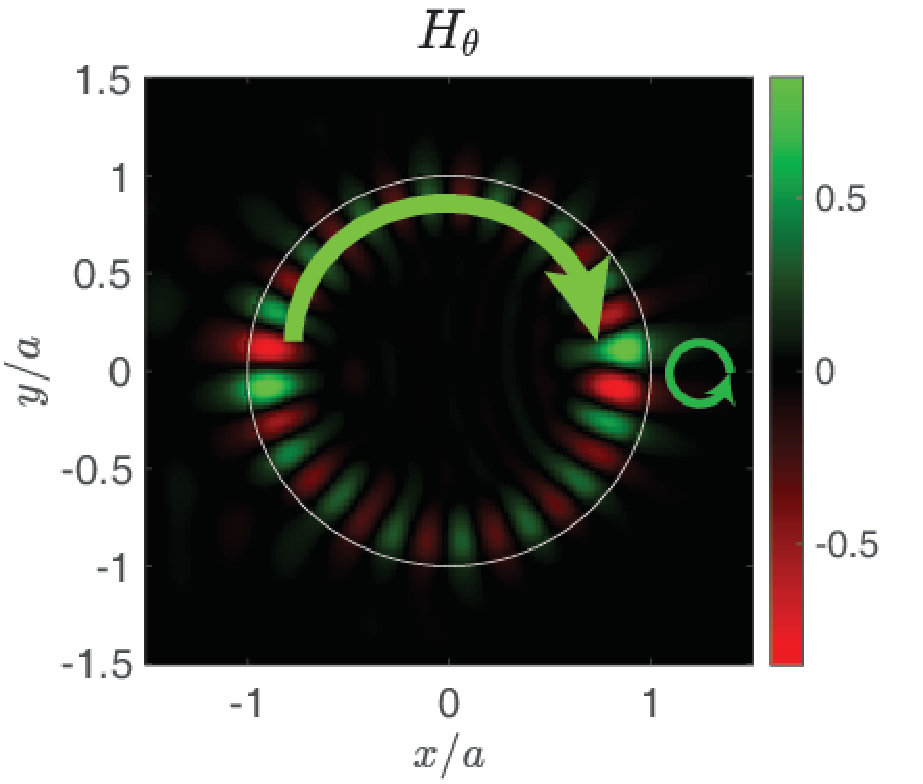 Figure 9
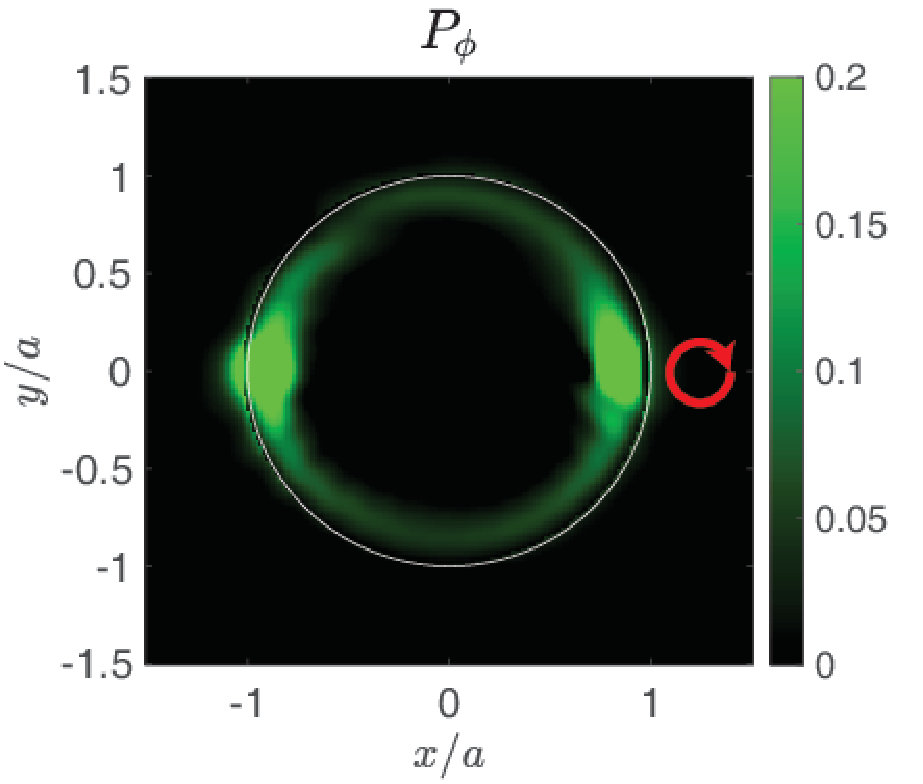 Figure 10
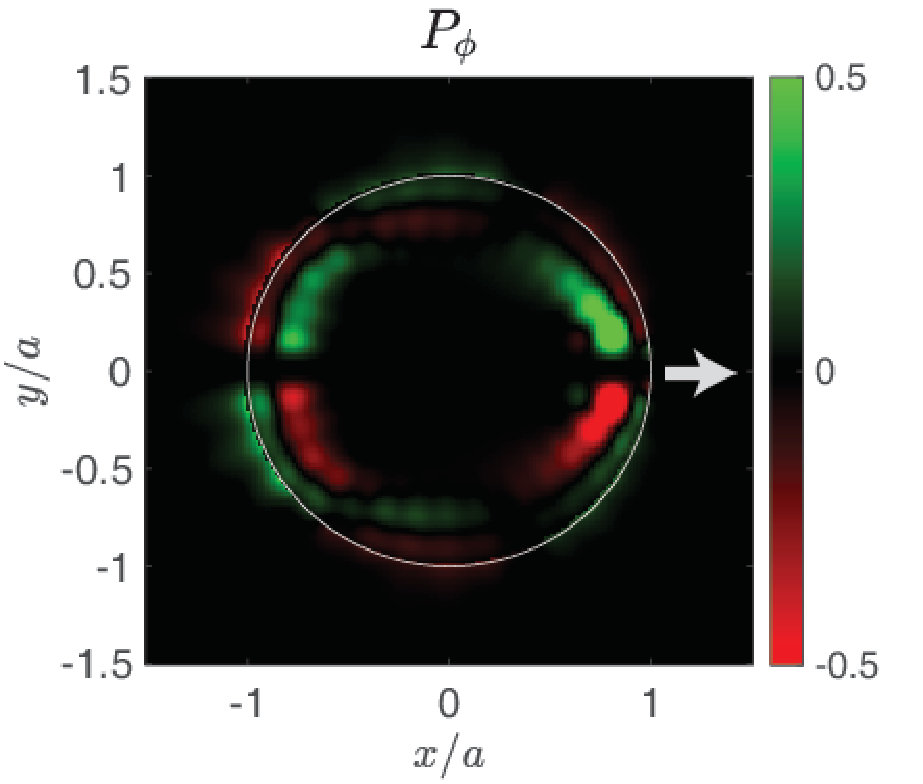 Figure 11
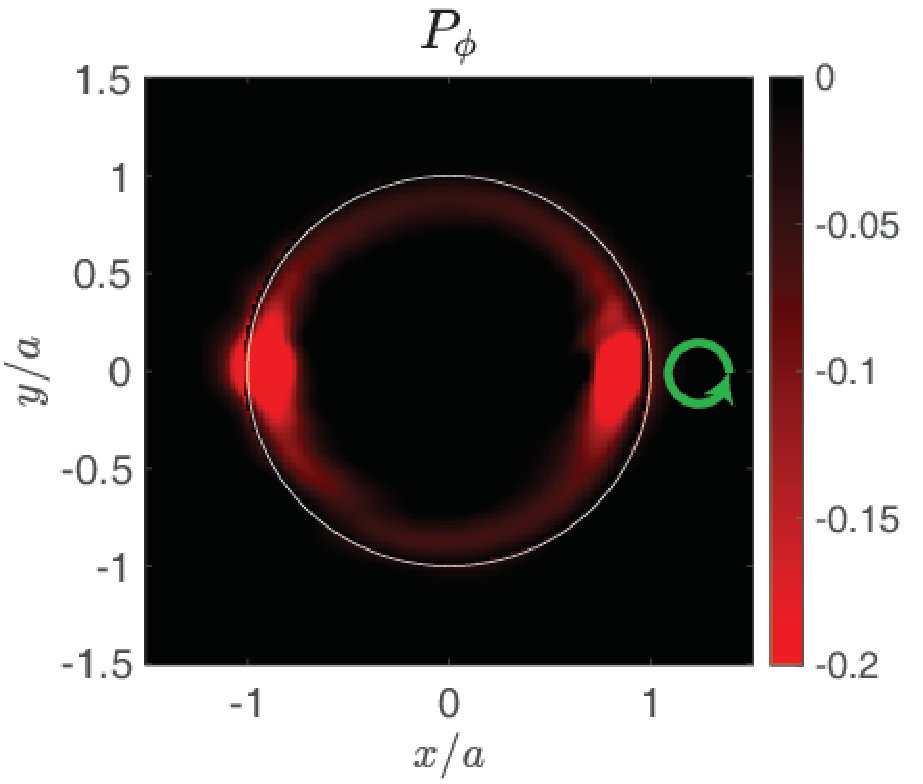 Figure 12
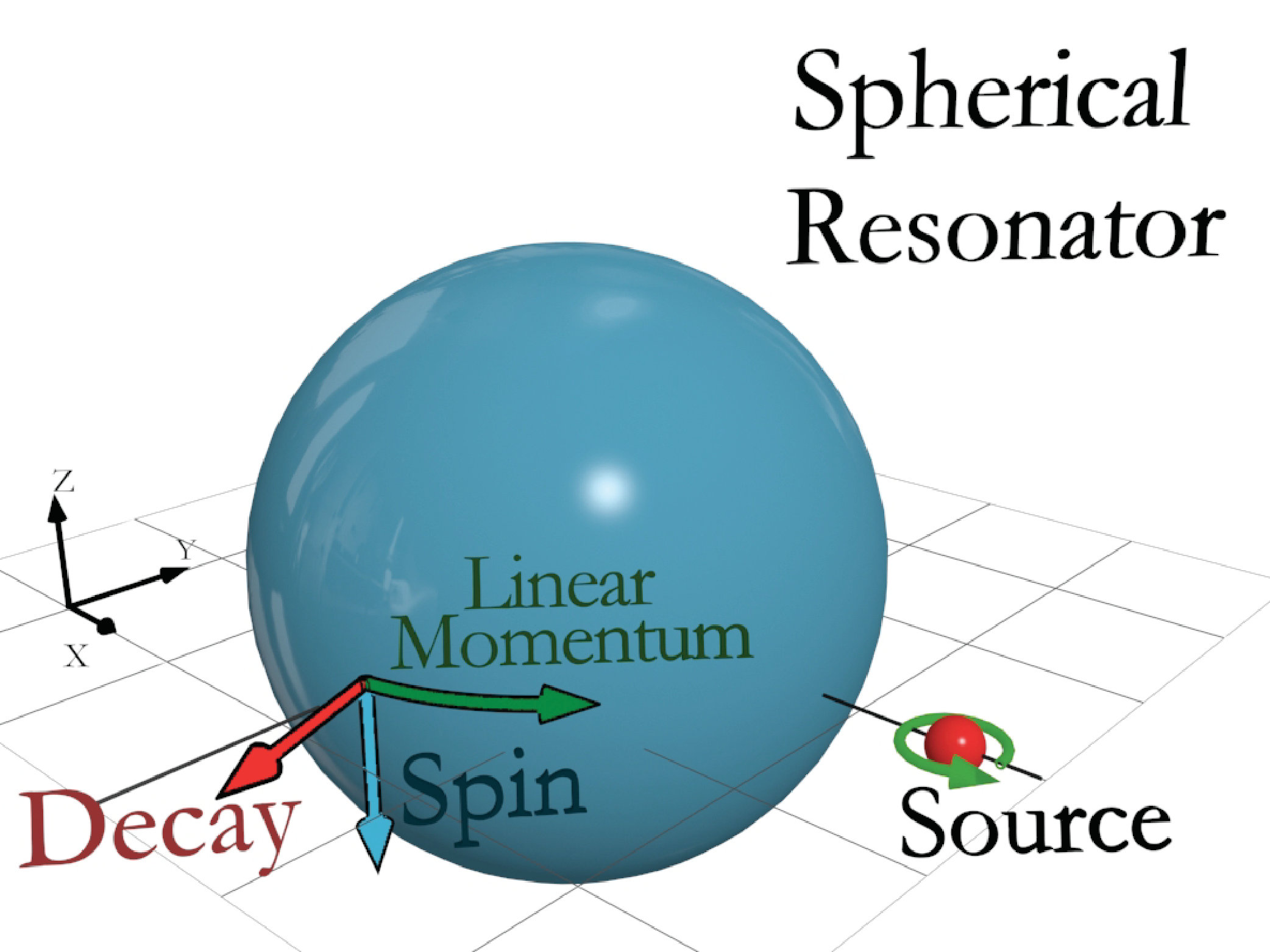 Figure 13
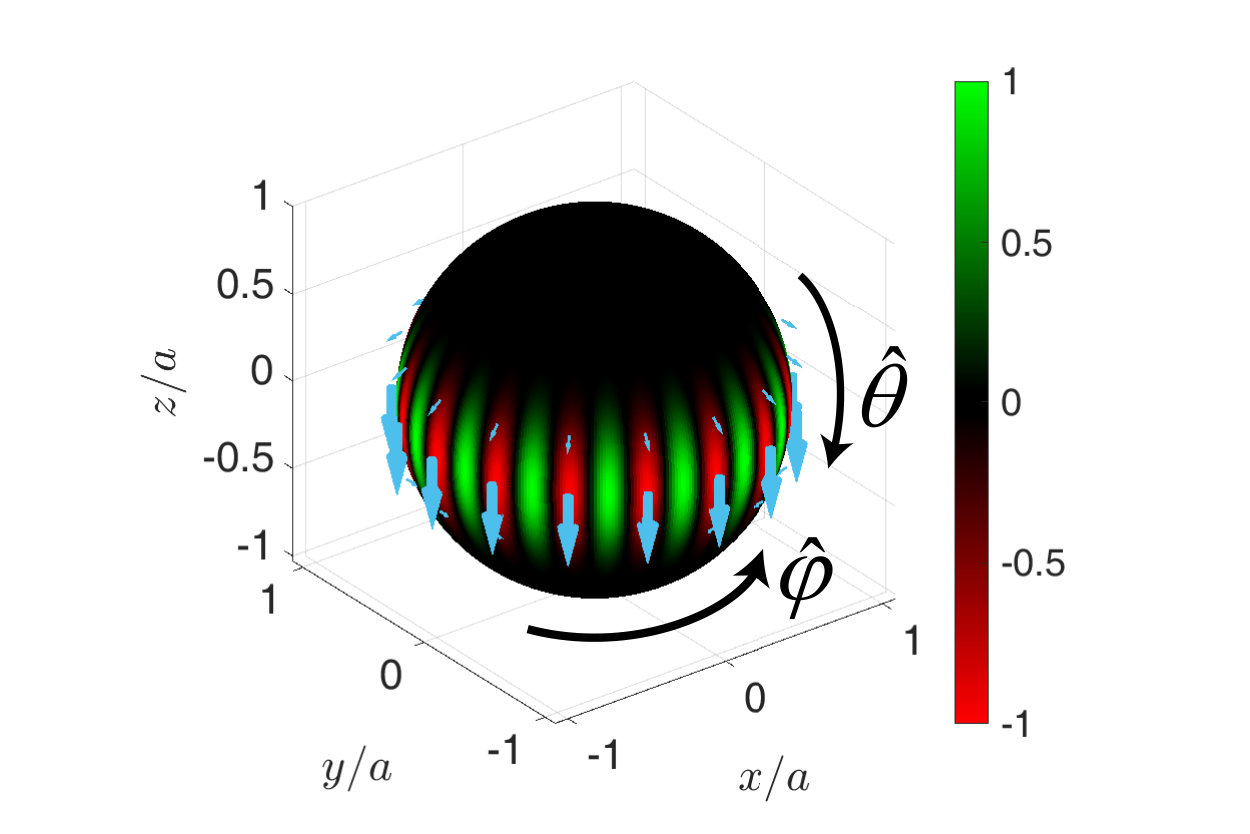 Figure 14
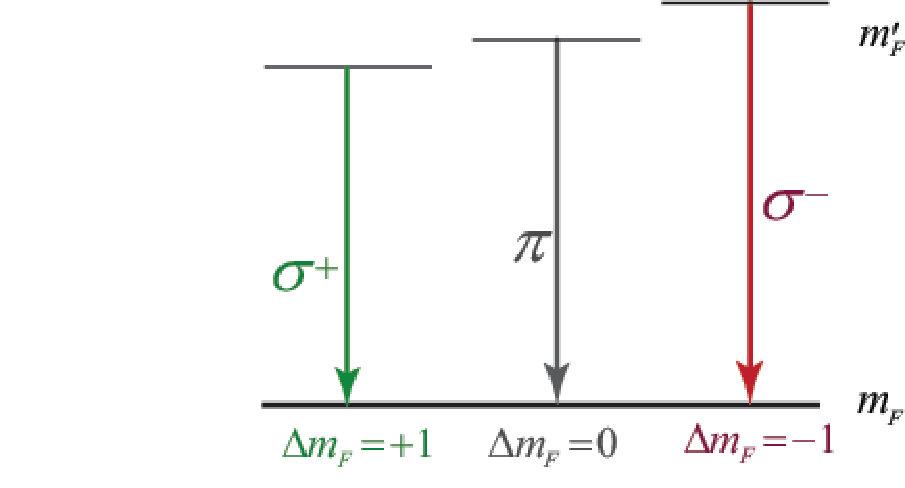 Figure 15
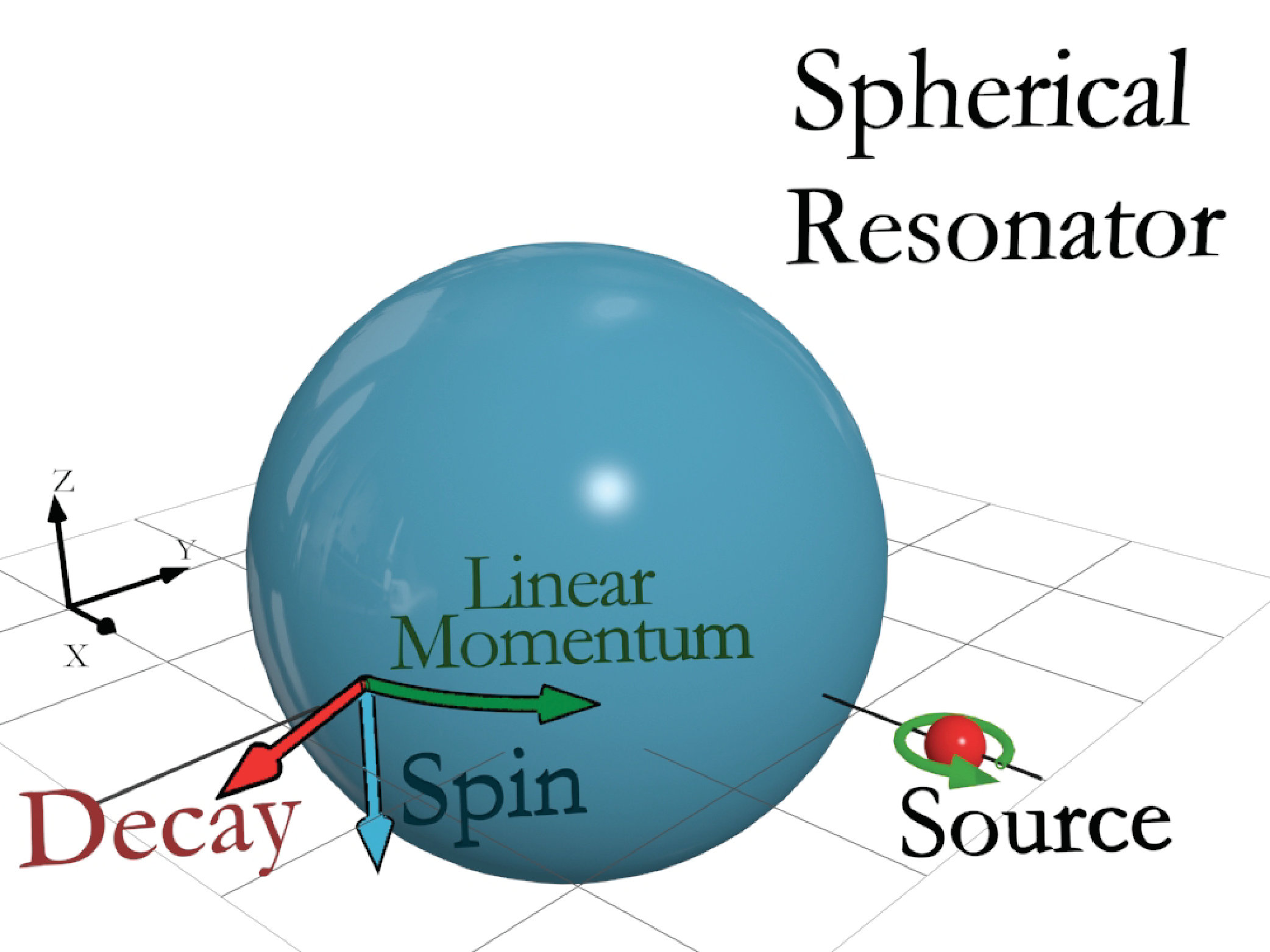 Figure 16
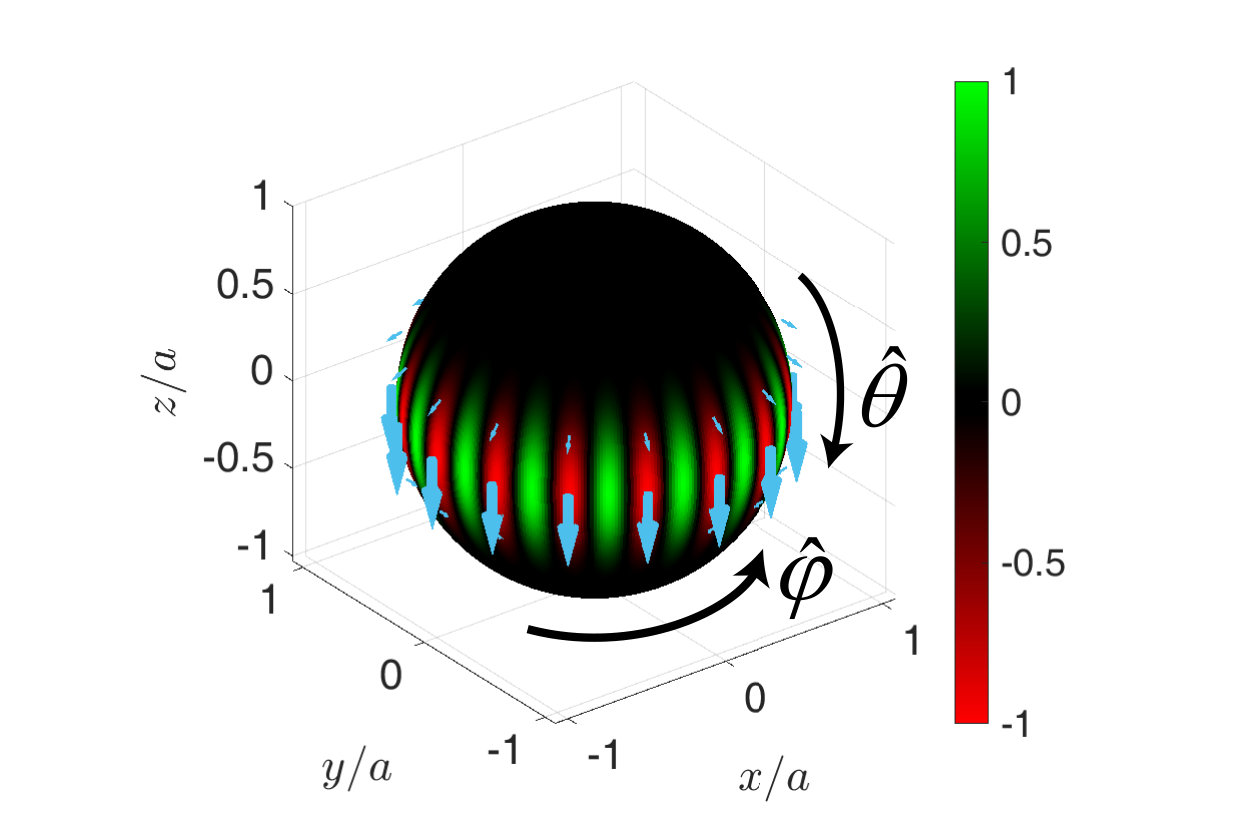 Figure 17
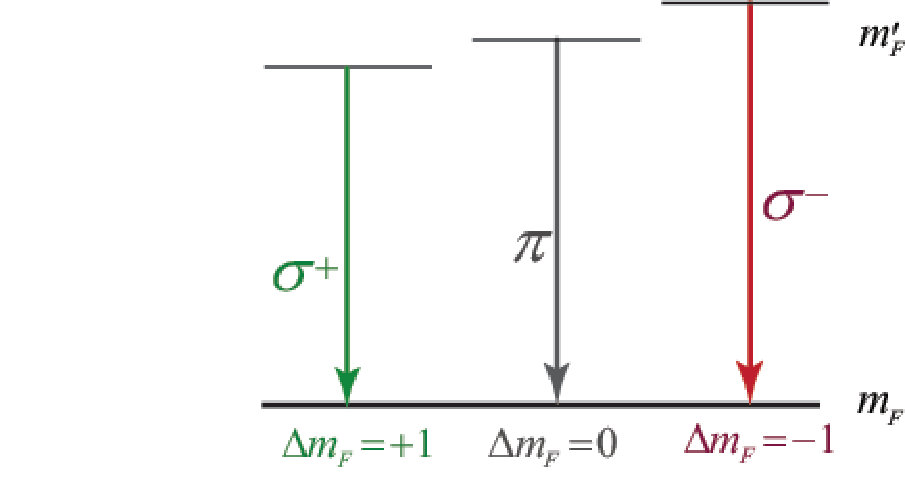 Figure 18
| Whispering Gallery Mode | TMlm Mode | TElm Mode | ||
| Orbital Angular Momentum | ||||
| Spin | along | along | along | along |
| Spin-Momentum-Decay Triplet | Yes | Yes | ||
| Spin-Momentum Locking | Yes | Yes | ||
| Interaction with Transitions | No Interaction | |||
Peer Reviews
No public reviews on file for this paper yet. If you reviewed it on a platform where reviews are public (OpenReview, ICLR, NeurIPS, ICML), you can paste yours below so the community can read it here.
Videos
No videos yet. Explain this paper in a talk, walkthrough, or lecture? Add one.
Spin Photonics in 3D Whispering Gallery Mode Resonators
Farhad Khosravi1,2, Cristian L. Cortes2, and Zubin Jacob1,2
1Department of Electrical and Computer Engineering, University of Alberta,
Edmonton, Alberta T6G 1H9, Canada
2Birck Nanotechnology Center, School of Electrical and Computer Engineering,
Purdue University, West Lafayette, IN 47906, USA
Abstract
Whispering gallery modes are known for having orbital angular momentum, however the interplay of local spin density, orbital angular momentum, and the near-field interaction with quantum emitters is much less explored. Here, we study the spin-orbital interaction of a circularly polarized dipole with the whispering gallery modes (WGMs) of a spherical resonator. Using an exact dyadic Green’s function approach, we show that the near-field interaction between the photonic spin of a circularly polarized dipole and the local spin density of whispering gallery modes gives rise to unidirectional behaviour where modes with either positive or negative orbital angular momentum are excited. We show that this is a manifestation of spin-momentum locking using the whispering gallery modes of the spherical resonator. We discuss the requirements for possible experimental demonstrations using Zeeman transitions in cold atoms or quantum dots, and outline potential applications of these previously overlooked properties. Our work firmly establishes local spin density, momentum and decay as a universal right-handed electromagnetic triplet for evanescent waves.
1 Introduction
Spin-momentum locking is the source of unidirectional chiral phenomena in both electronic and photonic systems[19, 9, 4, 17, 29, 15, 25, 1]. In topological insulators, spin-polarized edge modes have a spin direction that is dependent on the propagation direction of the modes [17, 16]. In photonics, the near-field interaction between a circularly polarized emitter and a metal interface gives rise to the unidirectional propagation of surface plasmon polaritons [29, 15, 34, 40, 12]. This unidirectionality has also been observed in optical fibers. For example, in the experimental demonstration [25], the near-field coupling between Zeeman transitions in a cold caesium atom and the modes of the fibre was shown to give rise to the unidirectional propagation of light within the fiber. Optical resonators with broken symmetry also show unidirectional behaviour when coupled to a waveguide. Examples of broken symmetries include the deformation of a resonator [28], broken time-reversal symmetries [3], as well as the mechanical spinning of a resonator [20].
In this work, we present a manifestation of spin-momentum locking with whispering gallery modes of a 3D spherical microresonator. Spin-momentum locking arises naturally through Maxwell’s equations for evanescent electromagnetic fields [37], resulting in a well-defined triplet for the spin, momentum, and decay vectors (shown in Figure 1(a)). Due to the strong field confinement of whispering gallery modes, we show that these modes follow similar spin-momentum locking behavior. We should note that while the photonic spin of guided modes can be probed by optical force measurements [14, 2, 39, 11], probing the electromagnetic spin of an emitter faces complexities due to the interaction between the source and the probing system in the near-field limit. In fact, a proper definition of photonic spin in the presence of sources remains an open question for this reason [6].
In this paper, we show that the whispering gallery modes of a spherical resonator form an excellent platform for studying the interaction of spin-polarized quantum radiation sources and the electromagnetic spin of confined modes. In particular, we show that the spin of an emitter effectively couples to the local spin density of whispering gallery modes and ultimately gives rise to the unidirectional propagation of orbital angular momentum modes inside the spherical resonator. The origin of the electromagnetic spin of a quantum emitter is the atomic transitions (shown in Figure 1(b)) which can be modeled by a circularly polarized dipole.
Using a numerically exact 3D Dyadic Green function approach, we show it is possible to selectively excite particular TE and TM modes with specific radial () and total orbital angular momentum () numbers. Moreover, by coupling to the spin of TM modes, we show it is possible to induce unidirectional coupling between the Zeeman transitions of an atom [31] or a quantum dot [7] and the whispering gallery modes with either positive or negative orbital angular momentum. Similar observations have been made for 2D WGMs in microdisk resonators [28, 3] as well as 3D WGMs of spherical resonators [33]. There is, however, to the best of our knowledge, a theoretical gap in the studies of spin properties of whispering gallery modes in a 3D spherical resonator due to the added complexity [32]. Our results should be experimentally observable by methods using tapered fiber coupling [33, 36] where whispering gallery modes with positive (negative) orbital angular momentum propagate only along the positive (negative) direction inside the fiber.
2 Photonic Spin in Spherical Whispering Gallery Modes
The modes of a spherical resonator are found by solving Maxwell’s equations using appropriate boundary conditions in the spherical coordinate representation [13, 10]. Each mode is labeled by three eigennumbers: and where is the radial eigennumber while and denote the orbital angular momentum eigennumbers through the eigenvalue relations and , where is either the electric or magnetic field, , and . These relations indicate that is the projection of OAM along the axis and modes with positive (negative) are those that orbit the axis counter-clockwise (clockwise). For a perfect spherical resonator, the eigenfrequency depends only on and , therefore an emitter with a fixed transition frequency can only selectively couple to modes but not modes. Whispering gallery modes are further distinguished by their polarization, denoted as transverse-electric (TE) modes () or transverse-magnetic (TM) modes (). For the rest of the paper, we will distinguish these two types of modes using the labels TE and TM.
Orbital angular momentum and spin are distinctly different properties of the fields. While orbital angular momentum is a global property, photonic spin is a local property related to the rotational symmetry of the spin-1 electromagnetic vector field [6]. This difference is revealed by observing how spin-polarized sources interact with the whispering gallery modes locally. As one might expect, placing the spin-polarized source in the vicinity of spherical resonator should generate modes with positive OAM. However, as shown in the next section, the exact opposite happens. Spin-polarized source excites WGMs with an OAM that is anti-parallel to the spin of source. This can only be explained by the interplay between the spin of the source and the local spin of the WGMs resulting in the generation of scattered fields that have their OAM anti-parallel to the spin of the source. This observation shows that the spin-polarized source couples to the local spin of the WGMs and not their OAM.
The expression for the local spin density of the electromagnetic field in source-free regions is given by [5, 8, 27, 26]. From this expression, we see that a circularly polarized plane wave propagating along the -direction in free-space, , has an electromagnetic spin pointing along the -direction. For the rest of the paper, we will drop the arguments for notational simplicity. Using this expression, we can calculate the spatial distribution of the photonic spin density for whispering gallery modes. Figure 2 shows the field distribution for the TE and TM modes (color plot) as well as their respective electromagnetic spin (blue arrows) on the surface of the sphere with radius . The plots correspond to the TE1,16,16 and TM1,16,16 modes for which and . In particular, the spin can be written as:
[TABLE]
where , , and denote the unit vectors pointing along the spin, the linear momentum, and the decay directions respectively [14, 37, 24], thereby forming a right-hand rule triplet. Note that and are defined as the real and imaginary part of the Poyting vector, respectively [27, 38].
As shown in Fig. 2, the spin of both TE and TM modes (blue arrows) are dominated by the component. Explicitly, the dominant electromagnetic spin components and can be written as:
[TABLE]
with being the propagation constant inside the sphere, is the dielectric permittivity of the sphere, the angular eigenfrequnecy of the TE or TM mode, the vacuum permeability, the spherical Bessel function of the first kind and order , and a real function of . takes the real part of its argument. These expressions are derived for fields on the surface of the sphere. We emphasize that the electromagnetic spin, , is linearly dependent on the azimuthal orbital angular momentum, . This result indicates that the direction of the electromagnetic spin is locked to the direction of -projected orbital angular momentum. In other words, changing the sign of flips the sign of the spin for both TE and TM modes.
These solutions are found under the assumption that the solutions outside the sphere are decaying. Changing the outside solutions to growing solutions, instead, changes the sign of the expression inside the brackets in Eq.2. This means that under the change of direction in the decay vector, the spin for both TE and TM modes flips sign. Together with the linear dependence on , these observations show the spin-momentum locking property as shown in [37], and also the fact that spin, momentum, and decay form a triplet. These properties are manifestations of spin-orbit coupling where the change in the OAM results in a change in the spin of WGMs. These previously overlooked properties of WGMs have important implications which we will discuss in the next section. Note that these properties are valid for arbitrary-sized spherical resonators.
3 Near-field spin interaction
We aim to investigate the near-field interaction of Zeeman transitions of a quantum source with the WGMs of a spherical resonator. For such interactions we focus on the transitions observed in a cold atom [31] or quantum dots [7]. Solutions of the Green function for a source outside of a sphere can be written in terms of WGMs with different and as [35, 18],
[TABLE]
where the subscript indicates that these are the Green’s functions for the electric field, while the subscripts [math] and refer to the homogeneous and scattered solutions, respectively. The functions and are the two transverse solutions of Maxwell’s equations [18, 35]. The superscript refers to the solutions with the spherical Hankel functions of the first kind, while no superscript implies solutions with spherical Bessel functions of the first kind. Also, the unprimed and primed solutions show the dependence on the location of the observation point () and the location of the source (), respectively. The superscripts and indicate the scattered solutions outside and inside the sphere, respectively. ’s are some constants, and propagation constants outside and inside the sphere, respectively, and and are the coefficients found by applying the boundary conditions [18, 35]. Note that these solutions are the summation of the modes with different OAM quantum numbers and . Also, since and are the solutions without and with the radial field components [35], we can consider them as the TE and TM contributions to the WGMs, respectively. We have used these solutions to find the interaction of and transitions with the dipole moments [21],
[TABLE]
located outside of a lossless spherical resonator with a relative permittivity of at m, , and . Here, we look at the WGMs with and by setting the wavelength of the source to that of the WGMs for the corresponding and . The radius of the sphere is therefore chosen to be nm to have the resonance of the desired mode at nm. The sphere is thus located in the near-field region of the source.
Figure 3 shows the simulation results for the source with the dipole moment of a transition. Photonic spin of the source in Fig. 3 is parallel to the spin of the TE1,16,m>0 and TM1,16,m>0 modes (Fig. 2). As a result, the dipole excites a mixture of degenerate modes of positive orbital angular momentum along the direction () and thus gives rise to the unidirectional orbit of the fields inside the sphere. Although spin of the source is parallel to that of both TE and TM modes, only TM modes are excited here. This is due to the fact that the spin of TE mode is primarily from magnetic field while the spin of the TM mode is primarily electric. Having a purely electric spin, the source therefore only couples to the TM mode. This can be equivalently explained by the fact that the TE modes do not have a radial electric field component and therefore they do not couple to the radial component of the dipole moment of the source.
One important observation in Fig.3 is that the photonic spin of the source (pointing out of the plane) is anti-parallel to the orbital angular momentum of the scattered modes inside the sphere (into the plane). This generation of an anti-parallel angular momentum, in the scattered fields, by using a spin-polarized source can only be explained by the fact that the spin of the source is parallel to the local spin of the WGMs (Fig.2) which results in excitation of modes with anti-parallel OAM. This shows that using a spin-polarized source we can exclusively couple to the photonic spin of the WGMs [6].
Visualization 1 and Visualization 2 (see online animations) show the clockwise and counter-clockwise rotation of the scattered fields inside the sphere as a result of the circularly polarized dipole located outside of the sphere with the dipole moments of and , respectively. This result is an important generalization of spin-momentum locking observed in 1D [4] and 2D [25] problems. In the 3D problem, however, the linear momentum is a result of the orbital angular momentum of the fields.
Figure 4 shows the azimuthal Poynting vector, , inside the sphere, for three cases of right-handed (RH) circularly polarized (Fig.4(a)), left-handed (LH) circularly polarized (Fig.4(b)), and linearly polarized (Fig.4(c)) dipoles, with the dipole moments given by Eq.4. The dipoles are placed at the same location as that of Fig.3 ( and ). The unidirectional azimuthal propagation of WGMs inside the sphere is evident as a result of circularly polarized dipole. For the RH dipole (Fig.4(a)) the Poynting vector is along negative (shown as purely red color inside the sphere) meaning that the fields orbit the sphere clockwise, while for the LH dipole (Fig.4(b)) the Poynting vector is along positive (shown as purely green color inside the sphere) meaning that the fields orbit the sphere counter-clockwise. Changing the sense of polarization from RH to LH, changes the sign of azimuthal Poynting vector from negative to positive as seen in Fig.4(a) and 4(b). For the linearly polarized dipole in Fig.4(c), however, the fields are a mixture of positively and negatively spinning fields (clockwise and counter-clockwise) which gives a net zero OAM. This result shows that a linearly polarized dipole cannot selectively couple to positive or negative OAM modes, while a circularly polarized dipole can.
To understand this unidirectional behavior further we look at the energy dissipated in the TM WGMs written as [22],
[TABLE]
where is the electric field of the TM1,lm WGM at the location of the source and is given by Eq.4. The electric TM WGMs fields can be written as [13],
[TABLE]
with
[TABLE]
where are the spherical Hankel functions of the first kind evaluated at the location of the dipole, spherical harmonics evaluated at the location of the dipole, free space propagation constant, nm , , , and are given by Eq.4. Note that and give spin components along and , respectively. We get from Eq.7,
[TABLE]
Note that the terms and are always positive for . Therefore we get,
[TABLE]
This means that according to Eq.5, more energy is dissipated into modes with (larger ) for , while for , more energy dissipates in modes with (larger ). Since modes with larger () have their spin along (), we can say that the spin of () modes aligns with that of the dipole with (). Note that although and have out-of-phase components, they do not contribute any spin component along at the location of the source. This means that the photonic spin of the TM WGMs are completely aligning with that of the source.
Using similar expressions and arguments we can show that the dissipated energy into the TE WGMs, as a result of the dipole moment in Eq.4, does not depend on the sign of because the radial component of the eletric field of the TE WGM is zero. In other words, the TE mode does not show any unidirectional behaviour. Although the photonic spin of the TE mode is parallel to that of the source, the spin of the TE mode is primarily generated by the magnetic field. Since the spin of the source is completely from the electric field (being an electric dipole), a circularly polarized magnetic source should be used to couple to the spin of the TE modes.
Although we have only looked at a particular location of the source, we cannot couple the source to any arbitrary point of the WGMs. This is due to the symmetry of the problem where we essentially choose the axis (quantization axis) by placing the source in the vicinity of the sphere. Because the total angular momentum of the problem should be conserved, the quantization axis of WGMs (direction of OAM) aligns with the photonic spin of the source. In other words, changing the orientation of the source would also change the quantization axis of the WGMs. For the case when the circularly polarized dipole has no radial component ( for instance), no spin-momentum locking related phenomenon is observed, as in this case, the spin of the dipole (pointed along direction) is perpendicular to the spin of the TE and TM WGMs.
This unidirectional behavior can be observed by methods such as tapered fiber coupling [36, 30] or evanescent coupling [23, 33] to the spherical resonator. By coupling the modes of a tapered optical fiber, for instance, to the WGMs of the sphere, unidirectionally orbiting WGMs of the sphere would couple to the optical fiber modes that propagate only in a particular direction. Similar methods to those used in [25, 31, 33] for a cylindrical problem can be used to trap the source at a particular distance from the sphere and to excite it at the same time. This structure can be an excellent platform to study different forms of spin-spin interaction between electromagnetic fields, atoms, or electrons. Interaction between sources with non-zero electronic spin and the photonic WGMs can be used to understand the near-field spin-spin interaction between the photons and fermions.
4 Conclusion
We have presented the theory of spin-momentum locking in 3D whispering gallery modes (WGMs). Our results show that the spin-orbit coupling in WGMs results in modes which form a spin-momentum-decay triplet. This spin-momentum locking property can be observed by coupling the WGMs to the near-fields of transitions in a cold atom or quantum dot. The results of this paper show that transitions, for instance, only excite TM WGMs with positive OAM. Table 1 shows the summary of the results of the paper. These results are observable through methods such as tapered fiber coupling or evanescent coupling to the WGMs of the sphere. This structure can be used to study more complex forms of interaction between photonic spin and electronic spin or the interaction of multiple sources with the WGMs.
Funding
This work was supported by the Alberta Innovates Technology Future (AITF) scholarship as well as the DARPA Nascent Light-Matter Interactions program.
The reference list from the paper itself. Each links out to its DOI / PubMed record.
- 1[1] A. Aiello, N. Lindlein, C. Marquardt, and G. Leuchs. Transverse angular momentum and geometric spin hall effect of light. Physical review letters , 103(10):100401, 2009.
- 2[2] M. Alizadeh and B. M. Reinhard. Transverse chiral optical forces by chiral surface plasmon polaritons. ACS Photonics , 2(12):1780–1788, 2015.
- 3[3] T. Aoki, B. Dayan, E. Wilcut, W. P. Bowen, A. S. Parkins, T. Kippenberg, K. Vahala, and H. Kimble. Observation of strong coupling between one atom and a monolithic microresonator. Nature , 443(7112):671, 2006.
- 4[4] S. Barik, A. Karasahin, C. Flower, T. Cai, H. Miyake, W. De Gottardi, M. Hafezi, and E. Waks. A topological quantum optics interface. Science , 359(6376):666–668, 2018.
- 5[5] S. M. Barnett and L. Allen. Orbital angular momentum and nonparaxial light beams. Optics communications , 110(5-6):670–678, 1994.
- 6[6] S. M. Barnett, L. Allen, R. P. Cameron, C. R. Gilson, M. J. Padgett, F. C. Speirits, and A. M. Yao. On the natures of the spin and orbital parts of optical angular momentum. Journal of Optics , 18(6):064004, 2016.
- 7[7] M. Bayer, G. Ortner, O. Stern, A. Kuther, A. Gorbunov, A. Forchel, P. Hawrylak, S. Fafard, K. Hinzer, T. Reinecke, et al. Fine structure of neutral and charged excitons in self-assembled in (ga) as/(al) gaas quantum dots. Physical Review B , 65(19):195315, 2002.
- 8[8] M. V. Berry. Paraxial beams of spinning light. In International conference on singular optics , volume 3487, pages 6–12. International Society for Optics and Photonics, 1998.