Dispatching Fire Trucks under Stochastic Driving Times
Dmitrii Usanov, Peter van de Ven, Rob van der Mei

TL;DR
This paper develops an optimal dispatching model for fire trucks considering stochastic driving times, demonstrating significant improvements over current practices and proposing a practical heuristic for real-world application.
Contribution
It formulates the dispatching problem as a Markov Decision Process and introduces a queueing-based heuristic for large-scale, realistic scenarios.
Findings
Dispatching based on the optimal policy reduces late arrivals by about 20%.
Ignoring driving-time correlation can decrease performance by over 20%.
The proposed heuristic performs close to the optimal policy with less computation.
Abstract
In this paper we discuss optimal dispatching of fire trucks, based on a particular dispatching problem that arises at the Amsterdam Fire Department, where two fire trucks are send to the same incident location for a quick response. We formulate the dispatching problem as a Markov Decision Process, and numerically obtain the optimal dispatching decisions using policy iteration. We show that the fraction of late arrivals can be significantly reduced by deviating from current practice of dispatching the closest available trucks, with a relative improvement of on average about , and over for certain instances. We also show that driving-time correlation has a non-negligible impact on decision making, and if ignored may lead to performance decrease of over in certain cases. As the optimal policy cannot be computed for problems of realistic size due to the computational…
Click any figure to enlarge with its caption.
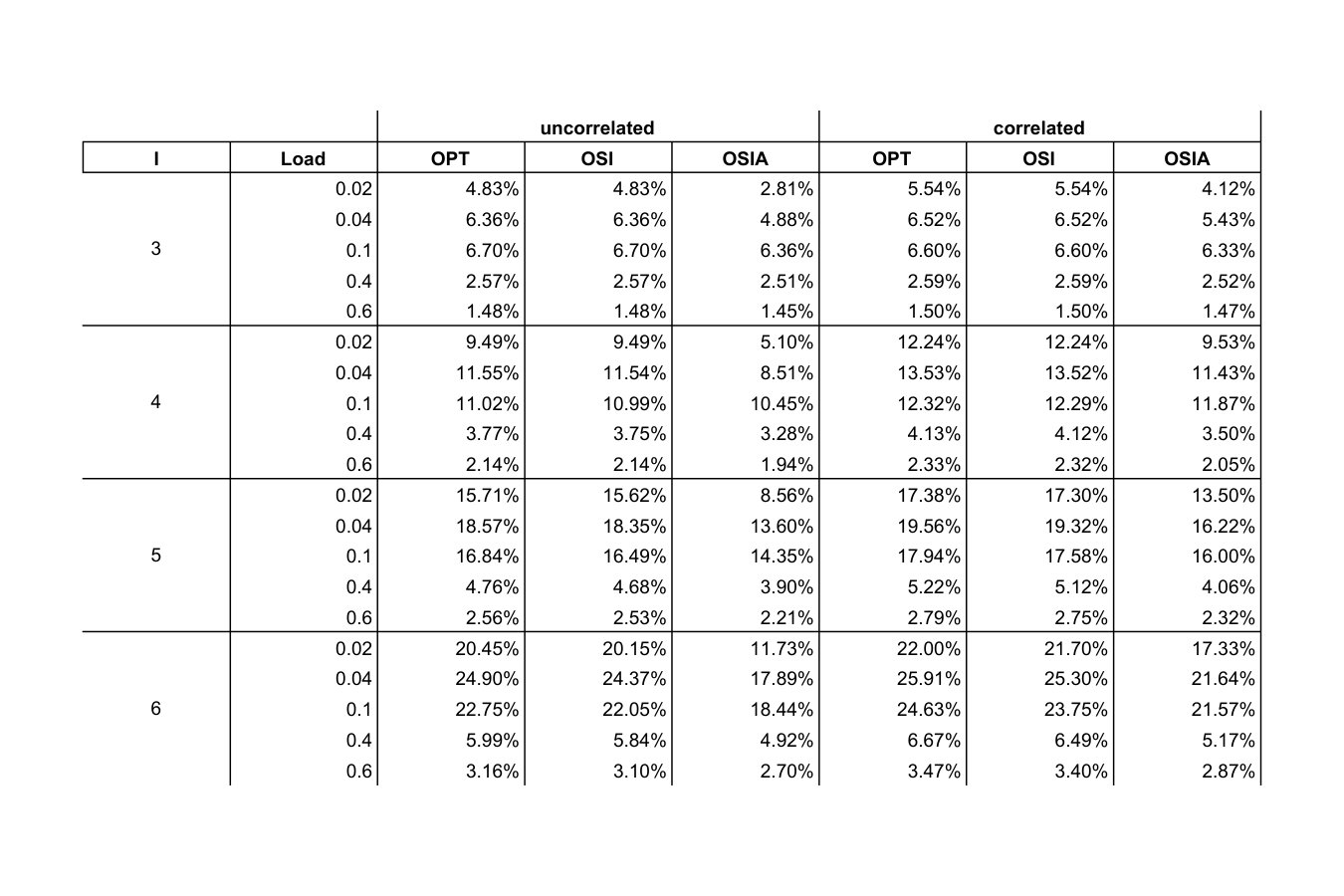 Figure 1
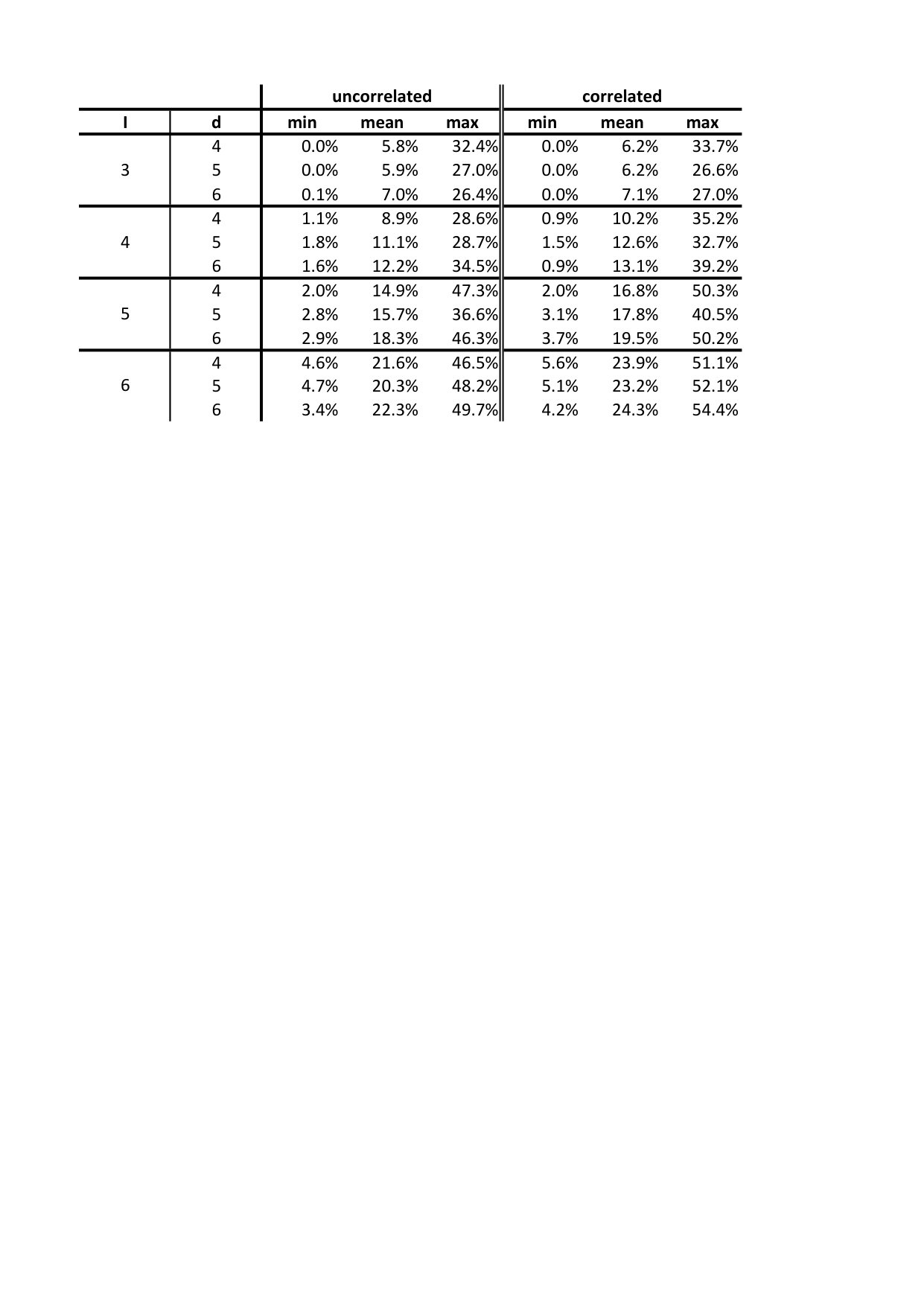 Figure 2
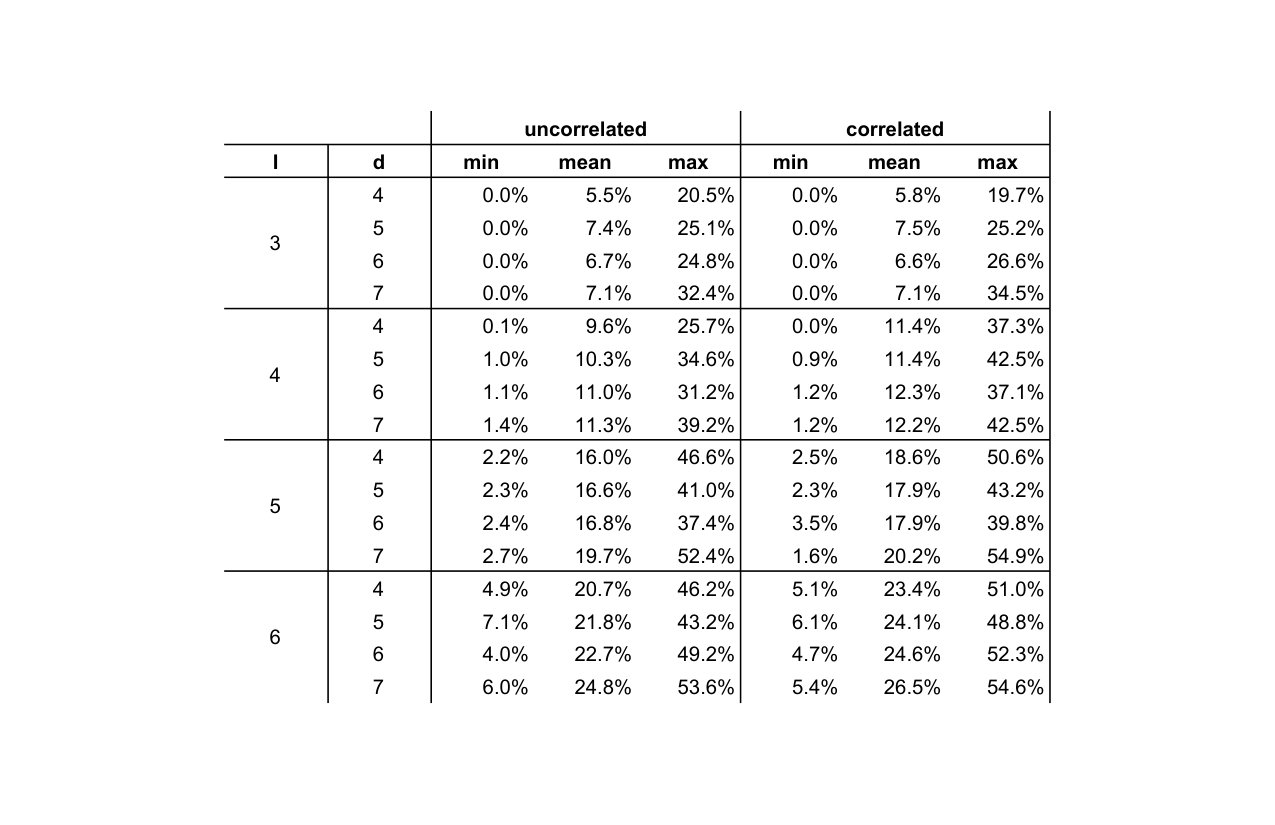 Figure 3
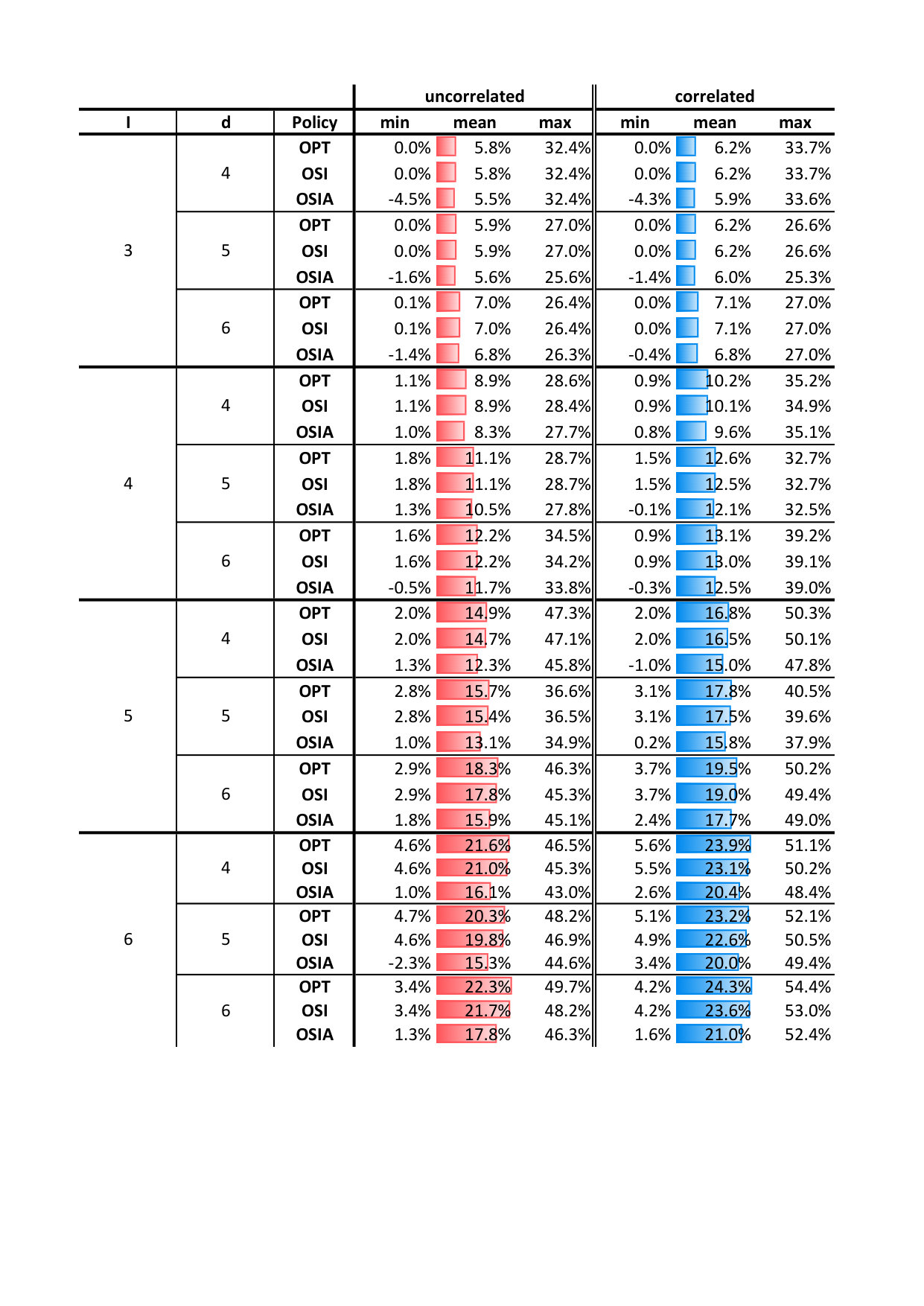 Figure 4
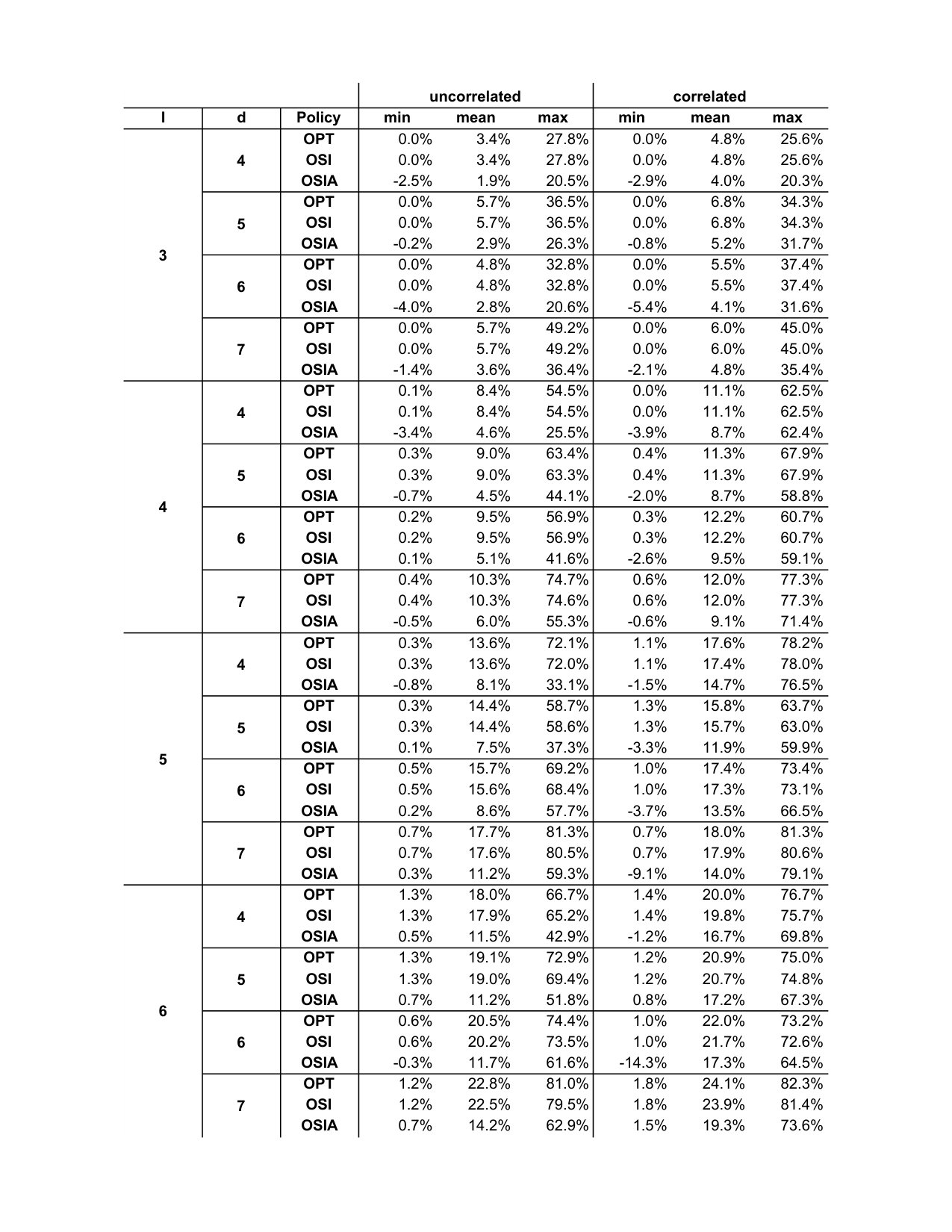 Figure 5
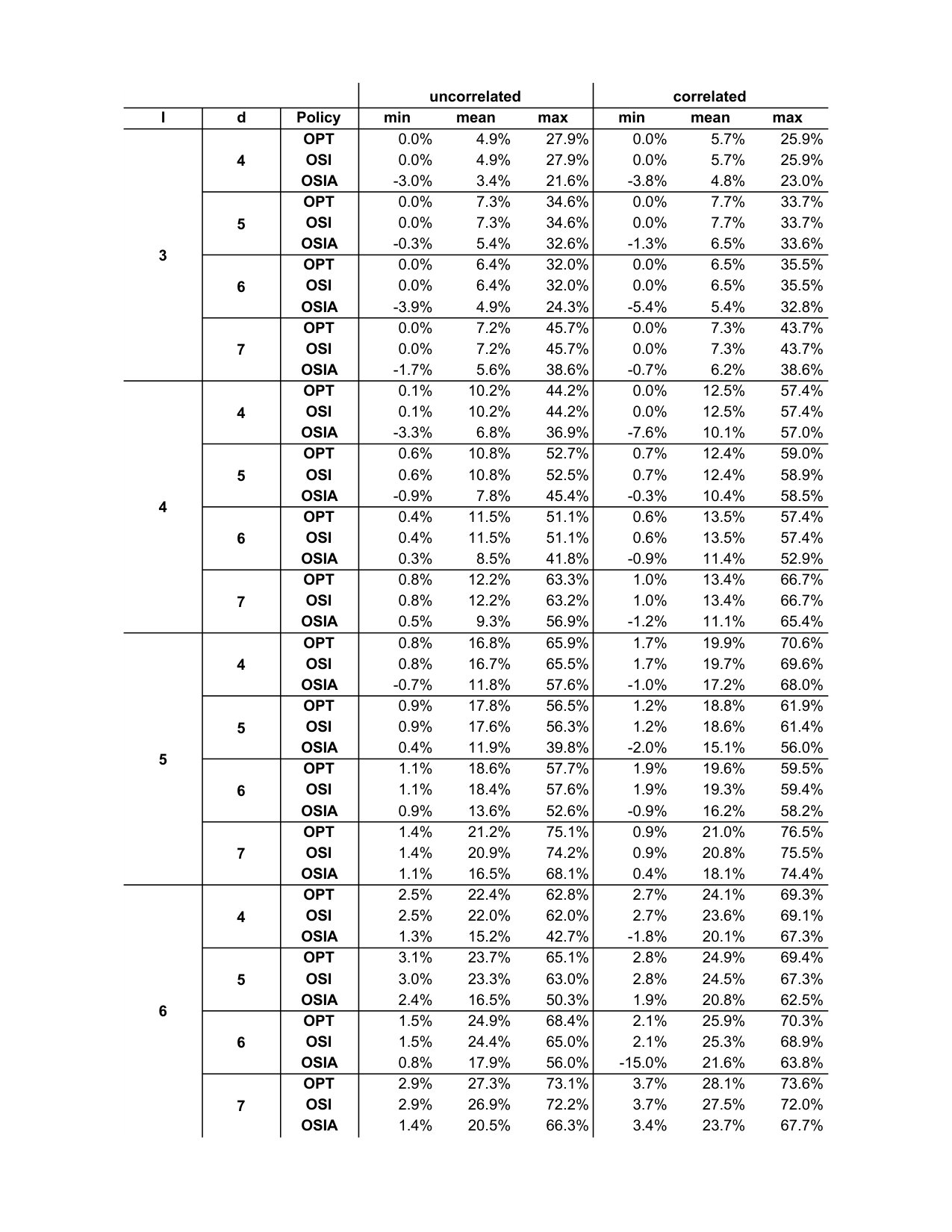 Figure 6
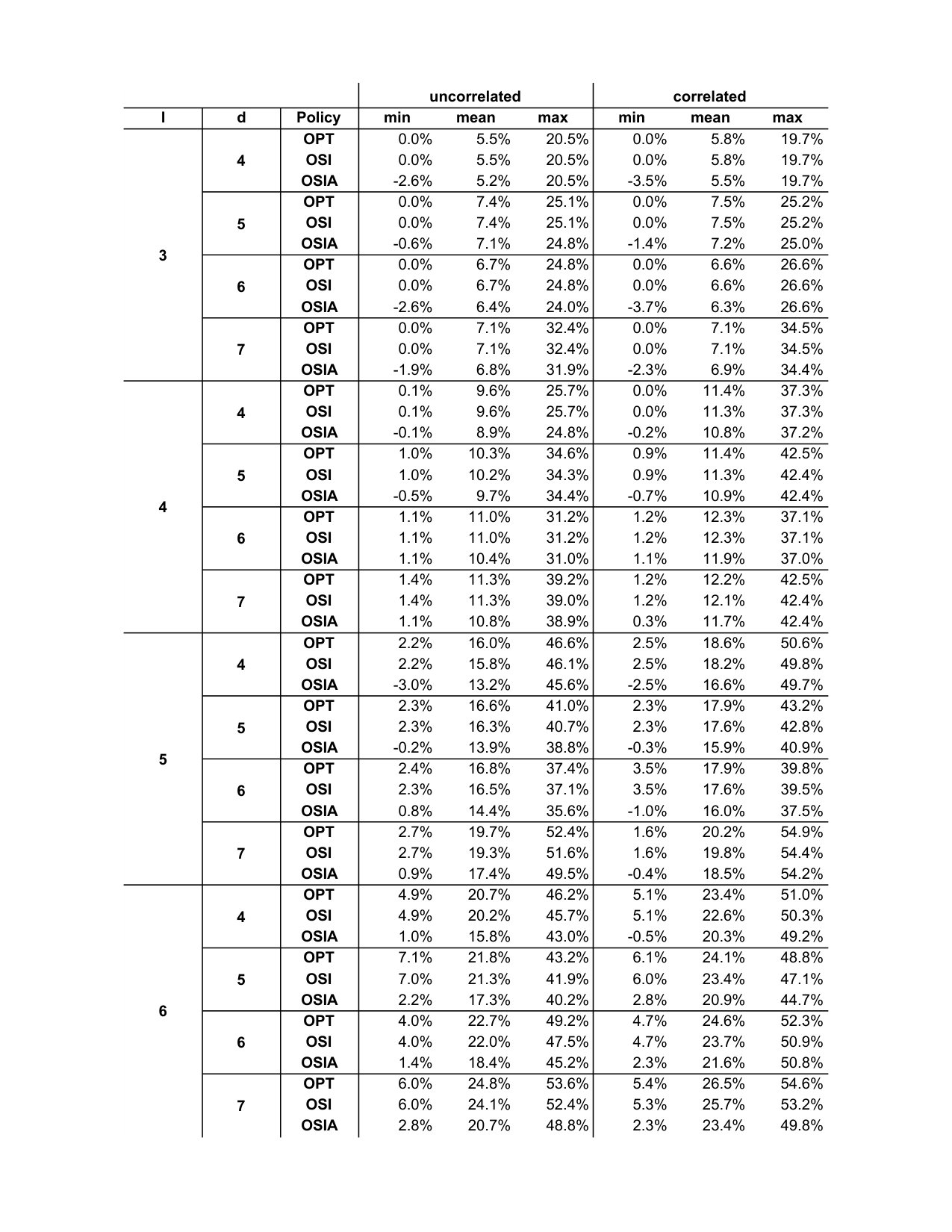 Figure 7
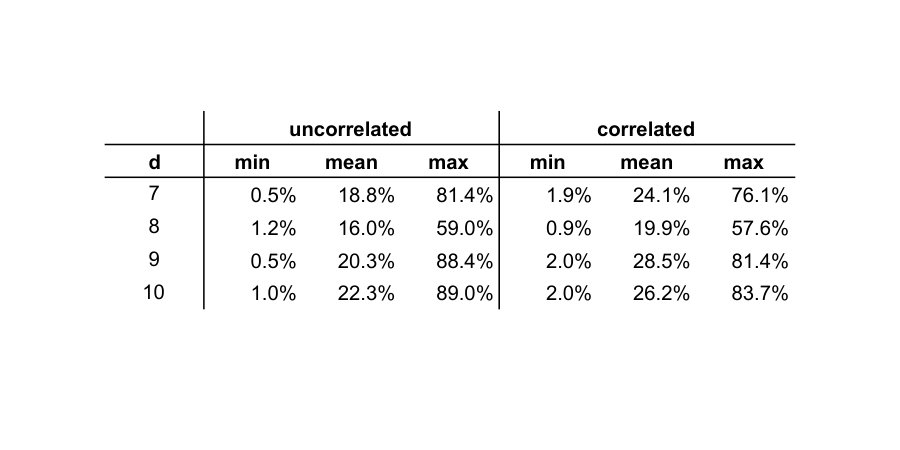 Figure 8
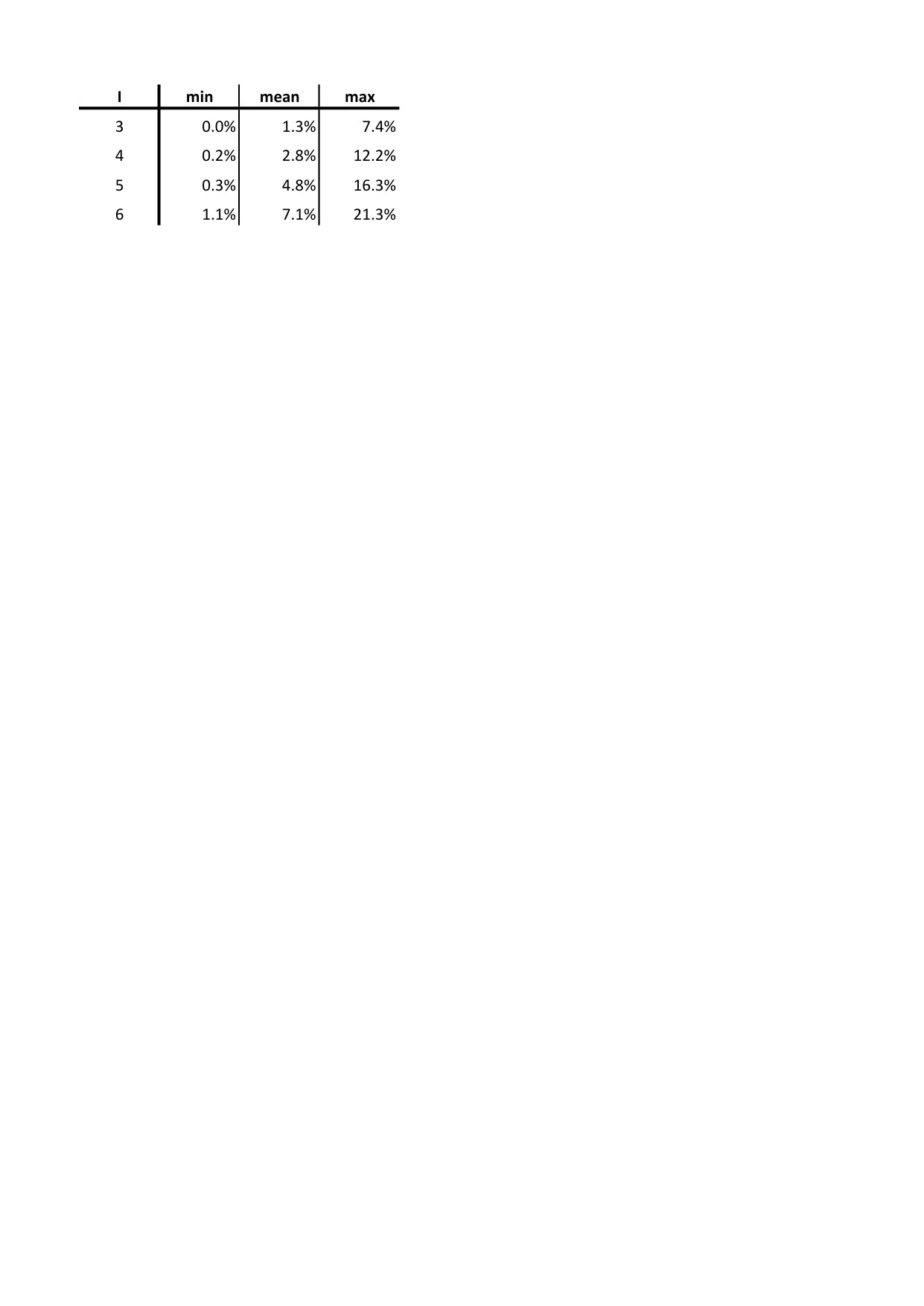 Figure 9
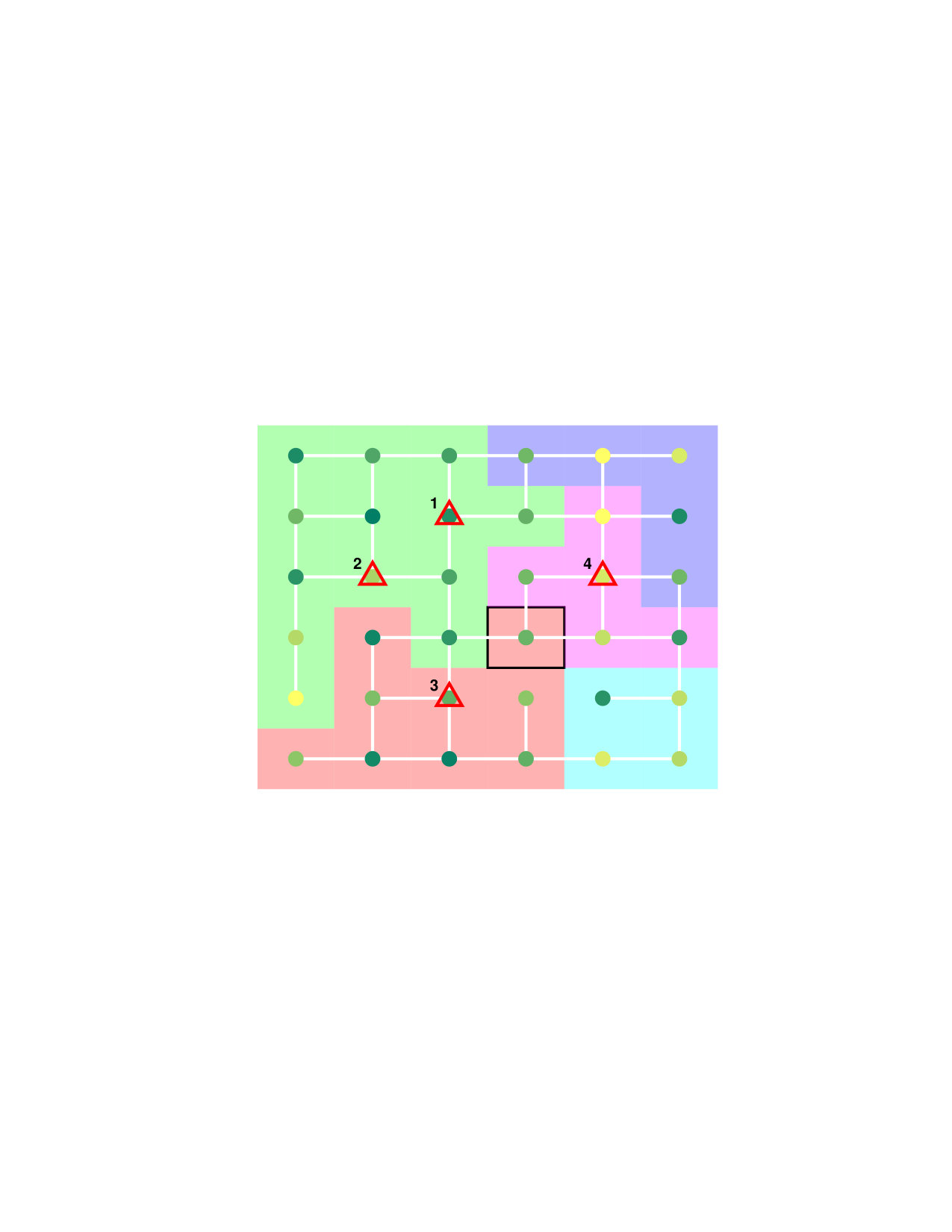 Figure 10
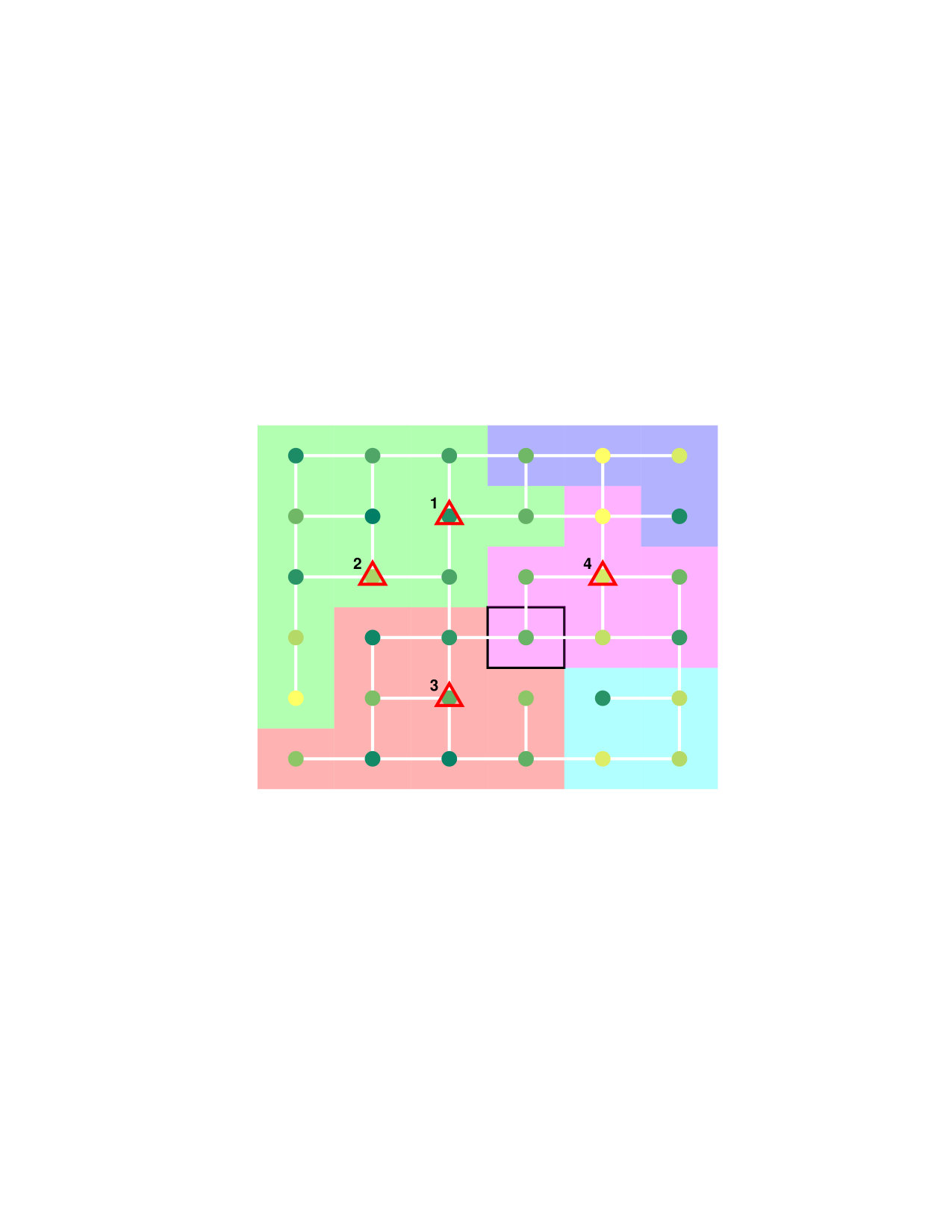 Figure 11
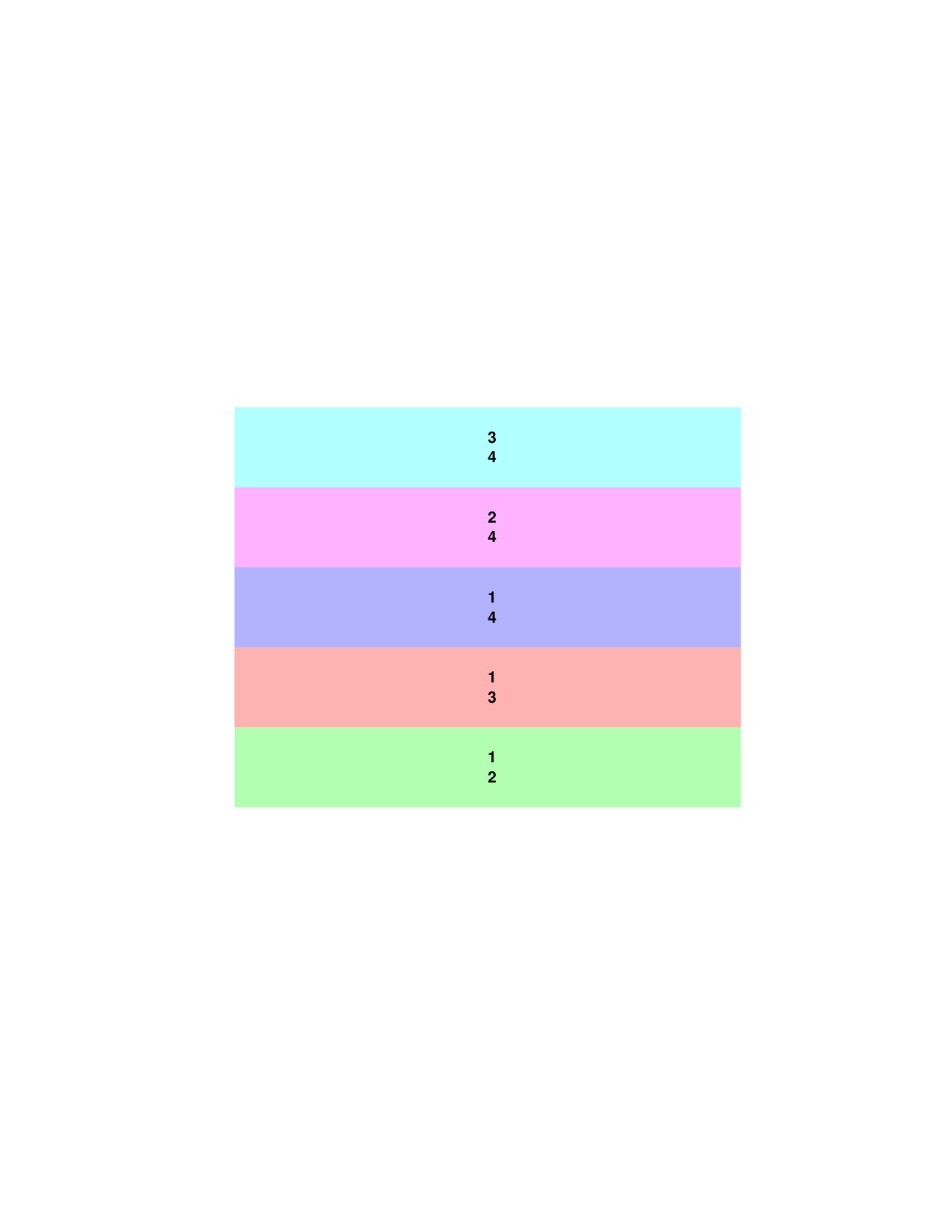 Figure 12
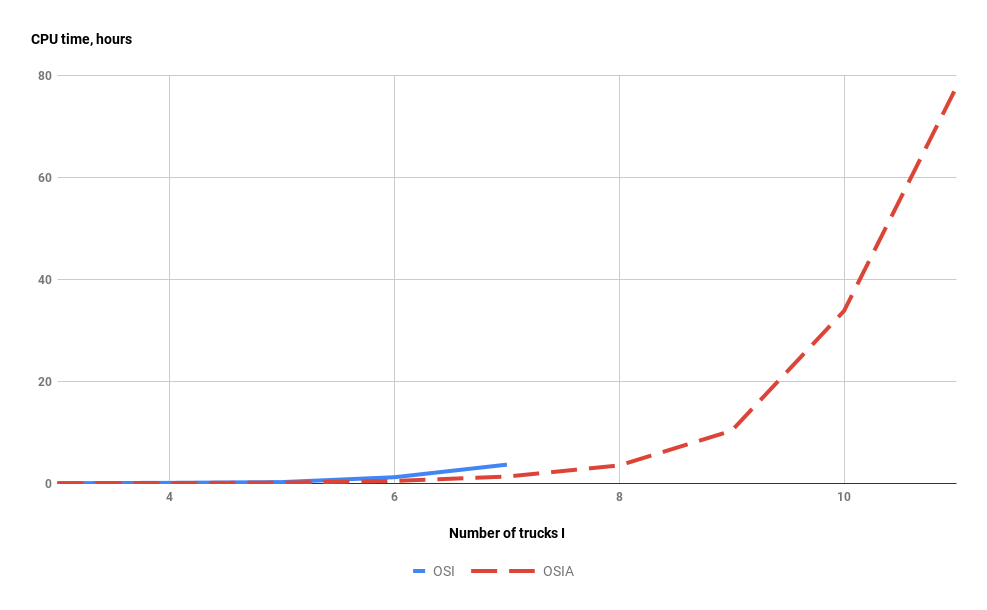 Figure 13
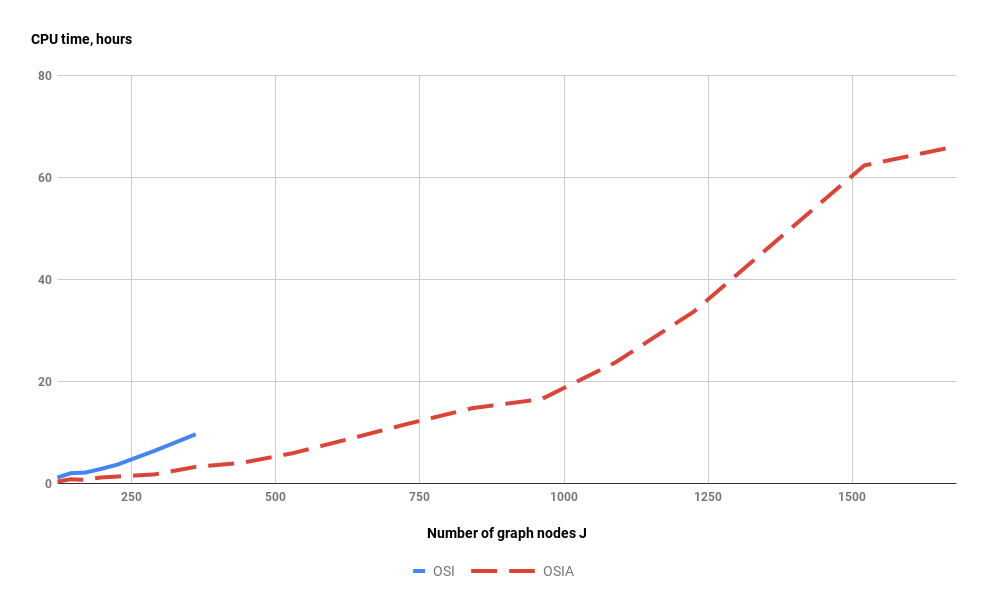 Figure 14
 Figure 15
 Figure 16
 Figure 17
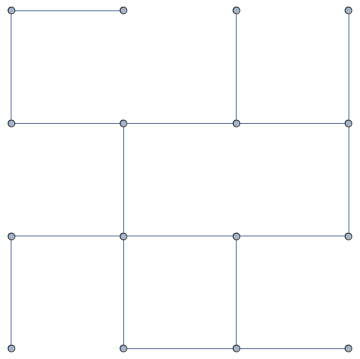 Figure 18
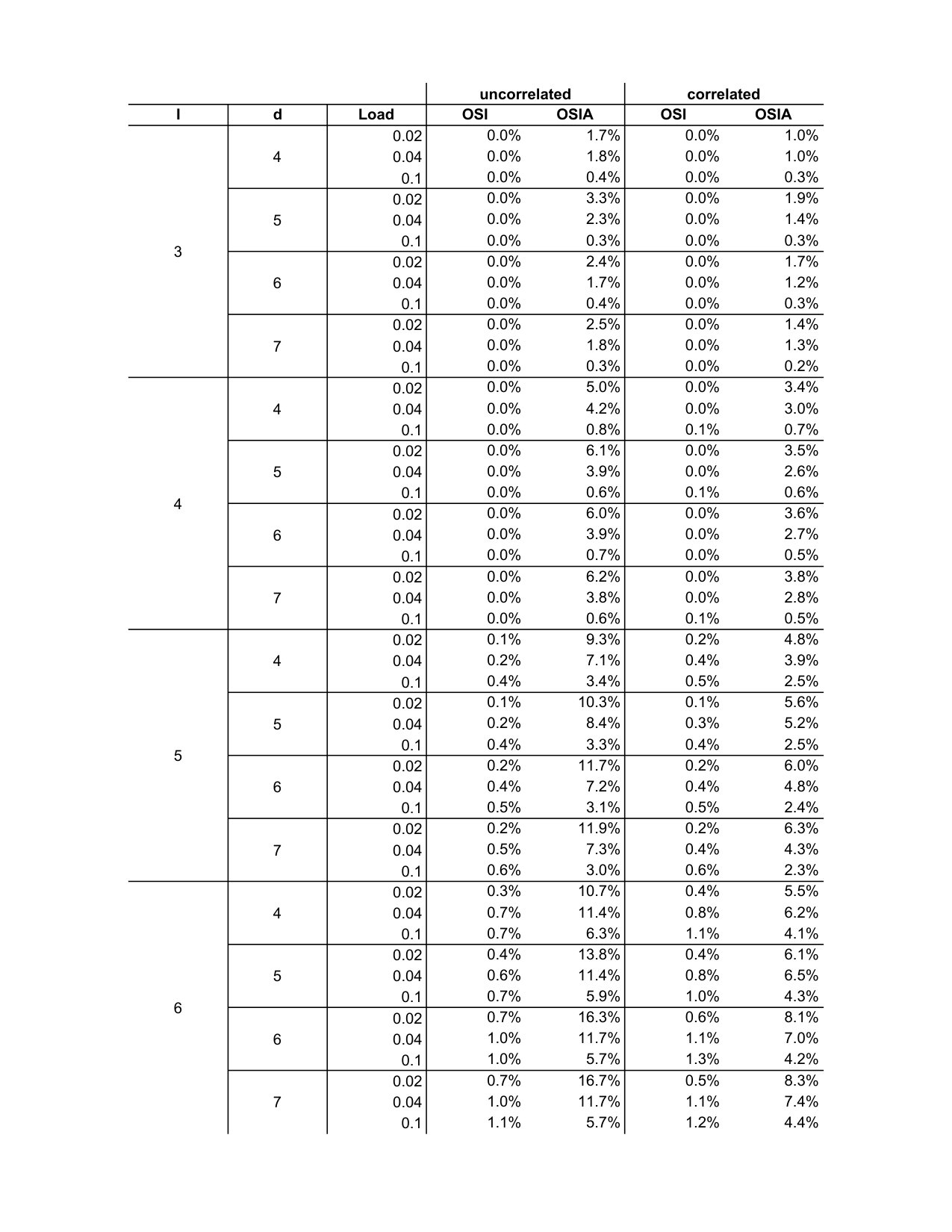 Figure 19
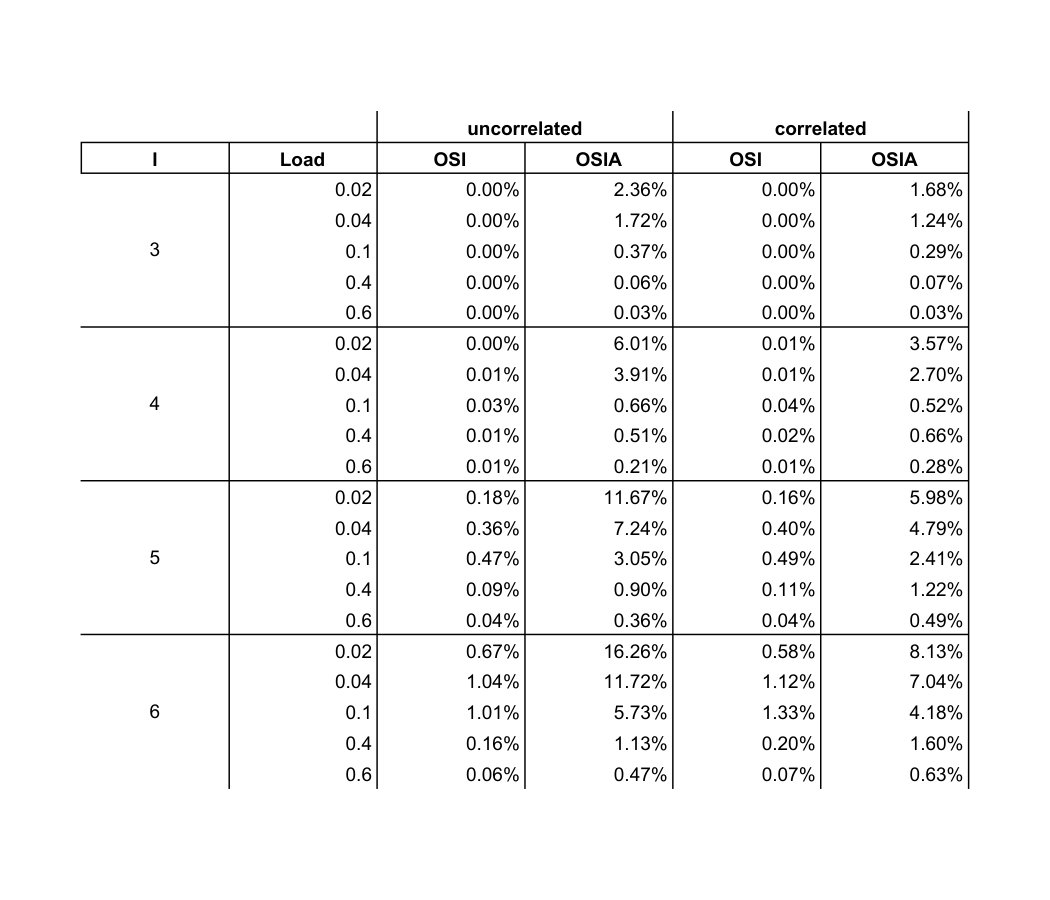 Figure 20
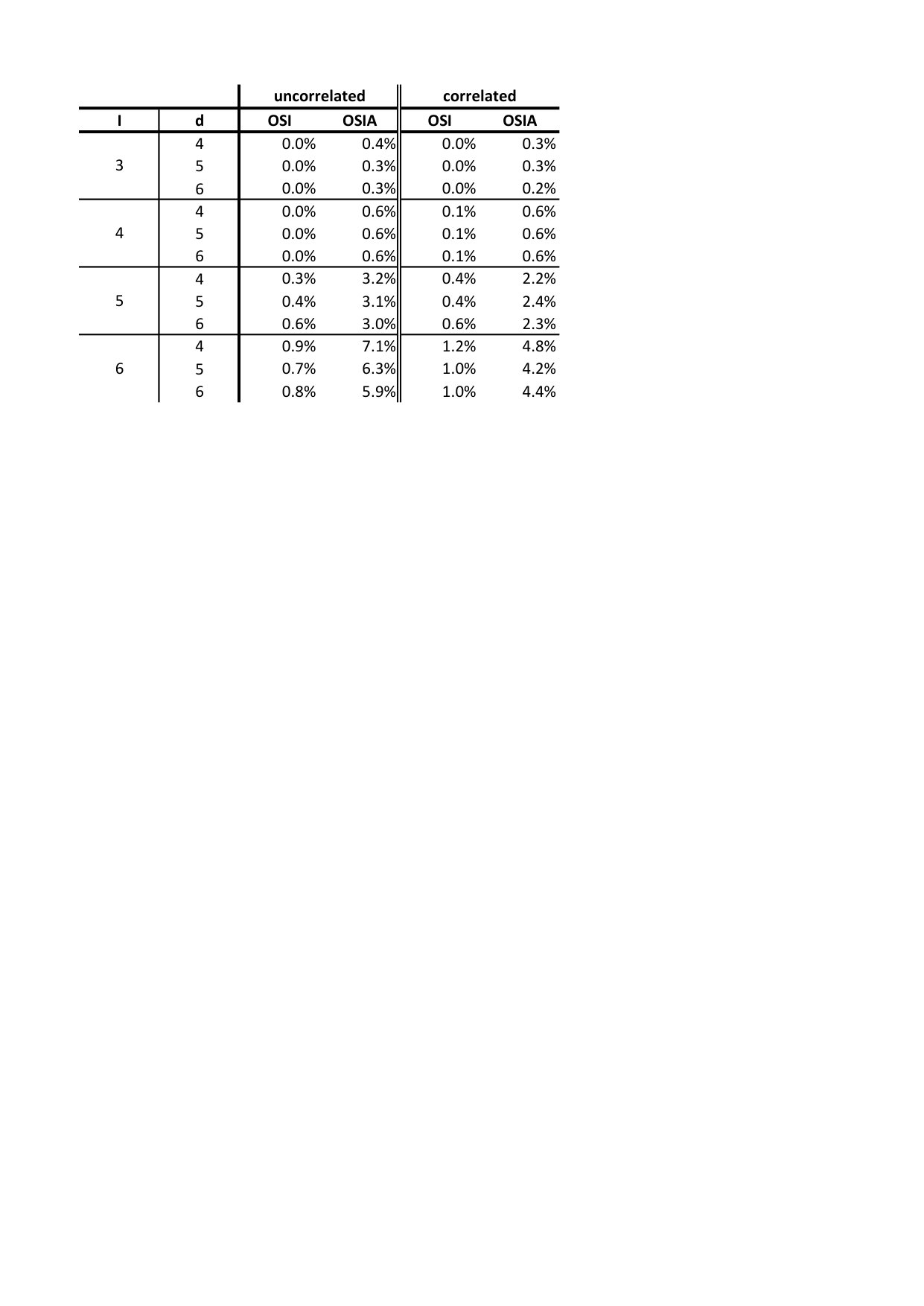 Figure 21
 Figure 22
 Figure 23
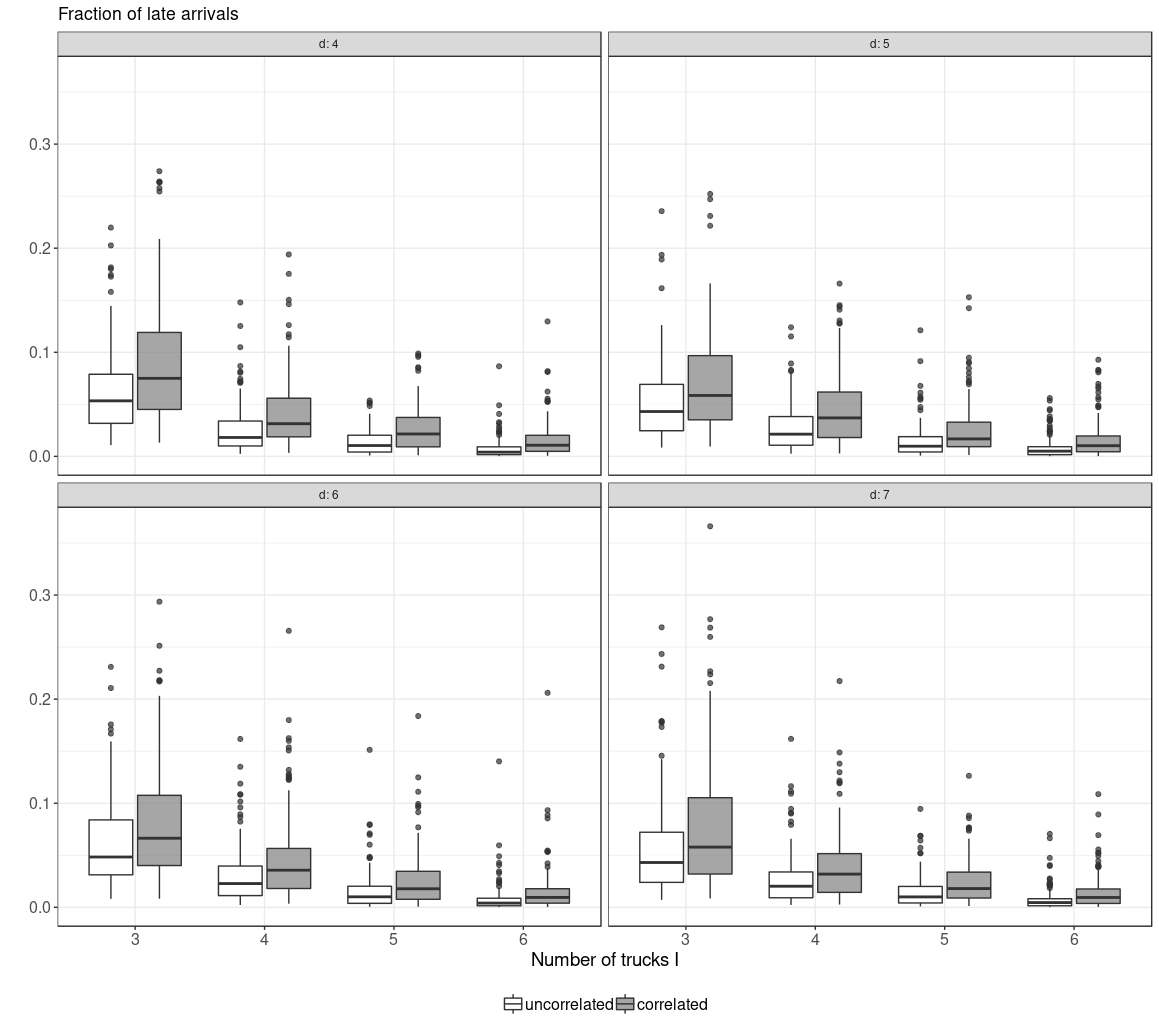 Figure 24
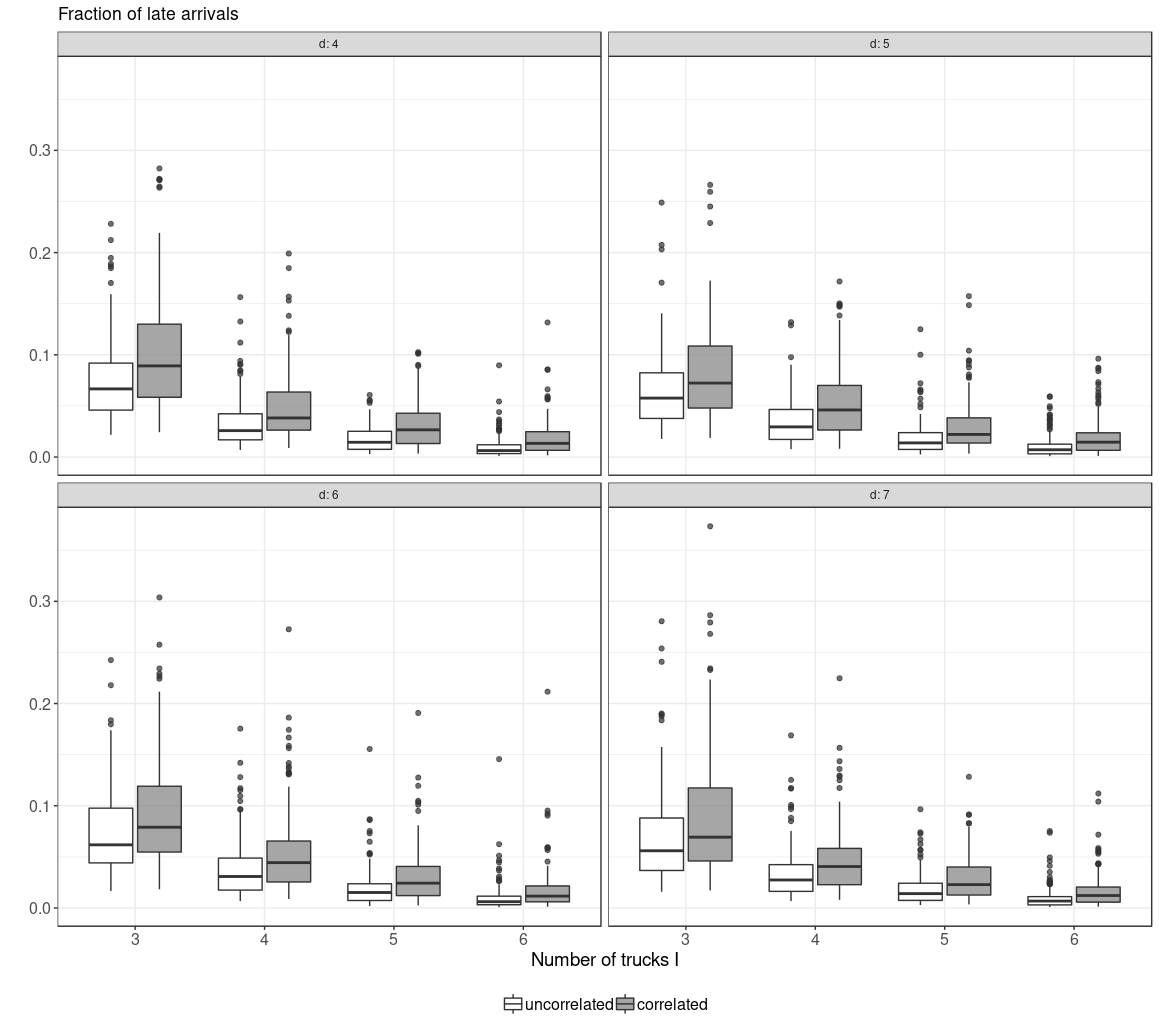 Figure 25
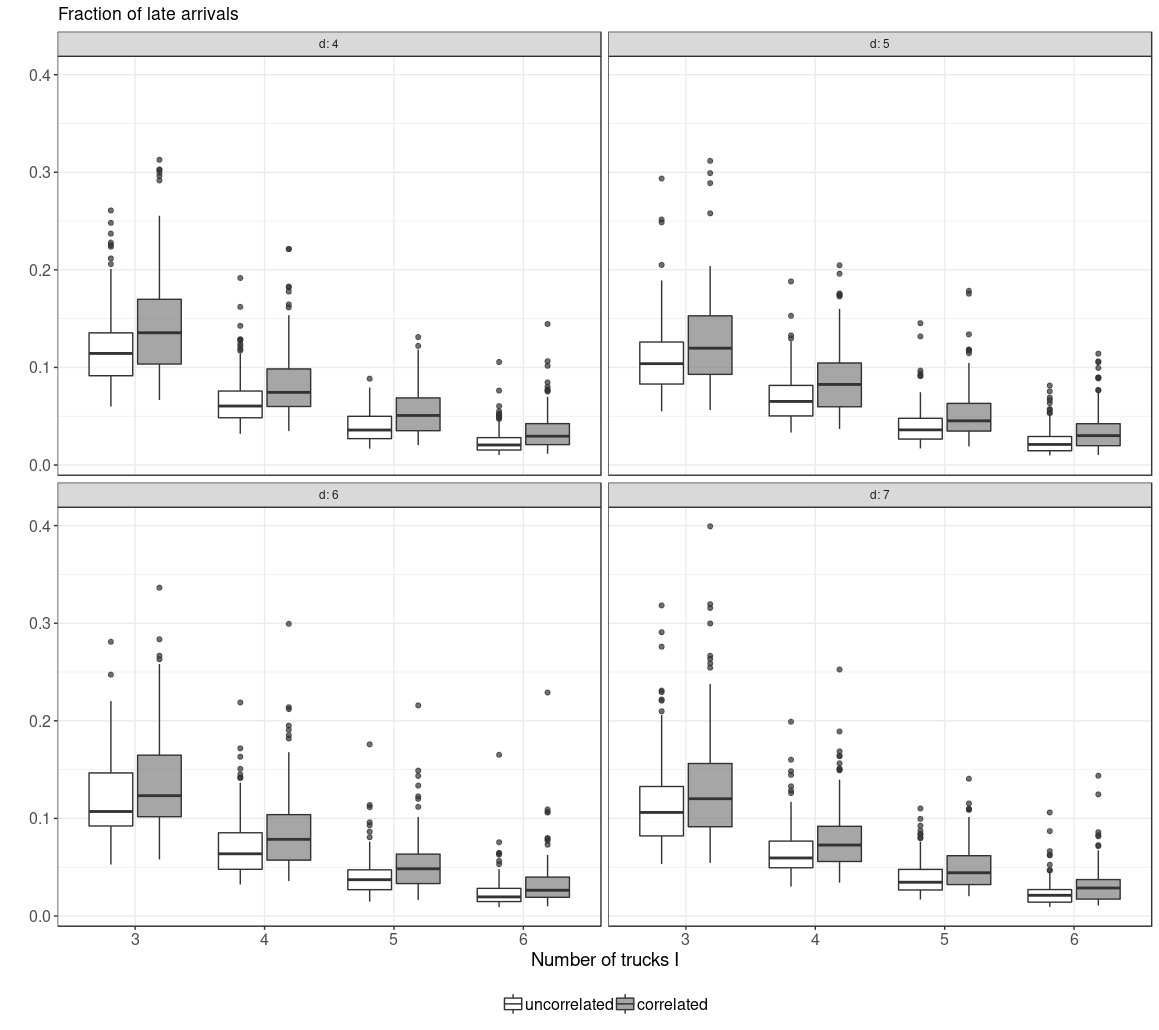 Figure 26
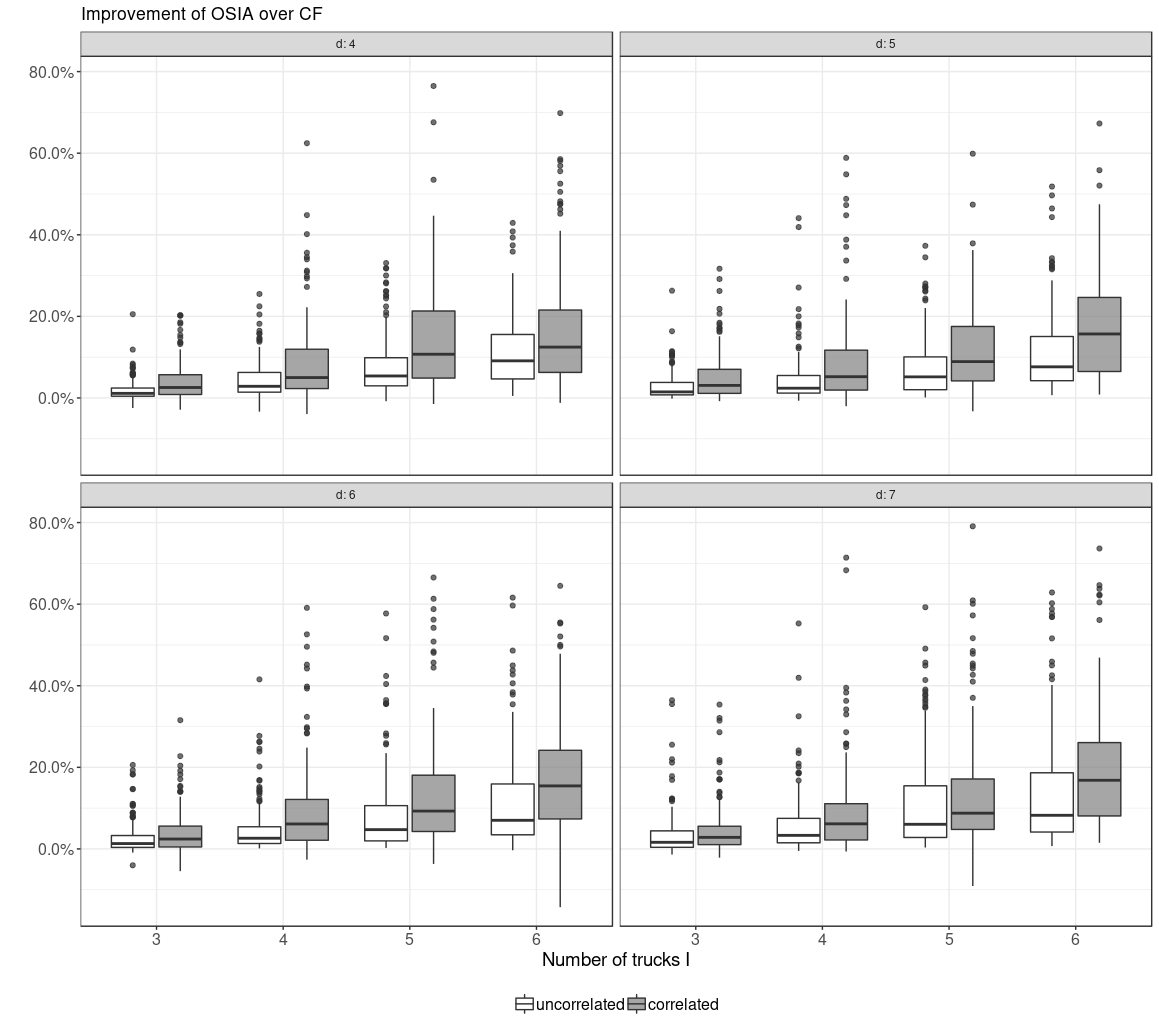 Figure 27
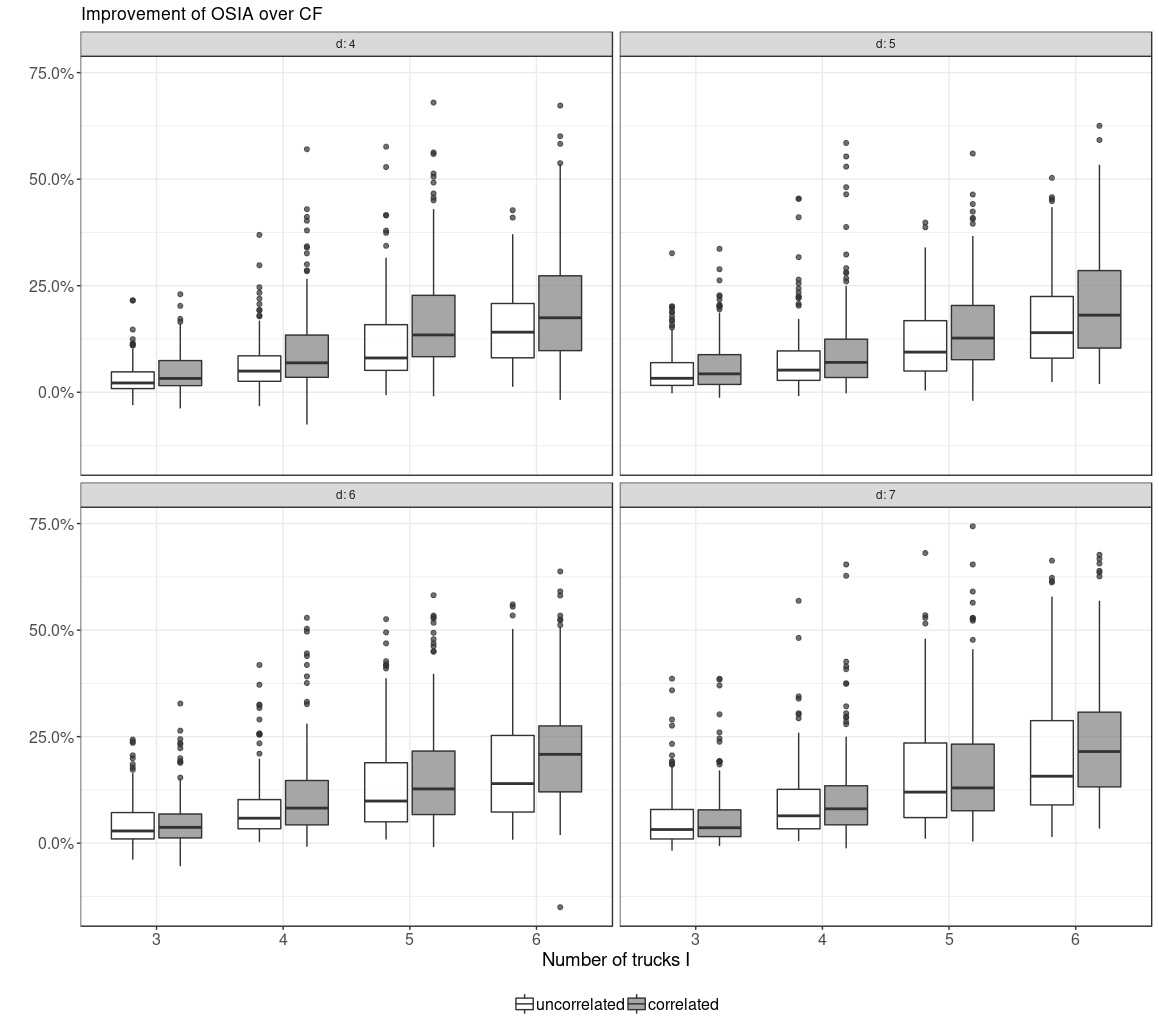 Figure 28
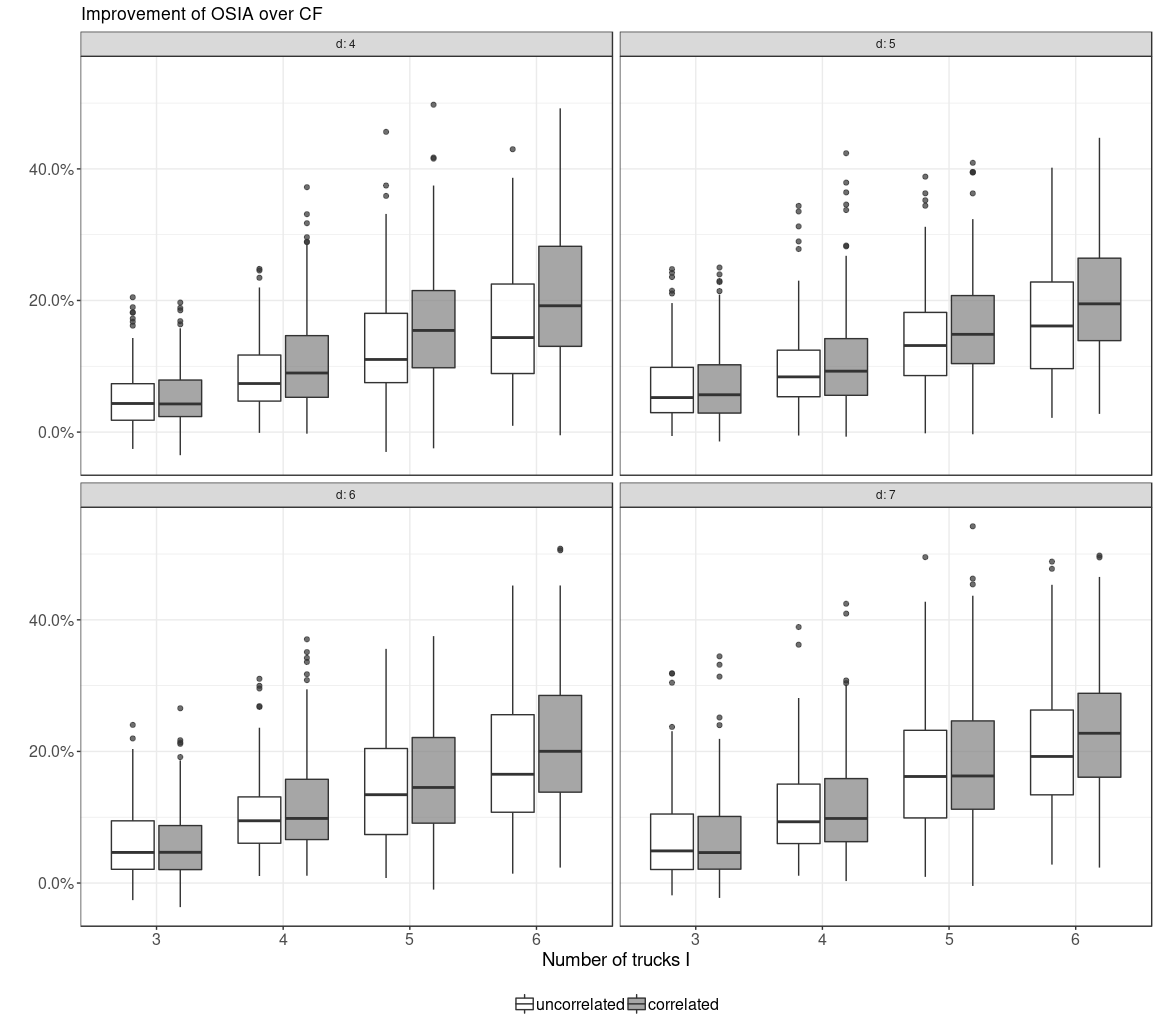 Figure 29
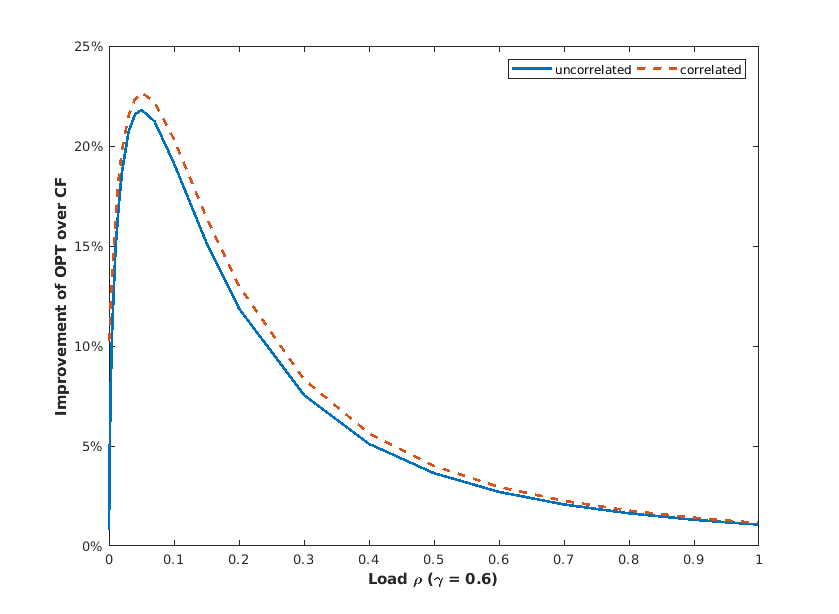 Figure 30
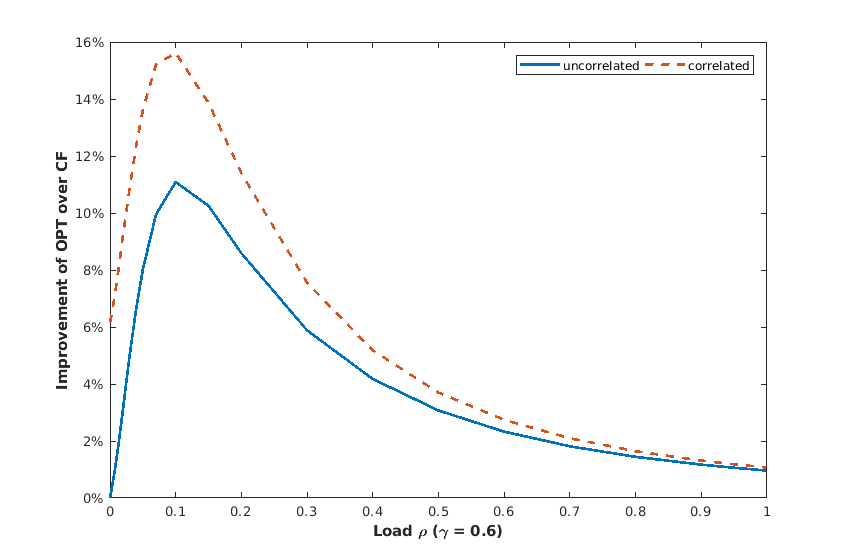 Figure 31
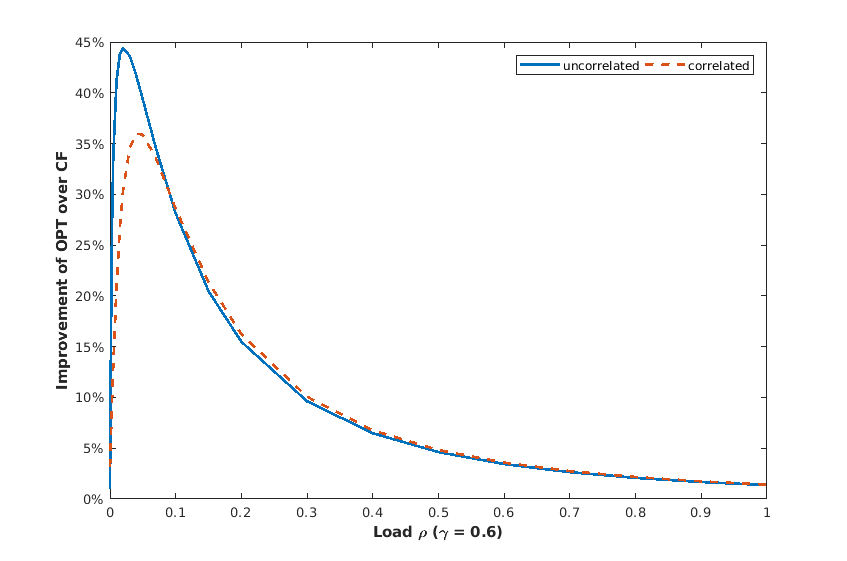 Figure 32
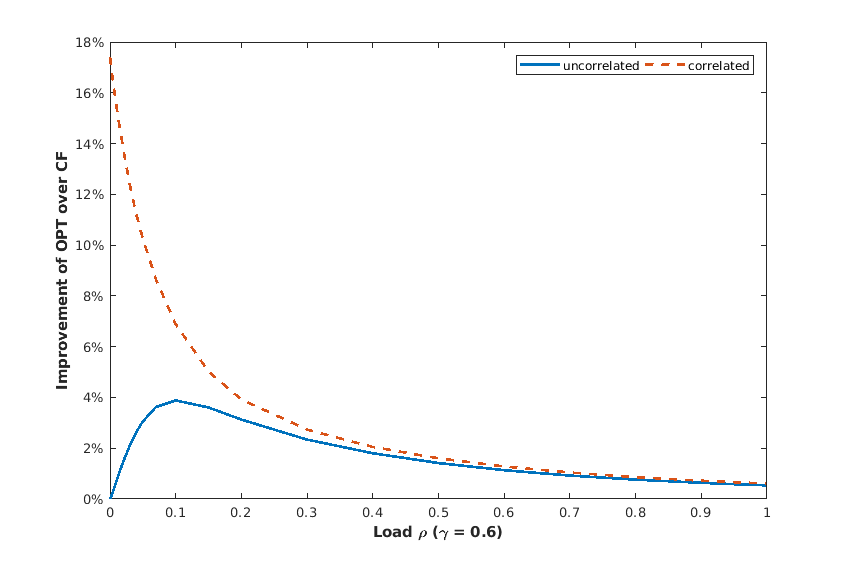 Figure 33
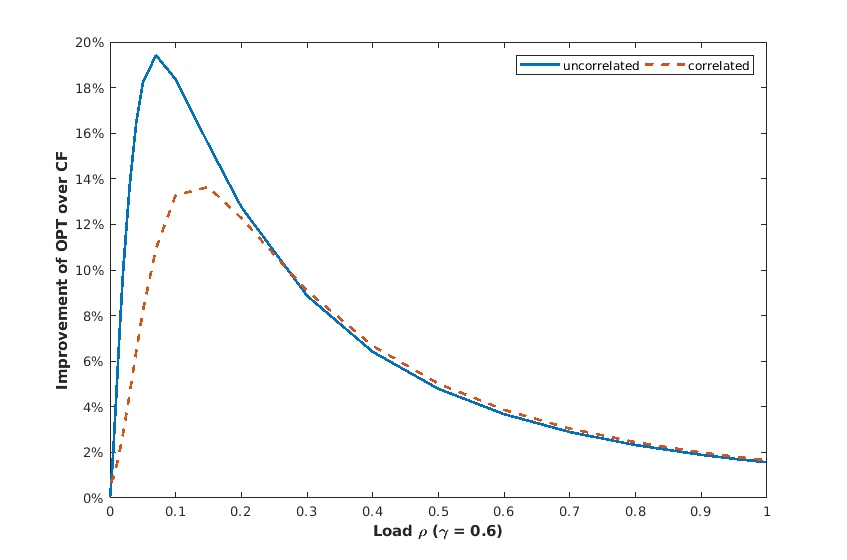 Figure 34
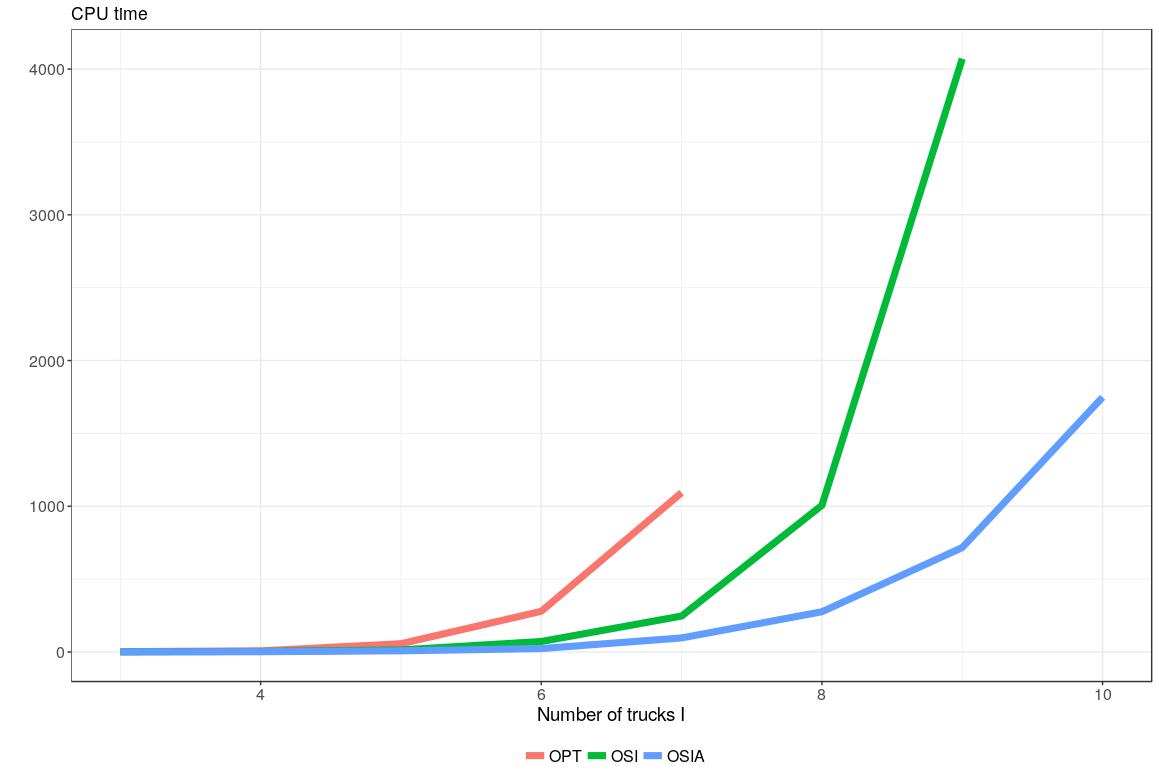 Figure 35
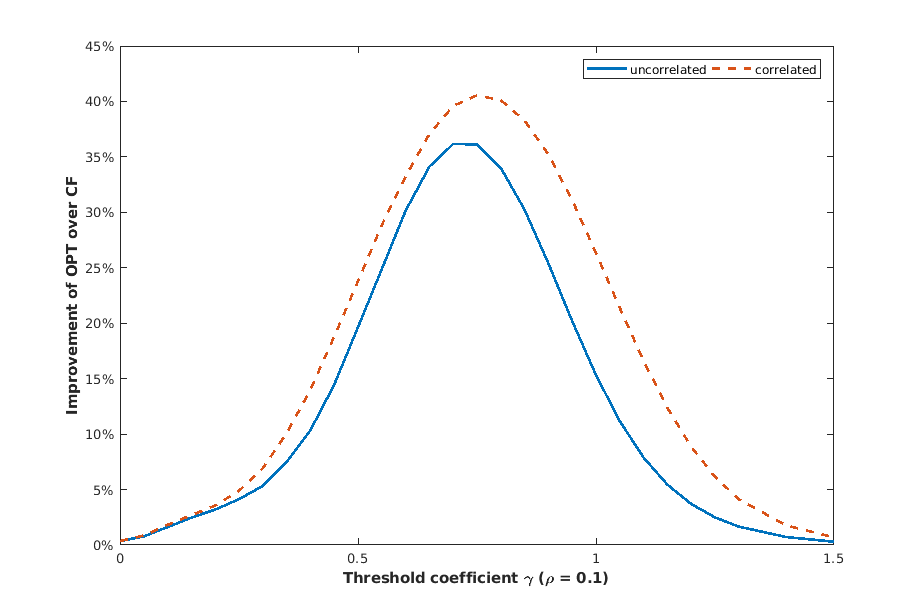 Figure 36
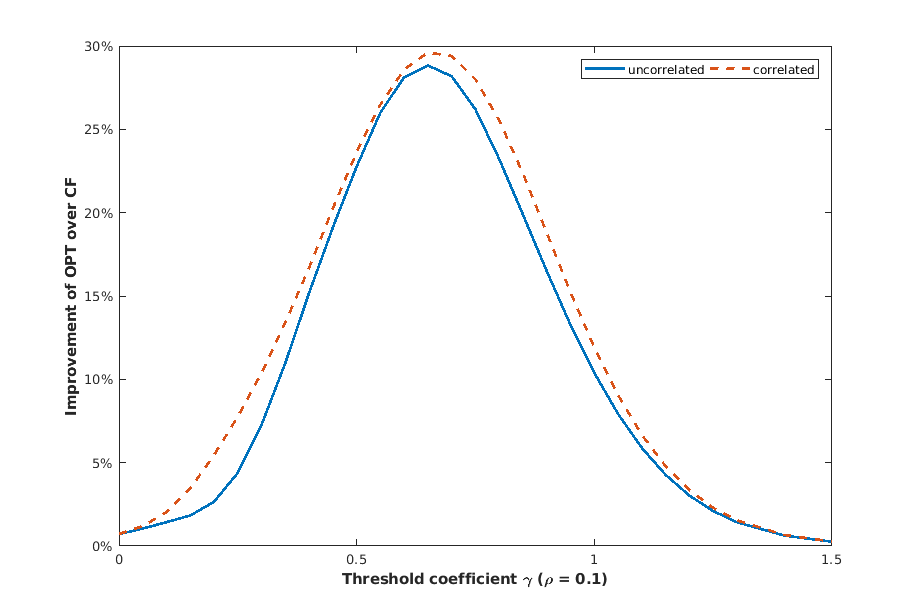 Figure 37
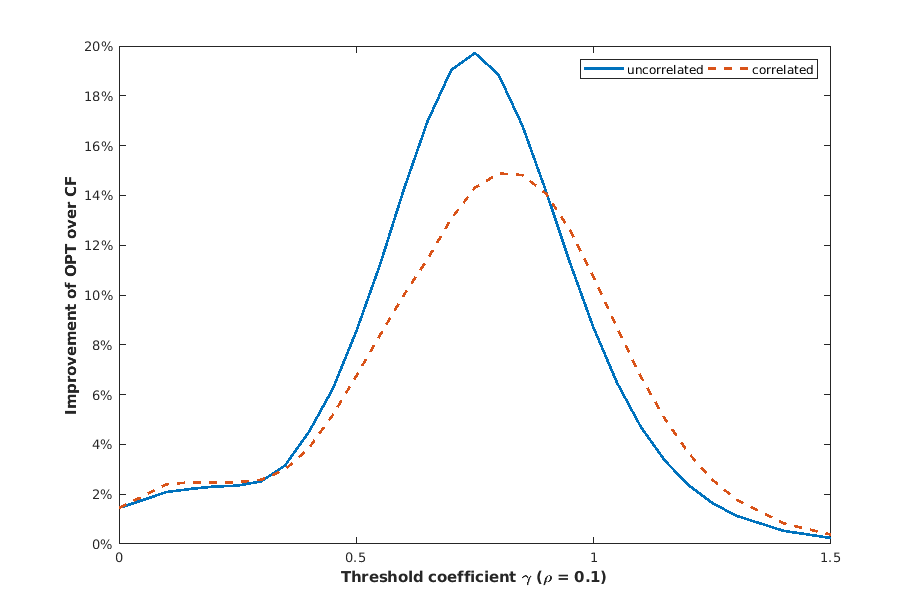 Figure 38
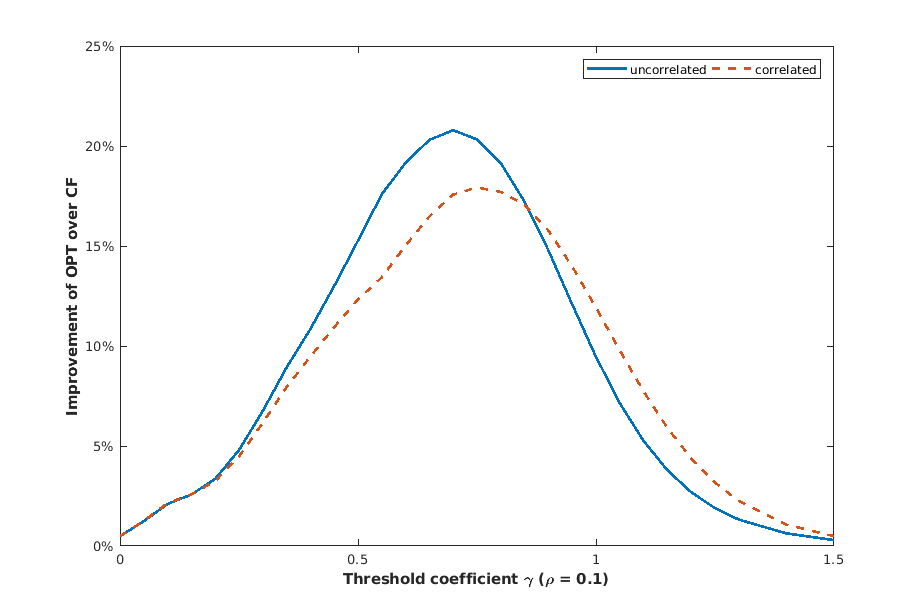 Figure 39
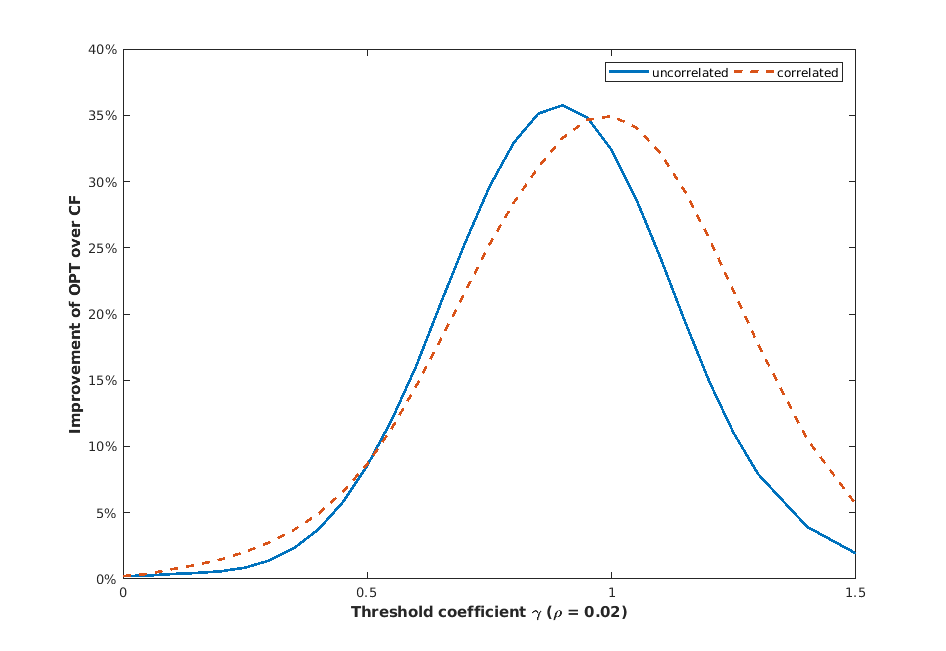 Figure 40
Peer Reviews
No public reviews on file for this paper yet. If you reviewed it on a platform where reviews are public (OpenReview, ICLR, NeurIPS, ICML), you can paste yours below so the community can read it here.
Videos
No videos yet. Explain this paper in a talk, walkthrough, or lecture? Add one.