TL;DR
This paper applies principal component analysis and support vector machines to a large dataset of supernova spectra, enabling robust classification and outlier detection of stripped-envelope core-collapse supernovae, with implications for future astronomical surveys.
Contribution
It introduces the first PCA-based spectral analysis for these supernovae and develops a data-driven classification method that identifies transition and contested cases.
Findings
First 5 principal components capture 79% variance.
Classification most accurate 10-15 days after maximum light.
Method identifies transition supernovae and contested labels.
Abstract
In the current era of time-domain astronomy, it is increasingly important to have rigorous, data driven models for classifying transients, including supernovae. We present the first application of Principal Component Analysis to the spectra of stripped-envelope core-collapse supernovae. We use one of the largest compiled optical datasets of stripped-envelope supernovae, containing 160 SNe and 1551 spectra. We find that the first 5 principal components capture 79\% of the variance of our spectral sample, which contains the main families of stripped supernovae: Ib, IIb, Ic and broad-lined Ic. We develop a quantitative, data-driven classification method using a support vector machine, and explore stripped-envelope supernovae classification as a function of phase relative to V-band maximum light. Our classification method naturally identifies "transition" supernovae and supernovae with…
Click any figure to enlarge with its caption.
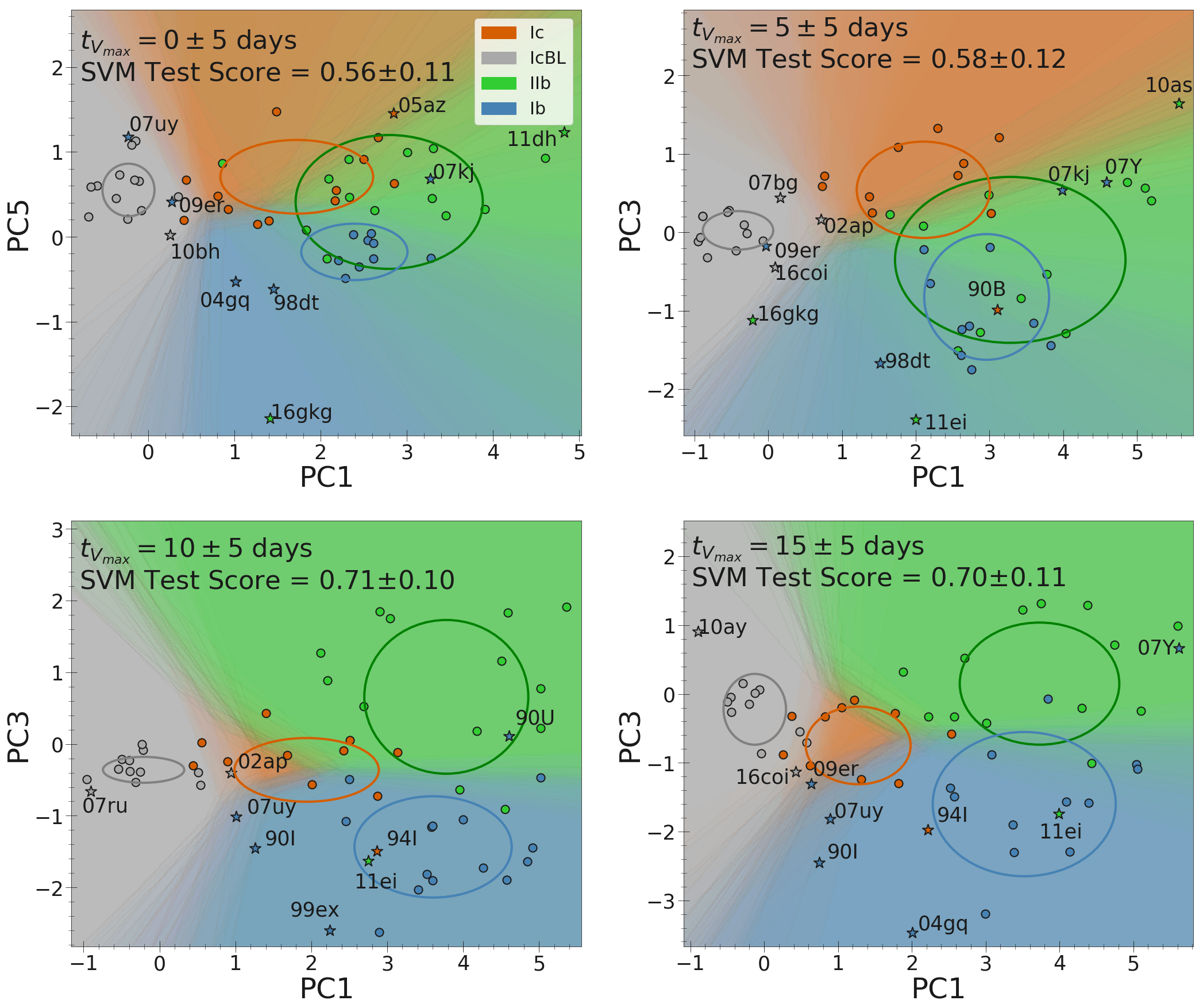 Figure 1
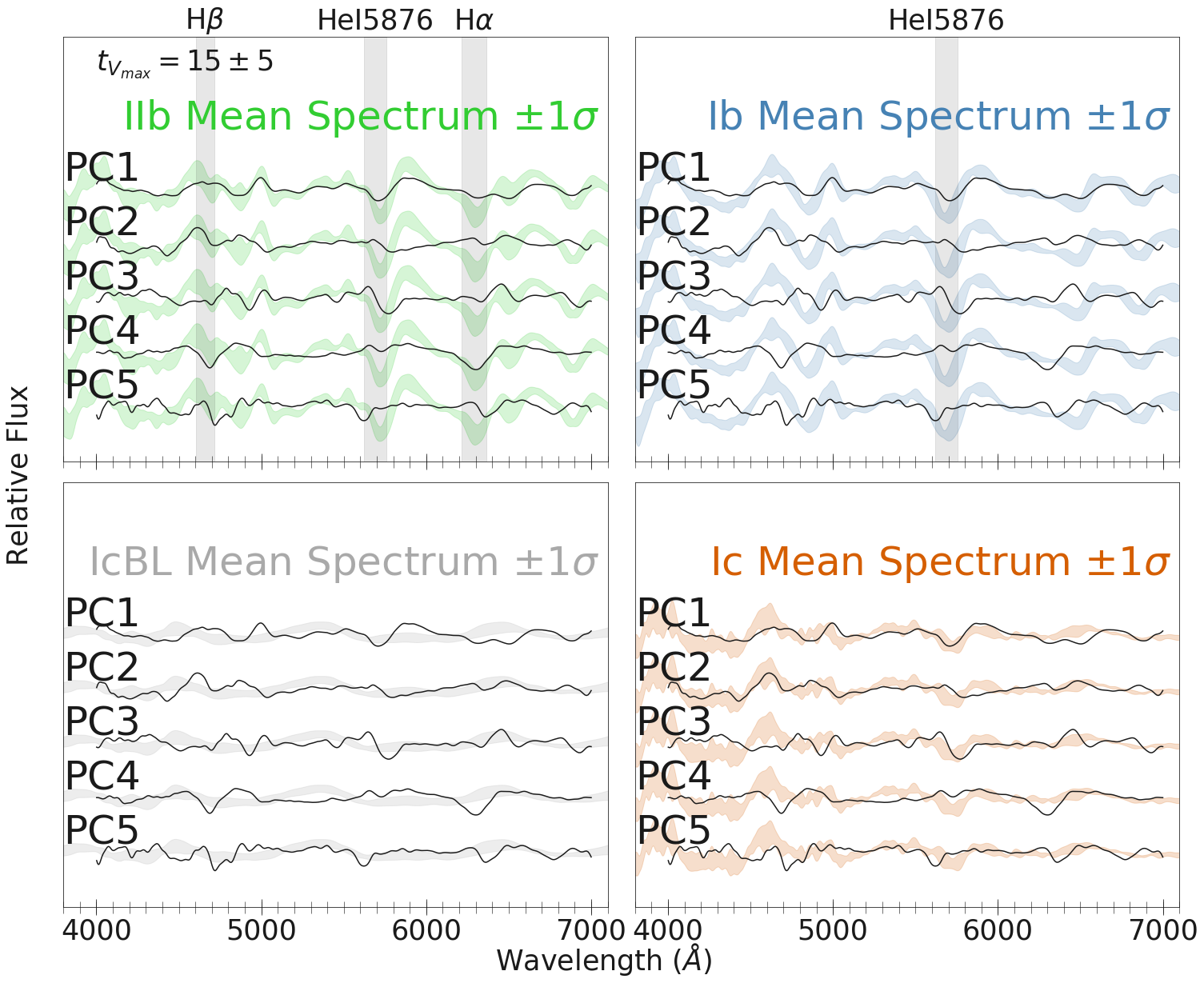 Figure 2
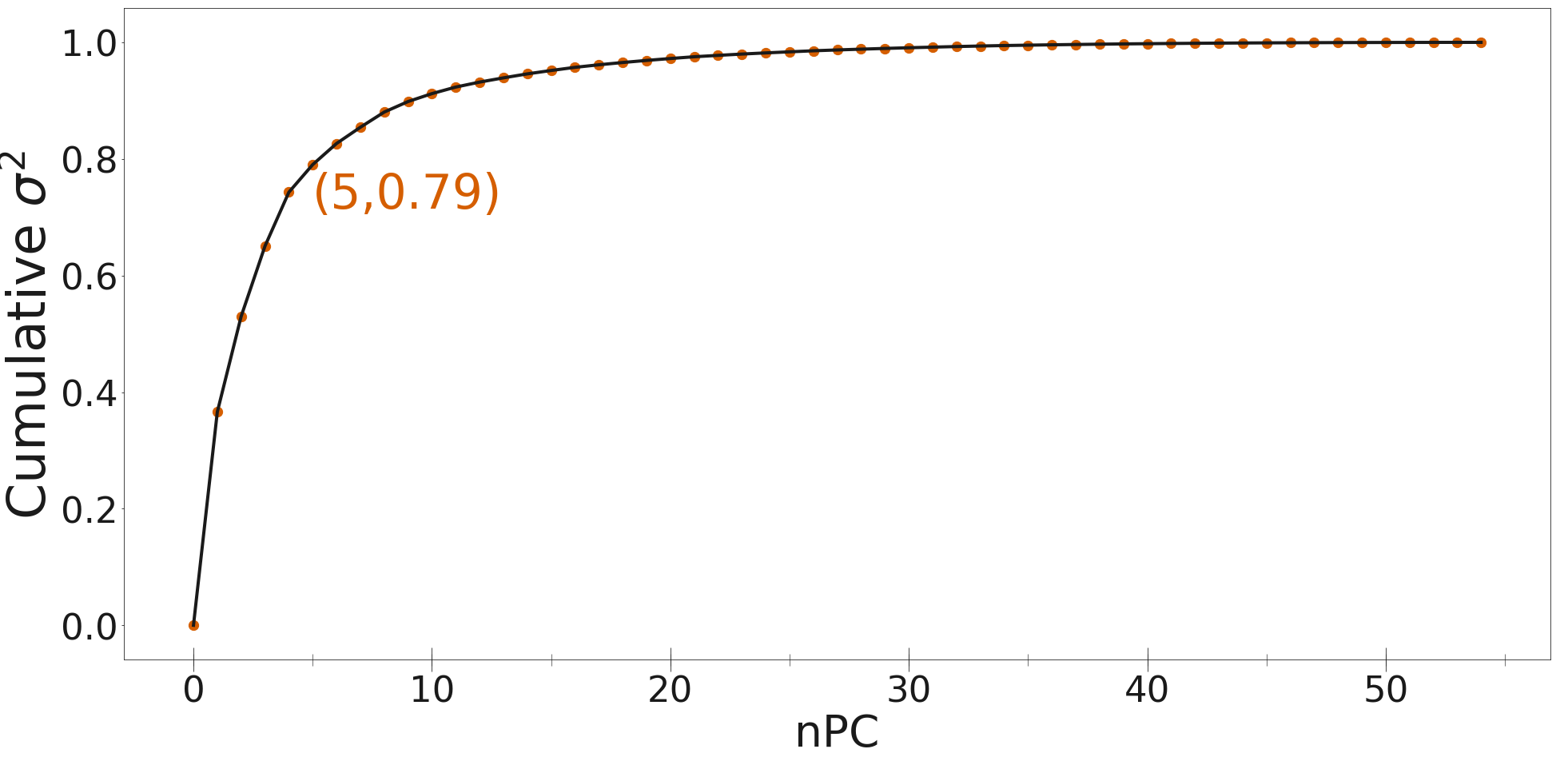 Figure 3
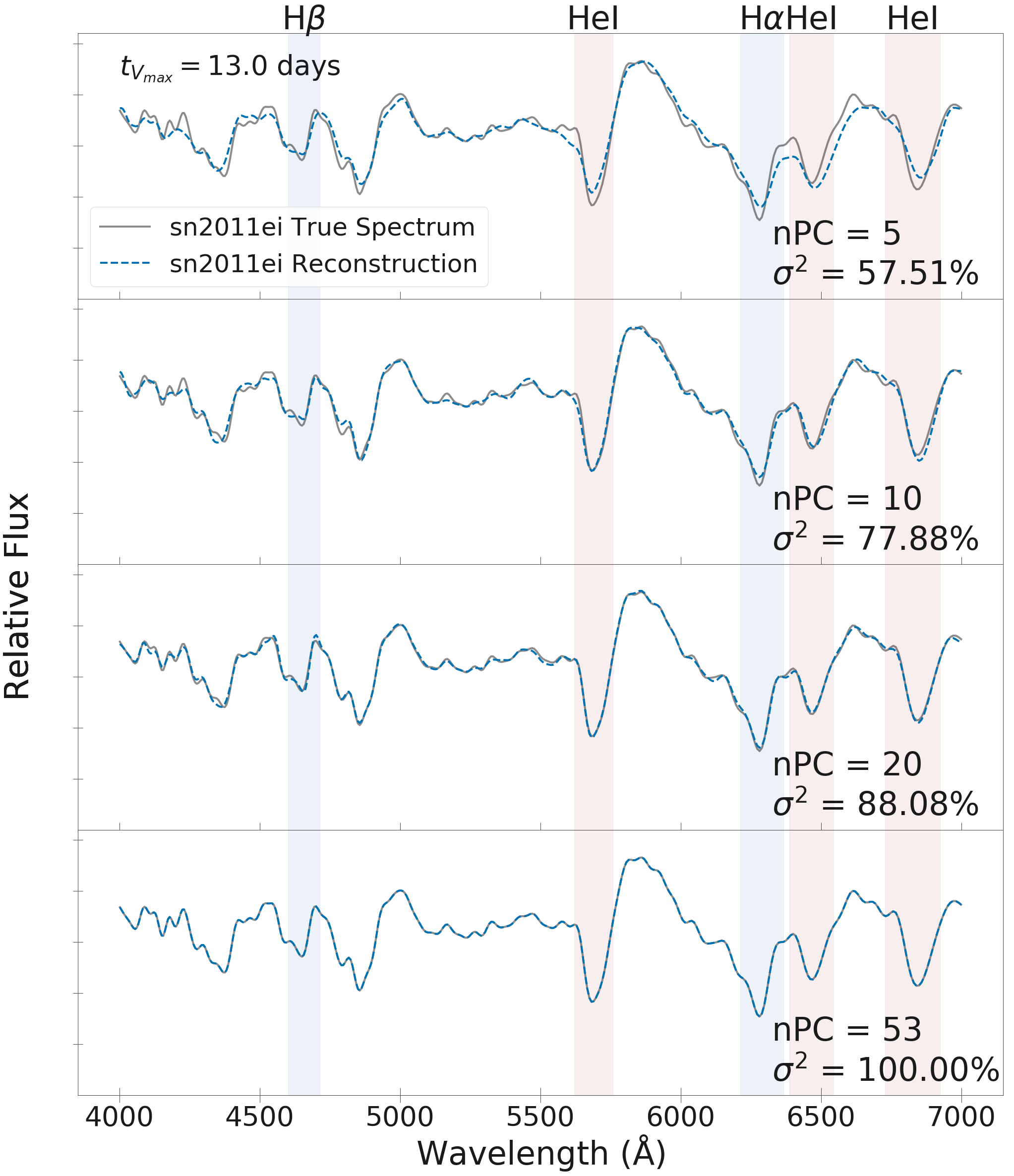 Figure 4
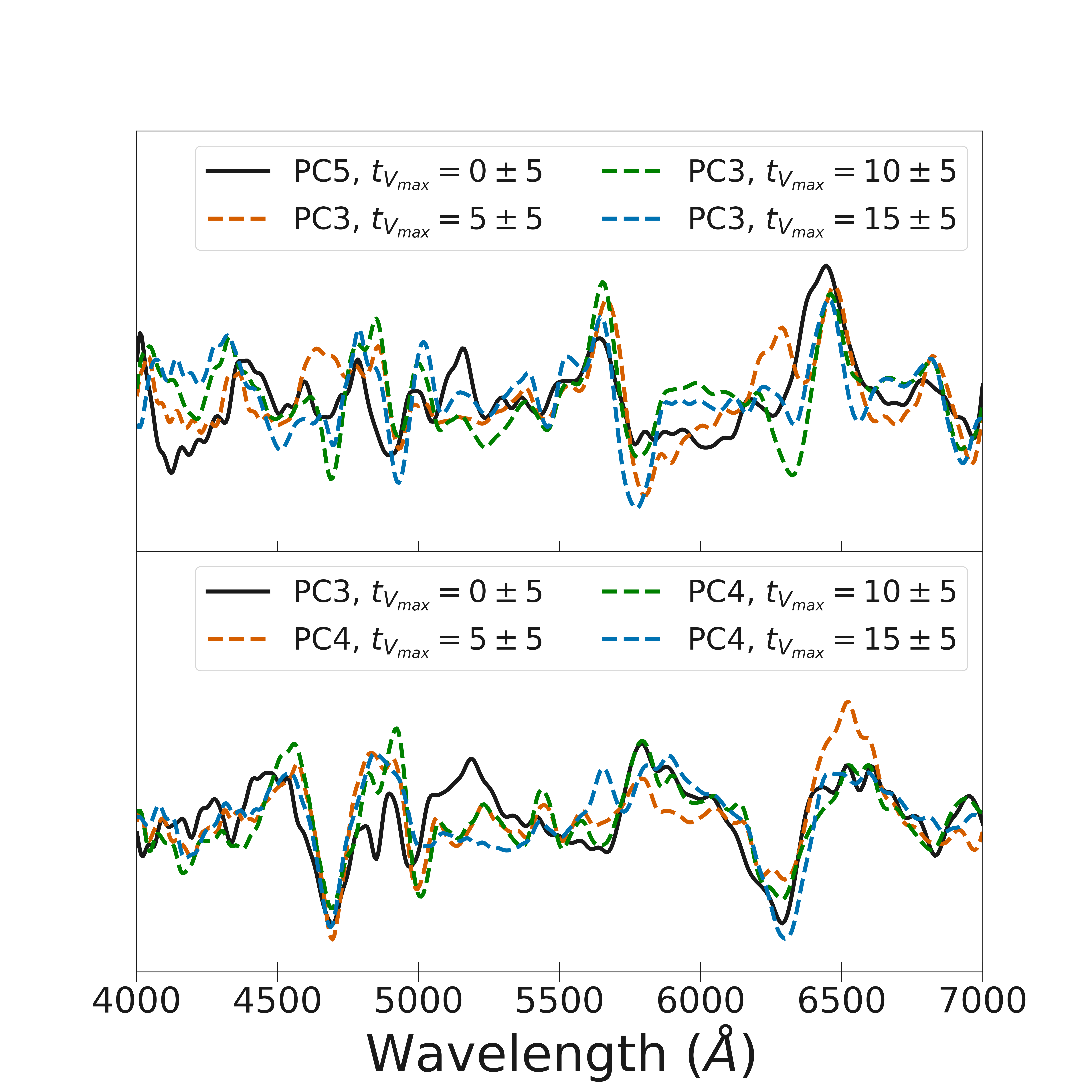 Figure 5
Peer Reviews
No public reviews on file for this paper yet. If you reviewed it on a platform where reviews are public (OpenReview, ICLR, NeurIPS, ICML), you can paste yours below so the community can read it here.
Code & Models
Videos
No videos yet. Explain this paper in a talk, walkthrough, or lecture? Add one.
