Phases Of Melonic Quantum Mechanics
Frank Ferrari, Fidel I. Schaposnik Massolo

TL;DR
This paper investigates two melonic quantum mechanical models, revealing complex phase transitions, critical phenomena, and IR fixed points, with detailed analysis of their thermodynamics, critical exponents, and symmetry breaking.
Contribution
It provides a detailed analysis of phase transitions and critical behavior in two melonic quantum models, including new critical exponents and IR fixed points, with pedagogical derivations.
Findings
First-order phase transition line with a critical point and non-mean-field exponents
Singular behavior of quasi-normal frequencies and Lyapunov exponents at criticality
Existence of a zero-temperature quantum critical point with spontaneous scale invariance breaking
Abstract
We explore in detail the properties of two melonic quantum mechanical theories which can be formulated either as fermionic matrix quantum mechanics in the new large limit, or as disordered models. Both models have a mass parameter and the transition from the perturbative large region to the strongly coupled "black-hole" small region is associated with several interesting phenomena. One model, with symmetry and equivalent to complex SYK, has a line of first-order phase transitions terminating, for a strictly positive temperature, at a critical point having non-trivial, non-mean-field critical exponents for standard thermodynamical quantities. Quasi-normal frequencies, as well as Lyapunov exponents associated with out-of-time-ordered four-point functions, are also singular at the critical point, leading to interesting new critical exponents. The other model,…
Click any figure to enlarge with its caption.
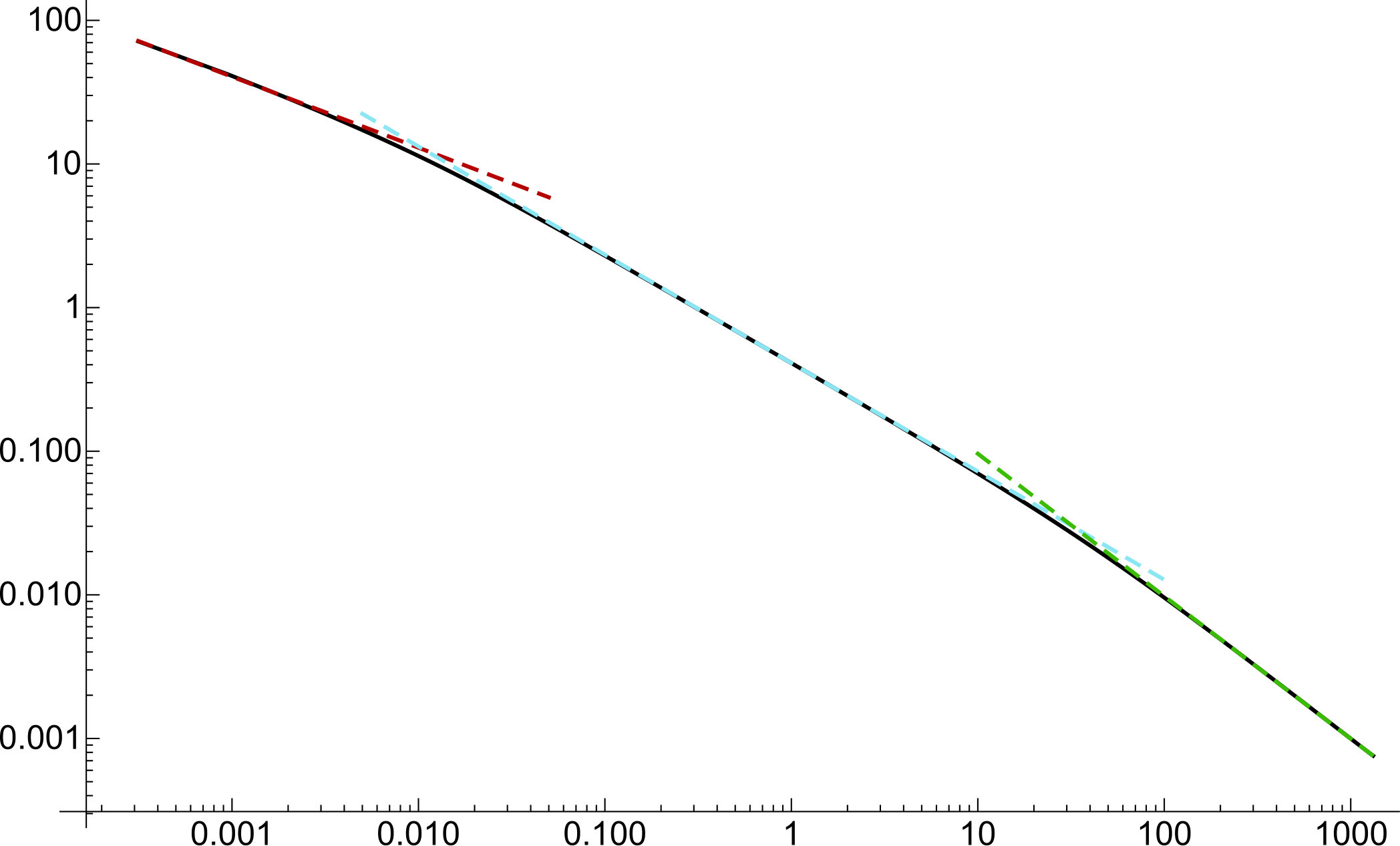 Figure 1
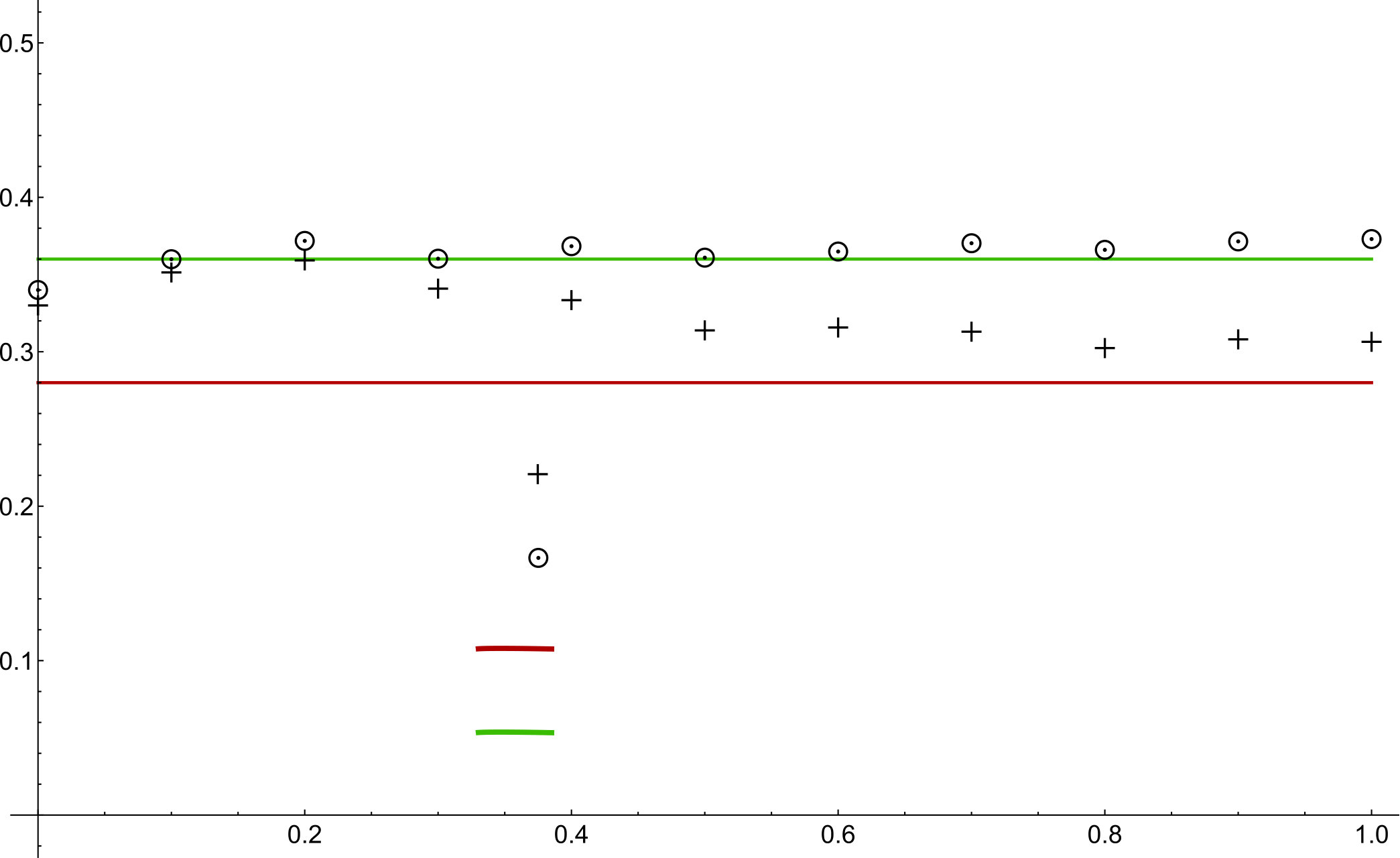 Figure 2
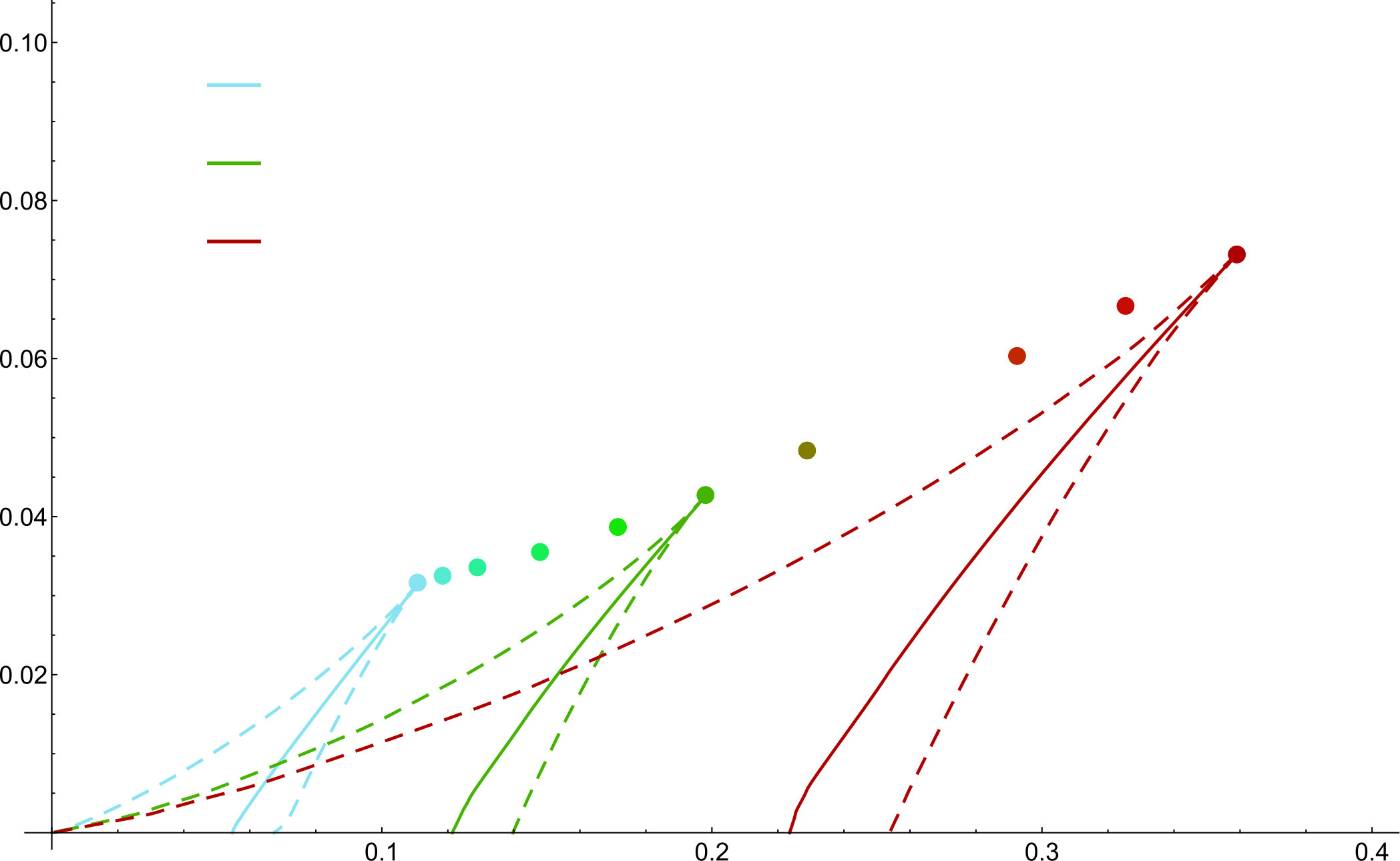 Figure 3
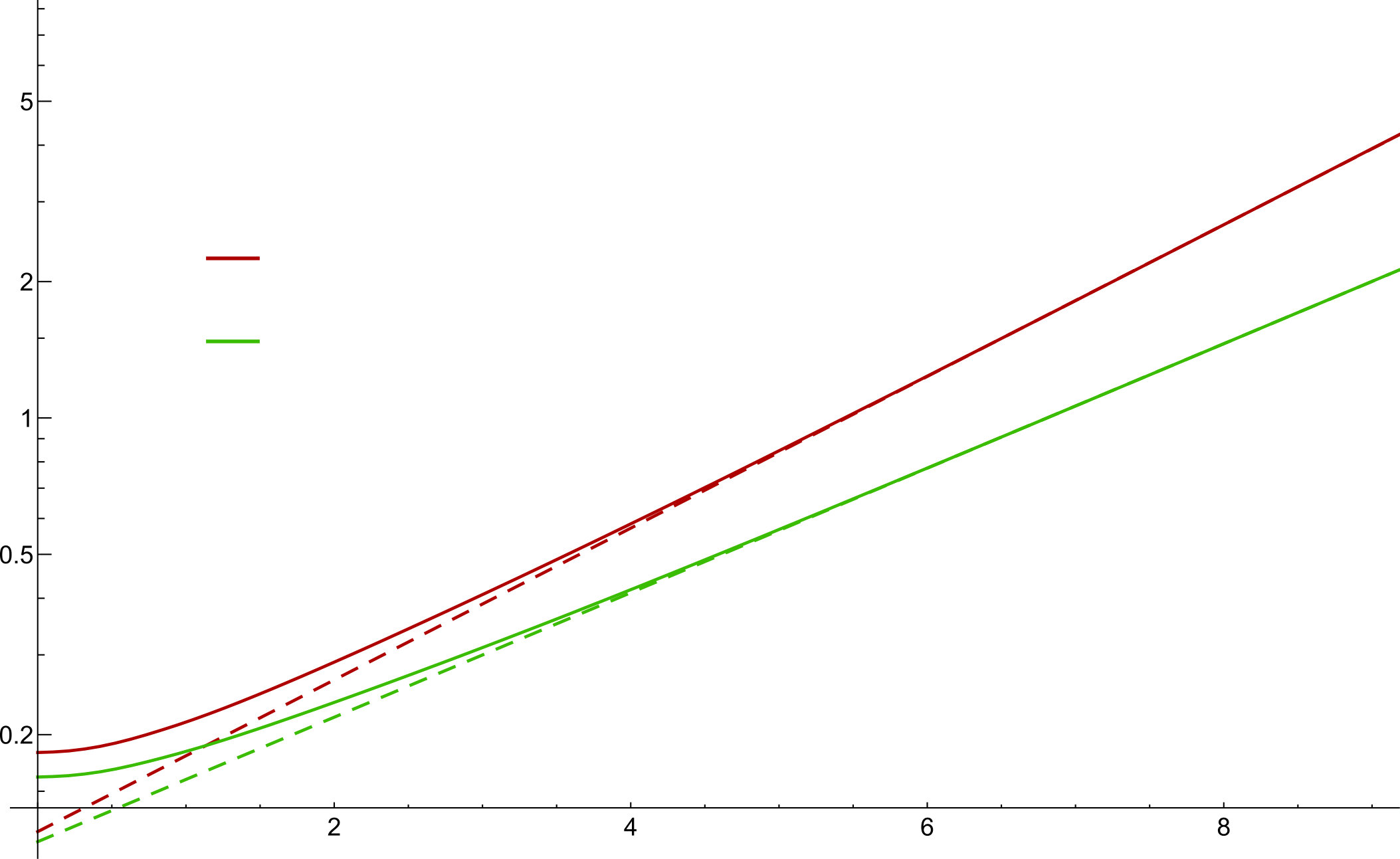 Figure 4
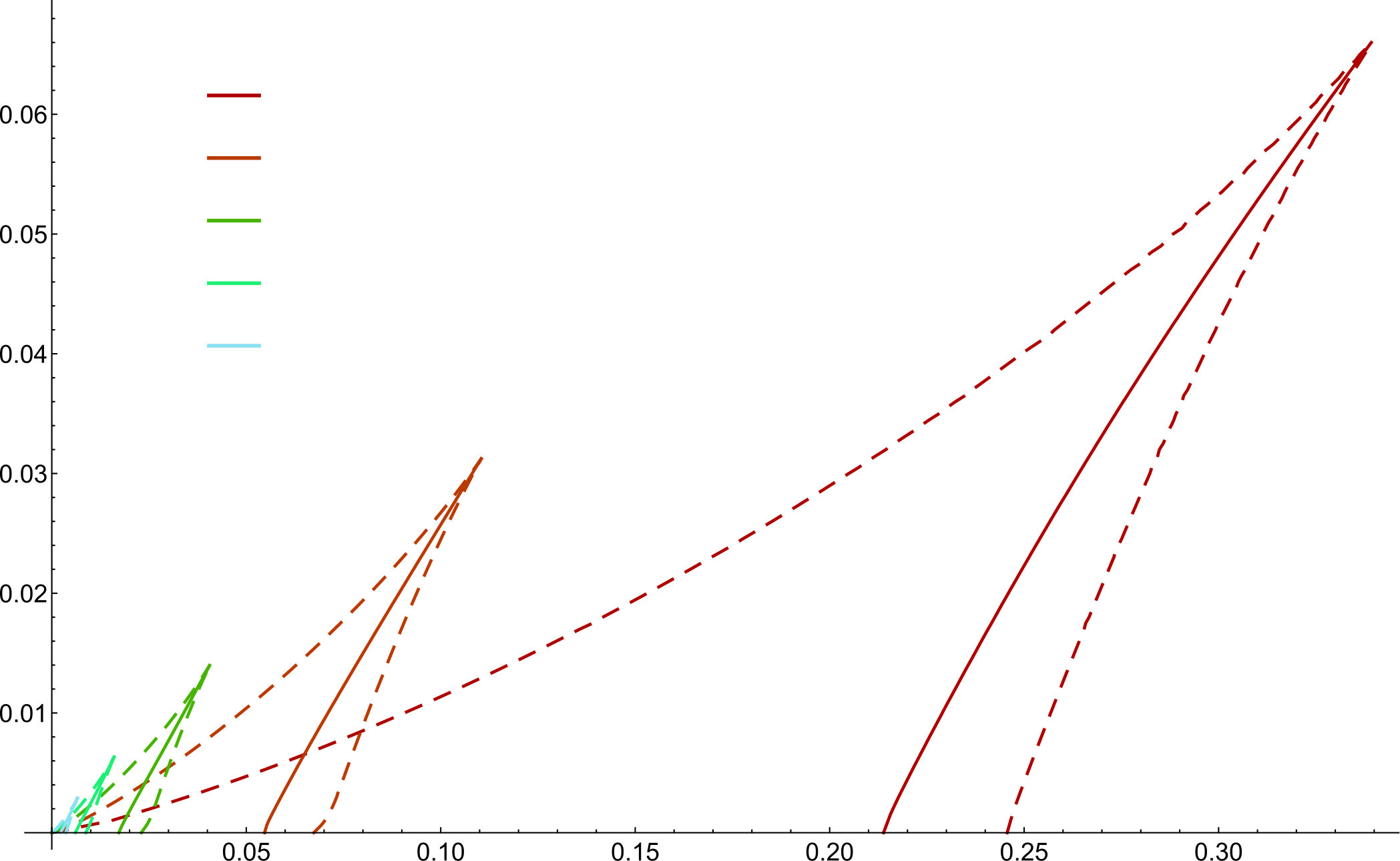 Figure 5
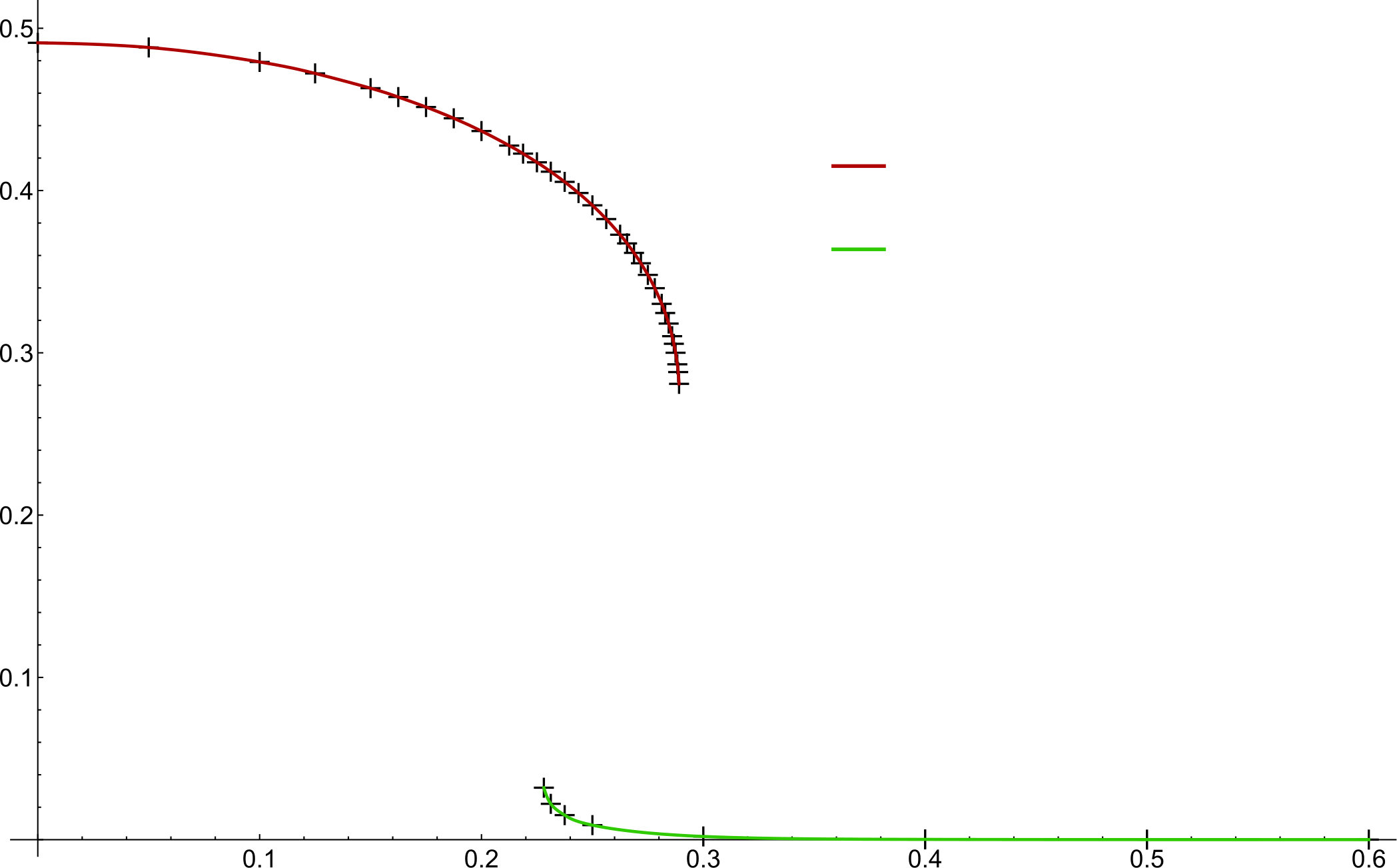 Figure 6
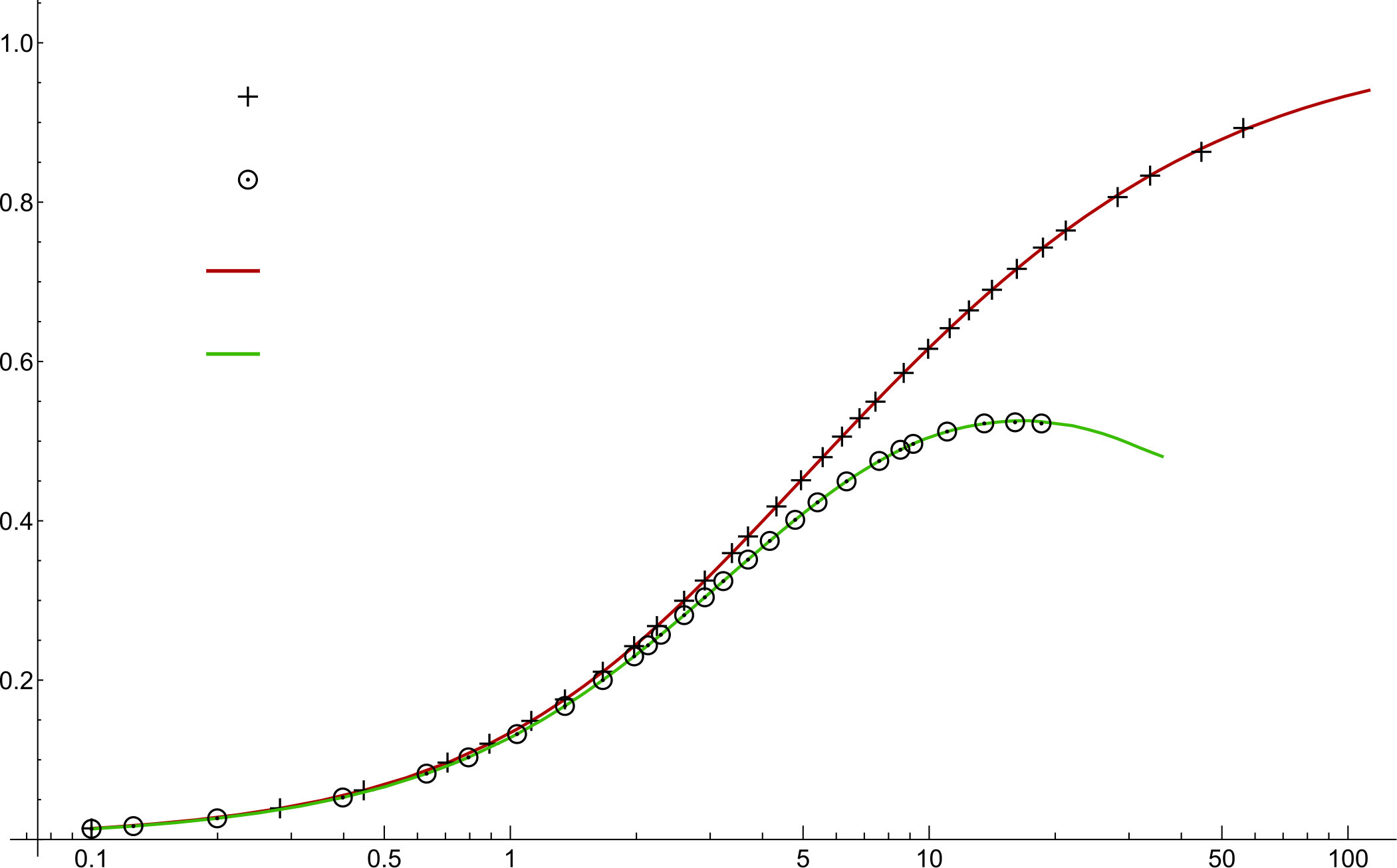 Figure 7
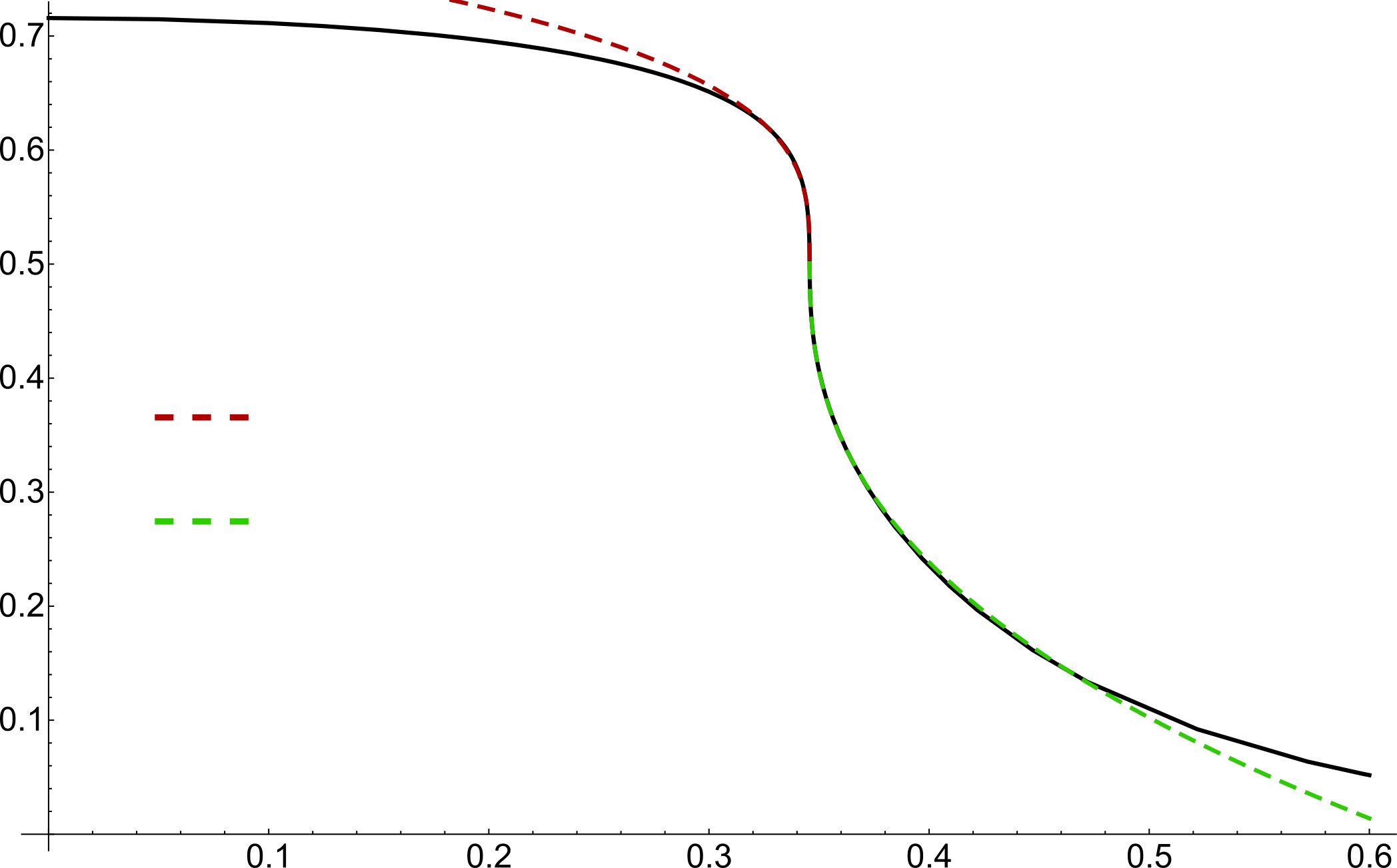 Figure 8
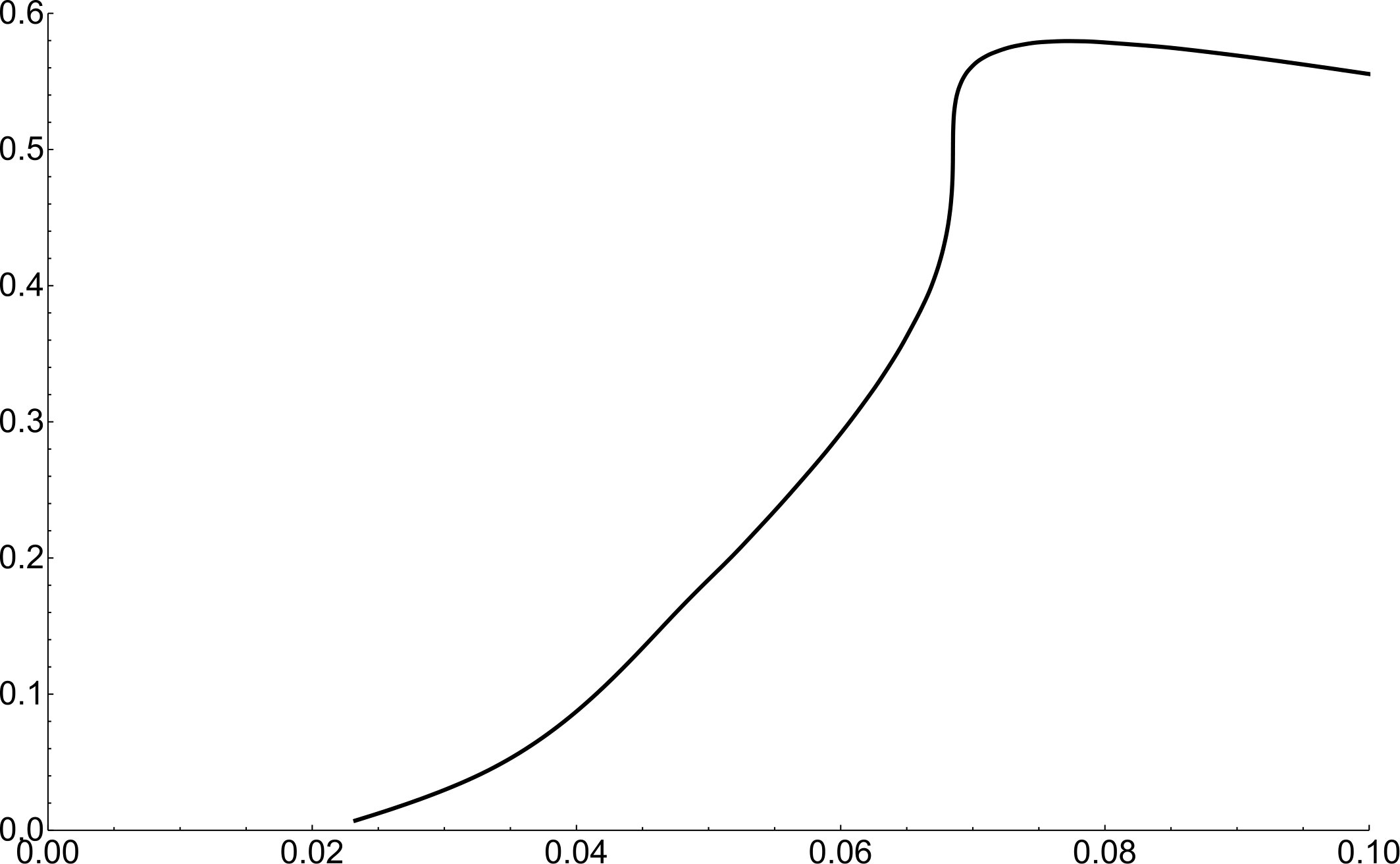 Figure 9
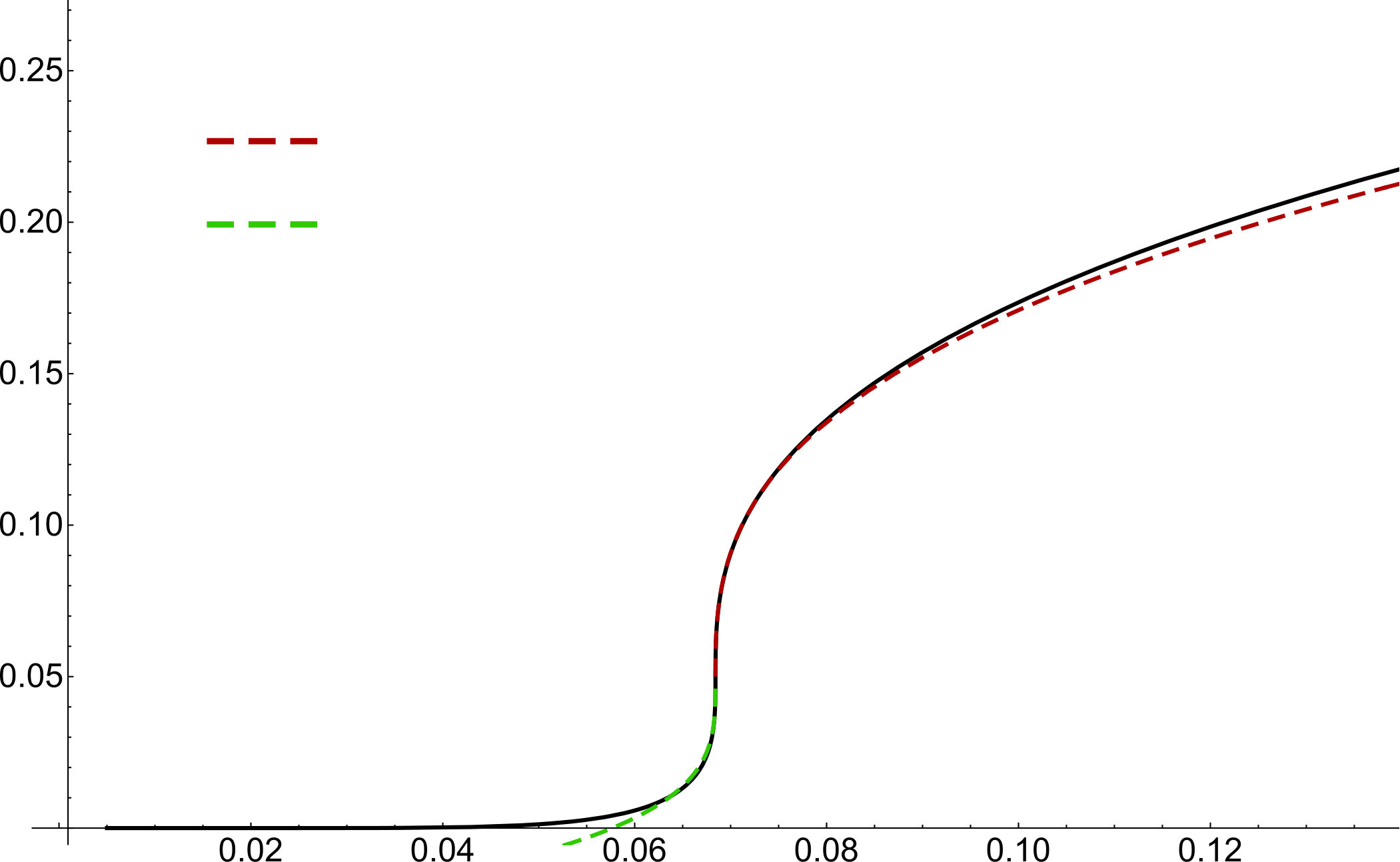 Figure 10
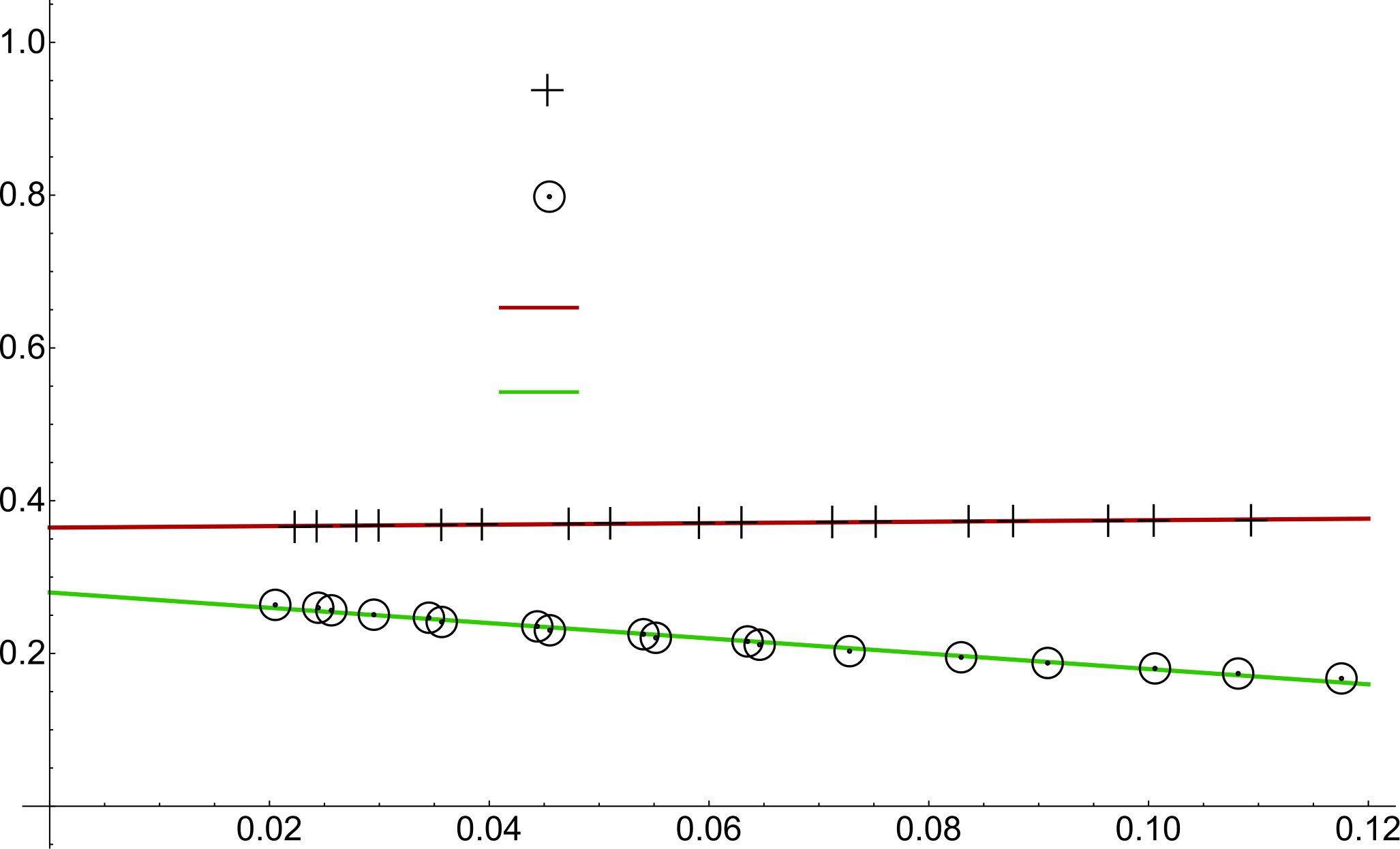 Figure 11
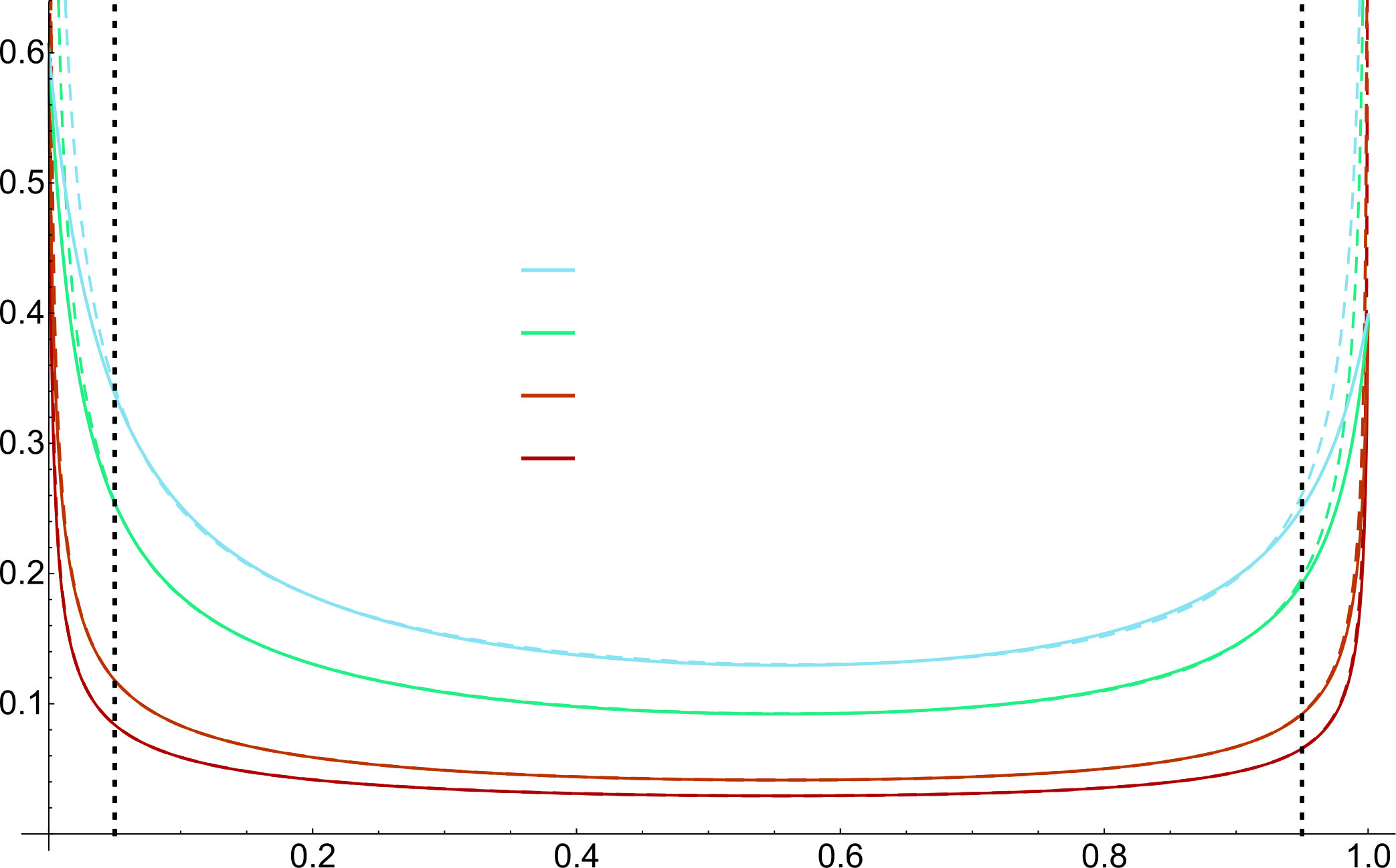 Figure 12
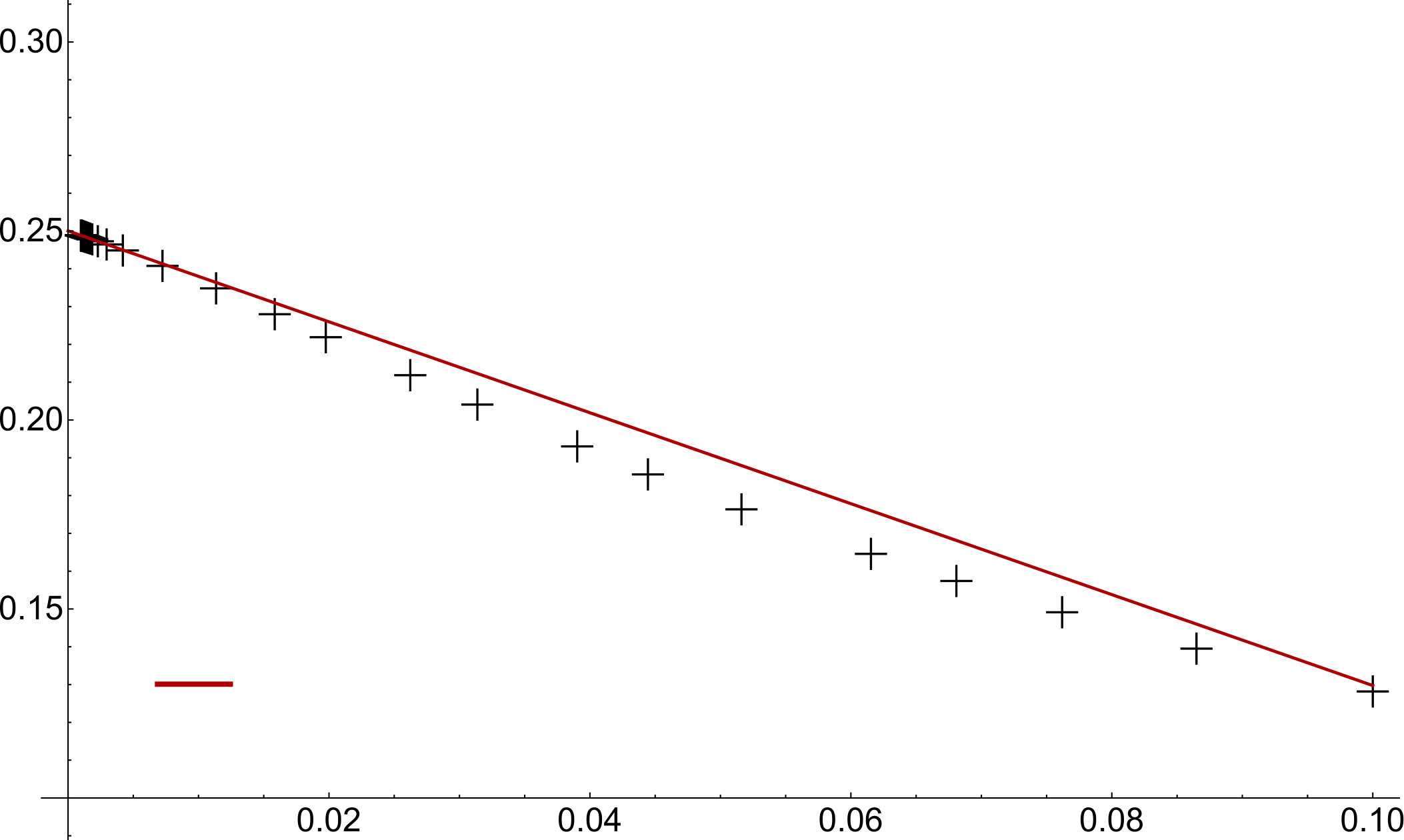 Figure 13
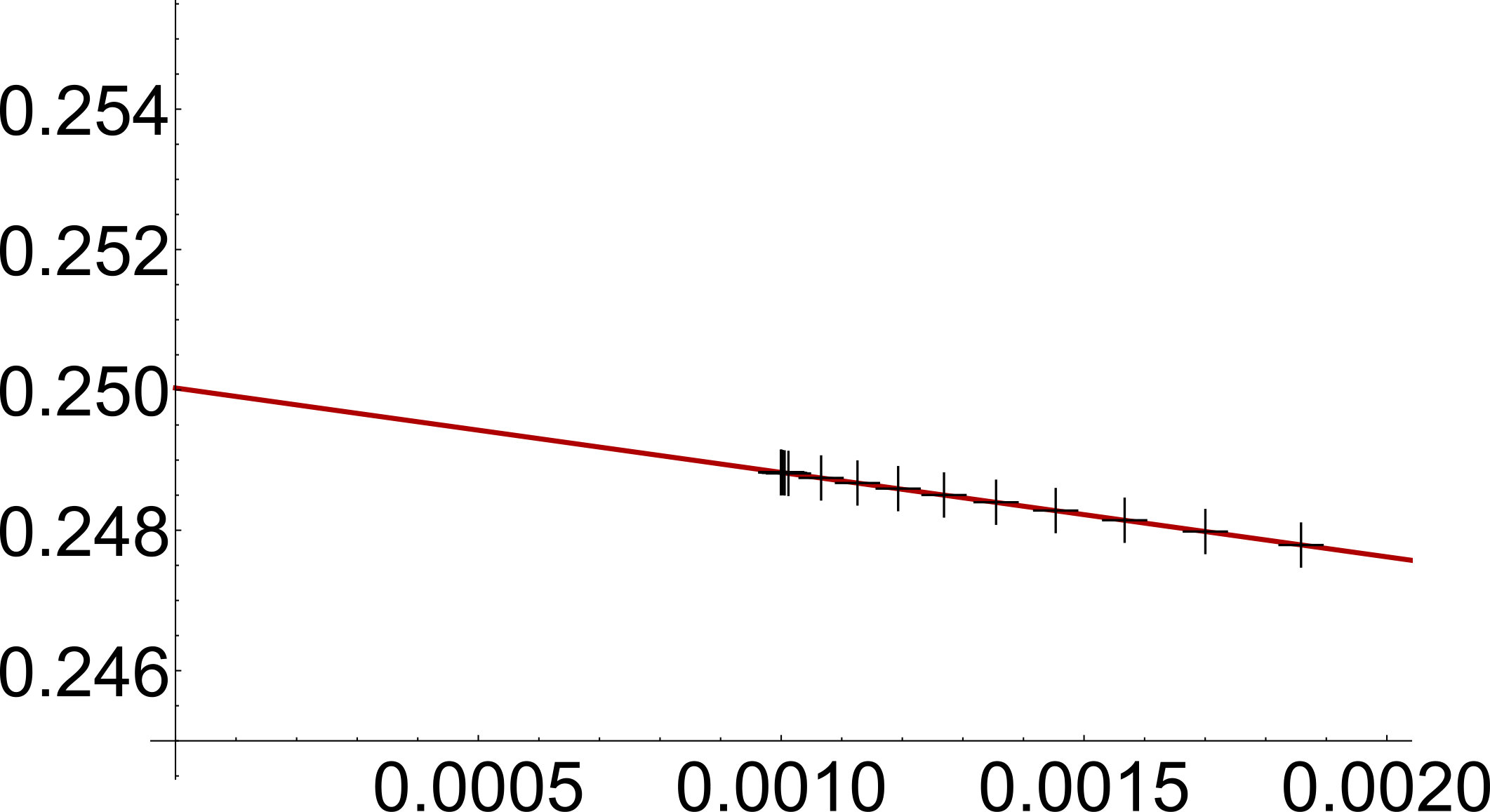 Figure 14
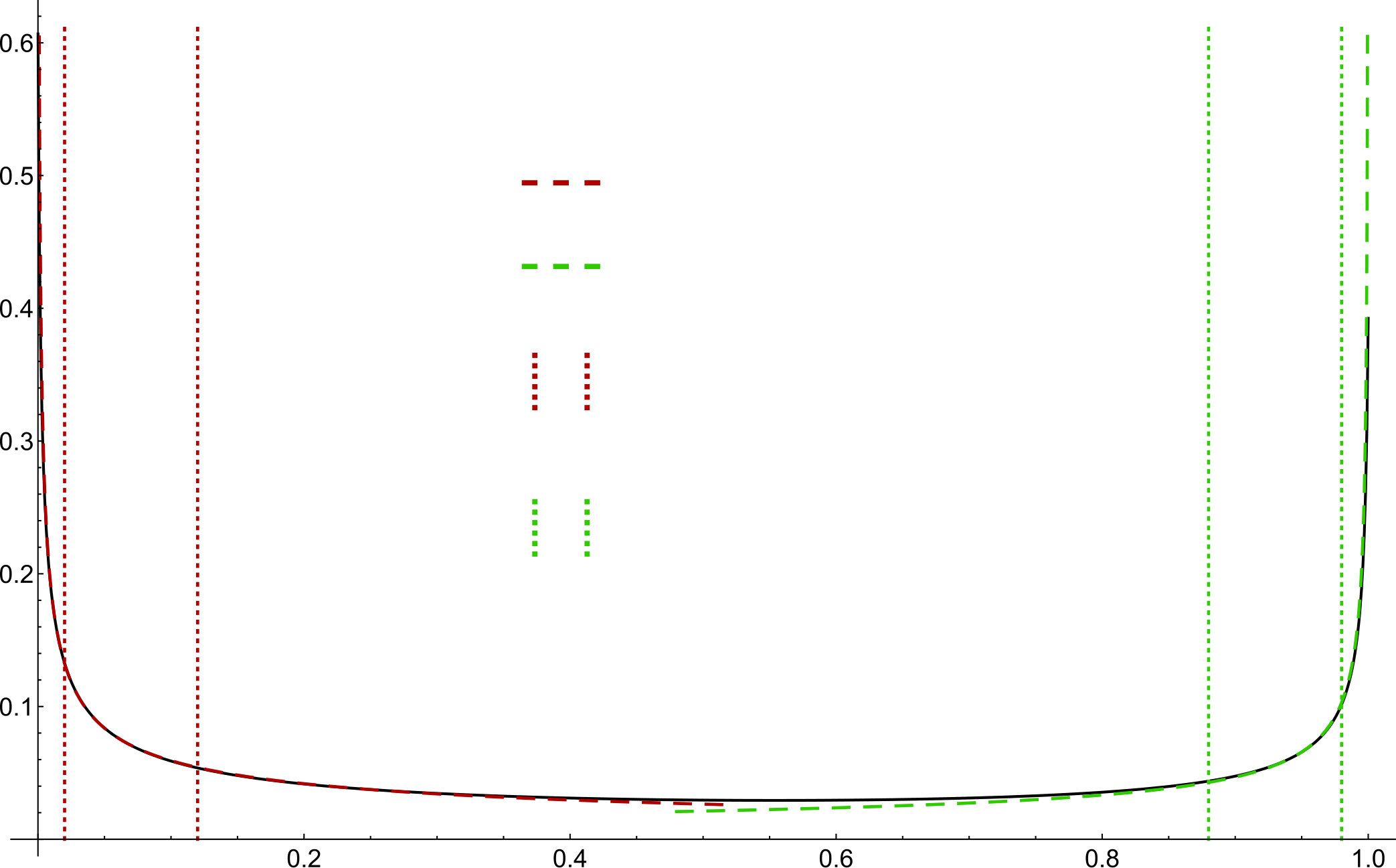 Figure 15
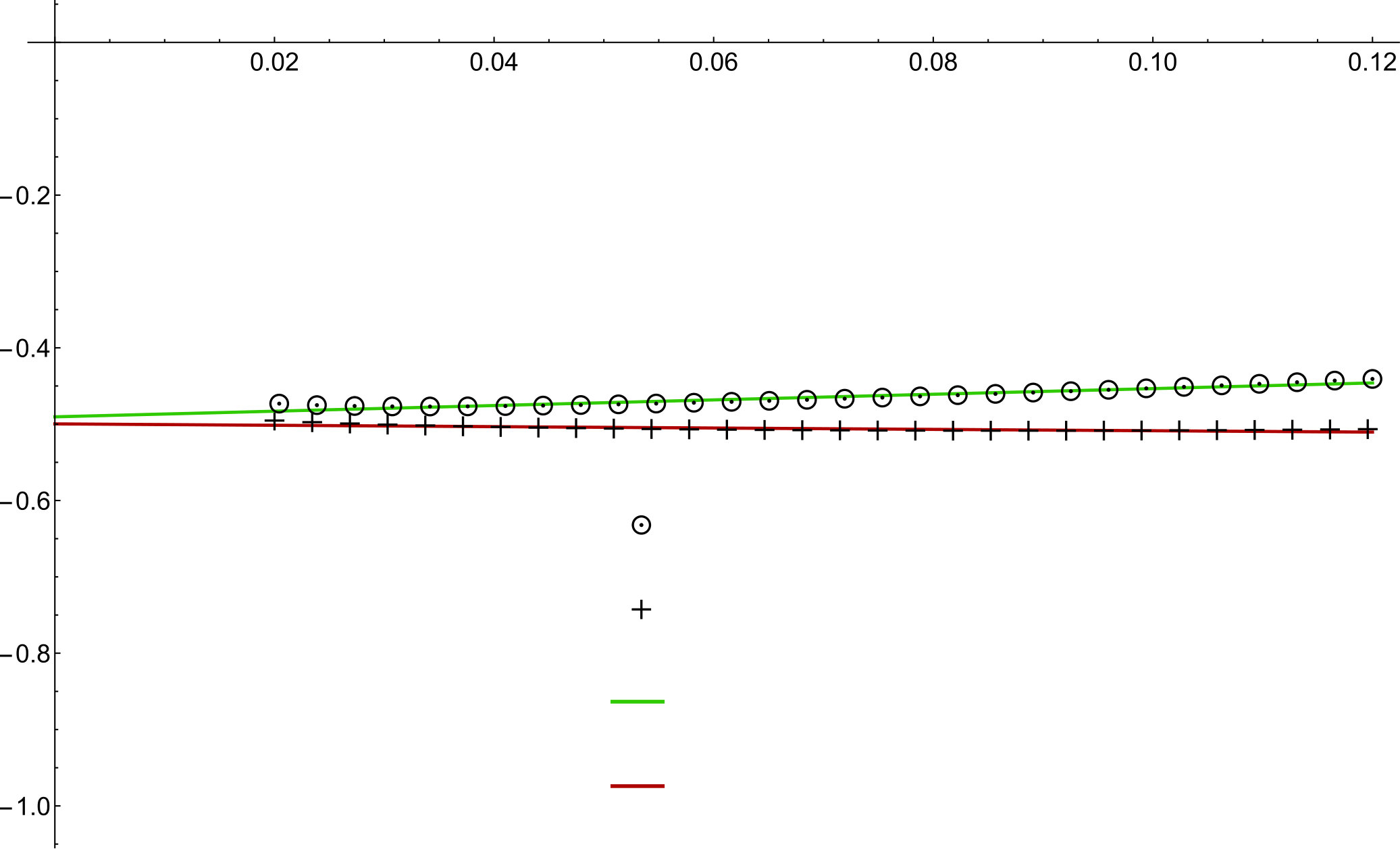 Figure 16
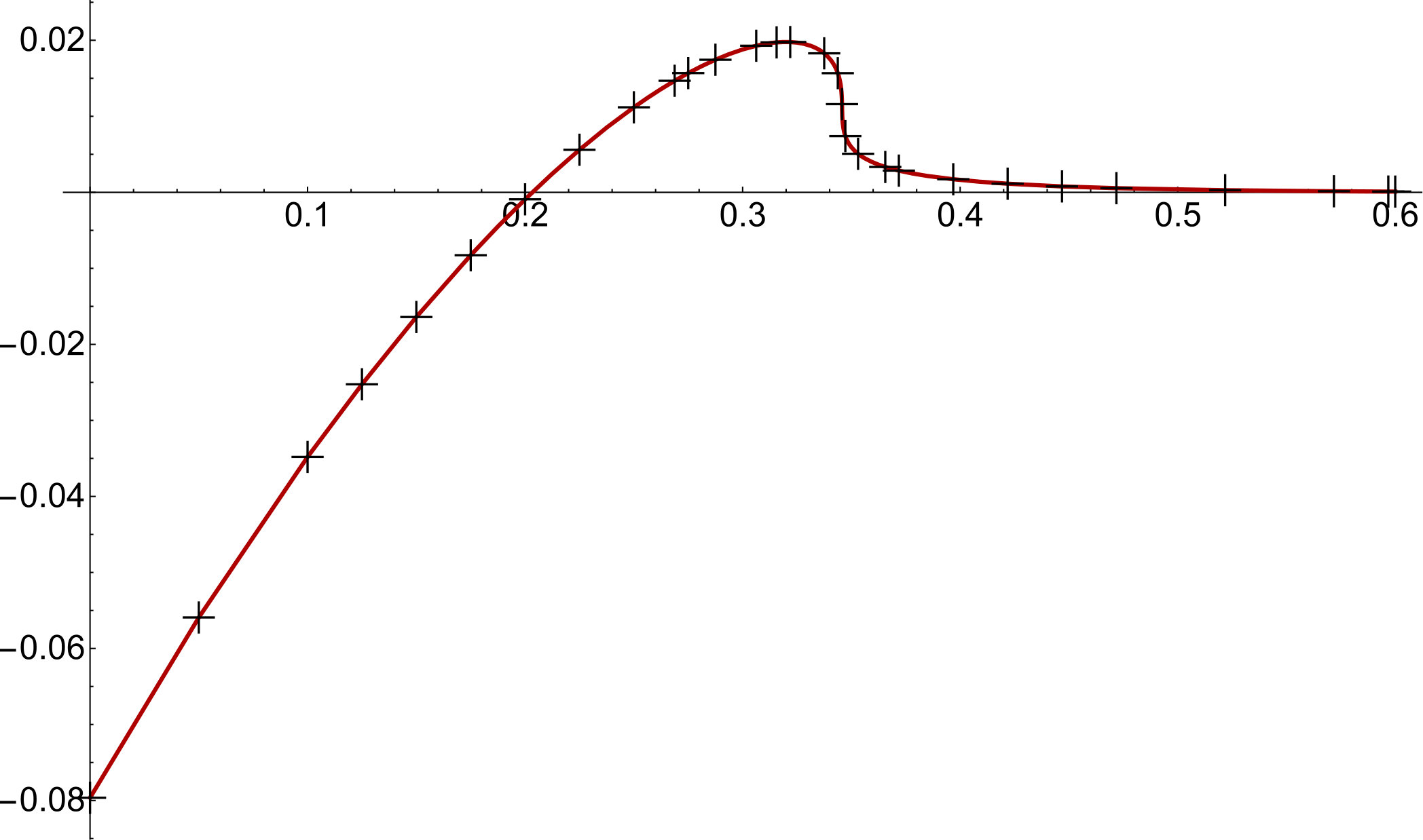 Figure 17
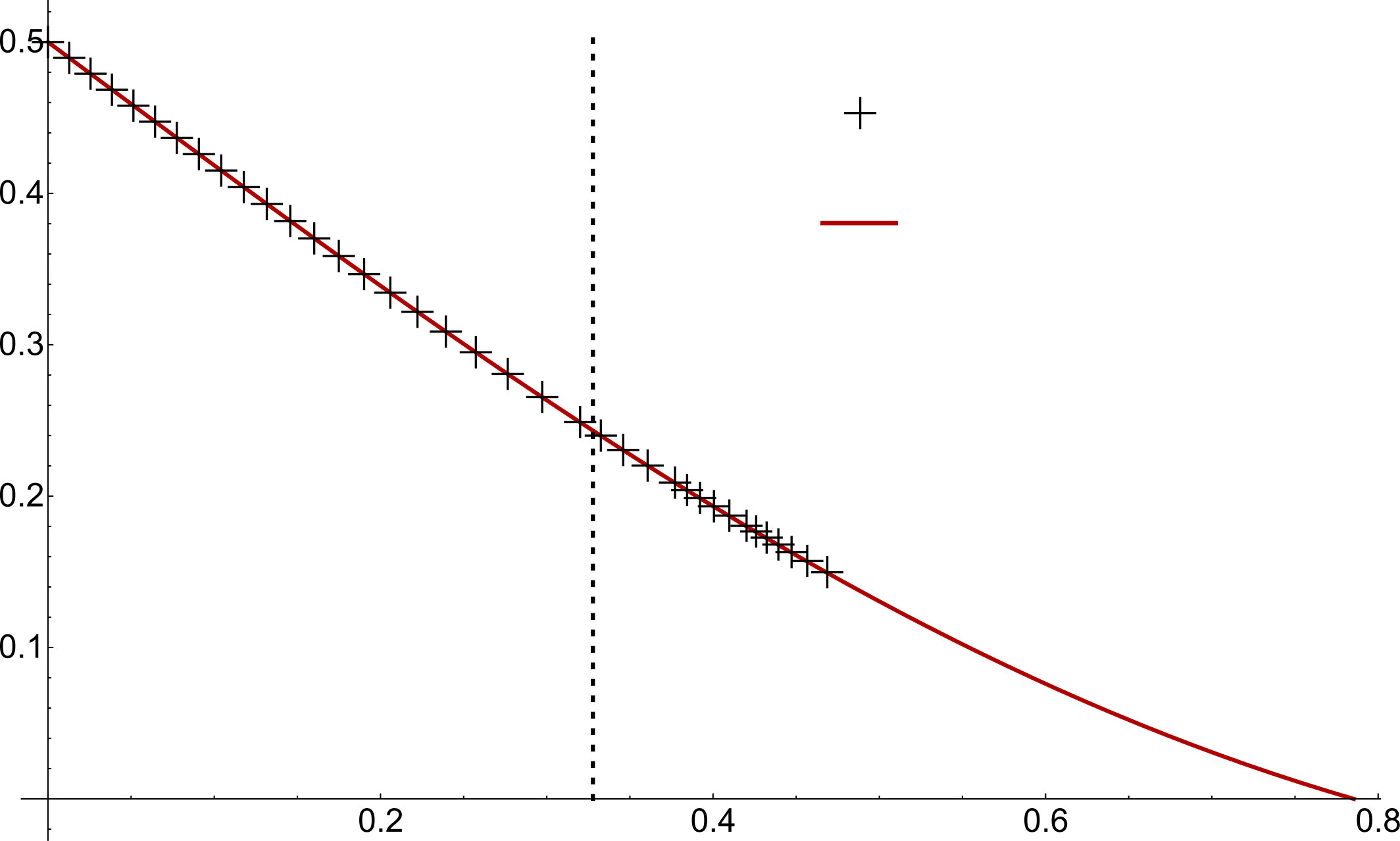 Figure 18
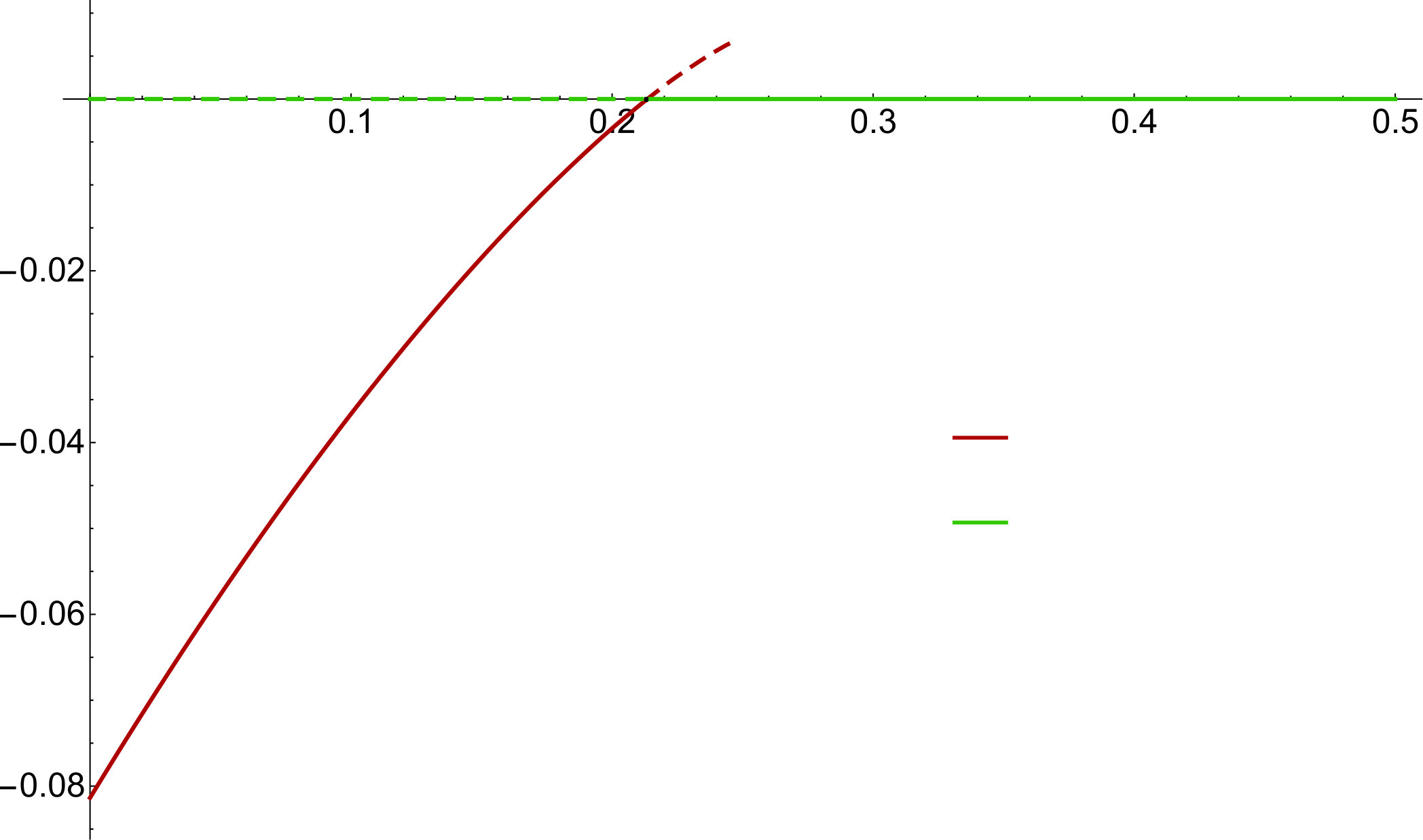 Figure 19
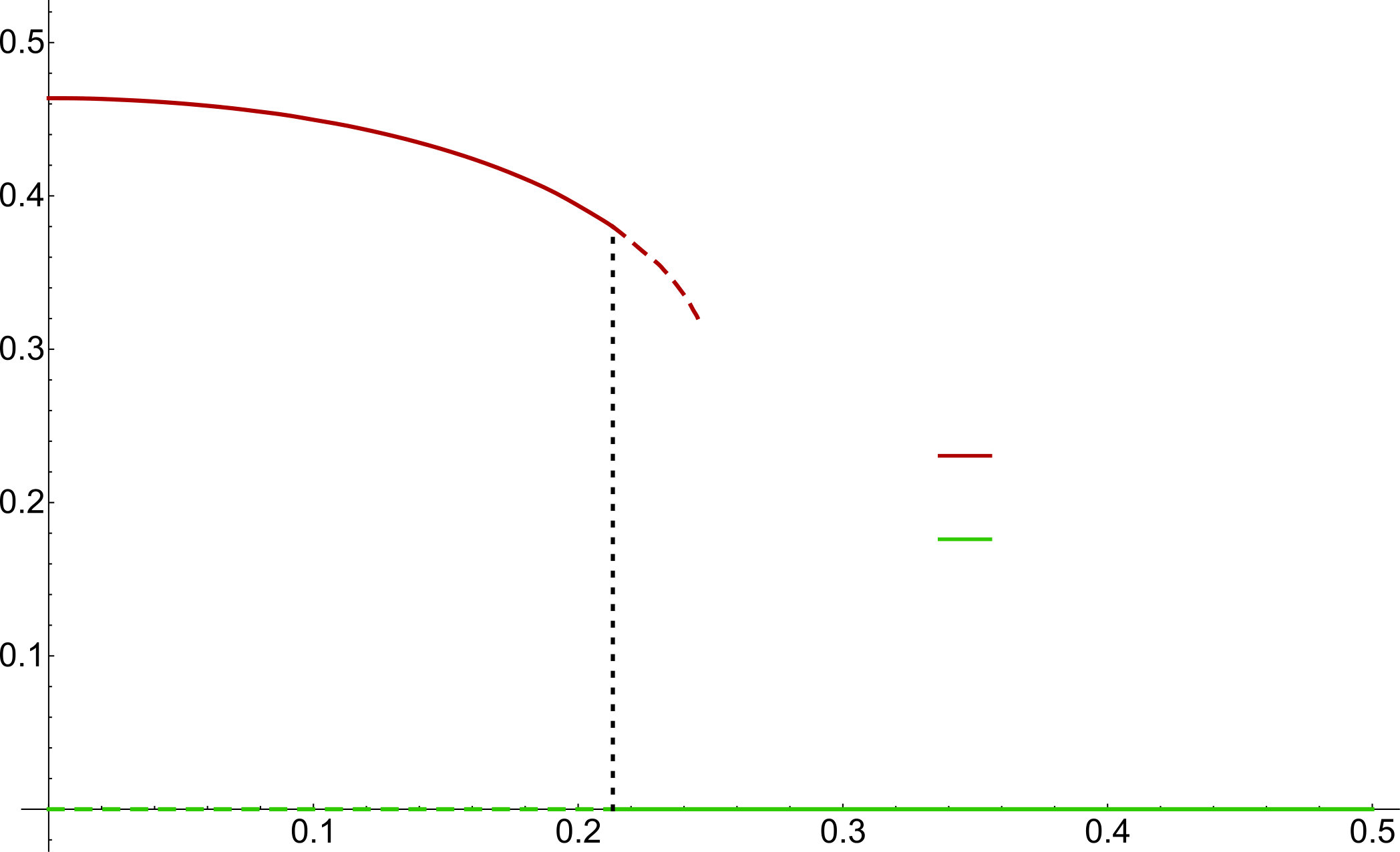 Figure 20
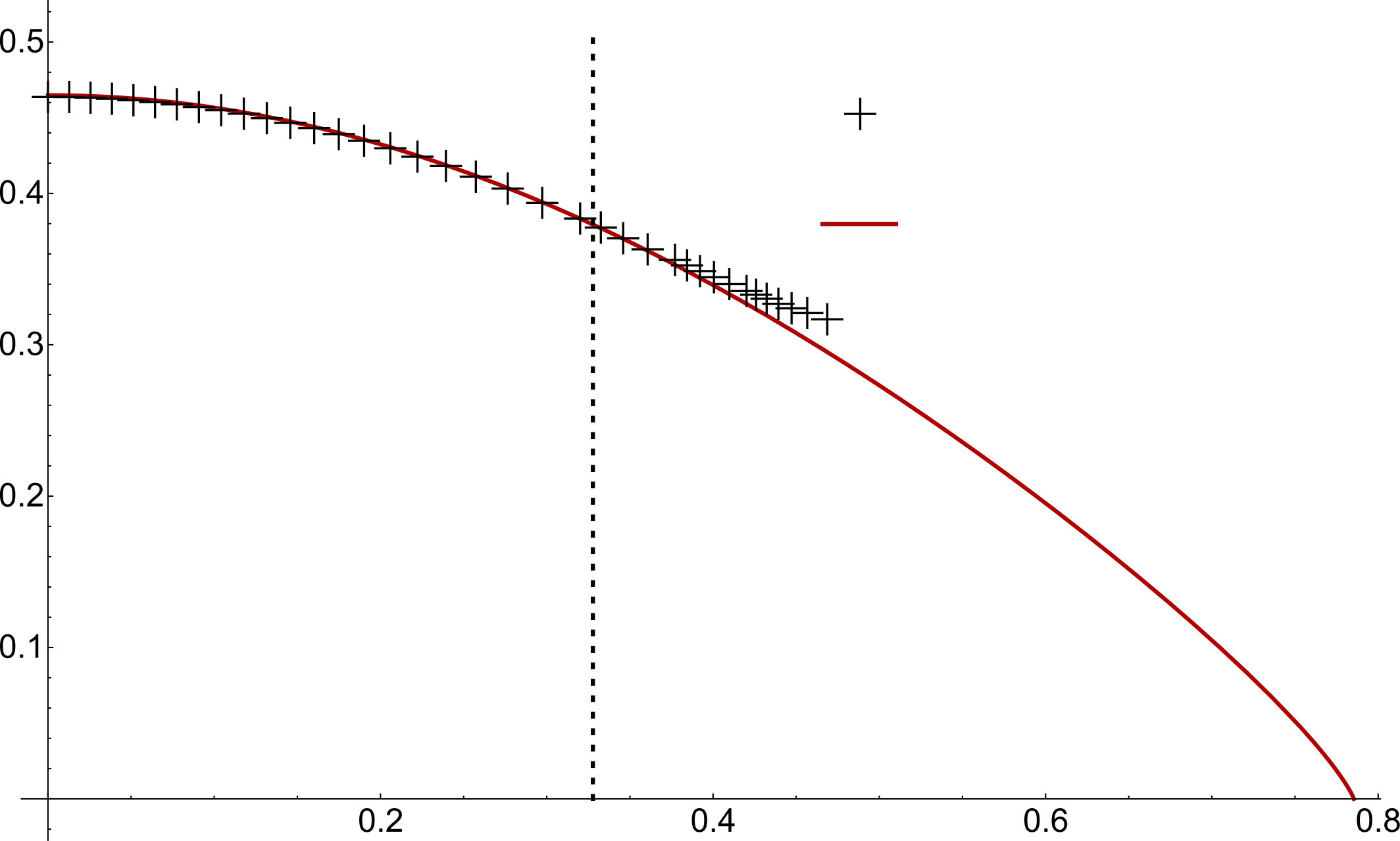 Figure 21
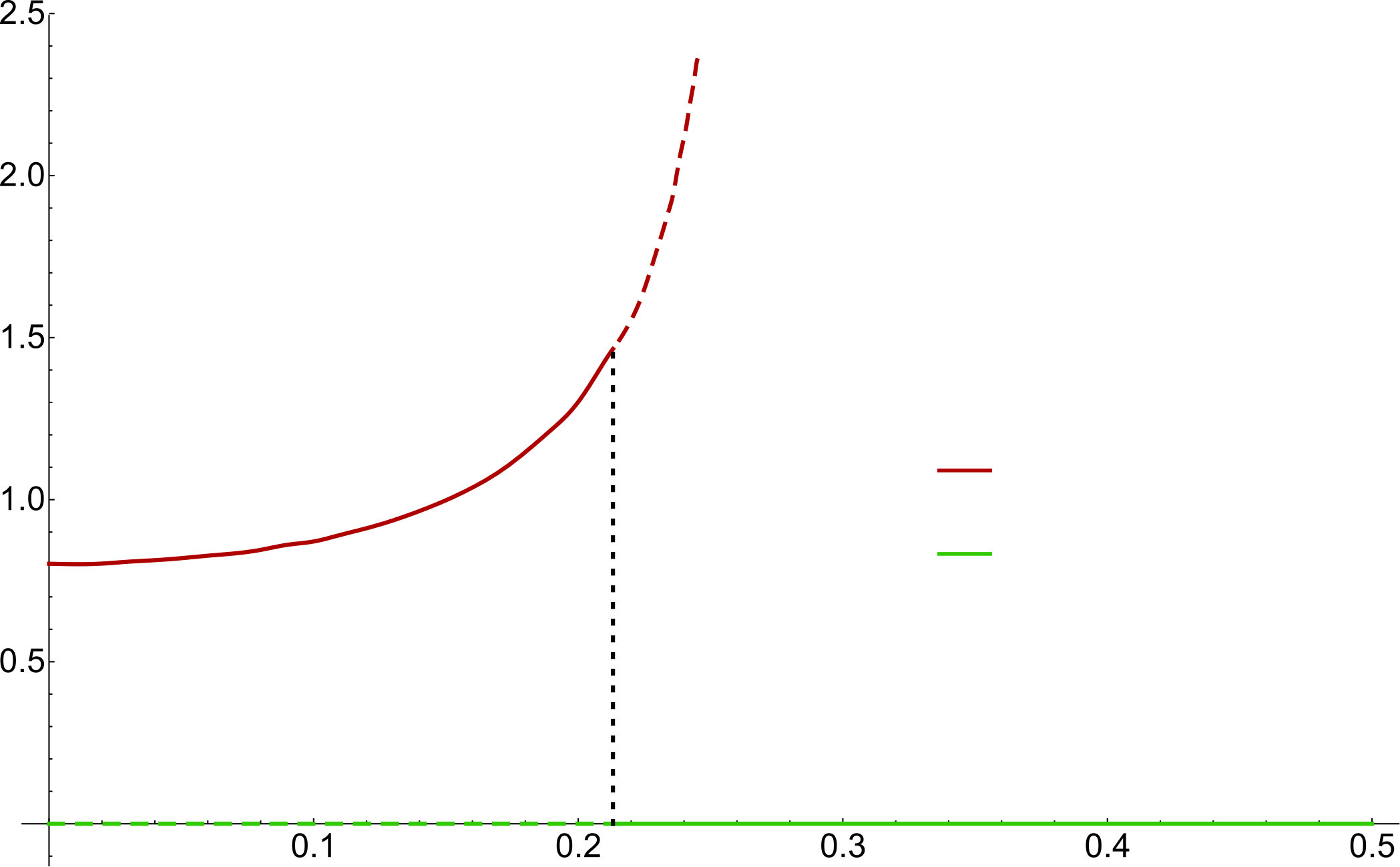 Figure 22
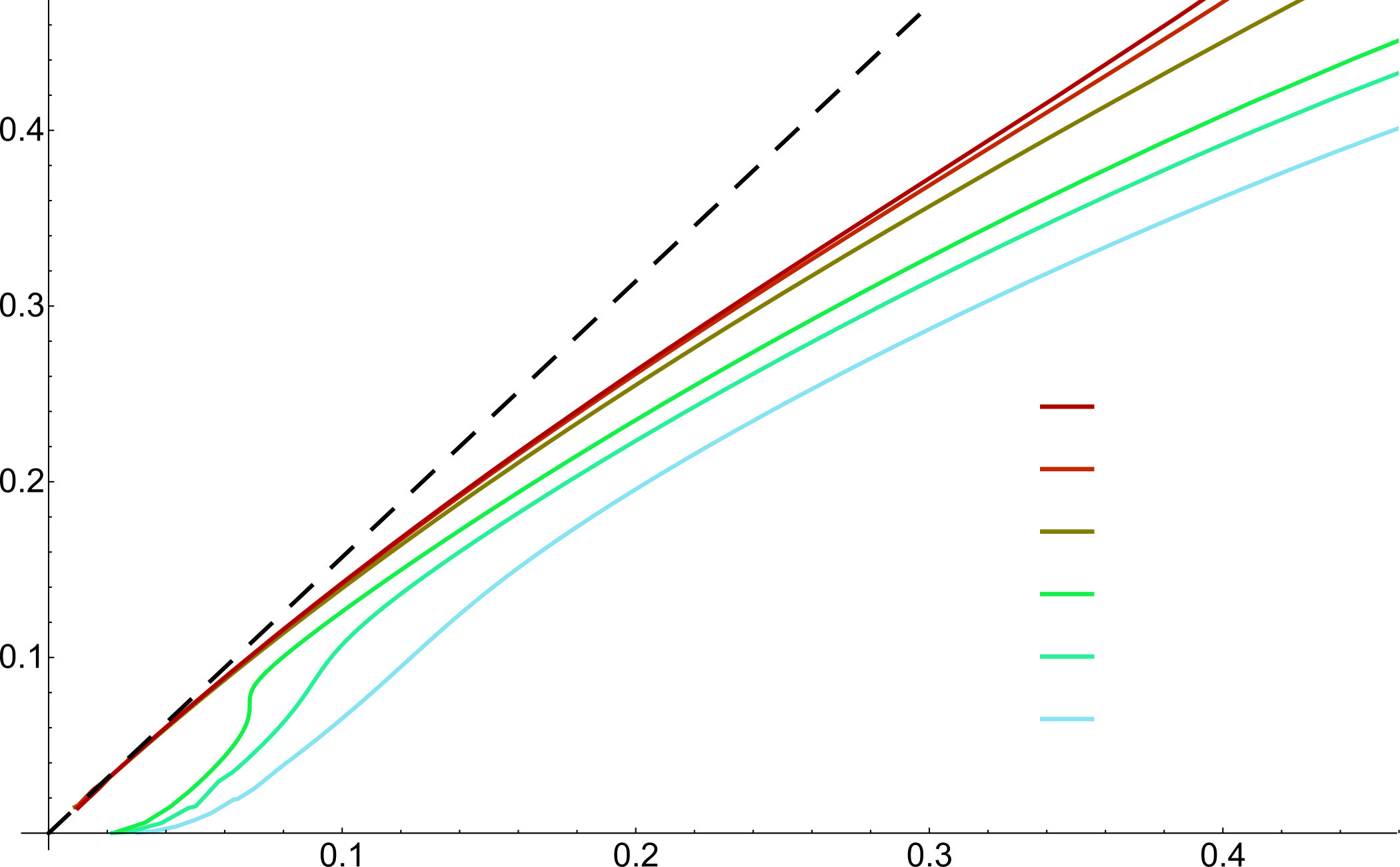 Figure 23
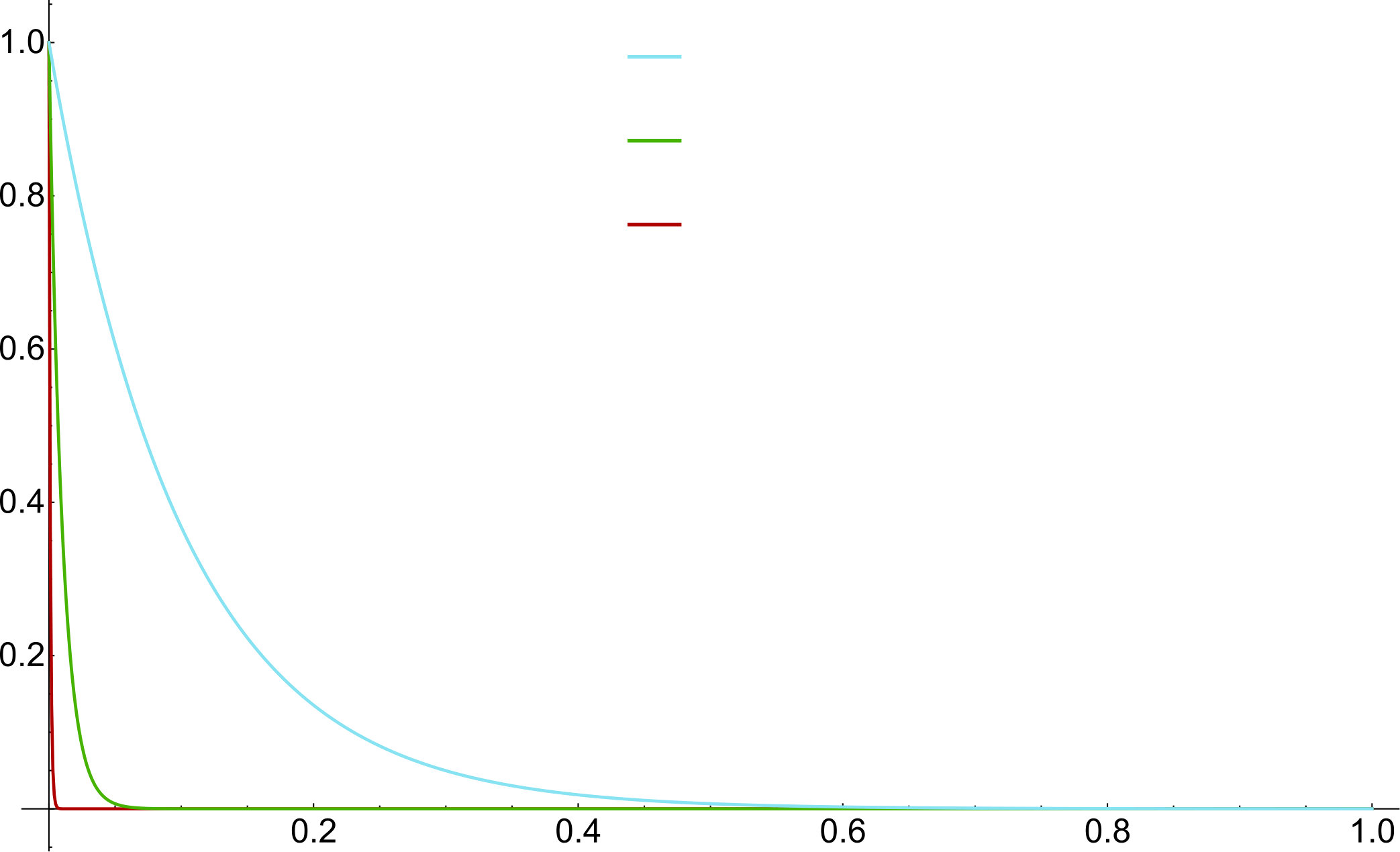 Figure 24
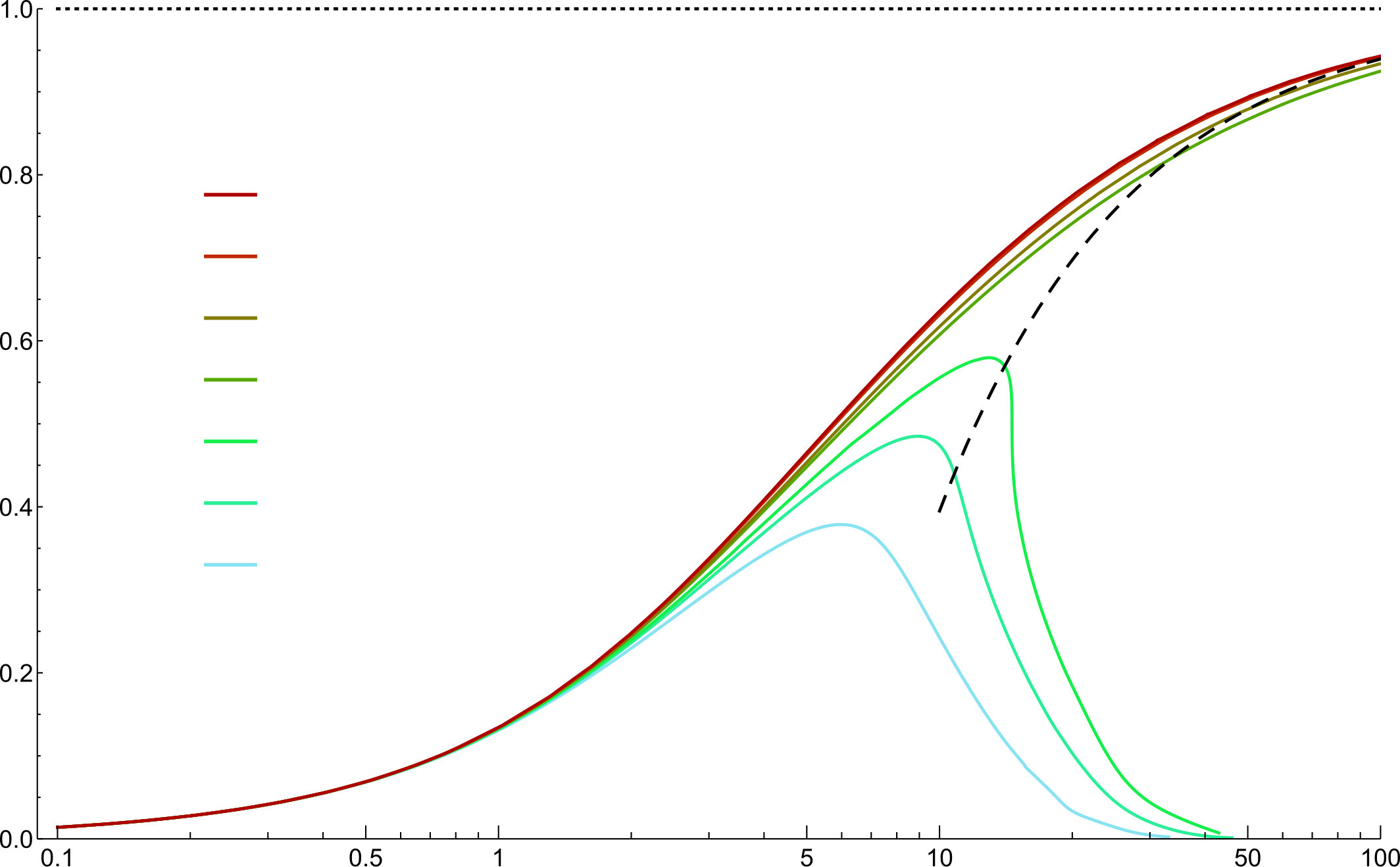 Figure 25
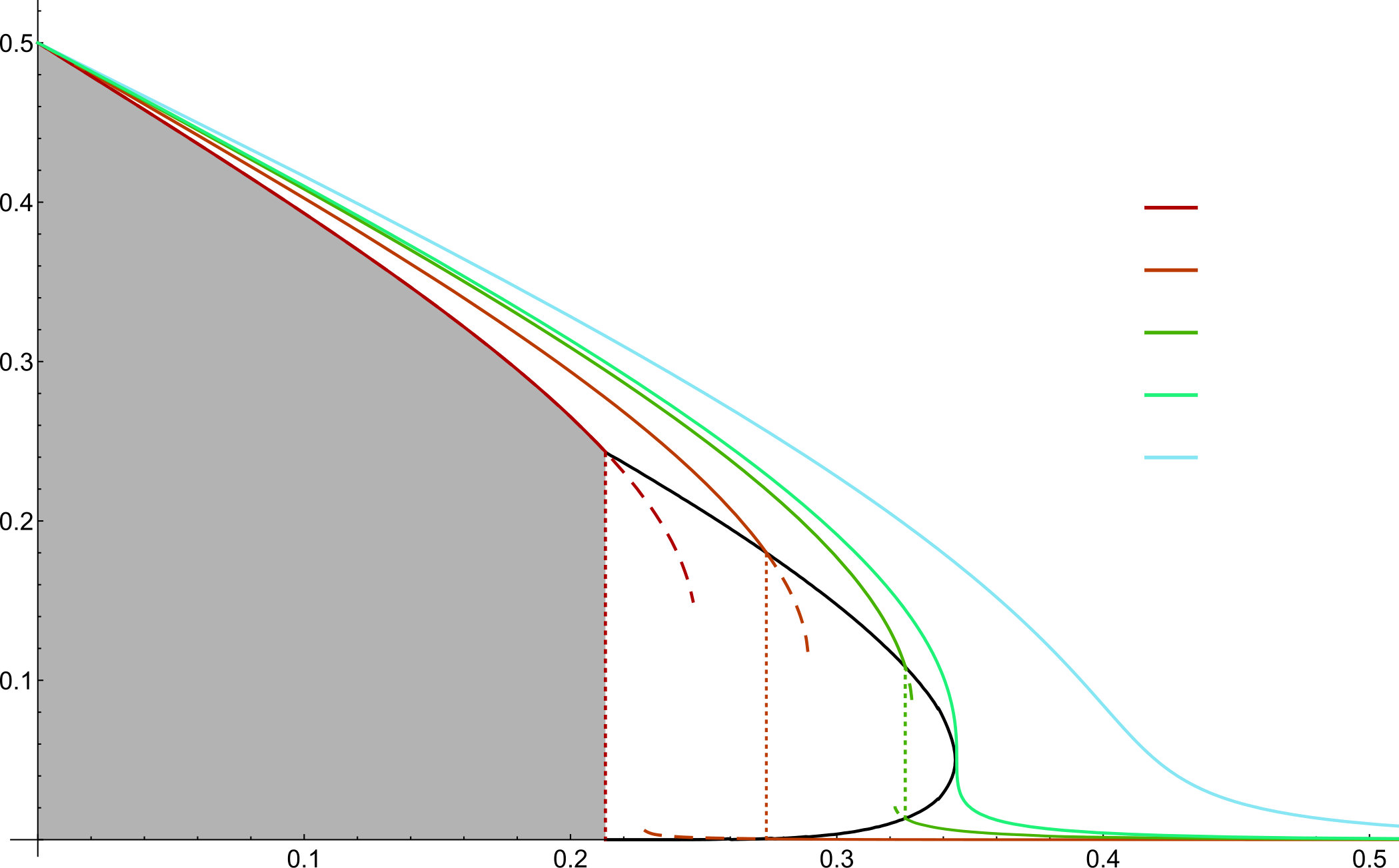 Figure 26
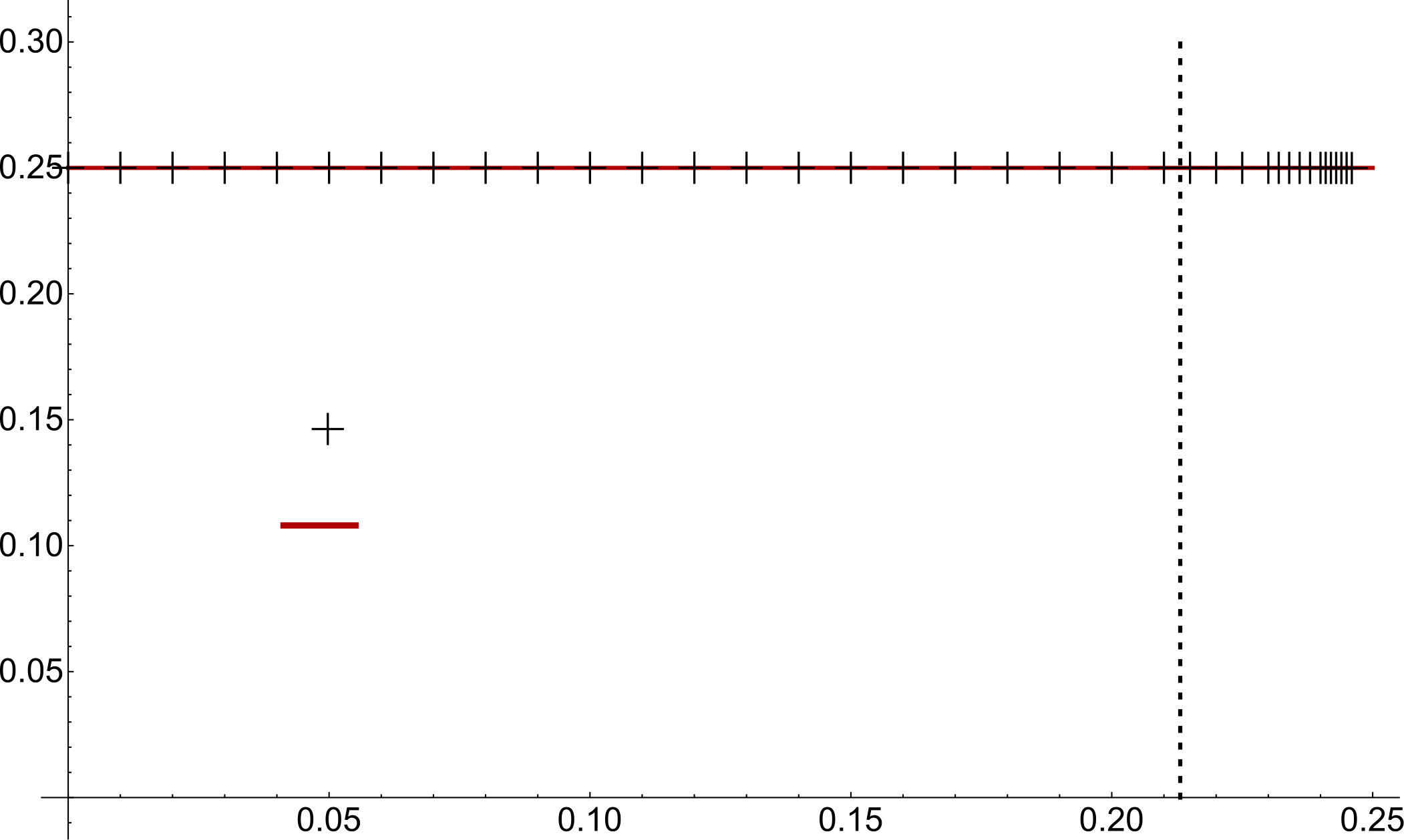 Figure 27
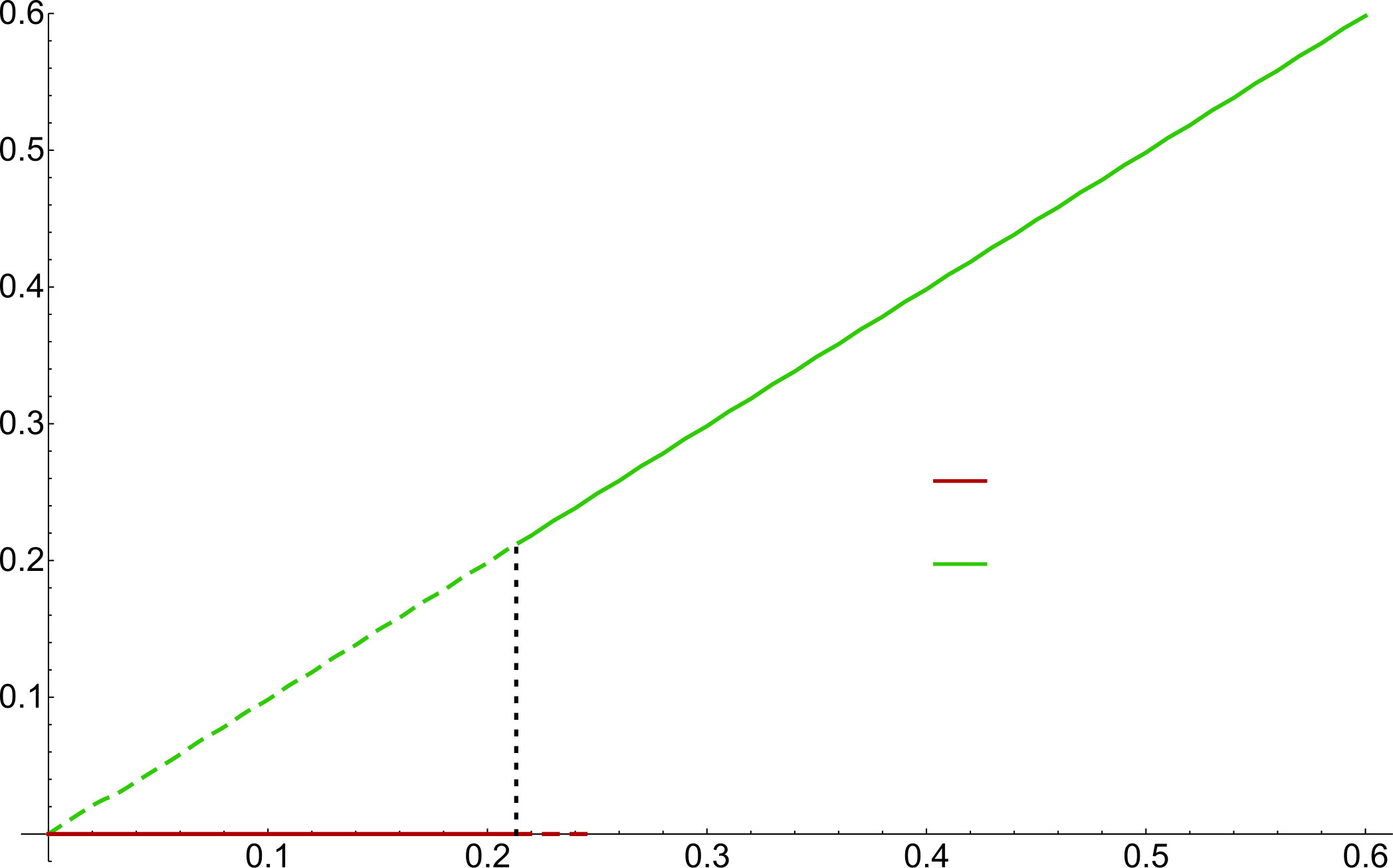 Figure 28
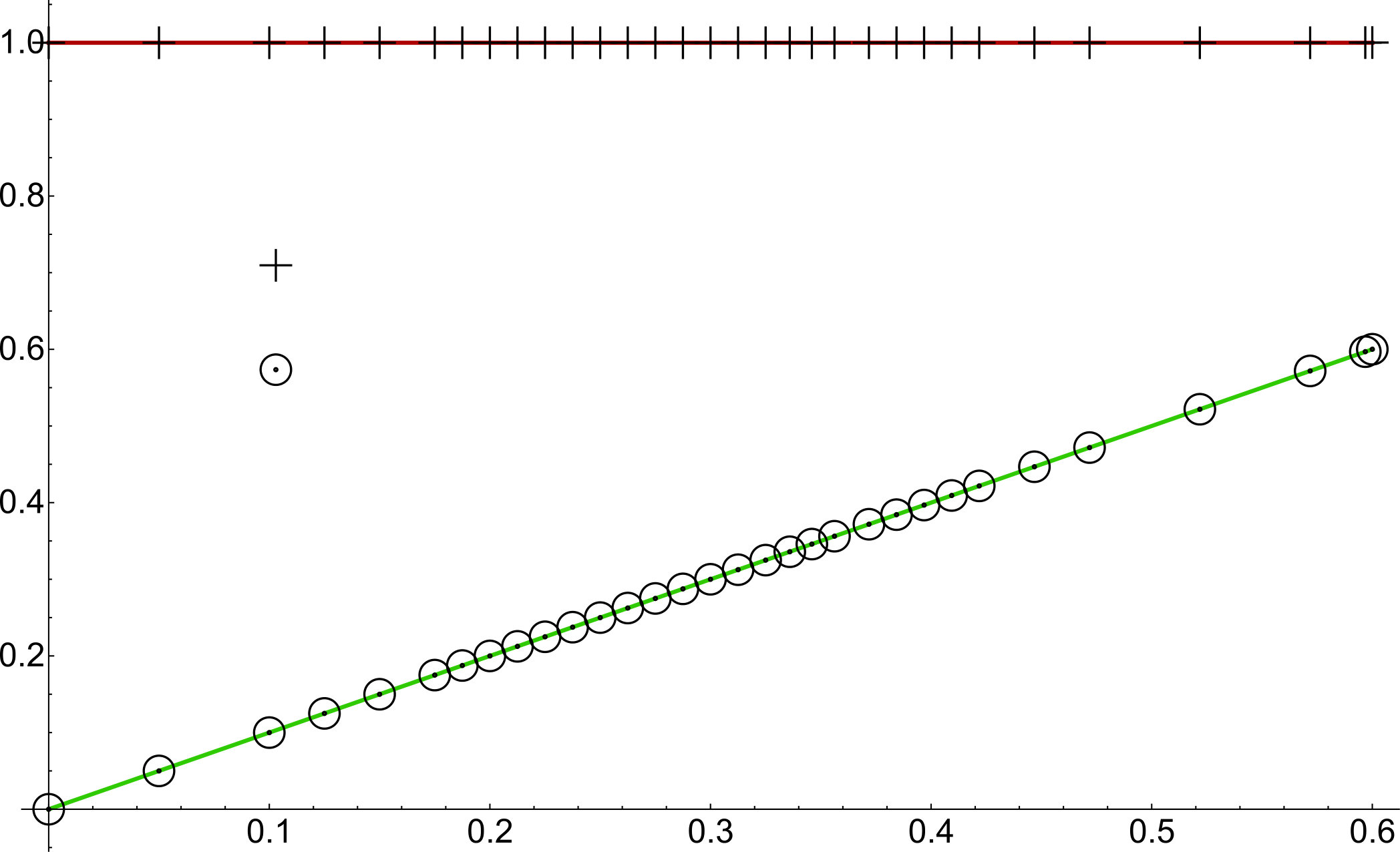 Figure 29
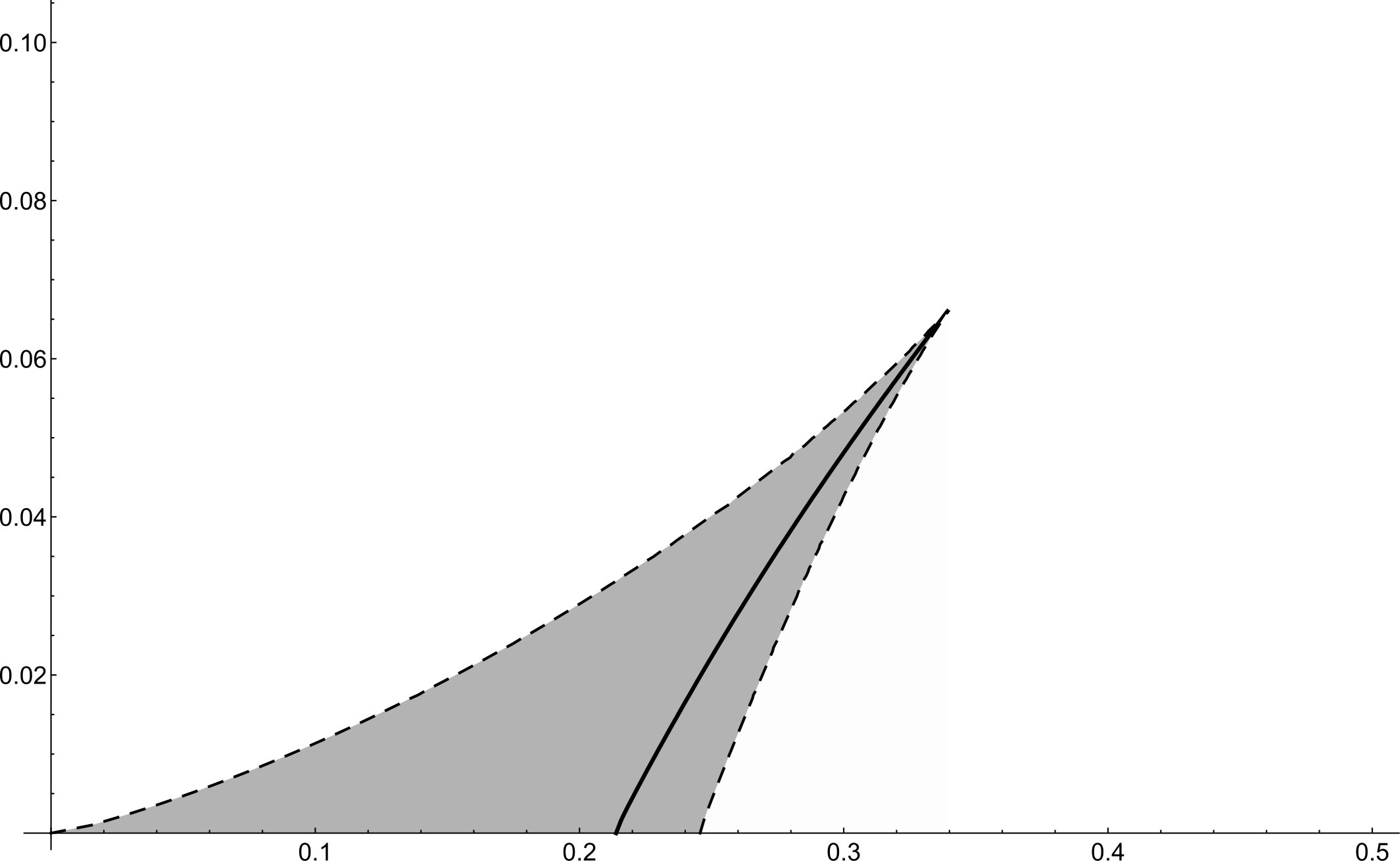 Figure 30
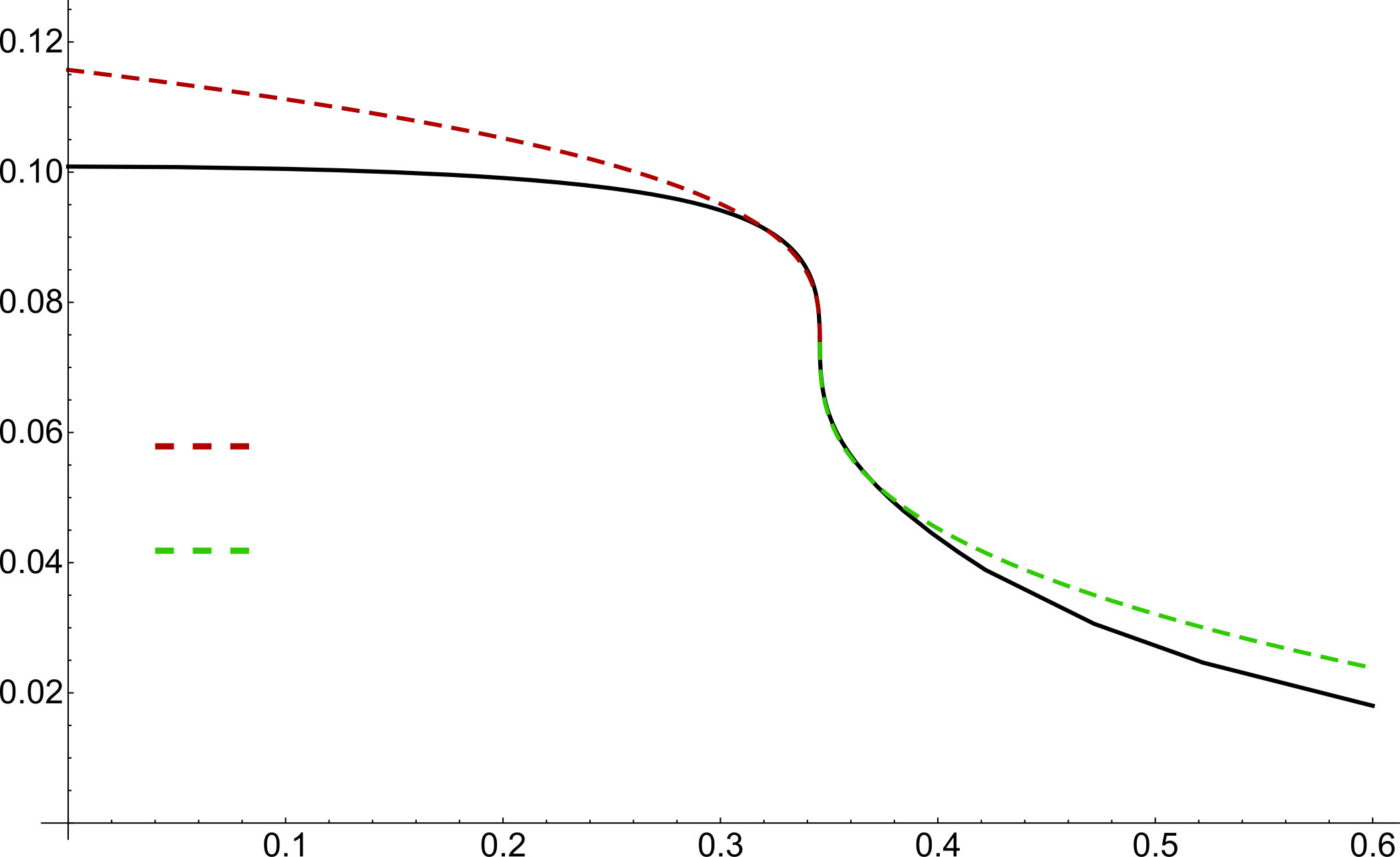 Figure 31
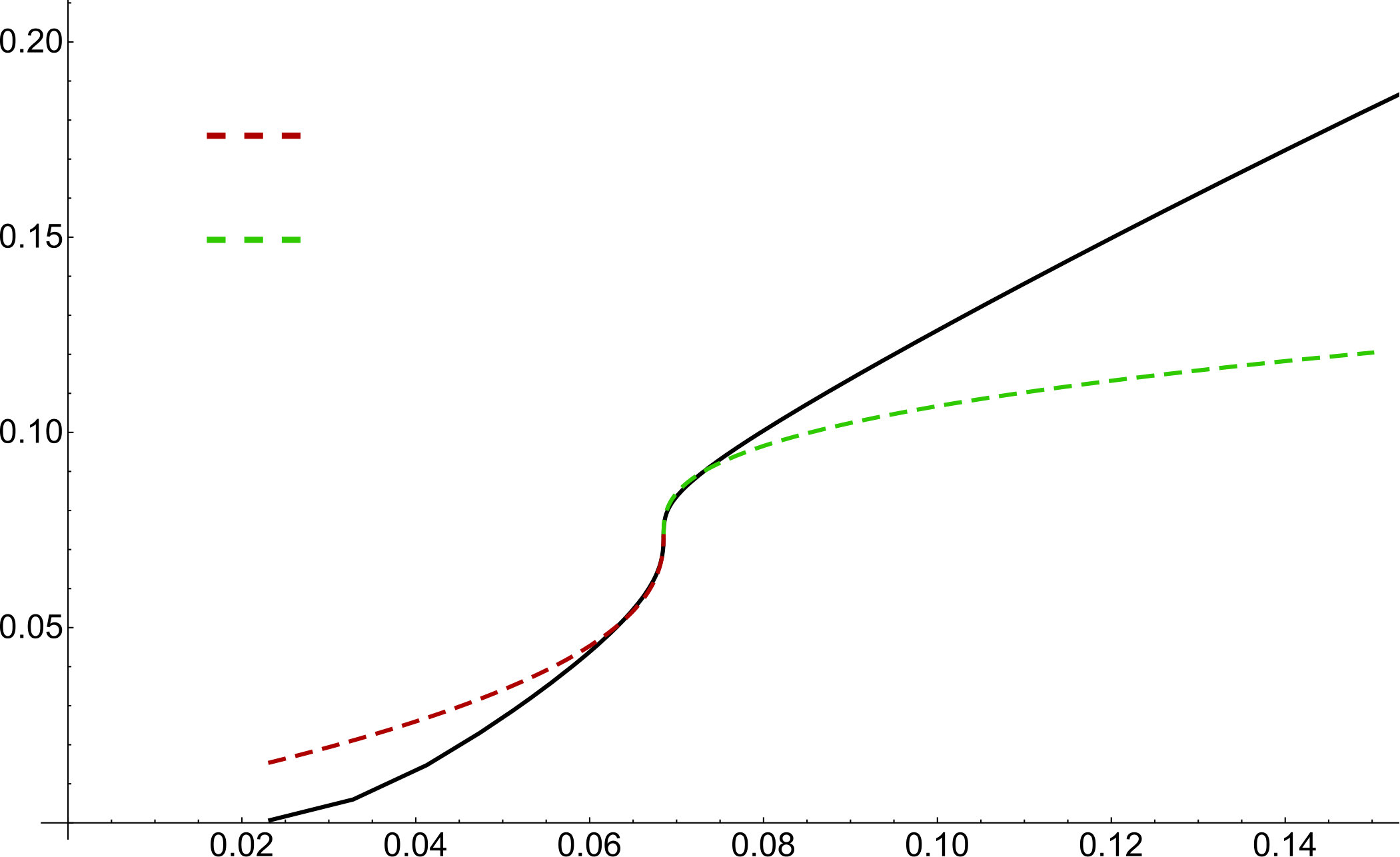 Figure 32
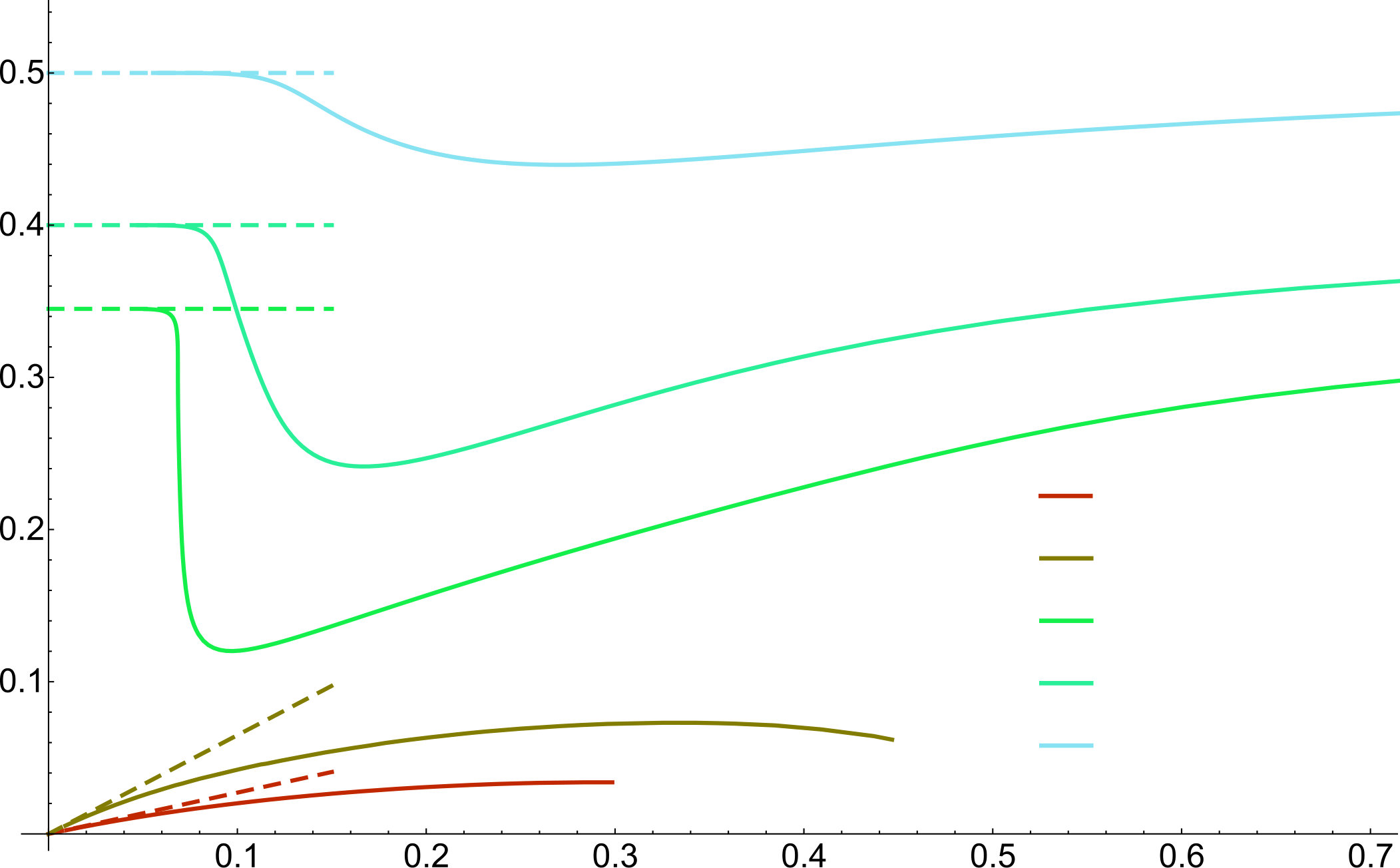 Figure 33
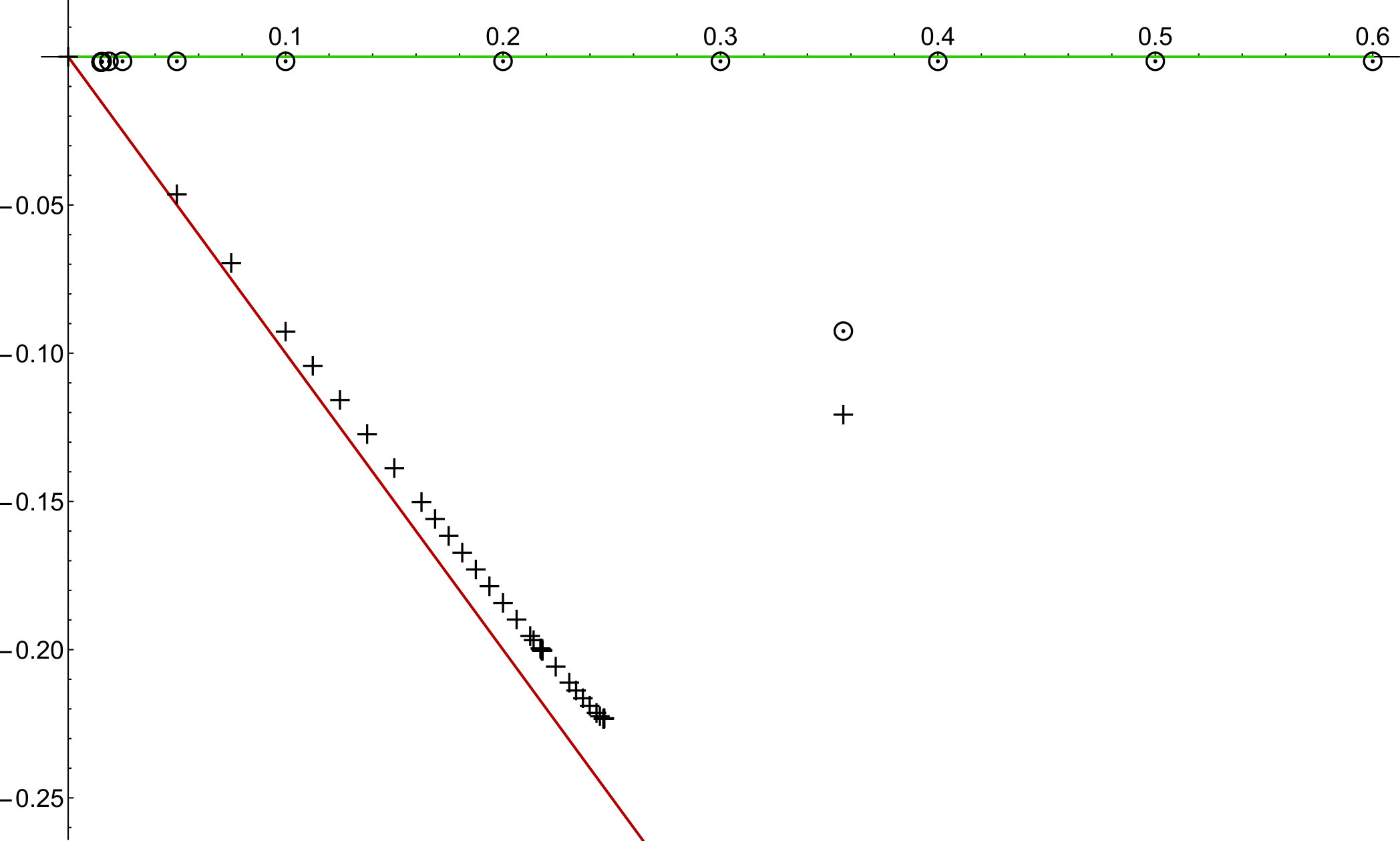 Figure 34
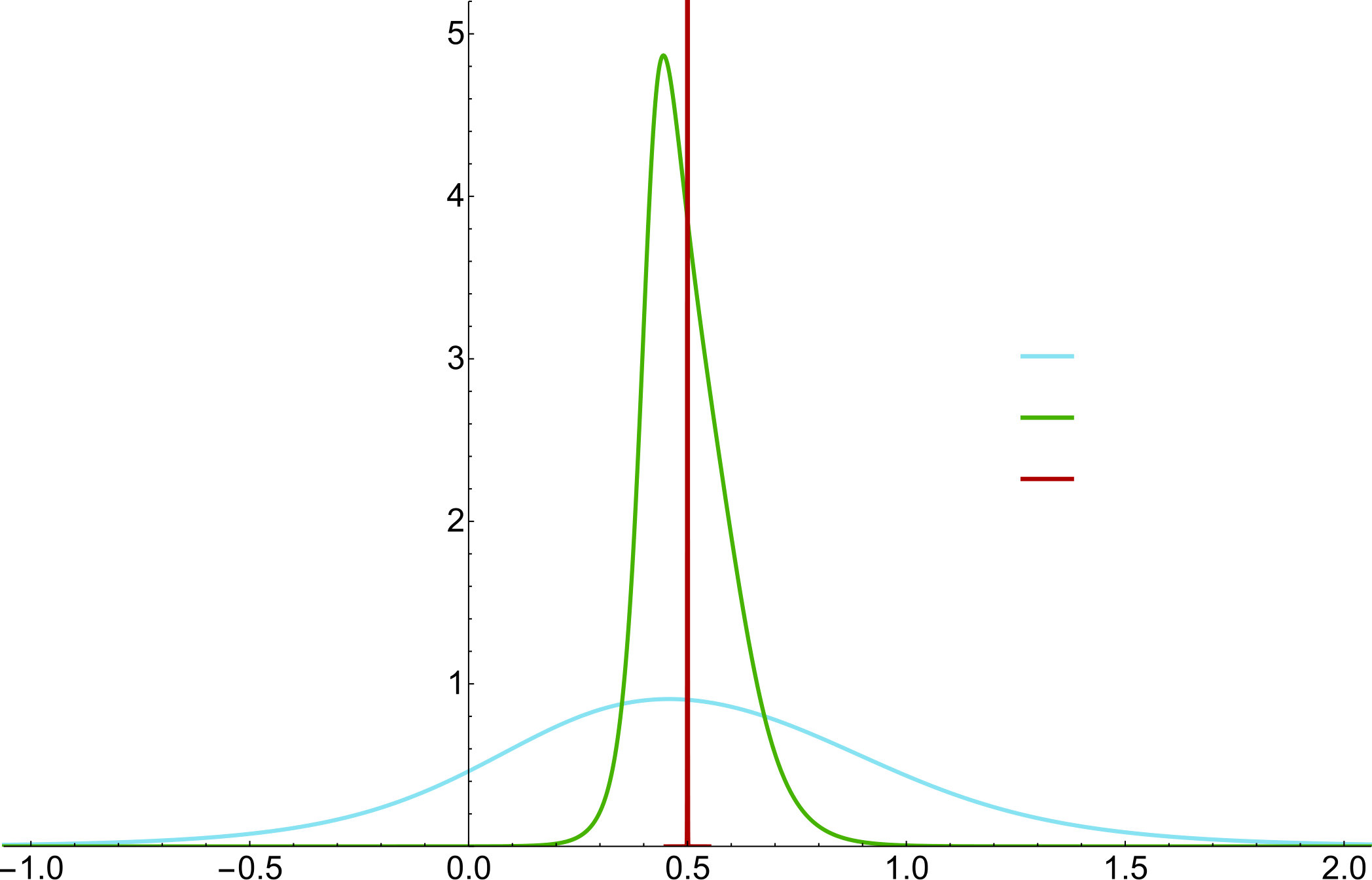 Figure 35
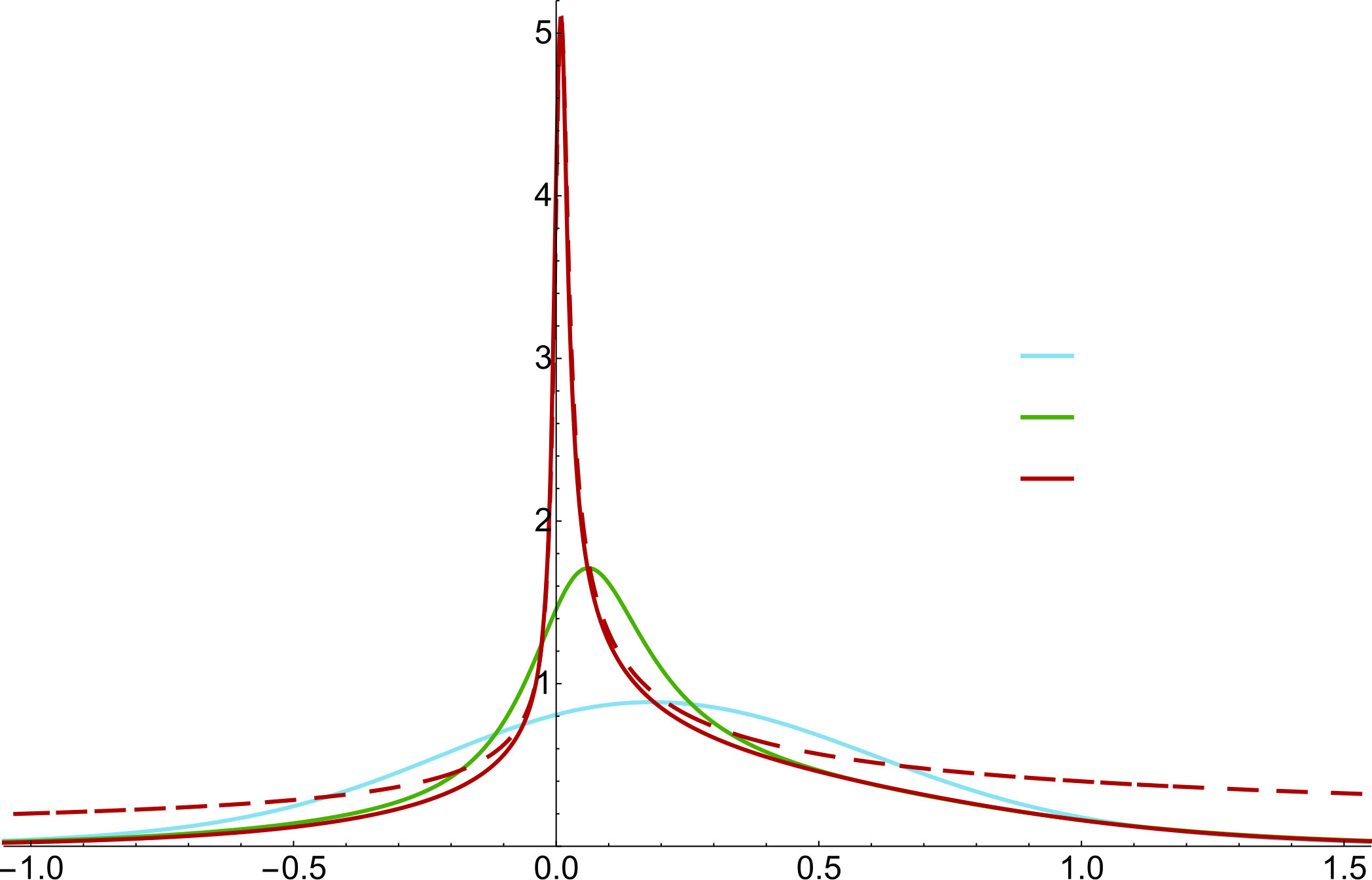 Figure 36
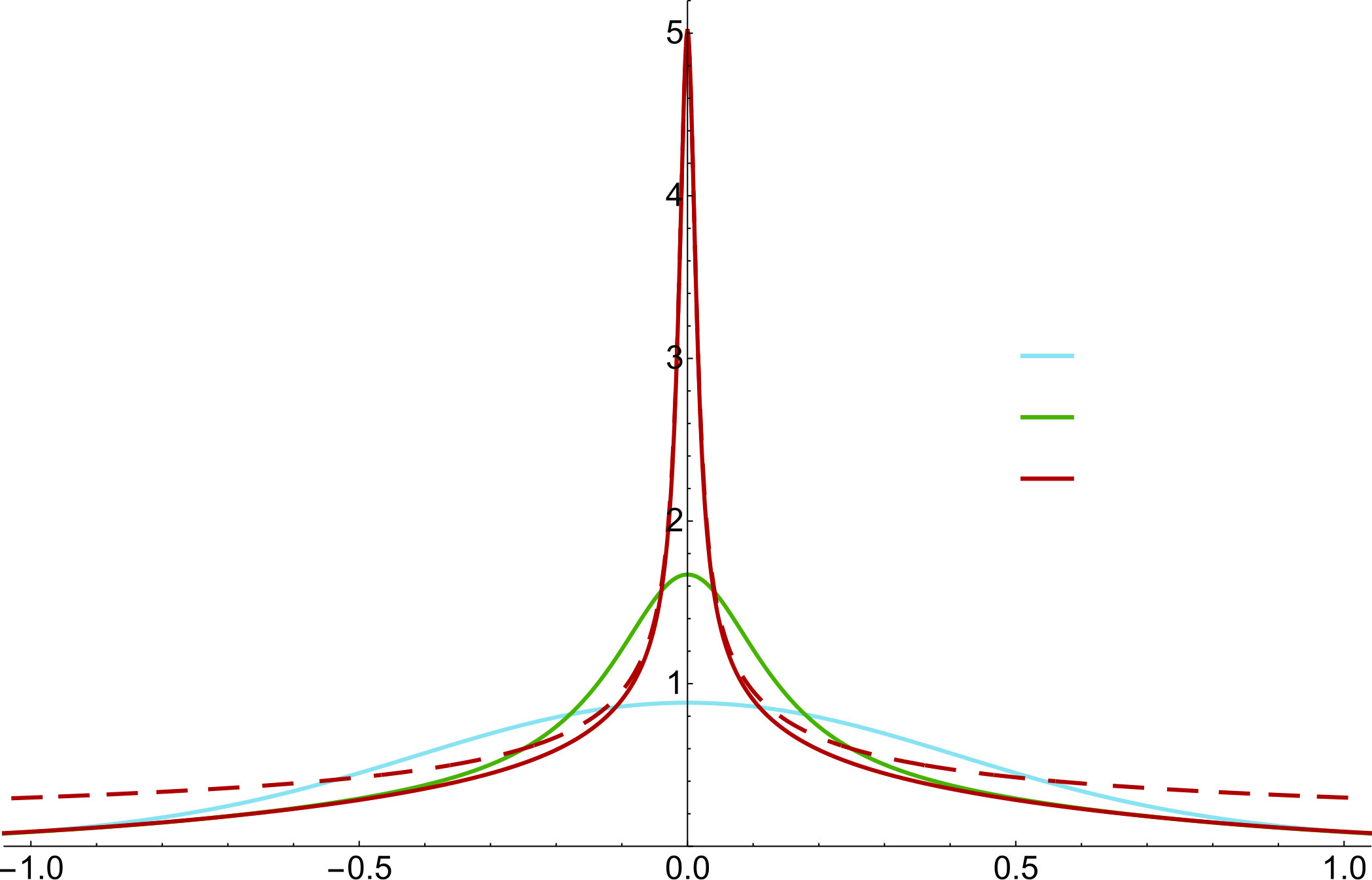 Figure 37
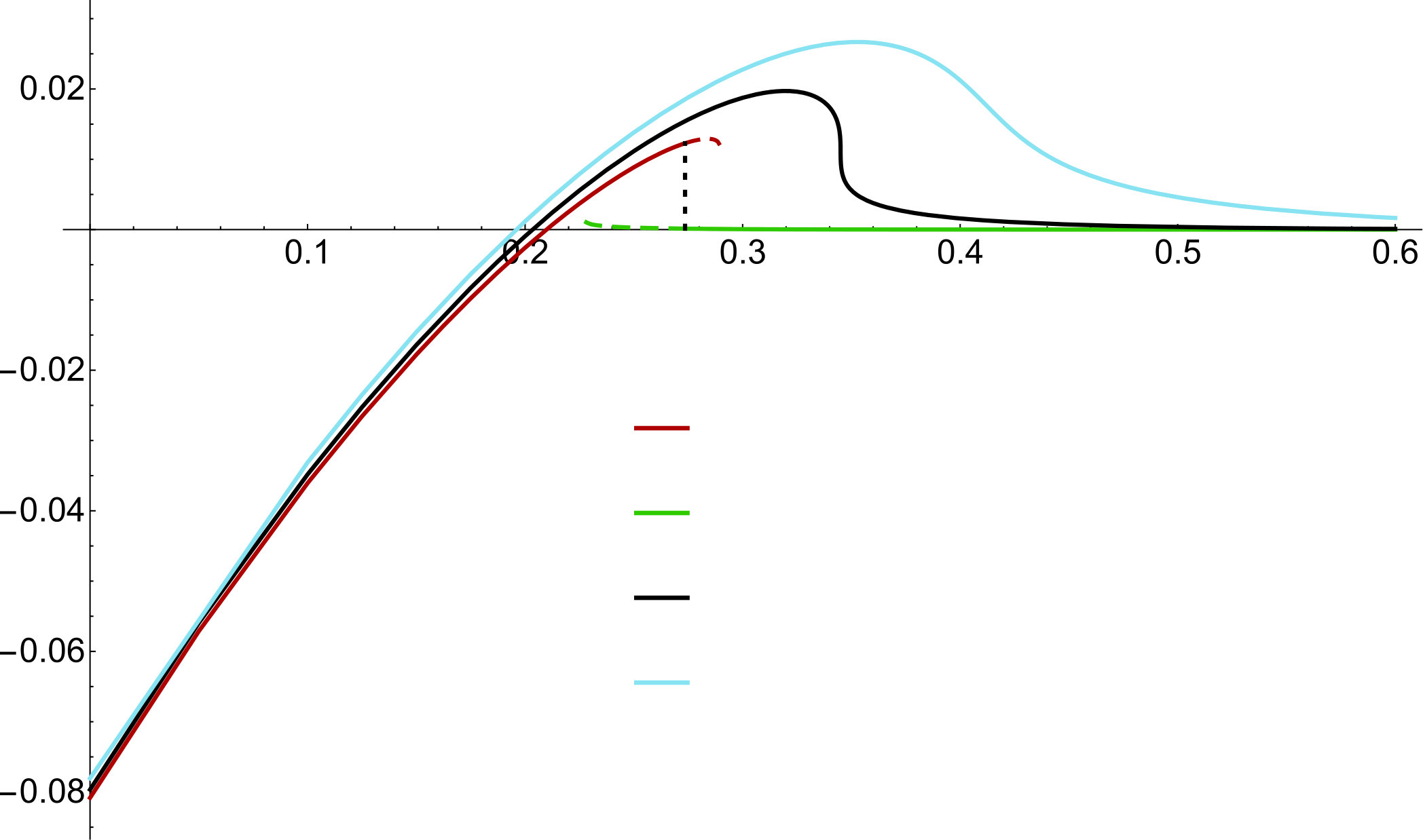 Figure 38
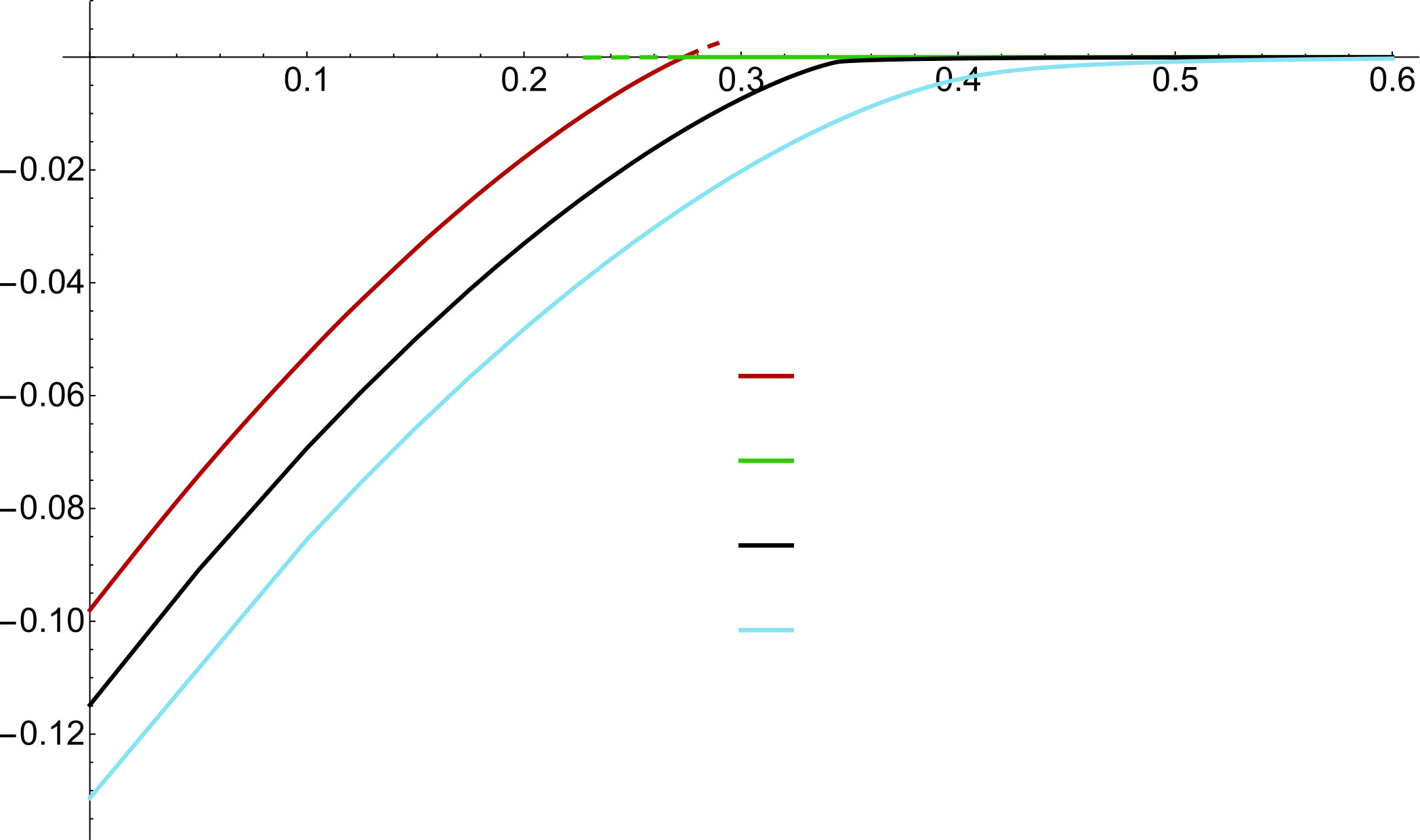 Figure 39
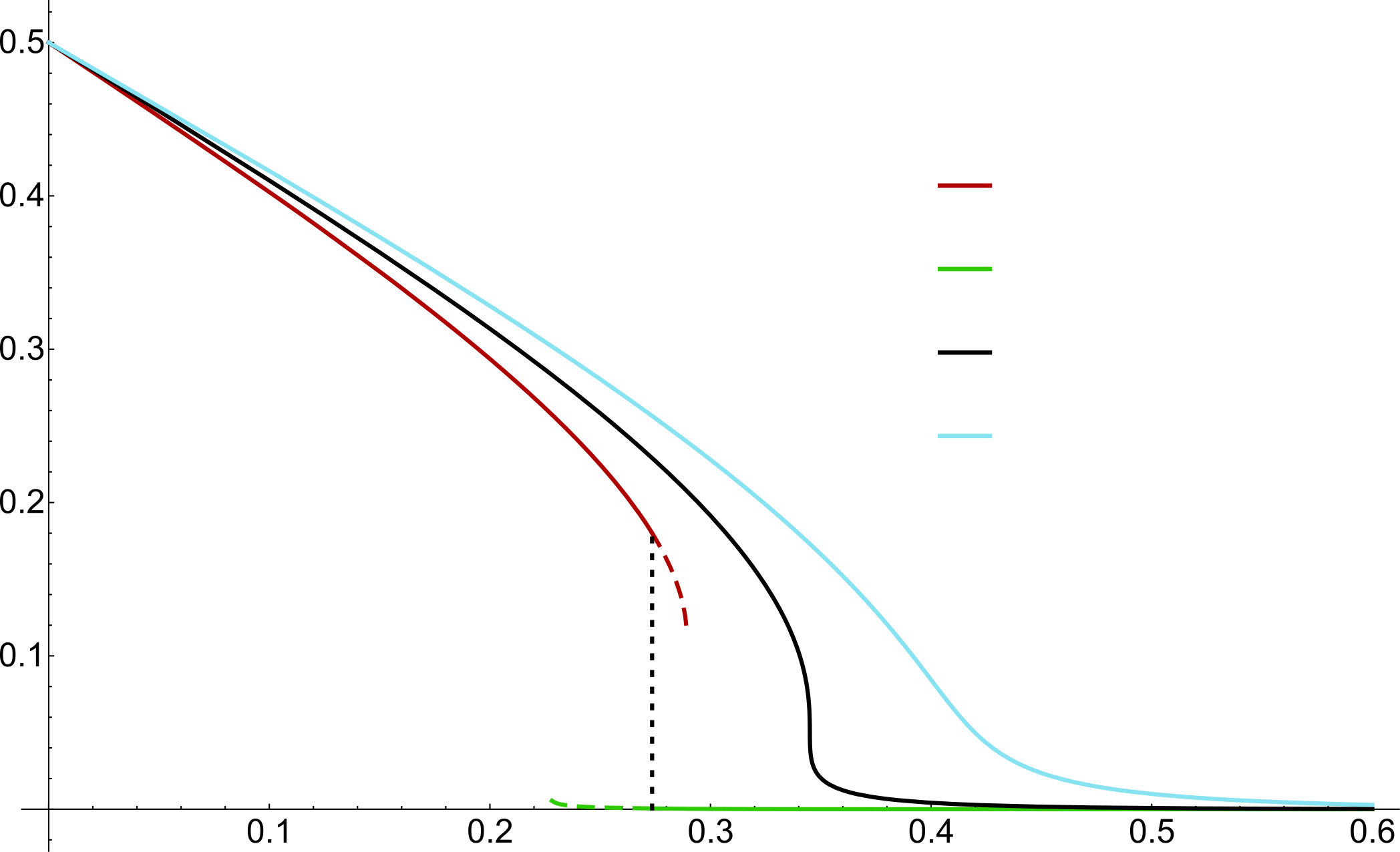 Figure 40
Peer Reviews
No public reviews on file for this paper yet. If you reviewed it on a platform where reviews are public (OpenReview, ICLR, NeurIPS, ICML), you can paste yours below so the community can read it here.
Videos
No videos yet. Explain this paper in a talk, walkthrough, or lecture? Add one.