On solvability of certain equations of arbitrary length over torsion-free groups
M. Fazeel Anwar, Mairaj Bibi, M. Saeed Akram

TL;DR
This paper proves the solvability of certain equations over torsion-free groups under specific coefficient relations and extends results to equations with higher powers of the variable, relating to the Kaplansky zero-divisor conjecture.
Contribution
It establishes conditions for the solvability of arbitrary-length equations over torsion-free groups and generalizes to equations with higher powers of the variable.
Findings
Solutions exist under a single coefficient relation.
Results extend to equations with higher powers of the variable.
Connections to the Kaplansky zero-divisor conjecture.
Abstract
Let be a non-trivial torsion free group and be an equation over containing no blocks of the form . In this paper we show that has a solution over provided a single relation on coefficients of holds. We also generalize our results to equations containing higher powers of . The later equations are also related to Kaplansky zero-divisor conjecture \cite{K}.
Click any figure to enlarge with its caption.
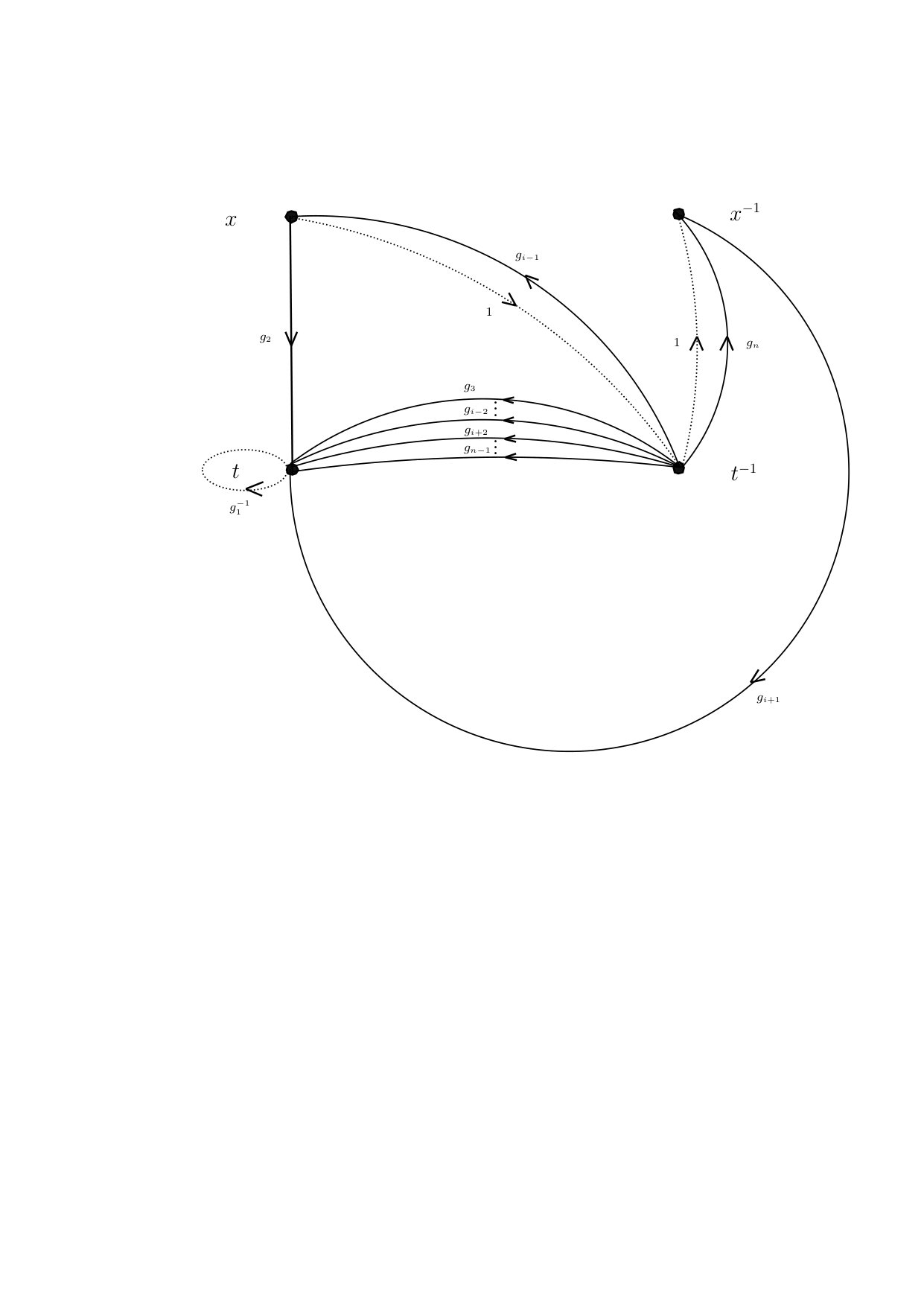 Figure 1
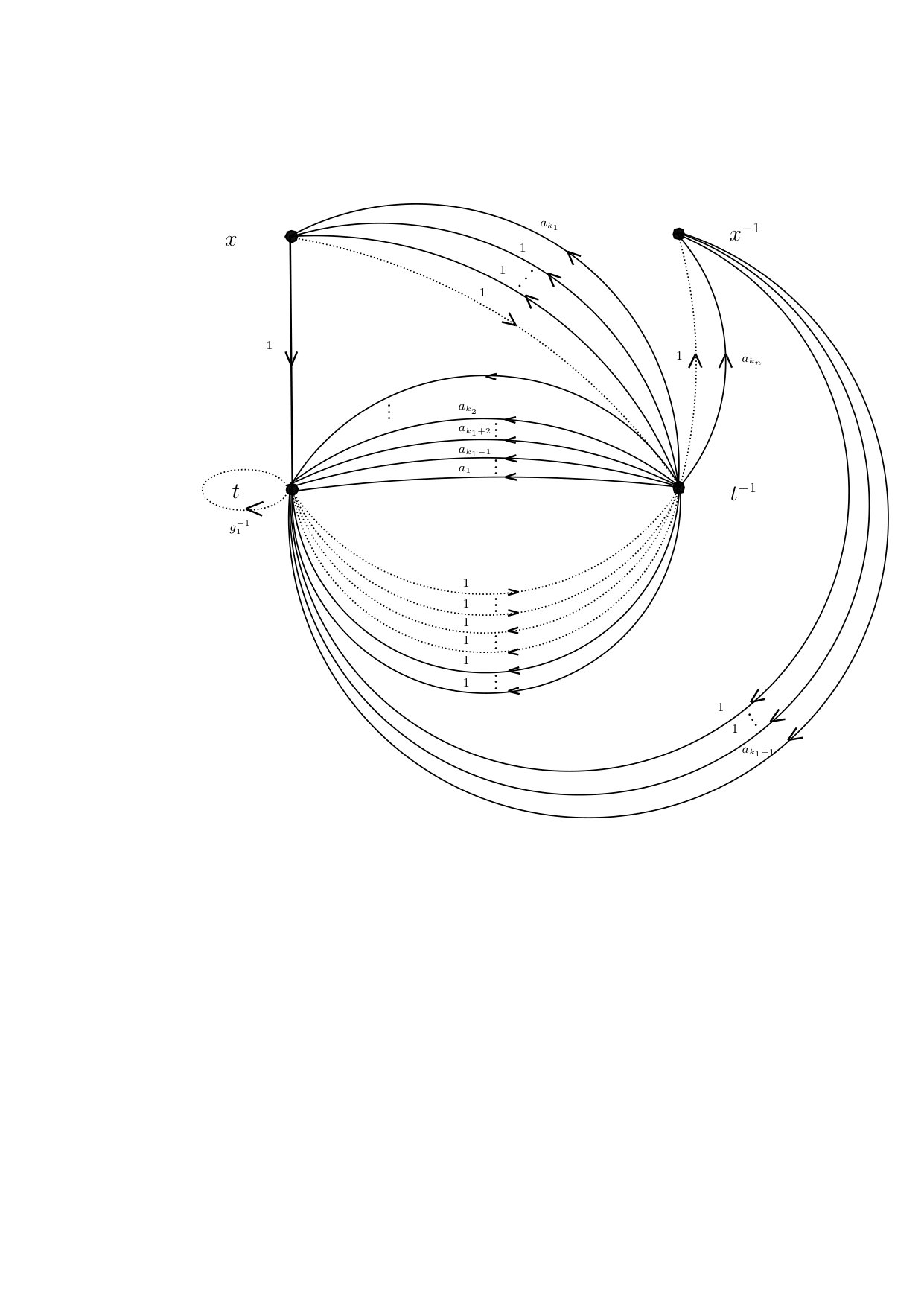 Figure 2
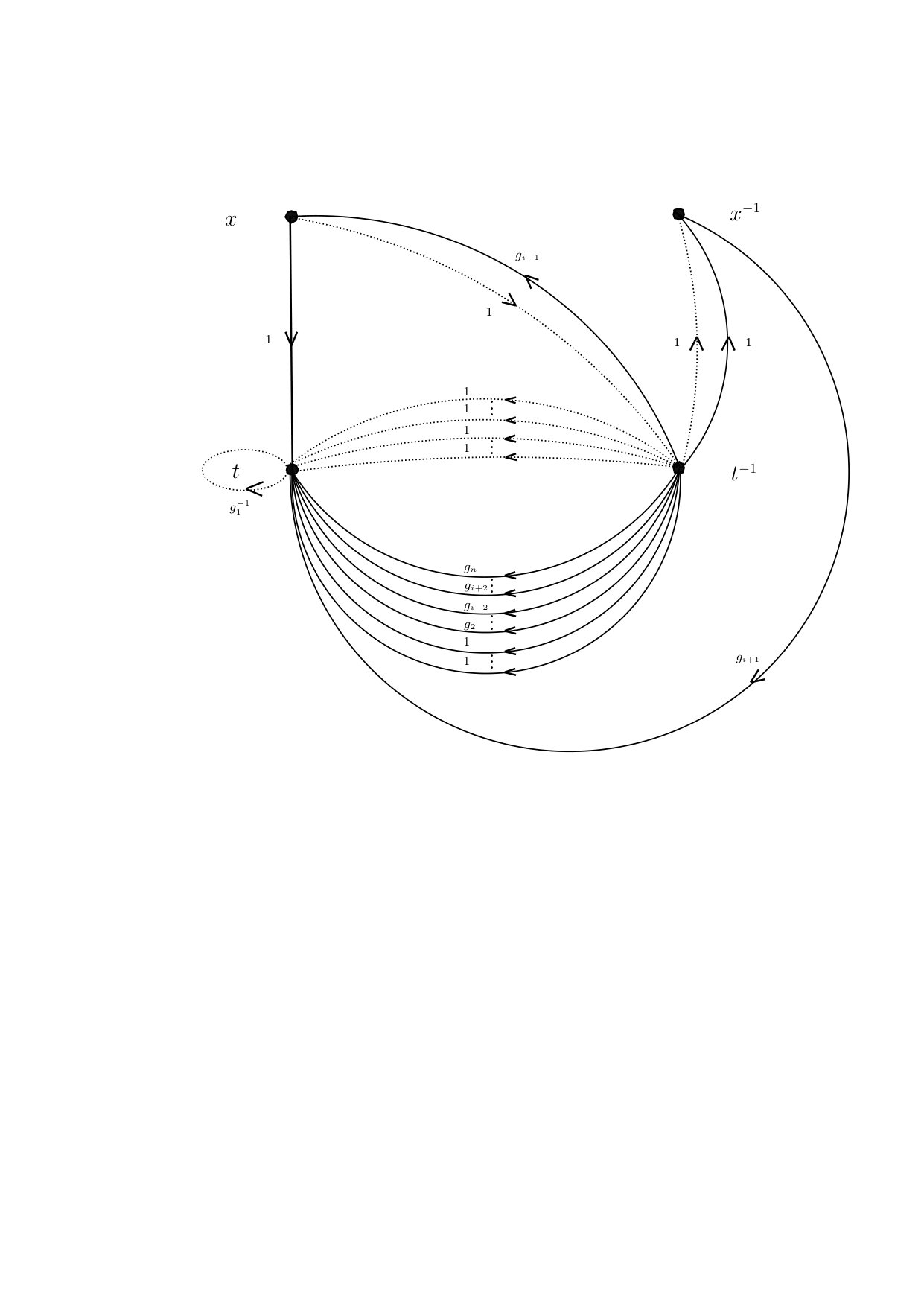 Figure 3
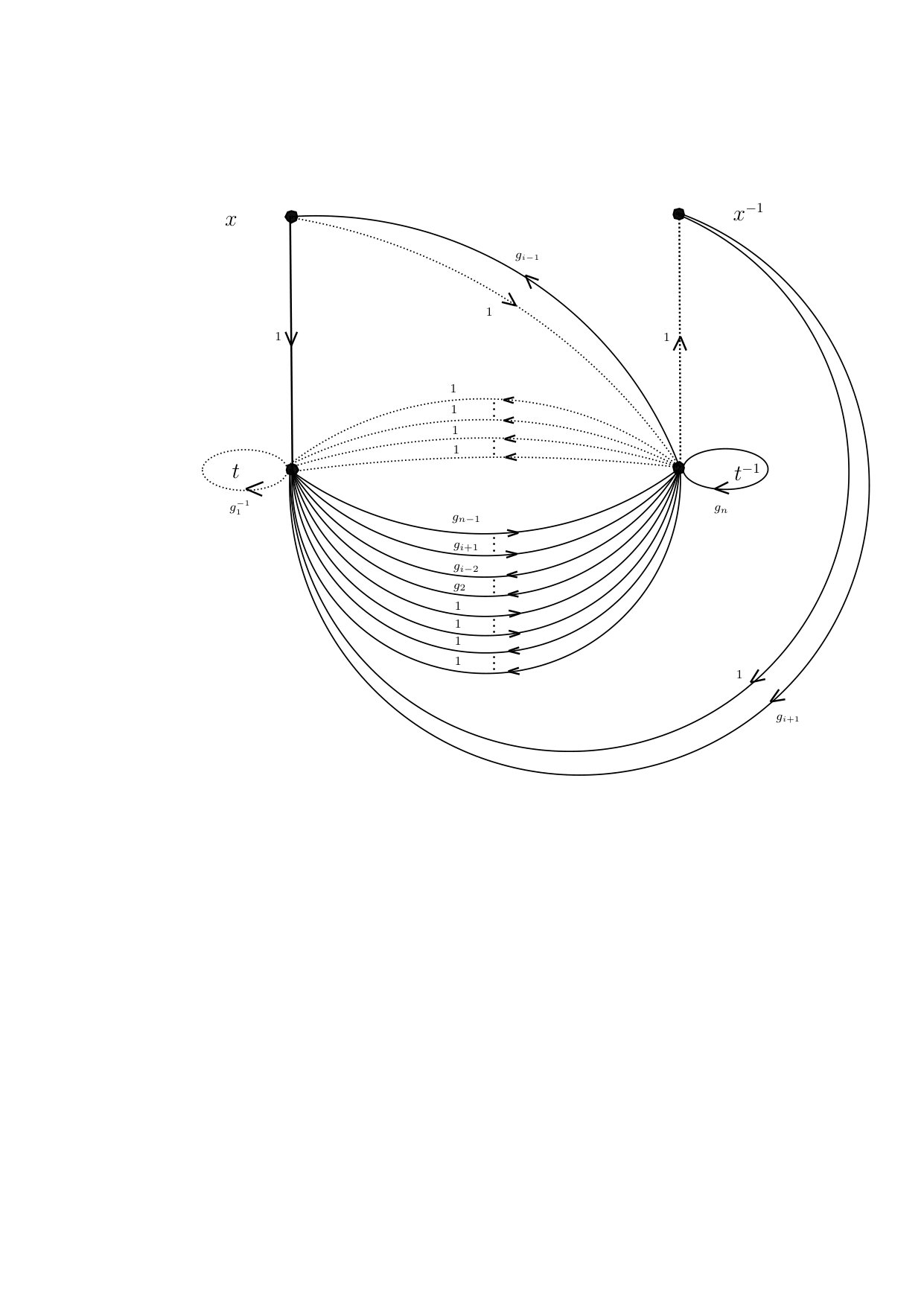 Figure 4
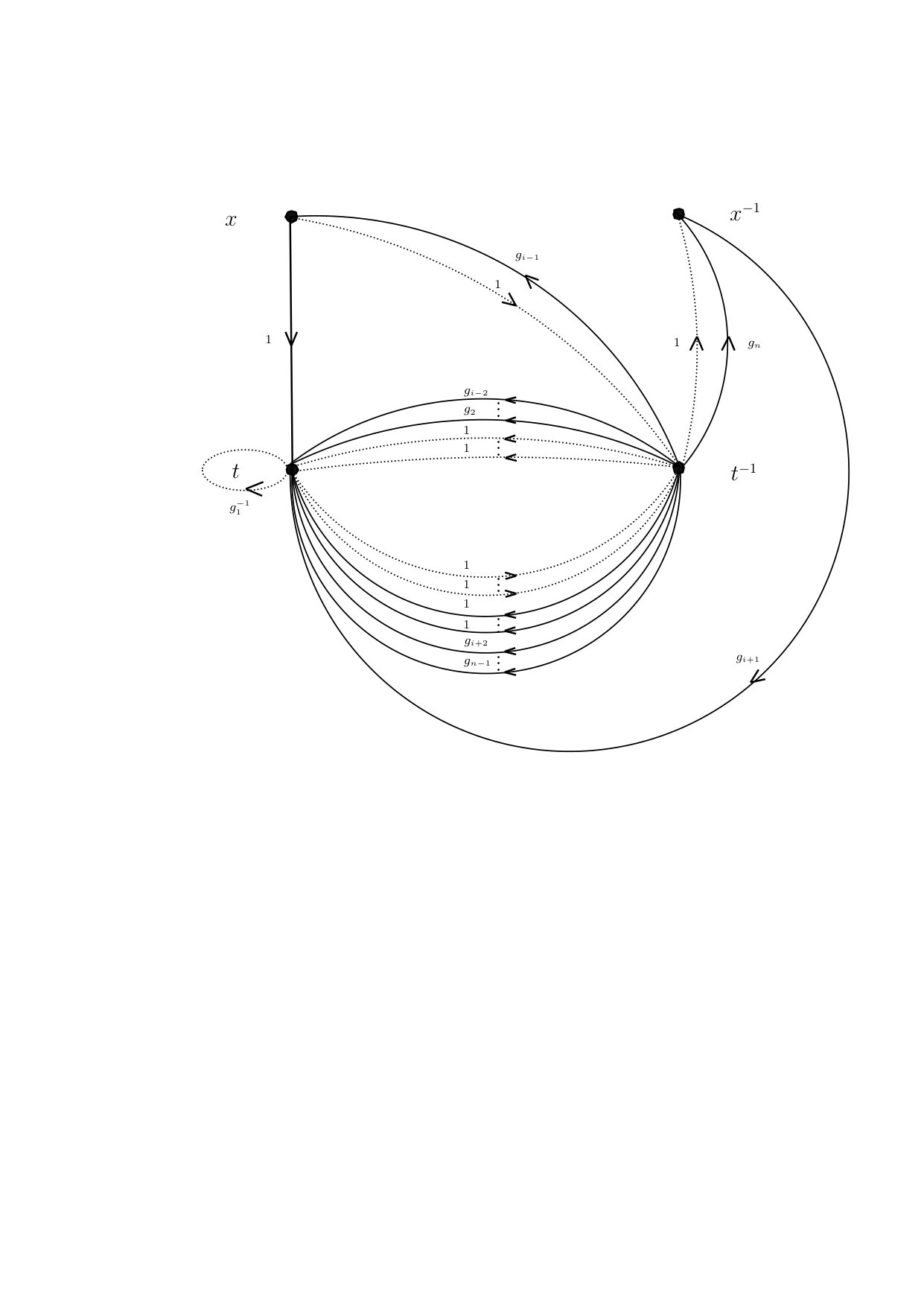 Figure 5
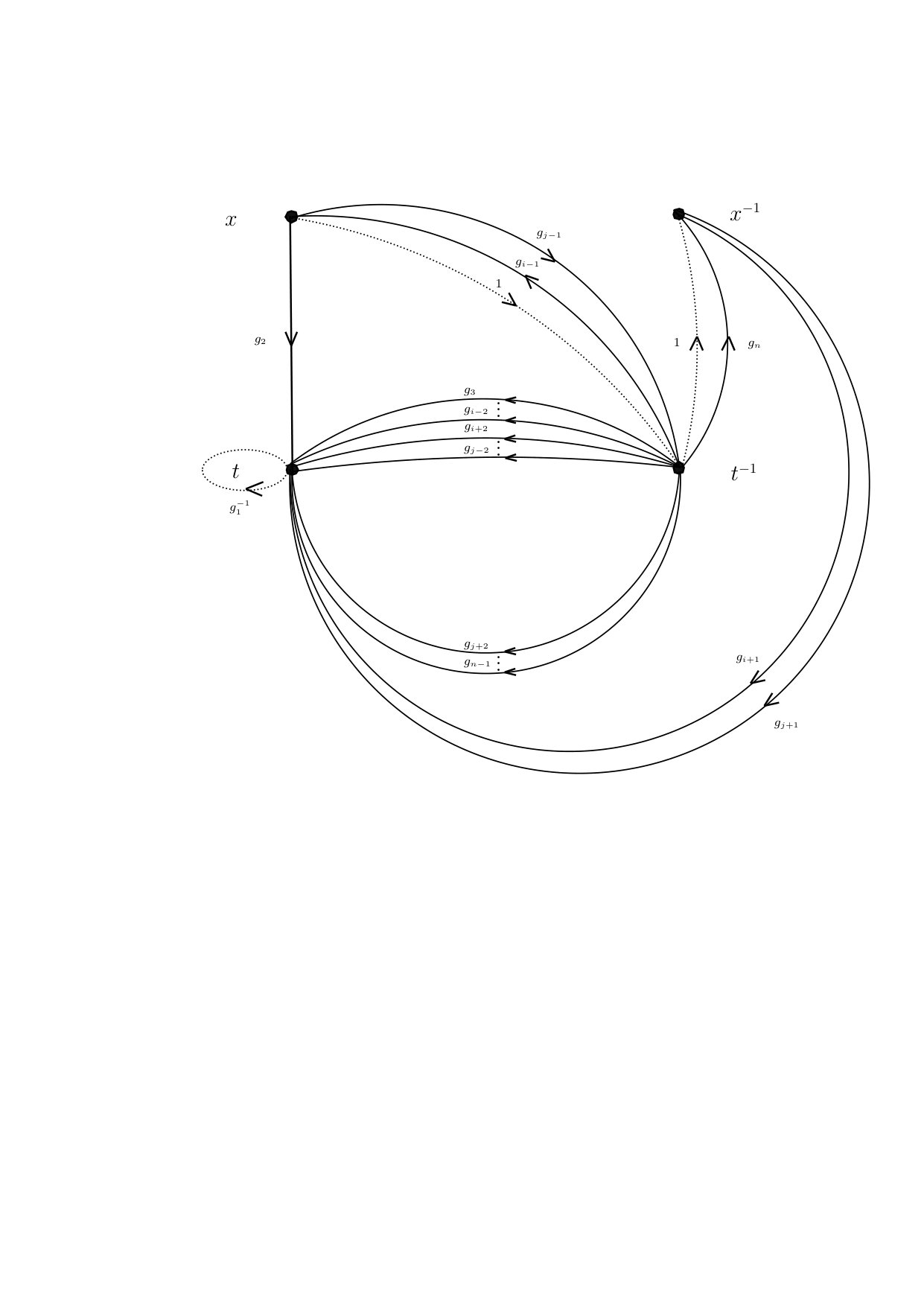 Figure 6
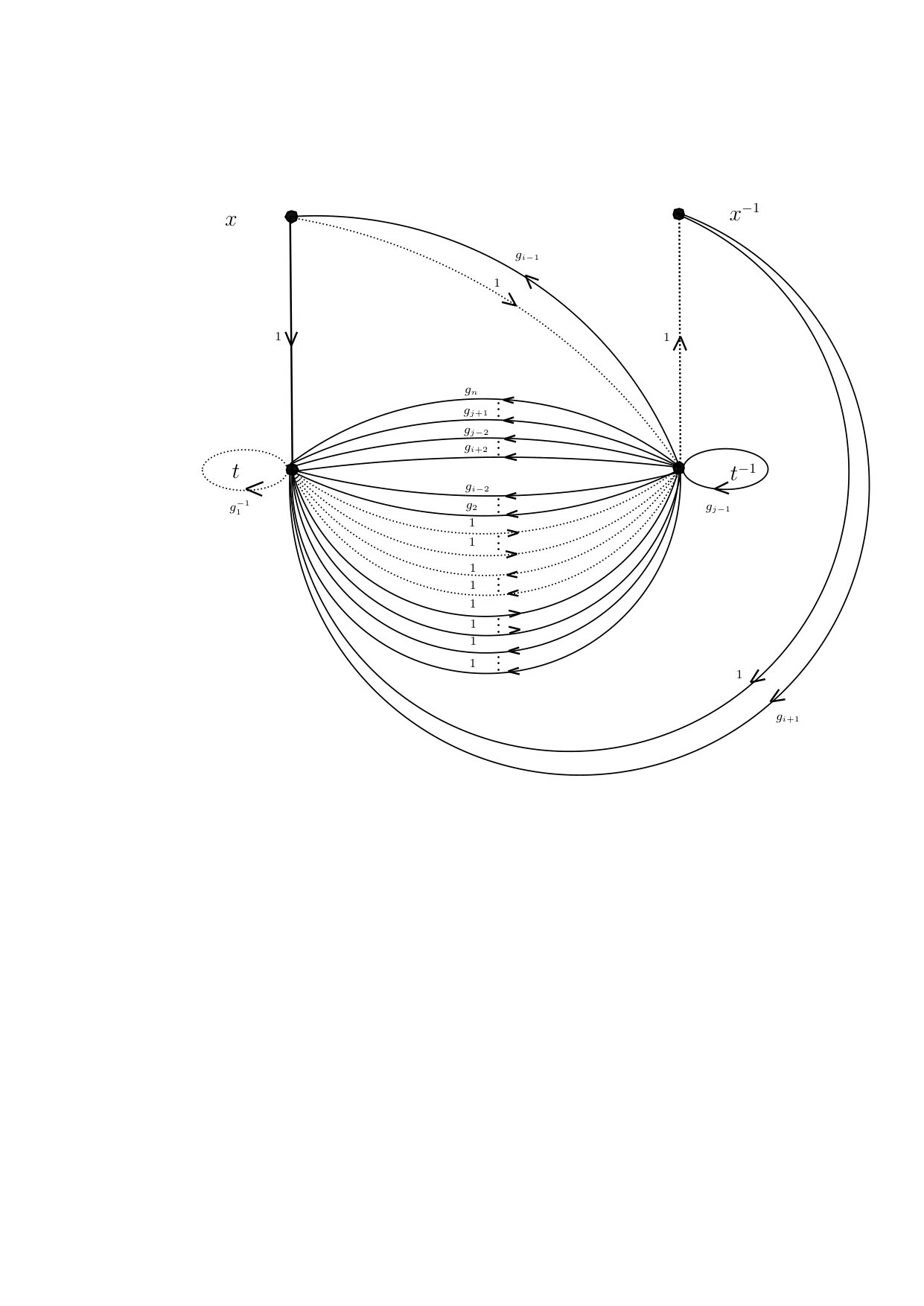 Figure 7
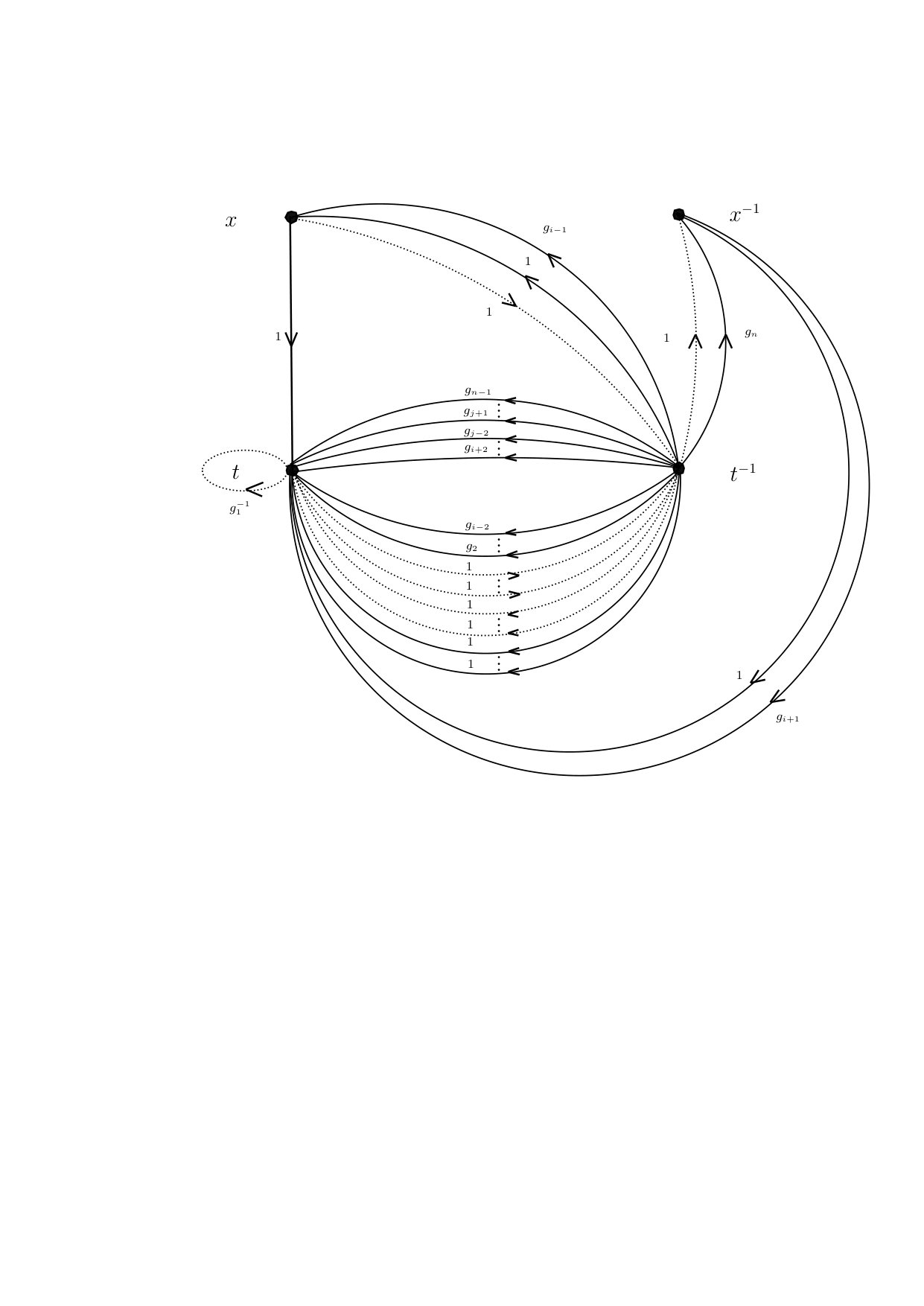 Figure 8
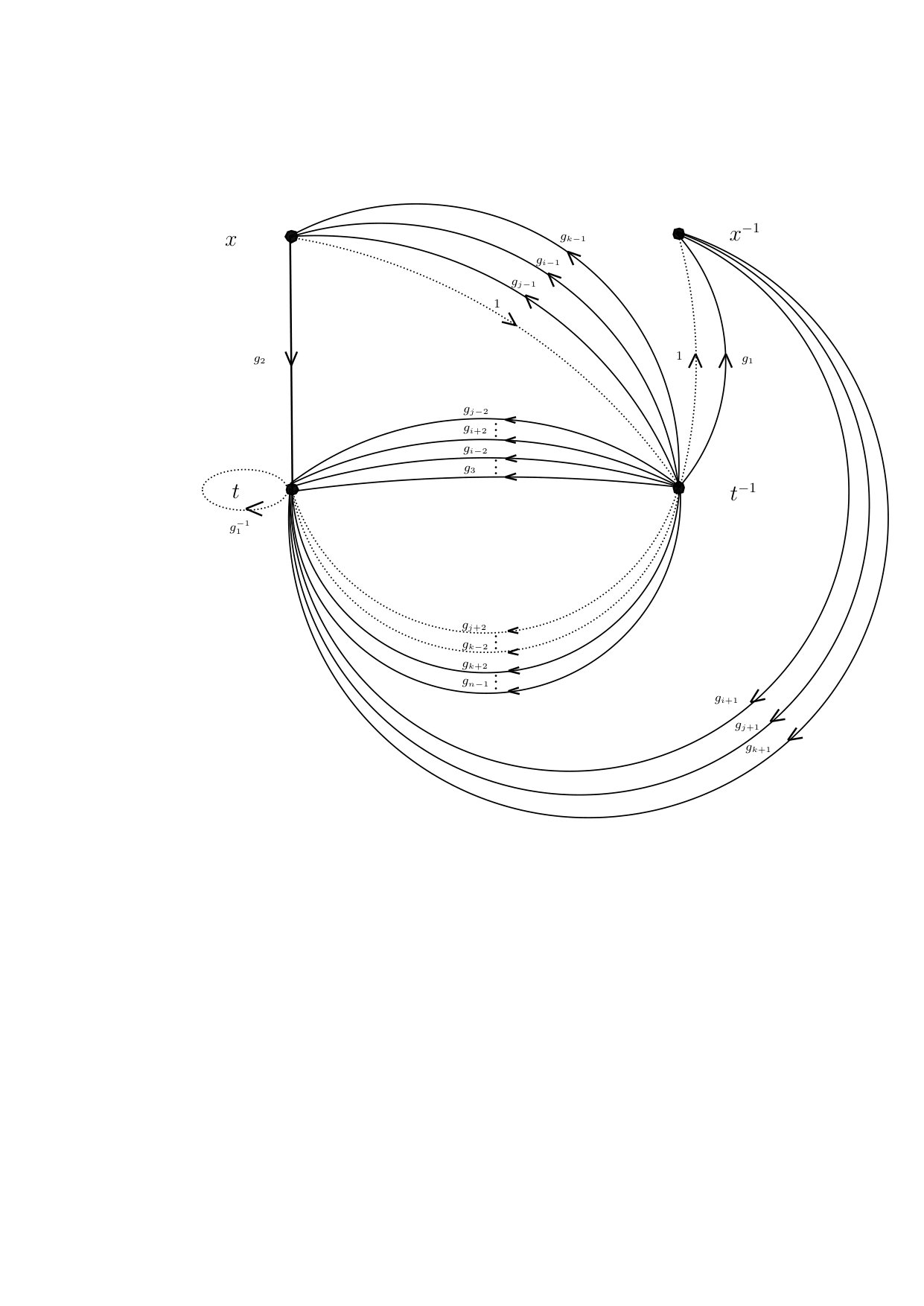 Figure 9
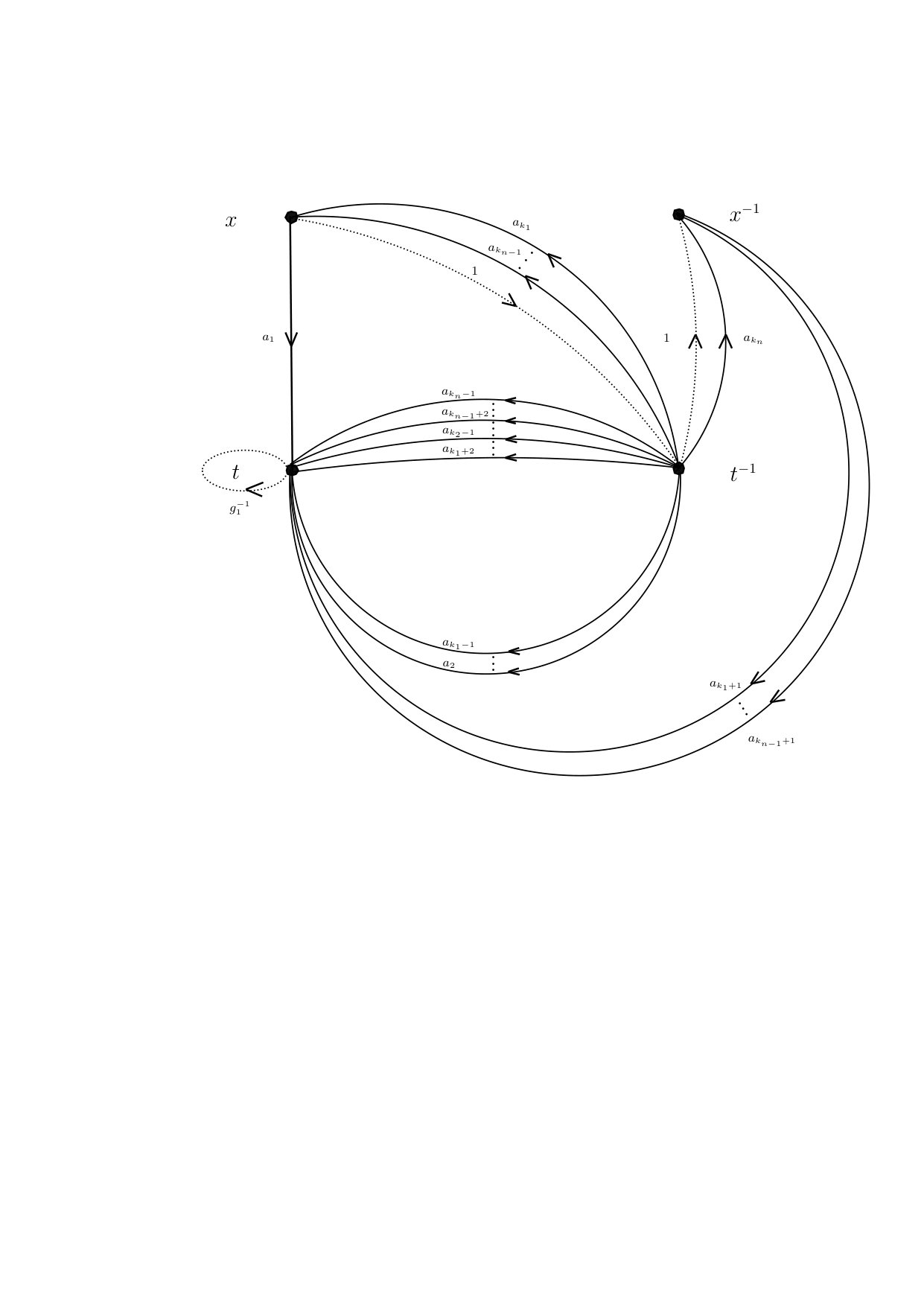 Figure 10
Peer Reviews
No public reviews on file for this paper yet. If you reviewed it on a platform where reviews are public (OpenReview, ICLR, NeurIPS, ICML), you can paste yours below so the community can read it here.
Videos
No videos yet. Explain this paper in a talk, walkthrough, or lecture? Add one.
11footnotetext: Corresponding Author11footnotetext: Department of Mathematics, Sukkur IBA University. e-mail: [email protected]: Department of Mathematics, COMSATS Institute of Information Technology, Islamabad. email: [email protected] 33footnotetext: Department of Mathematics, Khawaja Fareed UEIT, email: [email protected]
On solvability of certain equations of arbitrary length over torsion-free groups
M. Fazeel Anwar1∗
,
Mairaj Bibi2
and
M. Saeed Akram3
Abstract.
Let be a non-trivial torsion free group and be an equation over containing no blocks of the form . In this paper we show that has a solution over provided a single relation on coefficients of holds. We also generalize our results to equations containing higher powers of . The later equations are also related to Kaplansky zero-divisor conjecture [6].
Keywords: Asphericity; relative group presentations; torsion-free groups; Group Equations.
AMSC: 20F05, 57M05
1. Introduction
Let be a non-trivial group, be an unknown and let be a free group generated by . An equation in over is an expression of the form
[TABLE]
in which it is assumed that implies in . The integer is called the length of the equation. The equation is said to have a solution over if there is an embedding of into a group and an element such that in . Equivalently has a solution over if and only if the natural map from to is injective, where is the free product of and . In [10], Levin conjectured that every equation is solvable over a torsion free group. A significant work has been done to verify Levin’s conjecture. In [7], Prishchepov used results of Brodskii and Howie [9] to show that the conjecture is true for . A different proof of the same theorem was given by Ivanov and Klyachko [8]. In [2], Bibi and Edjvet proved that the conjecture holds for . The authors considered a nonsingular equation of length in [3] and proved that the conjecture holds. The proofs in [2] and [3] are given by considering all possible conditions on elements of the group . The number of such cases become extremely large as length of the equation increases.
In this paper we consider equations of arbitrary length and show that the Levin conjecture holds under some mild conditions. These results can half the number of cases in [3] and can also significantly reduce the number of cases one has to consider for all equations of length greater than or equal to . Our main results are the following
Theorem**.**
Let , such that and with and for all . If for all then has a solution over .
Theorem**.**
Suppose are positive integers such that and for all with . Let such that and with and for all . If for all then has a solution over .
We also take some specific equations of the above type and demonstrate their solvability. In some cases we obtain stronger results for specific equations.
2. Preliminaries
A relative group presentation is a presentation of the form where is a set of cyclically reduced words in . If the relative presentation is orientable and aspherical then the natural map from to is injective. In our case and consist of the single element and respectively, therefore is orientable and so asphericity implies is solvable. In this paper we use the weight test to show that is aspherical [4].
The star graph of has vertex set and edge set , where is the set of all cyclic permutations of the elements of which begin with an element of . For write where and begins and ends with symbols. Then is the inverse of the last symbol of , the first symbol of and . A weight function on is a real valued function on the set of edges of which satisfies . A weight function is called aspherical if the following three conditions are satisfied
- (1)
Let with . Then
[TABLE] 2. (2)
Each admissible cycle in has weight at least (where admissible means having a label trivial in ). 3. (3)
Each edge of has a non-negative weight.
If admits an aspherical weight function then is aspherical [4]. The following lemma [6] tells us that we can apply asphericity test in steps.
Lemma**.**
Let the relative presentation define a group and let be another relative presentation. If and are both aspherical, then the relative presentation is aspherical, where is an element of obtained from by lifting.
It is clear from our definition of a group equation that if is a coefficient between a negative and a positive power of than is not trivial in . This fact will be used in all subsequent proofs without reference.
3. Main Results
We start by solving a general equation containing two negative powers and then give a similar result for three negative powers. We also give the corresponding results for higher powers of .
Lemma 3.1**.**
The equation is solvable if .
Proof.
Let . We substitute to get
[TABLE]
We use the weight test to show that is aspherical. The star graph for is given by Figure 1. We assign a weight function such that . The weight of the edge with label is also zero. All other edges are assigned a weight . Then , where represents one of the solid edges and is a dotted edge. Hence (W1) is satisfied. Now it is clear from the star graph that all admissible cycles of weight less than two has label or . Since is torsion free (W2) is satisfied. Moreover (W3) clearly holds. Hence is aspherical over a torsion free group.
∎
Lemma 3.2**.**
Let be positive integers such that . Then the equation
[TABLE]
is solvable if .
Proof.
Let
[TABLE]
be the relative presentation corresponding to the given equation. Following [4], it is sufficient to show that the presentation is aspherical. Substitute to get
[TABLE]
We use the weight test to show that is aspherical. The proof is given in separate cases.
- (1)
Let and . The star graph for is given by Figure 2.
We assign a weight function such that . Moreover the weight of the edge with label is also zero. All other edges are assigned a weight . It is clear from the star graph that all admissible cycles of weight less than two imply that the group is a torsion group. Hence is aspherical over a torsion free group. 2. (2)
Let and . The star graph for is given by Figure 3.
We assign a weight function such that . Moreover the weight of the edges and with label is also zero. All other edges are assigned a weight . It is clear from the star graph that all admissible cycles of weight less than two imply that the group is a torsion group. Hence is aspherical. 3. (3)
Let and . The star graph for is given by Figure 4.
We assign a weight function such that . Moreover the weight of the edge with label is also zero. All other edges are assigned a weight . It is clear from the star graph that is aspherical for a torsion free group.
Similarly we can prove the result for cases and .
∎
Lemma 3.3**.**
The equation is solvable if .
Proof.
Let
[TABLE]
be the relative presentation corresponding to the given equation. We will use the weight test to show that the presentation is aspherical. Substitute to get
[TABLE]
The star graph for is given by Figure 5.
We assign a weight function such that , where is the label for the edge . All other edges are assigned a weight . It is clear from the star graph that all admissible cycles of weight less than two imply that the group is a torsion group. Hence is aspherical over a torsion free group.
∎
Lemma 3.4**.**
Let be positive integers. Then the equation
[TABLE]
is solvable if and any one of the following holds.
- (1)
, , and 2. (2)
* and , and *
Proof.
Let
[TABLE]
be the relative presentation corresponding to the given equation. We will show that is aspherical by using the weight test. Substitute to get The proof is given in separate cases.
- (1)
Let , , and . The star graph for is given by Figure 6.
We assign a weight function such that . Moreover the weight of the edges and with label is also zero. All other edges are assigned a weight . It is clear from the star graph that all admissible cycles of weight less than two imply that the group is a torsion group. Hence is aspherical over a torsion free group. 2. (2)
Let and , and . The star graph for is given by Figure 7.
We assign a weight function such that . Moreover the weight of the edges and with label is also zero. All other edges are assigned a weight . It is clear that the star graph is aspherical over a torsion free group.
∎
Remark 3.5**.**
The results of Lemma 3.2 and Lemma 3.4 are valid even if we replace with . The proof is similar to the one given above.
Theorem 3.6**.**
*Let such that and
with and for all . If for all then has a solution over .*
Proof.
First assume that for all . The relative presentation for the above equation is given by
[TABLE]
We will show that the presentation is aspherical. Expand this equation by replacing the values of to get
[TABLE]
Use the condition for all to get
[TABLE]
Substitute to get
[TABLE]
The star graph for is given by Figure 8.
We assign a weight function such that . Moreover the weight of the edge with a label is also zero. All other edges are assigned a weight . Now it is clear from the star graph that all admissible cycles of weight less than two imply that the group is a torsion group. Hence is aspherical over a torsion free group.
The proves for for all and for for some are similar therefore we omit the details.
∎
Theorem 3.7**.**
Suppose are positive integers such that and for all with . Let such that and with and for all . If for all then has a solution over .
Proof.
The relative presentation for the above equation is given by
[TABLE]
We will show that the presentation is aspherical. Expand this equation by replacing the values of to get
[TABLE]
Use the condition for all to get
[TABLE]
Substitute to get
[TABLE]
Using we obtain
[TABLE]
All other conditions of ’s ensure that powers of are positive unless specified. The star graph is given by Figure 9.
We assign a weight function such that . Moreover the weight of edges and with a label is also zero. All other edges are assigned a weight . Now it is clear from the star graph that all admissible cycles of weight less than two imply that the group is a torsion group. Hence is aspherical over a torsion free group.
∎
The reference list from the paper itself. Each links out to its DOI / PubMed record.
- 1[1] J. R. Stallings, A graph theoretic lemma and group embedding, Annals of Mathematics studies, 111 (1987), 145-155.
- 2[2] M. Bibi, M. Edjvet, Equation of length seven over torsion-free groups, J. Group Theory 21 (2018), 147-164.
- 3[3] M. Bibi, M. F. Anwar, S. Iqbal, M. S. Akram, Solution of a non-singular equation of length 8 8 8 over torsion free groups, Preprint.
- 4[4] W.A.Bogley, S.J.Pride, Aspherical relative presentations, Proceedings of the Edinburgh Mathematical Society, 35 (1992), 1-39.
- 5[5] A. Evangelidou, The solution of length five equations over groups, Comm. in Alg. 35 (2007), 1914-1948.
- 6[6] S. K. Kim, On the asphericity of length-6 relative presentations with torsion-free coefficients. Proceedings of the Edinburgh Mathematical Society 51.1 (2008), 201-214.
- 7[7] M. I. Prishchepov, On small length equations over torsion-free groups, Internat. J. Algebra Comput. 4 (1994), no. 4, 575-589.
- 8[8] S.V. Ivanov and A. A. Klyachko, Solving equations of length at most six over torsion-free groups, J. Group Theory 3 (2000), no. 3, 329-337.