An efficient phase-field model for fatigue fracture in ductile materials
Martha Seiler, Thomas Linse, Peter Hantschke, Markus K\"astner

TL;DR
This paper introduces a computationally efficient phase-field model for fatigue fracture in ductile materials, combining phenomenological and durability concepts to simulate crack initiation and growth under cyclic loading.
Contribution
It presents a novel, low-cost phase-field model that captures fatigue crack behavior in ductile materials using a simplified, phenomenological approach.
Findings
Model accurately predicts fatigue crack initiation and growth.
Reproduces Paris law behavior in fatigue crack propagation.
Requires only one load cycle increment, reducing computational effort.
Abstract
Fatigue fracture in ductile materials, e. g. metals, is caused by cyclic plasticity. Especially regarding the high numbers of load cycles, plastic material models resolving the full loading path are computationally very demanding. Herein, a model with particularly small computational effort is presented. It provides a macroscopic, phenomenological description of fatigue fracture by combining the phase-field method for brittle fracture with a classic durability concept. A local lifetime variable is obtained, which degrades the fracture resistance progressively. By deriving the stress-strain path from cyclic material characteristics, only one increment per load cycle is needed at maximum. The model allows to describe fatigue crack initiation, propagation and residual fracture and can reproduce Paris behaviour.
Click any figure to enlarge with its caption.
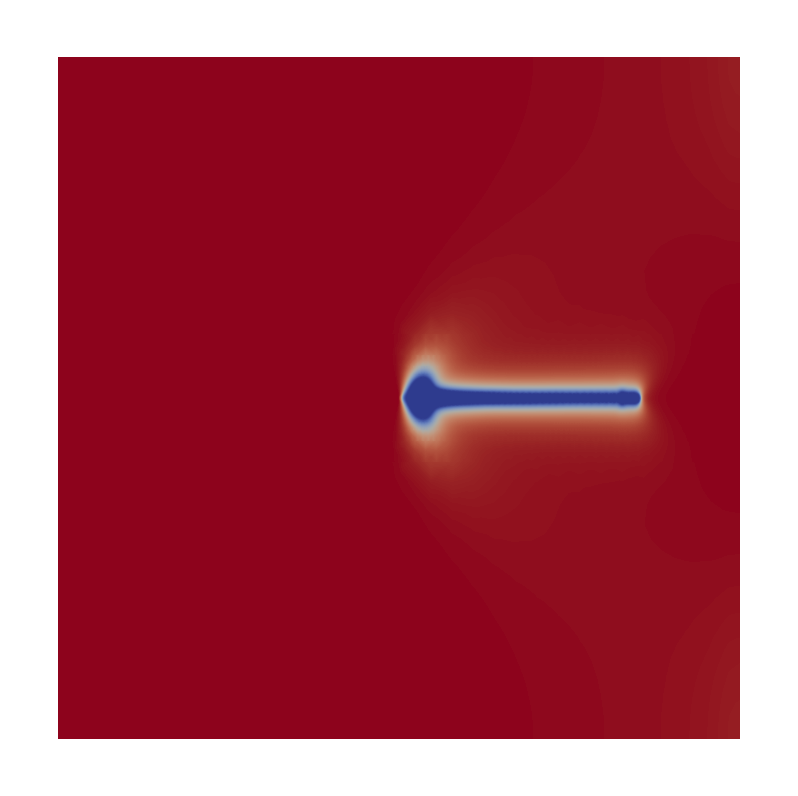 Figure 1
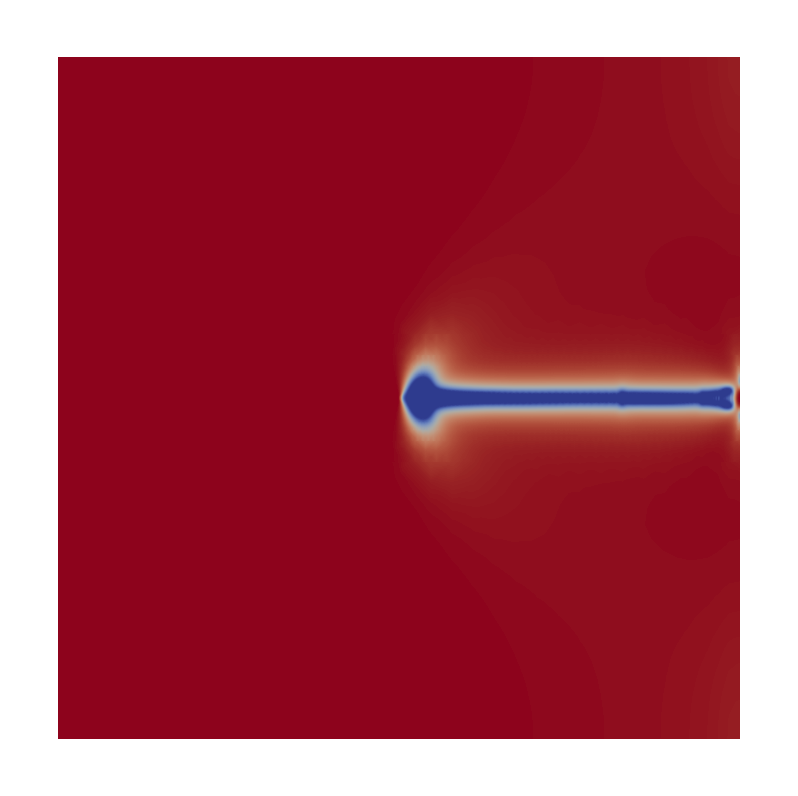 Figure 2
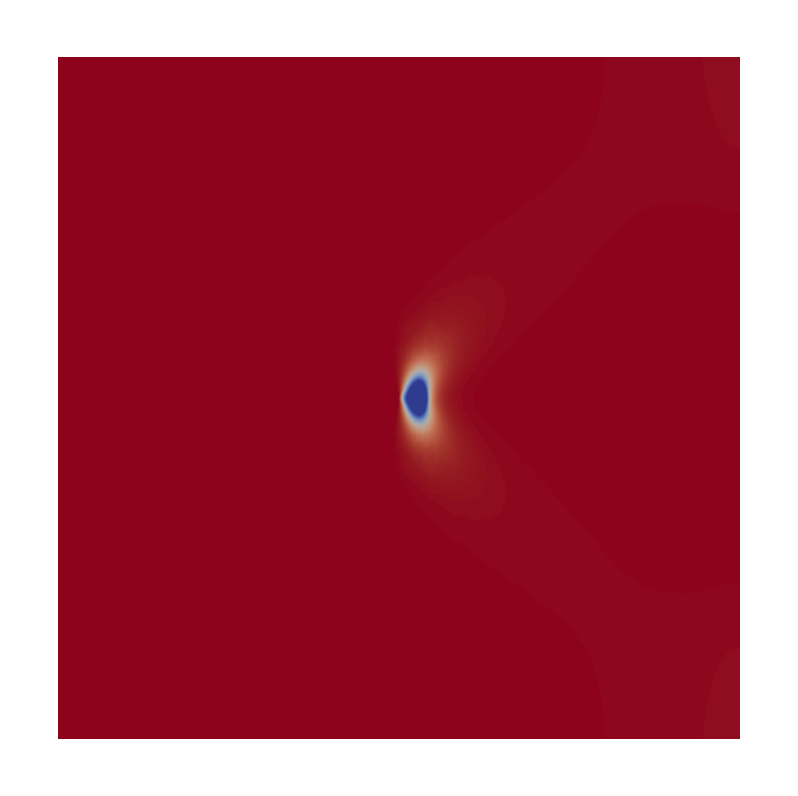 Figure 3
 Figure 4
 Figure 5
 Figure 6
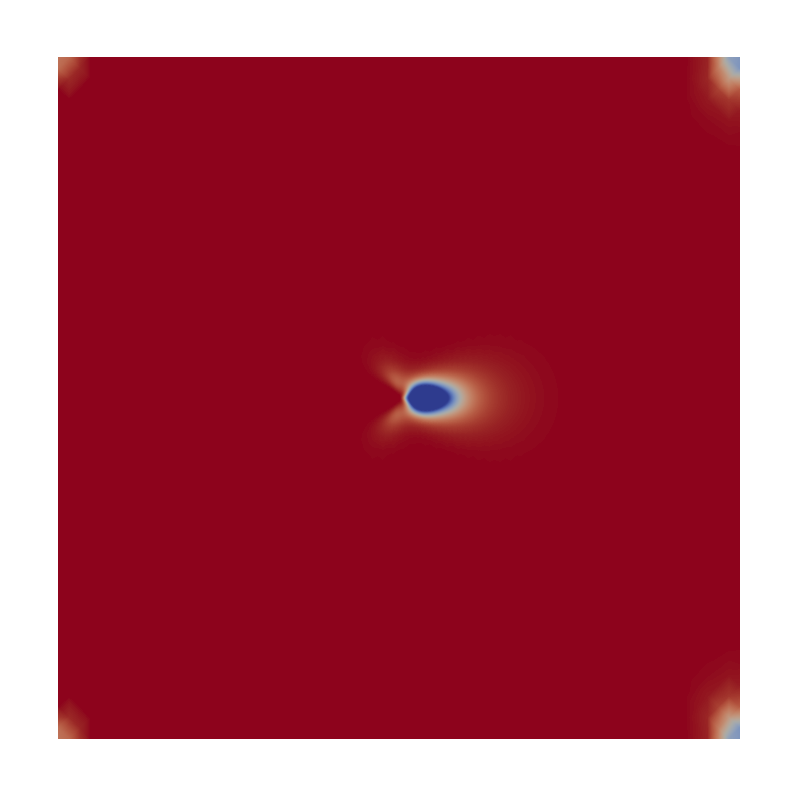 Figure 7
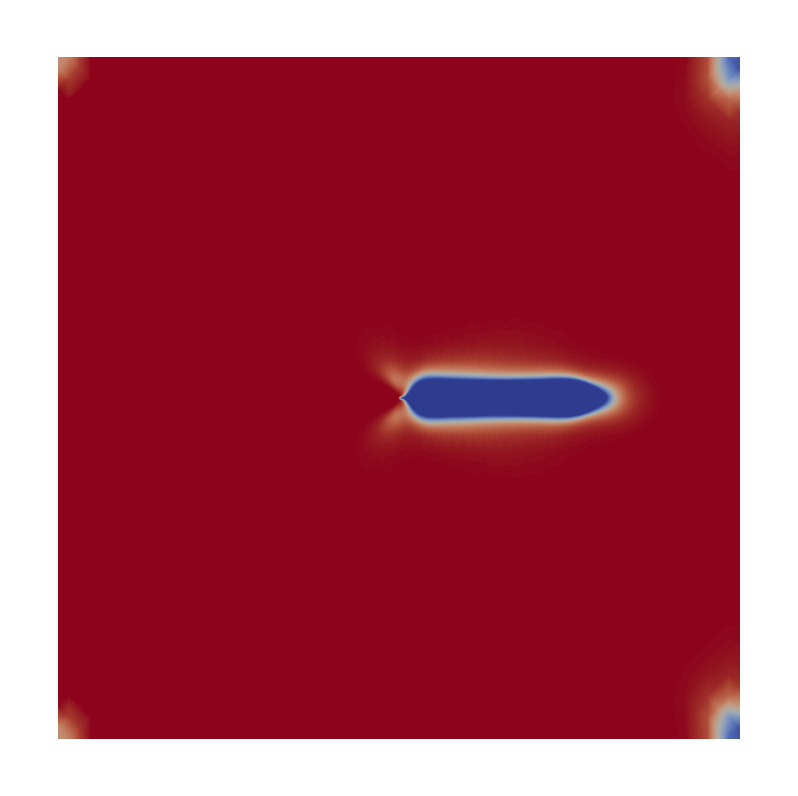 Figure 8
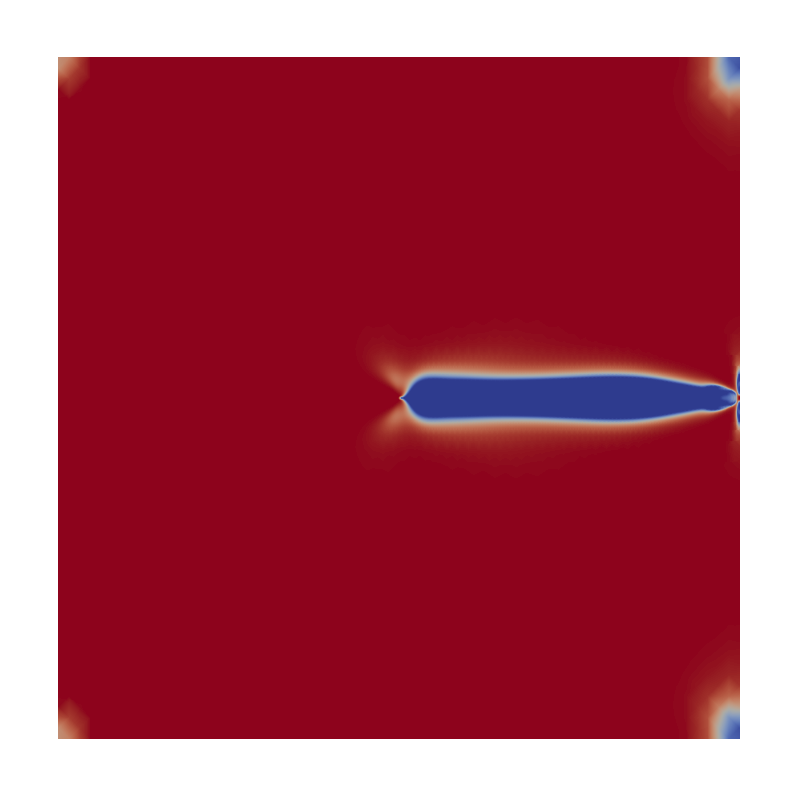 Figure 9
 Figure 10
 Figure 11
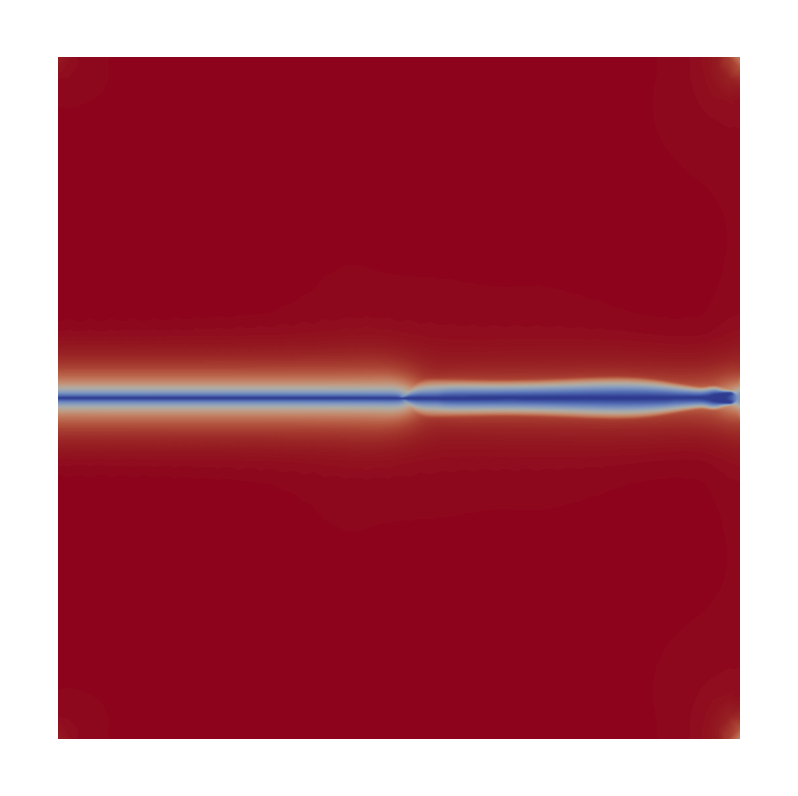 Figure 12
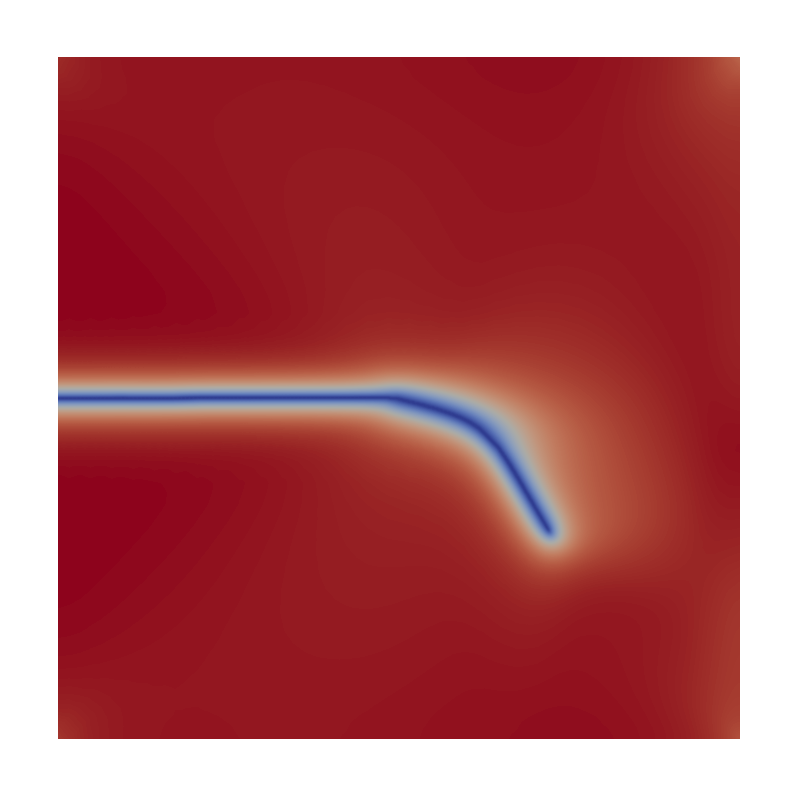 Figure 13
 Figure 14
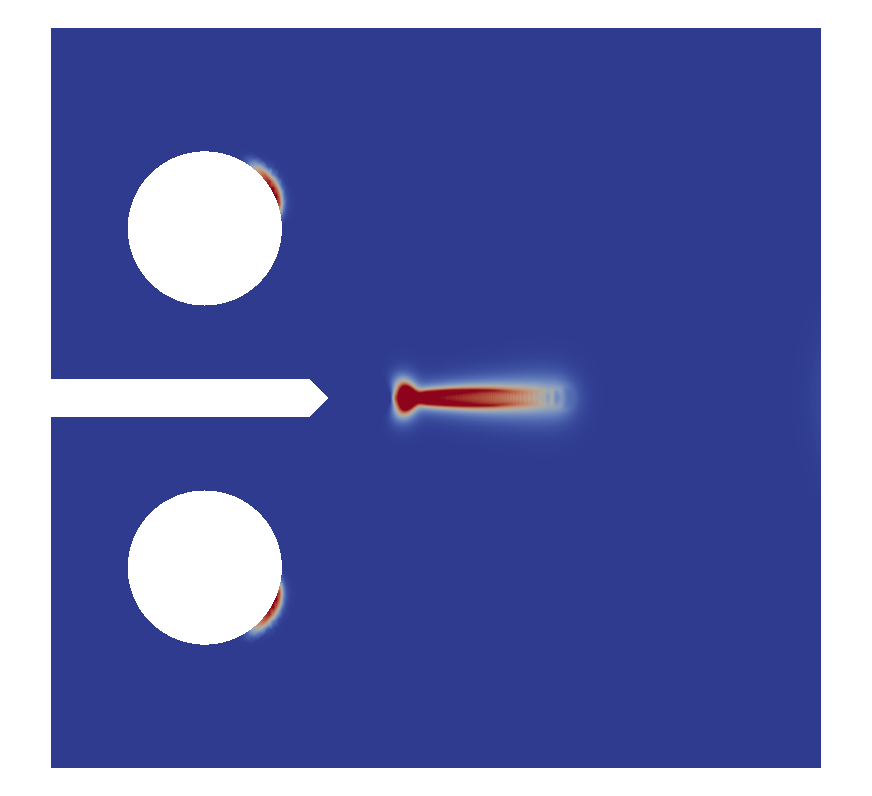 Figure 15
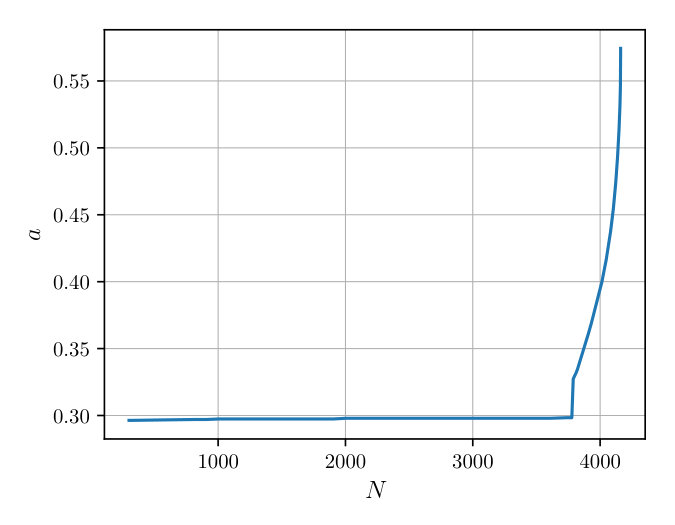 Figure 16
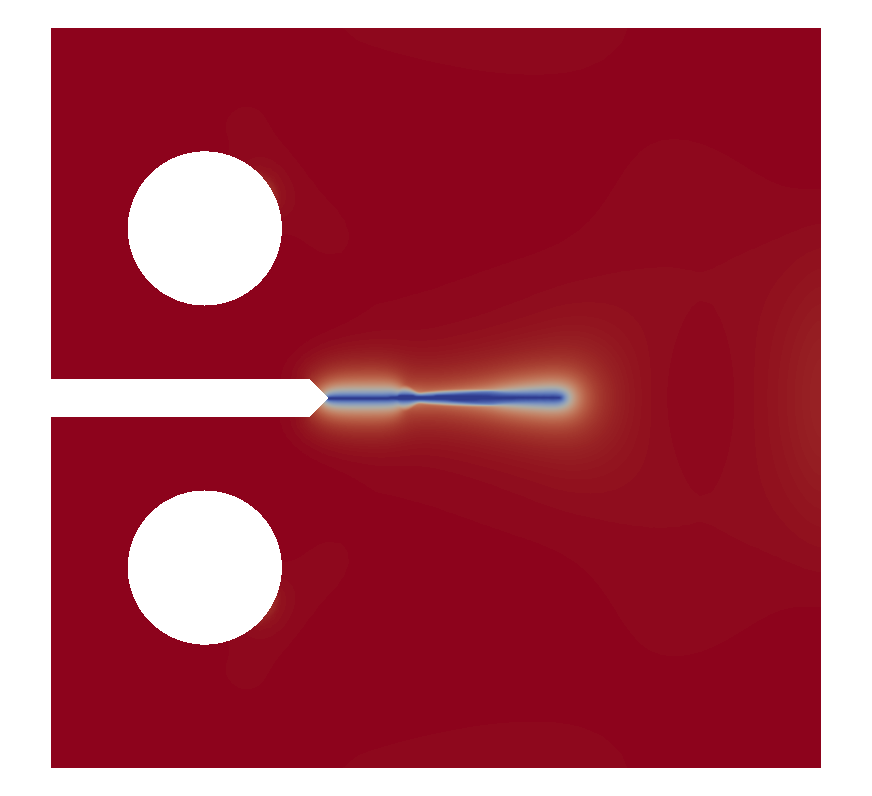 Figure 17
 Figure 18
 Figure 19
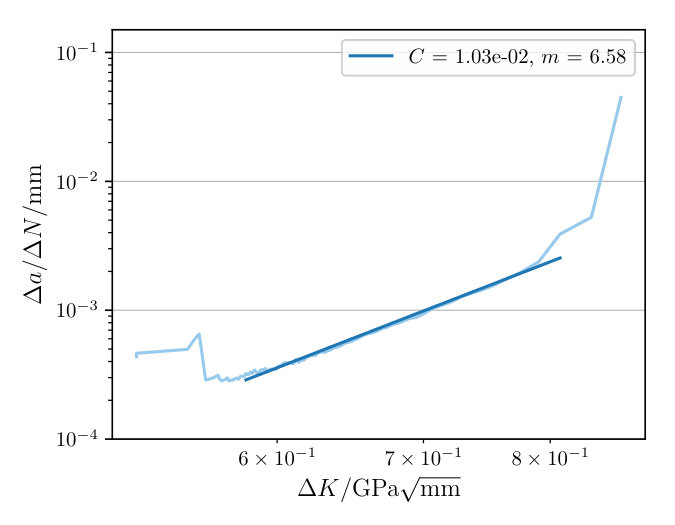 Figure 20
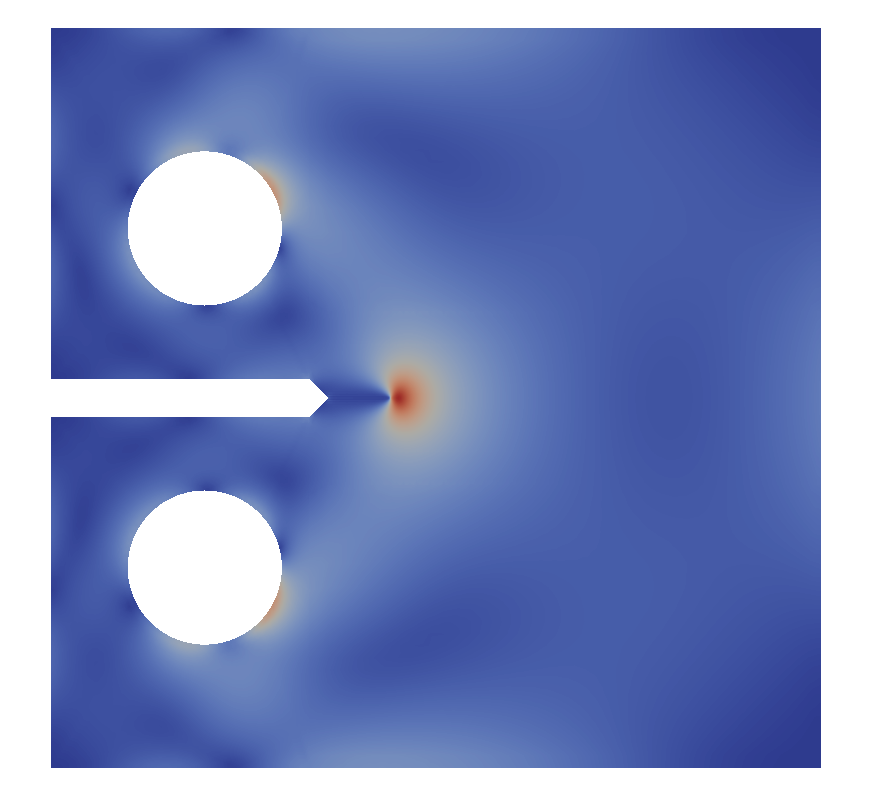 Figure 21
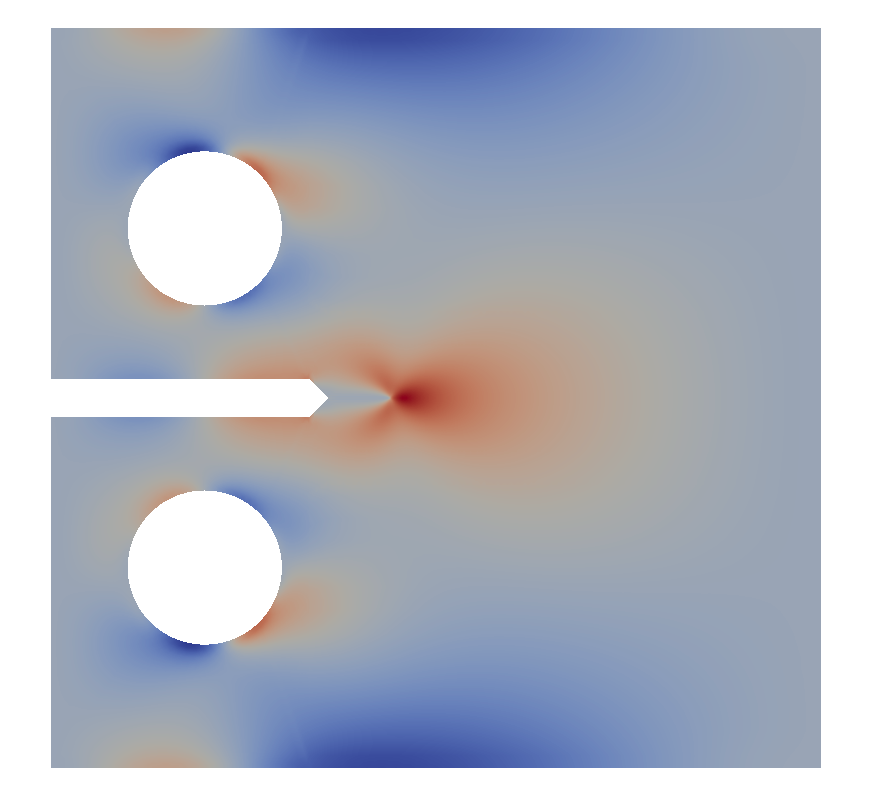 Figure 22
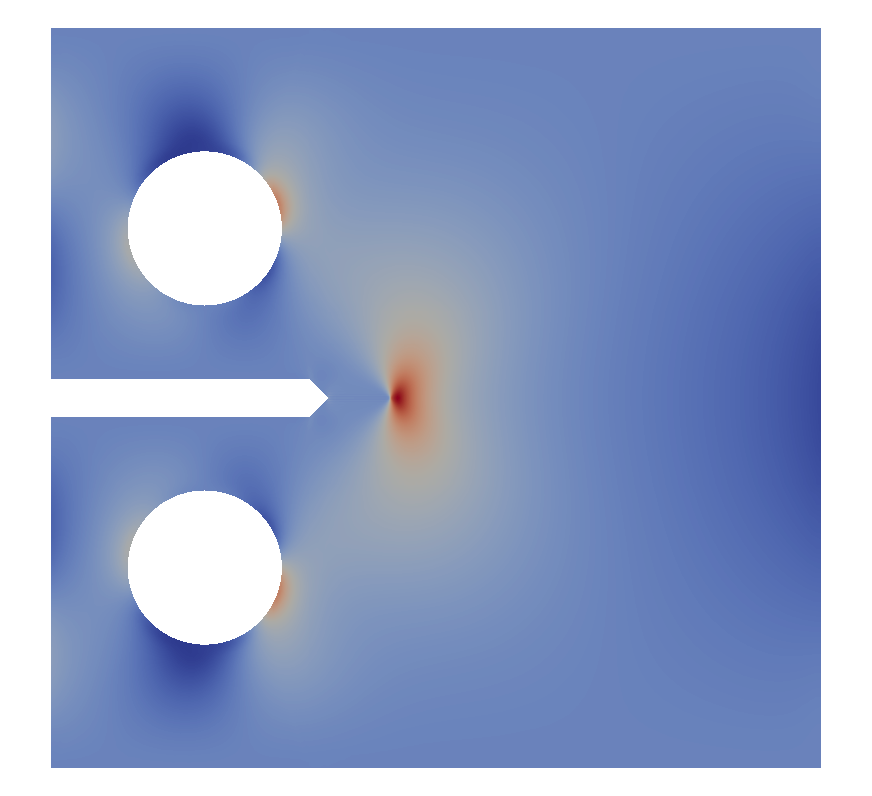 Figure 23
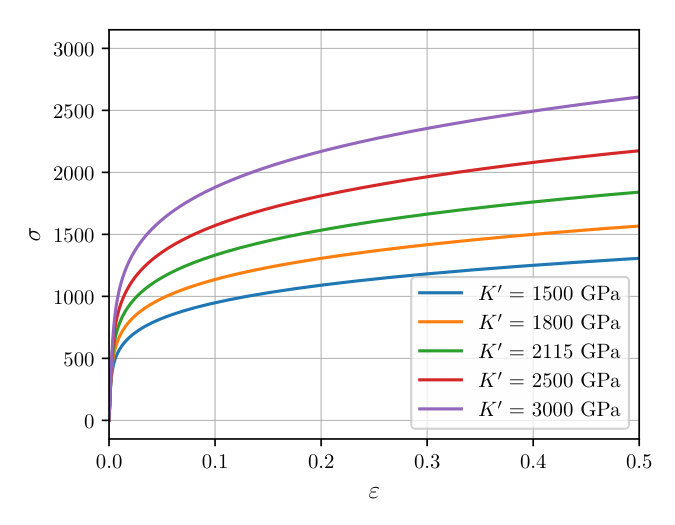 Figure 24
 Figure 25
 Figure 26
 Figure 27
 Figure 28
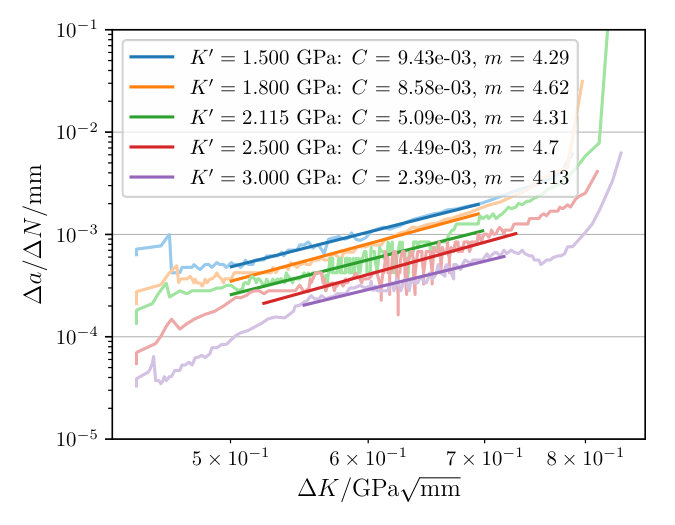 Figure 29
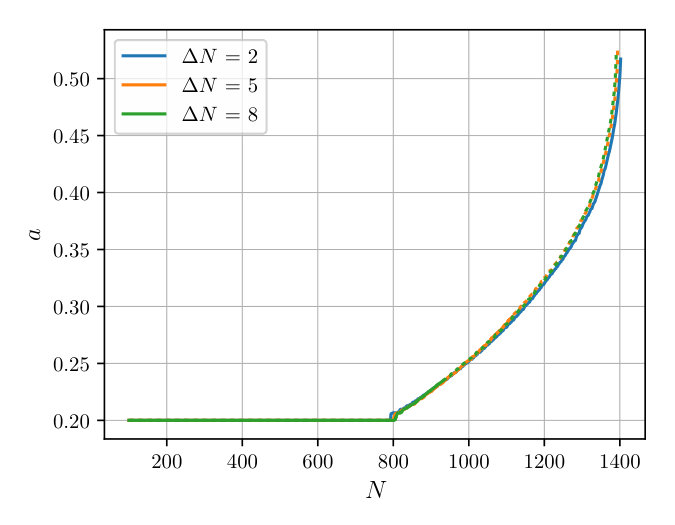 Figure 30
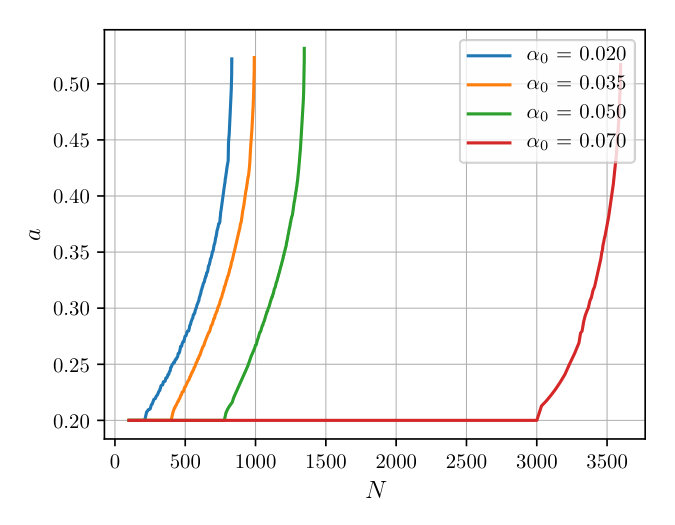 Figure 31
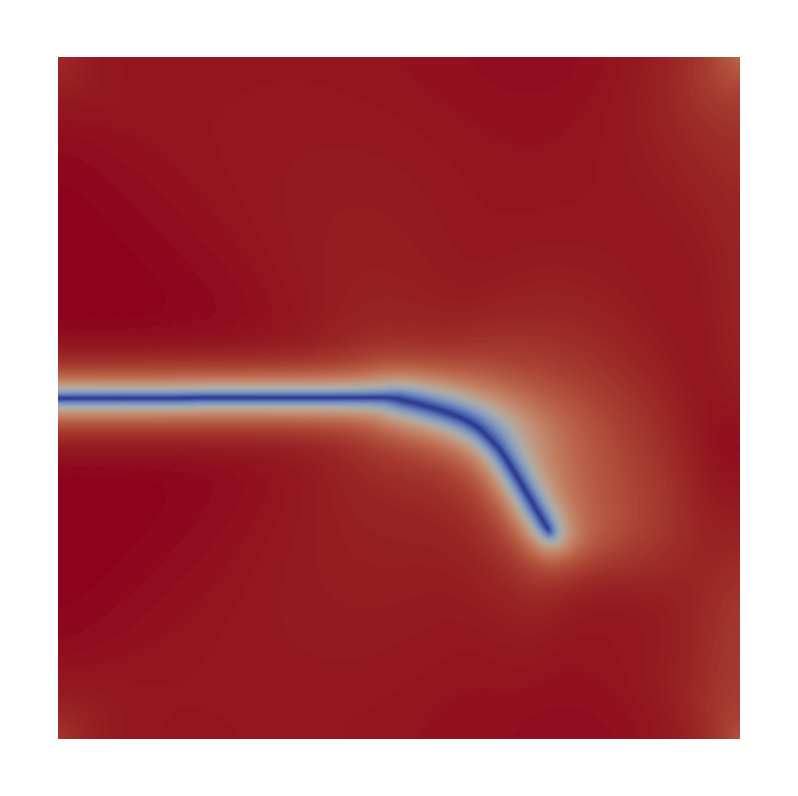 Figure 32
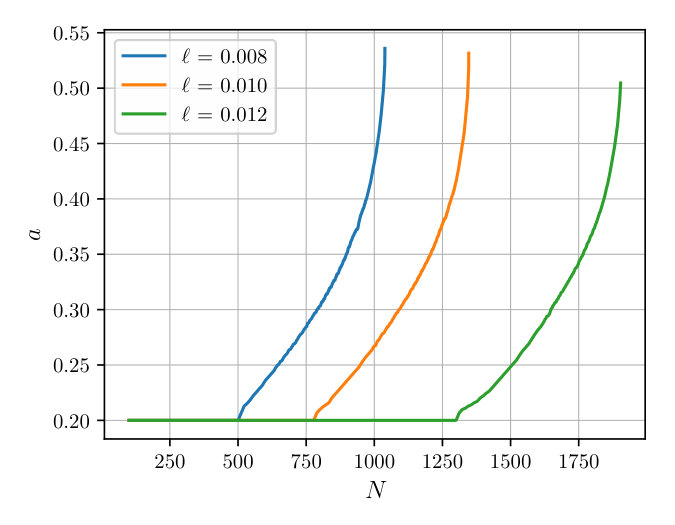 Figure 33
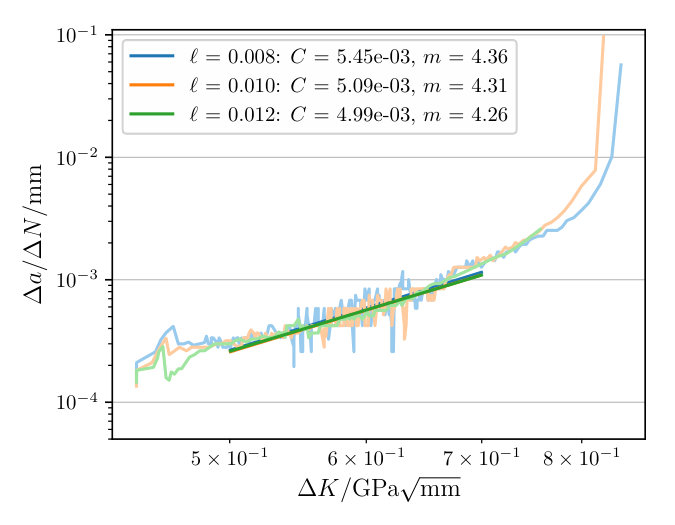 Figure 34
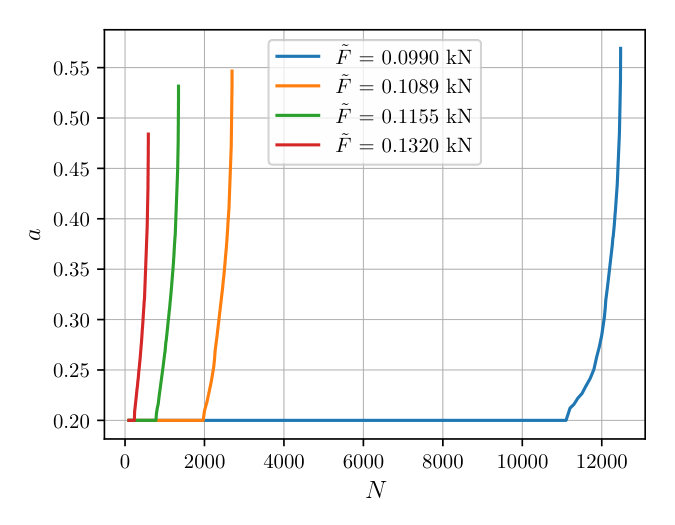 Figure 35
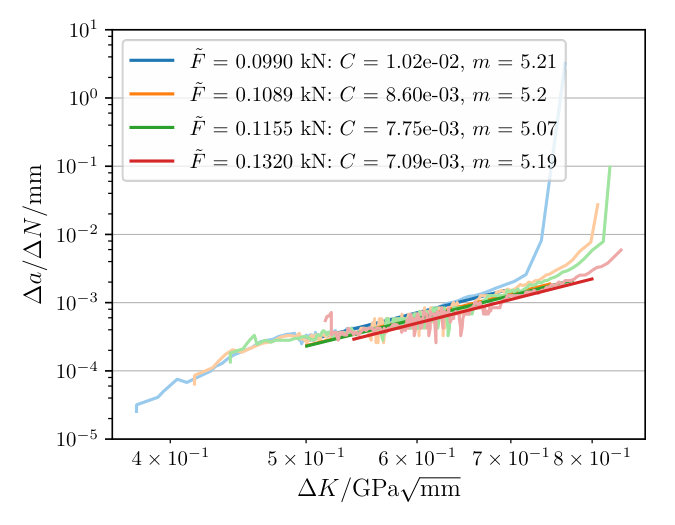 Figure 36
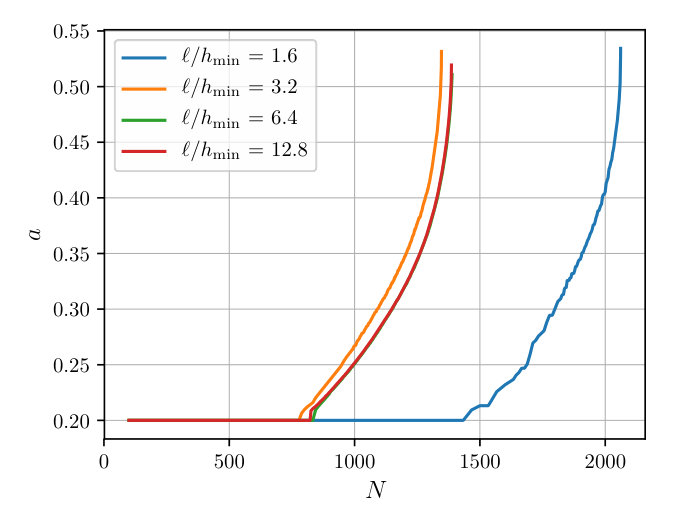 Figure 37
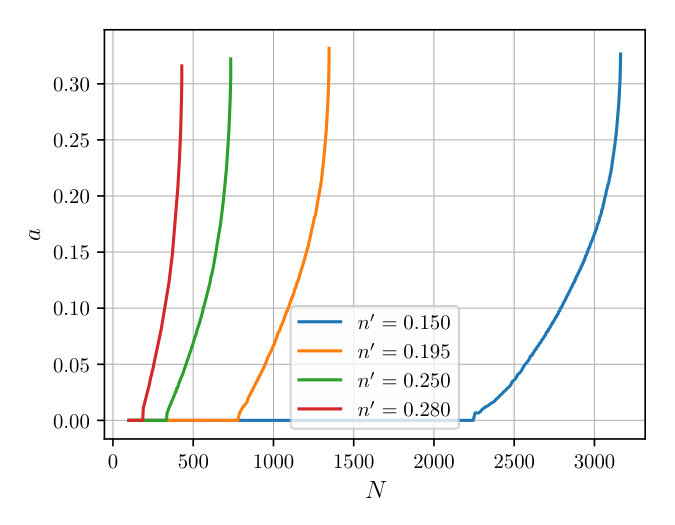 Figure 38
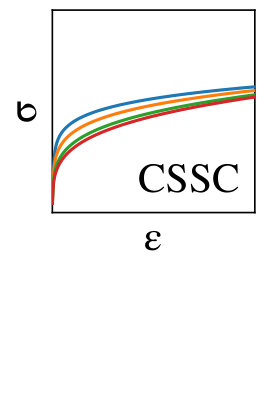 Figure 39
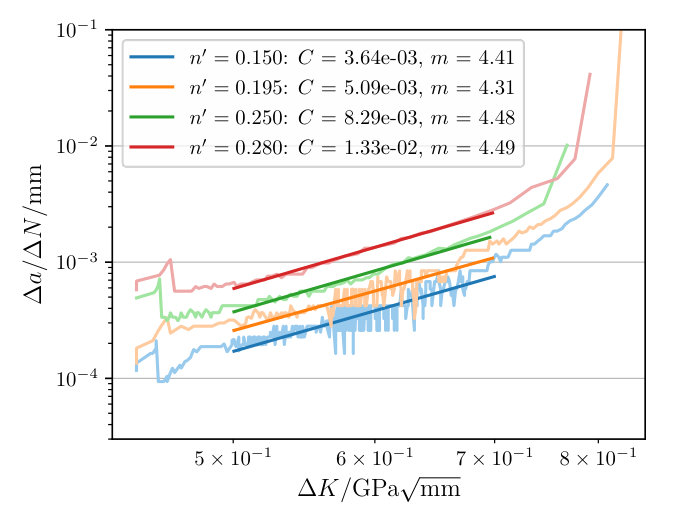 Figure 40
Peer Reviews
No public reviews on file for this paper yet. If you reviewed it on a platform where reviews are public (OpenReview, ICLR, NeurIPS, ICML), you can paste yours below so the community can read it here.
Videos
No videos yet. Explain this paper in a talk, walkthrough, or lecture? Add one.