Deformed SPDE models with an application to spatial modeling of significant wave height
Anders Hildeman, David Bolin, Igor Rychlik

TL;DR
This paper introduces a novel non-stationary Gaussian random field model combining SPDE and deformation methods, enabling better spatial modeling of significant wave height for maritime risk assessment.
Contribution
It develops a new non-stationary SPDE-based model that allows independent control of correlation range and variance, applied to ocean wave data.
Findings
Model accurately fits significant wave height data
Allows flexible non-stationary parameter control
Provides reliable wave exceedance probability estimates
Abstract
A non-stationary Gaussian random field model is developed based on a combination of the stochastic partial differential equation (SPDE) approach and the classical deformation method. With the deformation method, a stationary field is defined on a domain which is deformed so that the field becomes non-stationary. We show that if the stationary field is a Mat'ern field defined as a solution to a fractional SPDE, the resulting non-stationary model can be represented as the solution to another fractional SPDE on the deformed domain. By defining the model in this way, the computational advantages of the SPDE approach can be combined with the deformation method's more intuitive parameterisation of non-stationarity. In particular it allows for independent control over the non-stationary practical correlation range and the variance, which has not been possible with previously proposed…
Click any figure to enlarge with its caption.
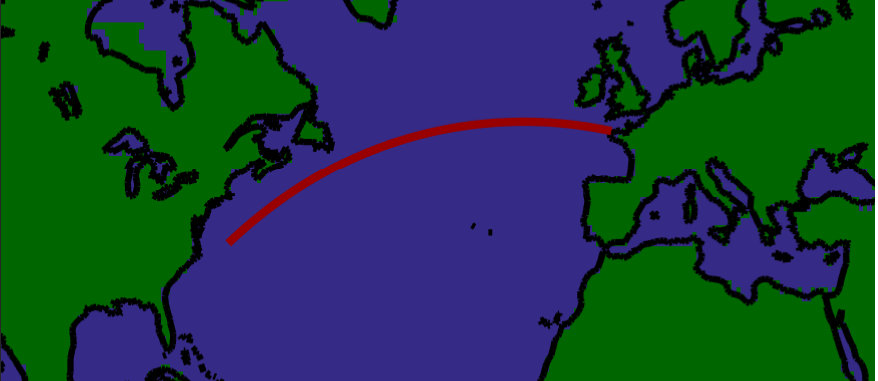 Figure 1
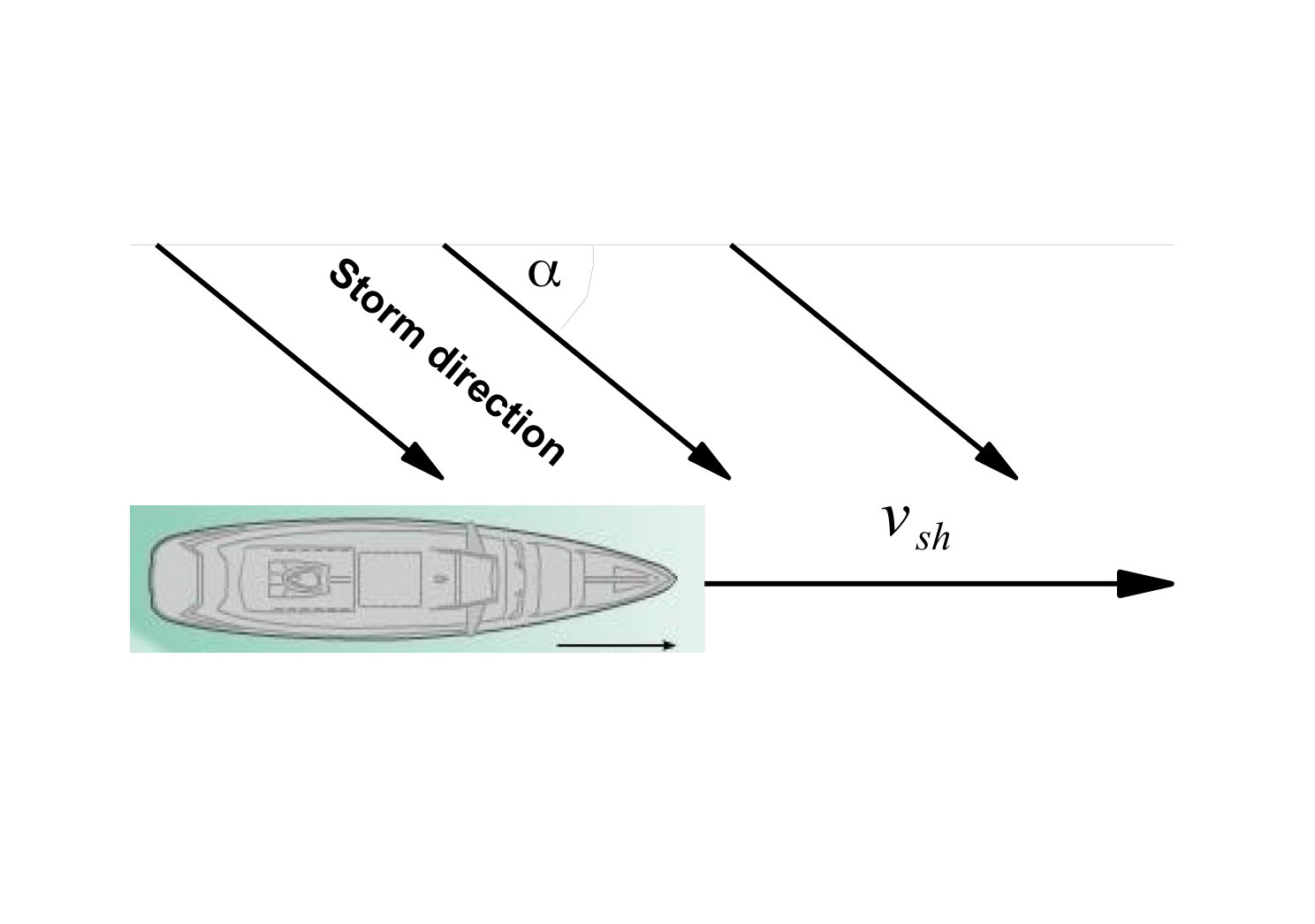 Figure 2
 Figure 3
 Figure 4
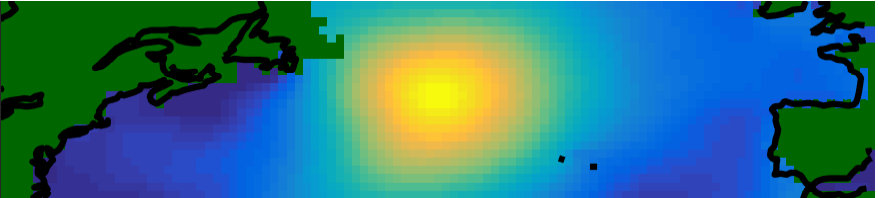 Figure 5
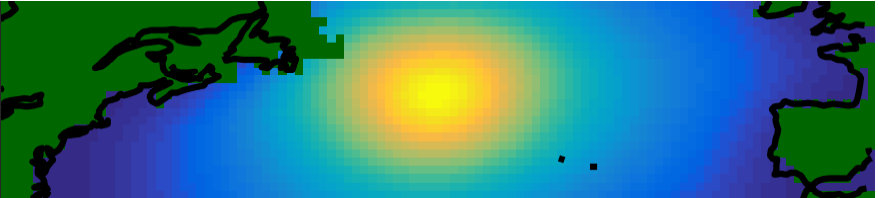 Figure 6
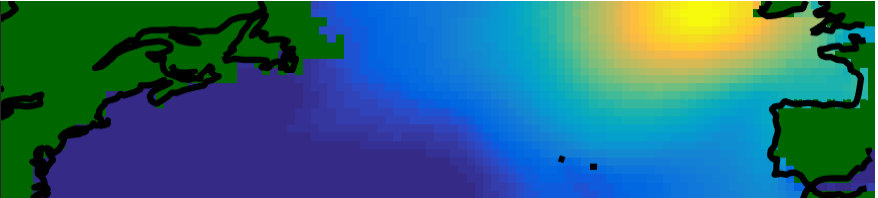 Figure 7
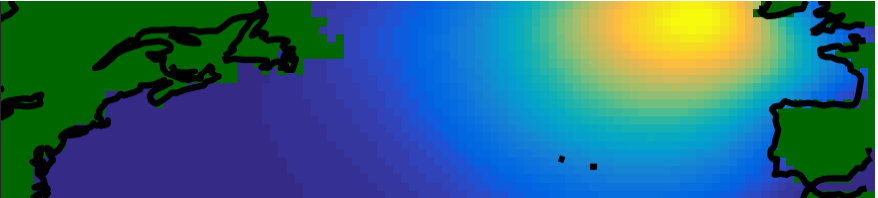 Figure 8
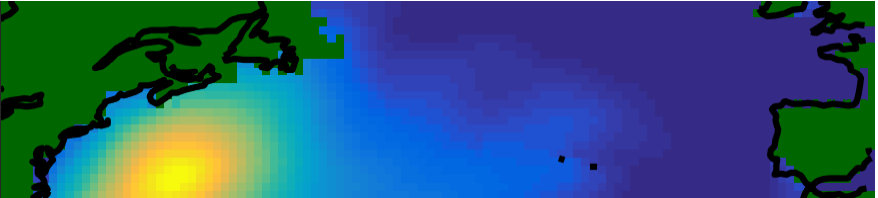 Figure 9
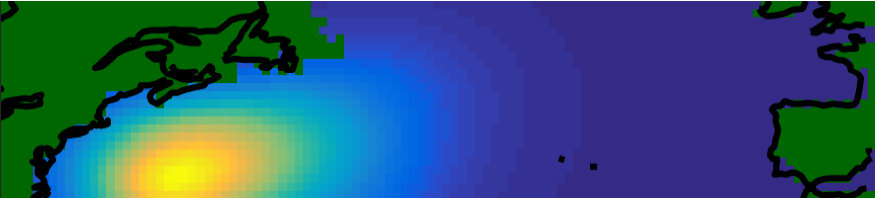 Figure 10
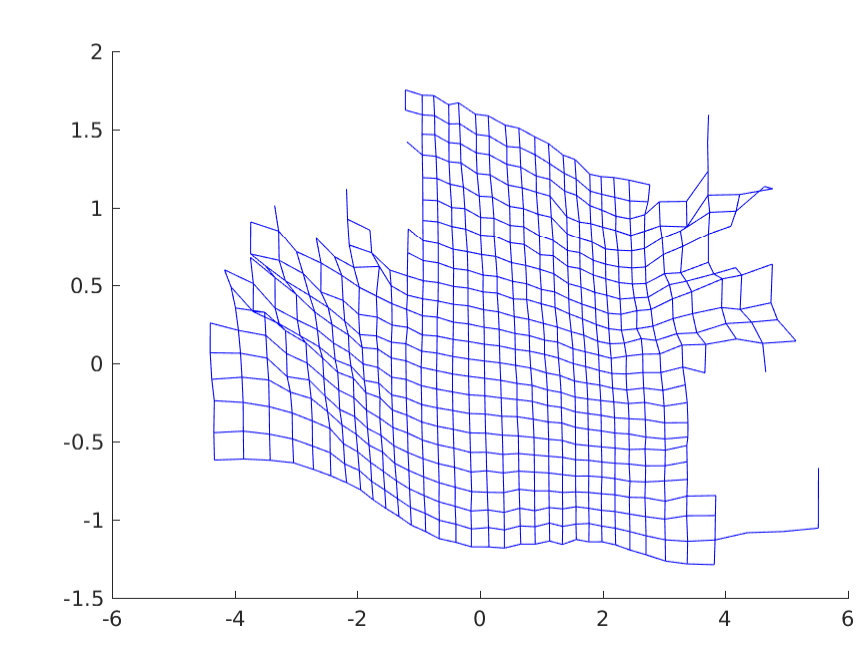 Figure 11
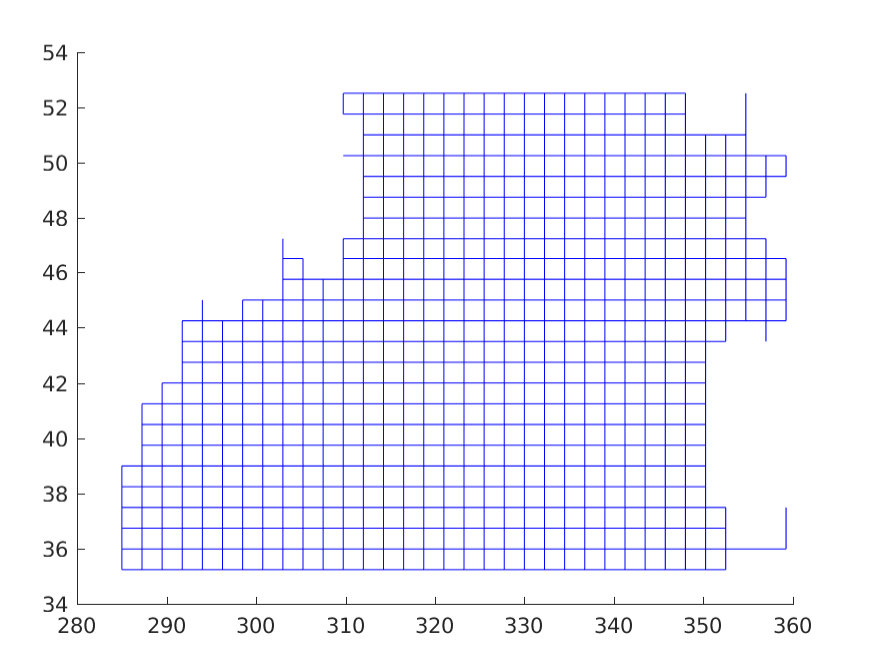 Figure 12
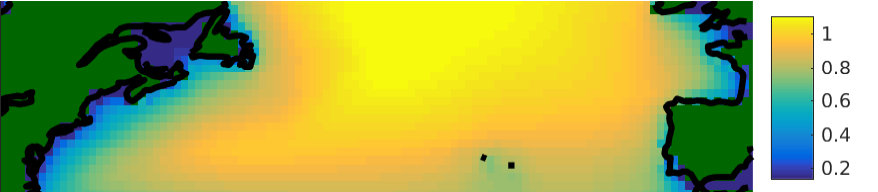 Figure 13
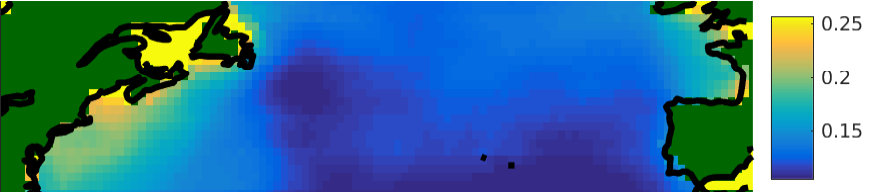 Figure 14
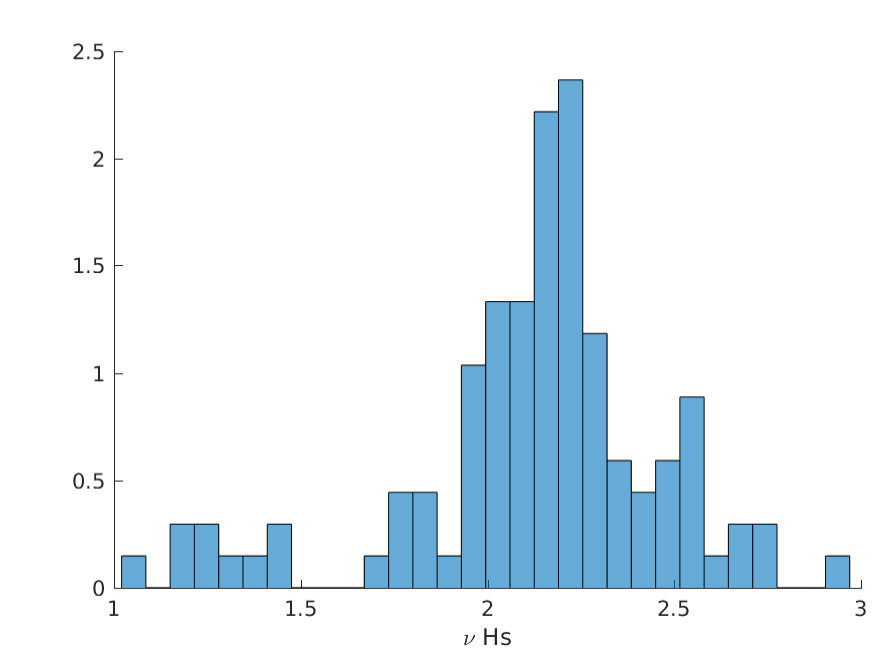 Figure 15
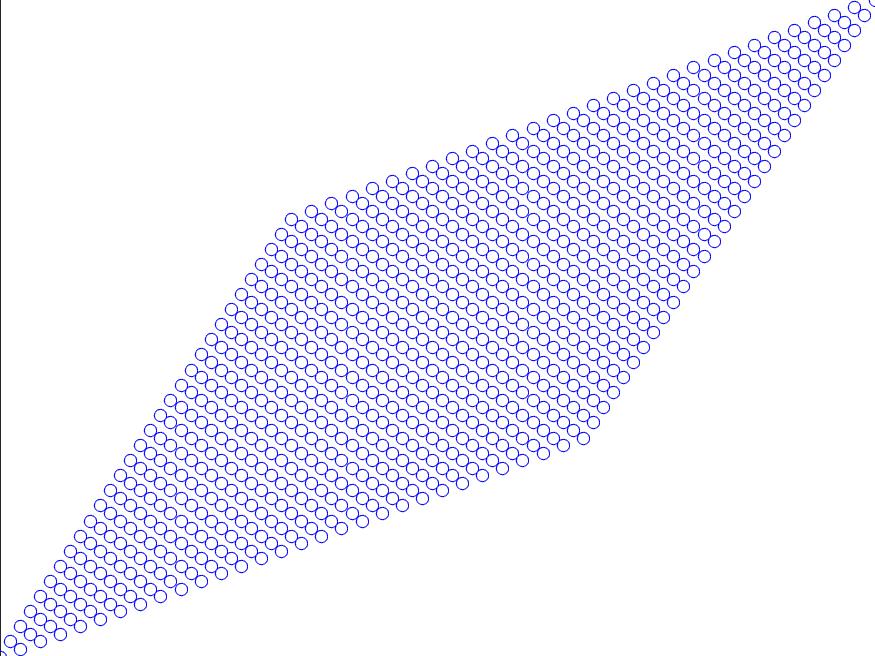 Figure 16
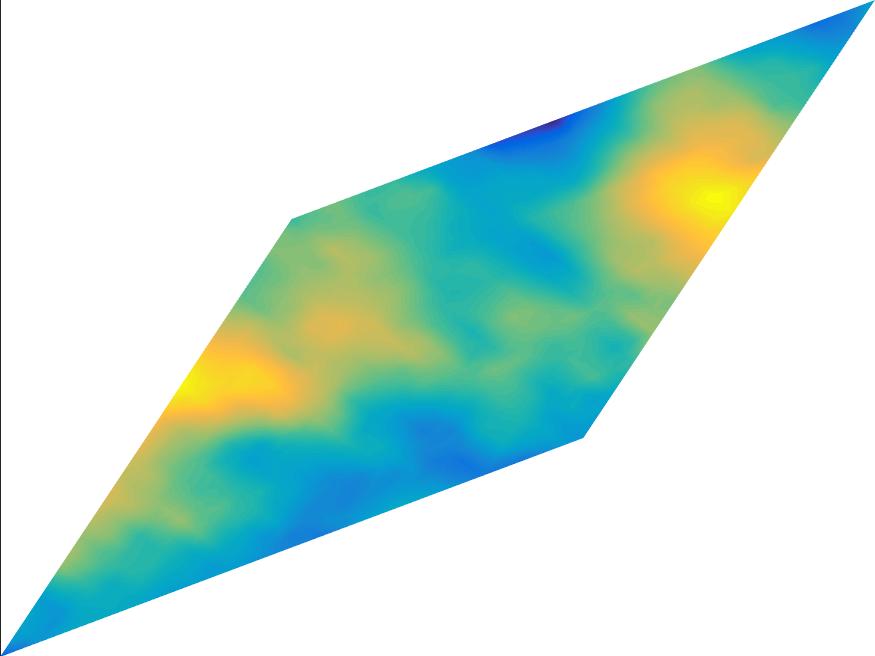 Figure 17
 Figure 18
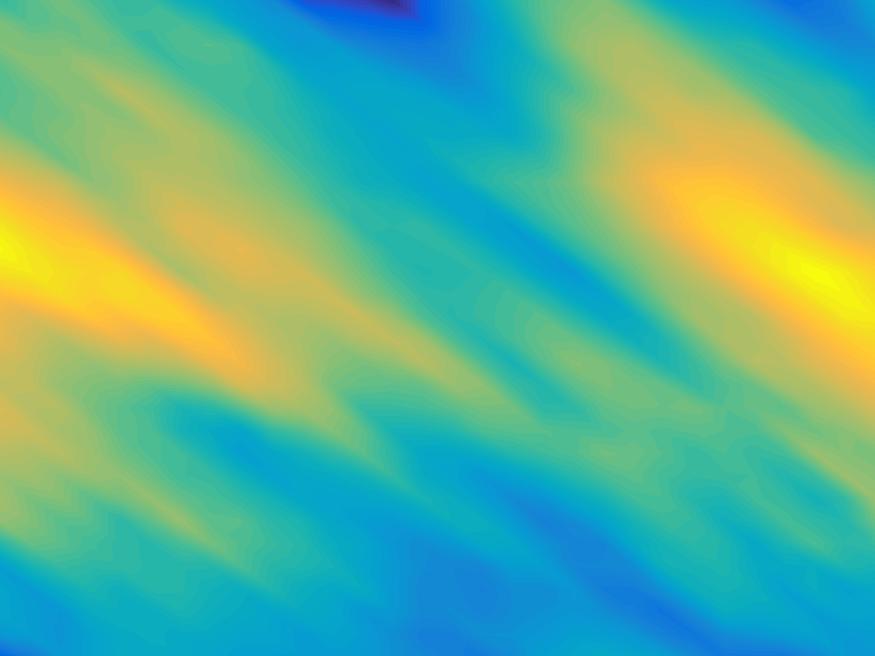 Figure 19
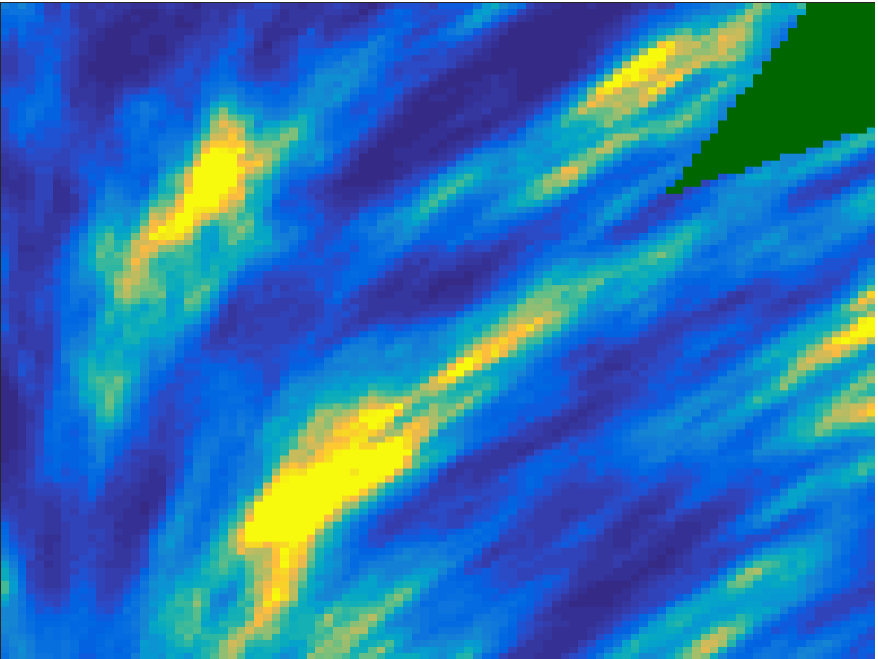 Figure 20
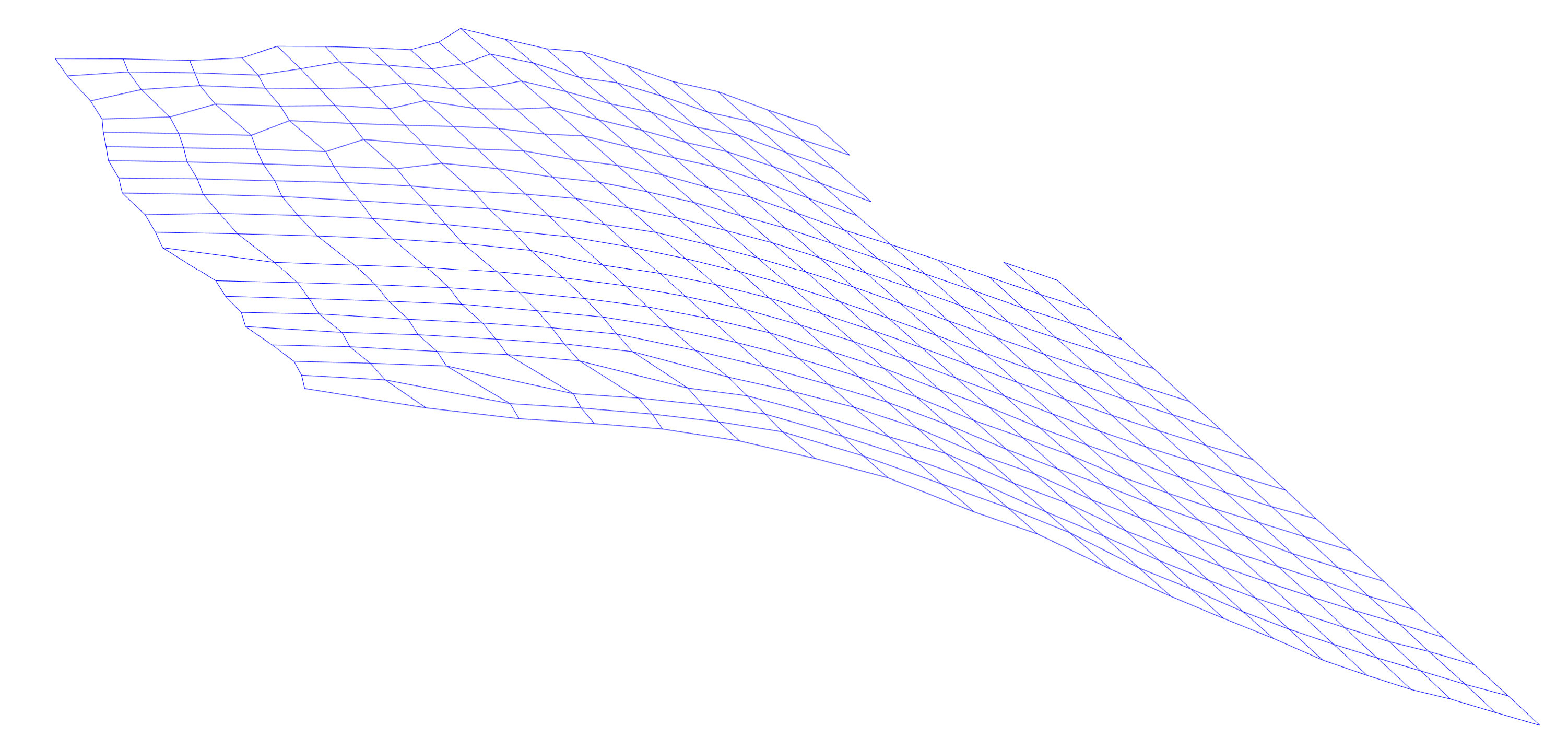 Figure 21
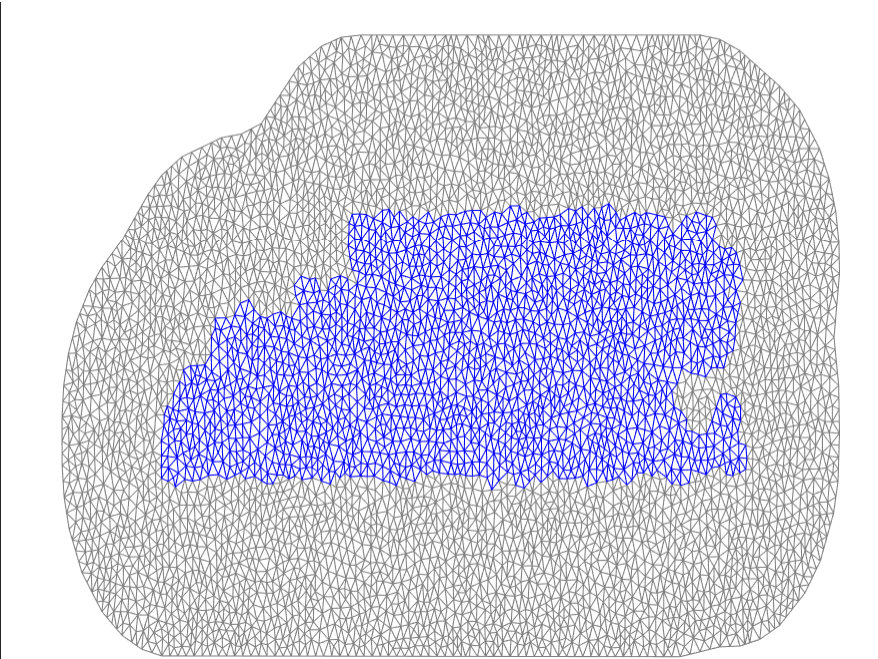 Figure 22
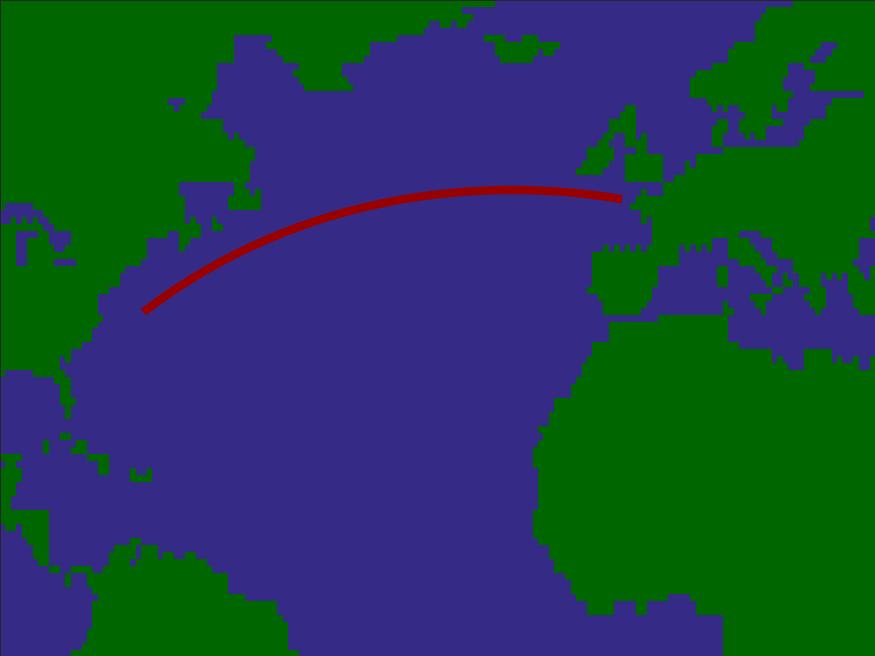 Figure 23
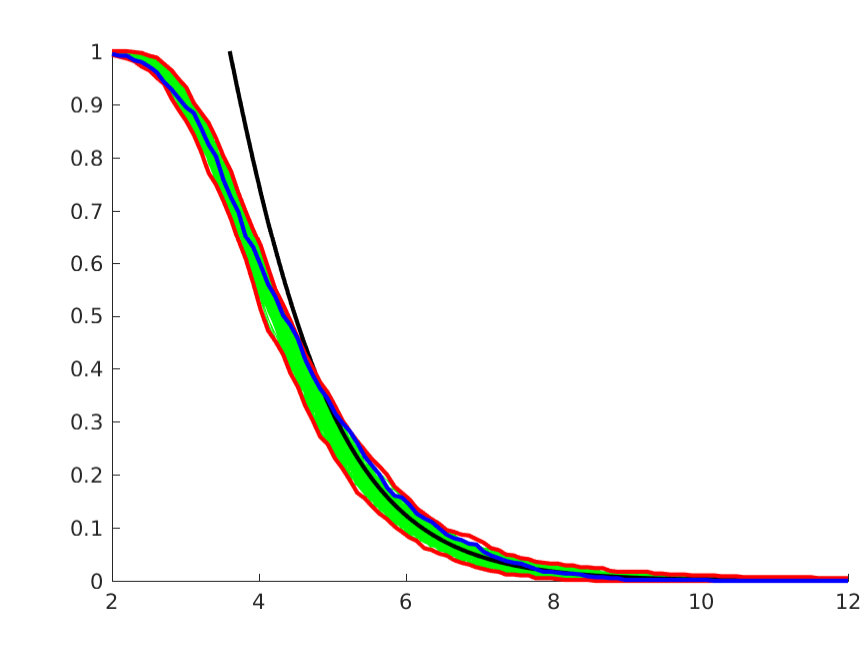 Figure 24
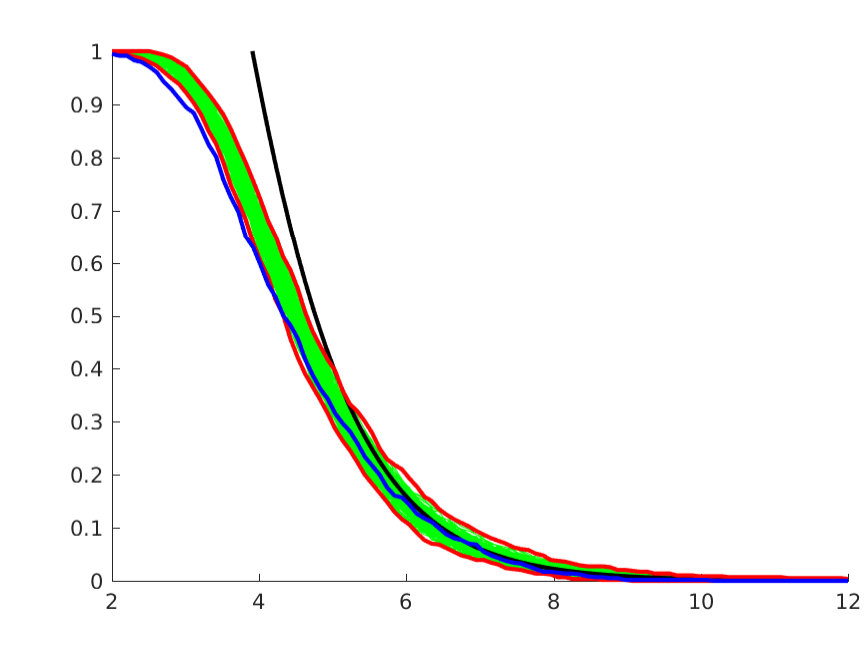 Figure 25
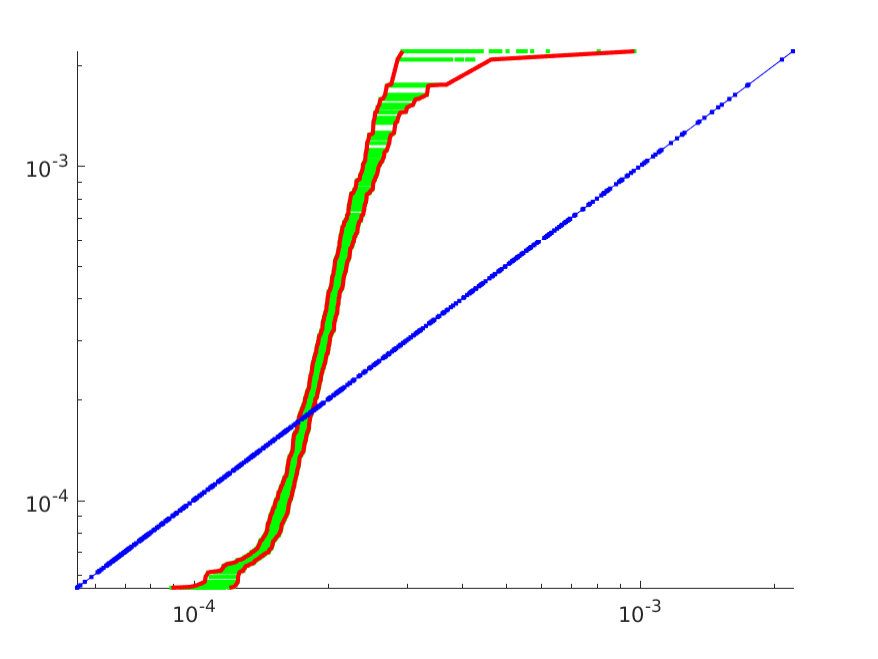 Figure 26
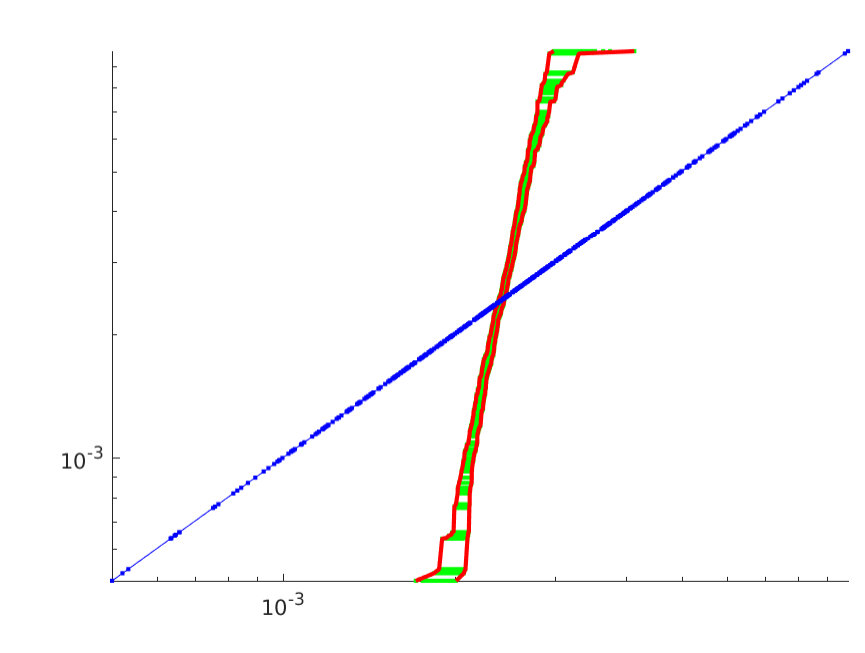 Figure 27
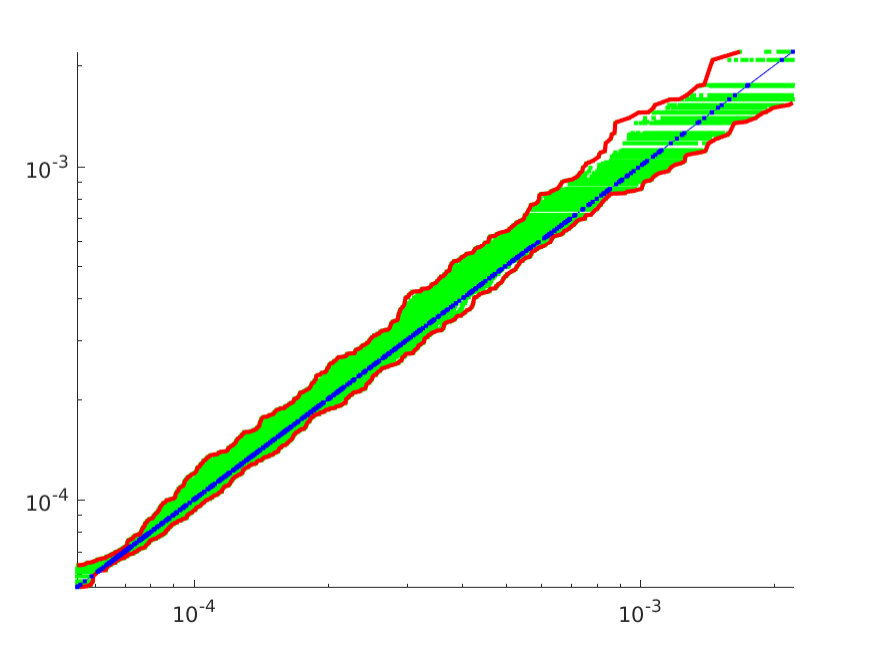 Figure 28
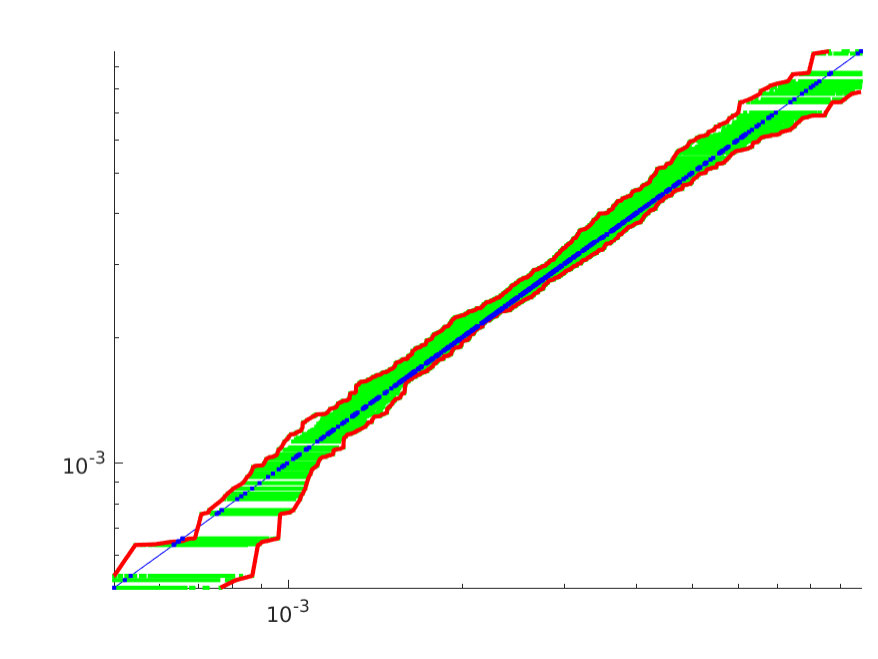 Figure 29
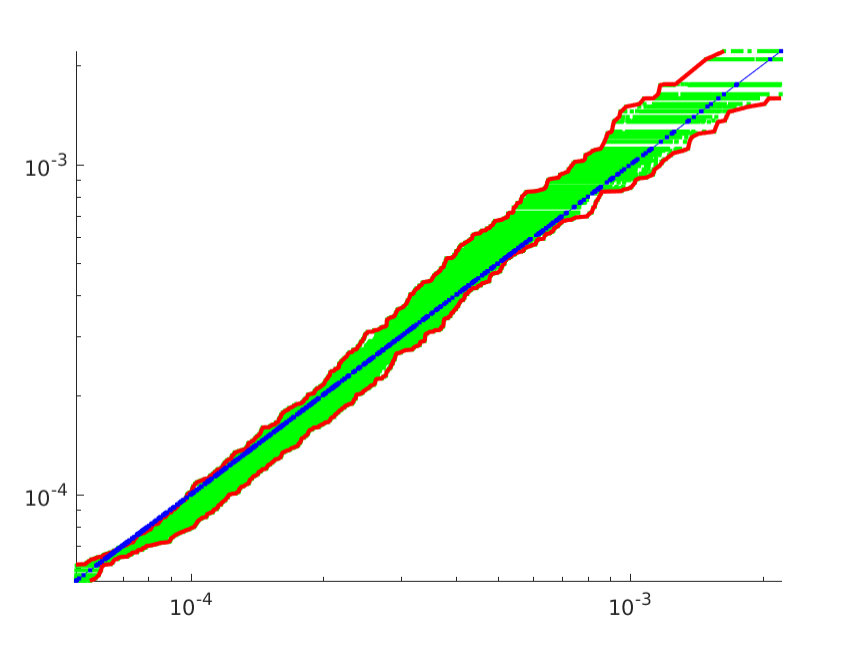 Figure 30
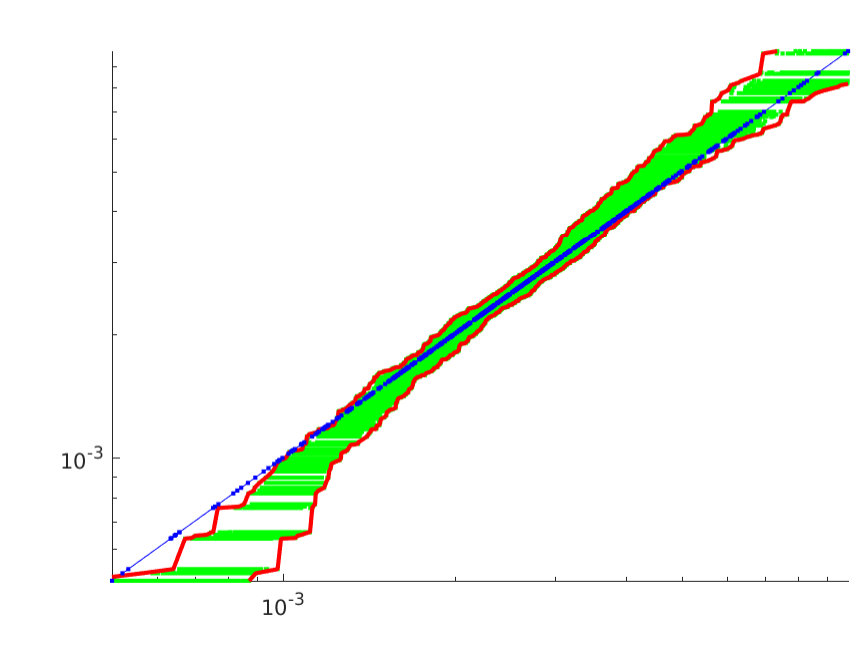 Figure 31
Peer Reviews
No public reviews on file for this paper yet. If you reviewed it on a platform where reviews are public (OpenReview, ICLR, NeurIPS, ICML), you can paste yours below so the community can read it here.
Videos
No videos yet. Explain this paper in a talk, walkthrough, or lecture? Add one.