Electron hydrodynamics with a polygonal Fermi surface
Caleb Q. Cook, Andrew Lucas

TL;DR
This paper models electron hydrodynamics in materials with polygonal Fermi surfaces, revealing unique quasihydrodynamic modes and transport phenomena, including a modified Gurzhi effect, especially relevant for materials like PdCoO2.
Contribution
It introduces a simple kinetic and hydrodynamic model for Fermi liquids with polygonal Fermi surfaces, highlighting new long-lived modes and transport behaviors.
Findings
Identification of additional long-lived quasihydrodynamic modes.
Prediction of a modified Gurzhi effect with non-monotonic conductance.
Demonstration of qualitative changes in transport at the ballistic-to-hydrodynamic crossover.
Abstract
Recent experiments have observed hints of hydrodynamic electron flow in a number of materials, not all of which have an isotropic Fermi surface. We revisit these experiments in , a quasi-two-dimensional material whose Fermi surface is a rounded hexagon, and observe that the data appears quantitatively consistent with a non-hydrodynamic interpretation. Nevertheless, motivated by such experiments, we develop a simple model for the low temperature kinetics and hydrodynamics of a two-dimensional Fermi liquid with a polygonal Fermi surface. A geometric effect leads to a finite number of additional long-lived quasihydrodynamic "imbalance" modes and corresponding qualitative changes in transport at the ballistic-to-hydrodynamic crossover. In the hydrodynamic limit, we find incoherent diffusion and a new dissipative component of the viscosity tensor arising from the explicit…
Click any figure to enlarge with its caption.
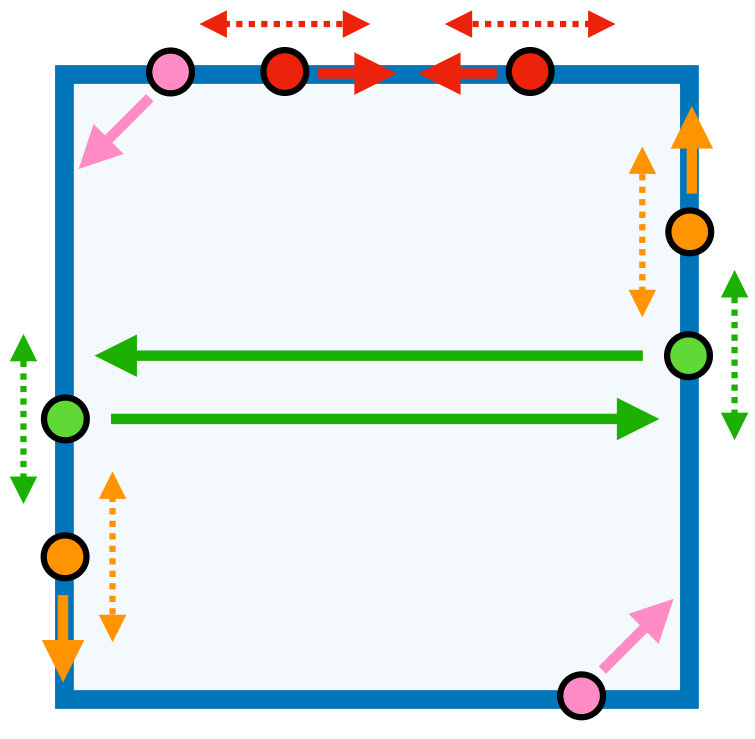 Figure 1
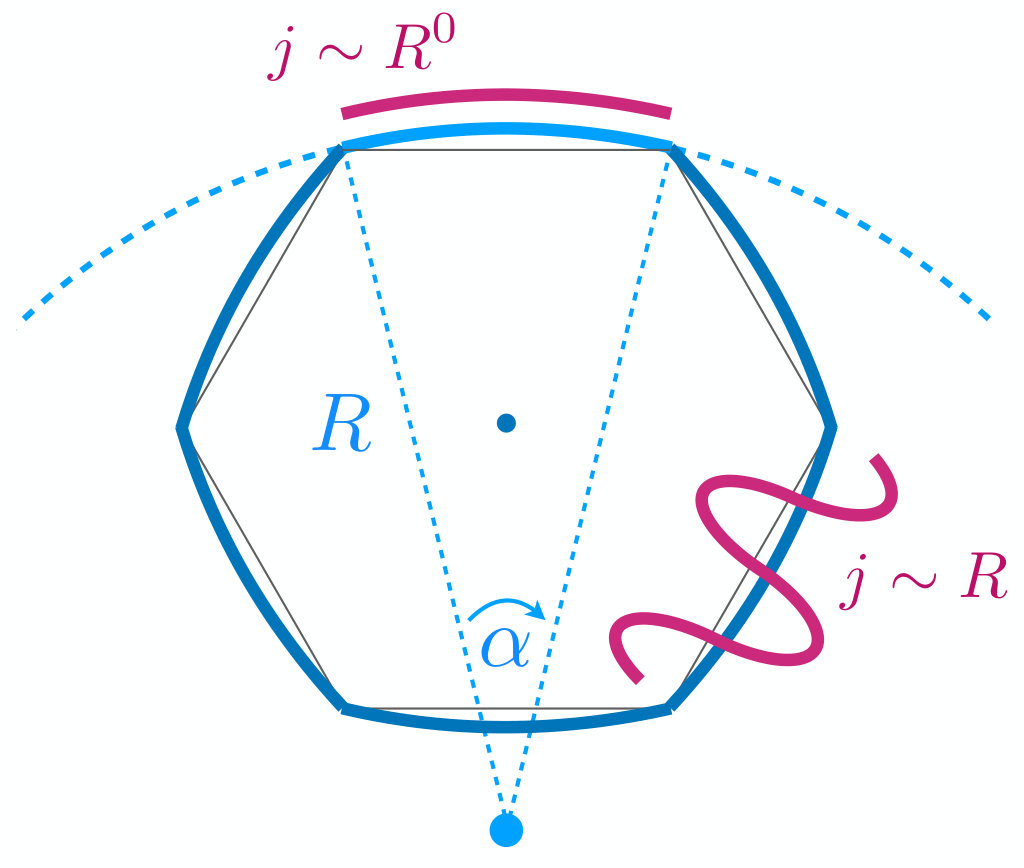 Figure 2
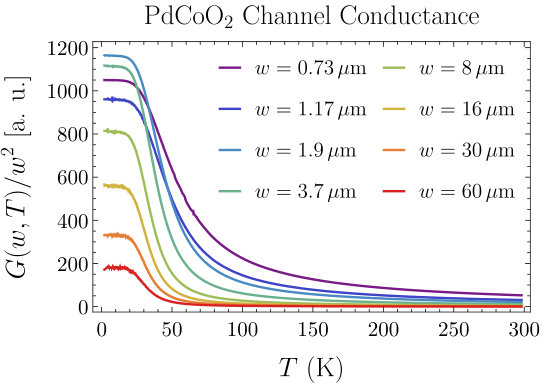 Figure 3
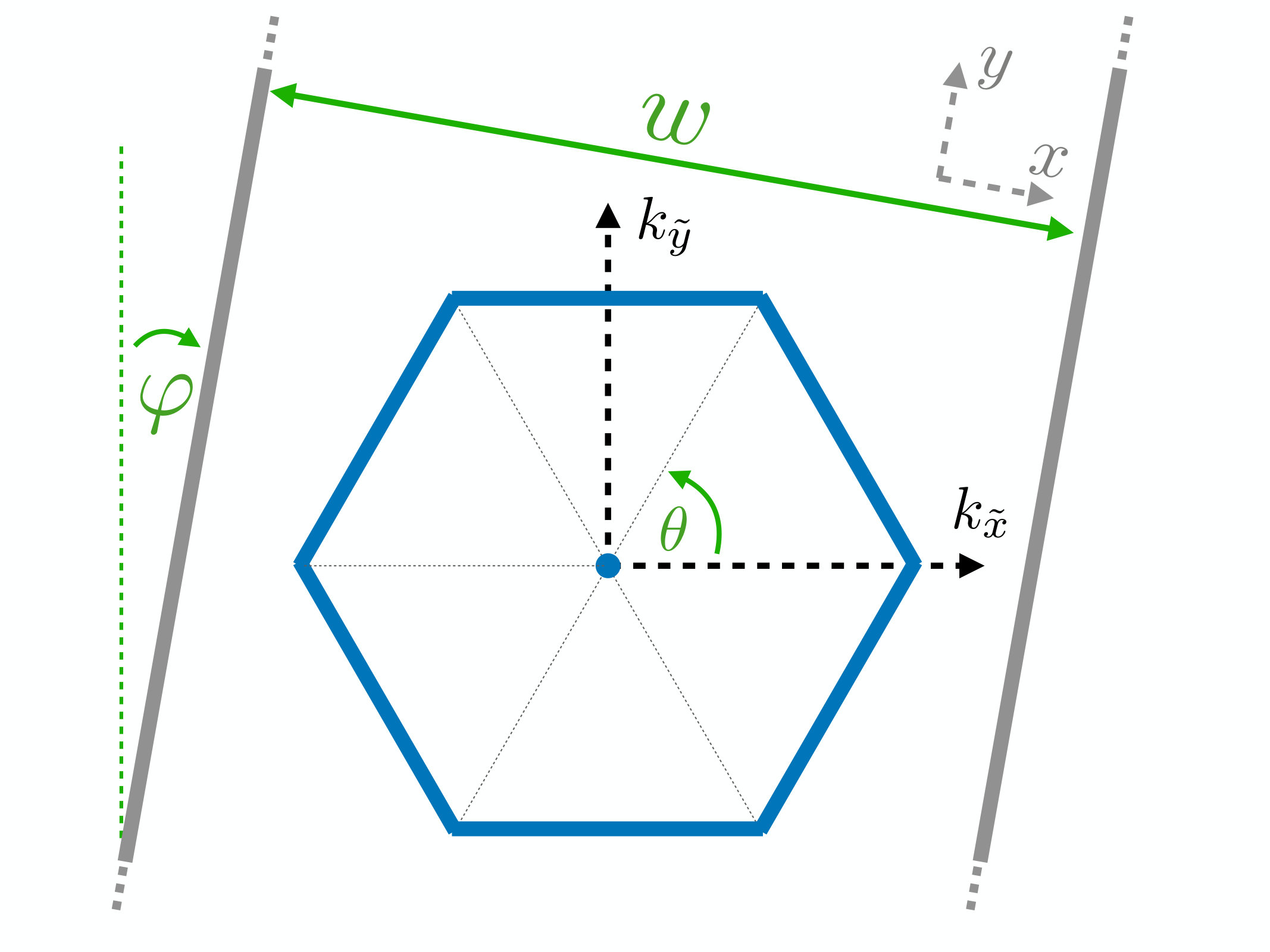 Figure 4
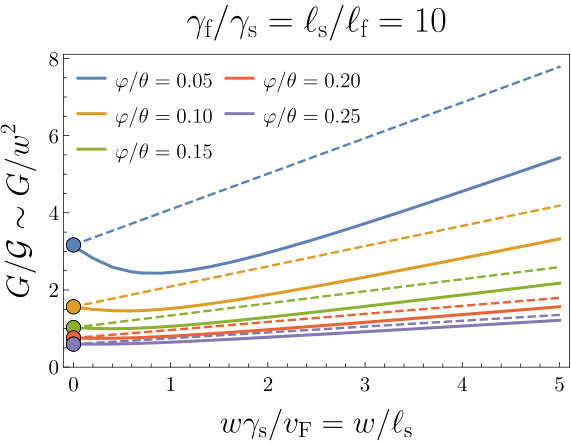 Figure 5
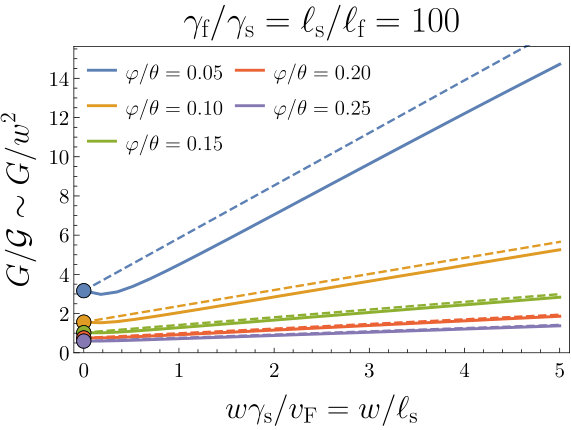 Figure 6
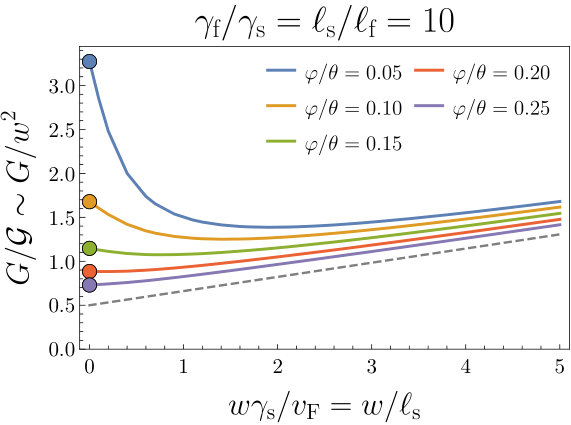 Figure 7
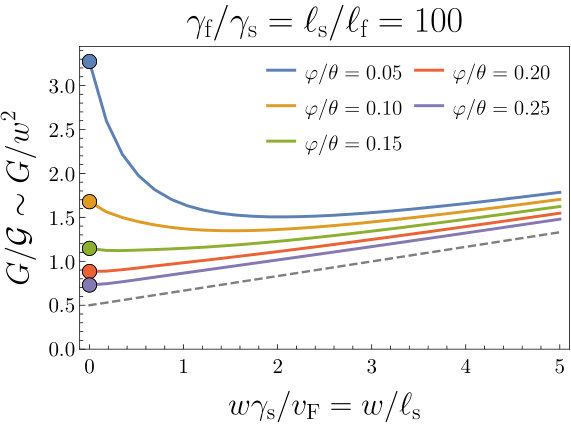 Figure 8
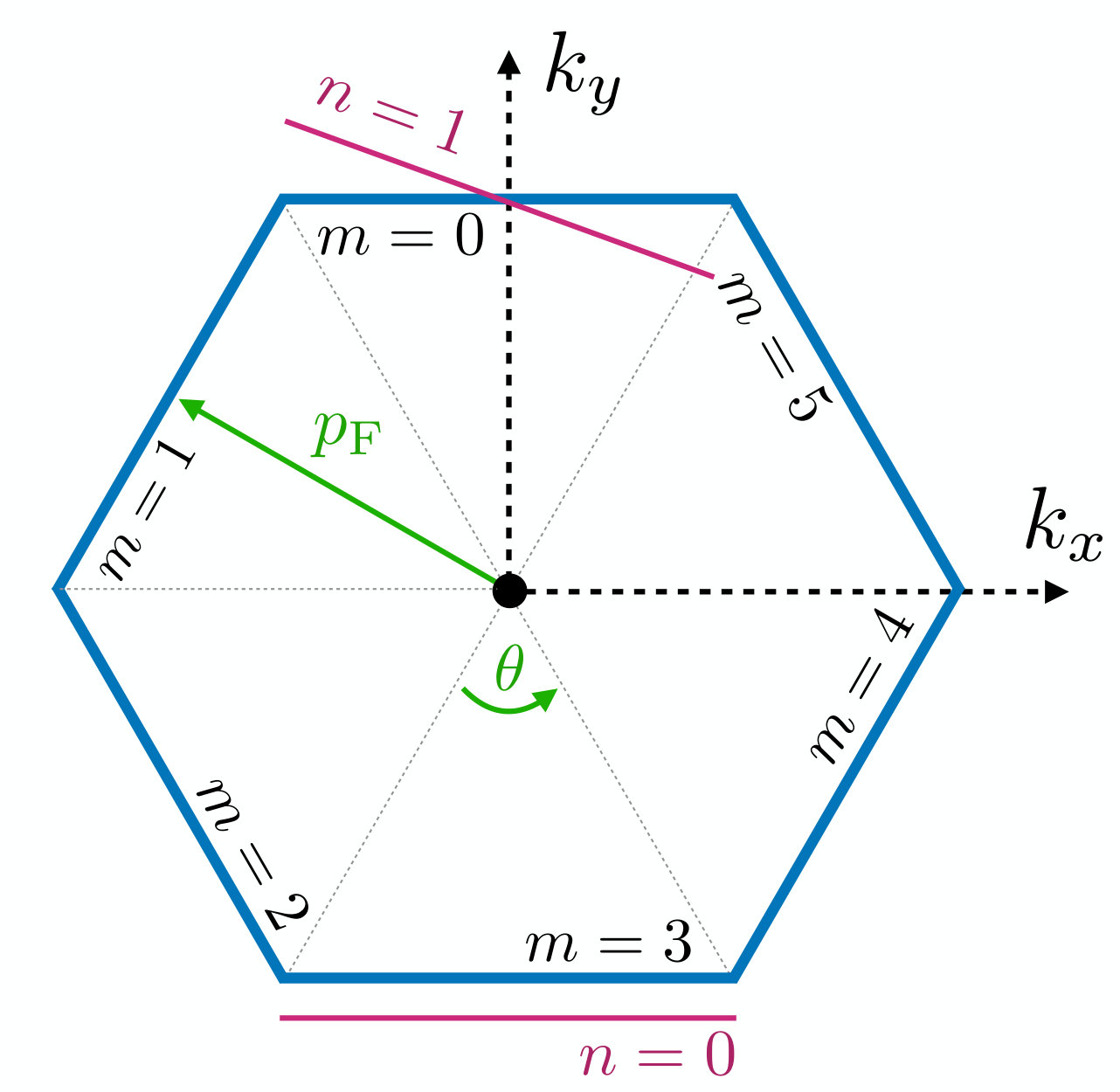 Figure 9
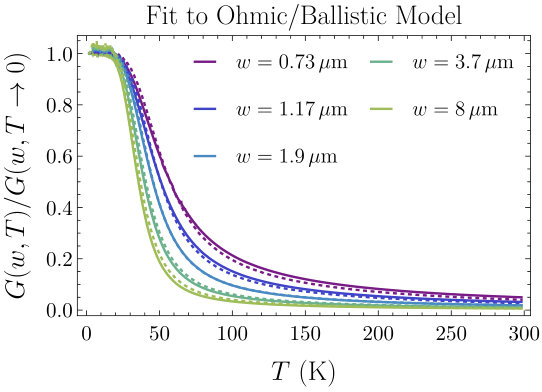 Figure 10
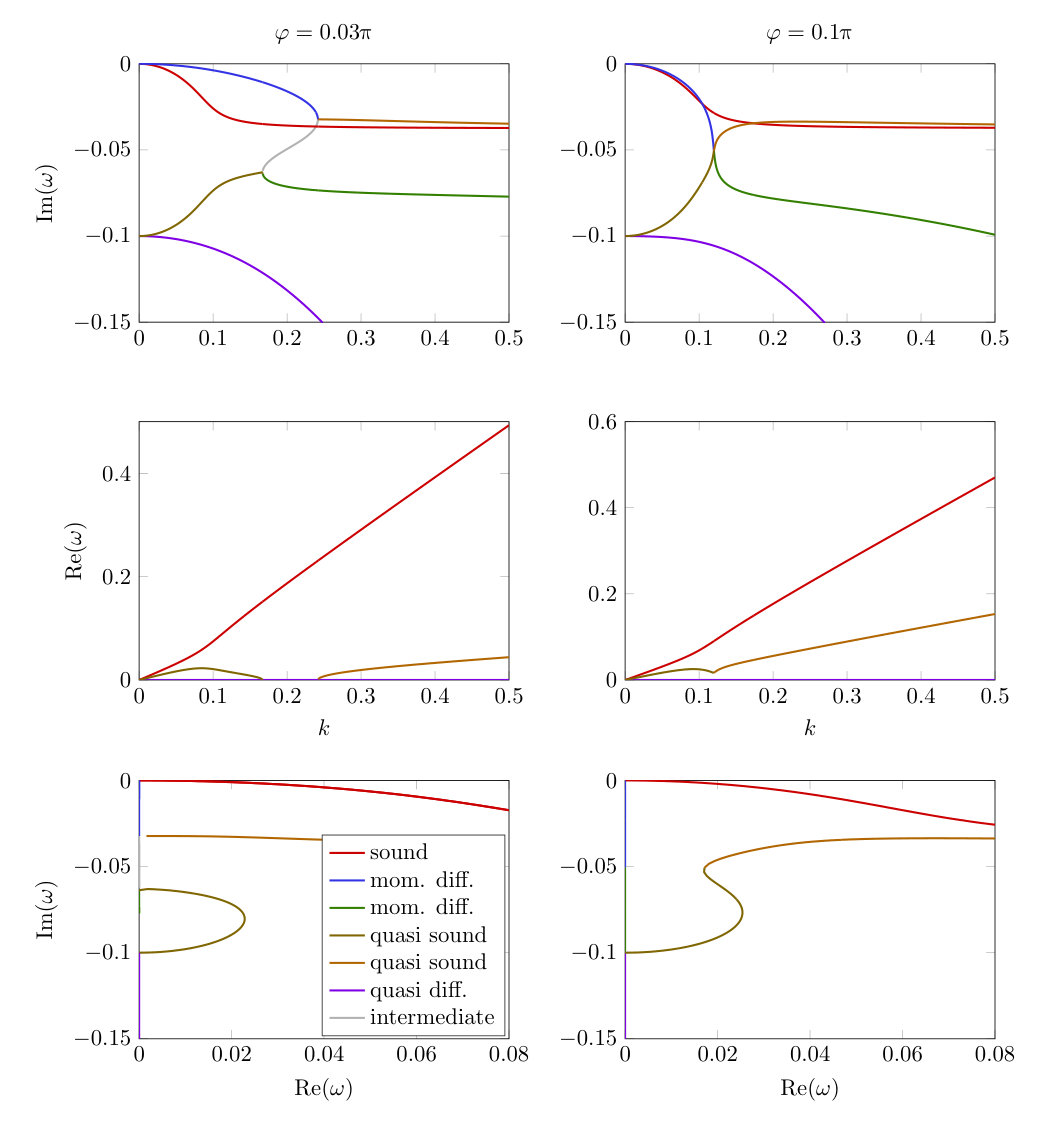 Figure 11
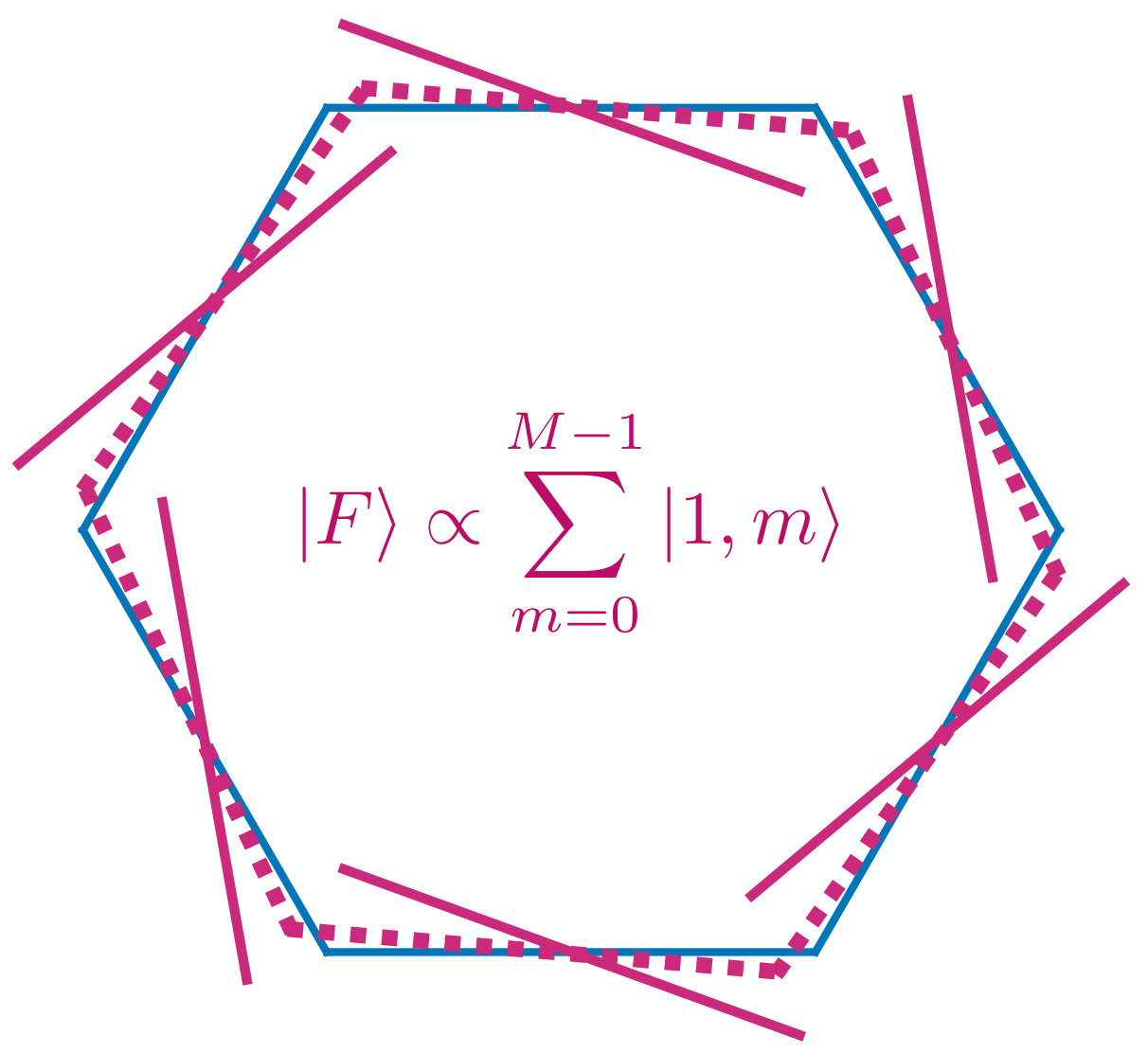 Figure 12
Peer Reviews
No public reviews on file for this paper yet. If you reviewed it on a platform where reviews are public (OpenReview, ICLR, NeurIPS, ICML), you can paste yours below so the community can read it here.
Videos
No videos yet. Explain this paper in a talk, walkthrough, or lecture? Add one.