Lightning and charge processes in brown dwarf and exoplanet atmospheres
Christiane Helling (1), Paul B Rimmer (2) ((1) Centre for Exoplanet, Science, University of St Andrews & SRON Netherlands Institute for Space, Research, (2) University of Cambridge, Cavendish Astrophysics & MRC, Laboratory of Molecular Biology)

TL;DR
This paper investigates ionisation and lightning processes in brown dwarf and exoplanet atmospheres using simulations, revealing how these processes influence atmospheric chemistry, cloud formation, and potential aurora phenomena.
Contribution
It introduces new insights into ionisation mechanisms, lightning effects, and chemical tracers like H$_3^+$ and H$_3$O$^+$ in substellar atmospheres through advanced modeling.
Findings
Lightning leaves detectable chemical tracers on the nightside.
External radiation can create highly ionised atmospheric shells.
Electron beams can produce long-lived chemical tracers like H$_3$O$^+$.
Abstract
The study of the composition of brown dwarf atmospheres helped to understand their formation and evolution. Similarly, the study of exoplanet atmospheres is expected to constrain their formation and evolutionary states. We use results from 3D simulations, kinetic cloud formation and kinetic ion-neutral chemistry to investigate ionisation processes which will affect their atmosphere chemistry: The dayside of super-hot Jupiters is dominated by atomic hydrogen, and not HO. Such planetary atmospheres exhibit a substantial degree of thermal ionisation and clouds only form on the nightside where lightning leaves chemical tracers (e.g. HCN) for possibly long enough to be detectable. External radiation may cause exoplanets to be enshrouded in a shell of highly ionised, H-forming gas and a weather-driven aurora may emerge. Brown dwarfs enable us to study the role of electron beams for…
Click any figure to enlarge with its caption.
 Figure 1
 Figure 2
 Figure 3
 Figure 4
 Figure 5
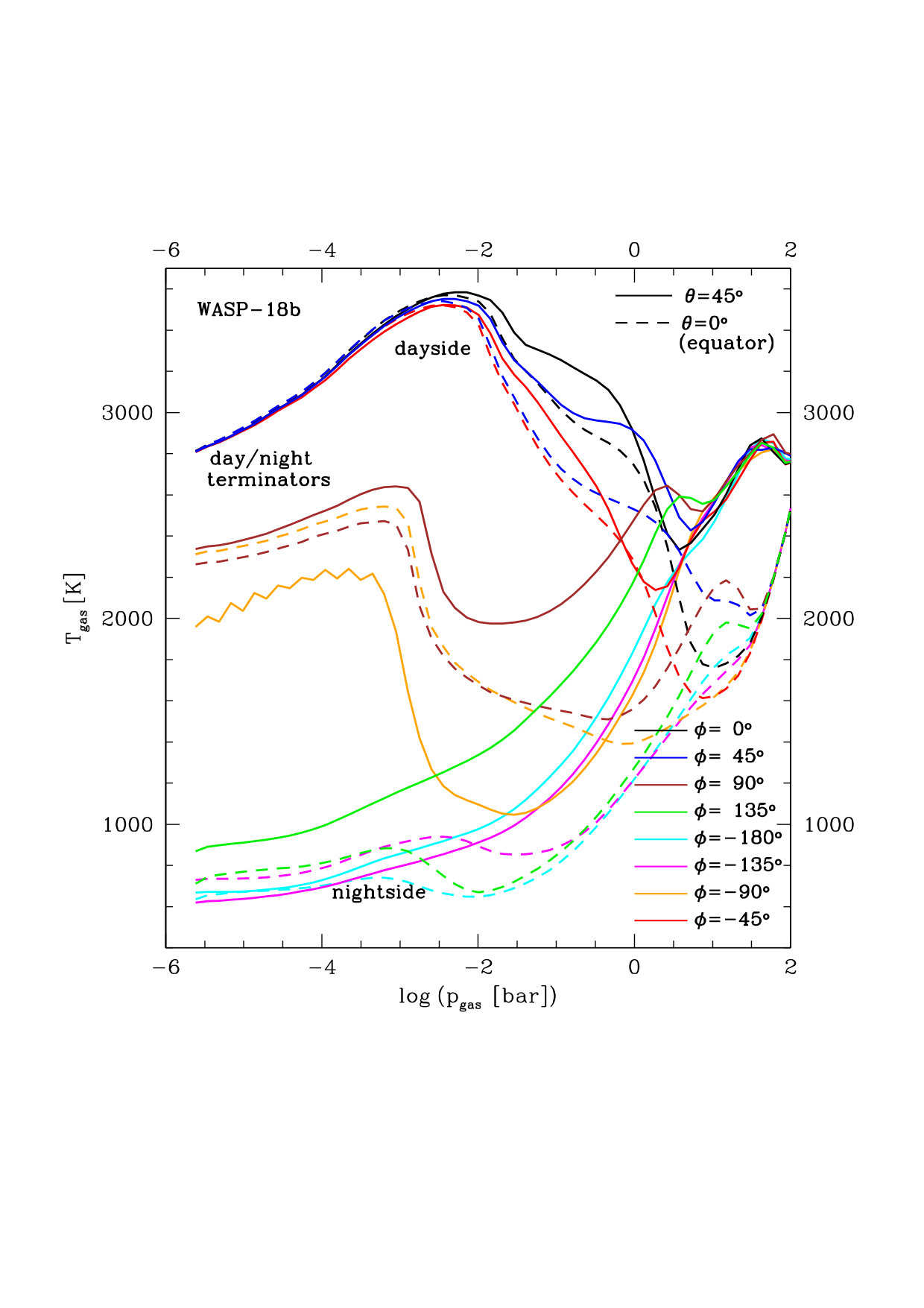 Figure 6
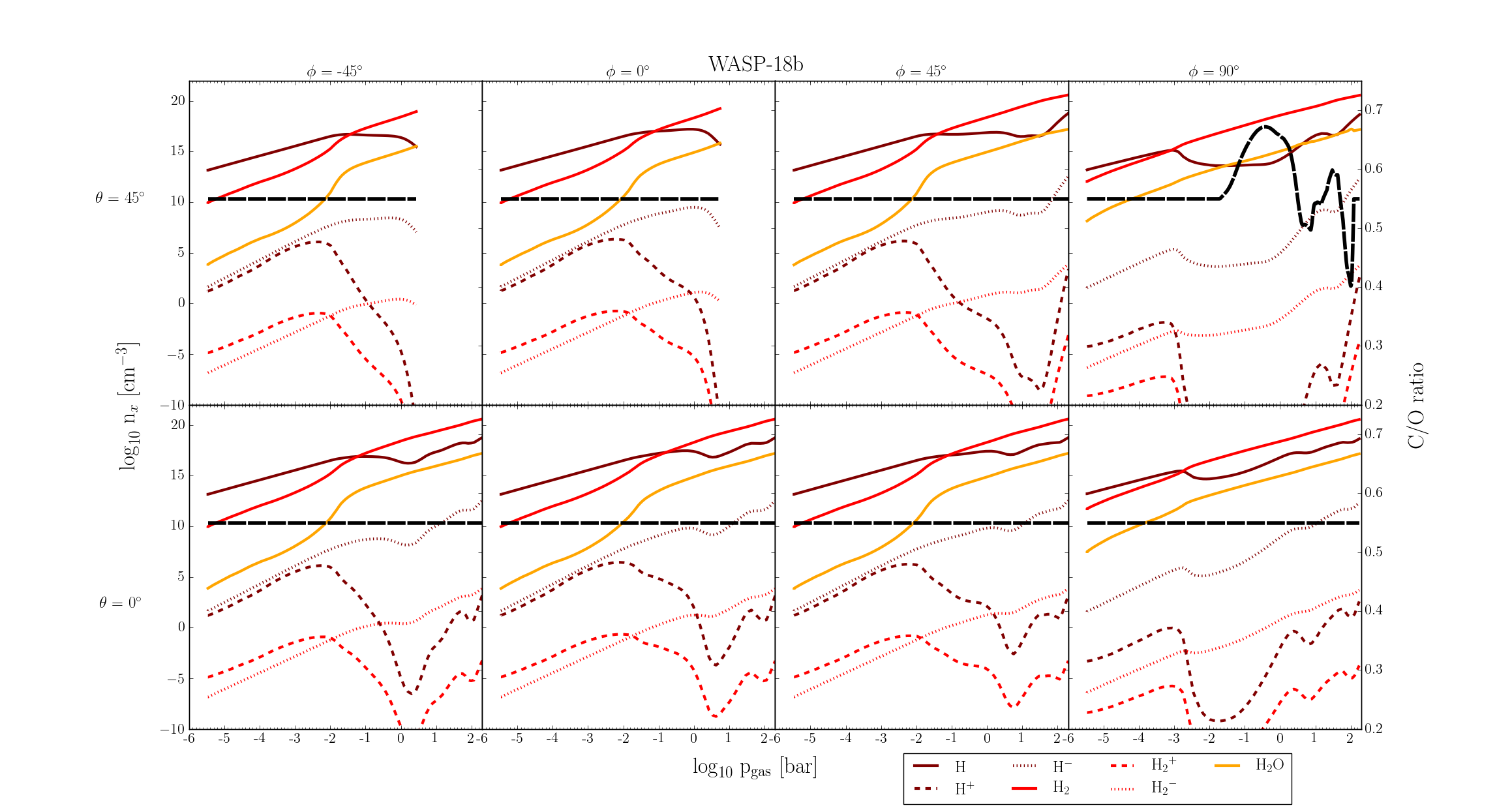 Figure 7
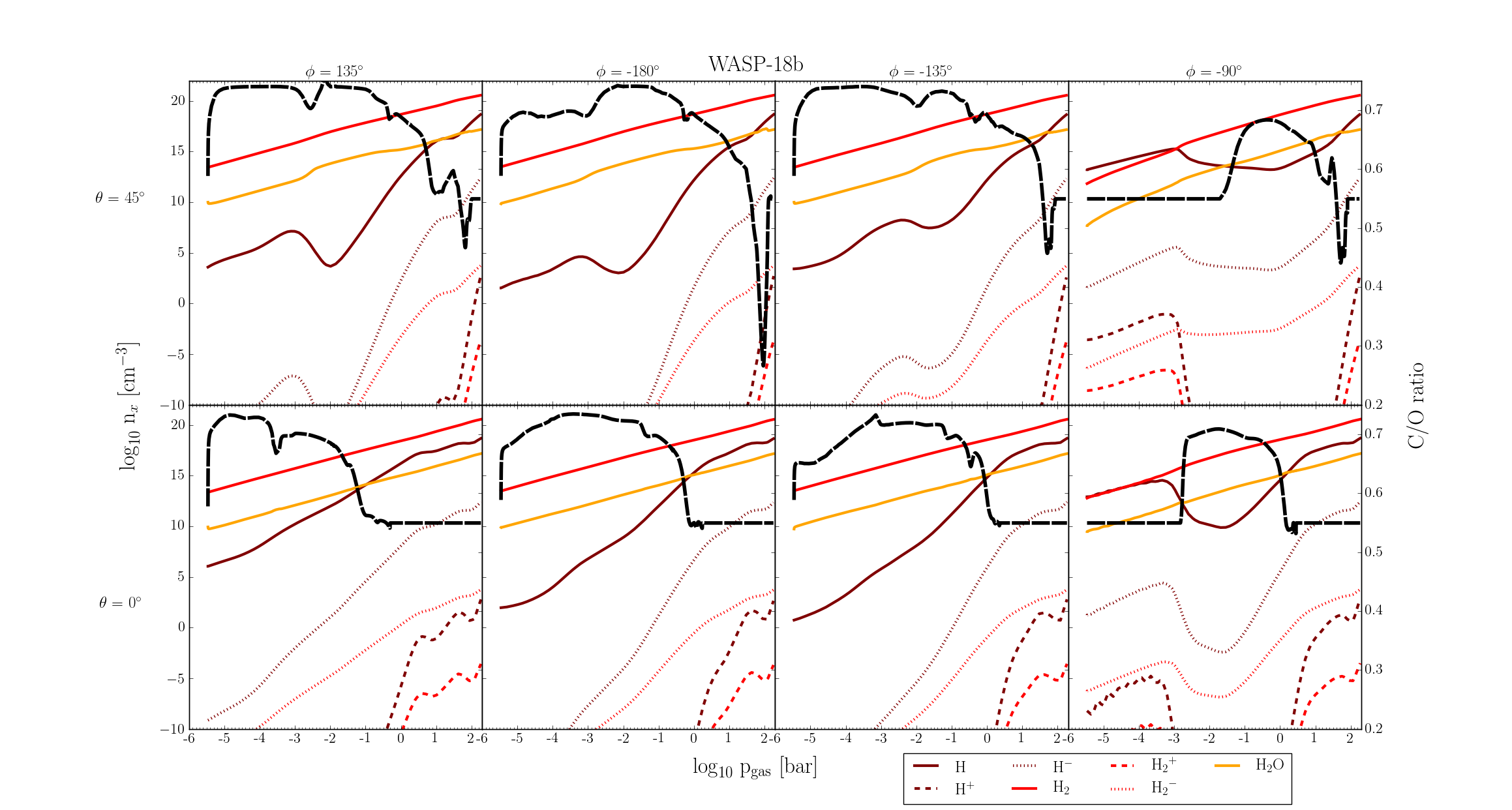 Figure 8
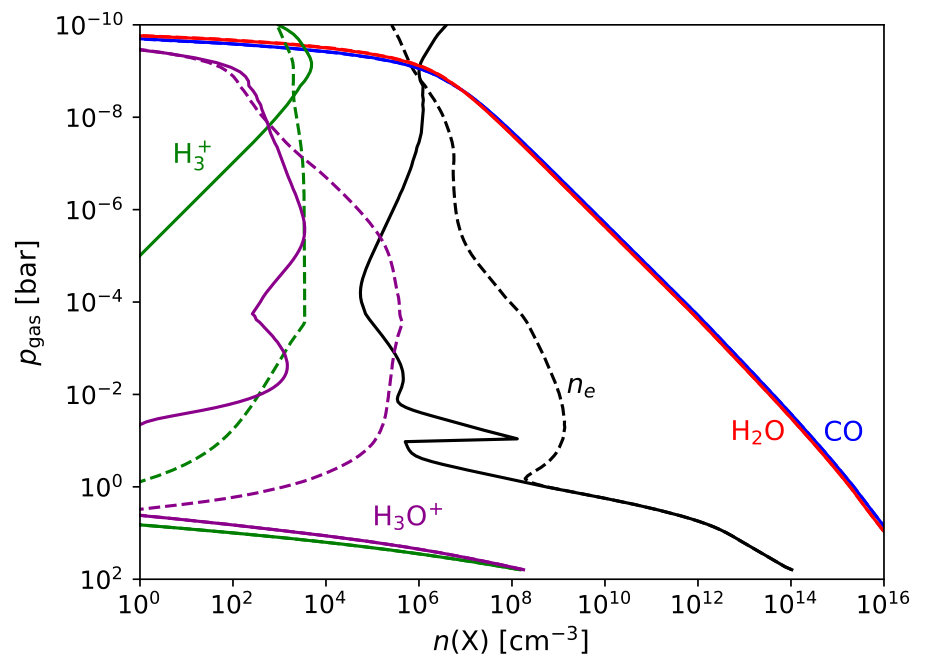 Figure 9
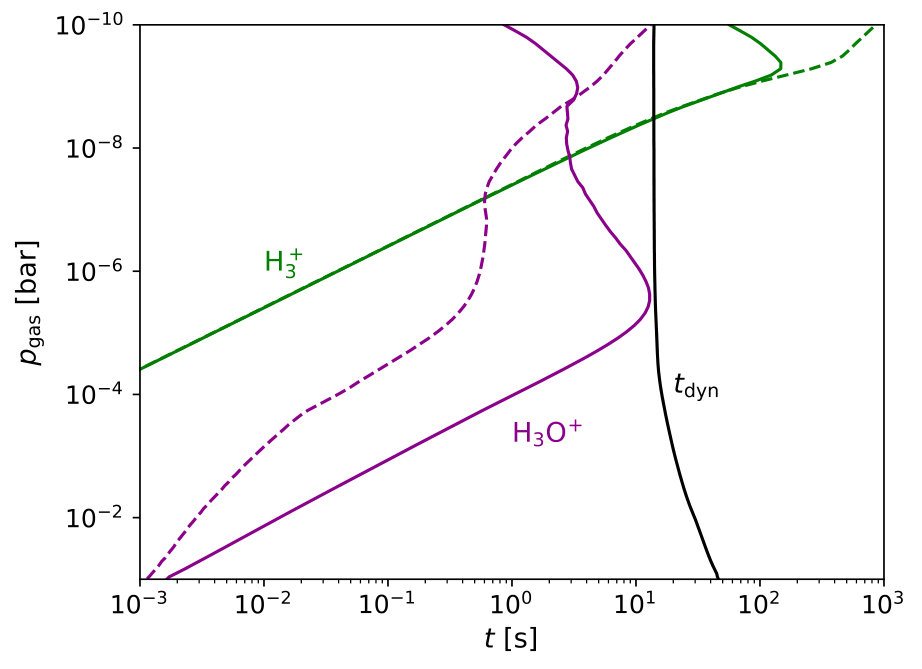 Figure 10
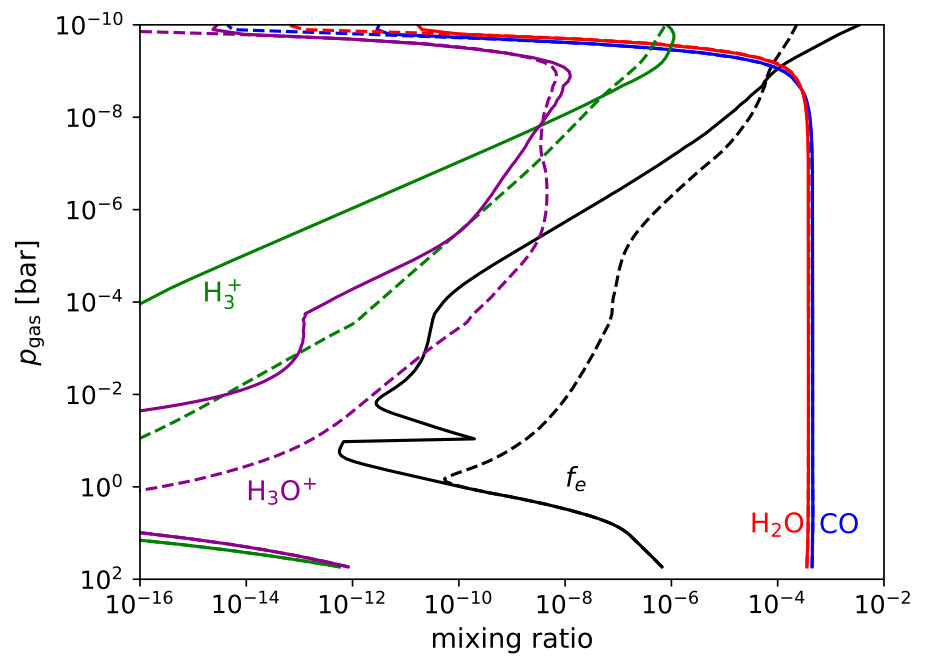 Figure 11
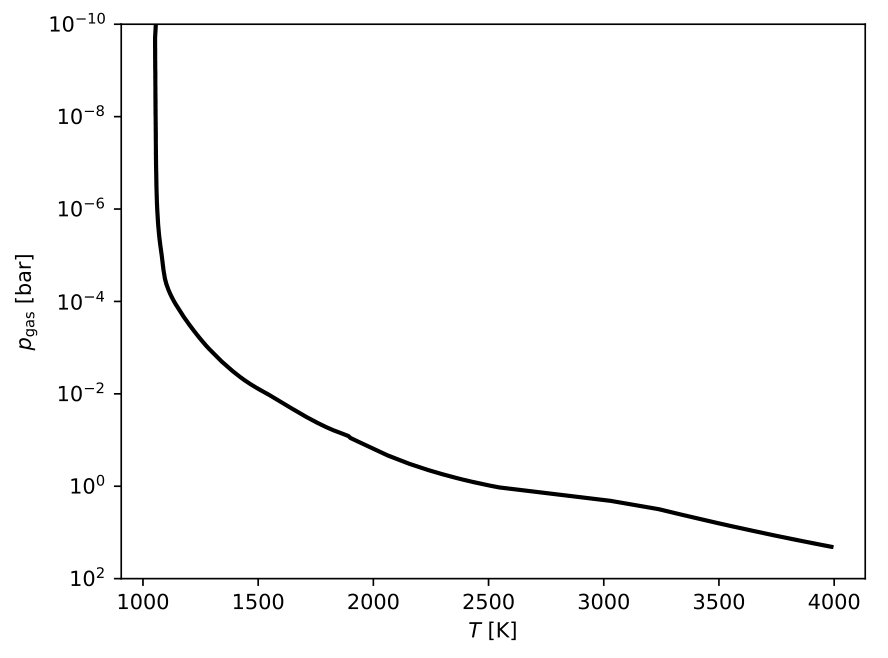 Figure 12
Peer Reviews
No public reviews on file for this paper yet. If you reviewed it on a platform where reviews are public (OpenReview, ICLR, NeurIPS, ICML), you can paste yours below so the community can read it here.
Videos
No videos yet. Explain this paper in a talk, walkthrough, or lecture? Add one.