Modeling and simulation of nonlinear electro-thermo-mechanical continua with application to shape memory polymeric medical devices
Innocent Niyonzima, Yang Jiao, Jacob Fish

TL;DR
This paper develops a comprehensive multiphysics finite element model for shape memory polymer stents, capturing their electro-thermo-mechanical behavior under electromagnetic excitation for biomedical applications.
Contribution
It introduces large deformation formulations for coupled electro-thermo-mechanical modeling of shape memory polymers, validated against existing literature.
Findings
Validated finite element model matches literature results
Demonstrates effective electromagnetic control of shape memory stents
Provides a basis for designing smart biomedical devices
Abstract
Shape memory materials have gained considerable attention thanks to their ability to change physical properties when subjected to external stimuli such as temperature, pH, humidity, electromagnetic fields, etc. These materials are increasingly used for a large number of biomedical applications. For applications inside the human body, contactless control can be achieved by the addition of electric and/or magnetic particles that can react to electromagnetic fields, thus leading to a composite biomaterial. The difficulty of developing accurate numerical models for smart materials results from their multiscale nature and from the multiphysics coupling of involved phenomena. This coupling involves electromagnetic, thermal and mechanical problems. This paper contributes to the multiphysics modelling of a shape memory polymer material used as a medical stent. The stent is excited by…
Click any figure to enlarge with its caption.
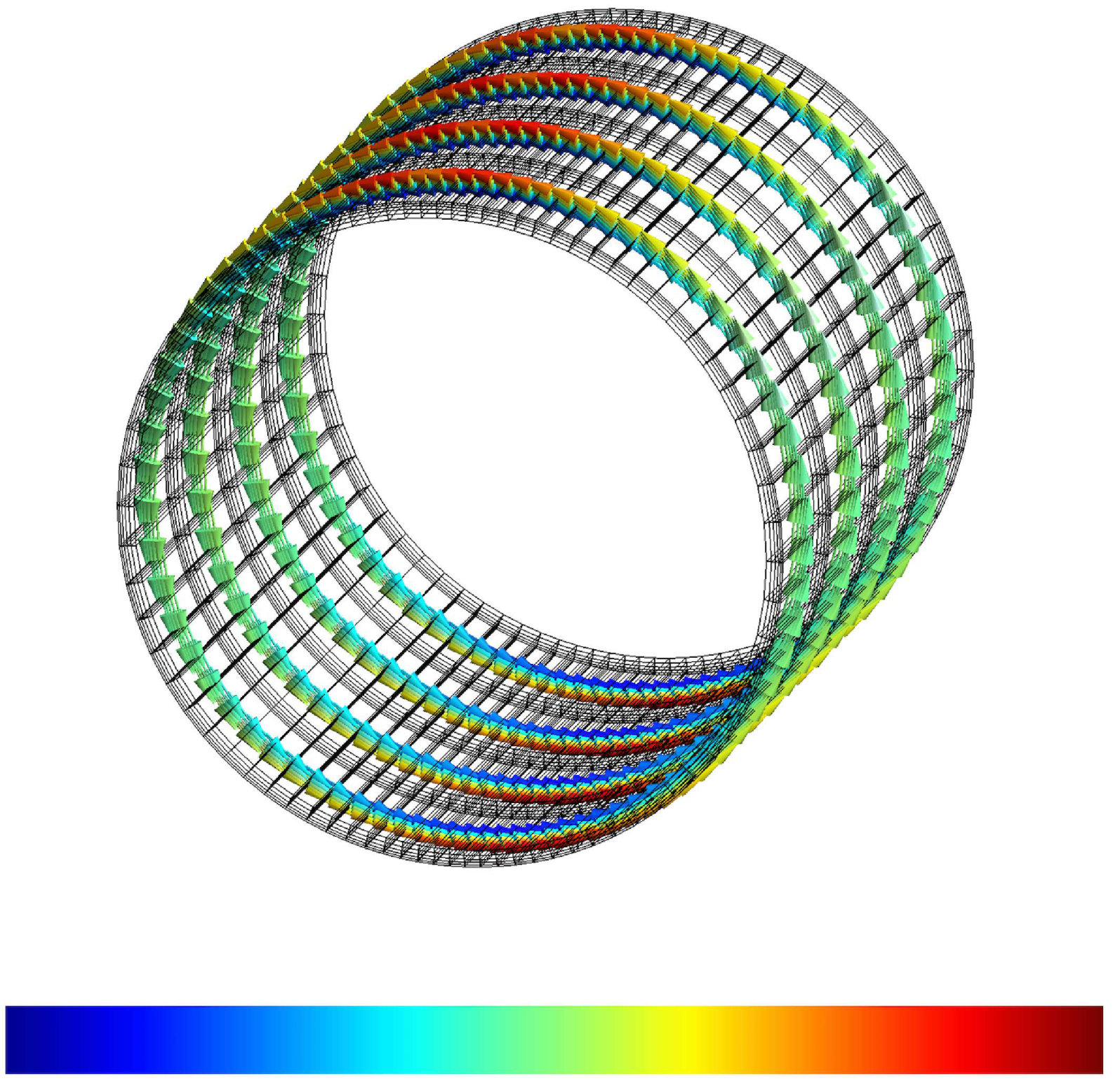 Figure 1
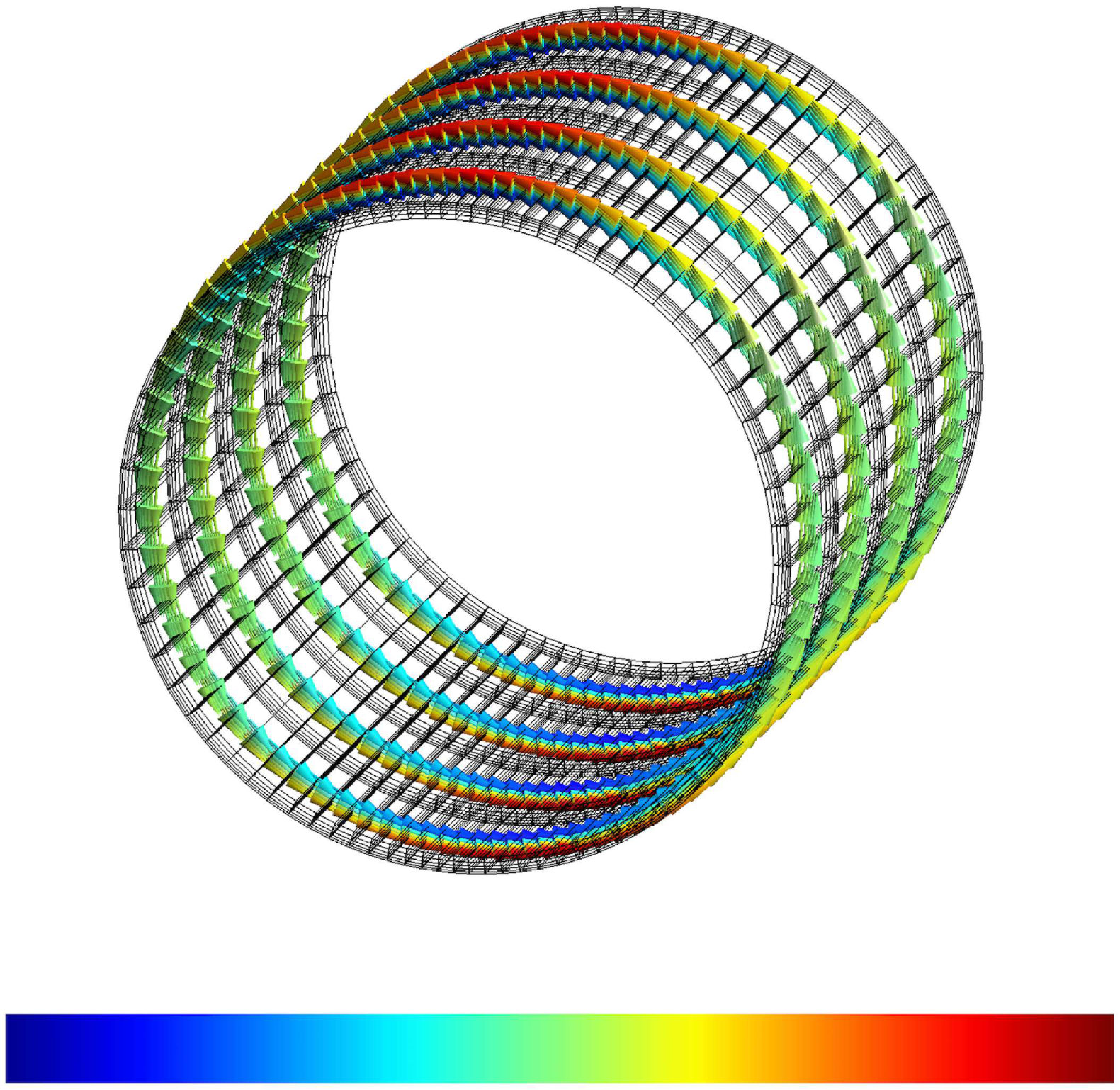 Figure 2
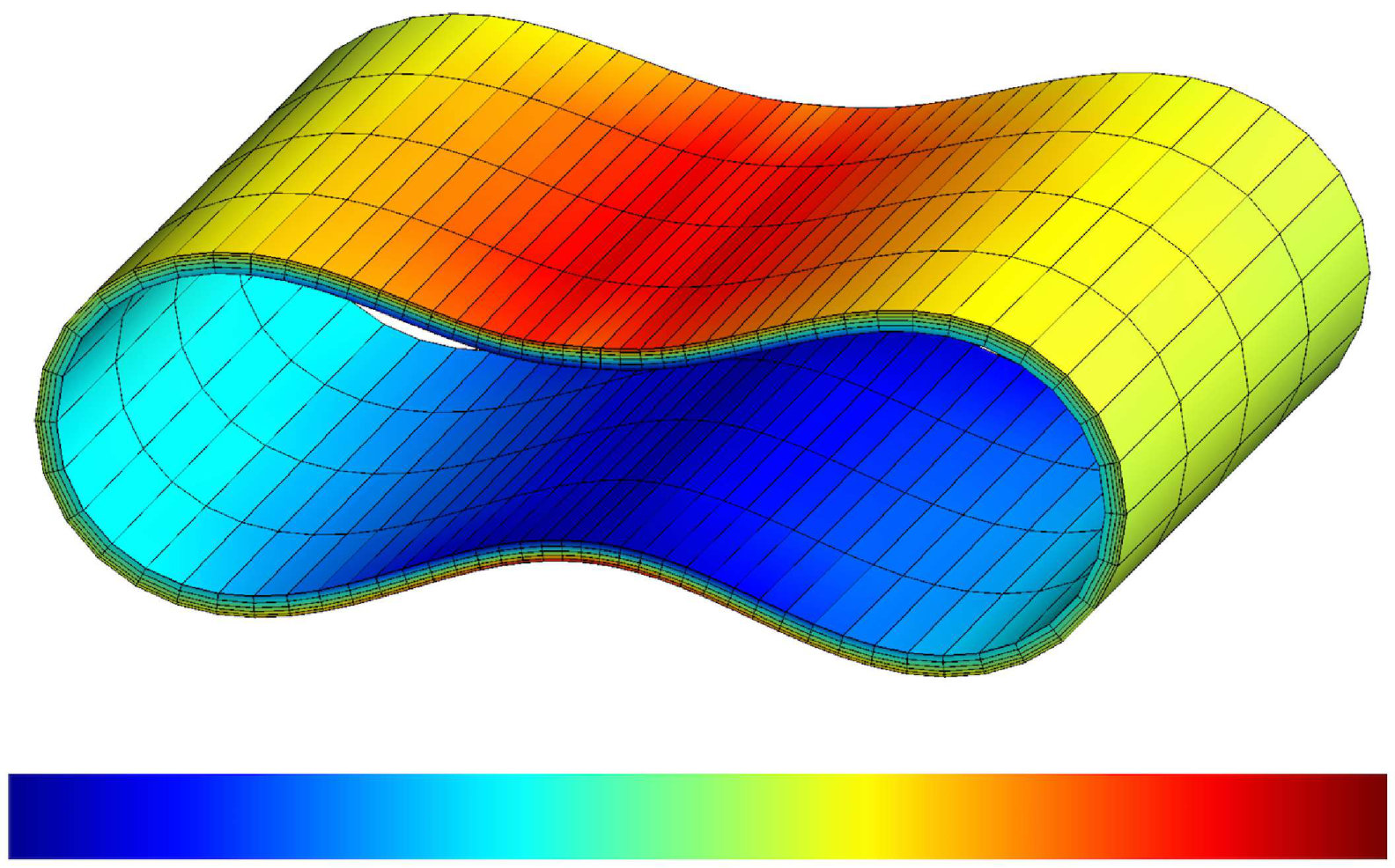 Figure 3
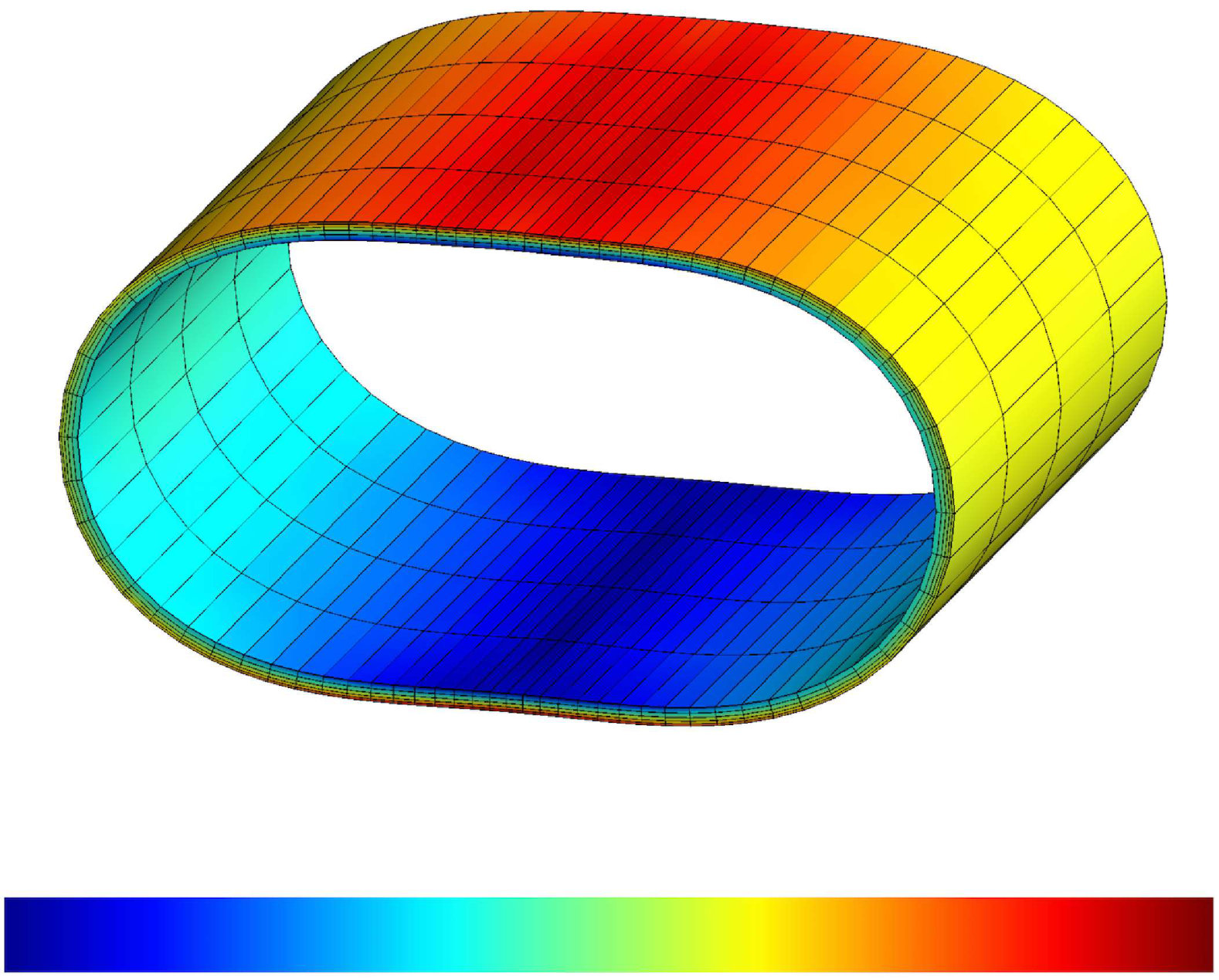 Figure 4
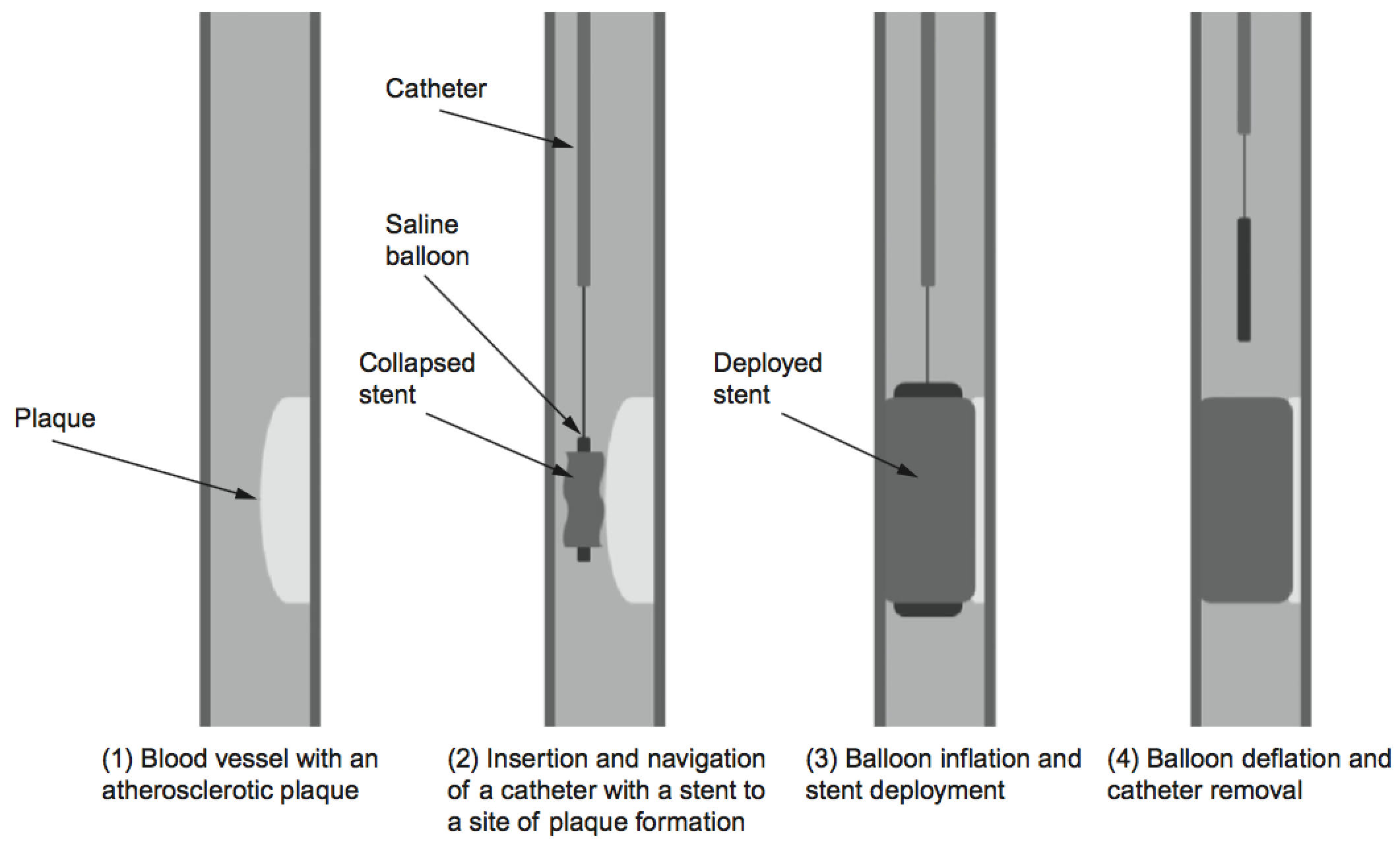 Figure 5
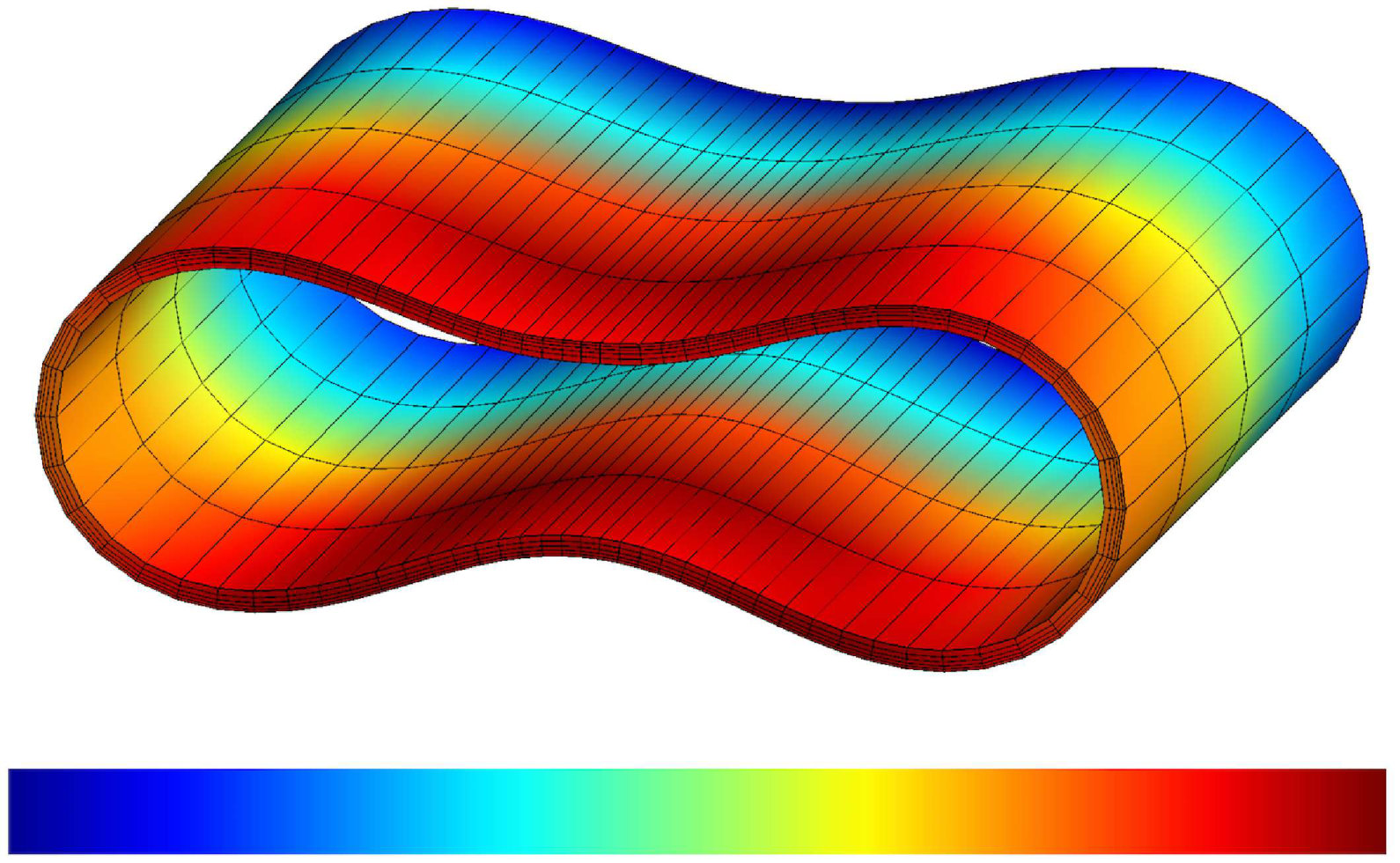 Figure 6
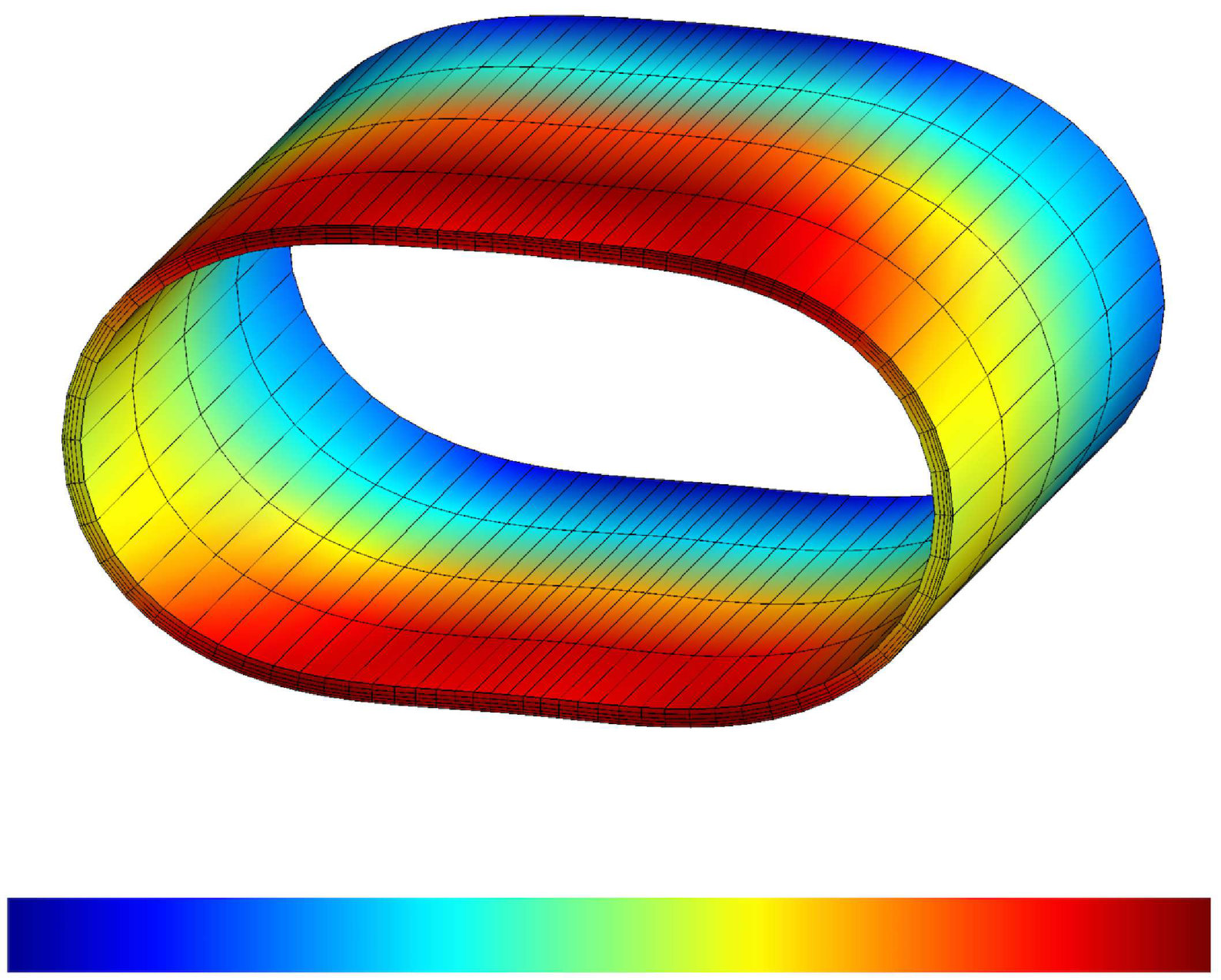 Figure 7
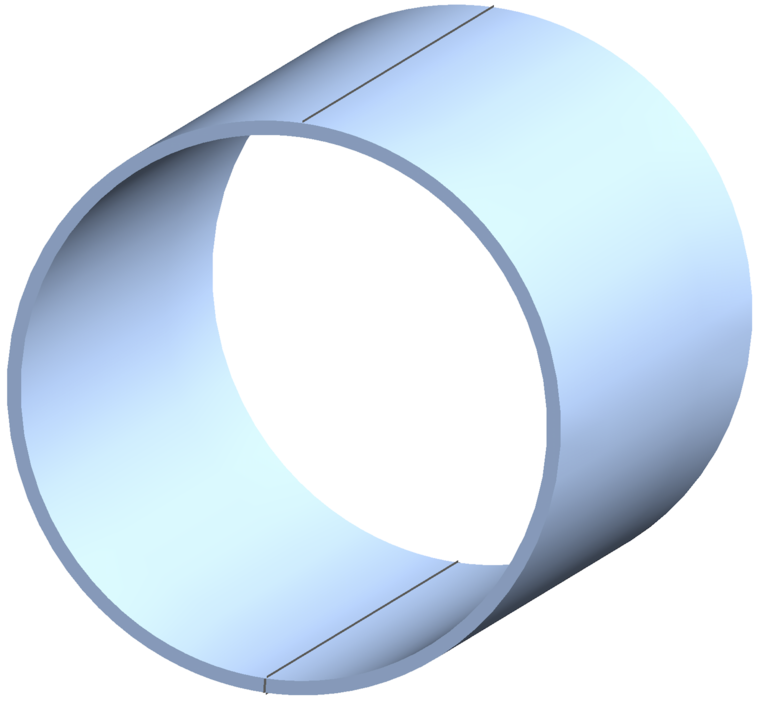 Figure 8
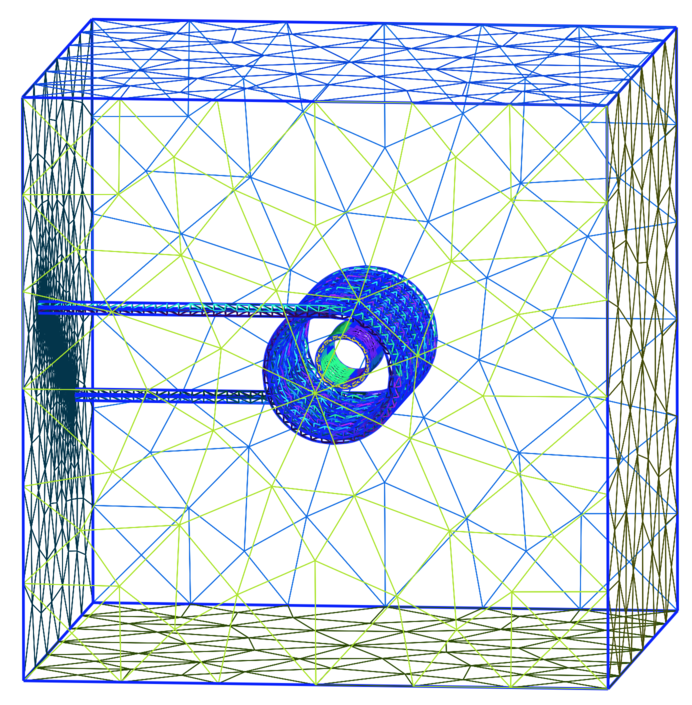 Figure 9
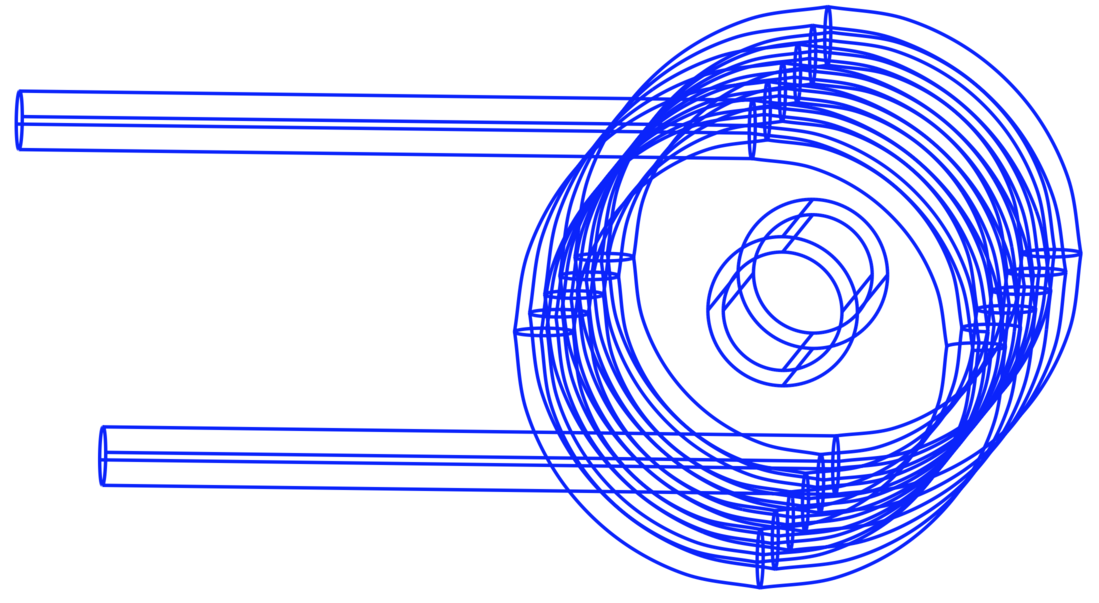 Figure 10
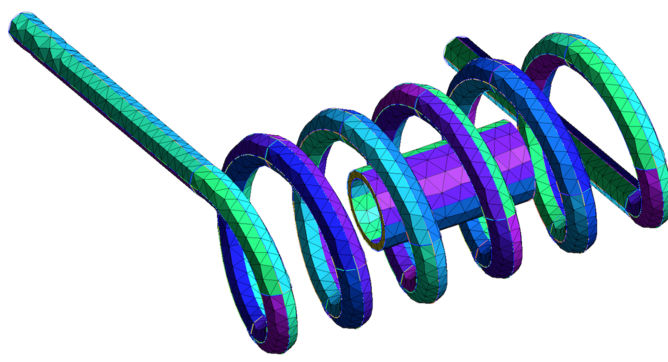 Figure 11
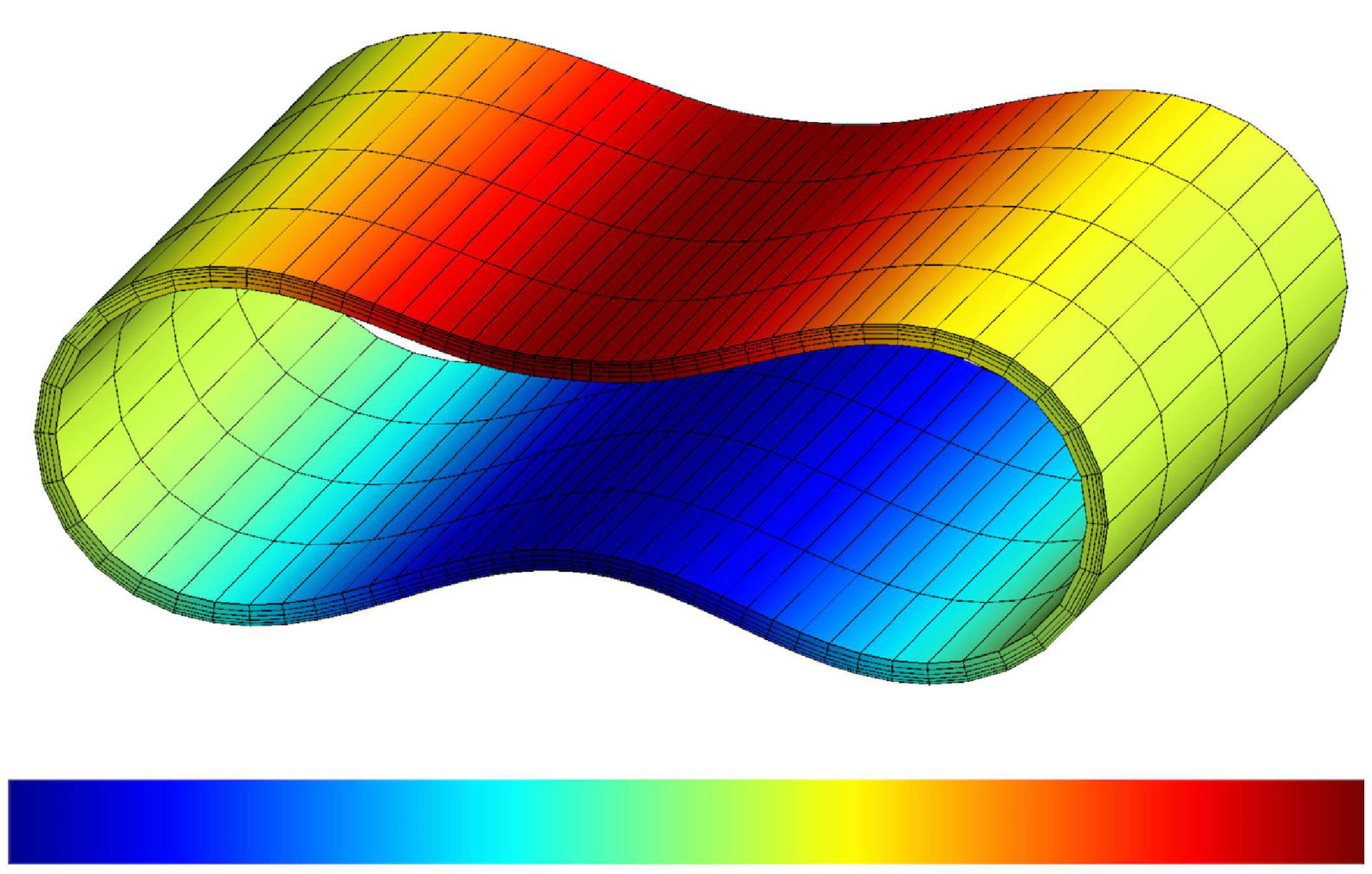 Figure 12
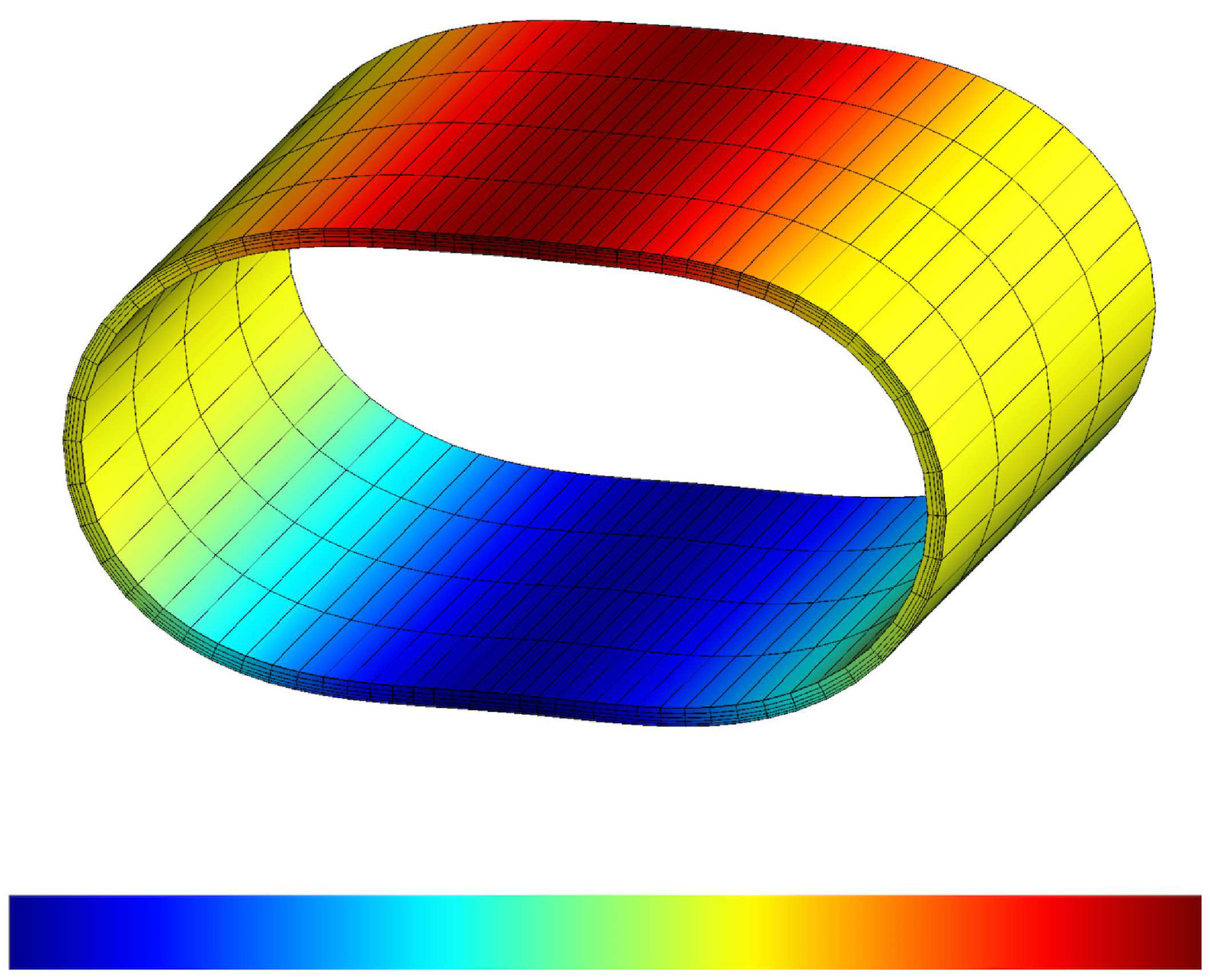 Figure 13
Peer Reviews
No public reviews on file for this paper yet. If you reviewed it on a platform where reviews are public (OpenReview, ICLR, NeurIPS, ICML), you can paste yours below so the community can read it here.
Videos
No videos yet. Explain this paper in a talk, walkthrough, or lecture? Add one.