Free-Space Wide-Aperture Sheet-Isolator Based on a Multilayered Resonant Cavity
R. Kononchuk, C. Pfeiffer, I. Anisimov, N.I. Limberopoulos, I., Vitebskiy, A.A. Chabanov

TL;DR
This paper presents a novel free-space thin-sheet isolator design with unlimited aperture and broadband omnidirectional backward light rejection, utilizing a multilayered resonant cavity with magnetic, dichroic, and metallic nanolayers.
Contribution
It introduces the first conceptual design of a wide-aperture, broadband, omnidirectional free-space sheet isolator based on multilayered resonant cavities.
Findings
Numerical simulations demonstrate effective backward light rejection.
Quasi-optical measurements validate the design at millimeter-wave frequencies.
Design can be scaled to infrared wavelengths.
Abstract
We introduce the first conceptual design of a free-space thin-sheet isolator with unlimited aperture and the possibility of a broadband omnidirectional rejection of the backward propagating light. The proposed design involves a multilayered resonant cavity incorporating subwavelength magnetic layers, dichroic nanolayers, and an optional metallic nanolayer. The cavity resonance enhances the Faraday rotation produced by the subwavelength magnetic layers, while providing nearly total absorption of the backward-propagating light by the dichroic nanolayers. The latter is a necessary and the most challenging condition for a thin-sheet isolator with unlimited aperture to function. The (optional) metallic nanolayer provides rejection of the obliquely incident light, which otherwise would be partially transmitted in either direction. Our numerical simulations and quasi-optical measurements at…
Click any figure to enlarge with its caption.
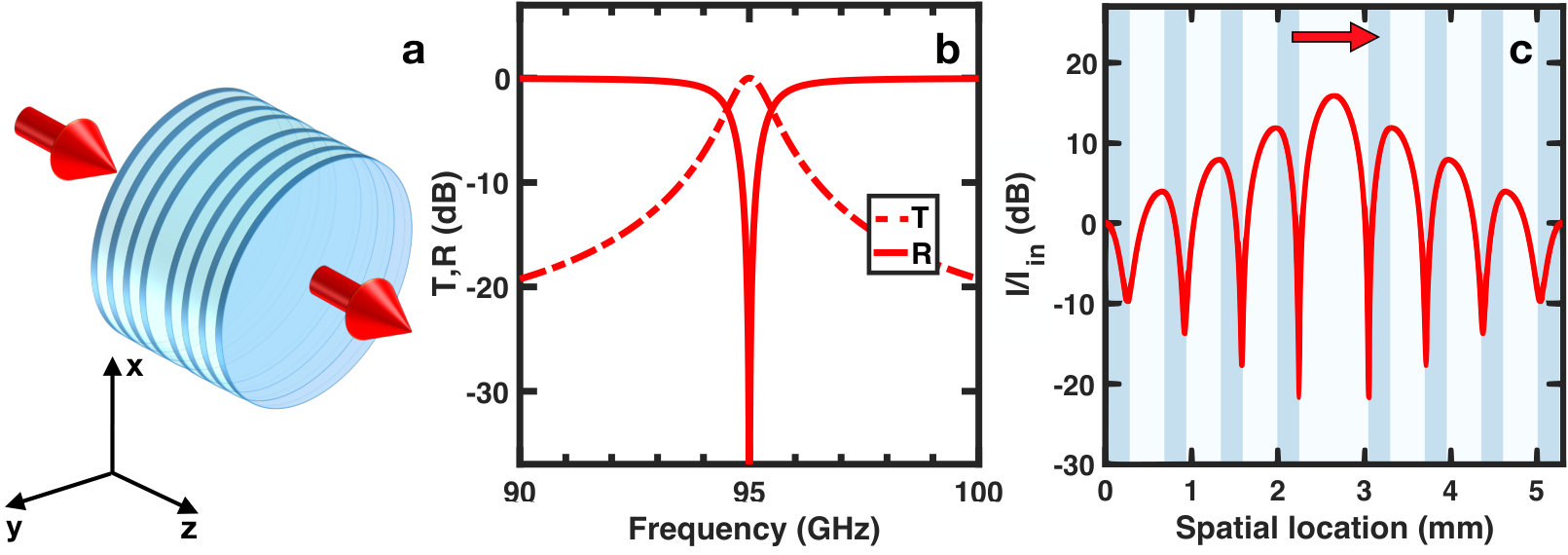 Figure 2
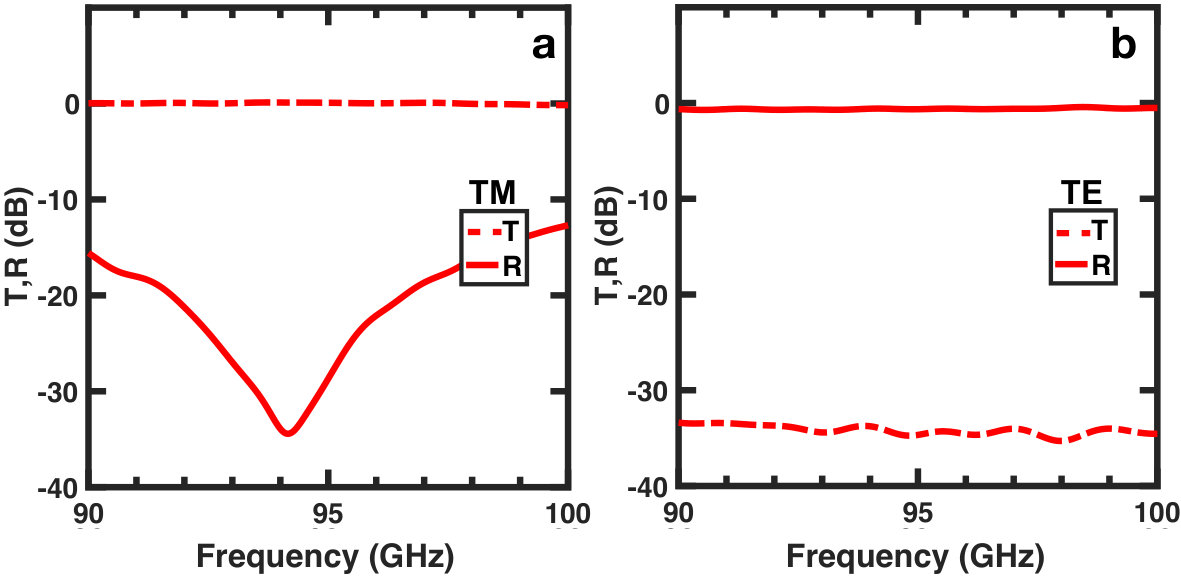 Figure 6
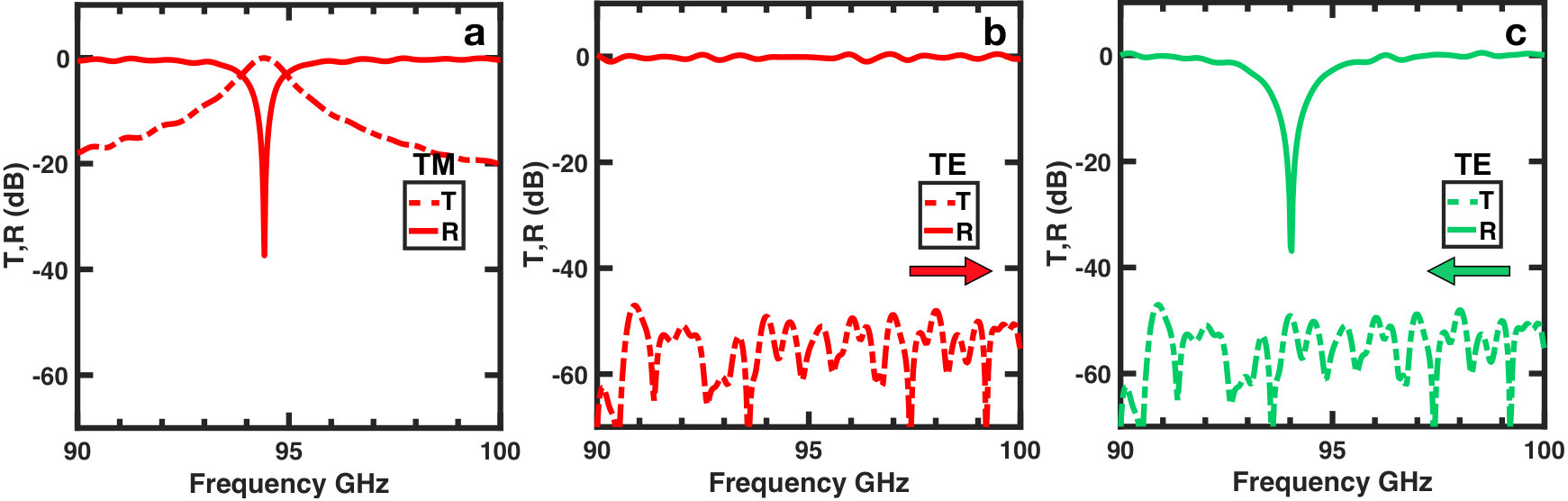 Figure 7
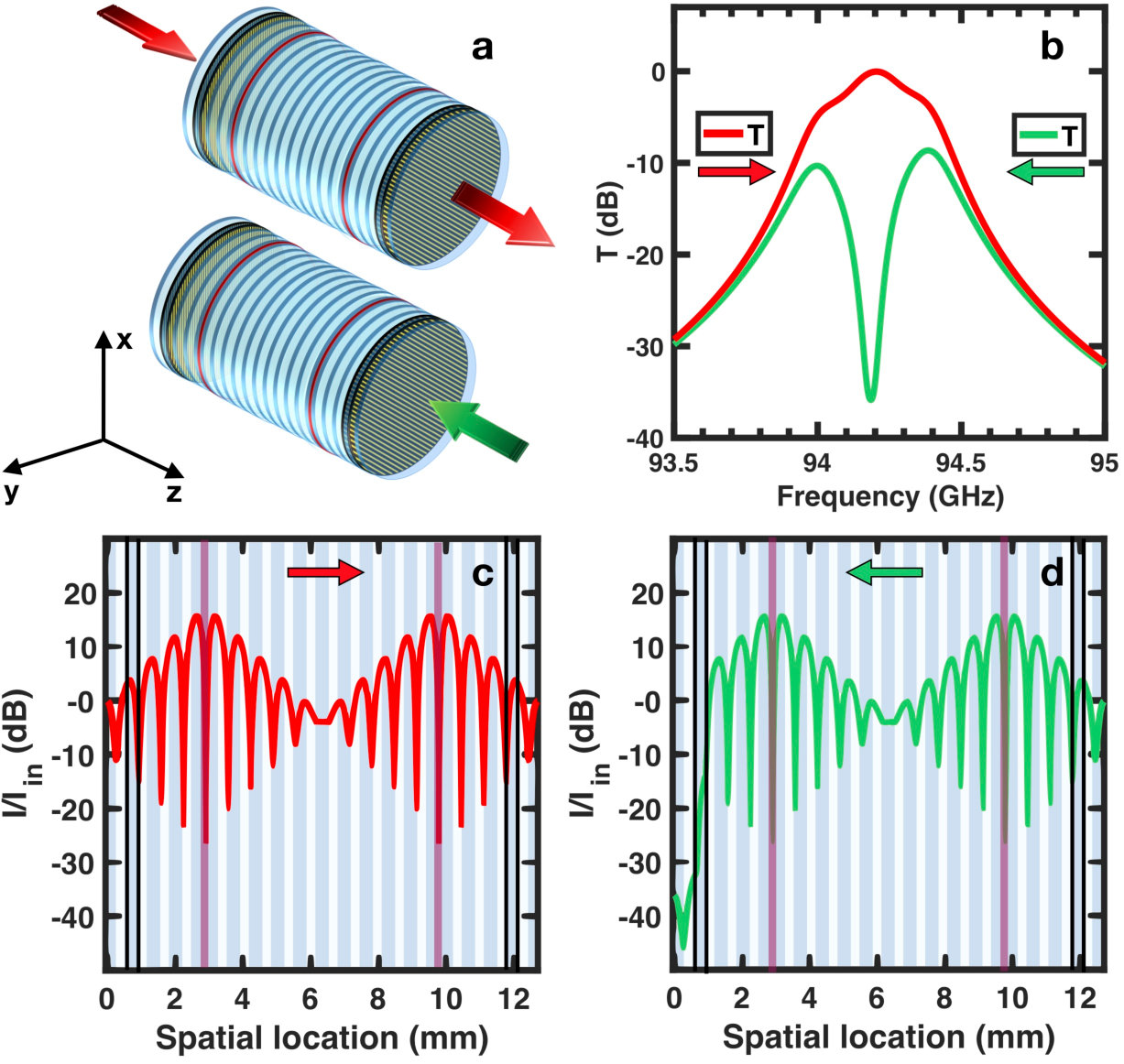 Figure 8
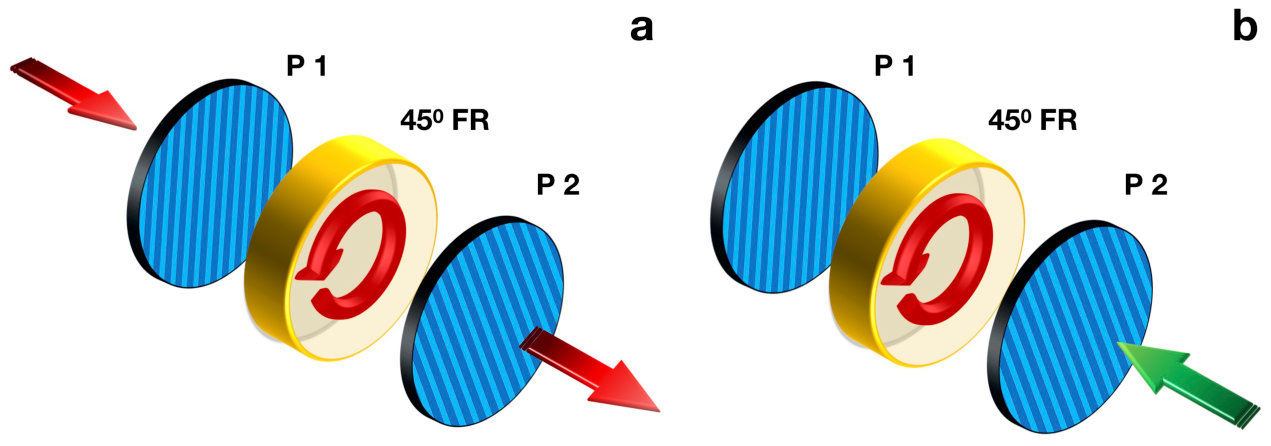 Figure 1
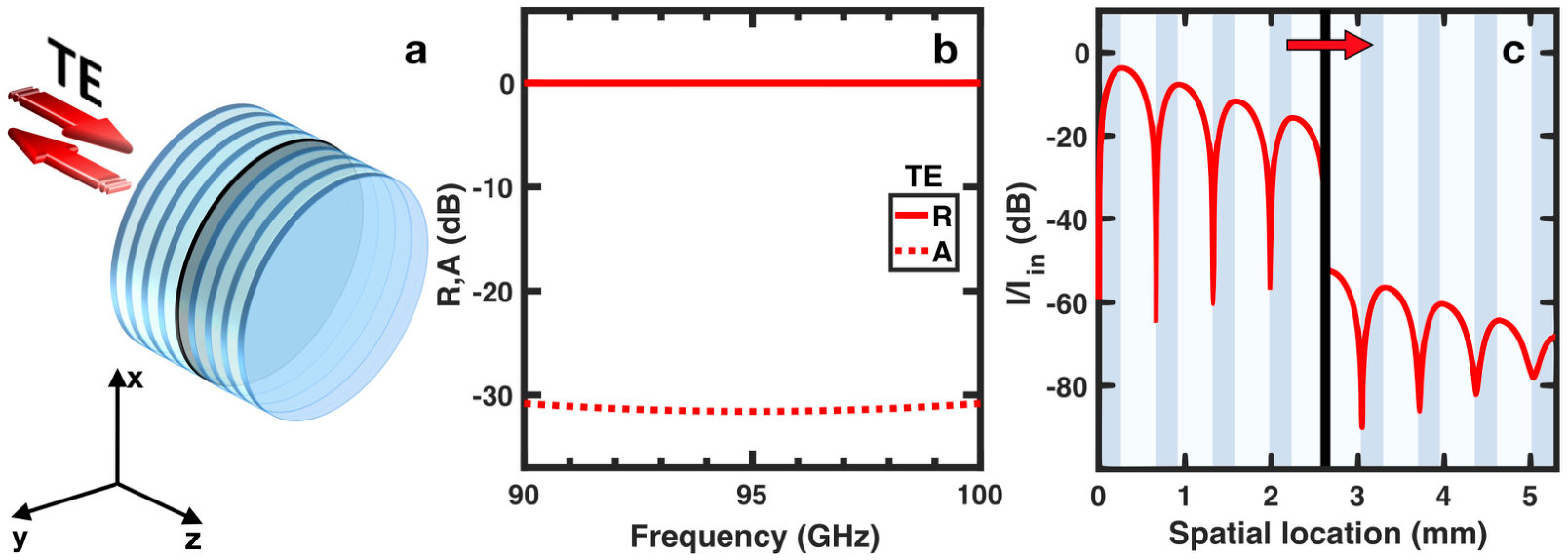 Figure 3
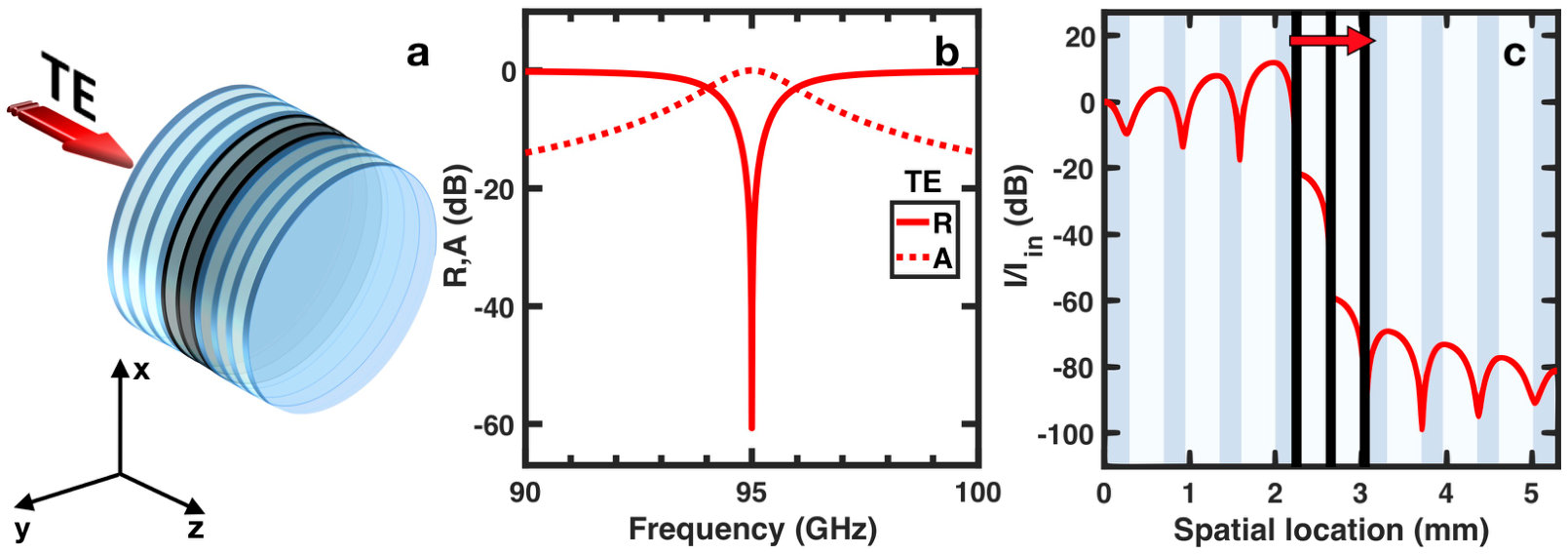 Figure 4
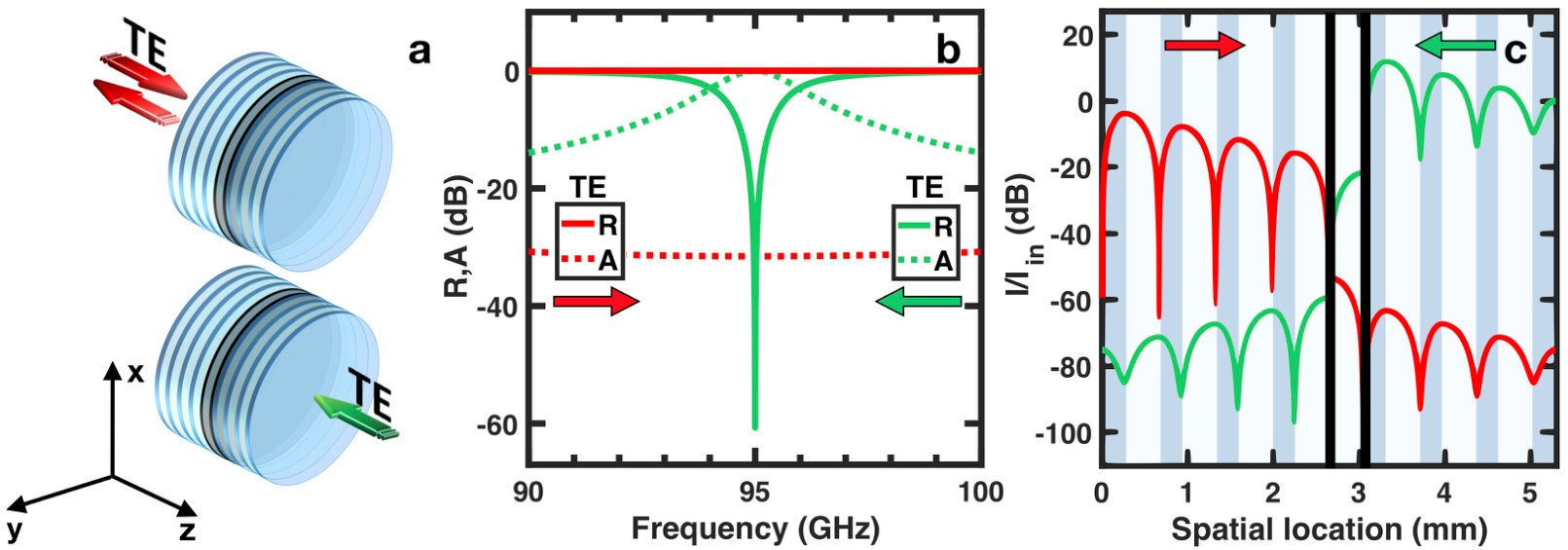 Figure 5
Peer Reviews
No public reviews on file for this paper yet. If you reviewed it on a platform where reviews are public (OpenReview, ICLR, NeurIPS, ICML), you can paste yours below so the community can read it here.
Videos
No videos yet. Explain this paper in a talk, walkthrough, or lecture? Add one.